
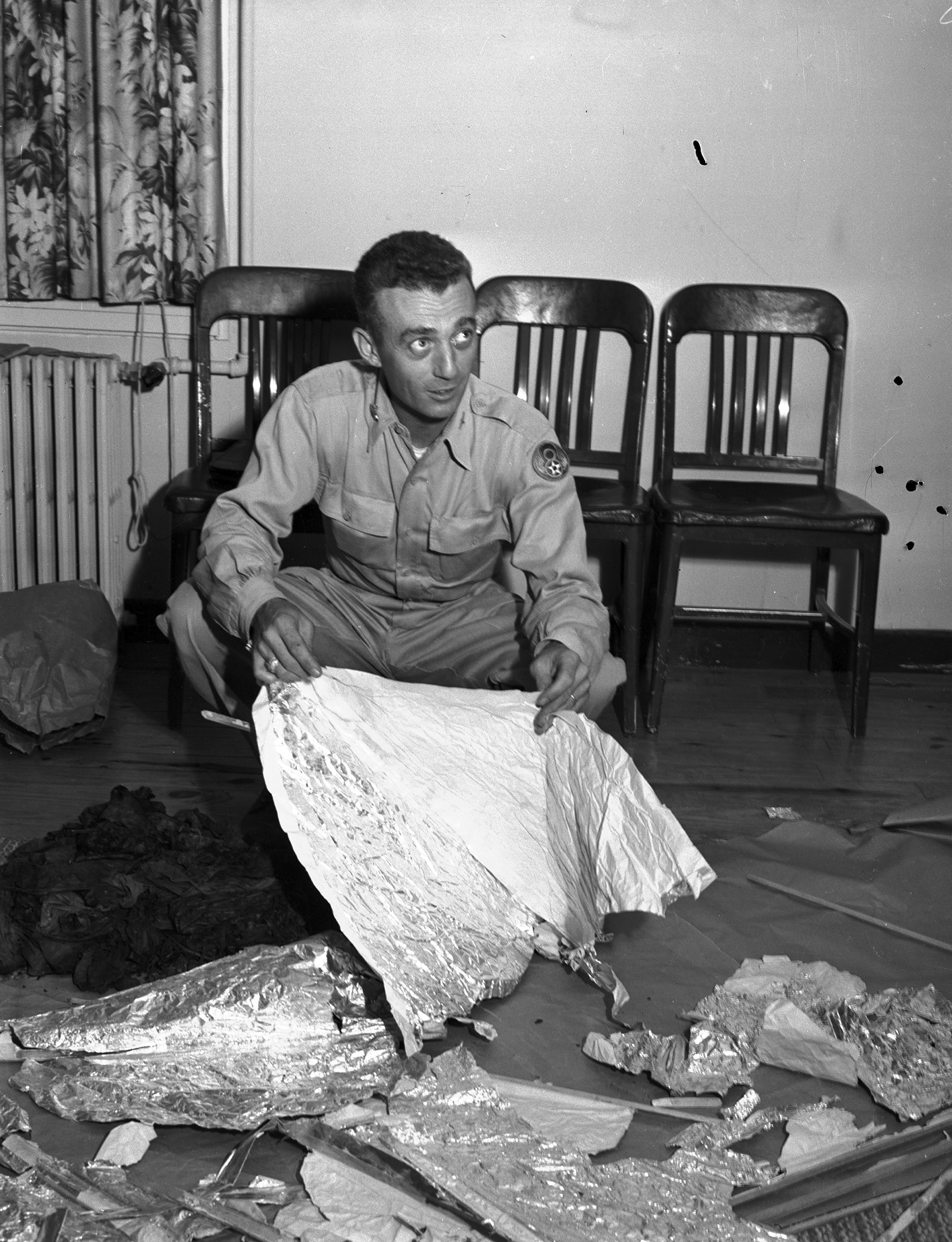
On the morning of July 7, 1947, Major Jesse A. Marcel received a call from Sheriff George Wilcox, that a rancher had discovered mysterious debris scattered across the New Mexico desert. That evening, Marcel brought fragments home—materials that, according to early reports, came from a ‘flying disc.’ Though the military soon retracted its statement, the incident marked the beginning of the Roswell mystery, fueling decades of speculation and theories of a government cover-up.
Image of Marcel holding debris at a press conference the following day via Wikimedia Commons, public domain
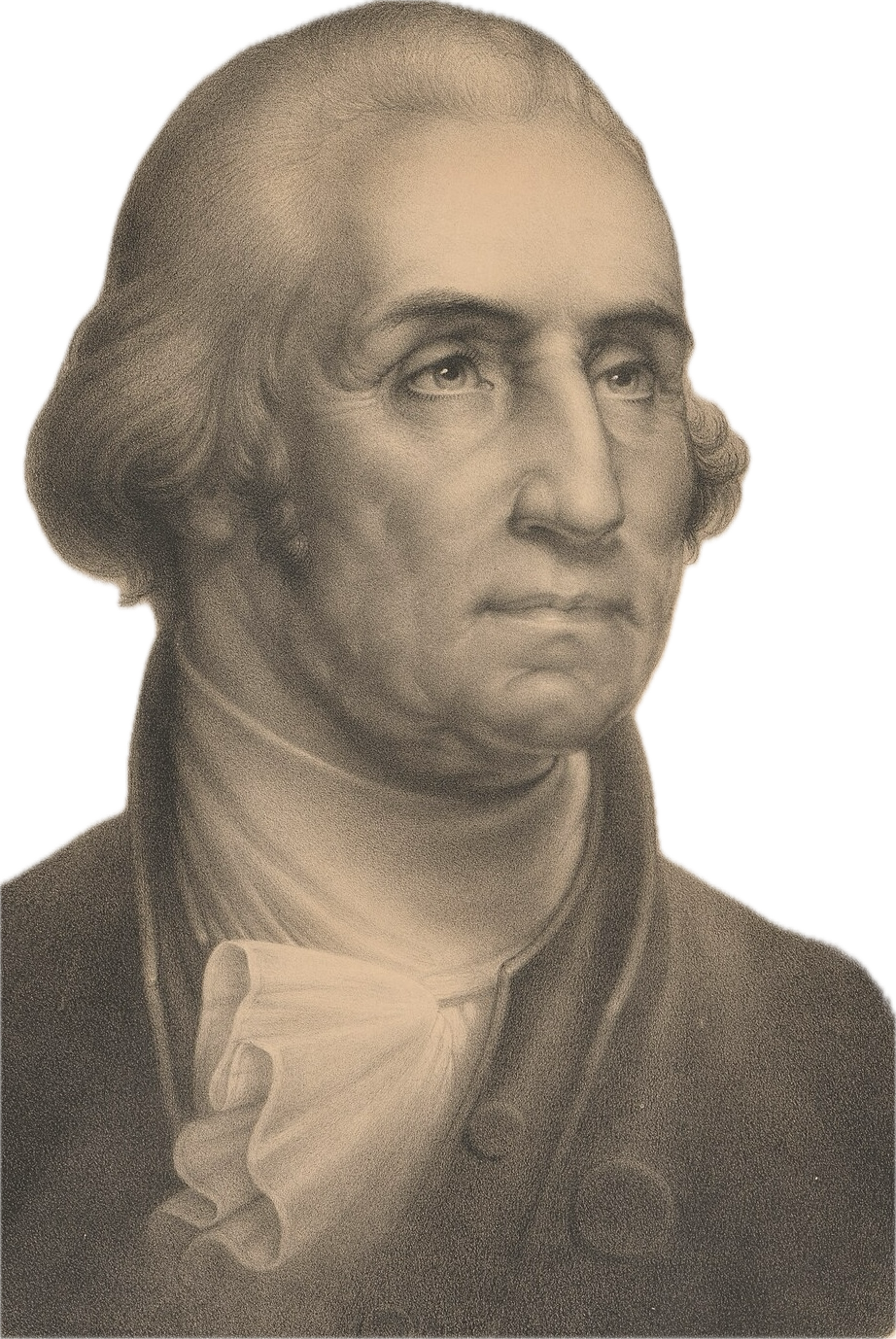
On July 7, 1778, Congress offered a vote of thanks to General George Washington for his leadership at Monmouth—where heat and chaos met resolve. His faithful friend, President Henry Laurens, wrote: ‘Love and respect for your Excellency are impressed on the heart of every grateful American, and your name will be revered by posterity.’ In the wake of battle, Washington’s valor became not just legend—but legacy.
Image via Wikimedia Commons, public domain
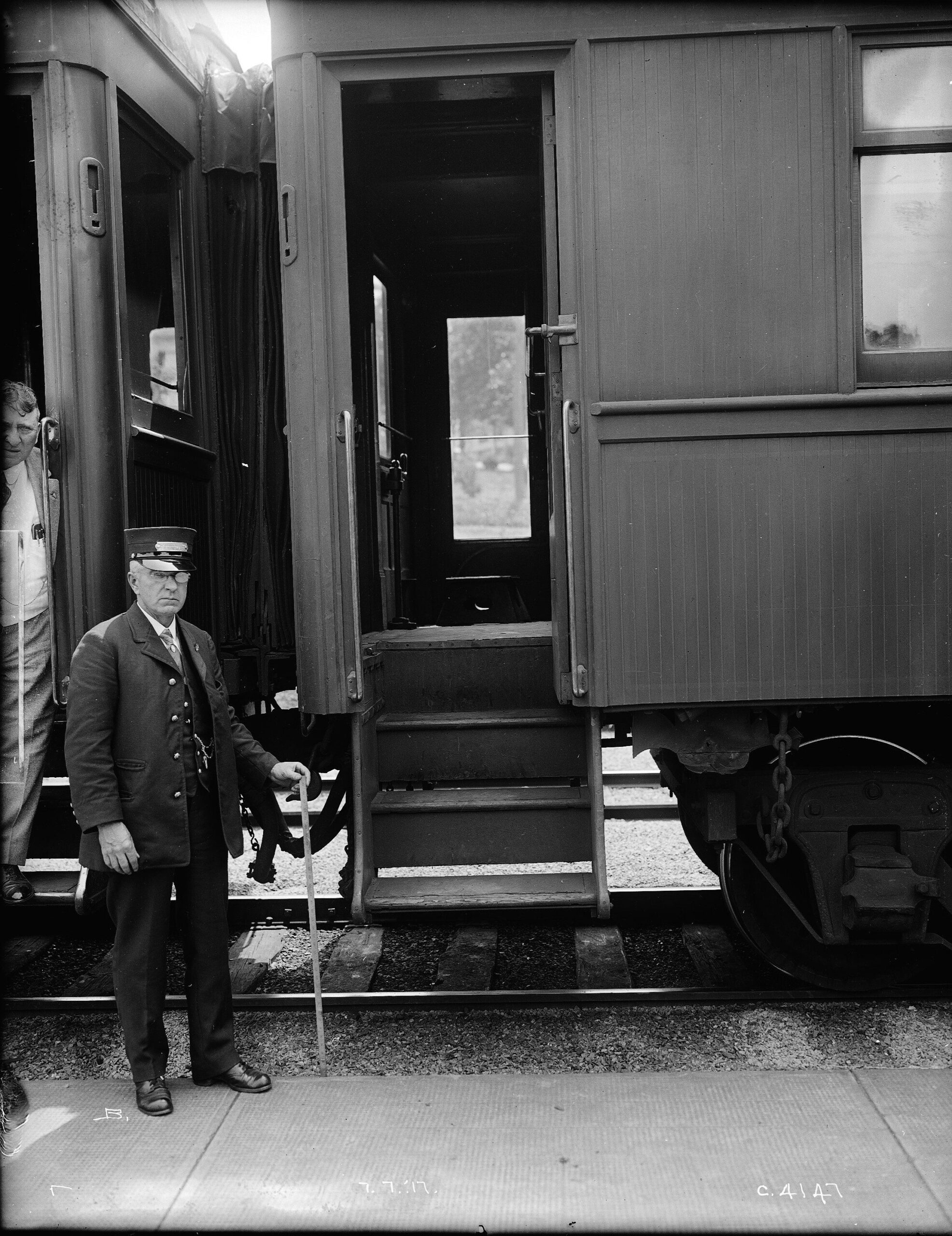
July 7, 1917—at an unknown station stop, a conductor stands watch beside the steps of a passenger car. With World War I reshaping the rhythms of life, railroads became lifelines—moving soldiers, workers, and letters that stitched the country together.
Image from Delaware, Lackawanna & Western Railroad photographer Watson B. Bunnell via Wikimedia Commons, public domain
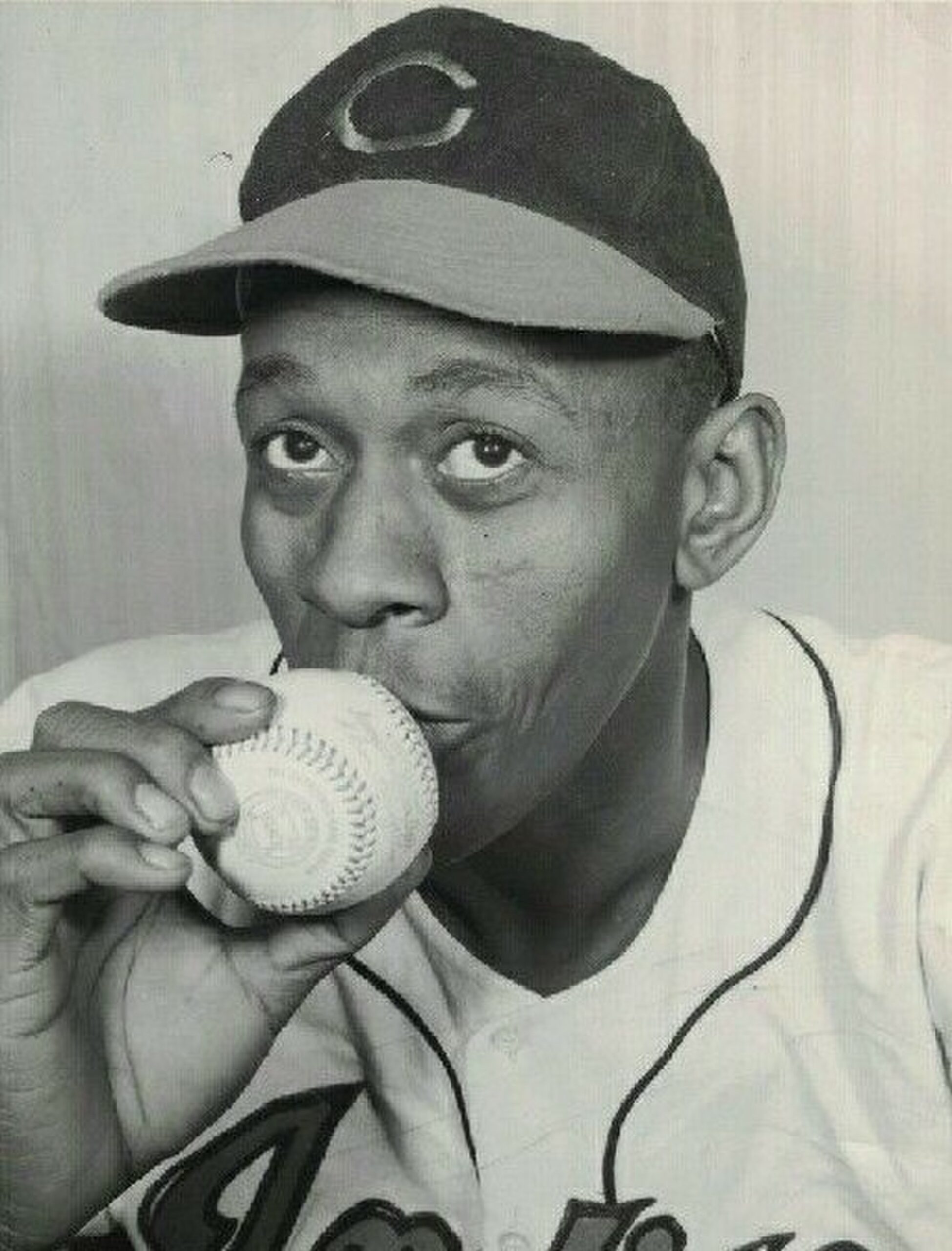
Baseball Hall of Fame pitcher, Satchel Paige, was born on July 7, 1906, in Mobile, Alabama.
Joe DiMaggio said that Paige was the best pitcher he ever faced.
Image via Wikimedia Commons, public domain
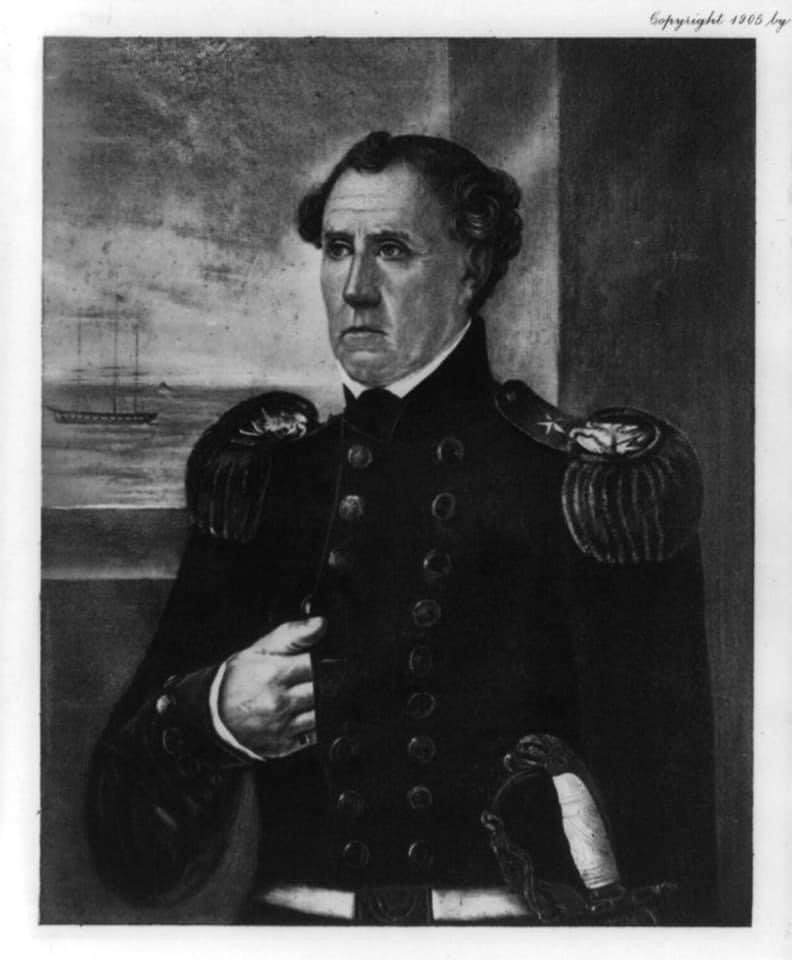
On July 7, 1846, just a few weeks before his 65th birthday, U.S. Navy Commodore John Drake Sloat of Sloatsburg, New York announced that California was now part of The United States after landing at Monterey.
Image of John Drake Sloat via Library of Congress, no known restrictions
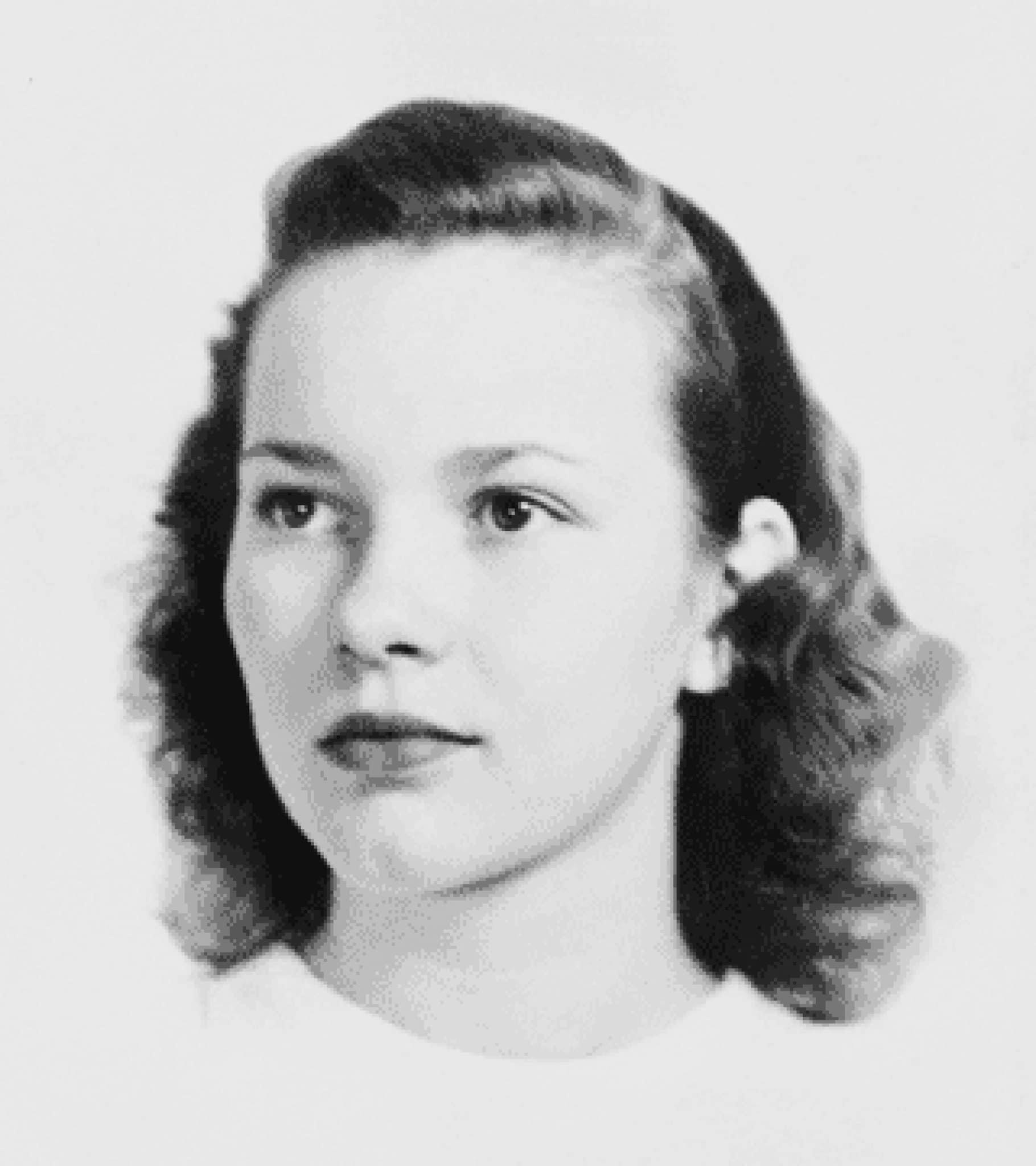
Rosalynn Smith at about 17 years old
On July 7, 1946 Rosalynn Smith married Jimmy Carter in their hometown of Plains, Georgia.
Image via Wikimedia Commons, public domain

July 7, 1928 – Civilization takes a step forward when the Chillicothe Baking Co. of Missouri begins selling their immediately-popular “Kleen Maid Sliced Bread.” A housewife in 1943 wrote of “how important sliced bread is to the morale and saneness of a household” during a VERY brief wartime ban.
Image via Wikimedia Commons, CCA-Share Alike 3.0
LONG AGO.
We live but in the past; The happy long ago,
When hearts were light, and hopes were bright,
Undimmed by coming woe.
The present has no joys,
No pleasures, no sweet flowers, Of fragrant air, or bloom as fair, As those of by-gone hours.
The future cannot paint Friendships with half the glow
Of those that dwell in memory’s cell,
The loved of long ago.
The present is too near, For us to know its bliss; The “yet to come,” oh! who can sum The mystery of this?
We live but in the past; What happiness we know.
Is treasured there, with miser’s care, The blessed long ago.
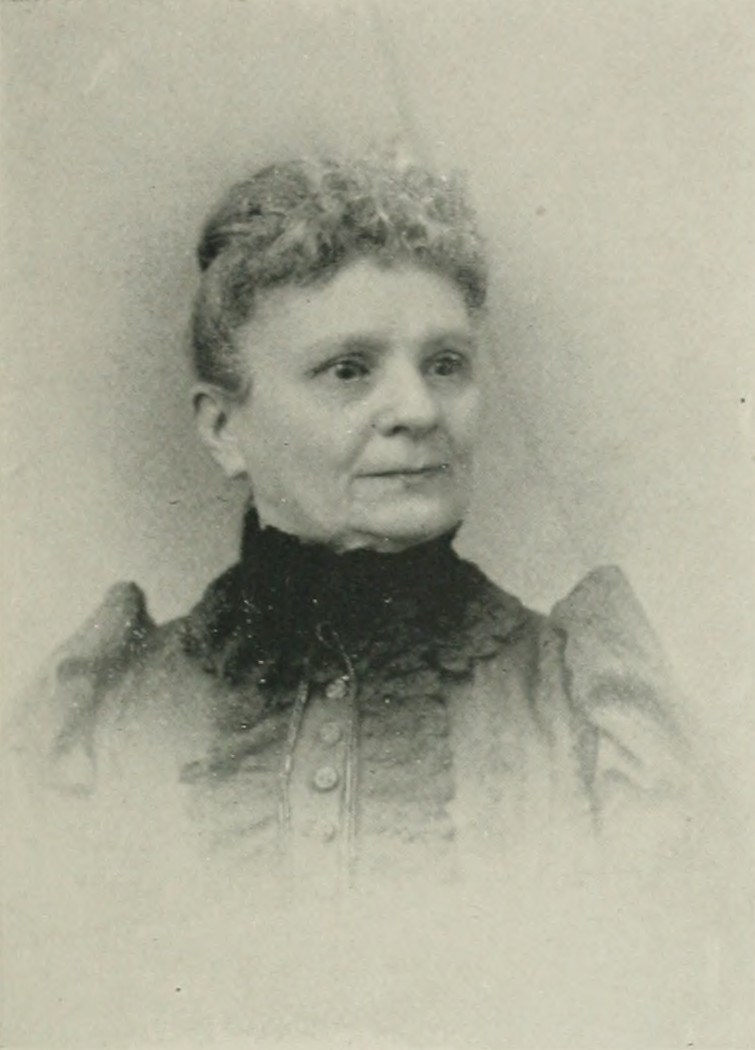
by American poet Jane Elizabeth Conklin who was born on July 7, 1831 in Utica, New York.
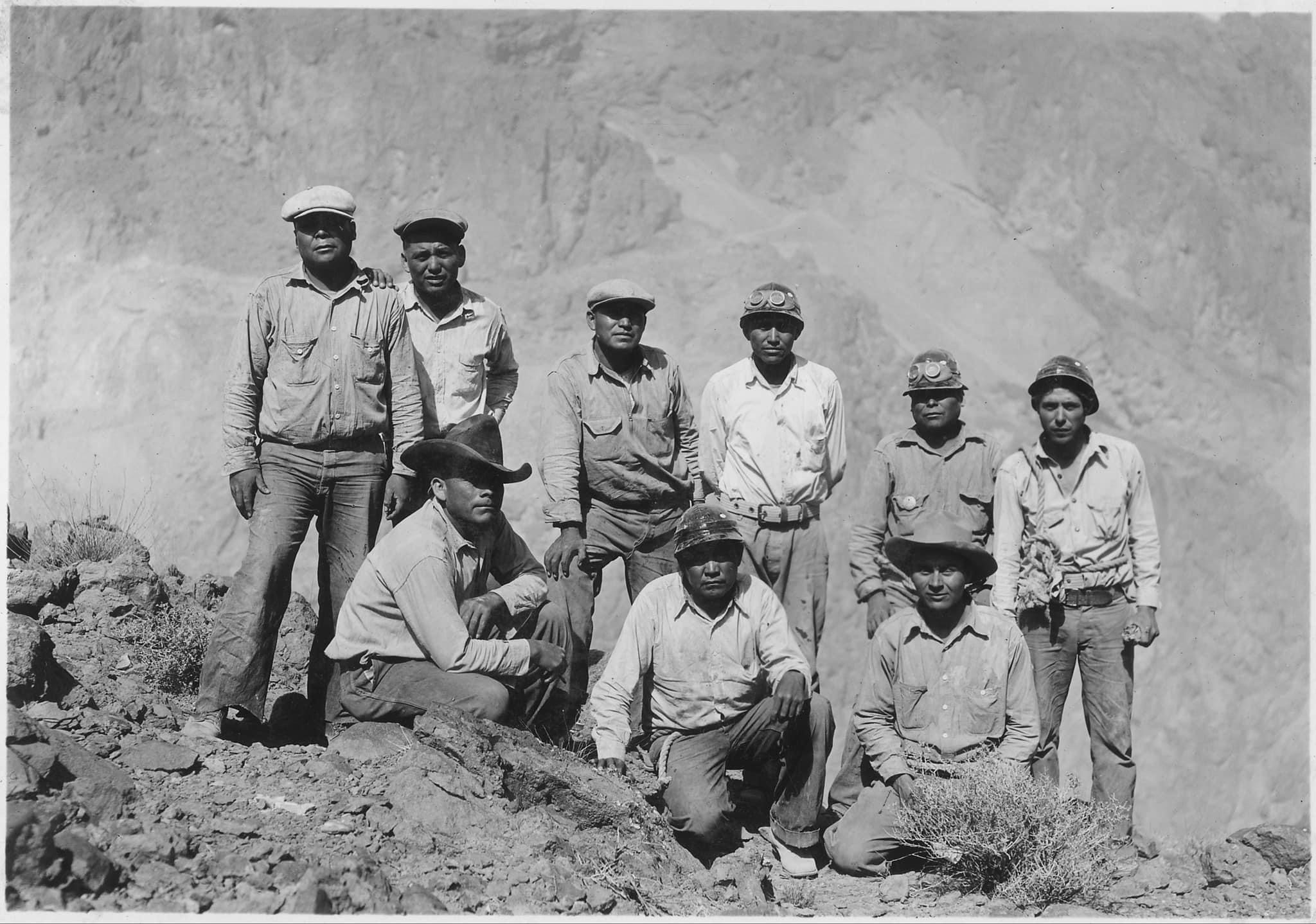
On July 7, 1930, site preparations for the construction of the Hoover Dam began.
Image of Native Americans employed on the construction of Hoover Dam as high-scalers. This group includes one Yaqui, one Crow, one Navajo and six Apaches, 1932 via Wikimedia Commons, public domain
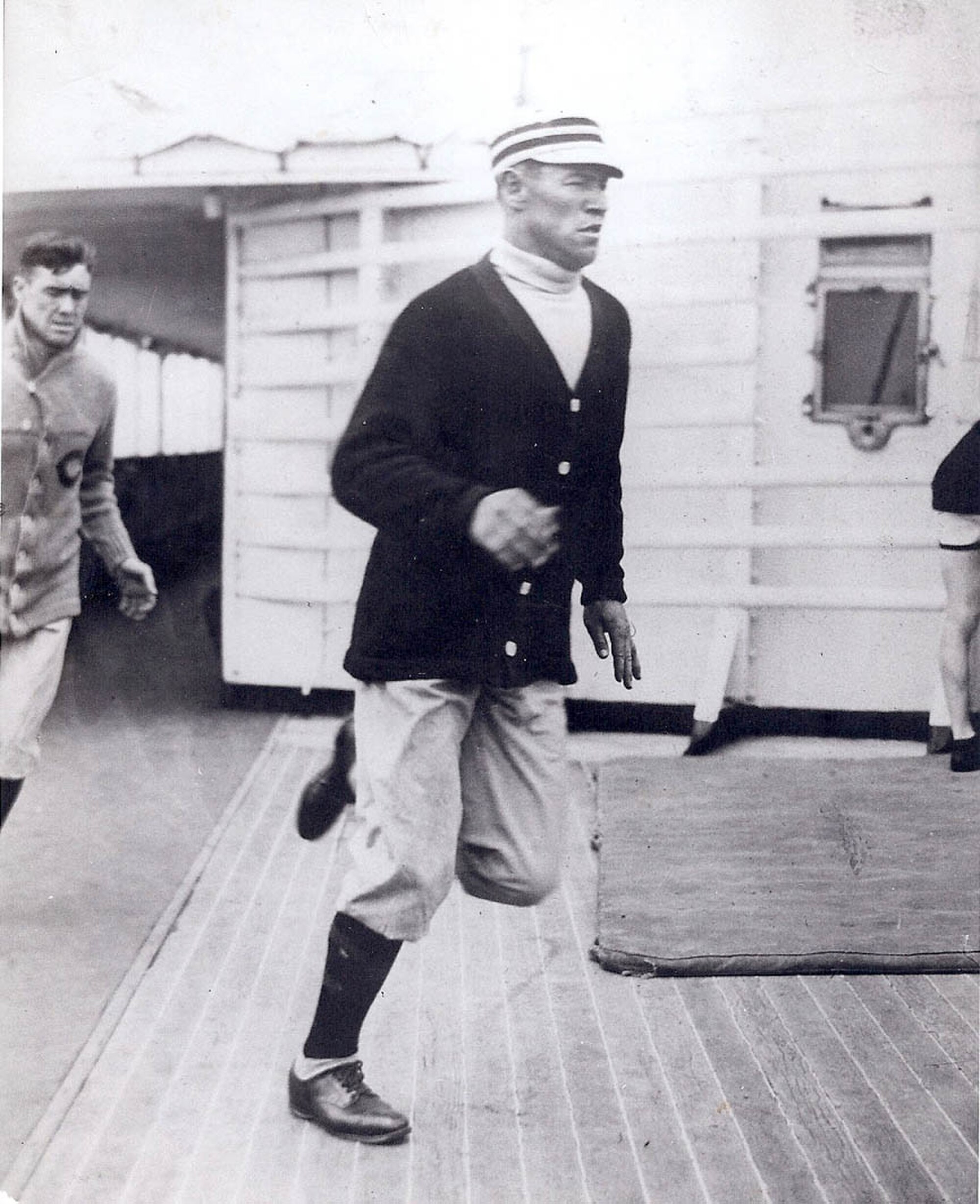
On July 7, 1912, Jim Thorpe stepped into Olympic legend as he began his quest to capture Gold in the Pentathlon.
He’s shown here weeks earlier aboard the SS Finland. The Native Son of Carlisle trained beneath restless skies, his stride carving purpose into Atlantic winds. Bound for Stockholm, he prepared not only for the pentathlon—but to inscribe his legacy in the annals of history.
Image from Watson121, CC BY 4.0 via Wikimedia Commons
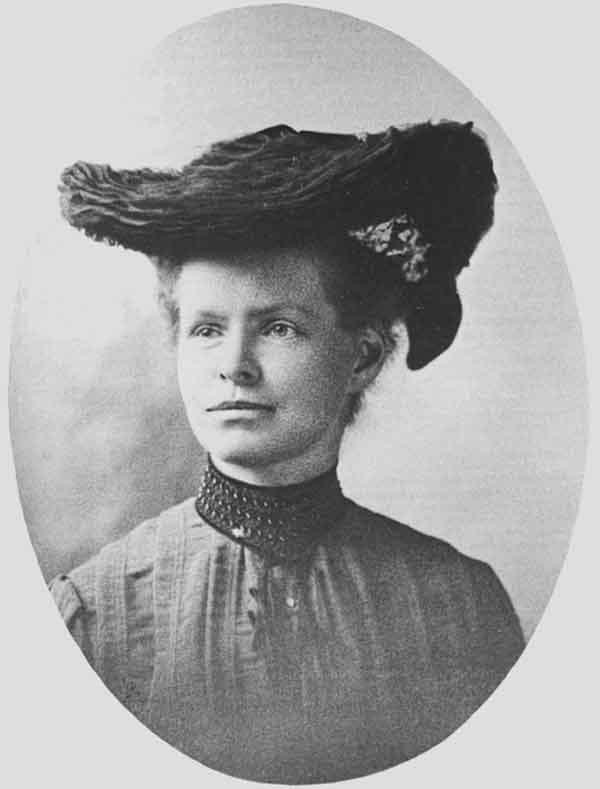
American geneticist Nettie Stevens was born on July 7, 1861 in Cavendish, Vermont.
Nettie discovered sex chromosomes or long DNA molecules that determine gender. Today these are known as XY chromosomes.
Image via Wikimedia Commons, public domain
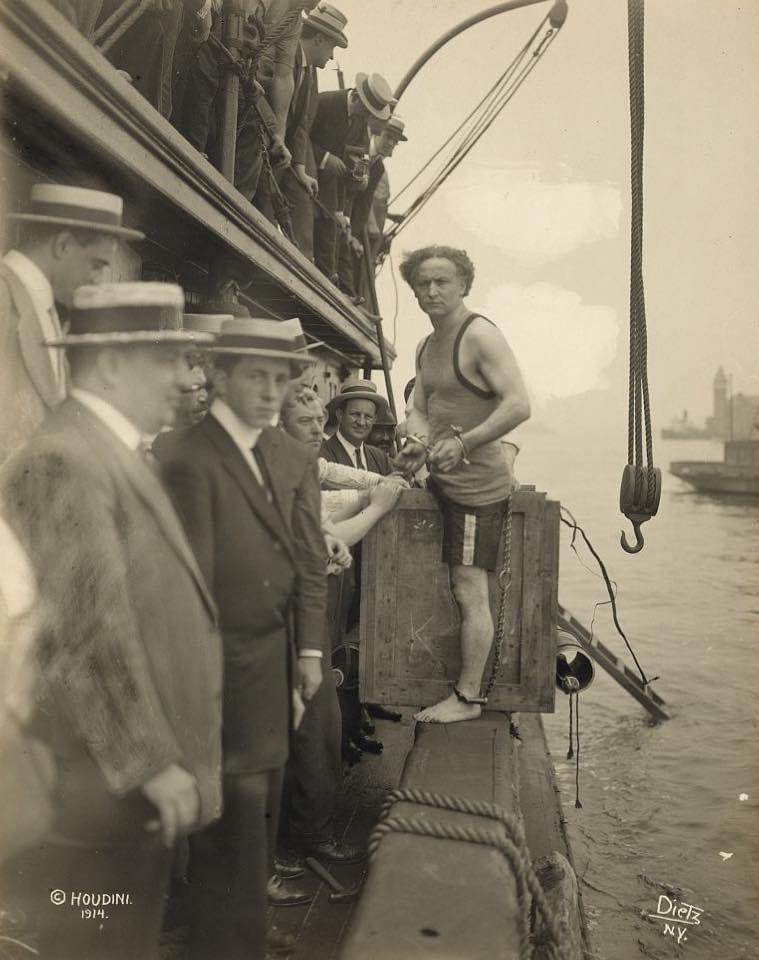
“Harry Houdini stepping into a crate that will be lowered into New York Harbor as part of an escape stunt on July 7, 1912”
By Carl Dietz via Library of Congress, no known restrictions
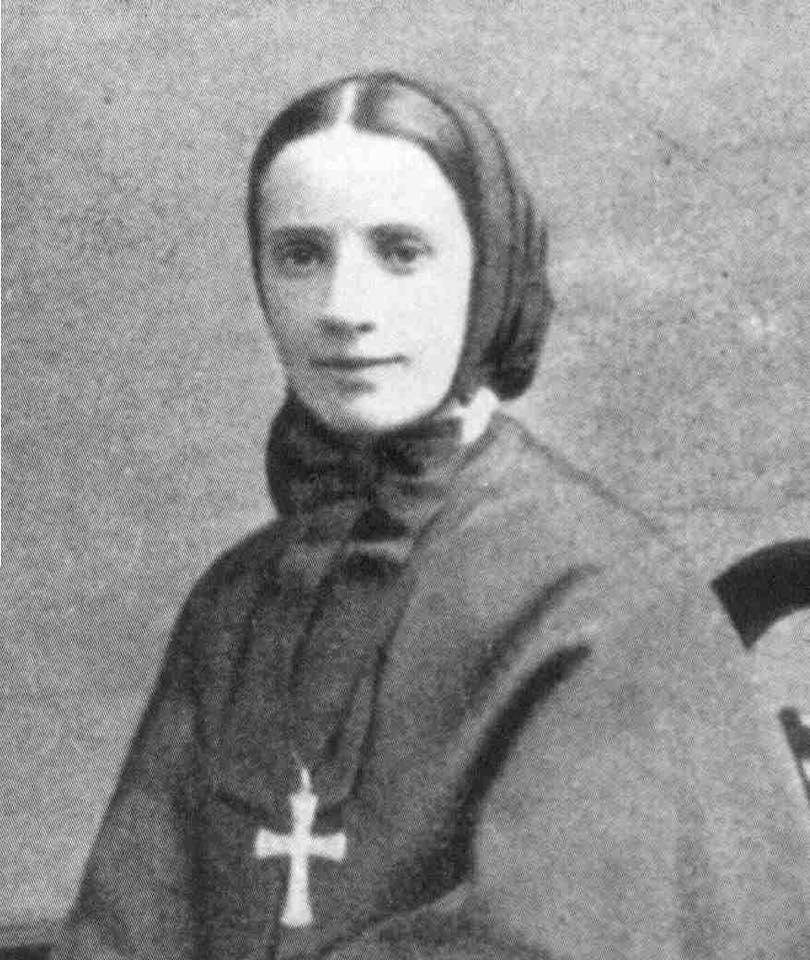
A photo of Mother Frances Xavier Cabrini who became the first American Citizen to be canonized a saint in the Roman Catholic Church on today’s date July 7, 1946.
Image via Wikimedia Commons, public domain
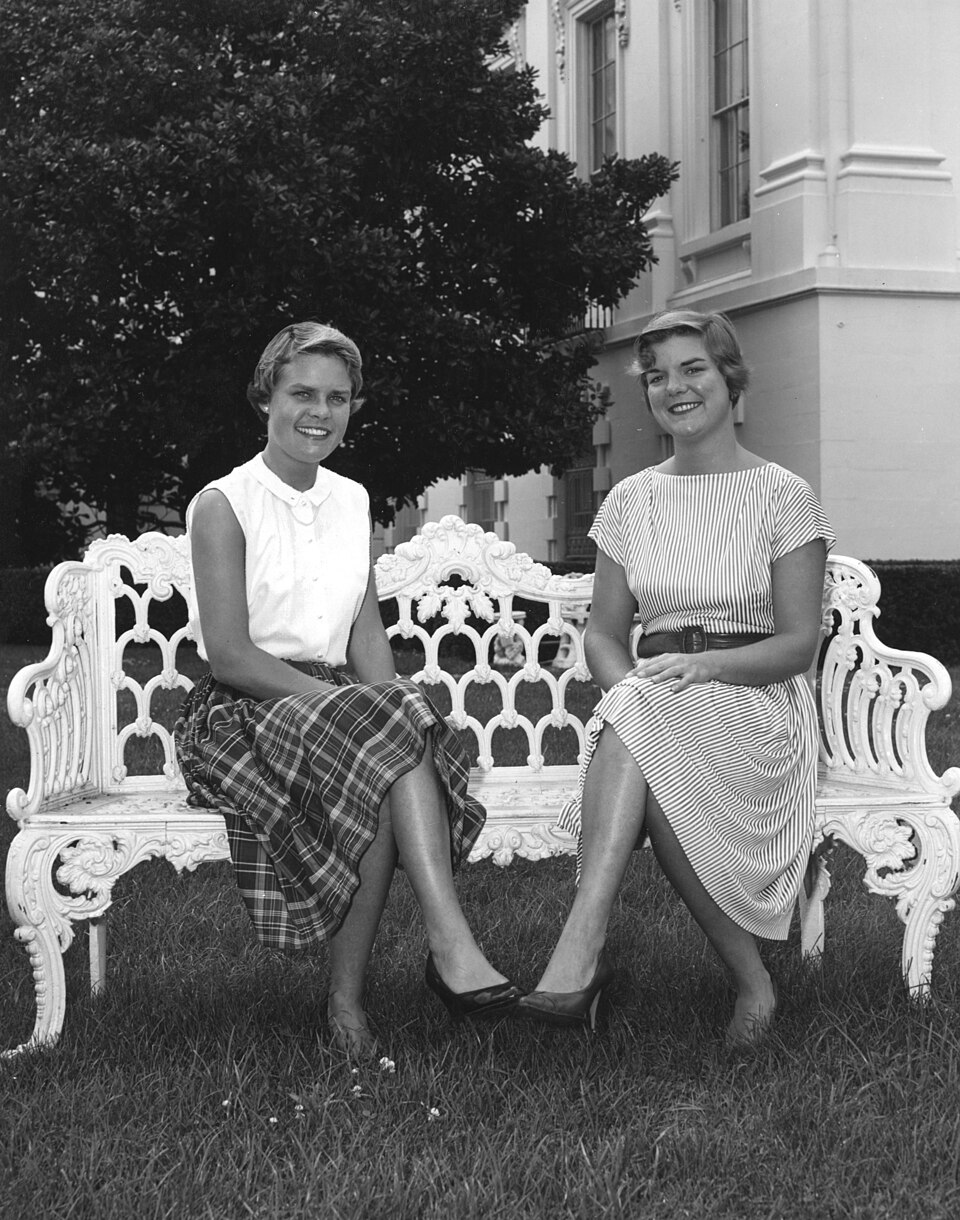
Visitors at the White House
July 7, 1961
Image via Wikimedia Commons, no known restrictions
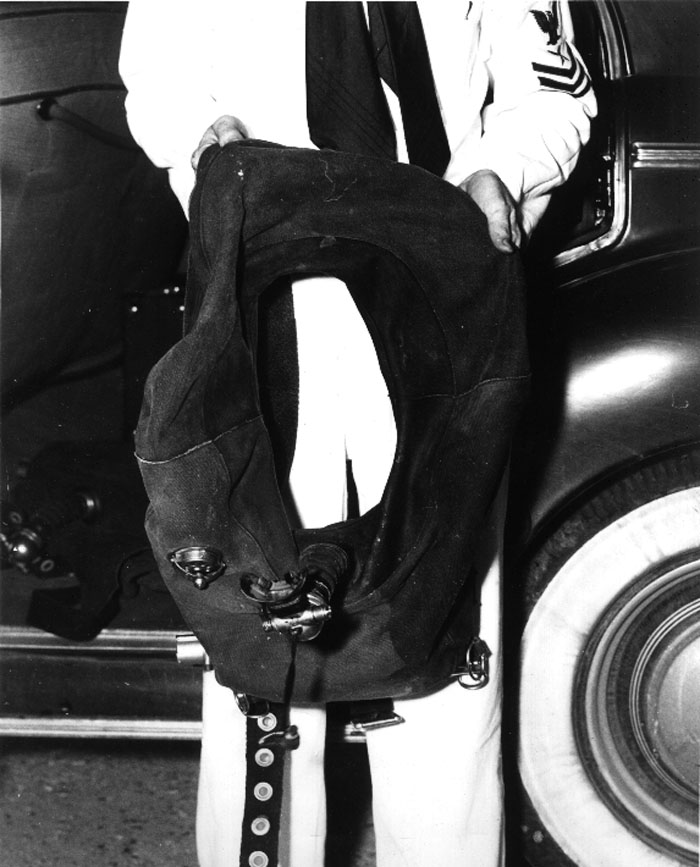
A German escape lung that was recovered by the U.S. Navy.
On July 7, 1942, a U.S. Army Air Forces Hudson plane attacked and sunk German U-Boat 701 about 20 miles off Cape Hatteras, North Carolina. 17 German submariners managed to escape, but only 7 survived two days on the open sea and were captured.
Image via Wikimedia Commons, public domain
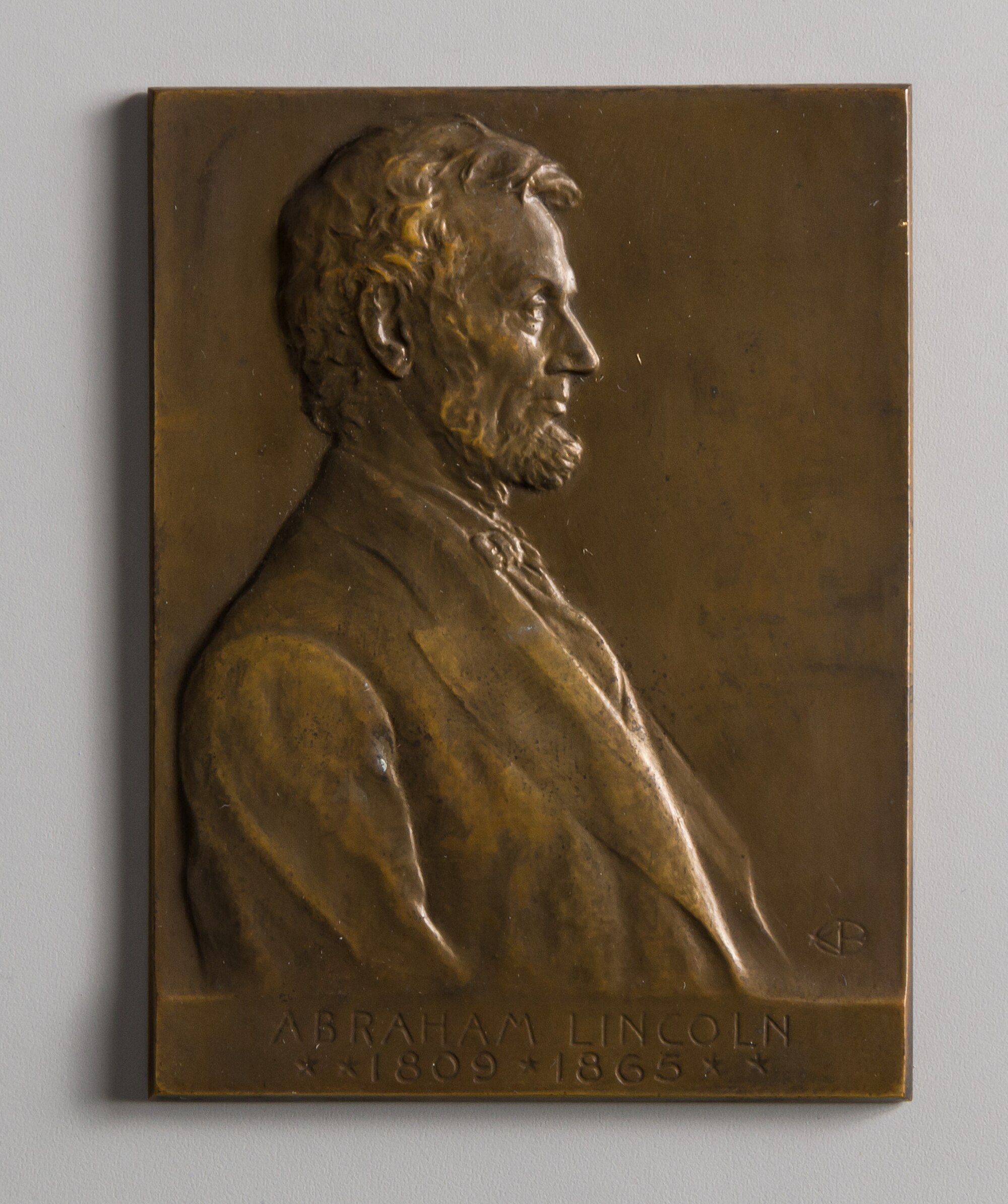
Foreshadowing of the Gettysburg Address?
On July 7, 1863, Abraham Lincoln spoke to a gathering outside of the White House that provided a glimpse of his famous speech that he would deliver months later in Gettysburg
“…and now, on this last Fourth of July just passed, when we have a gigantic Rebellion, at the bottom of which is an effort to overthrow the principle that all men are created equal, we have the surrender of a most powerful position and army on that very day, and not only so, but in a succession of battles in Pennsylvania, near to us, through three days, so rapidly fought that they might be called one great battle on the 1st, 2d, and 3d of the month of July; and on the 4th the cohorts of those who opposed the declaration that all men are created equal, “turned tail” and ran. Gentlemen, this is a glorious theme, and the occasion for a speech, but I am not prepared to make one worthy of the occasion.”
Image via Wikimedia Commons, public domain
