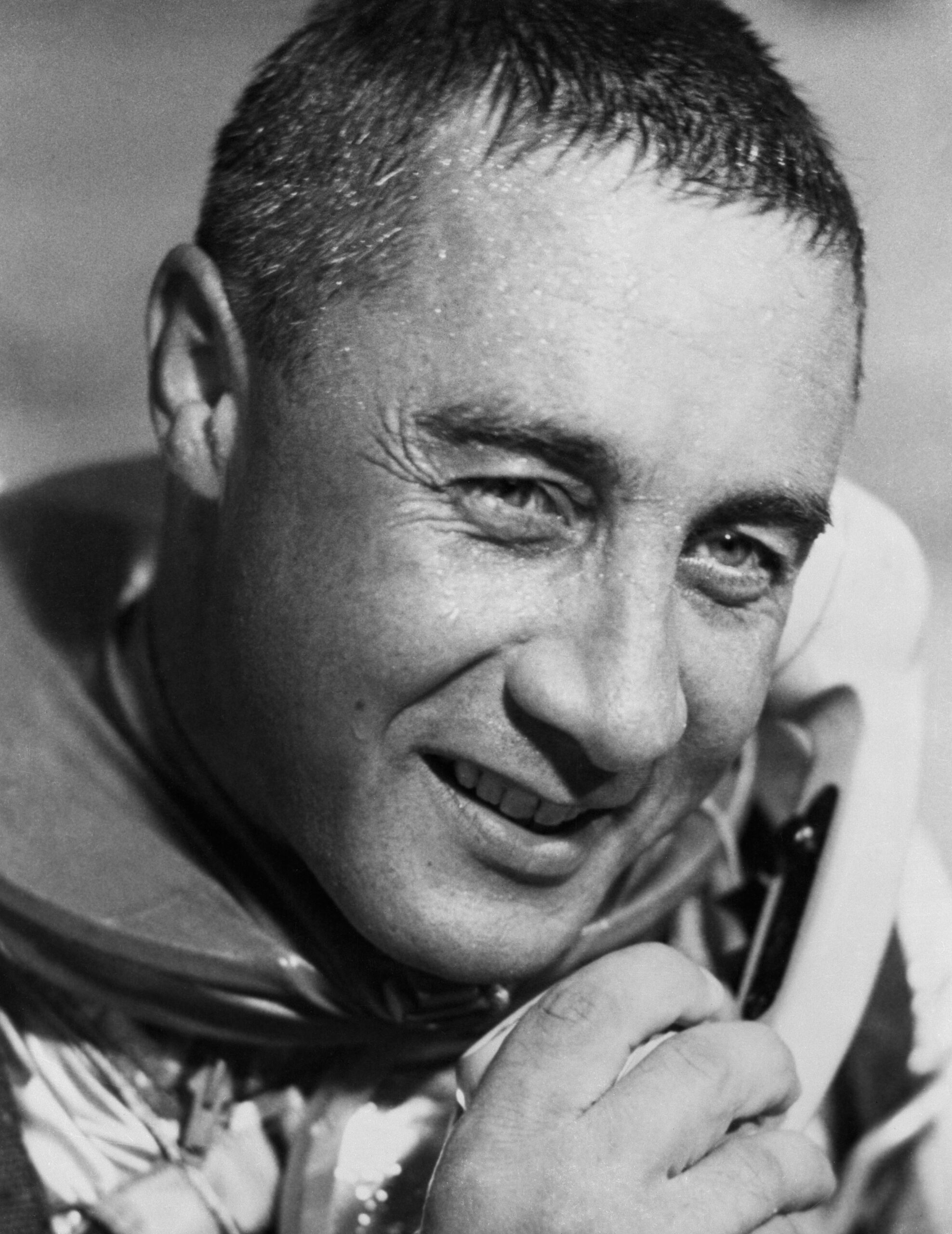
Still suited from his Mercury-Redstone 4 spaceflight, astronaut Gus Grissom speaks by phone with President Kennedy on July 21, 1961. Just moments earlier, Grissom had completed a 15-minute suborbital journey aboard Liberty Bell 7, becoming the second American in space. The flight ended dramatically when the capsule’s hatch blew prematurely after splashdown, flooding the spacecraft and sending it to the ocean floor—where it remained undiscovered until 1999.
Image from NASA via Wikimedia Commons, public domain
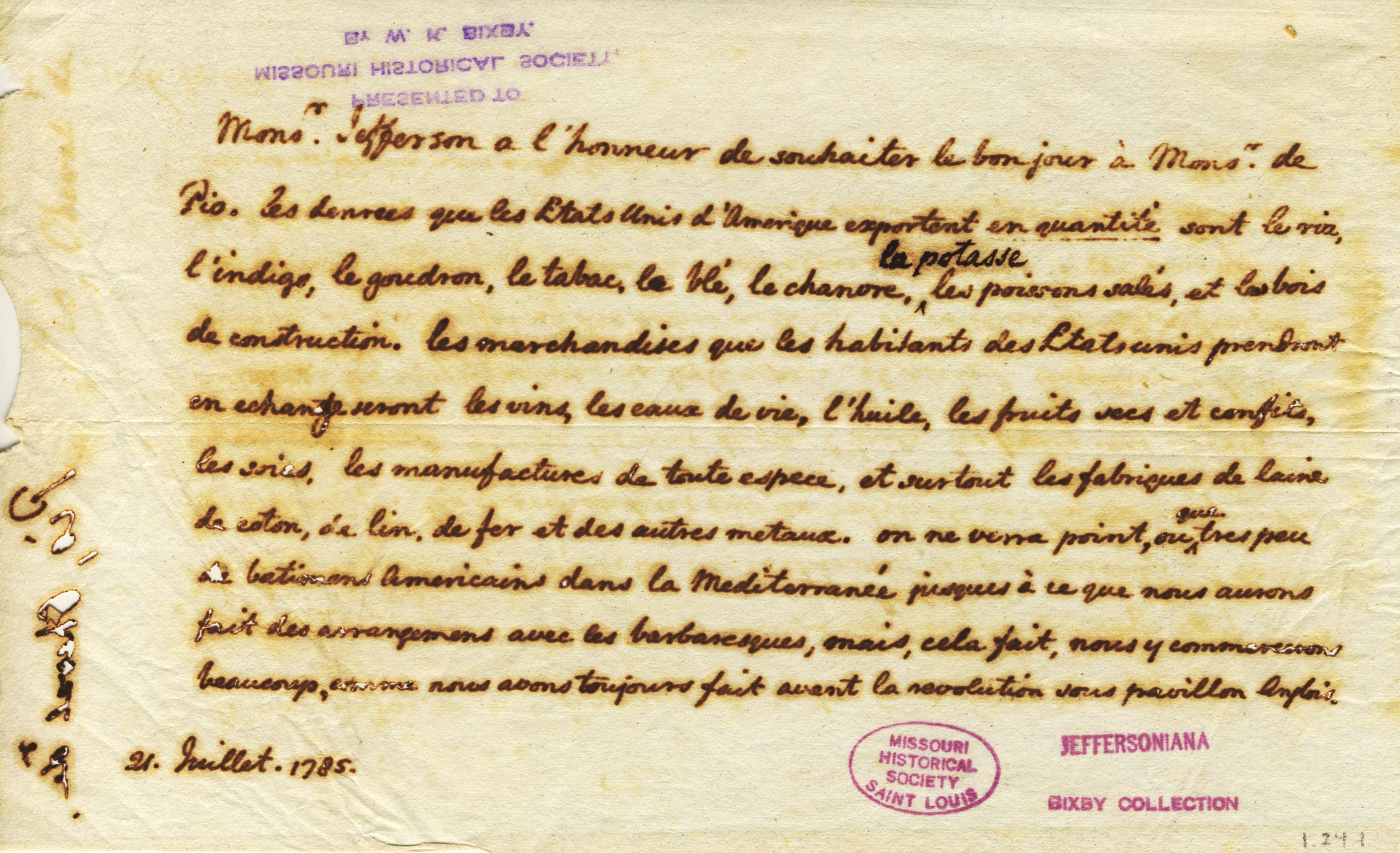
On July 21, 1785, Thomas Jefferson—serving as U.S. Minister Plenipotentiary to France—replied in fluent French to Neapolitan diplomat M. de Pio with this letter listing American exports like rice, tobacco, and indigo. More than a trade inventory, Jefferson’s response was part of a larger effort to position the United States as a credible commercial partner in Europe. In the wake of independence, Jefferson used diplomacy to promote economic self-sufficiency, diversify foreign alliances, and counter British dominance in global trade. His command of French enabled him to craft persuasive, culturally attuned correspondence that reflected the early republic’s ambition to weave itself into the fabric of Mediterranean commerce and reshape its international identity through peaceful negotiation.
Image via Wikimedia Commons, public domain
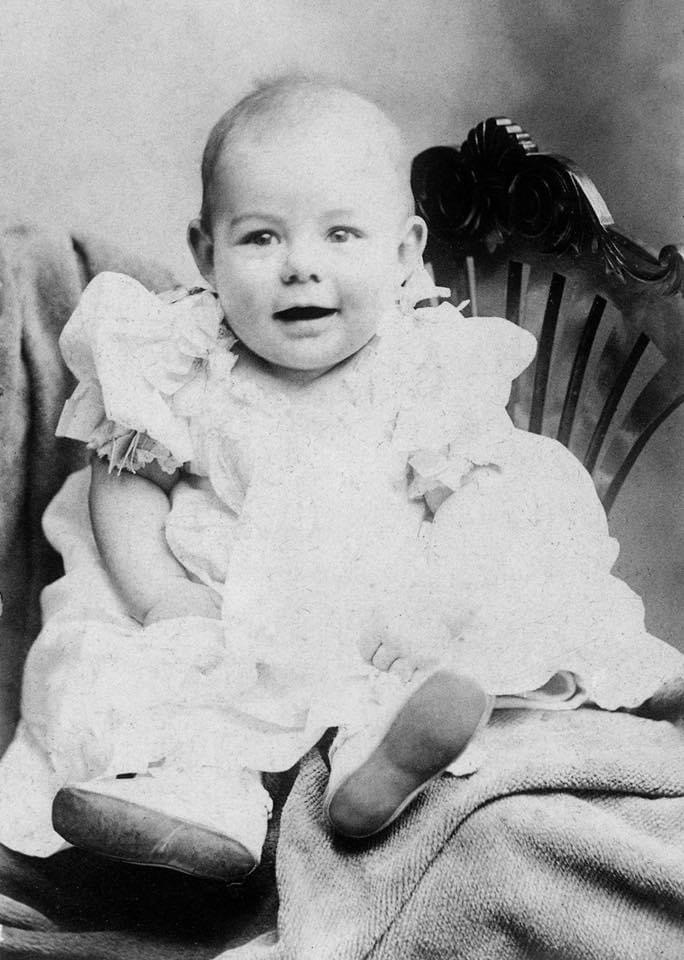
A portrait of Ernest Hemingway as a baby
Hemingway was born on July 21, 1899 in Oak Park, Illinois.
Image via Wikimedia Commons, public domain
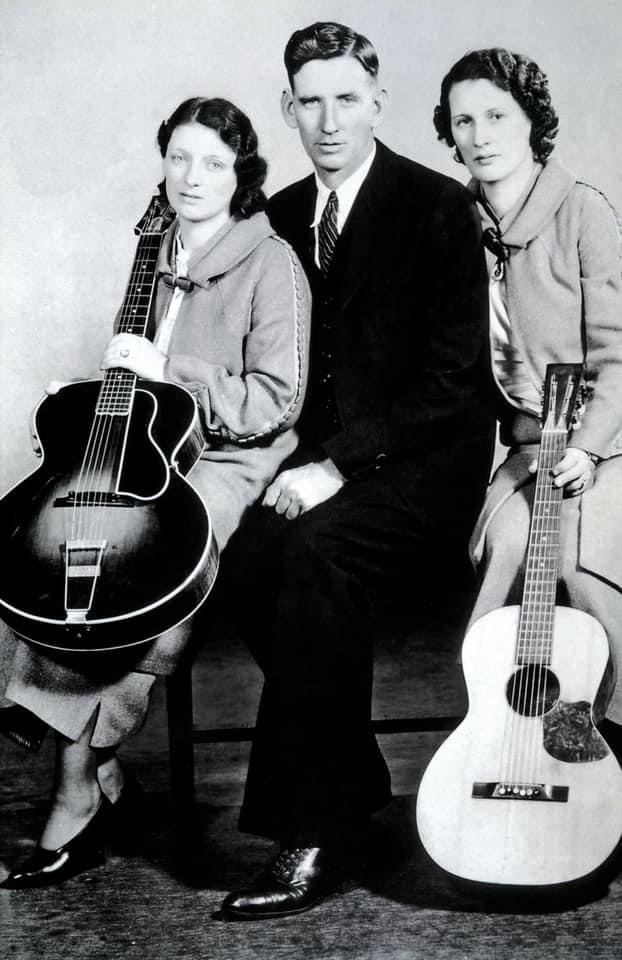
“The First Family of Country Music” Maybelle, Alvin and Sara Carter in 1927
Sara Carter was born on July 21, 1898 in Copper Creek, Virginia.
Image via Alamy
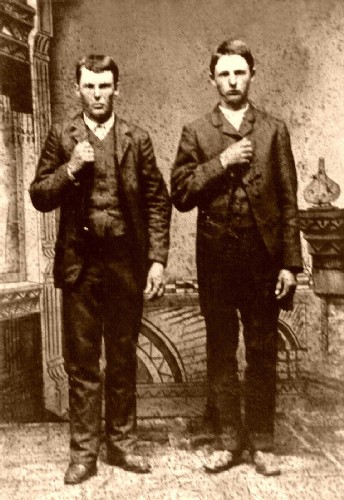
On July 21, 1873, Jesse James and members of the James-Younger gang derailed and robbed a train near Adair, Iowa. This event is believed to be the first train robbery west of the Mississippi River.
Image of Jesse James and his brother Frank in 1872 via Wikimedia Commons, public domain
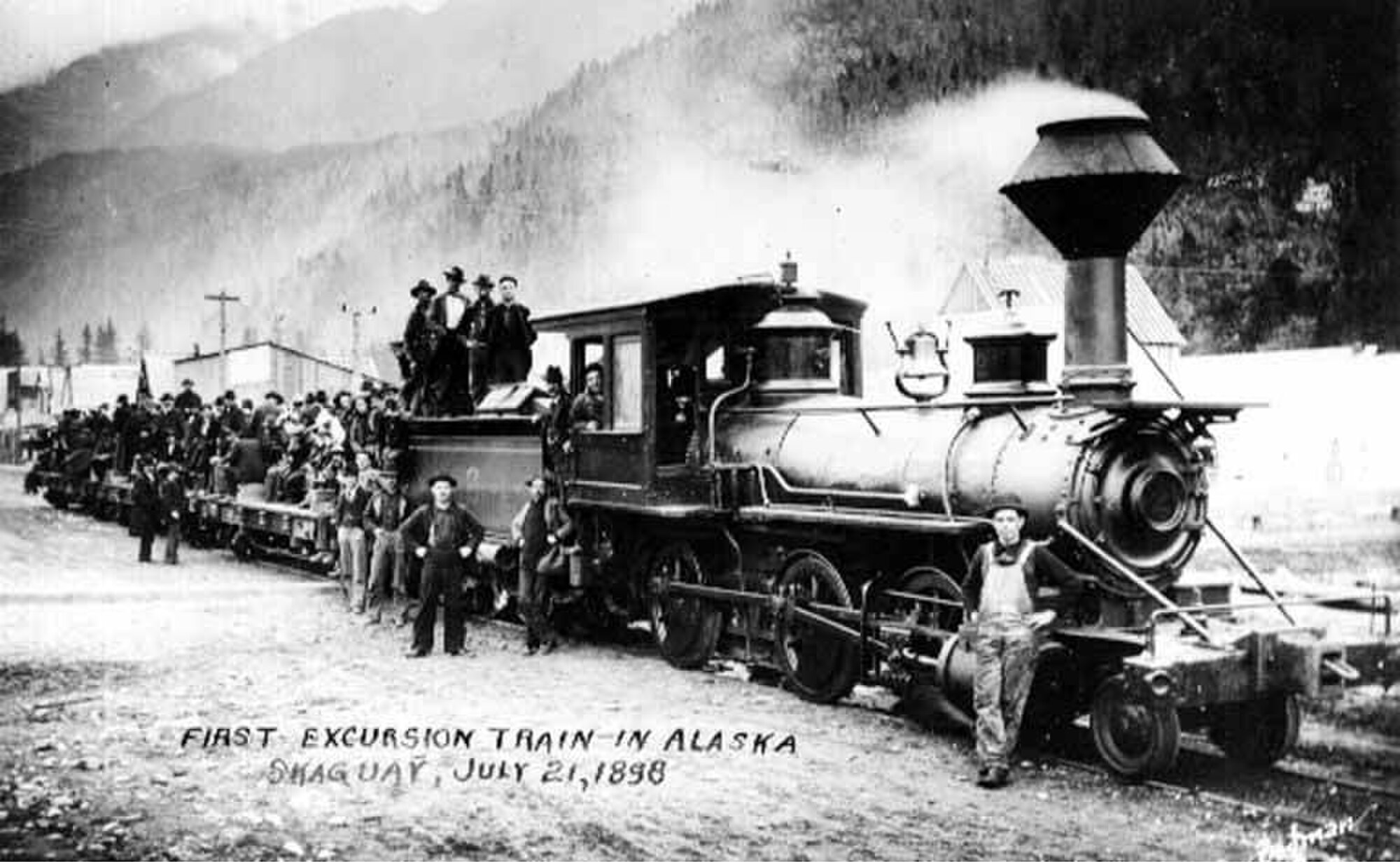
Passengers on the first excursion train in Alaska, Skagway, July 21, 1898.
via Wikimedia Commons, public domain
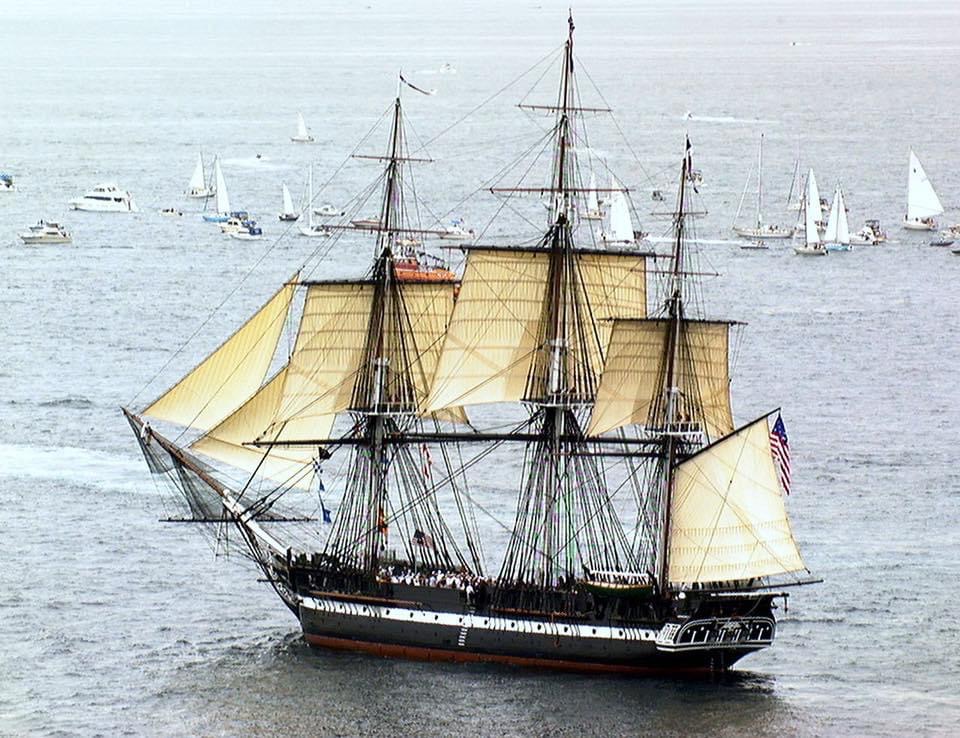
On July 21, 1997, the USS Constitution (Old Ironsides) sets sail on her own for the first time in over a century.
She was first launched in 1797.
Image from July 21, 1997 by Journalist 2nd Class Todd Stevens via Wikimedia Commons, public domain
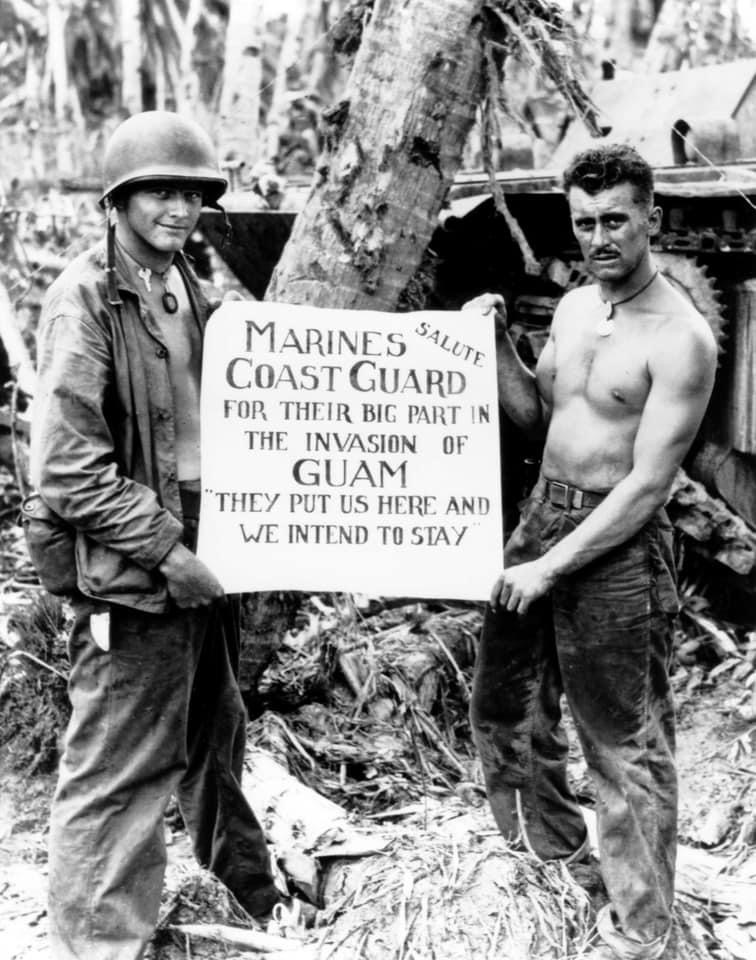
“Marines show their appreciation to the Coast Guard during the invasion of Guam during World War II”
On July 21, 1944 U.S. forces began their assault on Guam to liberate the island after years of Japanese occupation.
Image via Wikimedia Commons, public domain
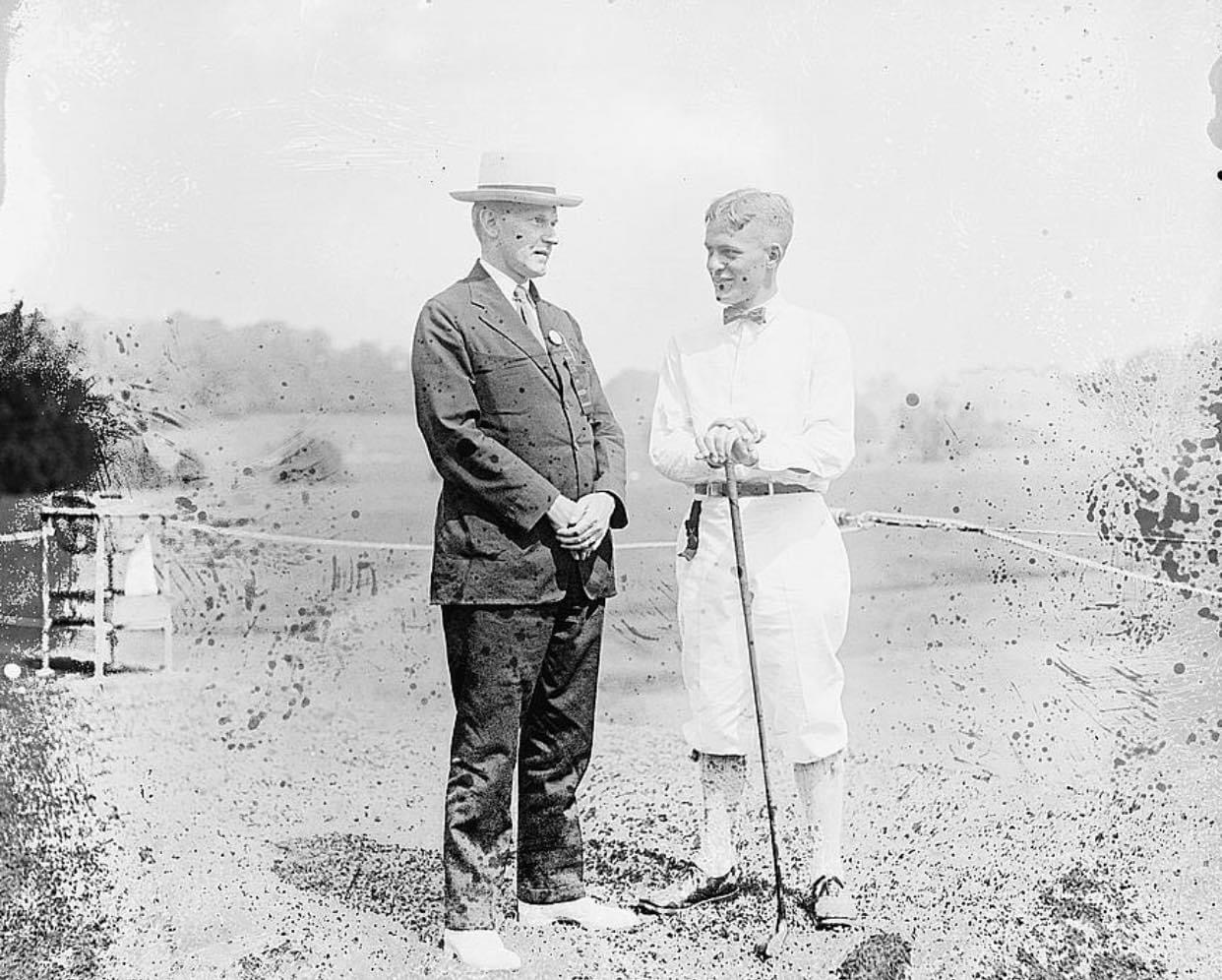
Calvin Coolidge with Bobby Jones
– July 21, 1921
via Library of Congress, no known restrictions
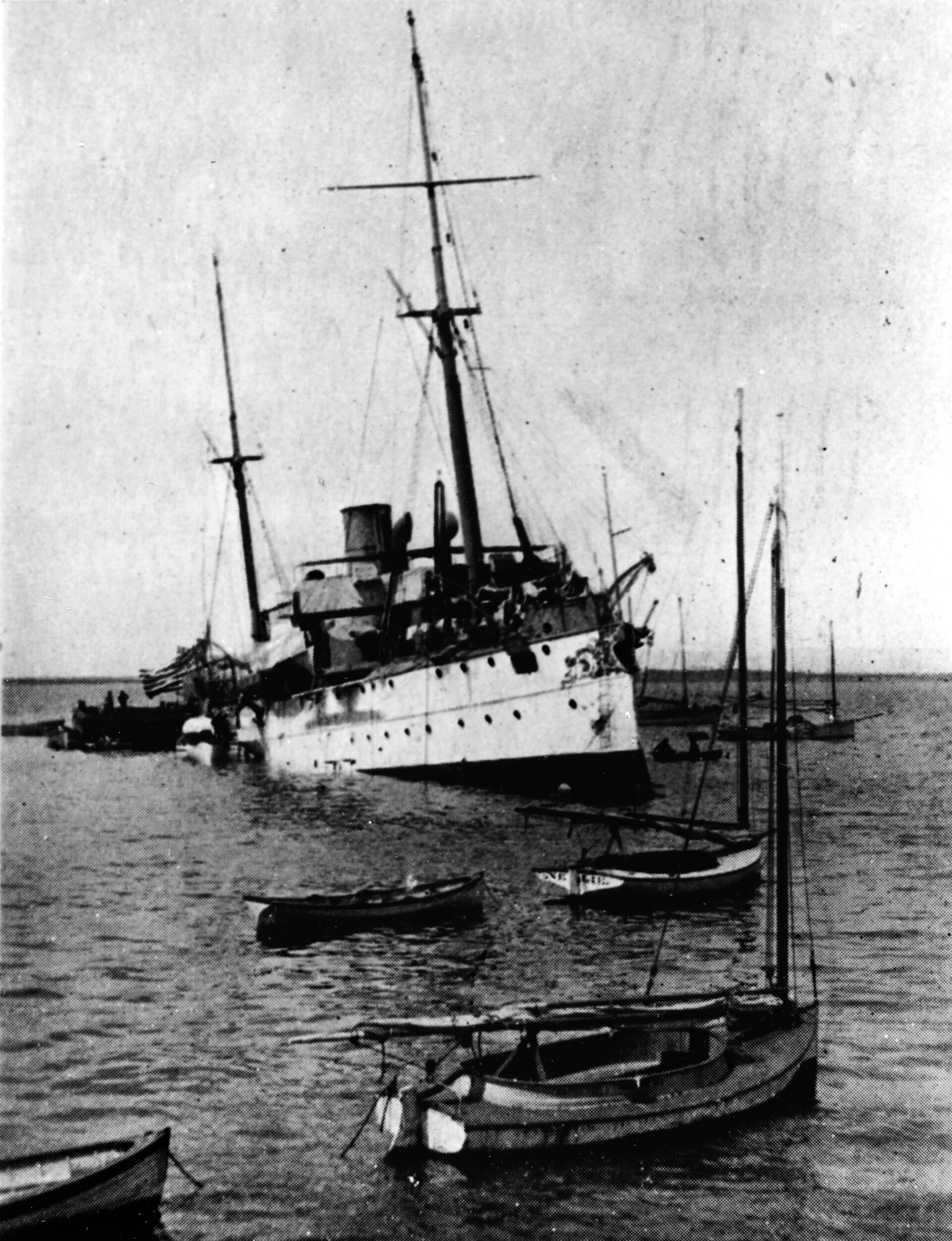
Off San Diego, California on July 21, 1905 the USS Bennington, a Navy gunboat, suffered a boiler explosion that claimed the lives of 66 sailors.
Image of the USS Bennington after the tragedy via Wikimedia Commons, no known restrictions
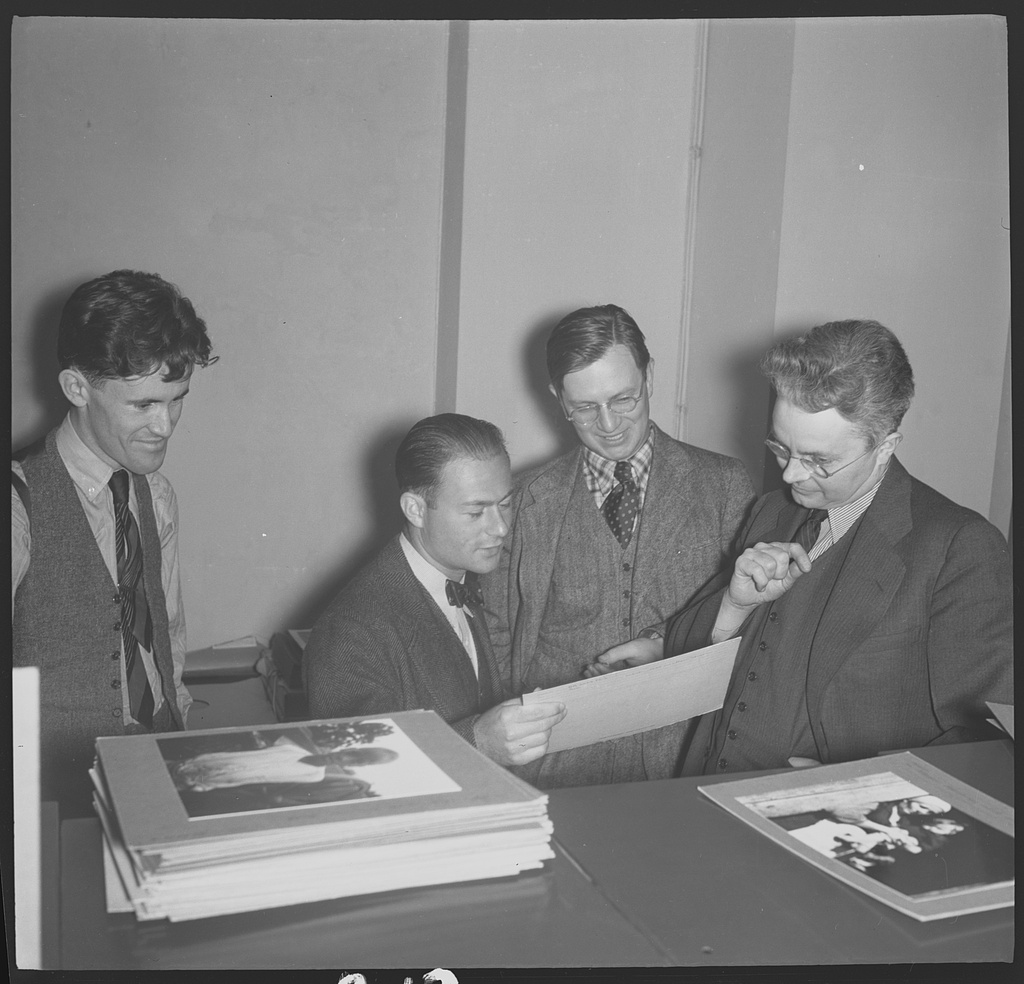
American photographer Russell Lee, who photographed more than 20,000 images of the American way of life, was born on July 21, 1903 In Ottawa, Illinois.
While working for the Farm Security Administration from the mid 1930s to early 1940s Lee produced more photos than any other FSA photographer.
Here is Russell Lee (second in from the right, standing between the two others) reviewing photos with other FSA photographers via Library of Congress, no known restrictions
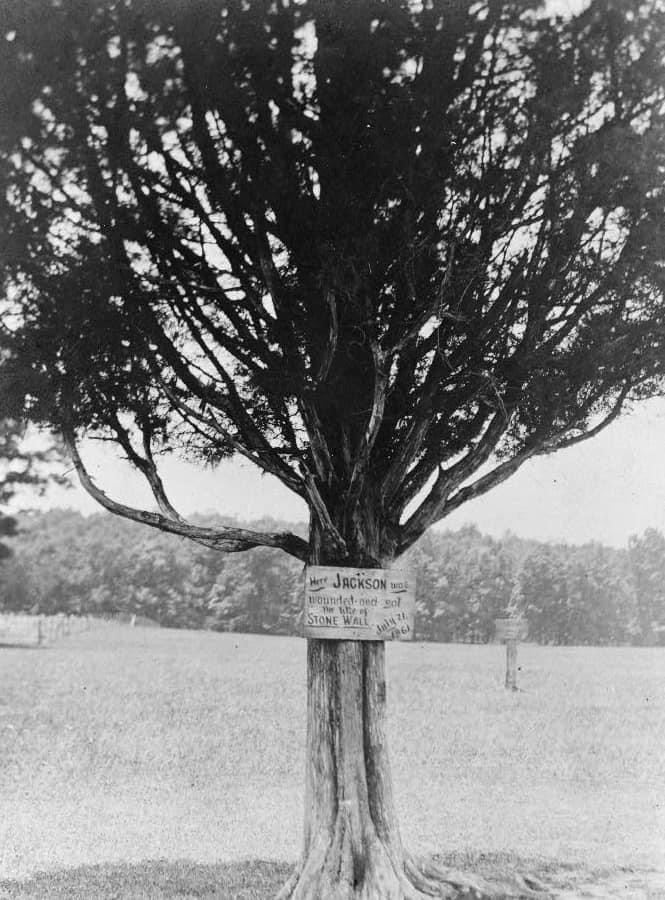
Plaque attached to a tree that says “Here Jackson was wounded and got the title of Stone Wall, July 21, 1861”
Photo taken at Manassas, Virginia in 1910
Image via Alamy
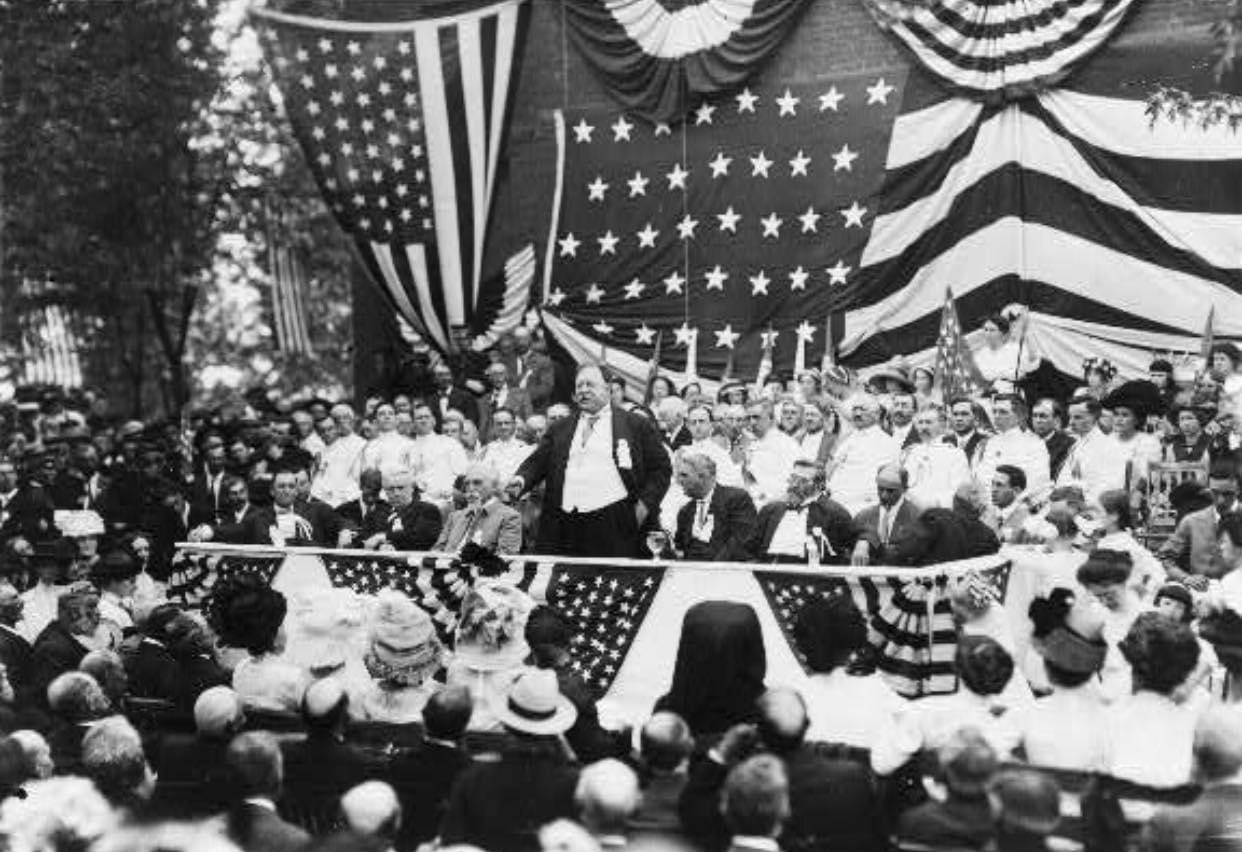
President Taft speaks to the crowd at Bull Run in Virginia on July 21, 1911 during the 50th anniversary of the battle.
The First Battle of Bull Run (Manassas) occurred on July 21, 1861.
Image via Library of Congress, no known restrictions
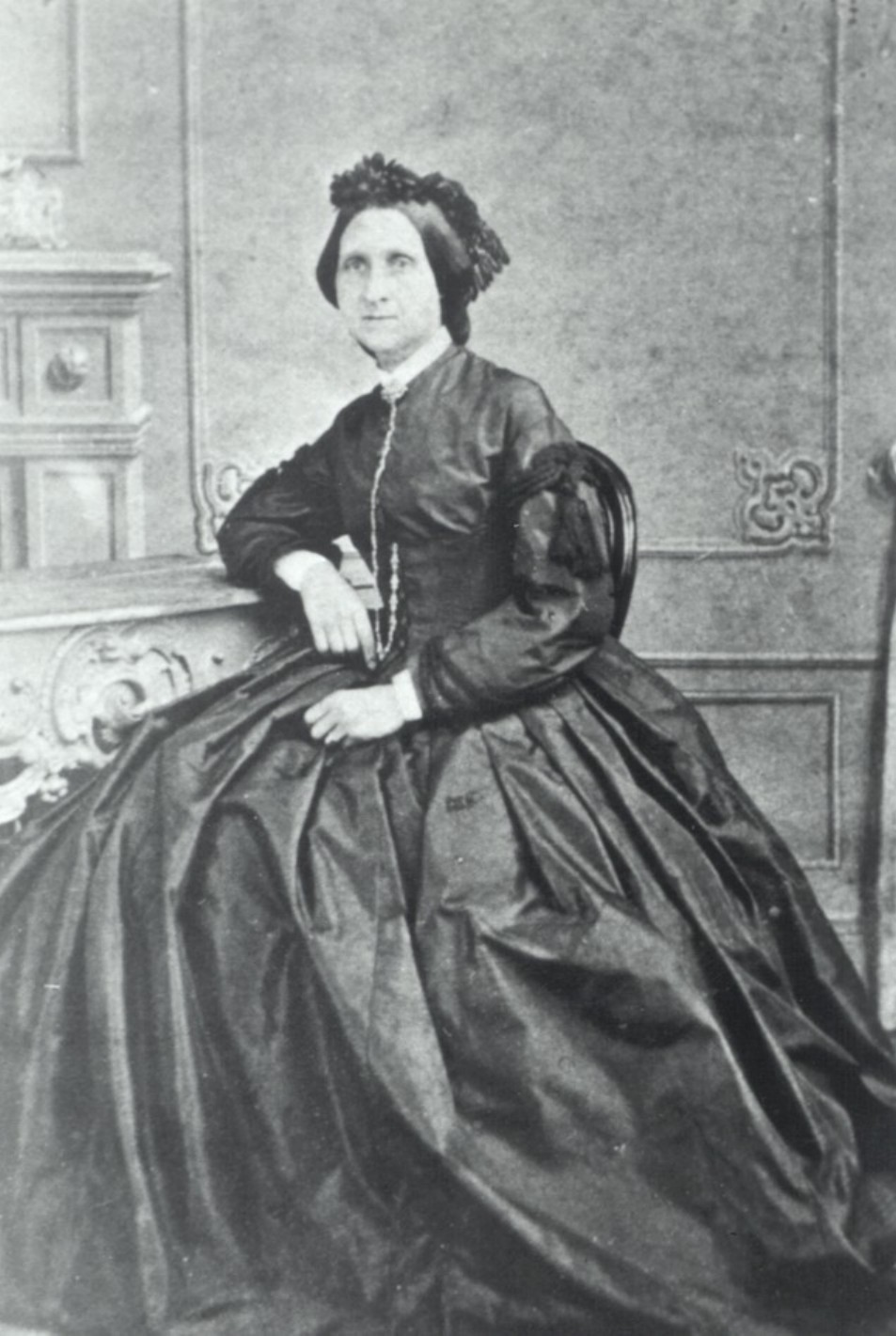
Frances Cox Henderson, the wife of the first Governor of Texas, James Pinckney Henderson was born on July 21, 1820 in Philadelphia, Pennsylvania.
After her husband passed away she established a home for senior women after she moved to New Jersey.
Image of Frances via Wikimedia Commons, public domain
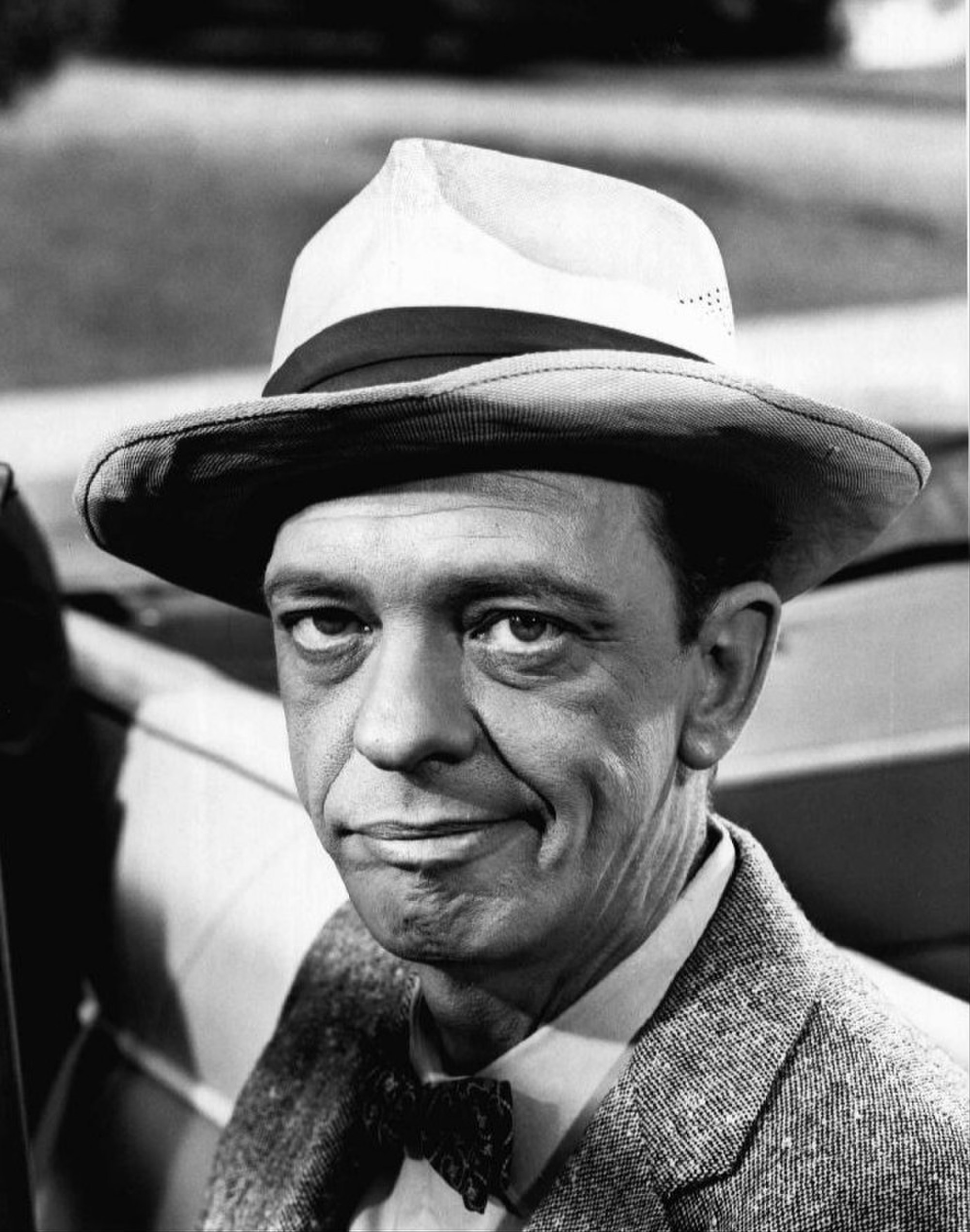
American actor and WWII veteran Don Knotts was born on July 21, 1924, in Morgantown, West Virginia. Before becoming a household name as Deputy Barney Fife, Knotts earned his first television break in the soap opera Search for Tomorrow (1953–1955)—his only non-comedic role. His breakout came with The Andy Griffith Show, where his portrayal of the nervous but lovable deputy earned him five Emmy Awards and a lasting place in television history.
Image: Photo of Don Knotts as Barney Fife from The Andy Griffith Show, c. 1966 via Wikimedia Commons, public domain
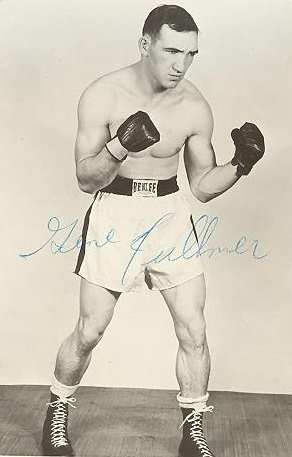
Born July 21, 1931, in West Jordan, Utah, Gene “the Utah Cyclone” Fullmer rose from small-town roots to become a world middleweight boxing champion. Known for his relentless style and iron chin, Fullmer’s career spanned the golden age of the sport, with legendary bouts against Sugar Ray Robinson and Carmen Basilio that cemented his place in boxing history.
Image via Wikimedia Commons, public domain
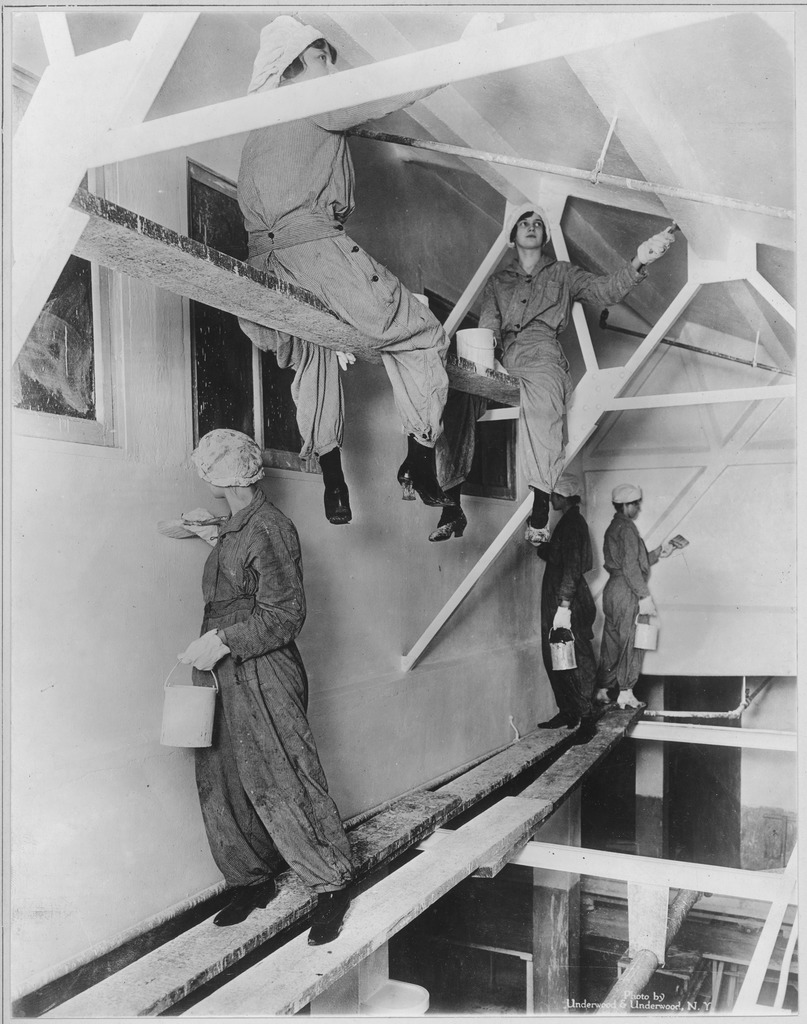
Women workers at plant of American Sugar Refining Company, Brooklyn, New York, where great quantities of sugar are refined for use of American and Allied fighters. Photograph received from American Sugar Refining Company.
July 21, 1918
Image via Wikimedia Commons, public domain