 Mystery March Is Here!
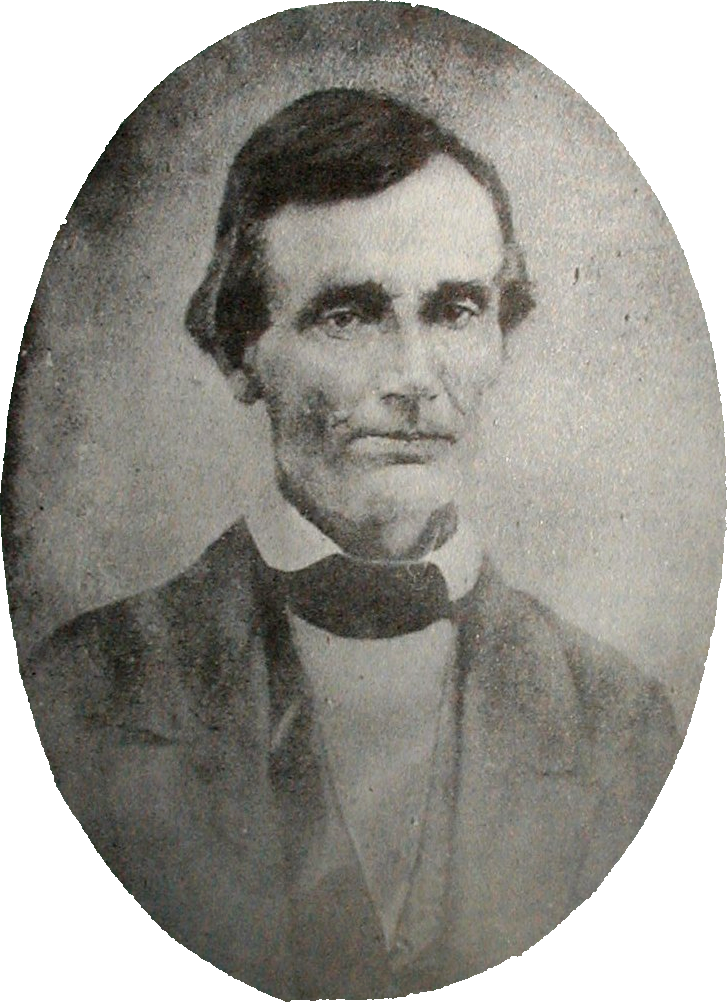
“I leave you, hoping that the lamp of liberty will burn in your bosoms until there shall no longer be a doubt that all men are created free and equal.”
– Abraham Lincoln’s powerful line that he used to close his Speech in Chicago on July 10, 1858.
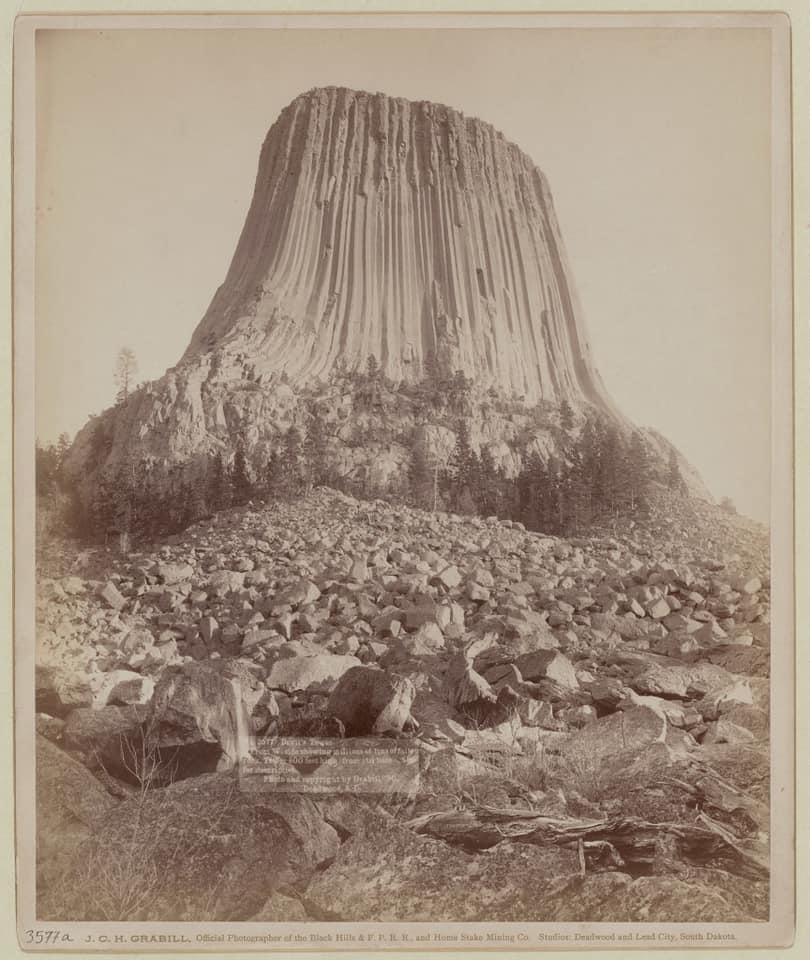
Devil’s Tower – from west side showing millions of tons of rock
– Wyoming, 1890
On July 10, 1890, Wyoming became the 44th state
Image via Wikimedia Commons, public domain
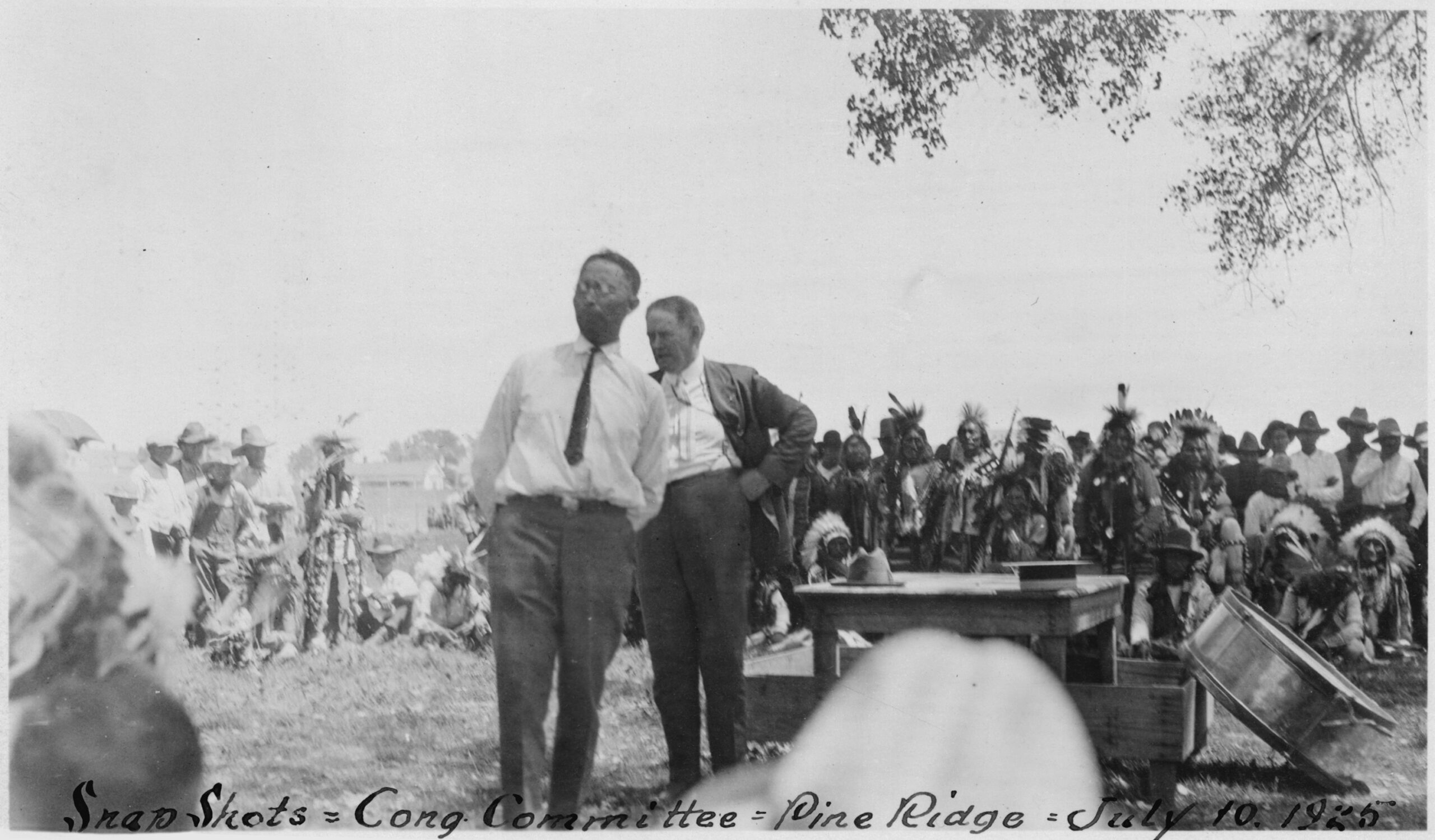
100 years ago today…
On July 10, 1925, a U.S. Congressional Committee visited the Pine Ridge Reservation, engaging directly with tribal leaders amid growing national debate over Native sovereignty and federal oversight.
A rare image of lawmakers on Indigenous land—where policy met lived experience.
Image via Wikimedia Commons, public domain
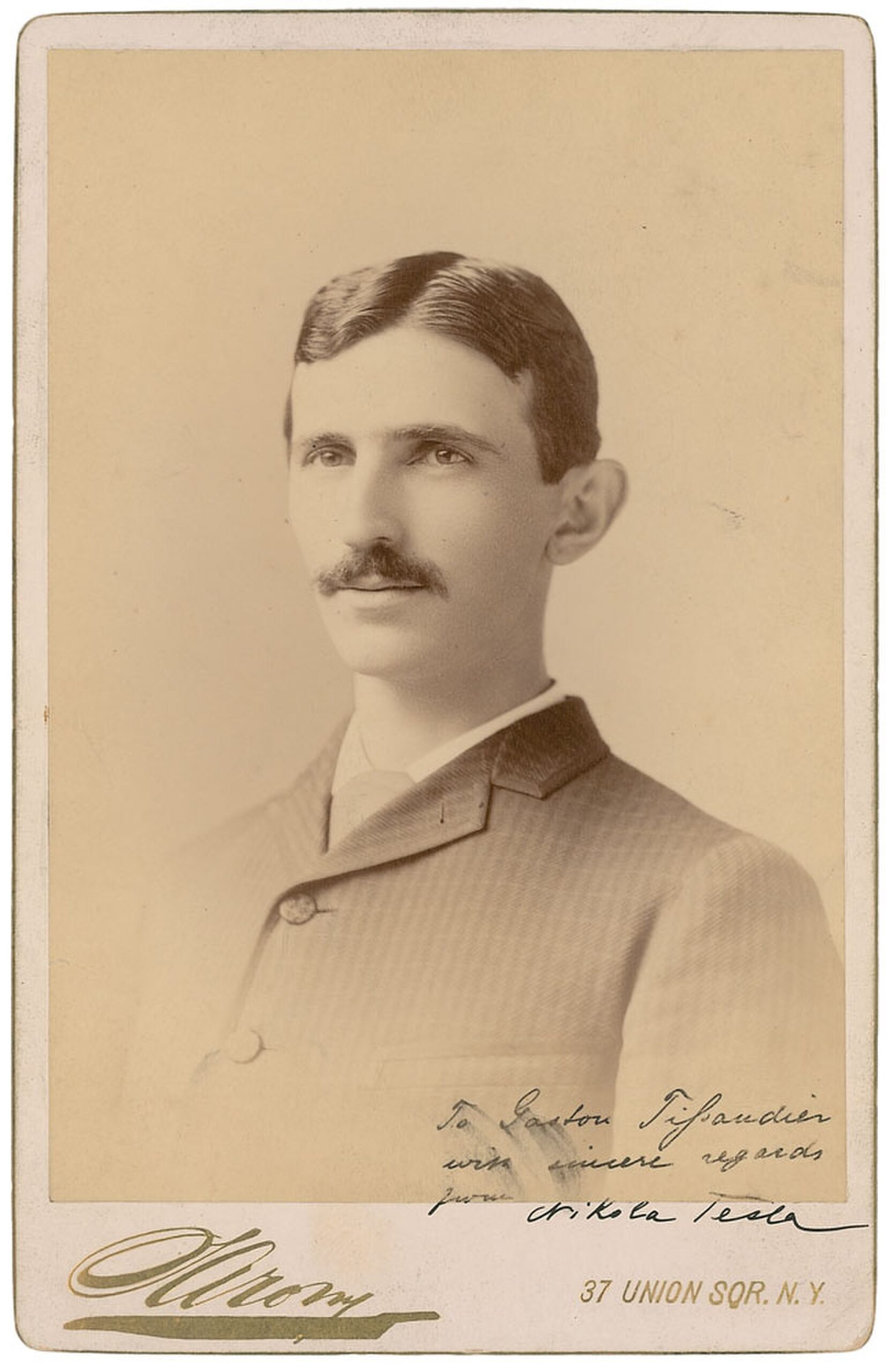
“Of all things I liked books best. My father had a large library and whenever I could manage I tried to satisfy my passion for reading.”
Inventor Nikola Tesla was born on July 10, 1856.
He became an American Citizen in 1891.
Image: Tesla c. 1885 via Wikimedia Commons, public domain
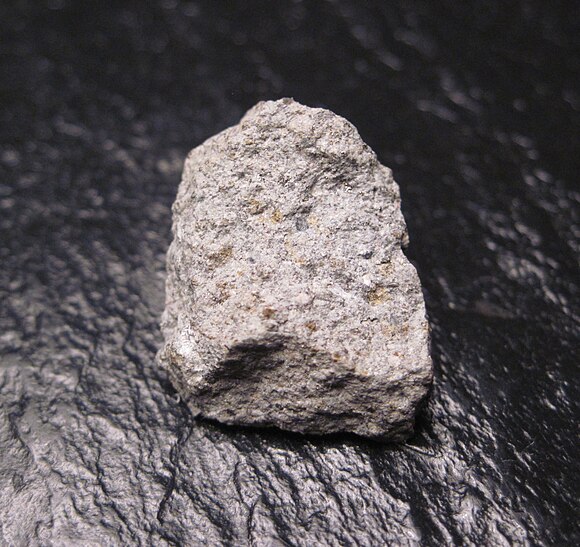
This object that appears to be a rock was actually a 50 pound meteorite that fell in Allegan County, Michigan on July 10, 1899.
According to the Meteoritical Society, the Allegan meteorite is one of only 12 meteorites that have been found and verified in the state of Michigan between 1807 and February of this year.
Interestingly the word Allegan, the county in Michigan for which the meteorite was found, was a name that was fabricated by Henry Schoolcraft who was not only an explorer but also a geologist who died 35 years before the meteorite fell. He coined the name Allegan to sound like a Native American word.
Image from Jon Taylor • CC BY-SA 2.0 via Wikimedia Commons
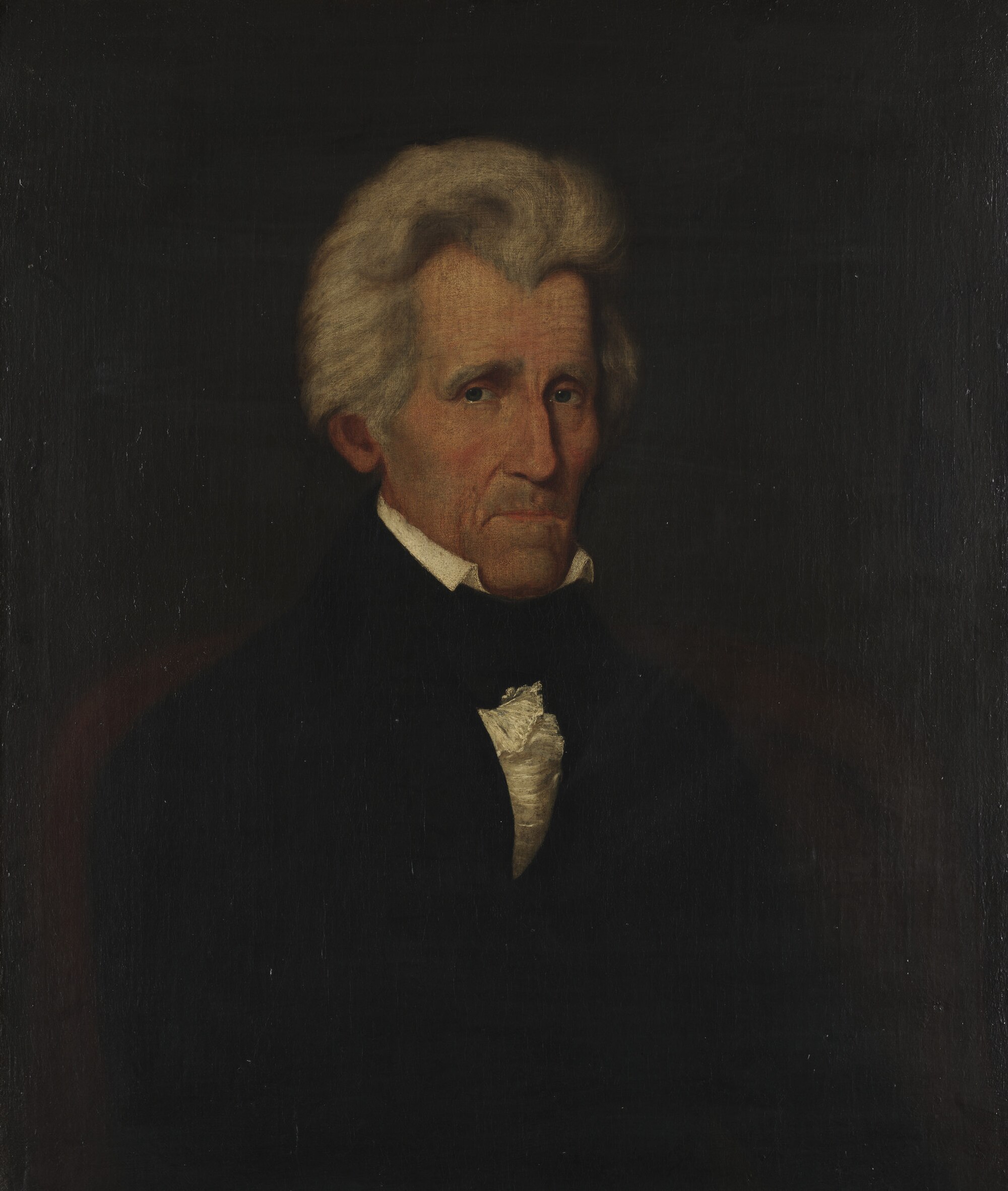
On July 10, 1832, President Andrew Jackson vetoed the re-charter of the Second Bank of the United States, declaring it a threat to democracy and economic fairness.
“It is to be regretted that the rich and powerful too often bend the acts of government to their selfish purposes.”
Jackson took a bold stand against a powerful financial institution, siding with everyday Americans who felt the bank served the wealthy few.
It was a key moment in American history where government power was reoriented, not toward the elite, but toward the populist ideals of broader accessibility and fairness.
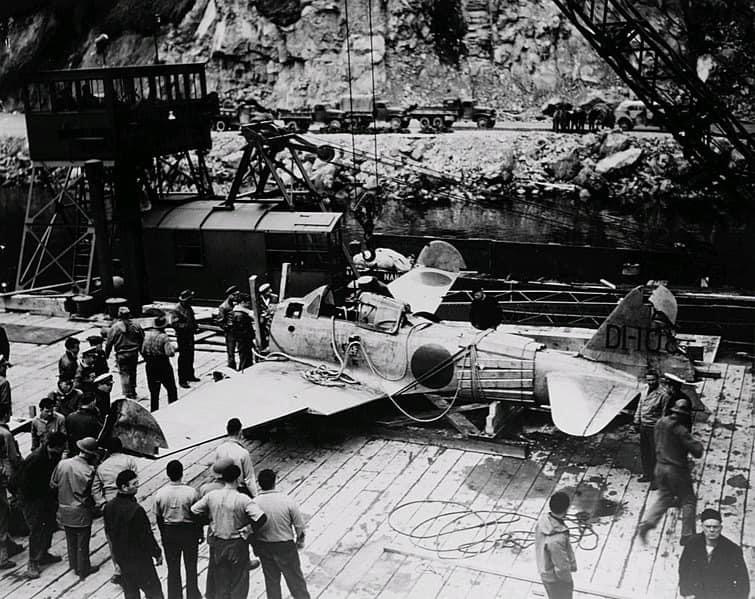
July 10, 1942 – The sharp-eyed crew of a US Navy Catalina spots the month-old wreckage of a Japanese A6M Zero fighter on the remote Alaskan island of Akutan. Recovery of the largely-intact plane allowed aviation experts to study and fly the Zero, teaching US pilots how to exploit its weaknesses.
Image from NARA via Wikimedia Commons, public domain in the US
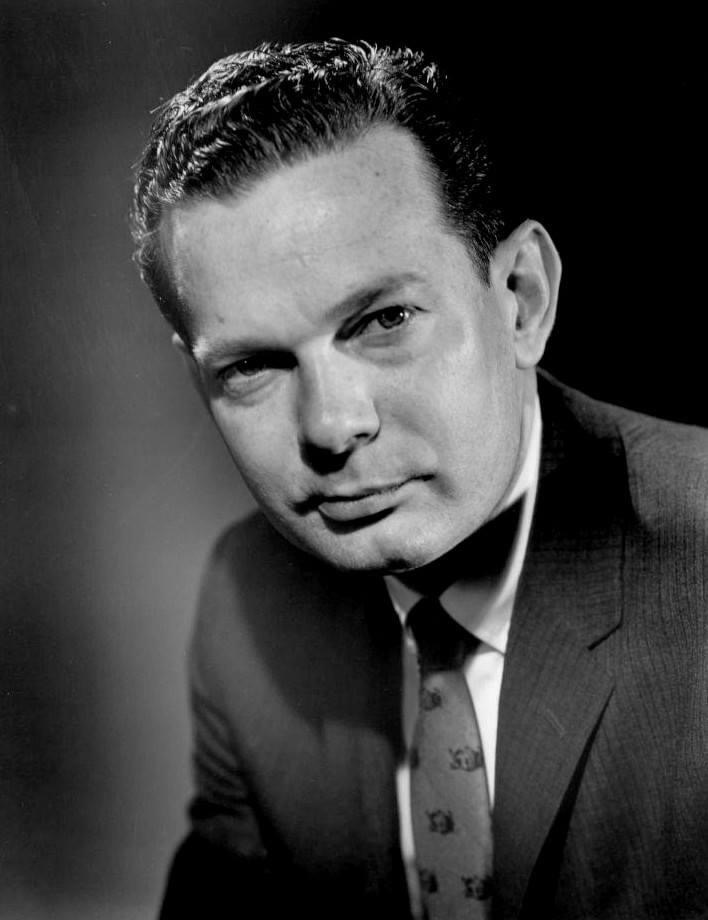
On today’s date July 10, 1920: American television news reporter, anchor, author and Peabody Award winner David Brinkley was born in Wilmington, North Carolina.
In 1995 he published a book titled “David Brinkley: A Memoir 11 Presidents, 4 Wars, 22 Political Conventions, 1 Moon Landing, 3 Assassinations, 2,000 Weeks of News and Other Stuff on Television and 18 years of growing up in North Carolina”
Photo: David Brinkley in 1962 by NBC Television, Public domain, via Wikimedia Commons
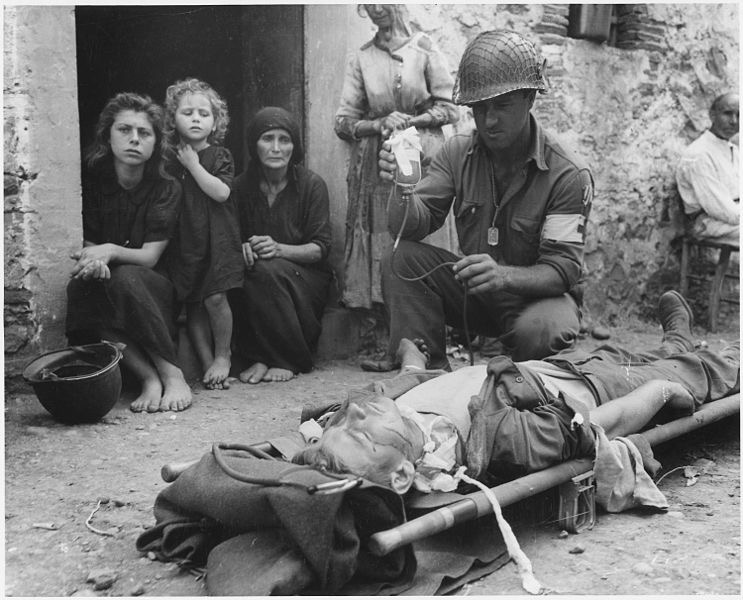
On July 10, 1943, Allied forces launched Operation Husky, the WW2 invasion of Sicily. After six weeks of bitter fighting Axis forces were defeated – either captured or retreating to the Italian mainland. Shown is Private Roy Humphrey of Toledo, Ohio receiving plasma after being wounded by shrapnel near the end of the campaign.
Image from NARA via Wikimedia Commons, public domain in the US.
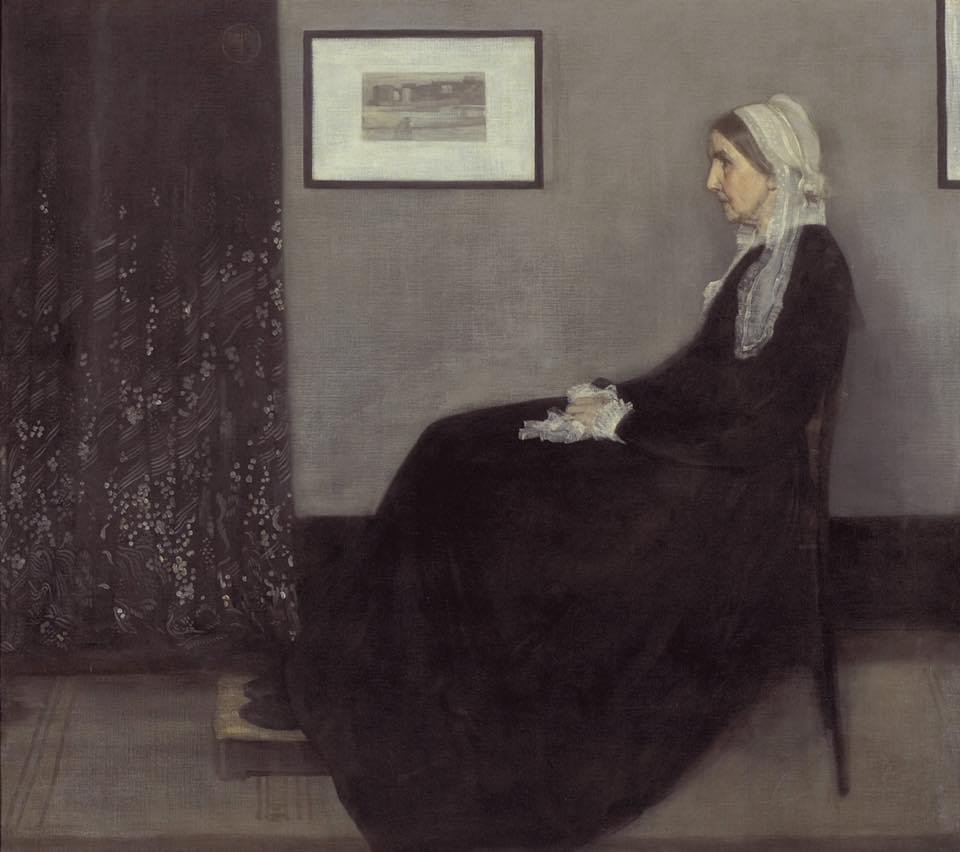
American artist James Abbott McNeill Whistler was born on July 10, 1834 in Lowell, Massachusetts.
His father was George Washington Whistler, an American engineer who designed railroads and bridges. George died in Russia while working on the Saint Petersburg-Moscow Railway for Tsar Nicholas I.
When James was about 17 years old he was admitted to West Point, but was later dismissed from the U.S. Military Academy by Robert E. Lee.
Image of James Abbott McNeill Whistler’s famous work – “Whistler’s Mother”
c. 1871
via Wikimedia Commons, public domain
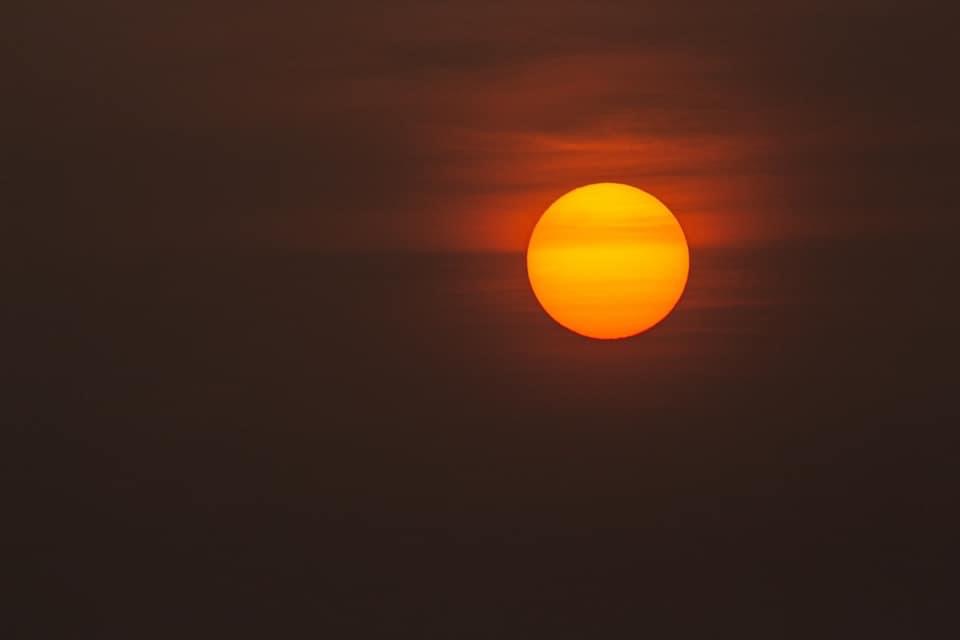
The hottest temperature ever recorded in the United States occurred on July 10, 1913 in Death Valley, California.
It was 134 degrees Fahrenheit.
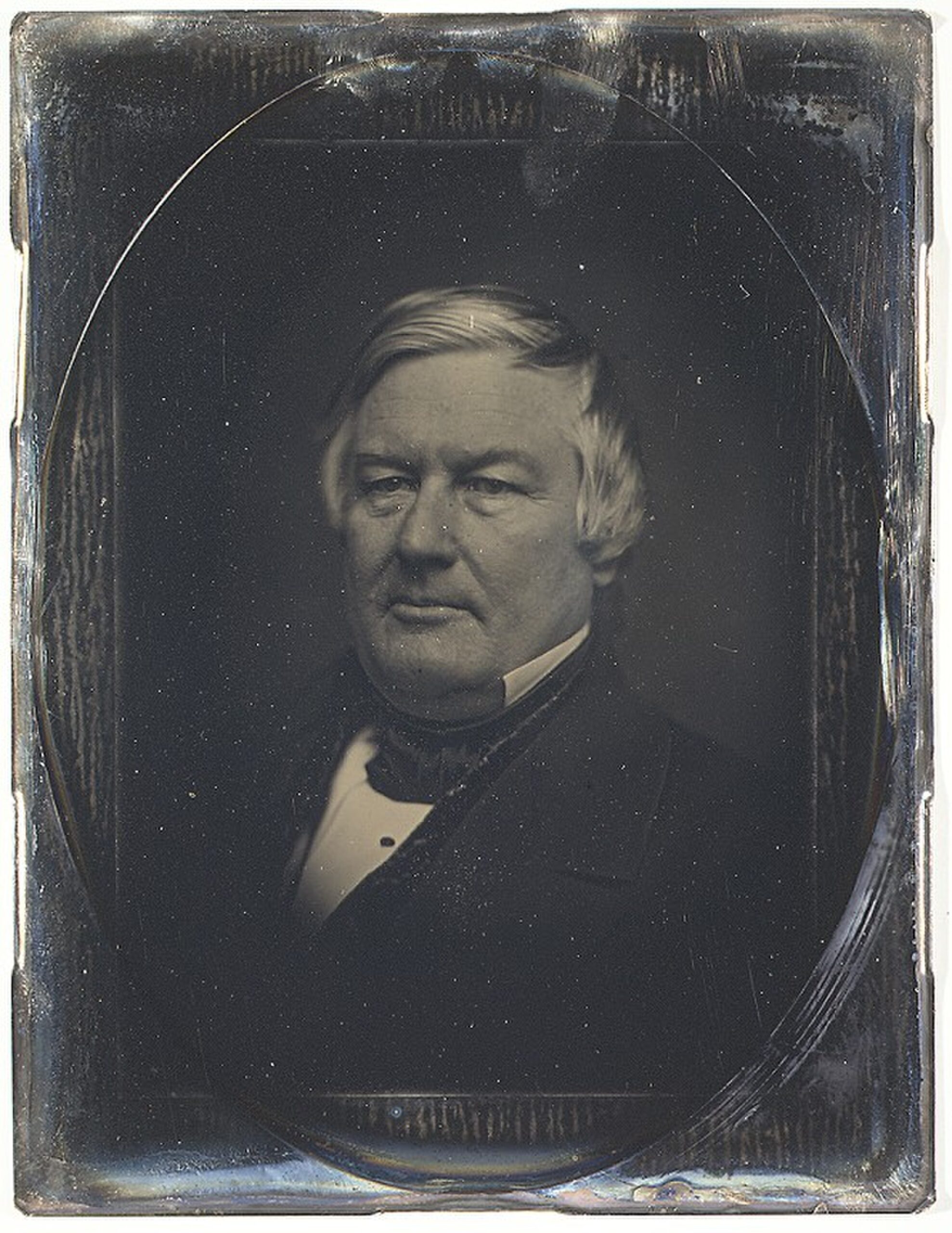
On July 10, 1850, Millard Fillmore took the Oath of Office of President of The United States after the death of Zachary Taylor.
After serving as President, Millard Fillmore commanded a group of New York militia called the Union Continentals during the American Civil War.
The company served to protect the Buffalo, New York area from any potential Confederate attack.
Image via Wikimedia Commons, public domain
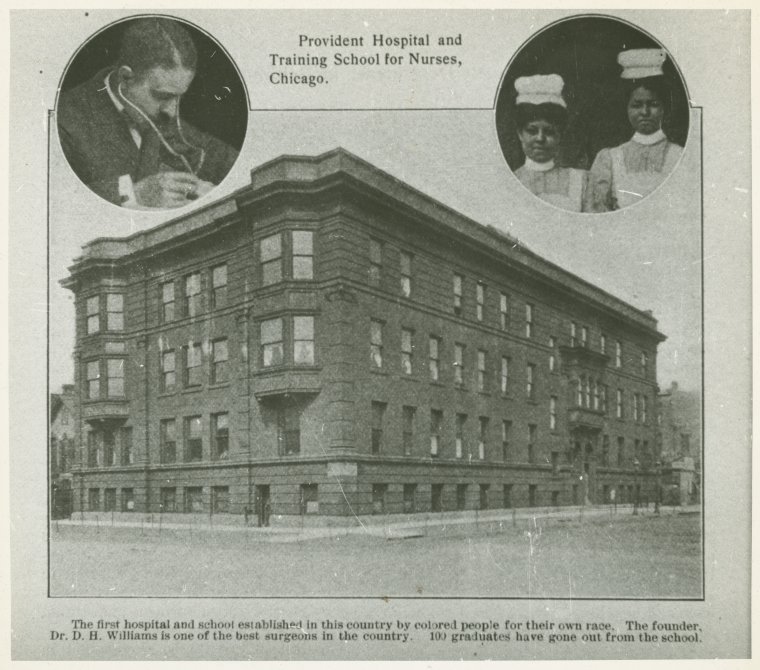
One of the first successful heart surgeries occurred at Provident Hospital in Chicago on July 10, 1893.
Pennsylvania born physician Daniel Hale Williams repaired the cardiac stab wounds of victim James Cornish who was able to leave the hospital fifty days later.
Image:
Provident Hospital and Training School for Nurses, Chicago, and founder/surgeon Daniel Hale Williams via NYPL Digital Collections, no known restrictions
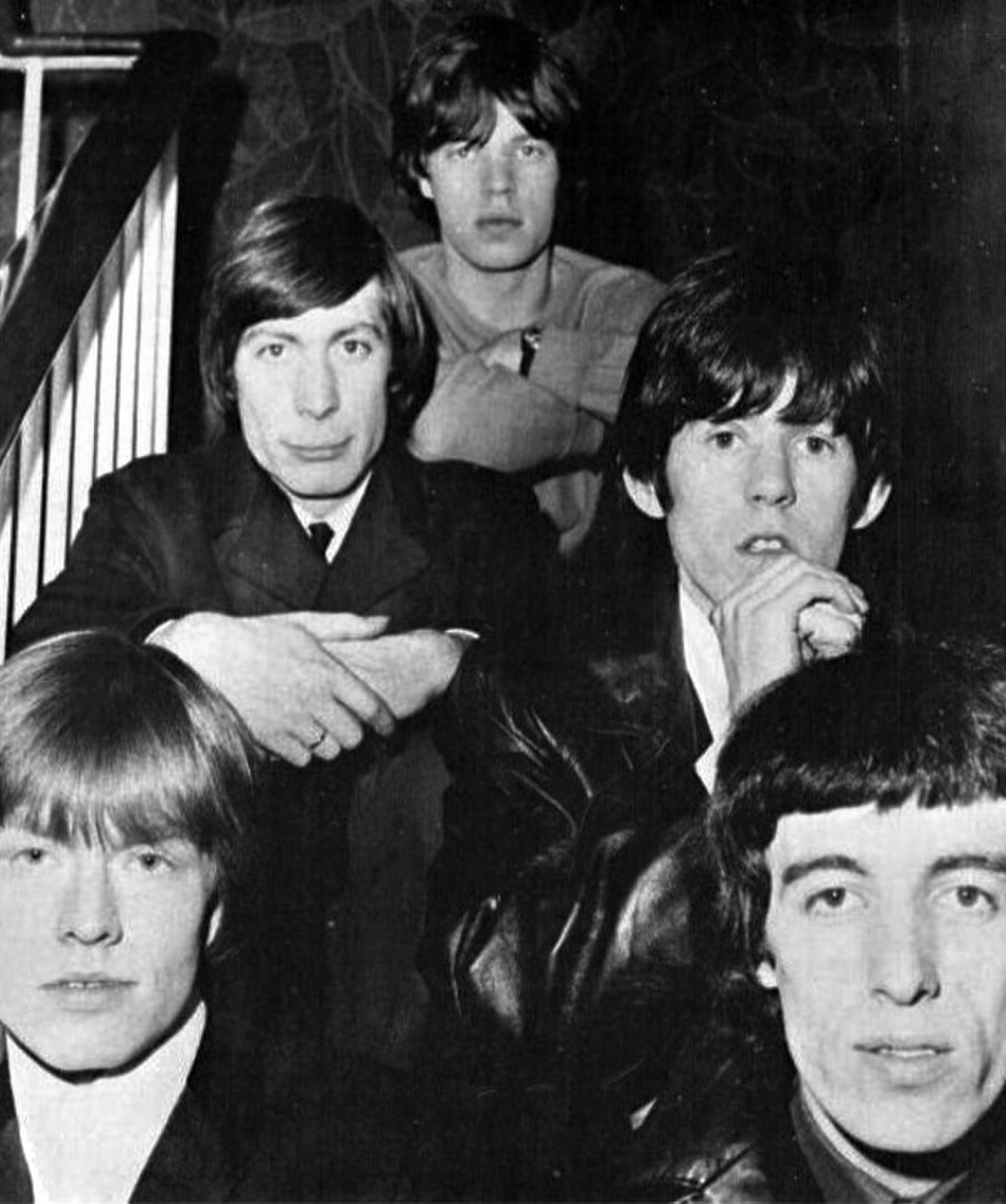
On July 10, 1965, (I Can’t Get No) Satisfaction by The Rolling Stones began its four week run as the #1 song in America.
Image via Wikimedia Commons, public domain
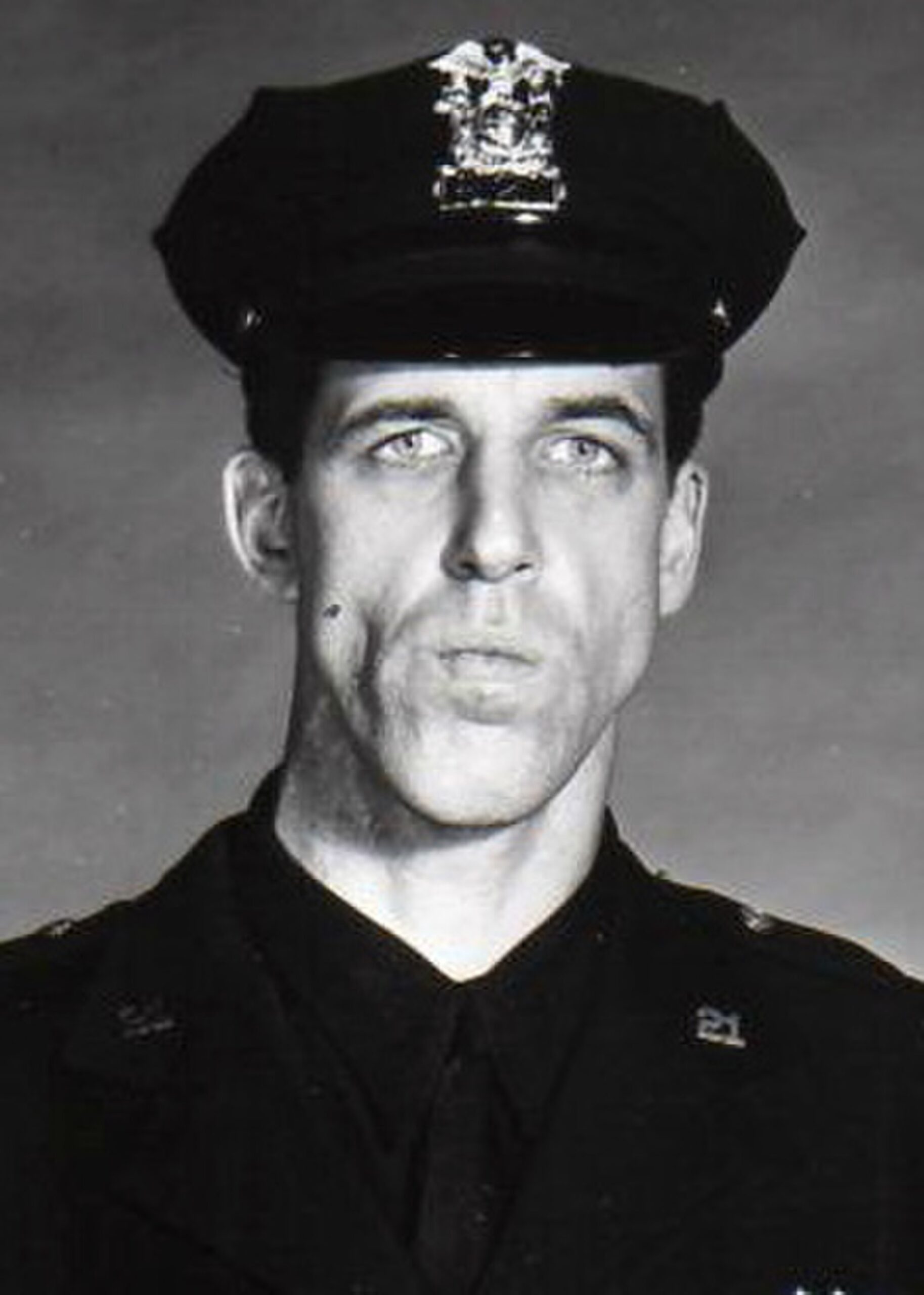
Fred Gwynne, who played the lovable Herman Munster, was born on July 10, 1926 in New York City.
Before his breakout role in The Munsters, Fred starred as Officer Francis Muldoon in the hit sitcom Car 54, Where Are You?, where his tall frame and deadpan delivery made him a perfect foil to the bumbling Officer Toody.
He also authored a number of clever and whimsical children’s books, including A Chocolate Moose for Dinner and The King Who Rained.
During World War II, Fred served in the U.S. Navy as a radioman aboard a submarine chaser.
Image via Wikimedia Commons, public domain

Brandi Chastain drops to her knees in triumph after clinching the Women’s World Cup for the U.S. with a decisive penalty kick against China at the Rose Bowl.
July 10, 1999 — A defining moment in sports.
Image via Alamy