
 Mystery March Is Here!
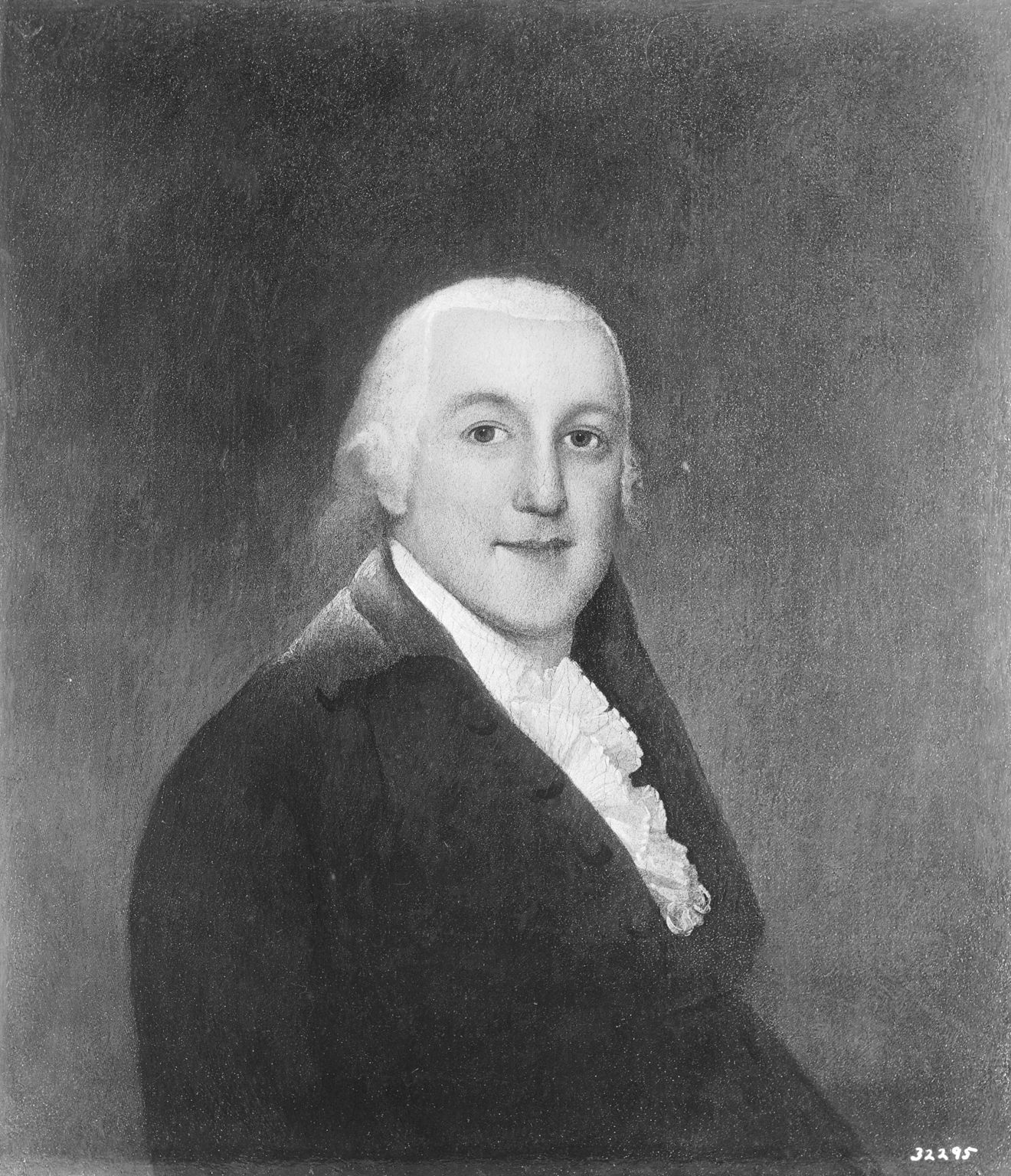
Edward Rutledge found himself torn between conviction and consensus on July 1, 1776. Though South Carolina opposed independence that morning, Rutledge called for a one-day postponement to give his delegation time to reconsider. By July 2, they joined the majority in support. His quiet diplomacy helped secure the near-unanimity (with only New York abstaining) that gave America’s break with Britain its moral gravity.
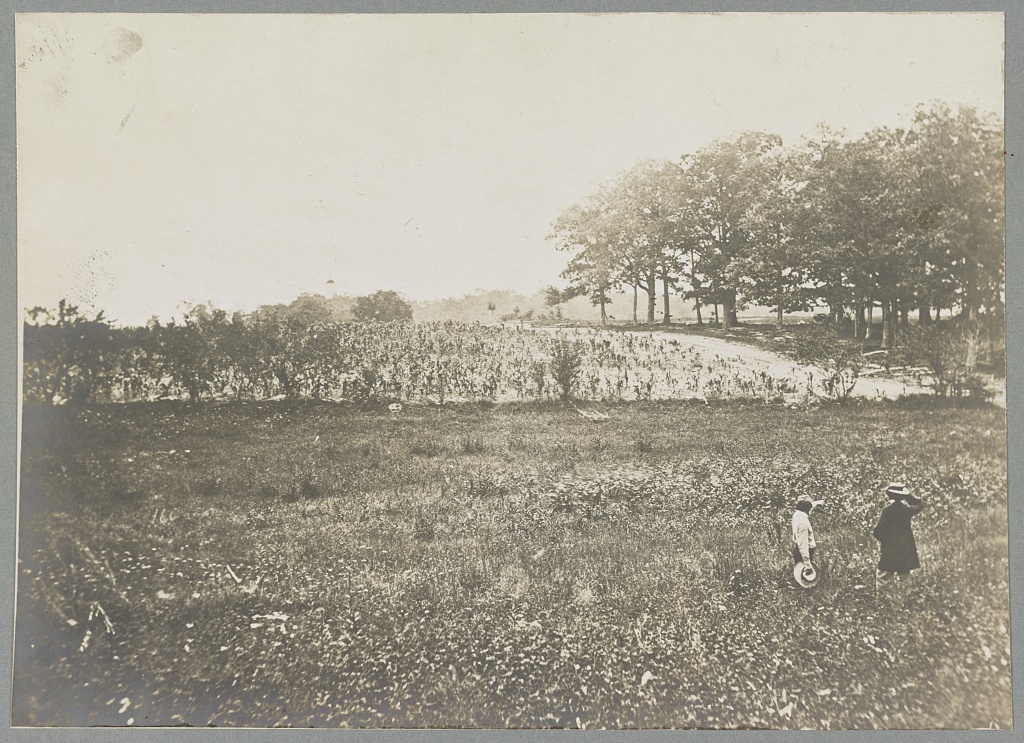
The Battle of Gettysburg began on July 1, 1863
“That will find space on history’s page.
To record the deeds that here were done
By this nation’s heroic sons.
And while the cannon loudly sound
General Reynolds comes on the ground,
And with eagle eye took in at glance
The whole of country’s wide expanse,
And saw at once with Federal might,
Here was the place to make the fight.
And with a courrier’s hasty speed
Sent back the word to General Meade.
Then did Reynolds order forward
Valiant troop with General Howard.
Scarcely had they reached the field
When General Reynolds was seen to reel.
The blood was streaming from his head,
He fell from horse and soon was dead.
Oh, cruel war! No one can tell
How soldiers wept when Reynolds fell.
The men who that day’s battle bore,
Was from the First and Eleventh Corps.
All day they fought with might and main
On these two corps was fearful drain.
When by a charge the foe attacks,
As many times were driven back.
But truly we must count the cost
As many men were each time lost.
And now the day is nearly done.
And Federals outnumbered four to one.
And when that force comes on the field
The Union troops do backward reel.
When on the hill above the town
They make their stand and hold their ground.
Thus ended there that first day’s fight
When evening’s shade brought on the night.
Oh, must I tell the fearful cost,
Nine thousand men that day were lost.
One thousand dead on ground there laid.
The others wounded or prisoners made.
And when our troops that day did yield
The enemy camps upon the field.
And through the night our traitorious foes
Stripped the dead of all their clothes,
Causing that name which is “unknown”,
To be carved upon that marble stone
That marks the grave where yet they sleep,
And our nation great will vigil keep.
So soldier sleep, take sweet repose
For morrow’s deeds no one yet knows.
And as this army sorely bleeds.
Comes Hancock on his foaming steed,
And looks around all o’er the land
Then says, “that here we’ll make our stand”.
So back he goes on fleetest steed
Reports the same to General Meade.”
From: The Battle of Gettysburg; a poem
by Stephen B. Day, published in 1914
https://archive.org/details/battleofgettysbu00days/page/9/mode/1up
Source: No known restrictions
Image: Gettysburg, Pa. July 1863. Battlefield of Gettysburg. View of point of woods where General Reynolds was killed, July 1, 1863 via LOC, no known restrictions
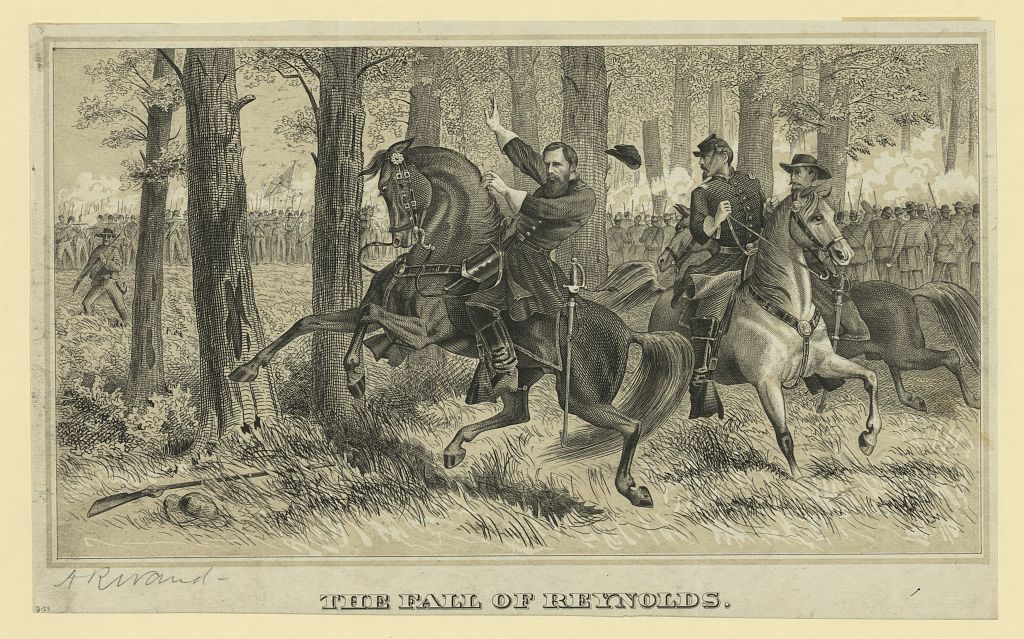
The Fall of Reynolds on Day 1 of the Battle of Gettysburg
July 1, 1863
via Wikimedia Commons, public domain
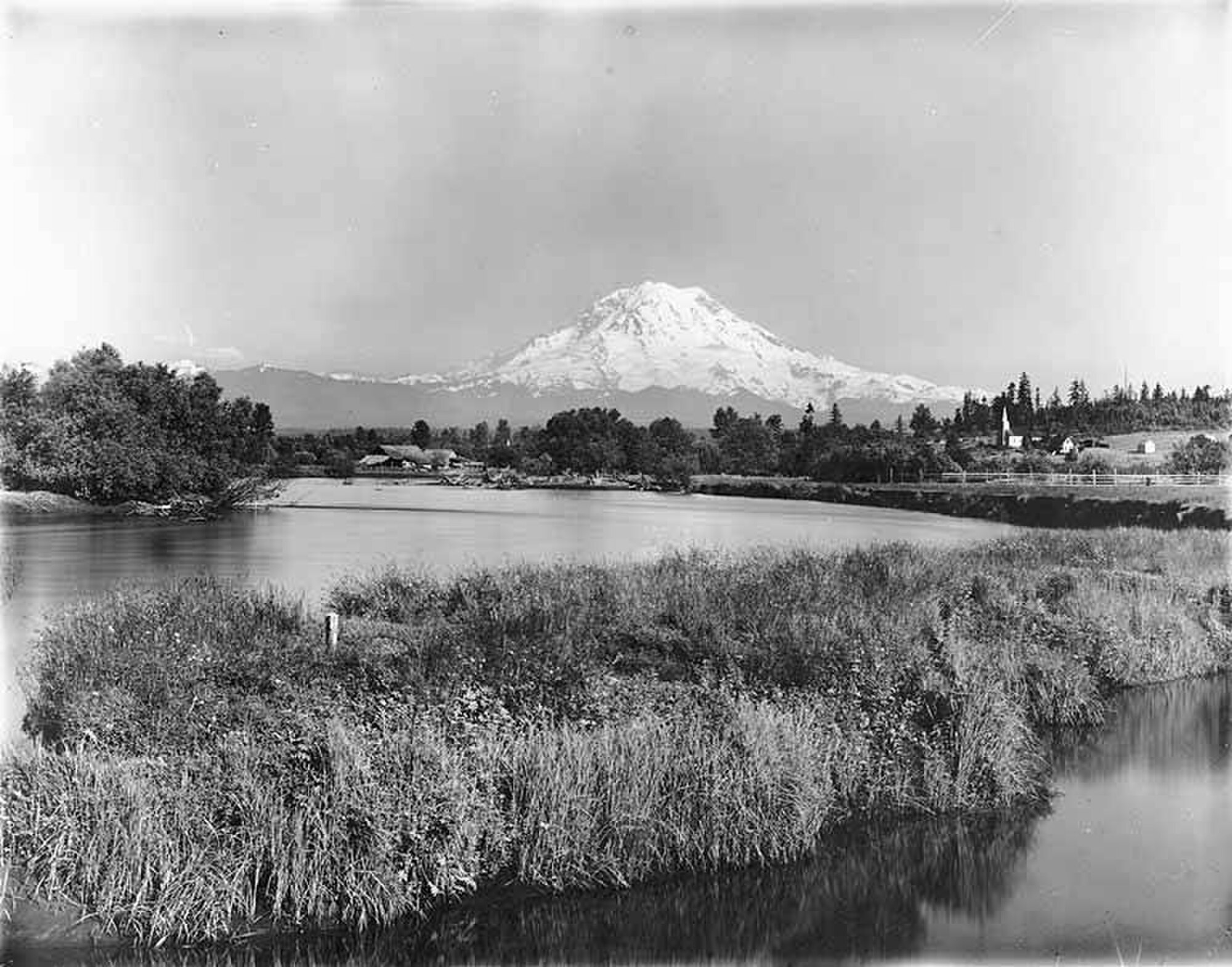
View of Mount Rainier looking southeast up Puyallup River, Tacoma, July 1, 1899
via Wikimedia Commons, public domain
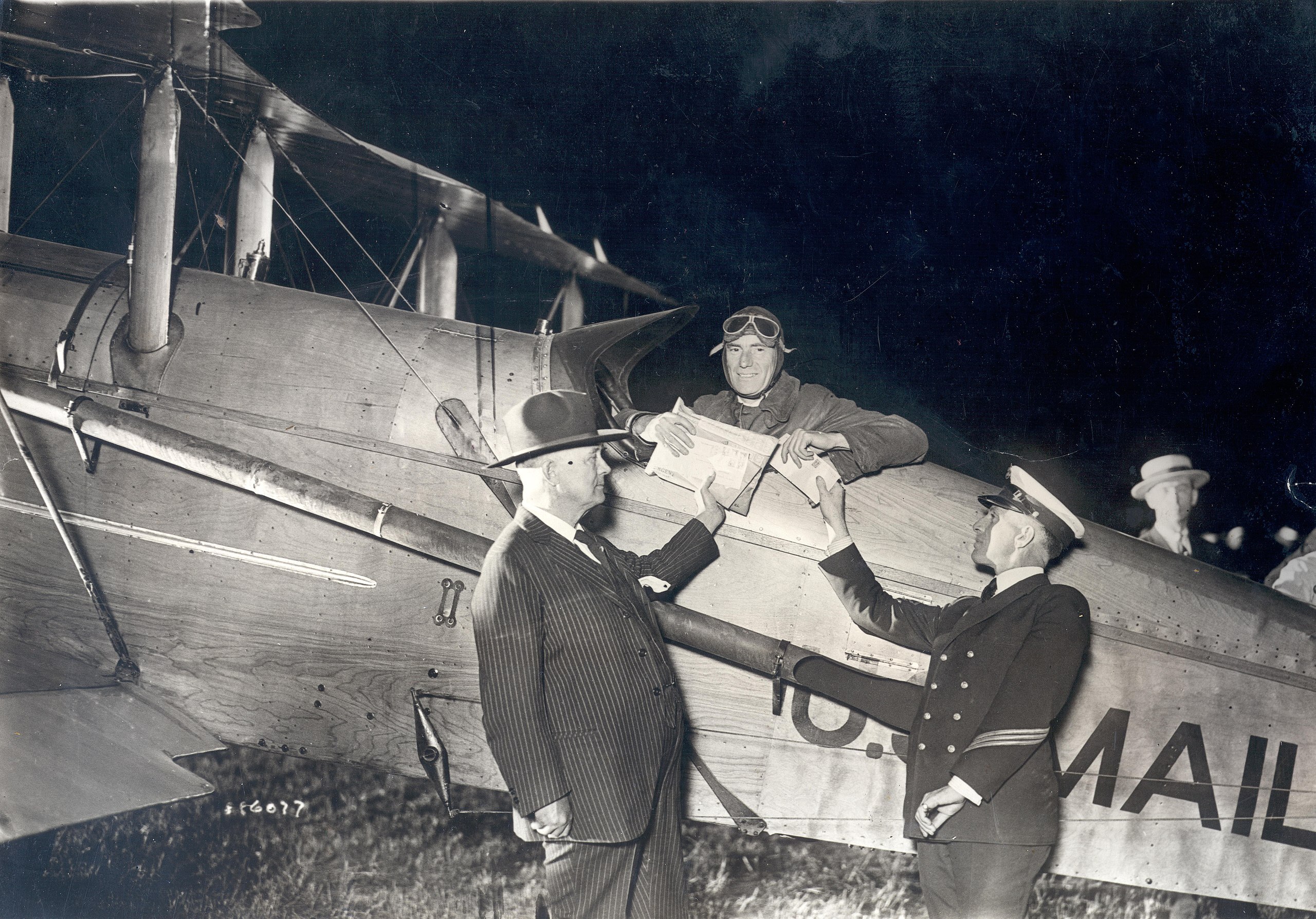
On July 1, 1925, James DeWitt Hill, a pioneering airmail pilot, is presented with a ceremonial sack of mail at Hadley Field in New Jersey. With this occasion, the United States’ first regularly scheduled transcontinental night-and-day airmail service was inaugurated. Shortly before nine o’clock at night, hundreds of cars lined the field, their headlights blazing, creating a makeshift runway glow that led Hill into the night sky as he got ready to take off.
via Wikimedia Commons, public domain
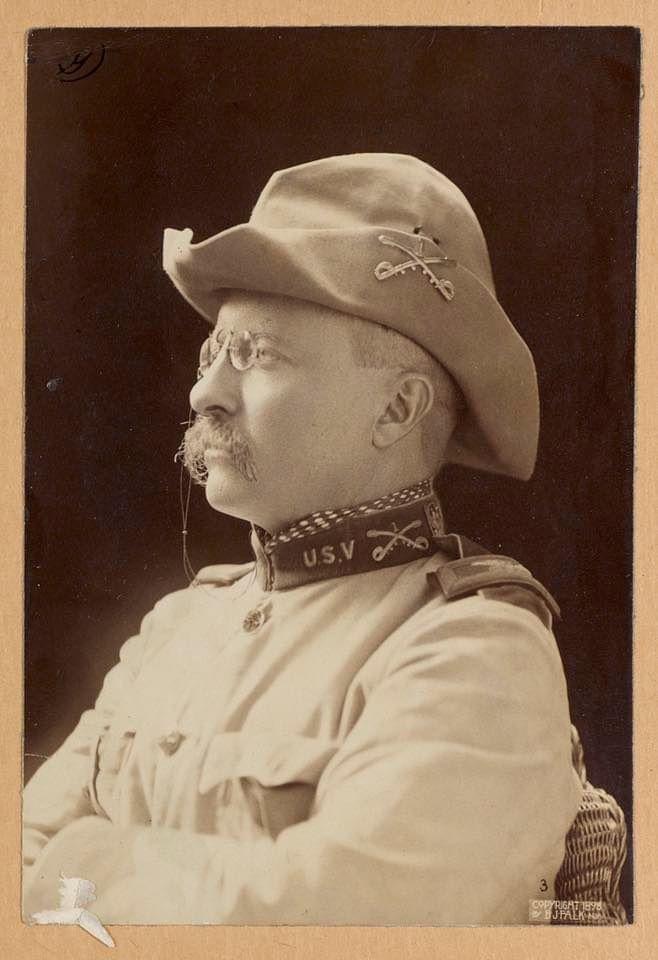
On July 1, 1898, Theodore Roosevelt and his Rough Riders stormed Kettle Hill.
“The regiment got into action immediately on landing and forced its way, after some sharp fighting in the jungle, to the high ground on which were placed the fortifications which defended the approach to Santiago. Colonel Wood was almost immediately given command of a brigade, and this left Roosevelt colonel of the regiment. In the battle which ensued and which resulted in the capture of the positions commanding Santiago and the bay, the Rough Riders took a leading part, storming one of the San Juan heights, which they christened Kettle Hill, with Roosevelt leading the men in person. It was a dashing, gallant assault, well led and thoroughly successful. Santiago fell after the defeat of the fleet, and then followed a period of sickness and suffering — the latter due to unreadiness where Roosevelt did everything with his usual driving energy to save his men, whose loyalty to their colonel went with them through life. The war was soon over, but brief as it had been Roosevelt and his men had highly distinguished themselves, and he stood out in the popular imagination as one of the conspicuous figures of the conflict. He brought his regiment back to the United States, where they were mustered out, and almost immediately afterwards he was nominated by the Republicans as their candidate for governor of the State of New York.”
From: Theodore Roosevelt by Henry Cabot Lodge, published in 1919
https://archive.org/details/theodoreroosevel00lodg/page/23
Source says not in copyright
Image: Colonel Theodore Roosevelt c. 1898 by Benjamin J. Falk via Library of Congress, no known restrictions
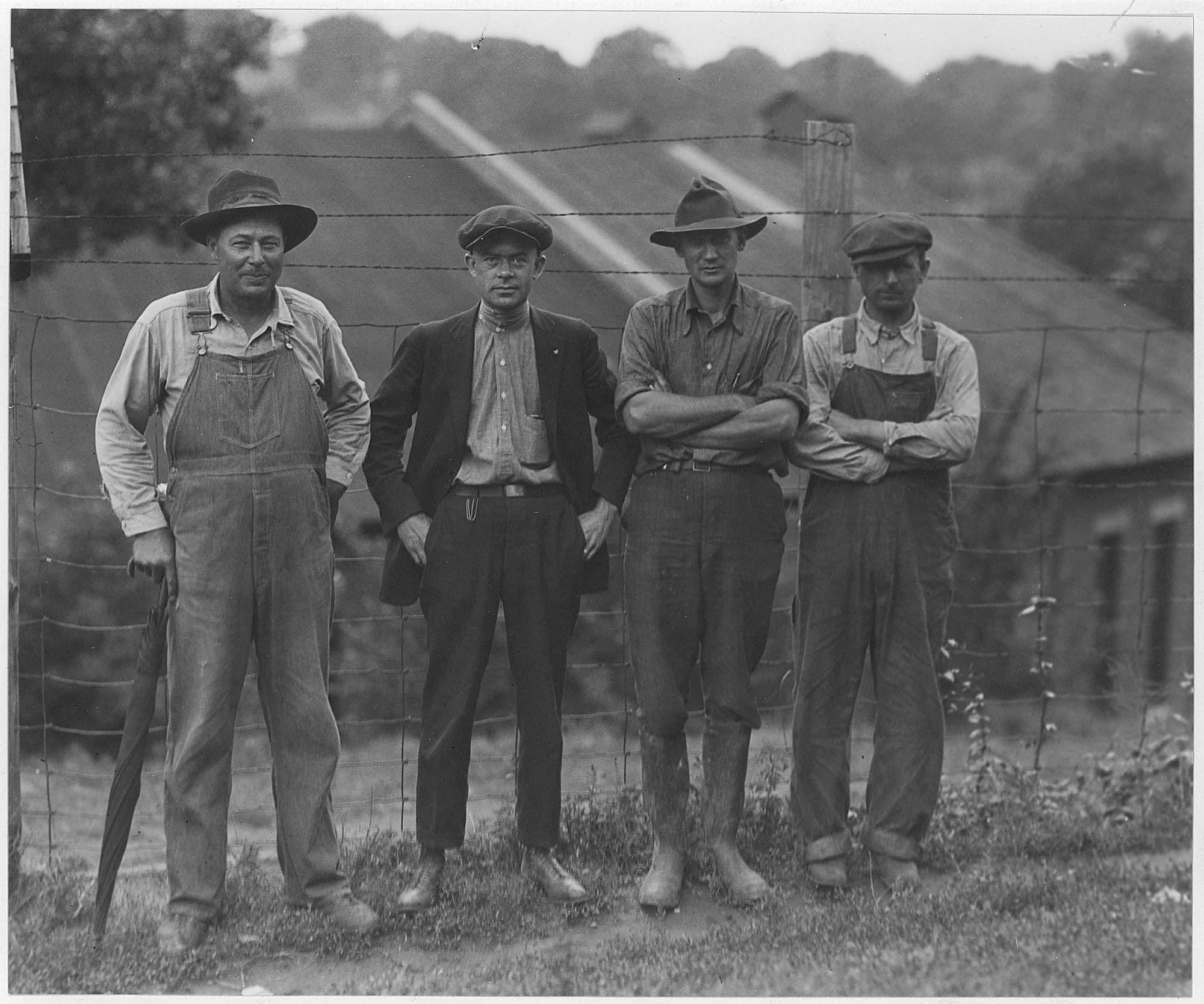
On July 1, 1922 nearly 400,000 railroad workers across the U.S. walked off the job in a coordinated action against the Railroad Labor Board who approved to cut wages by over 10%.
The Great Railroad Strike of 1922 lasted until August of that year.
Image of Strikers at the Burlington Railroad shop yards, Plattsmouth via Wikimedia Commons, public domain

Dwight D. Eisenhower and wife, Mamie, on their Wedding Day, July 1, 1916
Image via Alamy
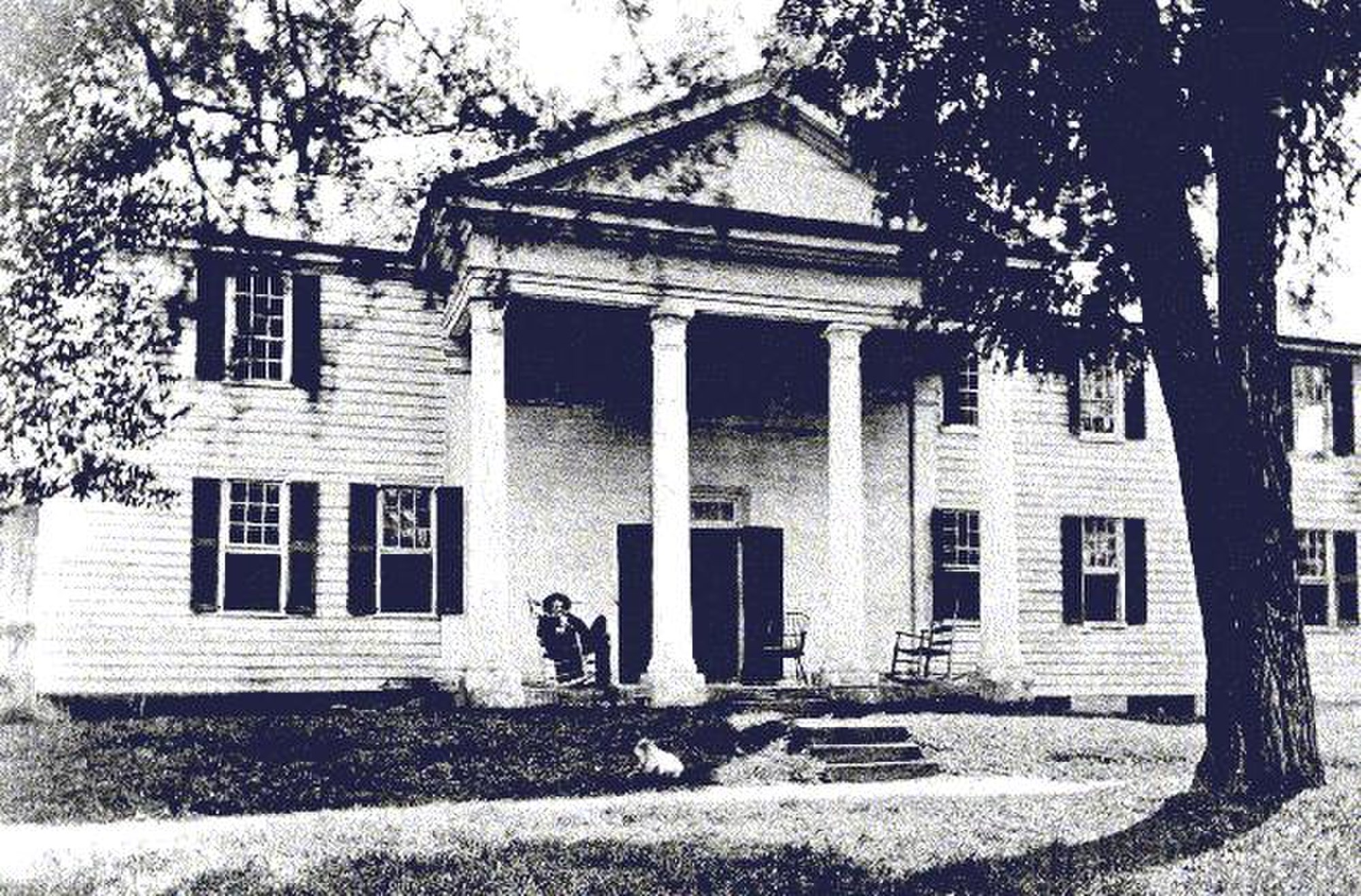
Fort Hill in Clemson, South Carolina. Thomas Green Clemson is sitting on the porch.
Thomas Green Clemson, the founder of Clemson University, was born on July 1, 1807 in Philadelphia, PA.
Image via Wikimedia Commons, public domain
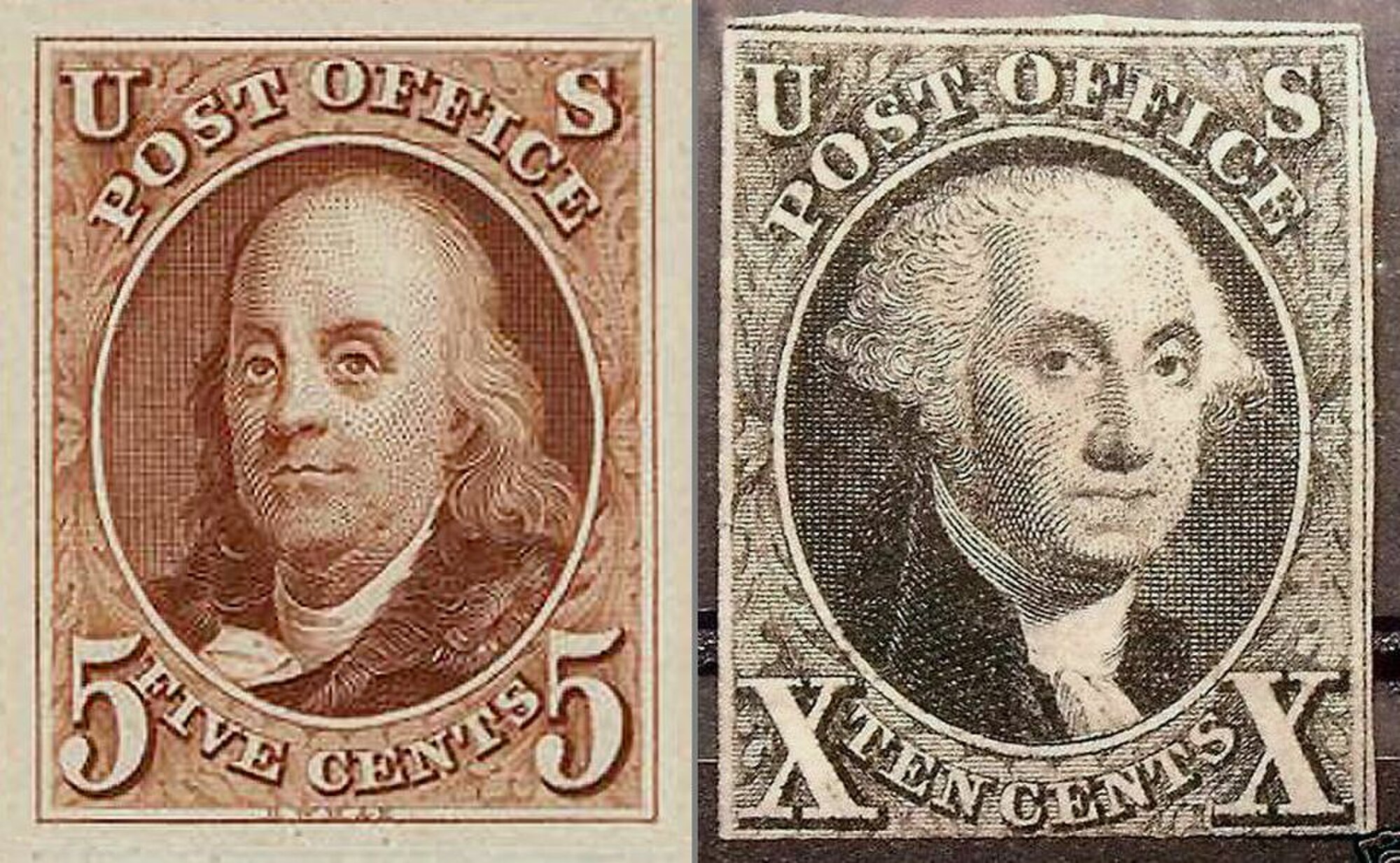
On July 1, 1847, the first postage stamps, issued by the U.S. Post Office, went on sale.
However, it wasn’t until the mid 1850s, when the use of postage stamps became mandatory in order to mail a letter.
Image of the first U.S. postage stamps issued in 1847 via Wikimedia Commons, public domain in the US.
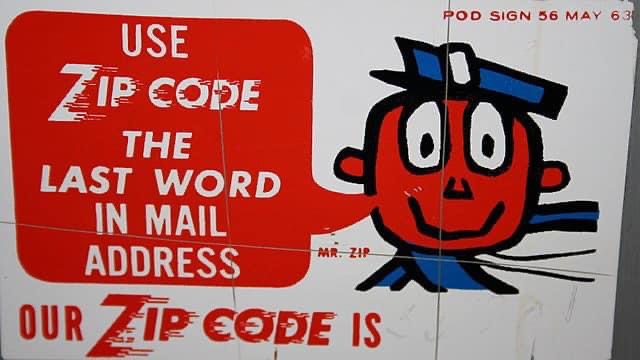
On July 1, 1963 the US Post Office (now US Postal Service) introduced the ZIP Code. Folks were encouraged to use 5-digit code by mascot Mr. ZIP, shown here. The “ZIP” in ZIP Code is actually an acronym for Zone Improvement Plan.
Yes, there is a 12345 ZIP Code.
It’s in Schenectady County, New York.
Image via USPOD via Wikimedia Commons, public domain in the US.
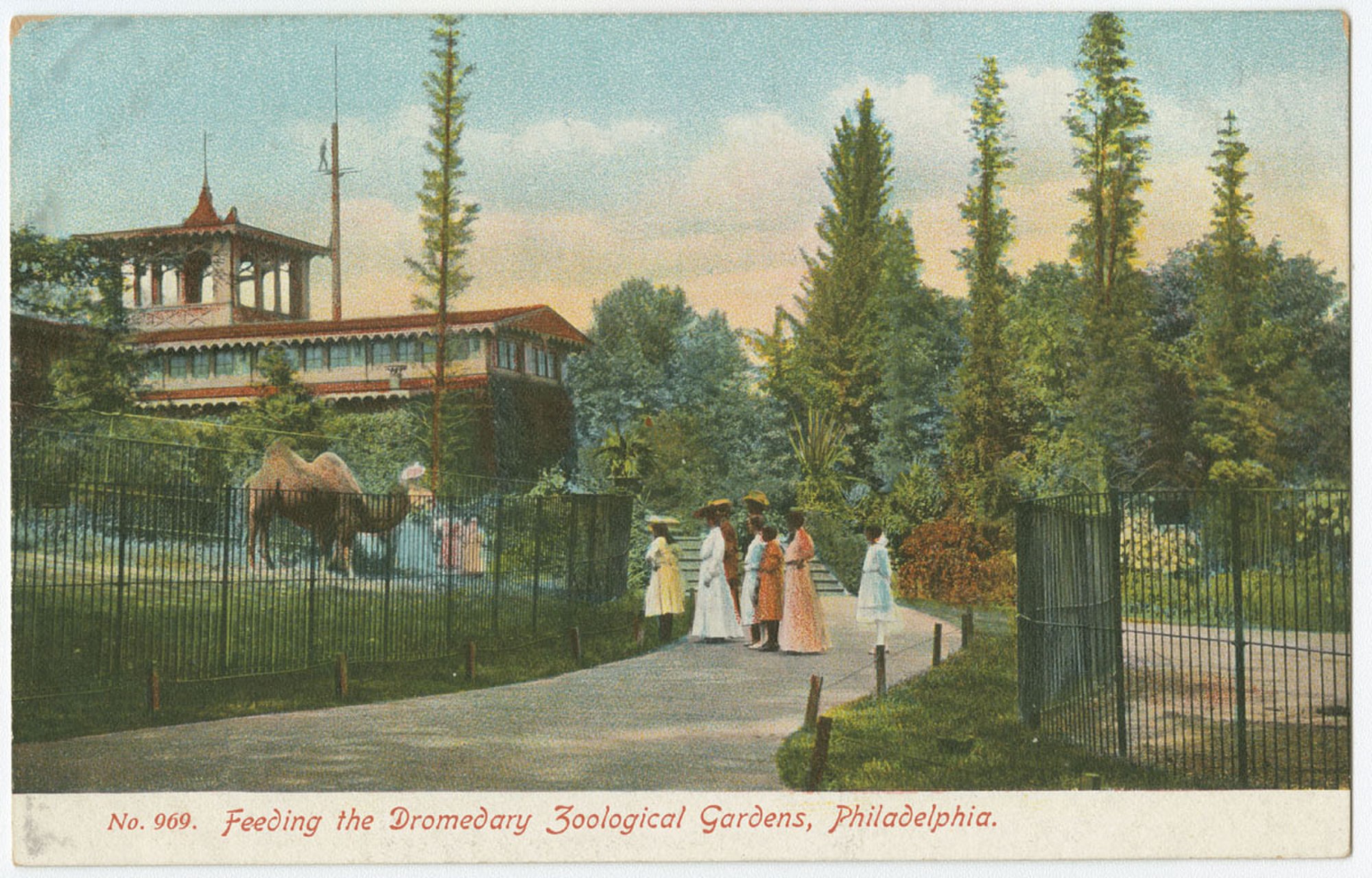
Visitors at the Philadelphia Zoo feeding a camel in 1920.
46 years earlier on July 1, 1874, The Philadelphia Zoo (America’s first zoo) was opened to the public.
Image via Wikimedia Commons, public domain
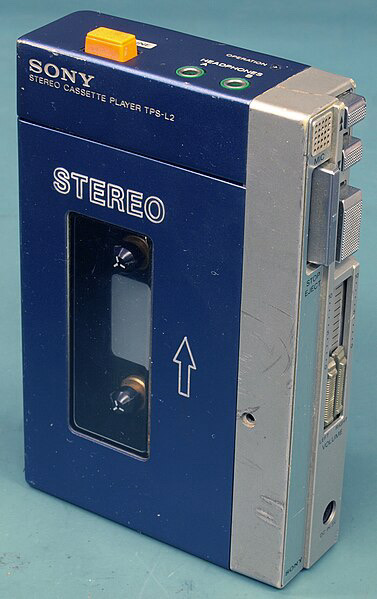
July 1, 1979 saw the debut of a portable cassette player by Sony, the Walkman. Originally marketed as a Sound-About in the US, Stowaway in the UK, Freestyle in Australia and Sweden, and Wasei-Eigo in Japan, the Walkman name did not catch on until the early 1980s. Shown is the first model, the TPS-L2.
Image by BinarySequence, CCA-SA International via Wikimedia Commons.
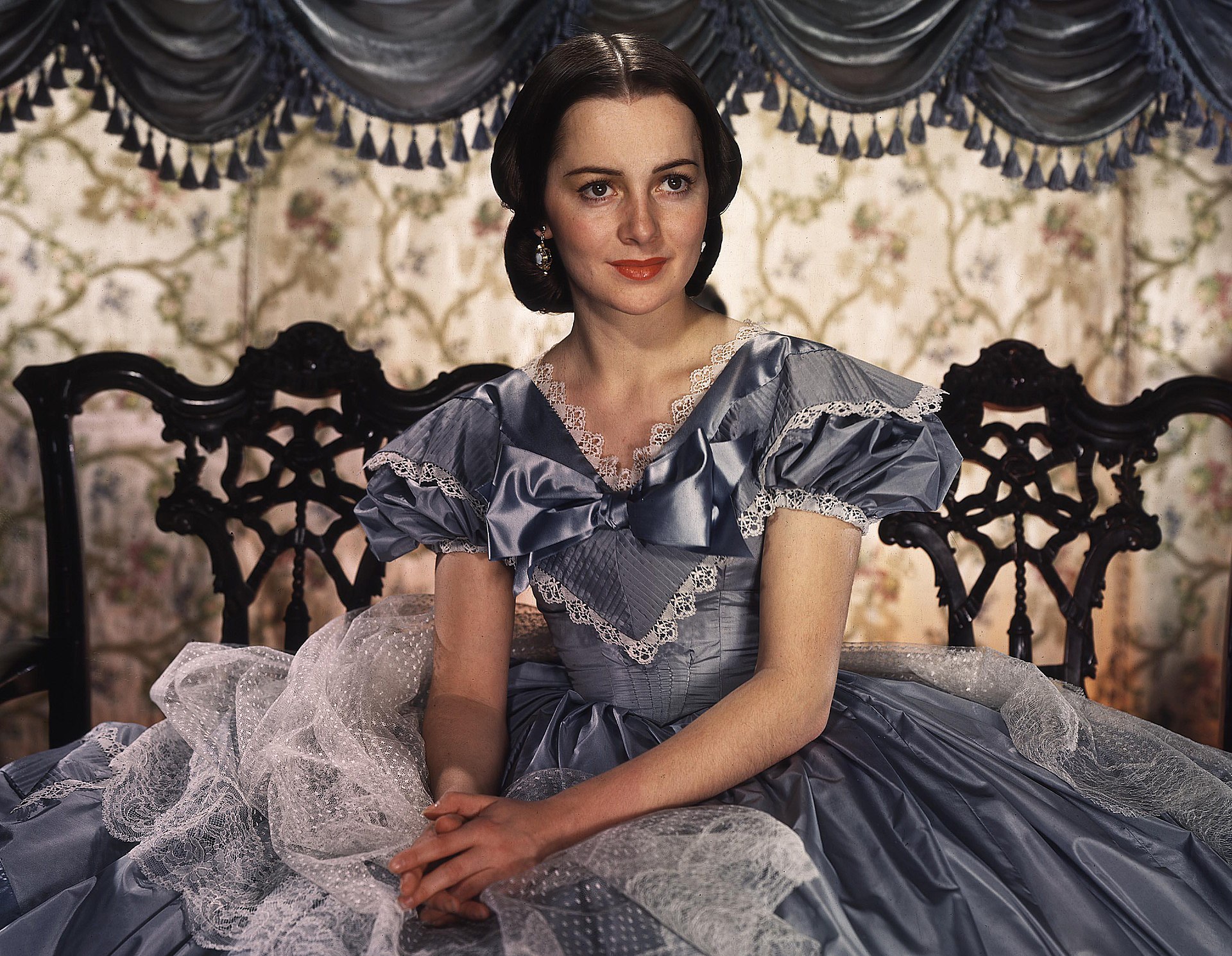
Hollywood star Olivia de Havilland was born on July 1, 1916 in Tokyo, Japan.
As a child, Olivia’s mother would have her recite Shakespeare to improve articulation.
Image of Olivia from Gone With the Wind in 1939 via Wikimedia Commons, public domain
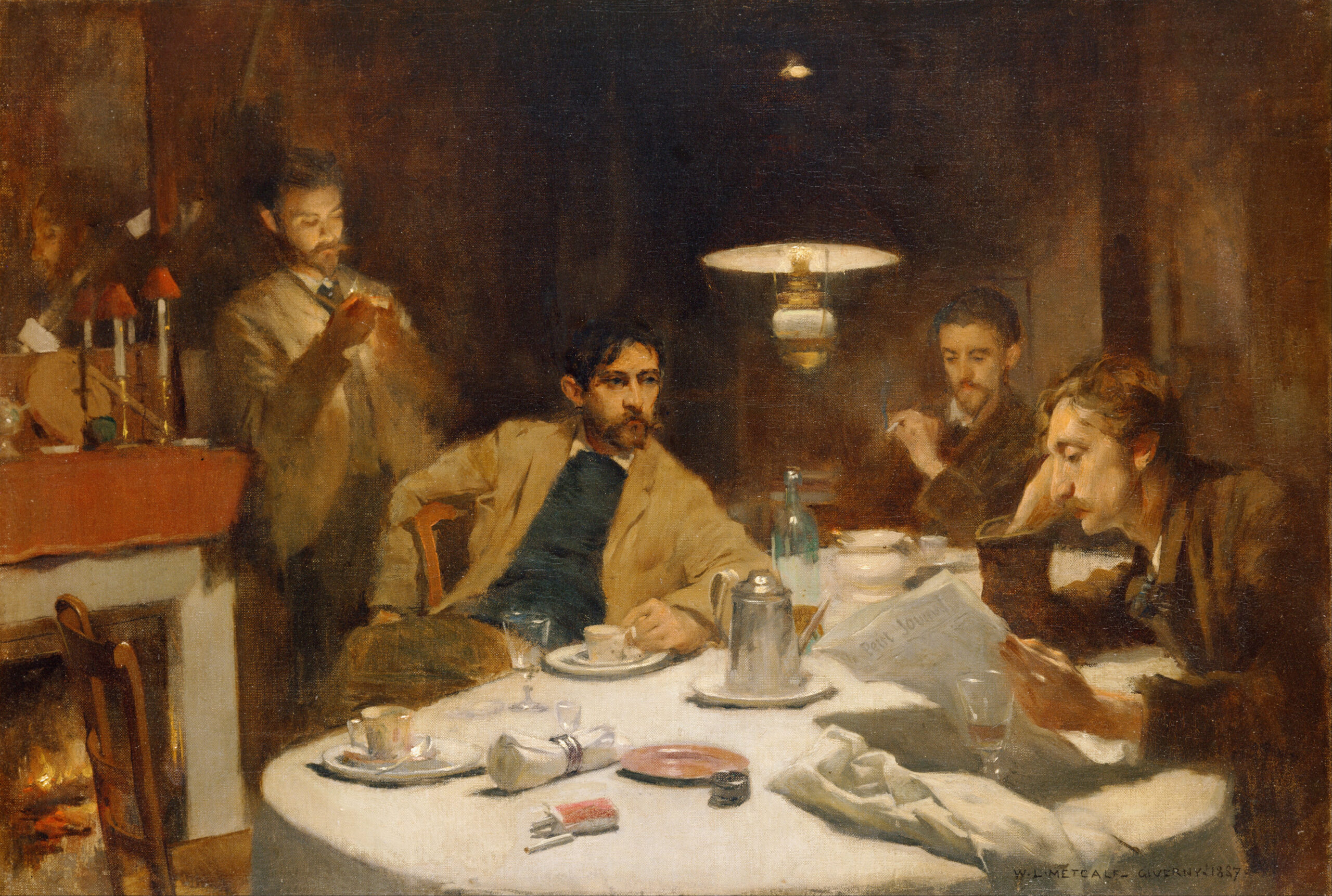
The Ten Cent Breakfast
by American artist Willard Leroy Metcalf who was born on July 1, 1858 in Lowell, Massachusetts
Painting c. 1887 via Wikimedia Commons, public domain
