
 Mystery March Is Here!

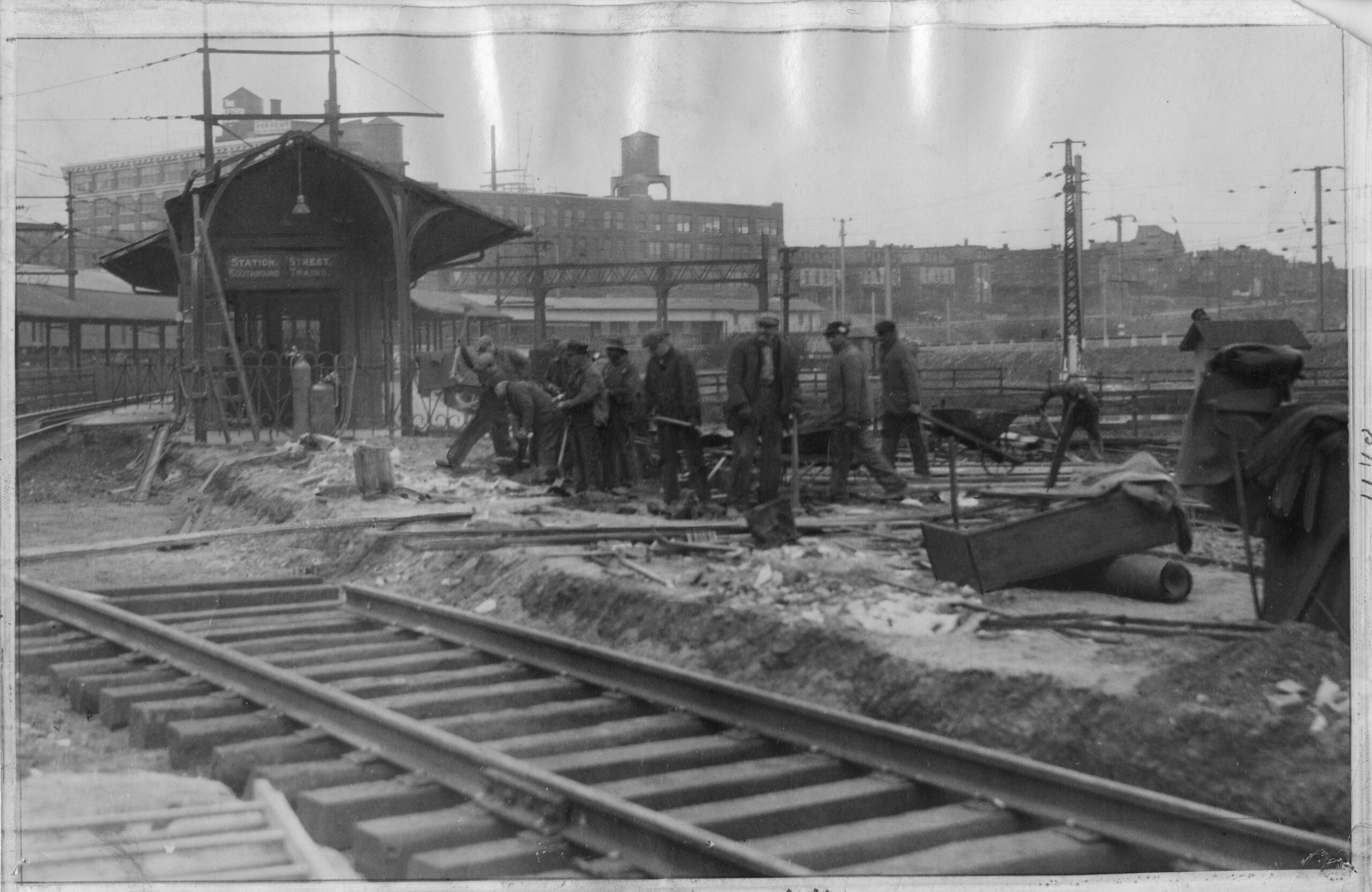
Removal of platforms at West Philadelphia station to prepare for the construction of 30th Street station. January 9, 1931
Image via Wikimedia Commons, public domain
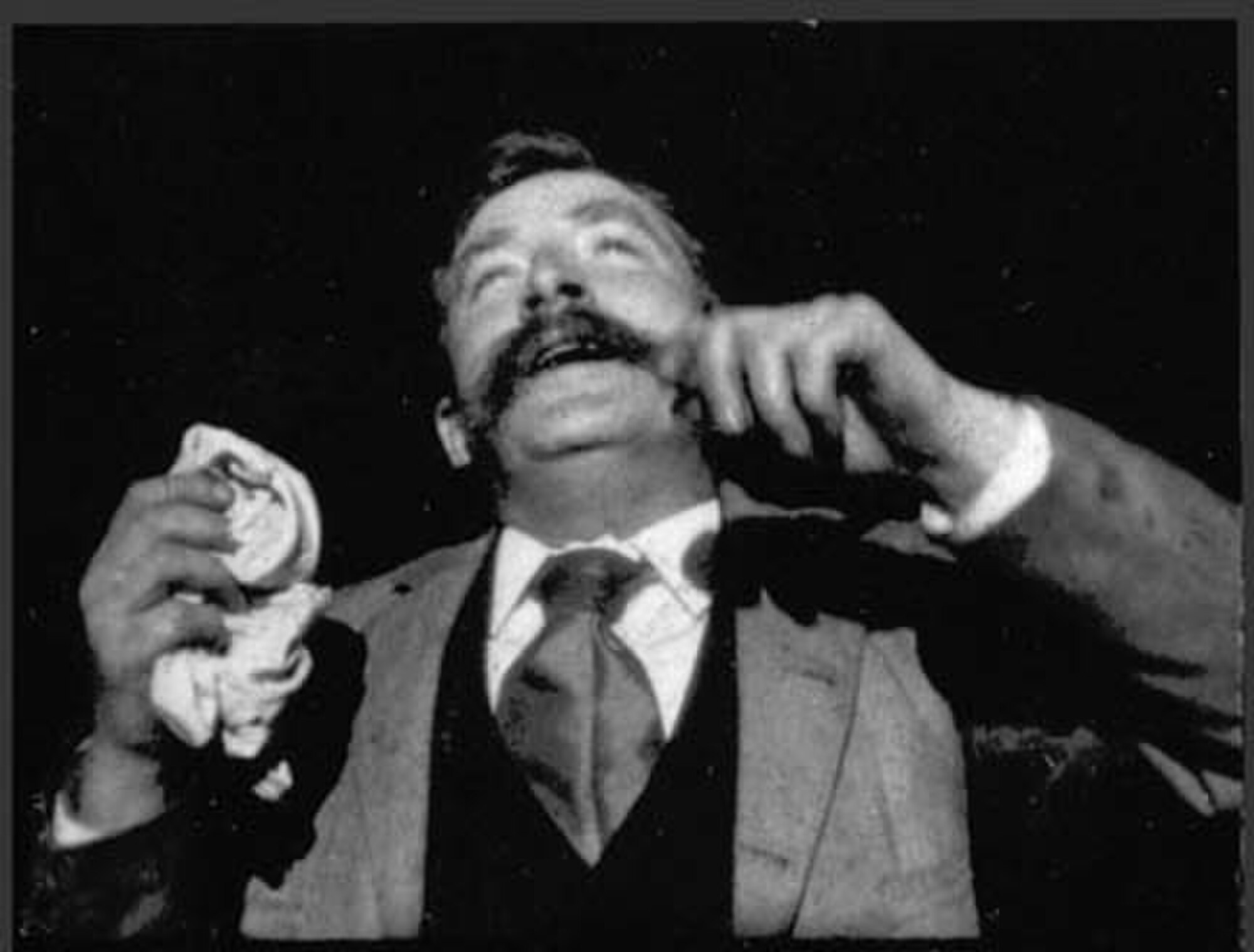
Fred Ott’s Sneeze, one of the earliest Edison Studio films that was made by Edison employee William K. L. Dickson, was released on January 9, 1894. Fred Ott, who was featured sneezing in the 5 second film, started working with Thomas Edison when he was 14 years old and was one of his most trusted assistants.
Image via Wikimedia Commons, public domain

Workers lifting a locomotive from a flat car using a hoist probably at Newhalem in Washington state. January 9, 1924
Image via Wikimedia Commons, public domain
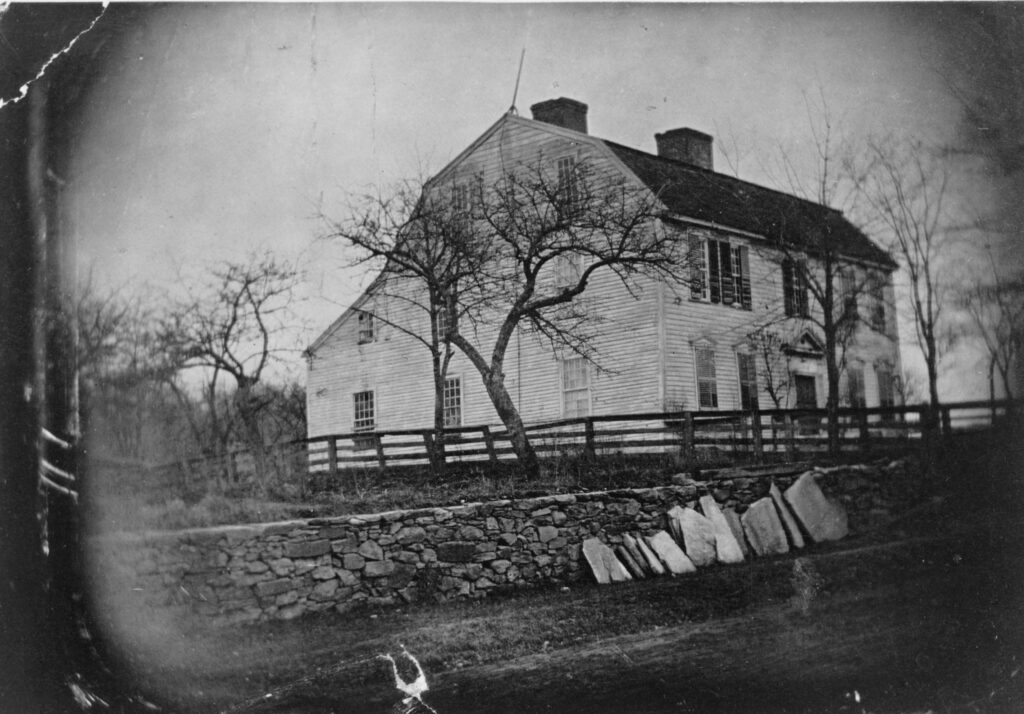
On today’s date—January 9, 1788—Connecticut became the fifth state.
This rare 1850 photograph shows the birthplace of Benedict Arnold near Norwich Town—the only known surviving image of the home where one of Connecticut’s most complicated sons was born 47 years to the month before statehood.
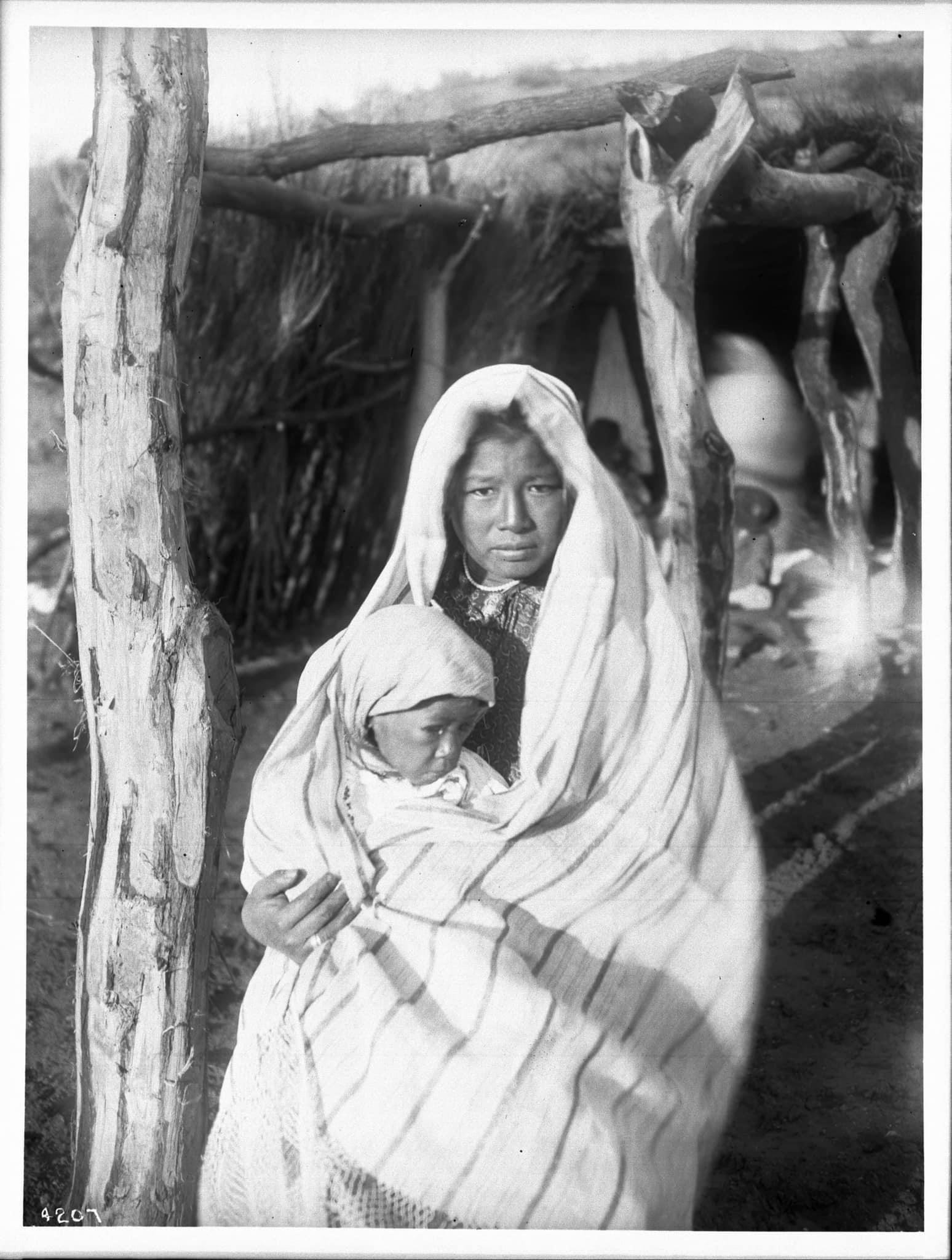
A Yaqui mother cradles her child in Arizona, c. 1910—eight years before the Battle of Bear Valley, the final recorded clash of the American Indian Wars.
While federal forces pursued Yaqui resistance into the 20th century, families like hers endured in dignity and strength. The war’s last chapter unfolded in Arizona on January 9, 1918, but the deeper story—of survival, sovereignty, and generational strength—was already being written in homes like this one.
Image via Wikimedia Commons, public domain
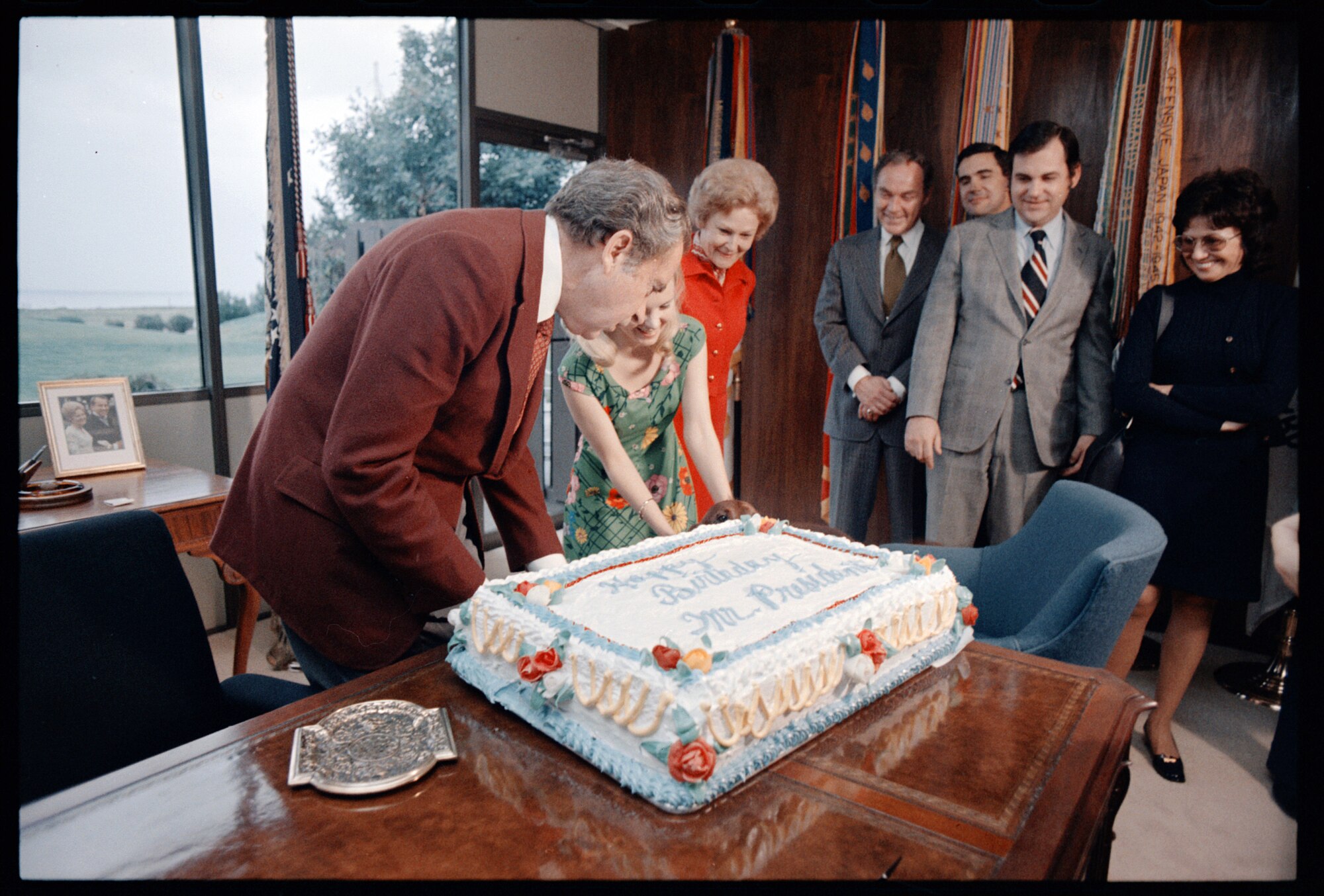
President Nixon admires his 61st birthday cake while celebrating with family and staff members at the Western White House, La Casa Pacifica, in San Clemente.
January 9, 1974
Image via Wikimedia Commons, public domain
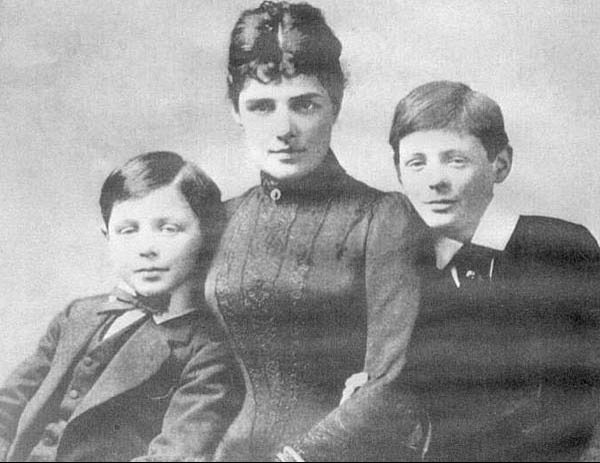
Jennie Jerome, born in Brooklyn on January 9, 1854 was 20 when she married Lord Randolph Churchill. She supported the political careers of her husband, and her son Winston (shown with her, right, and brother John.) Despite oft-told tales Lady Churchill did not have a tattoo and did not invent the Manhattan cocktail.
Image via Wikimedia Commons, public domain in the US. {PD-US}.
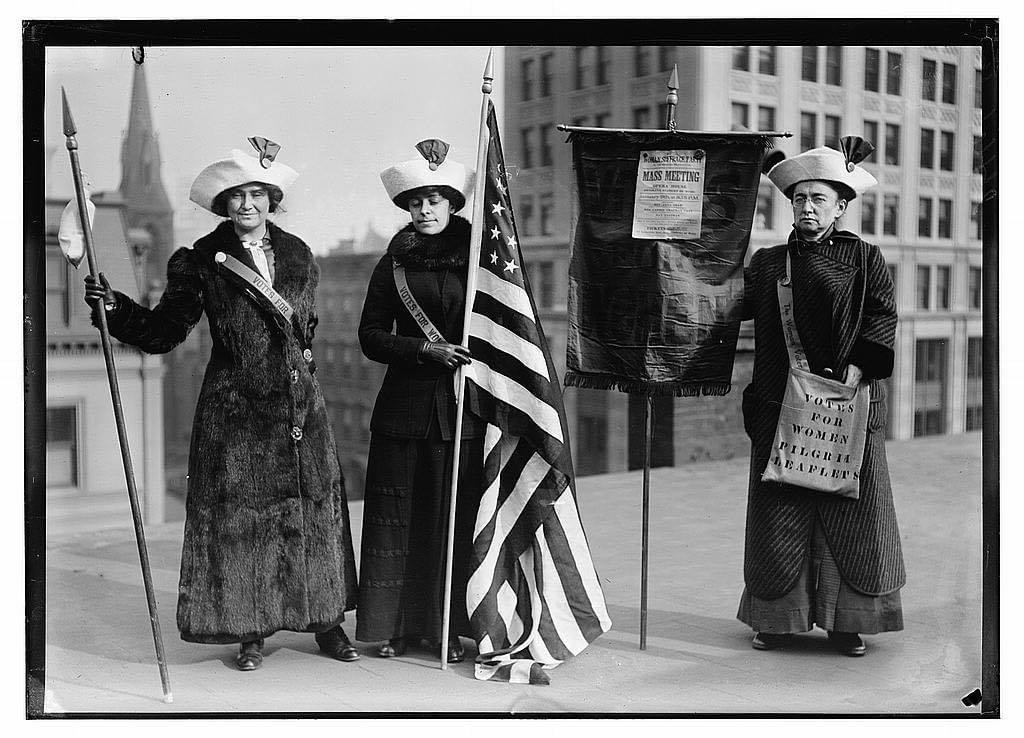
Women holding various items such as an American flag and a banner that says “Woman Suffrage Party. Mass meeting. Opera House. Brooklyn Academy of Music. January 9th at 8:15 p.m.” c. 1910-1915 via LOC, no known restrictions
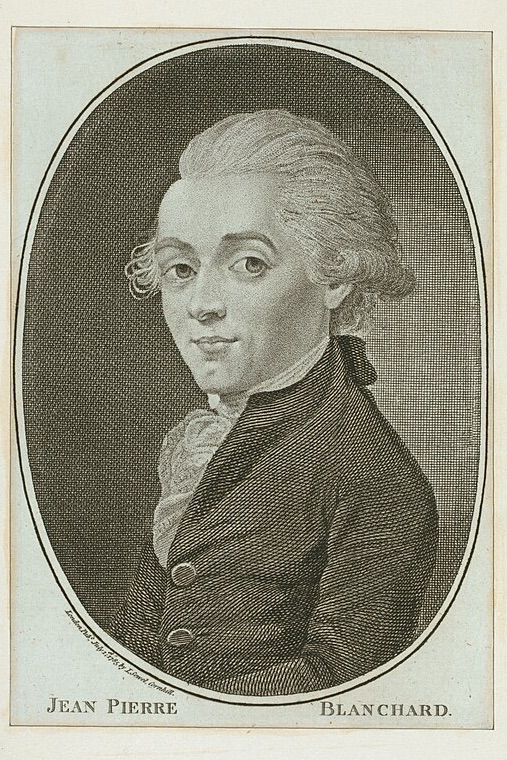
On January 9, 1793, a crowd of spectators gathered near Walnut Street Prison in Philadelphia to watch Jean Pierre Blanchard ascend in a balloon. It was the first manned balloon flight in North America. The audience included Washington, Adams, Jefferson, Madison and Monroe who would be known as the first five Presidents of The United States.
Image via Wikimedia Commons, public domain
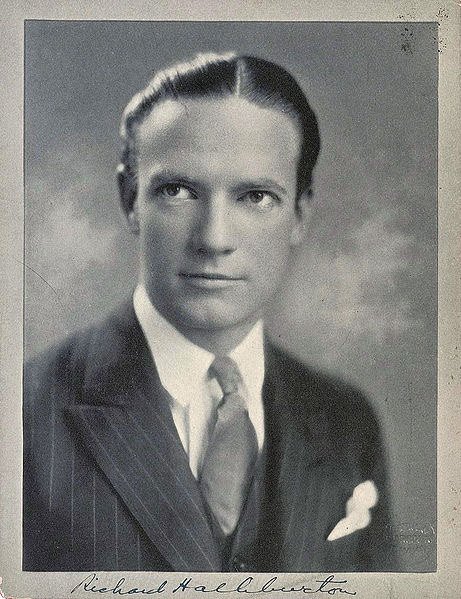
Born January 9, 1900 Richard Halliburton spent half his life traveling the world and writing of his adventures in books and newspapers. Readers followed him as he climbed mountains, sailed seas, flew over jungles, and swam the Panama Canal, paying a 36-cent toll. Halliburton perished in a typhoon while sailing the Sea Dragon, a Chinese junk.
Image via Wikimedia Commons, public domain in the US.
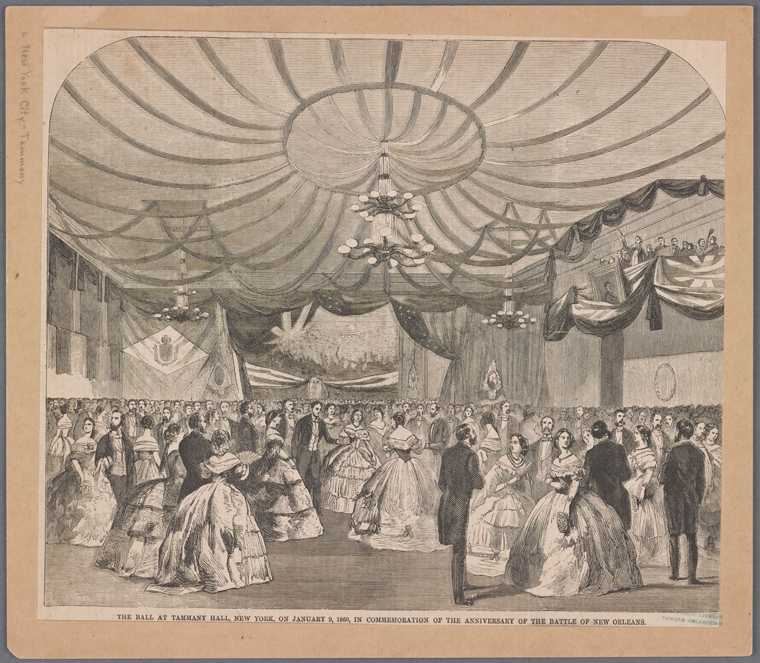
The ball at Tammany Hall, New York, on January 9, 1860, in commemoration of the anniversary of the battle of New Orleans.
Image via NYPL Digital Collections, no known restrictions

On January 9, 2006, “The Phantom of the Opera” became the longest-running show on Broadway.
Image via Shutterstock
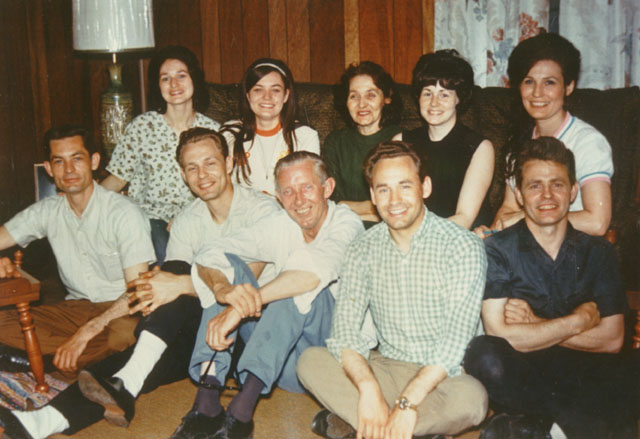
Crystal Gayle turns 75 — born January 9, 1951.
She began her career touring with her sister Loretta Lynn in the 1960s, then stepped out on her own in 1970 with “I’ve Cried (The Blue Right Out of My Eyes).” Over the decades she’s released twenty‑five studio albums, most recently You Don’t Know Me in 2019, and built one of the most recognizable voices in American music.
Her breakthrough came in 1977 with “Don’t It Make My Brown Eyes Blue,” the Grammy‑winning hit that made her the first female country artist to earn a platinum album. She remains active in 2026, with February performances scheduled in Nevada and Texas.
Though a country icon for generations, she has been a Grand Ole Opry member only since 2017 — a long‑overdue honor for an artist who helped bridge country and pop with unmistakable warmth and style.
Image: Family photograph of the Webb family. Starting from the left – Herman, Peggy Sue, Don, Crystal, Tommy Butcher, Clara, Jay Lee, Betty, Loretta, Junior via Wikipedia, public domain
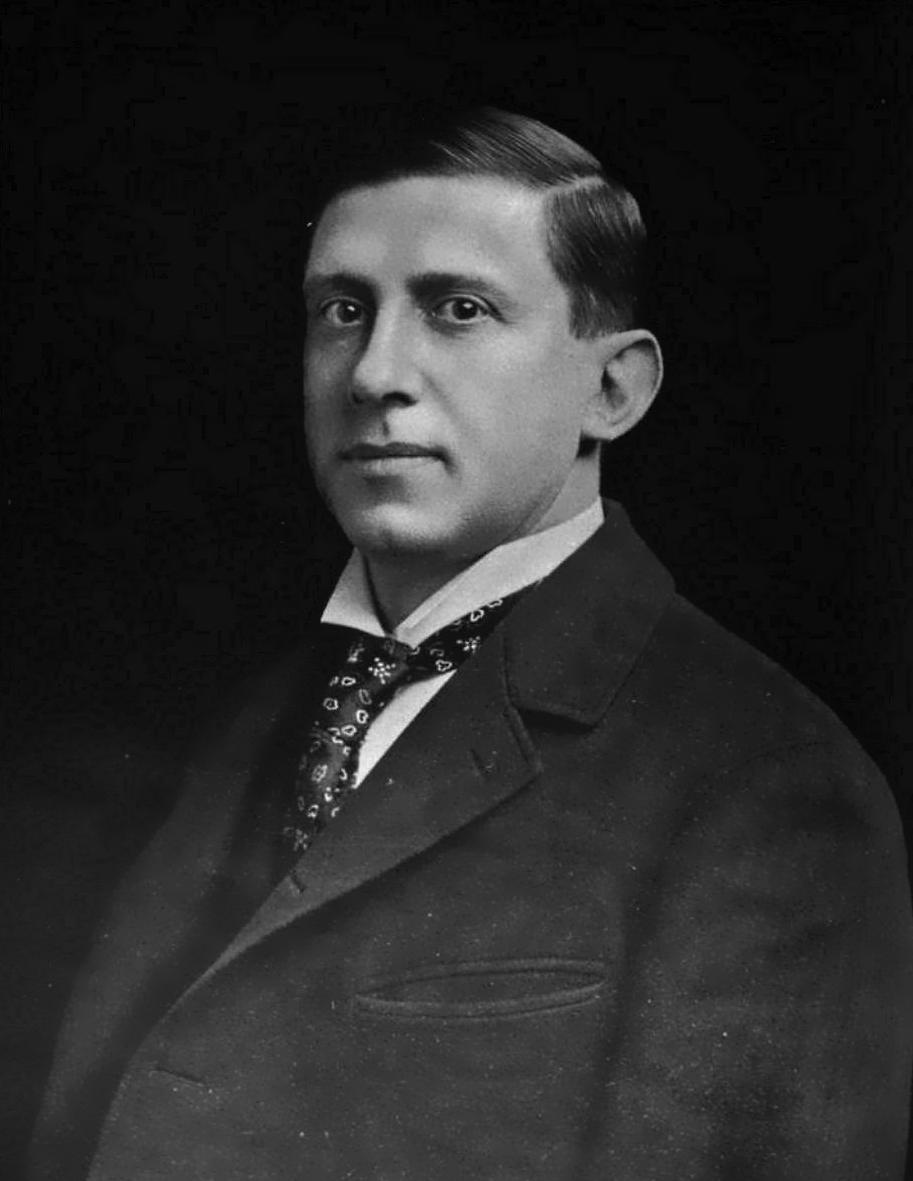
On January 9, 1901, the President of Carnegie Steel, Charles M. Schwab, organized a dinner for nearly 90 millionaires at the Schenley Hotel in Pittsburgh. His purpose was to discuss the formation of a new company, U.S. Steel.Image of Schwab in 1901 via Wikimedia Commons, public domain

Bob Denver, who played the role of Gilligan on Gilligan’s Island, was born on January 9, 1935 in New Rochelle, New York
Image of Bob in 1965 via Wikimedia Commons, public domain
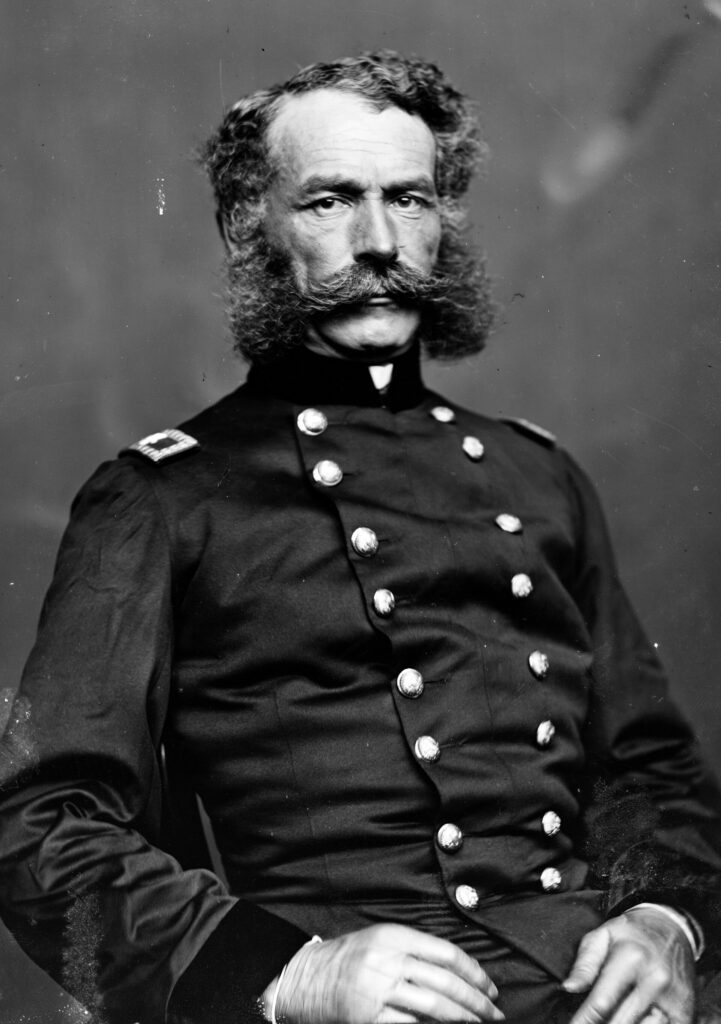
Philadelphia‑born Henry Morris Naglee — a West Point–trained engineer and veteran of the Mexican‑American War — opened San Francisco’s first commercial bank on January 9, 1849, in a narrow room at Montgomery and Clay where a safe, a scale, and his own reputation had to substitute for banking laws the city didn’t yet have.
He weighed miners’ dust by hand, issued receipts in a ledger he ruled himself, and briefly became the man San Franciscans trusted with their raw gold.
The stability didn’t last long.
Naglee & Sinton suspended operations on September 7, 1850, one of several private banks swept up in the city’s first wave of bank runs. After the closure, Naglee stayed in California, buying land, studying viticulture, and experimenting with European grape varieties in the Santa Clara Valley.
When the Civil War broke out, he left it all behind.
In May 1861, at age 45, he sailed south, crossed the Isthmus of Panama, and continued on to Philadelphia to rejoin the U.S. Army.
He was commissioned lieutenant colonel of the 16th U.S. Infantry, promoted to brigadier general in early 1862, and led troops at Fair Oaks and during the siege of Suffolk.
After the war, Naglee returned to California — not to banking, but to the vineyards he had planted years earlier.
By the late 1860s and early 1870s, his San Jose estate was producing award‑winning brandies and wines, earning him a reputation as one of the early architects of California’s wine industry.
And then came the scandal.
In 1874, his private letters to Mary Schell were read aloud in court during her breach‑of‑promise suit, turning his personal correspondence into public spectacle and tarnishing the reputation he had rebuilt.
Naglee’s life never moved in a straight line — soldier, banker, landowner, general, winemaker, scandal figure.
But that January morning in 1849 remains the clearest snapshot of him:
a disciplined engineer trying to impose order on a frontier city, long before he crossed a continent to fight for the Union or returned home to coax wine from California soil.
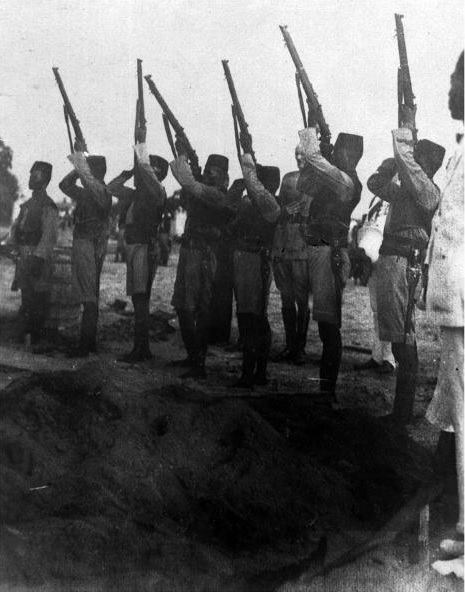
January 9, 1922 – Lagos, Nigeria. Nigerian colonial soldiers fire a rifle salute at the funeral of Colonel Charles Young, the highest‑ranking Black officer in the U.S. Army at the time of his death.
Having fallen ill with a kidney disease while on a reconnaissance mission in British West Africa, Young died in Lagos on January 8, 1922, and was buried there the following day under British regulations that required his body to remain interred locally for a year before repatriation.
After his remains were exhumed on February 22, 1923, they were returned to the United States, culminating in his reburial with full honors at Arlington National Cemetery. Photo courtesy of Brian Shellum and the National Afro-American Museum & Cultural Center, Coleman Collection via Wikimedia Commons.
