
 Mystery March Is Here!
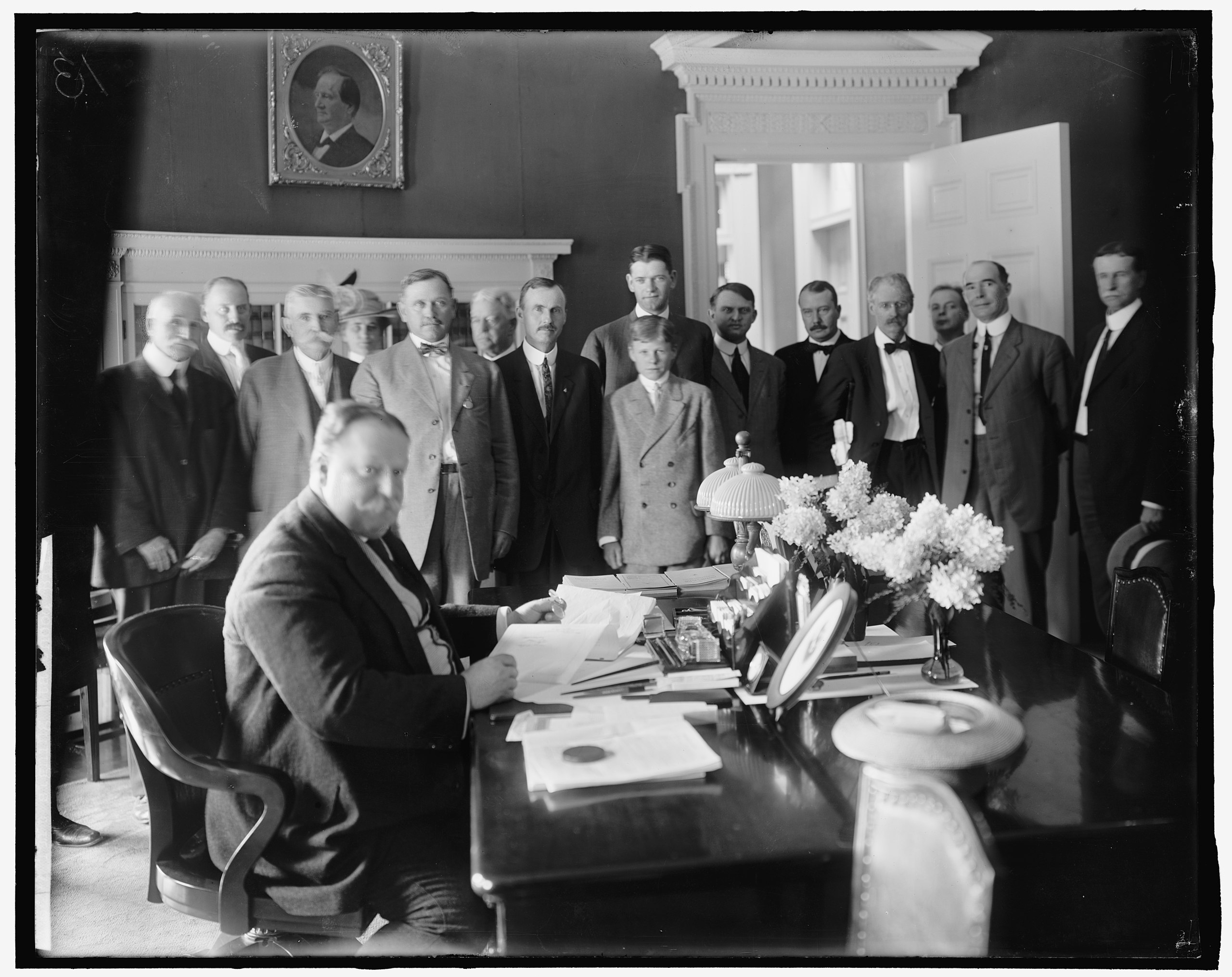
William Howard Taft signing the statehood bill on January 6, 1912, when New Mexico became the 47th state.
Image via Wikimedia Commons, public domain
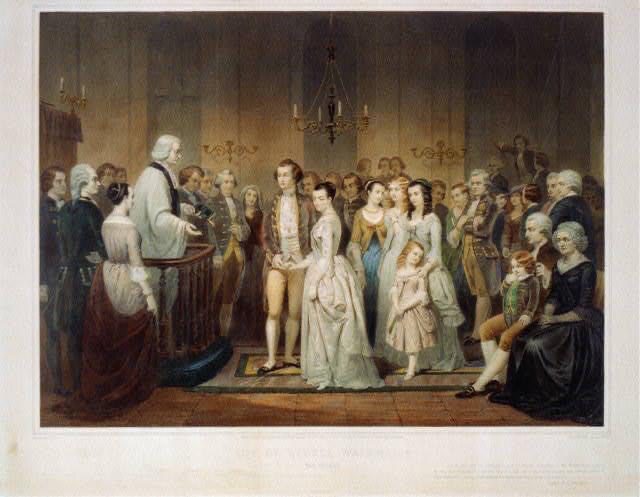
On today’s date January 6, 1759, George Washington and Martha Dandridge Custis were married. She was 27 years old, eight months older than George who would turn 27 in just a few short weeks.
It was Martha’s second marriage.
Photo: Wedding of George Washington and Martha Custis – Stearns, J. B. (ca. 1854) Life of George Washington–The citizen / painted by Stearns ; lith. by Régnier, imp. Lemercier, Paris. Virginia, ca. 1854. Paris: Lemercier. [Photograph] Retrieved from the Library of Congress, no known restrictions
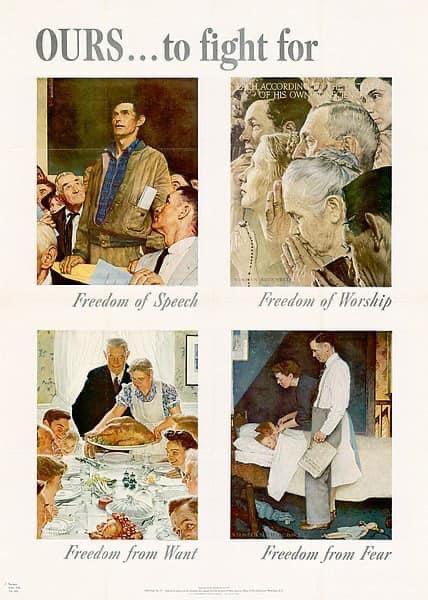
President Franklin D. Roosevelt made The Four Freedoms the centerpiece of his State of the Union address delivered on January 6, 1941. He stated that these fundamental freedoms – of speech, of worship, from want and from fear – should be enjoyed by all people of the world. They were incorporated into the United Nations Declaration of Human Rights in 1948.
https://archive.org/details/Fdr-TheFourFreedoms6January1941
Image via Wikimedia Commons public domain in the US.
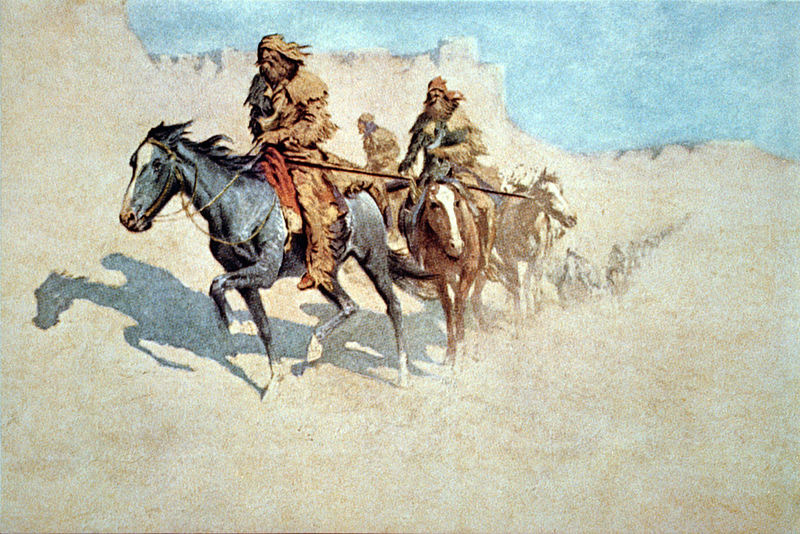
As a trapper and hunter Jedediah Smith, born January 6, 1799 explored vast tracts of the early West and mapped the areas through which he traveled. Smith led parties along the Santa Fe Trail, throughout California, and into the Oregon Territory. Shown is Frederic Remington’s painting of Smith and company crossing the Mojave Desert.
Image from LOC via Wikimedia Commons, public domain in the US.
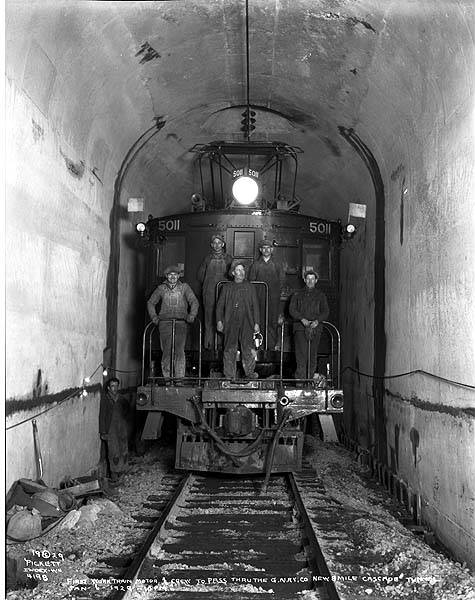
First work train, motor and crew to pass through the new Cascade Tunnel in Washington state on January 6, 1929.
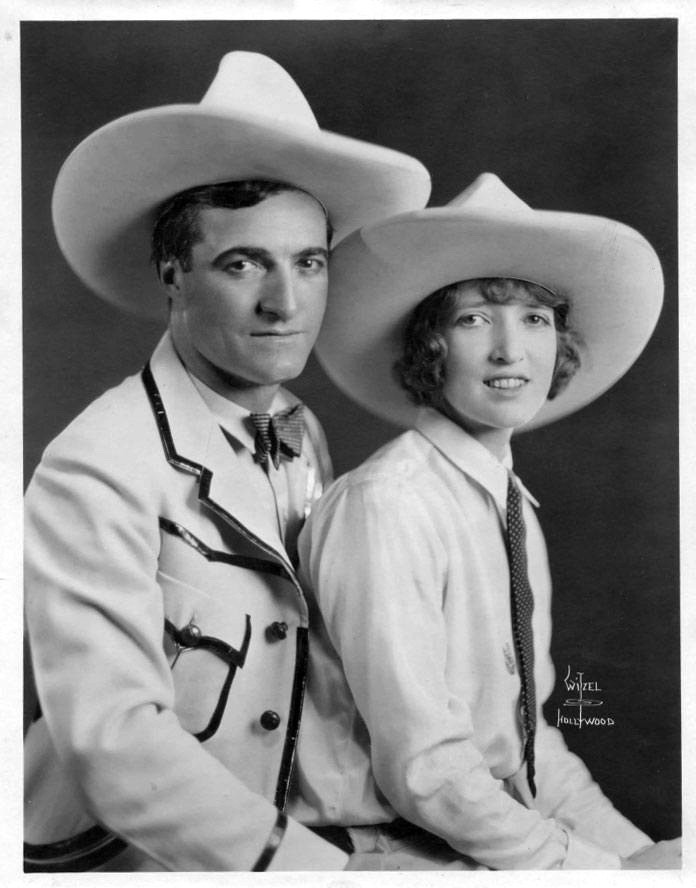
Born January 6, 1880 Tom Mix, who actually hailed from Pennsylvania, is regarded as Hollywood’s first Western star. He appeared in 290 films, almost all of them silent, along with “Tony the Wonder Horse.” Mix was friends with Wyatt Earp and gave John Wayne his start in films. He’s shown with wife Victoria Forde Mix in 1926.
Image via Wikimedia Commons, public domain in the US {PD-US}.
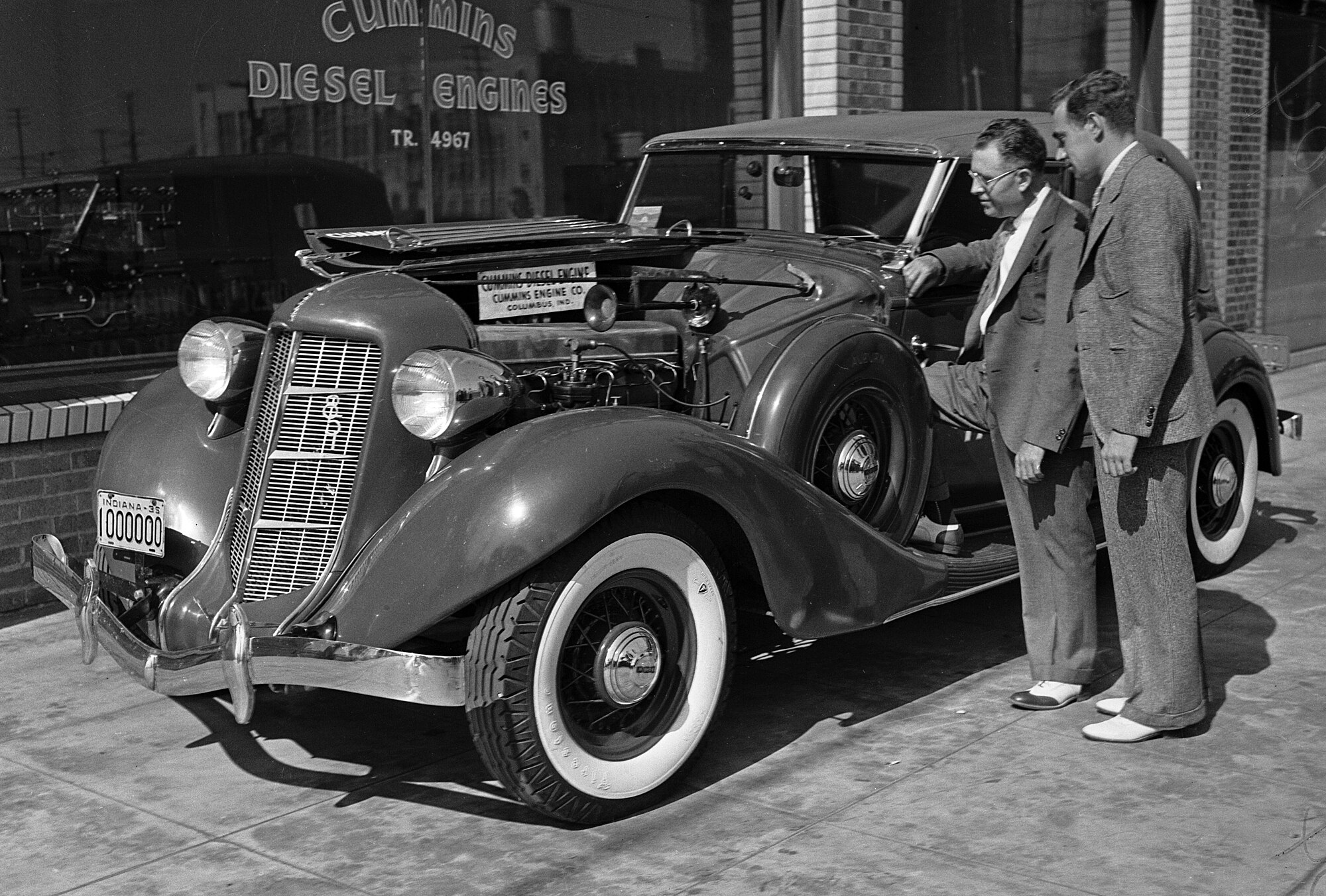
The first diesel automobile trip was completed on January 6, 1930 when Clessie Cummins arrived in New York City.
The founder of the Cummins Corporation began his trip from Indianapolis.
Image of Clessie (left) showing a diesel engine in 1935 from Los Angeles Times via Wikimedia Commons, CC BY 4.0
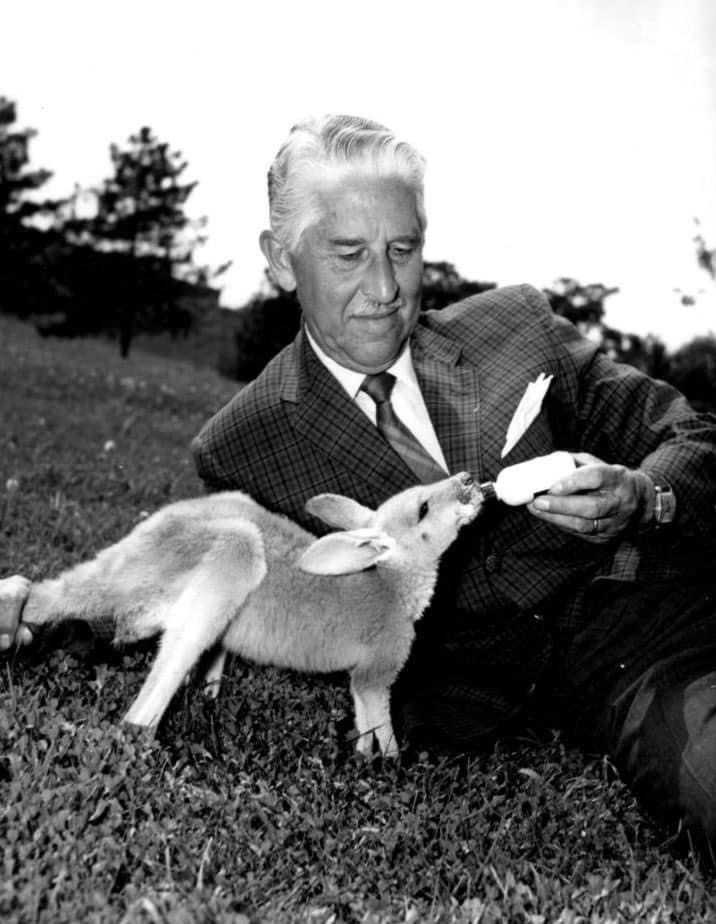
On January 6, 1963 “Mutual of Omaha’s Wild
Kingdom” premiered. Hosted by zoologist Marlin
Perkins (he’s the one holding the bottle) and Jim
Fowler, the half-hour show ran on Sundays. It was in
production for eight years and in syndication for many more.
Image via Wikimedia Commons, public domain,
no known copyright
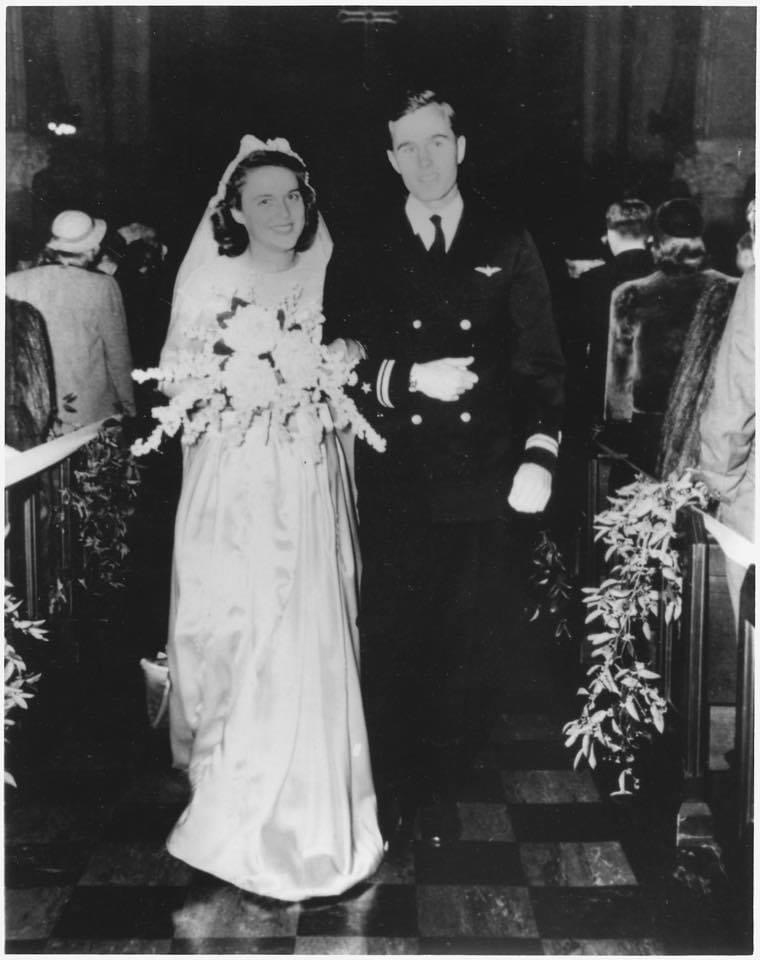
George and Barbara Bush on their wedding day in Rye, New York
January 6, 1945
via Wikimedia Commons, public domain
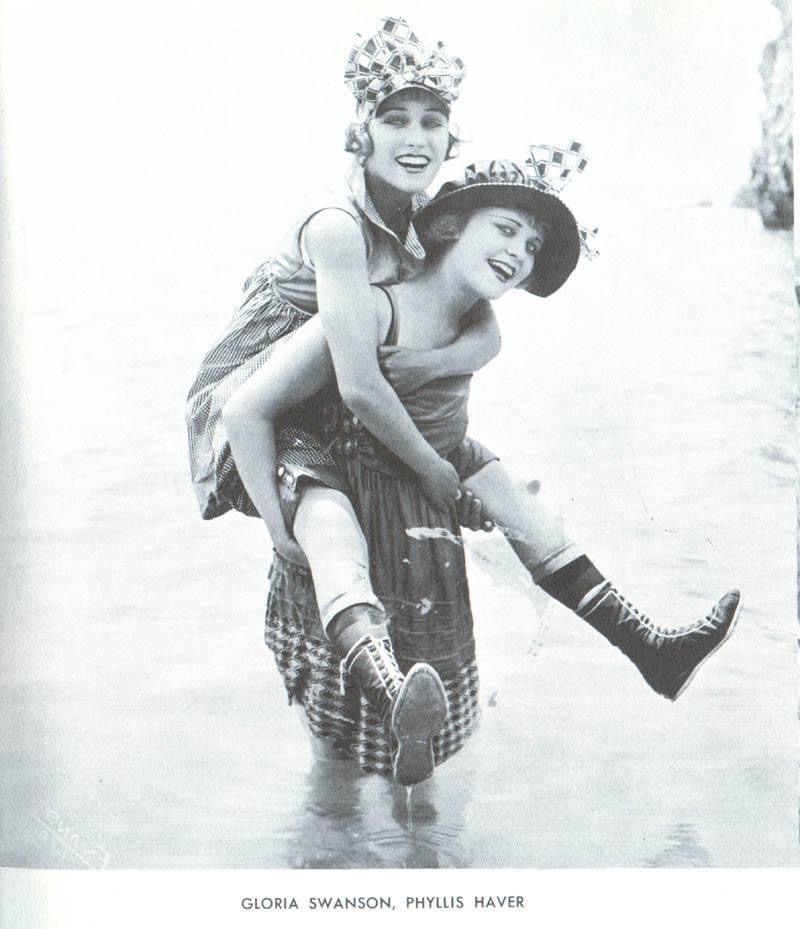
American actress Phyllis Haver carrying American actress Gloria Swanson in this photo from 1917.
Born on today’s date—January 6, 1899—in Douglass, Kansas, Phyllis Haver would go on to become a breakout star of silent comedies and vamp roles. Gloria Swanson, just 17 here, was still years away from her rise as a fashion icon and dramatic powerhouse.
Description: Gloria Swanson and Phyllis Haver—two of Mack Sennett’s original “bathing beauties”—strike a playful pose in lace-up boots, stockings, and checkered swim caps. These seaside stunts weren’t just for laughs—they were early Hollywood’s way of selling glamour, rebellion, and modern womanhood.
Photo by Mack Sennett [Public domain], via Wikimedia Commons.
A moment of joy, captured before either woman knew she’d help define an era.
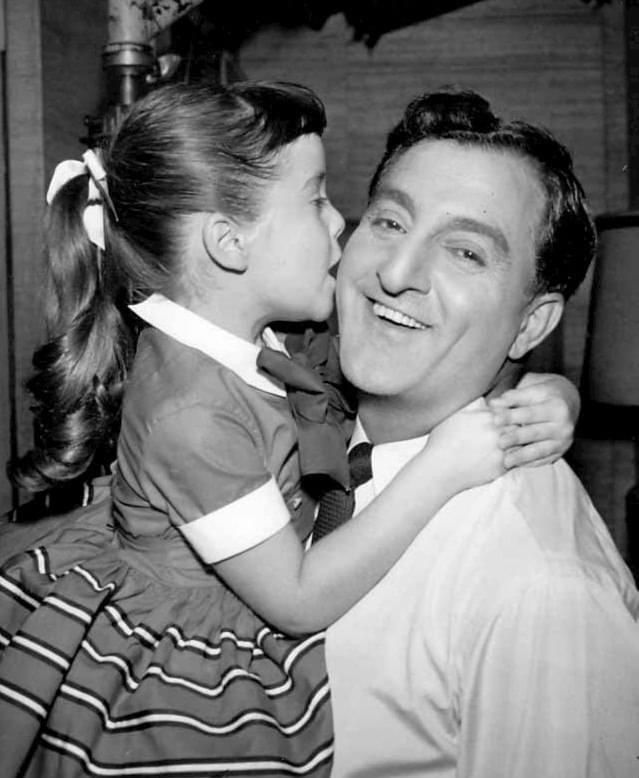
American entertainer and philanthropist Danny Thomas was born on January 6, 1912 in Deerfield, Michigan.
He founded St. Jude Children’s Research Hospital in 1962.
Image: Angela Cartwright and Danny Thomas in Make Room for Daddy, 1950s via Wikimedia Commons, public domain
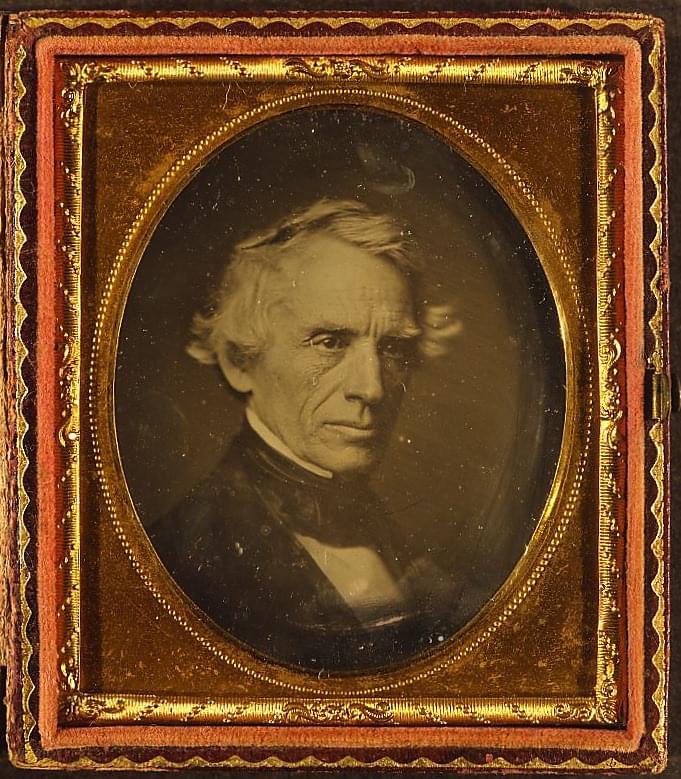
Daguerreotype of Samuel F. Morse from 1845
Seven years before this image was taken, Morse revealed his telegraph in New Jersey on January 6, 1838.
Image via Wikimedia Commons, public domain
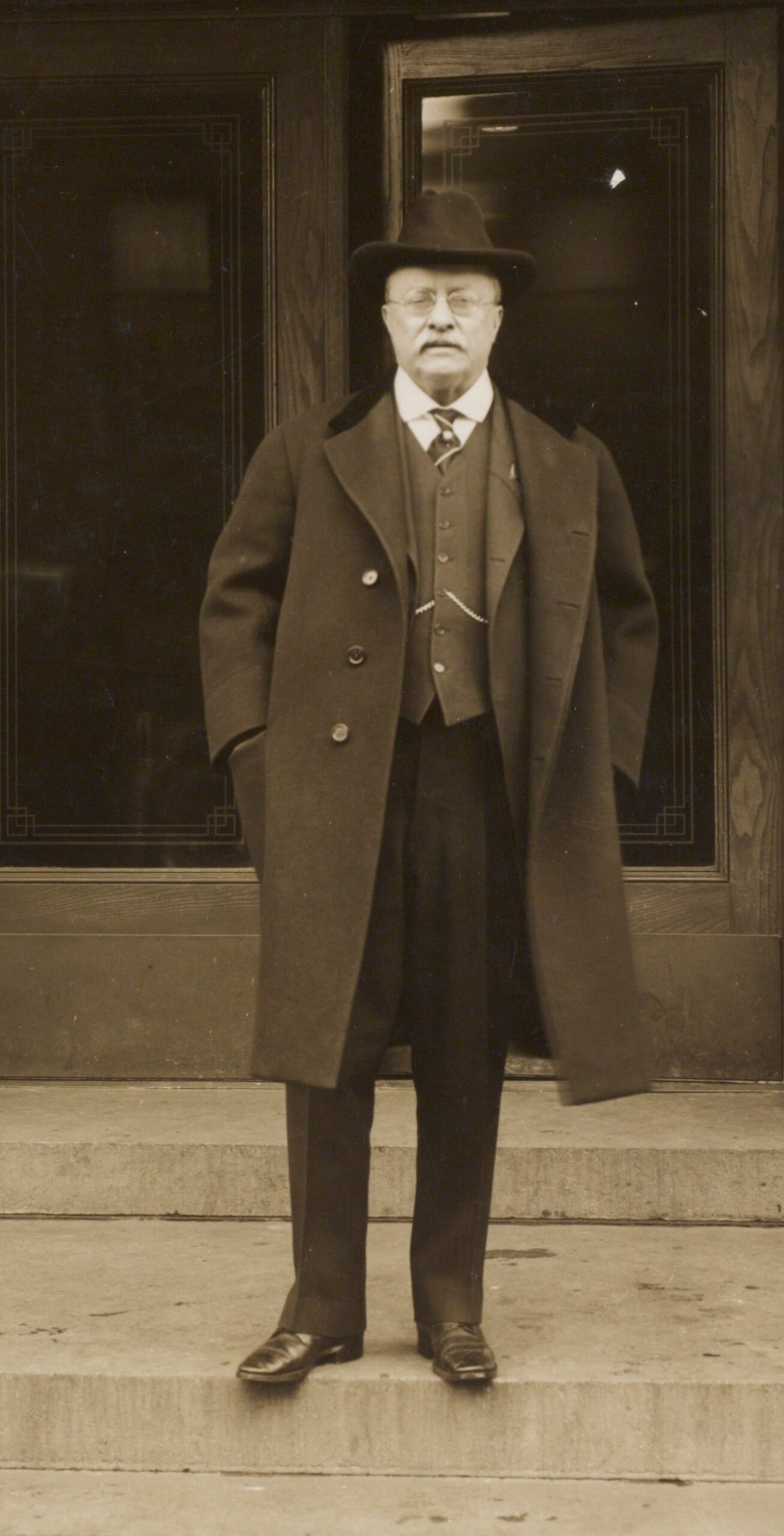
“We must dare to be great; and we must realize that greatness is the fruit of toil and sacrifice and high courage.”
During the early morning hours of January 6, 1919 former President Theodore Roosevelt passed away at his home, Sagamore Hill, on the North Shore of Long Island. He was 60 years old.
Image of Theodore Roosevelt from 1918 via Wikimedia Commons, no known restrictions
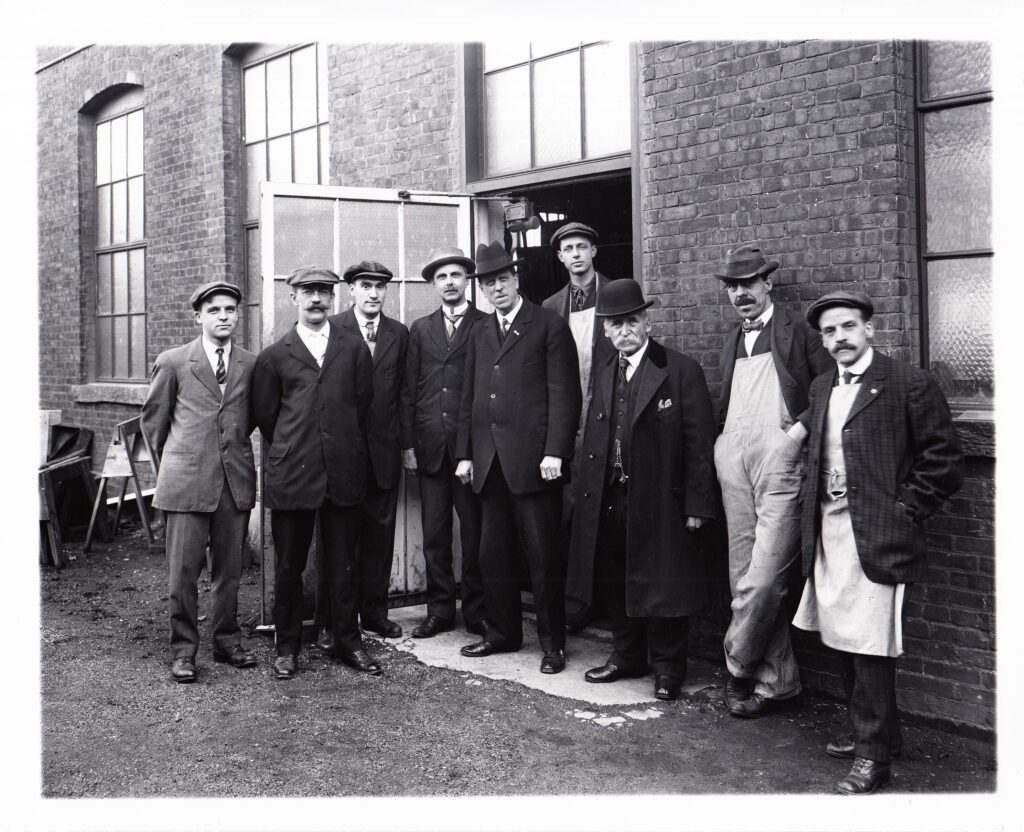
Mr. Mudd and the pattern‑shop crew, West Orange, New Jersey — January 6, 1917.
Inside Building 3 of Edison’s West Orange laboratory, the pattern shop was where ideas on paper began to take physical shape as carefully crafted wooden patterns for metal castings. Surrounded by benches, lathes, and racks of tools, these skilled craftsmen produced the precise forms needed for components used in Edison-era devices such as phonographs, batteries, and motion‑picture equipment, supporting the inventive work under way elsewhere in the complex.
Image via NPS
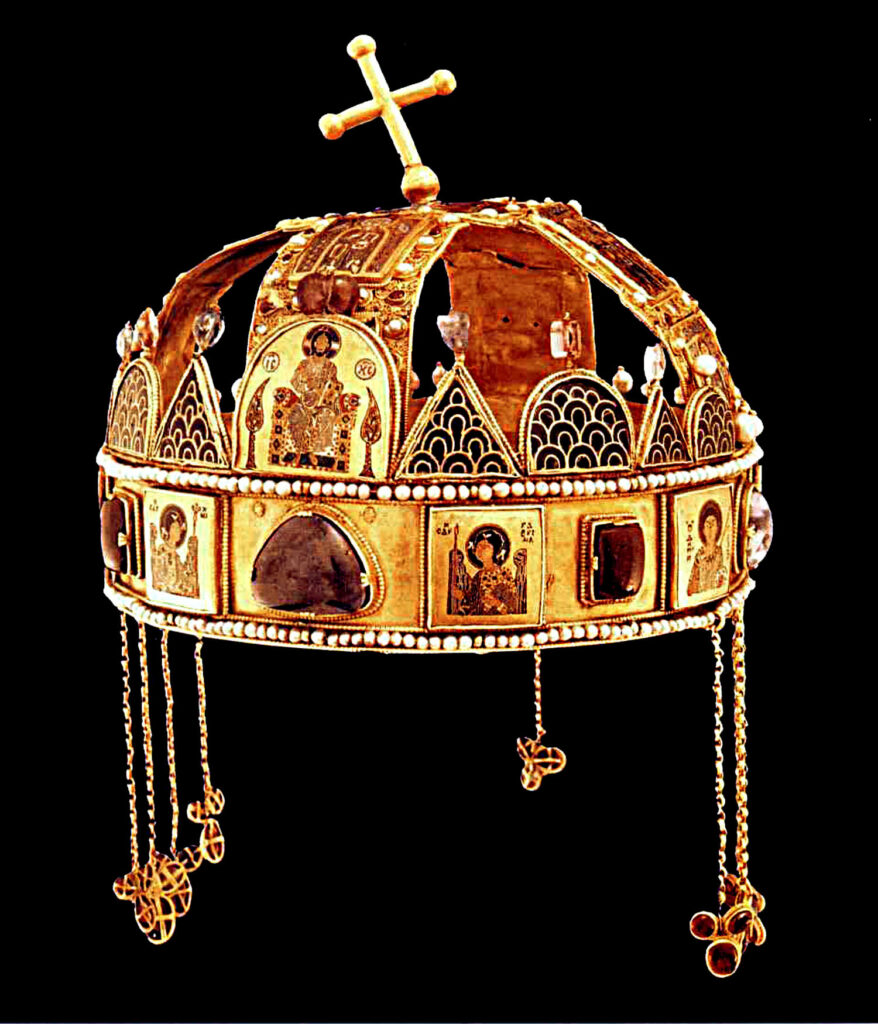
For centuries, the Holy Crown of Saint Stephen has stood at the center of Hungarian statehood — a tilted, timeworn object that embodied royal legitimacy and Hungary’s place in Christian Europe.
As the Second World War drew to a close, Hungarian officials sent the crown west to prevent its capture, and an honor guard ultimately surrendered it to American troops in Austria in 1945.
The United States placed the regalia in secure custody, eventually at Fort Knox, not as a war prize but with the understanding that it would be returned when conditions allowed. Cold War tensions delayed that step for more than thirty years, as Washington feared that transferring the crown to a Soviet‑backed government would appear to endorse a regime many Hungarians opposed, even as émigré communities and U.S. officials debated its fate.
Only in the late 1970s, amid a modest thaw in relations and signs of limited reform in Hungary, did President Jimmy Carter authorize its return. On January 6, 1978, Secretary of State Cyrus Vance led a U.S. delegation to Budapest and formally handed the crown over — a gesture meant to honor the Hungarian people and the endurance of a national symbol that had outlived kingdoms, wars, and exile.
