
 Mystery March Is Here!

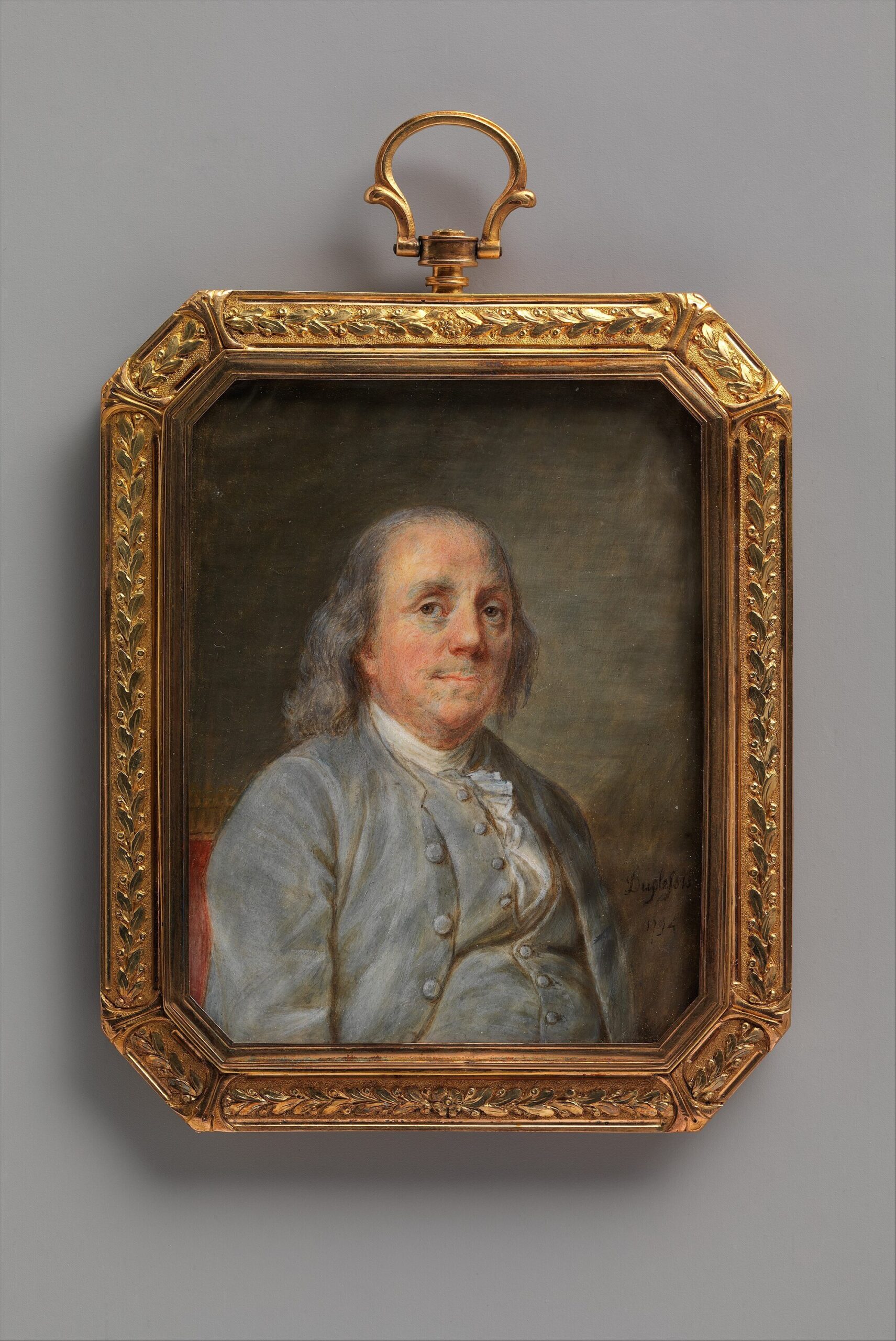
On January 5, 1768, more than 7 years before the start of the American Revolution, Benjamin Franklin’s essay “Causes of the American Discontents before 1768” was published in the London Chronicle.
The essay, which was published through the 7th of January, pointed out the friction that already existed between the American colonies and Britain.
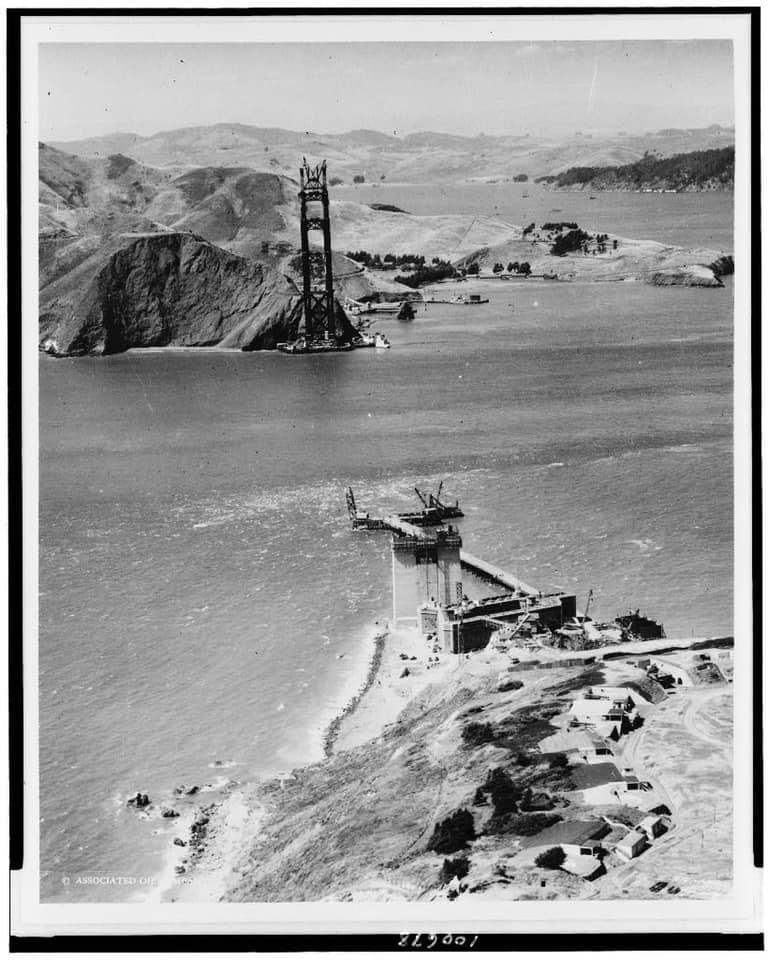
On today’s date January 5, 1933 construction of the Golden Gate Bridge began in California’s San Francisco Bay.
Photo:
Golden Gate Bridge under construction, San Francisco, California by Chas. M. Hiller c. 1934 via Library of Congress, no known restrictions
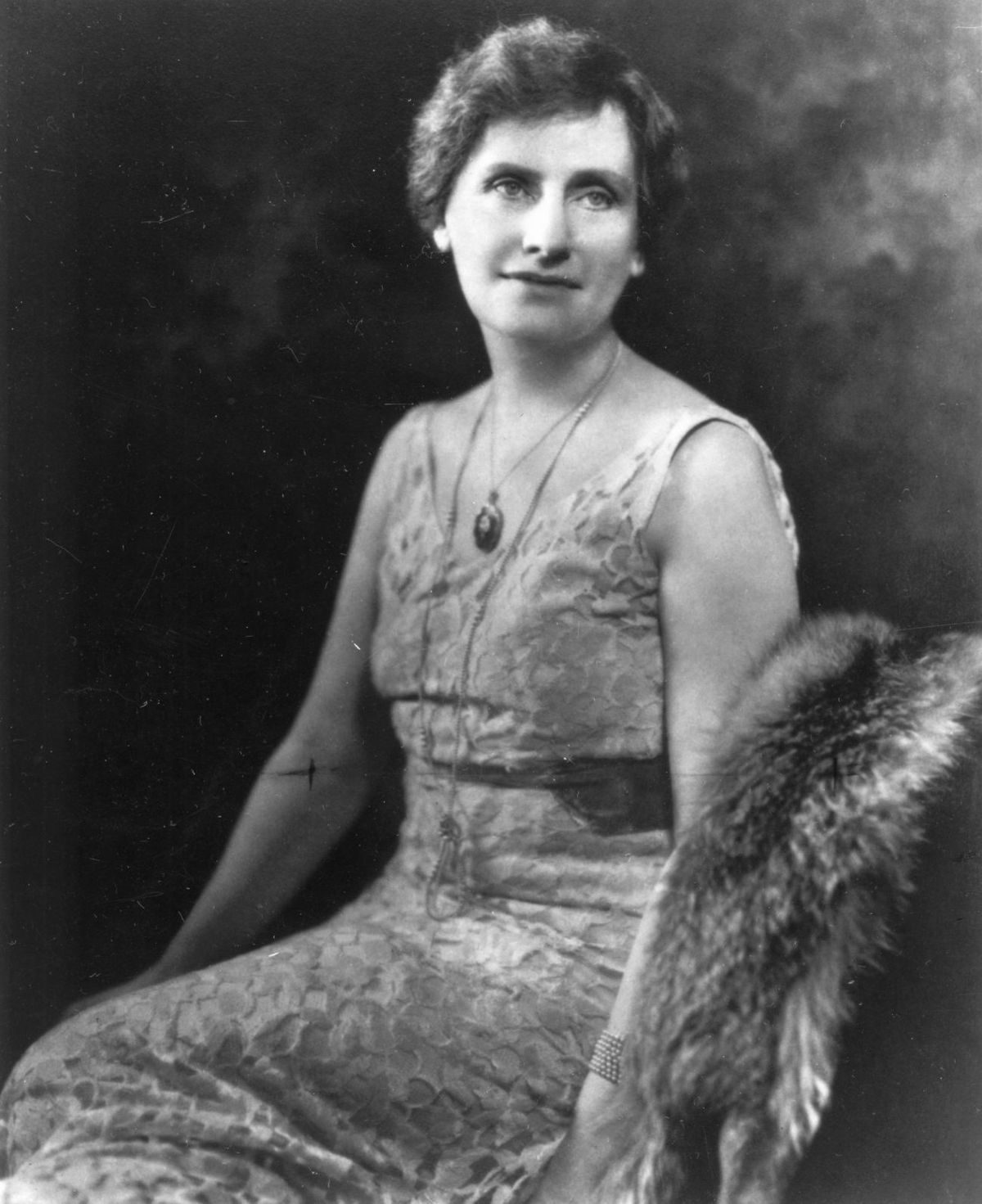
Nellie Tayloe Ross took office as the 14th Governor of Wyoming on January 5, 1925. She was the first woman to be sworn in as governor in the United States.
Image of Nellie Tayloe Ross via Wikimedia Commons – public domain
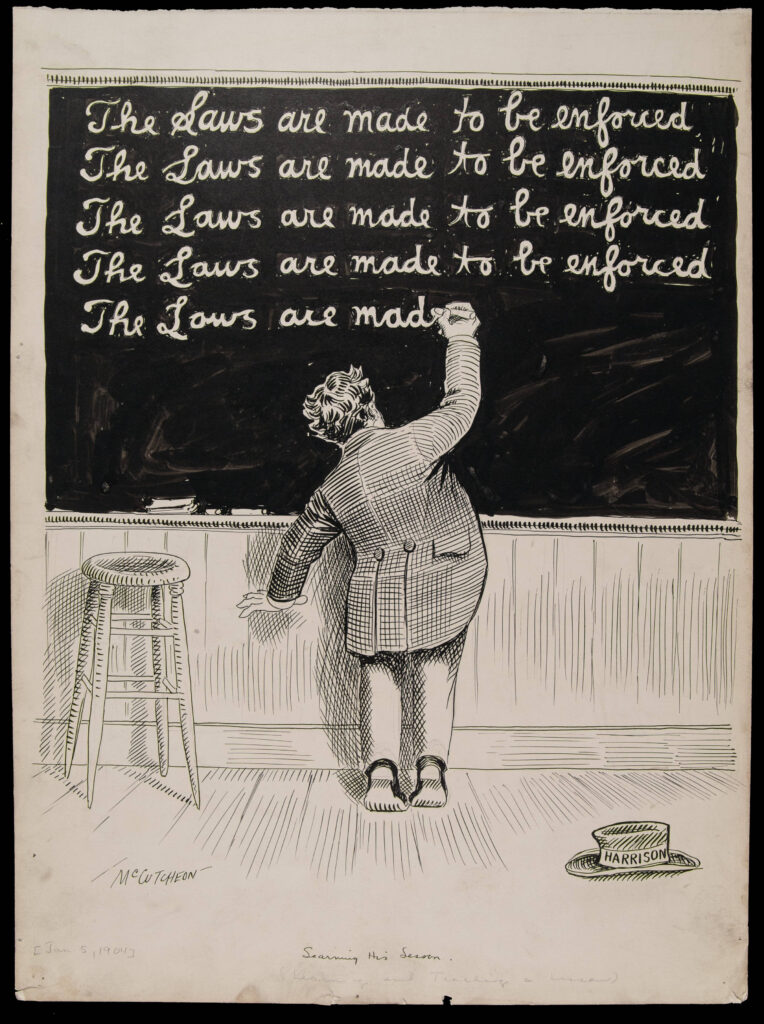
Published on January 5, 1904, John T. McCutcheon’s cartoon captures the Monroe Doctrine at the moment it was being transformed into what would soon be known as the Roosevelt Corollary. Roosevelt had begun reframing the Doctrine from a passive warning against European interference into an active claim that the United States could intervene in Latin America to prevent ‘chronic wrongdoing.’
In the cartoon, the U.S. appears as the schoolmaster rewriting the rules, signaling this new interpretation of hemispheric authority. The ‘Harrison’ hat on the floor represents the older, more restrained Republican approach now set aside. McCutcheon’s scene asks a pointed question: as America embraces its new role as an international police power, who is truly learning the lesson—the nations under scrutiny, or the United States itself?
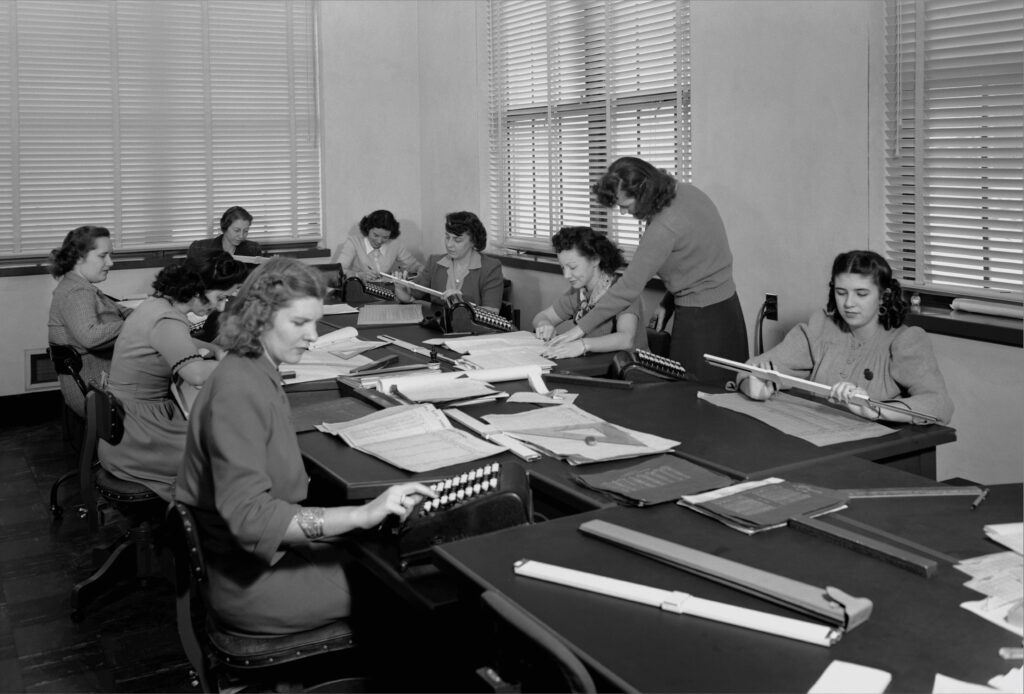
Women mathematicians at Ames in Moffett Field, California, January 5, 1943 — turning wind‑tunnel readings into the calculations that kept American aircraft aloft. Born as a NACA laboratory in 1939, Ames became a quiet engine of American innovation during World War II and remains active today as NASA’s Ames Research Center. Before digital machines, this was the math behind victory.
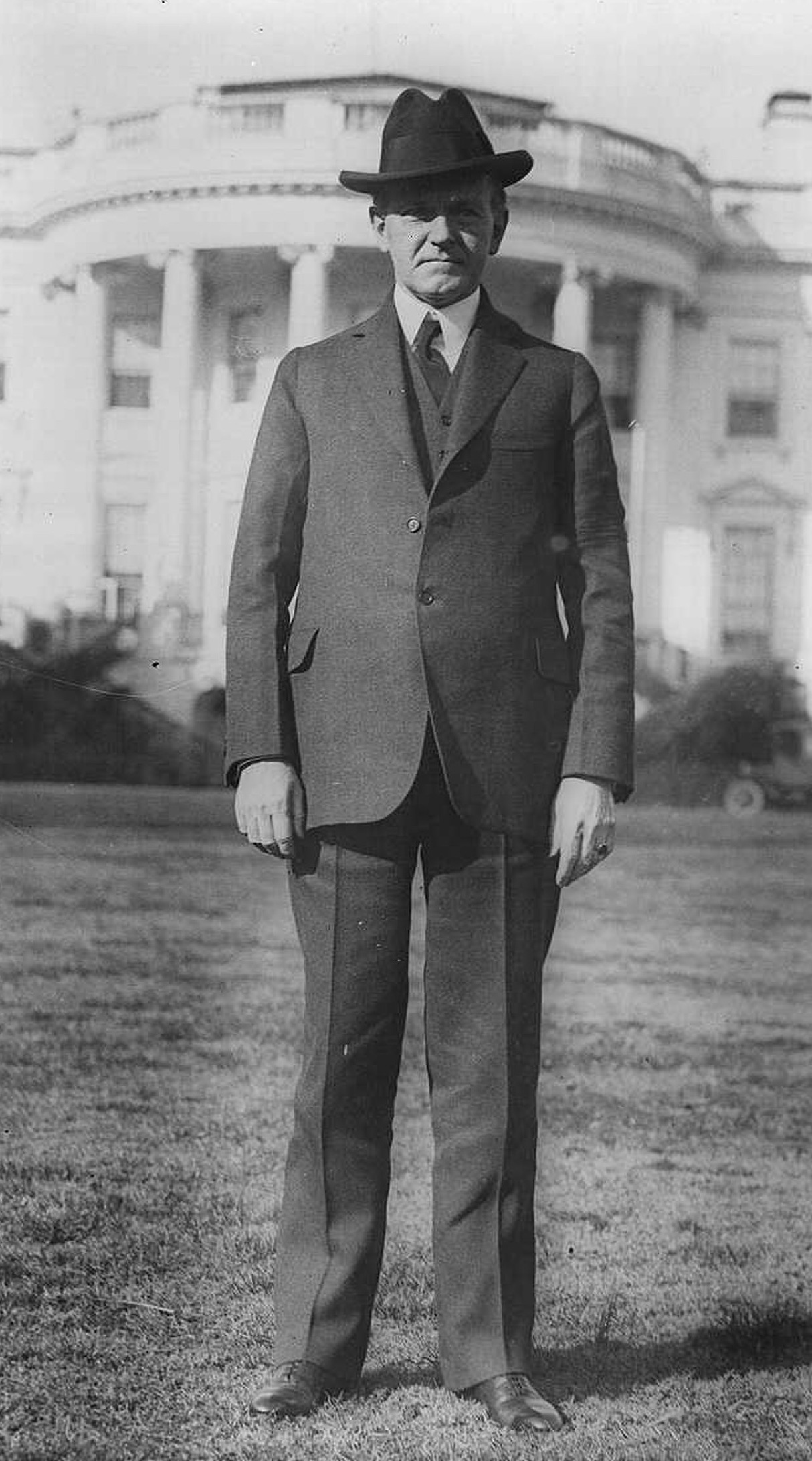
On January 5, 1933, former President of The United States Calvin Coolidge passed away at his retirement home in Northampton, Massachusetts.
Image via Wikimedia Commons, public domain
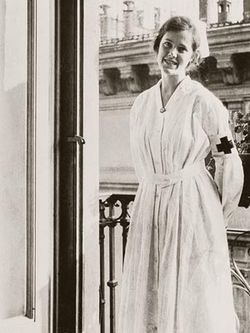
Born January 5, 1892 Agnes von Kurowsky was an American Red Cross nurse at a Milan hospital when she met 19 year old Ernest Hemingway. Hemingway was recovering from wounds received as an ambulance driver for the Italian Army in WW1. Their marriage plans fell through but the nurse character in a Farewell to Arms was based on Agnes.
Image courtesy the Hemingway Foundation, CCA-SA 2.5 Generic via Wikimedia Commons.
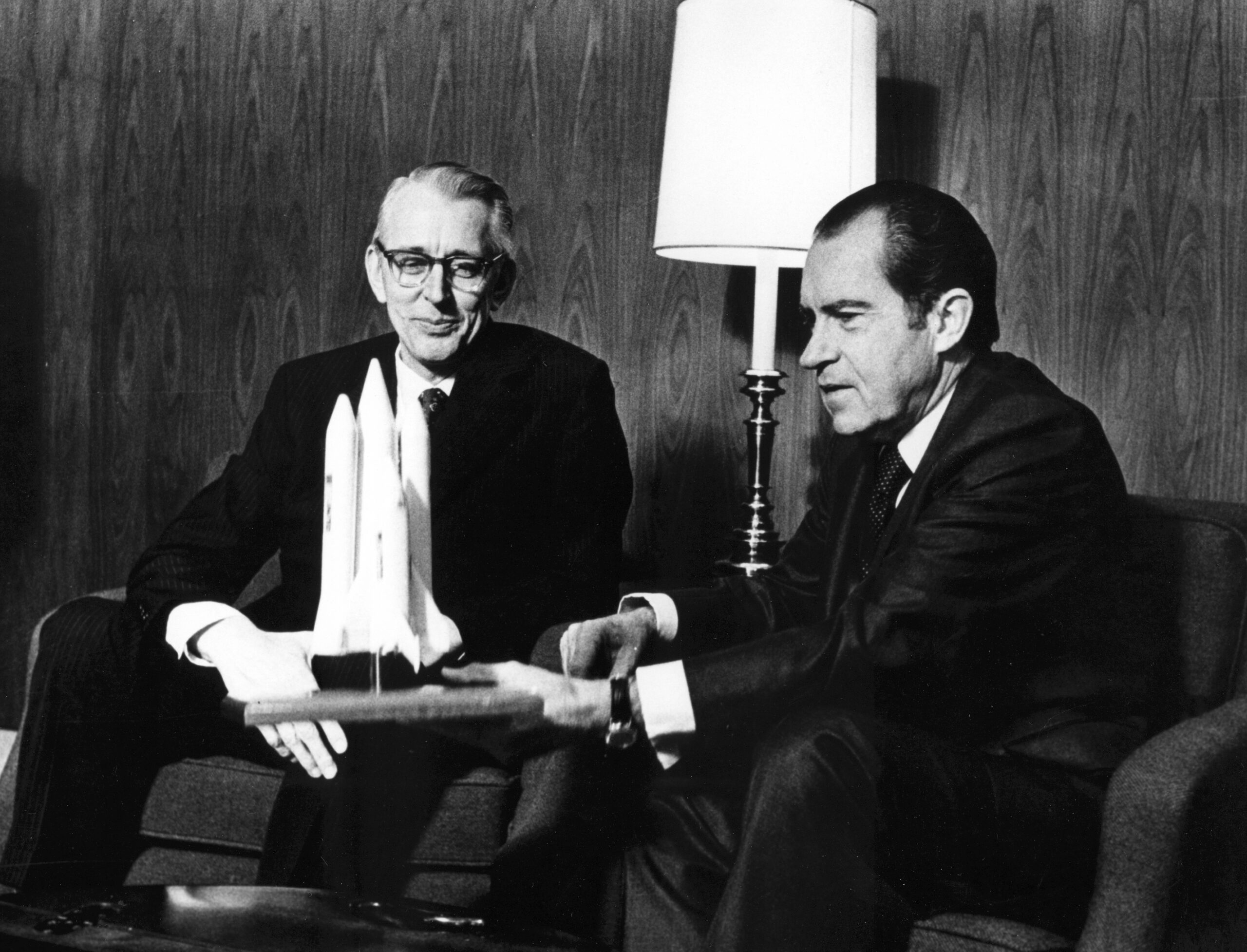
The Space Shuttle program was announced by President Richard Nixon on January 5, 1972.
Image: President Richard Nixon and NASA Administrator James C. Fletcher discussing the Space Shuttle Program, 1/5/1972 via Wikimedia Commons, public domain
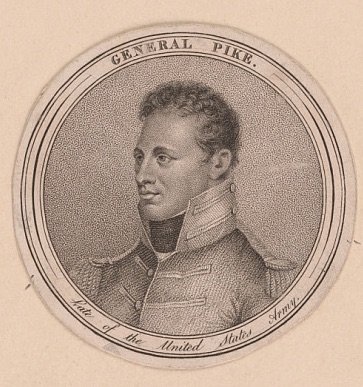
American explorer and Army General Zebulon Pike was born on January 5, 1779, in Lamington, New Jersey.
During his first expedition to the west he was tasked with finding the source of the Mississippi River. He came close and in early 1806 believed that present day Cass Lake in Minnesota was the source. Twenty-six years later in 1832 Henry Schoolcraft determined that Lake Itasca, about 43 miles southwest from Cass Lake, is the river’s primary source.
Image via National Portrait Gallery, Smithsonian Institution, no known restrictions
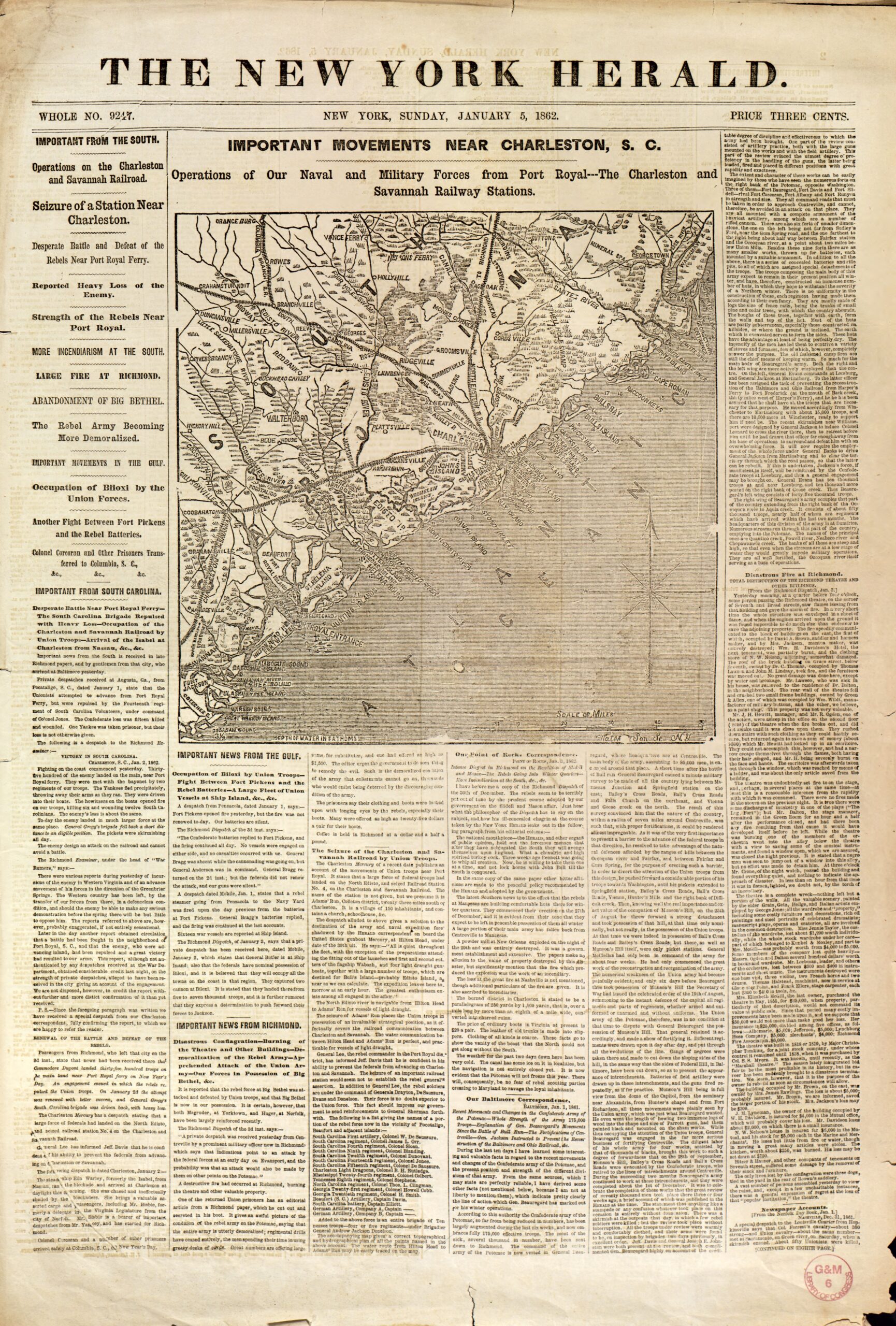
Front page of the New York Herald dated January 5, 1862 showing a map of the areas of Charleston, S.C. and Savannah, Georgia.
Below the map an article mentions that Union forces seized railroad station #4 along the North Edisto, south of Charleston (which took place a few days earlier.)
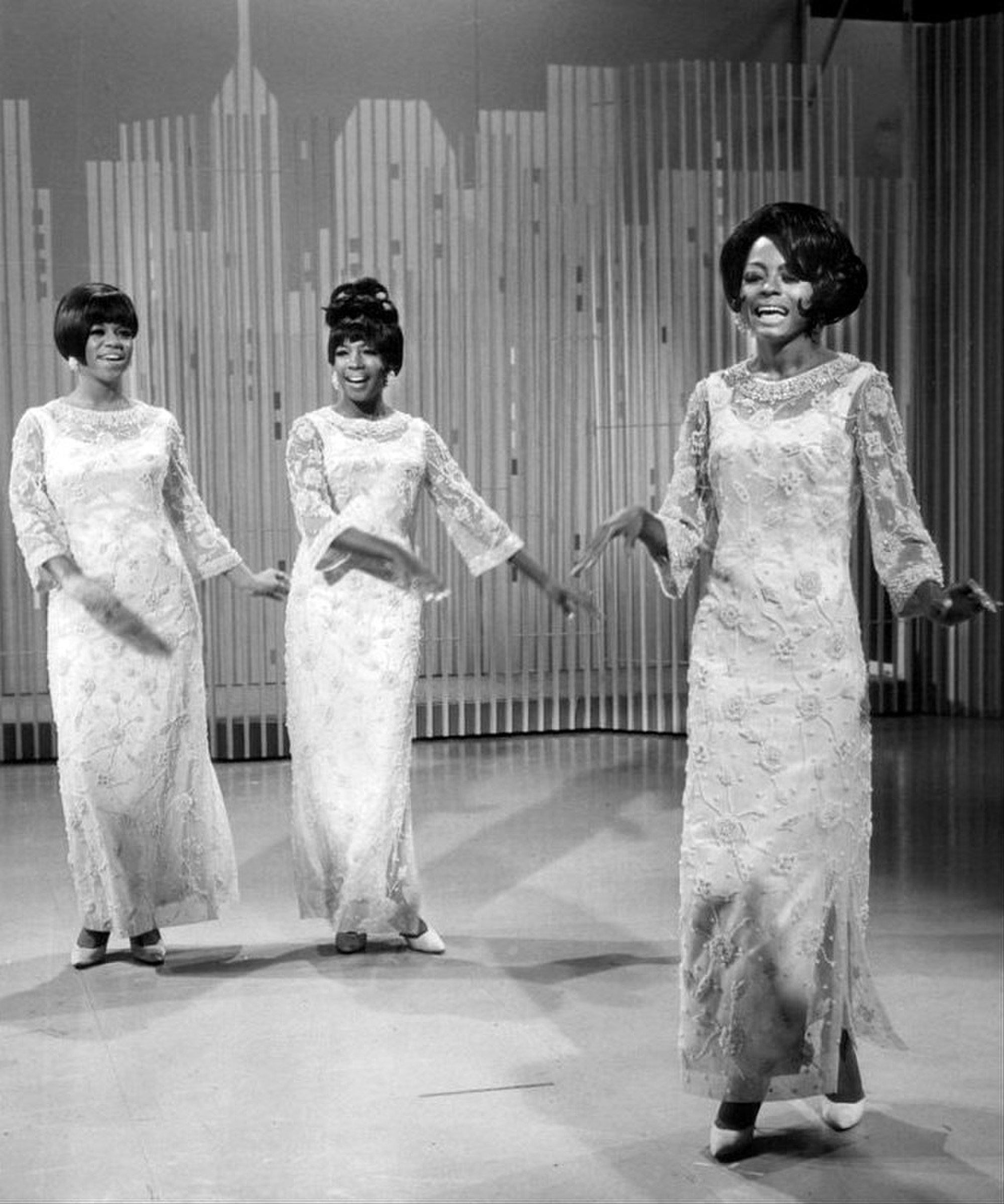
Recording of the hit song “Stop! In The Name of Love” by the Supremes began on January 5, 1965.
Image of the Supremes performing on the Ed Sullivan Show a year later in 1966 via Wikimedia Commons, public domain
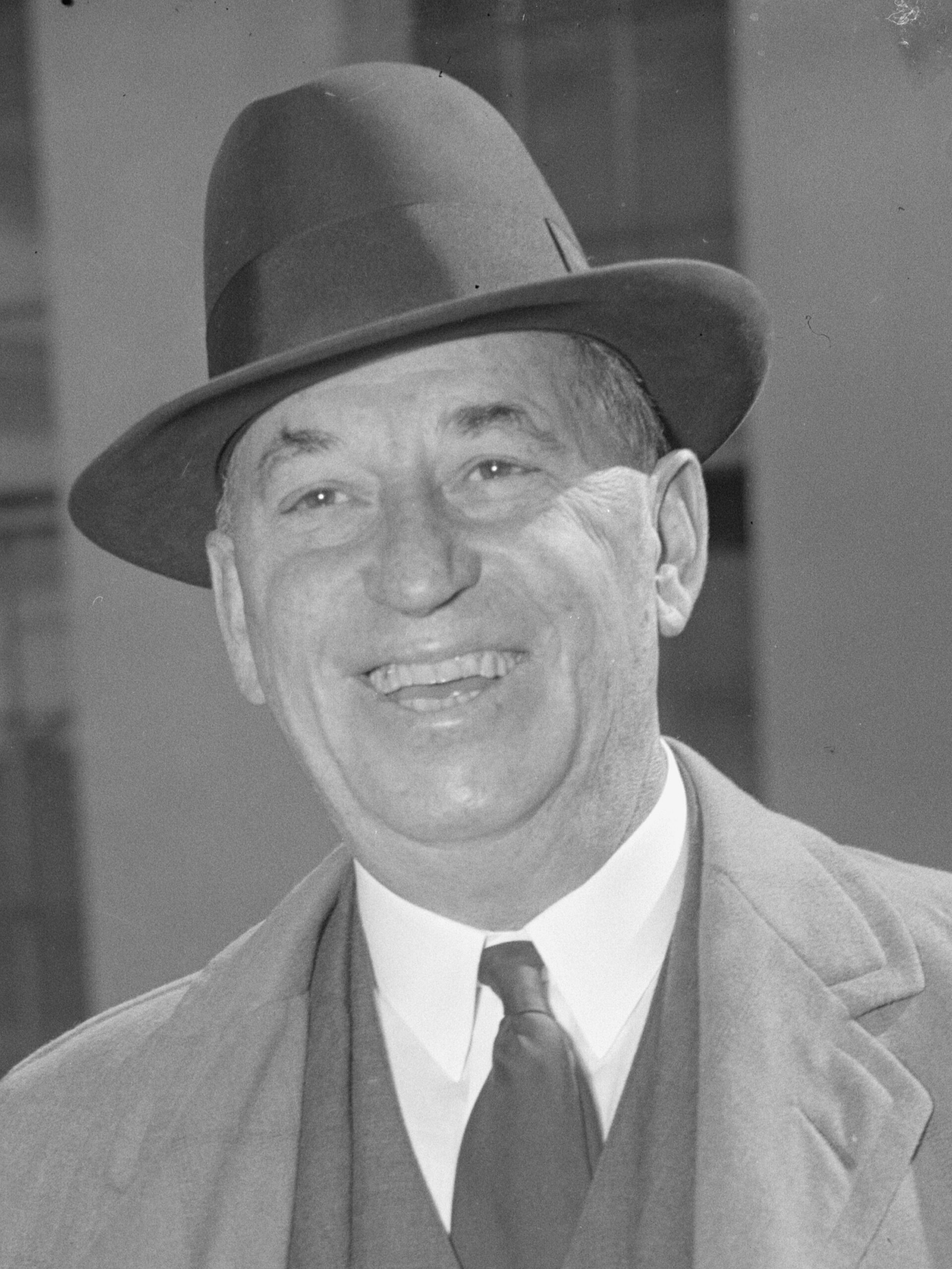
On January 5, 1924, Walter P. Chrysler introduced the first car under his new brand, the Chrysler Six Model B-70, at the NY Auto Show.
Image of Chrysler via Wikimedia Commons, public domain
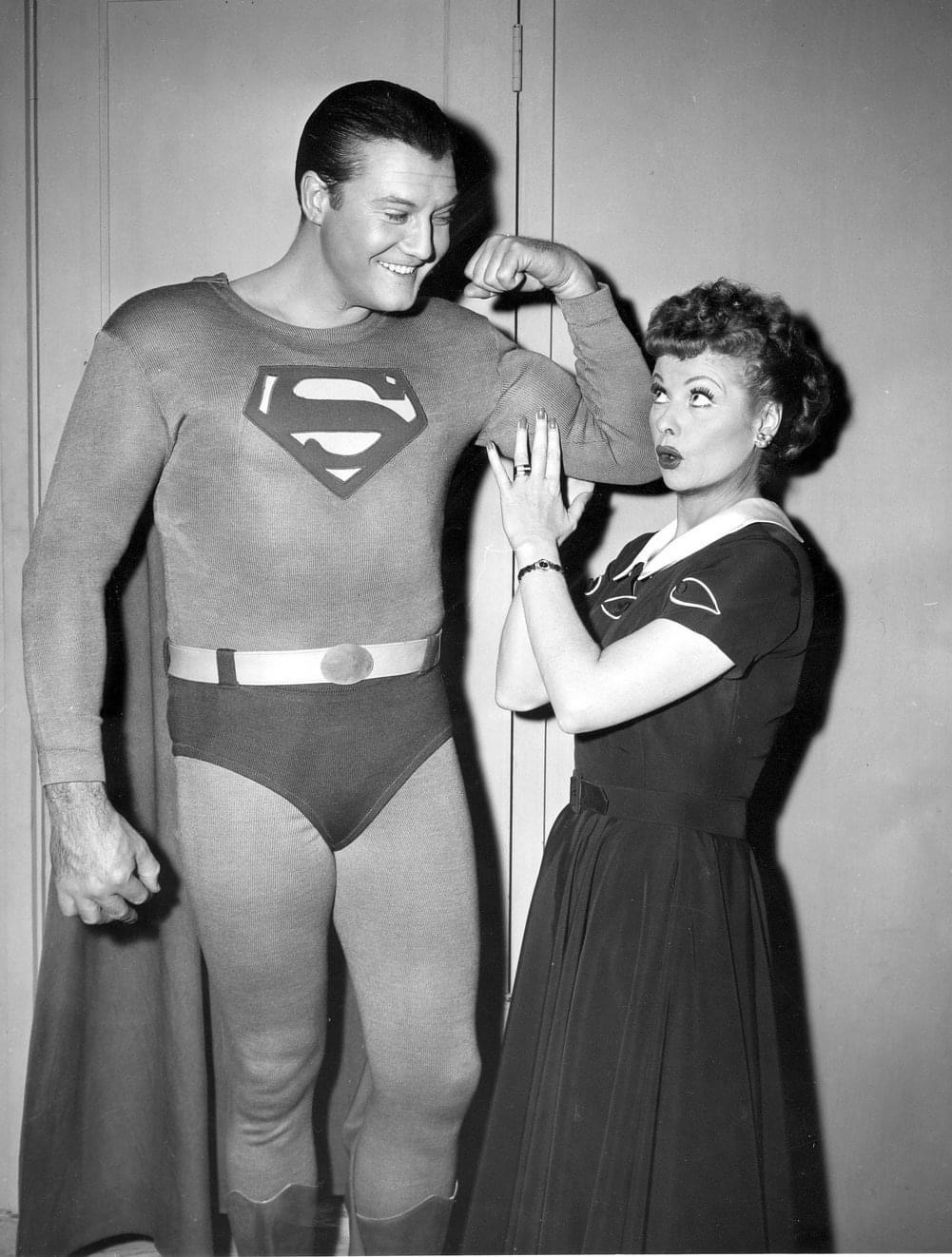
American actor George Reeves was born on January 5, 1914 in Woolstock, Iowa.
Image: Superman George Reeves with Lucille Ball in 1957
via Alamy
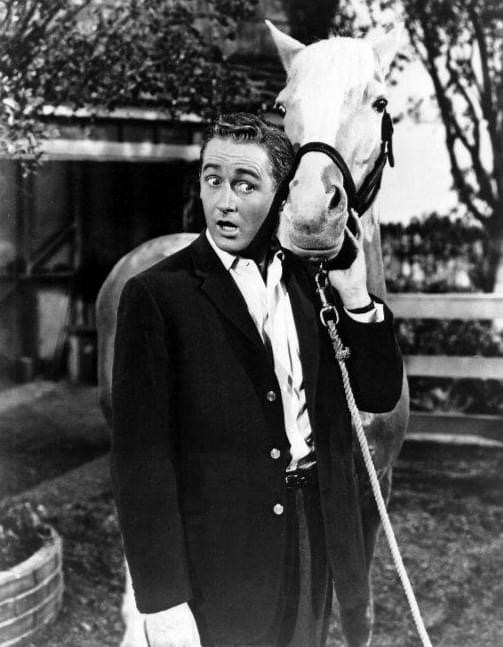
On January 5, 1961, Mister Ed aired for the first time on television.
Mister Ed had a stunt double named Pumpkin.
Image: Alan Young as Wilbur Post with Mister Ed via Wikimedia Commons, public domain
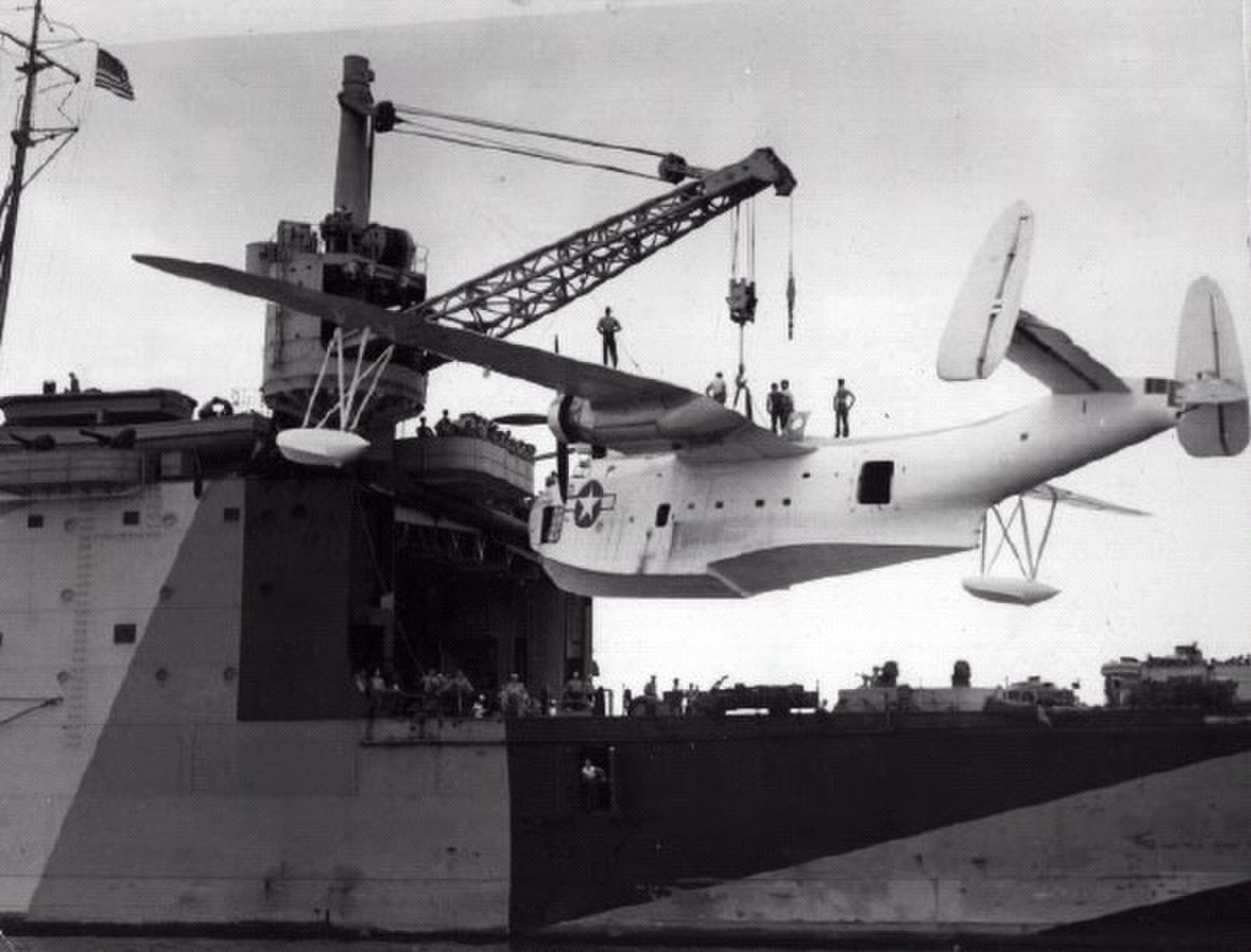
A U.S. Navy Martin PBM-3 of a patrol bomber squadron is being hoisted aboard the seaplane tender USS Albemarle (AV-5) at Guantanamo Bay, Cuba on January 5, 1945.
via Wikimedia Commons, public domain
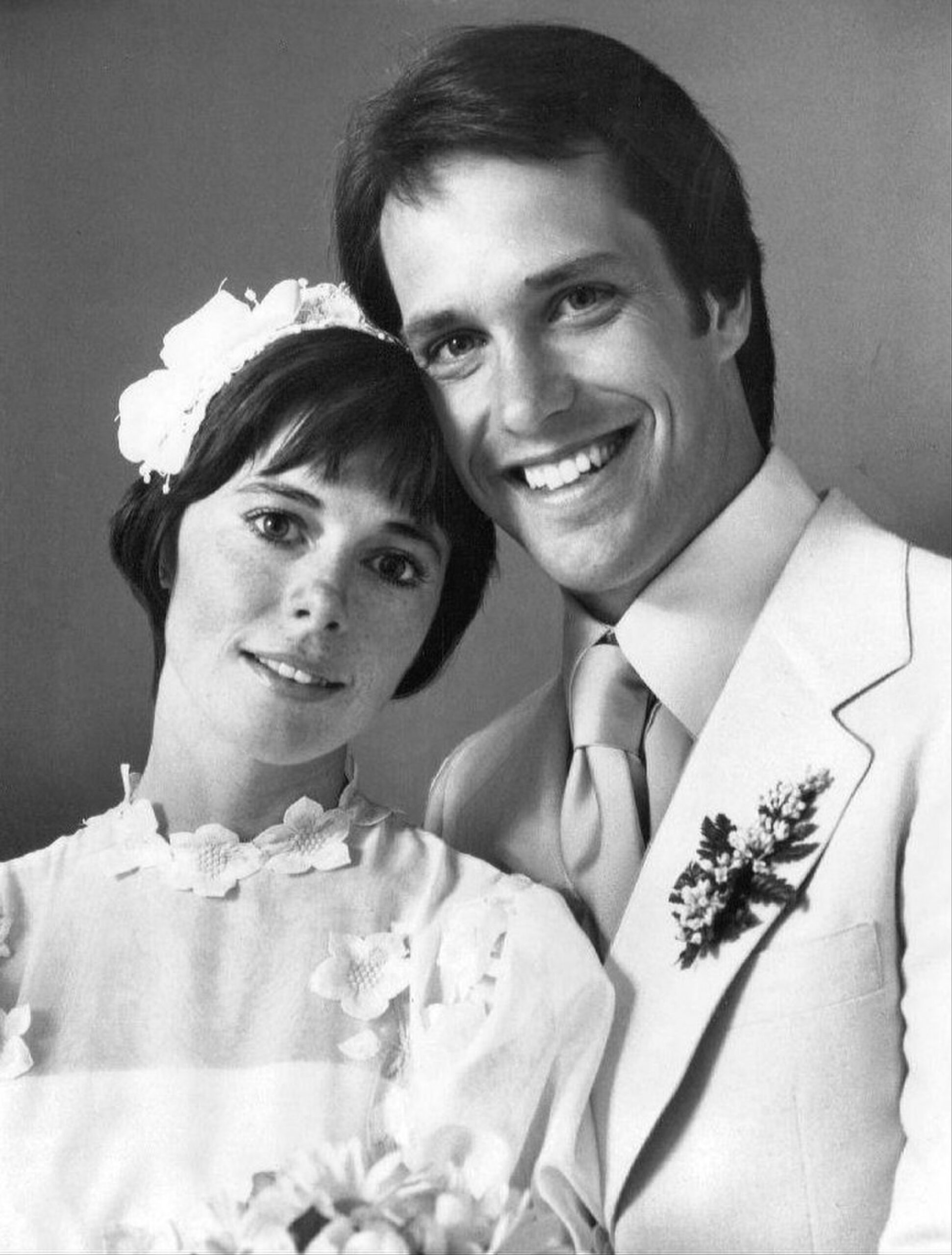
On January 5, 1970, All My Children debuted on ABC.
During its original release from 1970 – 2011 nearly eleven thousand episodes were produced.
The building that was used to film the show over the first two decades is now an apartment building.
Image: Susan Blanchard (Mary Kennicott) and Charles Frank (Jeff Martin) in a wedding scene from the daytime drama All My Children from the early 1970s via Wikimedia Commons, public domain
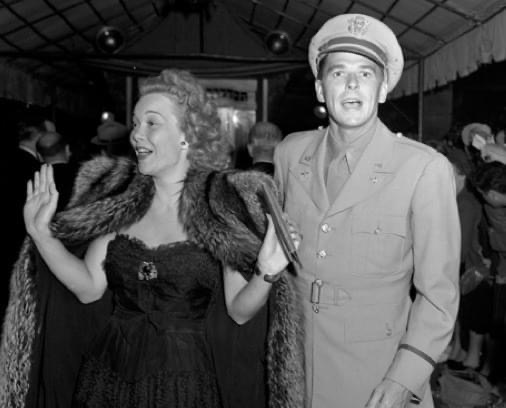
Born on January 5, 1917, actress Jane Wyman’s career began in 1932 as a “Goldwyn Girl” and ran through the early 90s, a few years after “Falcon Crest” ended its TV run. An Academy Award winner, she was married to Ronald Reagan from
1940 to 1949.
Image via Wikimedia Commons, public domain in the US.
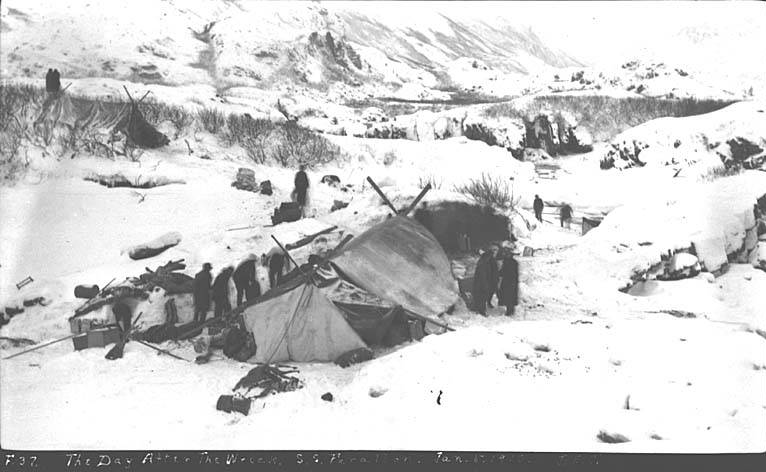
Survivors’ camp of the S.S. Farallon, Iliamna Bay, January 1910.
On January 5, 1910, the Alaska Steamship Co.’s wooden liner struck Black Reef in a blinding snowstorm, forcing all 38 men aboard to flee by lifeboat to the ice‑strewn shore of Iliamna Bay. For the next 29 days, the survivors endured temperatures as low as –40°F, melting snow for water and living on salvaged rations while sheltering beneath makeshift tents of sails and tarpaulins.
Two days later, Captain J.C. Hunter and five others launched a 12‑foot lifeboat across the treacherous Shelikof Strait to seek help. While their journey to safety took nearly two months, their initial efforts alerted authorities; the remaining 32 survivors at Iliamna Bay were rescued by the steamer Victoria on February 3, 1910. Mail clerk John E. Thwaites documented the ordeal with his Kodak 3‑A Special, providing a rare, haunting visual record of survival against the Alaskan winter.
Miraculously, no fatalities occurred.
