
 Mystery March Is Here!
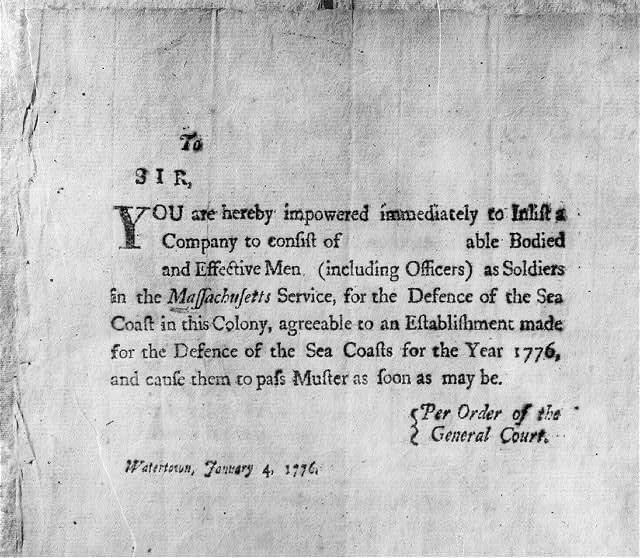
Enlistment Broadside from the Revolutionary War period – Watertown, Massachusetts
– January 4, 1776
via Library of Congress, no known restrictions
“Patriots of 1774, 1775, 1776 heroes of 1778, 1779, 1780, come forward! Your country demands your services. Philosophers and friends to mankind come forward! Your country demands your studies and speculations. Lovers of peace and order, who declined taking part in the late war, come forward! Your country forgives your timidity and demands your influence and advice. Hear her proclaiming, in sighs and groans, in her governments, in her finances, in her trade, in her manufactures, in her morals and in her manners, ‘The Revolution is not over.’”
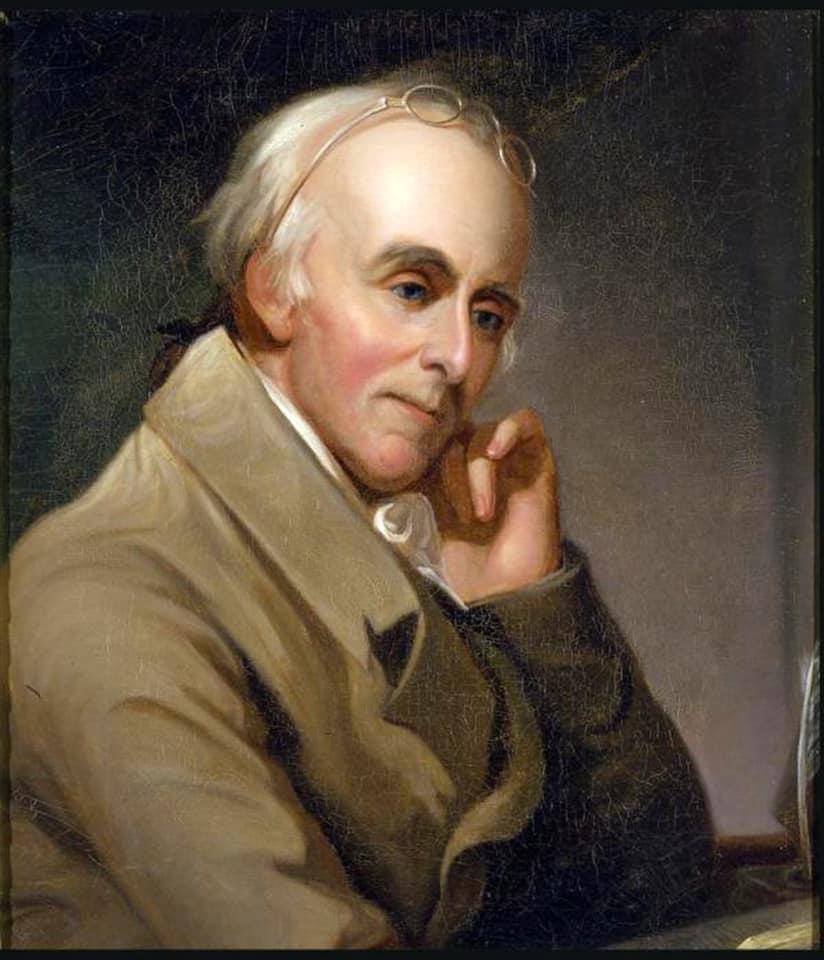
Founding Father of the United States Dr. Benjamin Rush who was born on January 4, 1746 in Byberry Township, Pennsylvania.
Image via Wikimedia Commons, public domain
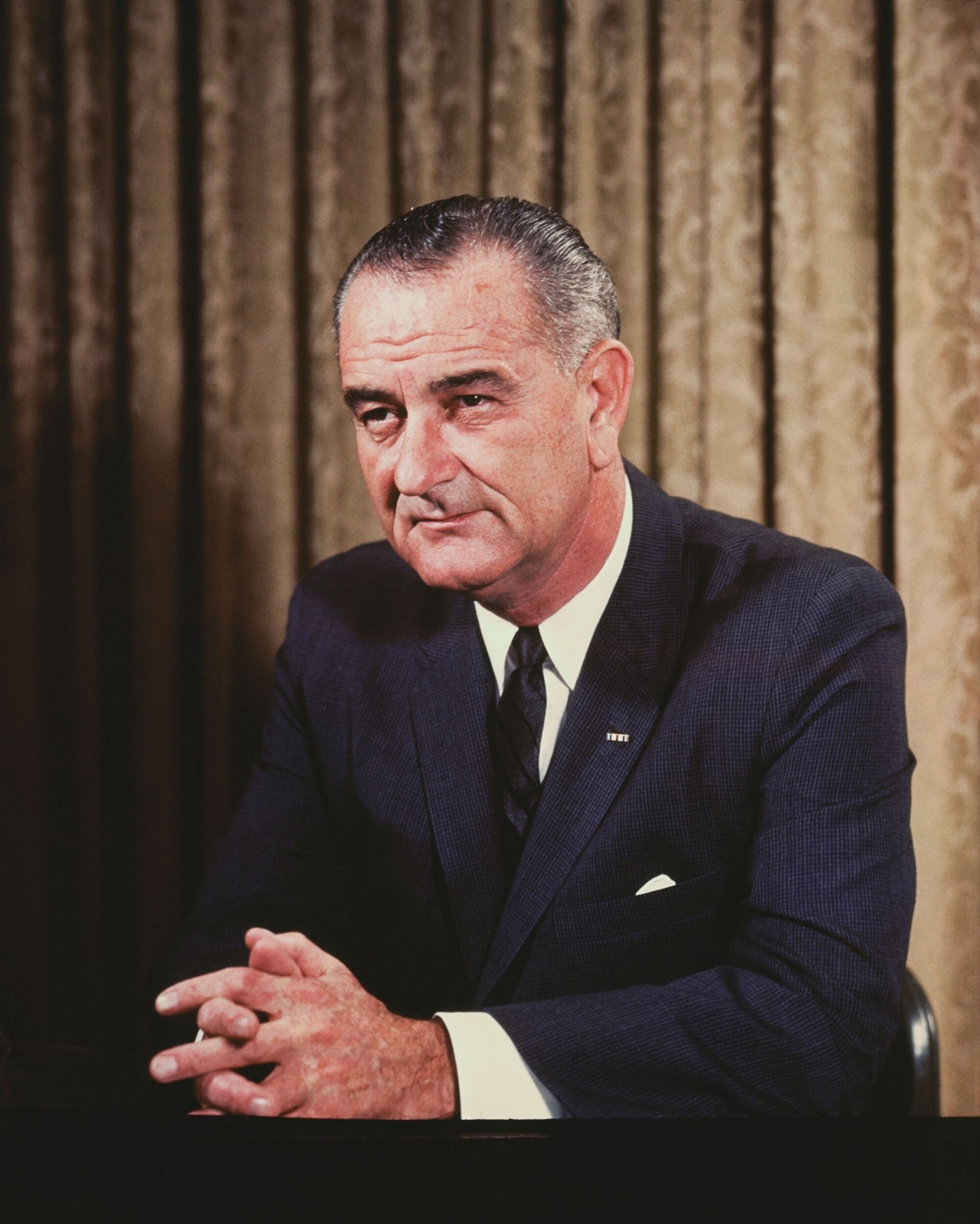
“An educated and healthy people require surroundings in harmony with their hopes. In our urban areas the central problem today is to protect and restore man’s satisfaction in belonging to a community where he can find security and significance. The first step is to break old patterns–to begin to think and work and plan for the development of the entire metropolitan areas. We will take this step with new programs of help for the basic community facilities and for neighborhood centers of health and recreation.New and existing programs will be open to those cities which work together to develop unified long-range policies for metropolitan areas.We must also make some very important changes in our housing programs if we are to pursue these same basic goals.So a Department of Housing and Urban Development will be needed to spearhead this effort in our cities.Every citizen has the right to feel secure in his home and on the streets of his community.To help control crime, we will recommend programs:-to train local law enforcement officers;-to put the best techniques of modern science at their disposal;-to discover the causes of crime and better ways to prevent it.” President Lyndon B. Johnson from his Second State of the Union Address on January 4, 1965 Image via Wikimedia Commons, public domain

On January 4, 1863, James Plimpton patented an improved “quad skate” that could be used in his soon-opened roller skating rinks or on pavement. Shown in 1918 is Mary Dixon Palmer at age 9, skating the sidewalks of Washington, DC where her father served as Attorney General in President Wilson’s administration.Image from LOC via Wikimedia Commons, public domain in the US.

Olympic Gold Medalist and Heavyweight Boxing Champion, Floyd Patterson, was born on January 4, 1935 in Waco, North Carolina. During his boxing career he had 40 wins by knockout. Image via Alamy
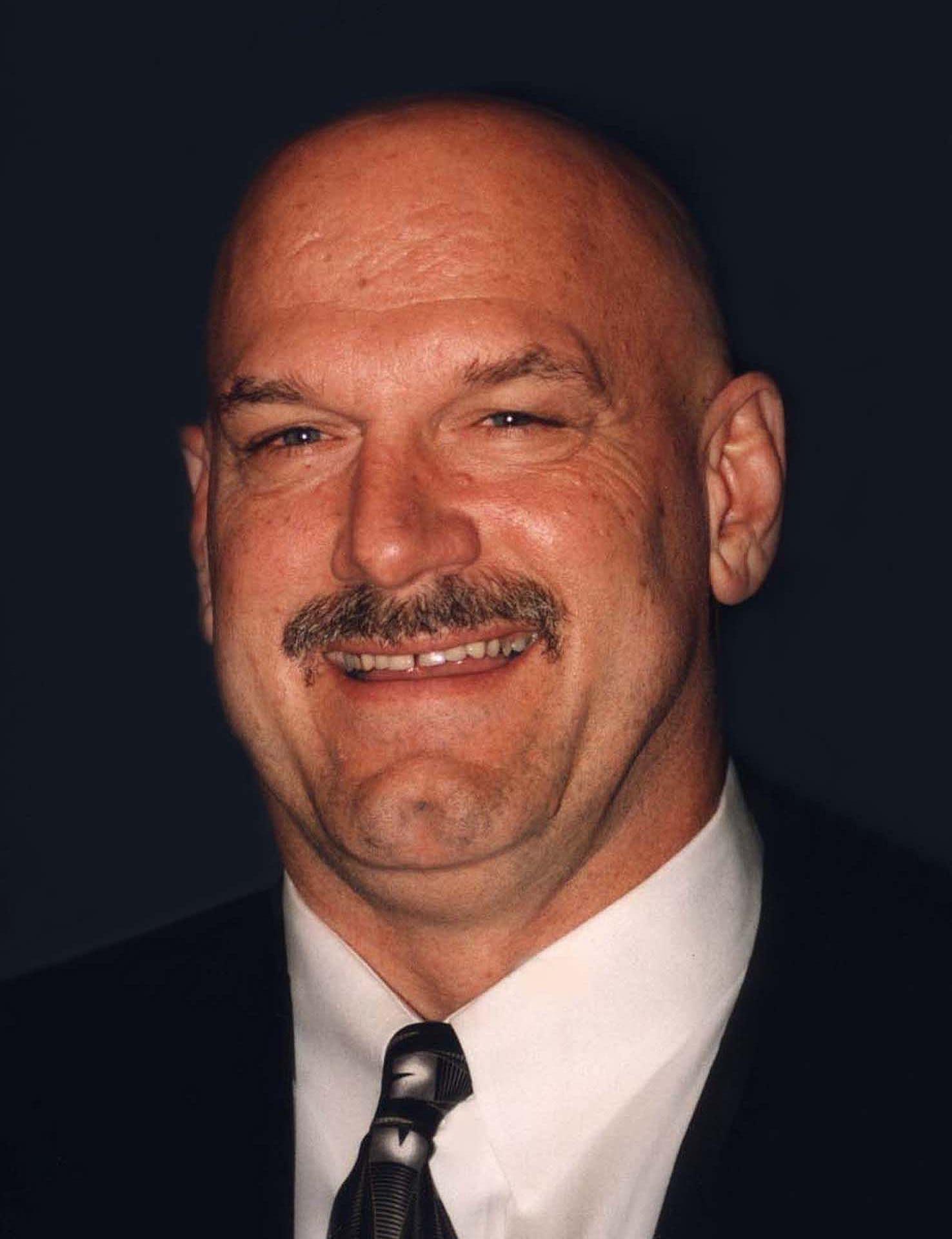
On January 4, 1999, US Navy Vietnam War Veteran, pro wrestler and actor Jesse Ventura became the 38th Governor of Minnesota. Image: Kingkongphoto & www.celebrity-photos.com from Laurel Maryland, USA c. 1996 – CC BY-SA 2.0 via Wikimedia Commons
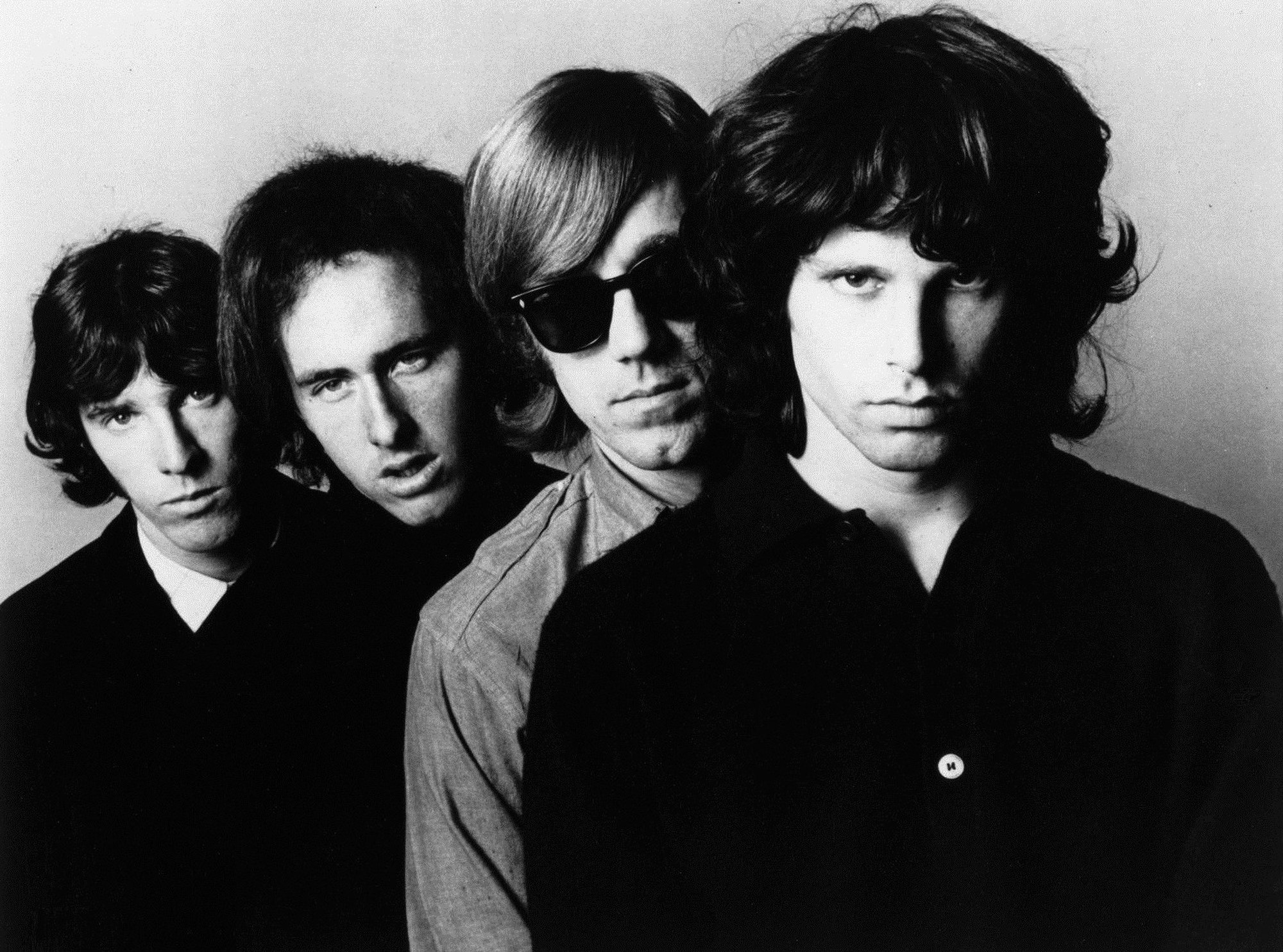
On January 4, 1967, the Doors released their debut album titled “The Doors.”
Tracks included hits such as “Light My Fire,” “Break On Through (To the Other Side),” and “The End.” Image via Wikimedia Commons, public domain
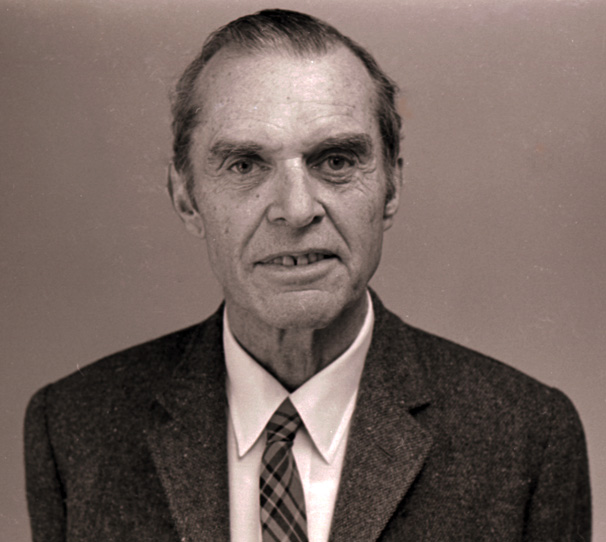
This is James Bond, the American ornithologist who was born on January 4, 1900 in Philadelphia, Pennsylvania. Ian Fleming, the writer of the fictional spy James Bond, used the ornithologist’s name after seeing it in one of his books on birds.Image by Jerry Freilich via Wikimedia Commons CC BY-SA 3.0.
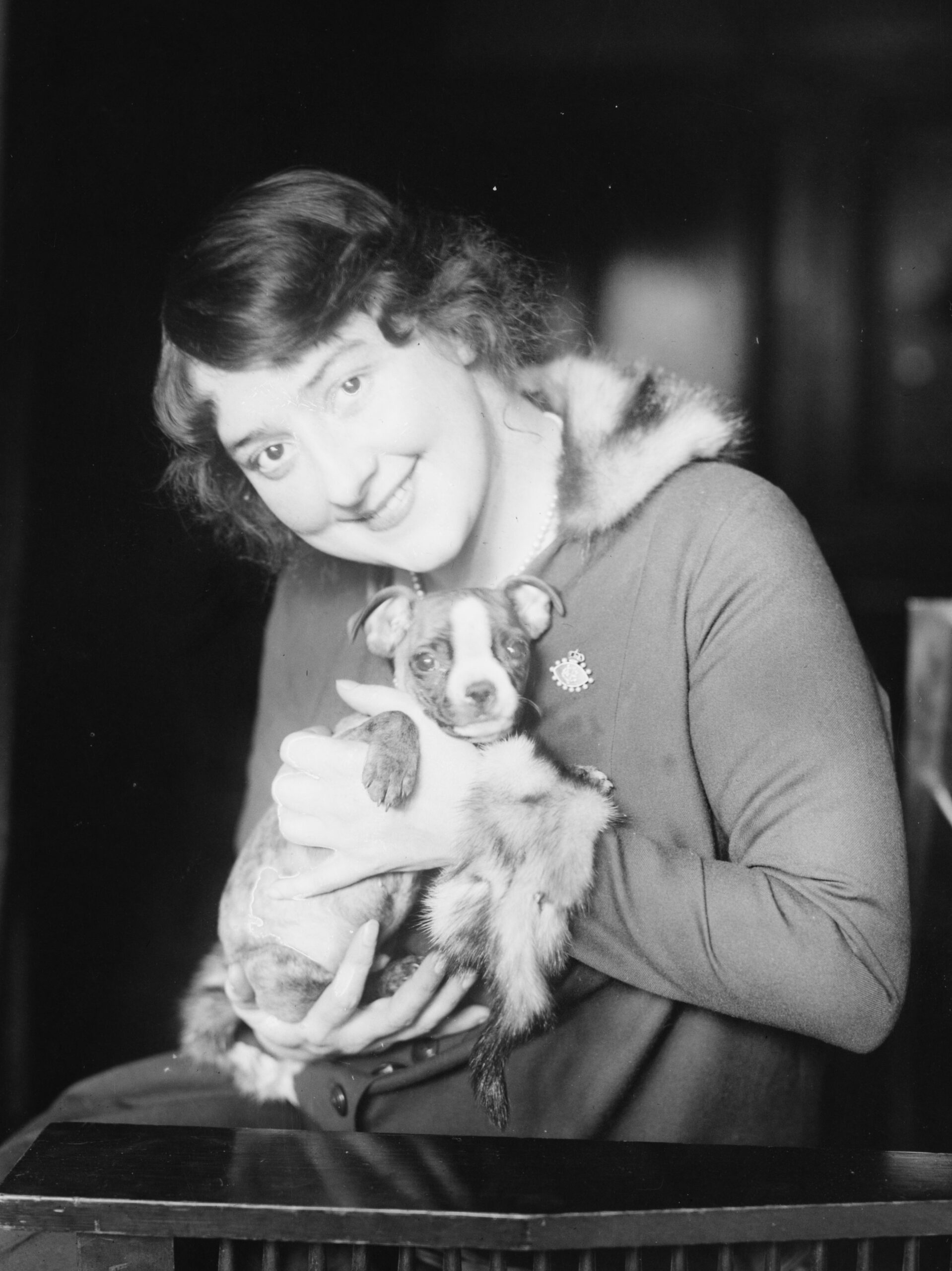
A photograph of American soprano Anna Fitziu who is affectionately holding a small dog on January 4, 1916. The photo is dated only weeks before Anna made her Metropolitan Opera debut where she performed “Goyescas” that was written and composed by Enrique Granados. It was the first Spanish opera perfomed at the Metropolitan Opera House in NYC. Image via Wikimedia Commons, public domain
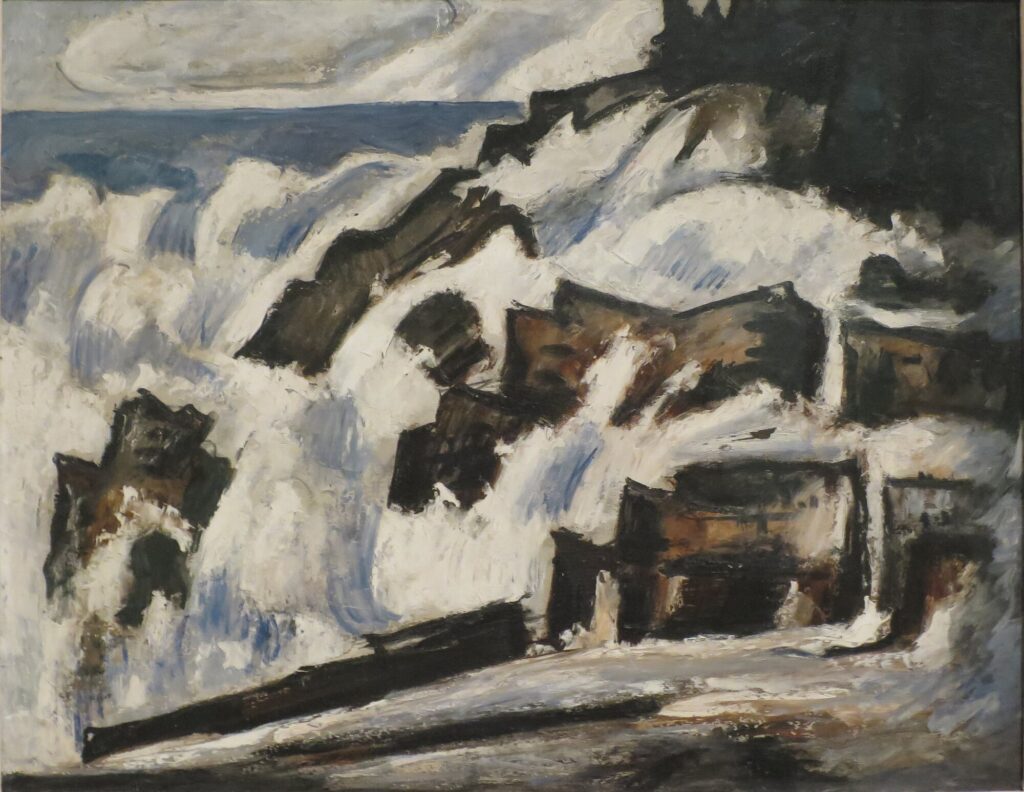
The Spent Wave, Indian Point, Georgetown, Maine c. 1937-1938
By American artist and writer Marsden Hartley who was born on January 4, 1877 in Lewiston, Maine. He said: “I could never be French, I could never become German – I shall always remain American – the essence which is in me is American mysticism just as Davies declared it when he saw those first landscapes.”
Image via Wikimedia Commons, public domain

On January 4, 2004, NASA’s 400 pound Spirit rover landed near the Gusev crater on Mars.
The rover was launched from Cape Canaveral in Florida in June of 2003.
The Gusev crater, a hole about 100 miles wide, was formed about three to four billion years ago when an asteroid crashed into the Red Planet.
During the mission the Spirit rover discovered that the dust near the Gusev crater had magnetic minerals. Through this analysis it was determined that all the dust on Mars is magnetic.
Image via Wikimedia Commons, public domain

On today’s date January 4, 1896: Utah became the Forty-fifth state.
Photo: Salt Lake City, Utah in the 1890’s by Charles Roscoe Savage [Public domain], via Wikimedia Commons
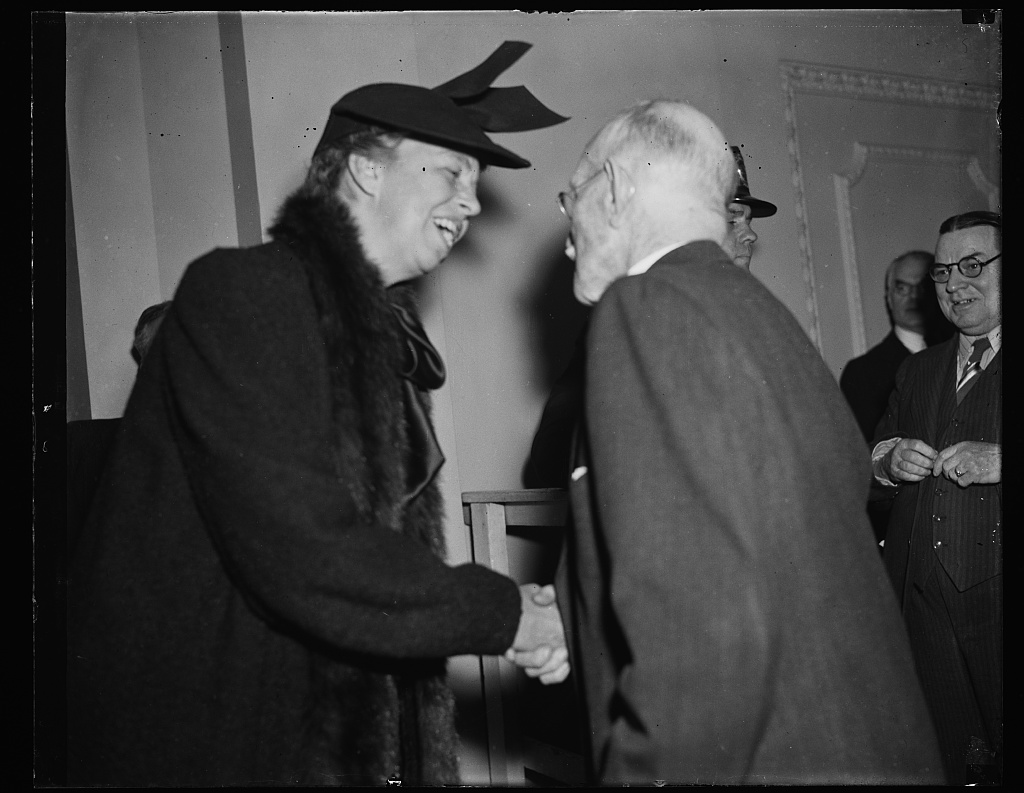
First Lady thanks House Doorkeeper. Washington, D.C.
January 4, 1939
Mrs. Roosevelt thanking veteran House Gallery Doorkeeper John W. Ryan for his attentiveness while she listened to President Roosevelt deliver his Address To Congress.
via LOC, no known restrictions
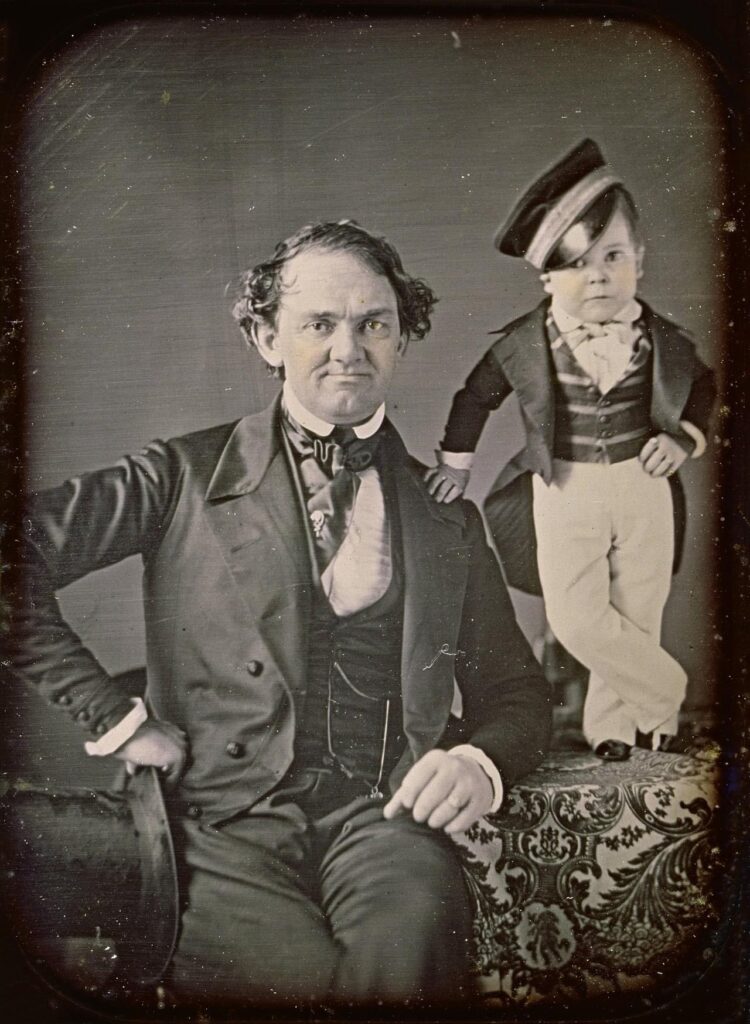
P.T. Barnum and General Tom Thumb in 1850
On January 4, 1838, Charles Stratton “General Tom Thumb” was born in Bridgeport, Connecticut.
Stratton made his first American tour with P.T. Barnum when he was only five years old.
Image via Wikimedia Commons, public domain

On January 4, 1877, American transportation tycoon Cornelius Vanderbilt died in his Manhattan, N.Y. residence at 10 Washington Place.
“His chief business maxim was ‘Do your business well, and don’t tell anybody what you are going to do till you have done it.’
“The following incident illustrates Mr. Vanderbilt’s decision and energy. With the first news of the appearance of the Merrimac Mr. Vanderbilt immediately gave to the government his steamer Vanderbilt, which cost nearly a million dollars, and which he believed to be both the strongest and swiftest ship afloat. He was sure that it could run down the Merrimac, though both vessels might
be sunk by the collision. The success of the Monitor made the trial unnecessary, and the Vanderbilt was put to other service in which it was of great value to the government. For this gift Congress voted Mr. Vanderbilt a gold medal.”
From: Some successful Americans by Sherman Williams, published in 1904
https://archive.org/details/somesuccessfulam00will/page/142/mode/2up
Source says not in copyright
Image: Commodore Cornelius Vanderbilt at home c. 1876 via The Clark Digital Collections, https://digital.clarkart.edu/digital/collection/p1325coll1/id/116
Source says not in copyright

On January 4, 1863, just days after the Emancipation Proclamation, Abraham Lincoln directed Navy Secretary Gideon Welles (shown) to ‘hear and consider’ petitions from Virginia refugees who sought to move their families and property into Union protection aboard gunboats on the Potomac and Chesapeake. Lincoln explained that ‘many persons’ had applied for such permission, reflecting his concern for loyal civilians trapped behind Confederate lines. Welles responded by instructing the Potomac Flotilla to weigh requests case‑by‑case: gunboats could ferry families when it did not interfere with blockades or patrols, and in practice the Navy did evacuate Unionist households and freedom‑seekers while maintaining its primary mission of river security.
Decades later, Gideon Welles’s name resurfaced in popular culture when filmmaker Orson Welles, during an appearance on The Dick Cavett Show, claimed him as an ancestor. Though genealogists have shown no actual family connection, the remark illustrates how Gideon’s Civil War legacy lingered in American memory, even inspiring a modern artist to weave it into his own story.
