
 Mystery March Is Here!
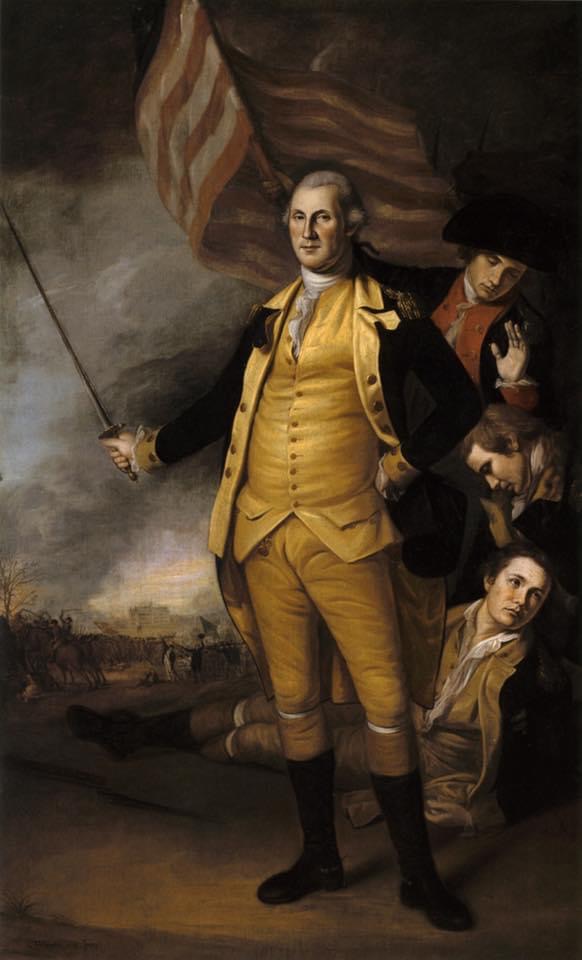
“George Washington at The Battle of Princeton” by Charles Wilson Peale”
With the break of day on that cold January morning (January 3, 1777), Cornwallis, to his astonishment and dismay, discovered that the positions on the Assunpinck were empty and that the enemy he had expected to crush so easily had escaped him. Nor had he long to wait before learning whither the Americans had gone, for the sound of cannonading, wafted southward by the breeze, apprised him of the danger which threatened the regiments at Princeton and the stores at Brunswick. “Our Generals, about eight o’clock in the morning,” says Captain Hall, “had so far gotten the better of their surprise, that they set the army in motion.” Nor did they linger upon the way. General Knox says that they came back to Princeton, “running, puffing, and blowing, and swearing at being so outwitted.”The rear of the army, which had been stationed at Maidenhead during the night of the second, reached Worth’s Mill as the Americans were returning from the pursuit of Mawhood’s men. Here the enemy were forced to halt, however, for Washington, despite the rapid succession of exciting events, had sent a detachment of troops under General James Potter, to break down the bridge over the creek. The men were still tearing up the planks under the personal supervision of Major John Kelly, when the head of the British column appeared on the hill above. The enemy at once wheeled their cannon into place and opened so heavy a fire with round shot that the workmen were forced to retire. Major Kelly, however, refused to desist, and continued to hack at the main timbers until he had rendered the structure unsafe for the passage even of infantry. Unfortunately a shot struck one of the planks upon which he was standing and he was precipitated into the swollen stream. He succeeded in reaching the north bank and started to rejoin his men, but his frozen clothes so impeded his progress that he was overtaken and captured by the enemy…” From: The Battle of Princeton by Thomas Jefferson Wertenbaker https://archive.org/details/princetonbattlem00prin/page/111 Source says not in copyright
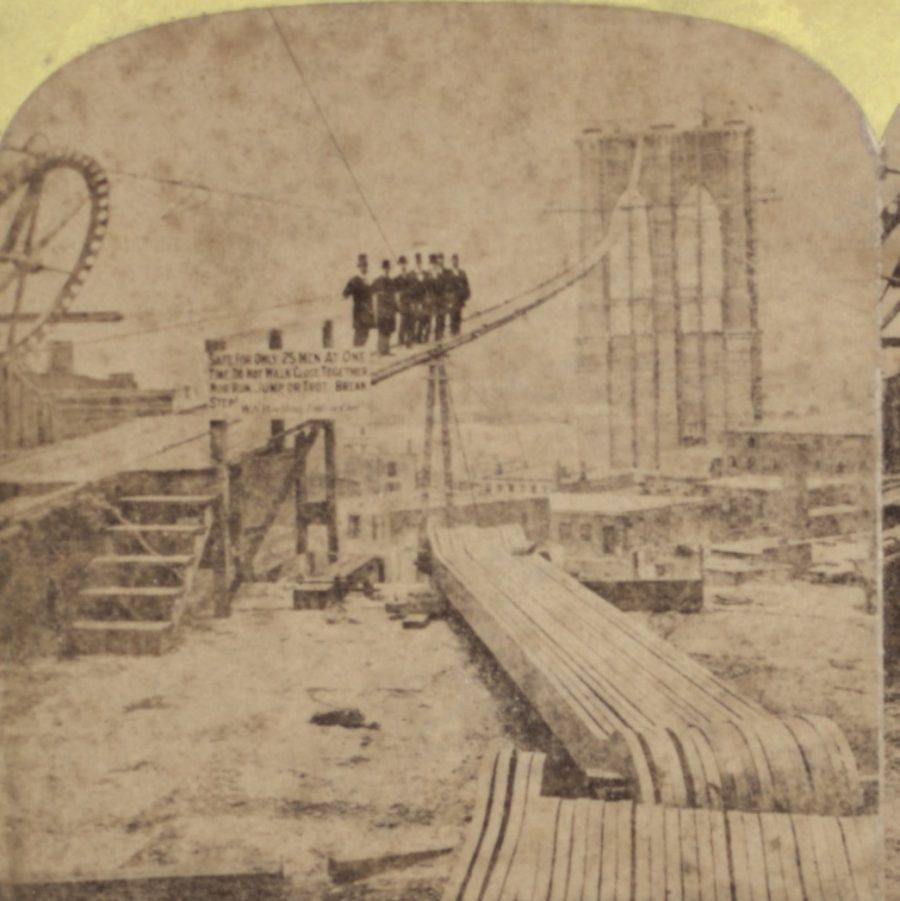
January 3, 1870 is considered to be the date when construction of the Brooklyn Bridge began. At least 20 lives were lost building the span and it wasn’t officially named “The Brooklyn Bridge” until 1915.
Image showing people standing during construction of the bridge and a sign that says “Safe for only 25 men at one time. Do not walk close together nor run, jump or trot. Break step!” via Wikimedia Commons, public domain
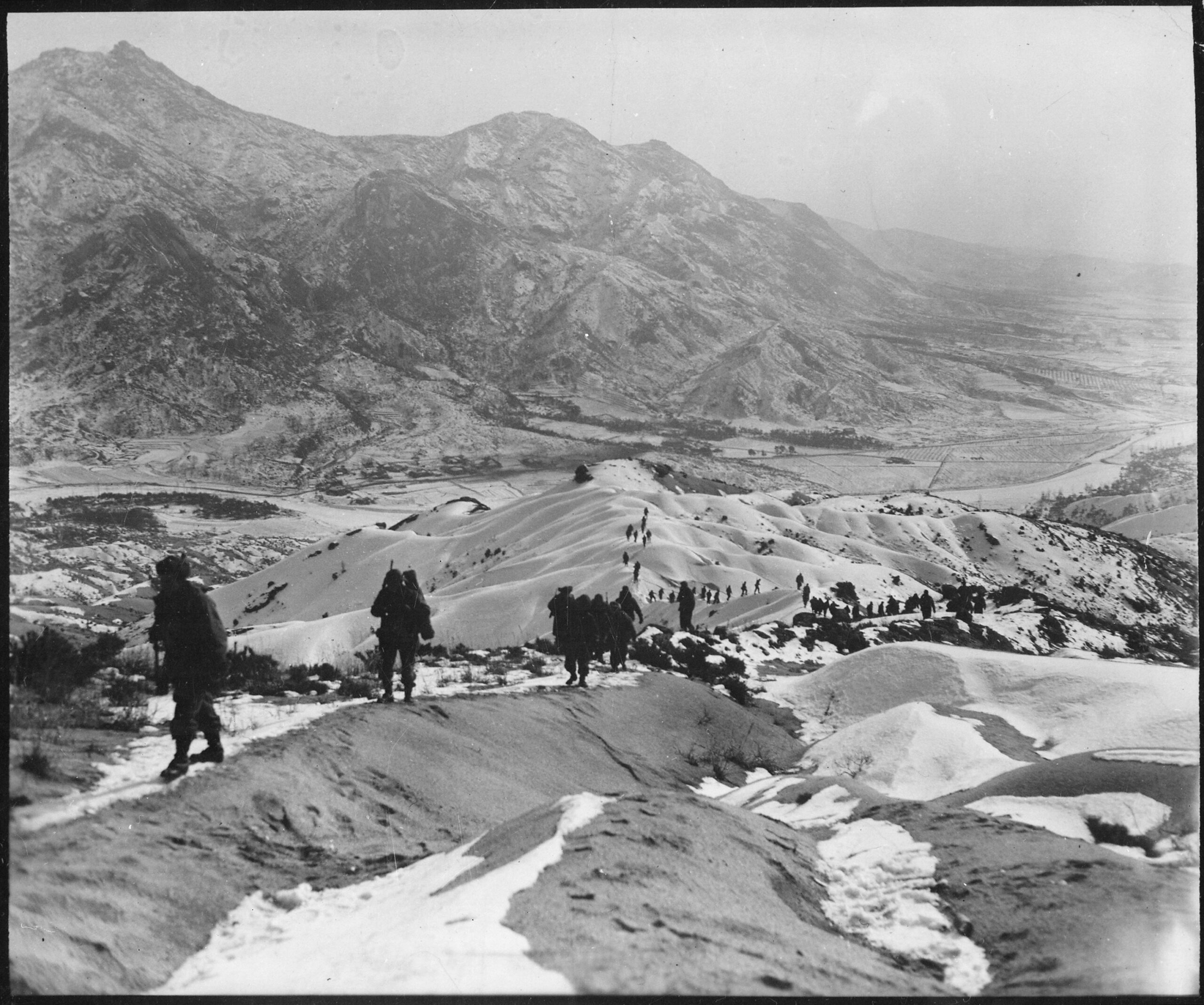
Men of the 19th Infantry Regiment work their way over the snowy mountains about 10 miles north of Seoul, Korea, attempting to locate the enemy lines and positions.
January 3, 1951
The 19th Infantry Regiment dates back to the American Civil War when they made a valiant stand against Confederate forces during the Battle of Chickamauga. Because of this they were given the nickname “The Rock of Chickamaugua.”Today the 19th Infantry Regiment focuses primarily on infantry training and preparing other soldiers for combat.
Image via Wikimedia Commons, public domain

On January 3, 1970 “Raindrops Keep Fallin’ on My Head” by B.J. Thomas became the #1 song in America.Image of B.J. Thomas in the early 70s via Wikimedia Commons, public domain
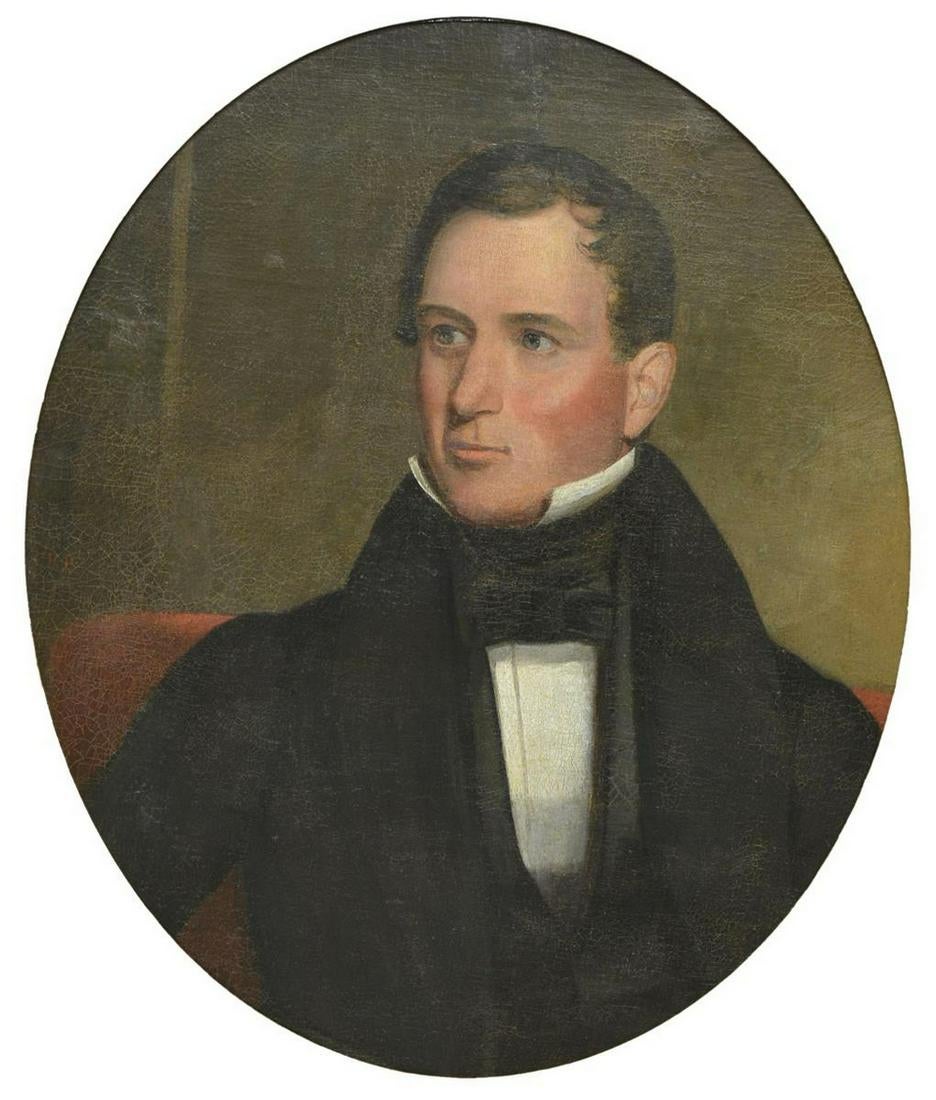
On January 3, 1823, “Father of Texas” Stephen F. Austin received permission from the Mexican government to establish colonies in the area that is now known as Texas. Exactly eleven years later, on January 3, 1834, Stephen F. Austin was arrested for treason by the Mexican government for his role in encouraging the colonists of Texas to establish their own government. He was taken to Mexico City where he spent over a year in prison (spending some of that time in solitary confinement.) Image via Wikimedia Commons, public domain
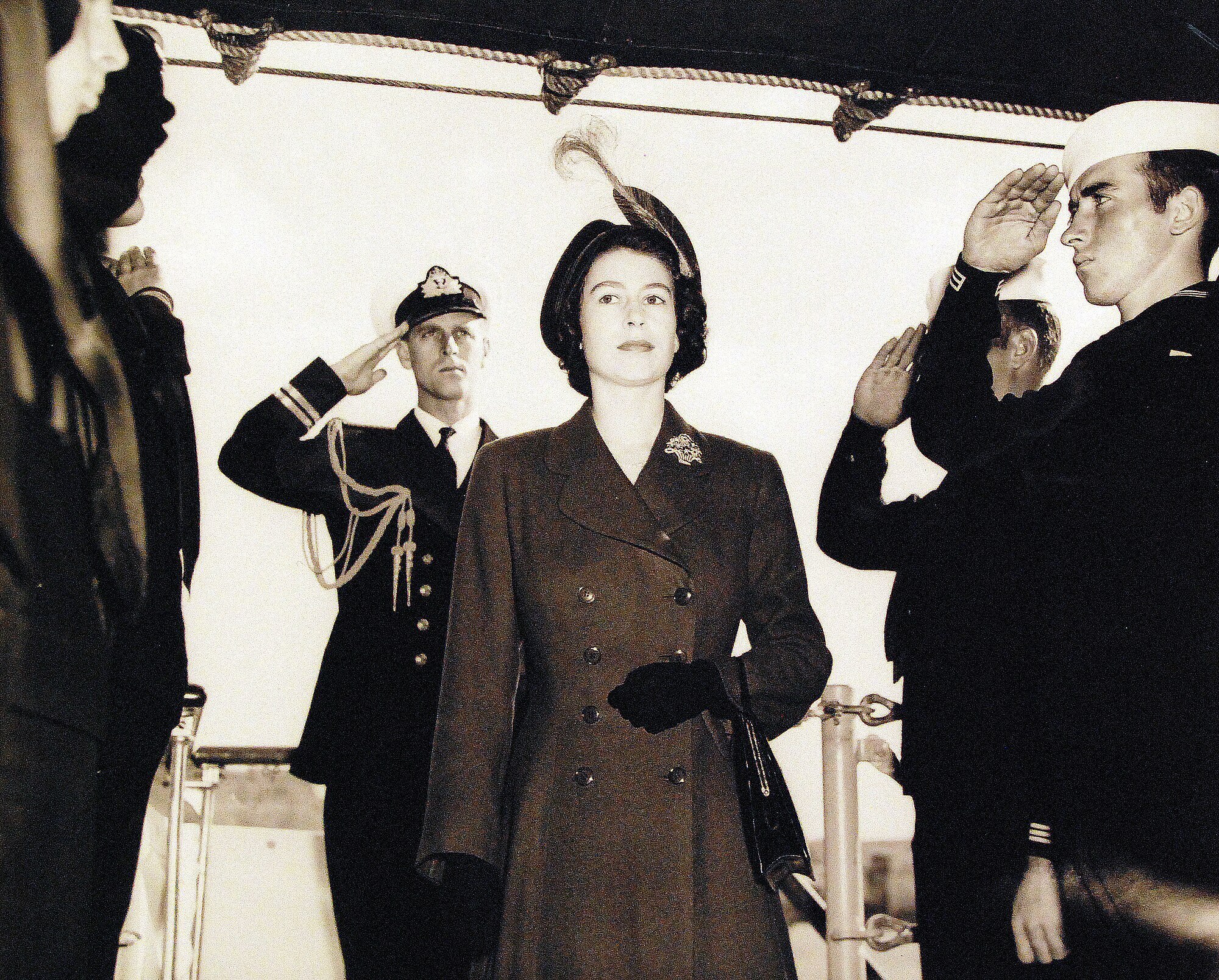
Princess Elizabeth and the Duke of Edinburgh visiting the U.S. Navy heavy cruiser USS Des Moines in Malta, after the ship completed extensive training exercises at sea.
January 3, 1950
via Wikimedia Commons, public domain
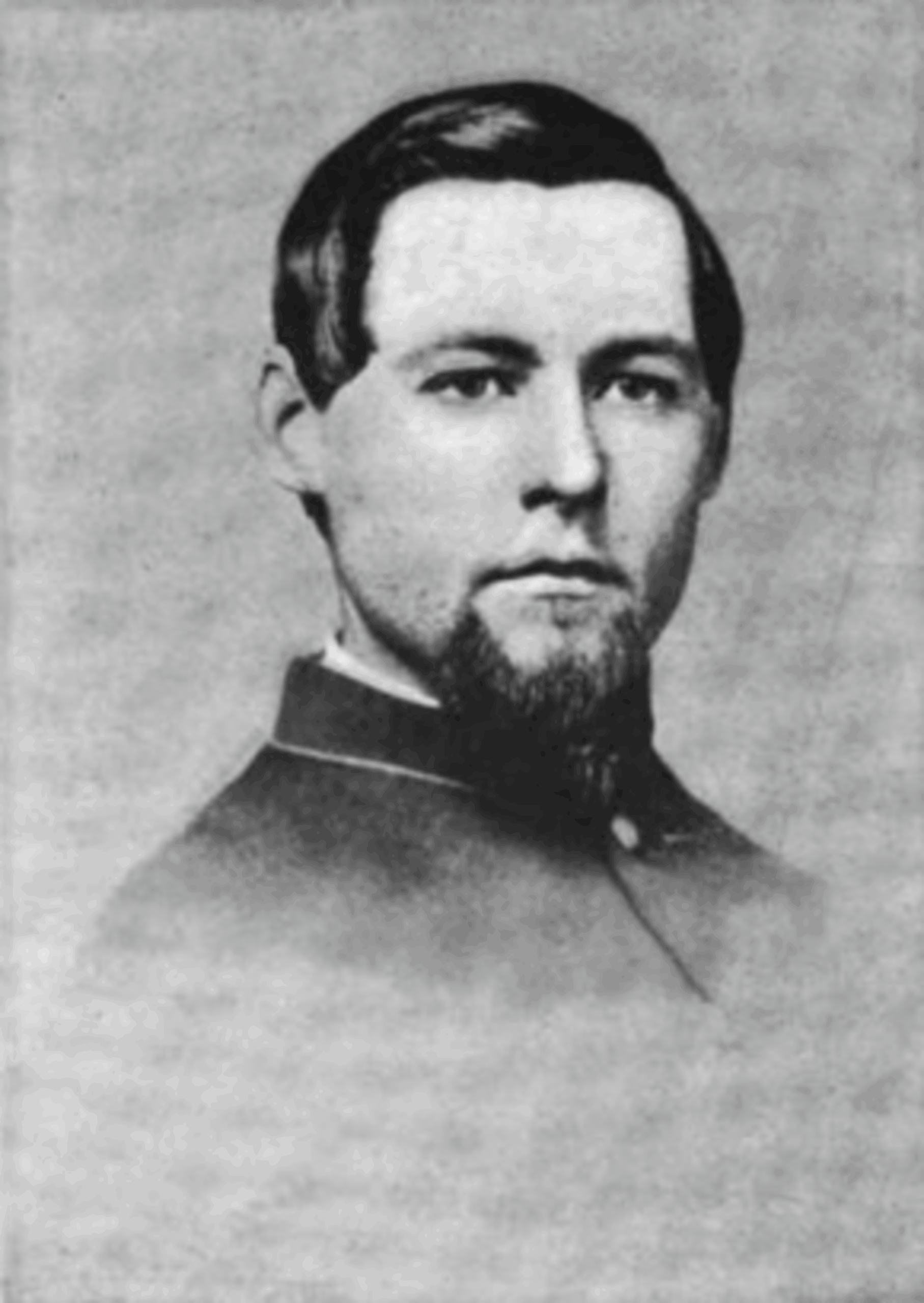
On January 3, 1888, American Civil War Veteran Marvin Chester Stone received his patent for his “Artificial Straw.” His invention is regarded as the first modern drinking straw.
Image of Marvin Chester Stone via Wikimedia Commons, public domain
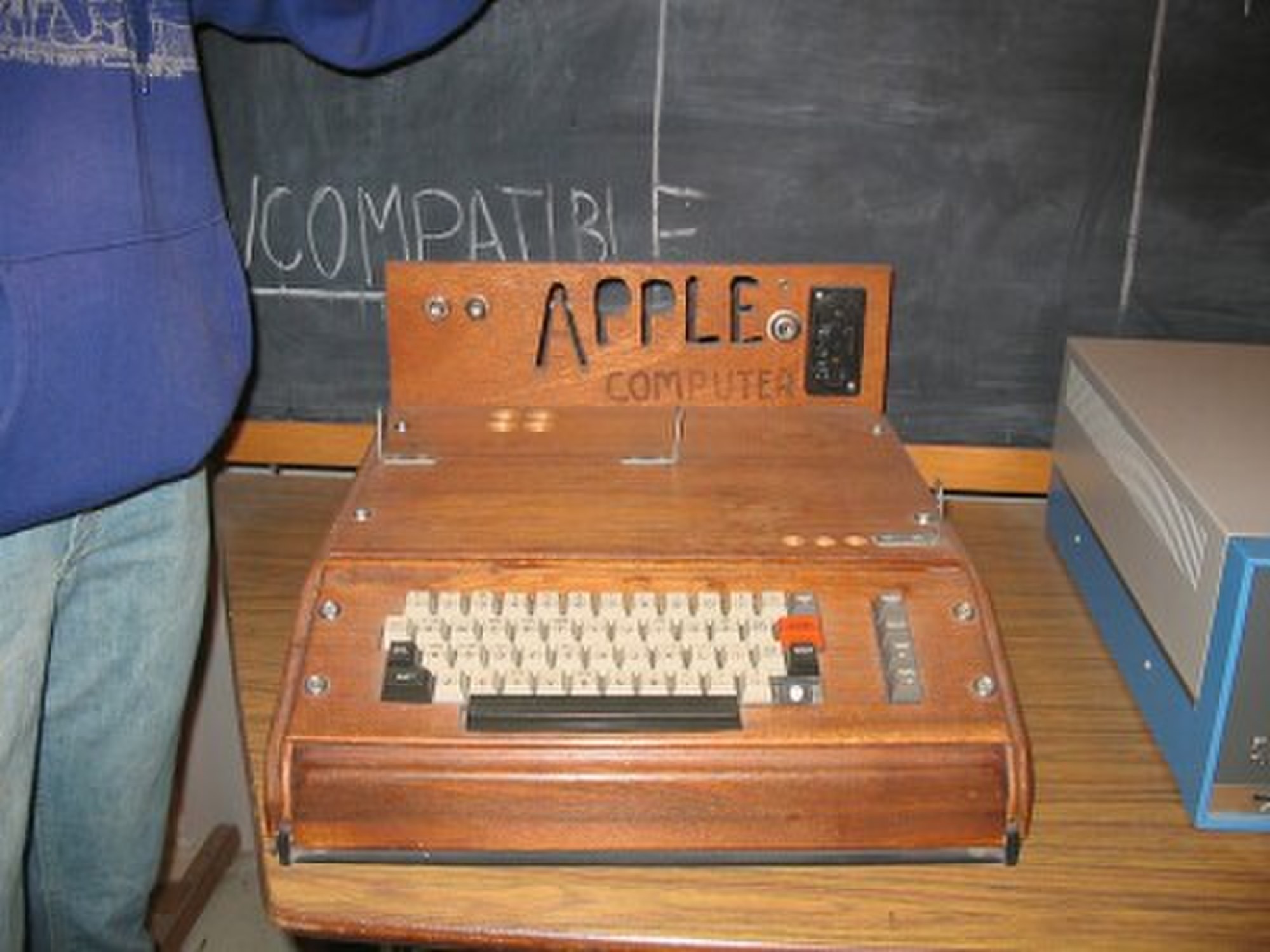
Steve Jobs and Steve Wozniak incorporated Apple on January 3, 1977.
Shown here is Apple’s first product the Apple l in a wooden case via Wikimedia Commons, public domain
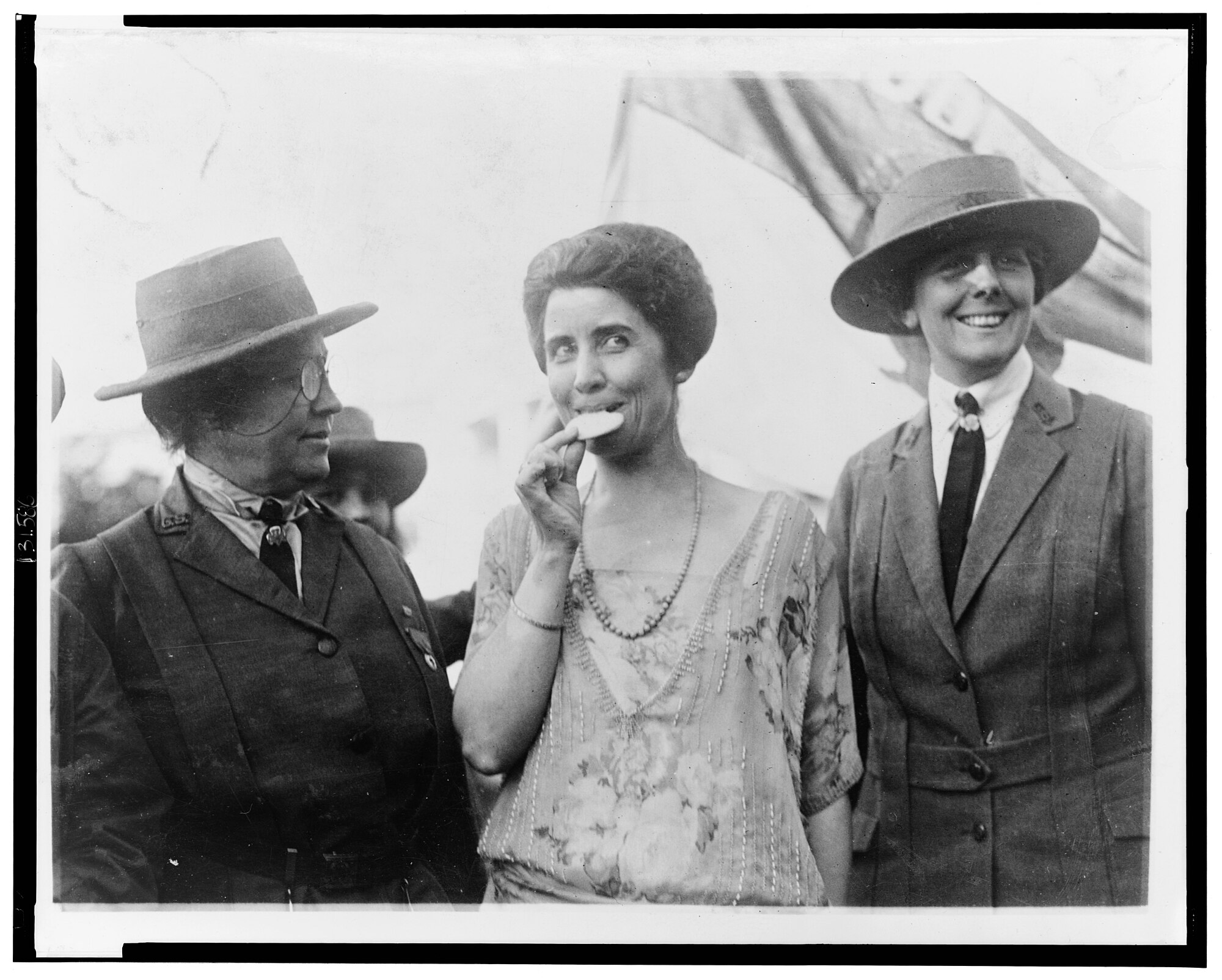
Grace Anna Goodhue Coolidge was born on January 3, 1879 in Burlington, Vermont.
Photo of Mrs. Coolidge eating cookies presented by a New York Girl Scout troop in 1923 via Library of Congress, no known restrictions
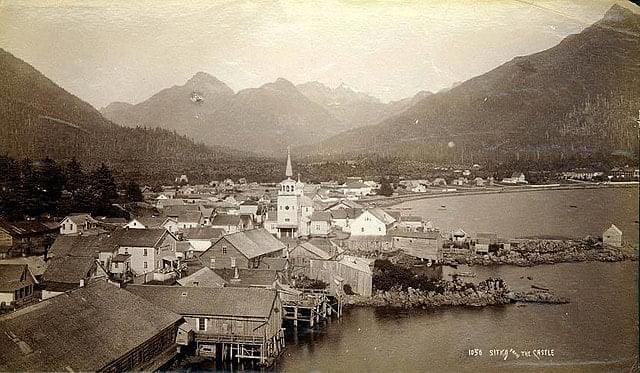
Alaska joined the Union as the 49th state on January 3, 1959. Purchased from Russia, Alaska became a district in 1884 and a territory in 1912. The capital was moved from Sitka, shown here in 1897, to Juneau in 1906.Wikimedia Commons, public domain.
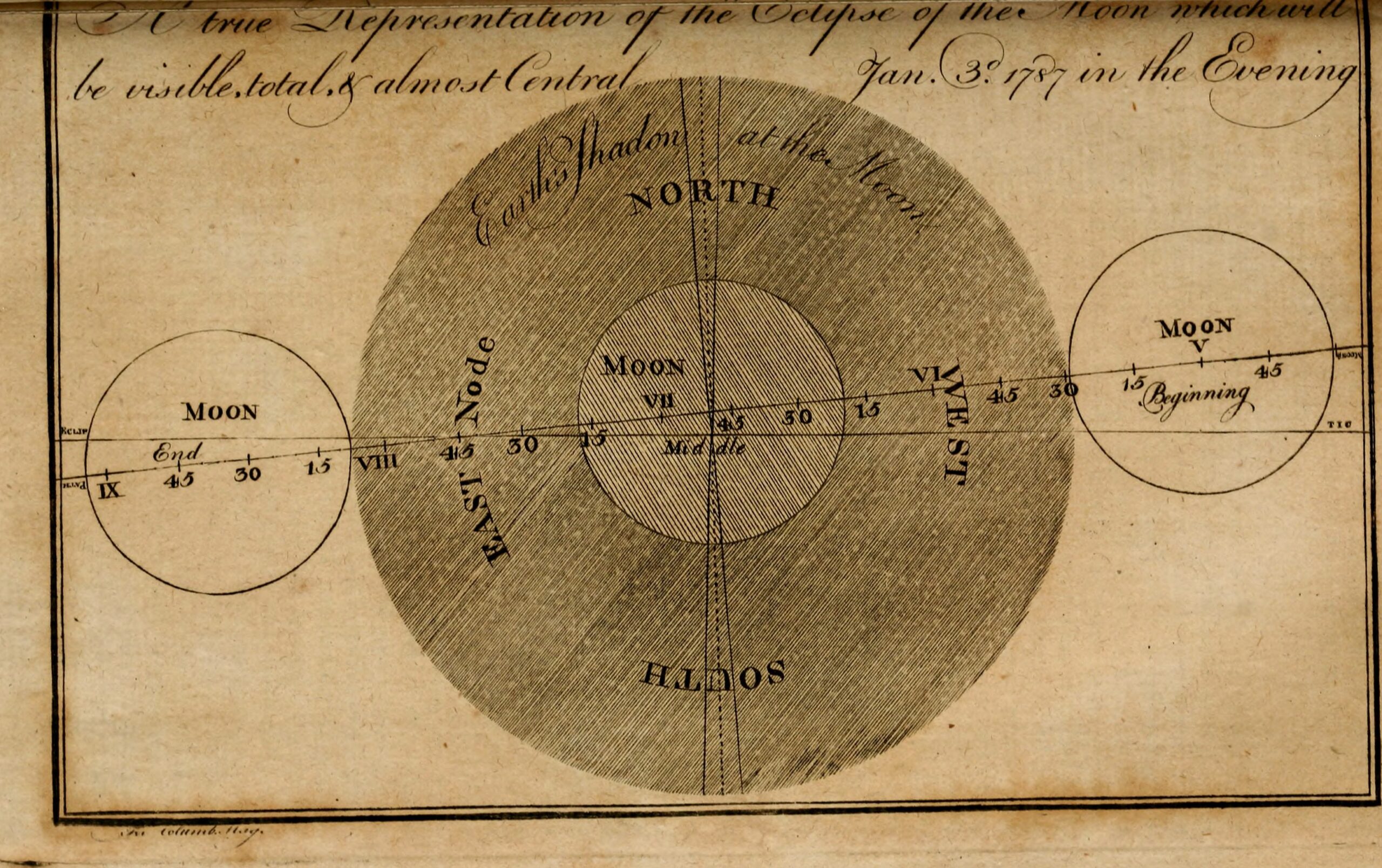
“A true representation of the Eclipse of the Moon which will be visible total & almost Central Jan. 3, 1787, in the Evening”
Image from Columbian Magazine or monthly miscellany in 1787 via Wikimedia Commons, public domain
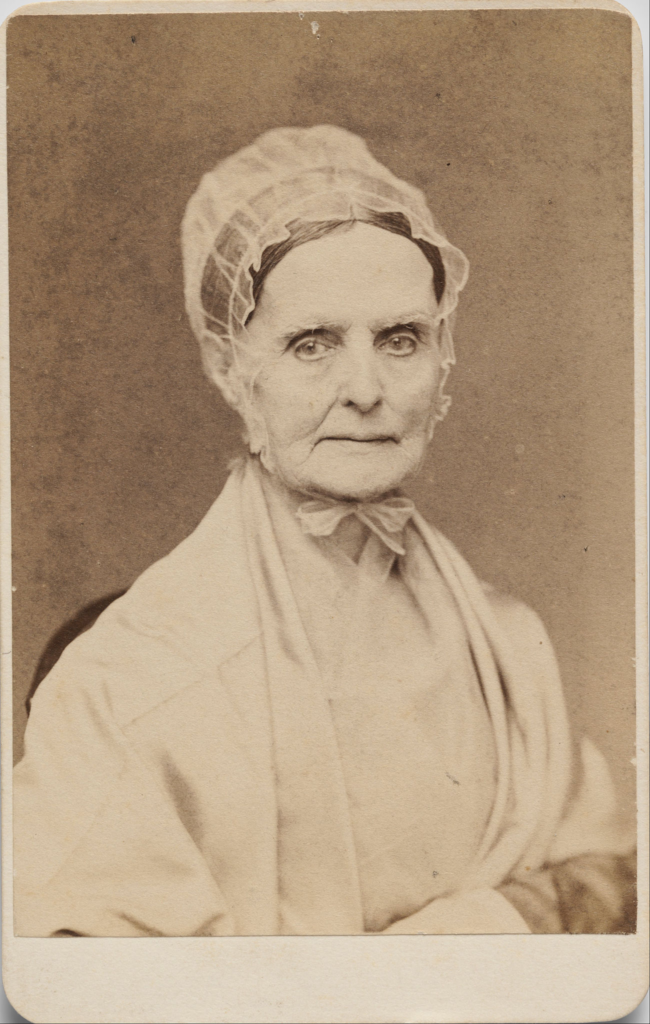
American women’s rights activist and abolitionist Lucretia Mott was born on January 3, 1793 in Nantucket, Massachusetts. She was so passionate about equality that she traveled to London, England to attend the World’s Anti-Slavery Convention in 1840. Her signature appears first on the Declaration of Sentiments.
Image of Lucretia Mott c. 1865 via Wikimedia Commons, public domain
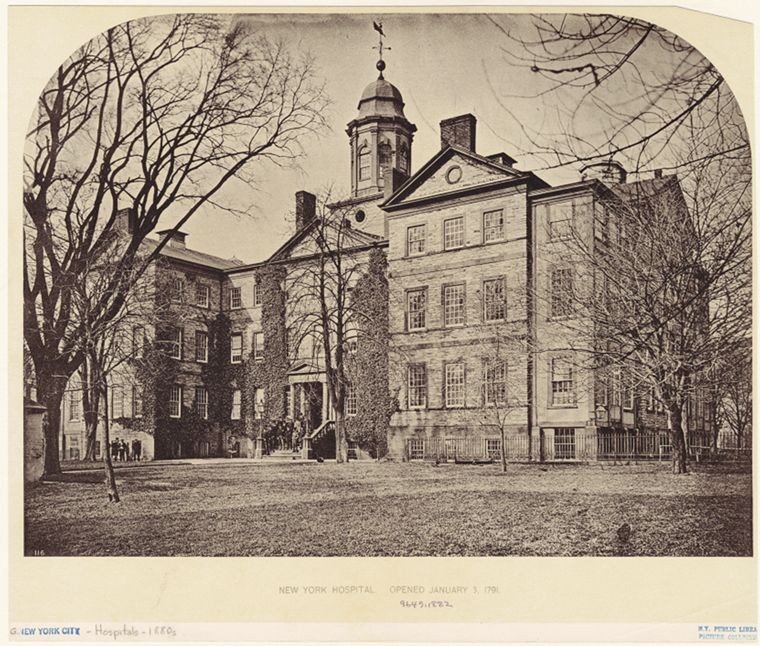
The caption of this photo simply reads “New York Hospital opened January 3, 1791”
Twenty years earlier, in 1771, King George III granted a charter to establish a hospital in New York.The hospital was constructed and after years of delays (ie. the American Revolution) it was opened in 1791 on the block bound by Broadway, Church Street, Catherine (now Worth) Street, and Anthony (now Duane) Street.
Image via NYPL Digital Collections, no known restrictions
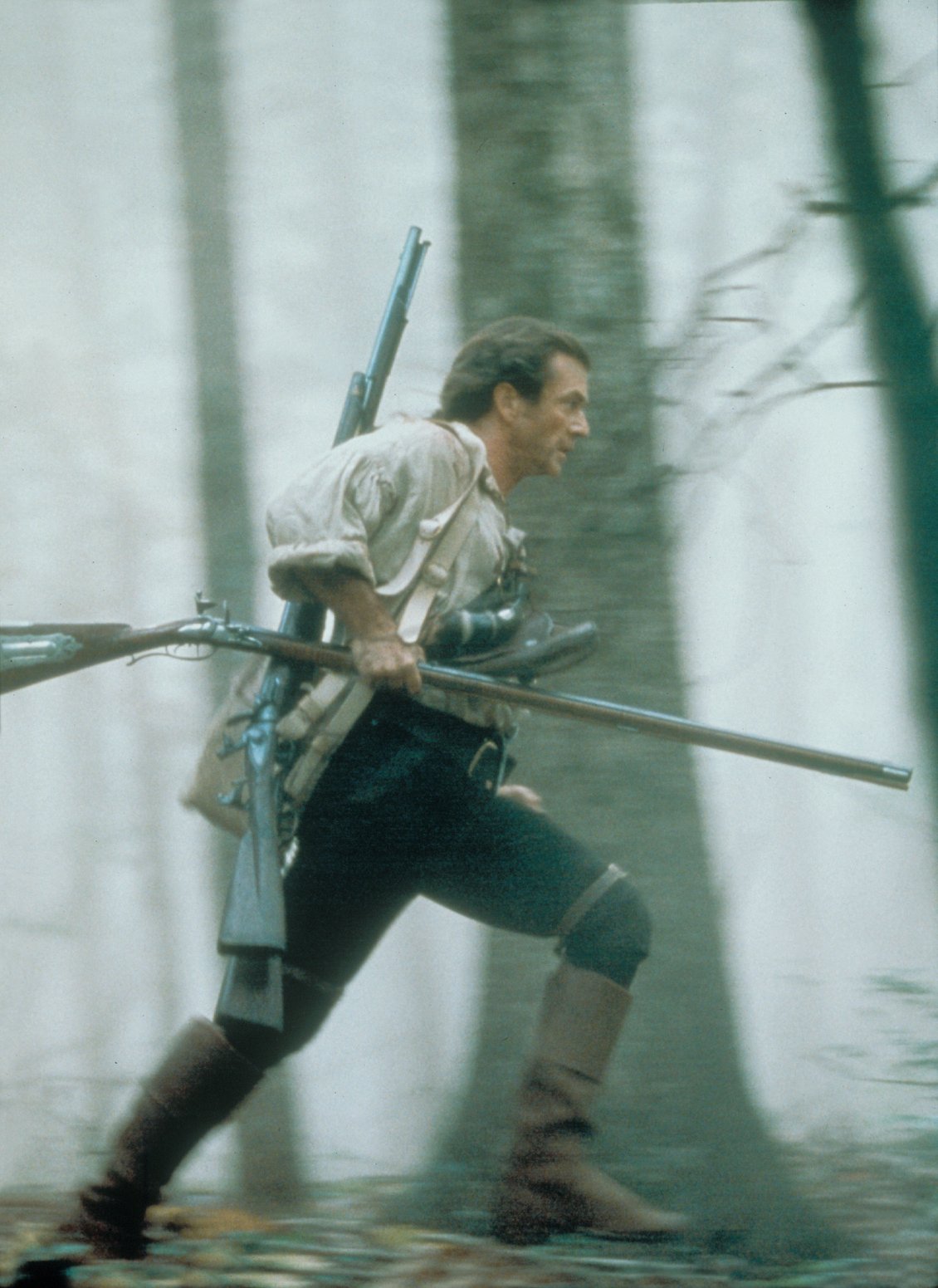
Actor Mel Gibson was born on January 3, 1956 in Peekskill, New York. Image from the 2000 film, The Patriot via Alamy
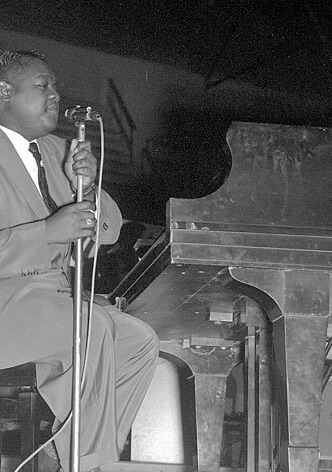
On January 3, 1957, Fats Domino recorded “I’m Walkin’” at the Cosimo Recording Studio in New Orleans. Image of Fats Domino in 1957 via Wikimedia Commons, no known restrictions
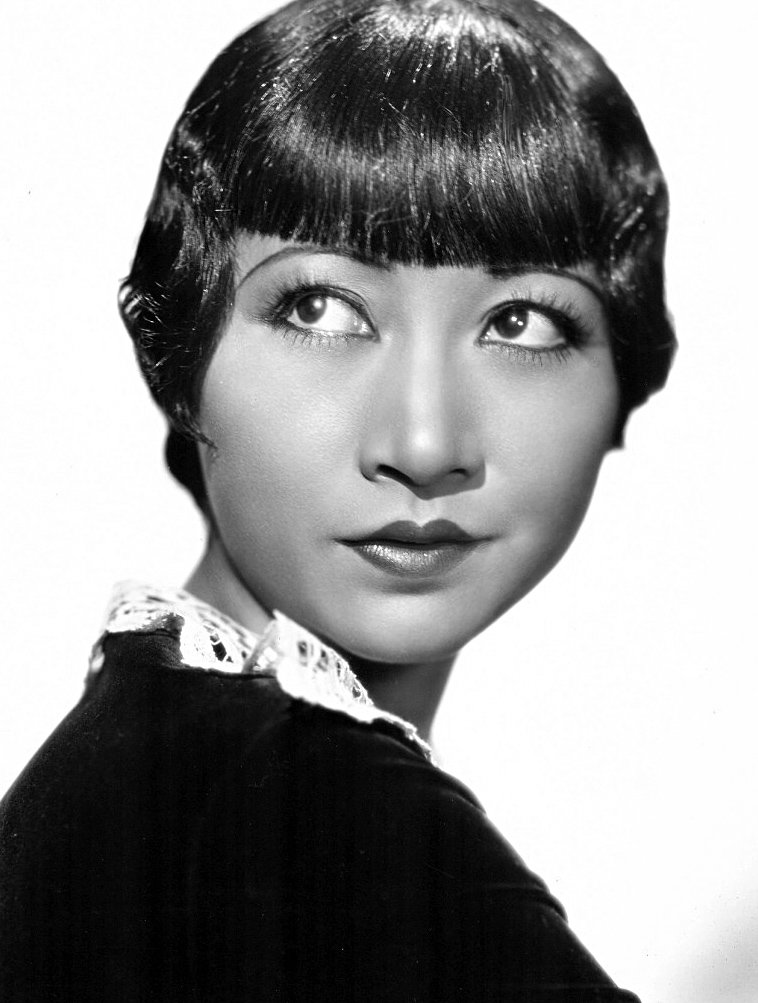
Born on January 3, 1905, Anna May Wong was the first Chinese-American actress cast in major Hollywood films. Her career began with silent features in 1919, went on to major productions like “Shanghai Express” and finally to TV roles in the 1960s. Image via Wikimedia Commons, public domain
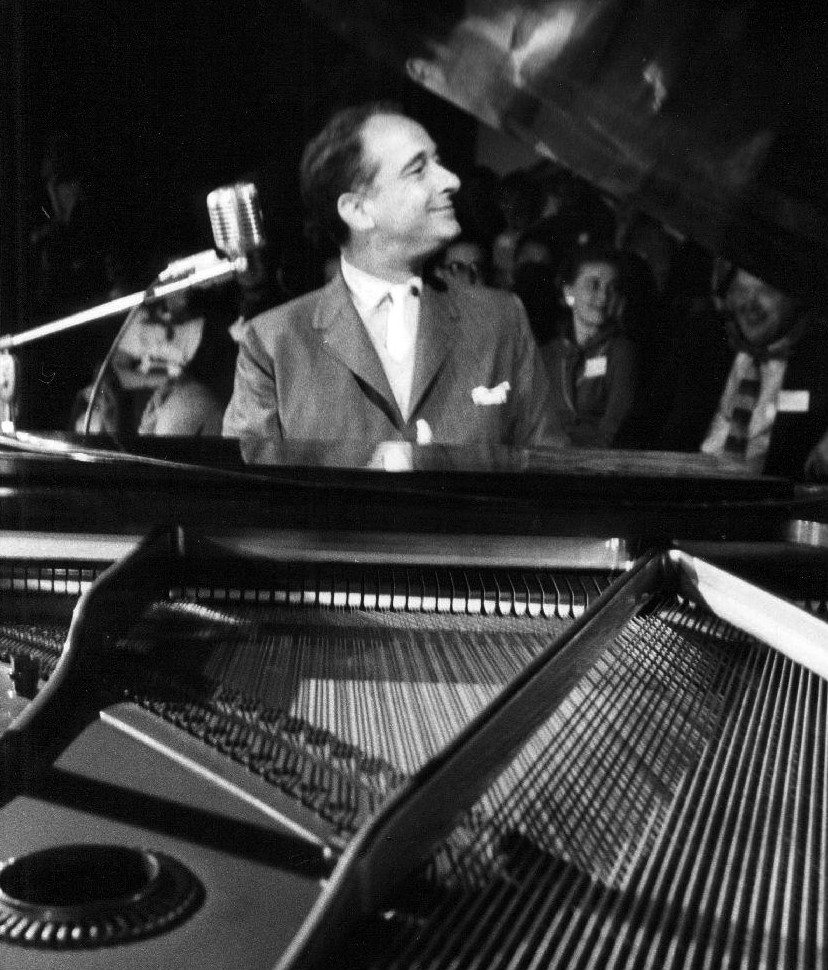
Musician and comedian Victor Borge was born on January 3, 1909. He became an American Citizen in 1948. Image of Borge at the piano in 1957 via Wikimedia Commons, public domain

Not in Japan, Switzerland, or anywhere in the Far East — but in Lancaster County, Pennsylvania — the world’s first battery‑powered wristwatch was introduced. Earlier in the 1950s, both Elgin in the United States and Lip in France had demonstrated experimental electric‑watch prototypes, but none ever reached the public. So when Hamilton unveiled the Electric 500 on January 3, 1957, it became the first battery‑powered wristwatch the world could actually buy.
And despite its futuristic spark, this breakthrough arrived surprisingly late: by then, electric appliances, commercial air travel, and even the jet age were already part of everyday life. Yet the first electric wristwatch to truly enter history emerged from a red‑brick factory on Columbia Avenue in Lancaster — right here in Pennsylvania.
Image: The Hamilton Electric 500 from MPants at work • CC BY-SA 4.0 via Wikimedia Commons

