
 Mystery March Is Here!
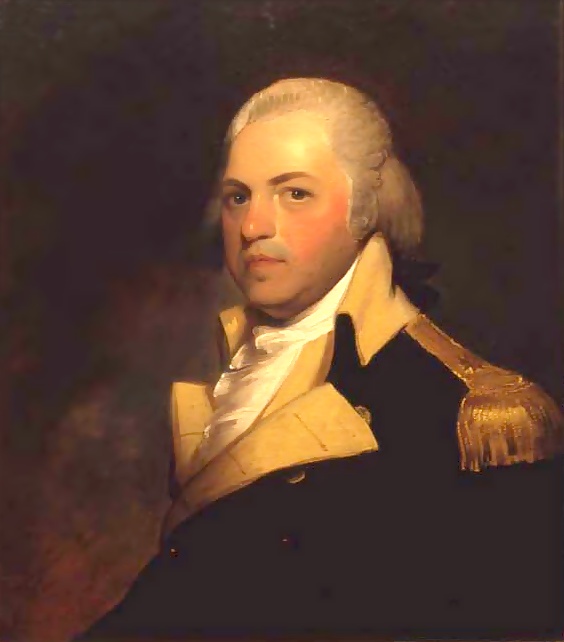
Born January 29, 1756 in Prince William County, Virginia, Henry “Light-Horse Harry” Lee became one of the most daring cavalry commanders of the American Revolution. His mixed corps—Lee’s Legion—earned fame for swift raids and tactical brilliance in the Southern theater, culminating in a key role at Yorktown.
After the war, Lee served as Virginia’s governor and famously eulogized George Washington as “first in war, first in peace, and first in the hearts of his countrymen.” His martial legacy would echo through his son, Robert E. Lee, who inherited both the name and the burden of command.
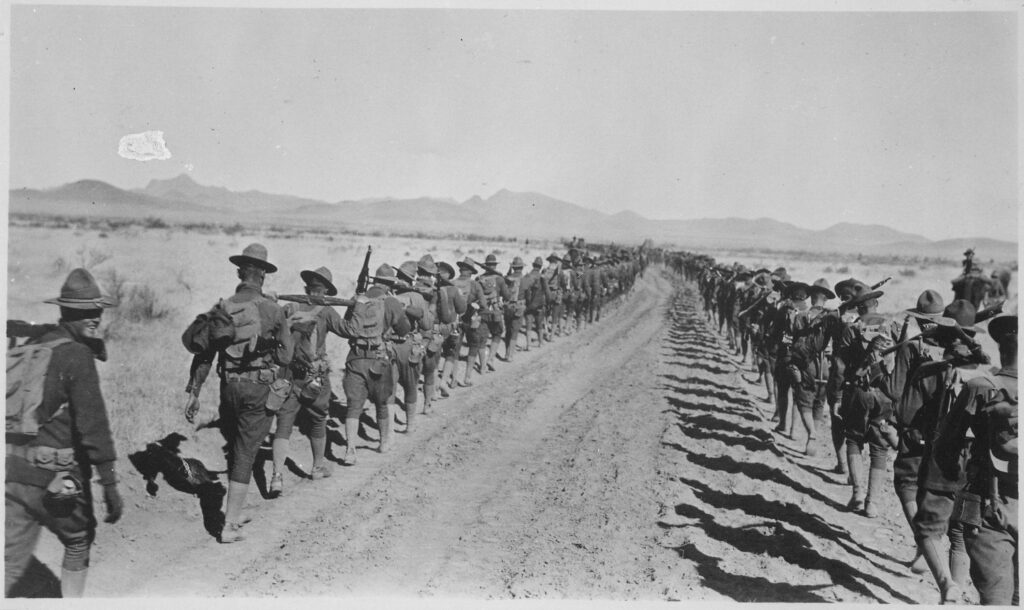
U.S. soldiers of the 6th and 16th Infantry march through the high desert of Chihuahua on January 29, 1917, during the longest single‑day hike of their return from General John J. Pershing’s Punitive Expedition. Covering 28 miles between Corralitos Rancho and Ojo Federico — a demanding feat for infantrymen carrying 50–70 pounds of gear — the column was led by Company A of the 16th Infantry, seen in the foreground. The expedition would formally conclude the following week, as the Army prepared for the nation’s entry into World War I just a few months later.
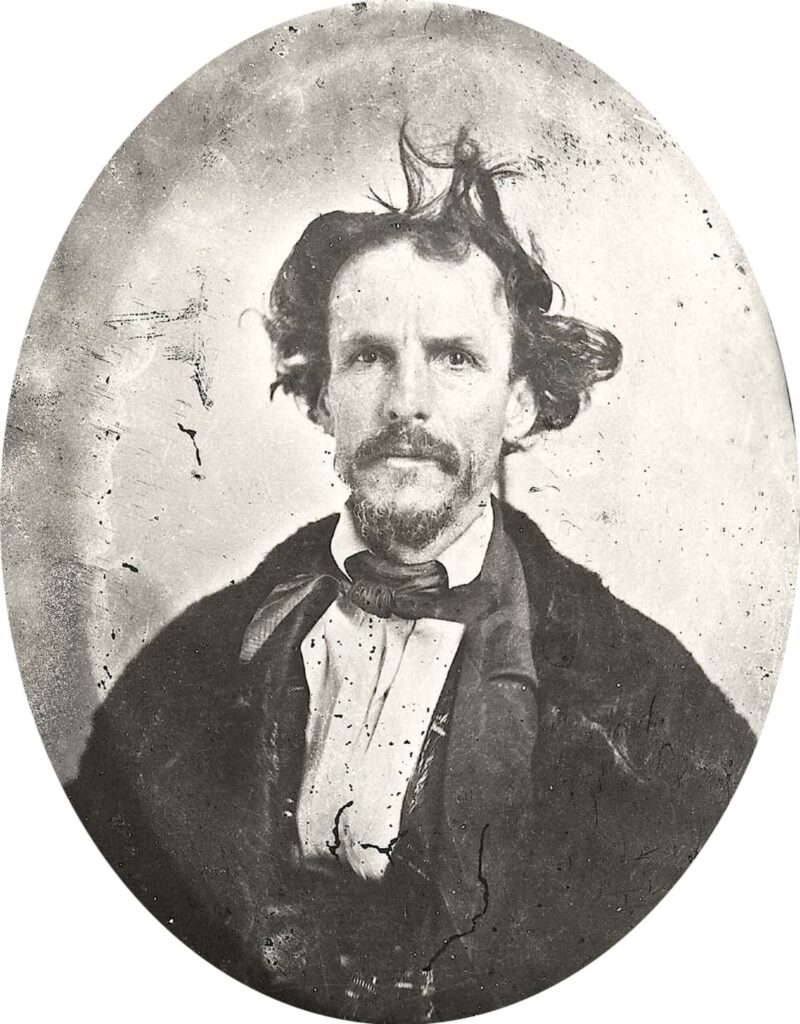
On January 29, 1861, Kansas entered the Union as the 34th state—an achievement shaped in no small part by James Henry Lane. A fierce leader of the Free-State movement during the violent struggle known as “Bleeding Kansas,” Lane became one of the state’s first U.S. Senators the very day Kansas was admitted. His portrait, preserved by the Kansas Historical Society, reflects the turbulent era in which he helped steer the territory toward freedom and statehood.
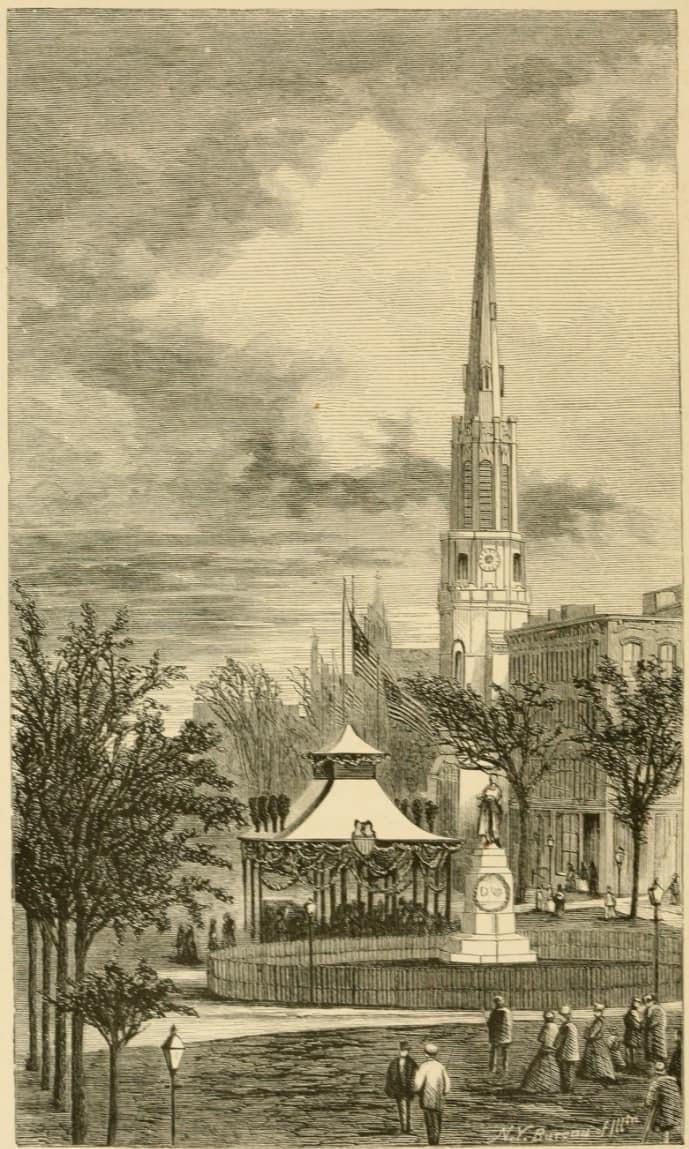
Monument Park in Cleveland, Ohio c. 1865
On January 29, 1754, Moses Cleaveland, the founder of Cleveland, Ohio was born in Canterbury, Connecticut.
Image via Wikimedia Commons, public domain
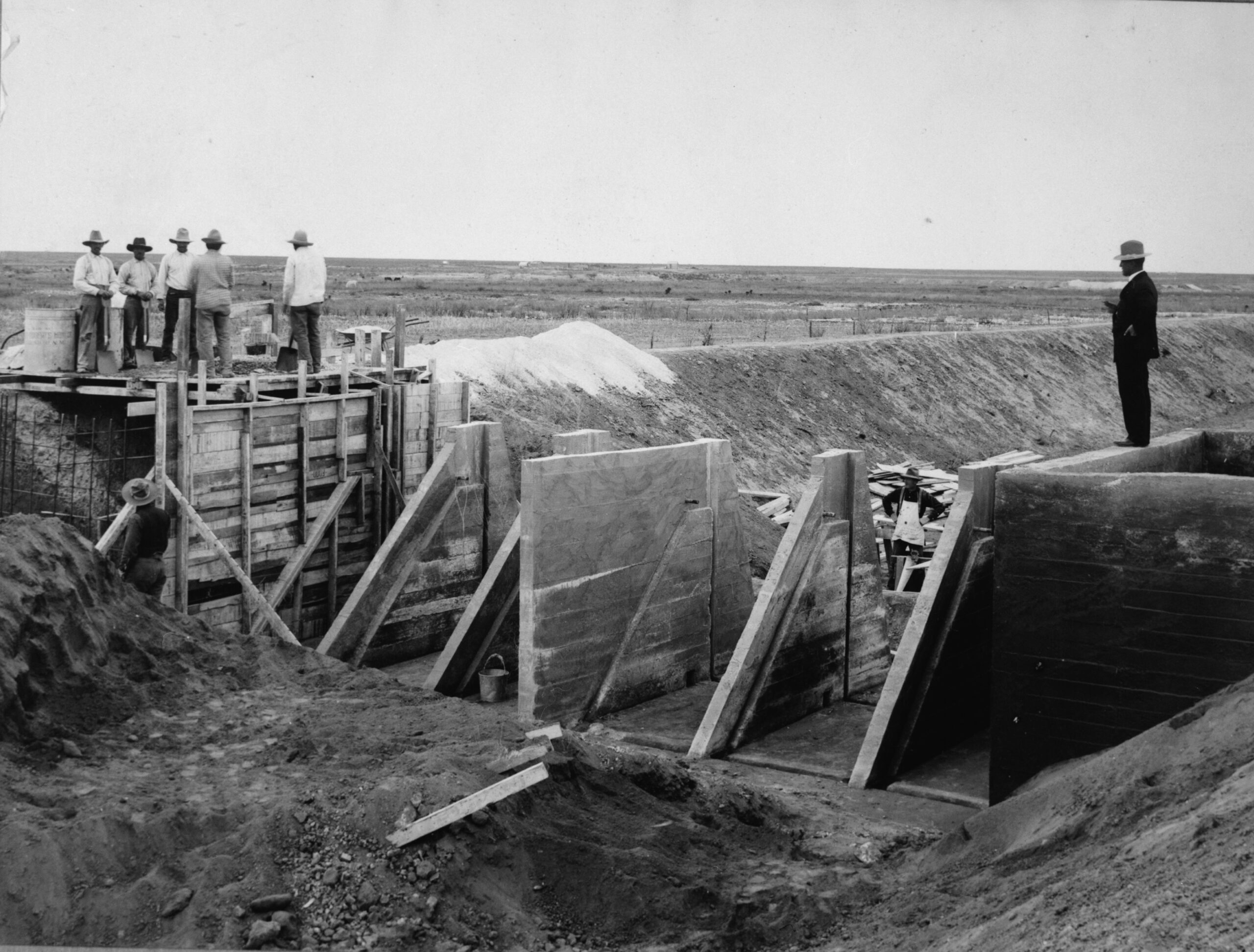
Checking the gates of an irrigation canal near Carlsbad, New Mexico.
January 29, 1907
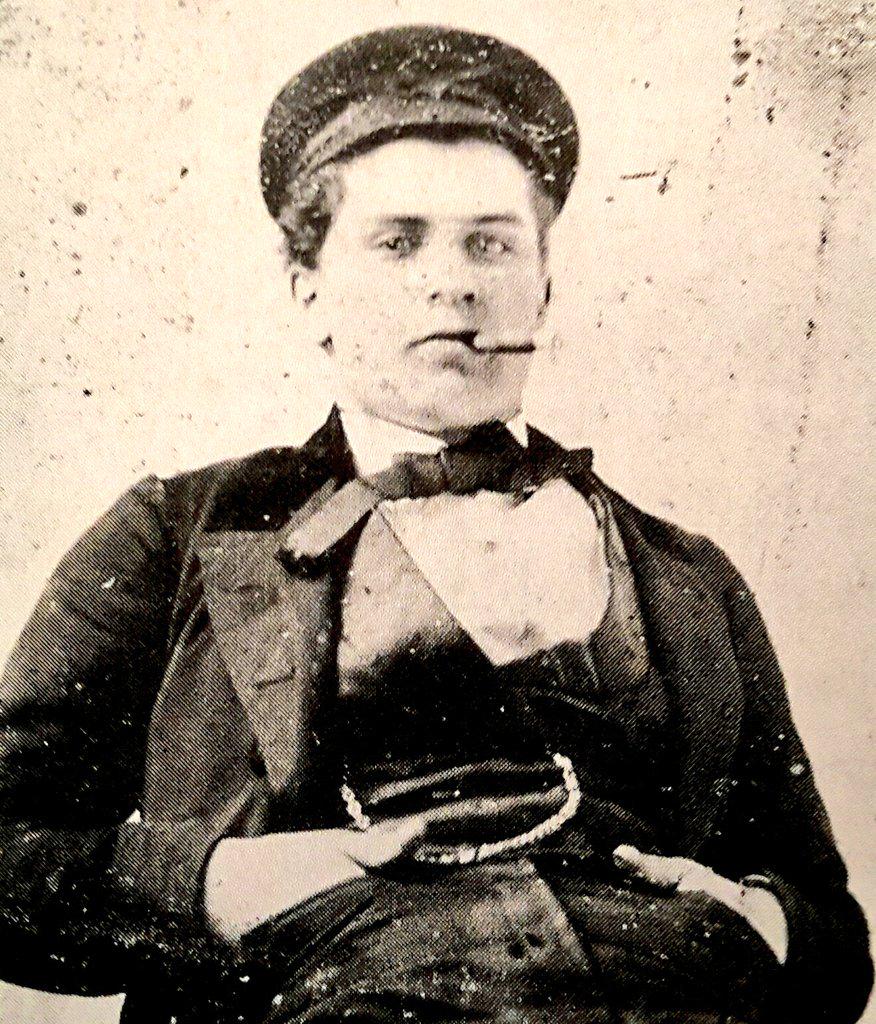
William McKinley, born on January 29, 1843, in Niles, Ohio, rose from a teenage Civil War volunteer to a brevet major before becoming one of the Republican Party’s leading voices on tariff policy in the decades after the war. By the 1890s he was a national figure, known for his innovative “front porch” campaign and his steady, reassuring presence during a time of rapid industrial change. As president, he guided the nation through the Spanish–American War, oversaw the annexation of Hawaii, and presided over America’s emergence as a global power — a trajectory cut short by his assassination in 1901.
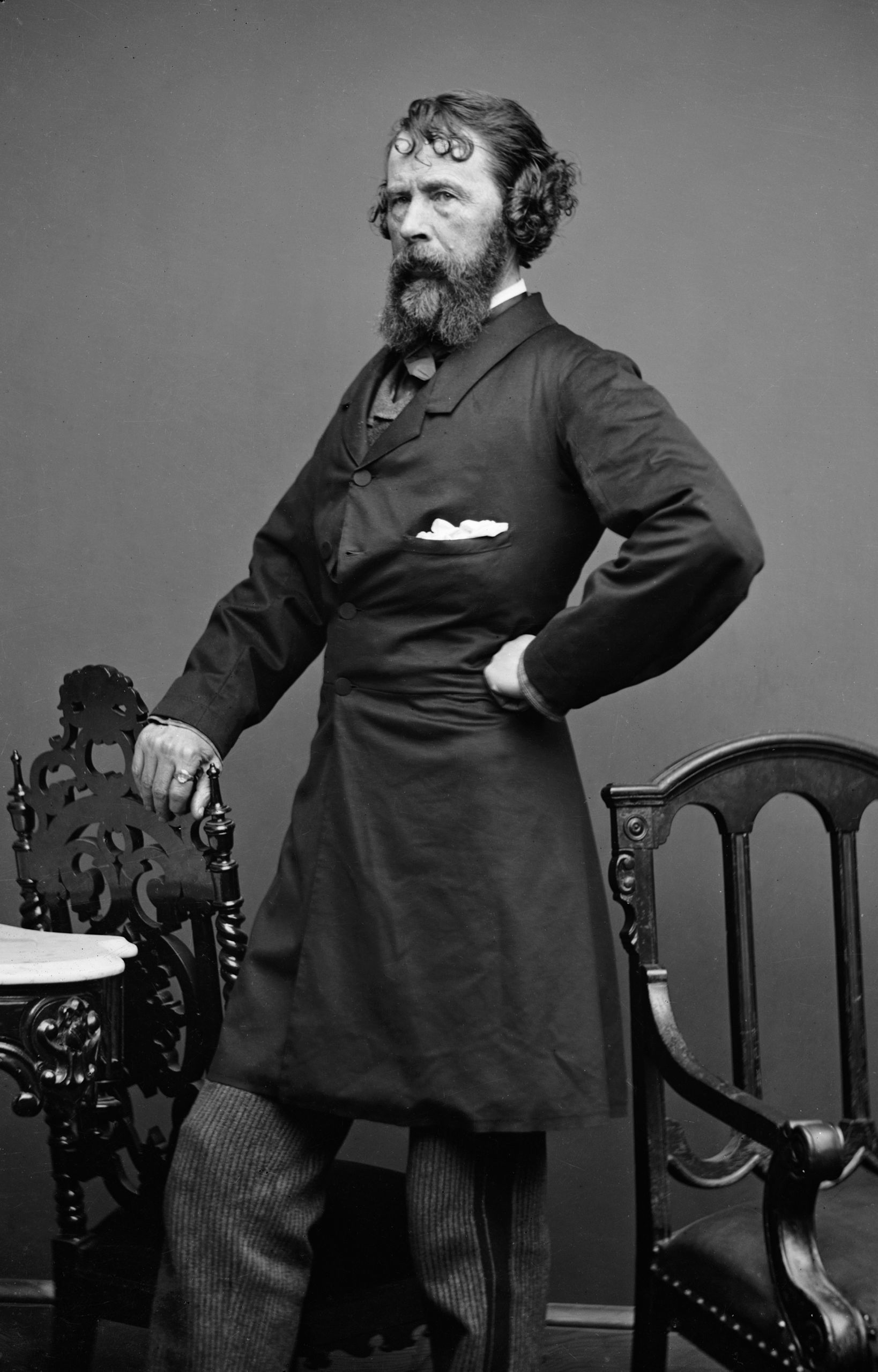
A photograph of Nathaniel Parker Willis who was editor of the Evening Mirror.
Edgar Allan Poe’s “The Raven” first appeared in the Evening Mirror on January 29, 1845.
In his introduction of the poem Willis said “…It will stick to the memory of everybody who reads it.”
Image of Nathaniel Parker Willis via Wikimedia Commons, no known restrictions
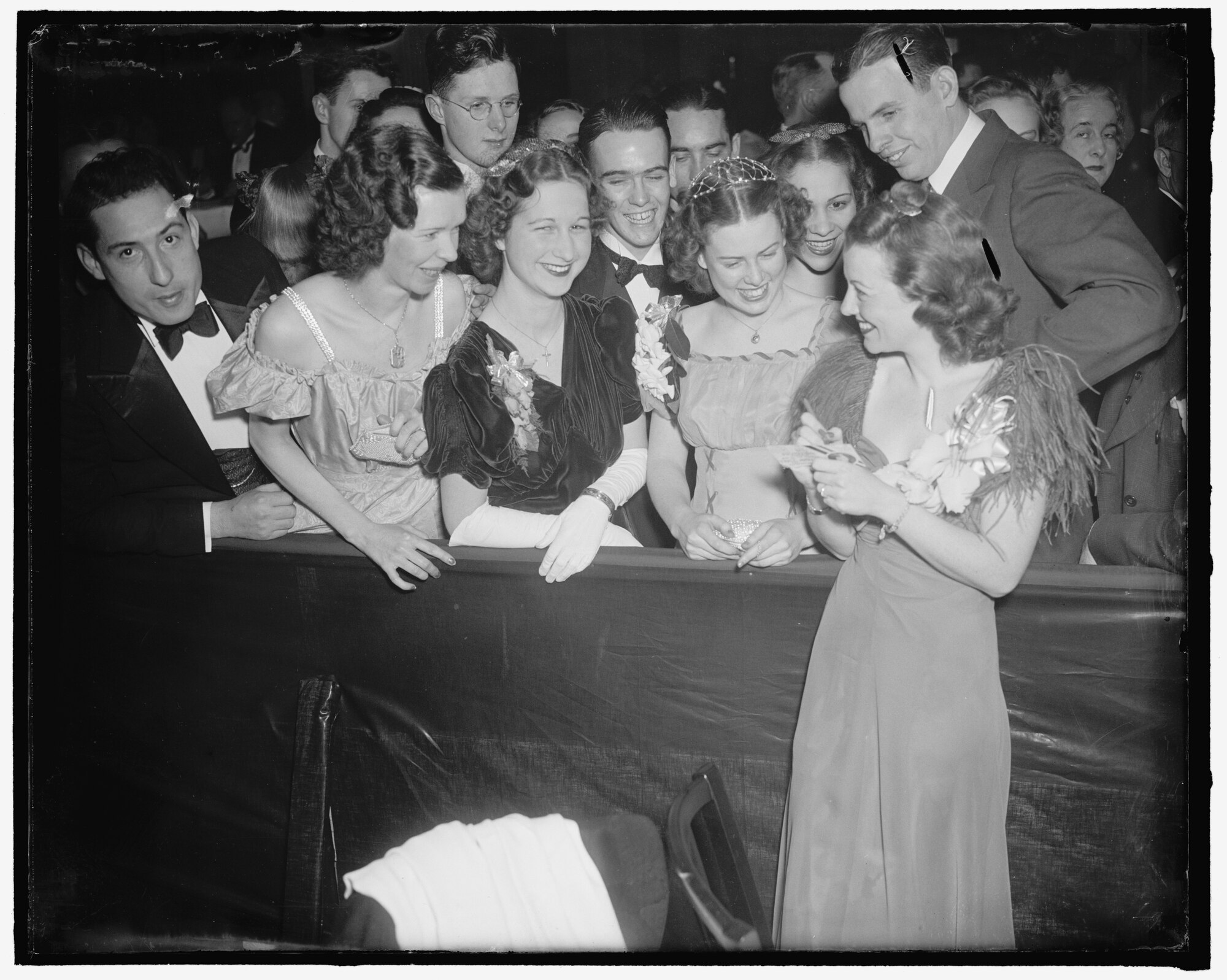
Besieged by autograph seekers. Washington, D.C., Jan. 29. Janet Gaynor, screen star was besieged by autograph seekers as she arrived to entertain the merrymakers at the president’s birthday ball at the Wardman Park Hotel tonight
January 29, 1938
Image via LOC, no known restrictions
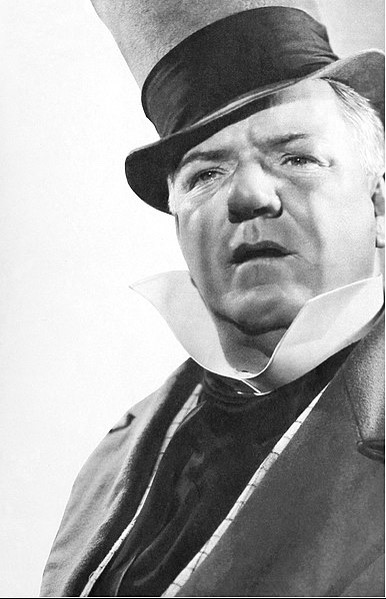
William Claude Dukenfield, born January 29, 1880, was known to radio, stage, and film audiences as W.C. Fields. Despite his grumpy reputation Fields actually liked children and owned at least one dog. In vaudeville he was famous for his superb juggling skills.
Image via Wikimedia Commons, copyright now renewed, public domain in the US.
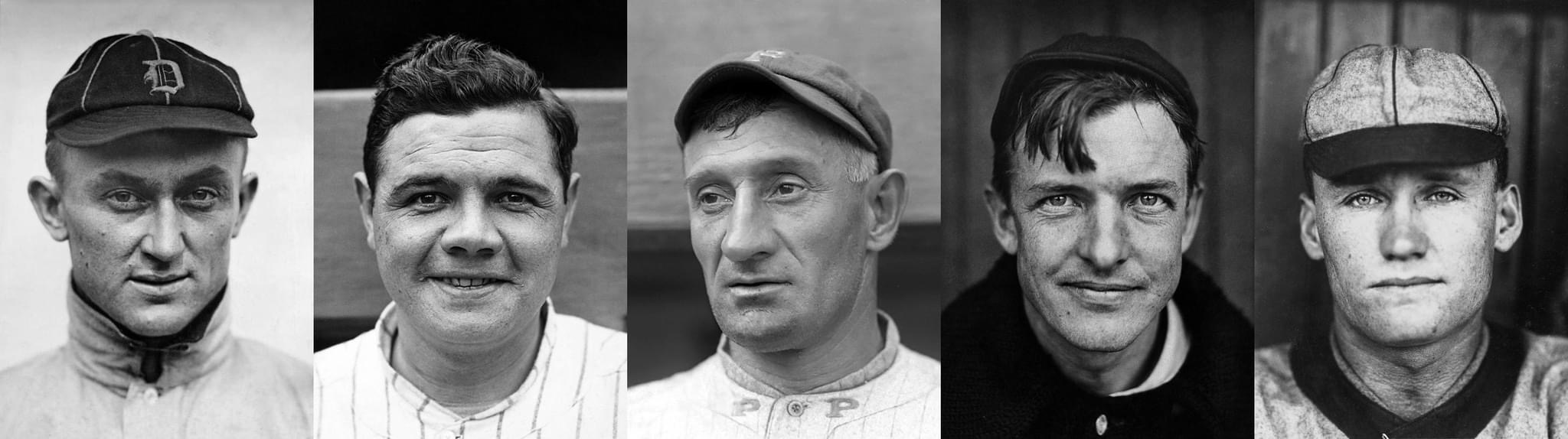
Ty Cobb, Babe Ruth, Honus Wagner, Christy Mathewson and Walter Johnson, the first five inductees in the Baseball Hall of Fame, were announced on January 29, 1936.
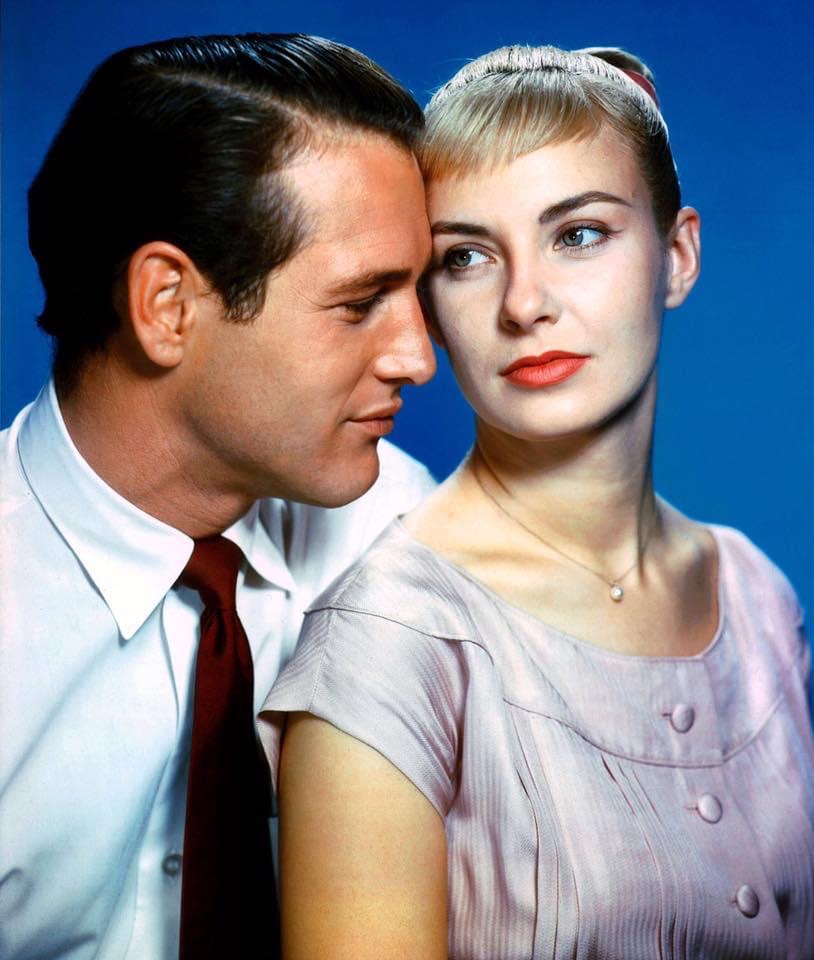
On January 29, 1958 Paul Newman married Joanne Woodward.
Publicity portrait of the movie The Long, Hot Summer, depicting Paul Newman and Joanne Woodward, 1958
20th Century Fox • Public Domain via Wikimedia Commons
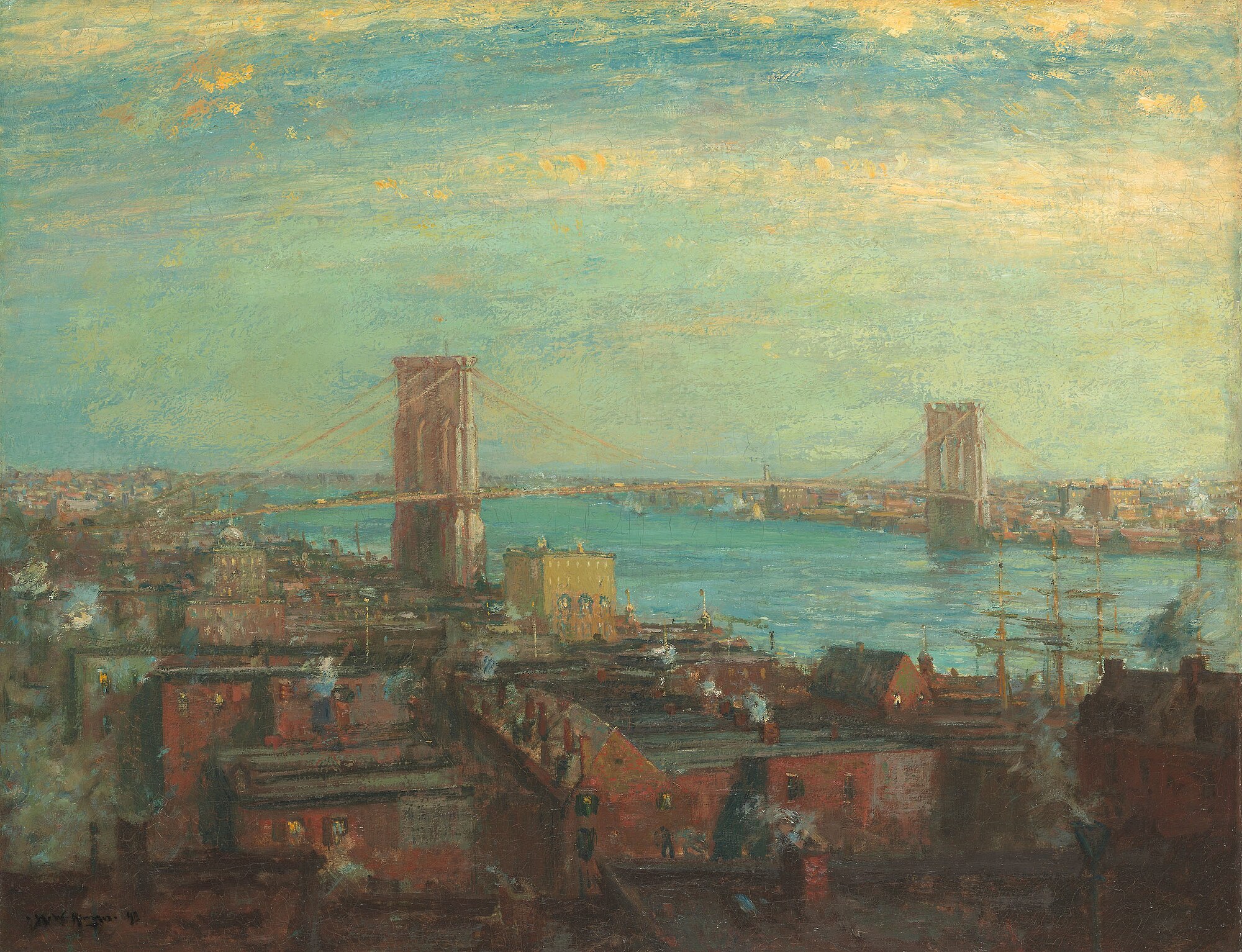
“Brooklyn Bridge” in 1899
by American artist Henry Ward Ranger who was born on January 29, 1858.

Telephone switchboard operators in Seattle, Washington
January 29, 1958
Image from Seattle Municipal Archives via Wikimedia Commons, CC BY 2.0
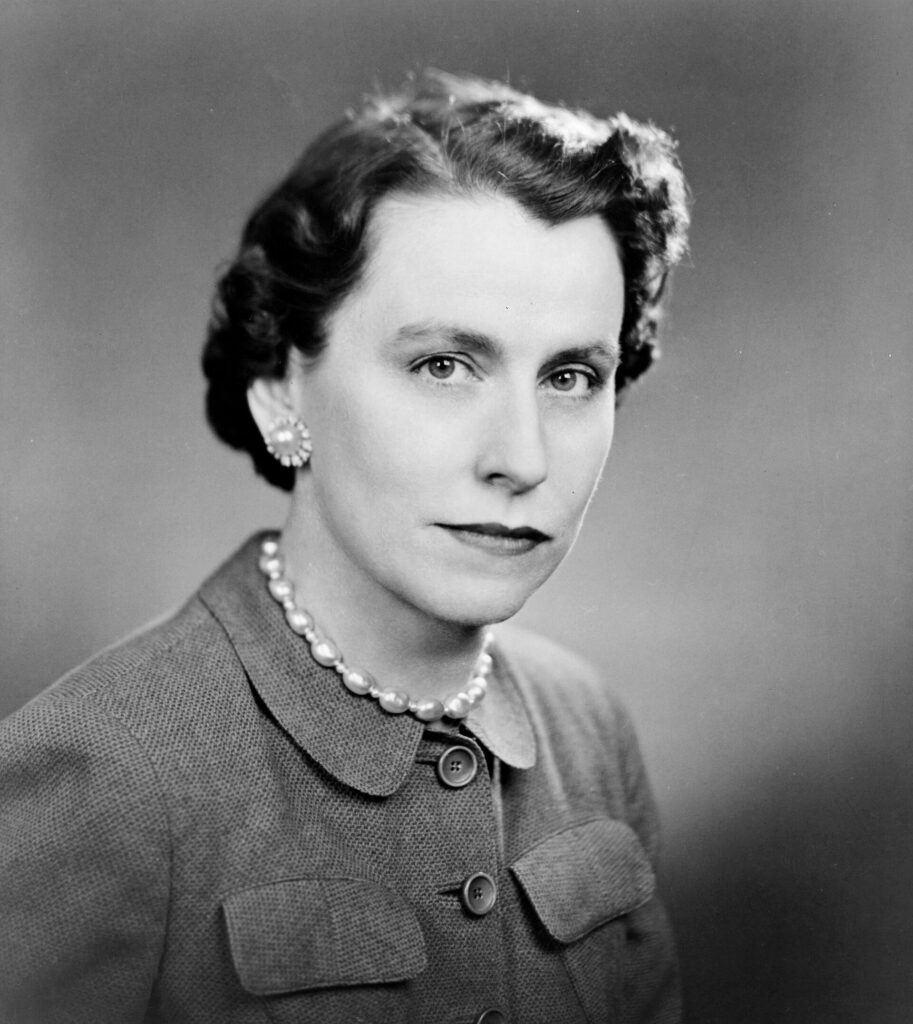
Born January 29, 1912, in Pierce City, Missouri, Martha Wright Griffiths became one of the most consequential “firsts” in American political life. She was the first woman elected to Congress from Michigan, the first woman to serve on the House Ways and Means Committee, the first woman to sit as a judge on Detroit’s Recorder’s Court, and—later—the first woman elected lieutenant governor of Michigan. Her persistence was equally historic: she was the driving force who ensured that sex discrimination was explicitly prohibited under Title VII of the Civil Rights Act of 1964.
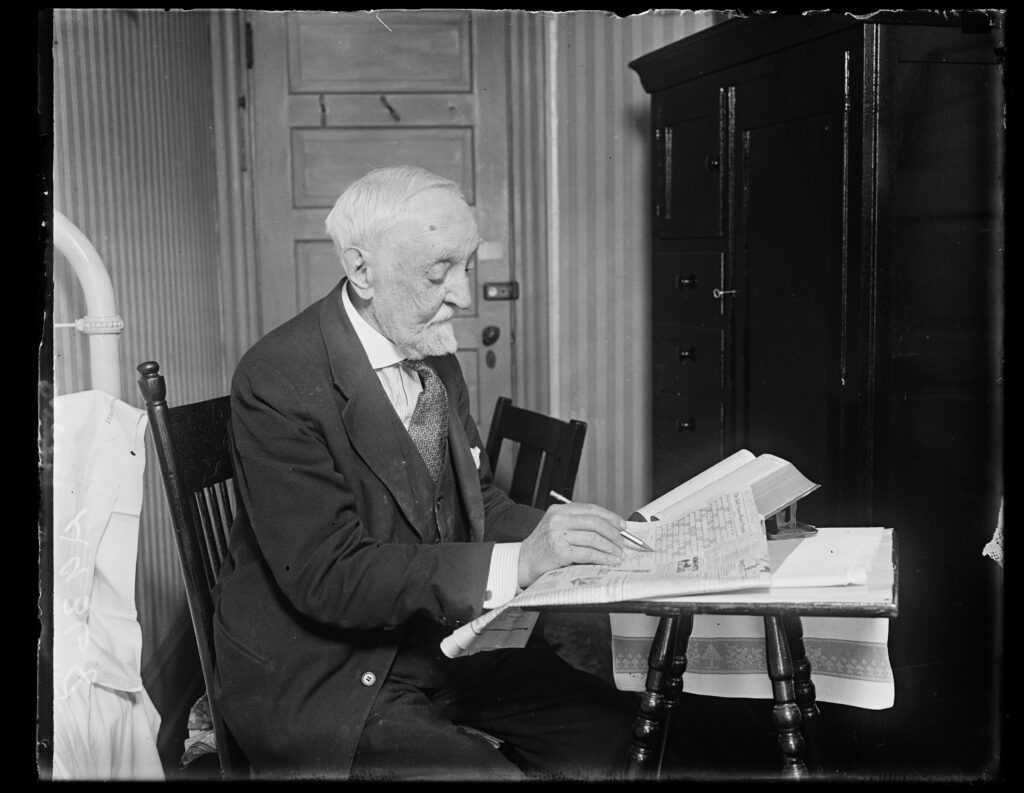
On January 29—National Puzzle Day—we meet Ambrose Hines, a 100‑year‑old Washington, D.C. resident who refused to surrender his sharpness to time. Photographed in 1925 with his daily crossword, he reminds us that puzzles have long been tools of focus and discipline. Even before modern cognitive‑aging research, people like Hines understood intuitively that keeping the mind engaged was its own form of endurance.
