
 Mystery March Is Here!

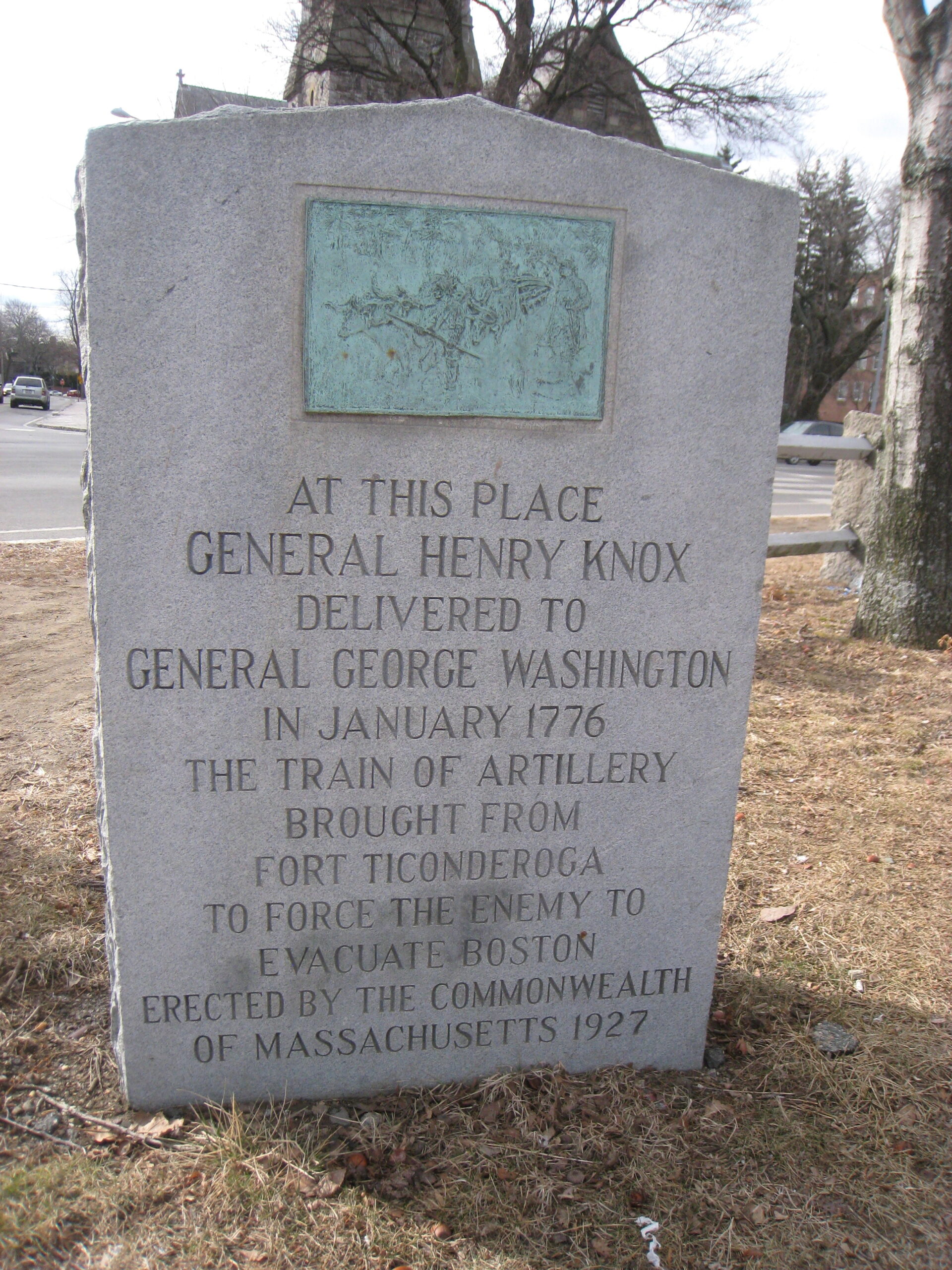
On January 27, 1776, after hauling nearly sixty tons of captured artillery across 300 miles of winter terrain, Henry Knox reached Cambridge and personally reported to General George Washington that the “noble train of artillery” had arrived. Though some of the guns had begun reaching Framingham two days earlier, it was Knox’s appearance at headquarters on the 27th that marked the true completion of the expedition — a logistical triumph that helped make the fortification of Dorchester Heights, and the British evacuation of Boston, possible.
Image via Wikimedia Commons, no known restrictions
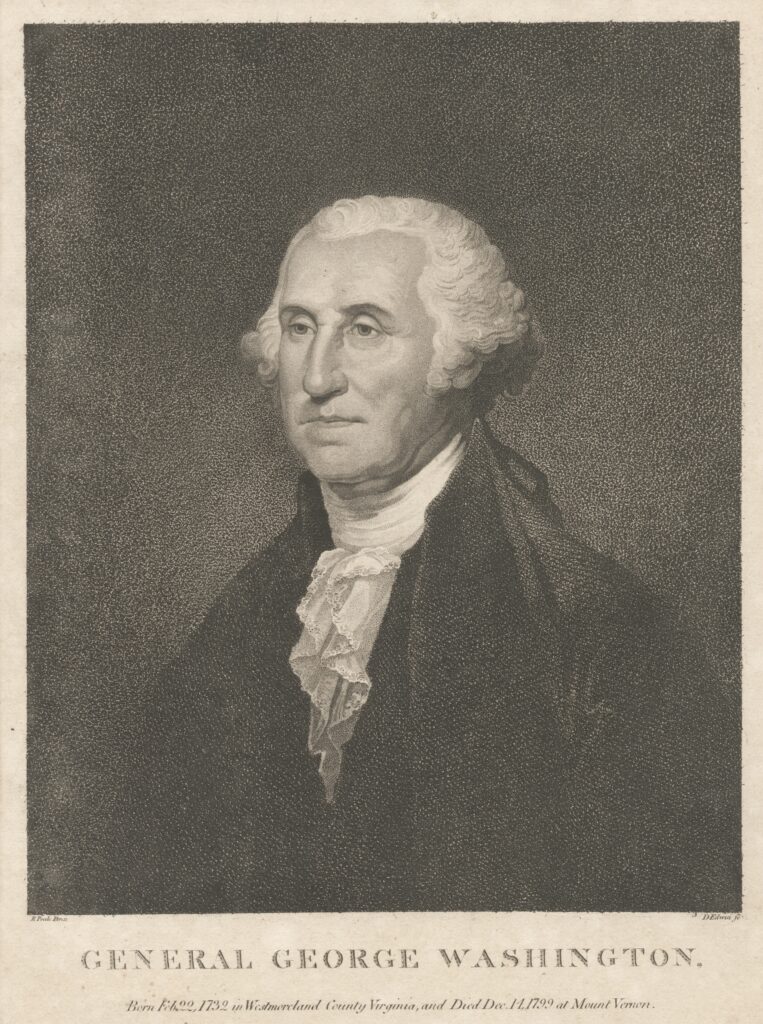
January 27, 1799 — Mount Vernon.
In a letter to Secretary of War James McHenry, General George Washington cautioned against using ornate embroidery on the new uniforms for the provisional army. Favoring simplicity and a consistent appearance, he warned that decorating only the coat’s cape, cuffs, and pockets while leaving the buff waistcoat plain would give the uniform “a disjointed appearance.”
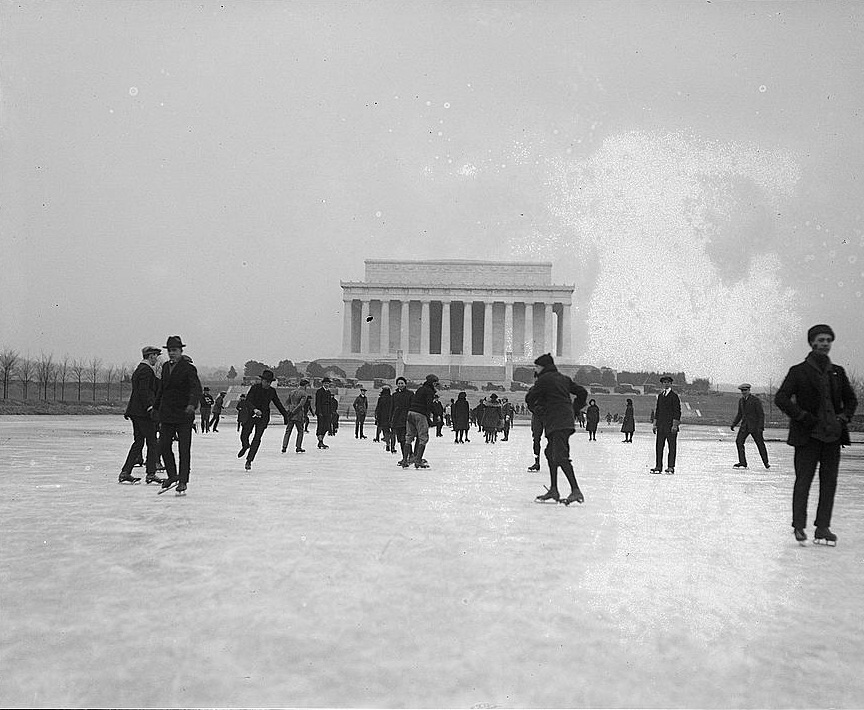
Ice skating in front of Lincoln Memorial on January 27, 1922
Image via LOC, no known restrictions
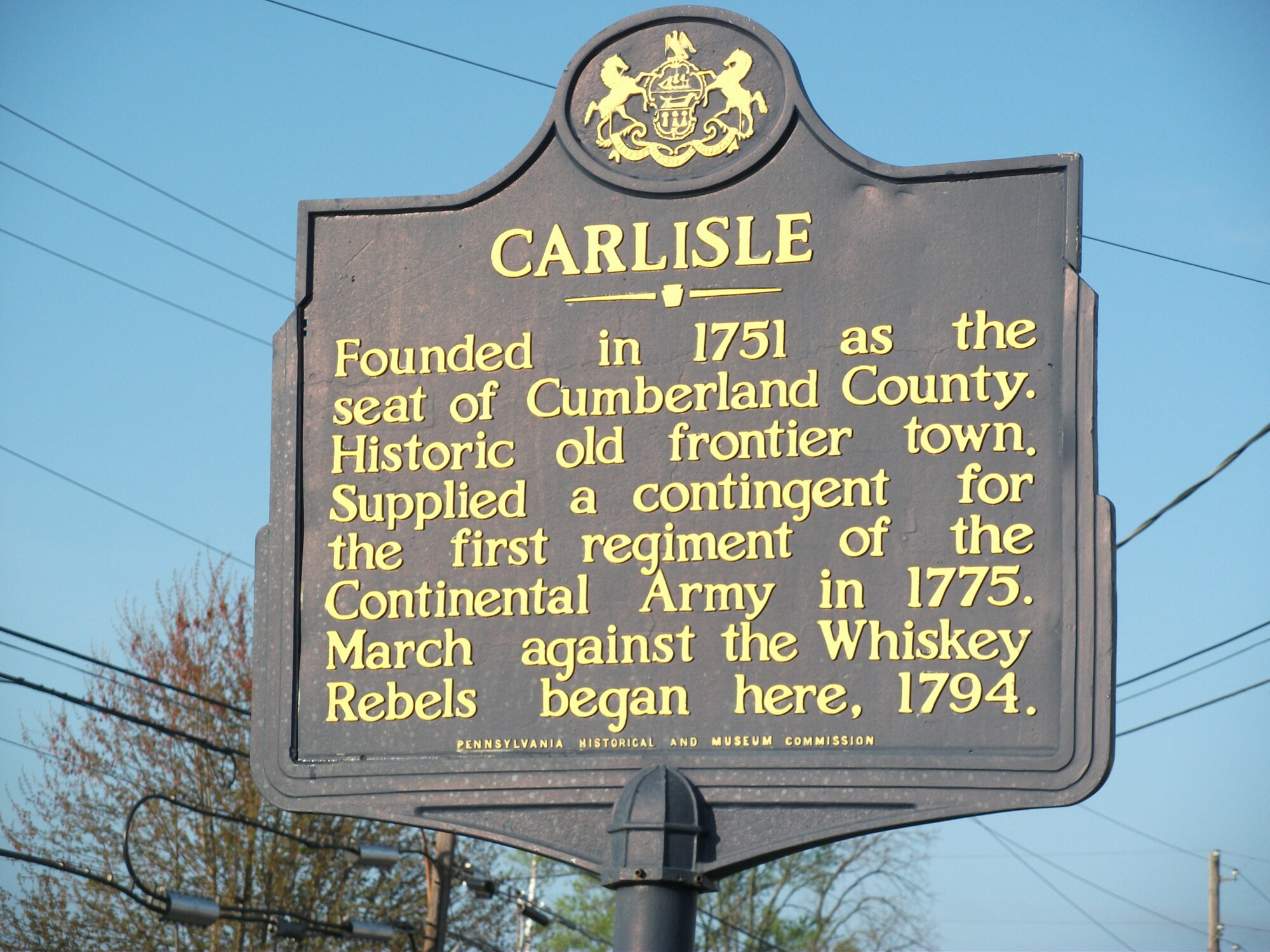
On January 27, 1750, the legislature of the colony of Pennsylvania created the county of Cumberland (named for Cumberland in England) out of Lancaster County in Pennsylvania.
The county seat of Cumberland is Carlisle, PA which was founded the following year in 1751.
Carlisle is home to one of the oldest active military bases in the United States (dating back to the French & Indian War) and home of the Army War College.
Interestingly Carlisle in England is also the active administrative headquarters of the historic county of Cumberland (now Cumbria) in England.
Carlisle in England has been a military city for most of its history. A military fort was constructed by the Romans at Carlisle in England in the year 73.
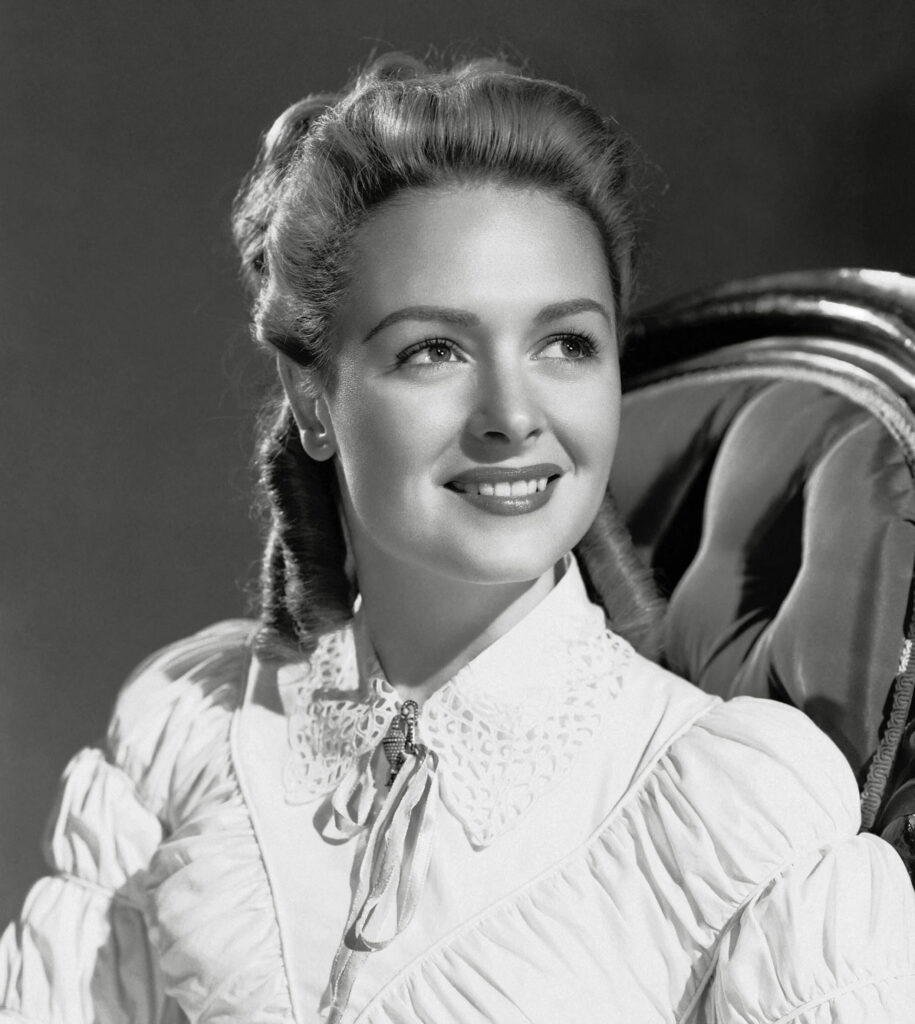
Born on January 27, 1921, in Denison, Iowa, Donna Reed rose from her Midwestern roots to become one of Hollywood’s most enduring performers. The portrait shown here comes from MGM’s Green Dolphin Street (1947), where she portrayed Marguerite Laurier, a role that showcased the unshakable strength that defined her career. Though often remembered for her idealized screen presence, Reed’s life revealed a woman of remarkable grit and conviction: a farm girl who easily won a $50 bet from Lionel Barrymore by milking a cow on the set of It’s a Wonderful Life; a former high‑school baseball player who shocked Frank Capra by landing the Granville House rock throw perfectly — no stand‑in required; and a compassionate correspondent who personally answered hundreds of letters from WWII soldiers, later found preserved in a shoebox. Her principles ran just as deep — she co‑founded Another Mother for Peace during the Vietnam era and even helped develop the story for The Beginning or the End with her former chemistry teacher who had worked on the Manhattan Project. From Denison to Hollywood, Reed’s legacy blends talent, integrity, and a formidable resilience that far outpaced her onscreen image.
Image via Alamy
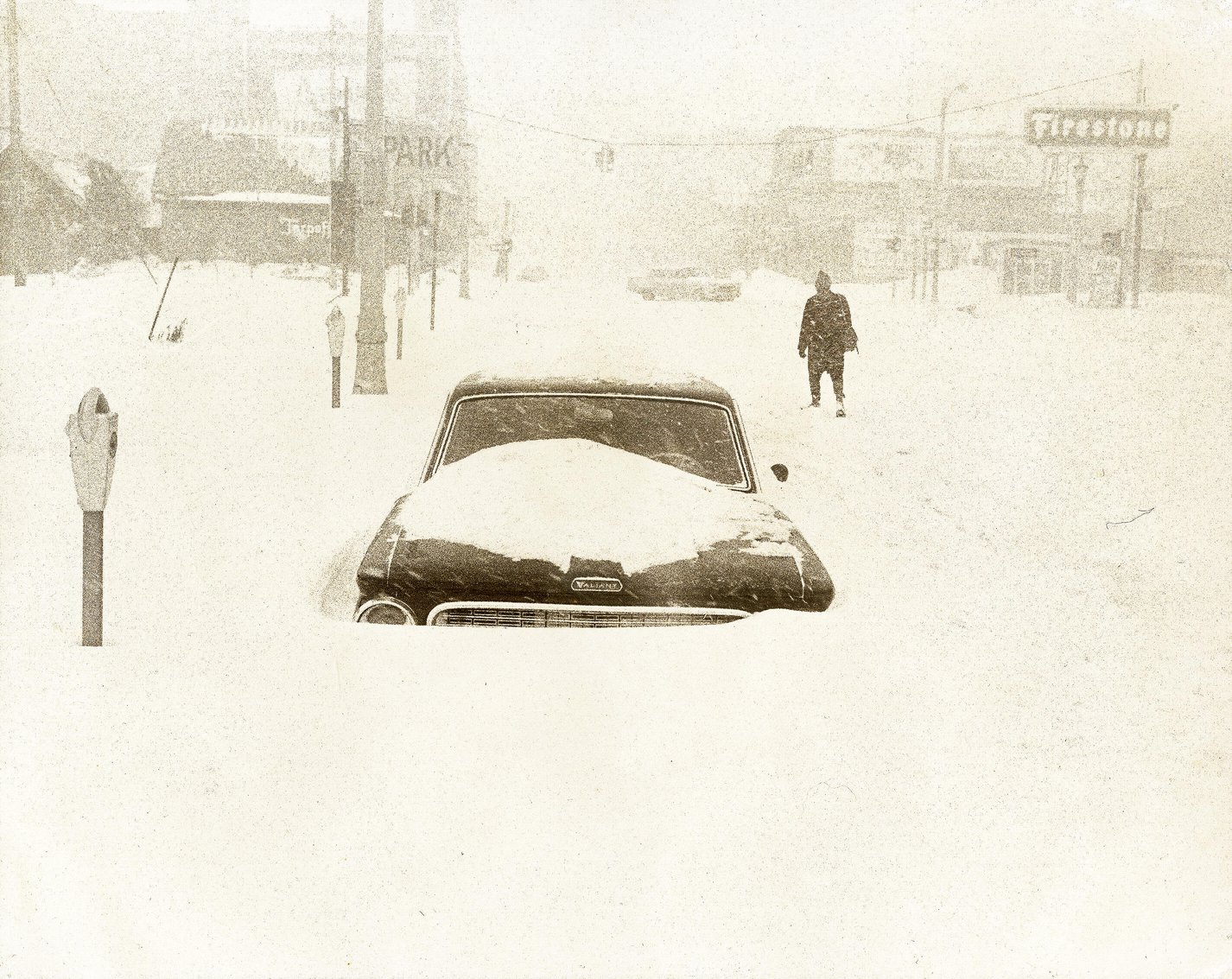
A Plymouth Valiant buried in snow
January 27, 1967
Image via Alamy
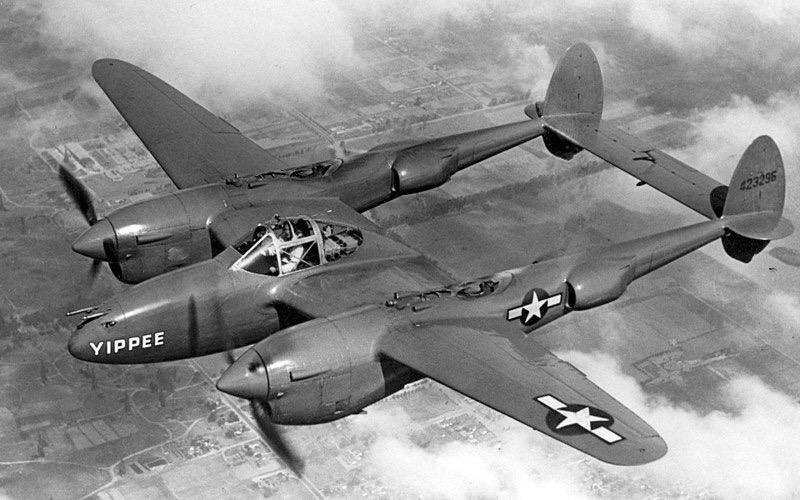
On January 27, 1939, the P-38 Lightning flew for the first time. The fighter-bomber, manufactured by Lockheed, proved effective in both the Pacific and European theaters of WW2. The plane’s twin-boom design and tricycle landing gear gave it a unique place in America’s wartime arsenal.
Image from USAF via Wikimedia Commons, public domain in the US.
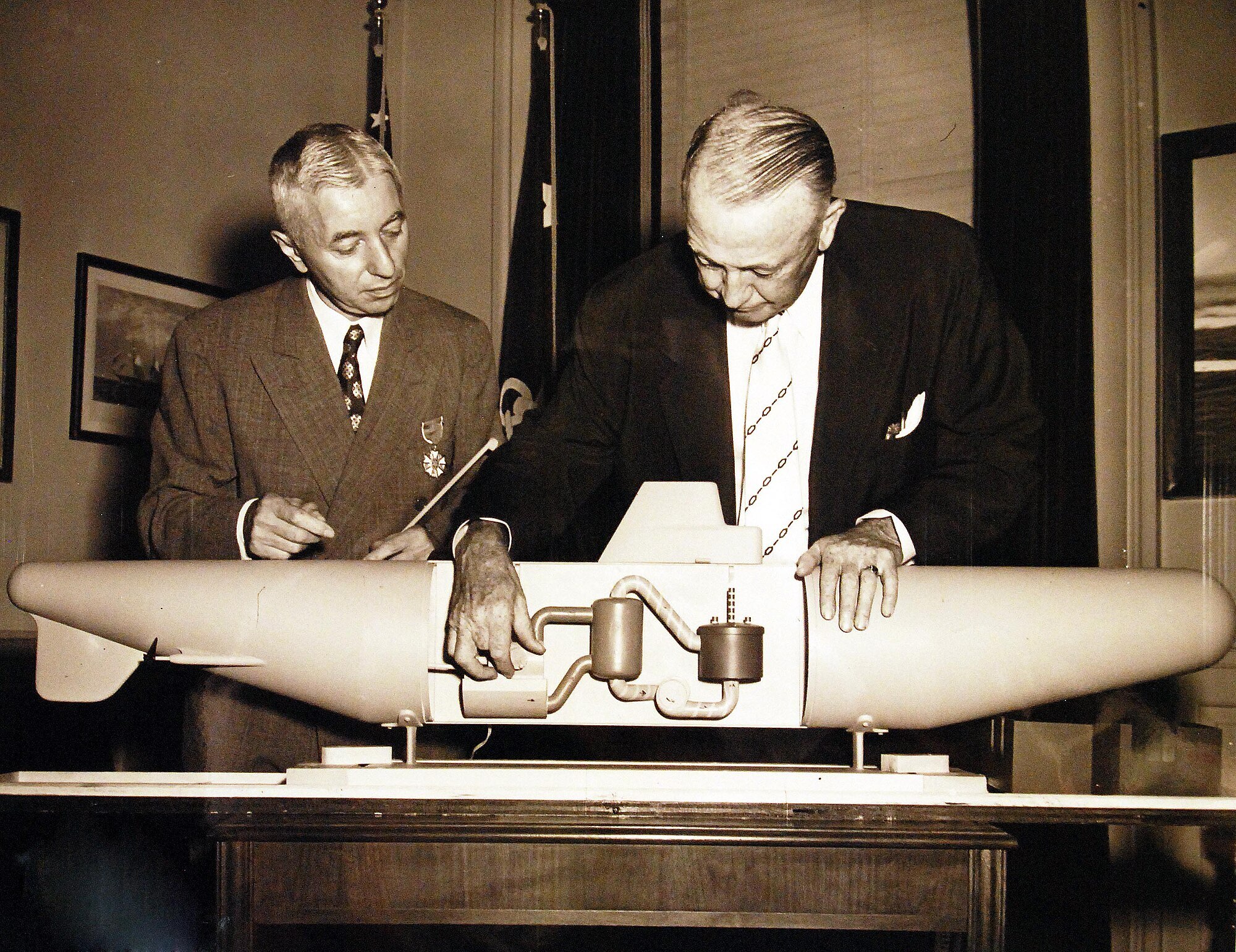
U.S. Navy Admiral Hyman Rickover, “The Father of the Nuclear Navy,” was born in Poland on January 27, 1900. When he worked his first job at nine years old he made only 3 cents an hour.
Image of Captain Rickover, USN, Receiving Award. Secretary of the Navy Dan A. Kimball, (right), inspects a model of the Navy’s atomic submarine, the Nautilus after presenting Captain Hyman George Rickover, USN, (left), the Gold Star in Lieu of the Second Legion of Merit Award at ceremonies in his office at the Pentagon in 1952 via Wikimedia Commons, public domain
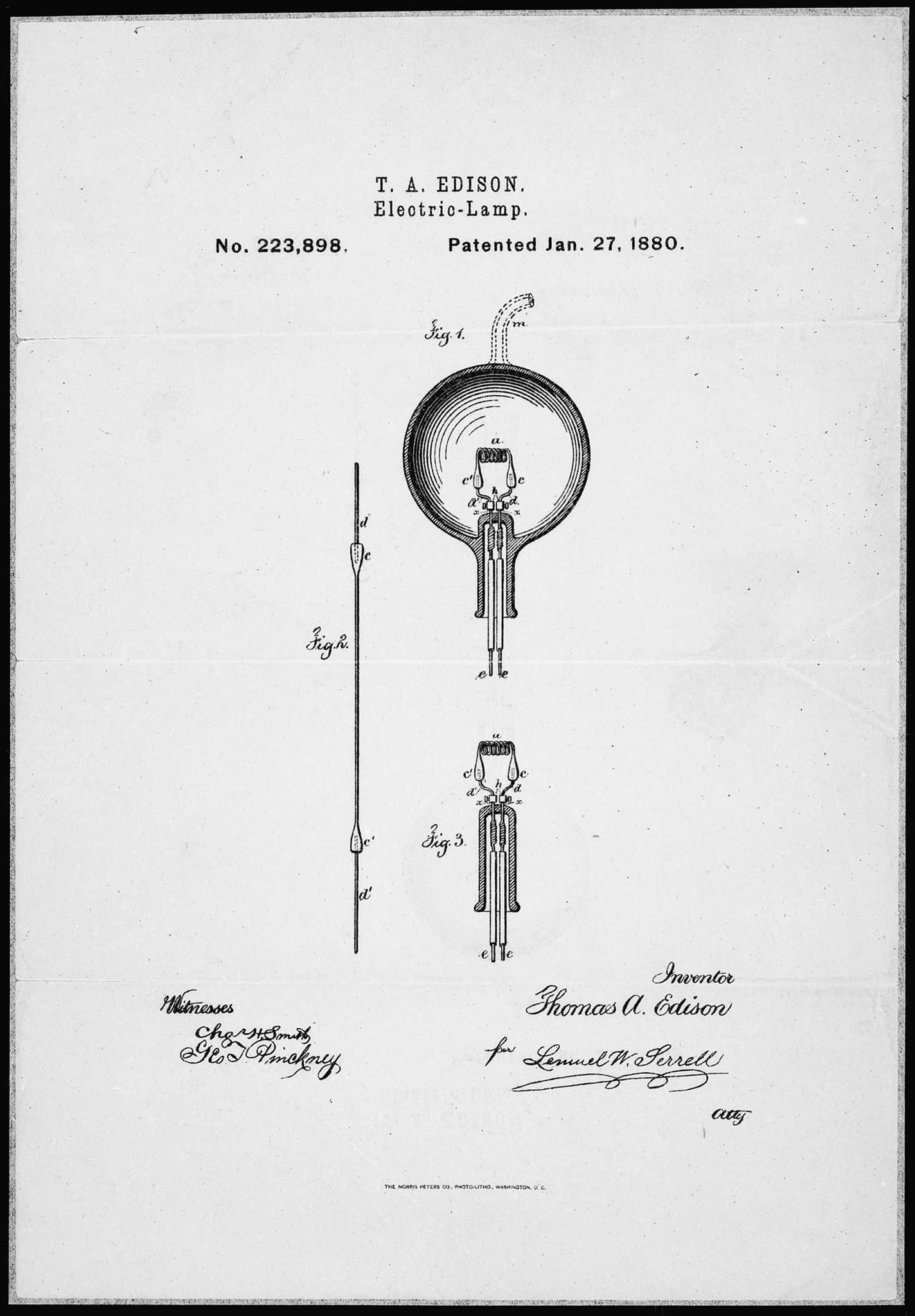
US Patent drawing of Thomas Edison’s Incandescent Light Bulb labeled as “Electric-Lamp” dated January 27, 1880.
Image via Wikimedia Commons, public domain
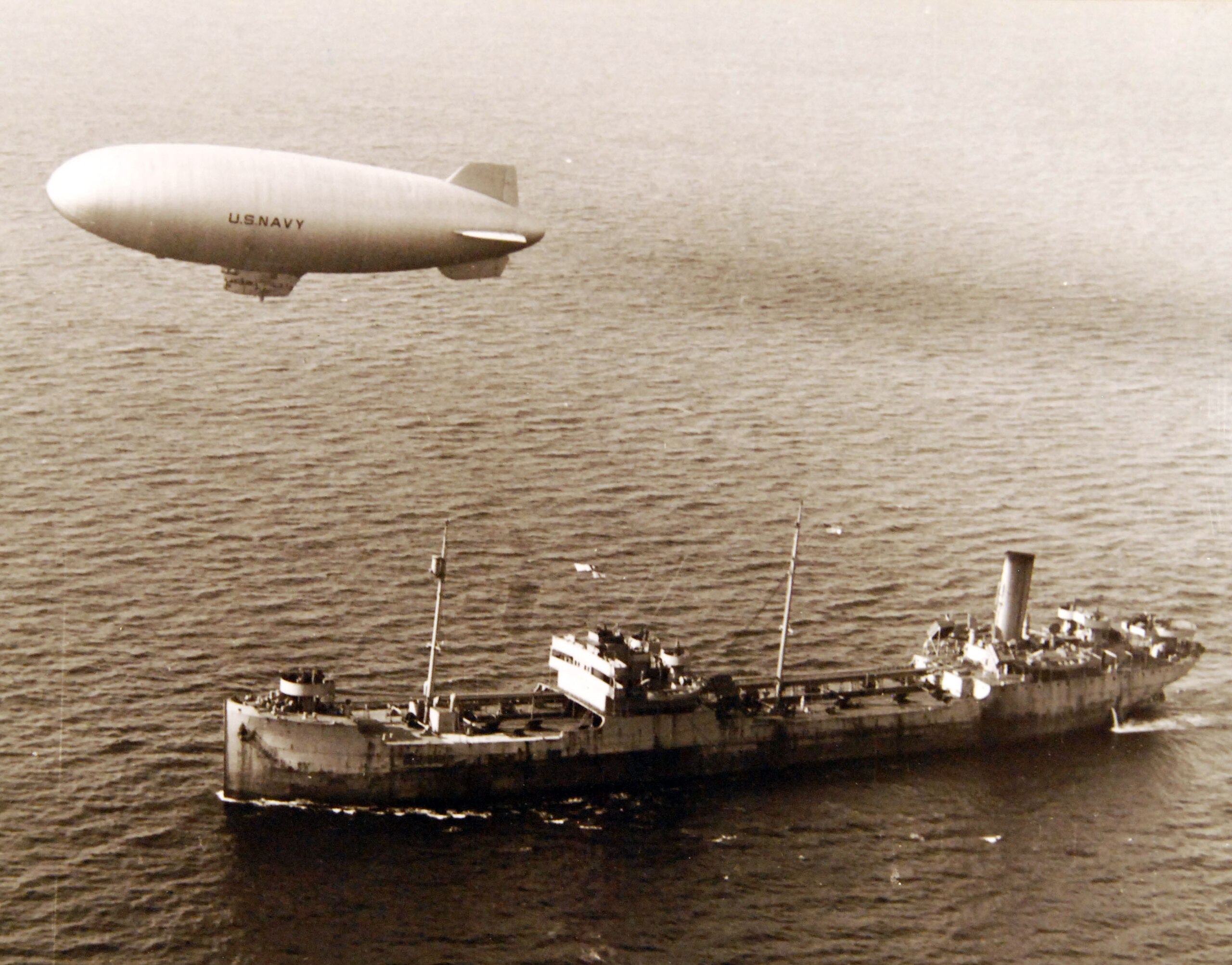
The U.S. Navy’s K-28 blimp escorting the SS Paulsboro, a US merchant ship, in the Atlantic on January 27, 1944.
The U.S. Navy’s K-class blimps were used for anti-submarine warfare.
They carried bombs, a machine gun and often a crew of 10 people. They also had radar systems for detecting enemy submarines.
After the war, K-28 was purchased by Goodyear who renamed it “the Puritan,” and who used the blimp for commercial purposes.
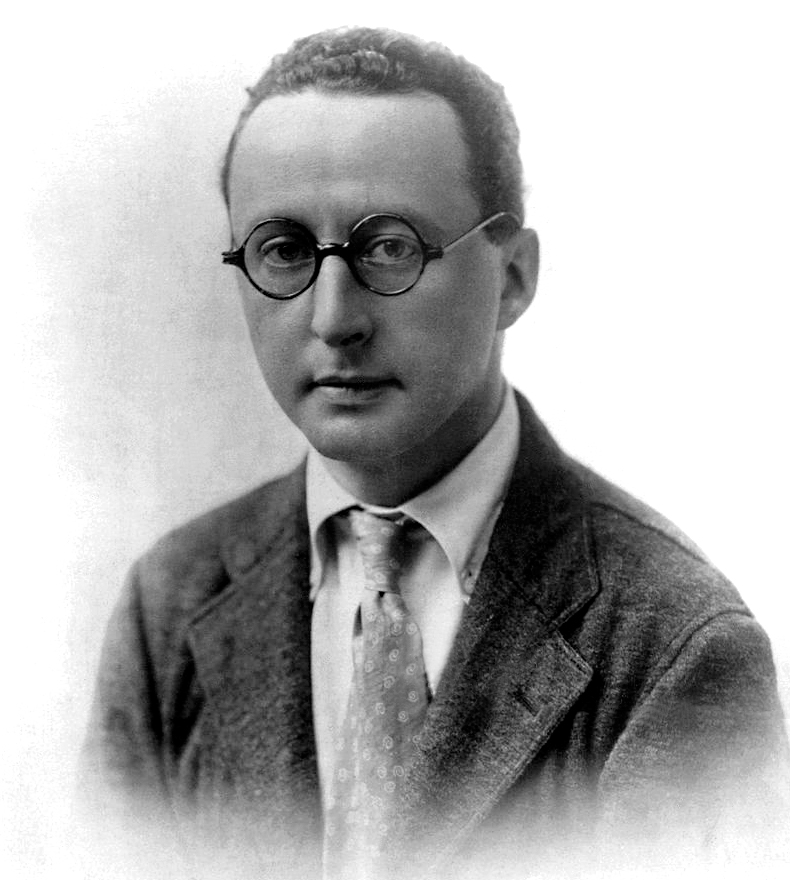
American musician Jerome Kern who wrote classic tunes such as “Smoke Gets In Your Eyes,” “The Way Your Look To-night” and “Ol’ Man River” was born on January 27, 1885 in New York City.
Image of Jerome in 1918 via Wikimedia Commons, public domain
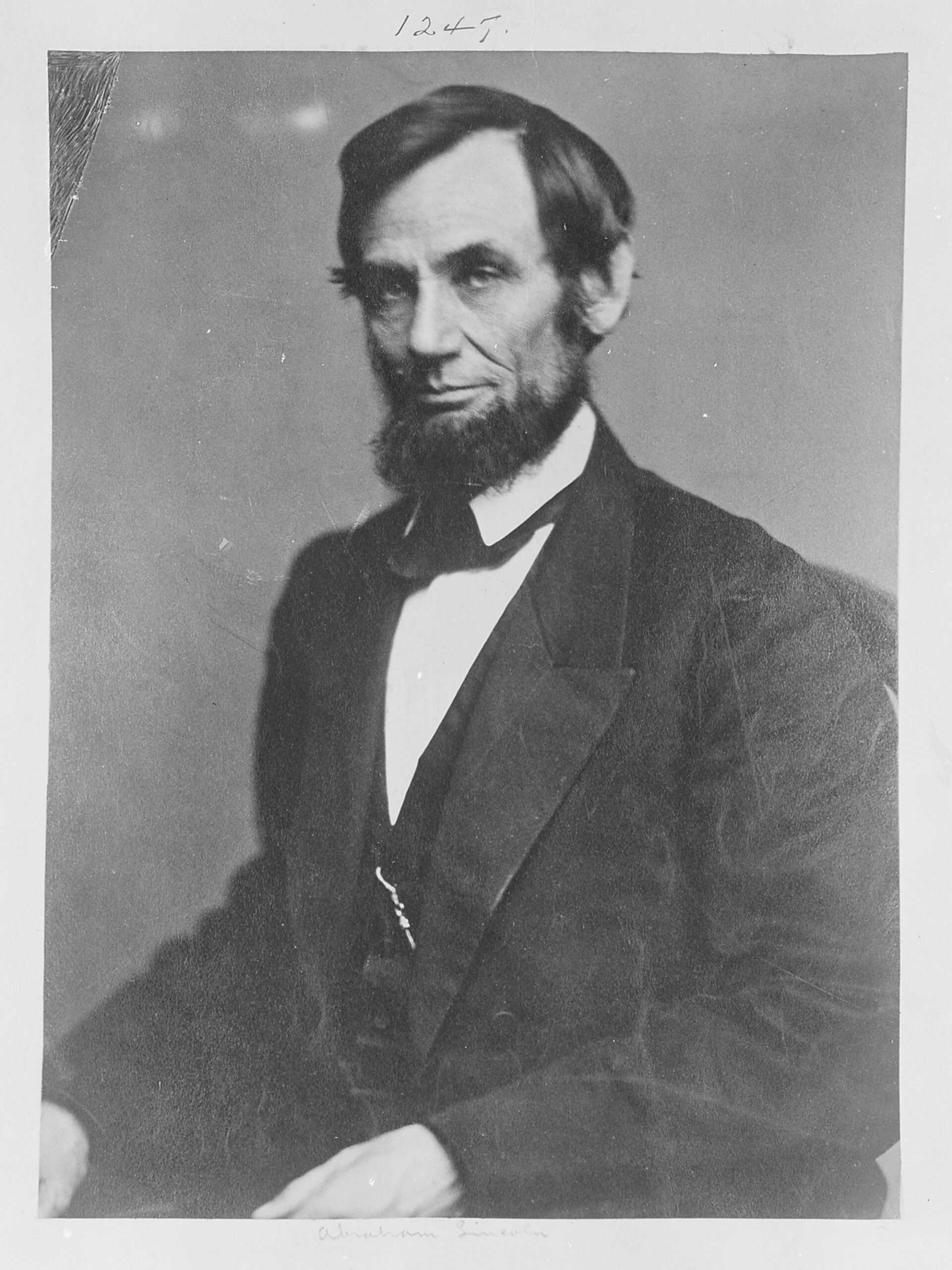
On January 27, 1862, Abraham Lincoln issued Executive Order #1 which directed Union forces to go on the offensive the following month.
Image of Lincoln in 1862 via Wikimedia Commons, public domain
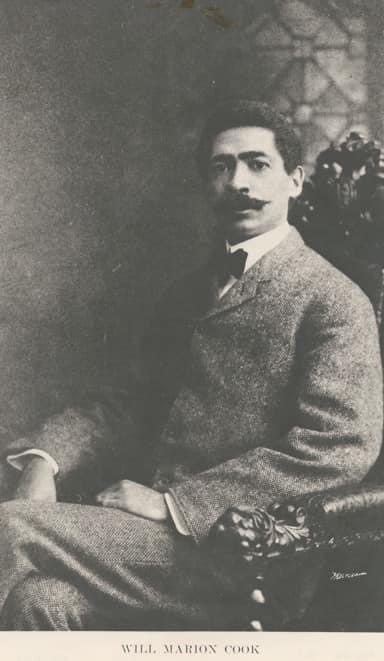
African American violinist and composer Will Marion Cook was born on January 27, 1869 in Washington, D.C.
He took up the violin when he was 14, studied in Europe and later received instruction from Antonín Dvořák.
Image via NYPL Digital Collections, no known restrictions
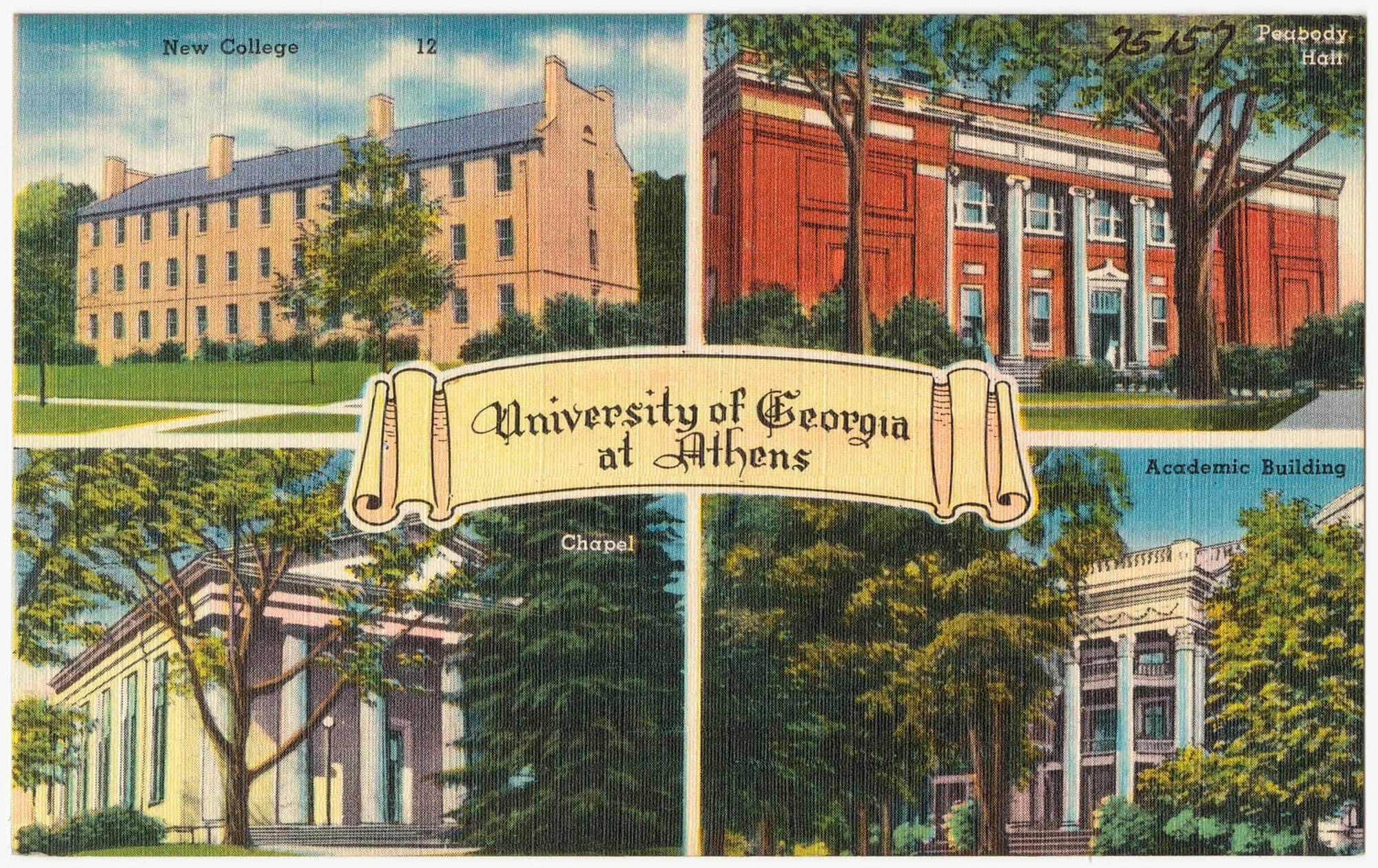
On January 27, 1785, the University of Georgia, the first state-chartered public university in the U.S., was established.
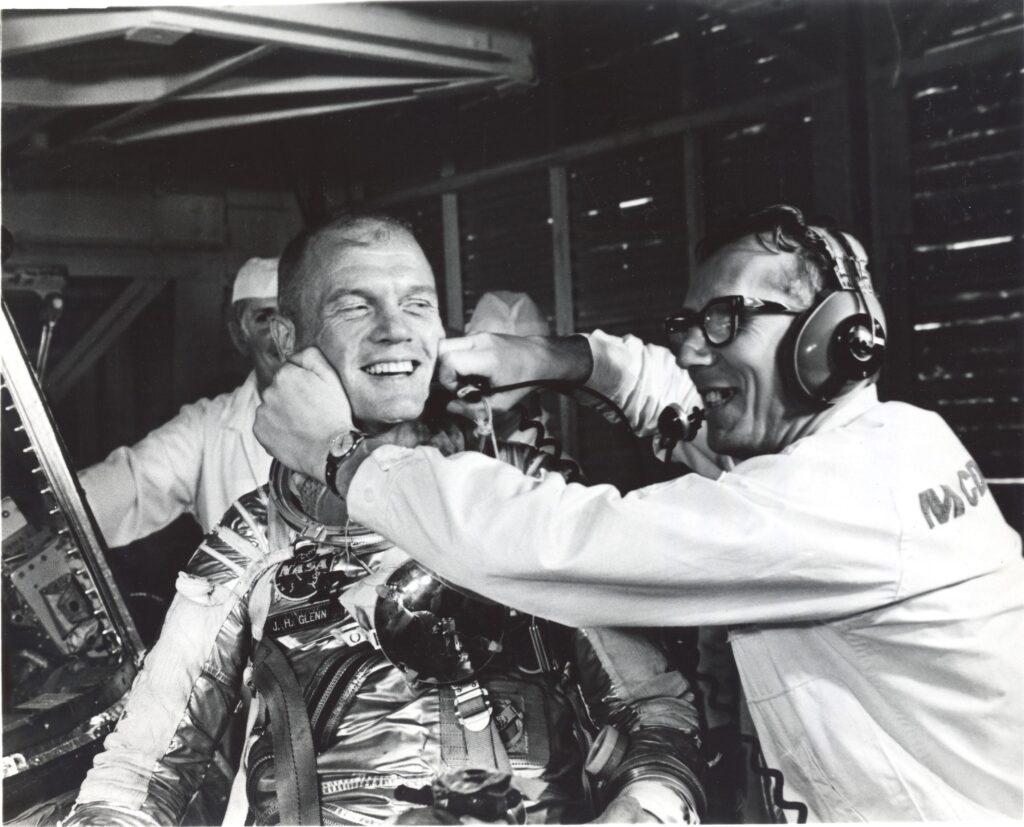
Guenter Wendt, the original pad leader for NASA’s manned space program, coaxes a smile out of astronaut John Glenn after the Mercury‑Atlas 6 launch attempt was scrubbed on January 27, 1962. Known for his meticulous standards and dry humor, Wendt was the last person the astronauts saw before liftoff — a steady presence in moments of tension and uncertainty.
After the scrub, the mission entered a string of delays as weather, technical issues, and booster repairs repeatedly pushed the launch back. What began as a single postponement stretched into weeks of waiting, with Glenn and the launch team enduring multiple false starts. The mission was finally reset for February 20, 1962 — the day Glenn climbed back into Friendship 7 and became the first American to orbit the Earth.
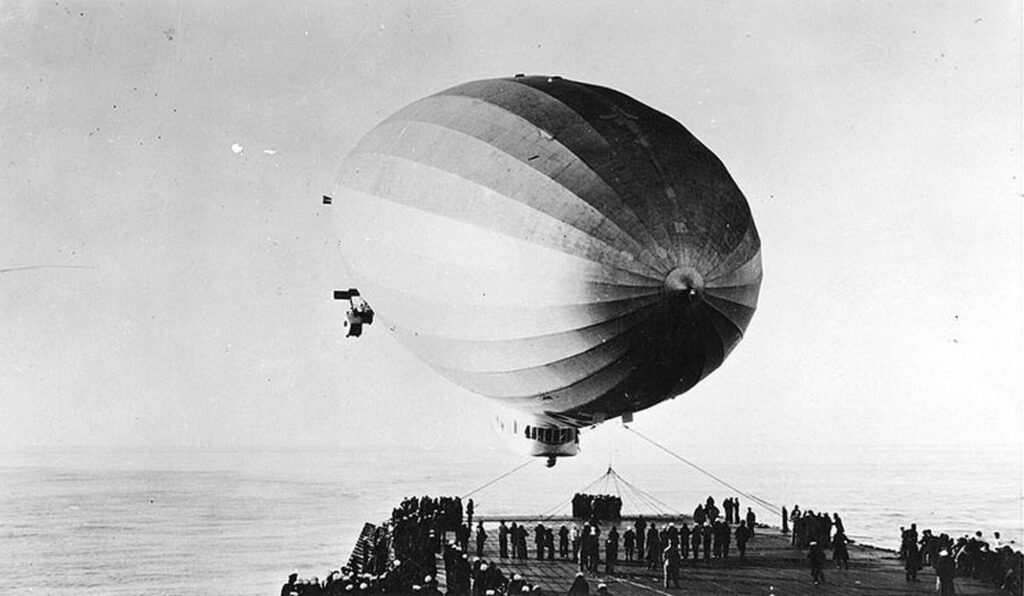
USS Los Angeles (ZR‑3) mooring to USS Saratoga (CV‑3), January 27, 1928. In a carefully controlled experiment, the rigid airship hovered over the carrier’s stern while deck crews used handling lines to “walk” it forward along the flight deck — the first successful mooring of a dirigible to an aircraft carrier. Though often described as a landing, the airship remained fully buoyant throughout. The test demonstrated the Navy’s willingness to push the limits of interwar aviation, exploring whether airships could operate directly with the fleet. Contemporary accounts note the maneuver was repeated the following day, underscoring the Navy’s interest in the concept
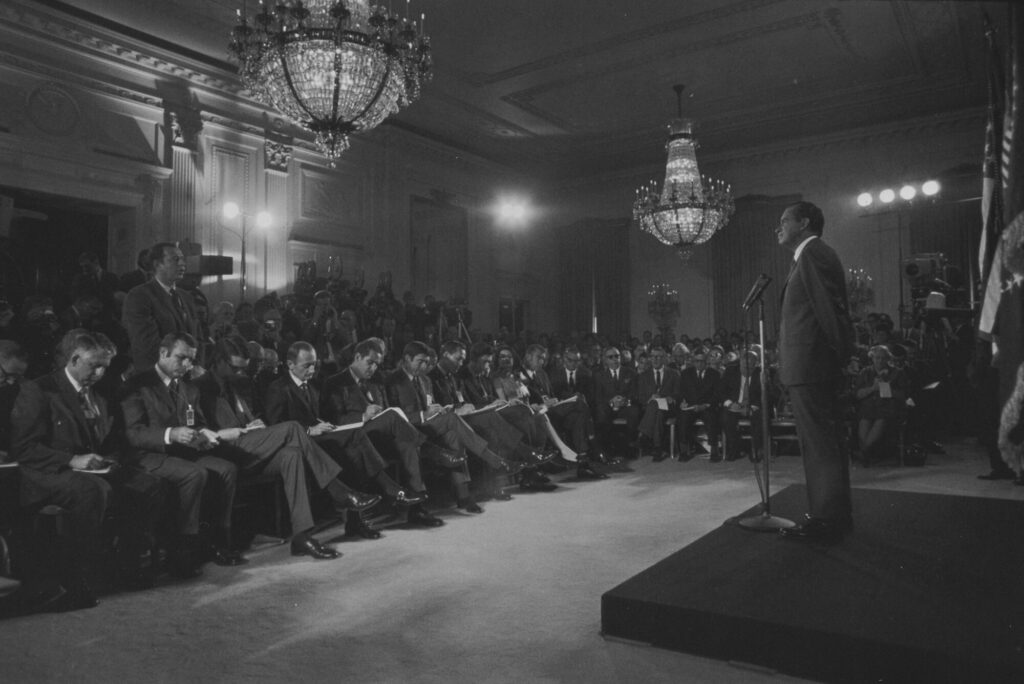
January 27, 1969 — East Room, White House.
At his first presidential news conference, carried live on radio and television, Richard Nixon fielded questions on Vietnam, the non‑proliferation treaty, and the prospects for strategic arms control with the Soviet Union. He signaled that any future arms talks would unfold within the broader landscape of political issues facing both powers, from Europe to the Middle East. Members of the White House press corps filled the East Room as Nixon outlined the cautious foreign‑policy posture that would shape his early months in office.
