
 Mystery March Is Here!
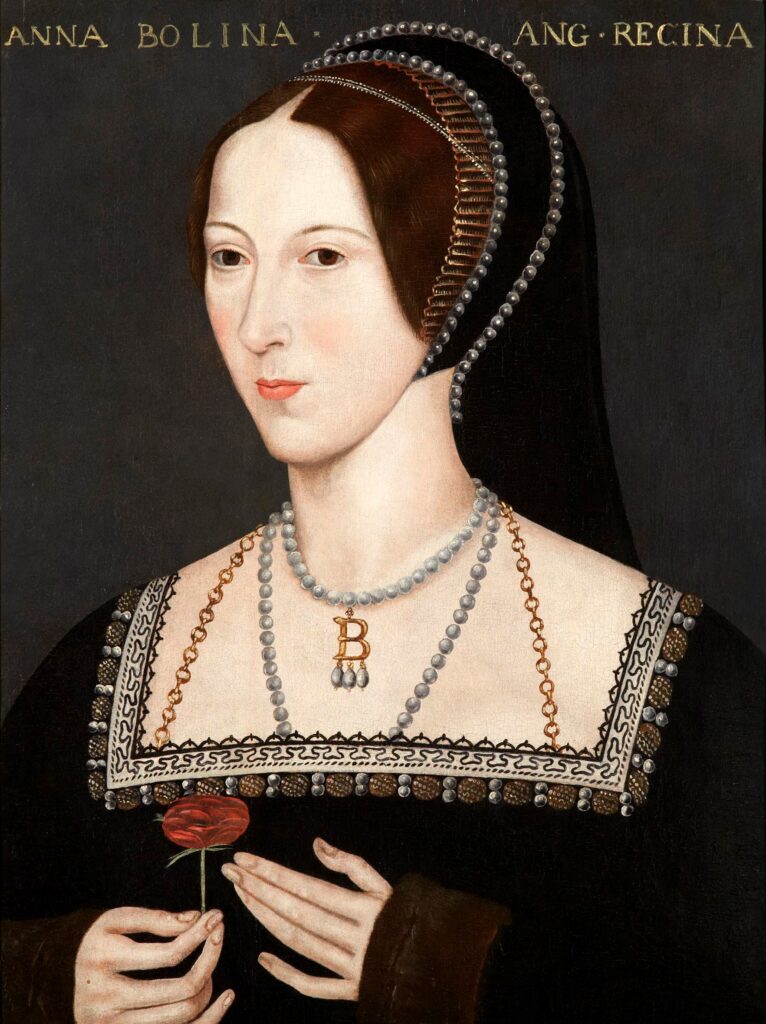
Anne Boleyn’s secret marriage to Henry VIII on January 25, 1533—performed inside Whitehall Palace—became an unlikely starting point in the long chain of events that shaped America’s early destiny. Already pregnant with the future Elizabeth I, Anne’s union forced Henry’s break with Rome, igniting the English Reformation and creating the dissenting Protestant landscape that later sent Puritans and Separatists across the Atlantic. Elizabeth I—born from this very pregnancy—launched England’s first colonial ventures, including the Roanoke expeditions, and laid the groundwork for later settlements such as Jamestown.
From Whitehall Palace, the same complex where Pocahontas would be presented to the Crown less than a century later, the charters and policies directing England’s expansion into North America were issued. A marriage meant to secure a Tudor heir instead helped set the stage for the religious identity, migration patterns, and imperial ambitions that shaped the earliest chapters of American history.
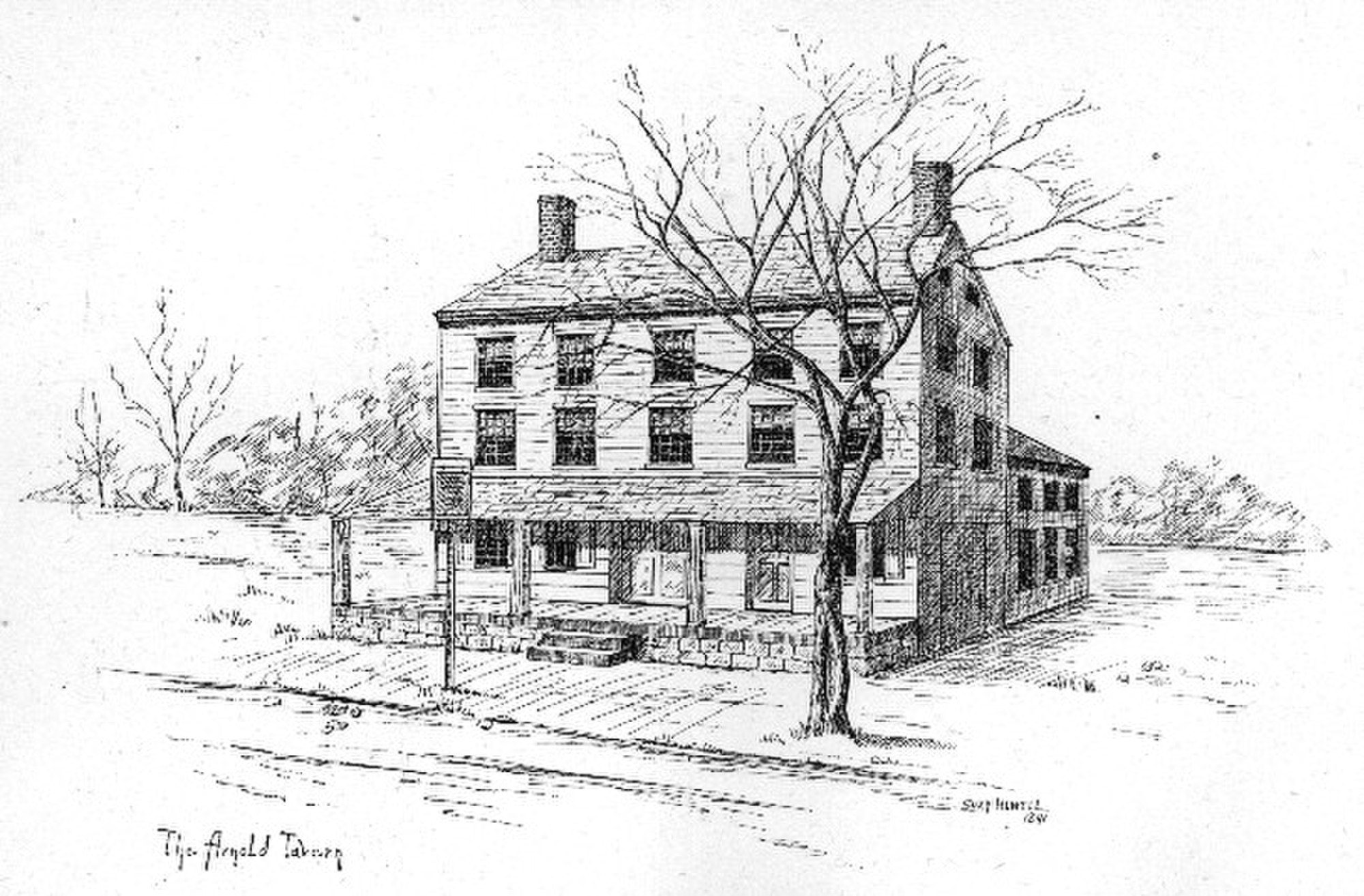
On January 25, 1777,
George Washington from Morristown, NJ, issued a proclamation commanding all persons who had taken the oath of allegiance to Great Britain to repair to headquarters within thirty days; deliver up such protection, “and take the oath of allegiance to the United States of America, or forthwith to withdraw themselves and family within the enemy’s lines.”
From: Washington Day by Day, published in 1895
Image of a drawing of the Arnold Tavern in Morristown NJ which was Washington’s headquarters in early 1777. The building was lost by fire in 1918. via Wikimedia Commons, public domain
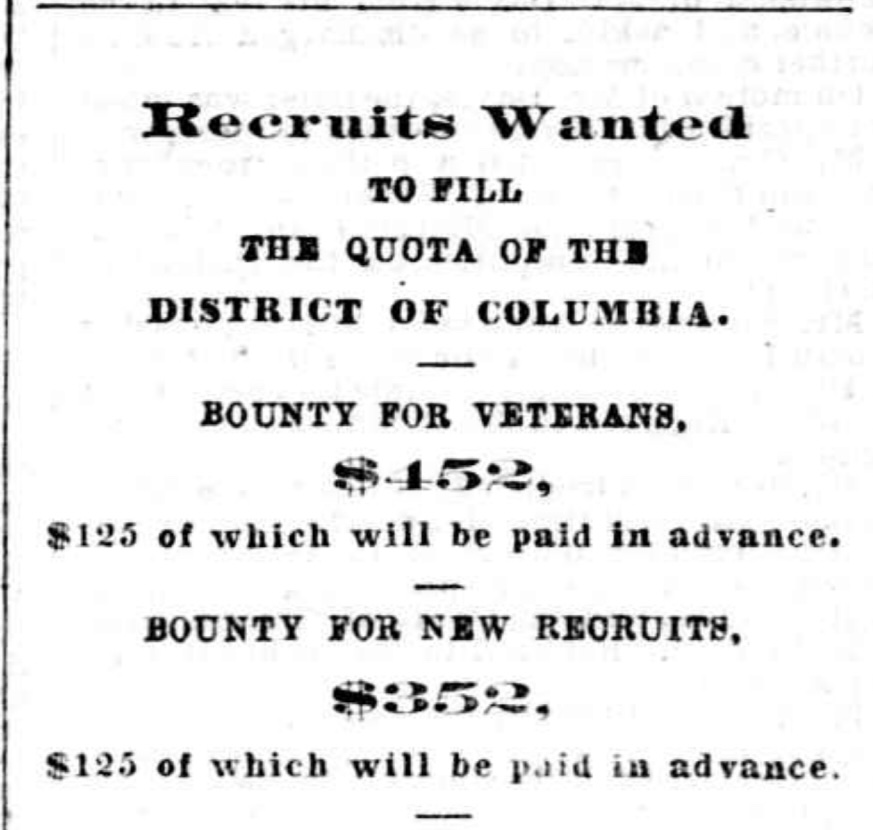
Recruitment advertisement that was published in the Washington Evening Star on January 25, 1864
Image via LOC, public domain
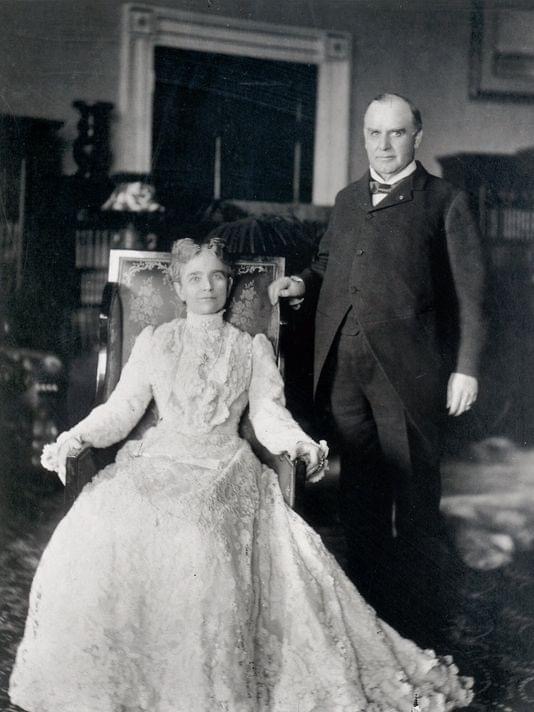
On January 25, 1871, Civil War Veteran William McKinley married Ida Saxton in Canton, Ohio.
Image of President William McKinley and First Lady Ida Saxton McKinley c. 1900 via Wikimedia Commons, public domain
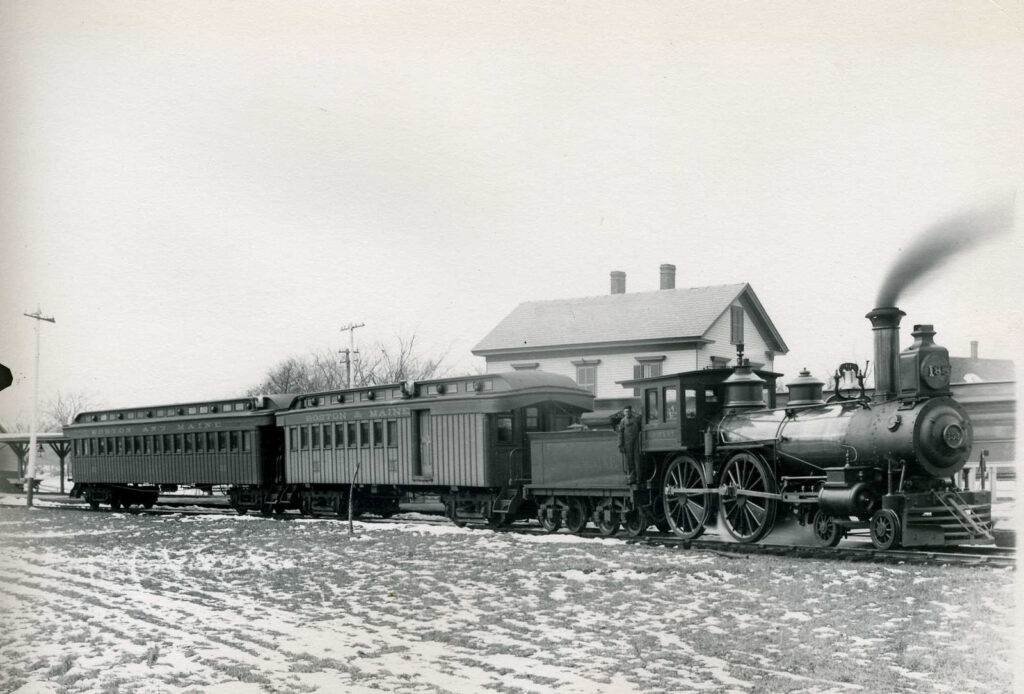
Wenham, Massachusetts — January 25, 1892.
Steam hangs in the cold as Nahant—Eastern Railroad No. 53—waits on the Essex Branch, a line that moved small‑town New England long before automobiles thinned its passenger ranks. In mid‑winter, engines like this were central to the region’s ice trade, hauling blocks cut from Chebacco Lake toward Boston’s icehouses and coastal schooners.
Only two years earlier, the Boston & Maine had absorbed the Eastern, and 1892 marked the push toward system‑wide standardization: names abolished, engines renumbered, and the old, place‑rooted culture replaced by administrative efficiency.
On branches like this, safety still depended on people. Station agents tapped out train movements by telegraph, updating meeting points on single track. In nearby Hamilton‑Wenham, Lester E. Libby even created one of the nation’s first pocket timetables—an eight‑page booklet commuters kept in their coats. The railroad brought jobs, carried milk and mail, and occasionally drew “tramps” riding boxcars, prompting the appointment of a local Tramp Officer.
By 1899, Nahant was sold, its identity folded into a larger system. But on this winter morning, surrounded by snow, steam, and the seasonal work of the ice harvest, it still stands in the last years when New England railroading spoke in names instead of numbers.
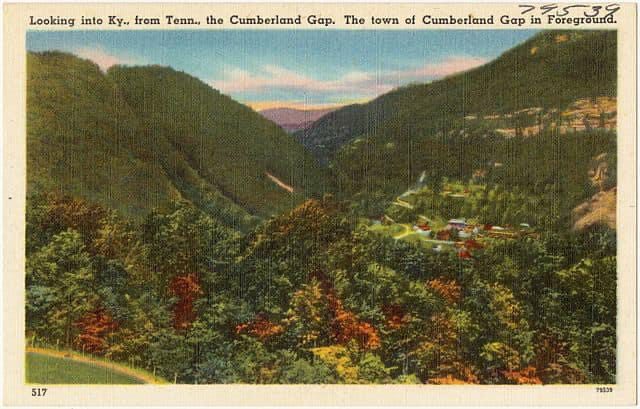
Looking into Kentucky from Tennessee, the Cumberland Gap, the town of Cumberland Gap in foreground.
On January 25, 1715, Early American explorer and physician Thomas Walker was born in King and Queen County, Virginia.
Walker is recognized for locating the Cumberland Gap nearly two decades before Daniel Boone viewed the magnificent pass.
Image via Wikimedia Commons, public domain
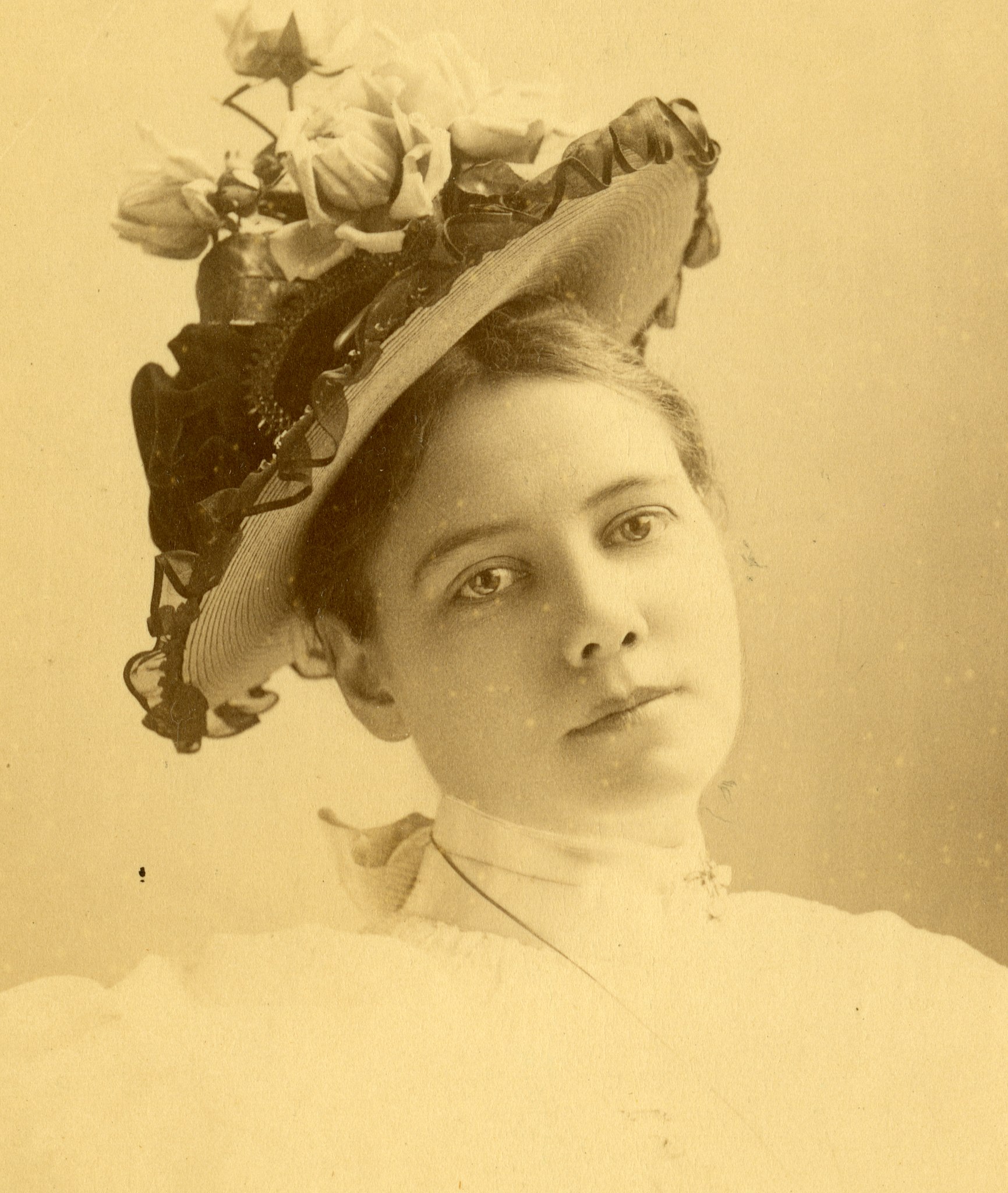
Nellie Bly finished her “round-the-world in less than 80 days” adventure on the afternoon of January 25, 1890.
Image of Nellie c. 1890 via Wikimedia Commons, public domain
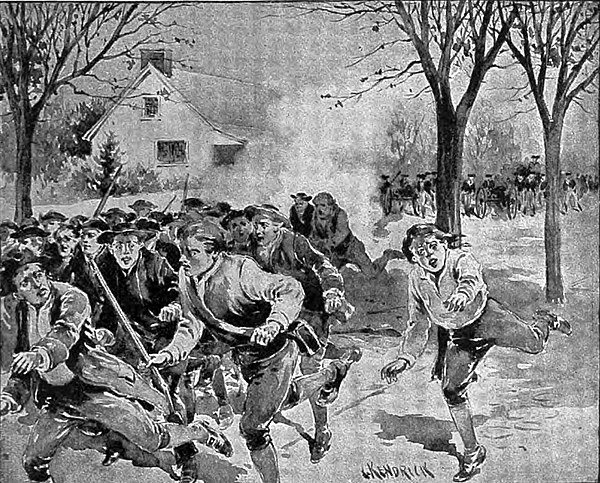
On January 25, 1787, grapeshot was fired at over a thousand insurgents who were attempting to take the federal armory at Springfield, Massachusetts. Twenty men were injured and four were killed as Shays’ Rebellion suffers a major defeat.
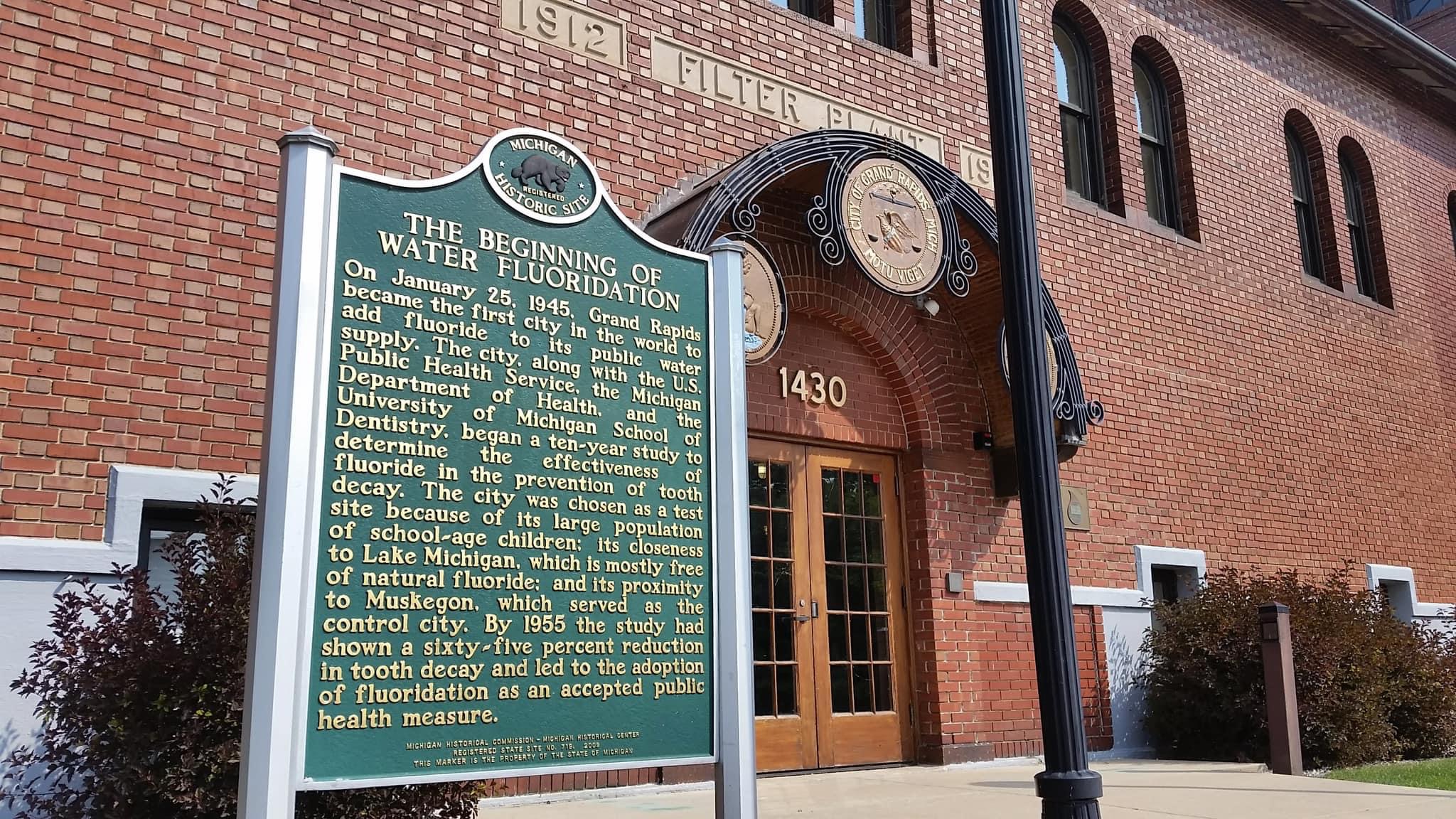
On January 25, 1945, Grand Rapids, Michigan became the first community to fluoridate its water supply.
Image from Staircase1 via Wikimedia Commons, CC BY SA 4.0
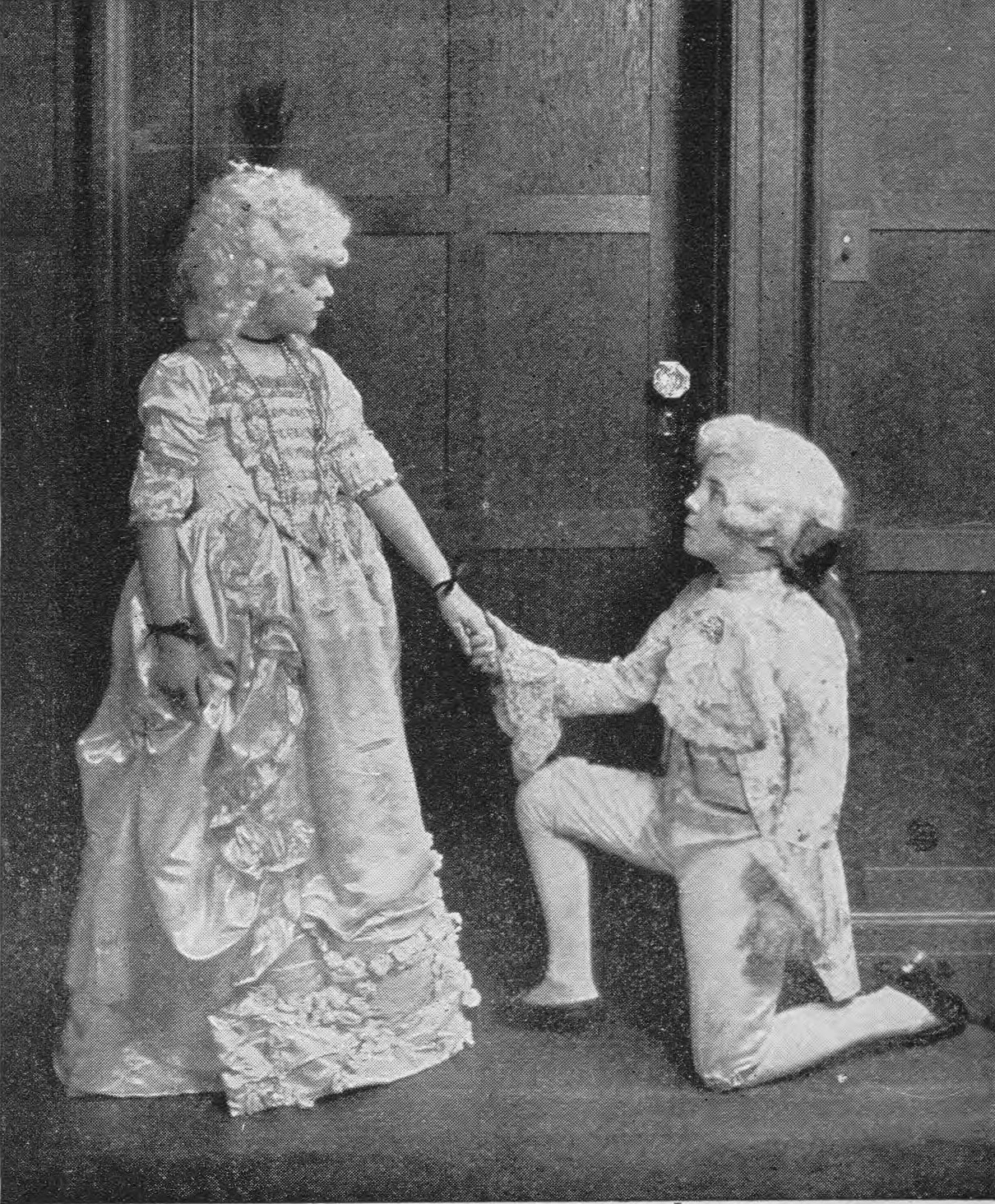
Little Miss Meraud Guinness and Master Loel Guinness, Children of Mr. and Mrs. Benjamin Guinness, Posing After a Painting by Fragonard
photo appeared in the New York Times on January 25, 1914.
via Wikimedia Commons, public domain
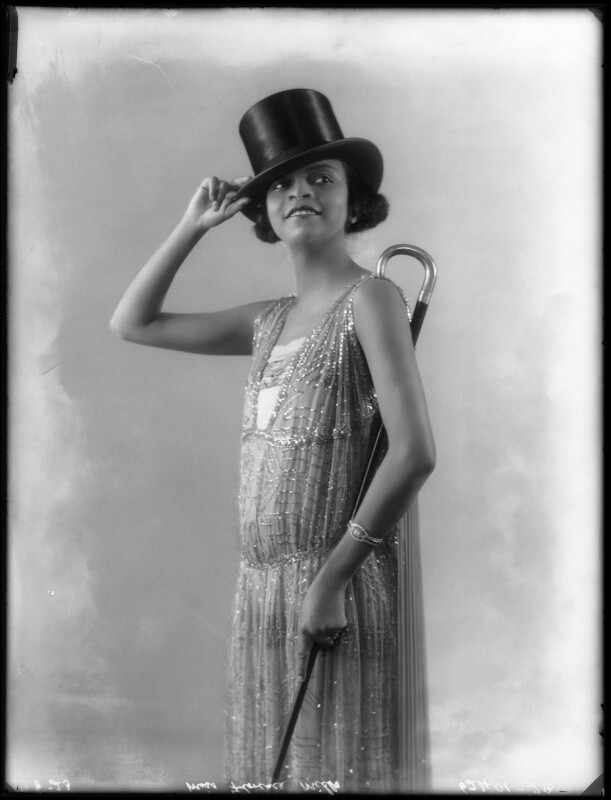
Born January 25, 1896, entertainer Florence Mills graced music hall stages in the US and across Europe in the early 20th century. A singer, dancer, and comedian, she began in vaudeville, then wowed Broadway in the hit musical “Shuffle Along” in 1921. Mills died of tuberculosis in 1927 at only 31.
Wikimedia Commons, no known copyright, public domain in the US.
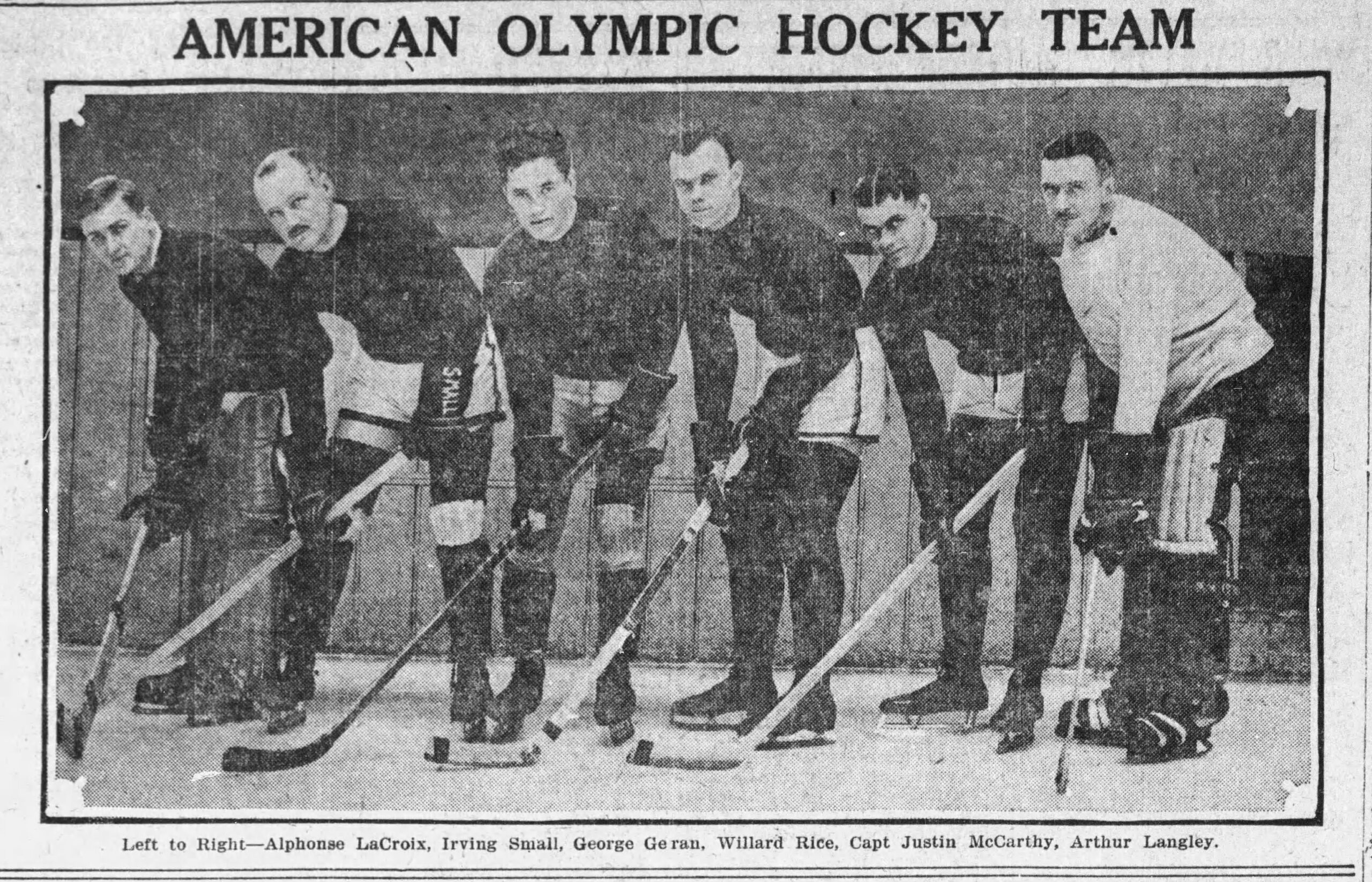
On January 25, 1924, the first Winter Olympics began in France.
The American Ice Hockey team won the silver medal during those games.
What’s peculiar is that it wasn’t the first time that ice hockey was played as an Olympic sport. That took place during the 1920 Summer Olympics in Antwerp.
Ice Hockey was held a few months earlier in April, instead of August-September, like the other competitions.
The image shown isn’t a full representation of the American Ice Hockey players who made the roster in 1924. Clarence “Taffy” Abel, Herbert Drury, John Lyons and Frank Synott are not shown. The only player shown in the image above, who wasn’t on the ice hockey roster during the 1924 Olympics was Gerry Geran who was named to the team, but mysteriously never joined them.
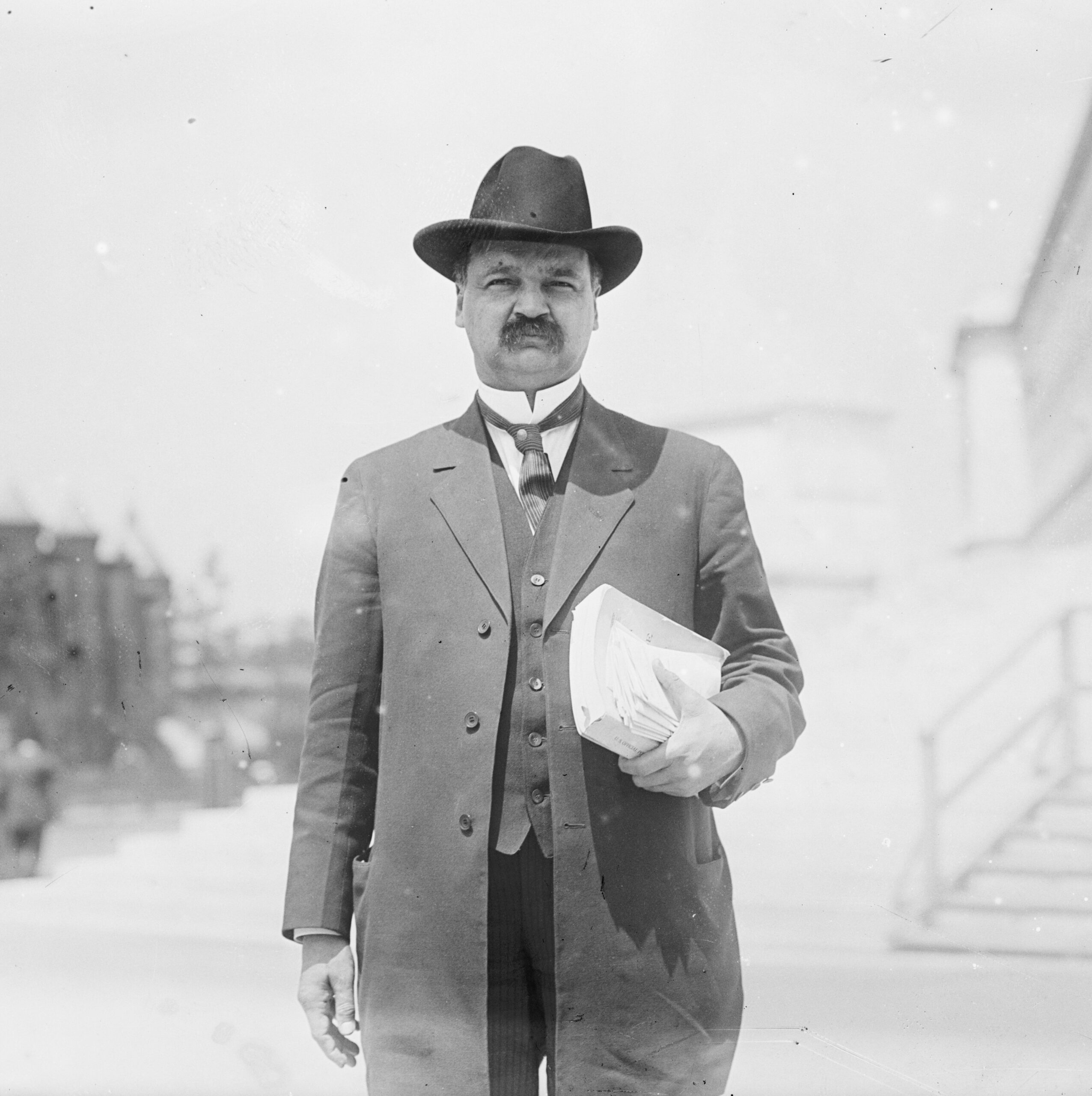
Born January 25, 1860, Charles Curtis was a Native American who served in the US House of Representatives, the Senate (as Majority Leader), and as Vice President during Herbert Hoover’s administration.
Image of Charles Curtis from LOC via Wikimedia Commons, no known restrictions
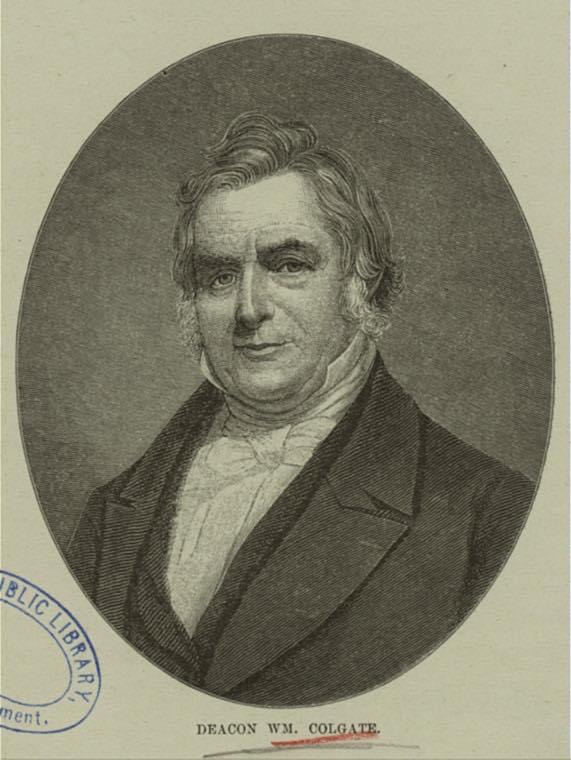
On today’s date January 25, 1783, William Colgate, who founded the well known personal hygiene product company, was born in Hollingbourne, Kent, England.
His family would later move to America and settle in Maryland…
“William Colgate attended one of the best
schools in Baltimore for the first two years of his life in America. This training, added to the discipline of his boyhood in England, completed his school education. At the age of fifteen he entered upon the earnest work of life. At seventeen he in a humble way, with scarcely any capital or credit, engaged in the soap-and-candle business in Baltimore. At that time manufacturers were greatly needed in all the growing cities of the New World.
By a kind of instinct of great possibilities, and
the inspiration of great purposes, and perhaps to escape embarrassing associations with the business misfortunes of the family in Baltimore, young Colgate decided to make the metropolis of the country his home and place of business. In 1804, at the age of eighteen, he came, first to Mamaroneck, and, after a brief sojourn there, to New York City, and there began, with neither money, credit, nor friends, his illustrious business career.
The secret of his success is disclosed in the principles which governed him. He determined first to master in all its methods and appliances the business he had chosen.
Almost immediately upon his arrival in New
York, early one morning he applied at the counting-room of John Slidel & Co., then the largest tallow-chandlers in the city, located at 50 Broadway. There was no vacancy in the establishment, but Mr. Slidel, struck with the open, honest face of the applicant, offered him a place as assistant clerk.
The young Englishman thanked him for his
kind proposal, but most respectfully declined it, remarking, “I desire, sir, to learn the business. I wish to work to earn a living for myself. Any one can assist a clerk, but I wish to know how to work.”
There is the secret of success in the great competitions of business, for the skilled workman naturally acquires control. In old-established houses on both sides of the sea it is more and more felt that only through the discipline of the apprentice and the skilled journeyman can one safely assume the direction of a great manufacturing of commercial house. Capital without skill can never keep pace with capital supplemented by skill. For lack of this combination hundreds of adventurous business-houses have failed.
Mr. Slidel was so much pleased with the frankness of young Colgate, and his ambition to master a business, that he called his foreman and said, “Give this young man work; show him everything about the business. He will be of great service to you.”
The salary proposed was small, but it was the
business he sought, and in a short time he became an expert in it. He was transferred from the manufacturing to the sales department, and soon grasped its commercial methods, so that at the end of three years, when the firm was changed, William Colgate became its principal business manager. In 1806, at the age of twenty-three, he started in the chandlery business in Dutch Street…”
From: William Colgate: The Christian layman
by William Wallace Evert, published in 1881 via Library of Congress, no known restrictions
https://archive.org/details/williamcolgatech00ever/page/66
Image: The Miriam and Ira D. Wallach Division of Art, Prints and Photographs: Print Collection, The New York Public Library. “Deacon William Colgate” New York Public Library Digital Collections.
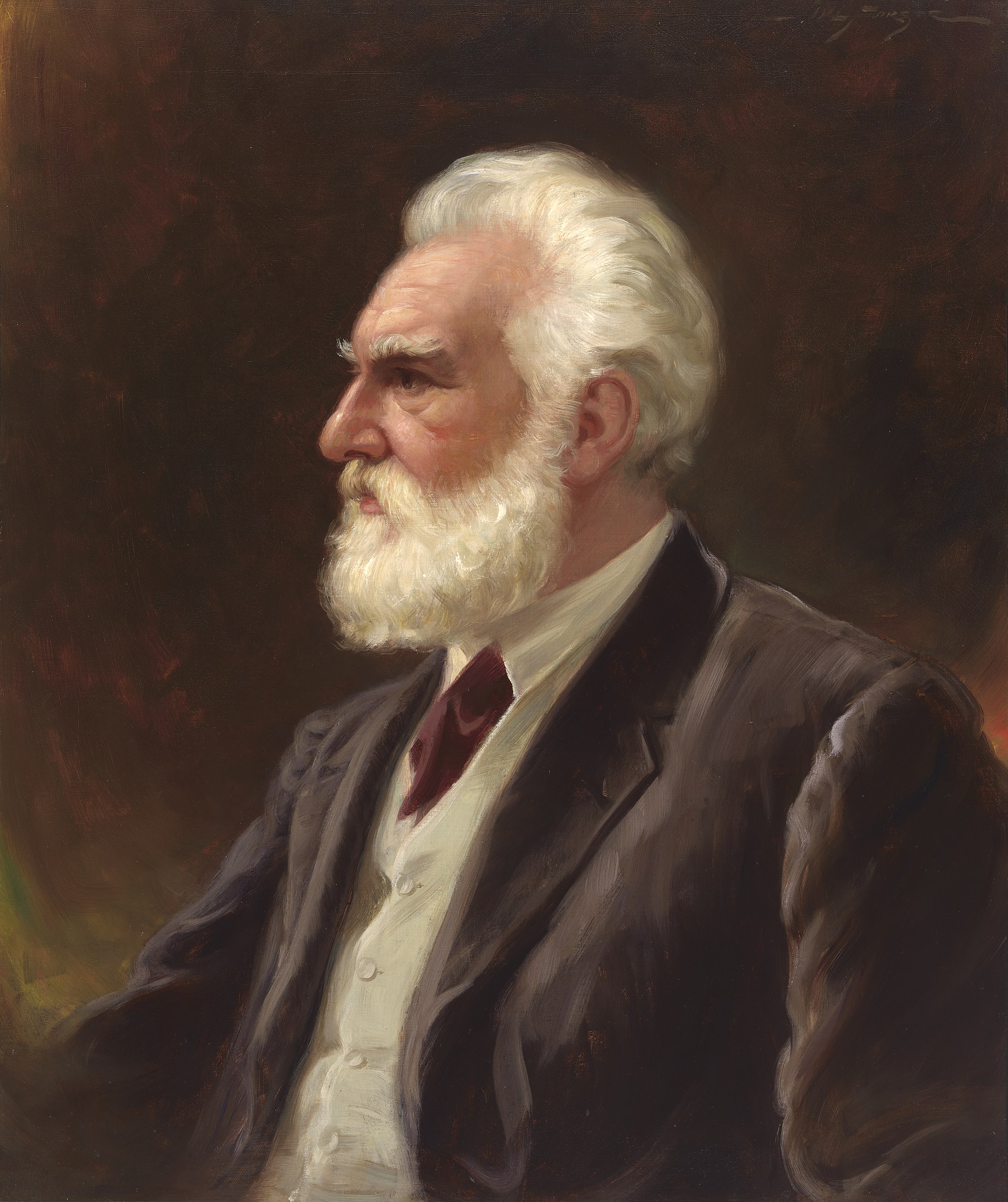
Alexander Graham Bell in New York conducted the first transcontinental telephone call with his assistant Thomas Watson in San Francisco on January 25, 1915.
Portrait painting of Alexander Graham Bell by John Wycliffe Lowes Forster, 1919 via Wikimedia Commons, public domain

John F. Kennedy held the first live televised U.S. Presidential press conference on January 25, 1961.
Image of JFK from a few days earlier in January 1961 via Wikimedia Commons, public domain
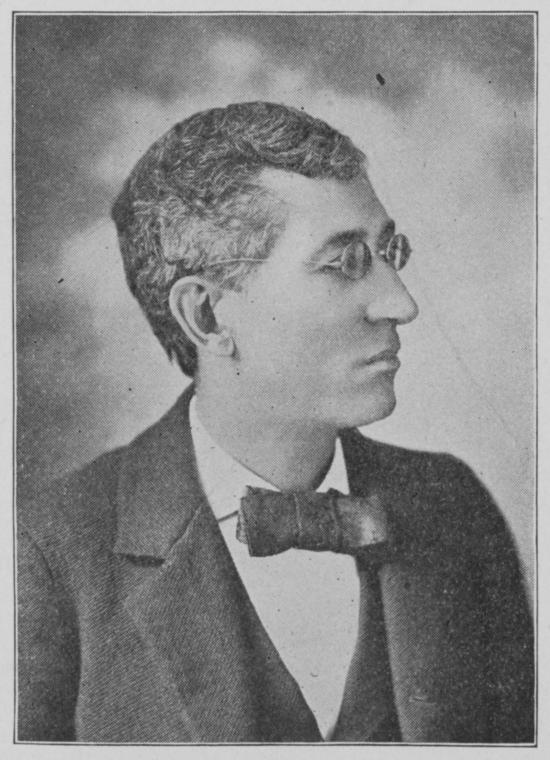
On January 25, 1890, T. Thomas Fortune (shown) convened Black leaders in Chicago to form the National Afro‑American League, the first national civil‑rights organization after Reconstruction. A fierce editor and strategist, Fortune pushed for coordinated legal action, political advocacy, and a unified response to the rising tide of Jim Crow. Though short‑lived, the League laid the groundwork for the Afro‑American Council and, later, the NAACP—carrying the fight for equal rights into the new century.
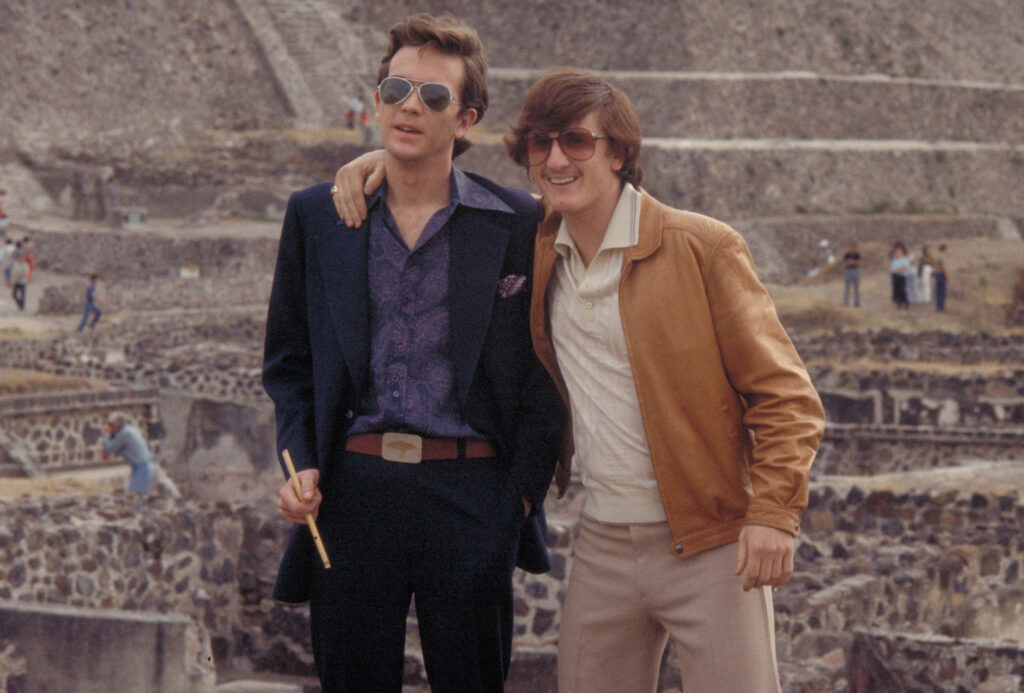
On January 25, 1985, The Falcon and the Snowman premiered, with Timothy Hutton and Sean Penn (shown) portraying two young Americans whose real‑life espionage case had unsettled the country a decade earlier. The film was based on a true story: a pair of friends who, despite Russia being half a world away, were drawn into Cold War intelligence through personal disillusionment, poor decisions, and the reach of Soviet operatives working in the Western Hemisphere. Their actions—selling classified satellite information to Soviet agents in Mexico City—led to swift federal convictions and long prison terms.
One later escaped and lived as a fugitive before being recaptured; both were eventually paroled. Retold through the film, the episode became a reminder of how individual choices can collide with global tensions, and how American institutions respond, contain, and endure.
Image via Alamy
