
 Mystery March Is Here!
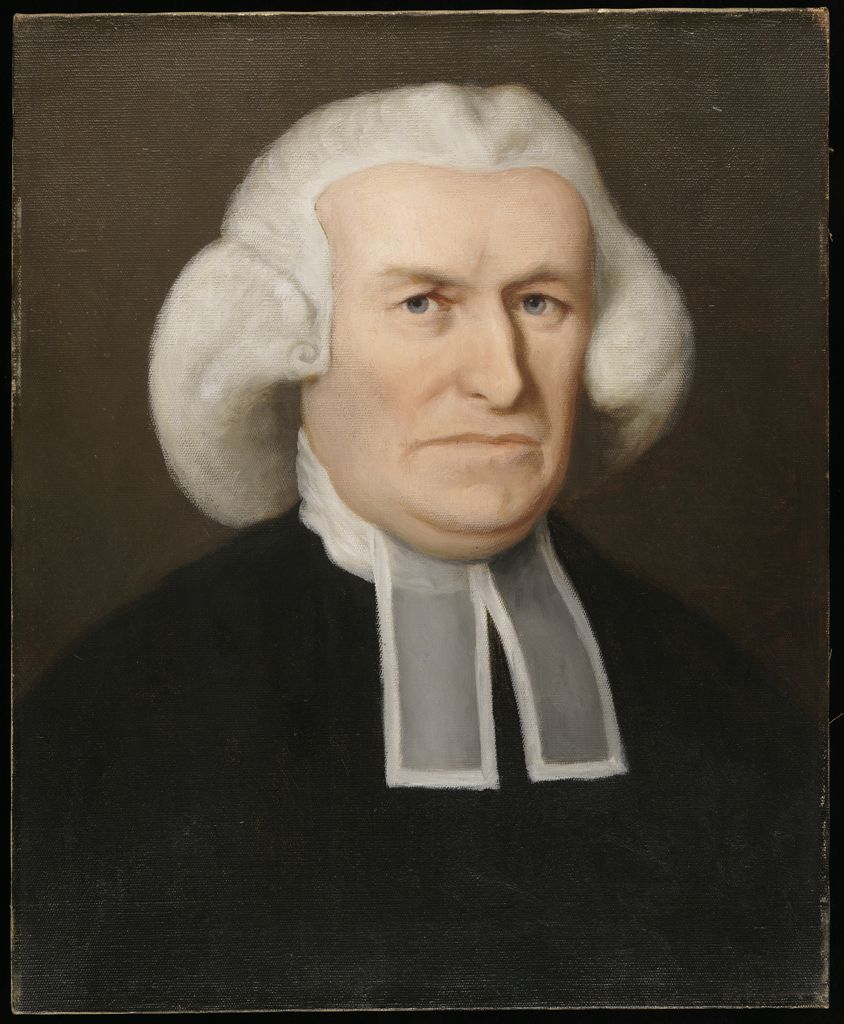
On January 24, 1722, Harvard named Edward Wigglesworth to the newly endowed Hollis Chair of Divinity — making him the first professor of divinity in the American colonies. In an era still shaping its intellectual identity, Wigglesworth became the steady voice guiding New England’s theological education, anchoring a tradition that would outlast the century.
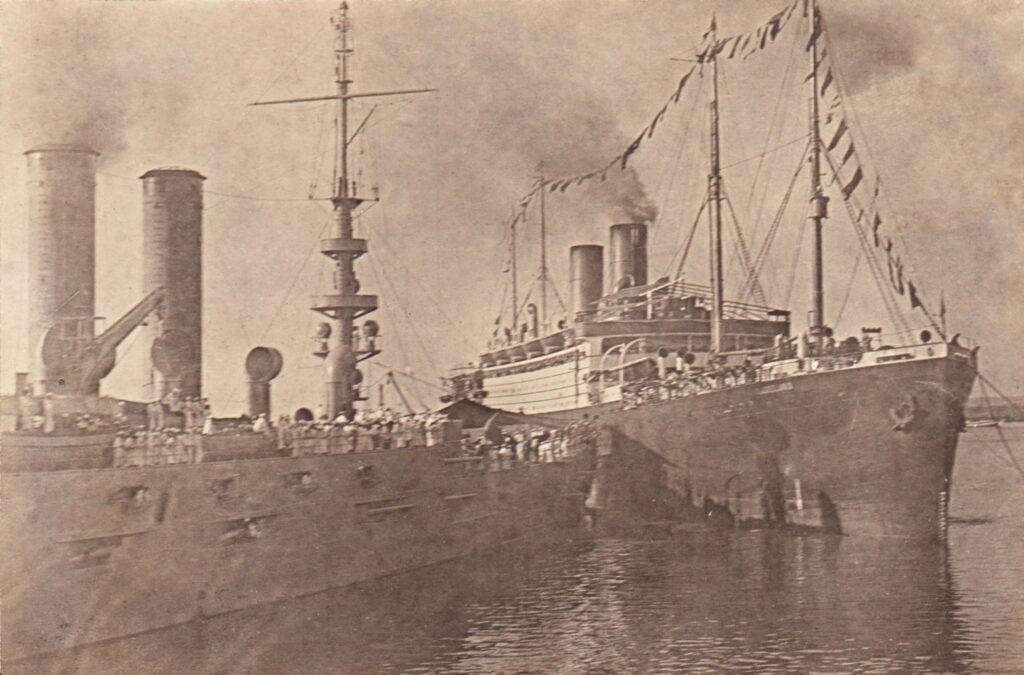
On January 24, 1912, the German liner Cleveland struck the U.S. cruiser Colorado in Honolulu Harbor, tearing open the warship’s port side and leaving her listing in the water. A Navy inquiry followed, but no one was held at fault — the collision was ruled a navigational mishap in a crowded harbor. The photograph captures the rare sight of a U.S. armored cruiser visibly wounded by a civilian vessel, a moment of Pacific‑crossroads chaos frozen in time.
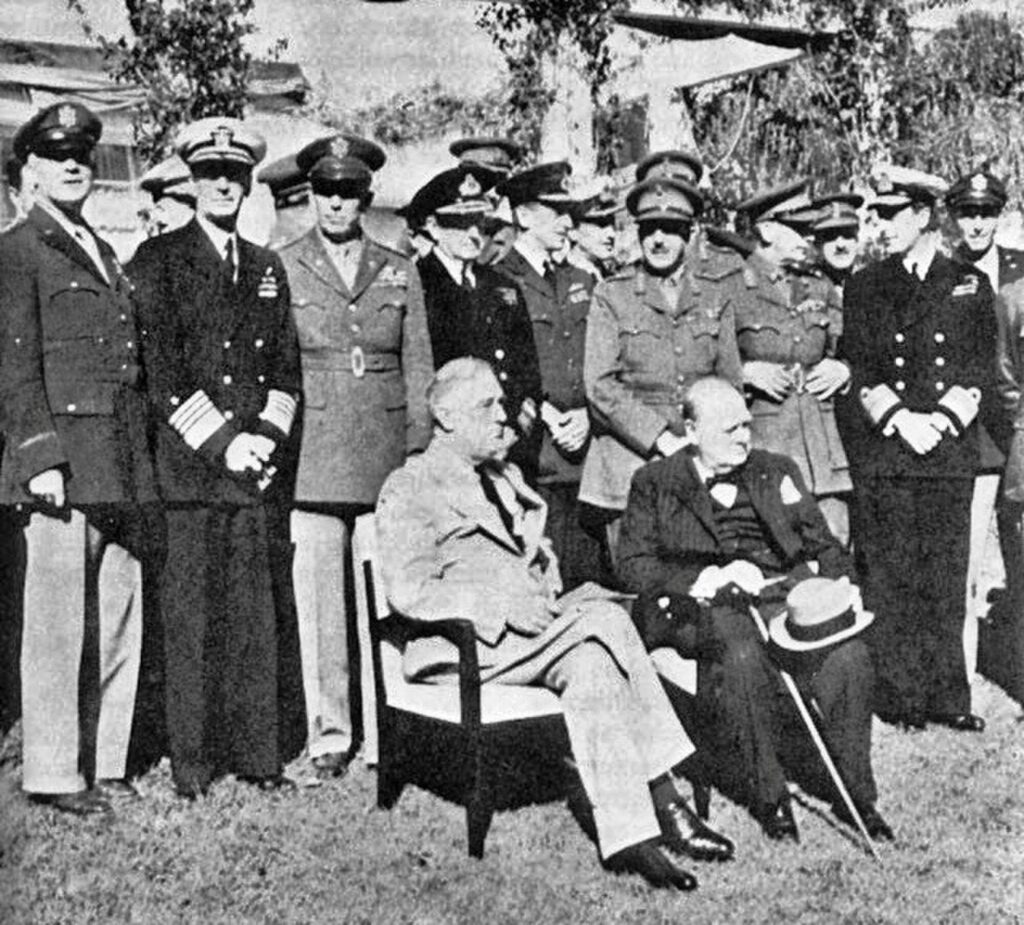
Casablanca, January 1943: For ten days in the gardens of Anfa, Roosevelt and Churchill shaped the war’s next act—debating strategy under North African sun, choosing Sicily as the hinge to Europe, and unveiling the doctrine of ‘unconditional surrender’ on January 24. Stalin’s chair sat empty, but the decisions made here would ripple from Stalingrad to Normandy and into the architecture of the postwar world.
Roosevelt’s call for “unconditional surrender” carried an intentional American echo. The phrase had entered national memory through Ulysses S. Grant at Fort Donelson in 1862, when he refused to offer the Confederates any terms beyond total capitulation. Newspapers turned it into legend, and Roosevelt—steeped in Civil War history—knew exactly what he was invoking. By reviving Grant’s language at Casablanca, he signaled Allied unity, moral resolve, and a promise that the mistakes of 1918 would not be repeated.
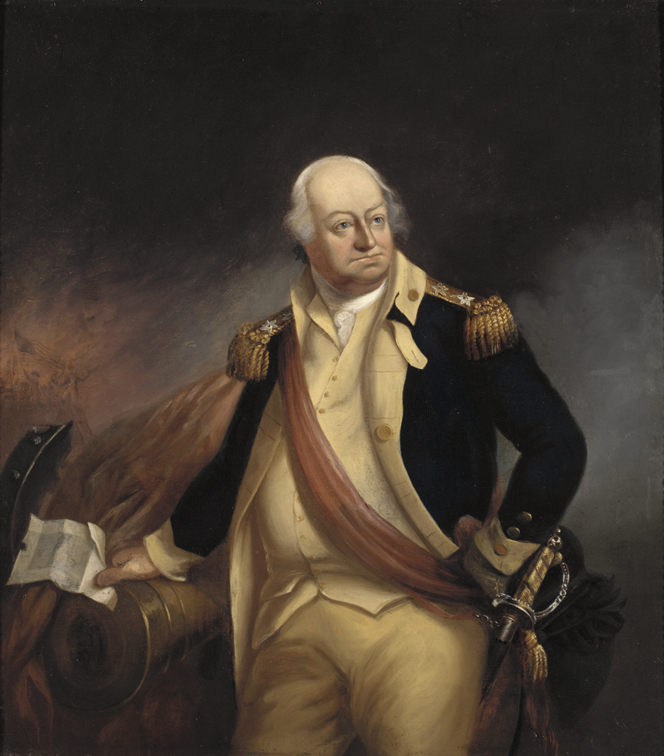
Born in Hingham on January 24, 1733, Benjamin Lincoln rose from a Massachusetts militia officer to one of Washington’s most trusted generals. In 1780, after holding Charleston through encirclement, bombardment, and starvation, he surrendered the city and became a prisoner of war — the largest American capitulation of the Revolution. Paroled and later exchanged under the formal officer‑for‑officer system, he returned to duty with undiminished resolve.
Lincoln would become one of the few American leaders to stand at all three great surrenders of the war: present in triumph at Saratoga, compelled to yield Charleston, and restored to honor at Yorktown, where Washington chose him to receive the British surrender. His life, stretching from colonial New England into the early republic, embodies the Revolution’s full arc — endurance, humiliation, resilience, and the authority of a nation secured.

On January 24, 1899,
an inventor by the name of Humphrey O’Sullivan,
who was living in Lowell, Massachusetts, received a patent for the rubber heel for shoes or boots.
We found this interesting photo of two men walking during the winter of 1906.
The man on the right is identified as Edward Payson Weston who completed a number of long-distance endurance walks during his lifetime. Some of his famous walks include Boston to D.C. for Lincoln’s Inauguration (arriving just a few hours after the ceremony, but in time for the inaugural ball) and later in the year that this photo was taken when, at the age of 67, he walked from Philadelphia to New York in less than 24 hours in April of 1906.
The man on the left is identified as Humphrey O’Sullivan and while there probably weren’t many men with the same name,
we believe that this most likely is the Humphrey O’Sullivan who received his rubber heel patent seven years prior.
Maybe Weston is wearing O’Sullivan’s rubber heels?
Image via LOC,
no known restrictions
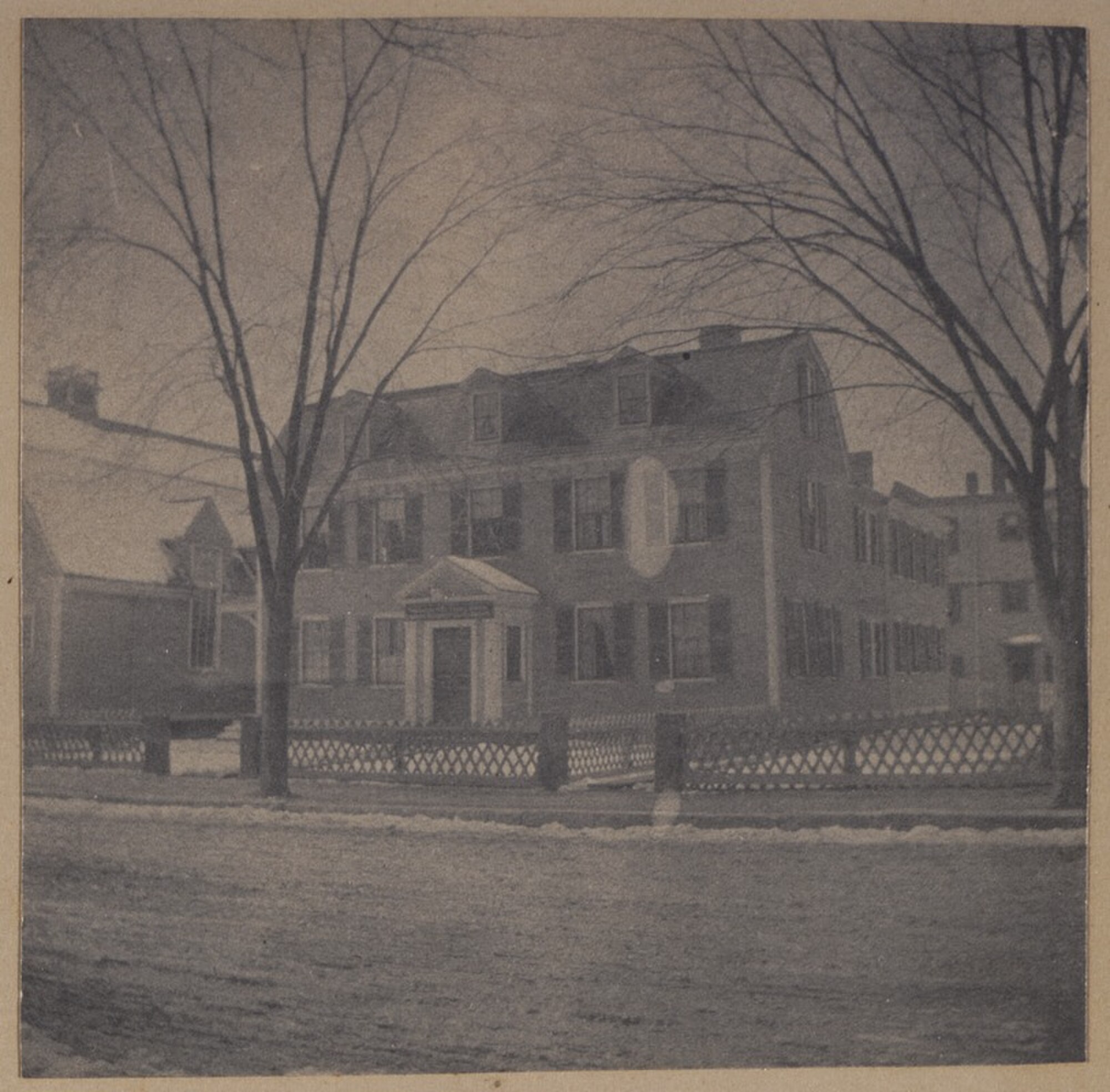
On a frigid Wednesday, January 24, 1776, John Adams began his journey from Massachusetts to Philadelphia to eventually sign the Declaration of Independence that summer.
On that day Adams stopped here, the Brattle House in Cambridge, Massachusetts that was the headquarters for Colonel Thomas Mifflin who was Washington’s aide-de-camp and quartermaster general.
In his diary Adams described his visit here that day and mentioned that Washington, Gates, their Ladies and a group of Native American warriors with their families who were “wondrous(ly) polite” enjoyed a large feast.
Image of the Brattle House in Cambridge, MA c. 1895-1905 via Wikimedia Commons, no known restrictions
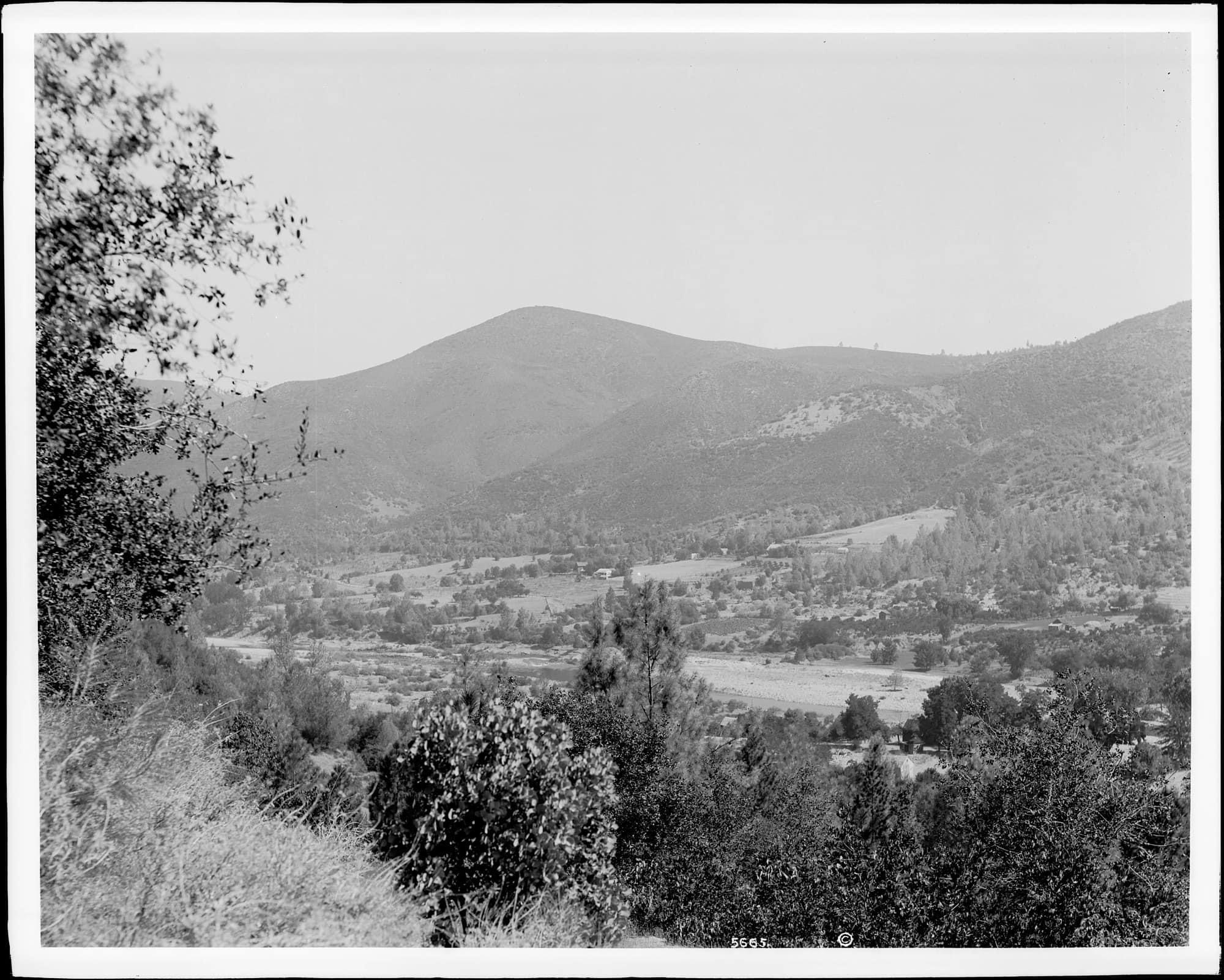
View of Sutter’s Creek and the historical mine in Coloma, California where carpenter James Wilson Marshall discovered gold on January 24, 1848.
Image c. 1915 via Wikimedia Commons, no known restrictions
“Patience and I have traveled hand in hand
So many days that I have grown to trace
The lines of sad, sweet beauty in her face,
And all its veiled depths to understand.
Not beautiful is she to eyes profane;
Silent and unrevealed her holy charms;
But, like a mother’s, her serene, strong arms
Uphold my footsteps on the path of pain.
I long to cry, — her soft voice whispers, “Nay!”
I seek to fly, but she restrains my feet;
In wisdom stern, yet in compassion sweet,
She guides my helpless wanderings, day by day.
O my Beloved, life’s golden visions fade,
And one by one life’s phantom joys depart;
They leave a sudden darkness in the heart,
And patience fills their empty place instead.”
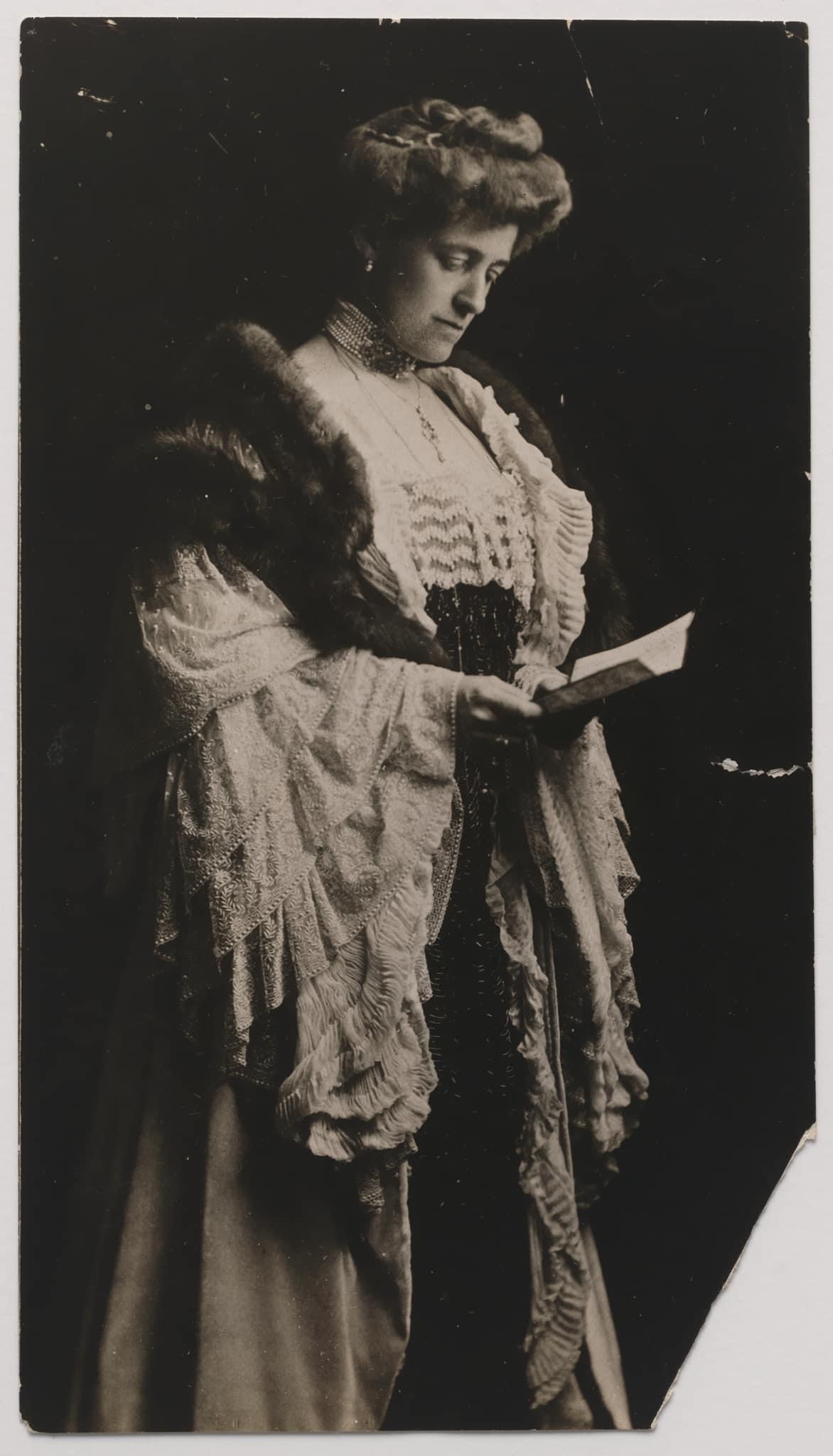
“Patience” a poem by American writer Edith Wharton who was born on January 24, 1862 in New York City.
Image: Edith Wharton in 1885 via National Portrait Gallery, Smithsonian Institution, no known restrictions
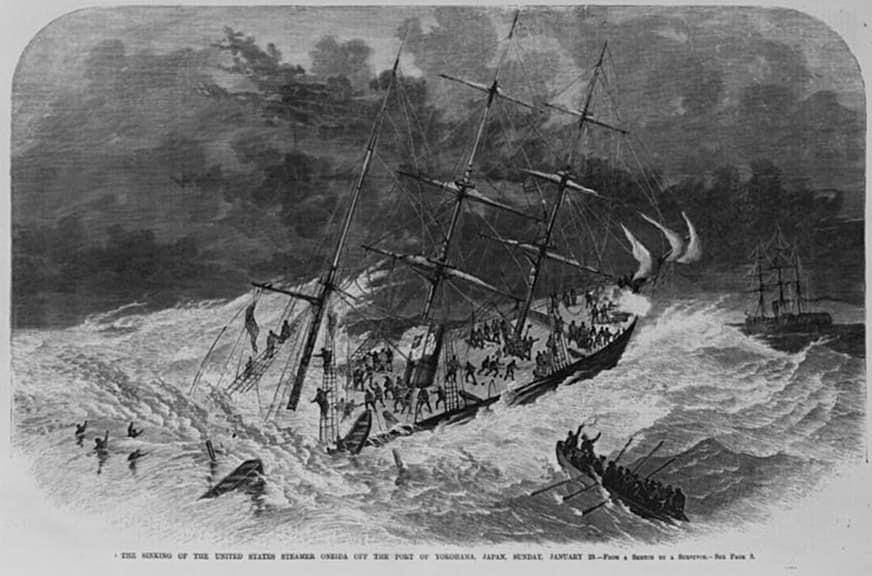
Sinking of the USS Oneida twelve miles off the coast of Yokohama, Japan on January 24, 1870
Over 120 souls were lost in the tragedy after the Oneida collided with a British shipping vessel called the Bombay.
Image via Wikimedia Commons, public domain
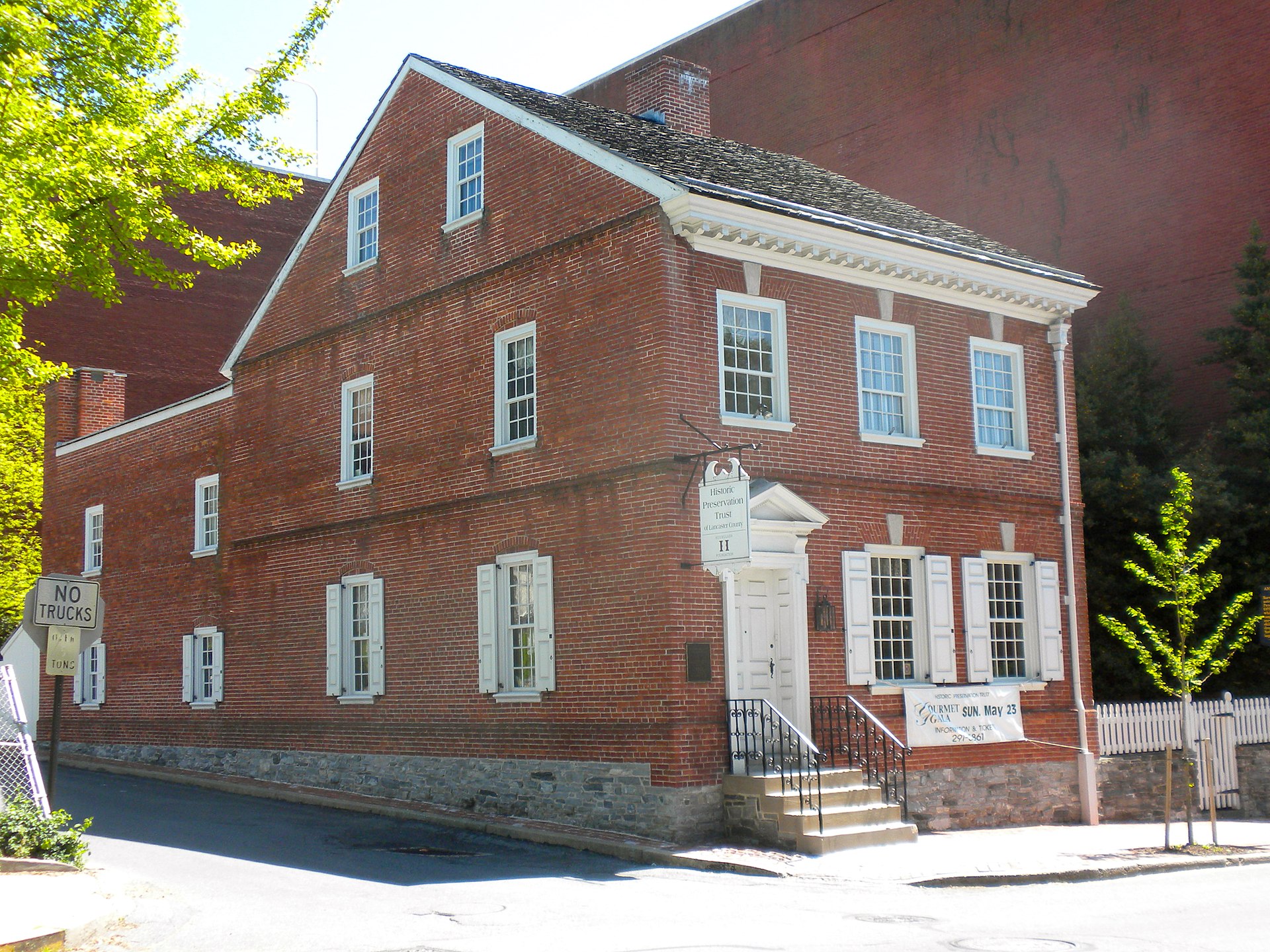
On January 24, 1754, American surveyor Andrew Ellicott was born in Bucks County, Pennsylvania. He planned the city of Erie, Pennsylvania and surveyed the boundaries of Washington, D.C.
Pictured is the house in Lancaster, Pennsylvania where Ellicott instructed Meriwether Lewis before the captain made his famous expedition.
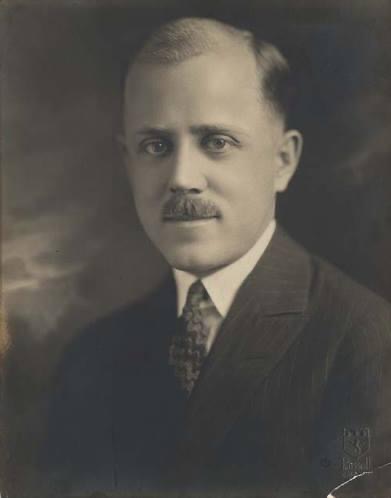
On today’s date January 24, 1922, Christian Kent Nelson received a patent for the ice cream treat that is now known as Edy’s Pie.
Photo: Christian Kent Nelson Public Domain via Wikimedia Commons
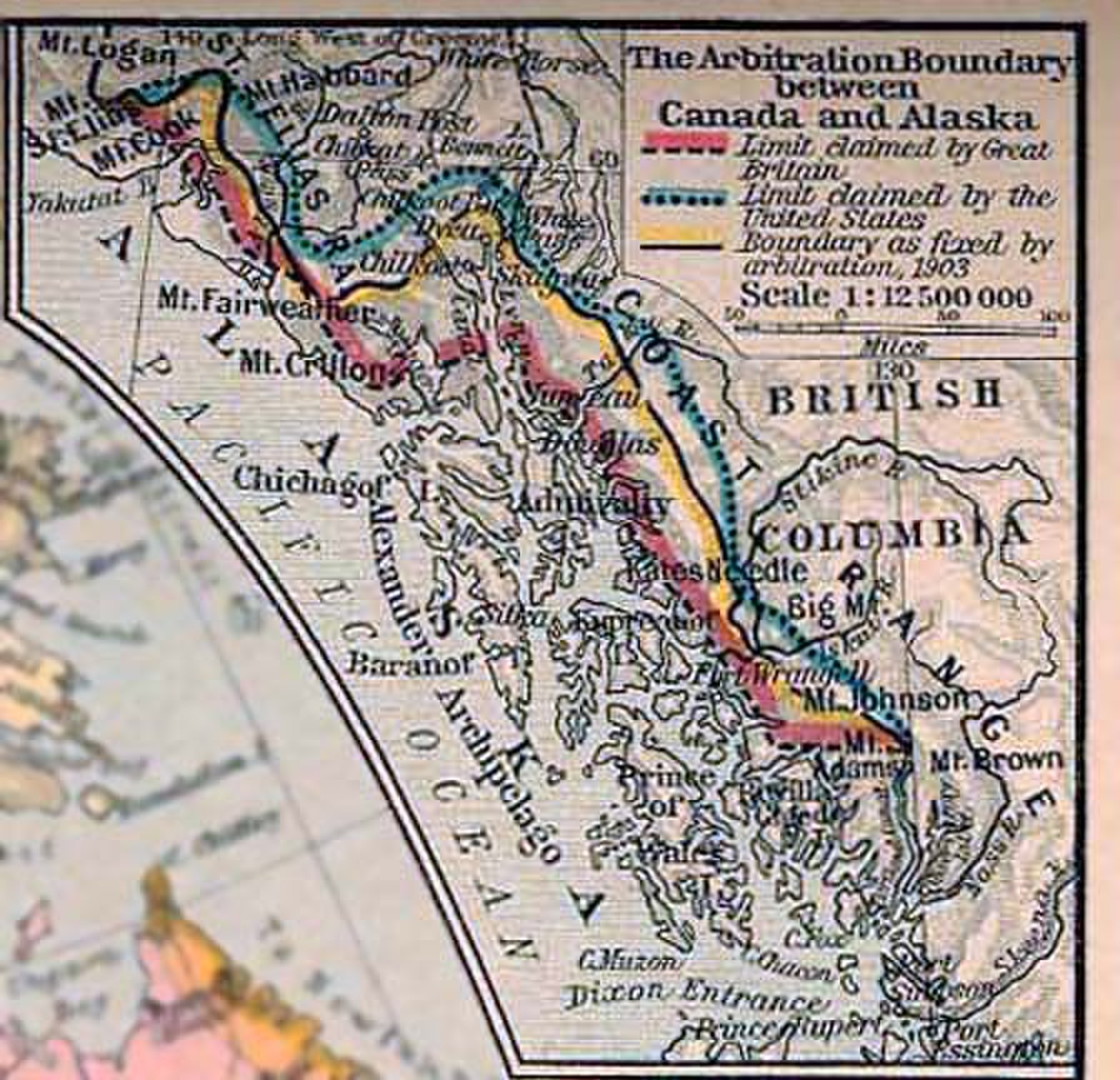
The Hay-Herbert Treaty between the governments of the United Kingdom, Canada and the United States to adjust the boundary between the Dominion of Canada and the Territory of Alaska was signed in Washington, D.C. on January 24, 1903.
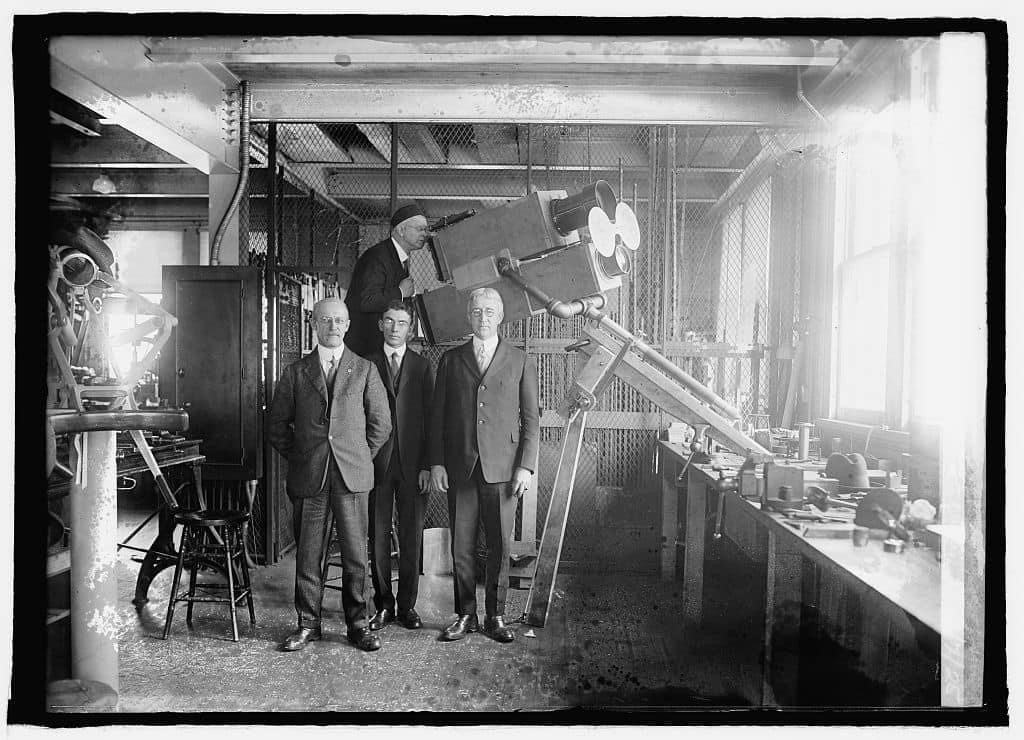
Scientists of Naval Observation with special camera to photograph eclipse of sun in early January 1925.
Later that month a total solar eclipse occurred on January 24, 1925.
Image via Library of Congress, no known restrictions
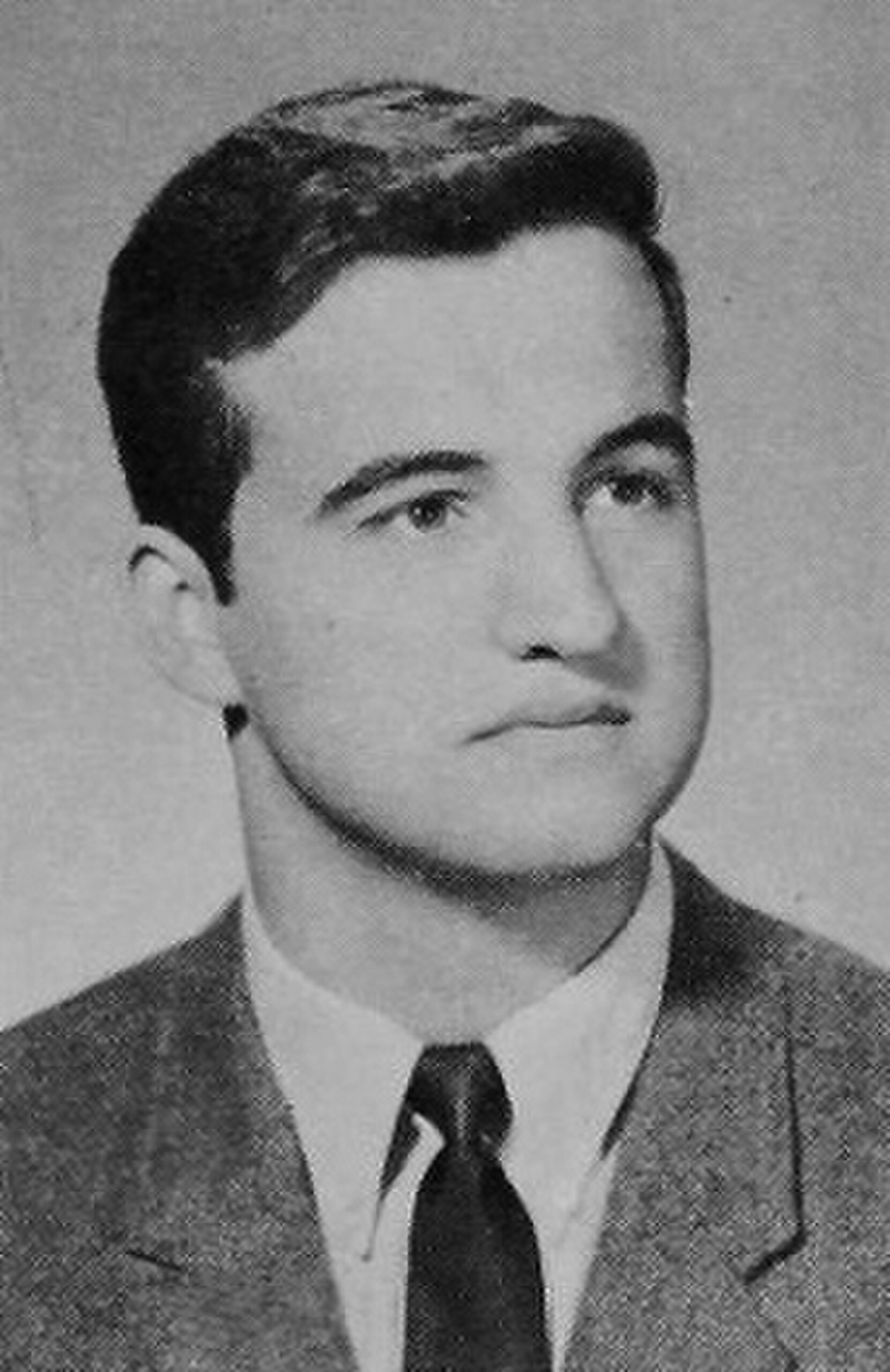
On January 24, 1949 American comedian John Belushi was born in Chicago, Illinois.
In the 1979 film “1941” Belushi played the role of Captain Wild Bill Kelso.
Image: John Belushi as a senior in high school in 1967
from Wheaton Central High School via Wikimedia Commons, public domain
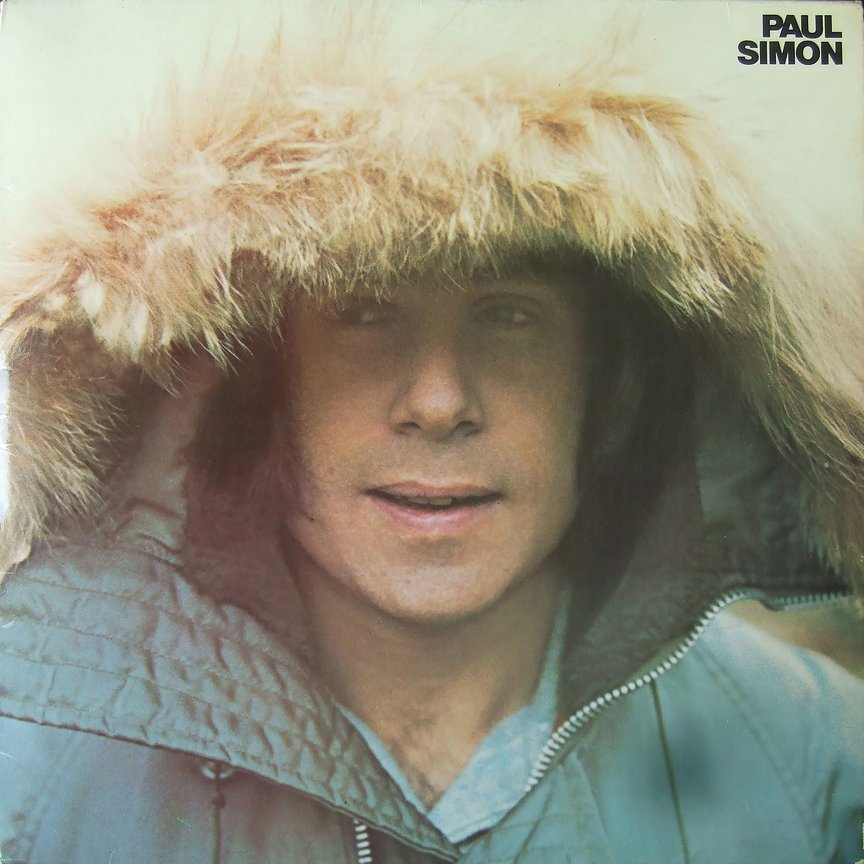
“Paul Simon” the second solo studio album by Paul Simon was released on January 24, 1972.
The first track on side two is
“Me and Julio Down by the Schoolyard.”
Image via Alamy
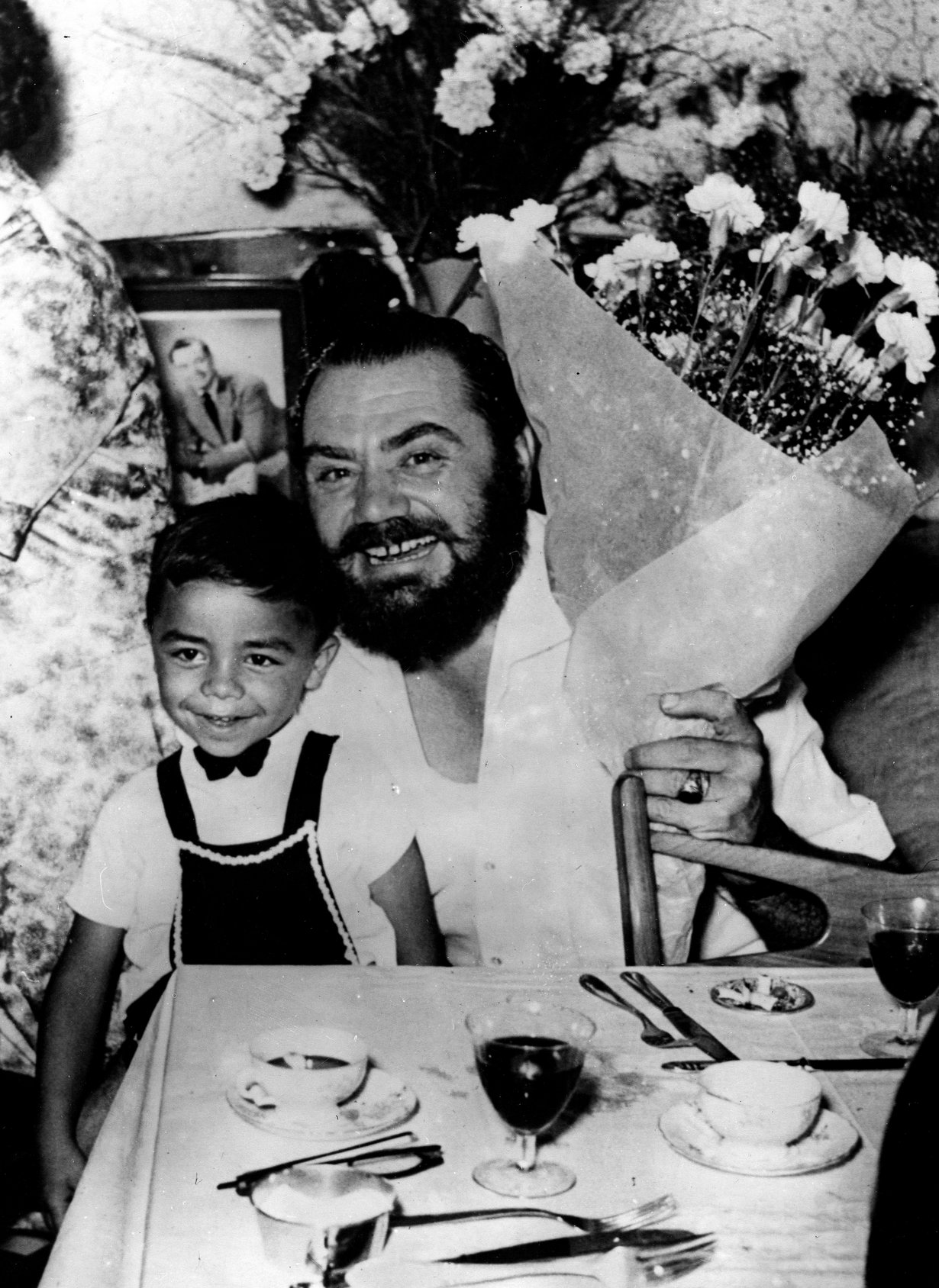
WWII U.S. Navy Veteran Ermes Effron Borgnino (Ernest Borgnine) was born on January 24, 1917, in Hamden, Connecticut.
Here he is shown visiting family in the town of Carpi, Italy in 1957. As a child Borgnine lived in Carpi with his mother for just under 5 years while his parents were separated.
His mom and dad eventually reunited and the family settled back in Connecticut.
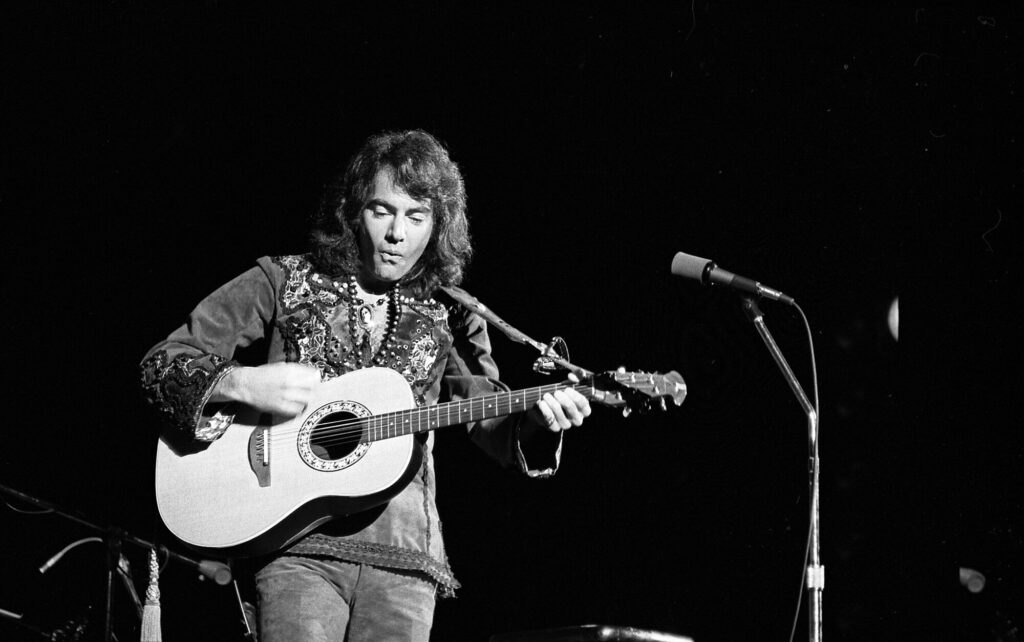
Neil Diamond, born January 24, 1941, in Brooklyn, was a championship‑level fencer at NYU well ahead of the songs that would make him a household name — a kid with a blade in his hand and a scholarship on the line. Long before “Sweet Caroline” filled stadiums, he learned discipline, timing, and the art of striking true. The music came later, but the edge was there from the start.
Image: Neil Diamond on stage at the Greek Theater in Los Angeles, 1972 – photo by Larry Bessel, Los Angeles Times, CC BY SA 4.0
