
 Mystery March Is Here!

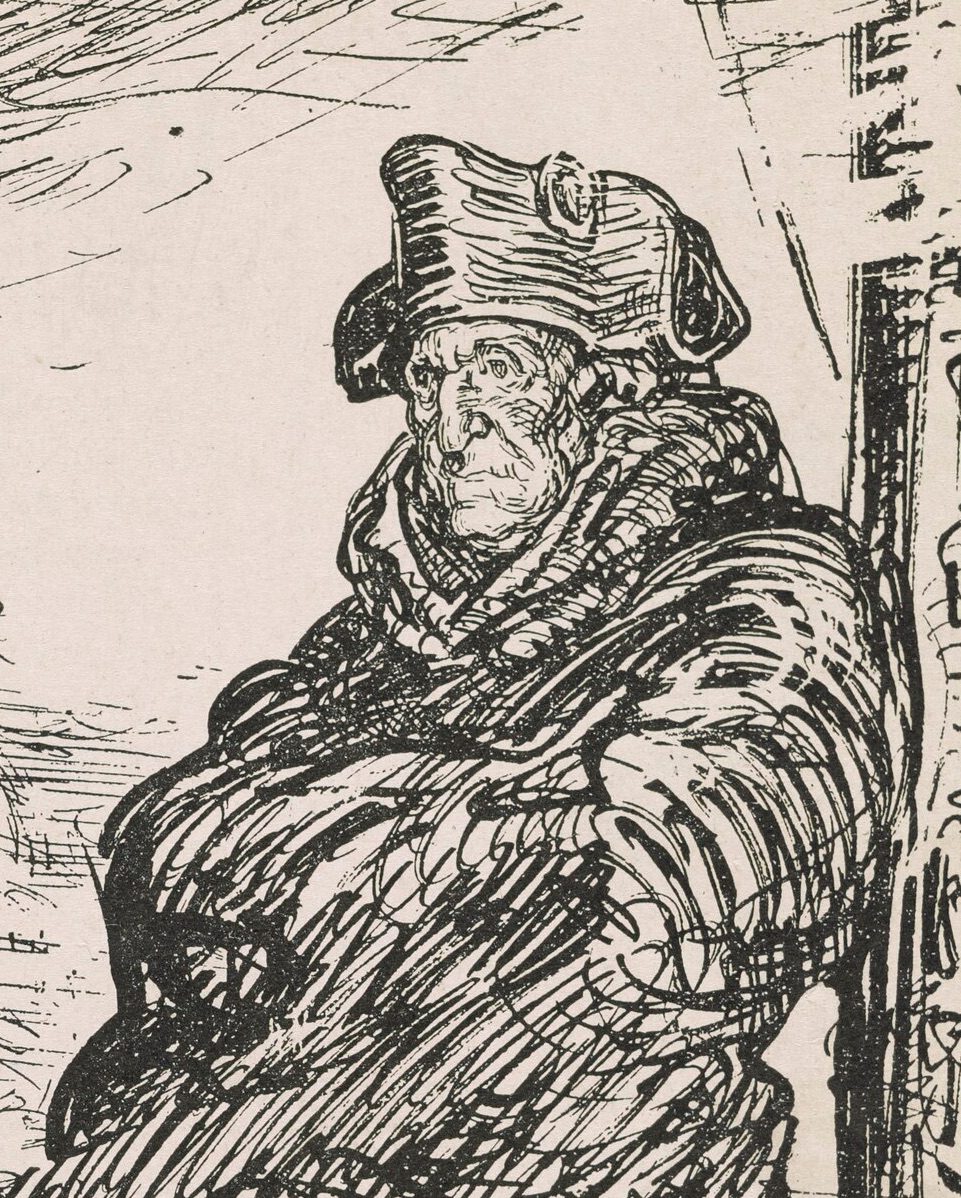
January 22, 1781
“The Commander-in-chief, Marquis de Lafayette, Count Dumas, and several other French officers spent the day at West Point. In consequence of Lafayette still suffering from the wound received at Brandywine, they returned to New Windsor by boat, and were in imminent danger from heavy ice. Washington, seeing the alarm of the boat-master, took the helm and said to the officers : “Courage, my friends, I am going to conduct you, since it is my duty to hold the helm.”
After the group landed they still had to walk a “league” or about three miles to get headquarters.
From: George Washington Day by Day, published in 1895
https://archive.org/details/washingtondaybyday00johnrich/page/11/
Sketch of George Washington via Wikimedia Commons, no known restrictions
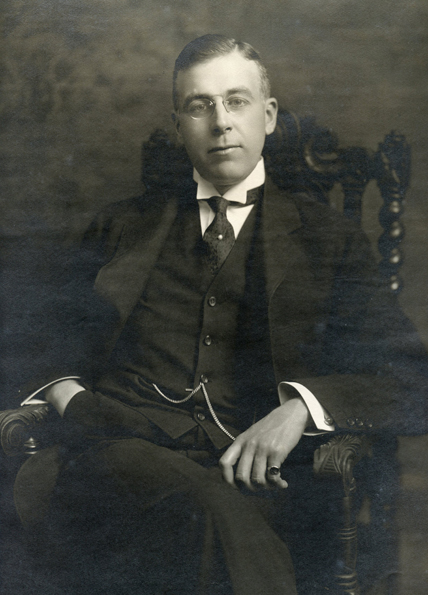
American philanthropist Edward Harkness was born on January 22, 1874 in Cleveland, Ohio.
During his lifetime he gave nearly $130 million to schools, the arts and medical facilities.
Image via Wikimedia Commons, no known restrictions
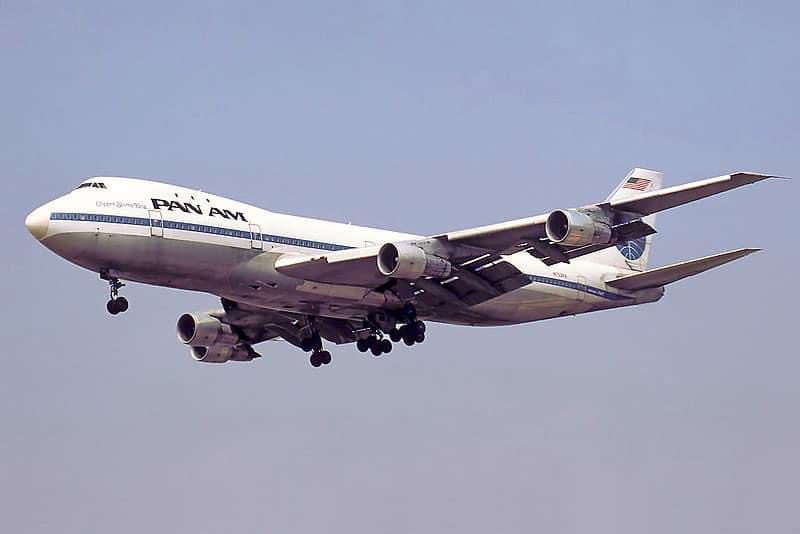
The Boeing 747 wide-body “Jumbo Jet” began flying Pan Am’s New York to London route on January 22, 1970.
In addition to making many thousands of flights, one 747 in Karachi, Pakistan was converted into a restaurant, and another is Stockholm, Sweden’s “Jumbo Stay” a 76-bed hostel.
Image: GNU Free Documentation License via Wikimedia Commons
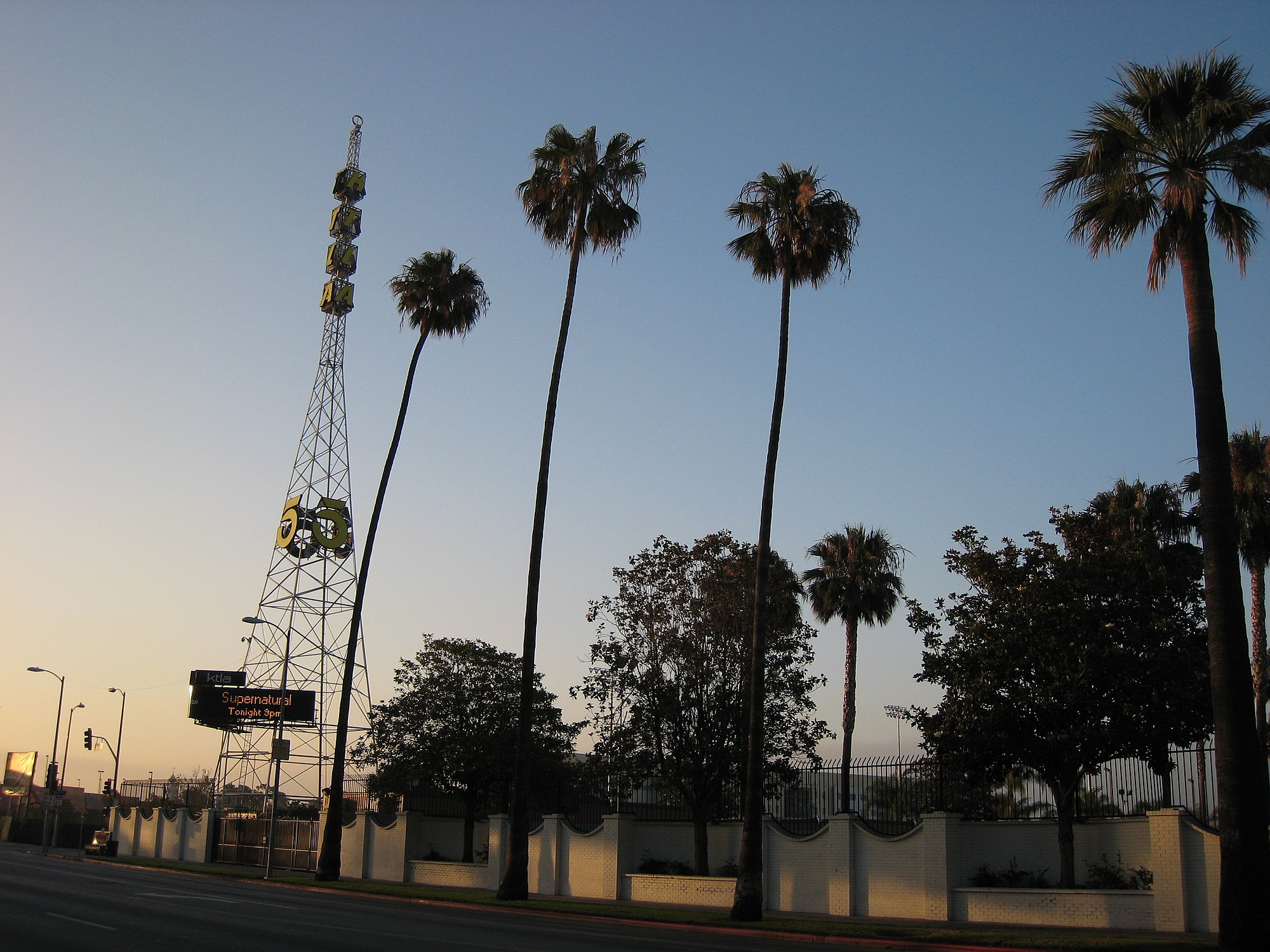
KTLA Tower on Sunset Boulevard in Hollywood
On January 22, 1947, KTLA in Los Angeles became the first licensed commercial broadcast TV station west of the Mississippi.
Image via Wikimedia Commons, public domain
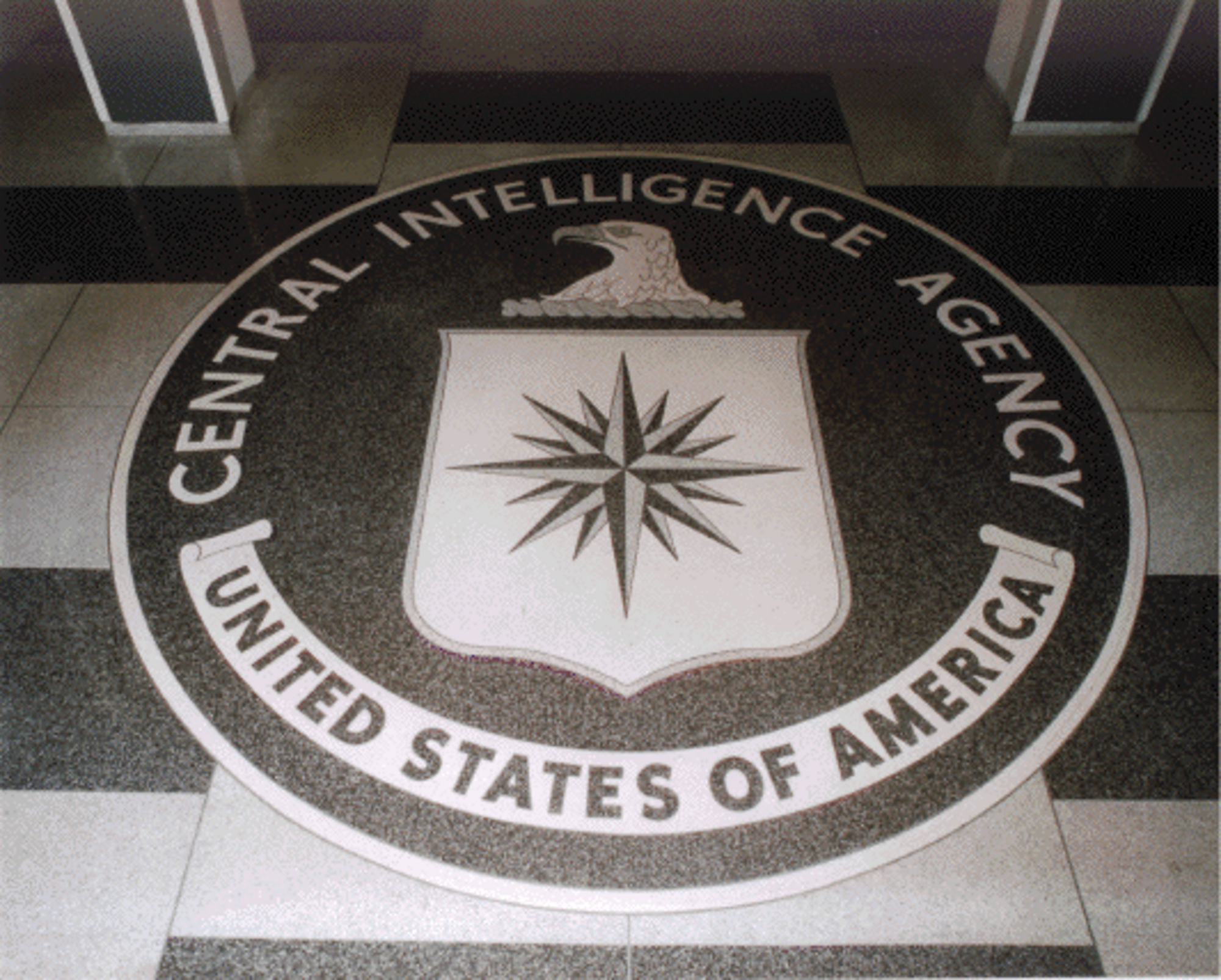
On January 22, 1946, Harry S. Truman issued a Presidential directive that created the National Intelligence Authority and Central Intelligence Group
In the following year the Central Intelligence Group became the CIA.
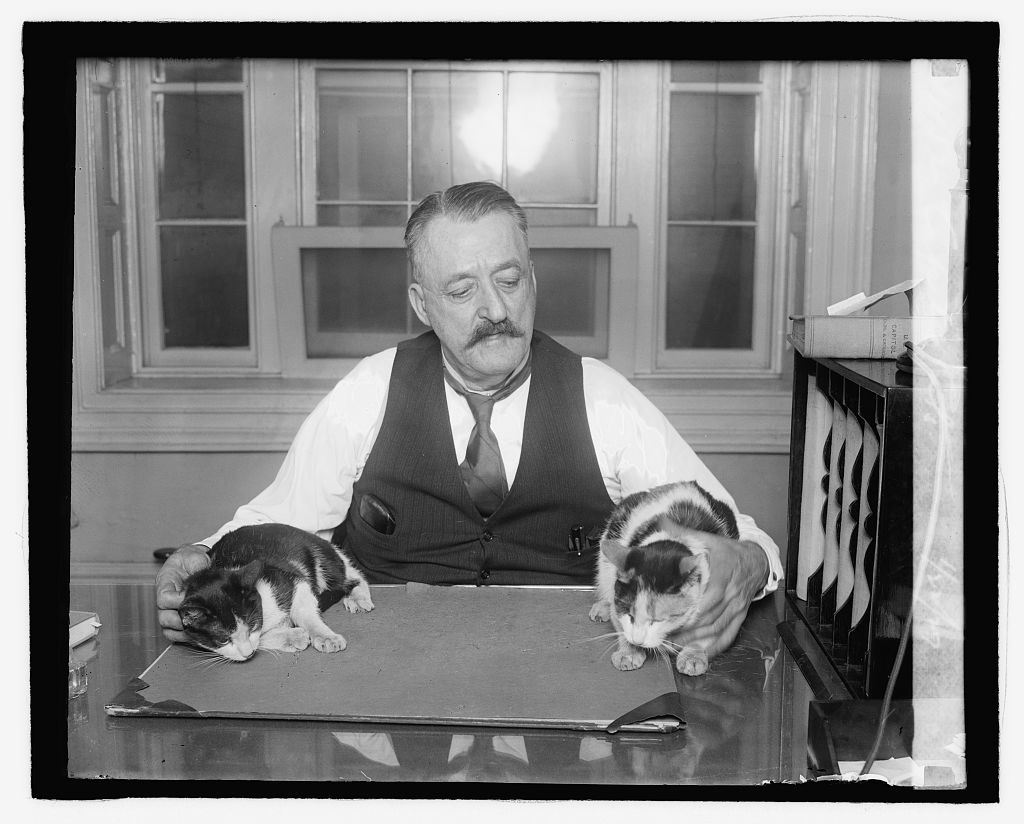
Capitol Cats, 1/22/1927
Image via LOC, no known restrictions
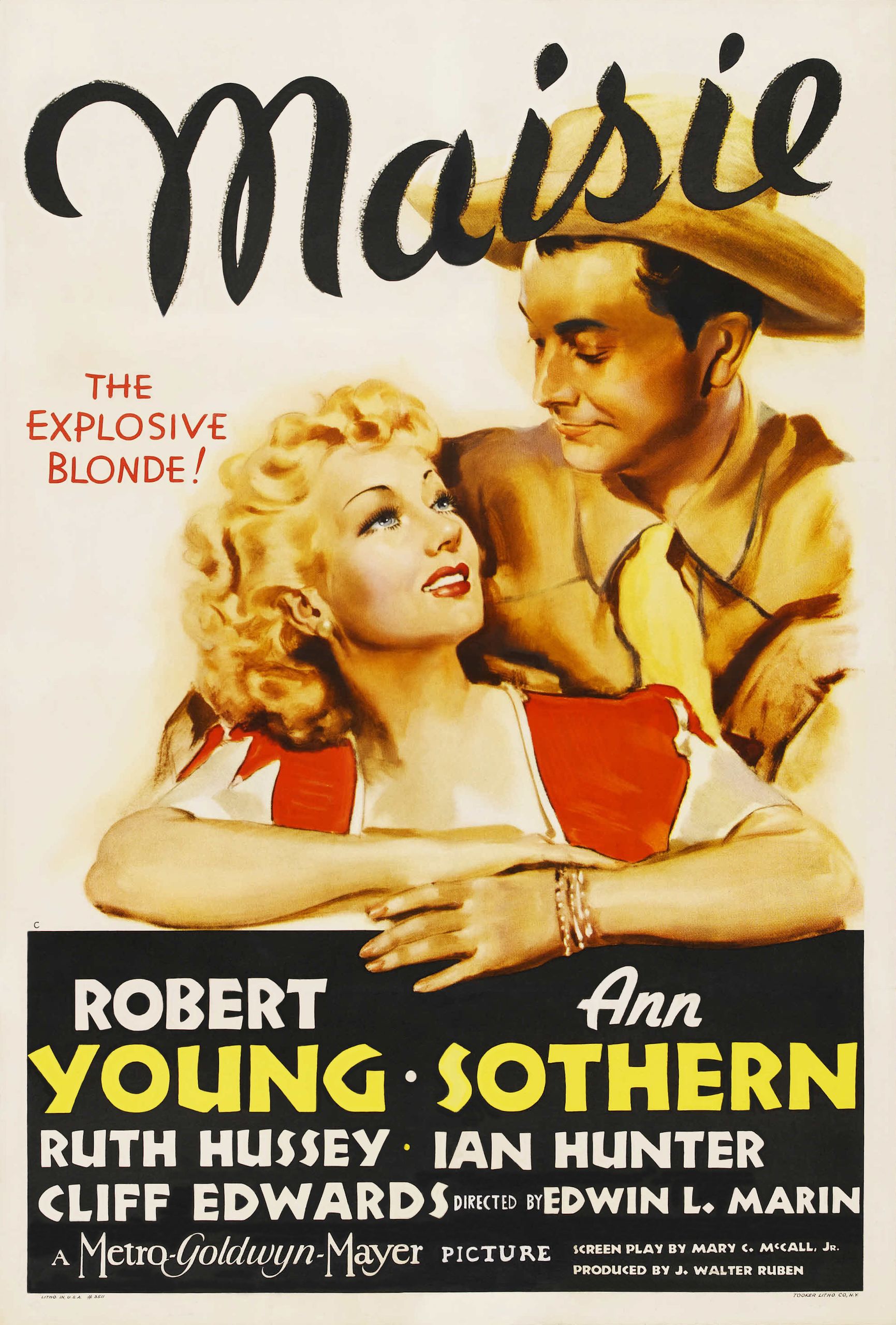
A movie poster for the 1939 film “Maisie” starring Ann Sothern and Robert Young.
Ann Sothern was born on January 22, 1909, in Valley City, North Dakota.
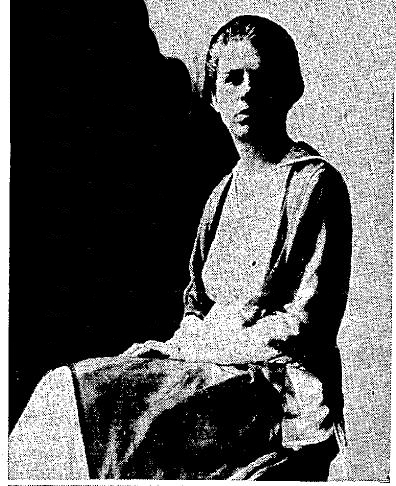
Ellis Park
Little park that I pass through,
I carry off a piece of you
Every morning hurrying down
To my work-day in the town ;
Carry you for country there
To make the city ways more fair.
I take your trees.
And your breeze,
Your greenness,
Your cleanness,
Some of your shade, some of your sky,
Some of your calm as I go by;
Your flowers to trim
The pavements grim;
Your space for room in the jostled street
And grass for carpet to my feet.
Your fountains take and sweet bird calls To sing me from my office walls.
All that I can see I carry off with me.
But you never miss my theft, So much treasure you have left. As I find you, fresh at morning, So I find you, home returning —
Nothing lacking from your grace. All your riches wait in place
For me to borrow
On the morrow.
Do you hear this praise of you, Little park that I pass through?
by American poet Helen Hoyt who was born on January 22, 1887 in Norwalk, Connecticut.
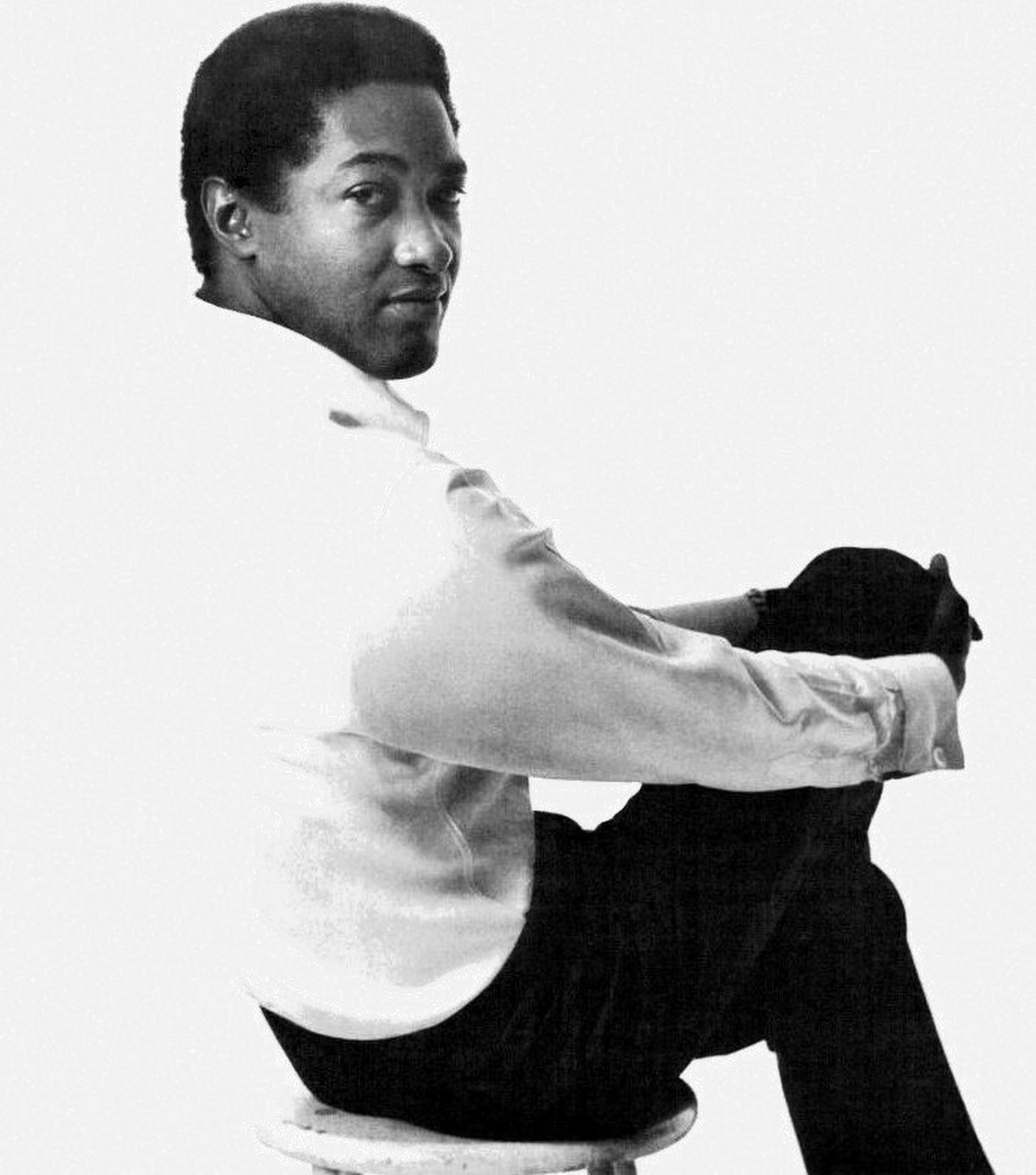
On today’s date January 22, 1931, American singer and songwriter Sam Cooke was born in Clarksdale, Mississippi.
Photo: Sam Cooke via Wikimedia Commons, no known restrictions
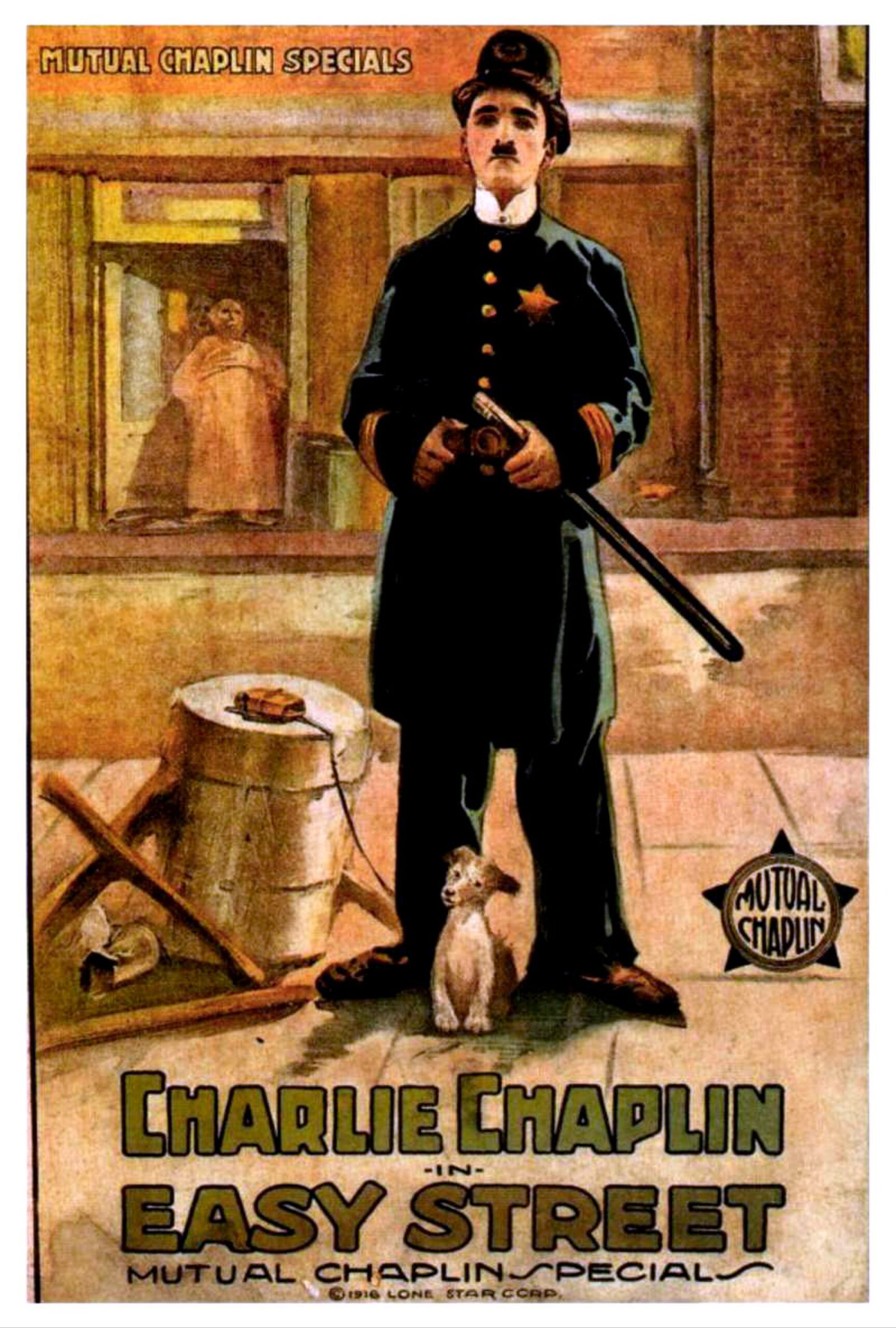
The silent film “Easy Street” starring and directed by Charlie Chaplin was released on January 22, 1917.
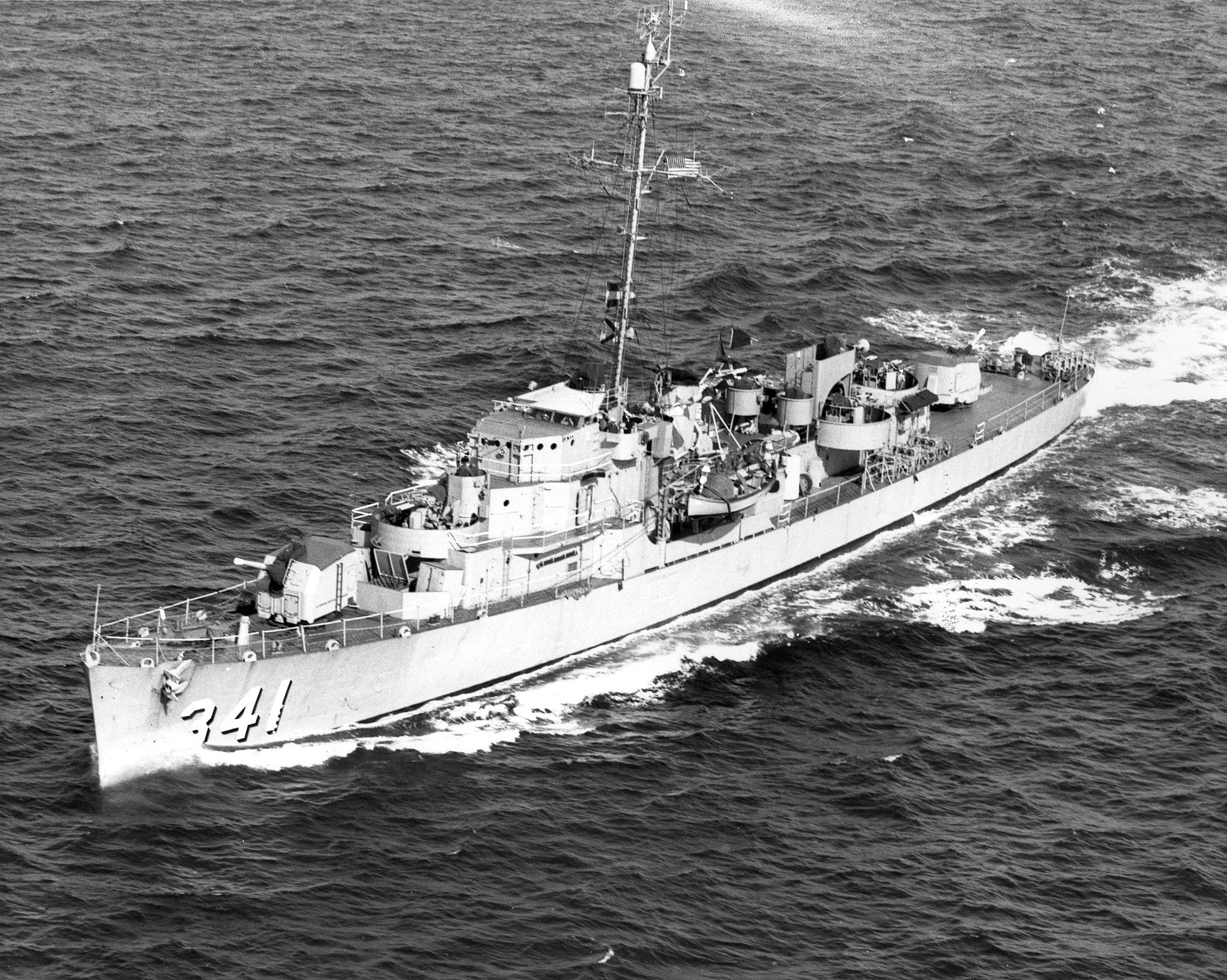
On January 22, 1974, the USS Raymond, a decommissioned Navy destroyer that was used during WWII, was sunk as a target by U.S. aircraft off the coast of Florida.
Image of the USS Raymond in 1956 via Wikimedia Commons, public domain
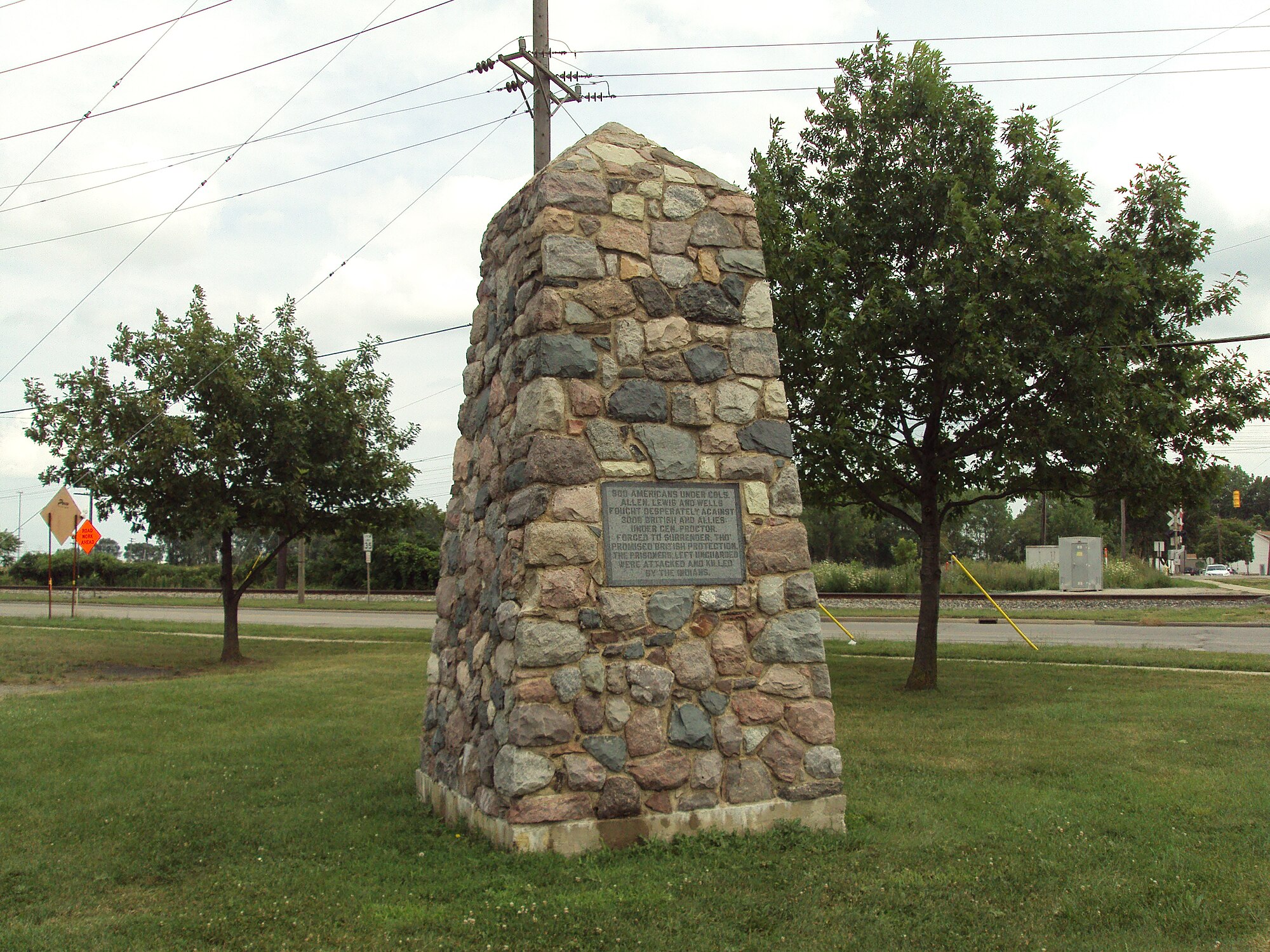
On January 22, 1813, nearly 400 Americans gave their lives during the Battle of Frenchtown in the Michigan Territory.
Image of the obelisk commemorating the Battle of Frenchtown via Wikimedia Commons, public domain
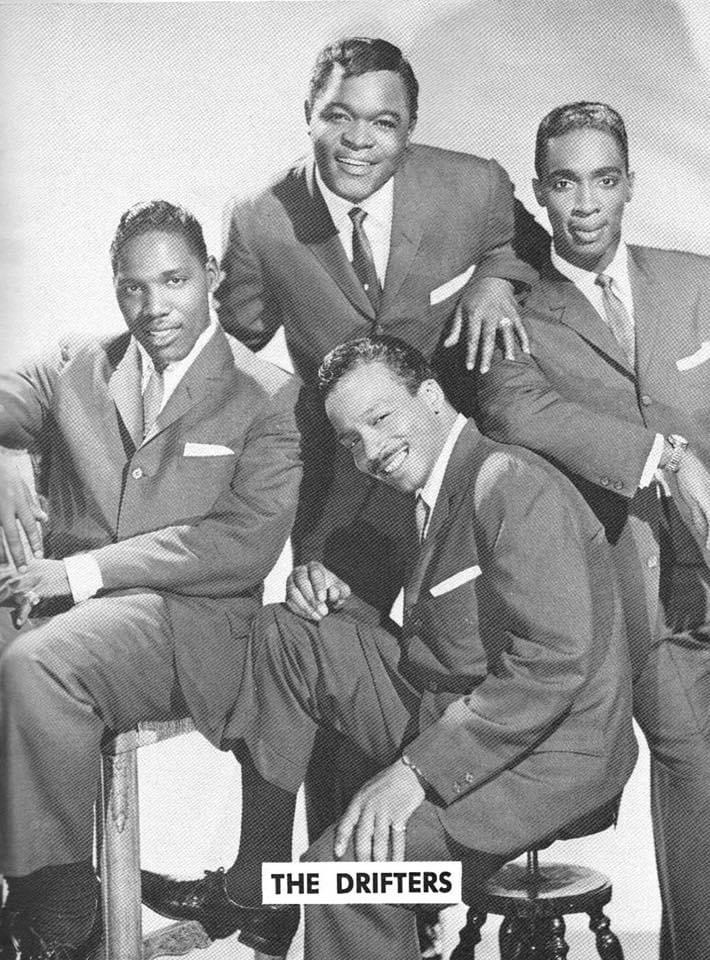
On today’s date January 22, 1963 The Drifters recorded “On Broadway”
Image: “The Drifters, 1961” via Wikimedia Commons, public domain in The United States
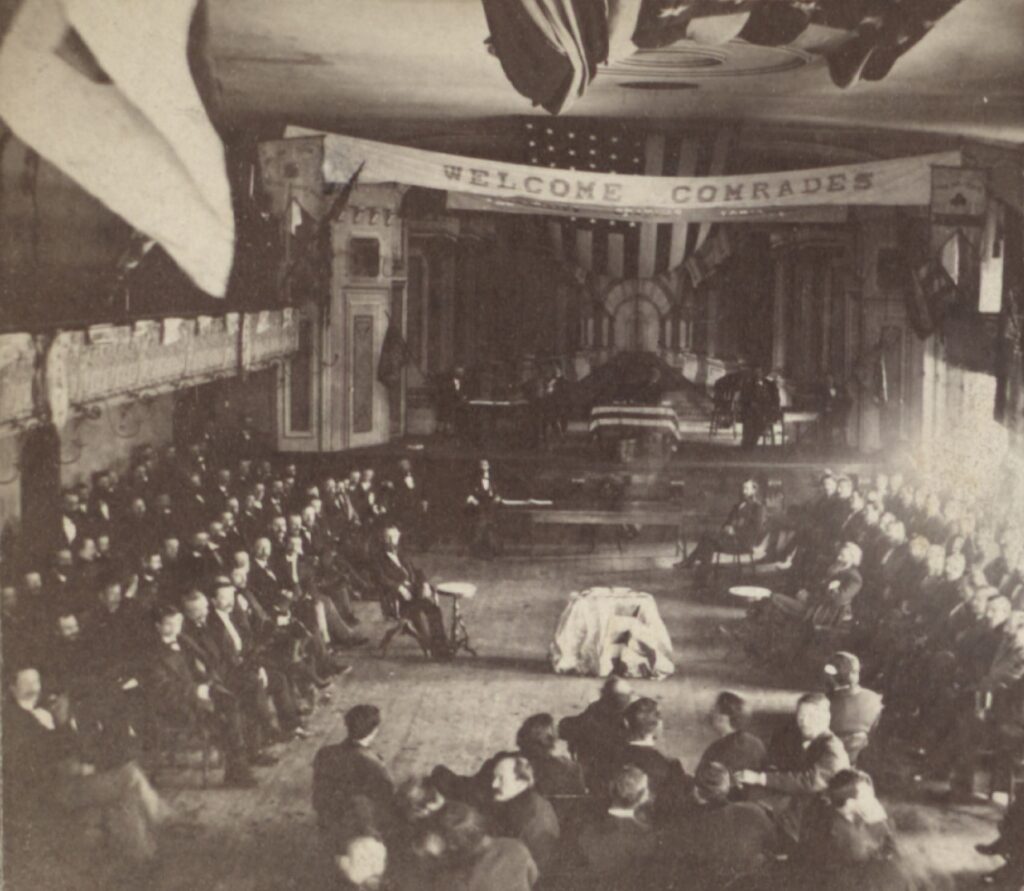
“Welcome, Comrades”
One of the earliest Grand Army of the Republic gatherings, photographed in Utica, New York, on January 22, 1874—just nine years after Appomattox, when the veterans’ fraternity was still young and its members still close to the war.
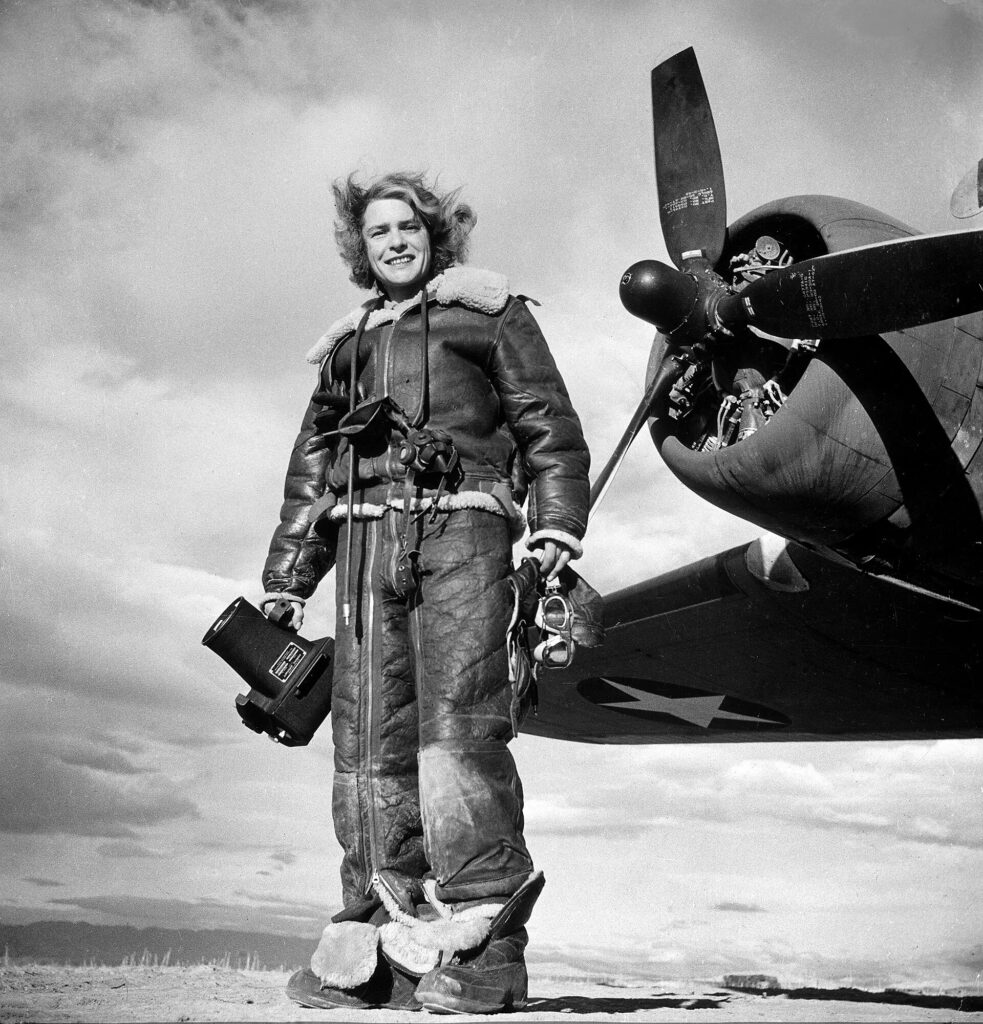
January 22, 1943 — Tunisia
They called her “Maggie the Indestructible,” and on that winter morning she lived up to the name. Margaret Bourke-White became the first woman to fly on a U.S. combat mission, climbing aboard Major Rudolph Emil Flack’s B‑17F as it led a bombing run over the El Aouina Airdrome. She wasn’t granted access as a courtesy—she earned it through grit, trust, and the fearless reporting that had already taken her to the front lines of North Africa and Italy.

On January 22, 1992, NASA officially archived this photograph from its virtual‑reality program at Ames Research Center. Some records suggest the image itself may have been taken several years earlier, during the late‑1980s push to refine head‑mounted displays, data gloves, and immersive interfaces. VR wasn’t new by then—researchers had been experimenting with it for decades—but it was still an emerging tool inside NASA, reshaping how astronauts rehearsed complex tasks long before they reached orbit. The photo captures that transitional moment when the technology was no longer a prototype, yet not quite mainstream either.

When Anna Christie premiered at the Criterion Theatre on January 22, 1930, audiences arrived with one question: what would Greta Garbo sound like? Her first spoken line — delivered after nearly four years of silent‑era mystique — landed like a cinematic thunderclap. Critics praised the film’s smoky realism, its daring shift toward adult drama, and Garbo’s unexpectedly husky, magnetic voice. Marketed with the now‑legendary promise “Garbo Talks!”, the film became both a box‑office sensation and a cultural turning point, proving that Hollywood’s most enigmatic star could command the new era of sound with the same hypnotic force she held in silence.
