
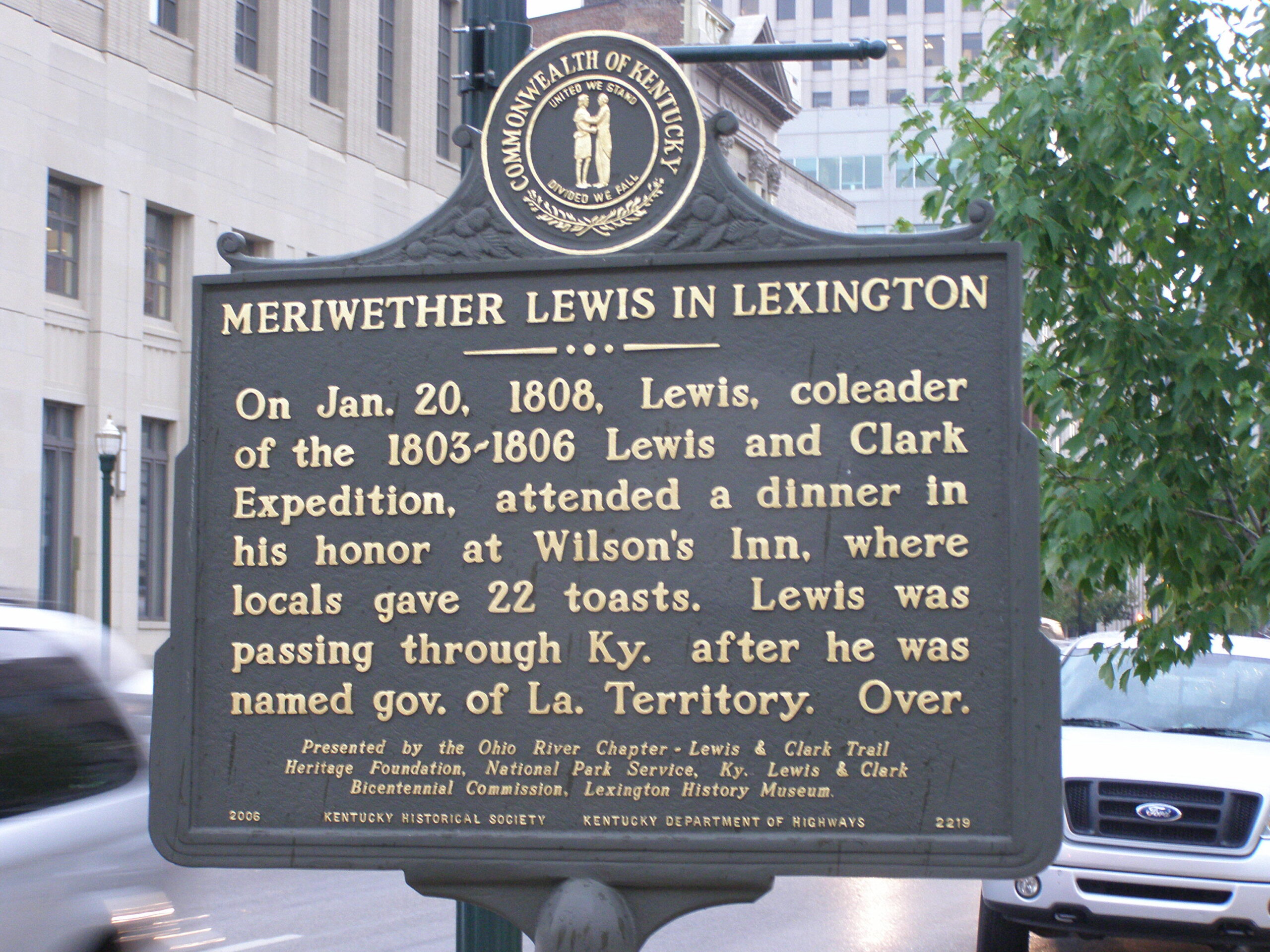
There was a dinner given in honor of Meriwether Lewis at Wilson’s Inn in Lexington, Kentucky on January 20, 1808.
Meriwether Lewis, who was present, received 22 toasts during the gathering.
Image by Chris Light via Wikimedia Commons, CC BY SA 4.0
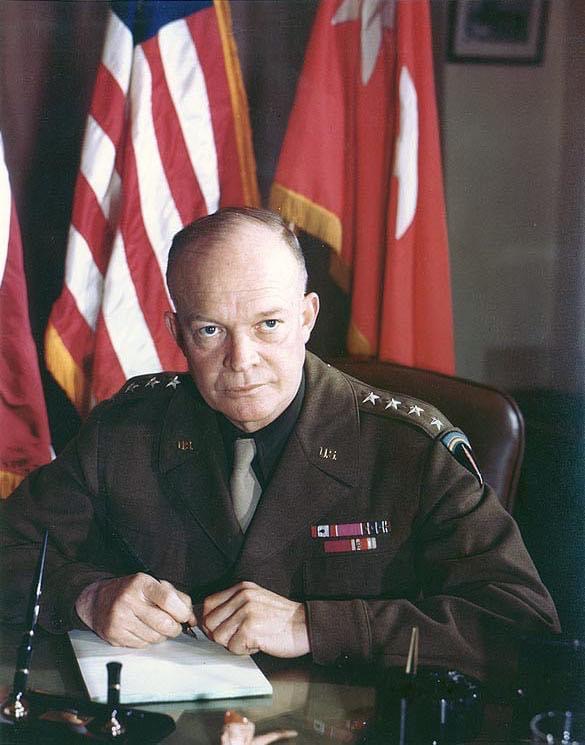
“A people that values its privileges above its principles soon loses both.”
– Dwight D. Eisenhower during his inaugural address on January 20, 1953
Image: General Dwight D. Eisenhower, 1943 via Wikimedia Commons, public domain
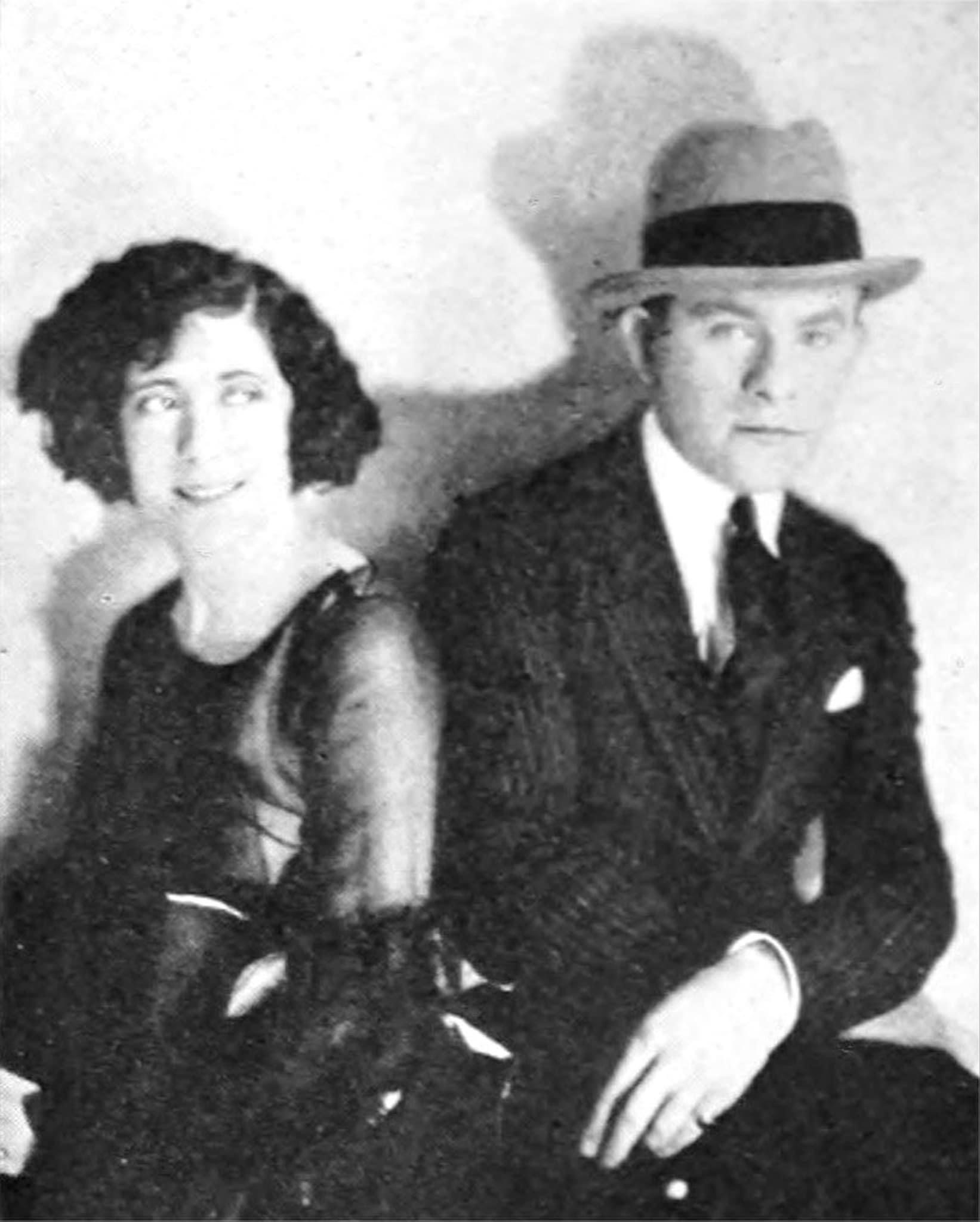
Vaudeville performers Gracie Allen and George Burns c. 1924
On January 20, 1896, George Burns was born in New York City.
Image via Wikimedia Commons, public domain
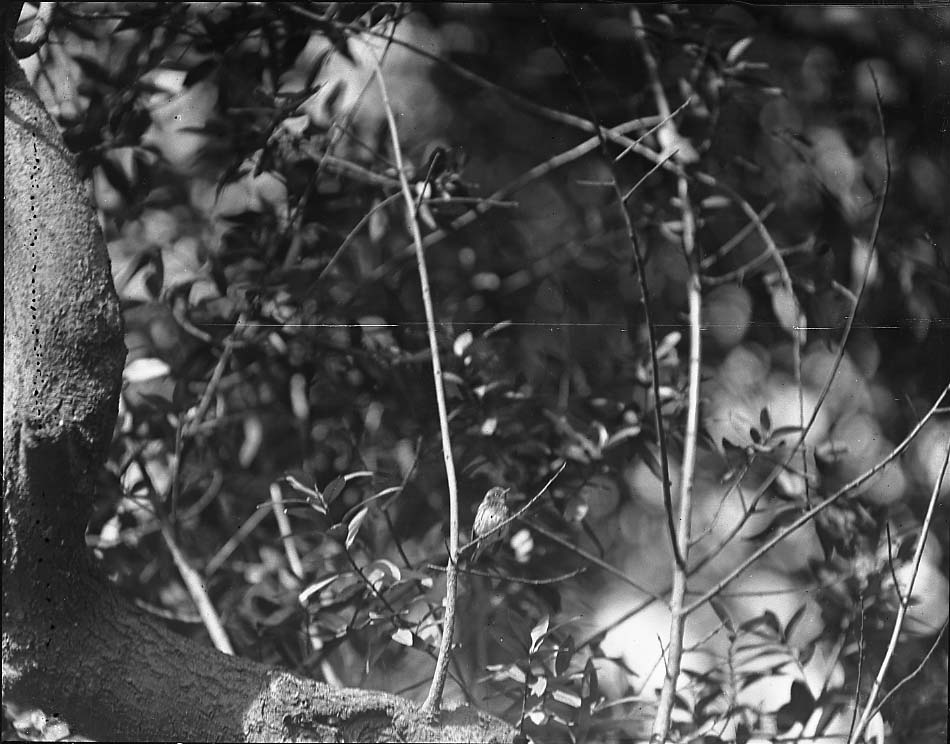
Seems like a photo of a bunch of tree branches, doesn’t it? Zoom in and take a closer look. Do you see the little Townsend Warbler (bird) sitting on a small branch in the lower center of the photo?
The Townsend Warbler was named for American naturalist John Kirk Townsend, a Quaker from Philadelphia, who went on an expedition to Pacific coast in the 1830s.
He formally described the bird in 1837.
In addition to the Townsend Warbler, there are many other animals named for John Kirk Townsend. These include a pocket gopher, a bat, another bird, a chipmunk, a ground squirrel and others.
Image taken on January 20, 1925 at Yosemite National Park from NPS via Wikimedia Commons, public domain
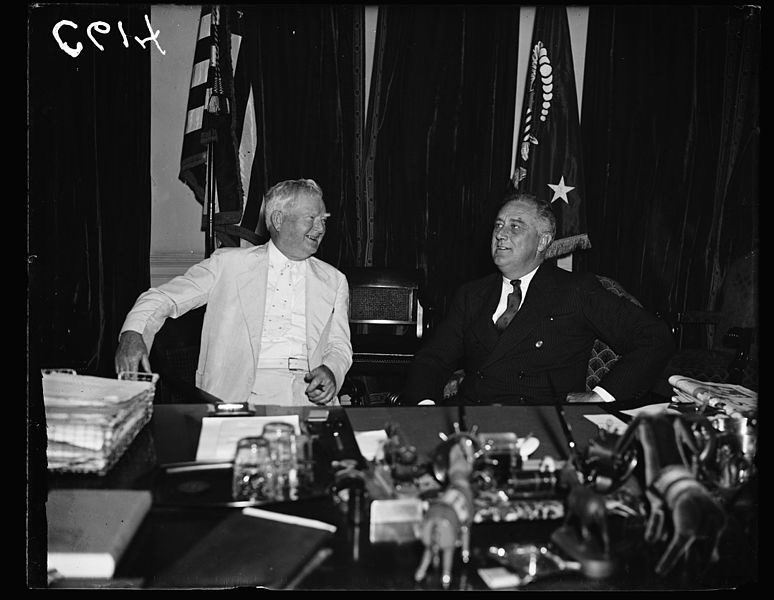
On January 20, 1937, Franklin Roosevelt was sworn in to his second presidential term. Although the ceremony was the 38th inauguration it was the first held on January 20. The 20th Amendment to the Constitution brought about the change in dates. FDR is shown with Vice President John Nance Garner.
Image from LOC via Wikimedia Commons, public domain in the US.
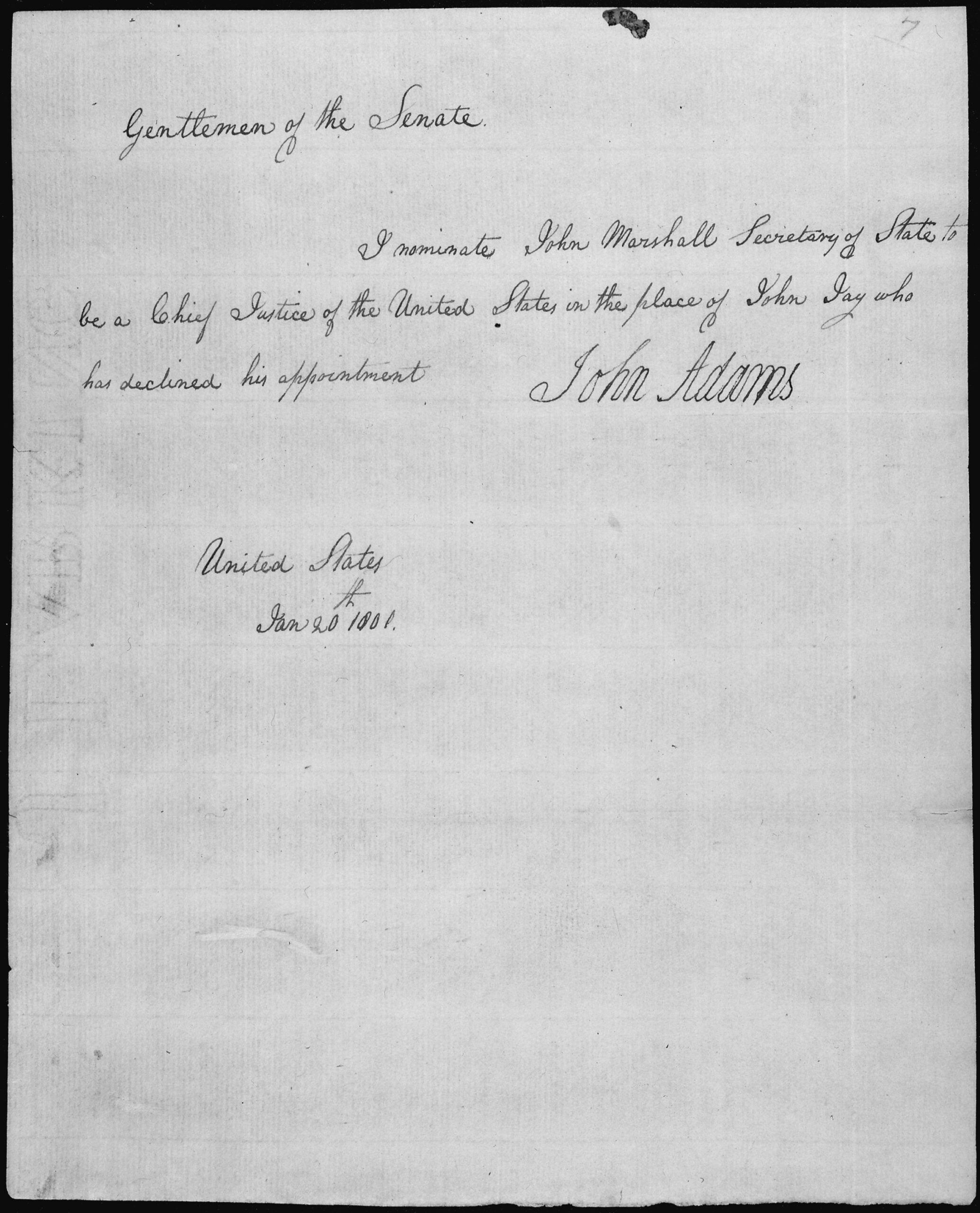
Message of President John Adams nominating John Marshall to be Chief Justice of the Supreme Court.
January 20, 1801
Image via Wikimedia Commons, public domain
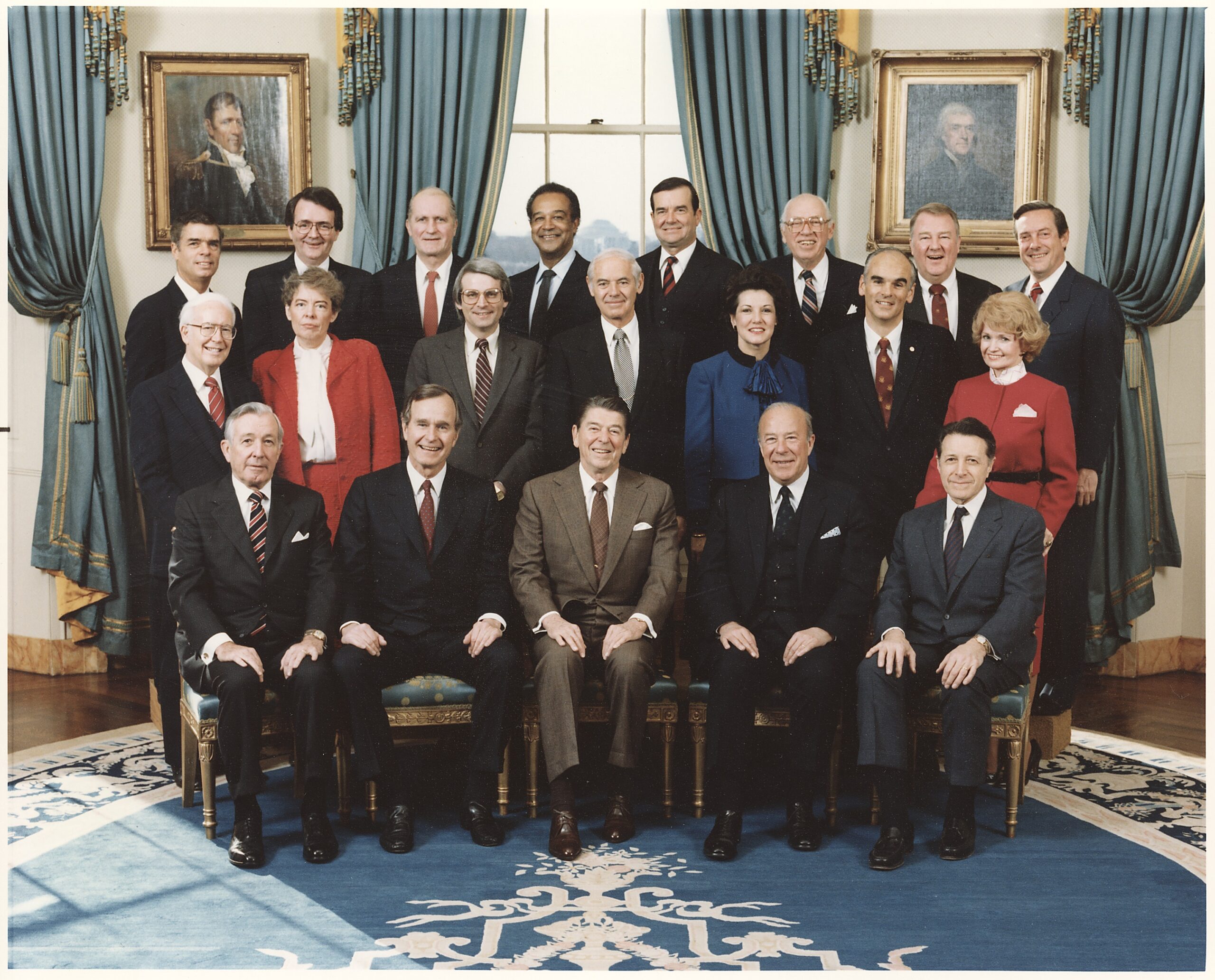
A photo of President Ronald Reagan and his Cabinet that was taken on January 20, 1984
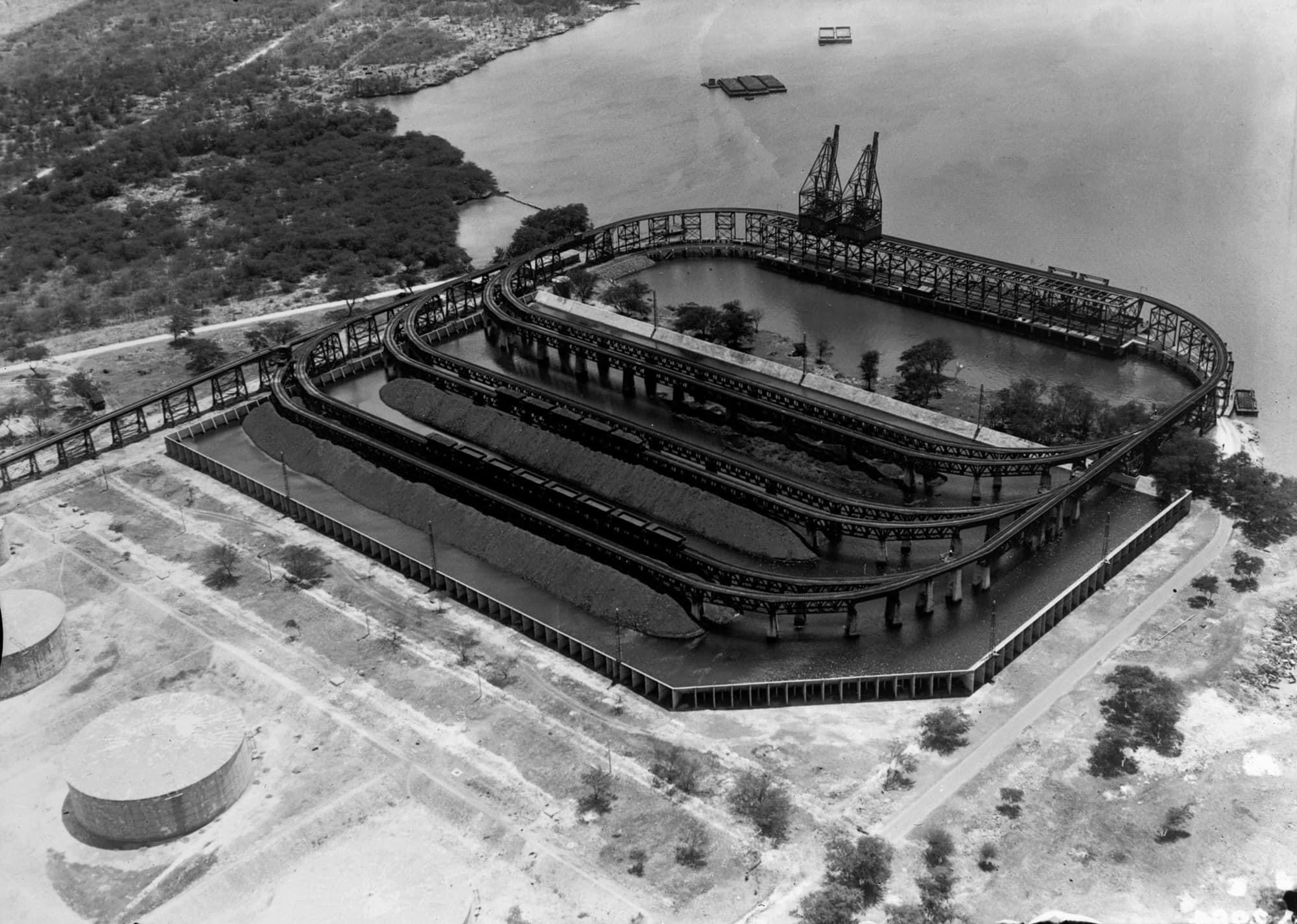
A coaling station at Pearl Harbor in Hawaii in 1919
On January 20, 1887 the U.S. Navy was authorized by the U.S. Senate to establish a coaling station at Pearl Harbor.
Image via Wikimedia Commons, no known restrictions

James Stephen Hogg took office on January 20, 1891. He was the first native-born Governor of Texas.
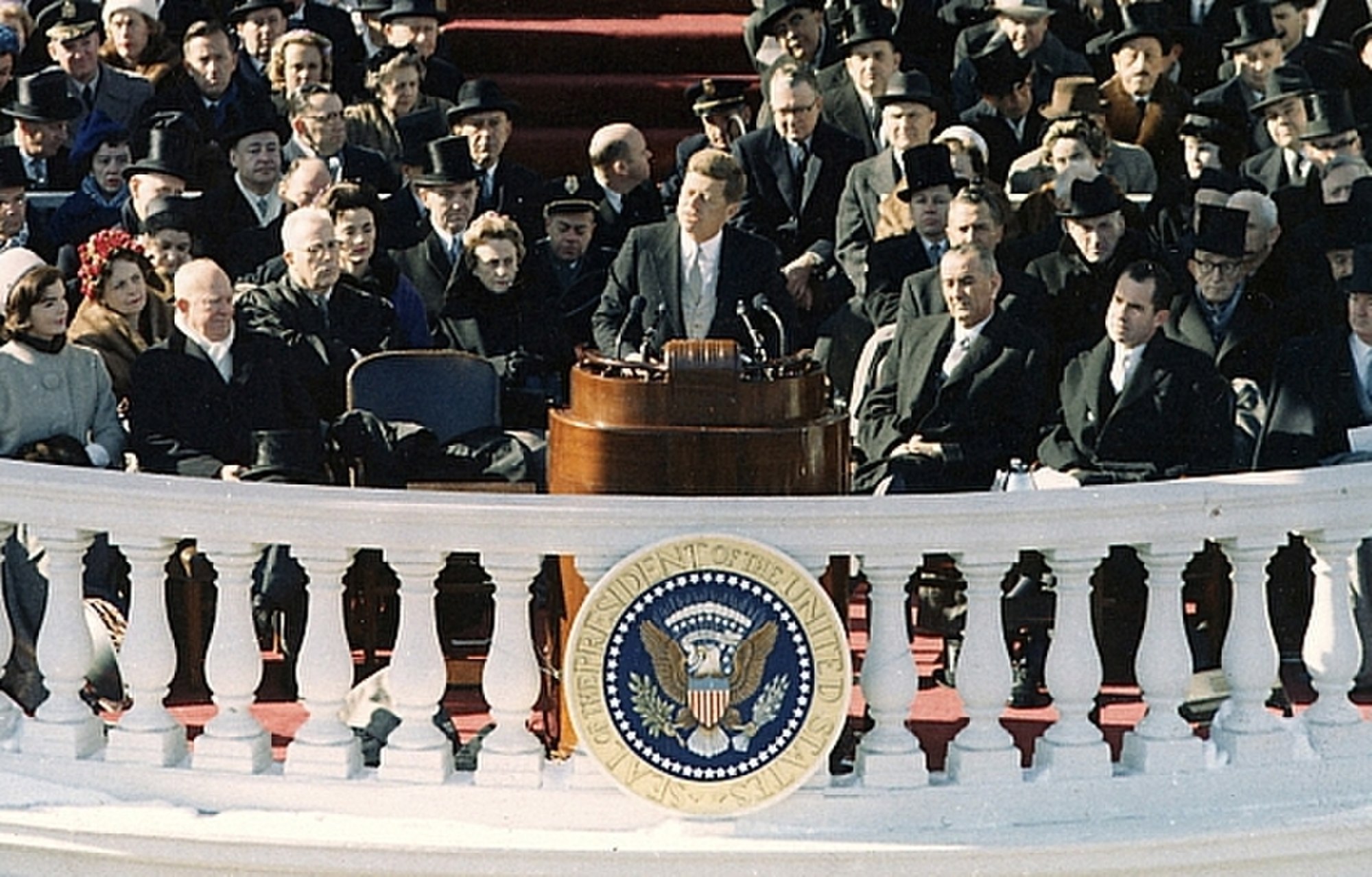
On January 20, 1961, John F. Kennedy delivered his inaugural address where he said:
“And so, my fellow Americans: ask not what your country can do for you—ask what you can do for your country.”
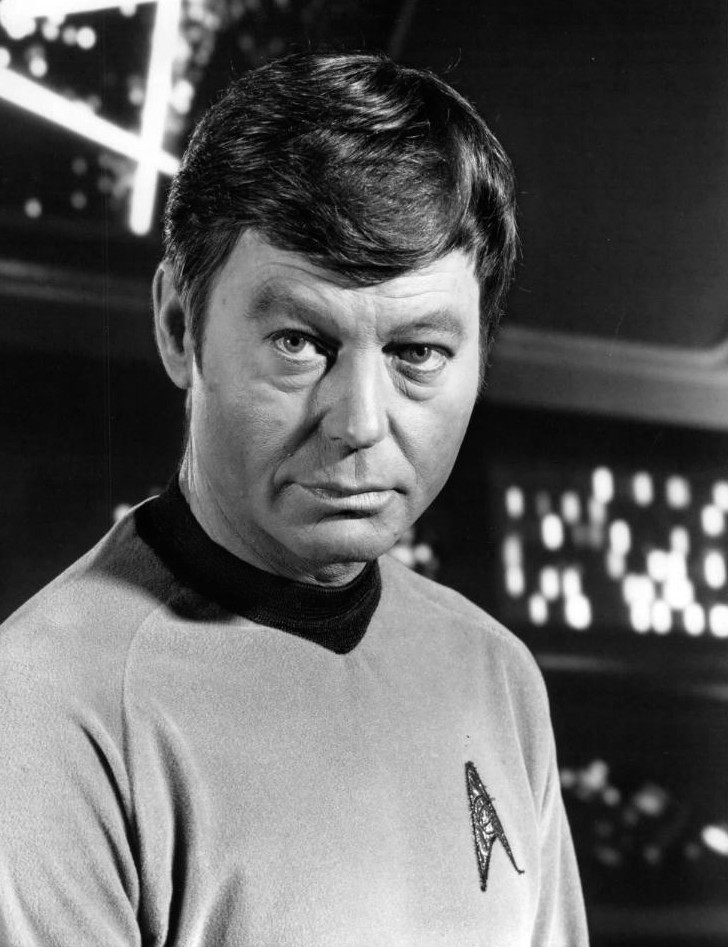
DeForest Kelley was born on
January 20, 1920 in Toccoa, Georgia.
As a young man he had aspirations of going to medical school.
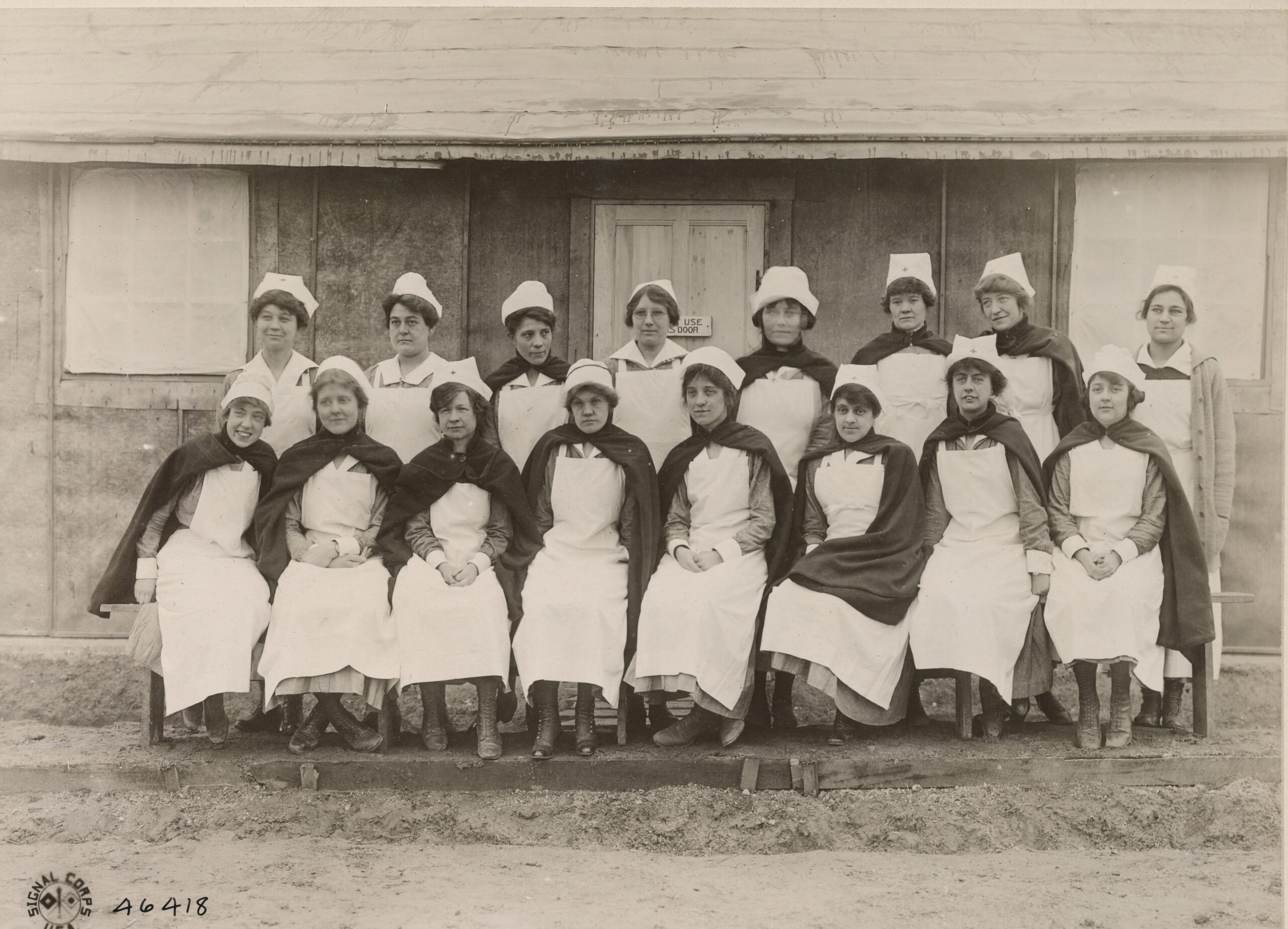
Nurses at American Base Hospital No. 72. Mesves, Nievre, France
January 20, 1919
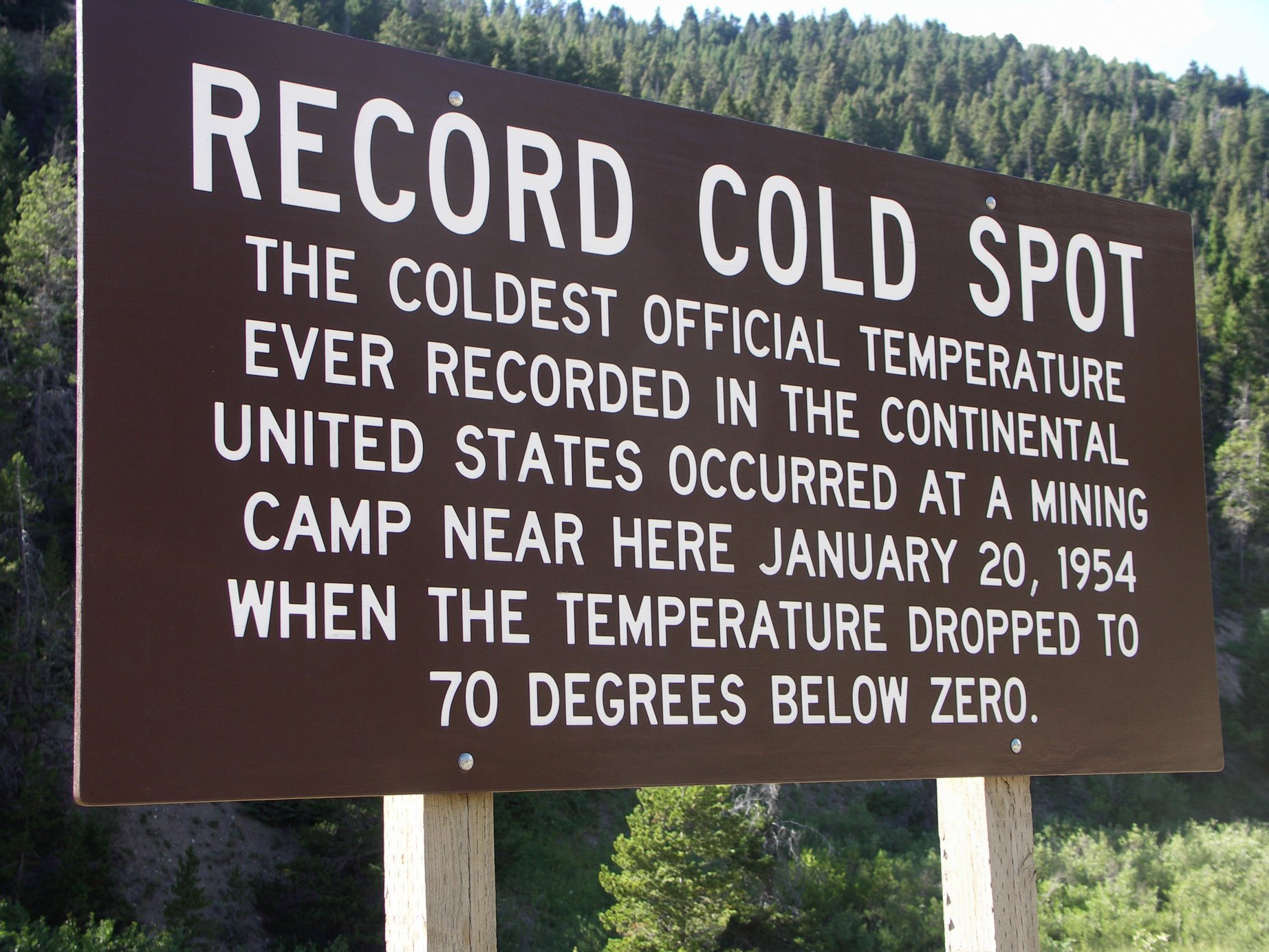
Sign at Roger’s Pass reads: Record Cold Spot. The coldest official temperature ever recorded in the continental United States occurred at a mining camp near here January 20, 1954 when the temperature dropped to 70 degrees below zero. The area is high in the hills or mountains in western Montana.
Image via Alamy
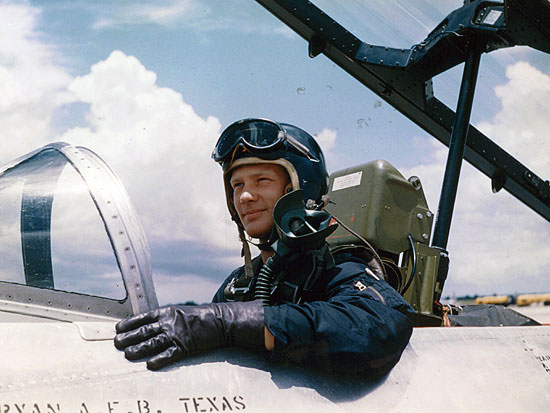
Edwin “Buzz” Aldrin was born on January 20, 1930 in Glen Ridge, New Jersey.
Image: Buzz Aldrin in the cockpit of a Lockheed T-33A Shooting Star in 1954 via Wikimedia Commons, public domain
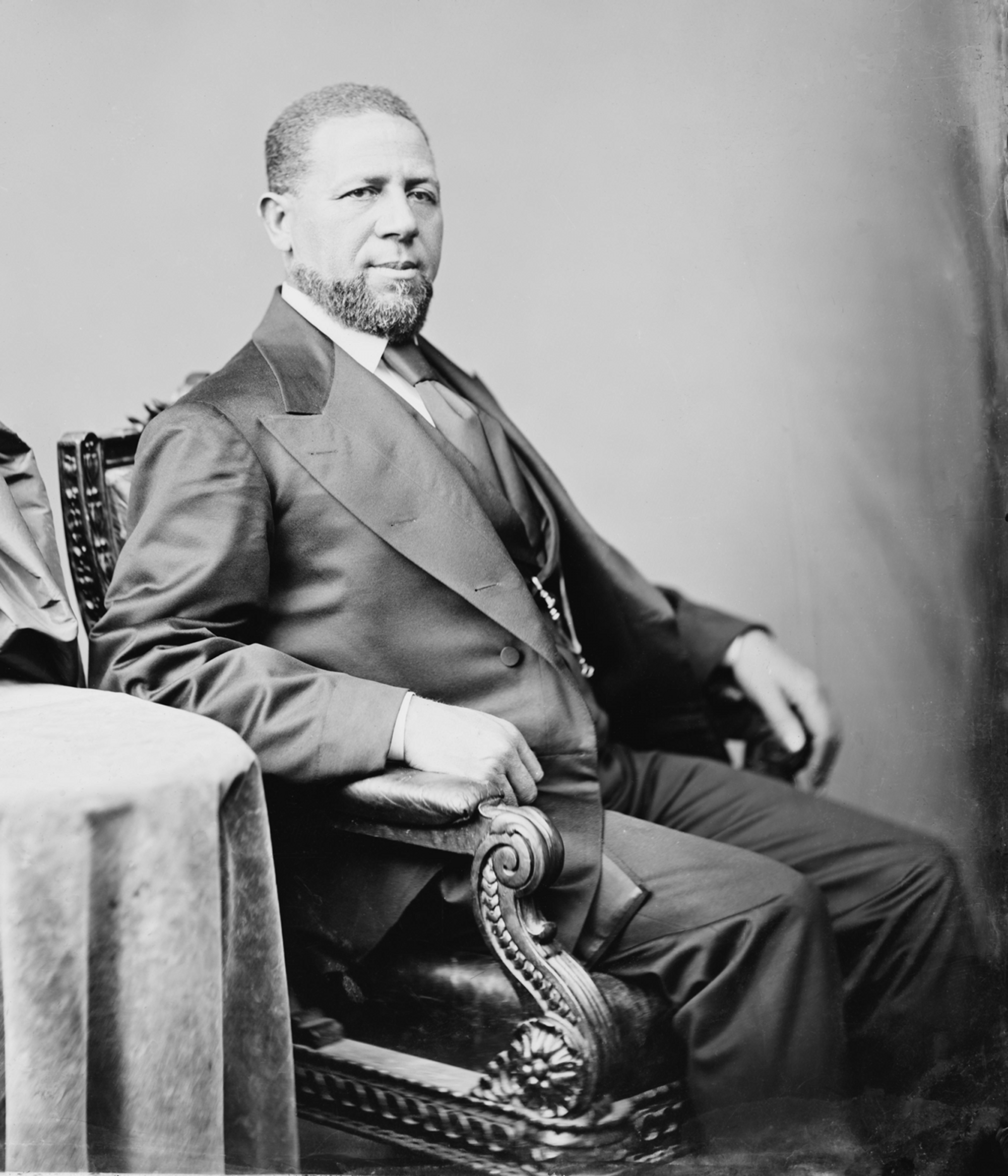
On January 20, 1870, Mississippi Legislature elected Union Civil War veteran Hiram Revels to the U.S. Senate.
He was the first African American to serve in either house of U.S. Congress.
Revels took office in February of that year, only a short time after Mississippi was readmitted to the Union.
Image of Hiram Revels via Wikimedia Commons, public domain
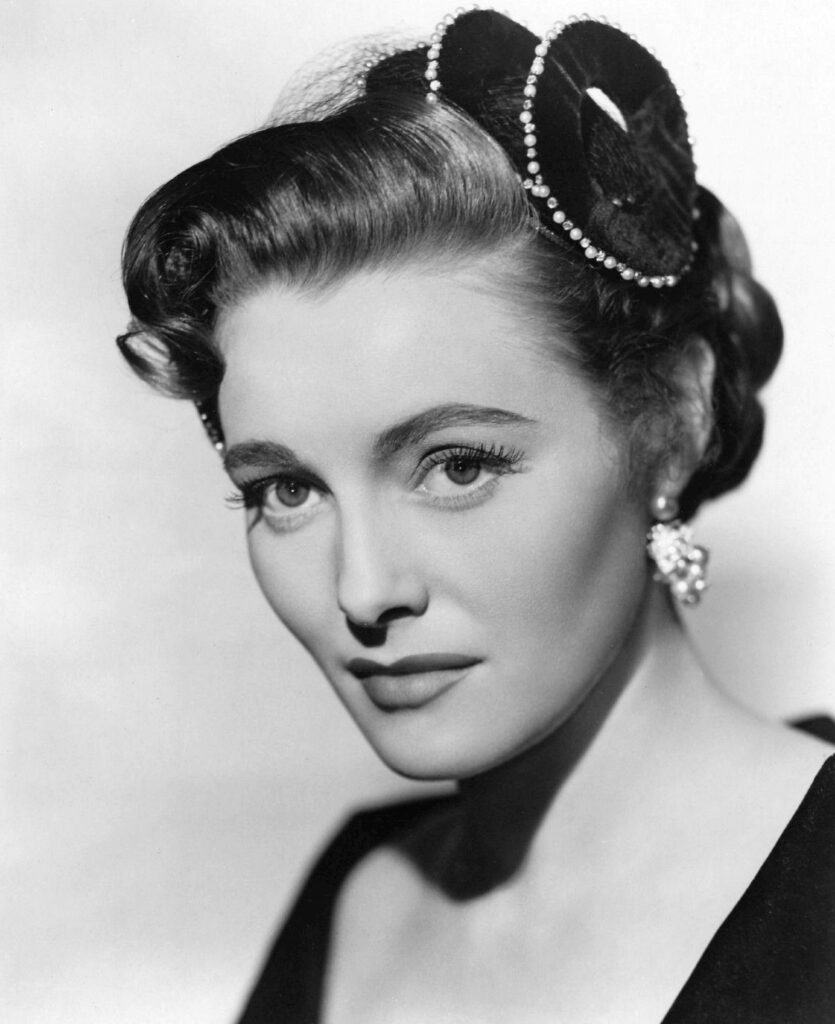
American actress Patricia Neal—born January 20, 1926, in Packard, Kentucky—built a remarkable career on stage and screen, starring alongside icons like Gary Cooper, John Wayne, Ronald Reagan, Paul Newman, Andy Griffith, and many others.
Off screen, she became just as influential: a pioneering advocate for stroke recovery, an outspoken voice for patient dignity, and the inspiration behind a rehabilitation center that still bears her name. Through her memoir and her public advocacy, she used her own hardships to help others find strength in theirs, leaving a legacy defined not only by her performances but by her resilience and humanity.
Image via Wikimedia Commons, public domain

A ticket for $5.75 to the 1970 NHL All-Star Game that took place on January 20th of that year at the St. Louis Arena in St. Louis, Missouri.
The game aired on CBS and it was the first time that the NHL All-Star game was held outside of the Stanley Cup champion’s home rink since 1948.
The St. Louis Arena was demolished in 1999.
Image via Wikimedia Commons, by Horge • CC BY 3.0
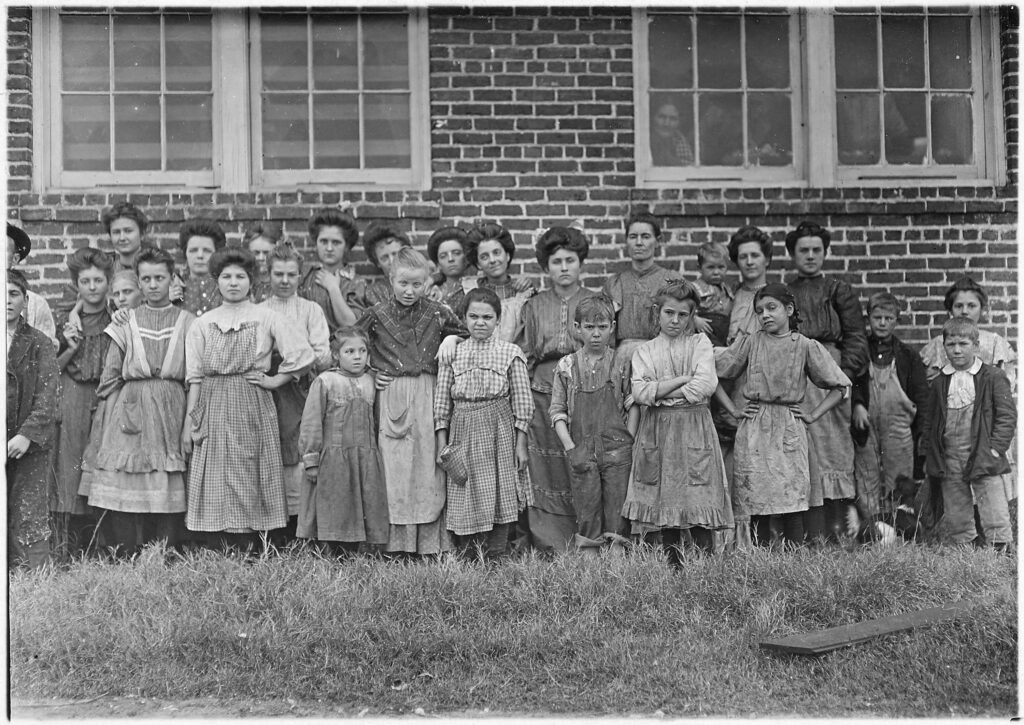
Children of the Payne Cotton Mill in Macon, Georgia.
January 20, 1909
They stand in their work clothes outside the brick walls where long hours shaped their days — some newly arrived to the job, others already carrying the weight of months inside the mill. No names recorded, no ages written down, just a group of boys and girls asked to shoulder adult work far too early. The photograph preserves what the records did not: their faces, their posture, and the truth of the childhoods spent here.
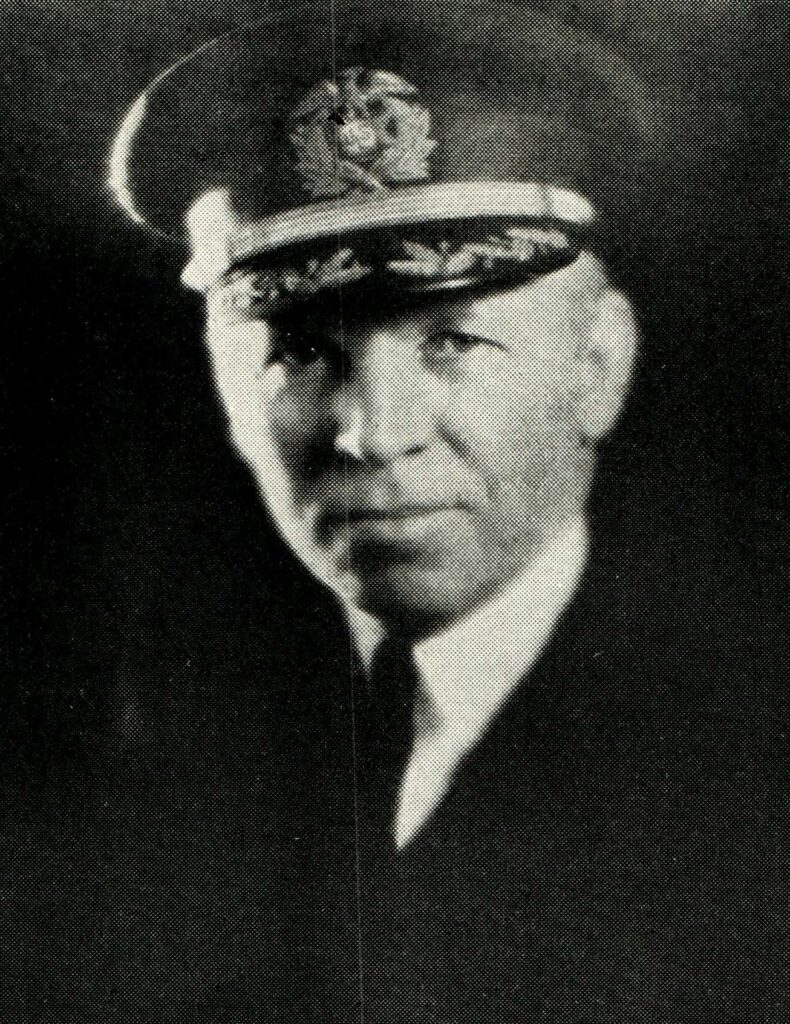
On January 20, 1926, the SS President Roosevelt steamed out of New York under the command of Captain George Fried, bound for Europe and straight into a winter hurricane. Later that month, the ship intercepted a distress call from the British steamer Antinoe, drifting helplessly in the storm. For days, Fried held the Roosevelt in position beside the sinking vessel, launching rescue attempt after rescue attempt through freezing spray and towering seas. Two of his own men were lost, lifeboats were smashed, and still he refused to abandon the Antinoe. By the end of January, all 25 of her surviving crew had been brought aboard — a rescue broadcast by radio to millions and celebrated around the world.
In February, New York honored Fried and his crew with a ticker‑tape parade down Broadway, recognizing a feat of seamanship and courage that became one of the great legends of the Atlantic.
Image from Dcw2003 via Wikimedia Commons CC BY SA 3.0
