
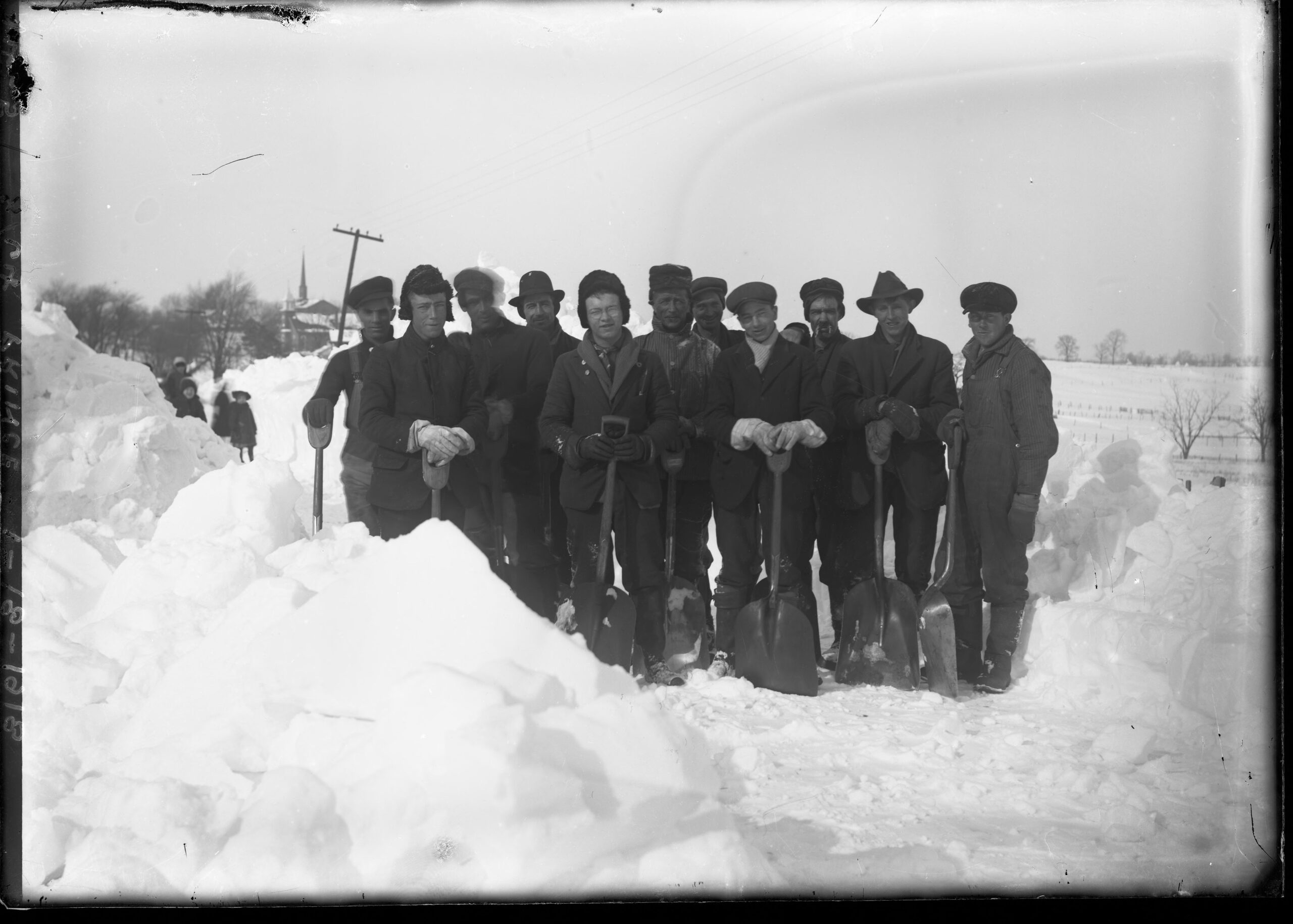
Photograph of a snow shoveling group, Monroe, Ohio
January 18, 1918
Image via Wikimedia Commons,
public domain
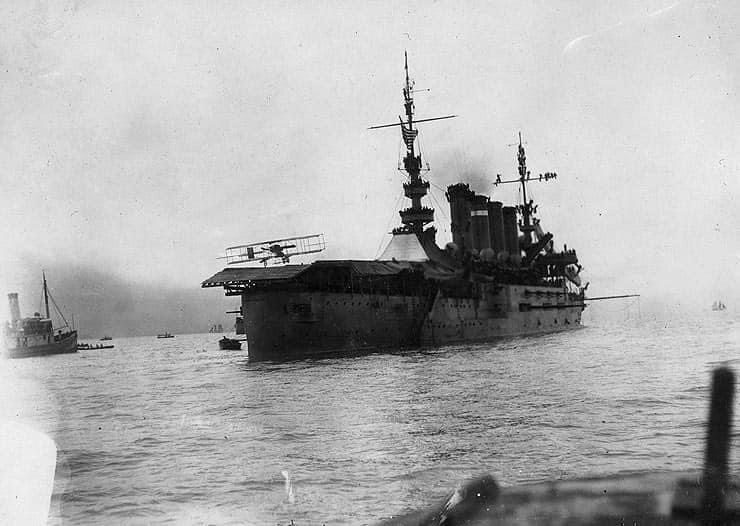
This remarkable photograph, taken in San Francisco Bay on January 18, 1911, shows the first time a fixed-wing aircraft landed on a ship. The vessel was the armored cruiser USS Pennsylvania and pilot Eugene Ely was a civilian because the Navy had not yet developed an aviation branch.
Image from USNHC via Wikimedia Commons,
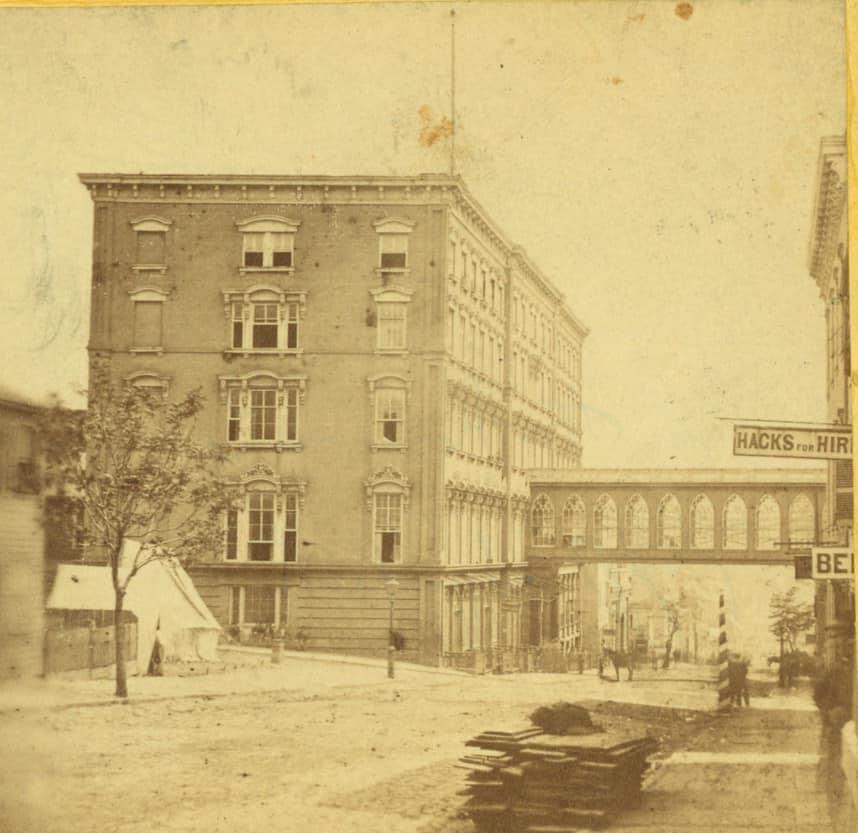
The Ballard Hotel in Richmond, Virginia
The place where former President John Tyler passed away on January 18, 1862.
Photo by Alexander Gardner via Wikimedia Commons, public domain

Cary Grant & Ingrid Bergman in Notorious, 1946
Cary Grant was born on January 18, 1904.
In 1942, he became an American citizen.
Image via Wikimedia Commons, public domain

On January 18, 1943, the manufacturing of sliced bread was banned by U.S. War Food Administrator Claude Wickard in an effort to conserve resources during WWII.
Image via Wikimedia commons, public domain
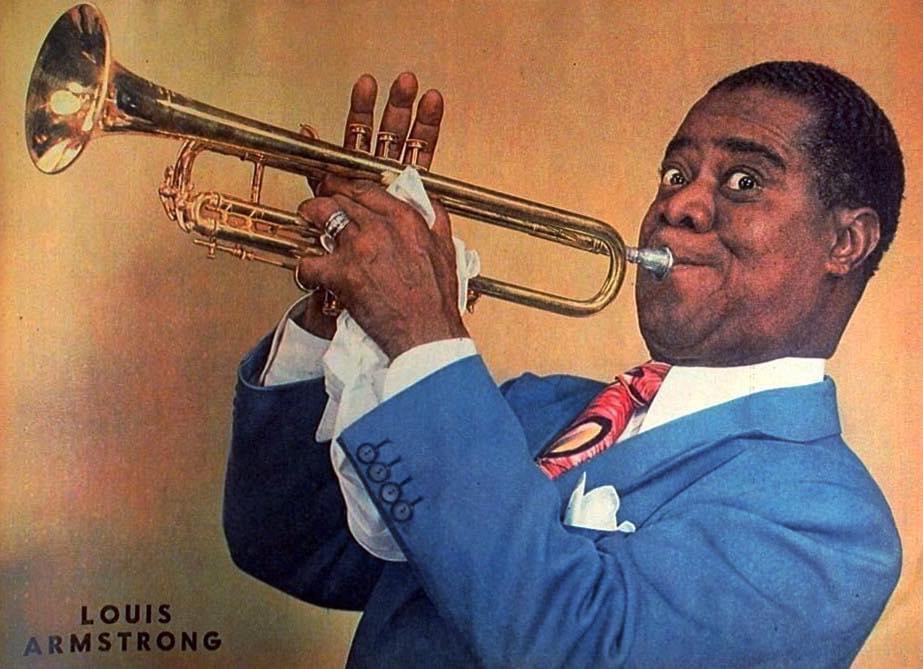
On today’s date January 18, 1939 “Jeepers Creepers” was recorded by Louis Armstrong and his orchestra. The song was performed by Armstrong in the movie Going Places in 1938.
Image: New York Sunday News, public domain via Wikimedia Commons
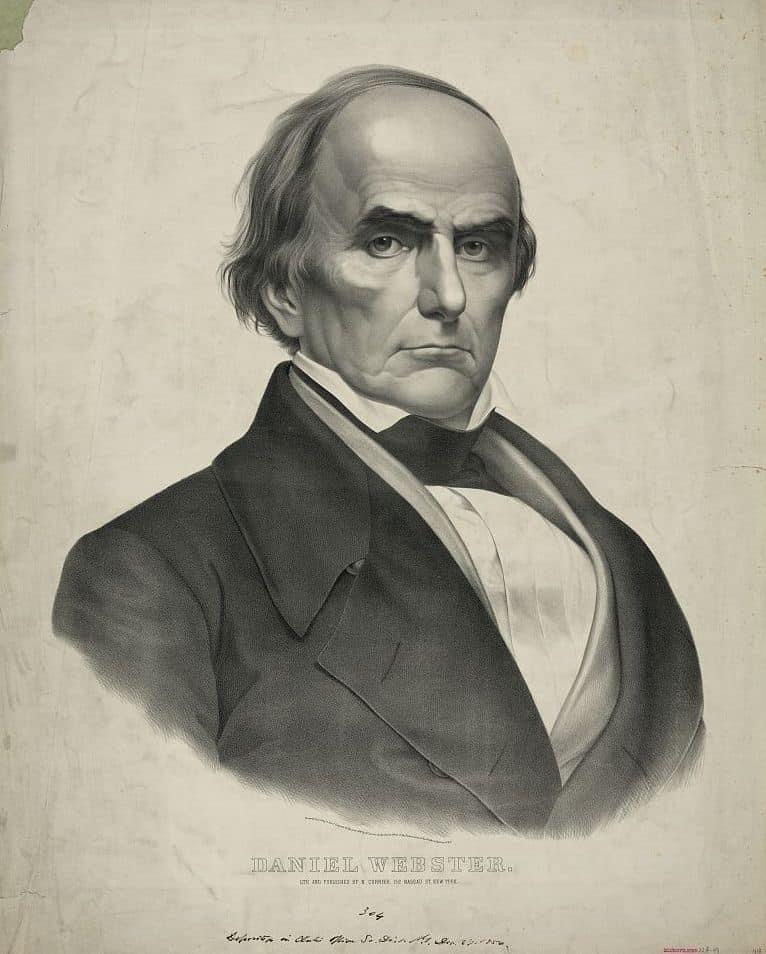
United States Secretary of State Daniel Webster was born on January 18, 1782 in Salisbury, New Hampshire.
“THE JACK-KNIFE STORY…
Little Daniel Webster and his schoolmates were studying one morning as hard as they could when the master held up a beautiful new jack-knife.
Every boy looked up from his spelling book and said, “Oh!” under his breath.
“I will give this,” said the master, “to the boy who will learn and recite to me the greatest number of verses from the Bible by Monday morning.” Monday morning came.
One boy recited twelve, another twenty-four verses, with eyes fixed on the shining jack-knife.
It was Daniel’s turn at last. He recited verse after verse. “Forty,” counted the other boys with long faces, “fifty! sixty! seventy! seventy-five!’
No one ever knew just how many verses Daniel had learned for the master could spend no more time to hear them.
“You have won the knife, Daniel,”
said the master, while all the school
clapped as loudly as in after years
people cheered his great speeches.”
From: Boyhood of famous Americans, children of history by Annie Chase, published in 1903
Library of Congress via Internet Archive
https://archive.org/details/boyhoodoffamousa00chas/page/52
Image: Portrait of Daniel Webster
New York: N. Currier, 1852 via Wikimedia Commons, public domain
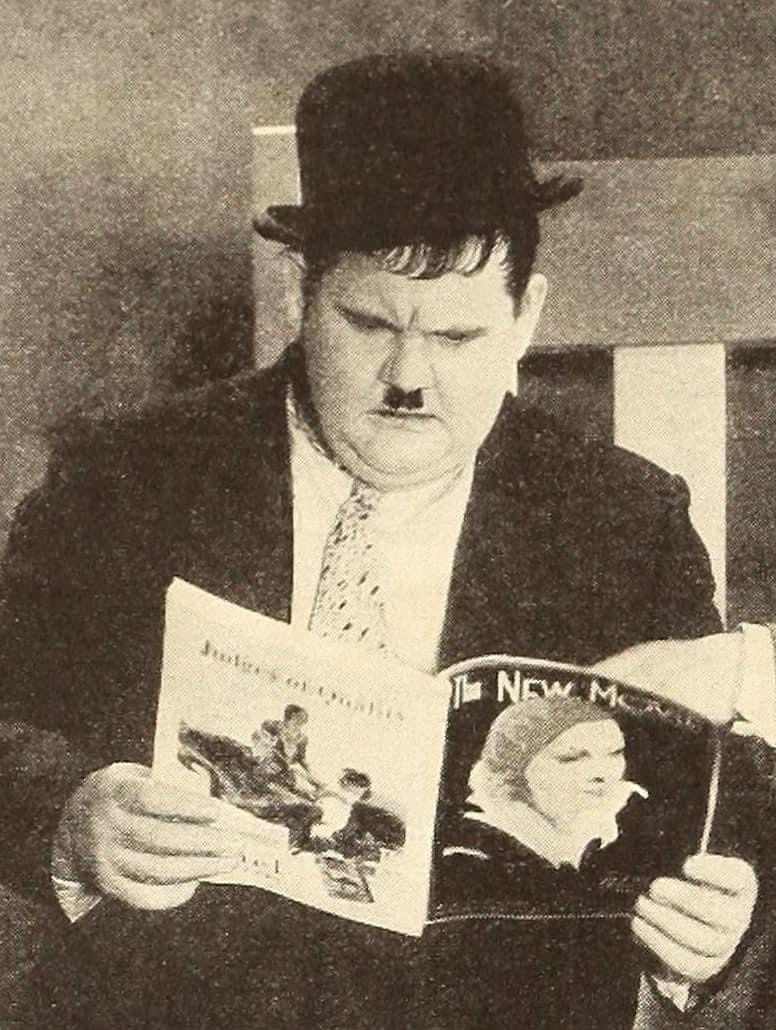
Oliver Hardy was born on January 18, 1892 in Harlem, Georgia.
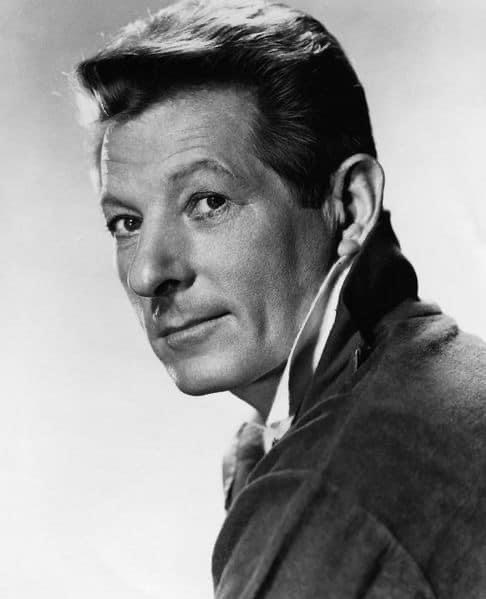
Born January 18, 1911, Danny Kaye’s long career on stage, in films, and on television was outstanding. Also noteworthy were his tireless efforts to raise funds and awareness for the plight of children worldwide on behalf of UNICEF.
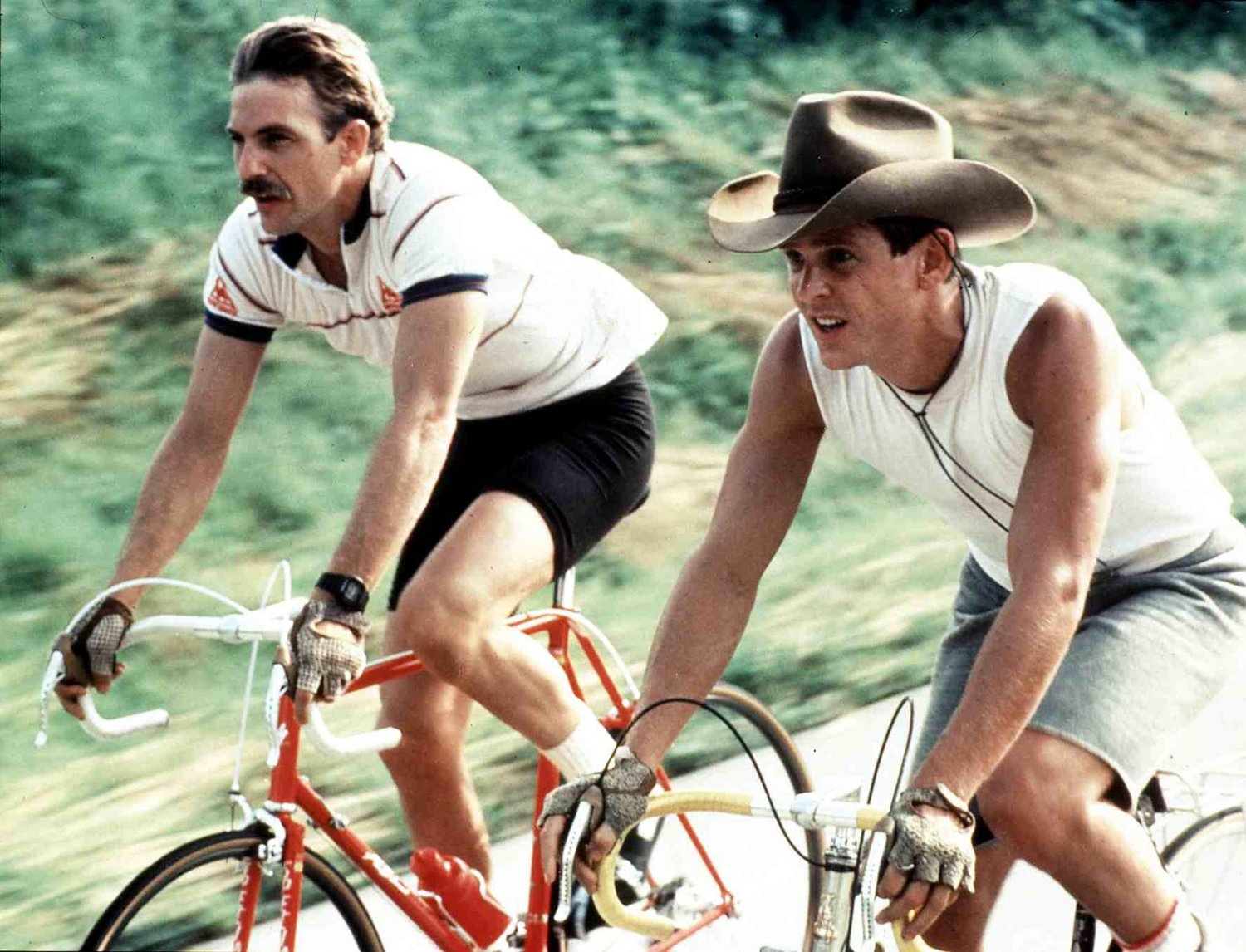
Kevin Costner and David Marshall Grant (who was a distant cousin of Ulysses S. Grant) in the 1985 bike racing film American Flyers.
On January 18, 1955, Kevin Costner was born in Lynwood, California.
Image via Alamy
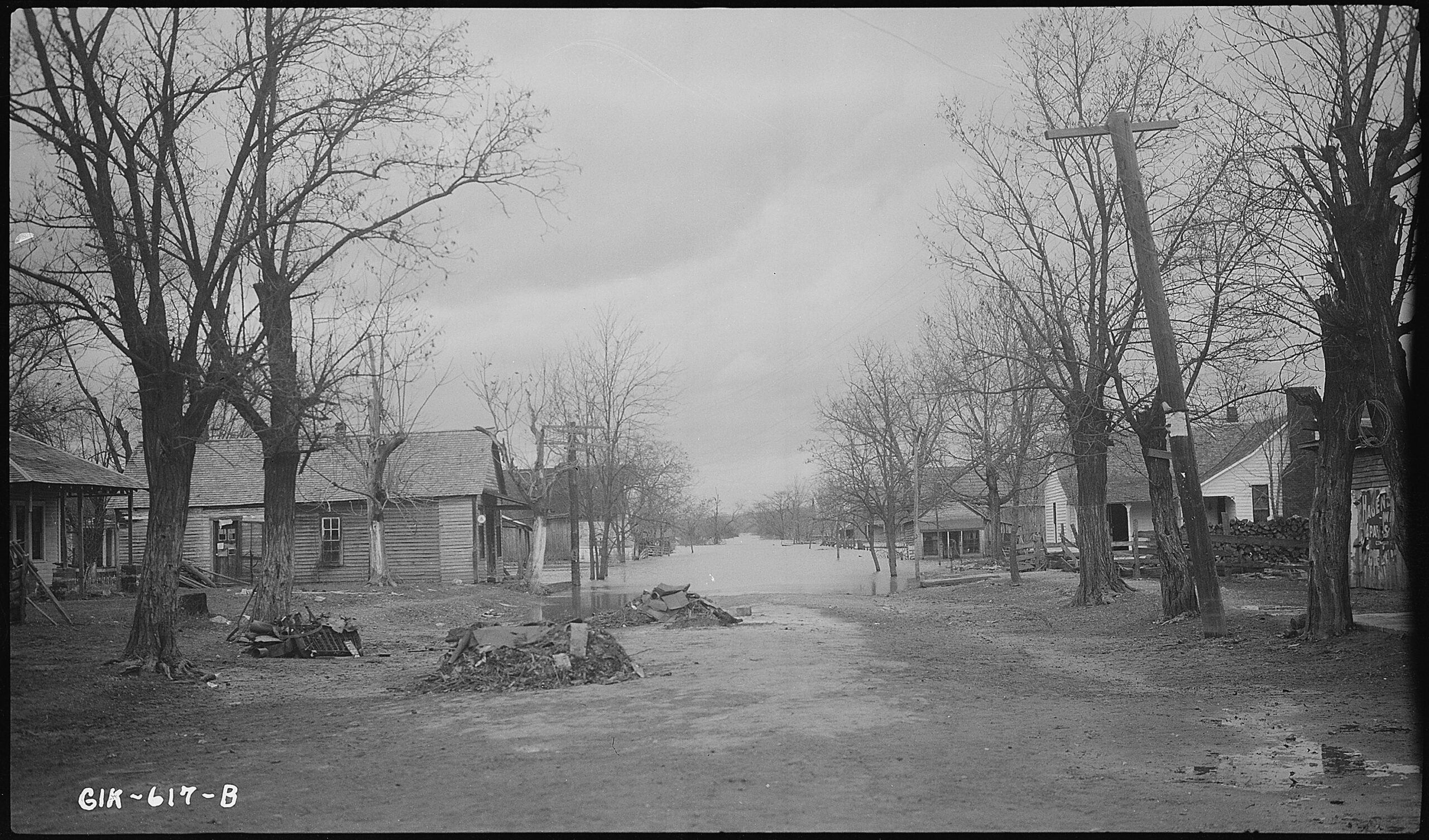
After several days of heavy rain, the Ohio River began to overflow its banks on January 18, 1937. It would take nearly three weeks for the river to fall below flood stage. The catastrophic event impacted five states: Ohio, Indiana, Illinois, Kentucky and West Virginia. About one million people were left homeless.
Image: Flooded Homes in Birmingham, Kentucky in 1937 via Wikimedia Commons, public domain
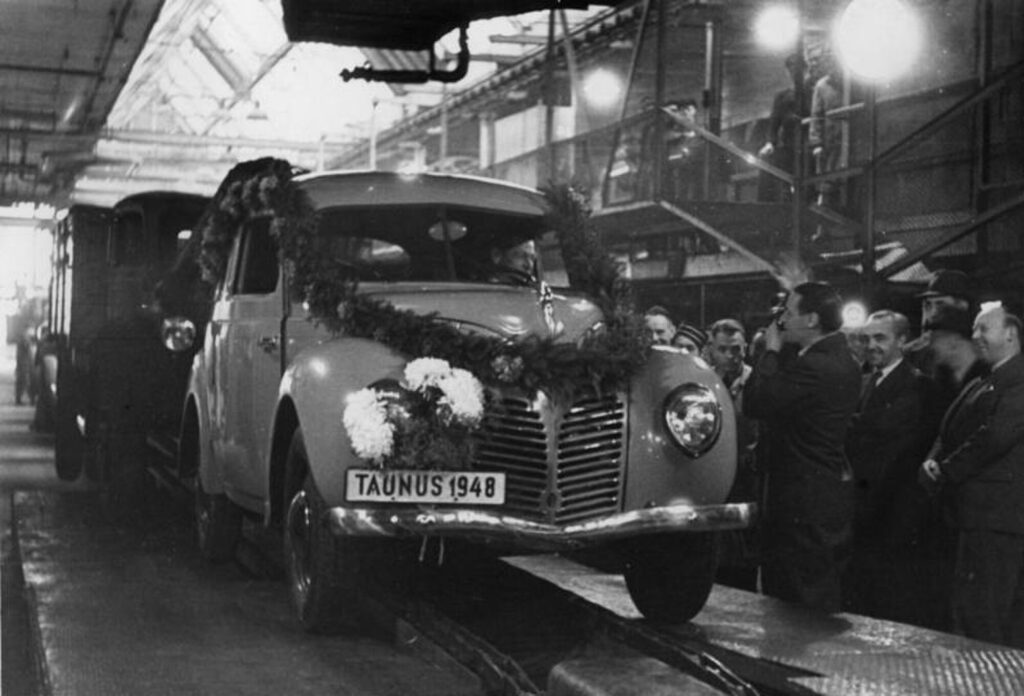
January 18, 1930 — On this day, the city of Cologne, Germany signed a formal agreement with Ford Motor Company to build a major automobile plant along the Rhine, a project championed by Mayor Konrad Adenauer and envisioned as a beacon of industrial progress. Ford had no reason to foresee how radically Germany’s government would change in the short years ahead. By the early 1940s, the plant had been absorbed into the Nazi war economy, converted to produce military trucks and armored‑vehicle components, and staffed by thousands of forced laborers from occupied territories including Russia, Ukraine, and Belgium.
The facility was struck by Allied bombers in late 1944 and taken over by Allied forces in 1945. Rebuilt in the postwar years, it returned to civilian production — and in November of 1948, the first Ford Taunus rolled off the line, festooned with flowers and hope (shown.)
Today, the plant remains Ford’s primary German facility. Recently transformed into the Cologne Electric Vehicle Center with a $2 billion investment, it now pursues carbon‑neutral assembly. Despite facing recent challenges, it remains a site carrying the weight of history in every beam and bolt.
Image via Wikimedia Commons, CC BY 3.0
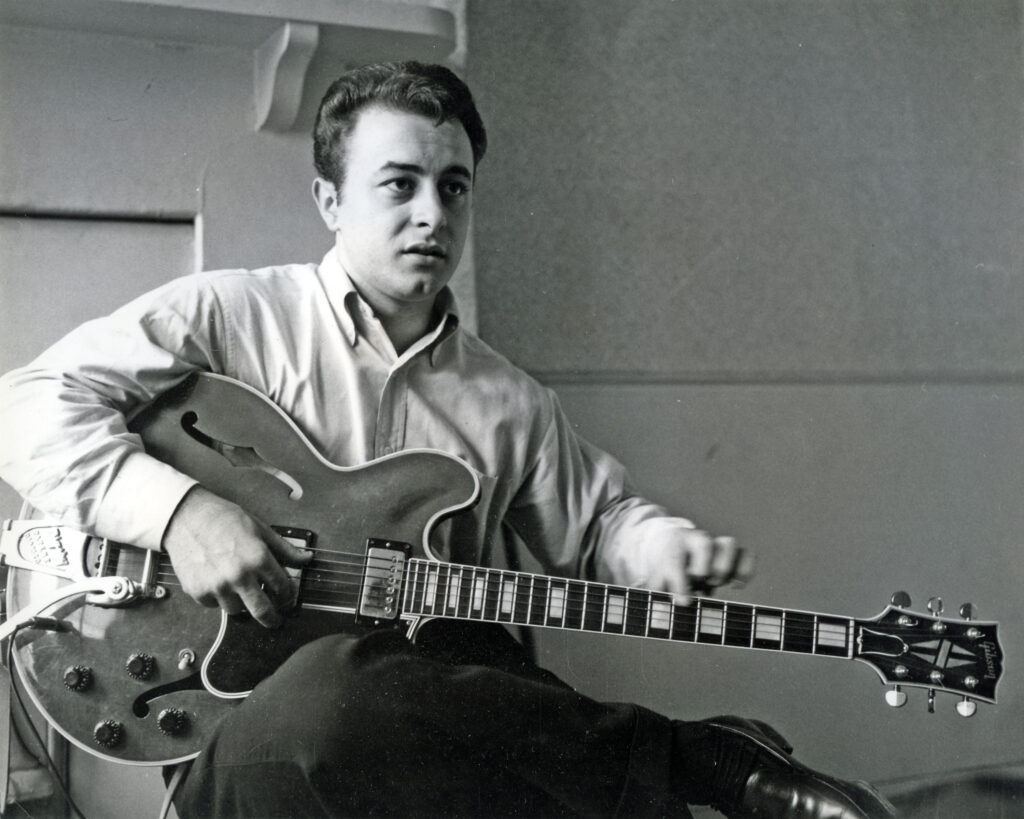
January 18, 1960 — Johnny Preston’s “Running Bear” reached No. 1 on the Billboard Hot 100, beginning a three‑week run at the top. Written by his friend J.P. “The Big Bopper” Richardson, the song was recorded at Houston’s Gold Star Studio in May 1959 and included uncredited background chants by Richardson, George Jones, and producer Bill Hall — vocals captured before the May session and woven into the final mix.
Released later that summer, the single first entered the charts in October, briefly slipped off, then re‑entered in November and made the rare climb all the way to No. 1 on this day. More than six decades later, it remains one of early rock‑and‑roll’s most memorable hits — a Texas‑born tune that traveled far beyond the studio where it began.
Image of Johnny Preston c. 1960 via Alamy
