
 Mystery March Is Here!
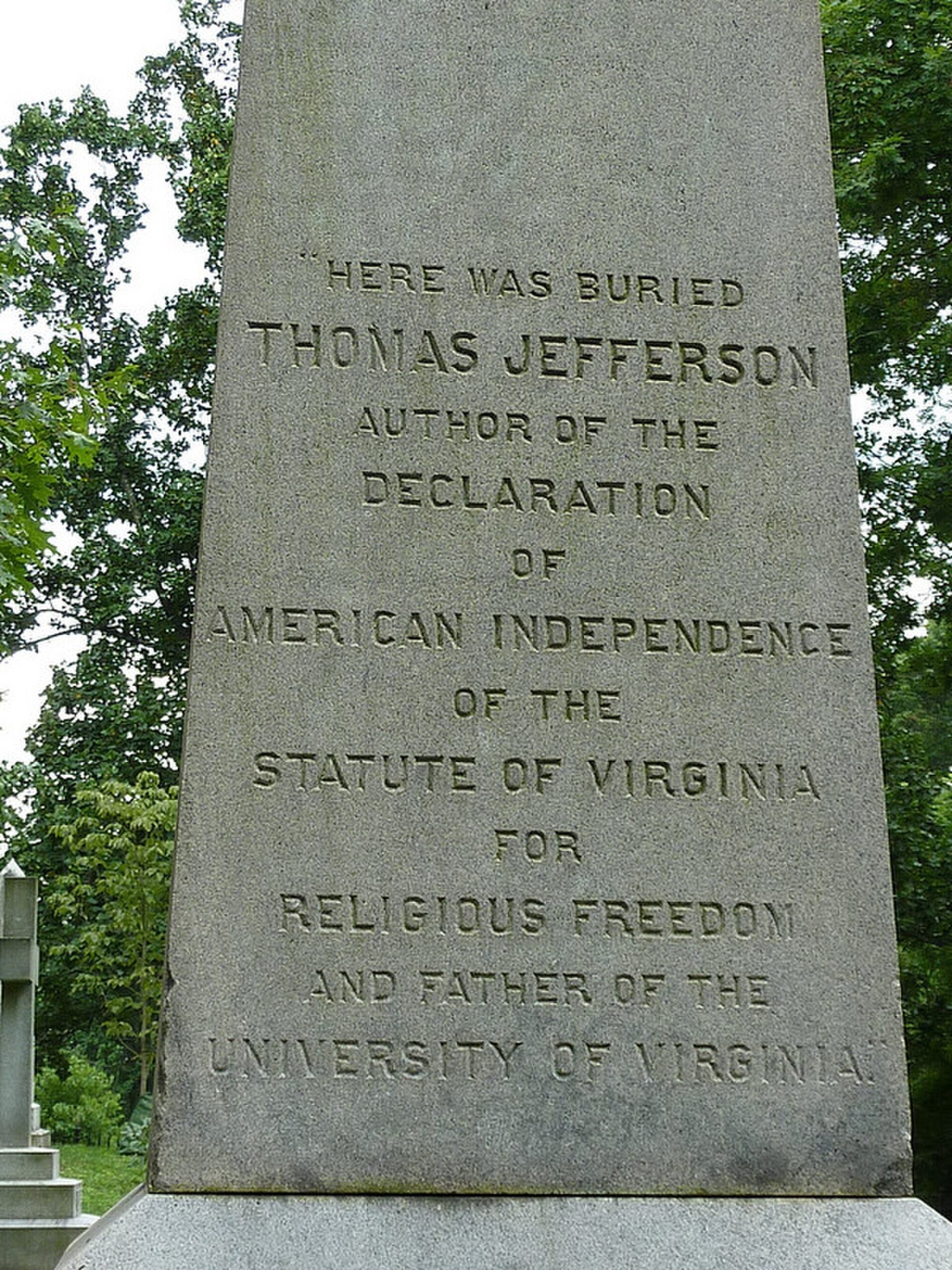
Drafted a year after the Declaration of Independence, Thomas Jefferson’s Statute for Religious Freedom was enacted by Virginia’s General Assembly on January 16, 1786.
The act was so important to Jefferson that he listed it among his lifetime achievements and had it placed on his tombstone before he died.
Image: Thomas Jefferson’s tombstone (a later replacement) with epitaph written by him shortly before his death via Wikimedia Commons from Bob – CC BY 2.0
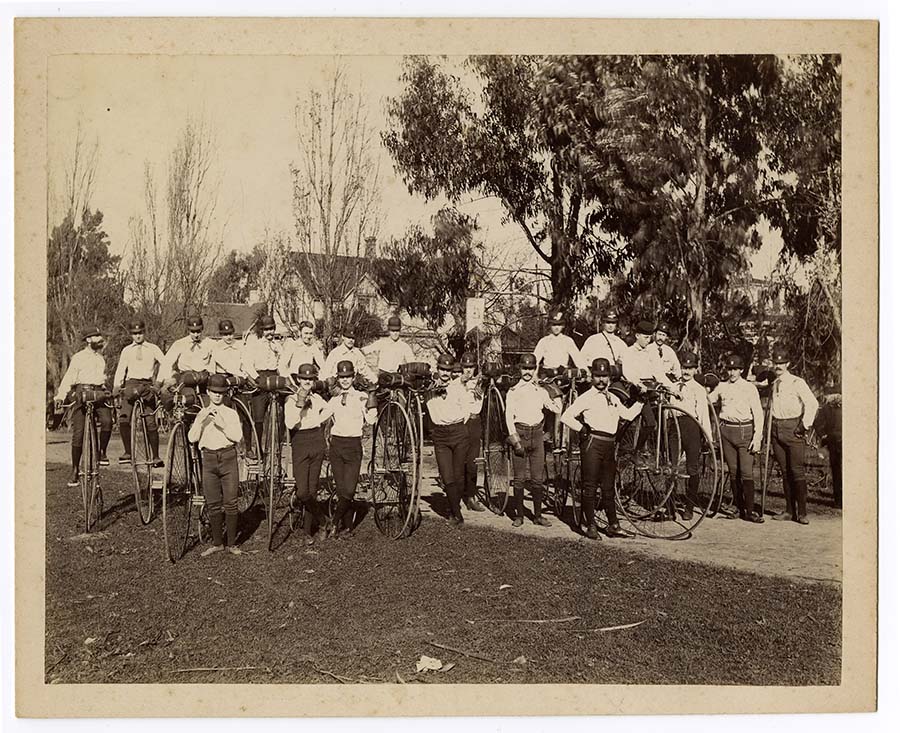
San Francisco Bicycle Club in Oakland near 5th and Jackson streets, courtesy of California Historical Society
January 16, 1887
via Wikimedia Commons, no known restrictions
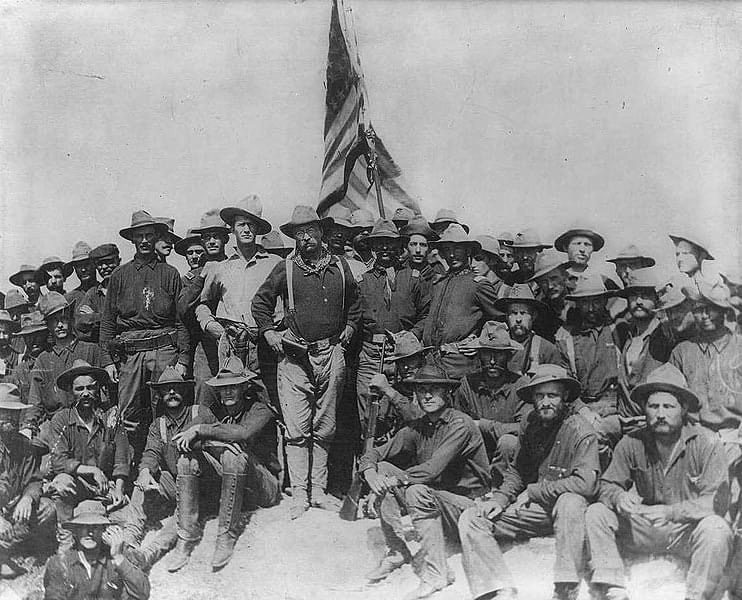
On January 16, 2001, Theodore Roosevelt was awarded a posthumous Medal of Honor for his leadership and bravery in the action at Kettle Hill and the San Juan Heights during the Spanish-American War. Shown here is Colonel Roosevelt, center, with members of the Rough Riders.
Image via Wikimedia Commons, public domain in the US
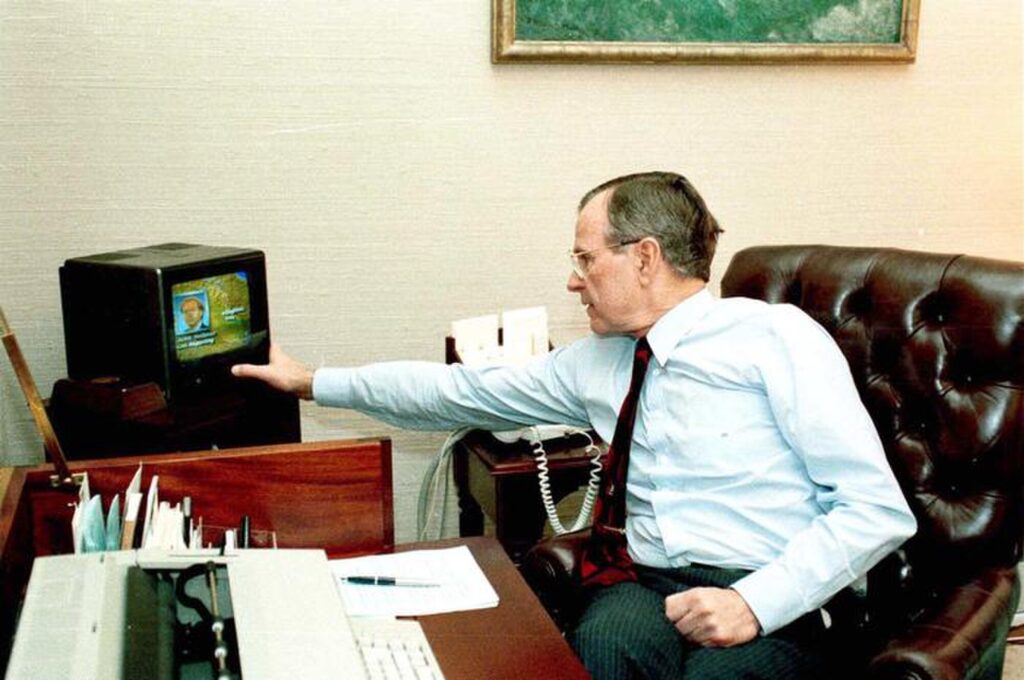
On the evening of January 16, 1991, Americans watched the opening strikes of Operation Desert Storm unfold live. A U.S.-led coalition launched a massive air campaign against Iraq, marking the start of the Gulf War and a new era of real‑time, televised conflict.
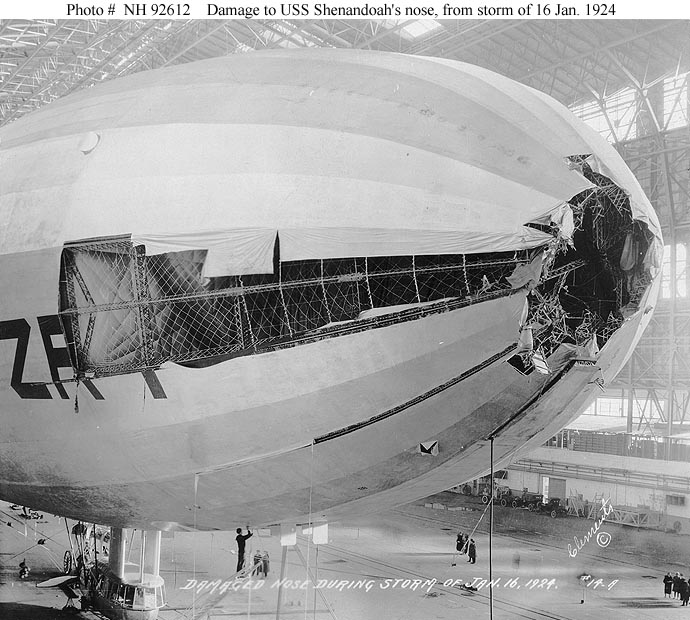
On January 16, 1924, a gale so strong tore the USS Shenandoah dirigible from its mooring in Lakehurst, New Jersey. Over twenty crewmen were onboard.
Despite extensive damages to the airship, they were able to ride out the storm and land the vessel the next day.
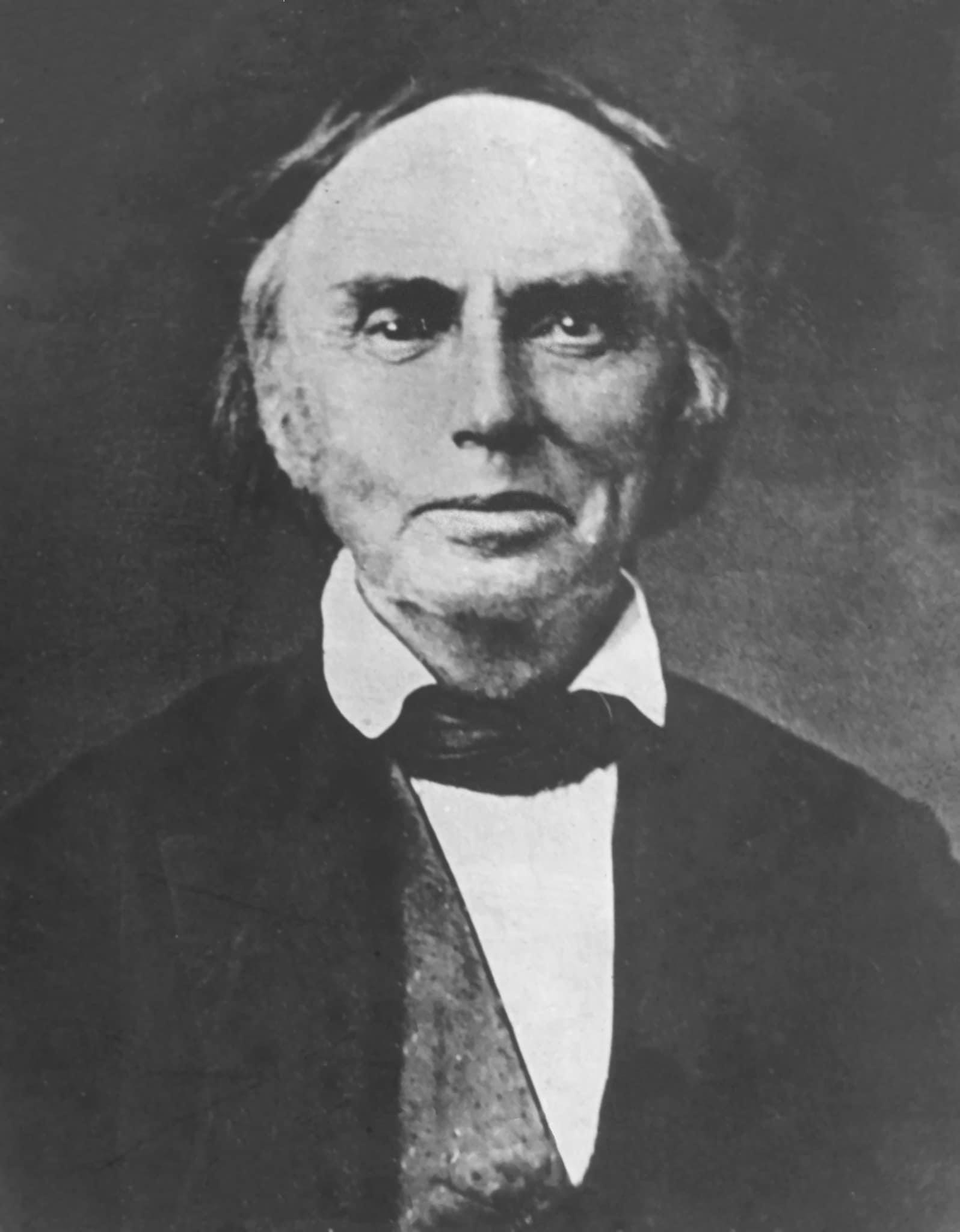
“Father of American Grape Culture” Nicholas Longworth was born on January 16, 1783 in Newark, New Jersey.
Longworth moved to Cincinnati, Ohio in his early 20s and established vineyards there. Champagne produced by these vineyards were sold across the US and in Europe where critics said it was better than champagnes from France.
Image via Wikimedia Commons, public domain
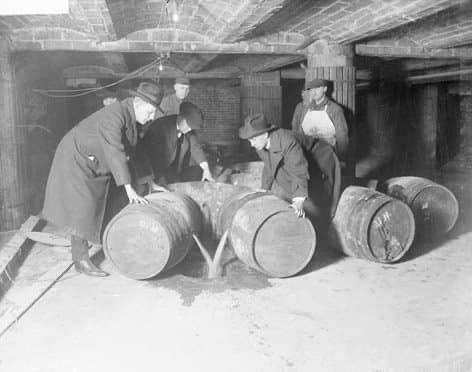
On January 16, 1919, the 18th Amendment was ratified. Section 1 read: “After one year from the ratification of this article the manufacture, sale, or transportation of intoxicating liquors within, the importation thereof into, or the exportation thereof from the United States and all the territory subject to the jurisdiction thereof for beverage purposes is hereby prohibited.”
Image: Prohibition agents destroying barrels of alcohol in the 1920s via Wikimedia Commons, public domain
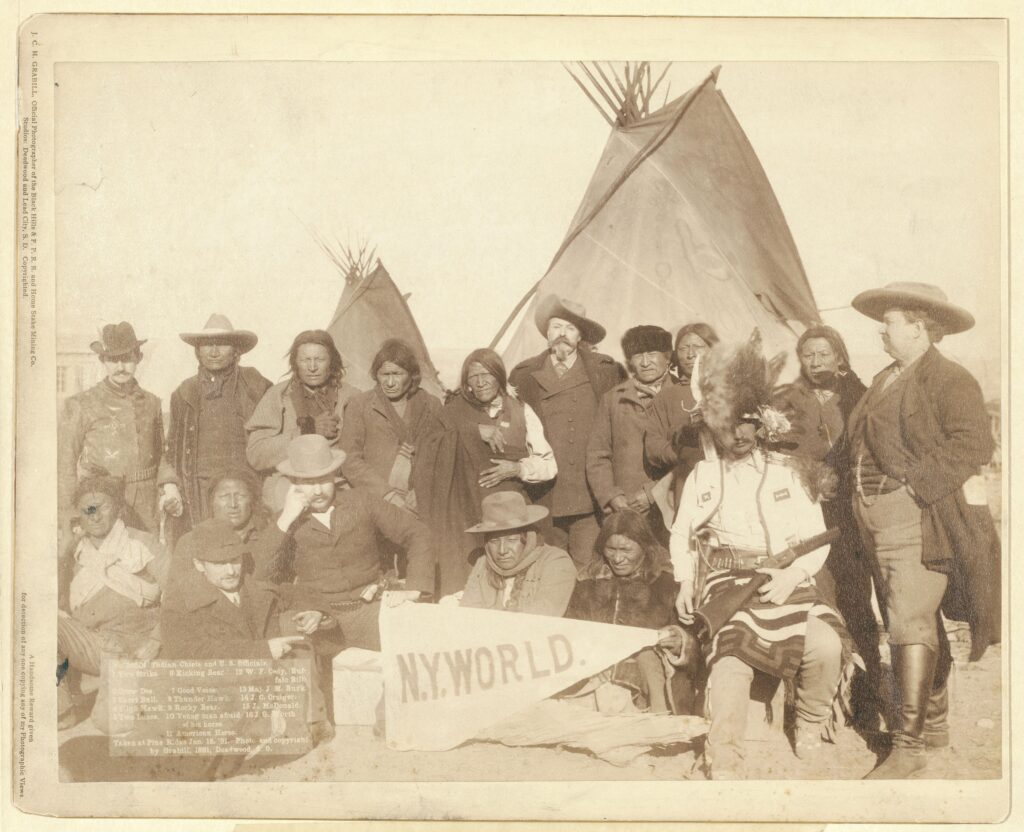
Taken just weeks after the Wounded Knee Massacre, this January 16, 1891 photograph gathers Lakota leaders—Kicking Bear, Short Bull, Crow Dog, American Horse, and others—alongside U.S. officials and Buffalo Bill Cody’s entourage at Pine Ridge. Tipis stand behind them. A banner for the New York World lies at their feet. It is a moment of reckoning: diplomacy, survival, and spectacle converging in the shadow of tragedy. Some would join Cody’s Wild West show. Others would return to fractured homelands. All stood in the aftermath of a world forever changed.
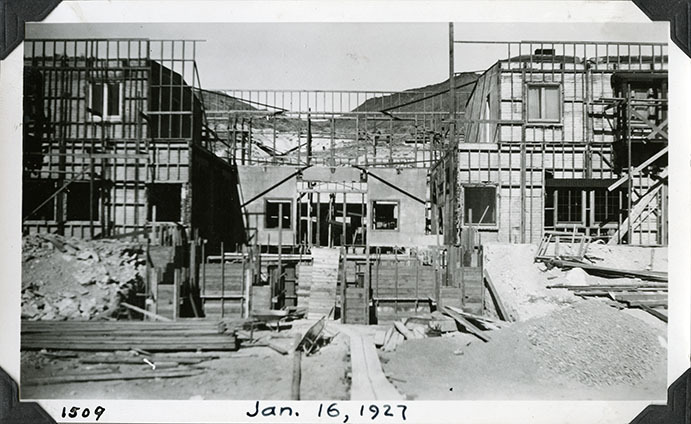
Construction of Scotty’s Castle in Death Valley California on January 16, 1927.
The villa was built by National Life Insurance Company President Albert Mussey Johnson after being duped by con man Walter E. Scott to invest in a gold mine in the area that didn’t exist.
Construction took years (1922-1931) and cost about $2 million at that time.
In 1970 the National Park Service purchased Scotty’s Castle for $850,000.
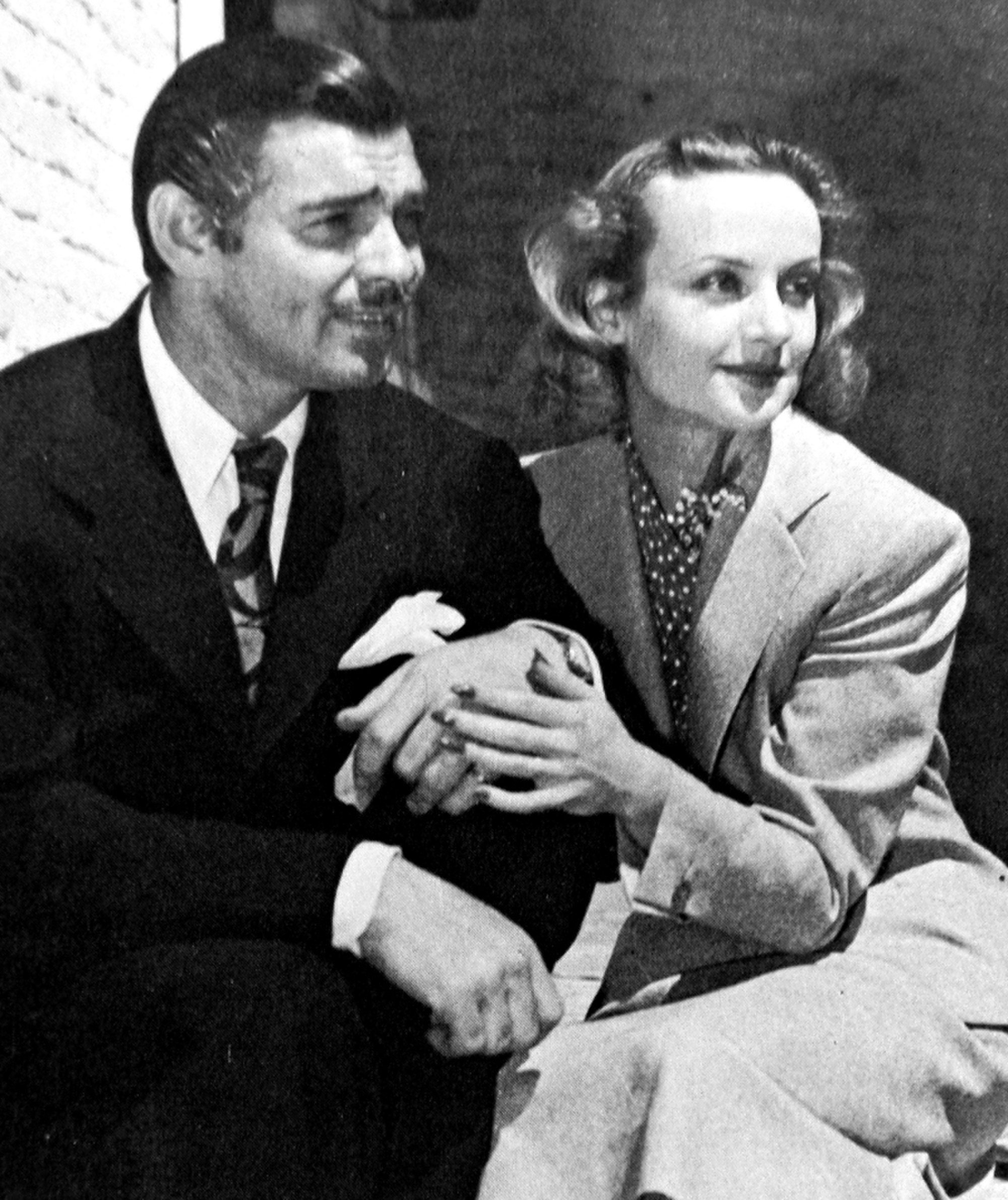
On January 16, 1942, an airplane crash took the life of film star Carole Lombard and 21 others. Lombard, wife of actor Clark Gable, was returning to Hollywood from a successful war bond rally in her home state of Indiana. She was known for her roles in screwball comedies and was 33 at the time of her death.
Image of Gable and Lombard after their honeymoon in 1939 via Wikimedia Commons, public domain in the US
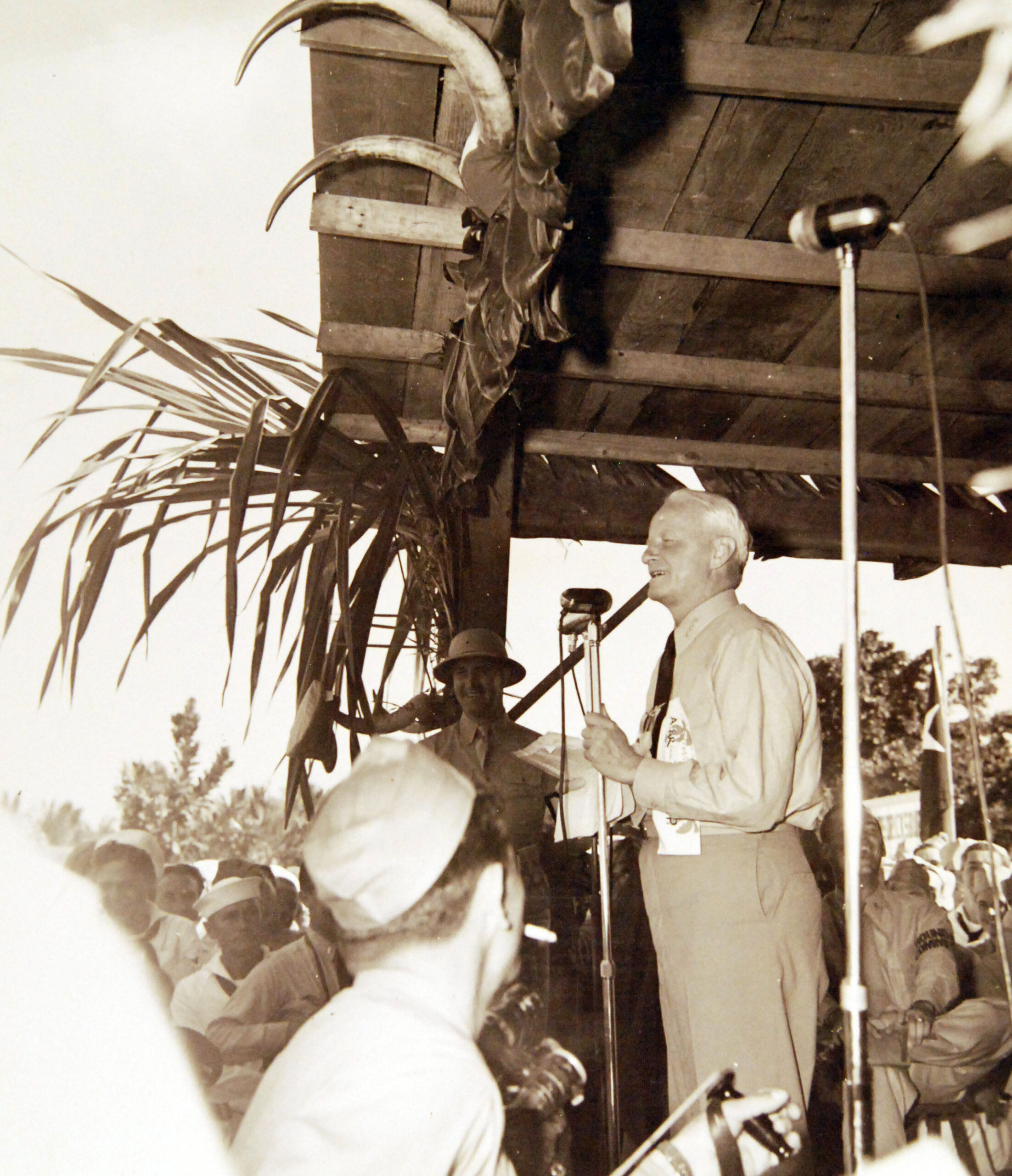
Admiral Chester W. Nimitz, USN, guest of honor at the Old Texas Roundup at Moana Park, Honolulu, Hawaii. Shown addressing Texans, January 16, 1944.
Image from National Museum of the U.S. Navy via Wikimedia Commons, public domain
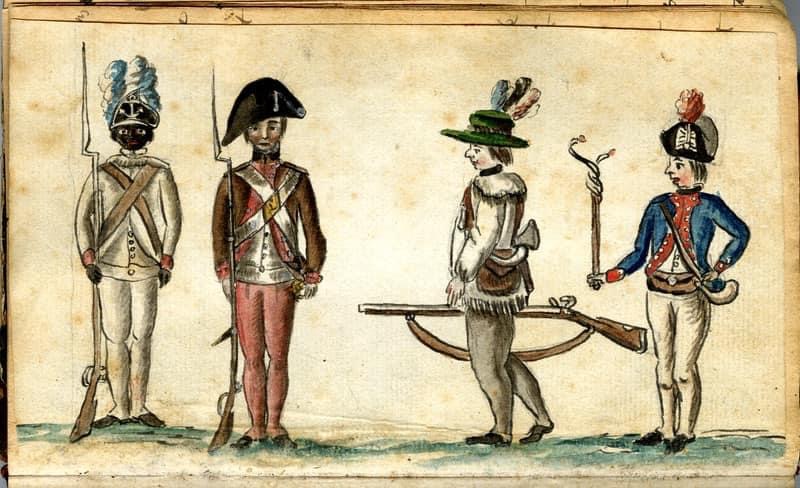
The Continental Congress approved the enlistment of free Black men on January 16, 1776. Approximately
9,000 Black soldiers served in the Continental Army.
This painting by French lieutenant Jean Baptiste de
Verger depicting American soldiers shows a Black private from a Rhode Island unit.
Image via Wikimedia Commons, public domain in the US {PD-US}.
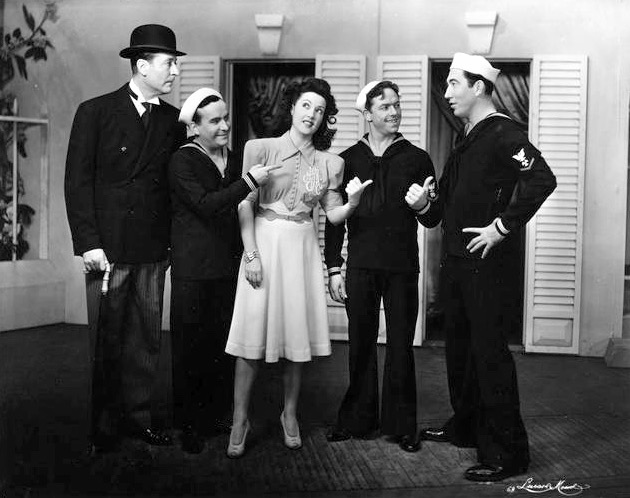
Born January 16, 1908 Ethel Merman’s outstanding voice, presence, and comic timing led to her being dubbed “the undisputed First Lady of the musical comedy stage.” Merman had memorable roles in “Annie Get Your Gun,” “Anything Goes,” “Hello Dolly!,” and “Gypsy.” She’s shown here in “Panama Hattie” with Arthur Treacher, far left.
Image via Wikimedia Commons, copyright not renewed public domain in the US.
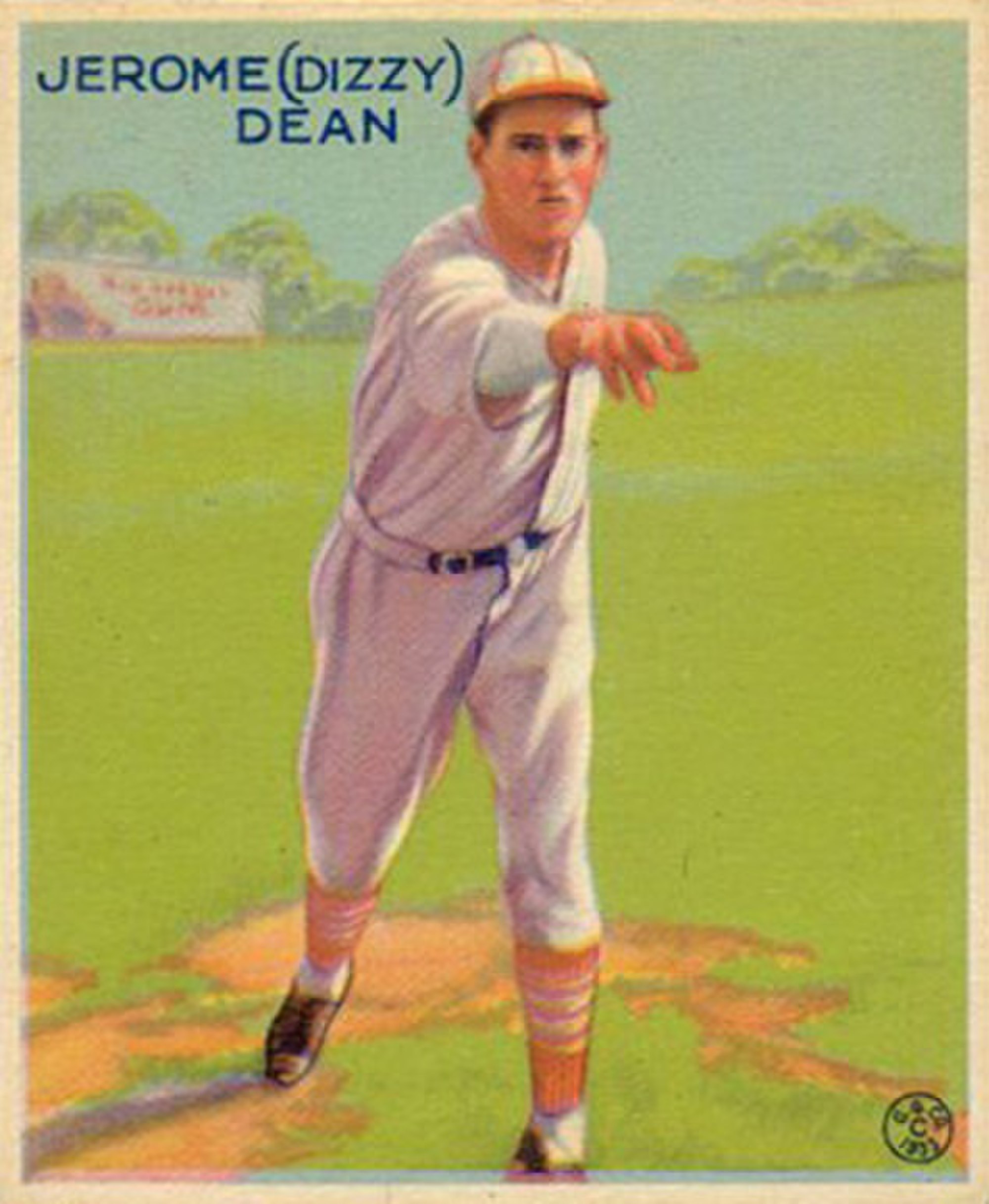
On today’s date January 16, 1910: Jay Hanna “Dizzy” Dean was born in Lucas, Arkansas.
The four-time All-Star pitcher was inducted into the Baseball Hall of Fame in 1953.
Photo by Goudey [Public domain], via Wikimedia Commons
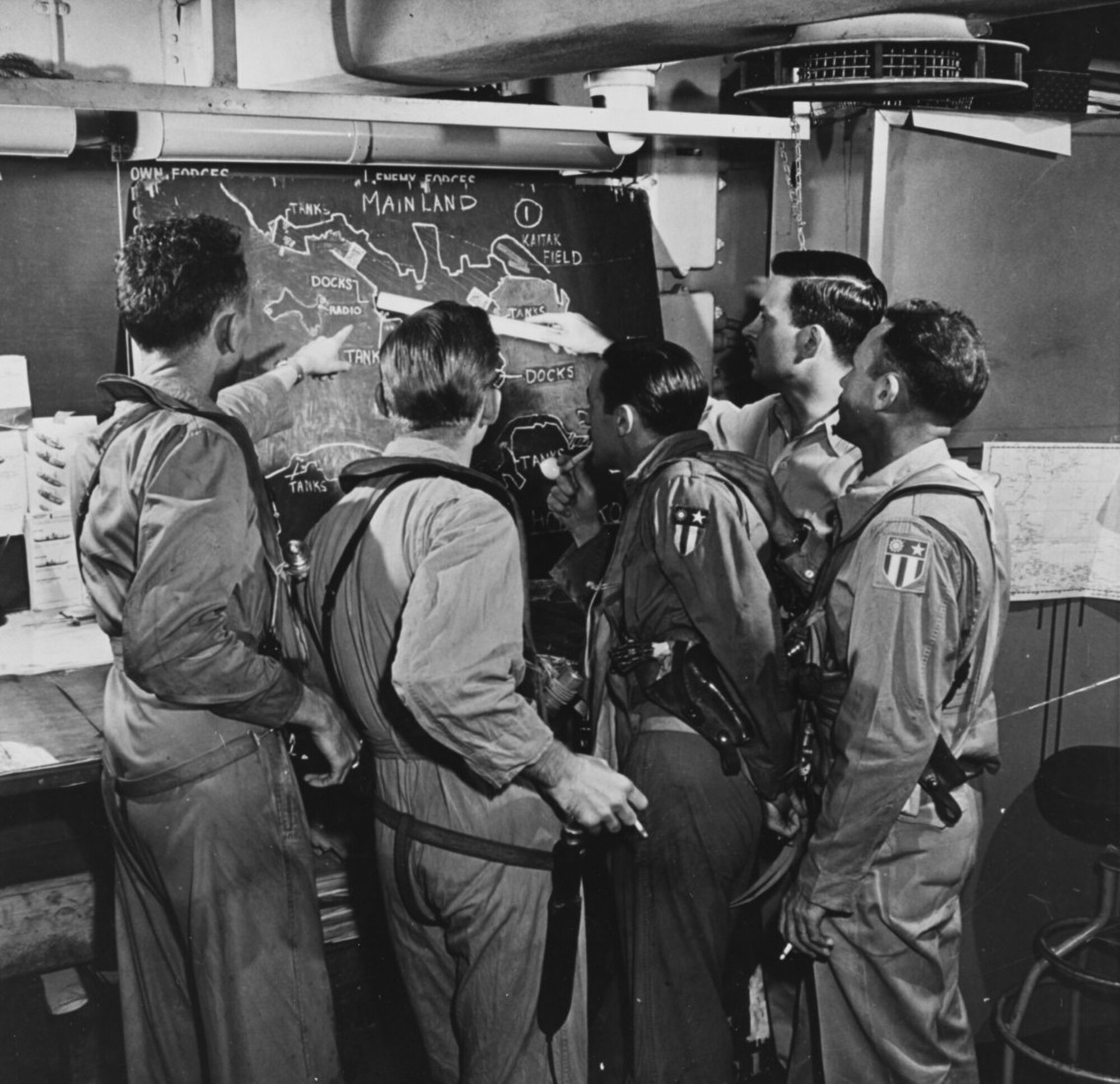
U.S. Navy pilots study target areas before conducting air strikes over Hong Kong.
January 16, 1945
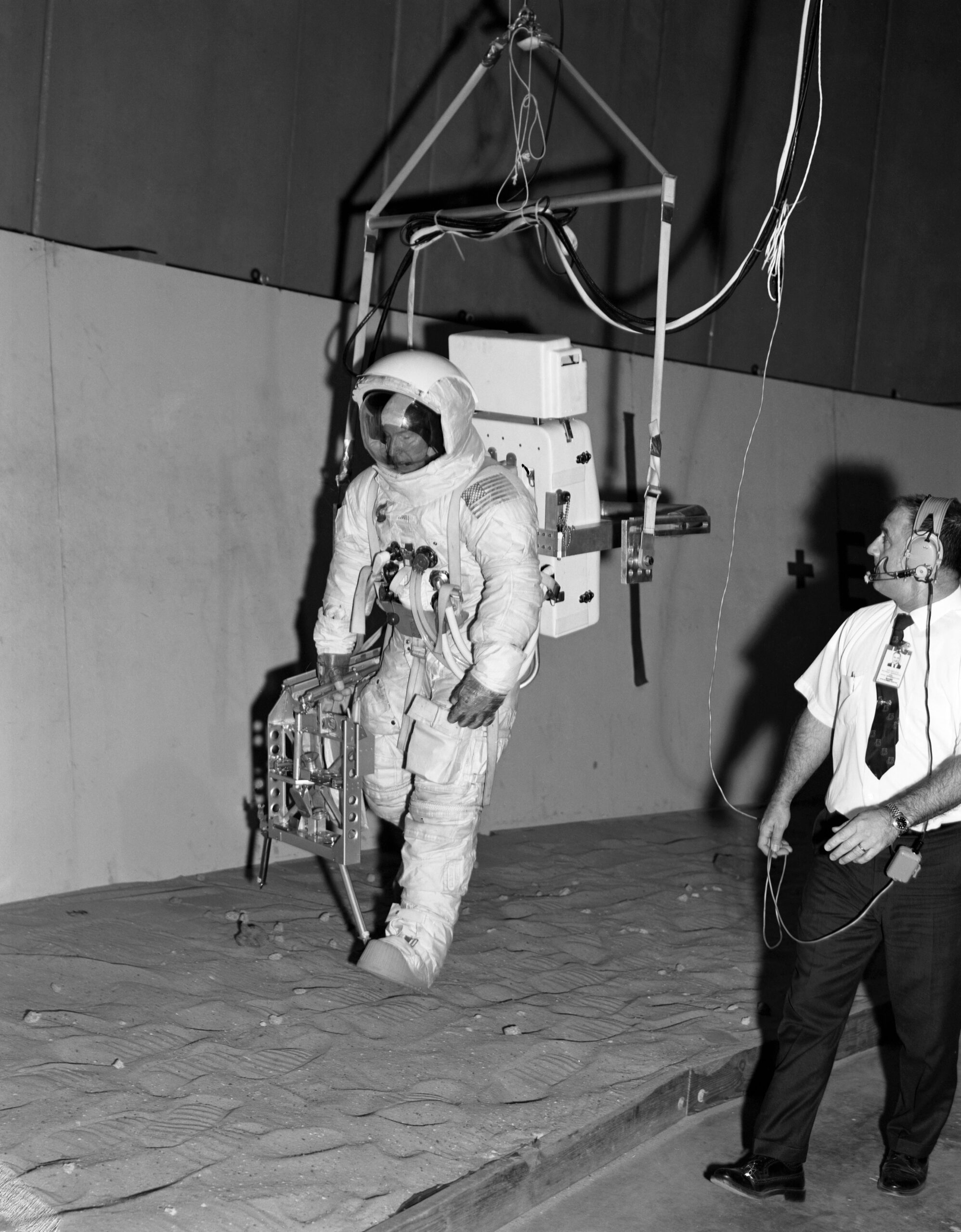
Astronaut James A. Lovell Jr. attached to a Six Degrees of Freedom Simulator while carrying Apollo Lunar Hand Tools during training.
January 16, 1970
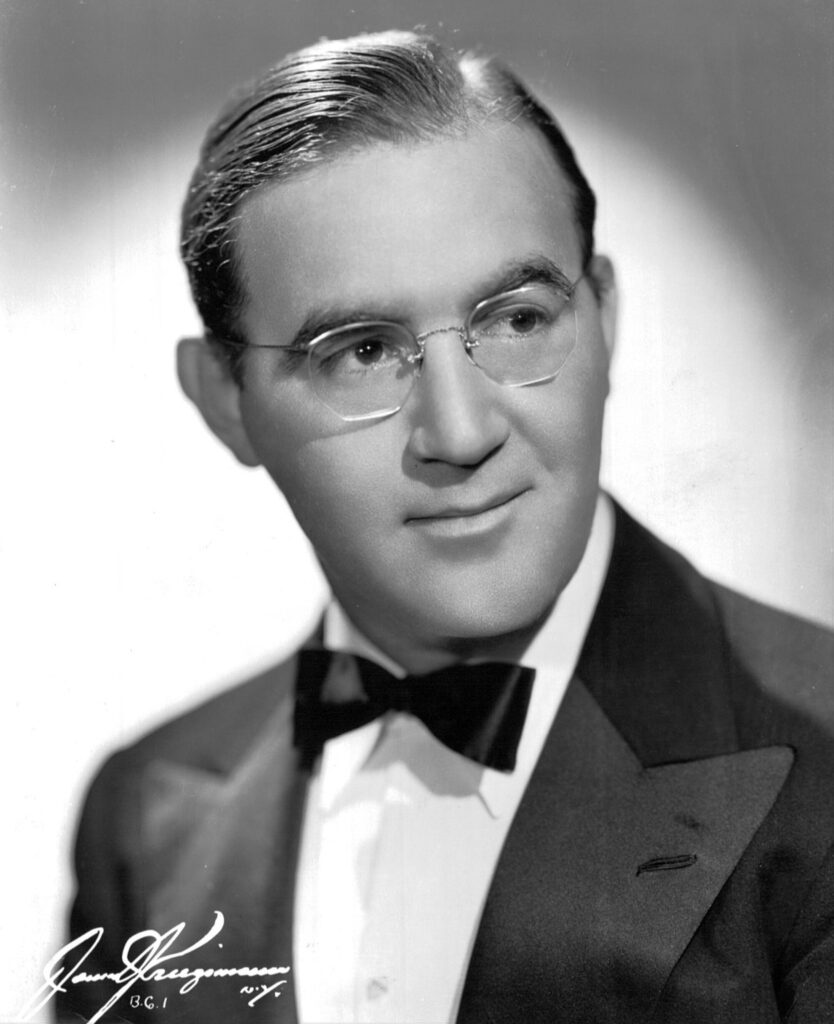
On a cold Sunday night on January 16, 1938, in New York, something unprecedented happened: jazz — carried by working musicians and shaped in clubs and dance halls — stepped into Carnegie Hall and met the nation’s cultural gatekeepers head‑on.
Benny Goodman brought his swing orchestra into a venue built for European classical music, a room that had never hosted a jazz band of this scale. Instead of taming the sound, the band played with ballroom intensity: Gene Krupa’s explosive drums, Harry James’s soaring trumpet, and a 12‑minute “Sing, Sing, Sing” that shook the hall out of its formality.
Goodman’s small‑group sets featured Teddy Wilson and Lionel Hampton, making this one of the first integrated ensembles to perform on America’s most prestigious stage — an unmistakable challenge to the racial boundaries of the era.
The concert was recorded, misplaced, then rediscovered decades later and released as one of the best‑selling jazz albums in history.
It was the night jazz claimed its place as American art — bold, integrated, improvisational, and impossible to ignore.
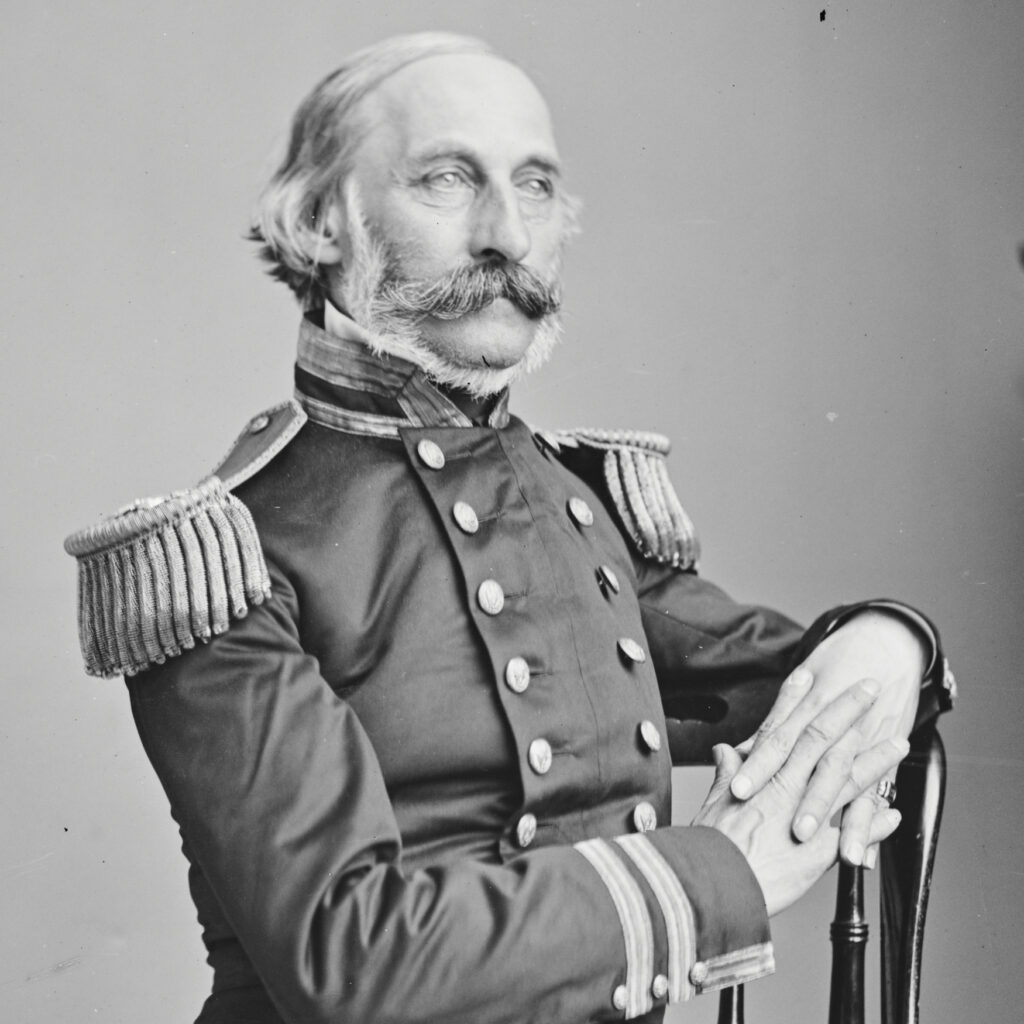
Born in Boston on January 16, 1807, Charles Henry Davis rose through the ranks of the United States Navy to become one of its most trusted wartime commanders. A career officer with a scientist’s discipline, he strengthened the service from within — mapping coastlines, advancing hydrography, and establishing the U.S. Nautical Almanac — achievements that sharpened the Navy’s precision long before he led Union fleets in the Civil War.
