
 Mystery March Is Here!
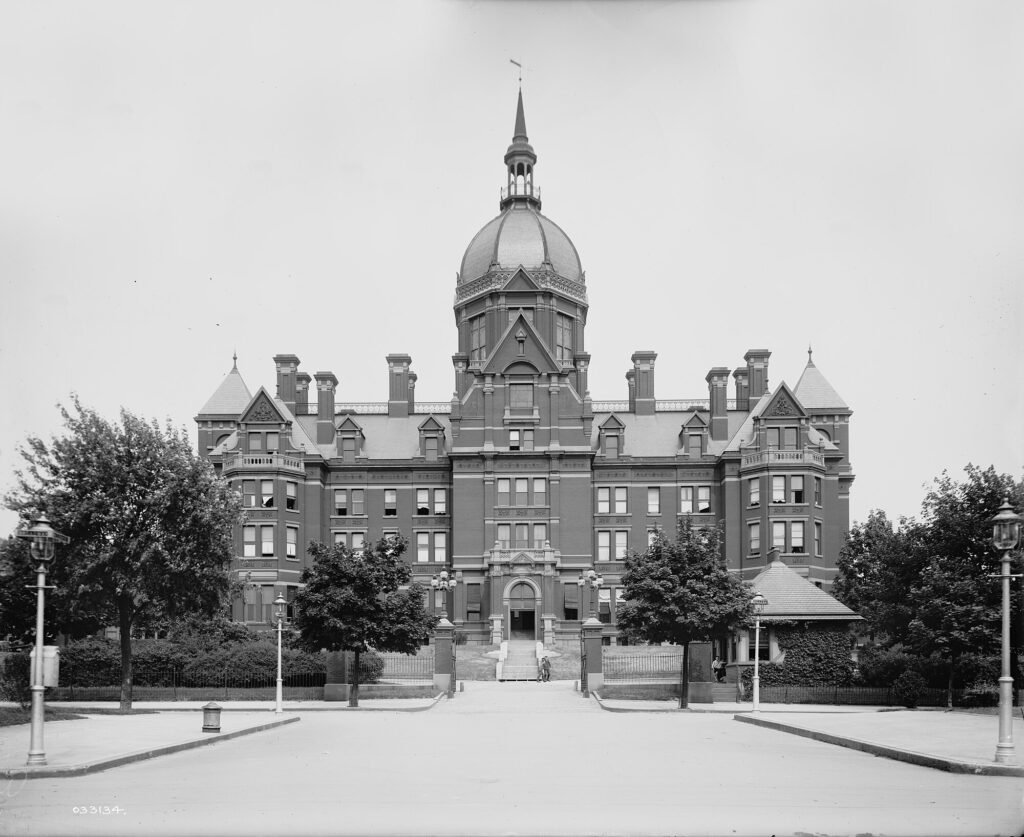
On January 13, 1900, Johns Hopkins Hospital introduced one of the nation’s earliest newborn identification systems—a small square of adhesive plaster placed between a baby’s shoulder blades. Staff emphasized its gentleness, noting that “it holds on tightly until the time comes for the baby and its mother to leave the hospital, when the tag may be readily pulled off without causing the baby any pain.”
Although hospitals experimented with linen labels, footprinting, “Name‑On Beads,” and metal umbilical‑cord tags in the decades that followed, wristbands did not appear until the 1920s and became common by the 1930s and 1940s.
Yet newborn identification did not become standardized nationwide until 2019, when The Joint Commission required all accredited hospitals to adopt uniform naming conventions, dual‑site banding, barcoding, and visual alerts for infants with similar names.
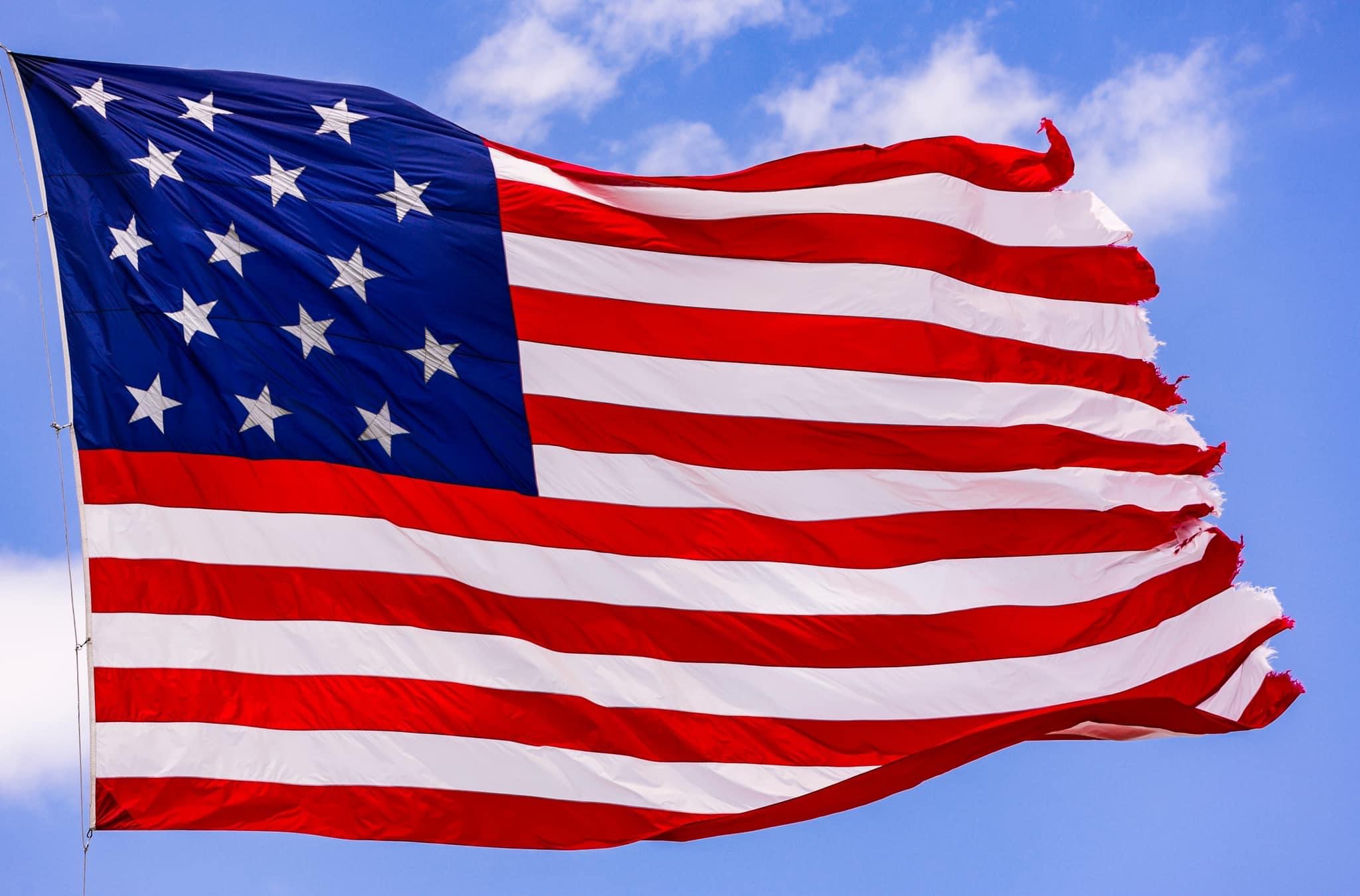
On January 13, 1794, a Flag Act was authorized by Congress and signed by President George Washington. The act changed the design of Old Glory to include two additional stars and two additional stripes to represent the most recently added states of Vermont and Kentucky. Image via Shutterstock
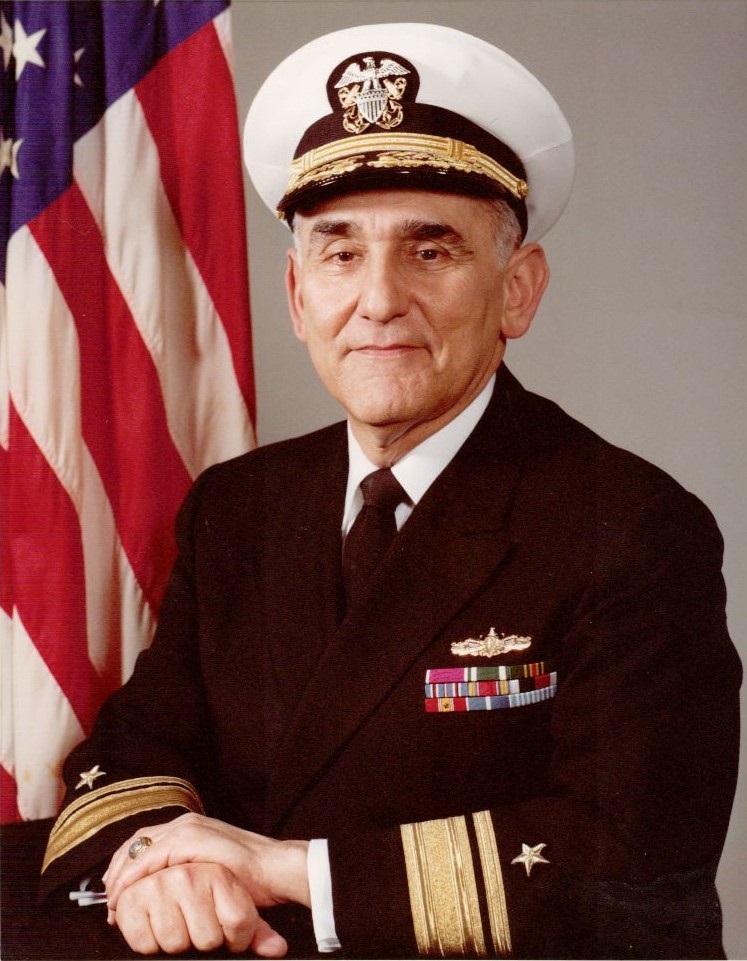
Born on January 13, 1926, in Nashua, New Hampshire, Sumner Shapiro rose from a New England childhood to become one of the most influential intelligence officers of the Cold War. After serving in World War II and Korea, he completed high‑risk intelligence tours in Moscow and London—multi‑year assignments where U.S. officers clandestinely studied foreign militaries, built covert reporting networks, and funneled critical insights back to Washington.
He later became the 51st Director of Naval Intelligence, guiding U.S. naval strategy through a period of intense Soviet expansion and earning some of the nation’s highest military and intelligence honors.

On January 13, 1942, Henry Ford received a patent for an automobile that was comprised of plastic panels which were allegedly fabricated from soybeans.
Image from Henry Ford’s soybean car patent via Wikimedia Commons, public domain
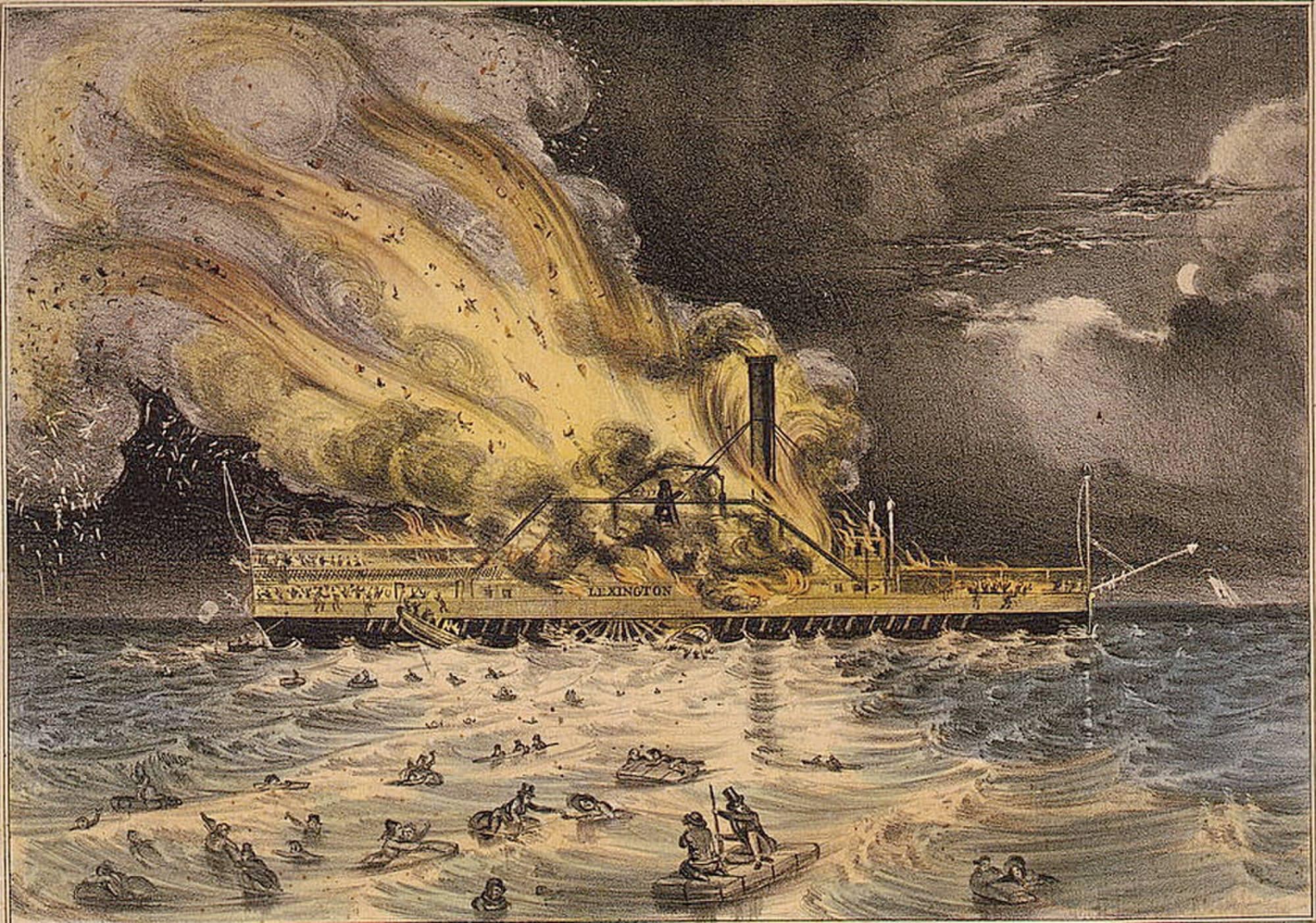
On January 13, 1840, the steamship Lexington caught fire off the coast of Long Island, New York mainly due to flawed engine work.Of the more than 140 passengers on board, only four survived the catastrophe.One of the four survivors, David Crowley, was set adrift on a cotton bale for almost two days. Luckily the bale he was on came ashore and he was able to reach a nearby home for assistance.
Image via Wikimedia Commons, public domain
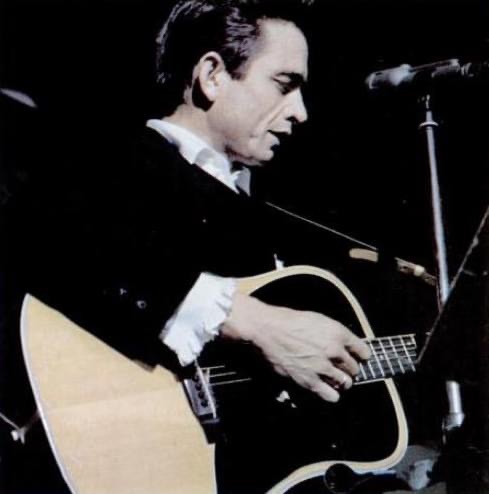
Johnny Cash At Folsom Prison is recorded
On January 13, 1968, Johnny Cash recorded his album “Johnny Cash at Folsom Prison”
Image: Johnny Cash in 1964 via Wikimedia Commons, public domain
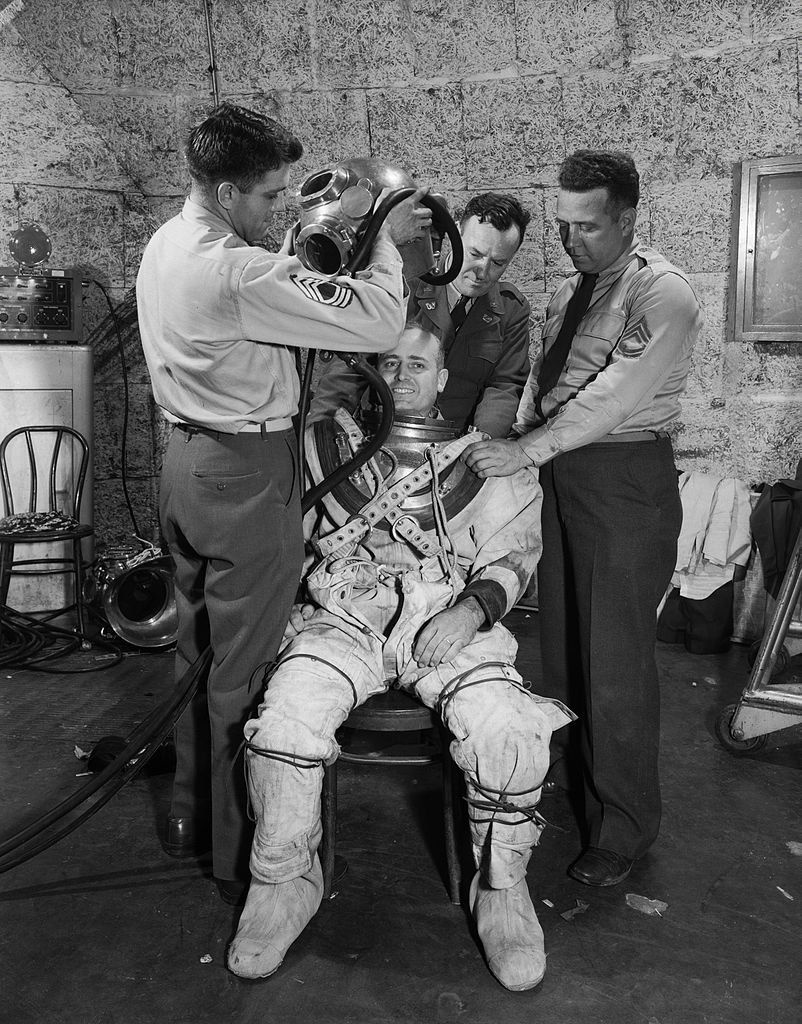
NASA physicist Ray H. Wright receiving assistance while putting on a diver’s suit so that he could enter a test chamber where high levels of pressure, temperature, and noise would be encountered.January 13, 1950
Image via Wikimedia Commons, public domain
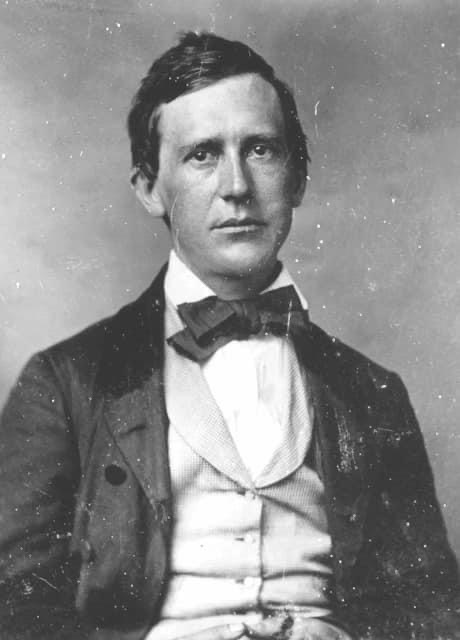
American songwriter of over 200 songs including “My Old Kentucky Home” and “Oh! Susanna” only had 37 cents in his pocket when he passed away on January 13, 1864 at the age of 37. There was also a note that was found in Stephen Foster’s wallet that said: “Dear friends and gentle hearts”
Image of Stephen Foster c. 1860, via Wikimedia Commons public domain
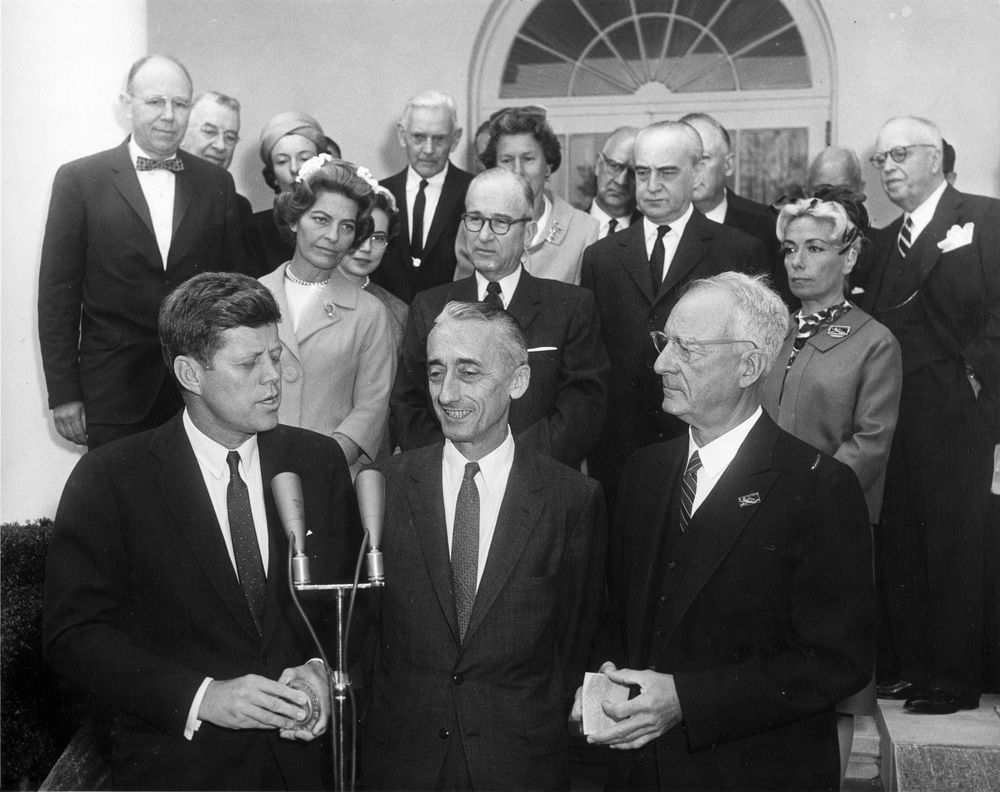
On January 13, 1888, The National Geographic Society was founded. Here’s a photo of President John F. Kennedy presenting the National Geographic Society’s Gold Medal to Captain Jacques Cousteau, Director General of the Oceanarium of Monaco in 1961
Image via Wikimedia Commons public domain
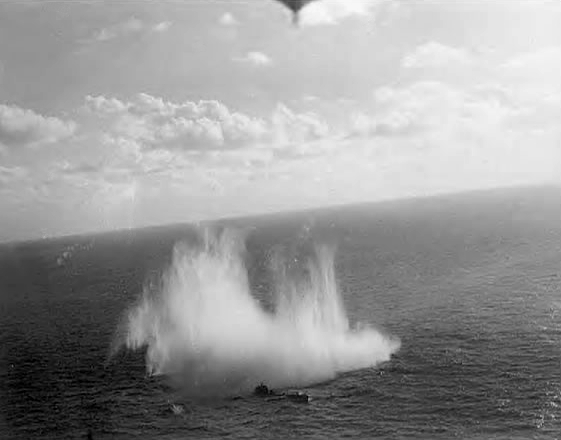
January 13, 1943
Flying from a U.S. base in northeastern Brazil, a Navy PBY‑5A Catalina of Patrol Squadron VP‑83 attacks and sinks German U‑507 off the Brazilian coast. The submarine had spent the previous year wreaking havoc on South Atlantic shipping, including the unprovoked destruction of multiple Brazilian passenger ships that helped draw Brazil into the war. When it went down, U‑507 carried its full crew and three British merchant sailors held prisoner.
Image via Wikimedia Commons, public domain
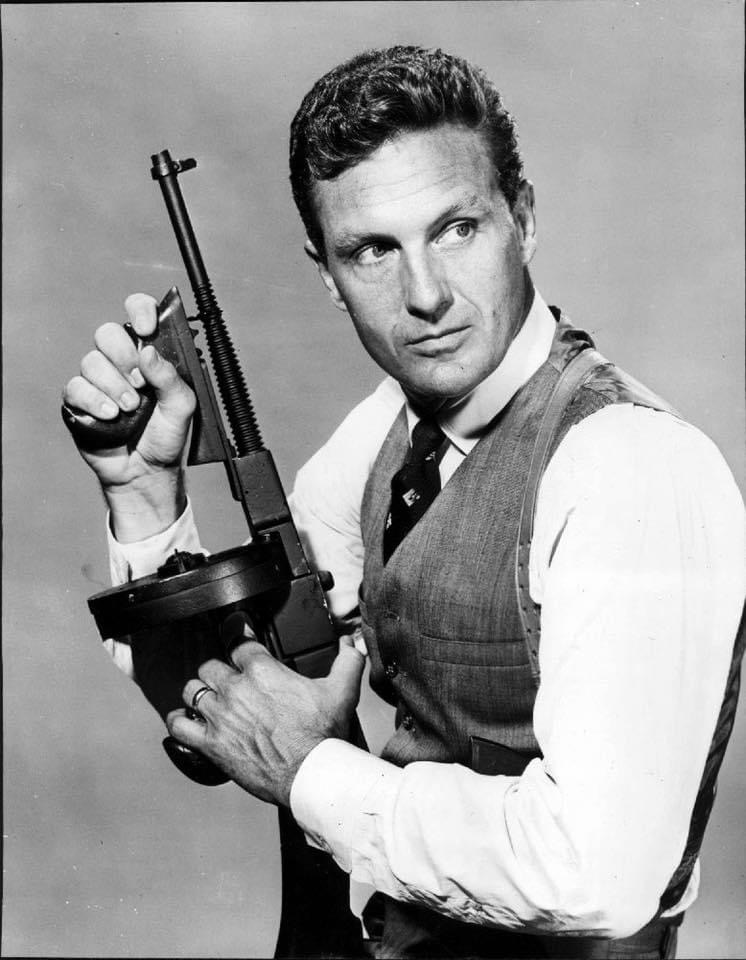
Robert Stack was born on January 13, 1919 in Los Angeles, California
Photo: Robert Stack as Eliot Ness in The Untouchables in 1960 via Wikimedia Commons, public domain
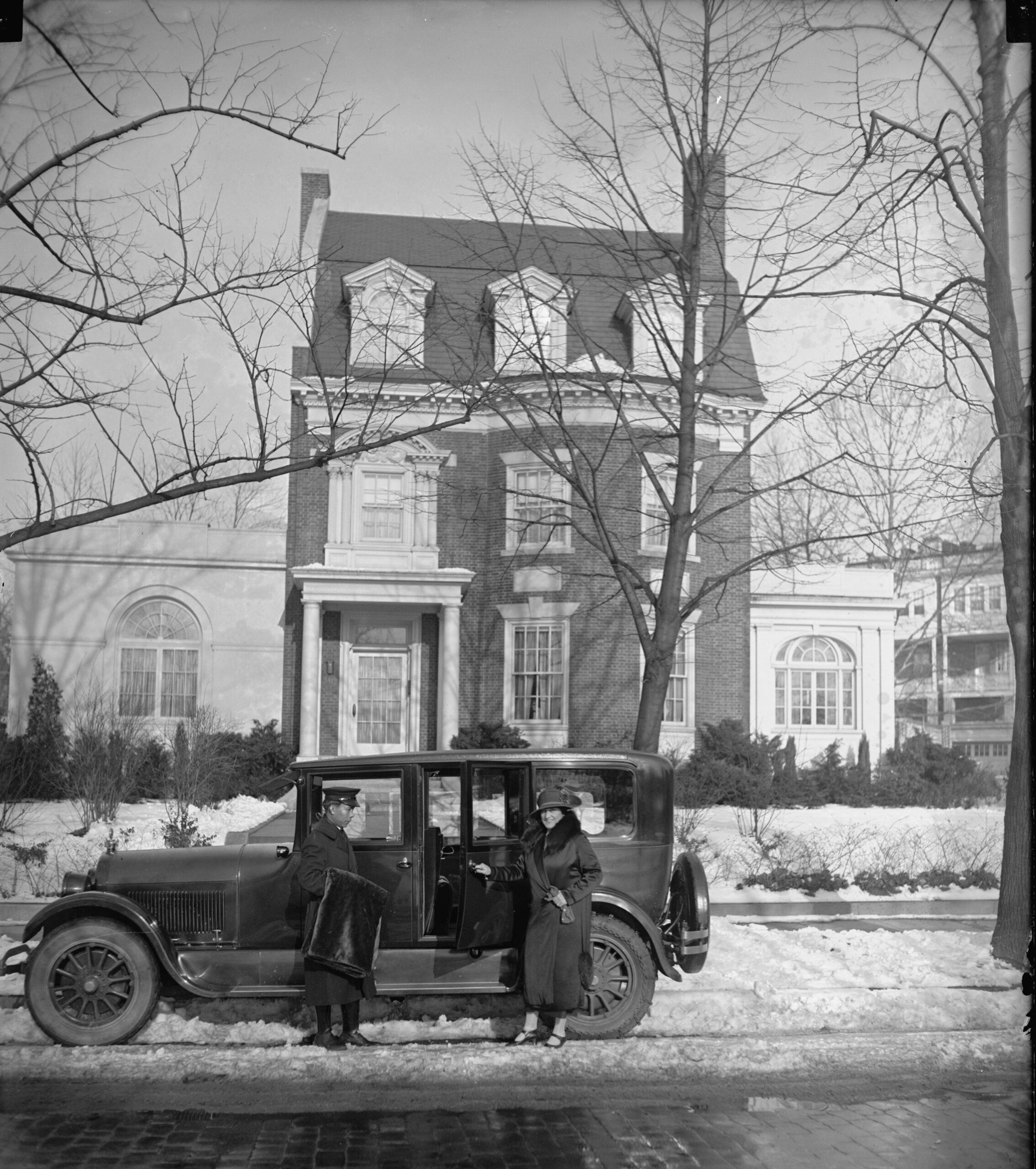
A photograph taken on January 13, 1926, of acclaimed American mystery writer Mary Roberts Rinehart leaving her home and about to enter a vehicle in Washington, D.C. Mary is credited with creating the concept of “the butler did it,” and she was considered the “American Agatha Christie.”
Photo via Wikimedia Commons, public domain
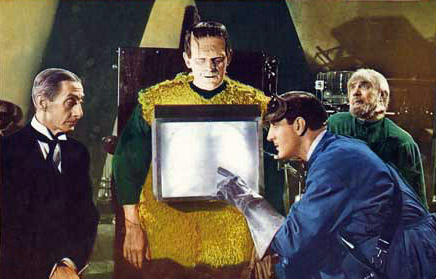
On Friday the 13th in January 1939 “Son of Frankenstein” starring Boris Karloff, Bela Lugosi and Basil Rathbone was released.
Image via Wikimedia Commons, public domain
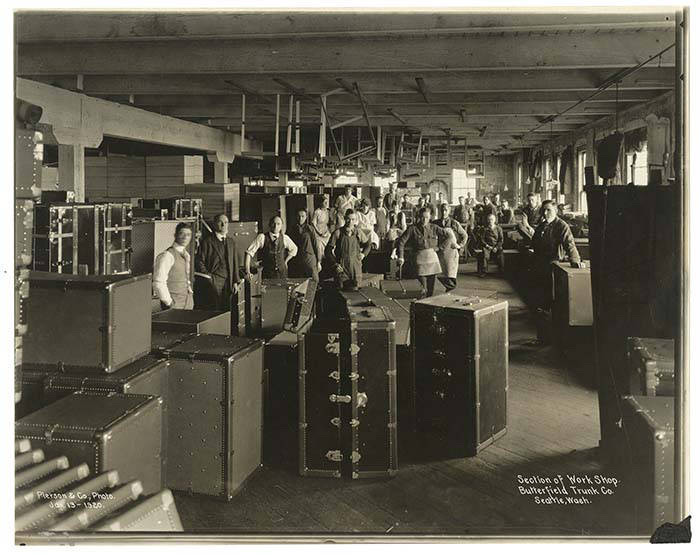
On January 13, 1920, workers at Seattle’s Butterfield Trunk company posed with the hand-made travel trunks they crafted. By 1930 the Butterfield firm was producing 1,500 steamer trunks a month. In 1968 the company was bought by Skyway Luggage.
Image from Seattle MHI via Wikimedia Commons, public domain in the US.
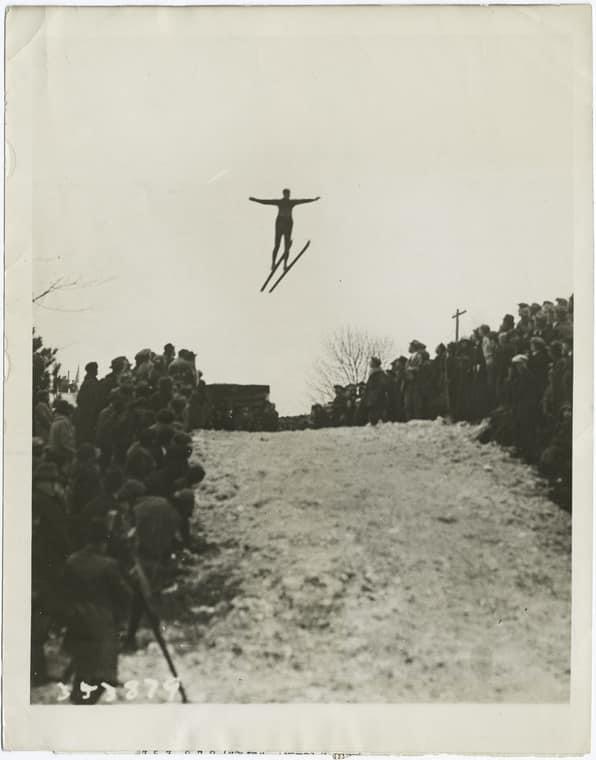
Anders Haugen in mid air during a ski jump on $6,000 of imported snow at Briarcliff Lodge in Westchester, New York which was still barren of natural fallen snow on January 13, 1924.
via NYPL Digital Collections, no known restrictions.
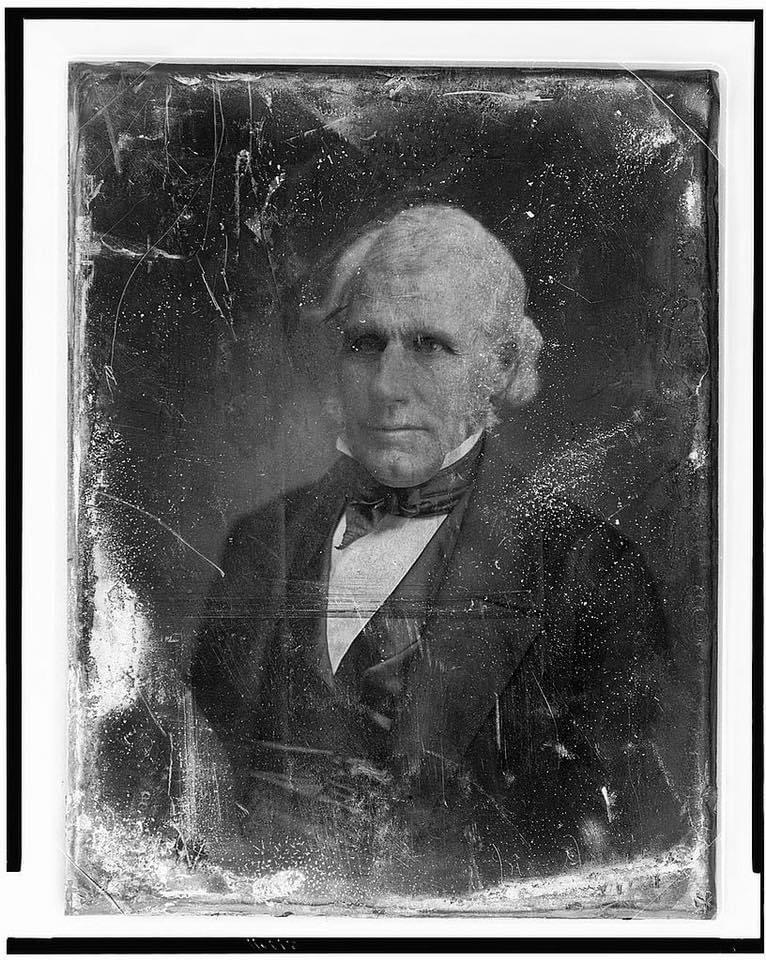
John Davis was born on January 13, 1787. He served as Governor of Massachusetts for two nonconsecutive terms from 1834-1835 & 1841-1843.
Photo: Library of Congress, no known restrictions
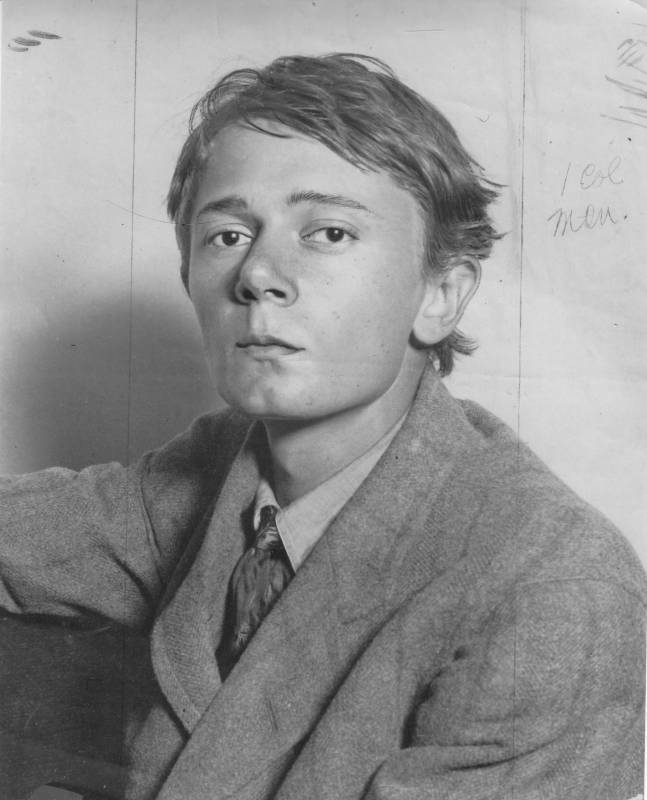
Winter Moonlight
The silence of the silver night
Lies visibly upon the pines;
In marble flame the moon declines
Where spectral mountains dream in light.
And pale as with eternal sleep,
The enchanted valleys, far and strange,
Extend forever without change
Beneath the veiling splendours deep.
Carven of steel or fretted stone,
One stark and leafless autumn tree
With shadows made of ebony,
Leans on the moon-ward field alone.
By American writer Clark Ashton Smith who was born on January 13, 1893 in Long Valley, California.
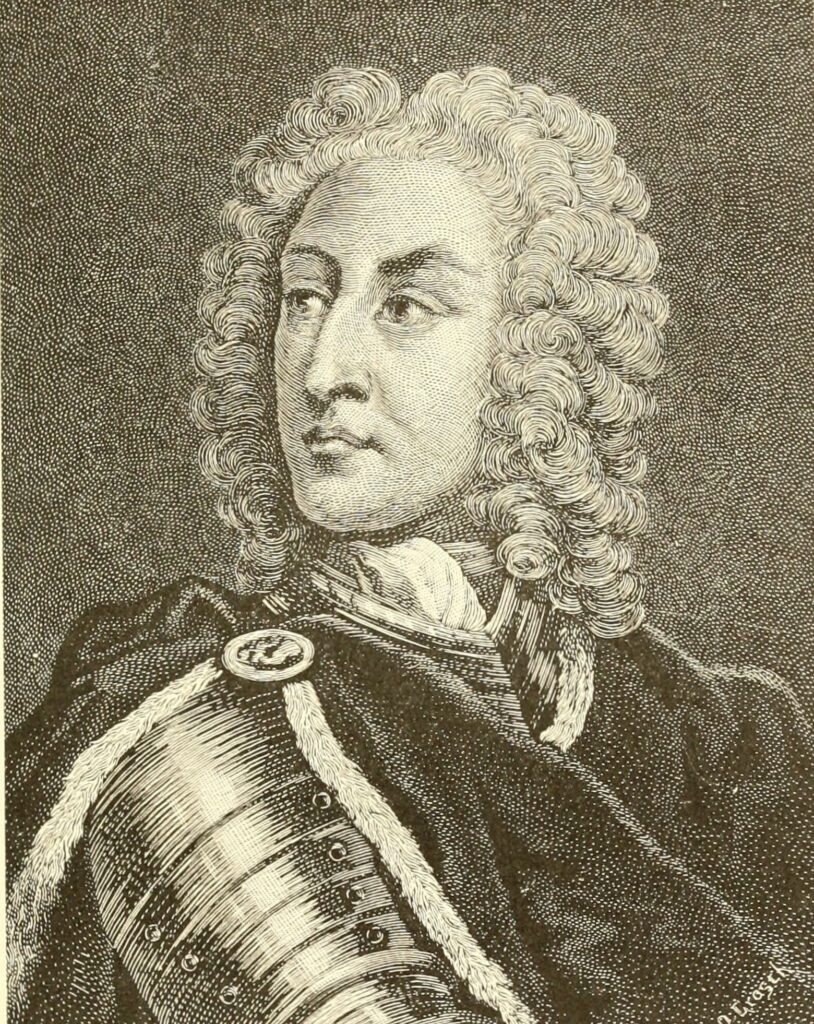
January 13, 1733
After a two‑month Atlantic crossing, James Oglethorpe and 130 English colonists stepped ashore at Charleston, welcomed by South Carolina’s governor and the officials charged with receiving them. Because Georgia did not yet exist, Charleston became their first foothold in the New World — a place to rest, resupply, and prepare for the final push south. Within days, South Carolina arranged boats, provisions, and local pilots to guide the newcomers down the shallow coastal waterways. The group moved on to Beaufort, the southernmost English settlement, while Oglethorpe scouted ahead, meeting with Yamacraw leaders and securing permission to settle on the high bluff above the Savannah River. A month later, the colonists followed him upriver to that site, where they began building the first town of Britain’s thirteenth and final mainland American colony.
