
 Mystery March Is Here!

Alexander Hamilton was born on January 11, 1757 (according to his writings and what many historians believe.) Some suggest that he was born on January 11th, two years earlier in 1755.
Hamilton was present at the Battles of Princeton, Trenton, Brandywine, Germantown, Monmouth and others including Yorktown where he stormed Redoubt No. 10.
After the American Revolutionary War Founding Father of the United States Alexander Hamilton championed the cause for a federal Constitution, became the first Secretary of the Treasury and established the Revenue-Marine which preceded the U.S. Coast Guard.
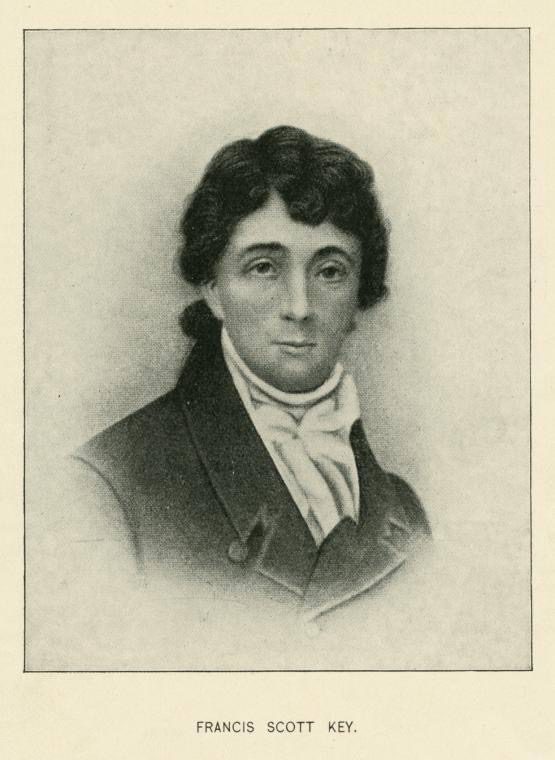
On January 11, 1843, Francis Scott Key passed away at the age of 63 in Baltimore, Maryland.
Image of Francis Scott Key via NYPL Digital Collections, no known restrictions
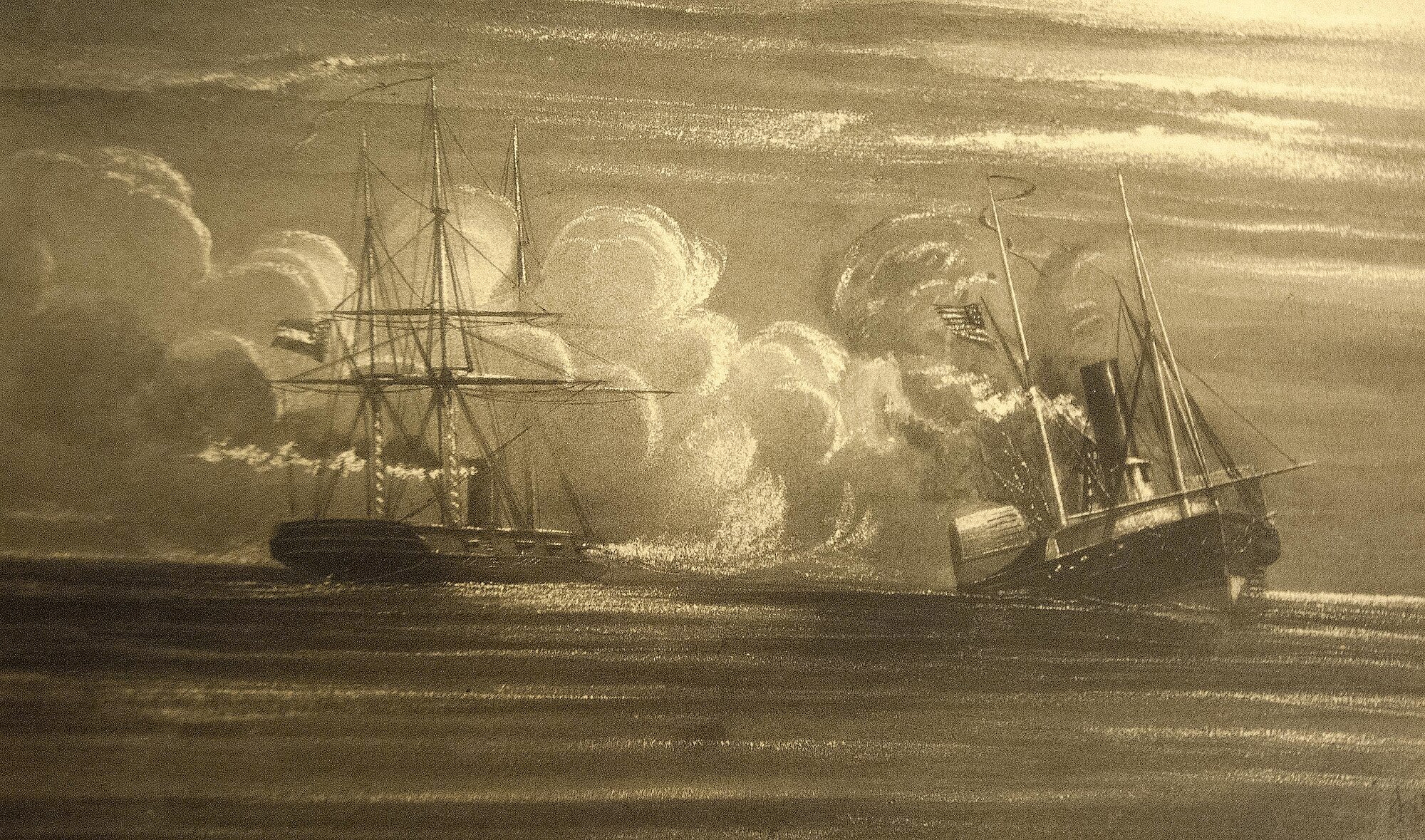
Around nightfall on January 11, 1863, the Union Navy steamer USS Hatteras met the CSS Alabama off the coast of Galveston, Texas. The confrontation lasted about 20 minutes. Before the USS Hatteras sank, the CSS Alabama took surviving Union Navy crew members prisoner and brought them to Jamaica.
Image via Wikimedia Commons, public domain
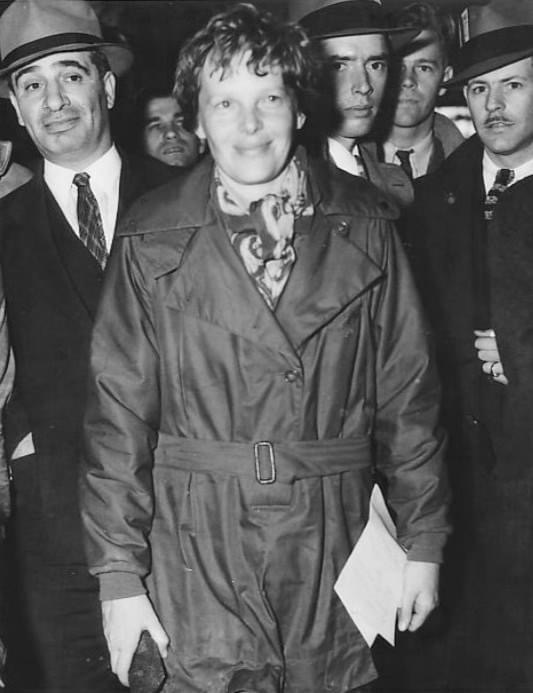
On January 11, 1935, Amelia Earhart took off from Honolulu, Hawaii on her flight to Oakland, California.She was the first person to accomplish this solo flight.
Image: Amelia after making her flight from Hawaii to California on January 12, 1935 via Wikimedia Commons, public domain
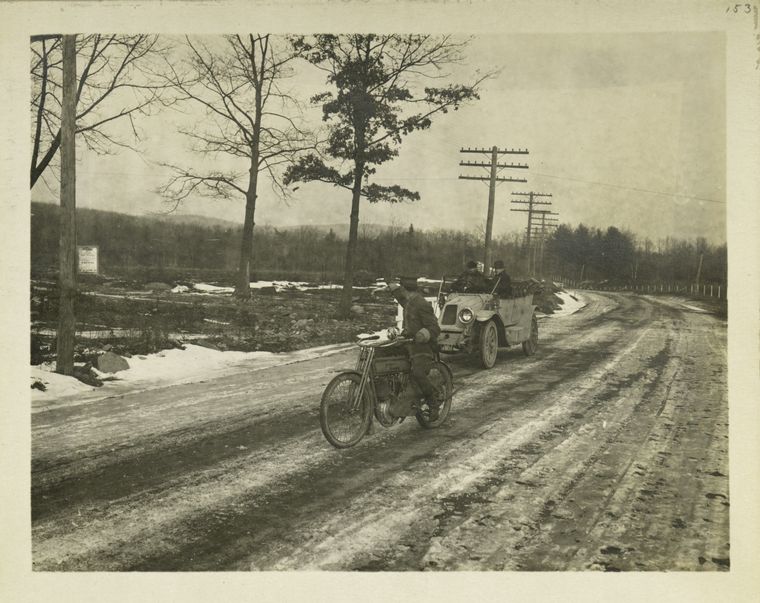
Police. Ashokan, N.Y. Patrolmen-on-Aqueduct. Arresting a violator of the ‘Speed’ law. January 11, 1915. via NYPL Digital Collections, no known restrictions
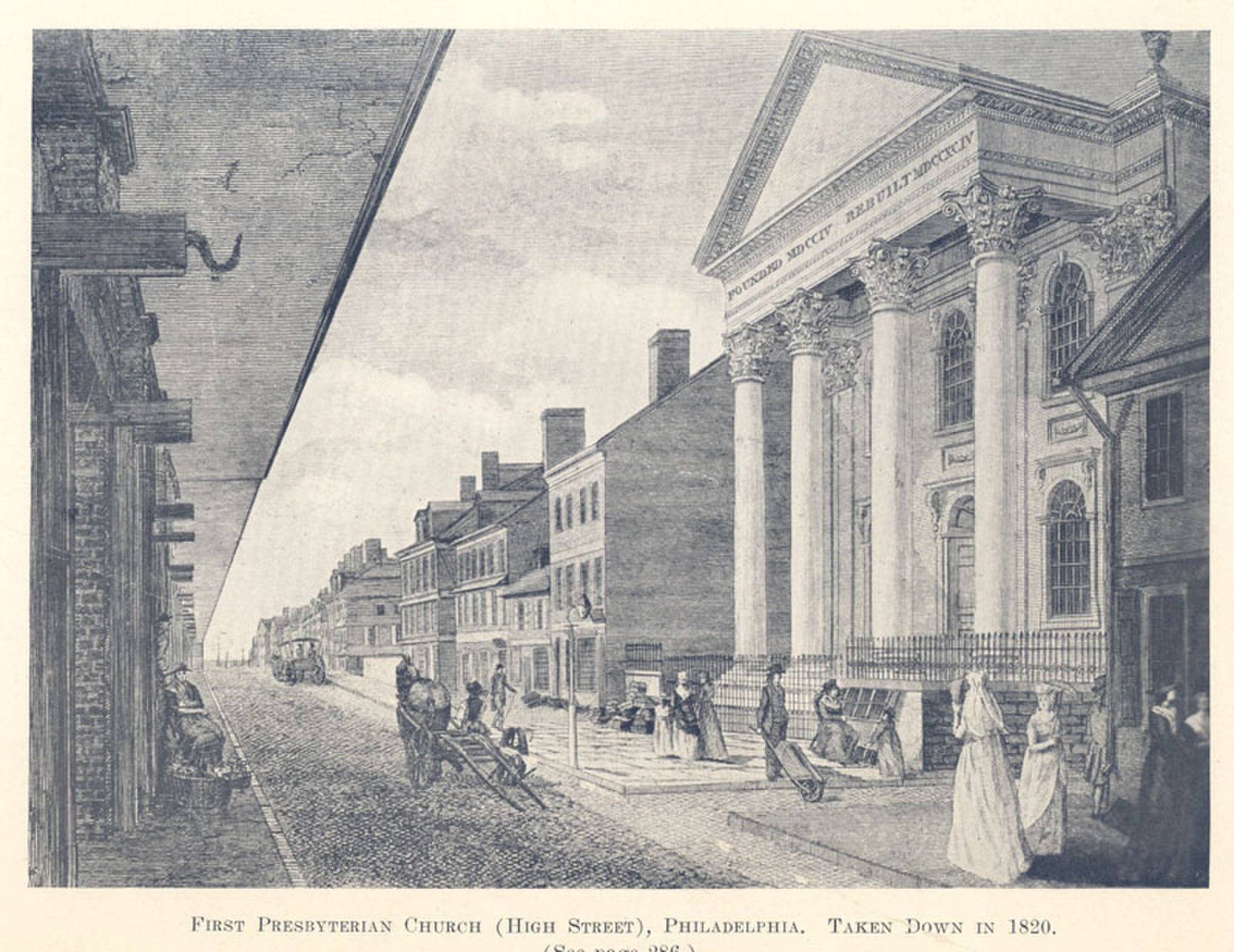
On January 11, 1759, the first life insurance company in America, the Corporation for Relief of Poor and Distressed Widows and Children of Presbyterian Ministers was established in Philadelphia.
Image: Illustration of the First Presbyterian Church in Philadelphia, Pennsylvania, when it stood on High Street. The church structure was taken down in 1820 via Wikimedia Commons, public domain
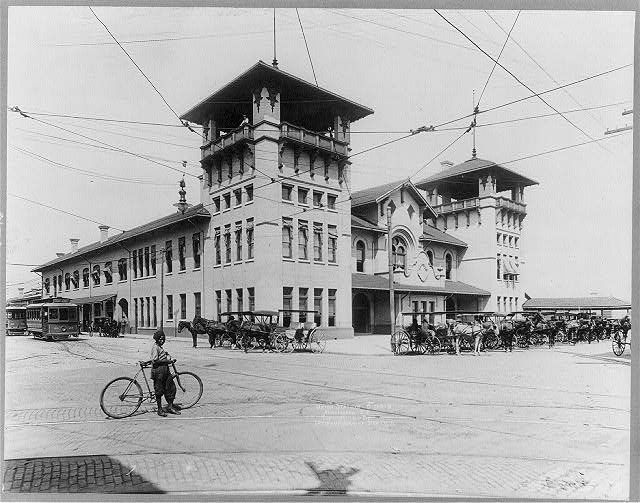
A photo on the historic Union Station in Charleston, South Carolina c. 1910
Thirty-seven years later the Union Station was destroyed by fire on January 11, 1947.
Image via LOC, no known restrictions

Ezra Cornell, the co-founder of Cornell University and the founder of Western Union, was born on January 11, 1807 in the Bronx, N.Y. His son, Alonzo B. Cornell, became the 27th Governor of New York. Image via NYPL, no known restrictions
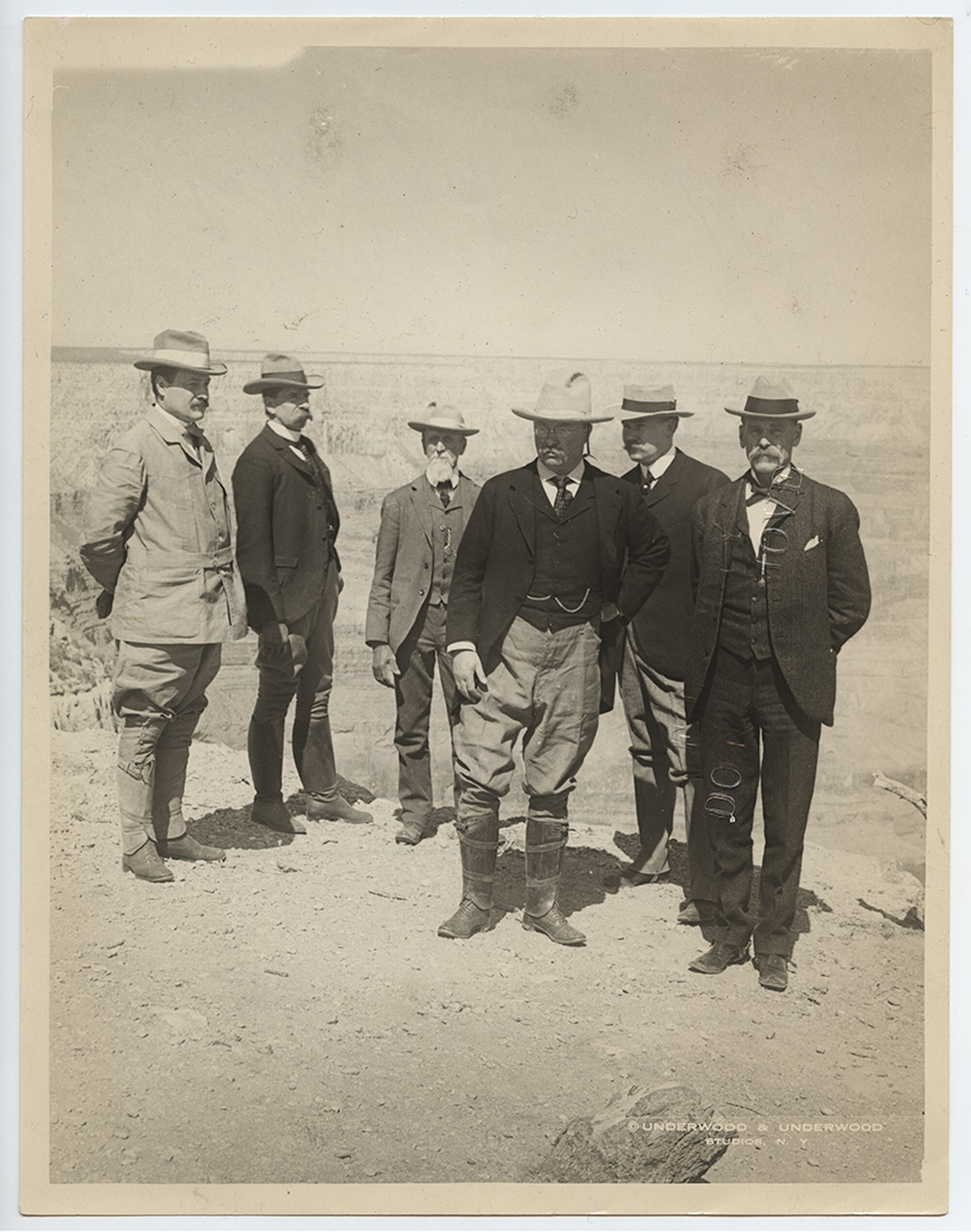
On January 11, 1908, President Theodore Roosevelt declared the Grand Canyon a national monument. The National Park status came 11 years later.
Image from five years earlier in 1903 of President Theodore Roosevelt, pictured with Governor Brodie, and others, at the Grand Canyon, in Arizona via Wikimedia Commons, no known restrictions
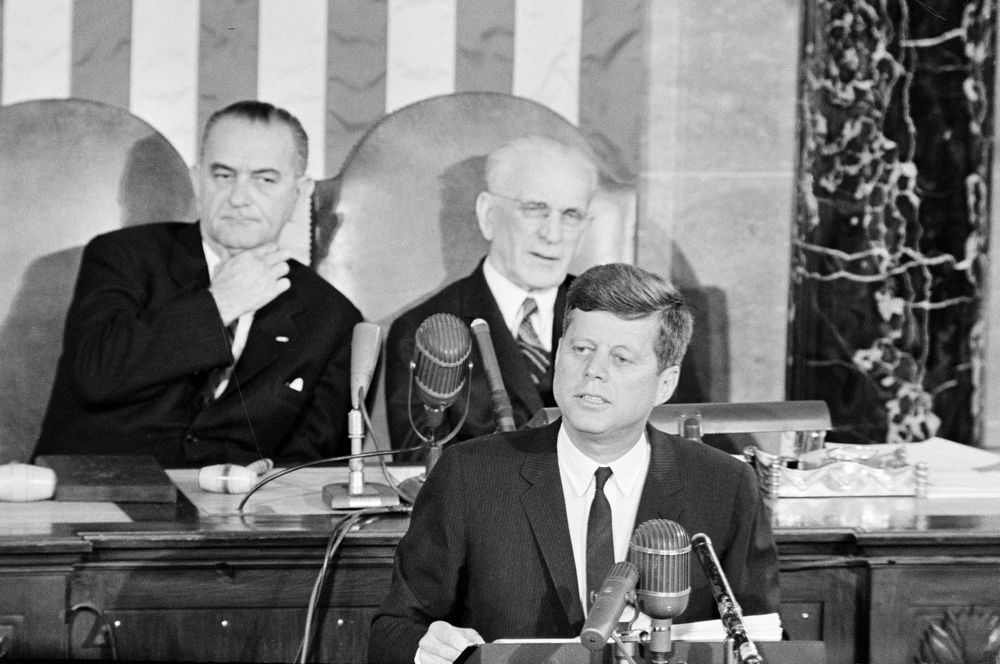
“Members of the Congress, the Constitution makes us not rivals for power but partners for progress. We are all trustees for the American people, custodians of the American heritage. It is my task to report the State of the Union–to improve it is the task of us all.
”John F. Kennedy during his Second State of The Union Address on January 11, 1962. Image: JFK delivering his State of The Union on January 11, 1962 via Wikimedia Commons, public domain in the US.
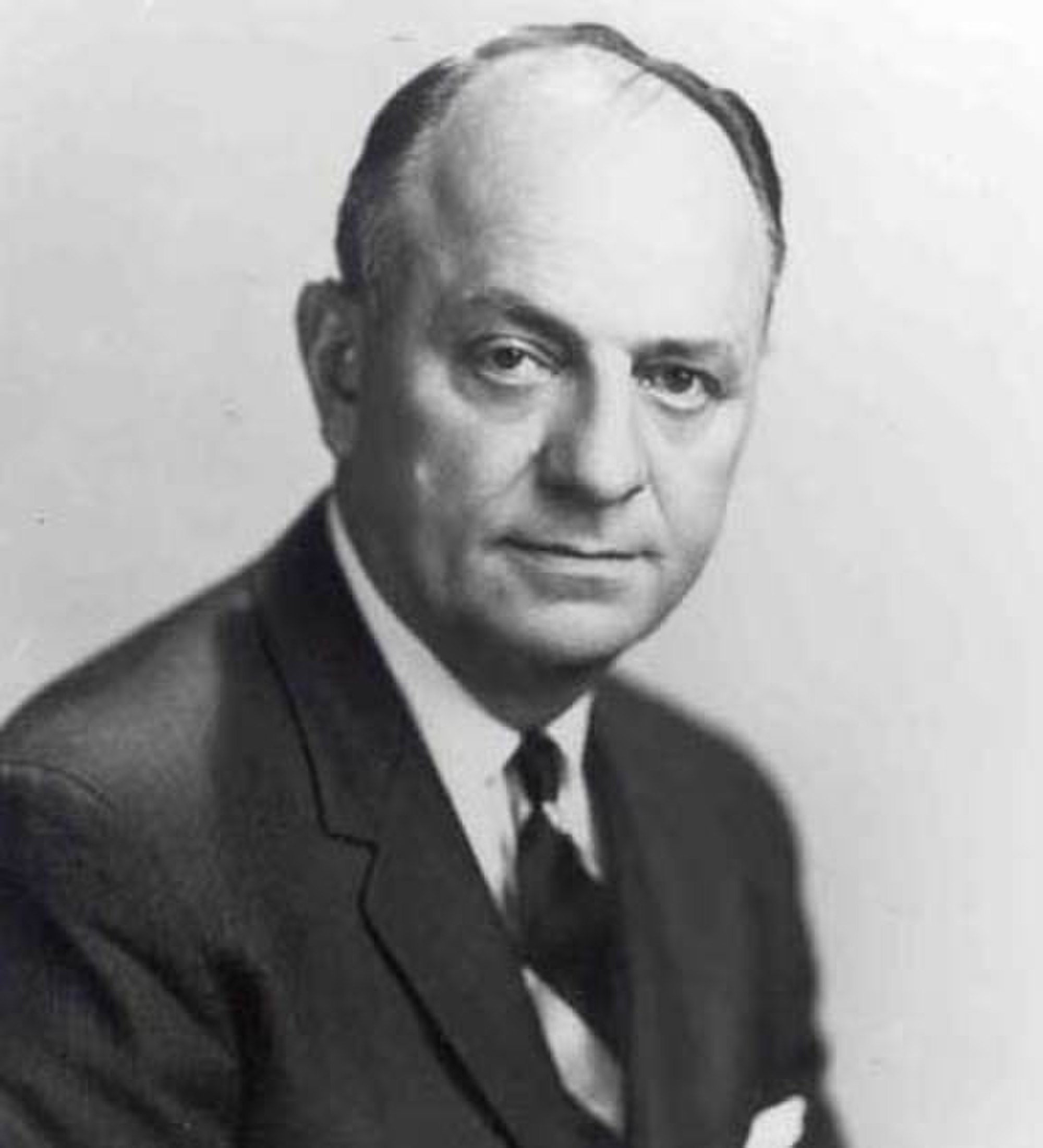
On January 11, 1964, Surgeon General of the United States, Luther Terry, released the first public report on the hazards of smoking titled: “Smoking and Health: Report of the Advisory Committee to the Surgeon General of the Public Health Service.
Image of Luther Terry via Wikimedia Commons, public domain in the US.
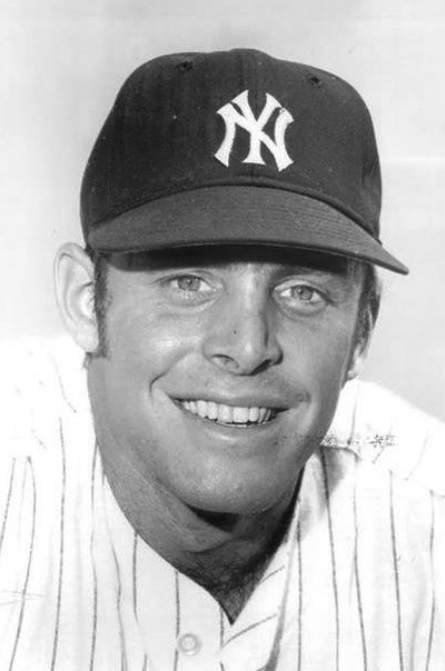
A photo of New York Yankee Ron Blomberg who in April 1973 became the first designated hitter in MLB history. Owners in the American League voted to approve the DH on January 11, 1973.
Image via Wikimedia Commons, public domain

On January 11, 1925, Symphony for Organ and Orchestra by American composer Aaron Copland premiered at New York’s Aeolian Hall.
Image: Aaron Copland in 1970 via Wikimedia Commons, public domain
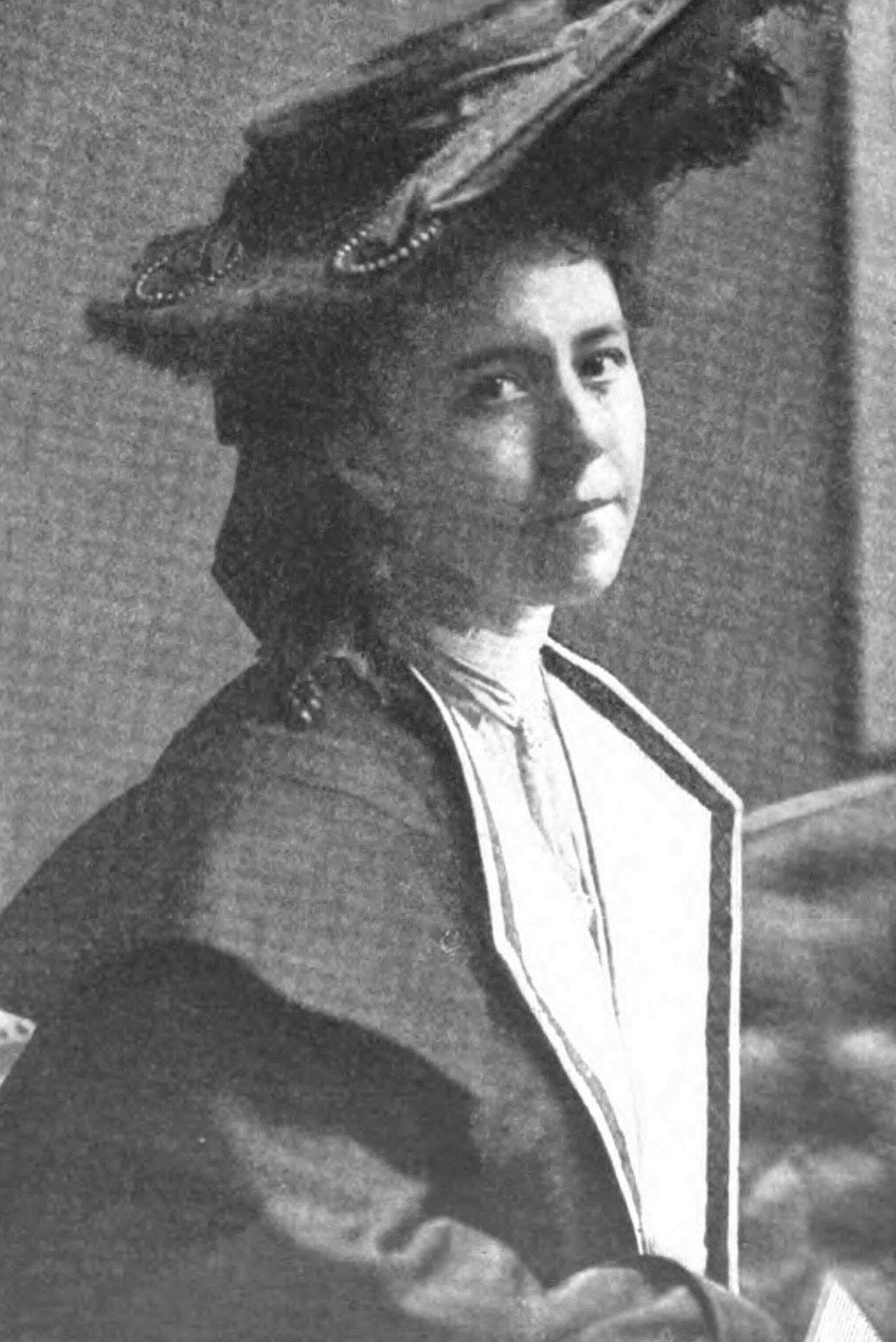
American author Alice Hegan Rice was born on January 11, 1870 in Shelbyville, Kentucky.She began one of her short stories “Cupid Goes Slumming” with:“It’s a mooted question whether love is a cause or an effect, whether Adam discovered a heart in the recesses of his anatomy before or after the appearance of Eve.”
Photo via Wikimedia Commons, public domain
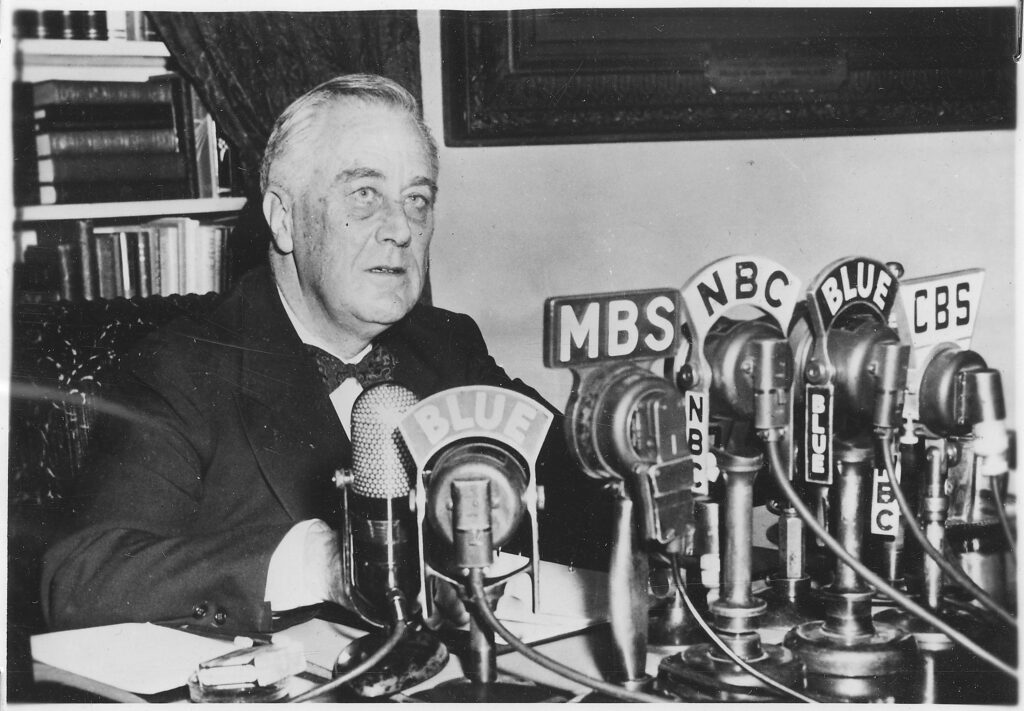
On January 11, 1944, Franklin Roosevelt was too ill to appear before Congress. Weakened by the flu, he remained in the White House and delivered his State of the Union by radio, seated at a desk rather than standing at the Capitol rostrum. From that room, he outlined a “Second Bill of Rights,” arguing that political liberty meant little without the economic security needed to build a stable, dignified life.
He called for protections he believed every American deserved — meaningful work, an income that meets basic needs, fair treatment for farmers, safeguards against monopolistic abuses, a decent home, medical care, and the chance to learn and grow without fear of hardship. Even in sickness, he pressed the nation to imagine a freer, fairer peace than the one that followed the last war.
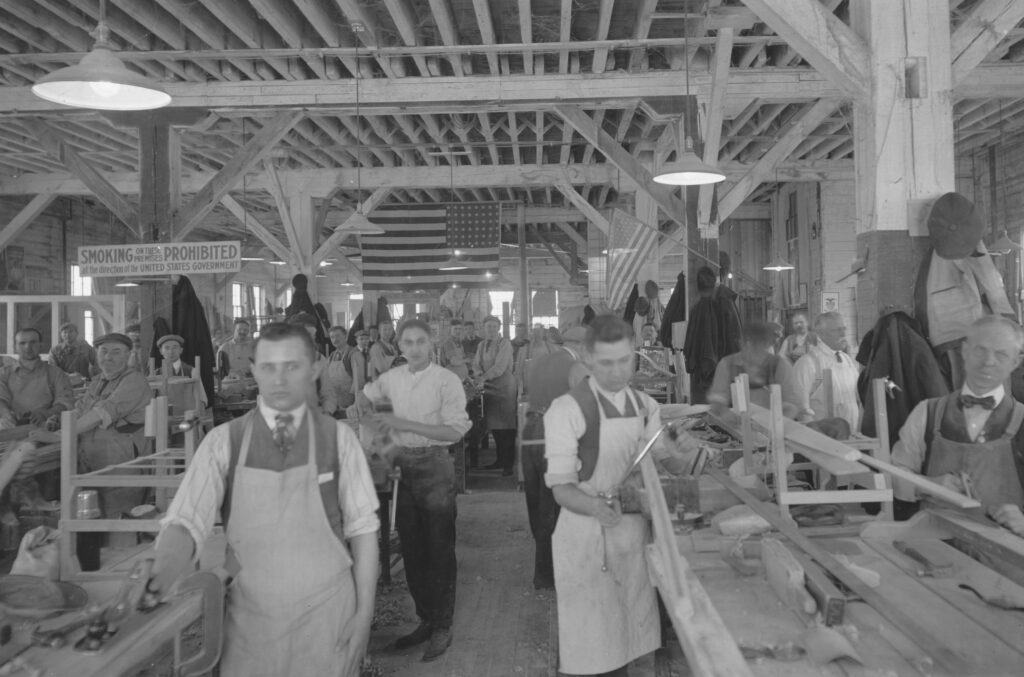
Curtiss Aeroplane Company, Bradley Street Plant, Buffalo, NY — 2nd Floor.
January 11, 1918
American flags hang proudly above a bustling wartime shop where workers crafted wooden aircraft components. A government-issued ‘No Smoking’ sign reflects federal oversight and the flammable nature of early aviation materials. This plant was a cornerstone of U.S. aeronautical production.
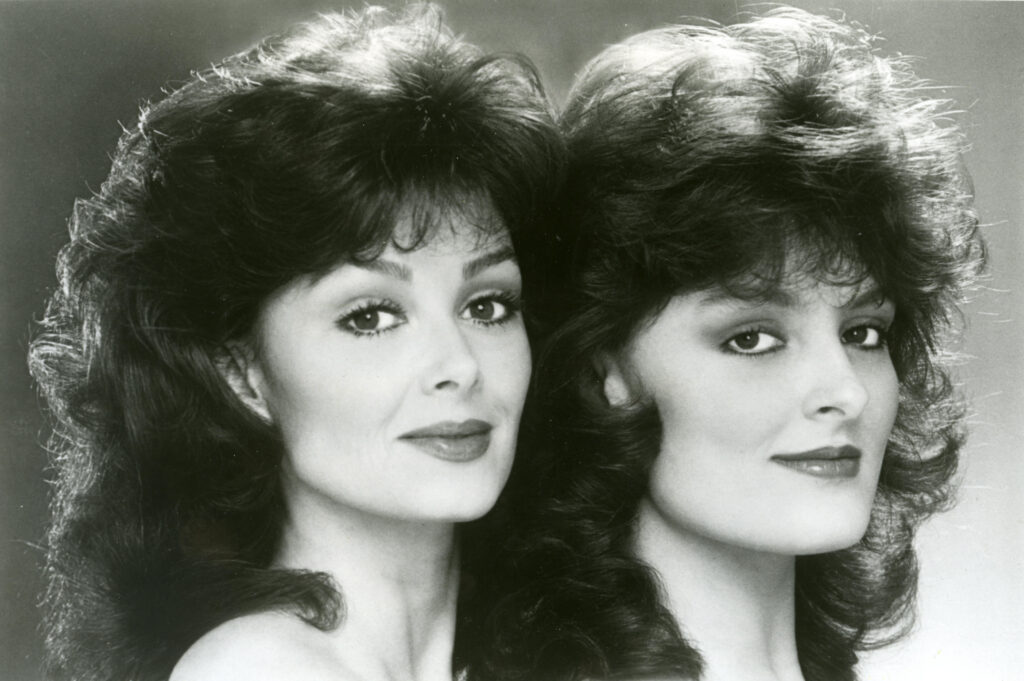
Born January 11, 1946, in Ashland, Kentucky, Naomi Judd rose from single motherhood and a career in nursing to become one half of The Judds, the Grammy‑winning country duo she formed with her daughter Wynonna. Their harmonies and storytelling helped define a generation of country music, with classics like Why Not Me and Love Can Build a Bridge.
Her younger daughter, Ashley Judd, followed a different path into acting and public advocacy, and Naomi championed her with unmistakable pride. Across music, motherhood, and reinvention, Naomi Judd became a symbol of strength, artistry, and Appalachian resilience.
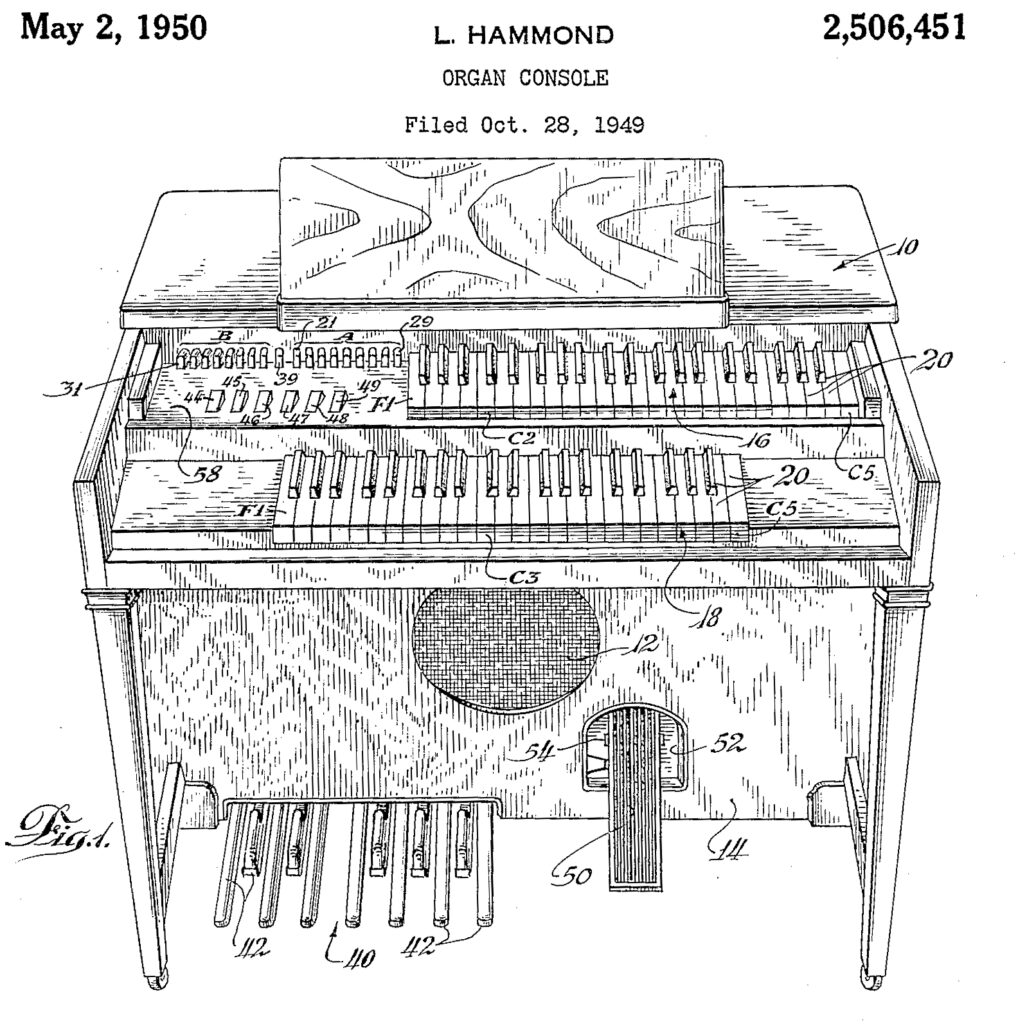
Born this day in 1895, Laurens Hammond gave the world a new kind of music—not carved from wood or blown through pipes, but spun from electric tonewheels and American ingenuity. His invention, the Hammond Organ, reshaped worship, jazz, rock, and soul, becoming the heartbeat of countless genres. From church choirs to smoky clubs, its sound was unmistakable: warm, gritty, alive.
Image: Patent drawing for a Hammond organ console, filed in 1949. By the time this design was submitted, Hammond organs had been shaping American music for over a decade—first sold in 1935 and already central to churches, jazz clubs, and early electric music.
