
 Mystery March Is Here!
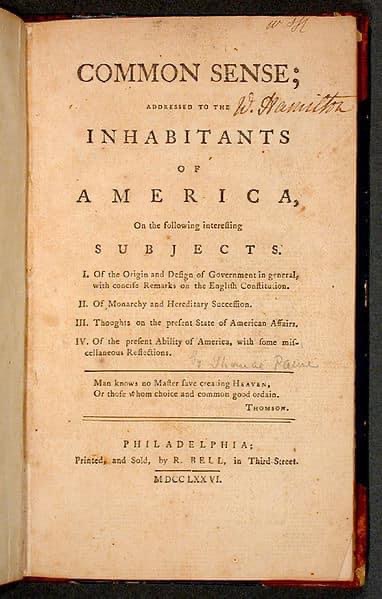
On January 10, 1776 Common Sense, written by Thomas Paine but published anonymously, appeared in Philadelphia and quickly spread throughout the Thirteen Colonies. In the pamphlet Paine clearly laid out the rationale for American independence from Great Britain.
Image via Wikimedia Commons public domain in the US
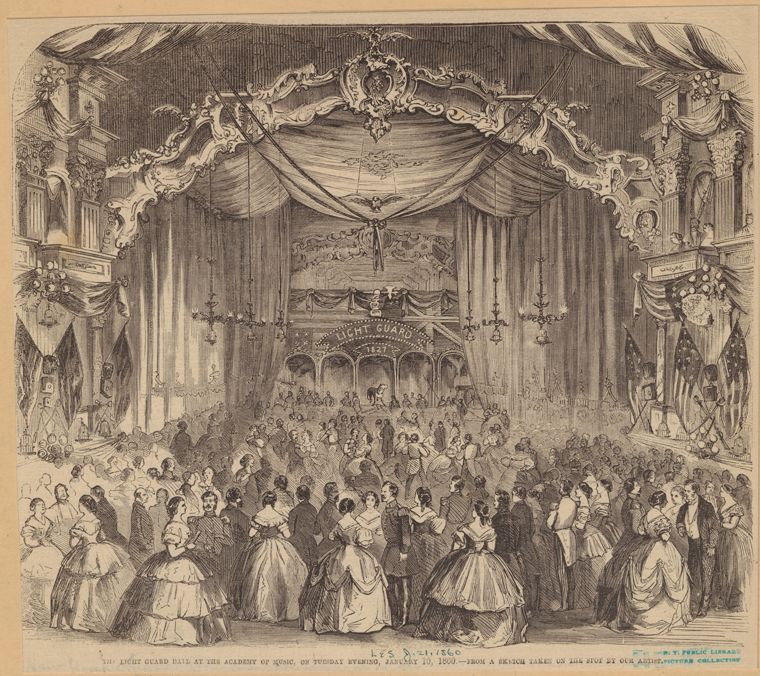
The Light Guard Ball at the Academy of Music, on the evening of January 10, 1860. Image via NYPL Digital Collections, no known restrictions
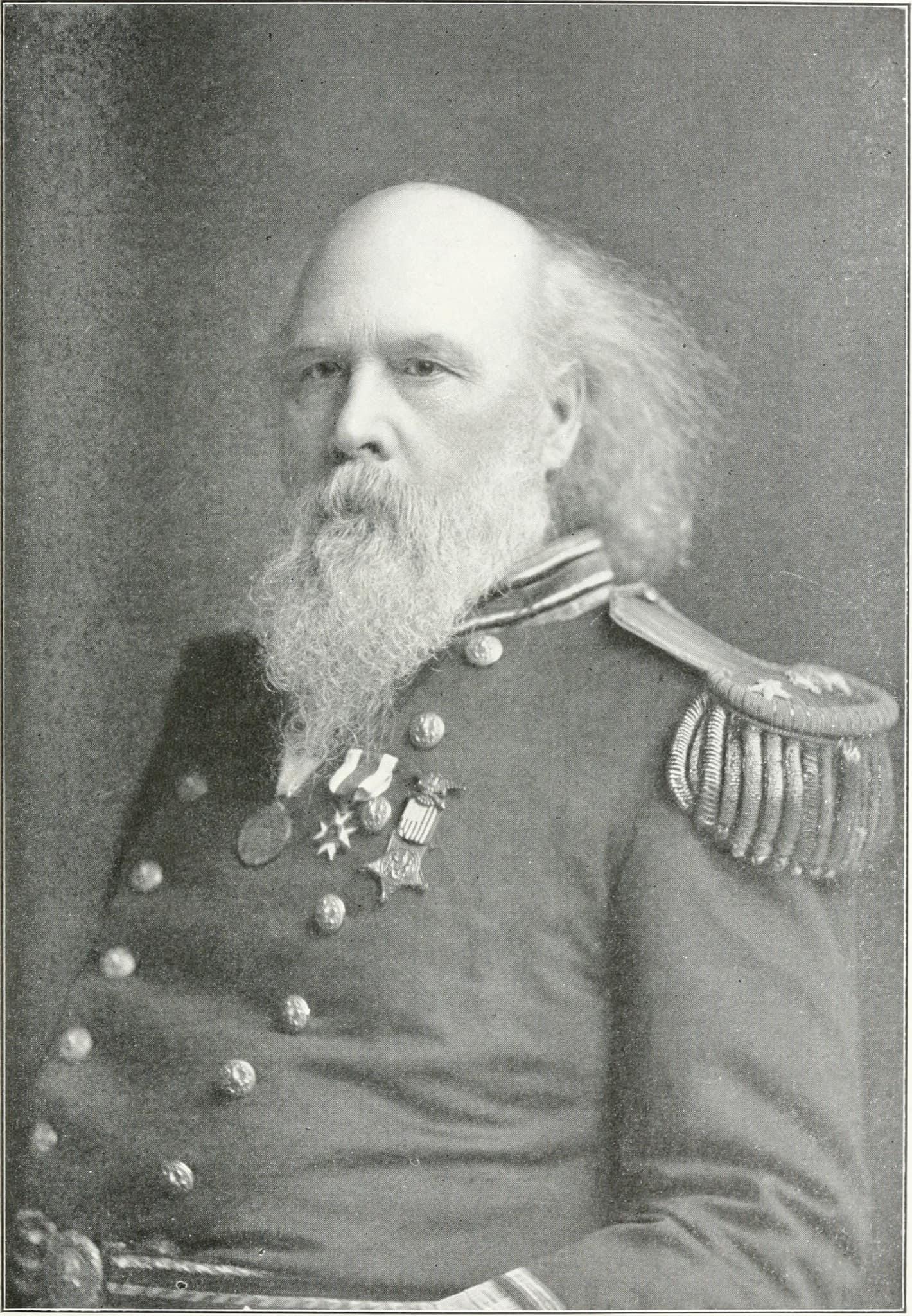
American Civil War Veteran, Arctic Explorer and naval innovator George W. Melville was born on January 10, 1841 in New York City. Melville became Chief of the Bureau of Steam Engineering in the US Navy in 1887 and introduced numerous vessels with advanced propulsion systems which modernized the Navy’s fleet. Image c. 1905 via Wikimedia Commons, public domain
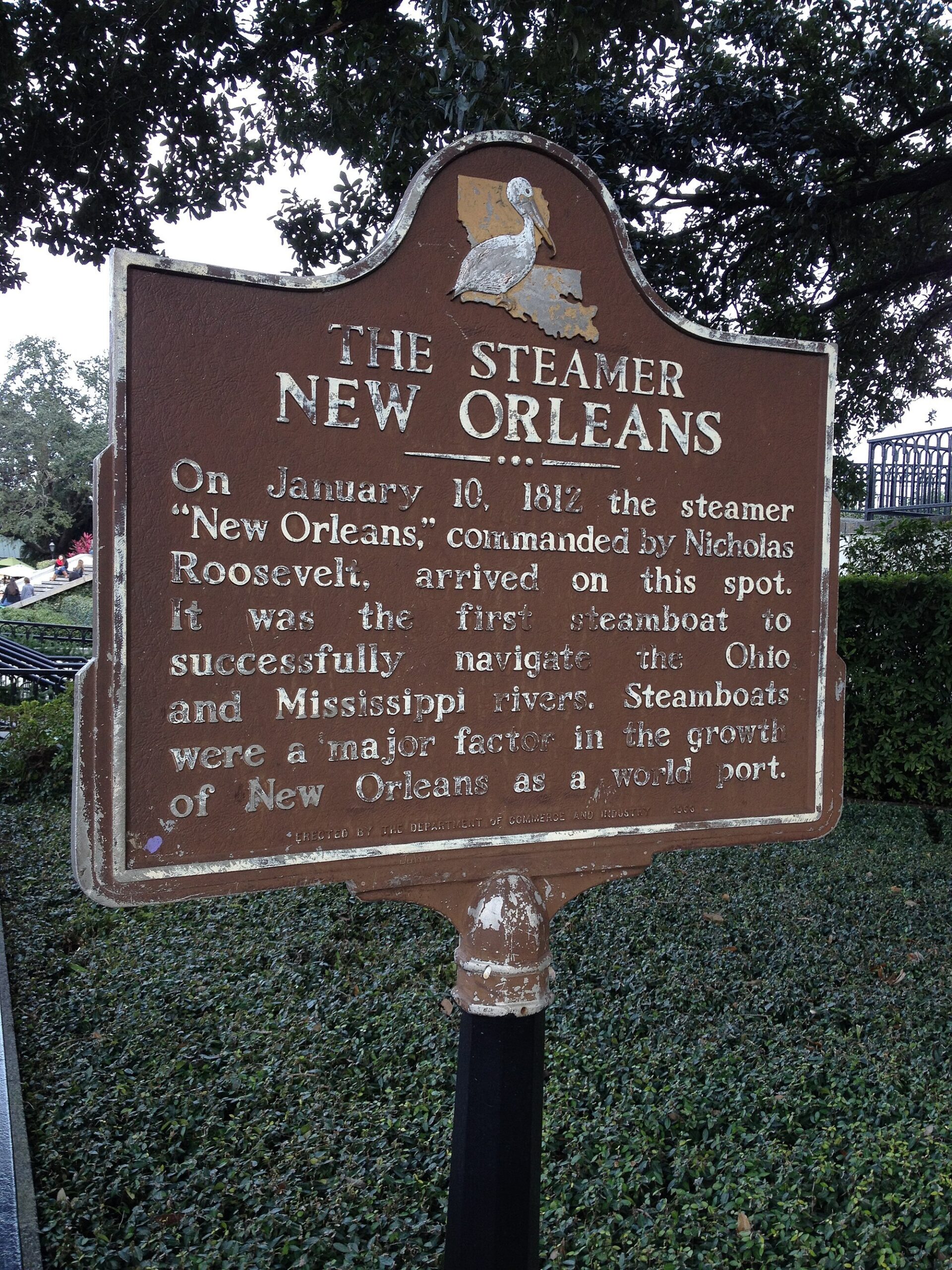
On January 10, 1812, the first steamboat to successfully navigate the Ohio and Mississippi Rivers arrived in New Orleans. Image from rrafson via Wikimedia Commons, CC BY 3.0
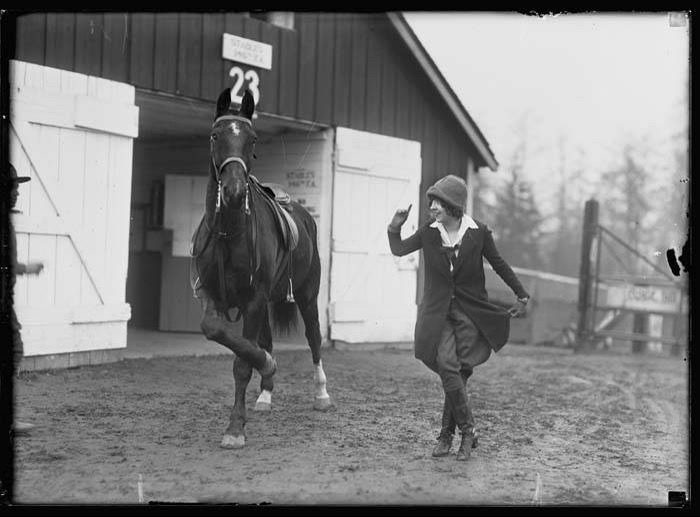
By early 1926 the Charleston dance craze was sweeping the nation. On January 10 of that year Dorothea Richmond of Seattle thought that artillery horse George, assigned to nearby Fort Lawton, would be an apt pupil. It appears that George had another talent in addition to pulling cannons!
Image from Seattle Museum of History and Industry via Wikimedia Commons, public domain in the US.
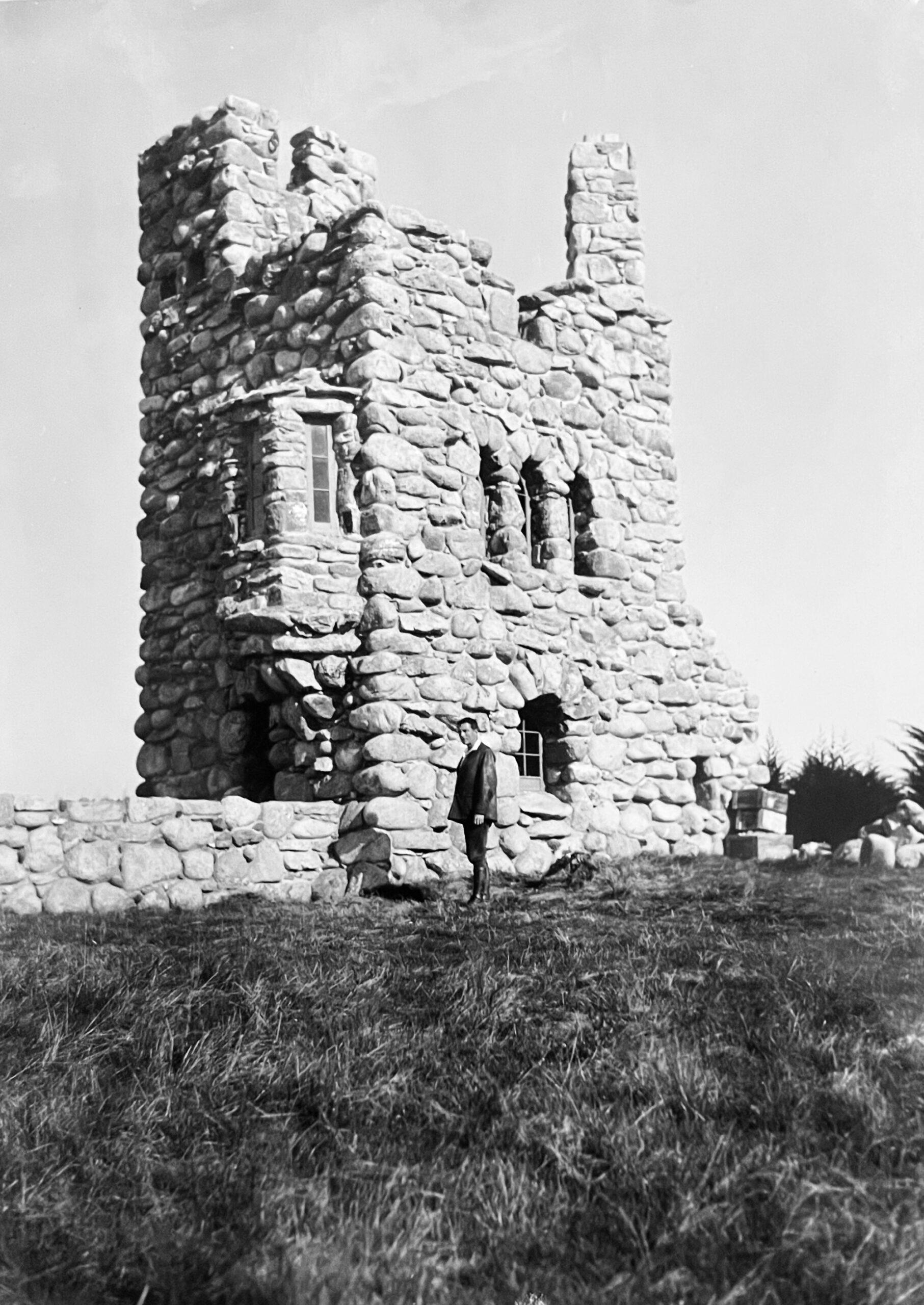
American poet Robinson Jeffers (shown) was born on January 10, 1887 in Allegheny, Pennsylvania. After moving to California he built this stone structure that you see called Hawk Tower (which took four years) that was an addition to Tor House at Carmel-by-the-Sea in California. After apprenticing with a contractor during the first year of construction of Tor House, Jeffers continued to use ropes and horses to haul large rocks from the shore below to build the structure. The property and its surroundings served as an inspiration for Jeffers’ poetry.
Image via Wikimedia Commons, public domain
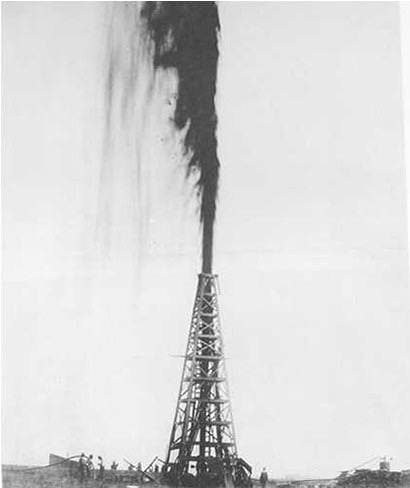
January 10 is an oily day is American history. On that day in 1870 John D. Rockefeller incorporated Standard Oil. On January 10, 1901 the first significant oil strike, the Lucas gusher was discovered at the Spindletop oil field near Beaumont, Texas.
Image via Wikimedia Commons, public domain in the US.
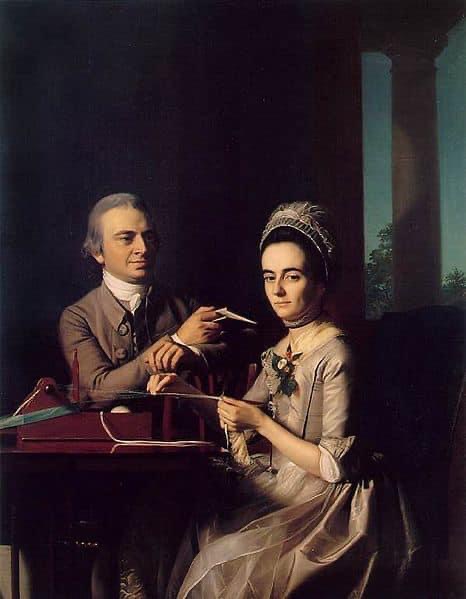
“The venerable Franklin, then in his eighty-second year, determined, at the expiration of his term as President of the Council, to withdraw altogether from public employments. In casting about for a successor to so illustrious a man, none seemed more worthy than the soldier who, during the War of the Revolution, had been among the most able and devoted in the country’s service. The choice fell upon Thomas Mifflin, and it is a distinction which he enjoys above all others who have been elevated to the enviable position of Chief Executive of the Commonwealth, both before and since, that he for the longest period exercised this power, having been two years President of the Council, and for three terms Governor, an aggregate of eleven years. Thomas Mifflin was descended from one of the earliest settlers in Pennsylvania, and was born in Philadelphia, (on January 10) in 1744…”From: Lives of the Governors of Pennsylvania by William C. Armor, published in 1874Photo: Mr. and Mrs. Thomas Mifflin – Sarah Morris & Thomas Mifflin by JS Copley, public domain via Wikimedia Commons
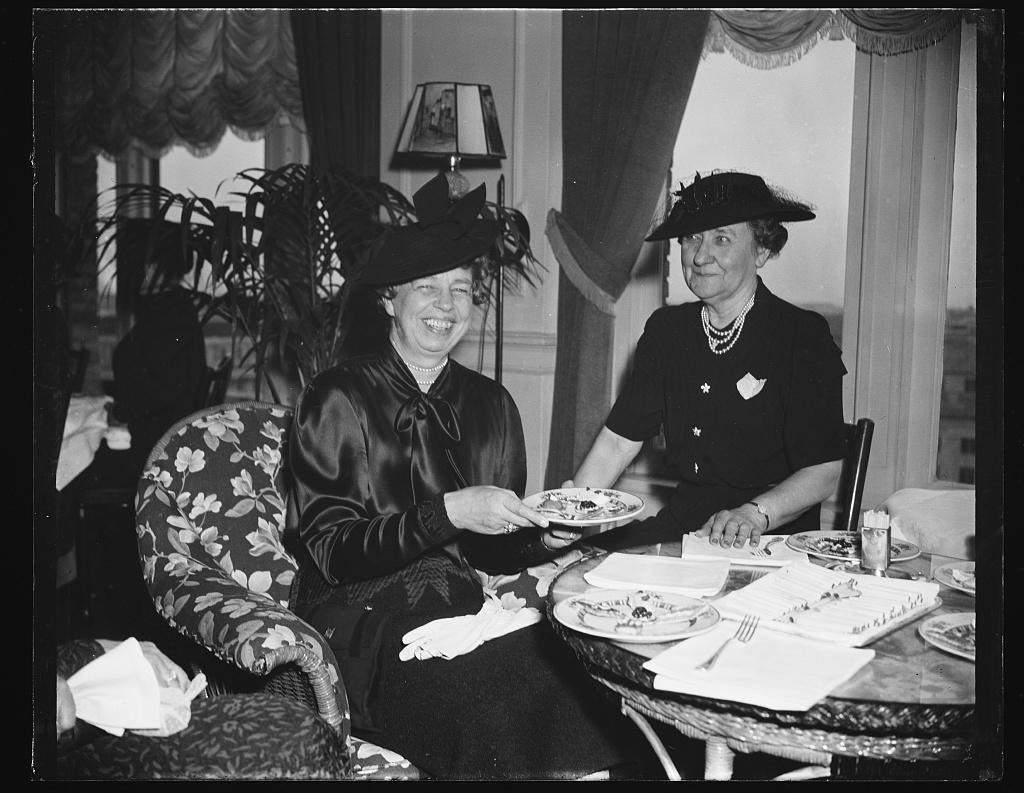
Mrs. Franklin D. Roosevelt and Mrs. John N. Garner at a luncheon of the Senate Ladies Club on January 10, 1939.
Image via LOC, no known restrictions
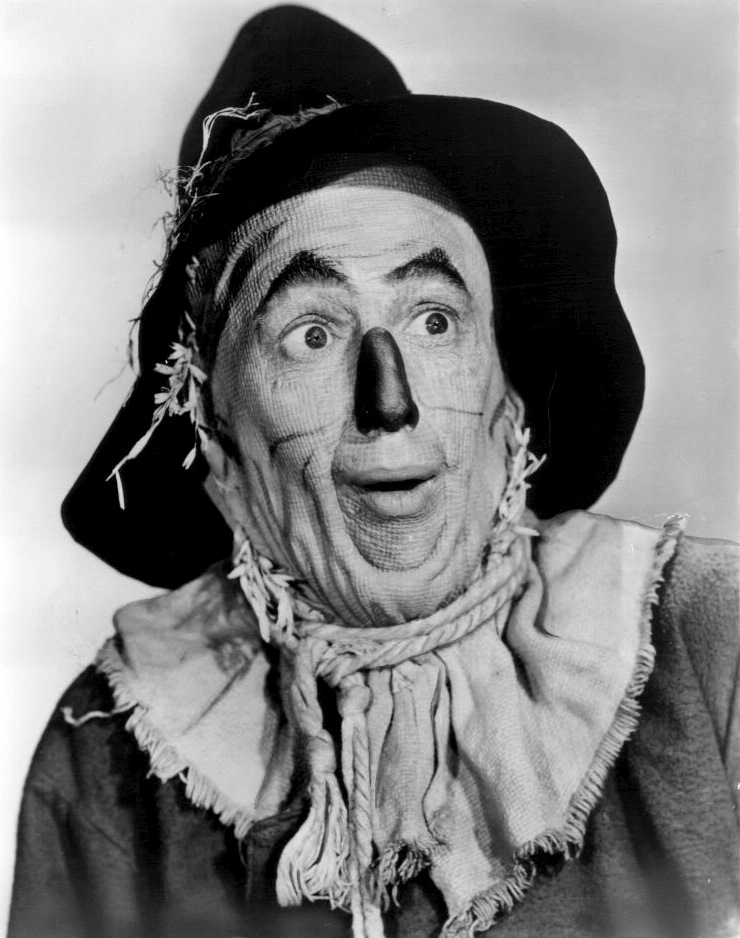
American actor Ray Bolger, who played the role of the Scarecrow in the 1939 film “The Wizard of Oz,” was born on January 10, 1904 in Boston, Massachusetts. Image via Wikimedia Commons, public domain
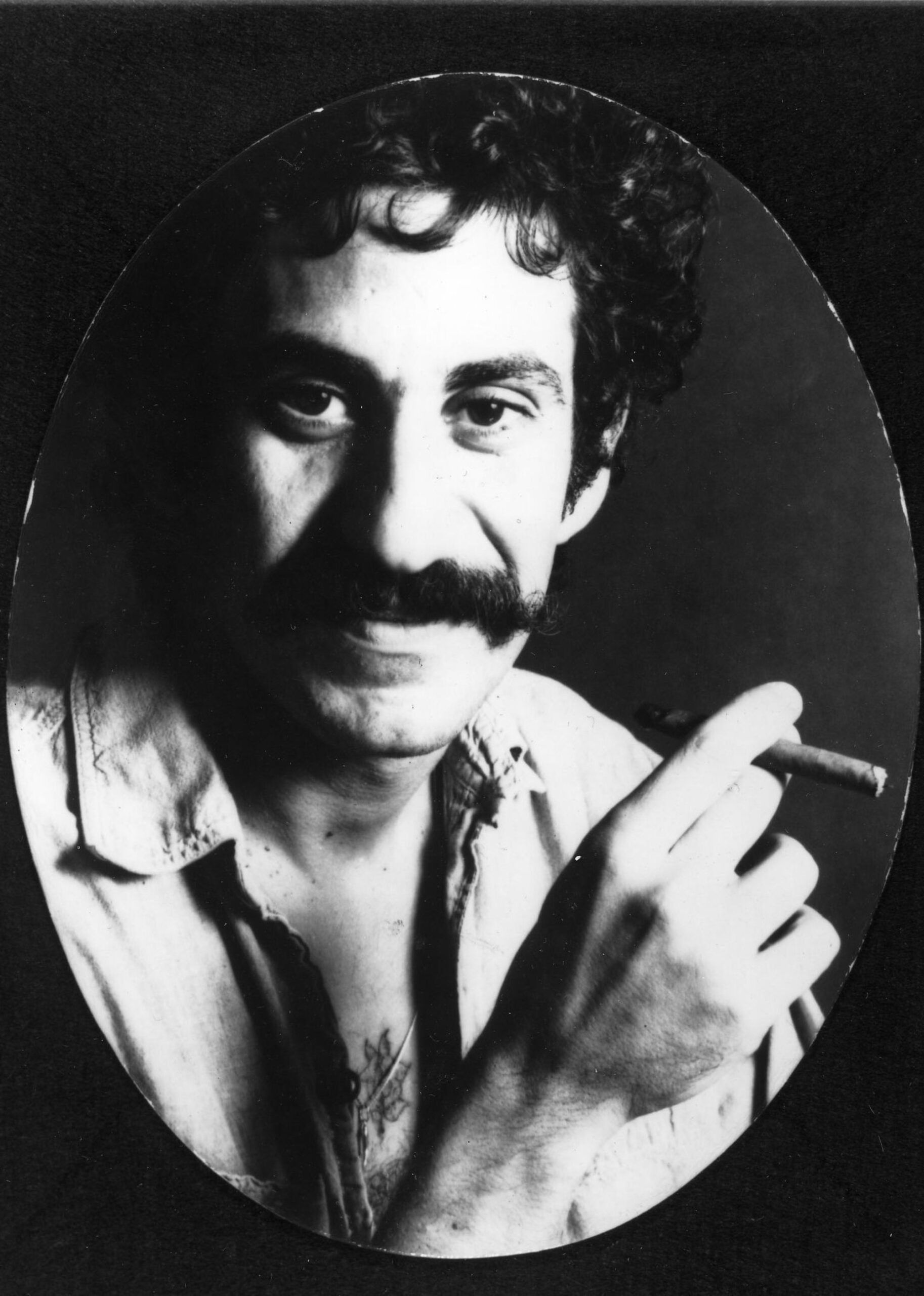
American musician Jim Croce was born on January 10, 1943 in South Philadelphia, Pennsylvania.
Image via Wikimedia Commons, no known restrictions
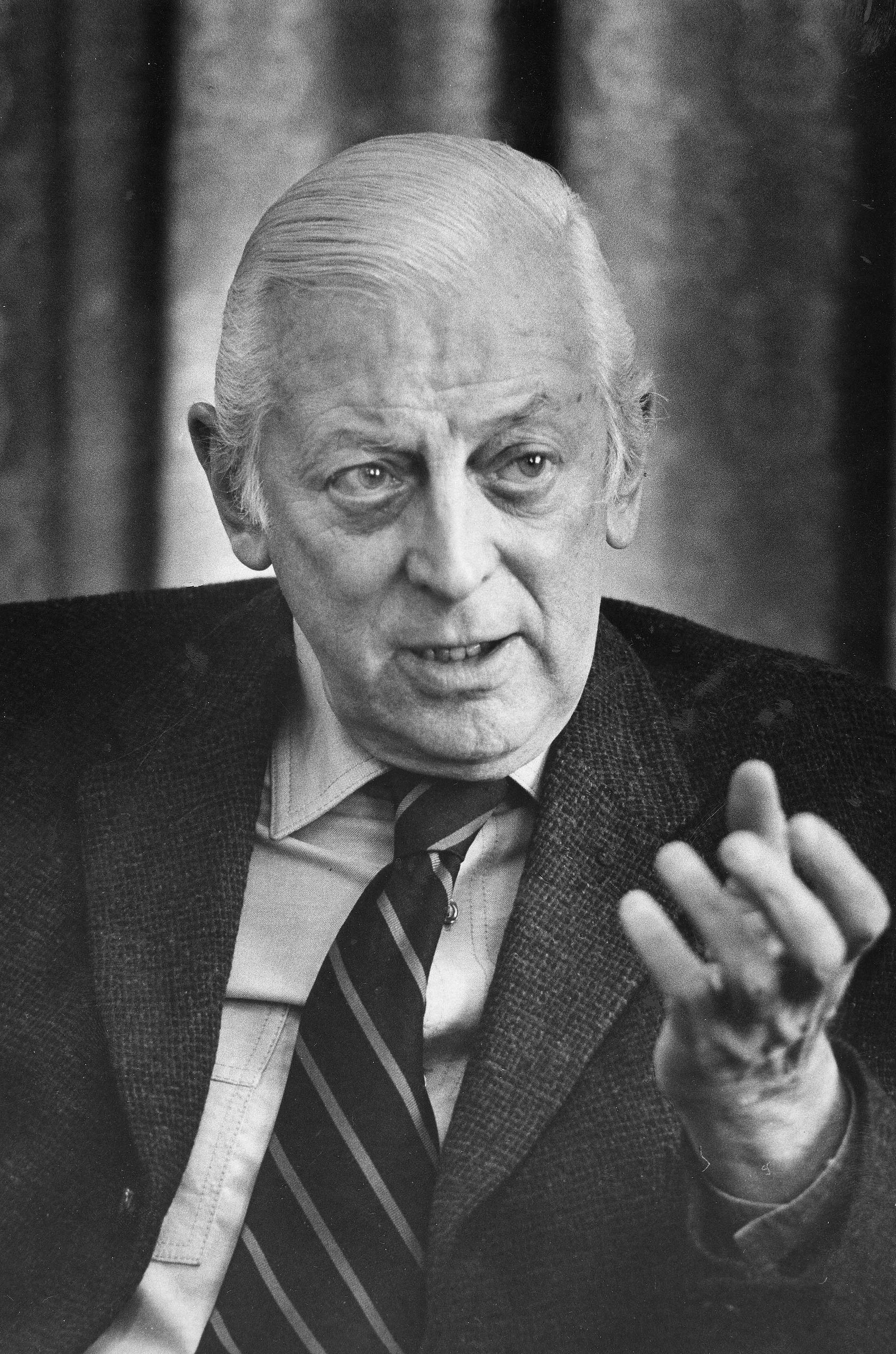
Thirty years after becoming an American Citizen in 1941, Alistair Cooke introduces a new TV series called Masterpiece Theatre which aired for the first time on January 10, 1971. While the series features a multitude of British dramas, it actually originated in America.
Image via Wikimedia Commons, public domain
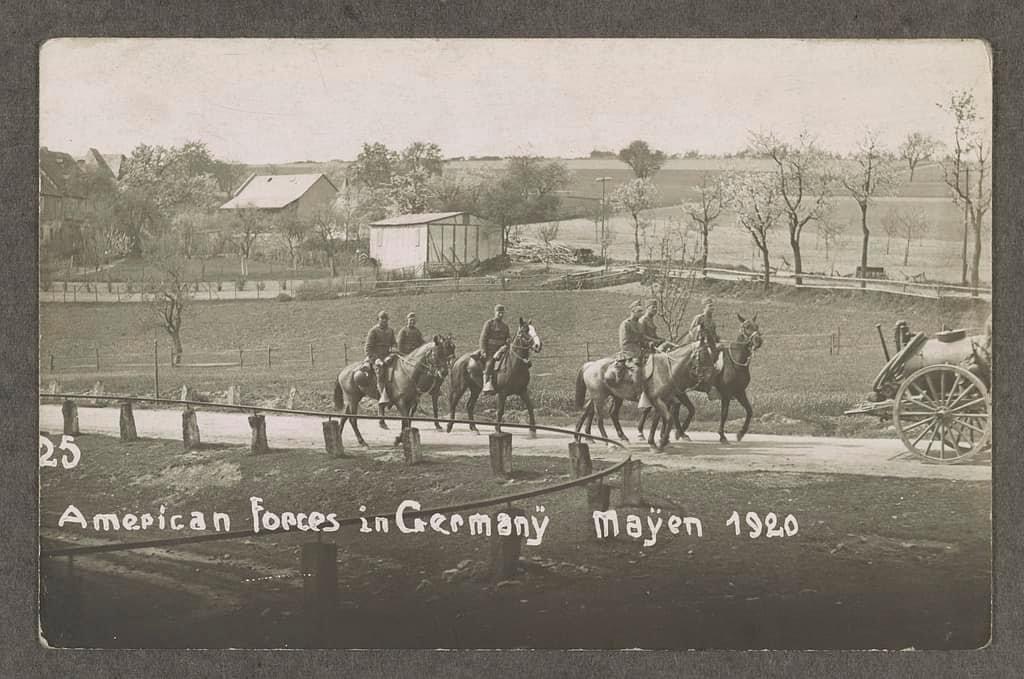
American Forces on horseback in Maÿen, Germany in 1920, a few years after Armistice.American troops remained in Germany in the years following WWI until they were recalled on January 10, 1923.
Image via Library of Congress, no known restrictions.
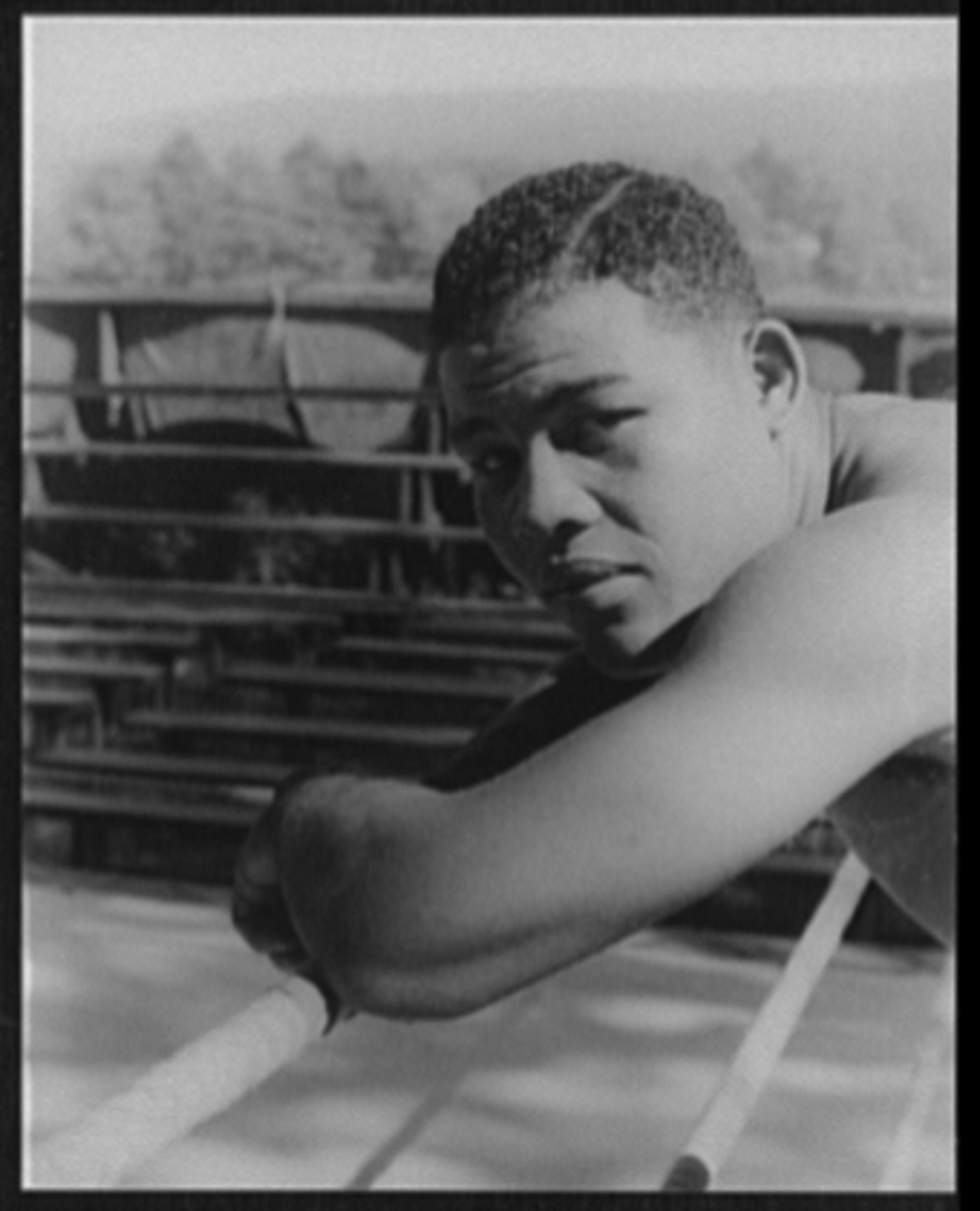
American pro boxer and World Heavyweight Champion, Joe Louis, enlisted in the U.S. Army on January 10, 1942.
Image of Joe in 1941 via Wikimedia Commons, no known restrictions
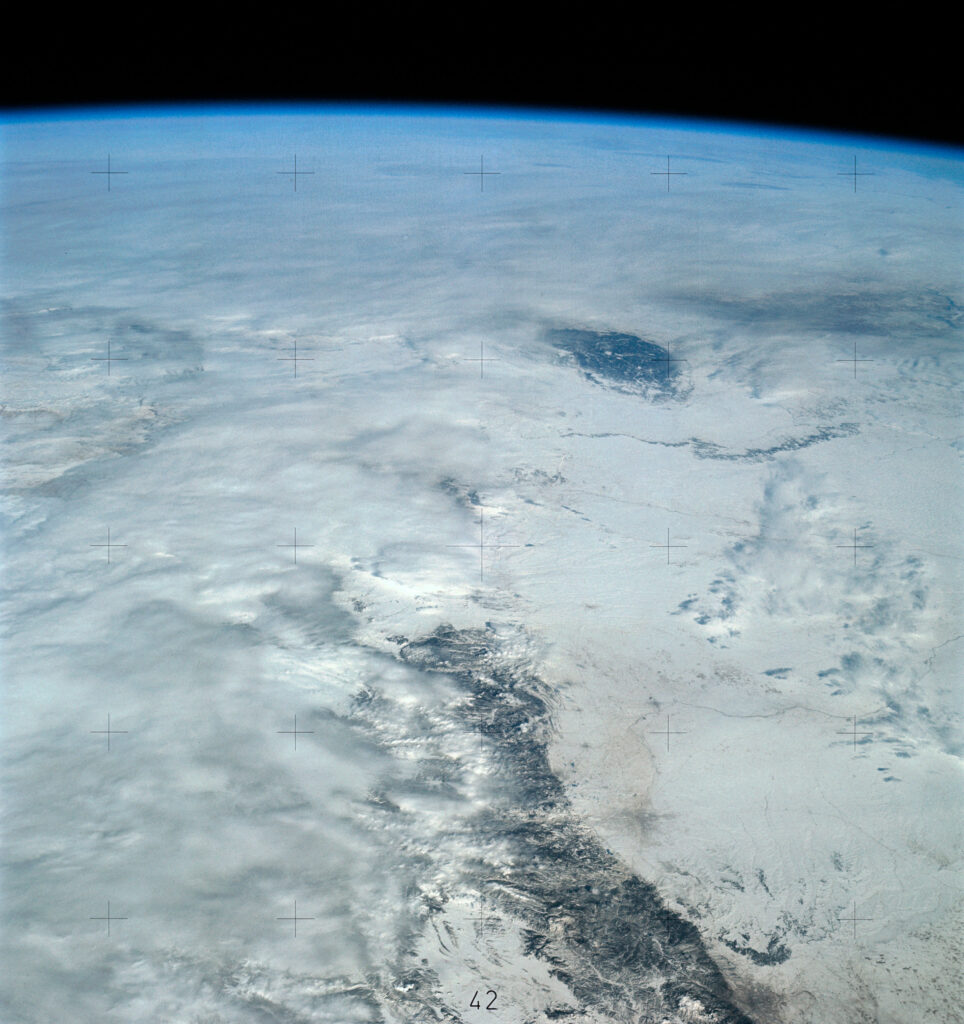
Photographed from Skylab, the first American space station, on January 10, 1974, this oblique view captures an enormous stretch of the American West—from Colorado Springs to the Black Hills of South Dakota—in a single frame. Sharp snowfields, soft cloud layers, mountain basins, and winding rivers all register at once, revealing both the region’s geography and the vast scale at which Skylab’s astronauts studied Earth from orbit.
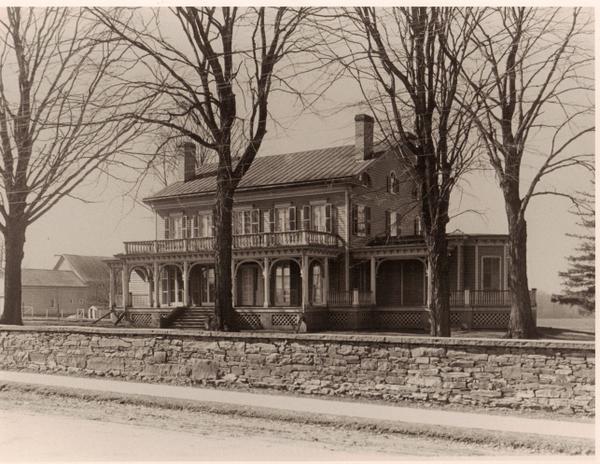
Built in 1833 with a restrained Georgian plan wrapped in early Greek Revival style, The Maples has stood through nearly two centuries of change in Rhinebeck, New York. Once absorbed into the Astors’ Ferncliff estate, it was renovated in 1901 by John Jacob Astor IV — who would perish aboard the Titanic in 1912. After his death, his son Vincent Astor inherited the property and sold the parcel containing the house to W.H.B. Obre in 1914.
By the 1940s, The Maples sheltered political journalist Richard Rovere, who wrote for The New Yorker from its rooms. After decades as medical offices and a quiet stretch of vacancy, the house underwent a full restoration beginning in 2017.
Today, at 108 Montgomery Street in Rhinebeck, it endures as a professionally renewed landmark and a National Register property since 1987 — a rare survivor of the village’s layered social landscape. Image from January 10, 1901: Museum of Rhinebeck History RM,2005.1274 via Wikimedia Commons
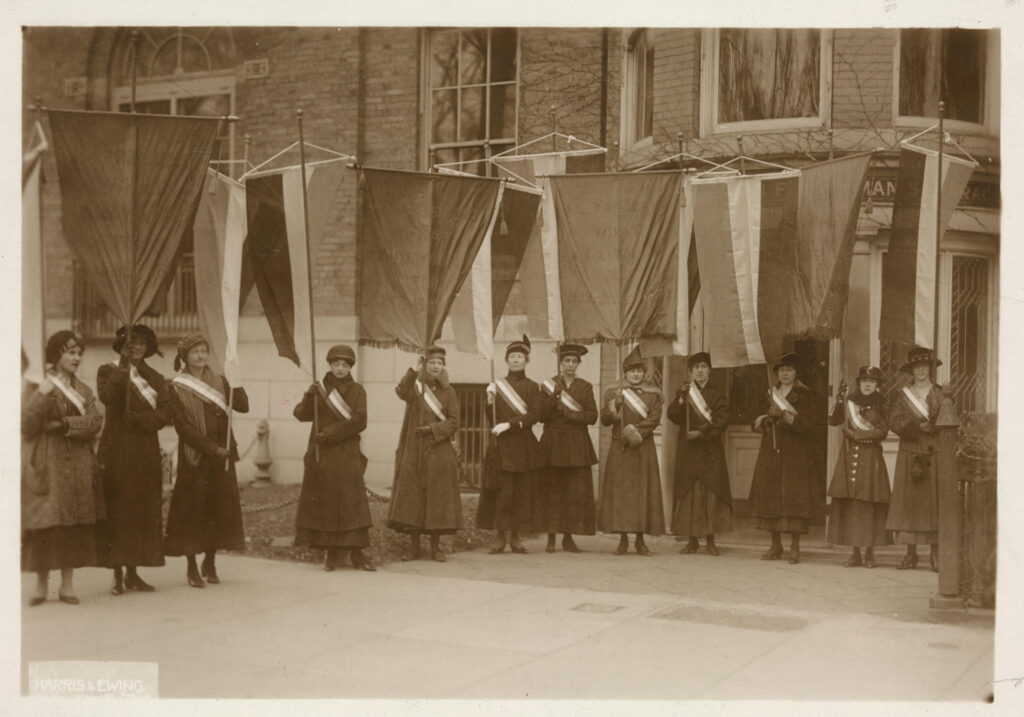
On January 10, 1917, twelve “Silent Sentinels” from the National Woman’s Party made history as the first activists to picket the White House. From 10 a.m. to 5:30 p.m., they held banners in suffrage purple, white, and gold — including one that asked, “Mr. President, How Long Must Women Wait for Liberty?” — refusing even President Wilson’s offer of coffee to keep warm. What began as a quiet vigil grew into a years-long campaign of arrests and hunger strikes that ultimately forced a national turning point for women’s right to vote.
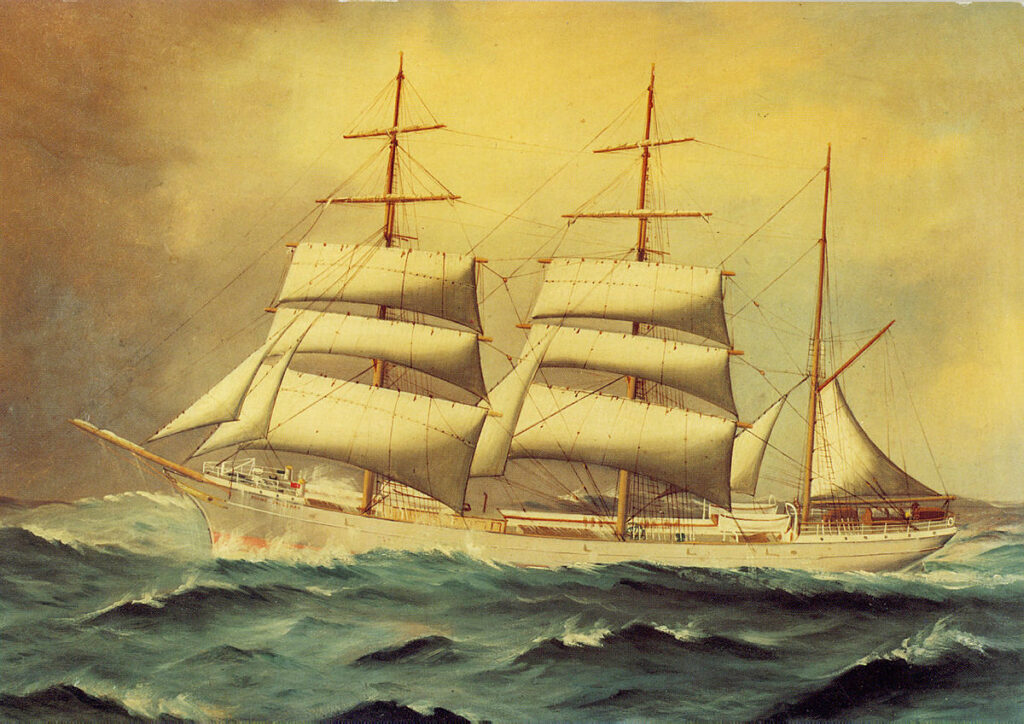
The Prinz Valdemar became the wreck that stopped a dream. After years as a Danish seafaring vessel, she was being transformed into a floating 100-room hotel and cabaret to serve a booming Miami. But when she tipped and blocked the harbor on January 10, 1926, she exposed the fragile reality beneath the fantasy.
While iconic construction like Coral Gables and Biscayne Boulevard continued, the “Magic City” was already under pressure from a railroad shipping embargo on building materials. The harbor blockage was the final supply link to snap, stranding 100 ships and 45 million board feet of lumber offshore for weeks. This “enforced lull” allowed investors to see the cracks in the façade; speculative flipping stopped, and the property frenzy began its slow collapse, finally extinguished by the Great Hurricane later that year.
Today, the ship is gone, but her wheel survives at the HistoryMiami Museum—a silent witness to the day the boom began to wane.
