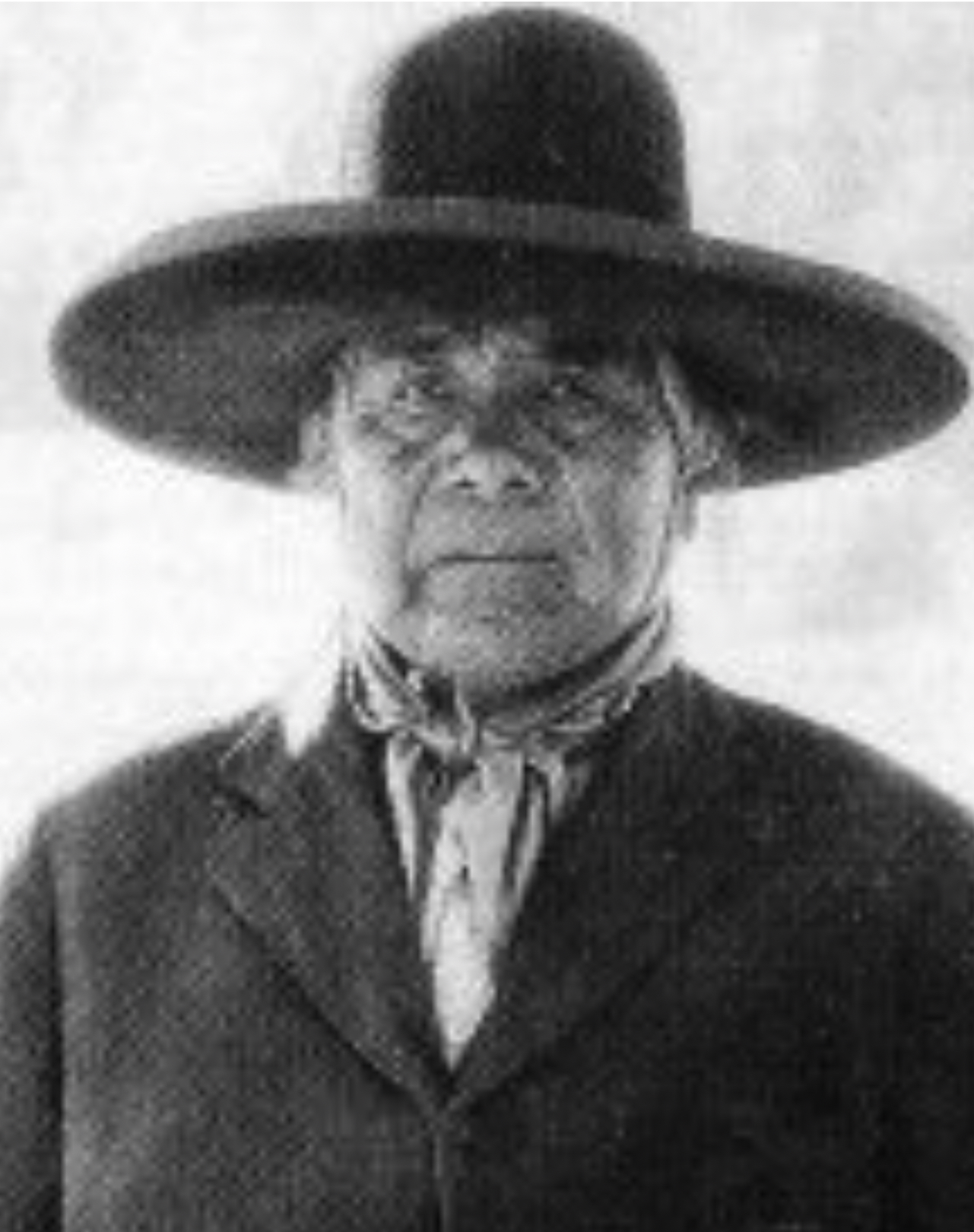
It was during the solar eclipse of January 1, 1889 when Paiute leader Wovoka fell into a coma and received the prophetic visions that became the inspiration for the Ghost Dance.
Image via Wikimedia Commons, public domain
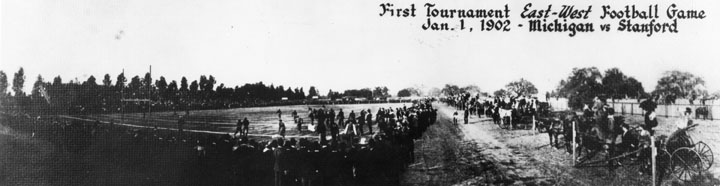
The first ever Rose Bowl or “Tournament East–West football game” was played on January 1, 1902 in Pasadena, California. Admission was between fifty cents to a dollar. For one dollar more you could park your horse and buggy just beyond the playing field to view the game with your family. Michigan defeated Stanford by a score of 49-0.
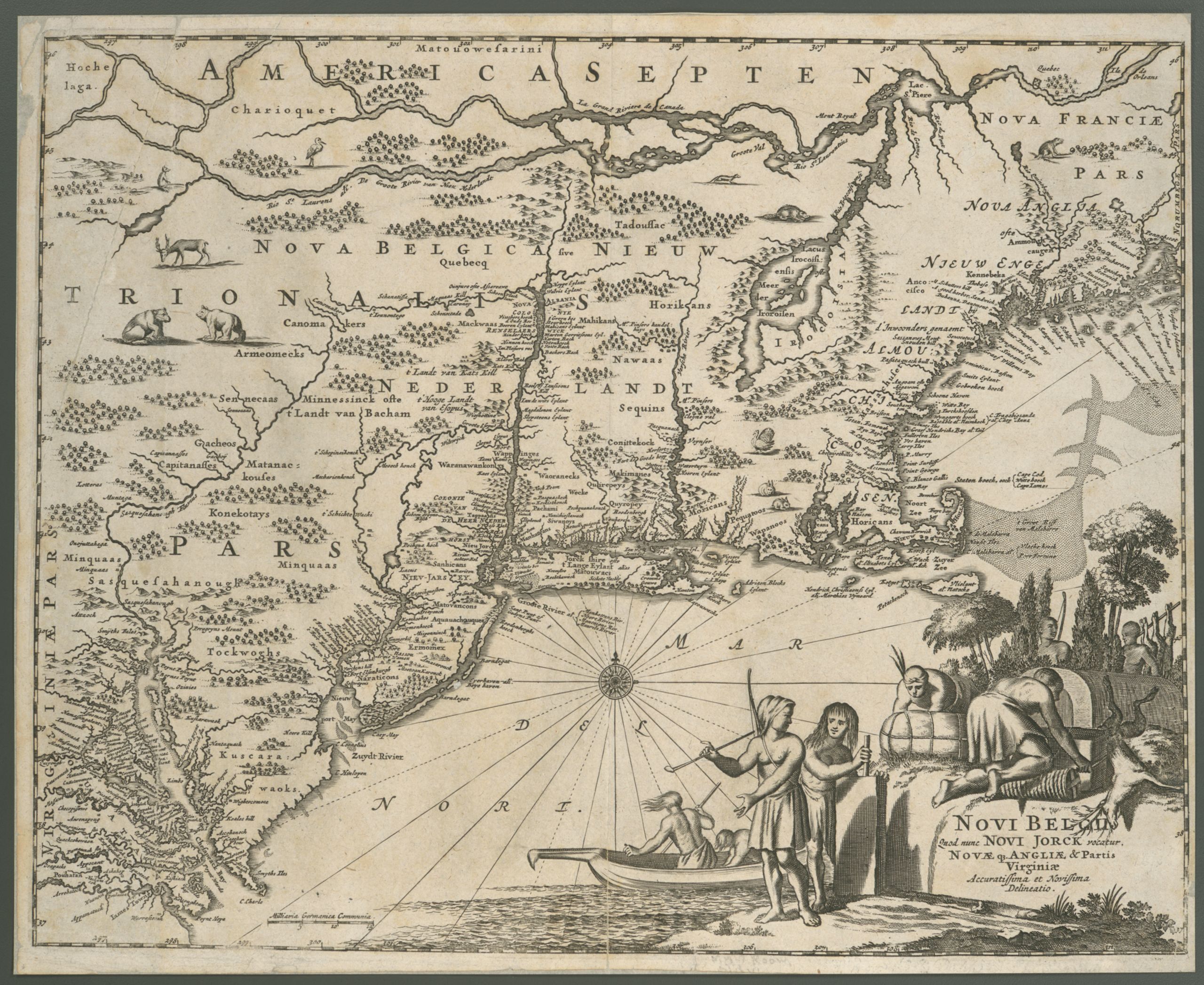
In 1673 a regular mail service between New York and Boston began. 240 years later, the United States Post Office began parcel post service on January 1, 1913.
Image of a map of Novi Belgii (quod nunc Novi Jorck vocatur, Novae q[ue] Angliae & partis Virginiae) from 1673 via NYPL Digital Collections, no known restrictions
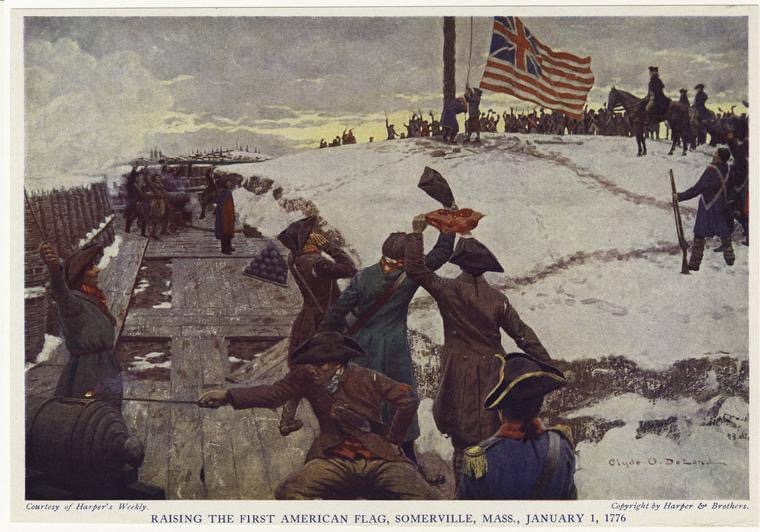
It’s generally accepted that George Washington and his Continental Army raised the Grand Union Flag at Somerville, Massachusetts at the beginning of January 1776.
Image via NYPL Digital Collections, no known restrictions
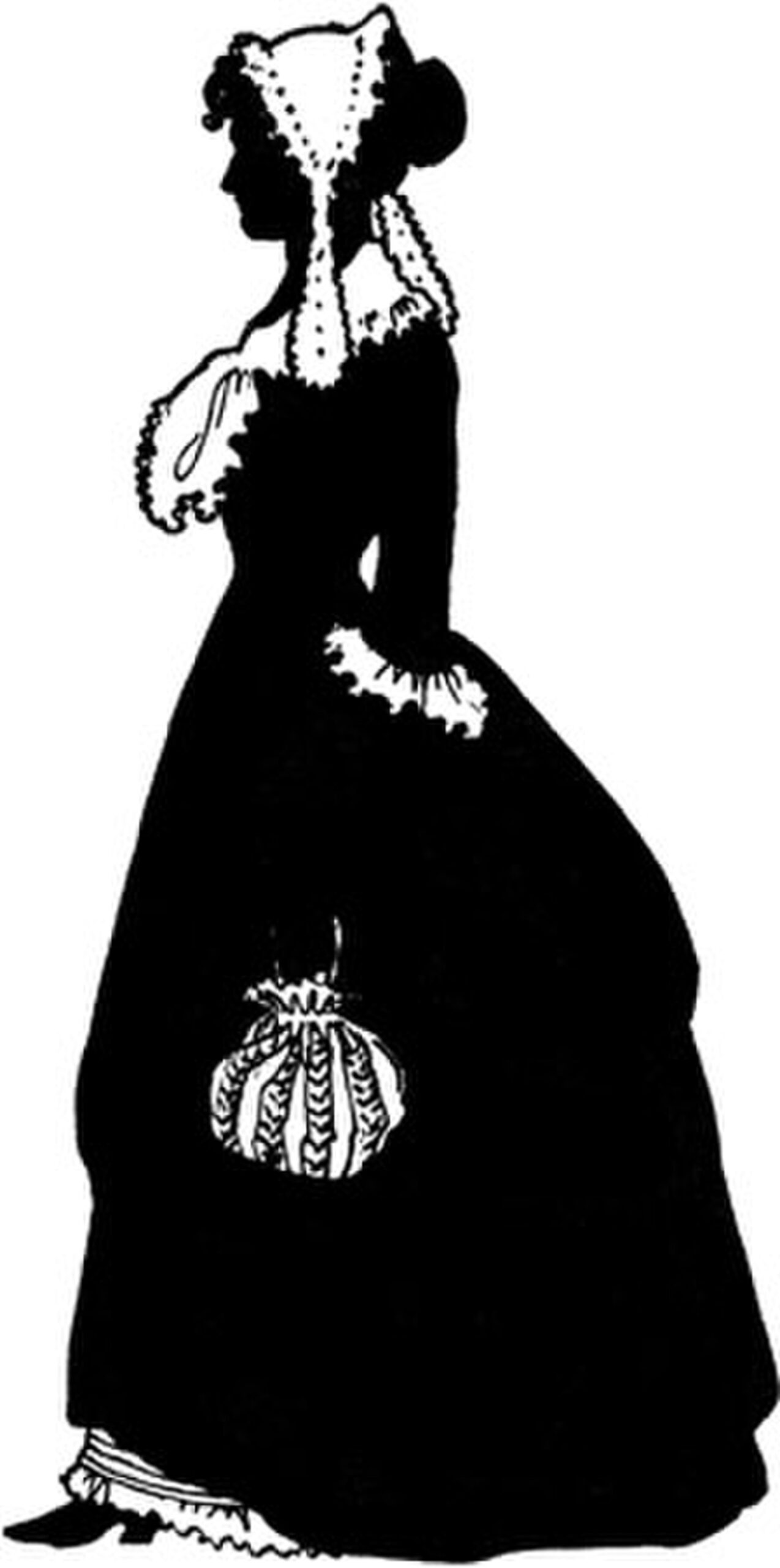
On January 1, 1772, Thomas Jefferson married Martha Wayles Skelton at her father’s plantation known as “The Forest” in Virginia.Martha, a widow, would only live another 10 years until the age of 33.
Silhouette via Wikimedia Commons, public domain
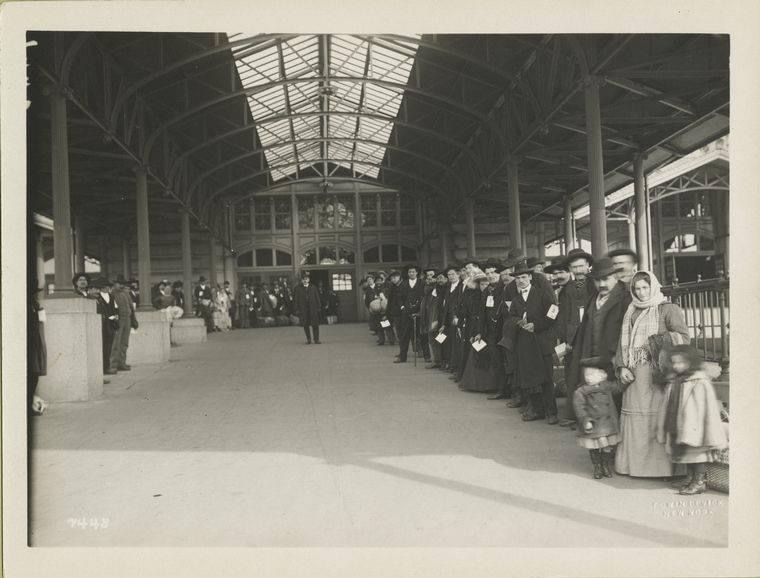
The first federal immigration station on Ellis Island opened on January 1, 1892.
Image: Immigrants waiting to leave Ellis Island after being processed in the early 1900s Via Wikimedia Commons, no known restrictions
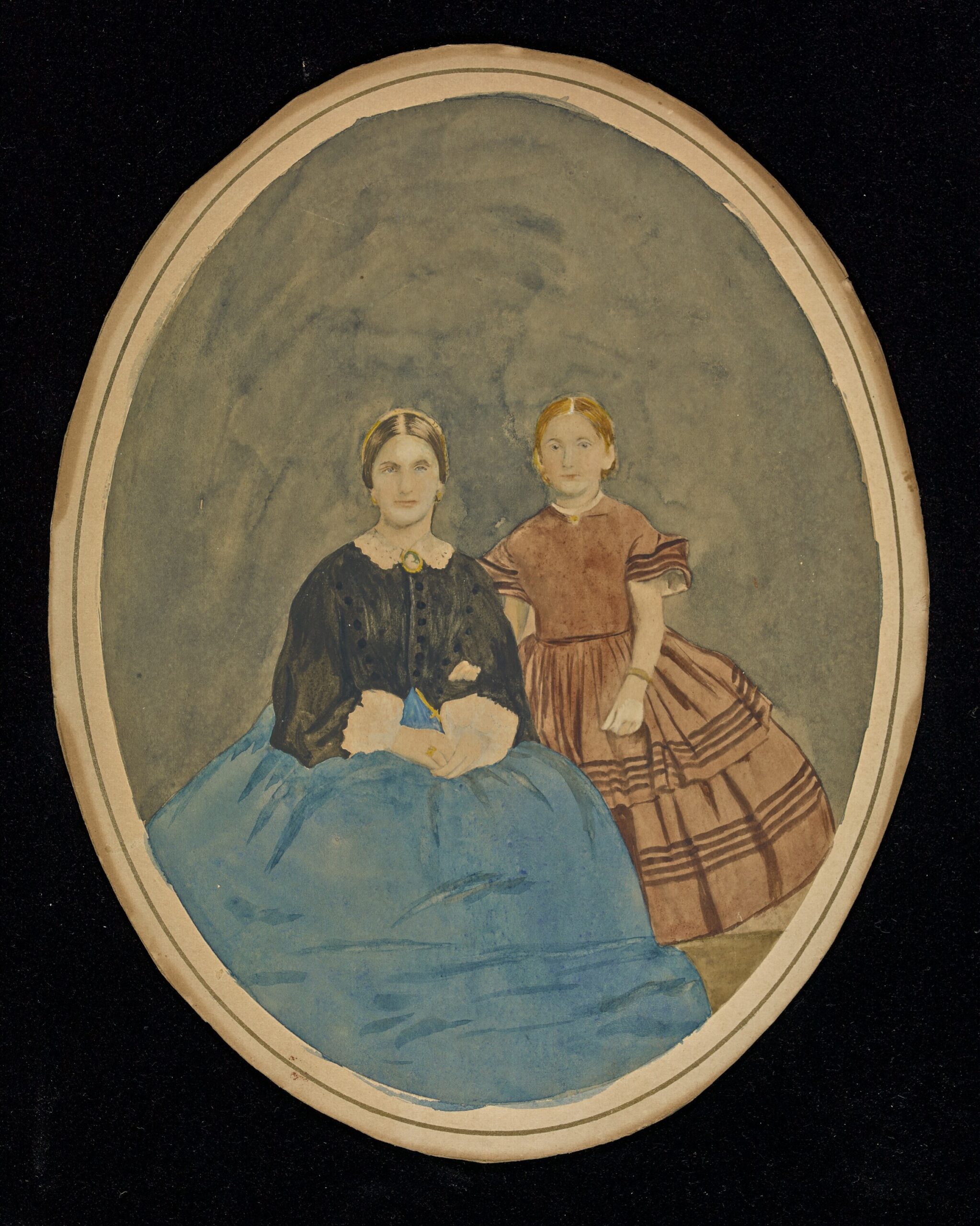
A hand-colored portrait by an unknown American artist of two girls, Midora (17 years old) and Mamie (10 years old) that was taken on January 1, 1861.
Image via The J. Paul Getty Museum, no known restrictions
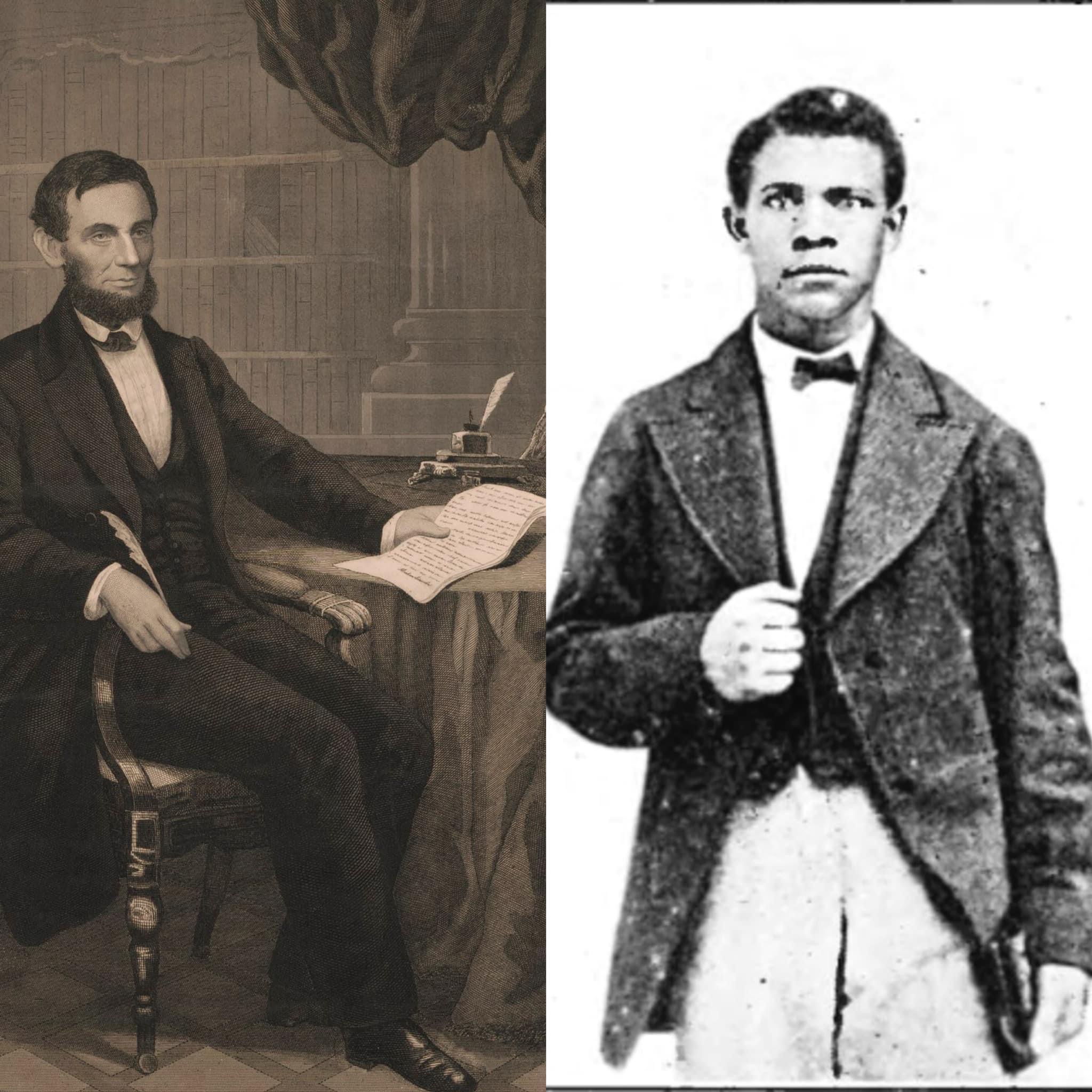
Abraham Lincoln’s Emancipation Proclamation went into effect on January 1, 1863. Booker T.Washington recalled “My mother leaned over and kissed her children while tears of joy ran down her cheeks this was the day for which she had been praying, but fearing she would never live to see.”
Images via Wikimedia Commons, public domain
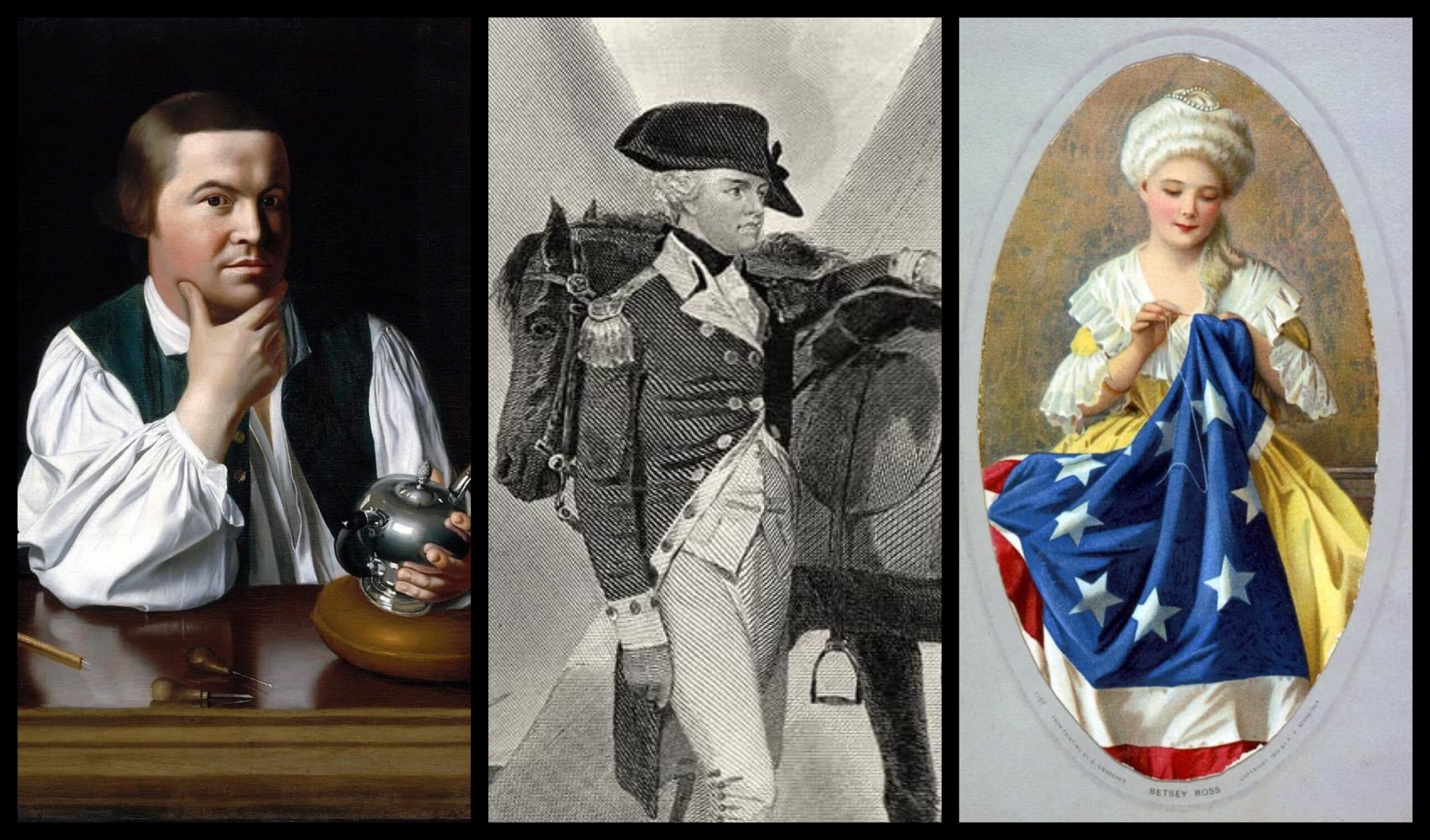
Did you know that Paul Revere, “Mad Anthony” Wayne and Betsy Ross were born on New Year’s Day?
Paul Revere – January 1, 1735
“Mad Anthony” Wayne – January 1, 1745
Betsy Ross – January 1, 1752
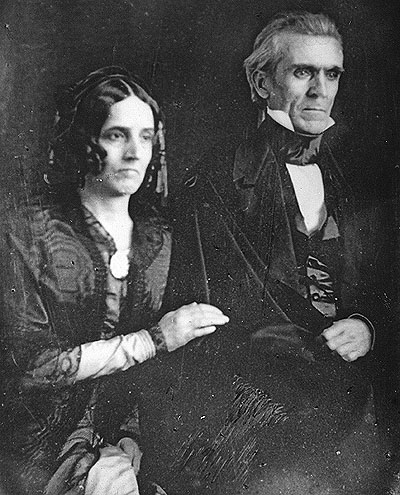
On January 1, 1824, twenty-year-old Sarah Childress married James K. Polk at her parents home near Murfreesboro, Tennessee.
Image from the 1840s via Wikimedia Commons, public domain
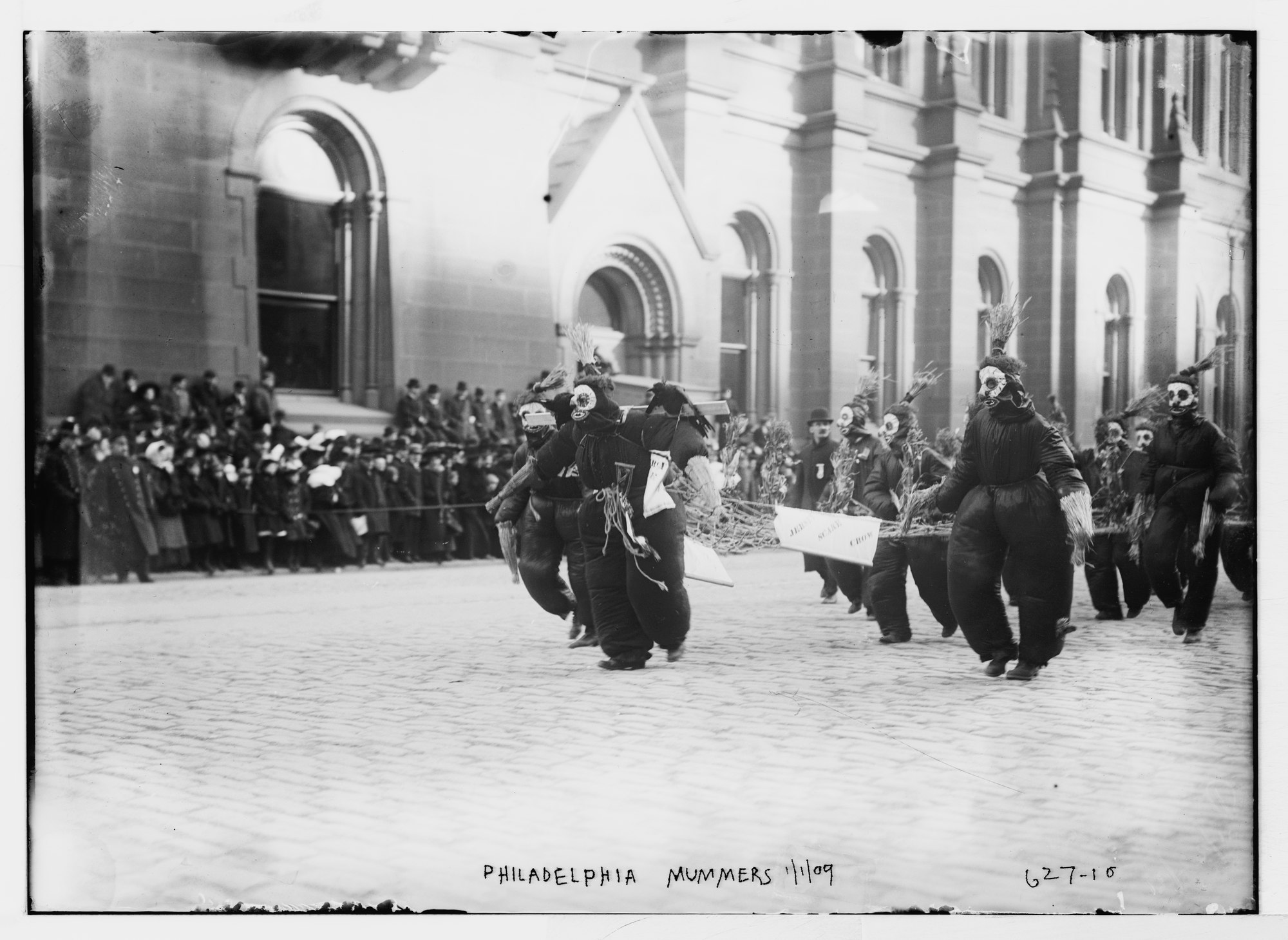
The first official Mummer’s parade in Philadelphia took place on January 1, 1901.
Image from the Mummer’s parade on New Year’s Day in 1909 via LOC, no known restrictions.
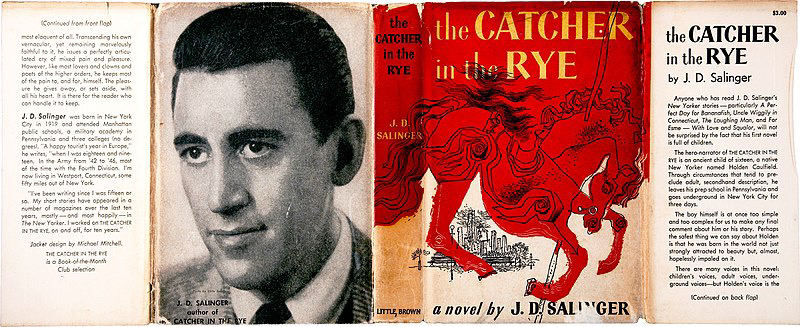
Born January 1, 1919 author J.D. Salinger’s father urged him to seek a career as a meat importer. Supposedly, Salinger’s visits to packing plants made him a lifelong vegetarian. The meat industry’s loss was literature’s gain as Salinger went on to write “The Catcher in the Rye” and other distinguished works.
Image via Wikimedia Commons, no known copyright, public domain in the US.
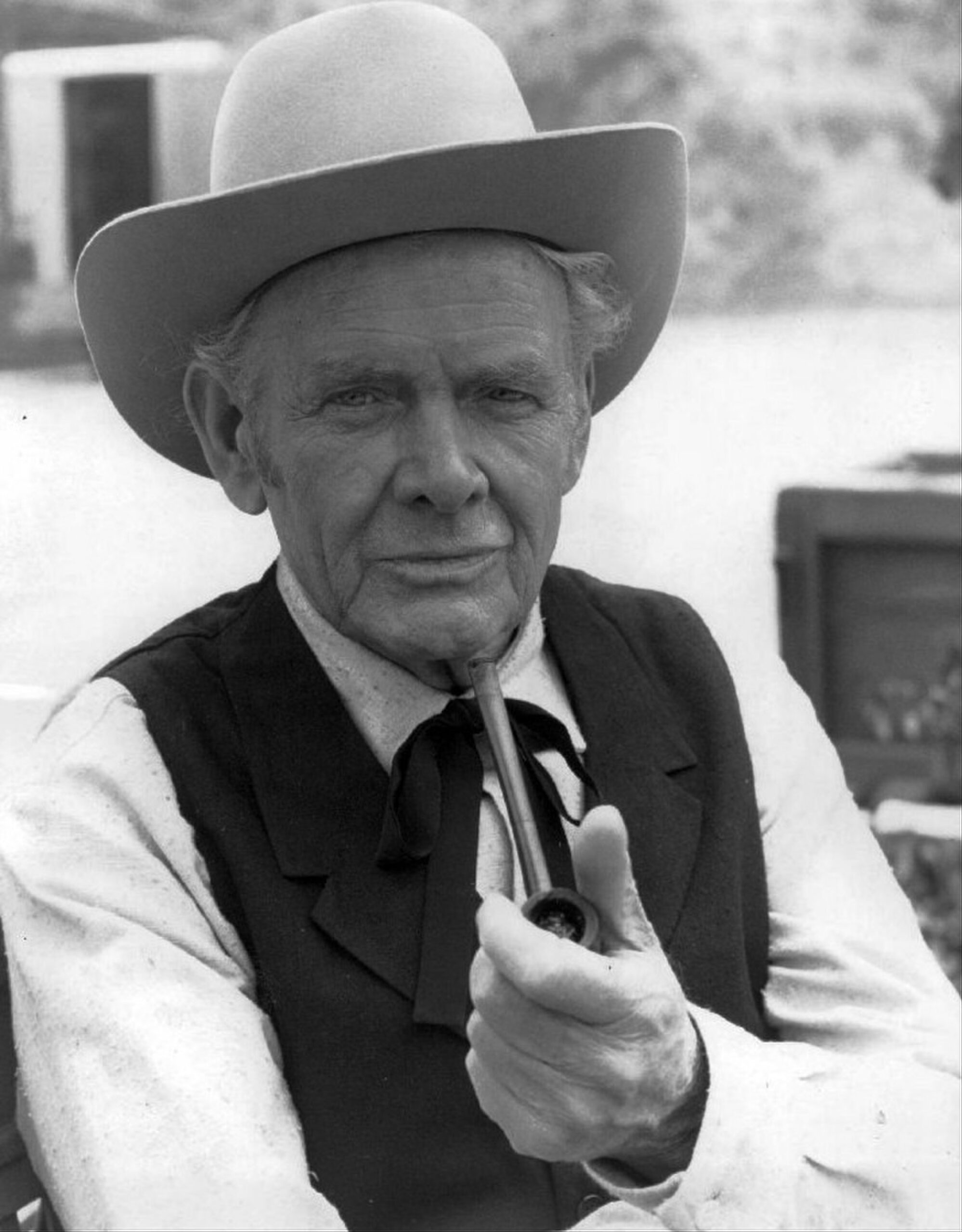
Born on January 1, 1891, Charles Bickford wanted to pursue a career in engineering at MIT in his hometown of Cambridge, Massachusetts. Rather he traveled around the United States, acted in a burlesque show, served in the U.S. Navy and later with the U.S. Army during WWI before getting a role on Broadway. In the mid 1960s, Charles Bickford played the role of John Grainger on TV’s The Virginian.
Image via Wikimedia Commons, no known copyright, public domain in the US
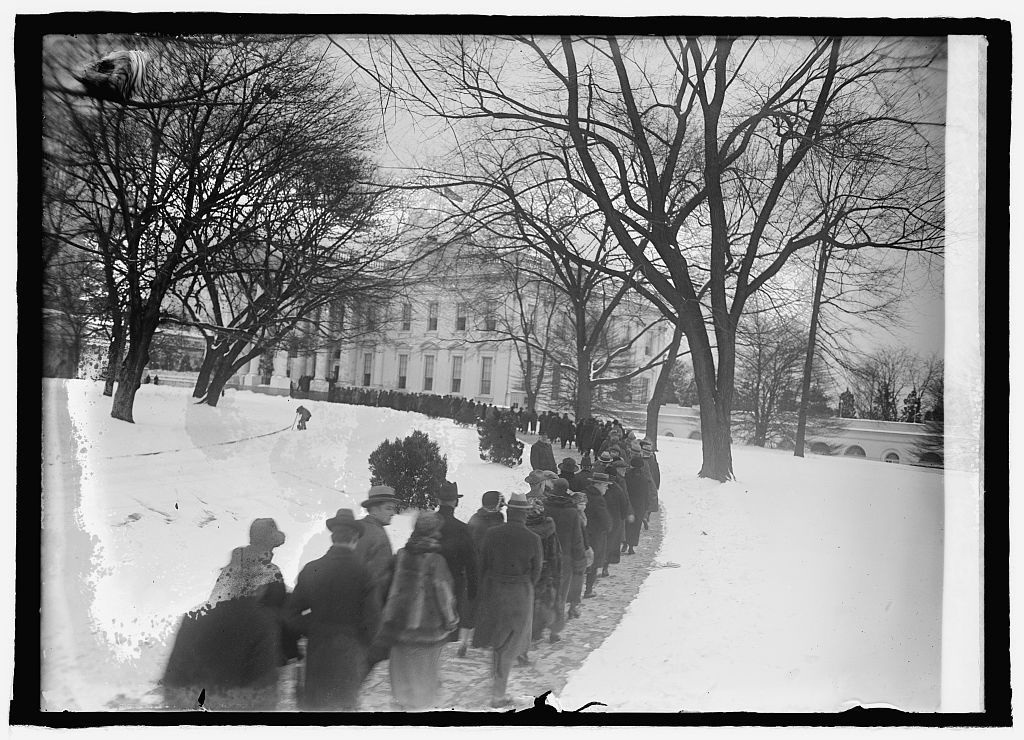
A crowd gathers outside The White House for a New Year’s Day reception.January 1, 1925
Image via LOC, no known restrictions
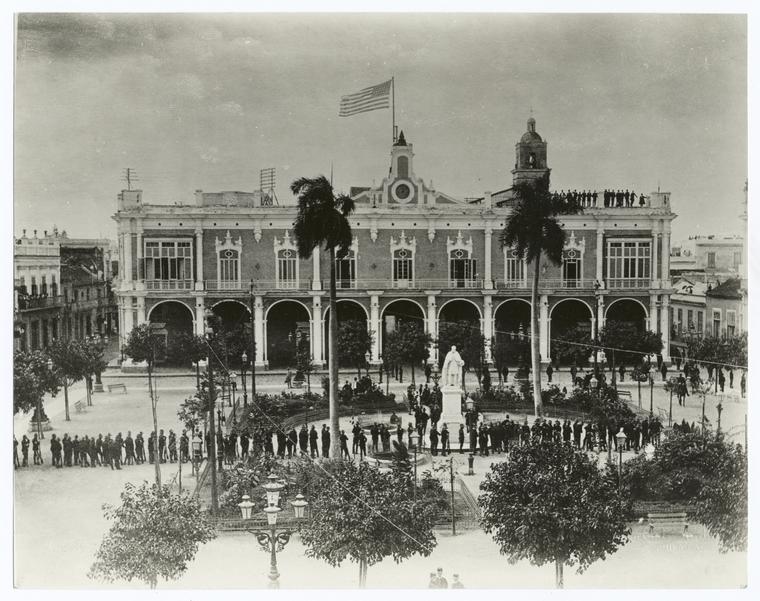
Hoisting the stars and stripes on the Palace of Havana
January 1, 1899
via NYPL Digital Collections, no known restrictions
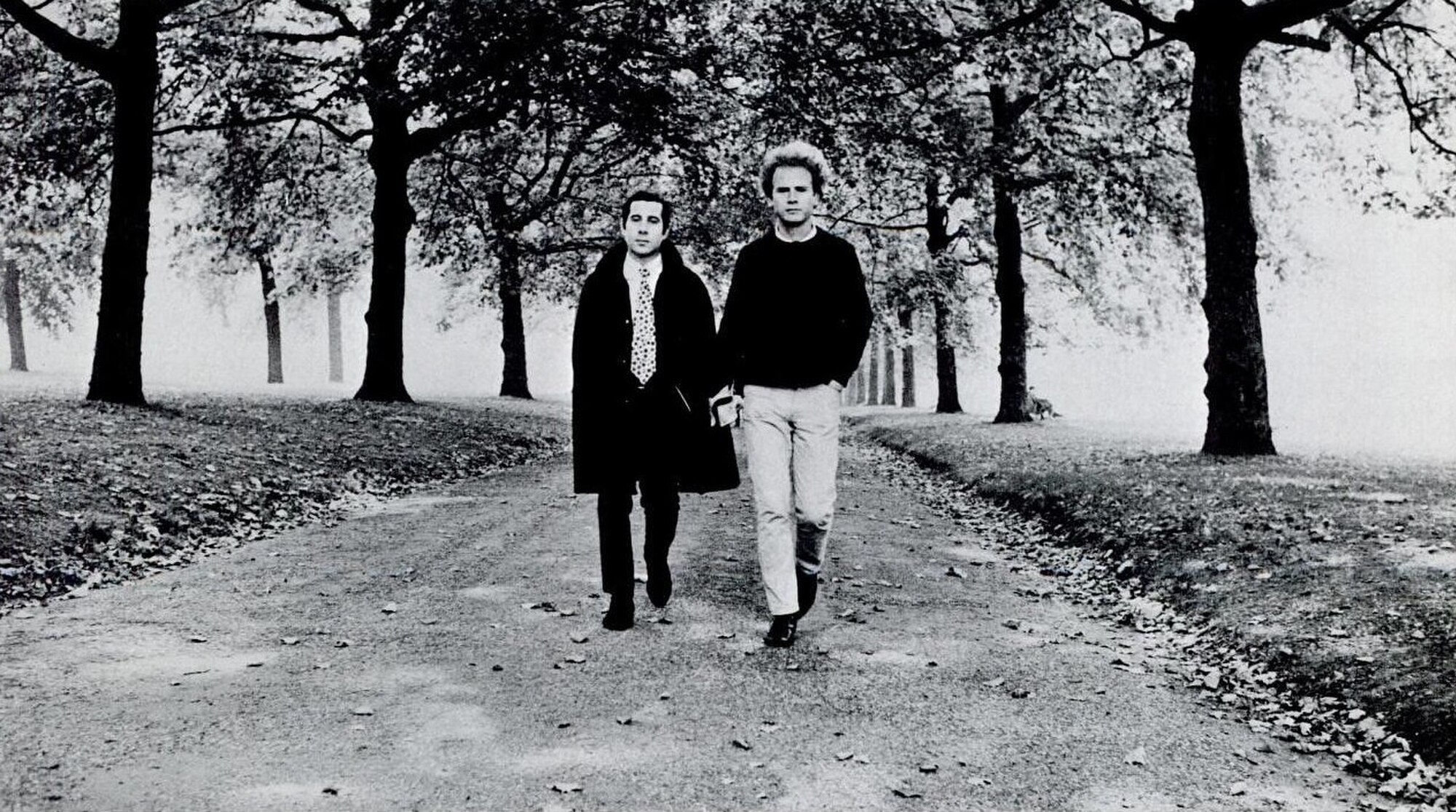
On January 1, 1966, “The Sound of Silence” by Simon and Garfunkel was the number one song in America. During that month the song alternated with “We Can Work It Out” by the Beatles for the #1 position.
Image of Simon and Garfunkel from 1966 via Wikimedia Commons, public domain
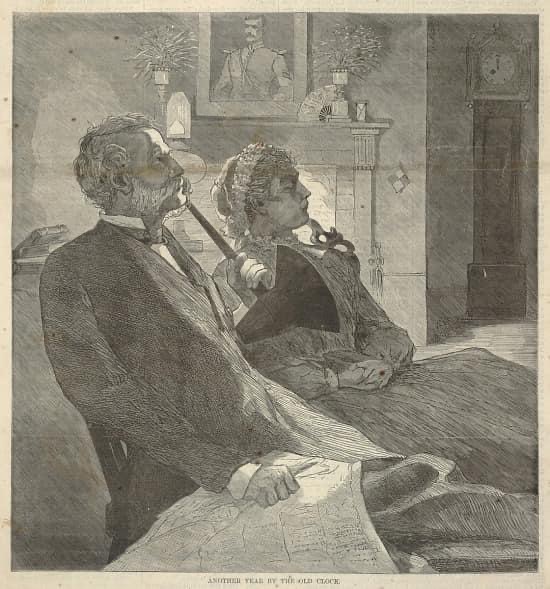
Another Year by the Old Clock, from Harper’s Bazar Published January 1, 1870
via Smithsonian American Art Museum, The Ray Austrian Collection, gift of Beatrice L. Austrian, Caryl A. Austrian and James A. Austrian, no known restrictionsu
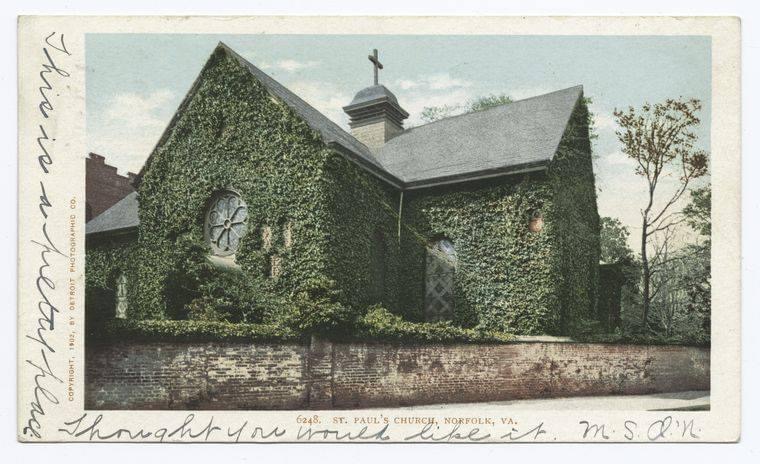
On January 1, 1776, Lord Dunmore’s fleet bombarded Norfolk, Virginia, and sailors from the Royal Navy set fire to buildings along the waterfront. Patriot forces, who had occupied the town after the Battle of Great Bridge, initially tried to contain the flames but soon encouraged their spread, targeting Loyalist properties to deny the British a base. The fire raged for nearly three days and ultimately destroyed about 96 percent of the town. A later commission found that Patriot troops were responsible for most of the destruction.
Norfolk was abandoned on February 6, 1776, after the Virginia Committee of Safety ordered the remaining structures destroyed. St. Paul’s Church, built in 1739, was the only major building to survive; a cannonball fired during Dunmore’s bombardment still rests in its wall, marked with the inscription: “Fired by Lord Dunmore, January 1, 1776.”
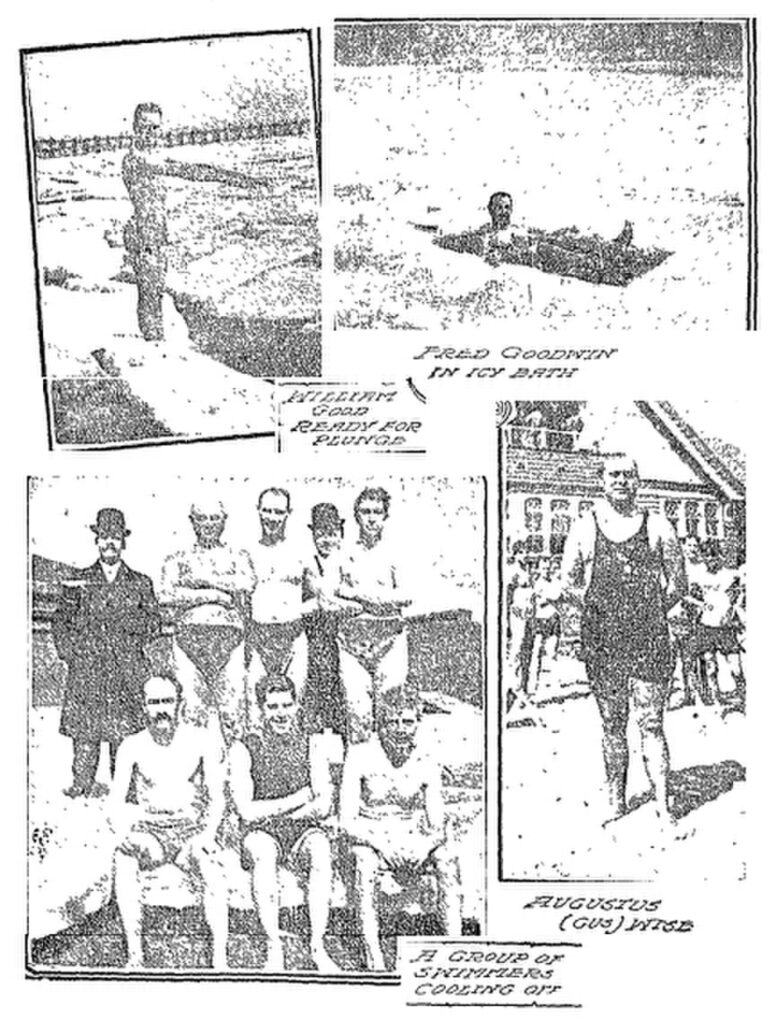
On January 1, 1904, Boston’s L Street Brownies took their first official New Year’s Day plunge, launching what would become one of America’s oldest winter‑swim traditions.
Images from 1913

“My first resolution would be to try to keep my attitude toward life as cheerful as possible in these serious times.”
Eleanor Roosevelt from her “My Day” column on January 1, 1943

When Social Security began in 1937, workers paid a 1% tax on their wages — and employers paid a separate 1% tax of their own. It wasn’t described as a single combined rate the way we talk about it today, but the matching structure was there from the start. For thirteen years the rate never moved, until January 1, 1950, when the first increase raised both the employee and employer taxes from 1% to 1.5%. From that point forward, the two rates climbed in tandem, eventually becoming the modern split we know today: 6.2% from the worker, 6.2% from the employer, 12.4% in all. A Depression‑era 1% deduction grew, step by step, into one of the largest commitments in American public life.
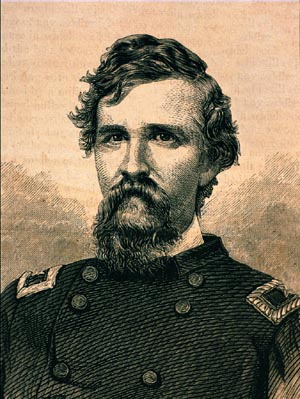
Born on New Year’s Day, 1819, George Foster Shepley of Saco, Maine was repeatedly entrusted with power — appointed by President Ulysses S. Grant to the federal bench, and earlier was tapped by Union command under Lincoln to govern New Orleans, Louisiana, and later Richmond at the moment of their collapse.