
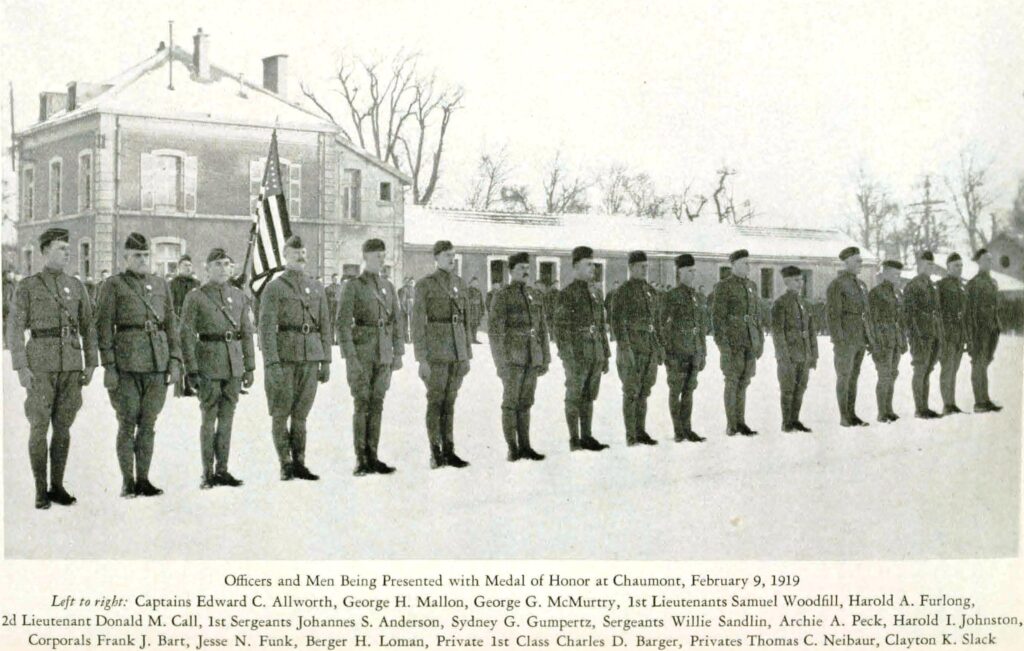
February 9, 1919: In the snow at Chaumont, France, seventeen American soldiers—officers and enlisted men standing shoulder‑to‑shoulder—received the Medal of Honor for extraordinary heroism in the Great War. Their names stretch across the ranks: Allworth, Mallon, McMurtry, Woodfill, Furlong, Call, Anderson, Gumpertz, Sandlin, Peck, Johnston, Bart, Funk, Loman, Barger, Neibaur, and Slack.”
The medals were awarded relatively quickly by today’s standards, a reflection of an era when the Army favored recognizing valor while the witnesses were still present and the units intact. Over the following decades, the review process became more centralized and structured — not to redefine the nature of courage, but to adapt to a world of modern documentation and standardized criteria.
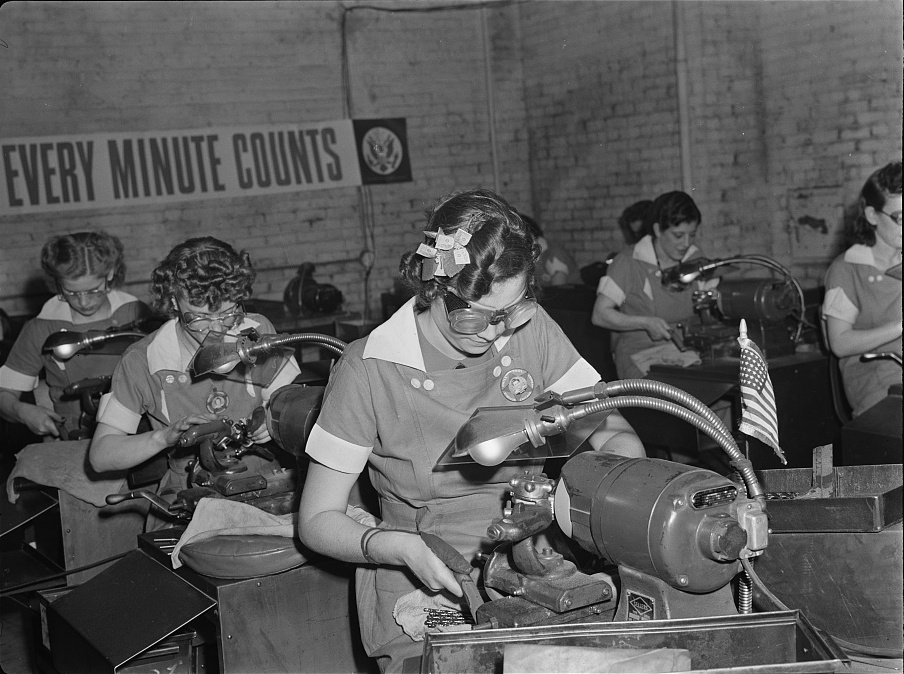
February 9, 1942: As the United States mobilized for World War II, the nation pushed its clocks forward into ‘War Time’—a year‑round daylight schedule that lasted until victory in 1945. Every zone took on a new name: Eastern, Central, Mountain, and Pacific War Time (EWT, CWT, MWT, PWT), a reminder that even the clock was drafted into the fight to save fuel, stretch electricity, and keep the factories of democracy lit.
This photo of women on the line at a Midwest factory—working beneath a sign that reads Every Minute Counts—couldn’t be more true. In wartime America, every shift, every spark, every second mattered.
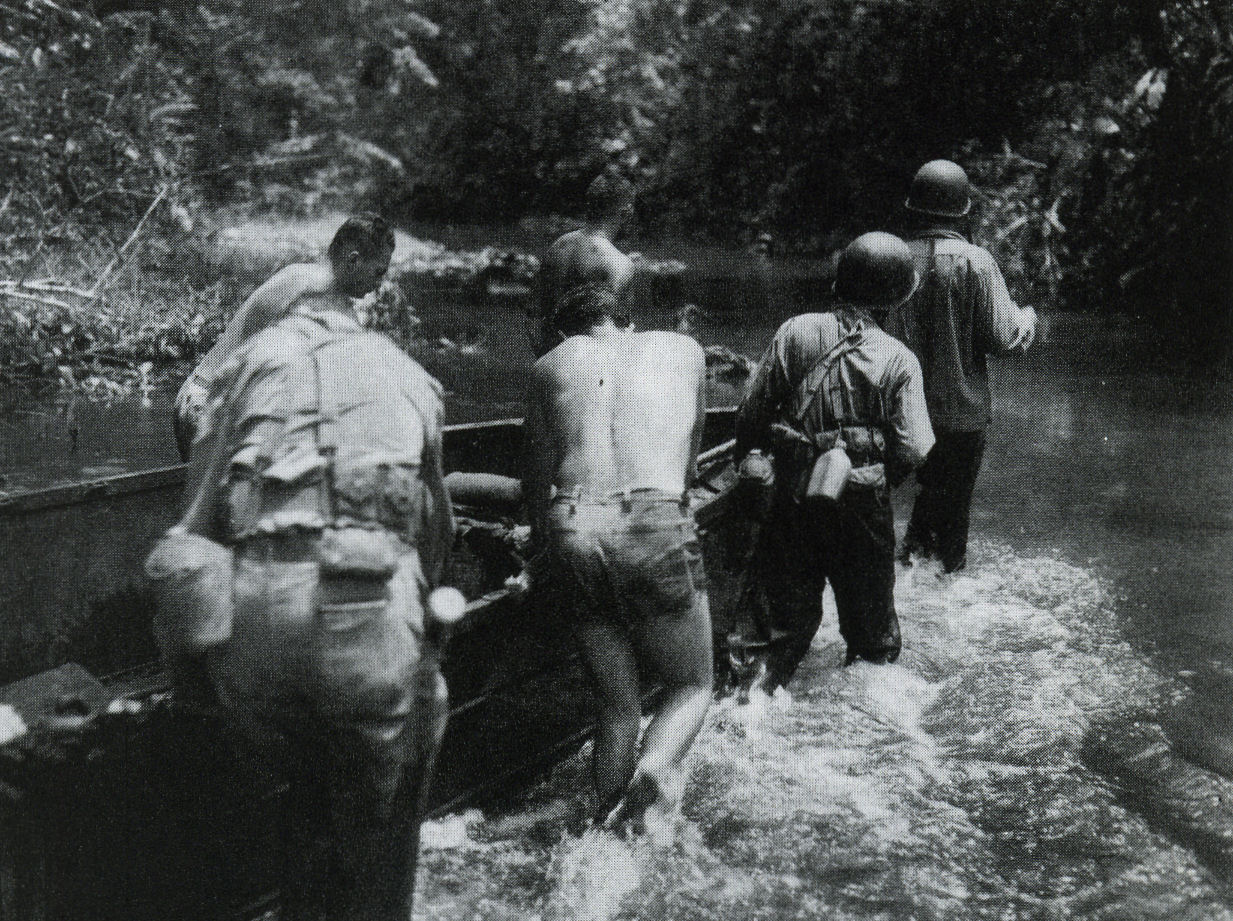
One of the longest and most grueling campaigns in the Pacific during WWII, the Guadalcanal Campaign, ended on February 9, 1943. “Tokyo Express no longer has a terminus on Guadalcanal” was the message sent by U.S. Army Major General Alexander Patch to U.S. Navy Admiral William Halsey, Jr. The Guadalcanal campaign started 6 months earlier in August of 1942 and a number of factors contributed to its duration including harsh jungle conditions and the constant reinforcement of troops by both sides. While the U.S. lost over 1,600 men during the campaign the Japanese lost over 20,000.
Image: U.S. Army soldiers push supplies up the Matanikau River to support the 25th Infantry Division’s offensive on Guadalcanal in early 1943 via Wikimedia Commons, public domain in the US.
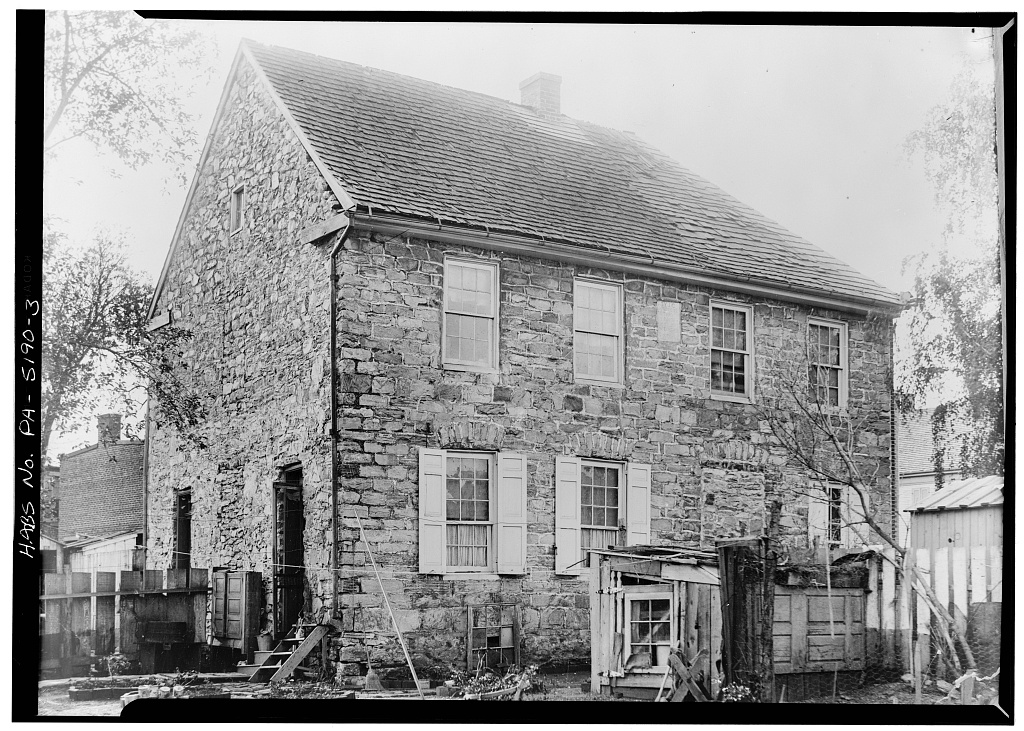
“It is not in numbers, but in unity, that our great strength lies; yet our present numbers are sufficient to repel the force of all the world.” – Founding Father Thomas Paine who was born on February 9, 1737 Image: Cookes House in York, Pennsylvania that is believed to be the home of Thomas Paine during the Second Continental Congress between 1777-1778.
Photo from 1937 via LOC, no known restrictions
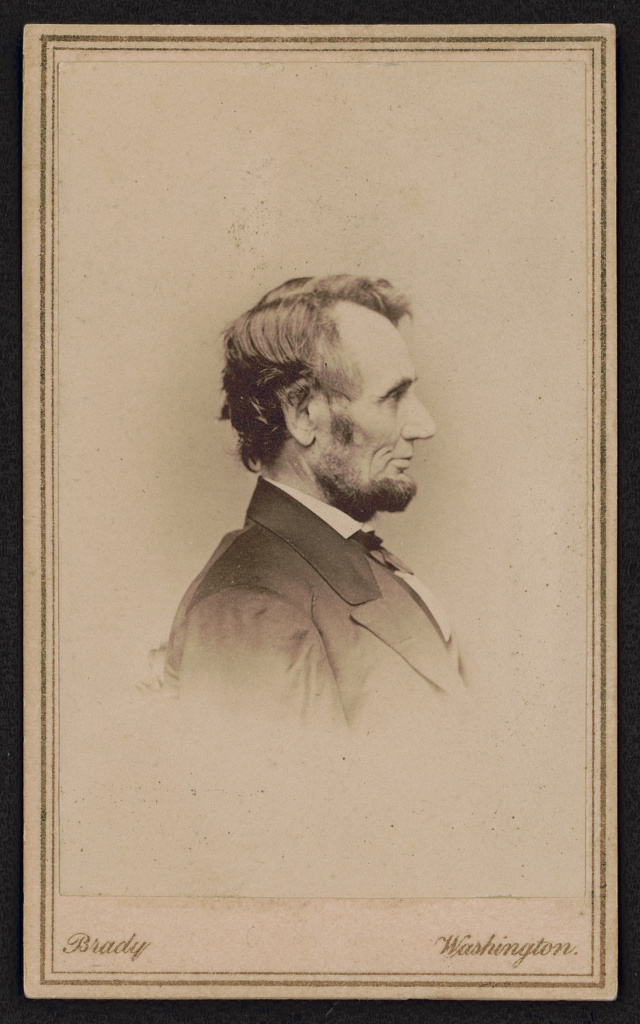
President Abraham Lincoln photographed by Anthony Berger at Mathew Brady’s studio on February 9, 1864
Image via LOC, no known restrictions
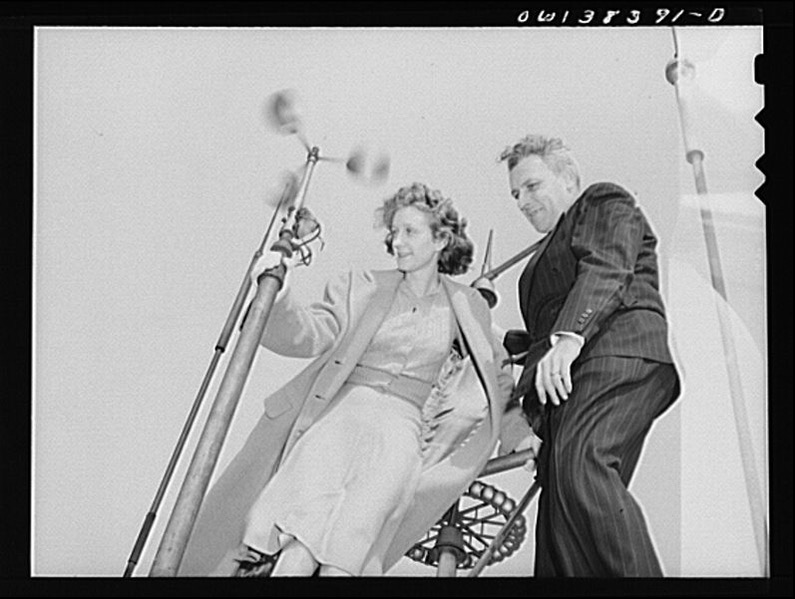
On February 9, 1870, the US Weather Bureau was established (National Weather Service since 1970). In this 1943 picture Bureau meteorologists at Washington, DC’s National airport check the anemometer to measure wind speed. The forecast likely included “wind gusts.”
Image from LOC via Wikimedia Commons, public domain in the US.
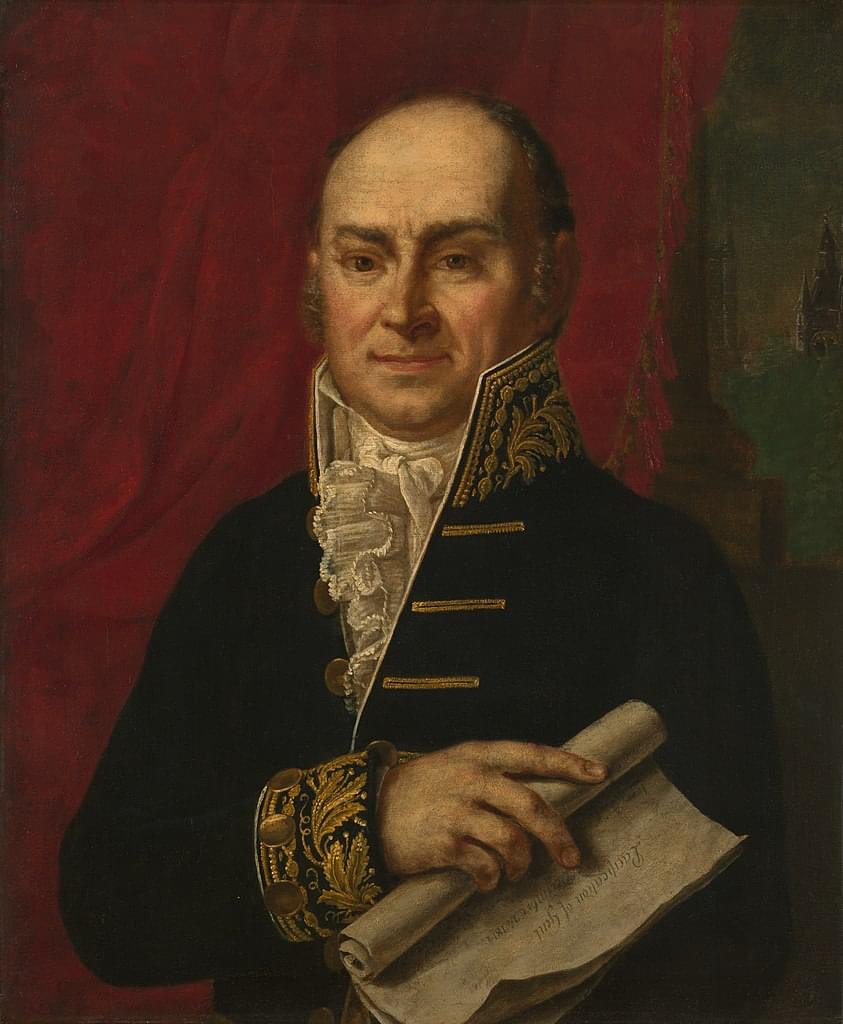
On February 9, 1825, a contingent election occurred since no Presidential candidate received a majority of electoral votes. John Quincy Adams was elected President. It was the second time a U.S. Presidential contingent election occurred.
Image: John Quincy Adams portrait from 1815 via Wikimedia Commons, public domain
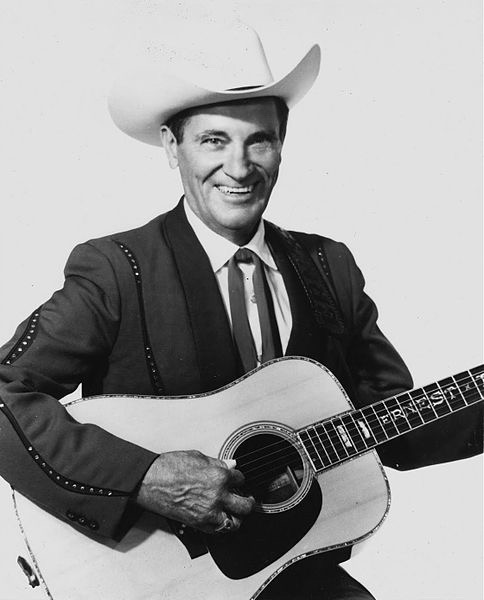
Born February 9, 1914 Ernest Tubb was known as the Texas Troubadour. He recorded “Blue Christmas” nine years before Elvis, sang the dance-hall standard “Waltz Across Texas,” but is best known for “Walking the Floor Over You.”
Image via Wikimedia Commons, no known copyright, public domain in the US.
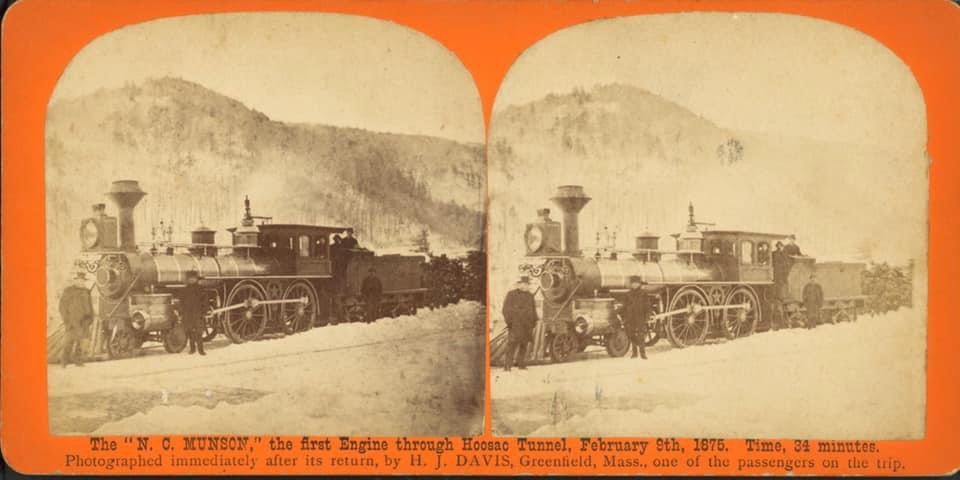
“N.C. Munson,” first engine through Hoosac tunnel, February 9, 1875. The Hoosac Tunnel is in Western Massachusetts near the Vermont border. via Wikimedia Commons, public domain
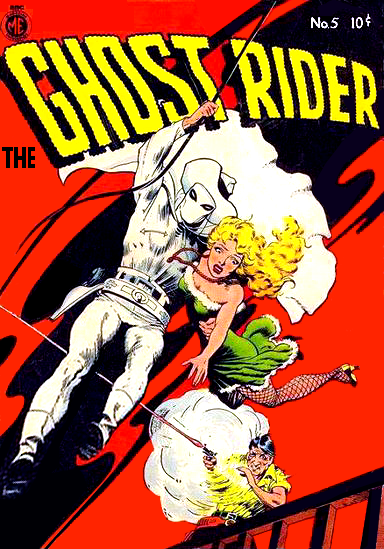
Frank Frazetta, also known as the “Godfather of fantasy art”, was born on February 9, 1928 in Sheepshead Bay, Brooklyn, NY. He started working on comic art at the age of 16 and throughout his career provided art for a number of popular comic series such as Buck Rogers, Tarzan, Conan The Barbarian, Ghost Rider and others.
Image via Wikimedia Commons, public domain
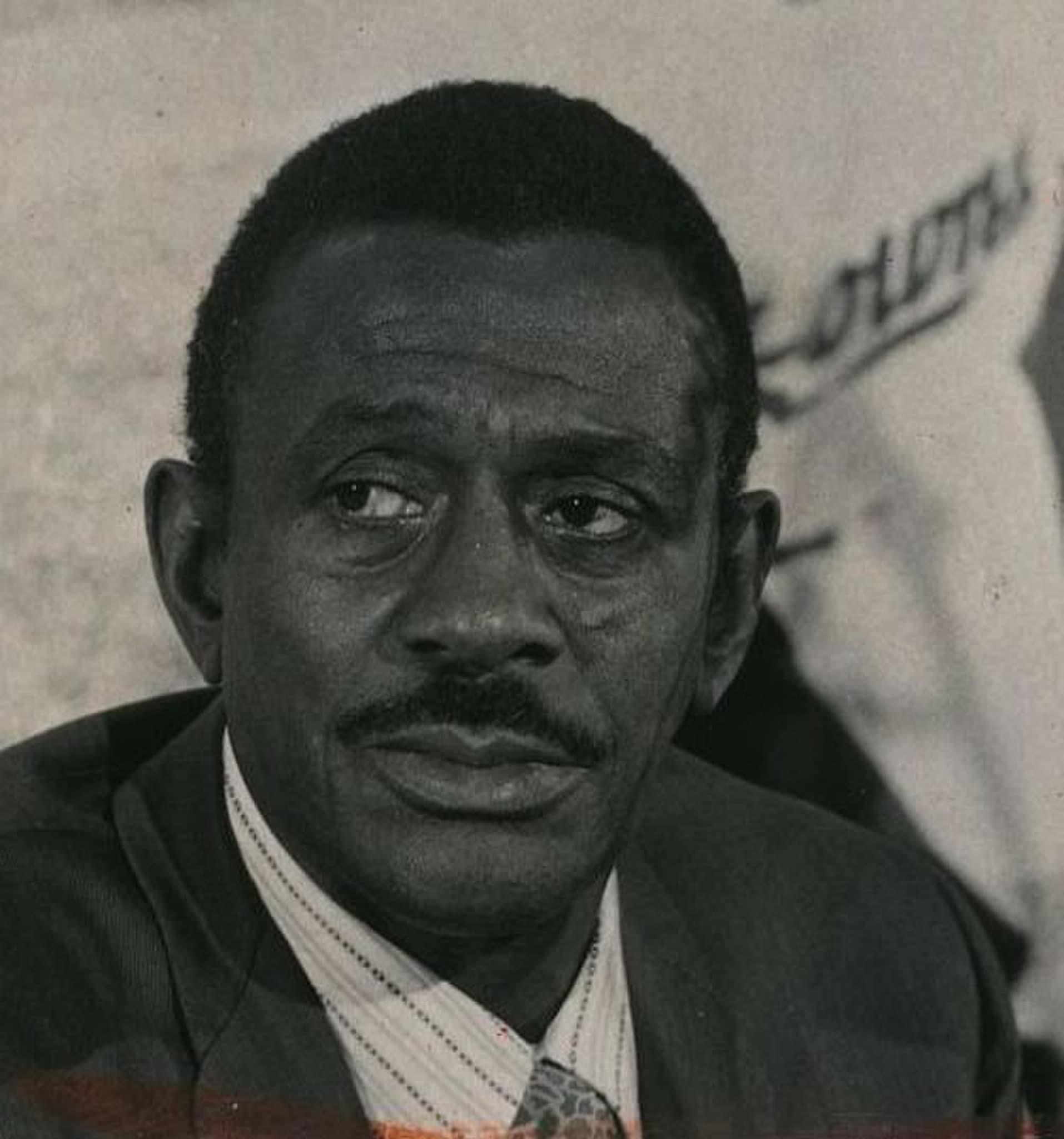
On February 9, 1971 pro baseball pitcher Satchel Paige was nominated to the Baseball Hall of Fame. He played his last Major League game at 59 years old when he threw for three innings and did not allow the opposing team to score.
Image of Satchel Paige in 1970 via Wikimedia Commons, public domain
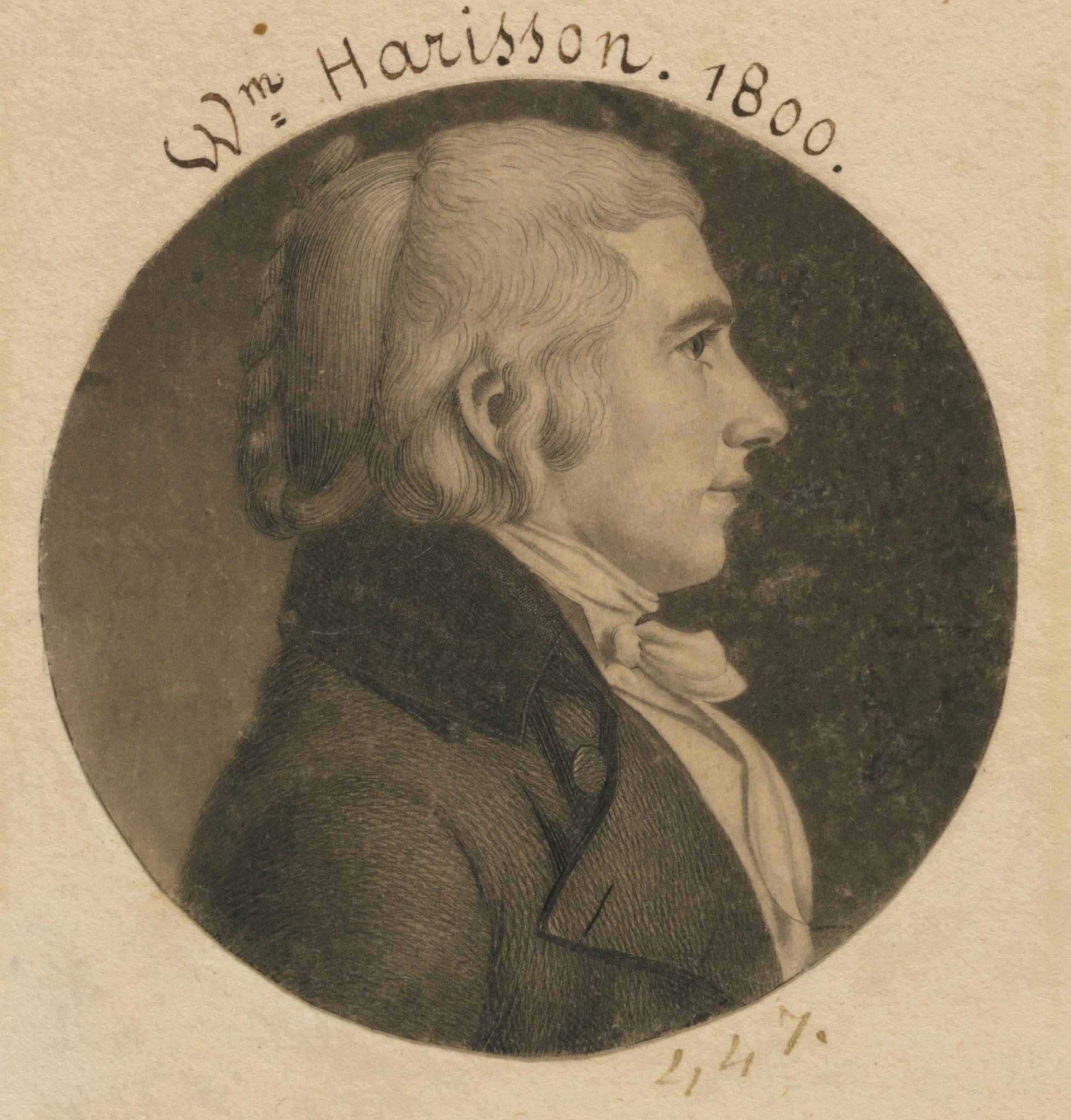
9th President of The United States William Henry Harrison was born in Virginia on February 9, 1773. He was President for a month.
Image of a young William Henry Harrison c. 1800 via National Portrait Gallery, Smithsonian Institution; gift of Mr. and Mrs. Paul Mellon, no known restrictions
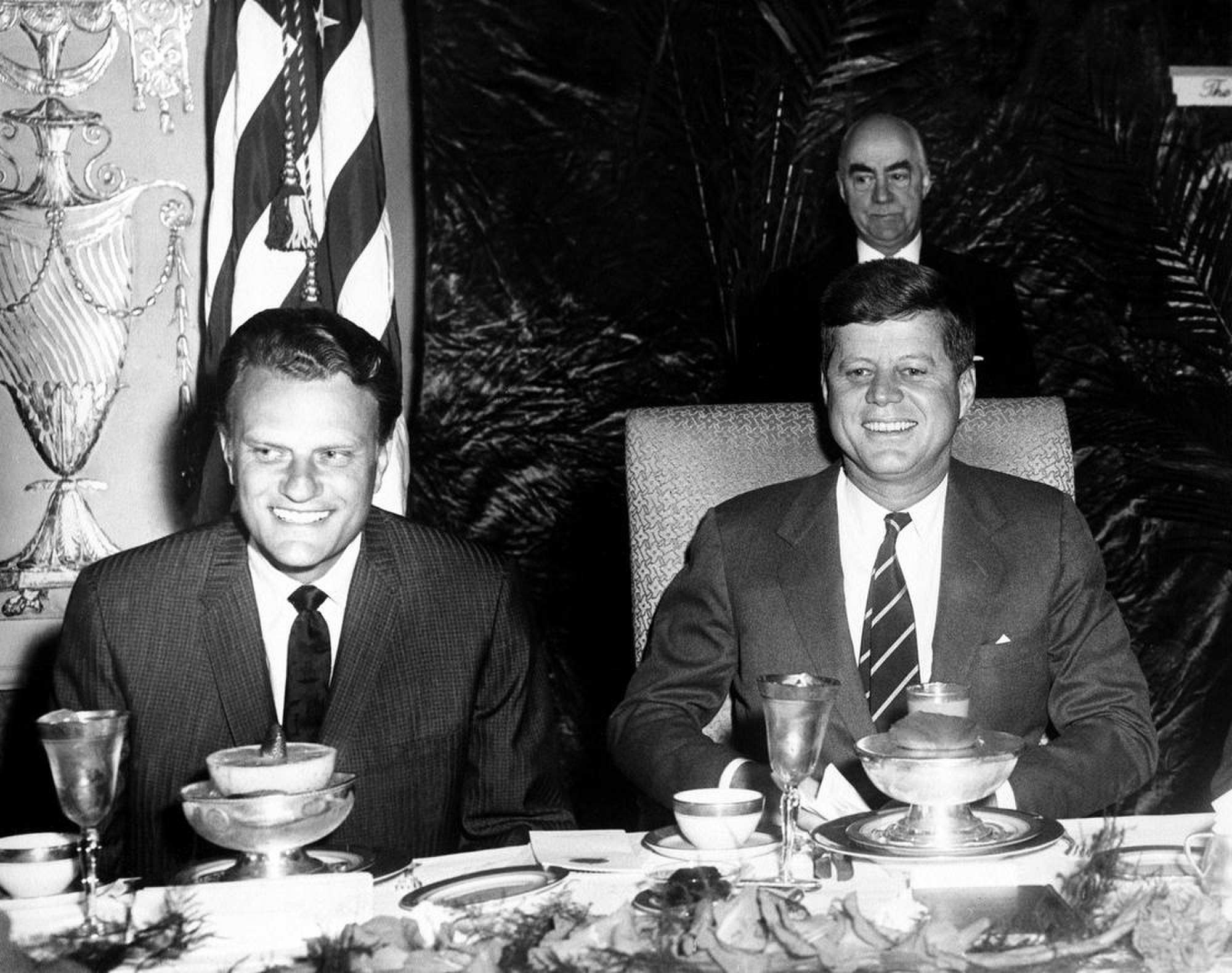
President John F. Kennedy and Billy Graham at a prayer breakfast at the Mayflower Hotel in Washington, D.C. February 9, 1961
Image via Wikimedia Commons, public domain
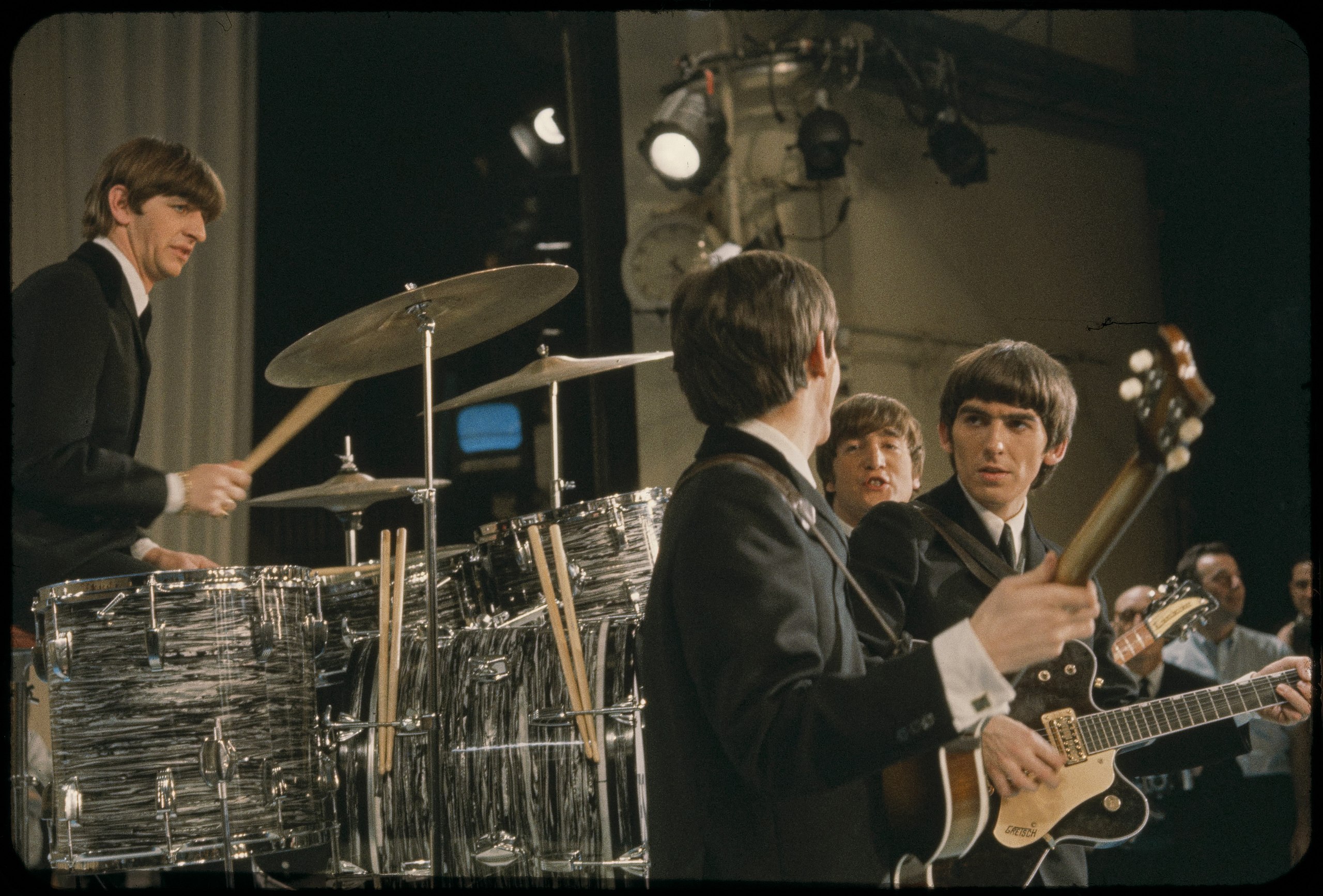
On February 9, 1964 The Beatles made their debut on the Ed Sullivan Show. An astounding 73 million American TV viewers tuned in to watch. Image:
The Beatles on stage at The Ed Sullivan Show in 1964 via Wikimedia Commons, public domain
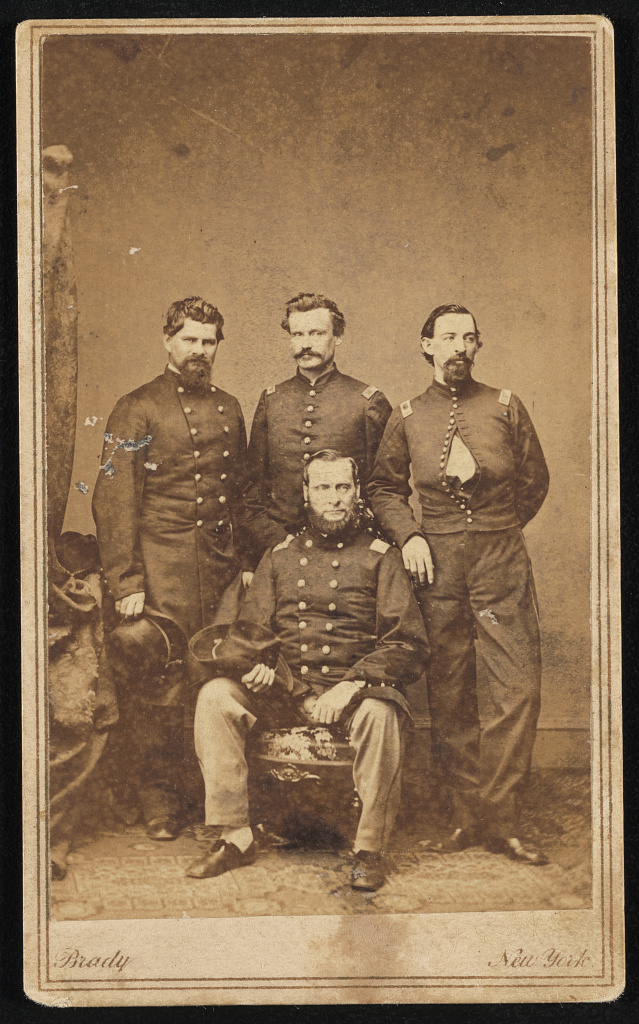
Photograph shows identified soldiers who escaped from Libby Prison, Richmond, Virginia in February 1864. Abel Streight (seated) escaped Libby on February 9, 1864. Bedan B. McDonald (standing left) escaped Libby on February 9, 1864. William W. Scearce (standing right) escaped Libby on February 9, 1864. Henry B. Chamberlain (standing middle) was wounded on August 19, 1864 at Weldon Railroad, Virginia. He was taken prisoner of war on July 1, 1863 at Gettysburg, Pennsylvania. He escaped from Libby Prison on February 20, 1864. via LOC, no known restrictions
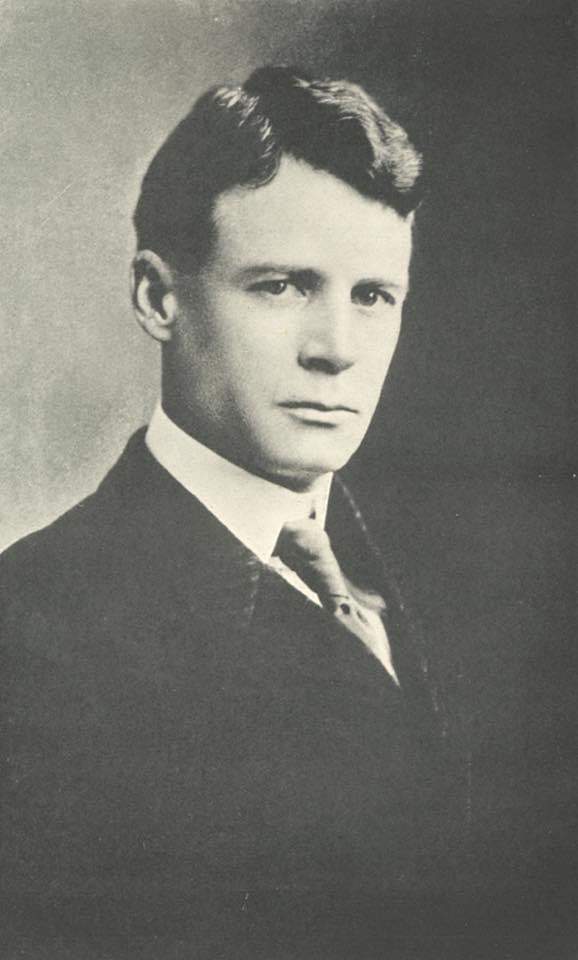
Born in Findlay, Ohio, on February 9, 1871, Howard Taylor Ricketts grew up in Nebraska and earned his bachelor’s degree from the University of Nebraska in 1894. He completed medical training at Northwestern in 1897, interned at Cook County Hospital, and then joined Rush Medical College as a fellow in cutaneous pathology. In 1900 he married Myra Tubbs, whose steady support accompanied his early research career.
After a year studying in European laboratories, Ricketts joined the newly founded Department of Pathology and Bacteriology at the University of Chicago in 1902, rising to assistant professor. In early 1910 he accepted the chair of pathology at the University of Pennsylvania, a post he never reached. While investigating typhus in Mexico City, he contracted the disease and died on May 3, 1910.
Focused, determined, and deeply committed to scientific truth, Ricketts made lasting contributions to pathology, from early work on blastomycosis to his groundbreaking studies of Rocky Mountain spotted fever. His research revealed the tick‑borne transmission of the disease and opened paths that shaped modern infectious‑disease investigation.
Image: American physician Howard Taylor Ricketts via Wikimedia Commons, public domain
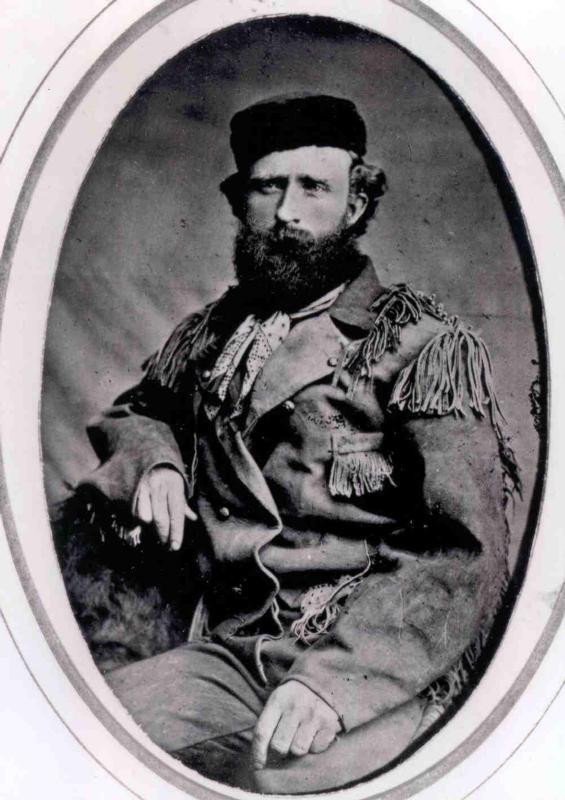
Fort Sill, Indian Territory, February 9, 1868 — weeks after returning from suspension, George Armstrong Custer poses in buckskin on the edge of a new campaign. The Civil War’s boy general is gone; in his place is a frontier officer rebuilding a reputation, stepping into the winter operations that will lead toward the Washita. The beard, the buckskin, the posture — all signal a man remaking himself on contested ground.
Image from NPS via Wikimedia Commons
