
 Mystery March Is Here!
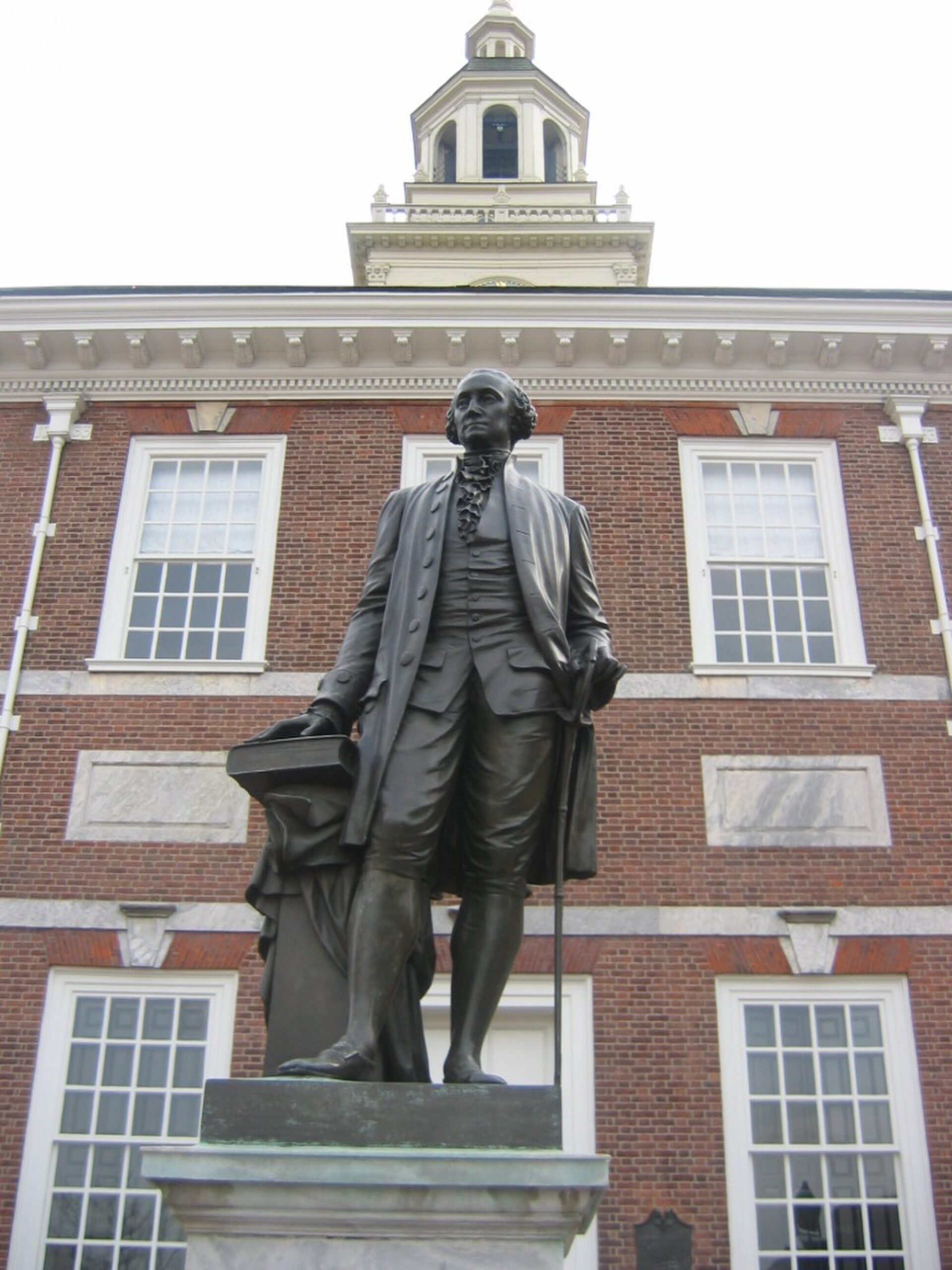
February 8, 1756 “Colonel Washington en route for Boston spent a day and night at Philadelphia. His sundry expenses while there were two pounds and three shillings. It was his first visit to this city, where in after years he was destined to bear so conspicuous a part in civil and military affairs. Here, as elsewhere on his journey, he was received with distinguished consideration ; for, although only twenty-four years of age, his name was familiar throughout the colonies.” From Washington Day by Day, published in 1895 Image of the statue of George Washington outside Independence Hall in Philadelphia.
Photo by Lester Spence via Wikimedia Commons, CC BY 2.0
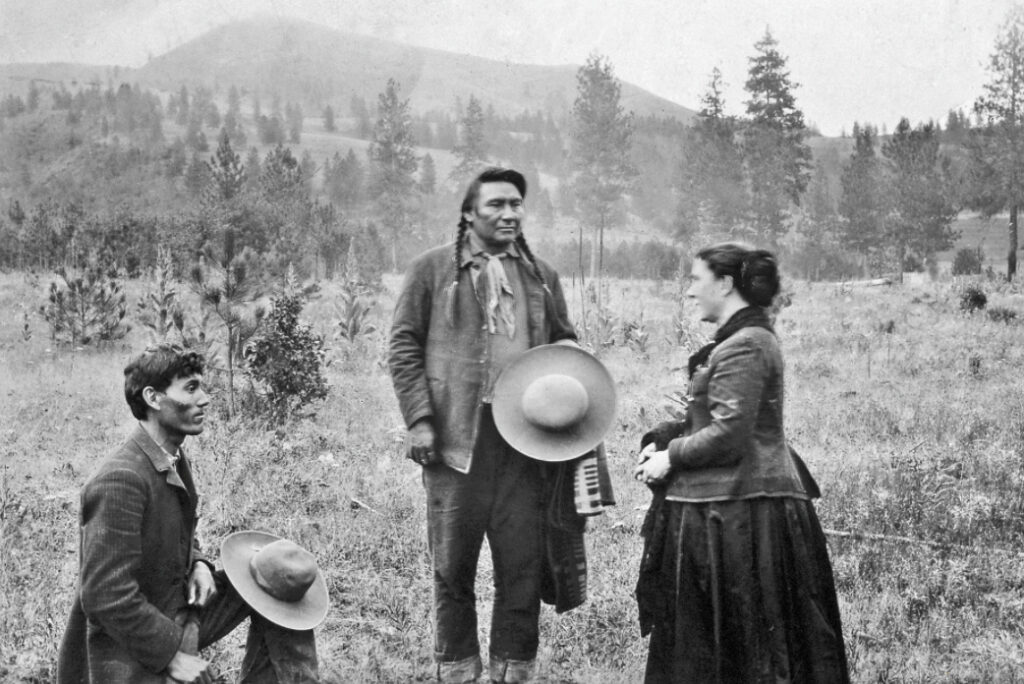
Signed on February 8, 1887, the Dawes Act broke apart tribal homelands across the West, dividing communal lands into individual allotments and opening millions of acres of “surplus” land to white settlement. What was framed as a path to citizenship instead became a machinery of dispossession: Native nations lost more than 90 million acres — nearly two‑thirds of the land they still held — through forced allotment, federal oversight, and predatory land sales.
The damage was so deep that by the 1920s even federal investigators declared the policy a national failure. Reform finally arrived with the Indian Reorganization Act of 1934, which ended allotment, restored tribal self‑government, and allowed some land to be returned to Native nations. It could not undo the losses, but it marked the first federal admission that the Dawes era had been a profound injustice.
The photograph shows Alice Cunningham Fletcher (1838–1923), a leading ethnologist and federal allotting agent, seated with two Native men during her fieldwork. The man in the center is Chief Joseph (Hinmatóowyalahtq̓it) of the Nez Perce — photographed during a period when he was living in the region after years of forced displacement. Fletcher believed she was helping Native communities “adapt” to American life, yet her work advanced the very policy that fractured tribal landholdings and sovereignty.
The image captures the human complexity of the Dawes era: a reformer convinced she was doing good, and a leader whose people had already endured broken treaties, forced removal, and the long shadow of federal policy. Together, they embody the collision of worldviews that defined the allotment period — and the lasting consequences it left on Native land and life.
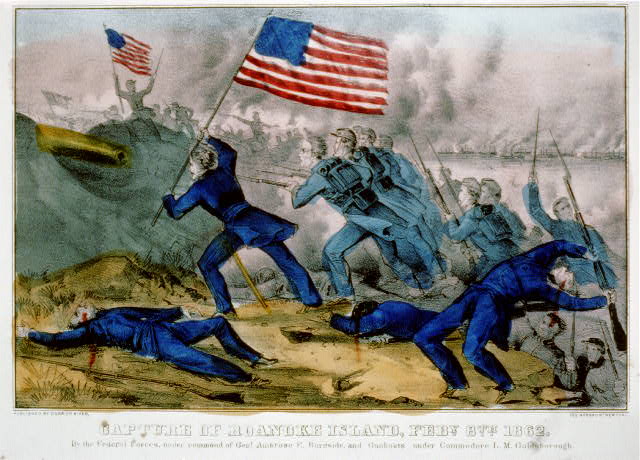
Capture of Roanoke Island, Feb. 8th 1862: By the federal forces, under Command of General. Ambrose E. Burnside, and gunboats under Commodore L.M. Goldsborough
Image via Wikimedia Commons, public domain
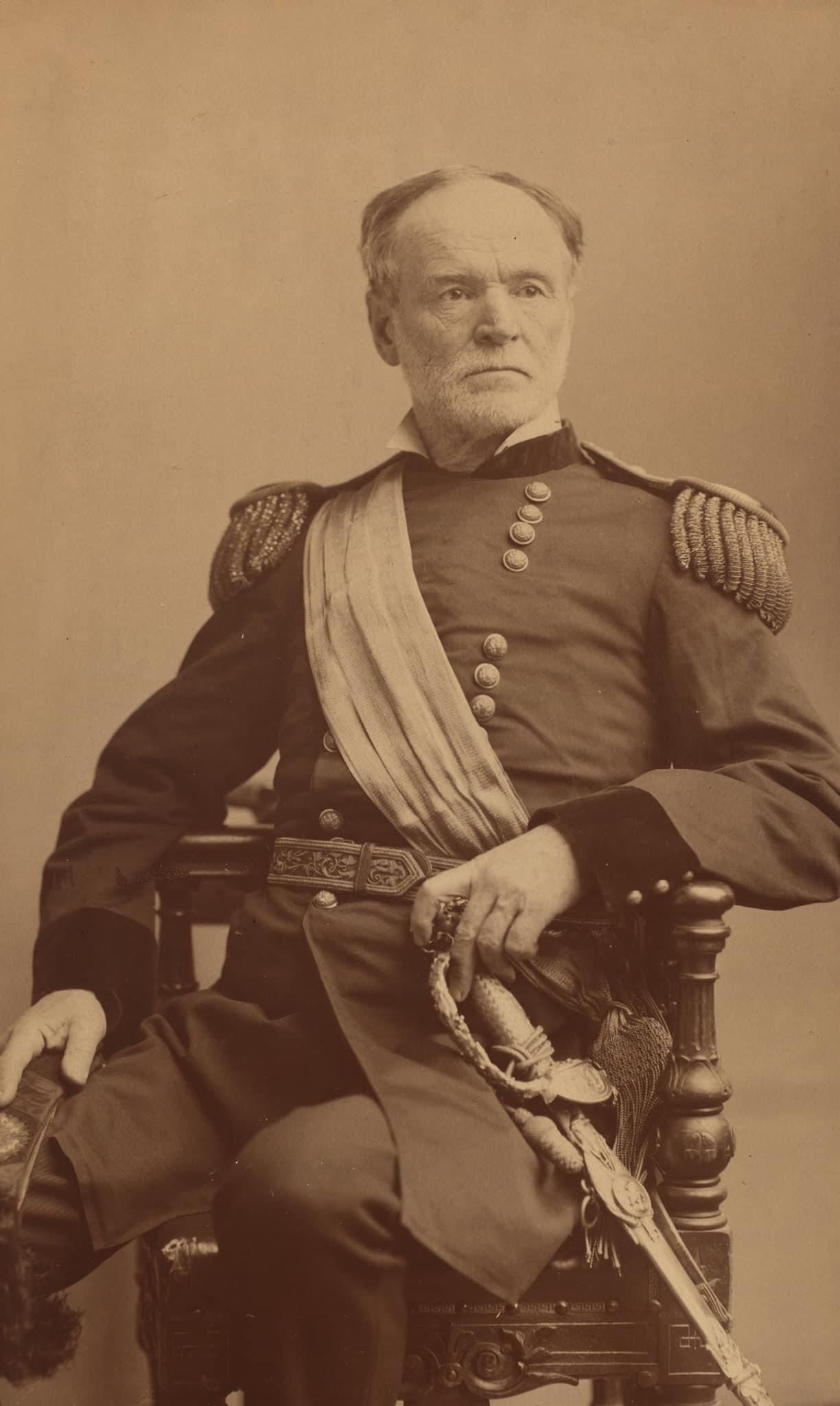
“Perry’s victory on Lake Erie was the turning-point of the Western campaign, and General Harrison’s victory over the British and Indians at the river Thames in Canada ended the war in the West, and restored peace and tranquillity to the exposed settlers of Ohio. My father at once resumed his practice at the bar, and was soon recognized as an able and successful lawyer. When, in 1816, my brother James was born, he insisted on engrafting the Indian name “Tecumseh” on the usual family list. My mother had already named her first son after her own brother Charles; and insisted on the second son taking the name of her other brother James, and when I came along, on the 8th of February, 1820, mother having no more brothers, my father succeeded in his original purpose, and named me William Tecumseh.” From: Memoirs of General W. T. Sherman
Image: National Portrait Gallery, Smithsonian Institution; gift of Marvin Sadik c. 1885
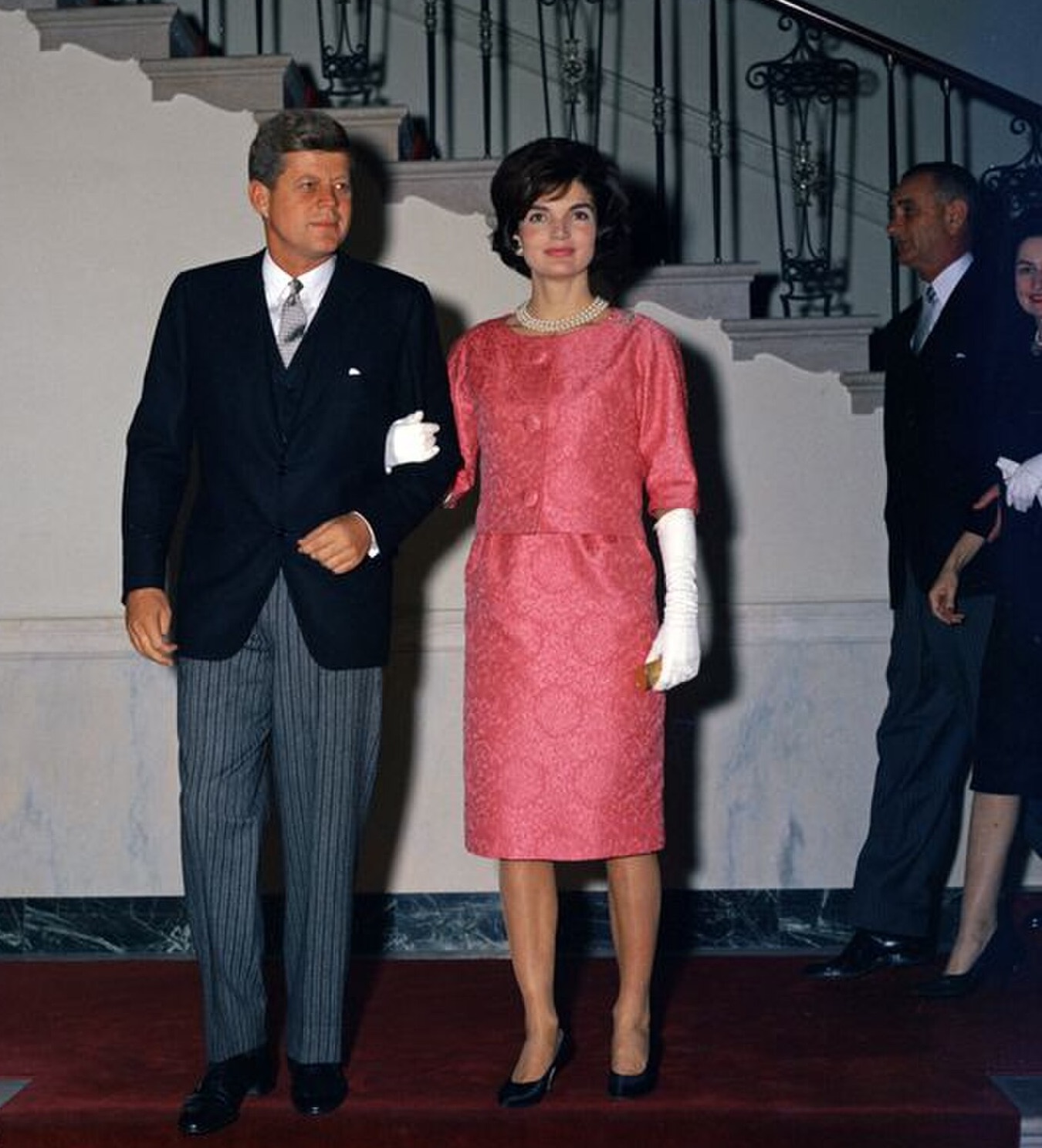
Reception for members of the Diplomatic Corps, White House, Washington, D.C. President John F. Kennedy and First Lady Jacqueline Kennedy descend the Grand Staircase to the Entrance Hall. Vice President Lyndon B. Johnson and Lady Bird Johnson follow. February 8, 1961 via Wikimedia Commons, public domain
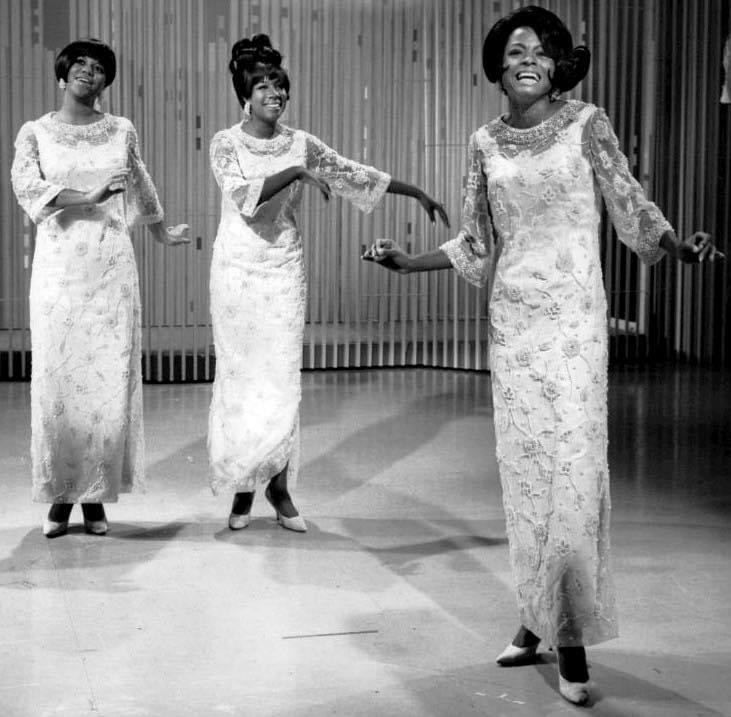
On today’s date February 8, 1965, The Supremes released their smash hit “Stop! In The Name of Love”
Image: Publicity photo of The Supremes in 1966 from CBS Television, public domain via Wikimedia Commons

Anthony Daniels as C-3PO and John Williams c. 1977 American composer and conductor, John Williams who received 54 Academy Award nominations, was born on February 8, 1932 in New York City.
Image via Alamy
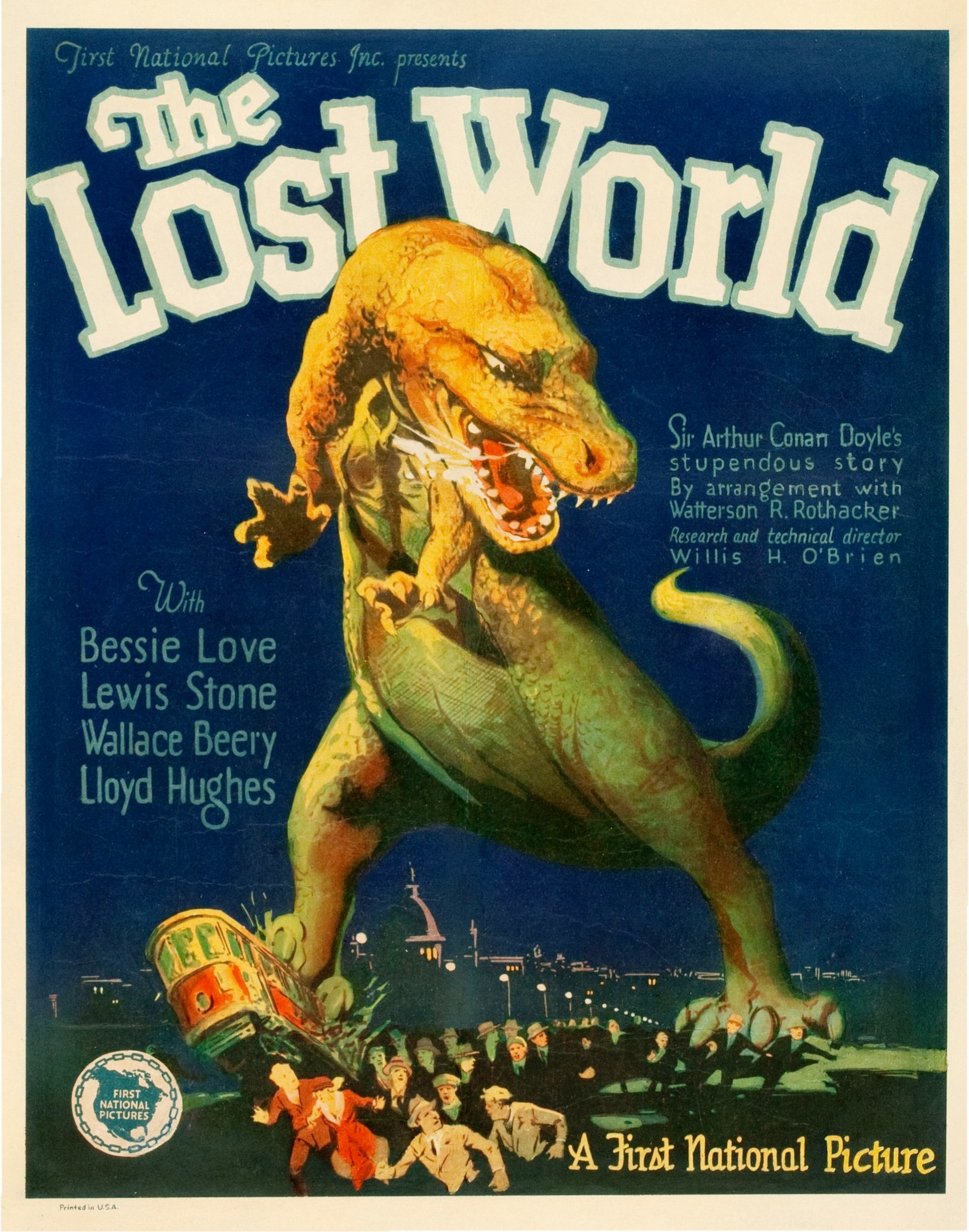
The Lost World, the first feature-length film made in the United States to use stop-animation as the primary special effect, was released on February 8, 1925.
Image via Wikimedia Commons, public domain
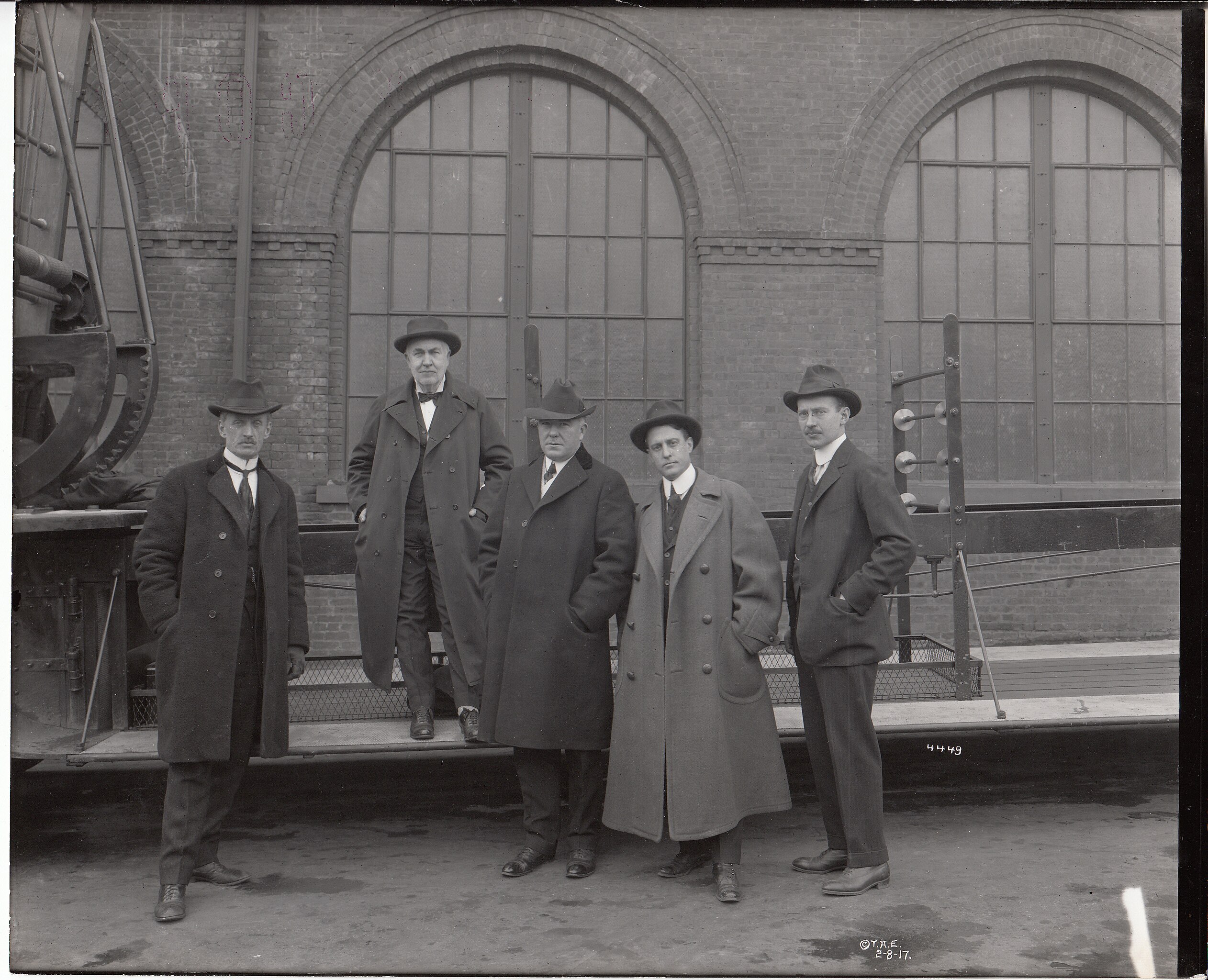
Thomas Edison, Miller Reese Hutchison, and the Messrs. John Walter Christie, Constable, and Kinkead in front of the Christie (ladder) truck at lab. February 8, 1917
Image via Wikimedia Commons, public domain
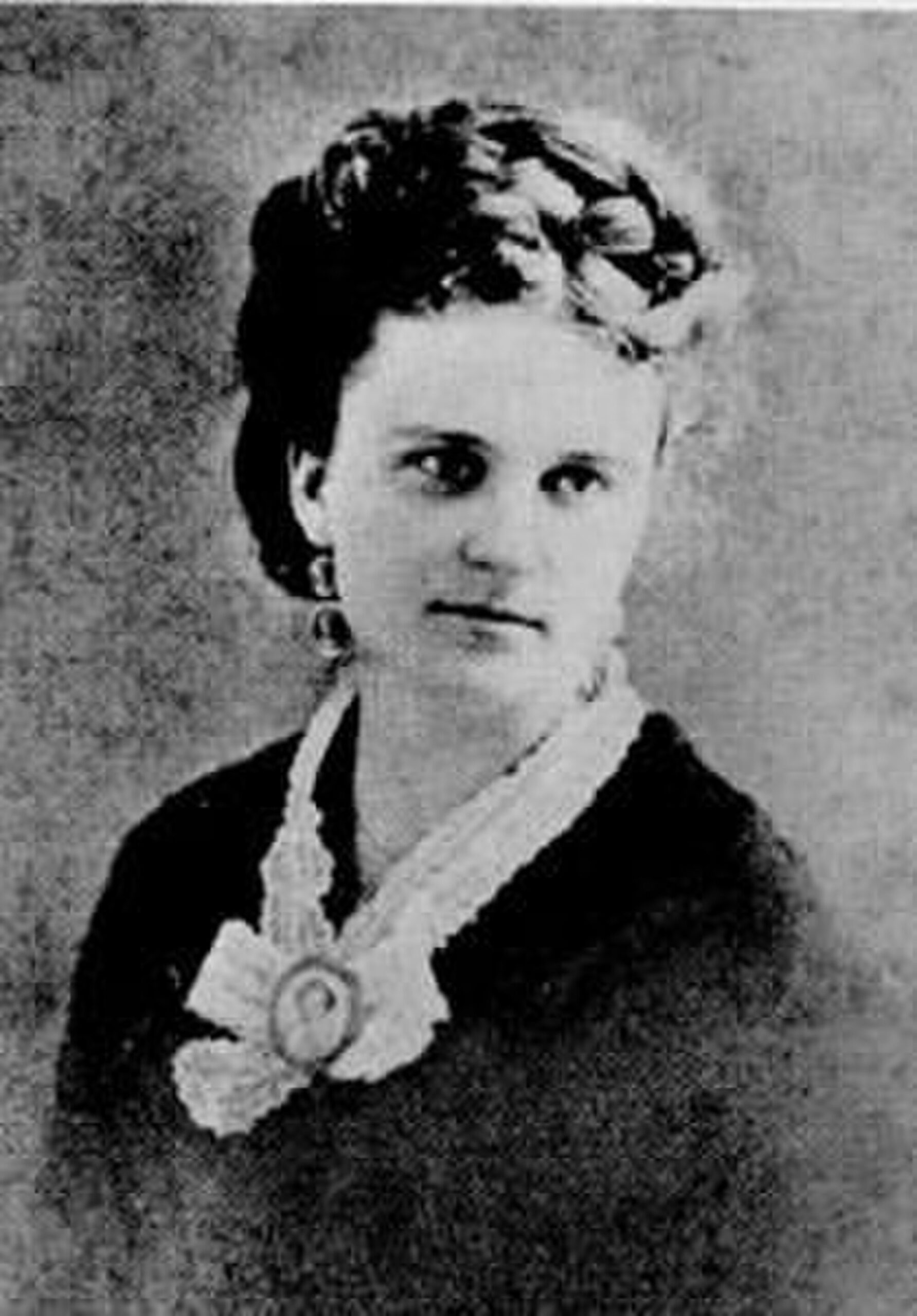
American author Kate Chopin was born on February 8, 1850 in St. Louis, Missouri.
“The stillest hour of the night had come, the hour before dawn, when the world seems to hold its breath. The moon hung low, and had turned from silver to copper in the sleeping sky. The old owl no longer hooted, and the water-oaks had ceased to moan as they bent their heads.”
From: The Awakening, by Kate Chopin published in 1899 https://archive.org/details/awakeningthe00choprich/page/81
Image via Wikimedia Commons
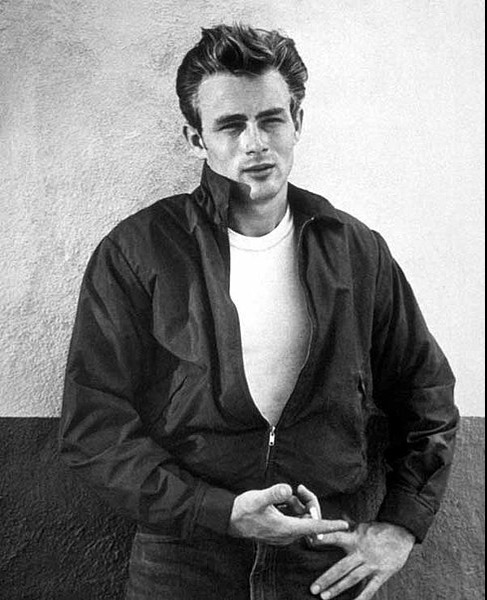
Born February 8, 1931 James Dean had starring roles in only three films – East of Eden, Rebel Without a Cause, and Giant and the latter two were released after his death in a car crash in 1955. Numerous actors, though, credit Dean with inspiring them to enter the profession.
Image via Wikimedia Commons, no known copyright, public domain in the US.
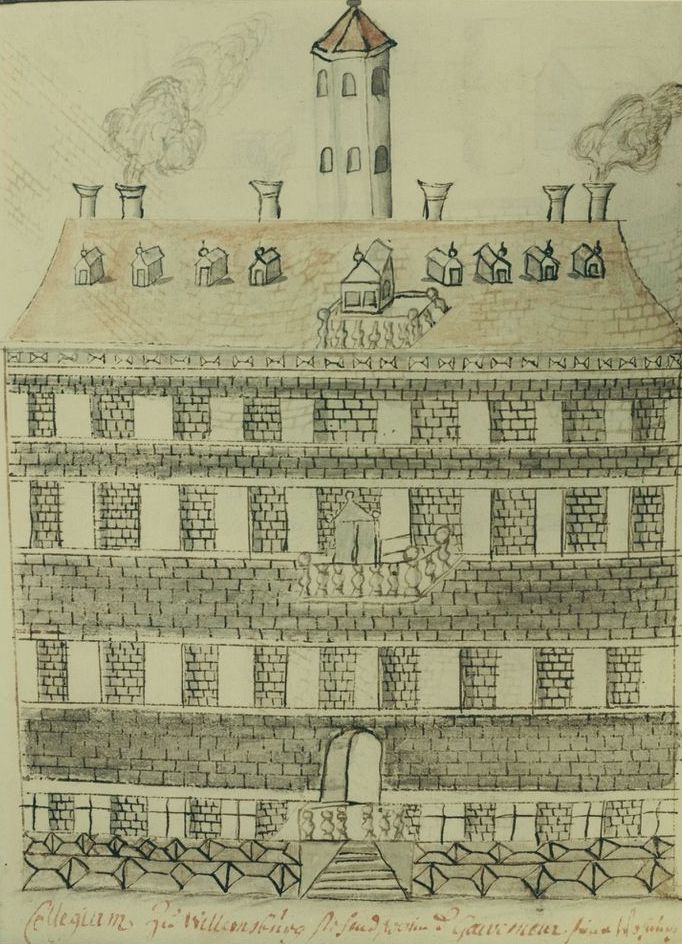
The first known drawing of the Wren Building, the oldest building at The College of William & Mary in Williamsburg, Virginia drawn by Swiss a traveler named François-Louis Michel from 1702. Of the nine colonial colleges that were established in America before the Revolution, The College of William & Mary is the second oldest after Harvard and was founded on February 8, 1693. A weather vane inscribed with year 1693 is on top of the Wren Building.
Image via Wikimedia Commons, public domain
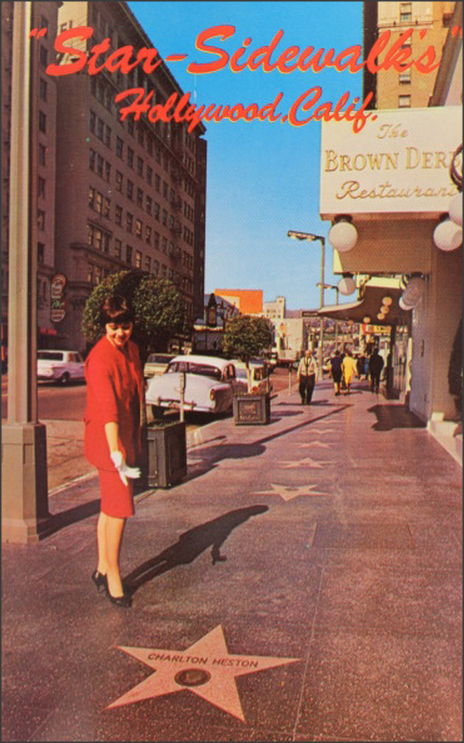
Groundbreaking for the Hollywood Walk of Fame occurred on February 8, 1960
Image Star-Sidewalks Hollywood, California from the 1960s via Wikimedia Commons from 1950sUnlimited via Wikimedia Commons, CC BY 2.0
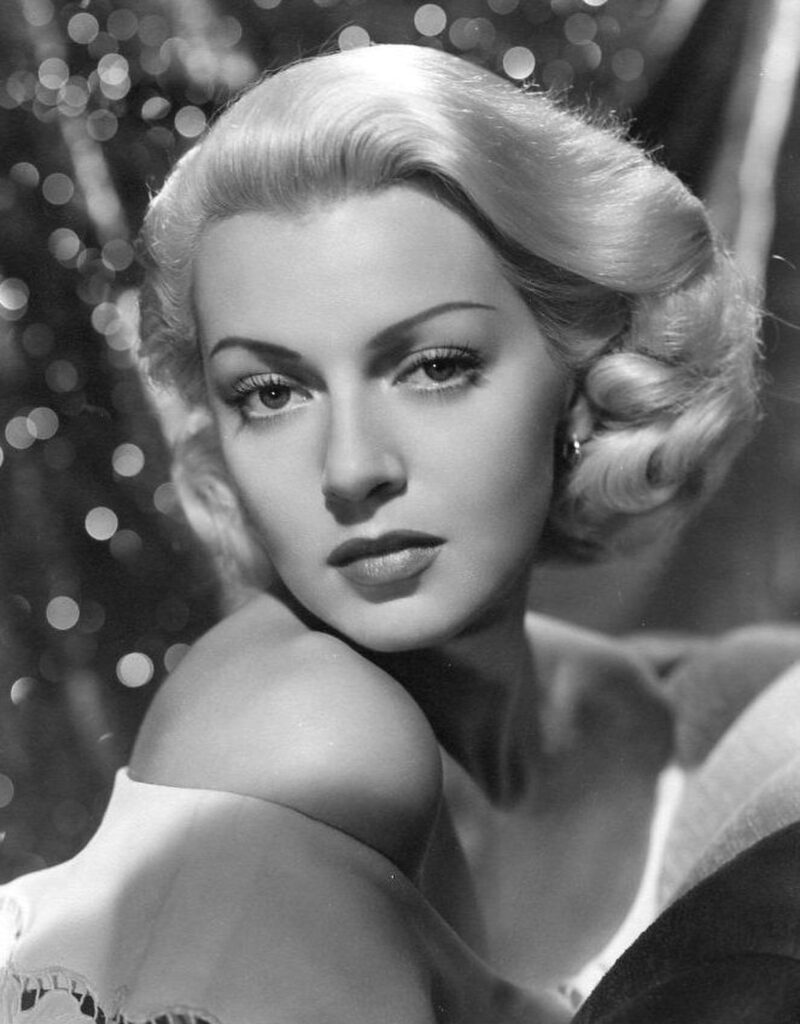
She was born February 8, 1921, in the mining town of Wallace, Idaho—a beginning so unlikely that even she fought to keep the details straight. Studios kept printing the wrong birth year, and Lana Turner spent decades correcting her own origin story.
Her early life was marked by hardship: foster homes, family turmoil, and the murder of her father. The glamour came later, built on a resilience the public never saw. Her “discovery” wasn’t a Hollywood myth but a journalist noticing a teenager with presence; “Lana” was a name she chose to invent herself.
Within a few birthdays, she was one of MGM’s most profitable stars, her films eventually earning the studio the modern equivalent of a billion dollars. And the moment that made her famous—the tight sweater in They Won’t Forget—wasn’t a stunt at all. It was just what she happened to be wearing.
A birthday that began in a remote Idaho town became the first chapter of one of Hollywood’s most improbable ascents.
Image via Wikimedia Commons, no known restrictions
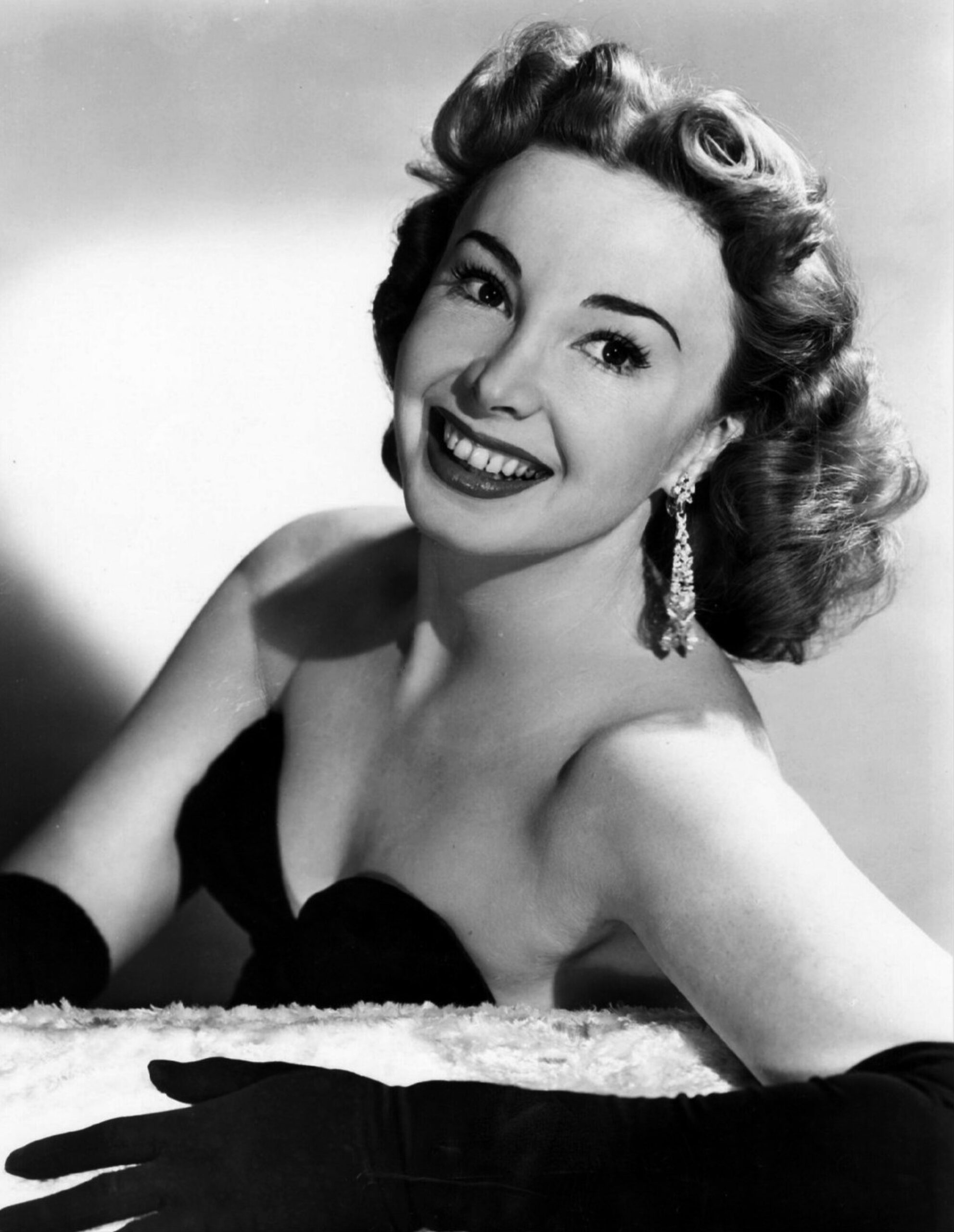
A photo of Audrey Meadows from 1951 when she was a regular on Bob & Ray which was about 4 years before she starred as Alice on The Honeymooners. Audrey was born on February 8, 1922 in New York City.
Image via Wikimedia Commons, no known restrictions
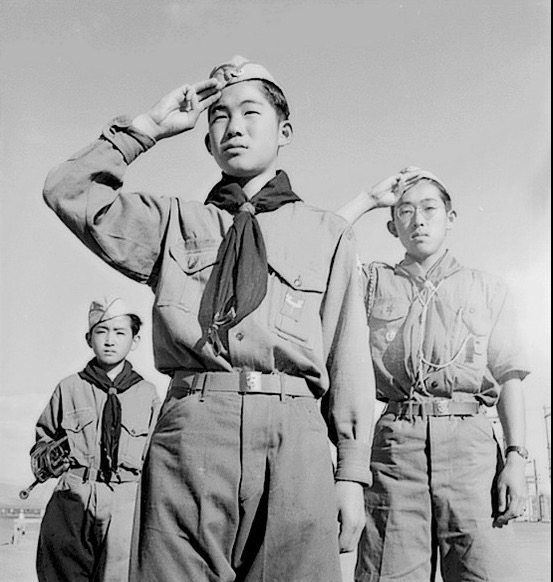
February 8, 1910 saw the incorporation of the Boy Scouts of America. To date over 100 million Americans have participated in BSA programs. These Scouts, shown in 1943, raise the flag at the Heart Mountain Relocation Center where people of Japanese ancestry were interned during WW2.
Image from NARA via Wikimedia Commons, public domain in the U.S.
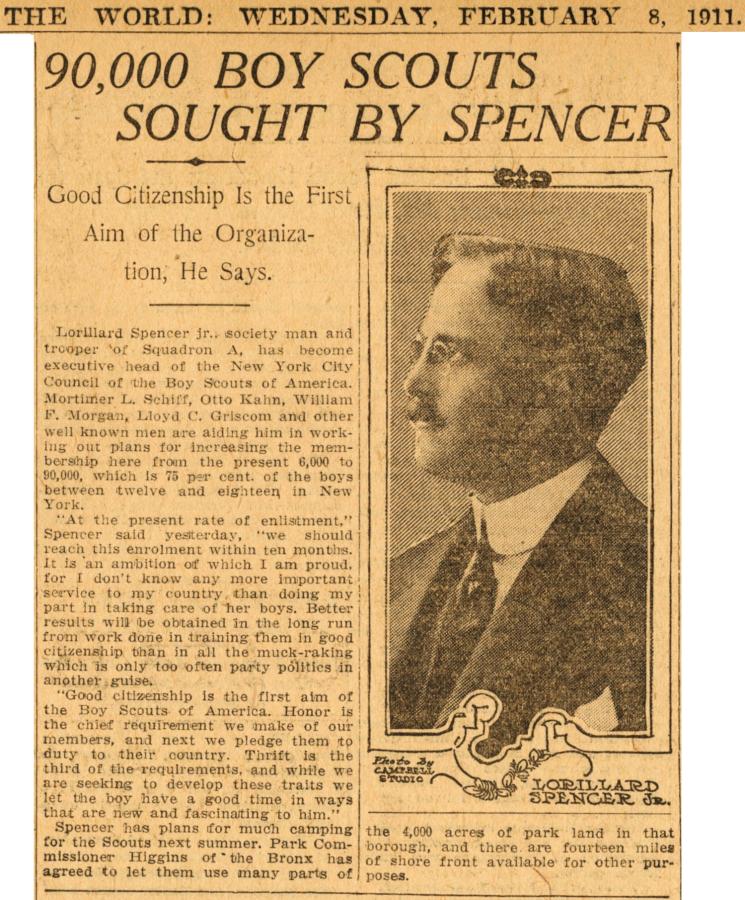
Spencer’s 1911 call for “90,000 Boy Scouts” was part vision, part strategy. New York had only a few thousand Scouts at the time, and rival organizations were competing for the city’s boys.
His bold target wasn’t a census — it was a declaration that the Boy Scouts of America intended to win the battle for New York’s youth, not through militarism, but through citizenship, honor, and the promise of a better path.
Article published on February 8, 1911
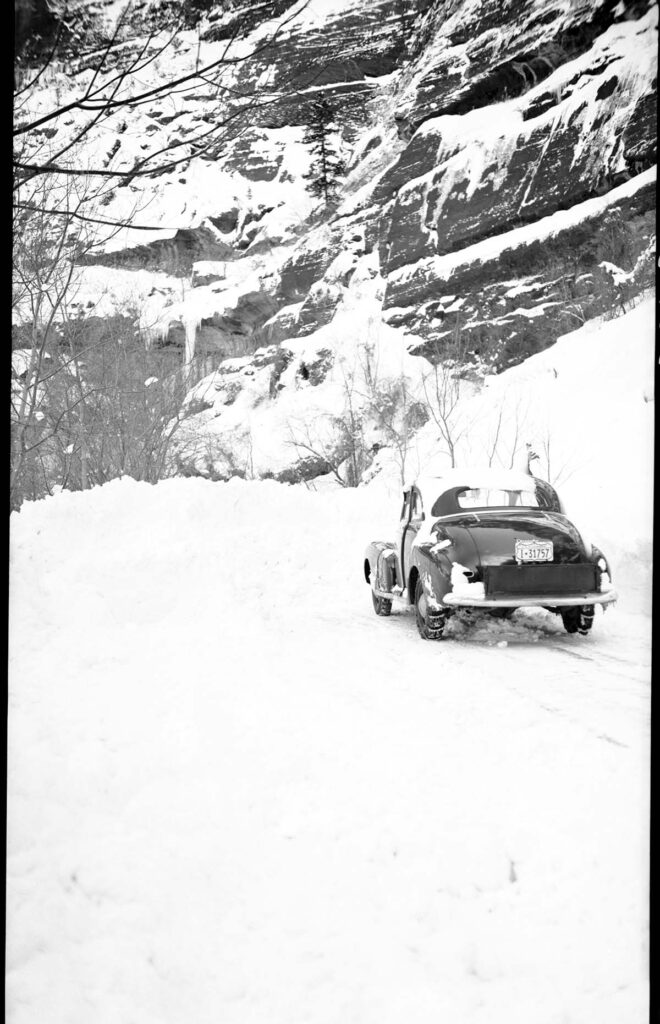
A winter slide on February 8, 1949 halts a lone car on a damaged mountain road—an instant of peril preserved in snow and stone. Zion National Park, Utah.
