
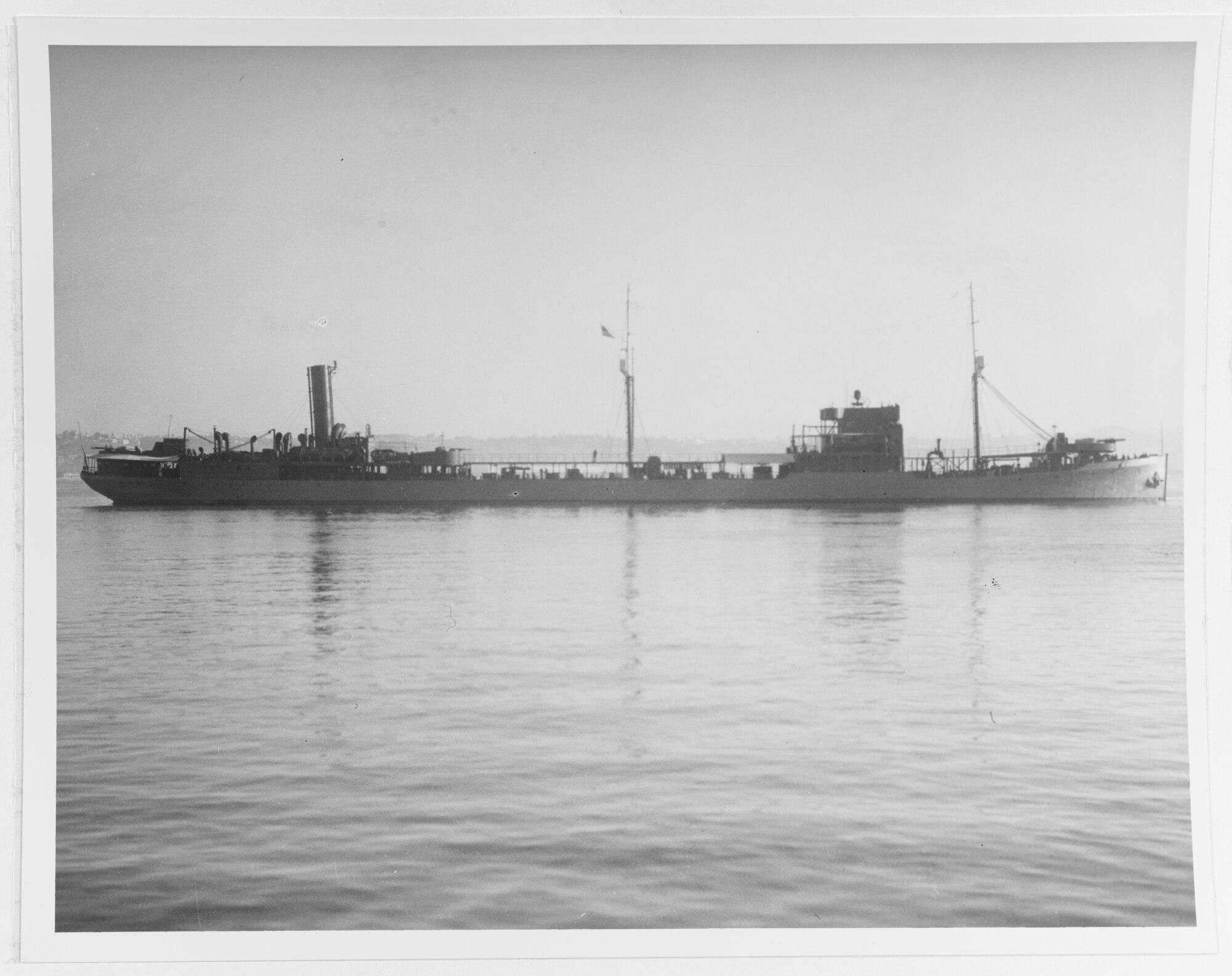
In the early morning hours of February 7, 1933, a rogue wave measuring 112 feet in height (taller than a 10 story building) was observed by the crew of the USS Ramapo on their return trip to San Diego from Manila. The USS Ramapo was also moored and undamaged during the Japanese attack on Pearl Harbor in 1941.
Photo of USS Ramapo in 1941 via Wikimedia Commons, public domain
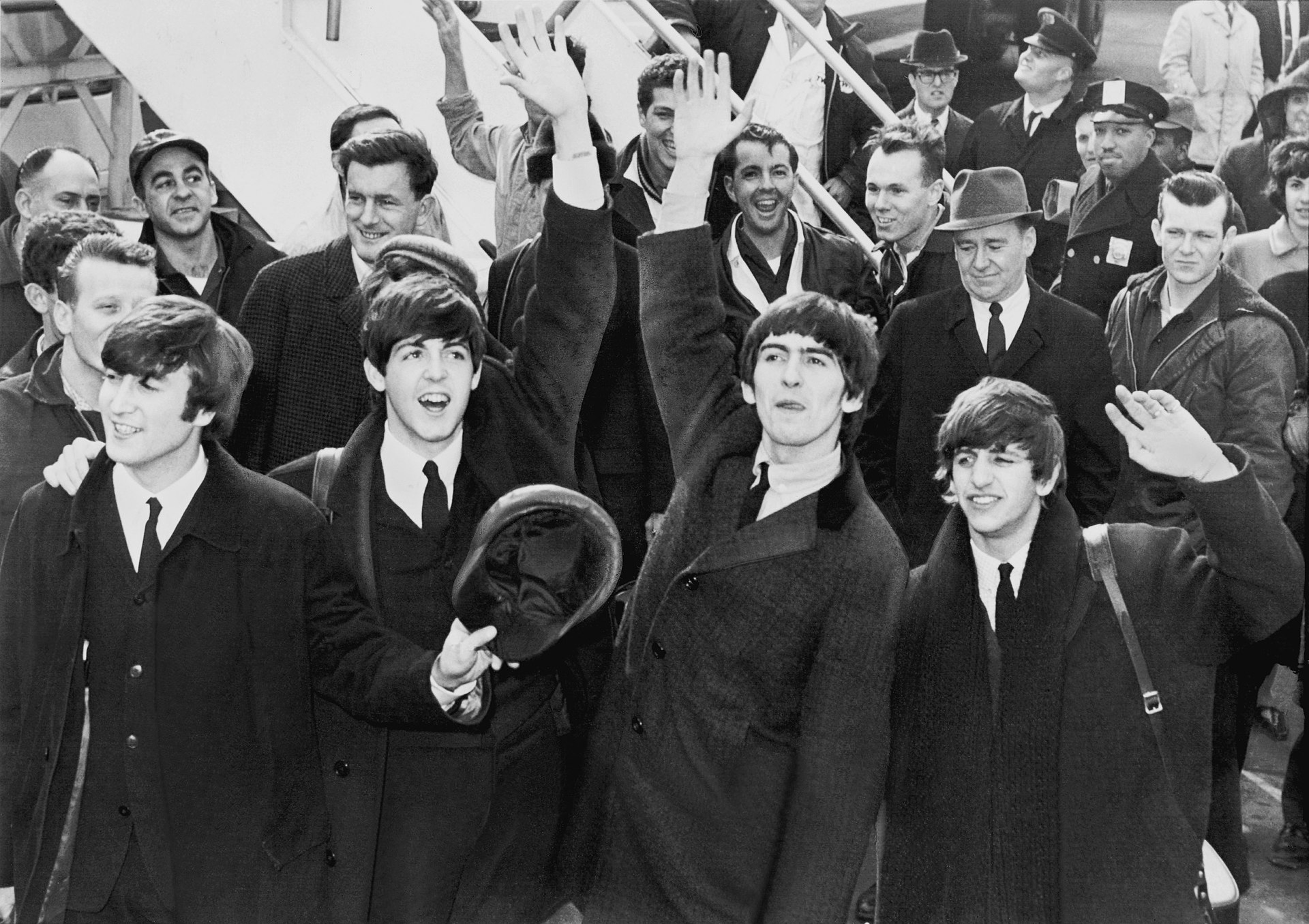
On today’s date February 7, 1964, The Beatles arrived in New York City and began their first American tour. Photo:
The Beatles arriving in NYC in 1964 by United Press International via Wikimedia Commons
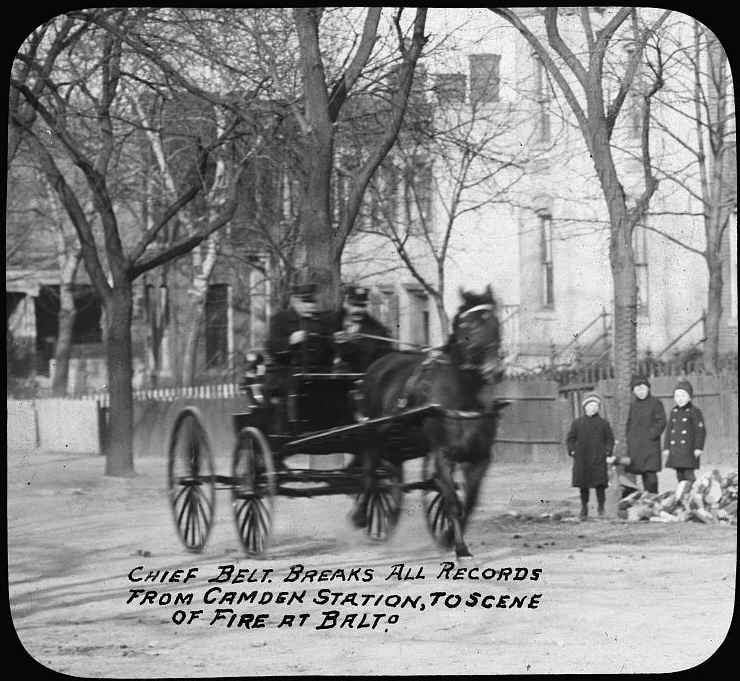
On February 7, 1904, the Great Baltimore Fire began which destroyed much of Central Baltimore including over 1,500 buildings. Image of Chief Belt from Camden Station rushes to scene of fire at Baltimore in 1904 via Wikimedia Commons, public domain
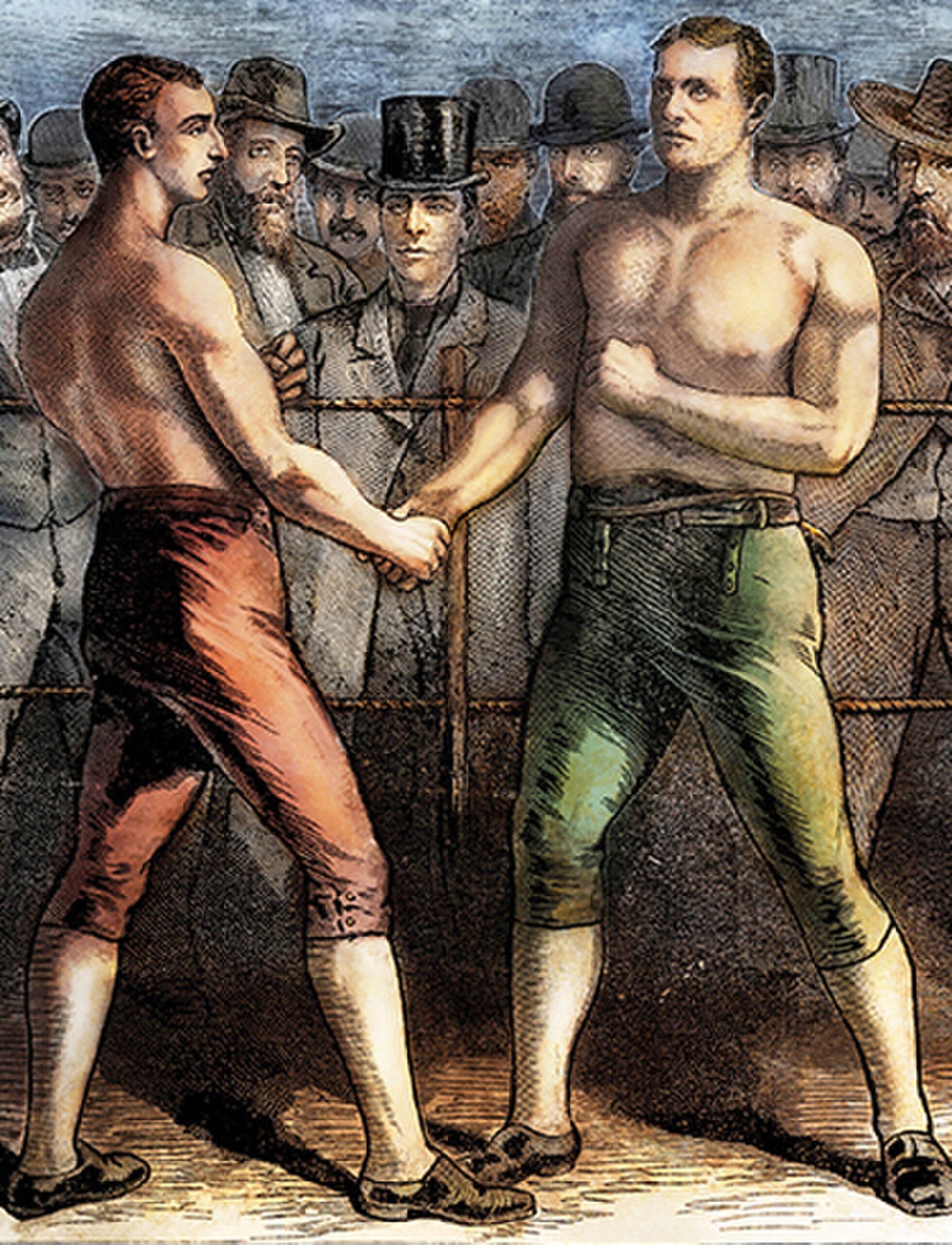
On February 7, 1882, boxing champion Paddy Ryan loses his heavyweight title to John L. Sullivan in a gloveless bout at Mississippi City, Mississippi.
Image via Wikimedia Commons, public domain
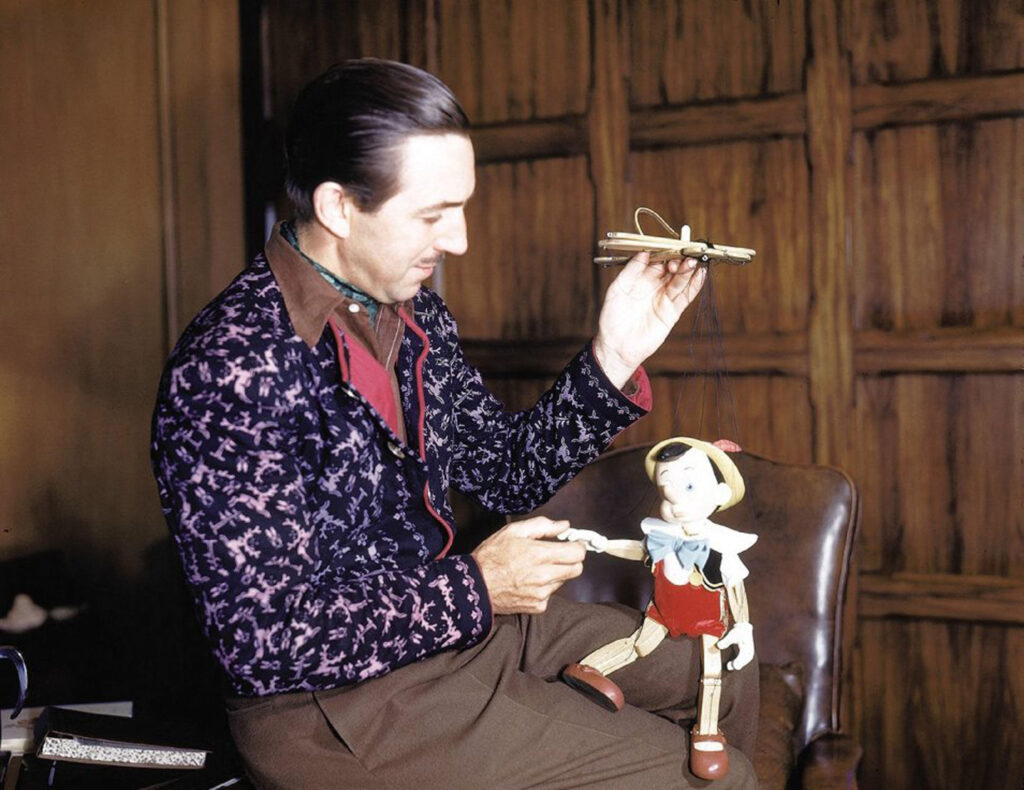
On February 7, 1940, Walt Disney’s Pinocchio celebrated its world premiere at New York City’s Center Theatre. The project was a massive gamble; it took 12 artists nearly 18 months just to finalize the puppet’s design, moving away from a “wooden” look to a more boyish, charming protagonist.
The story itself dates back to 1881, when Italian writer Carlo Collodi introduced a mischievous marionette in a newspaper serial—a darker, more cautionary tale that Disney transformed into a universal fable about the power of conscience and the dream of becoming real.
Image via Alamy
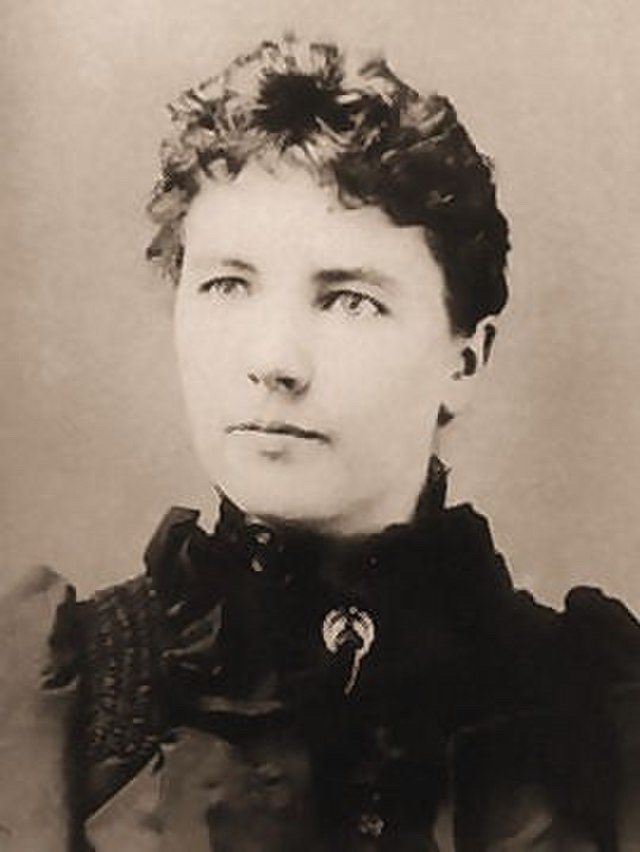
Laura Ingalls Wilder, author of the beloved “Little House” novels, was born February 7, 1867 in the Big Woods area of Wisconsin. Generations of readers learned about pioneer life through her works, which inspired the nine-season television series “Little House on the Prairie.” Image via Wikimedia Commons, public domain in the US.
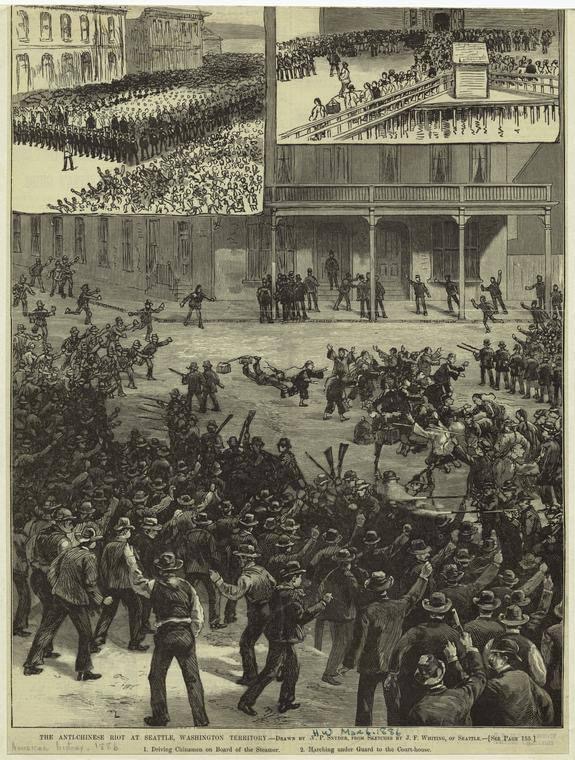
On February 7, 1886 Federal soldiers were ordered to put an end to rioting inflicted upon Chinese immigrants in Seattle, Washington Territory.
Image via NYPL Digital Collections, no known restrictions
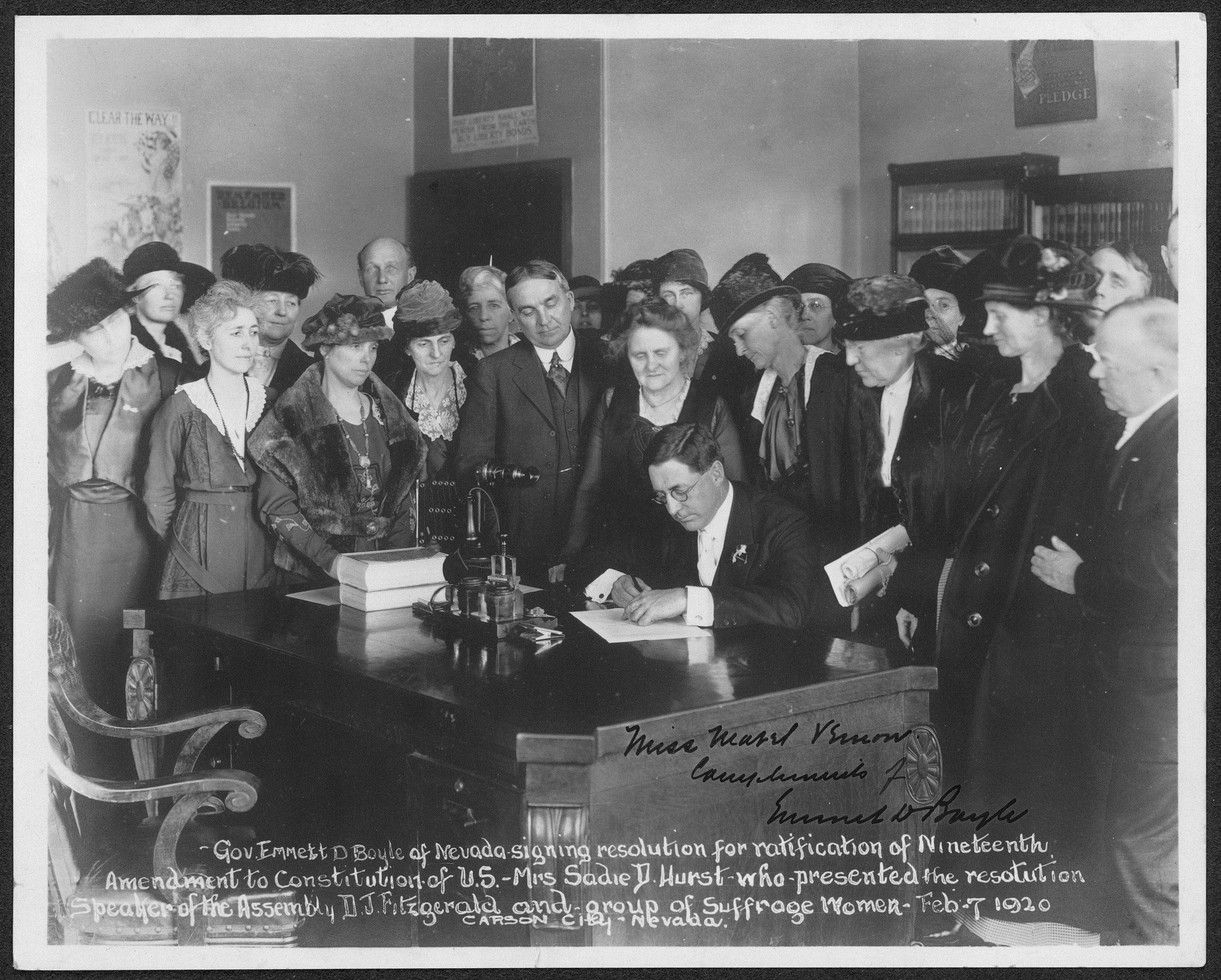
Governor Emmett D. Boyle of Nevada signing resolution for ratification of Nineteenth Amendment to Constitution of U.S. – Mrs. Sadie D. Hurst who presented the resolution, Speaker of the Assembly D.J. Fitzgerald and group of Suffrage Women, Feb. 7, 1920, Carson City, Nevada
Image via Wikimedia Commons, no known restrictions
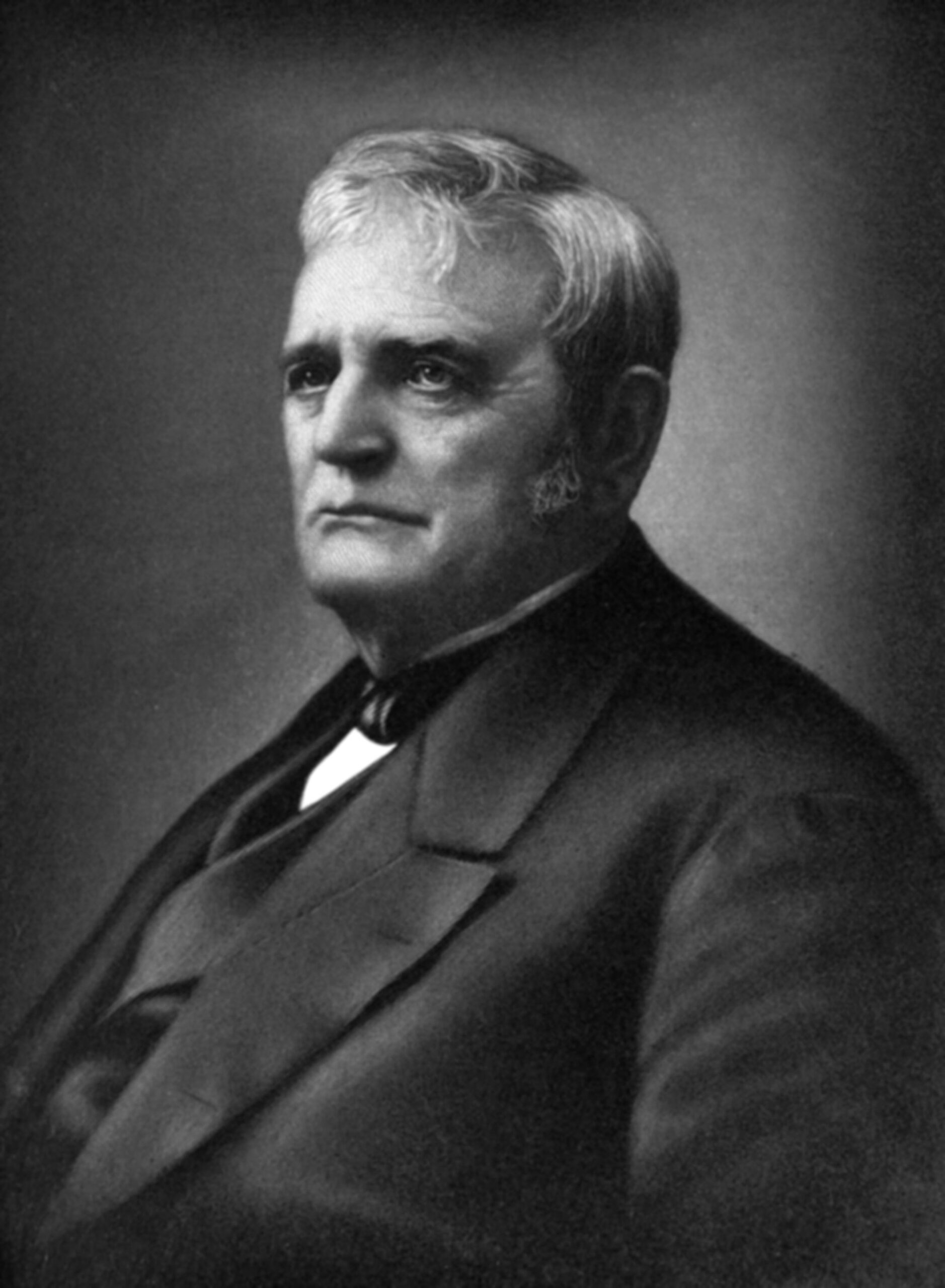
On February 7, 1804 John Deere was born in Rutland, Vermont. In 1837, in Grand Detour, Illinois, Deere combined polished steel and a shaped moldboard to produce a highly effective plow. His business philosophy was “I will never put my name on a product that does not have in it the best that is in me.”
Image via Wikimedia Commons, public domain in the US.
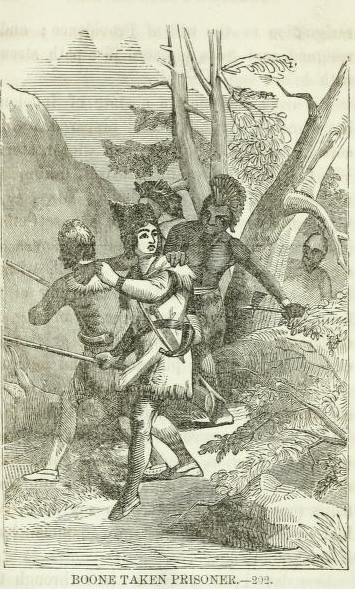
“Toward evening of the seventh of February (1778) he was returning home from a wide circuit with his packhorse laden with buffalo-meat and some beaver-skins, for he had many traps in the neighborhood. A blinding snow-storm was in progress, which caused him to neglect his usual precautions, when suddenly he was confronted by four burly Shawnese, who sprang from an ambush. Keen of foot, he thought to outrun them, but soon had to surrender, for they shot so accurately that it was evident that they could kill him if they would. The prisoner was conducted to the Shawnese camp, a few miles distant. There he found a hundred and twenty warriors under Chief Black Fish. Two Frenchmen, in English employ, were of the party; also two American renegades from the Pittsburg region, James and George Girty. These latter, with their brother Simon, had joined the Indians and, dressed and painted like them, were assisting the tribesmen of the Northwest in raids against their fellow-borderers of Pennsylvania and Virginia. Boone was well known by reputation to all these men of the wilderness, natives and white men alike; indeed, he noticed that among the party were his captors of eight years before, who laughed heartily at again having him in their clutches.” From: Daniel Boone by Reuben Gold Thwaites, published in 1902 https://archive.org/details/danielboone01hwa/page/147/mode/1up Source says not in copyright
Image: Daniel Boone taken prisoner
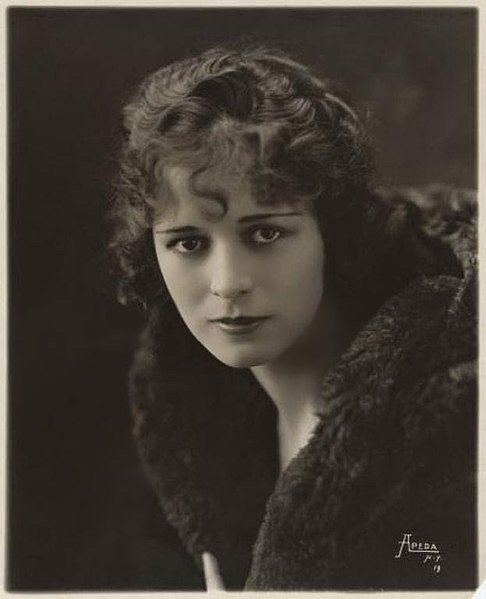
Born February 7, 1895 Anita Stewart began acting in silent films while still in high school, being called “America’s daintiest actress.” She was fascinated with film craft and, partnering with Louis B. Mayer, “controlled every aspect of production,” even composing musical scores.
Image via Wikimedia Commons, public domain in the US.
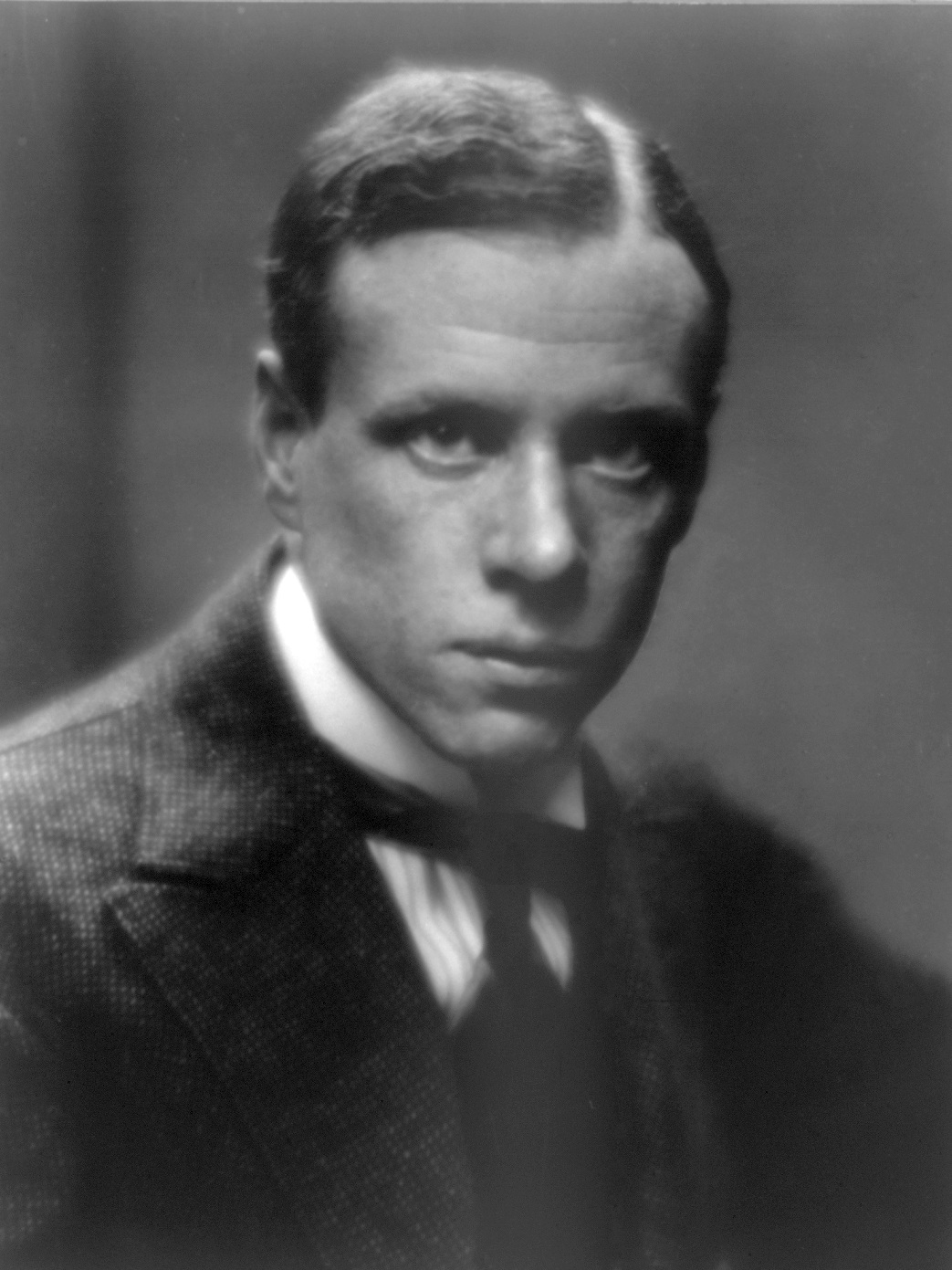
“The trouble with this country is… that there’re too many people going about saying ‘The trouble with this country is—’” by Sinclair Lewis, the first American writer to receive the Nobel Prize in Literature, was born on February 7, 1885 in Sauk Centre, Minnesota.
Image via Wikimedia Commons, public domain in the US.
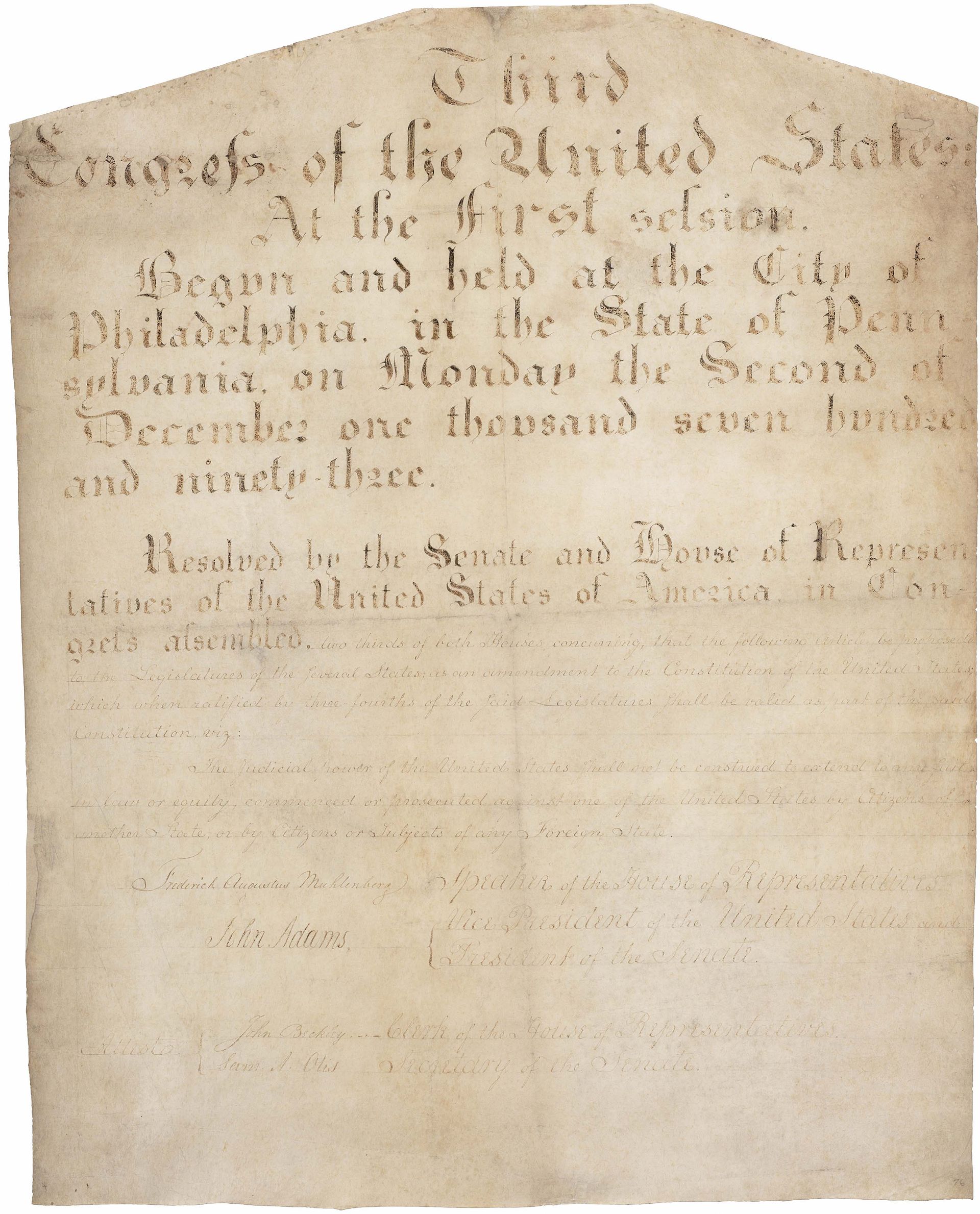
On February 7, 1795 the Eleventh Amendment of the United States Constitution, the first amendment to be adopted after the Bill of Rights, was ratified. It says: “The Judicial power of the United States shall not be construed to extend to any suit in law or equity, commenced or prosecuted against one of the United States by Citizens of another State, or by Citizens or Subjects of any Foreign State.”
Image of the 11th Amendment from the National Archives via Wikimedia Commons, public domain
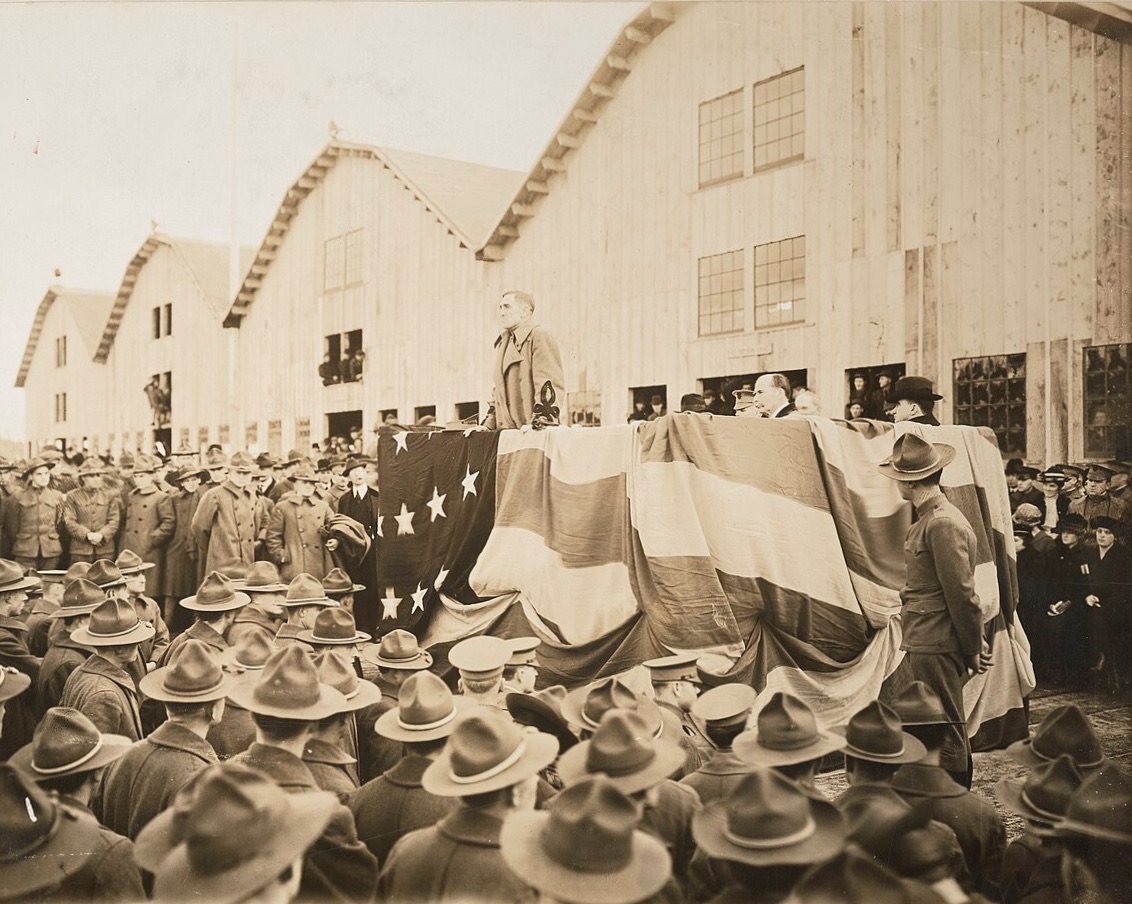
Brigadier General Disque speaking at the opening of spruce mill operations at Fort Vancouver on February 7, 1918. Mayors of Vancouver and Portland at right of stand Spruce wood from the mill was used in the fabrication of military air craft during WWI.
Image via Wikimedia Commons, public domain
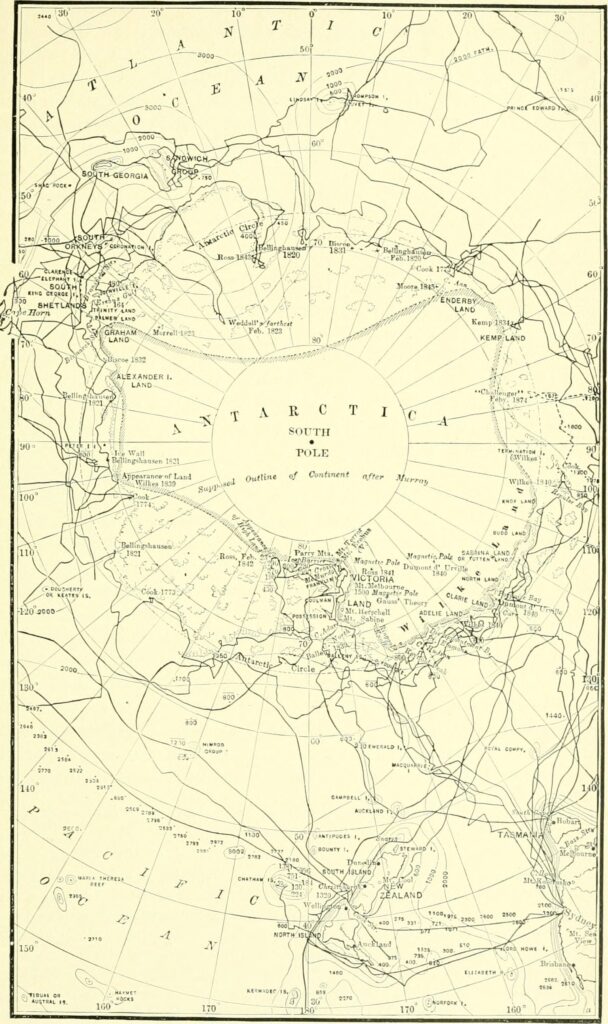
Born in Surrey, England, but a long-time resident of Connecticut, John Davis sailed south aboard the sloop Cecilia. On February 7, 1821, operating from the South Shetlands, he recorded a landing that is historically debated as the first human step onto the Antarctic continent—writing in his log with quiet certainty: “I think this Southern Land to be a Continent.” The Davis Coast on the Antarctic Peninsula now commemorates him, distinguishing his legacy from that of the later Australian explorer, John King Davis, for whom the Davis Sea and Davis Station are named.
Image: An original plate from the 1893 Smithsonian Annual Report, this map depicts the South Polar Regions and the surrounding Southern Ocean. Instead of a unified continent, it presents a “Supposed Outline” pieced together from scattered coastal sightings and conjectural fragments — a snapshot of a time when Antarctica’s interior was unmapped and even the boundaries between the Southern Atlantic, Indian, and Pacific Oceans were still being defined. via Wikimedia Commons
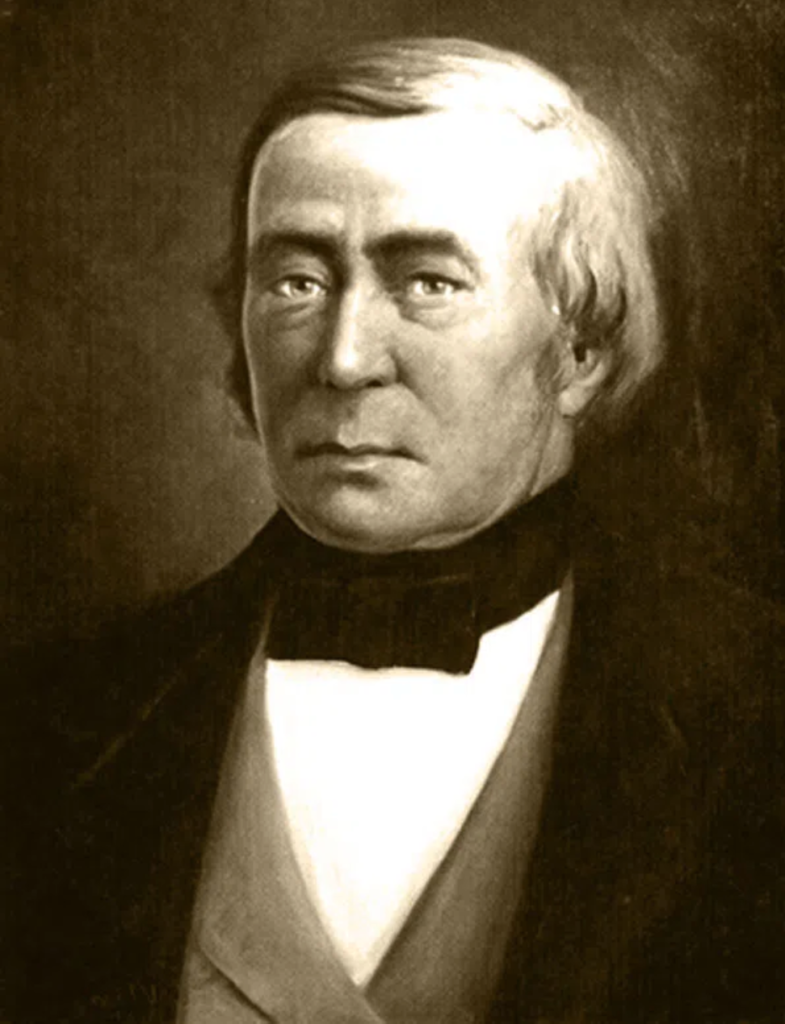
Thomas “Broken Hand” Fitzpatrick passed away on February 7, 1854, in Washington, D.C., after contracting pneumonia while pressing for federal approval of Plains treaties, including the follow-up to the landmark 1851 Fort Laramie Treaty he had helped orchestrate. An Irish-born trapper of the Rocky Mountain Fur Company, survivor of the Arikara War, and co-discoverer of South Pass, he became one of the indispensable guides of the American West—leading early Oregon Trail wagon trains, steering military columns at the opening of the Mexican-American War, and serving as John C. Frémont’s chief pathfinder on the pivotal 1843–44 expedition. His nickname, earned from a rifle explosion that shattered his left hand, hints at the rugged world he came from; his death in the capital reflects the diplomatic world he entered, bridging the frontier and the federal government in a way few mountain men ever did.
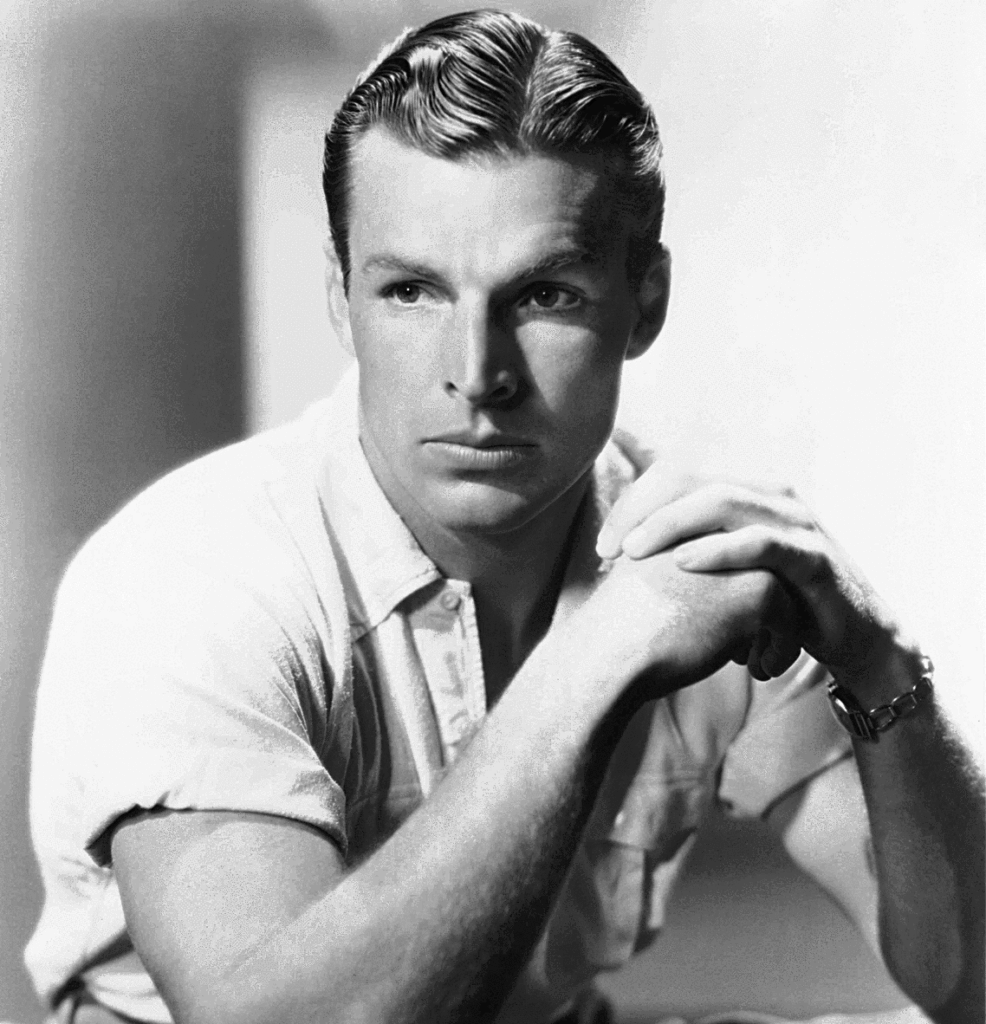
Born on February 7, 1908, in Oakland, California, Buster Crabbe became one of early Hollywood’s most recognizable action stars — an Olympic gold‑medalist swimmer who leapt from the pool to the screen, embodying Flash Gordon, Buck Rogers, and Tarzan with the same athletic ease that first made him famous.
