
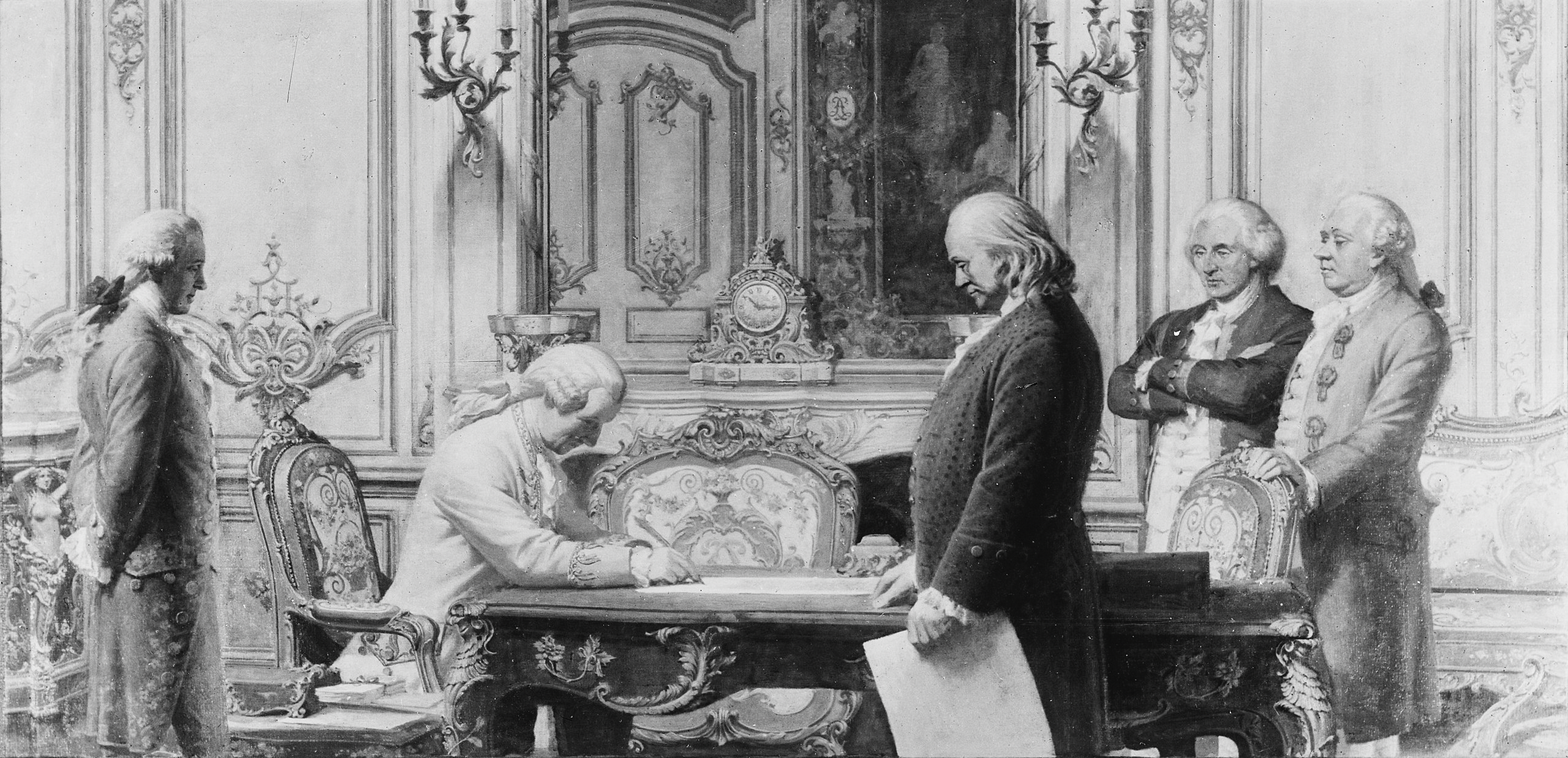
On February 6, 1778, two treaties between the U.S. & France were signed. They were called the Treaty of Alliance and the Treaty of Amity and Commerce. Benjamin Franklin, Silas Deane, and Arthur Lee negotiated the treaties on behalf of the United States. Britain now had a more formidable enemy as the two treaties marked a significant turning point during the American Revolution. Image: Benjamin Franklin holding a paper. To the right, Arthur Lee has his arms folded and Silas Deane has his on a chair. At the left is Franklin’s grandson, William Temple Franklin via Wikimedia Commons, public domain
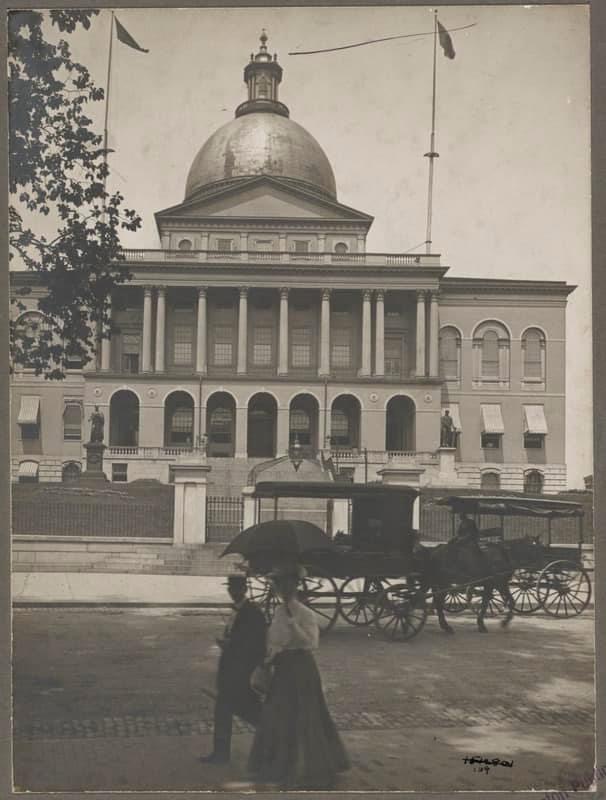
On February 6, 1788, Massachusetts became the sixth state to ratify the United States Constitution. Image: Massachusetts. Boston. State House c. 1900 via Digital Commonwealth Massachusetts, no known restrictions, CC BY-NC-ND
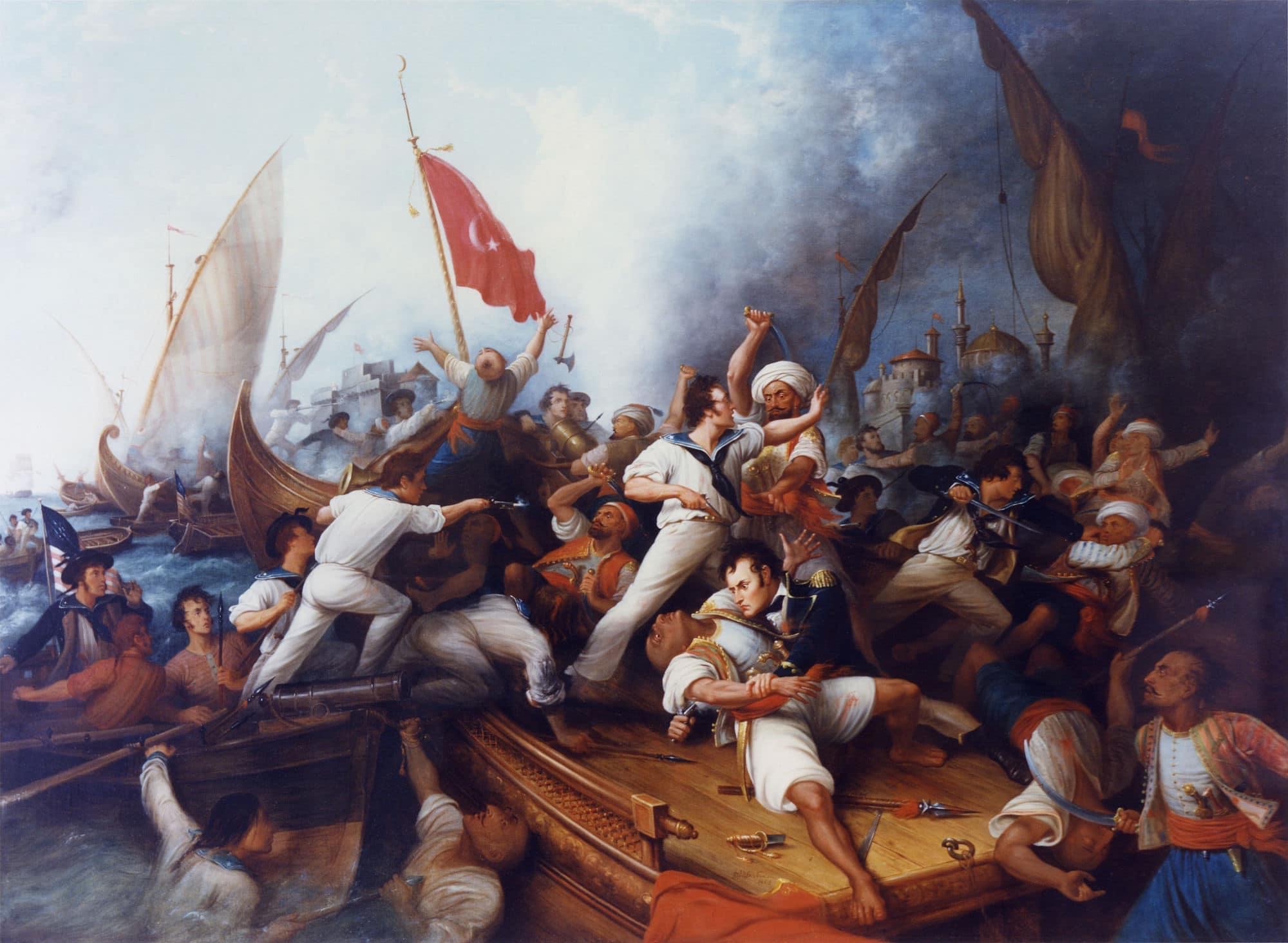
On February 6, 1802, Congress passed an “Act for Protection of Commerce and Seamen of the United States Against the Tripolitian Corsairs” which was basically a declaration of War on Tripoli. Image: Two years later in 1804 Stephen Decatur and others in hand to hand combat with Tripolitans during the bombardment of Tripoli
Image via Wikimedia Commons, public domain
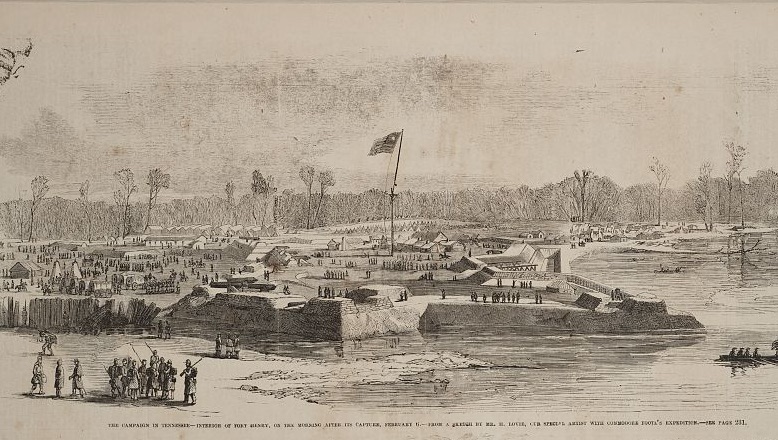
“At eleven o’clock in the morning of the 6th, General Grant moved with his command, and at the same time Commodore Foote steamed up the river with his fleet in two divisions. The first was of ironclads, the Cincinnati, flag-ship, the Carondelet, and the St. Louis, each carrying thirteen guns, and the Essex, carrying nine guns. The second division of three wooden boats, under command of Lieutenant Phelps, followed half a mile astern. At a quarter before twelve o’clock the first division opened fire with their bow-guns at a distance of seventeen hundred yards, and continued firing while slowly advancing to a distance of six hundred yards from the fort. Here the four boats took position abreast, and fired with rapidity. Lieutenant Phelps’ division sent shells falling within the work. The little garrison replied with spirit. Fifty-nine shots from their guns struck the fleet, but most of them rebounded without doing harm. One shot exploded the boiler of the Essex, scalding twenty-eight officers and seamen, including Commander Porter. One seaman was killed and nine wounded on the flag-ship, and one was killed by a ball on the Essex. In the fort, the twenty-four pound rifled gun exploded, disabling every man at the piece In the fort, a shell from the fleet, exploding at the mouth of one of the thirty-two pounders, ruined the gun, and killed or wounded all the men serving it. A premature, explosion at a forty-two pounder killed three men and wounded others. A priming-wire accidentally spiked the ten-inch columbiad. Five men were killed, eleven wounded, and five missing. Four guns were disabled. The men were discouraged.” Source: From Fort Henry to Corinth by M.F. Force, published in 1881 https://archive.org/details/fromforthenrytoc00forcuoft/page/30/mode/1up?goal=0_fd7f07f486-1f9d03e689-&mc_cid=1f9d03e689 Source says not in copyright Image: The campaign in Tennessee – Interior of Fort Henry, on the morning after its capture, February 6, 1862 from a sketch by Mr. H. Lovie, special artist with Commodore Foote’s expedition via LOC, no known restrictions
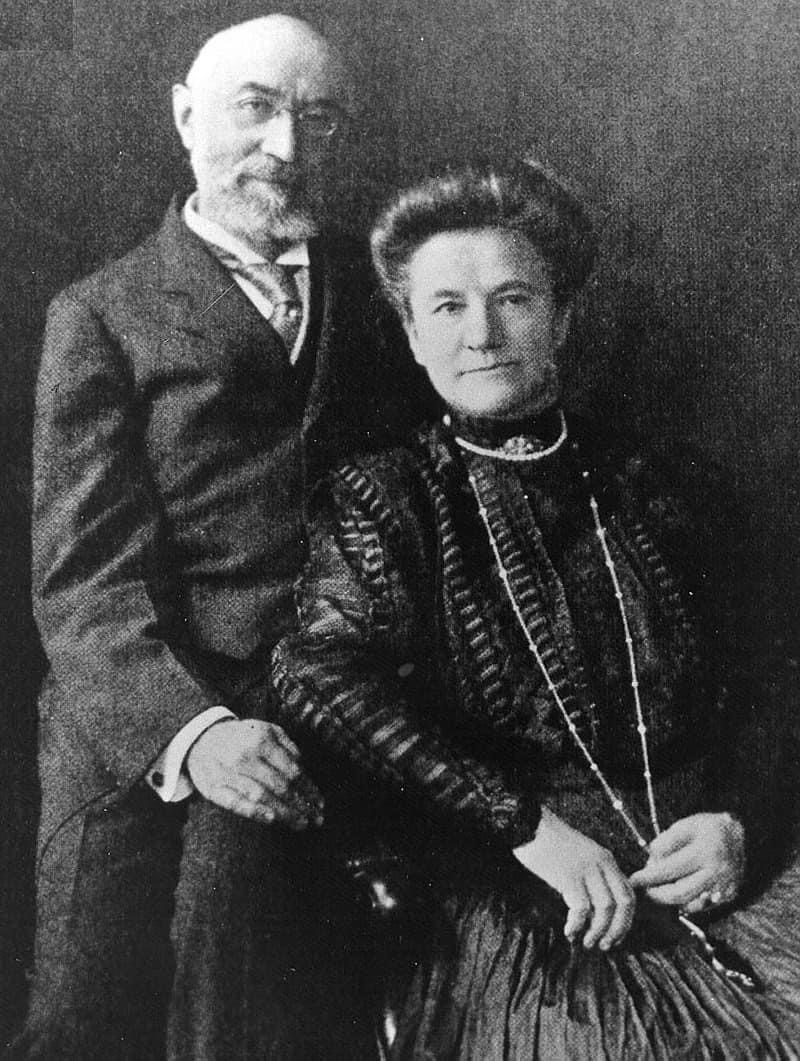
Born February 6, 1845, Isidor Straus was the owner of Macy’s department store when he and his wife Ida sailed on the RMS Titanic. When Mr. Straus urged his wife to board lifeboat No. 8 she replied “We have lived together for many years. Where you go, I go.” Image via Wikimedia Commons, public domain in the US.
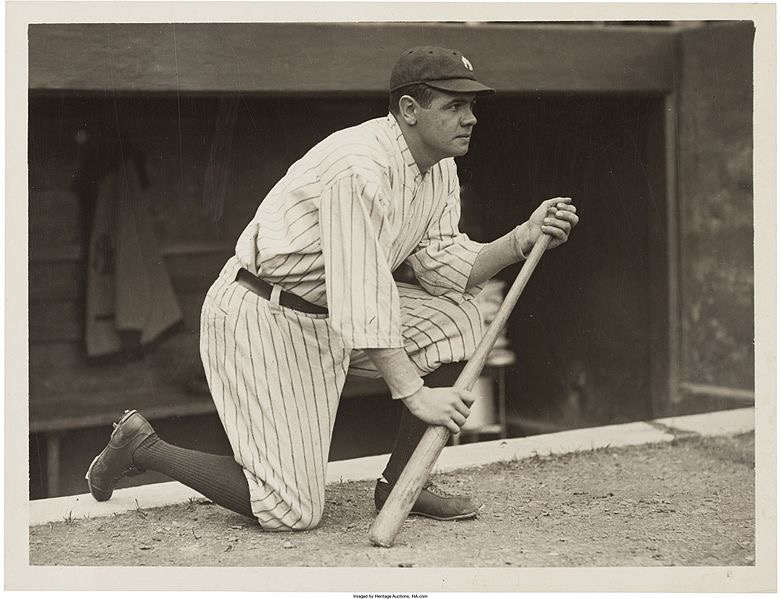
Baseball legend George Herman “Babe” Ruth was born in Baltimore, Maryland on February 6, 1895. He’s shown here in 1920 during his first of 15 seasons with the New York Yankees. Interestingly, the site of one of his father’s saloons is now center field at Camden Yards stadium, home of the Baltimore Orioles.
Image via Wikimedia Commons, public domain in the US {PD-US}
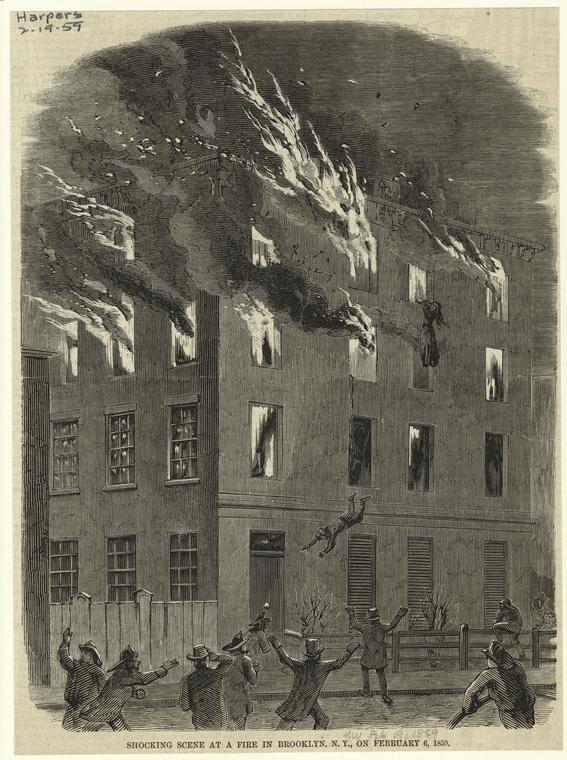
Shocking scene at a fire in Brooklyn, N.Y., on February 6, 1859 An engraving that appeared in Harper’s Weekly
Image via NYPL Digital Collections, no known restrictions
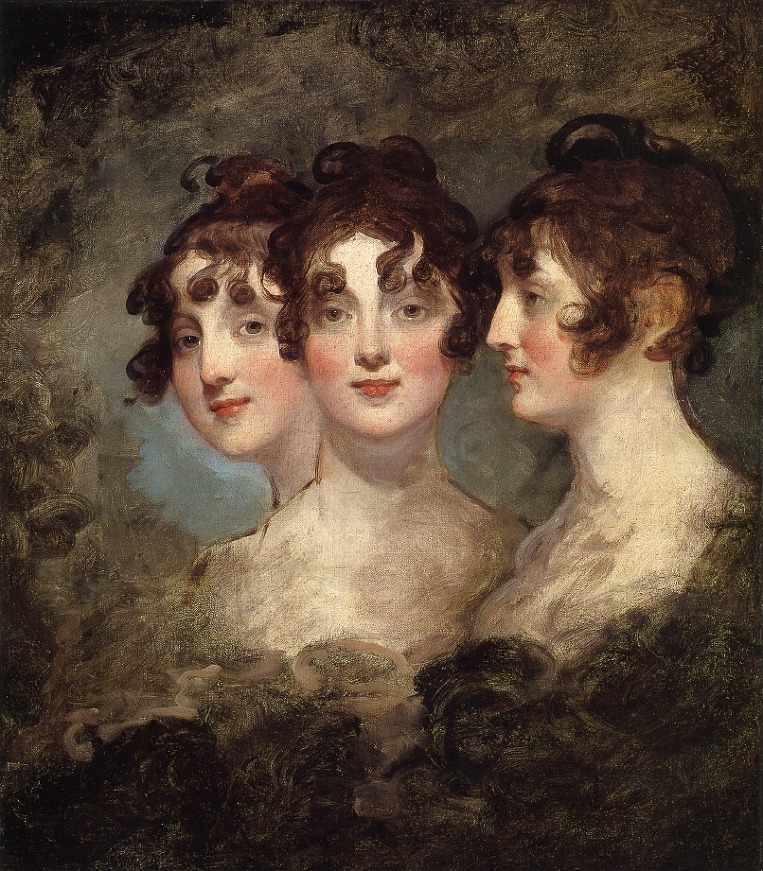
On February 6, 1785 Elizabeth Patterson was born in Baltimore, Maryland. She married Jérôme Napoleon, the youngest brother of the Emperor Napoleon. Despite giving birth to Jérôme’s son, Elizabeth (and child) were essentially abandoned after Jérôme received demands from his emperor brother to have the marriage annulled.
Image: Triple portrait painting of Elizabeth Patterson Bonaparte by American artist Gilbert Stuart via Wikimedia Commons, public domain in the US {PD-US}
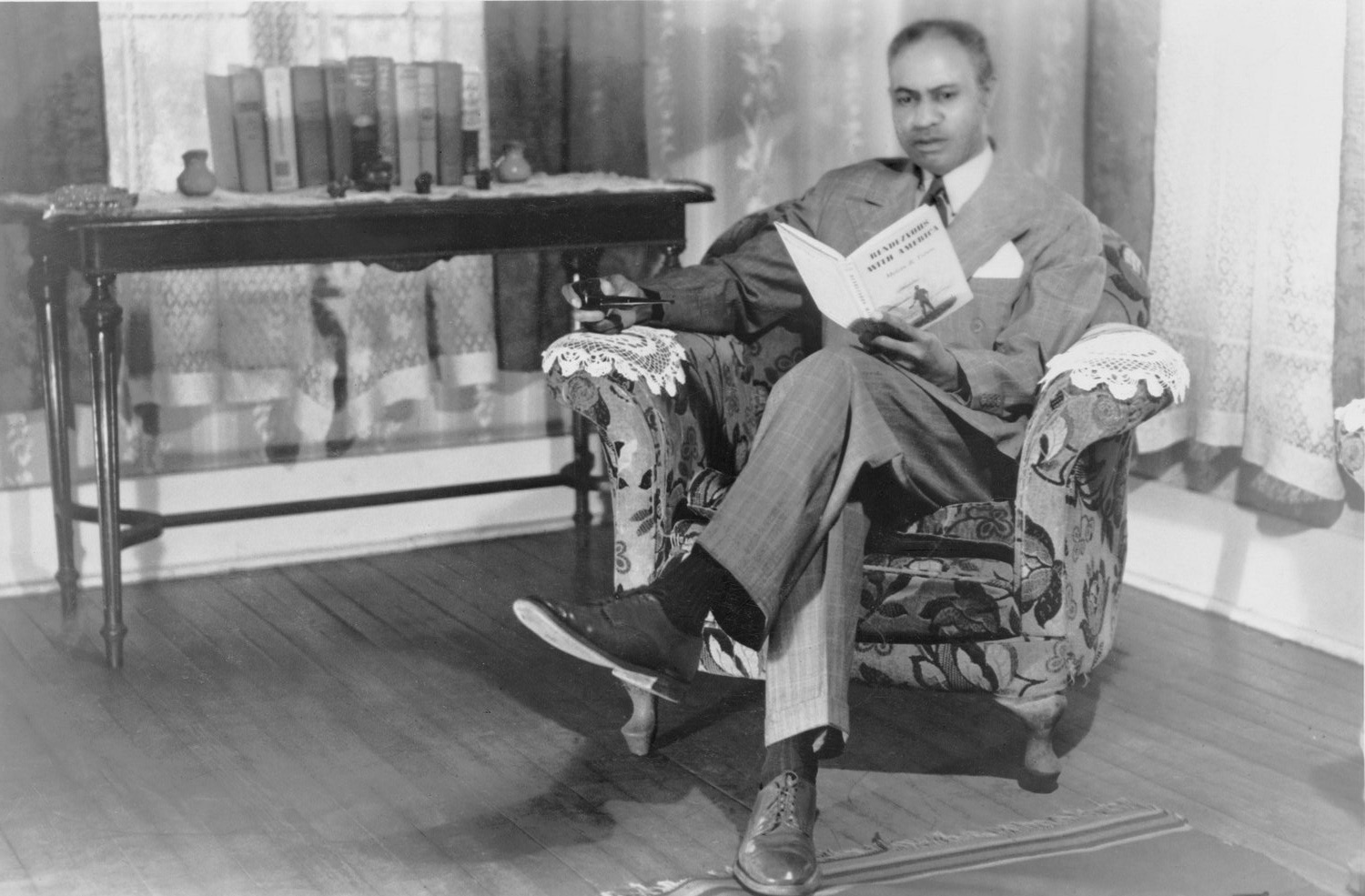
African American author and poet Melvin Beaunorus Tolson was born on February 6, 1898 in Moberly, Missouri. Here he is with a copy of his book, Rendezvous with America in 1946. Tolson was portrayed by Denzel Washington in the 2007 film, THE GREAT DEBATERS. Image via Alamy
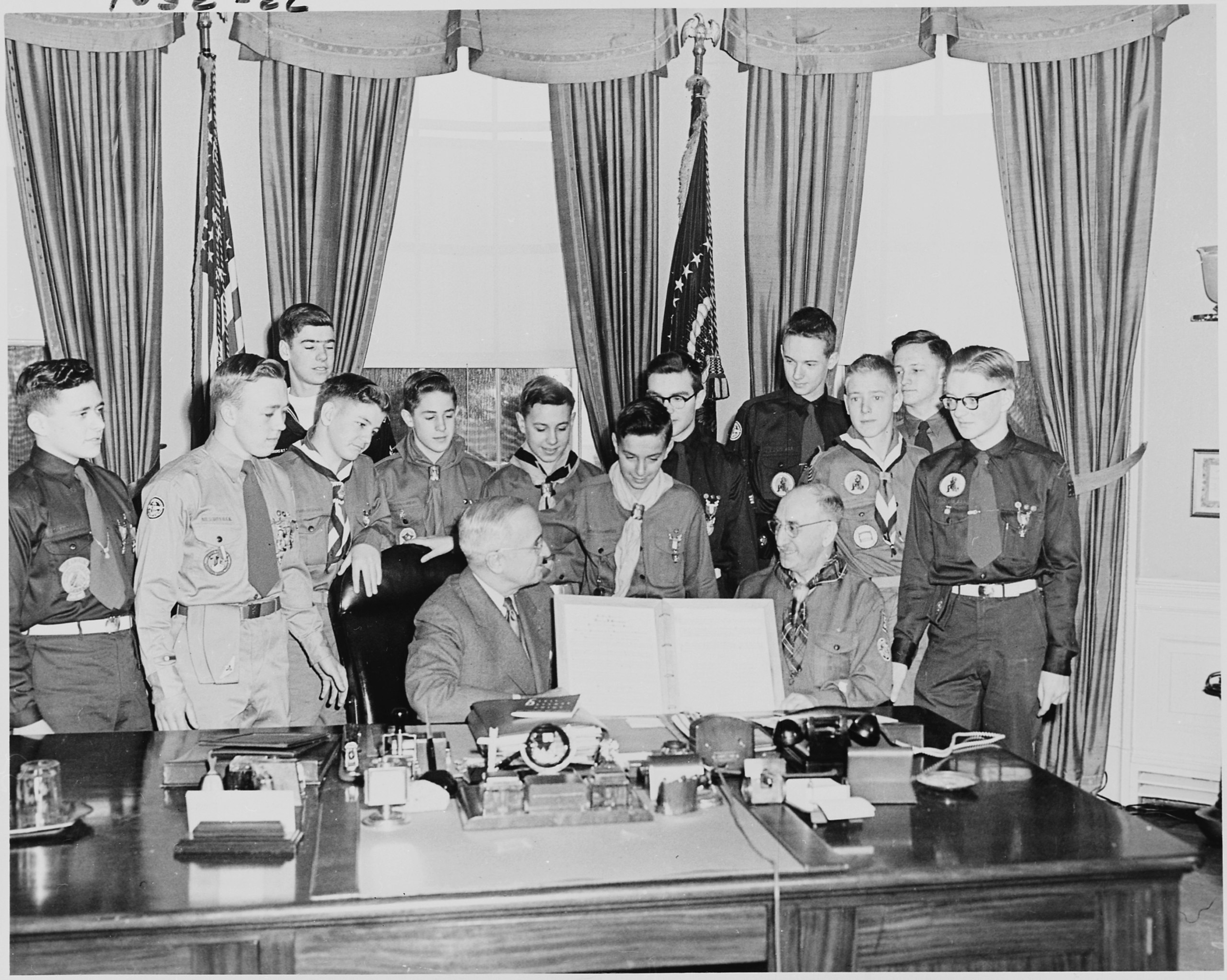
President Truman in the Oval Office, receiving a report on the accomplishments of the Boy Scouts from a delegation of Eagle Scouts, in recognition of Boy Scout Week. February 6, 1951
Image via Wikimedia Commons, public domain
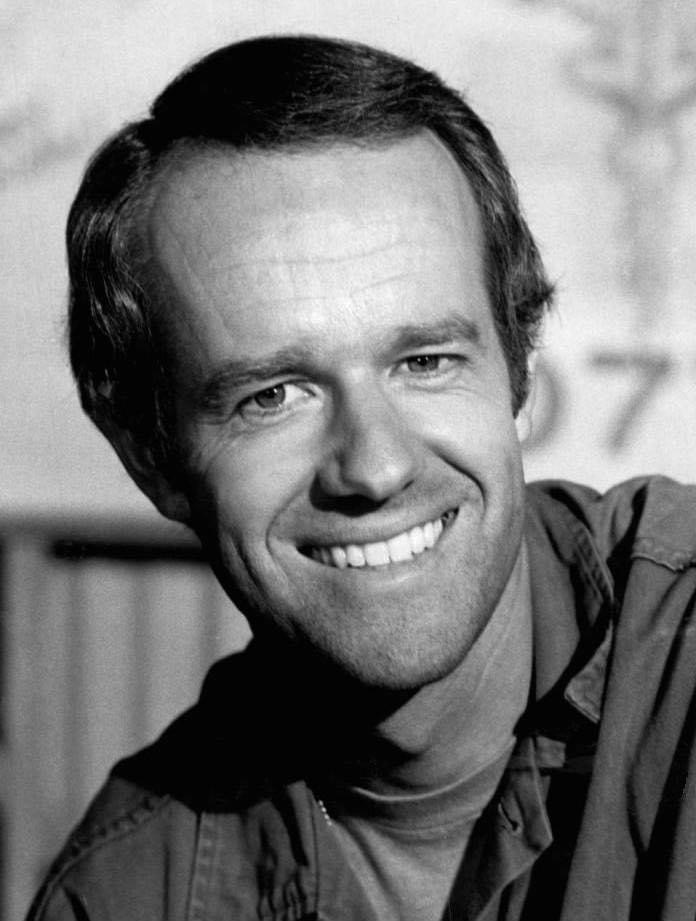
American actor Mike Farrell was born on February 6, 1939 in Saint Paul, Minnesota Farrell played the role of Captain B.J. Hunnicutt in the TV show M*A*S*H
Image: CBS Television 1975, public domain via Wikimedia Commons
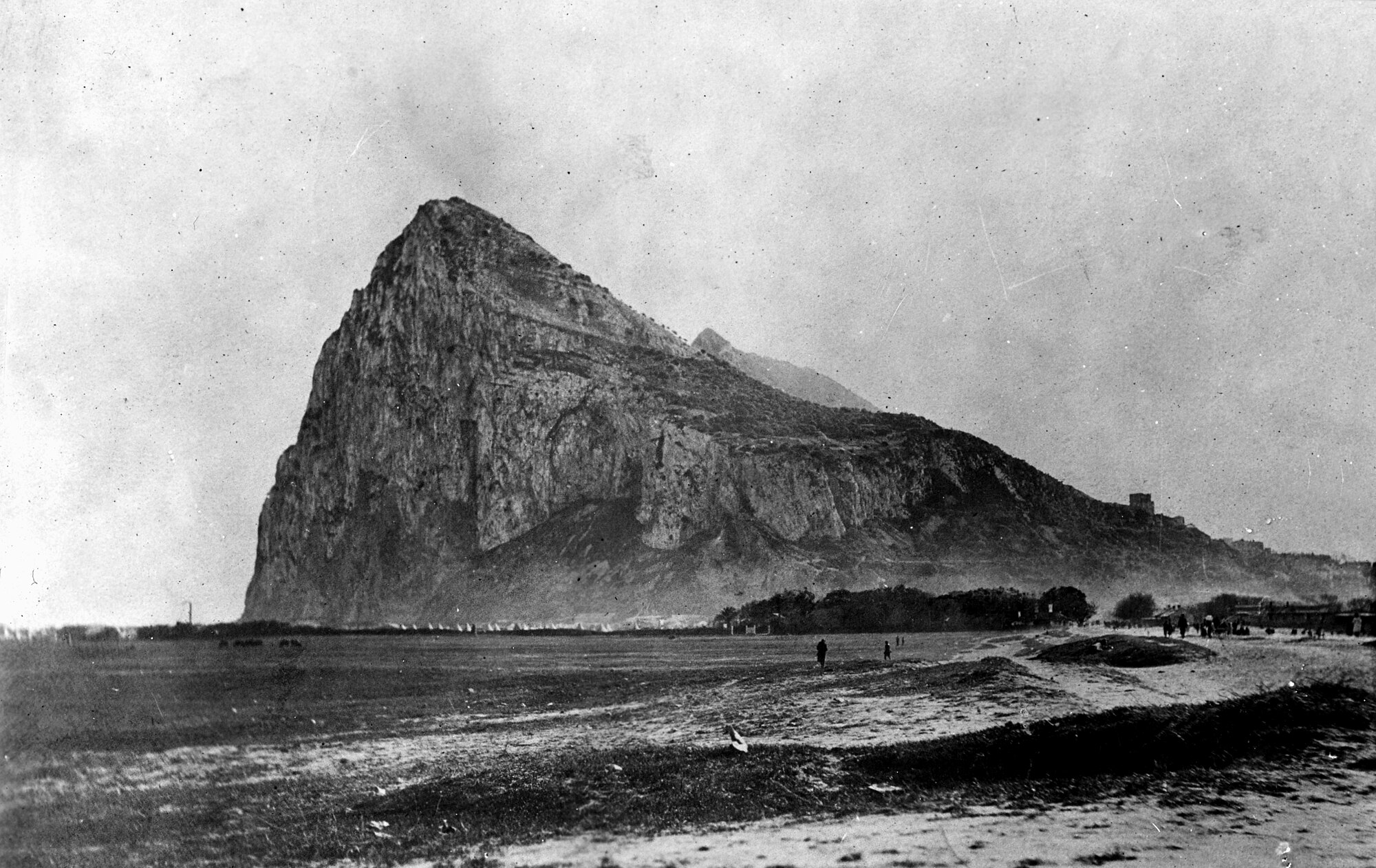
U.S. Navy photograph of Gibraltar in 1909 On February 6, 1909, the U.S. Navy’s “Great White Fleet” departed Gibraltar to make the journey home to Hampton Roads Virginia.
Image via Wikimedia Commons, public domain
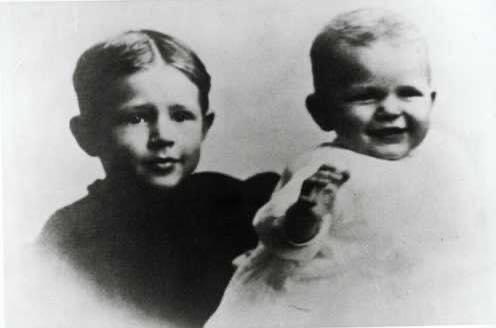
There have been other U.S. Presidents who have lived in the State of Illinois during portions of their lifetimes; however, Ronald Reagan was the only U.S. President to be born in the Prairie State. Ronald Reagan was born on today’s date, February 6, 1911 in Tampico, Illinois.
Image: Ronald Reagan (right) with his older brother Neil in 1912 via Wikimedia Commons, public domain
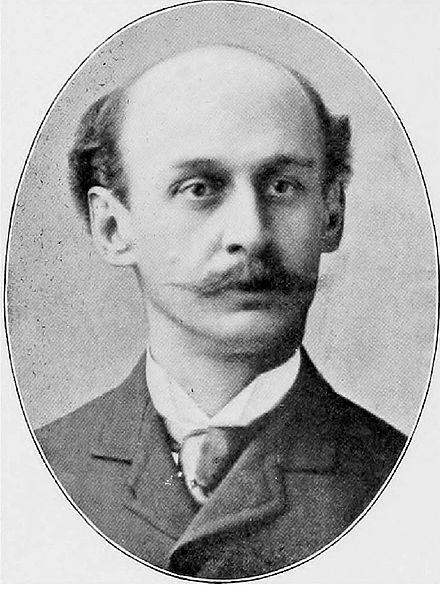
Henry Janeway Hardenbergh, the architect who was commissioned to build the luxury hotel Waldorf and the luxury hotel Astoria in NYC was born on February 6, 1847 in New Brunswick, New Jersey. Eleven years after he passed away the adjoining hotels were demolished to make room for the Empire State Building.
Image via Wikimedia Commons, public domain
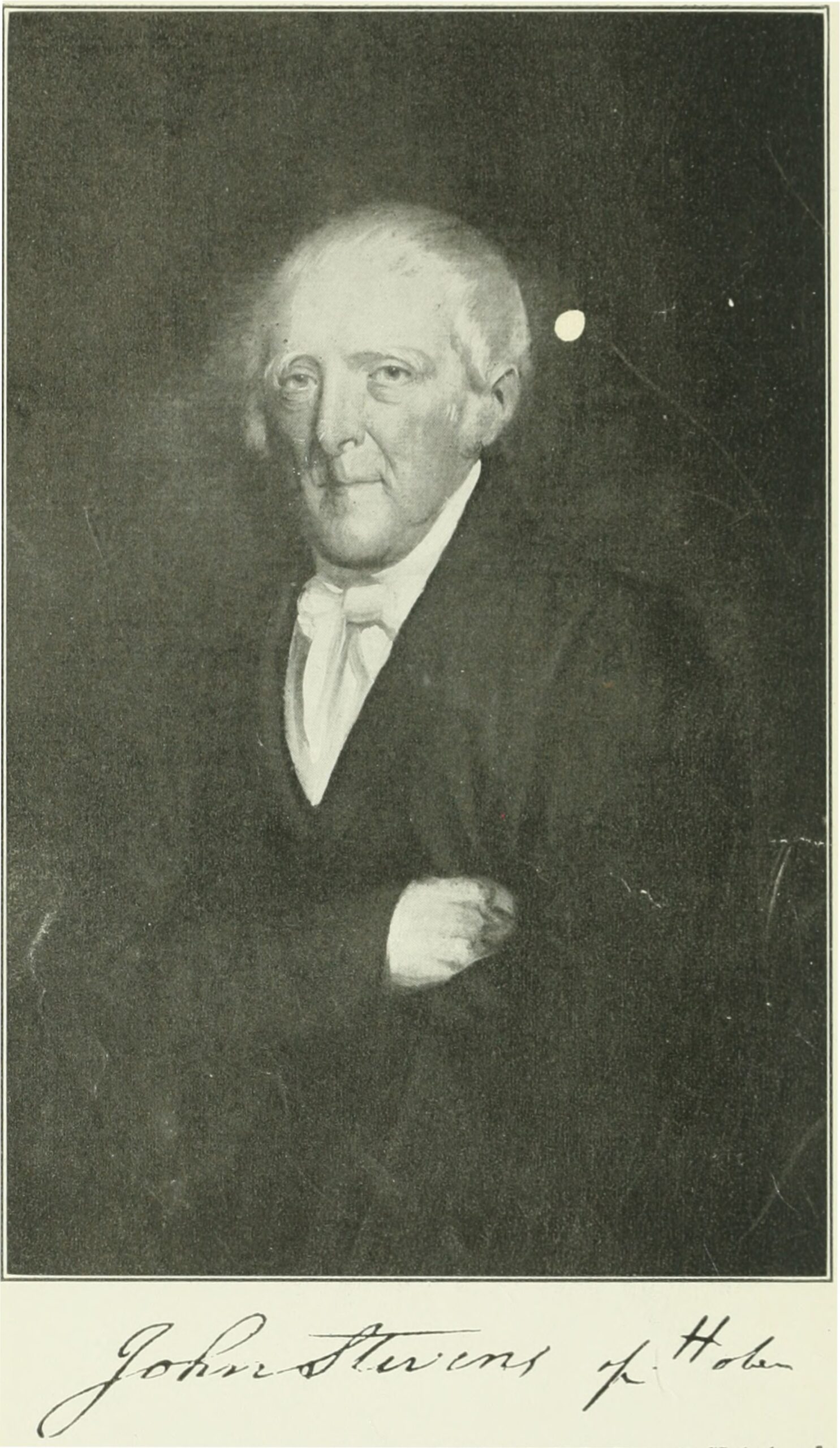
The first railroad charter in the United States was granted to John Stevens and other proprietors of the New Jersey Railroad Company on February 6, 1815.
Image of John Stevens via Wikimedia Commons, public domain
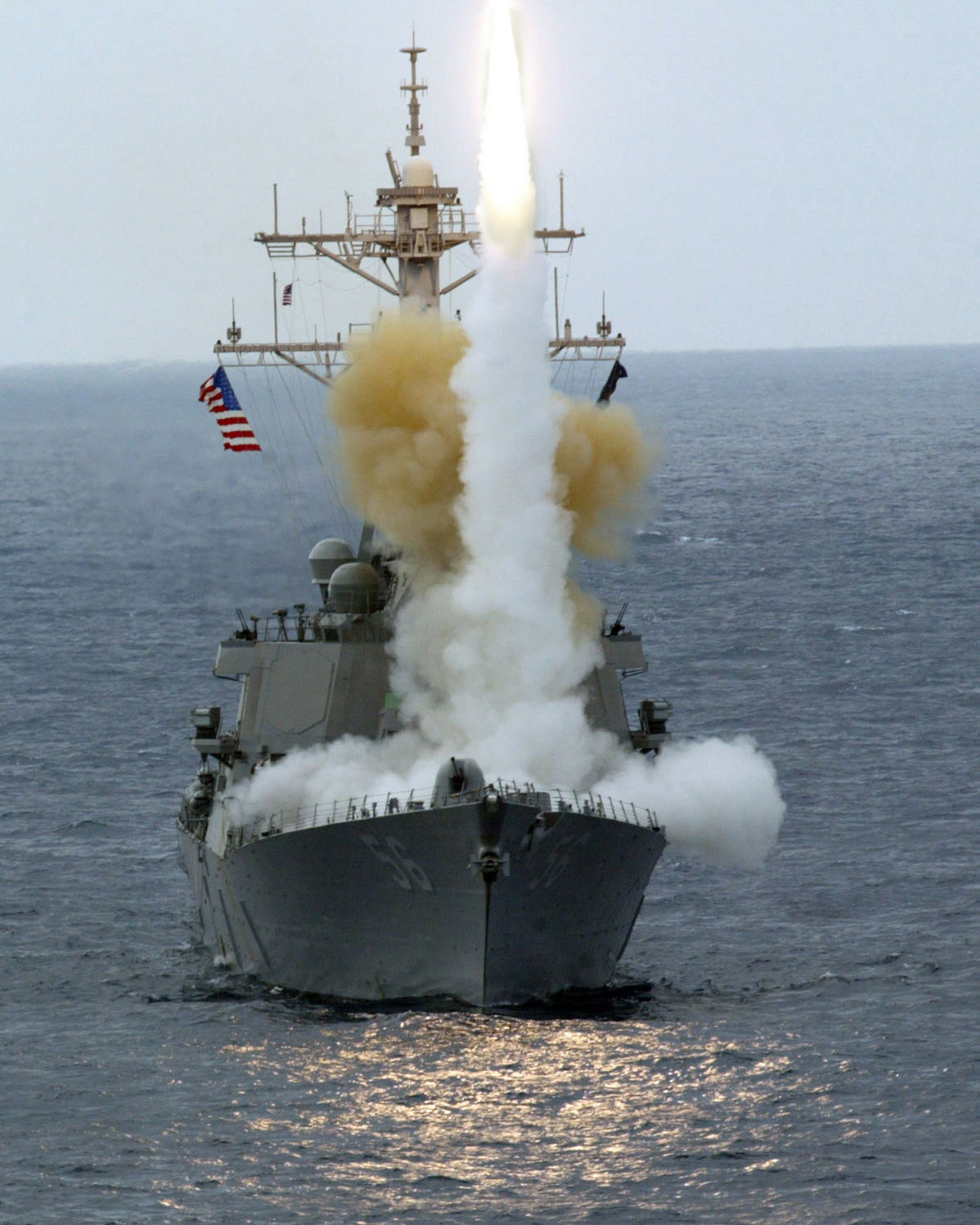
USS John McCain launching a missile from its forward Vertical Launch System, during a missile firing exercise conducted off the coast of Okinawa, Japan. February 6, 2004
Image via Wikimedia Commons, public domain
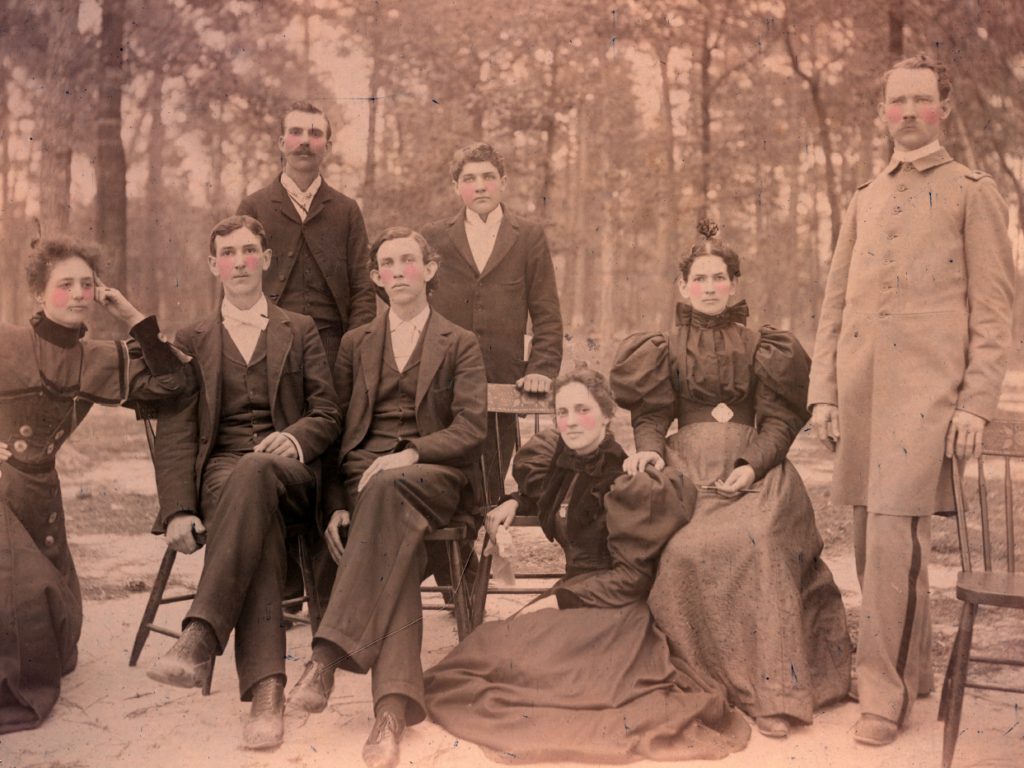
J. A. Campbell (far right) and his faculty at Buies Creek Academy, photographed on February 6, 1898. In these early years, the academy was a small Baptist school in rural Harnett County, long before it evolved into Campbell University. At a time when local education was fragile and underfunded, this core group of eight teachers handled multiple subjects, recruited and disciplined students, and managed the day‑to‑day work of keeping the school open. Their determination turned a rough clearing in the pines into a place of opportunity, laying the groundwork for the institution that would grow into a university—one that would eventually produce artists and entertainers such as Clay Aiken, as well as major league athletes including Hall of Fame pitcher Gaylord Perry.
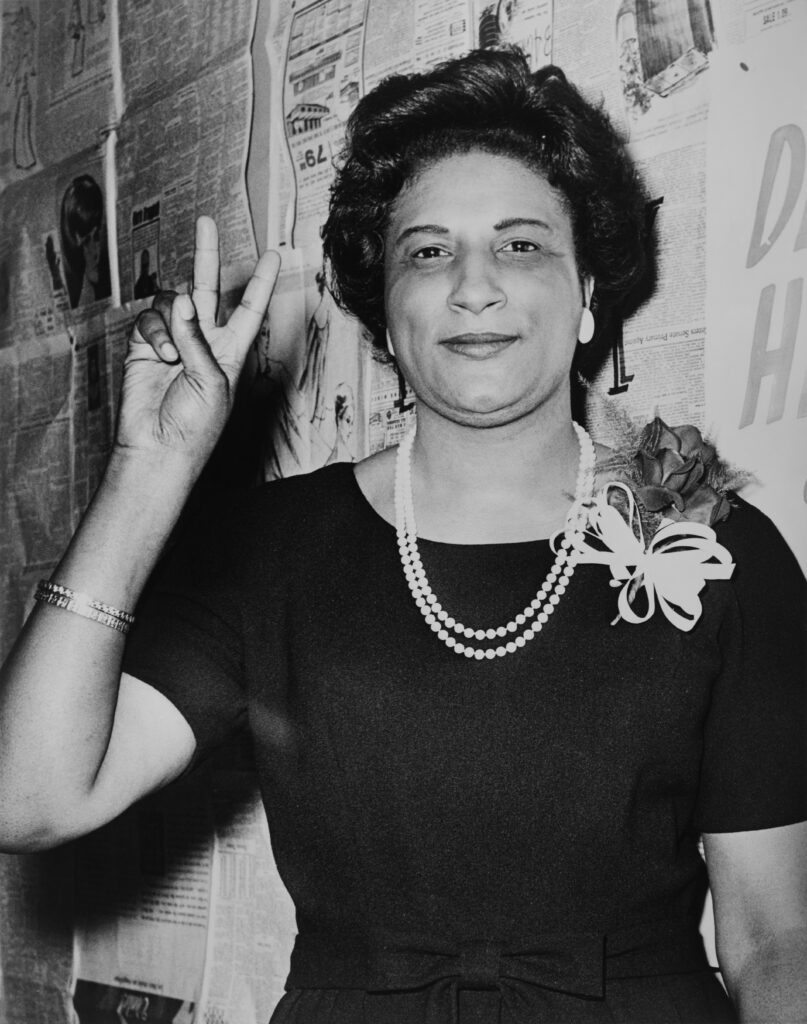
Mrs. Constance Baker Motley, the first woman elected to represent New York’s 21st Senatorial District, raises a victory sign on February 6, 1964. Taken just two days after her historic win, this photograph captures a defining moment in her trailblazing career. Motley became the first African American woman to serve in the New York State Senate, adding another milestone to a life already marked by groundbreaking achievements in law, civil rights, and public service.
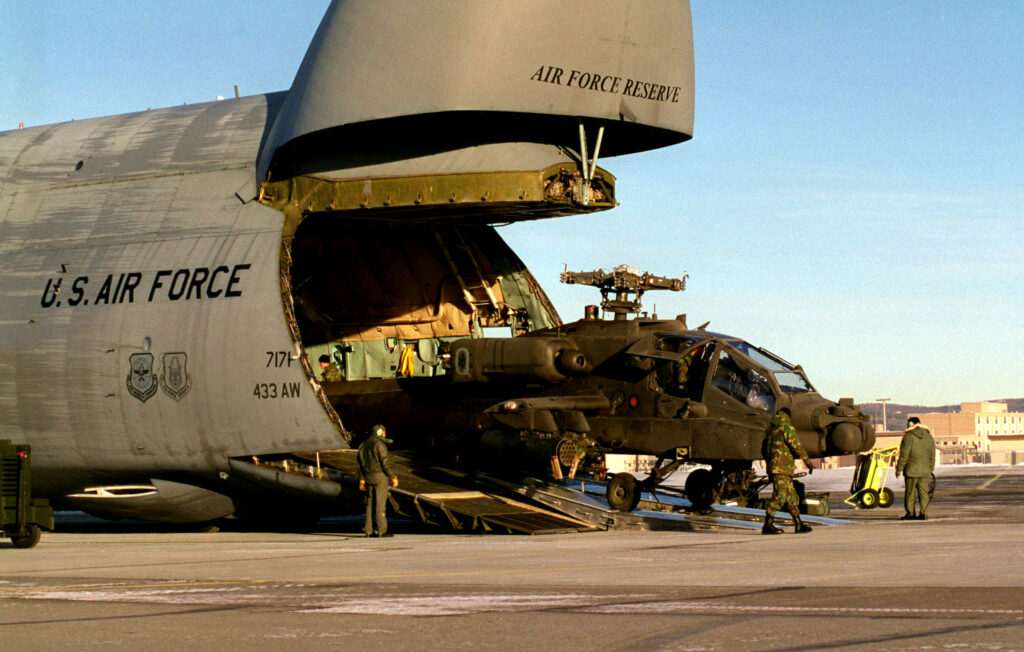
A U.S. Army AH-64 Apache helicopter is winched down the ramp of a National Guard C-5 Galaxy at Eielson Air Force Base, Alaska, on Feb. 6, 1998, in preparation for Exercise Northern Edge 98. More than 90,000 soldiers, sailors, Marines, airmen Coast Guardsmen and National Guardsmen are participating the exercise. Northern Edge 98 is designed to practice joint operational techniques and procedures, increasing interoperability between the services. The Apache is attached to the 4th Battalion, 3rd Armored Cavalry Regiment, Fort Carson, Colo. The Galaxy is deployed from Kelly Air Force Base, Texas. DoD photo by Senior Airman Michael D. Morford, U.S. Air Force.
