
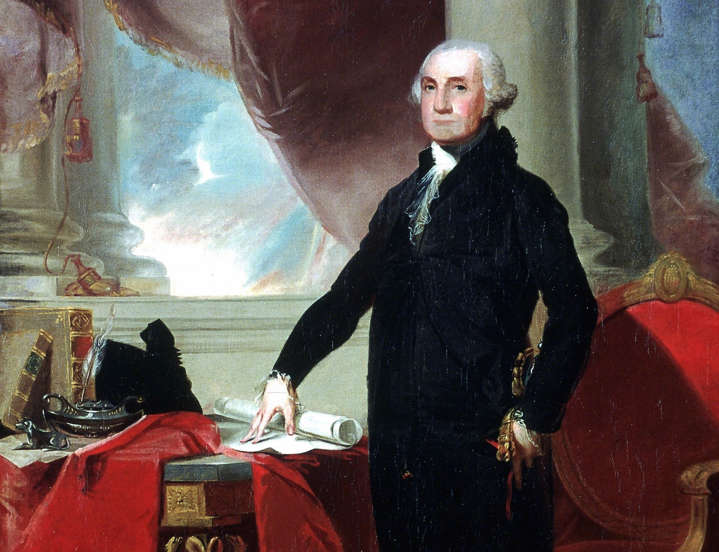
In early February 1791, Washington confided to the Federal Commissioners that the final choice for the Federal City lay “between the mouth of the Eastern Branch and the lands on the river below and adjacent to Georgetown.” The Georgetown site, he explained, offered the deeper water, higher ground, and commercial advantages he believed essential — but several privately held tracts still stood “in the way” of securing it. On February 3, working behind the scenes, Washington instructed trusted agents to purchase those parcels discreetly, preventing speculation and clearing the last obstacle to the site he had long weighed. Once the land was secured, the decision was settled, and in September that same year the Commissioners formally named the new Federal City in his honor.
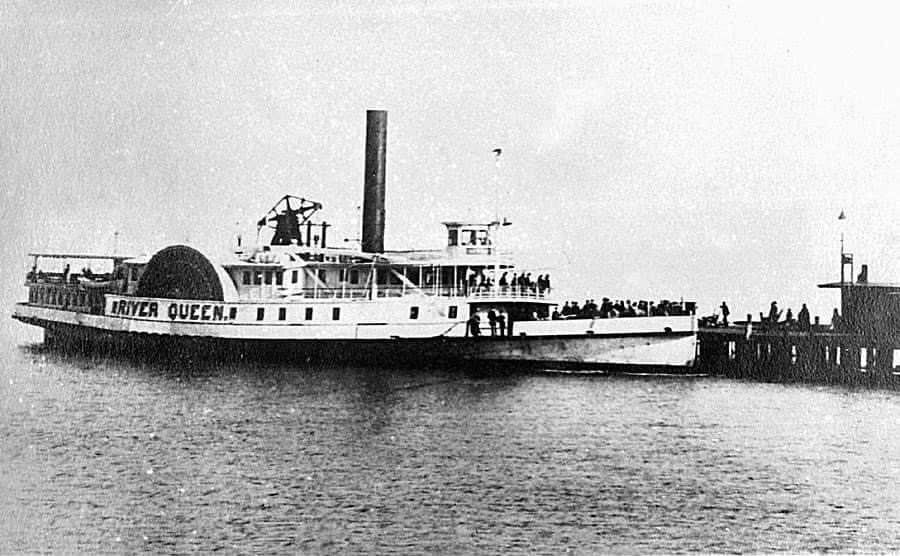
On February 3, 1865 President Abraham Lincoln and Secretary of State William Seward met with Confederate peace commissioners aboard the River Queen in Hampton Roads, Virginia to discuss ways to end the American Civil War.
Image of the River Queen via Wikimedia Commons, public domain
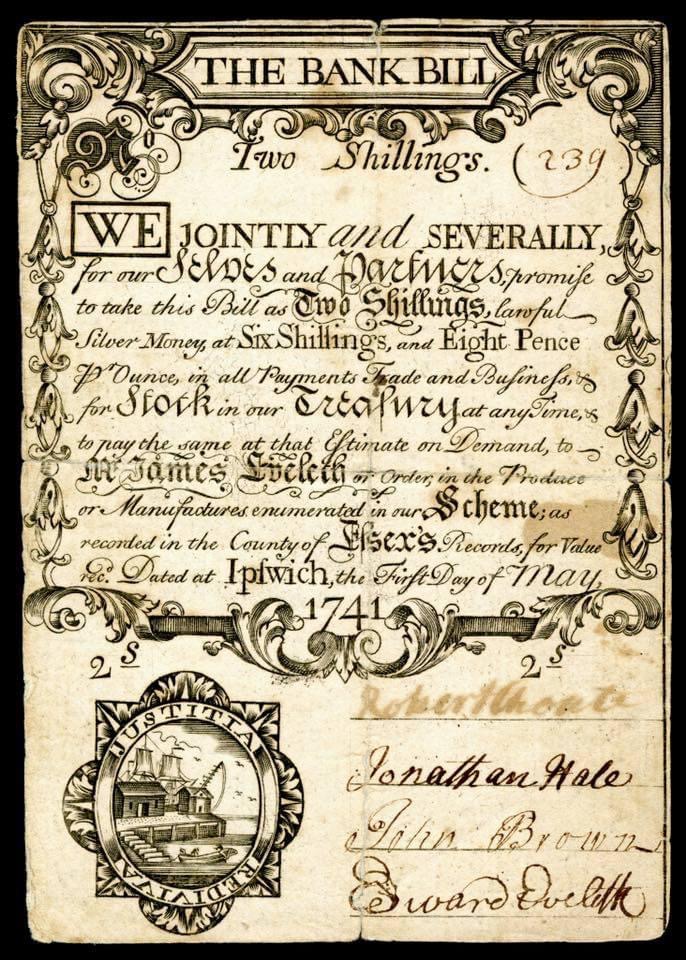
February 3, 1690 is considered to be the date when The Colony of Massachusetts Bay released the first paper currency in America
Image: Colonial currency from the Province of Massachusetts Bay from 1741 via Wikimedia Commons, public domain
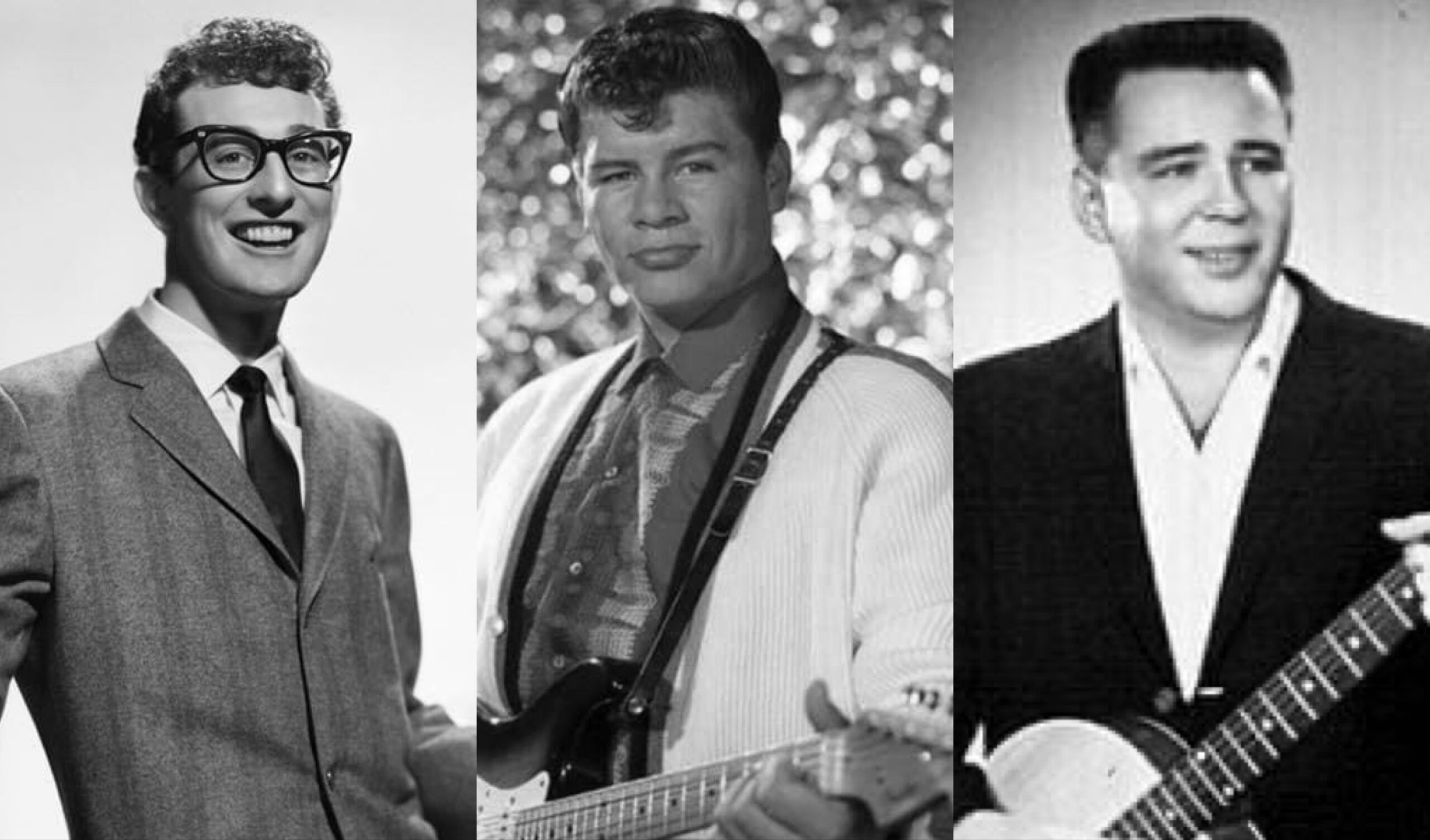
Music fans were shocked and saddened on February 3, 1959 when a plane crash near Mason City, Iowa took the lives of Buddy Holly, Ritchie Valens, and J.P. Richardson, the Big Bopper. The song “American Pie” called it “The Day the Music Died.”
Images of Holly and Richardson via Wikimedia Commons Image of Valens via Alamy
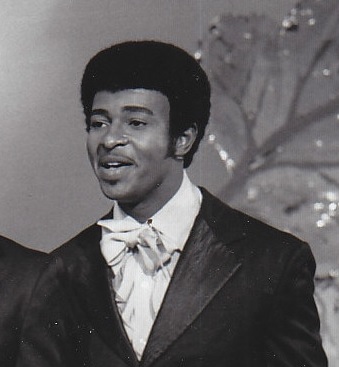
Born on February 3, 1943, in Fairfield, Alabama, Dennis Edwards entered the world with a voice built for momentum — fierce, soulful, and unmistakably forward‑driving. When The Temptations needed a new spark to carry them into a tougher, more urgent era, Edwards became the pivot point, powering the group’s shift into psychedelic soul and helping deliver landmark work like Papa Was a Rollin’ Stone. They introduced him to a live audience at the Valley Forge Music Fair in Pennsylvania, the moment a new chapter — and a new sound — stepped into the light.
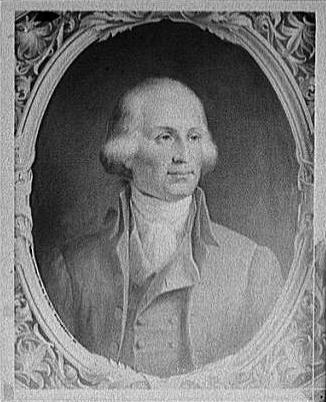
Samuel Osgood, the man who offered his New York City home to George & Martha Washington as the first U.S. Presidential Mansion, was born on February 3, 1747.
Image via Wikimedia Commons
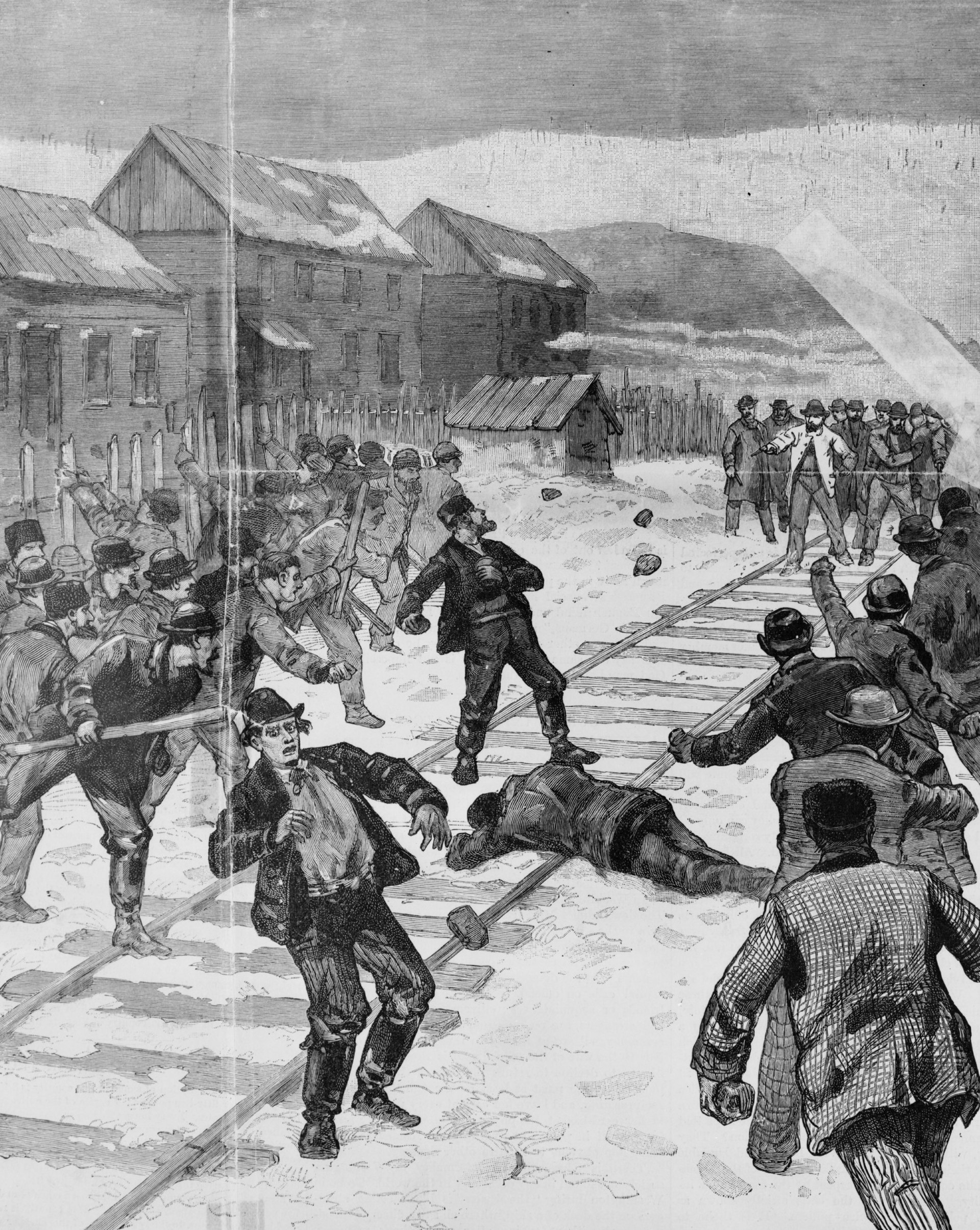
Pennsylvania – the mining troubles in the Schuylkill region – attack on the coal and iron police by a mob of strikers, at Shenandoah, February 3, 1888.
Image via Wikimedia Commons, public domain
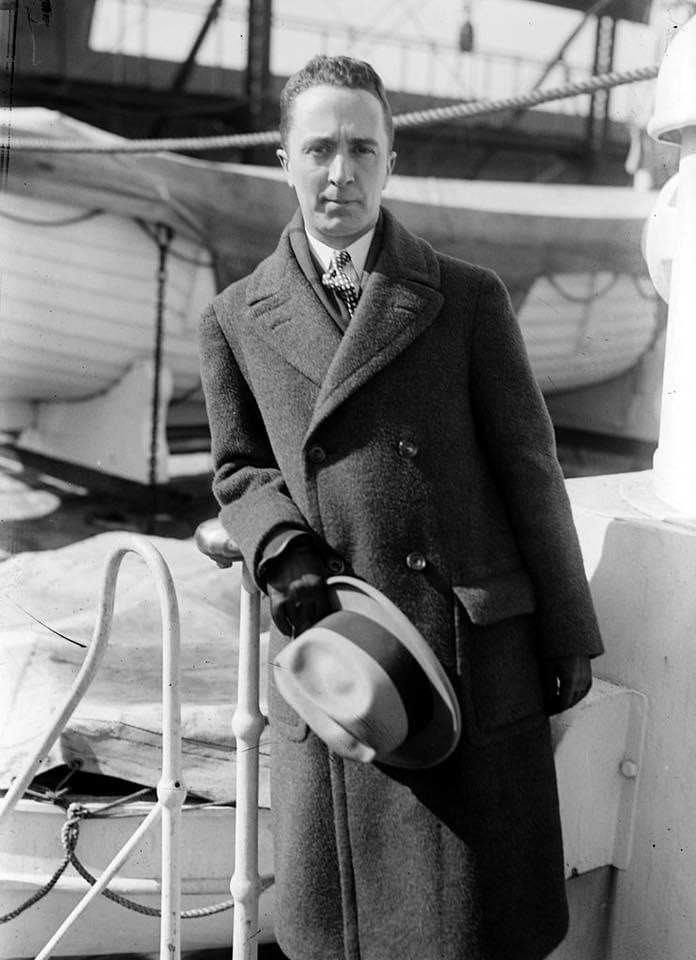
Norman Rockwell was born on February 3, 1894 in New York City. Quote: “…I paint life as I would like it to be.”
Image of Rockwell via Wikimedia Commons, public domain
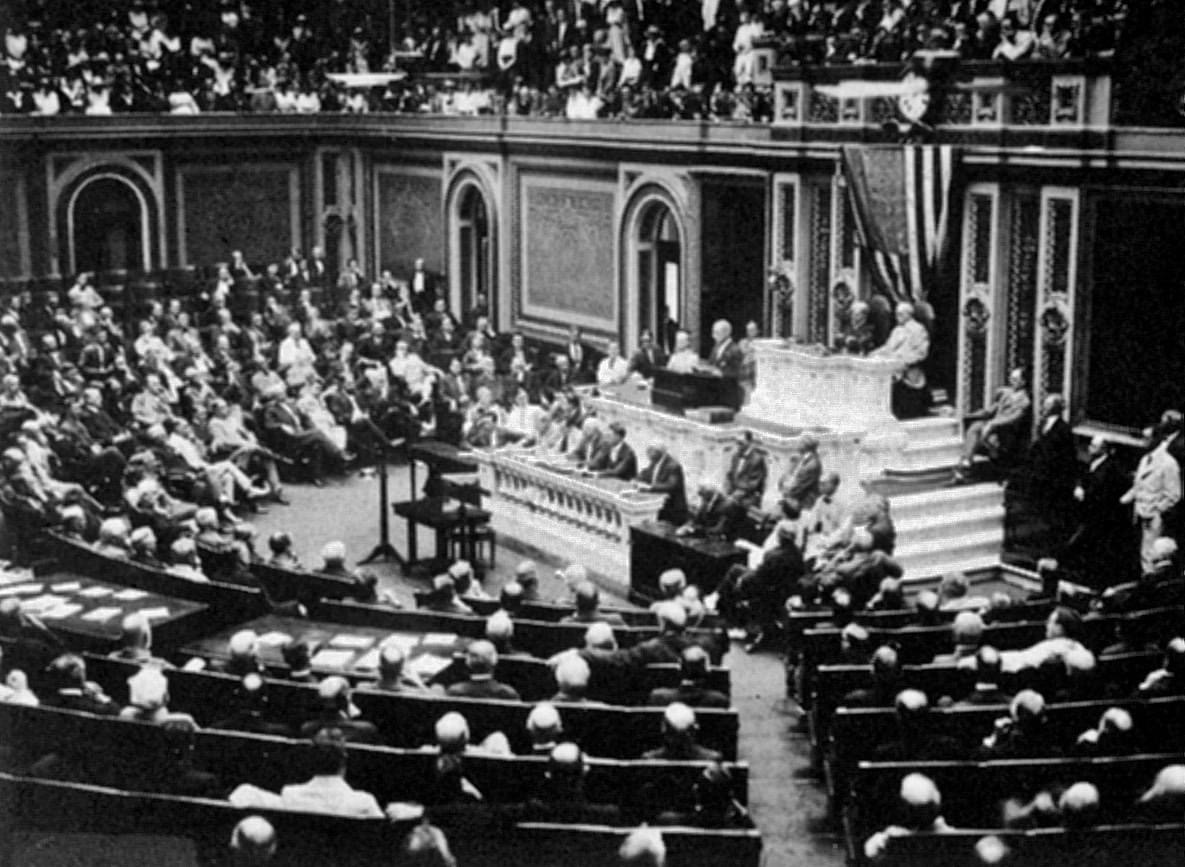
President Woodrow Wilson addressing Congress regarding Germany’s naval activities which resulted in the severing of diplomatic ties with the European nation. – February 3, 1917 About two months later the United States declared war on Germany.
Image via Wikimedia Commons, public domain
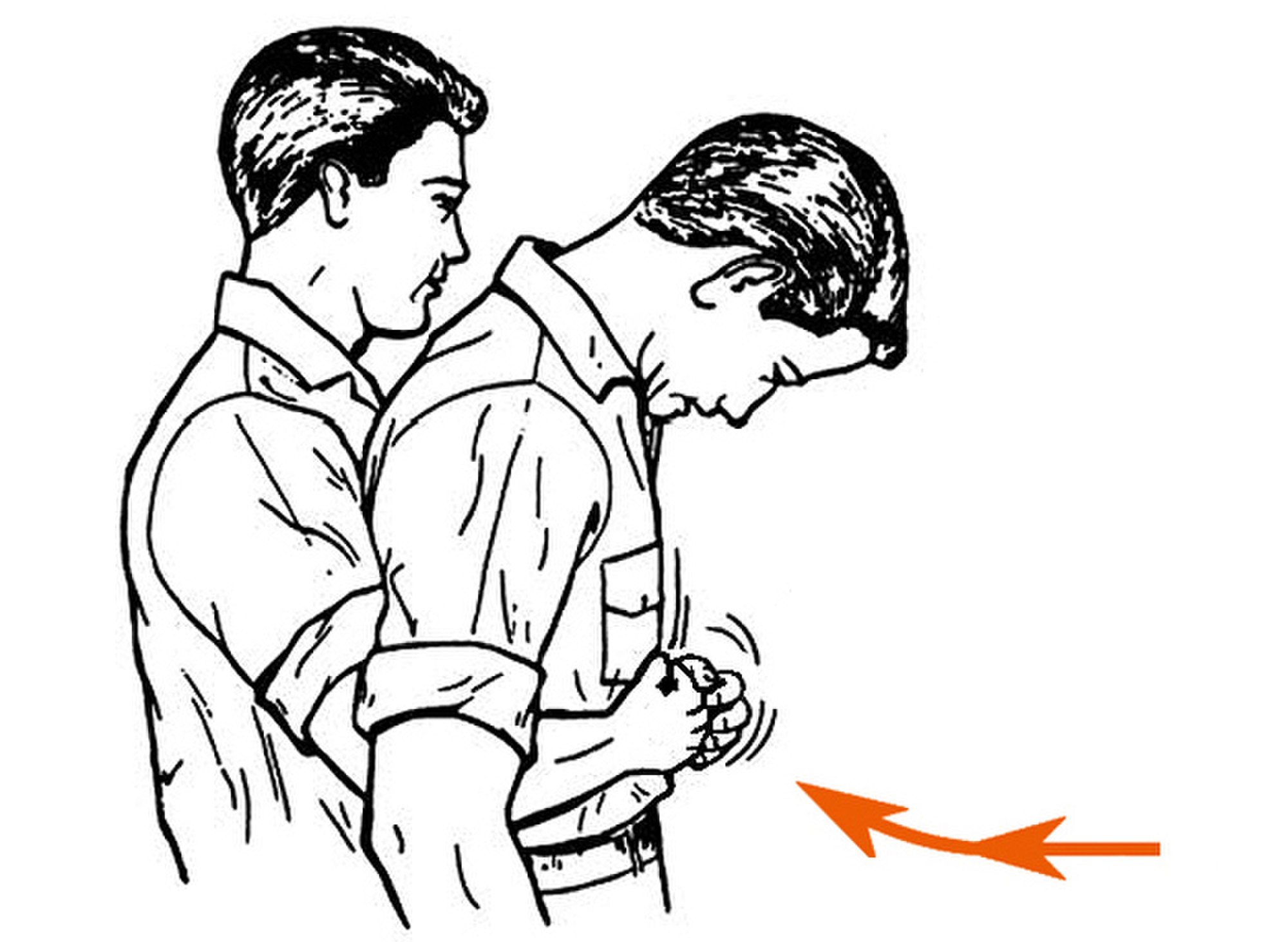
U.S. Navy veteran Henry Judah Heimlich was born on February 3, 1920 in Wilmington, Delaware. In the summer of 1974 his “Heimlich Maneuver” was published in The Journal of The American Medical Association.
Image via Wikimedia Commons, public domain
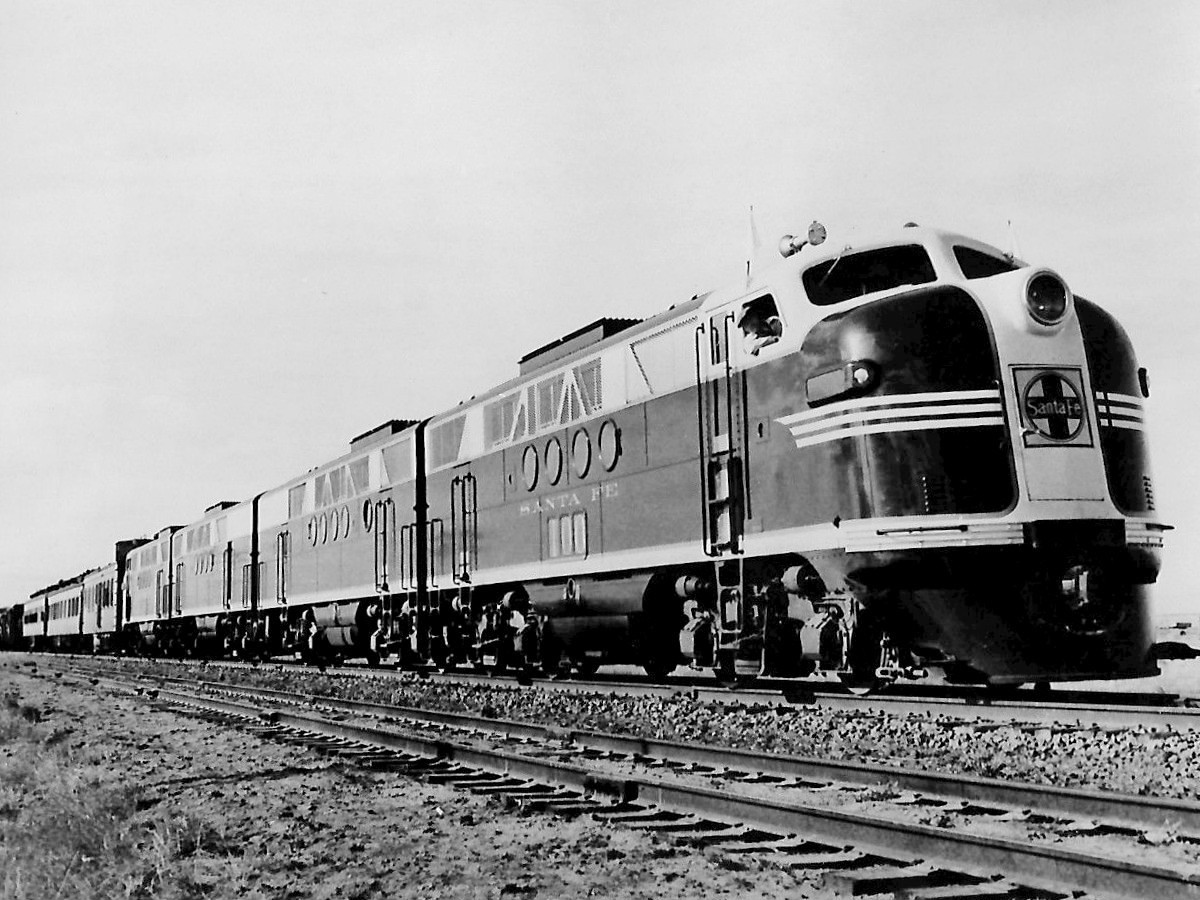
An image of the groundbreaking Santa Fe EMD FT locomotive taken on February 3, 1941. The General Motors’ Electro-Motive Division (EMD) diesel-electric train played a pivotal role in persuading railroads in America to move away from steam engines.
Image via Wikimedia Commons, public domain
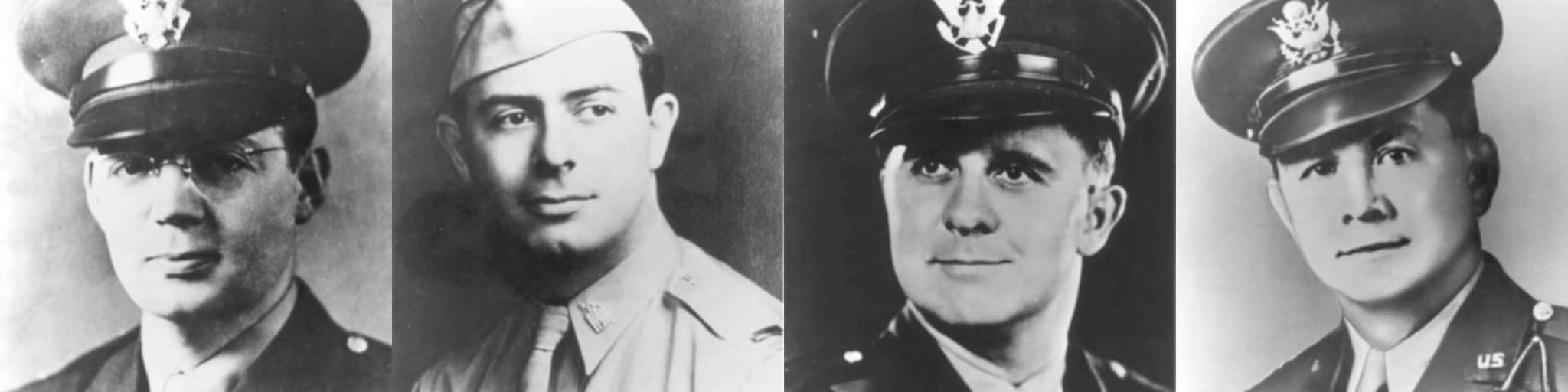
February 3, 1943 – the SS Dorchester is torpedoed in freezing waters. With life jackets in short supply four Army chaplain lieutenants (as shown left to right in the image collage below) Father John Washington, Rabbi Alexander Goode, Rev. Clark Poling, and Rev. George Fox unhesitatingly give their life jackets to other soldiers and pray together as the ship sinks. “Greater Love Hath No Man…”
Images of The Four Chaplains via Wikimedia Commons, public domain
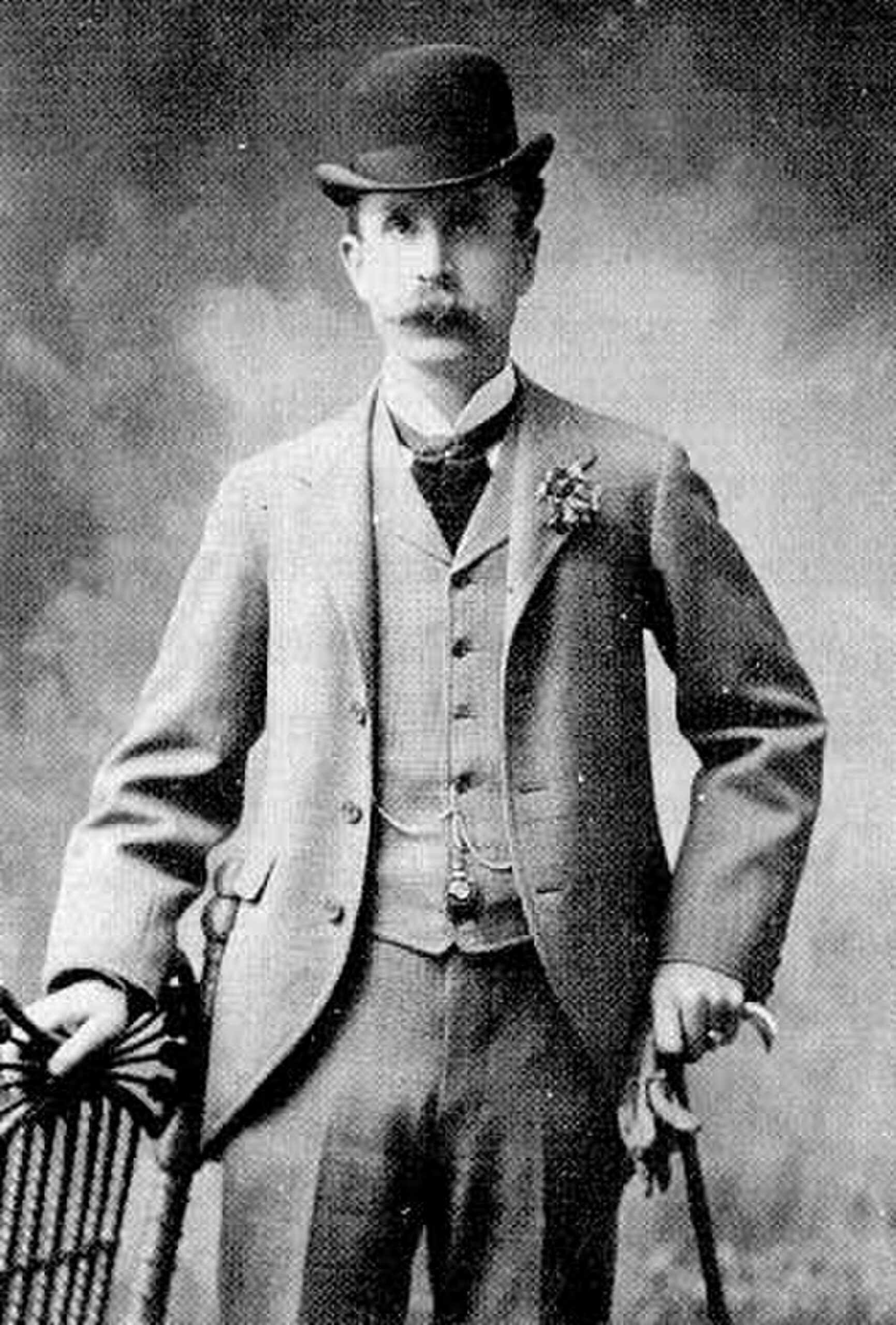
George C. Tilyou, founder of Steeplechase (amusement) Park on Coney Island, New York was born on February 3, 1862, in New York City.
Image via Wikimedia Commons, public domain
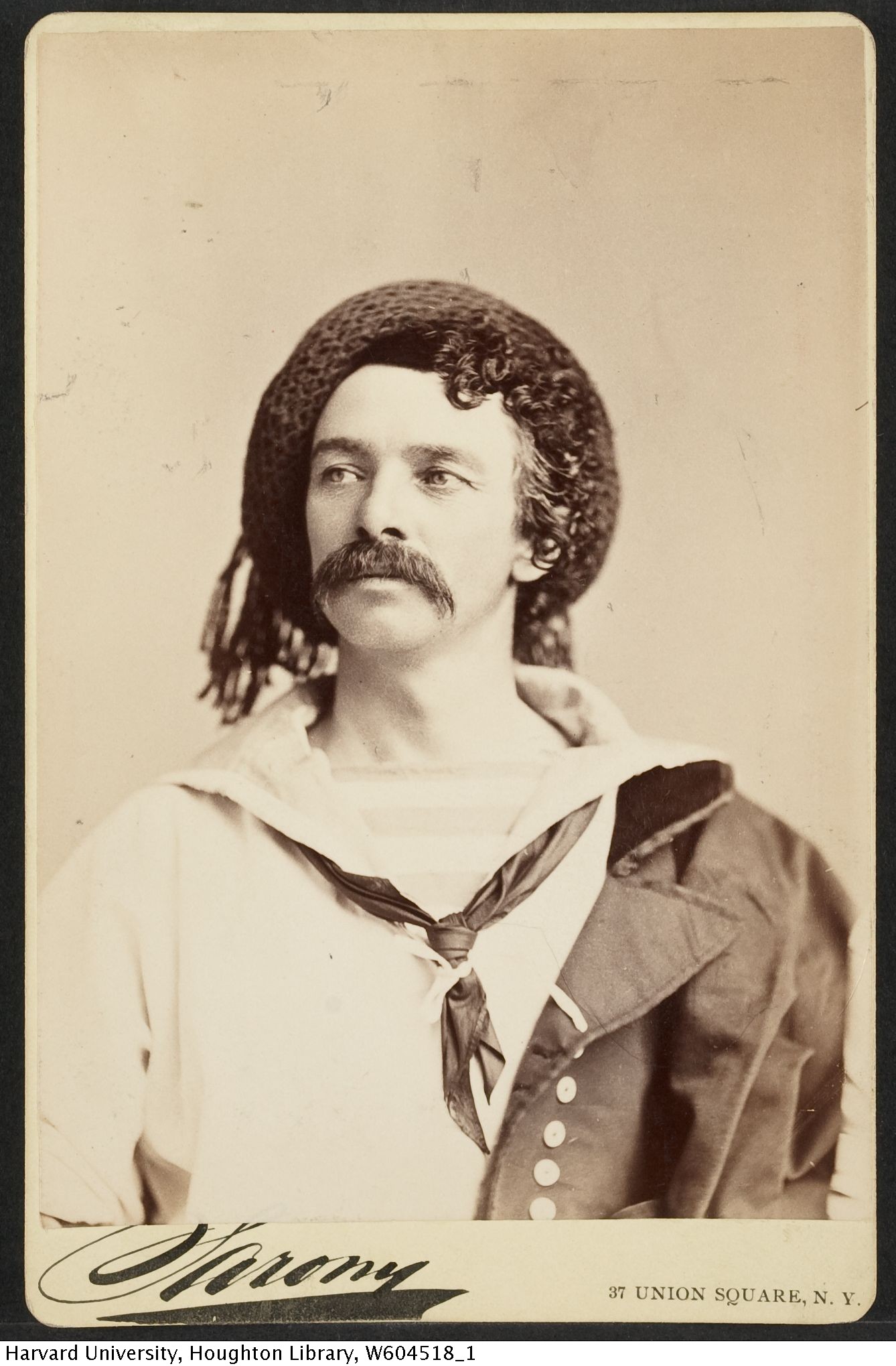
On today’s date February 3, 1834: Actor Edwin Adams was born in Medford, Massachusetts. In his time, Adams was one of the most popular actors in America.
Photo: TCS 1.76, Harvard Theatre Collection, Harvard University via Wikimedia Commons, public domain in the United States
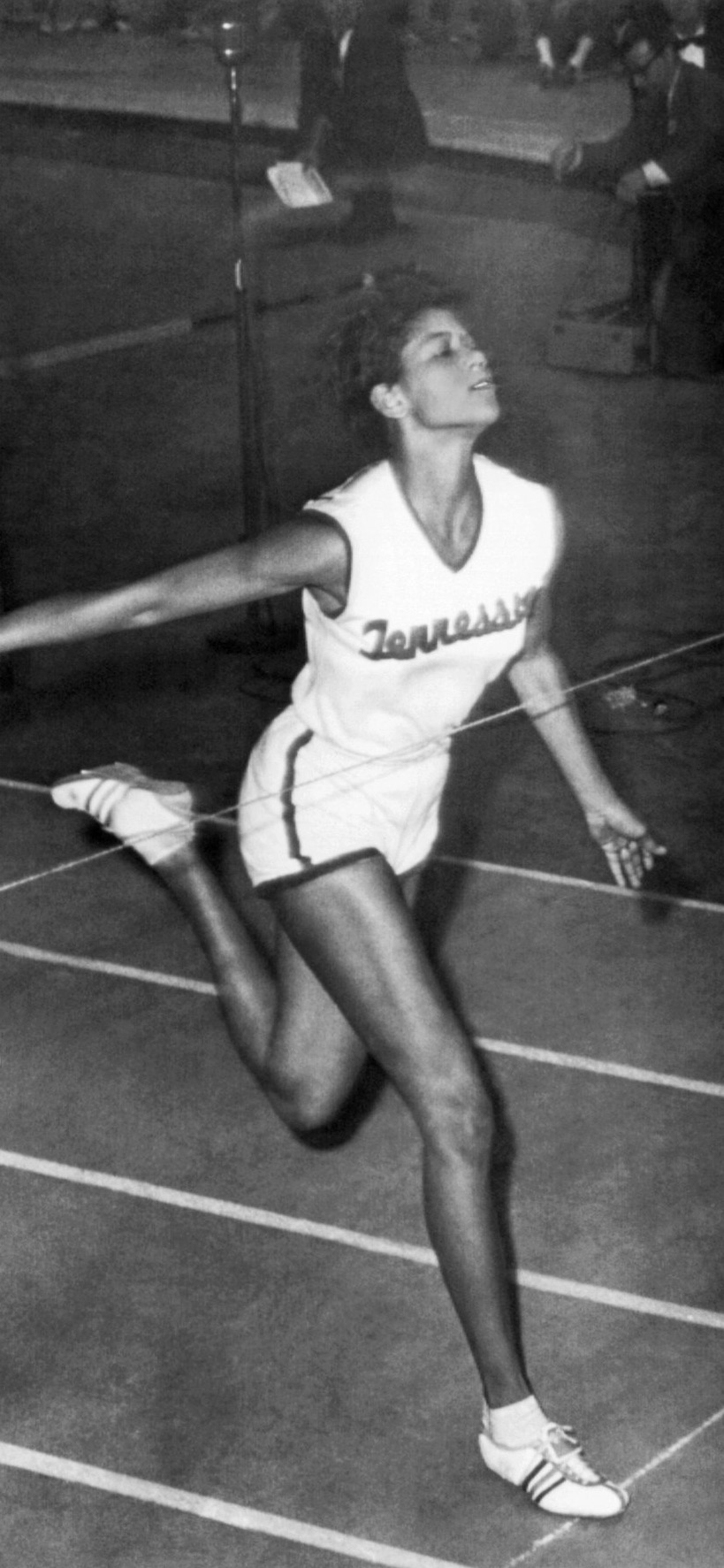
February 3, 1961 Tennessee State track star and winner of three Olympic gold medals Wilma Rudolph ties her 60 yard world indoor record at the Millrose Games in Madison Square Garden.
Image via Alamy
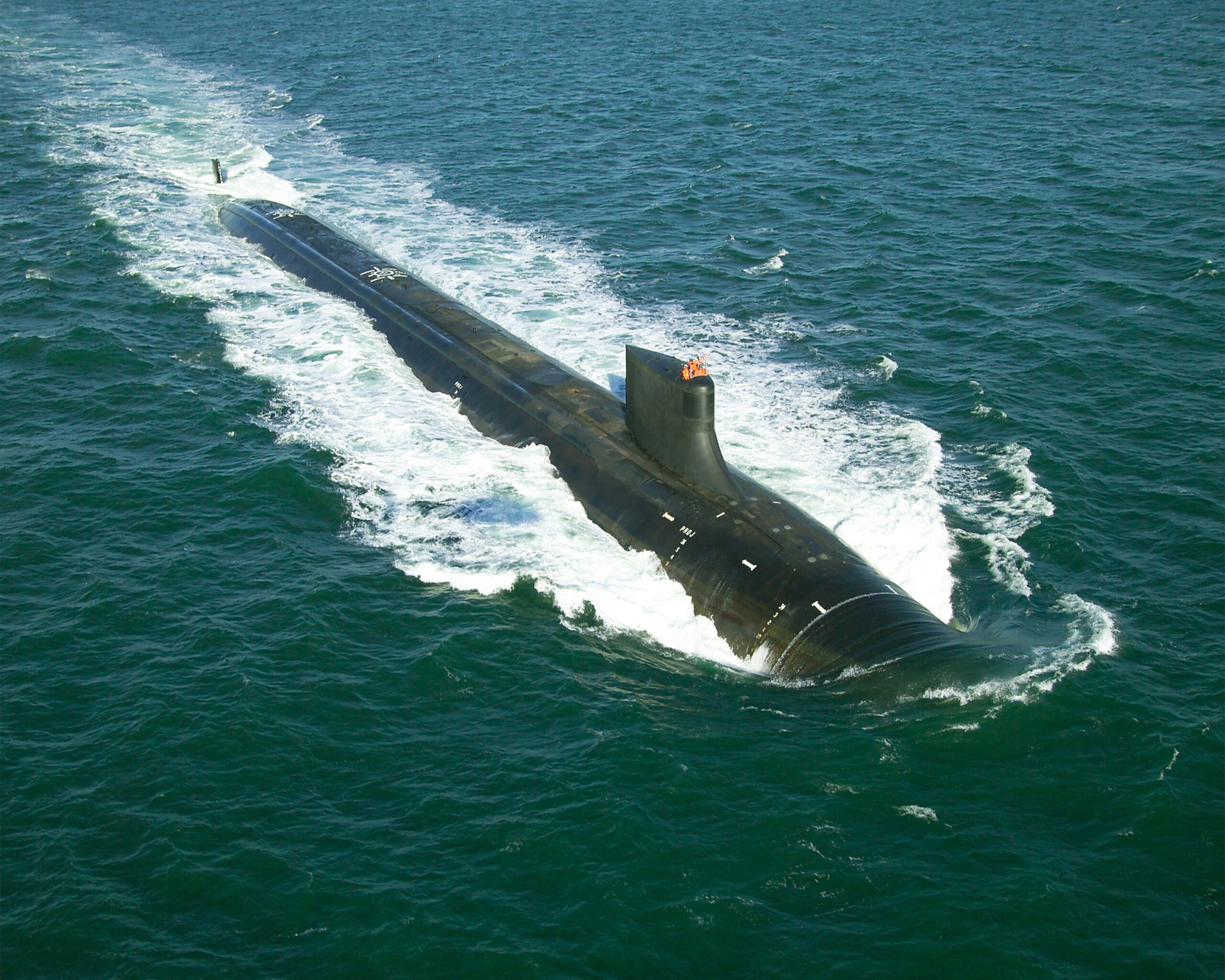
USS Jimmy Carter (SSN 23) during sea trials February 3, 2005
Image via Wikimedia Commons, public domain
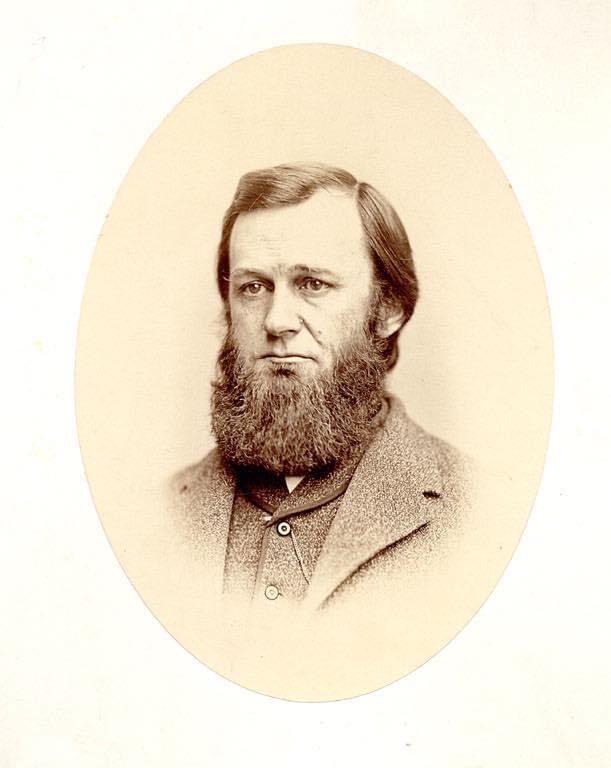
American naturalist Spencer Fullerton Baird was born in Reading, Pennsylvania on February 3, 1823. “As an original investigator he (Baird) did an enormous amount of work during the twenty-six years from 1843 to 1869, which he specially devoted to study of the mammals, birds, reptiles and fishes of North America. As to quantity, Professor Goode has filled a volume of nearly 400 pages with the bibliography of his published writings up to 1882, including 1,063 titles, of which about 200 relate to formal contributions to scientific literature, while in addition to this he furnished much material in the shape of notes of unfinished work and suggestions for farther inquiry to be utilized by others. His reputation as a scientific naturalist was established by the publication of Vols. VIII and IX of the Pacific Railroad Reports, containing the descriptions and classifications of the mammals and birds of North America. These contain not merely descriptions of a large number of new species, but a general revision of the classification and nomenclature, and the principles upon which these were founded have for the most part stood the test of time, showing the keenness of his insight into what may be called fundamental morphology. These large volumes are still the standard works on the subjects of which they treat, and the additions which have been made to them are mainly the work of his own pupils and in his own manner and methods.” From: Memoir of Spencer Fullerton Baird, 1823-1887 by John S. Billings, published in 1889. Source says public domain https://archive.org/details/b2230079x/page/147
Image: Portrait of Spencer Fullerton Baird – c. 1867 via Wikimedia Commons, public domain
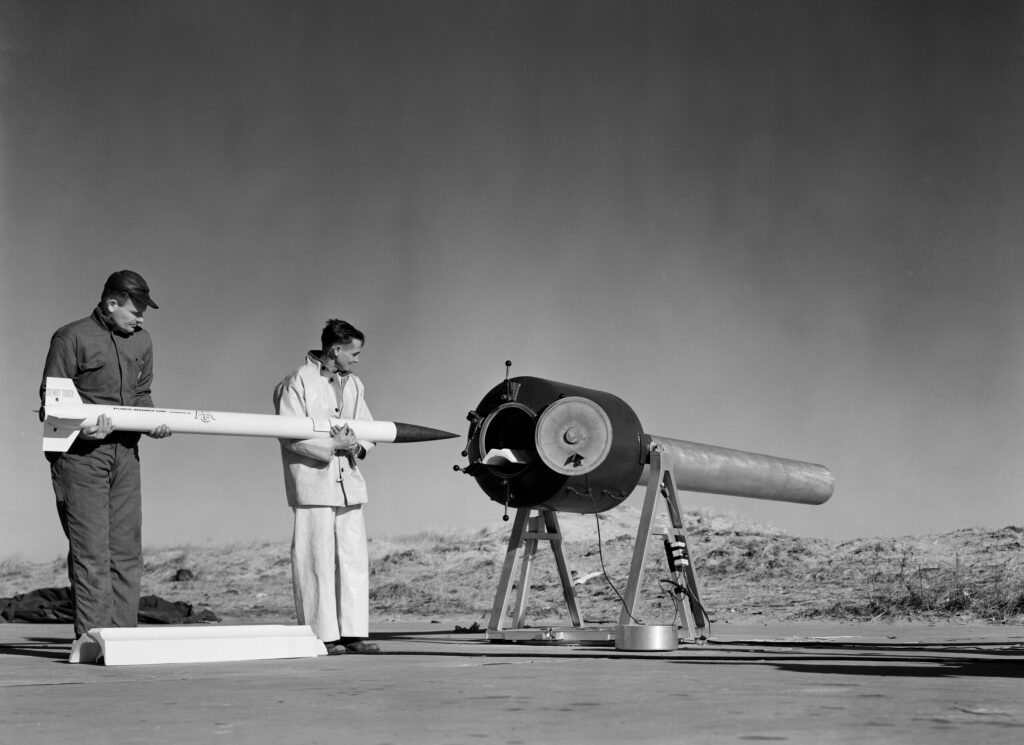
February 3, 1960 — Technicians at NASA’s Wallops Island range guide an ARCAS—short for “All‑Purpose Rocket for Collecting Atmospheric Soundings”—into its angled launch tube in preparation for a suborbital research shot. Designed as a low‑cost, highly reliable sounding rocket, ARCAS became a workhorse of early space‑age science, carrying small instrument packages into the upper atmosphere to measure winds, temperature, pressure, and ionospheric conditions. The data gathered by these modest vehicles helped NASA refine launch safety, improve missile and satellite trajectory models, and better understand the environment through which America’s first spacecraft and astronauts would travel.
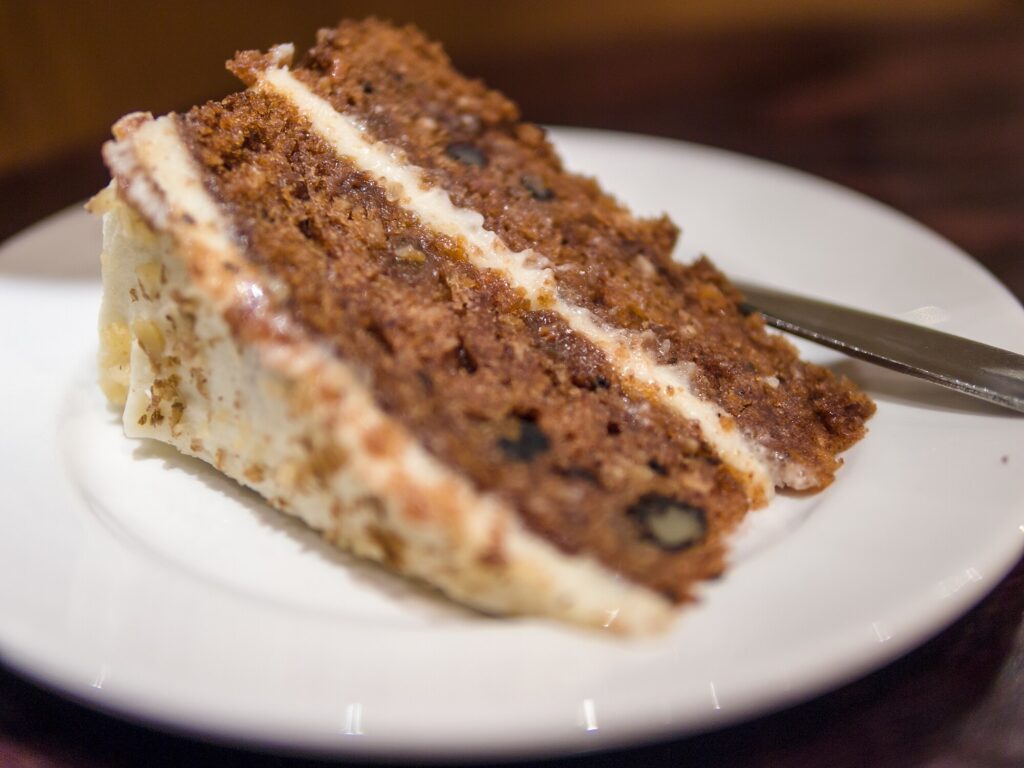
From medieval carrot puddings born of sugar scarcity to the refined tables of early America, carrot cake has traveled centuries to reach us. What began as a clever European workaround evolved into a dessert so beloved that even George Washington is said to have served it to his guests. On National Carrot Cake Day, we honor a sweet tradition with deeper roots than most — a humble ingredient transformed, across continents and generations, into a timeless treat.
Image from James Petts via Wikipedia Commons, CC BY 2.0
