
 Mystery March Is Here!
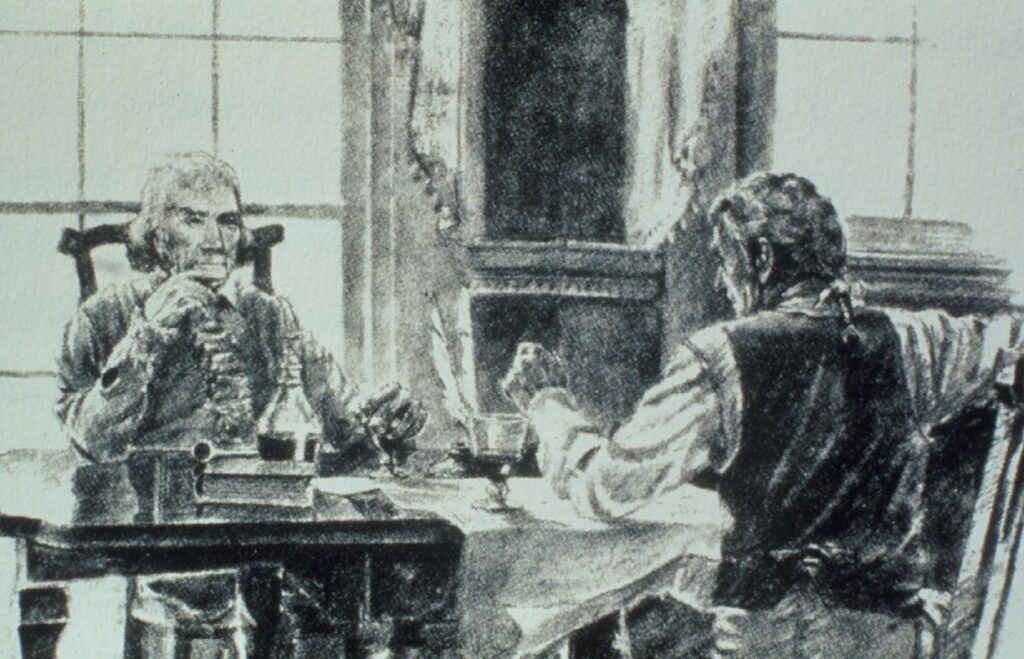
February 28, 1803 — In the stillness of his study in the southwest corner of the President’s House—a space now occupying part of the modern State Dining Room—Thomas Jefferson signed the act that set the Lewis and Clark Expedition in motion, securing $2,500 under the outward purpose of “extending the external commerce of the United States.” This bright, high‑ceilinged room, which he called his “Cabinet,” was lined with books, maps, and scientific instruments and served as his primary workspace. From here he wrote to Dr. Benjamin Rush for medical instruction and to Caspar Wistar of the American Philosophical Society for training in natural history, anatomy, and celestial navigation. Meriwether Lewis, living just down the hall in the unfinished East Room, moved constantly between these spaces as the two planned the expedition in close quarters. A British passport was arranged the same day through diplomat Edward Thornton, ensuring Lewis’s safe passage through contested northern territories. What appeared publicly as a modest commercial appropriation was, in Jefferson’s hands, a carefully constructed scientific and diplomatic enterprise—assembled in letters, consultations, and the disciplined solitude of his Cabinet long before the Corps of Discovery ever pushed off from the Missouri.
Image: For nearly two years before the expedition departed, Meriwether Lewis met regularly with President Jefferson inside the President’s House, working in Jefferson’s private study—his “Cabinet”—a southwest‑corner room now occupying part of the modern State Dining Room. Living just down the hall in the unfinished East Room, Lewis moved between these spaces daily as the two shaped the mission’s scientific and diplomatic design.
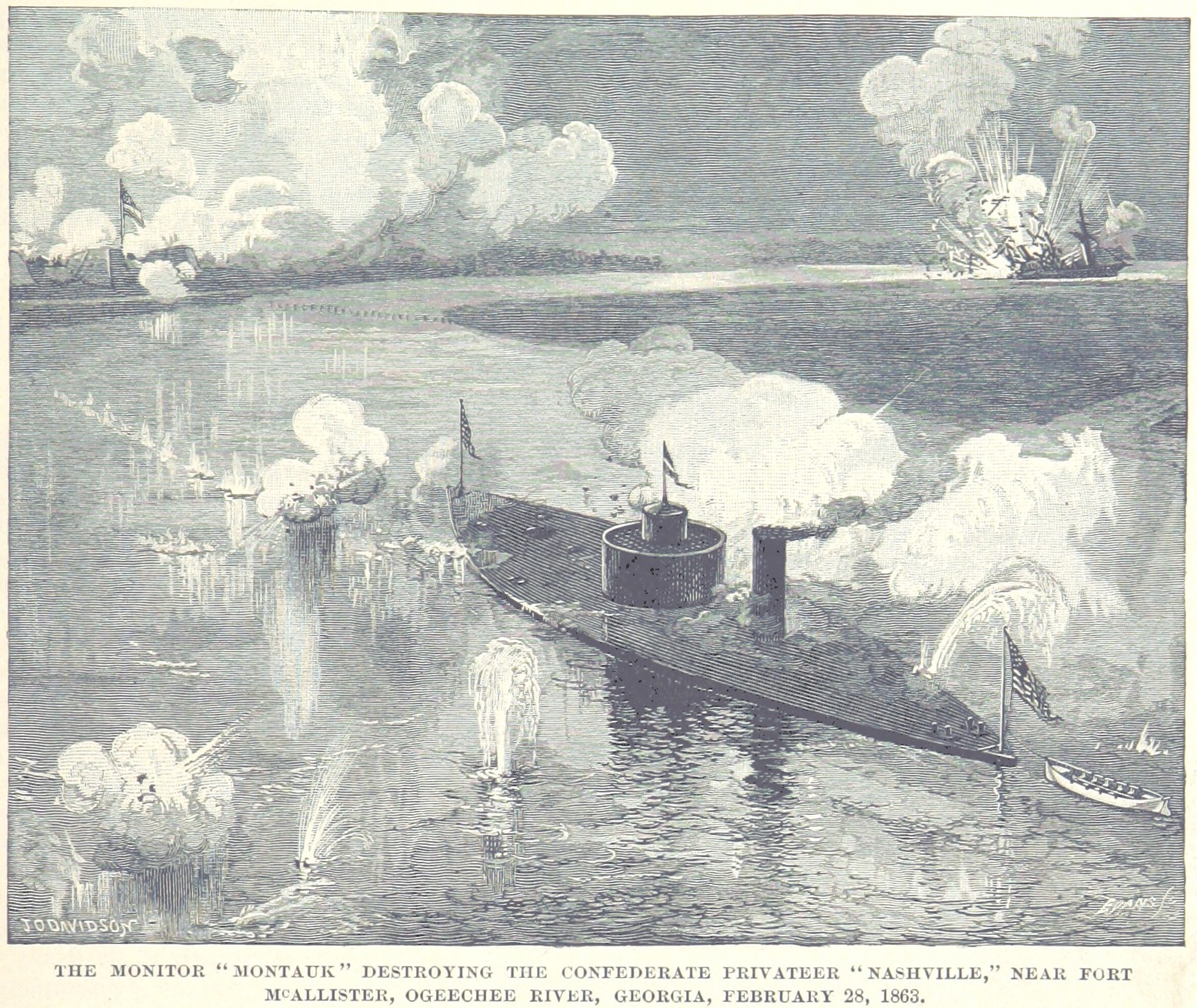
The monitor USS Montauk destroying the Confederate privateer Rattlesnake , formerly the CSS Nashville on the Ogeechee River in Georgia. February 28, 1863
Image via Wikimedia Commons, public domain
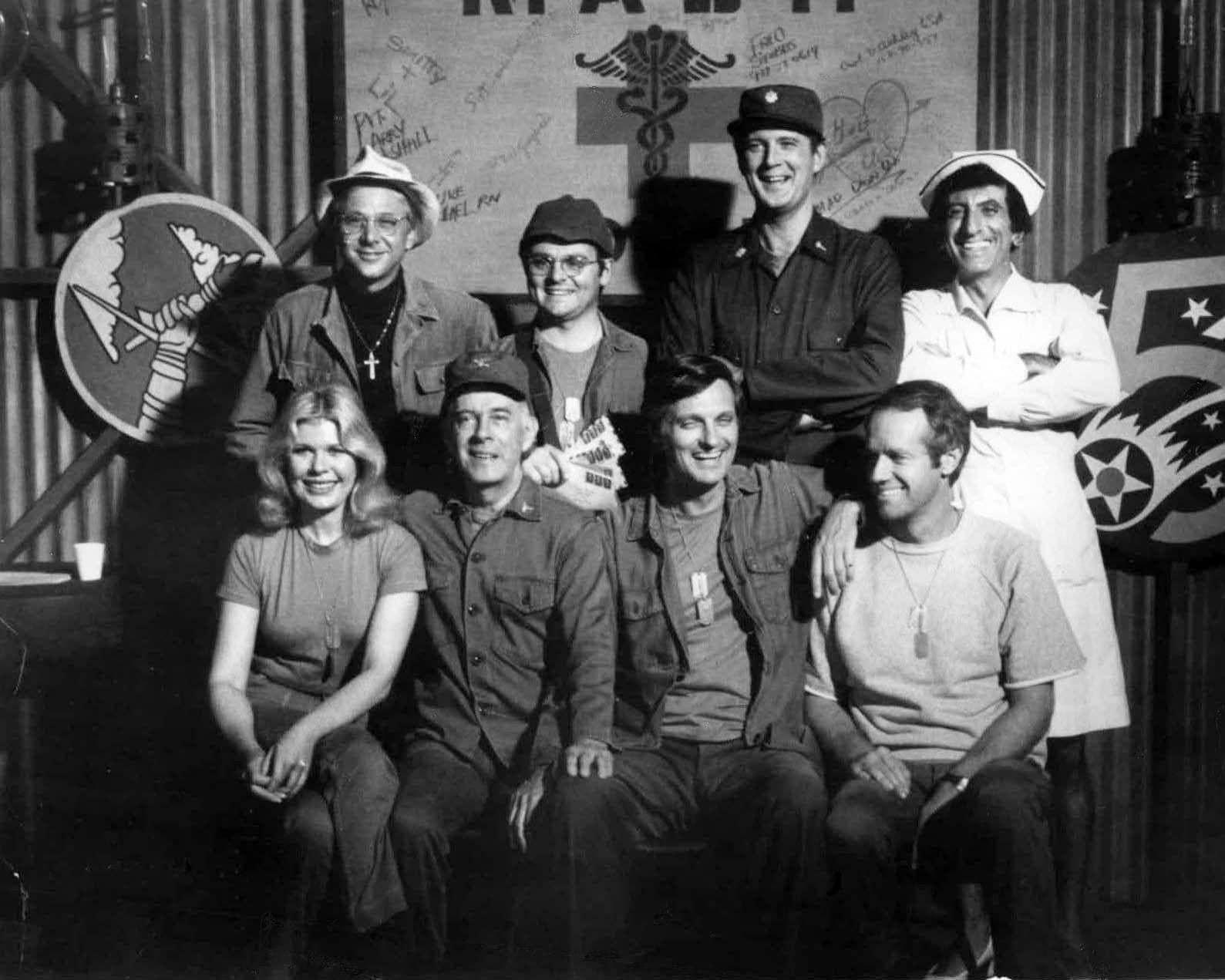
The final episode of M*A*S*H aired on February 28, 1983, watched by a record-setting 105.97 million viewers. The series ran for 11 seasons and went through a number of cast changes. Shown here is the cast during season six in 1977.
Image via Wikimedia Commons, public domain
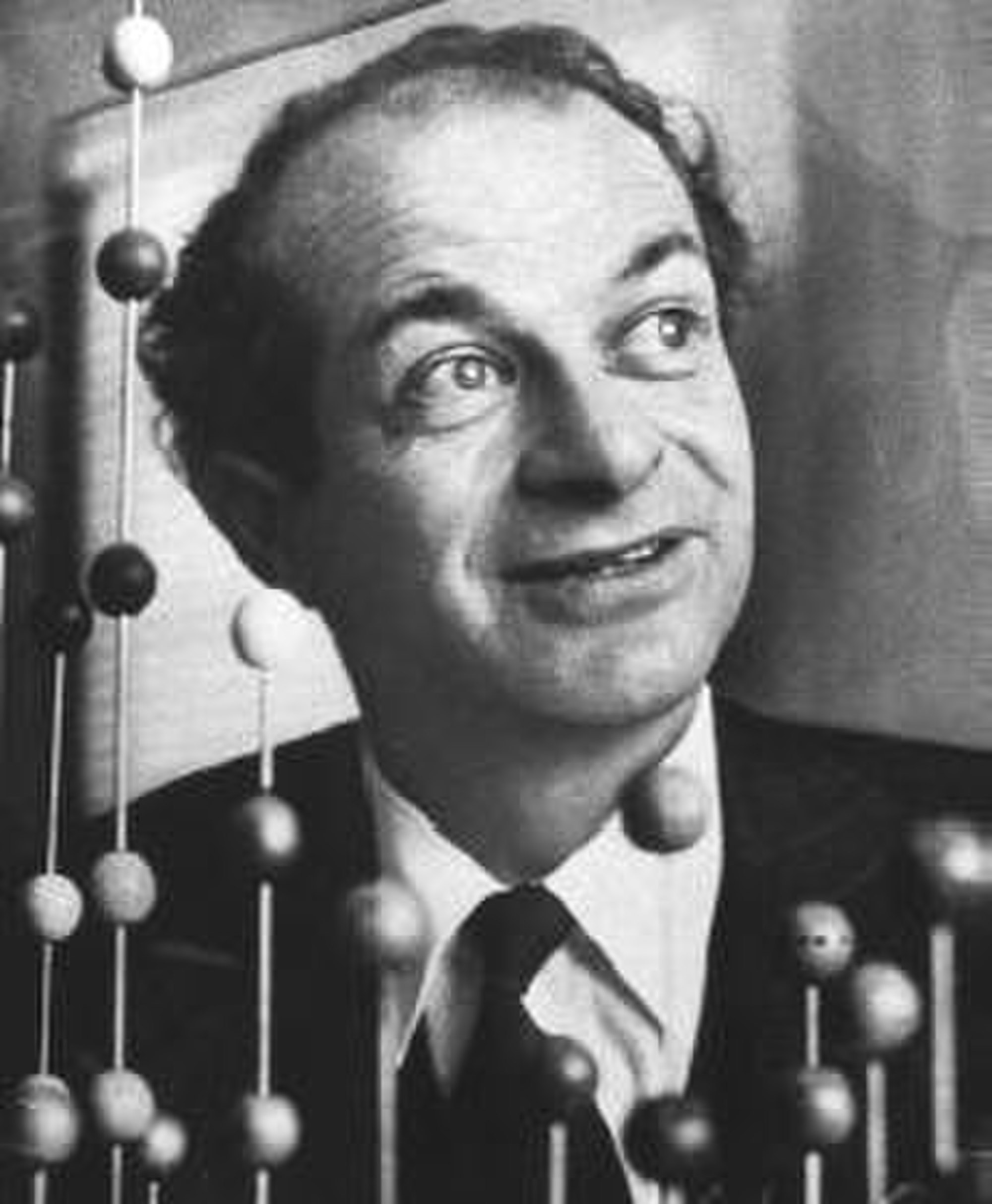
American scientist Linus Pauling was born on February 28, 1901 in Portland, Oregon. He was awarded both the Nobel Prize in Chemistry in 1954 and the Nobel Peace Prize in 1962.
Image via Wikimedia Commons, no known restrictions
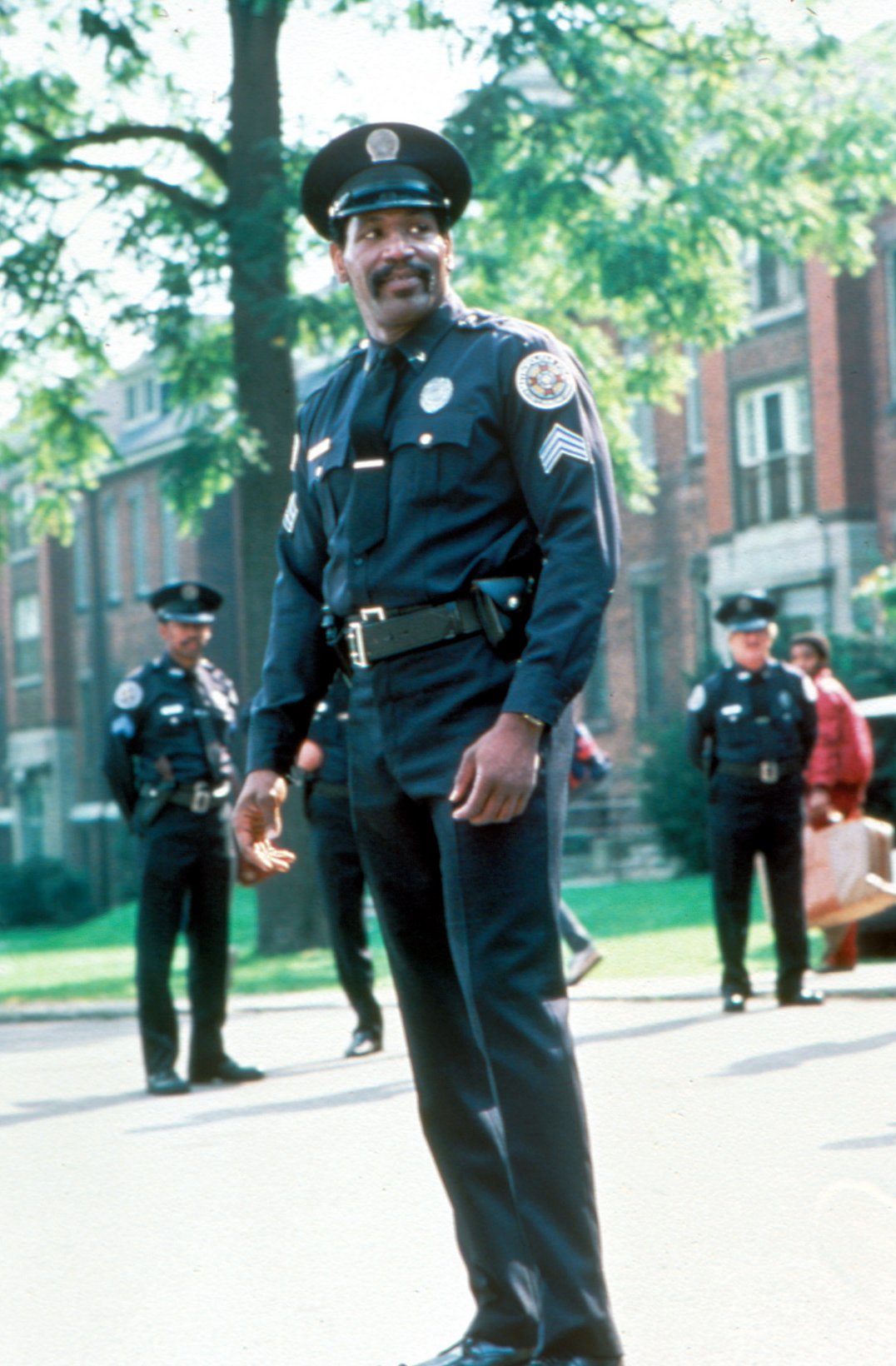
Pro football champion Bubba Smith, who played the role of Moses Hightower in the Police Academy movie series, was born on February 28, 1945 in Orange, Texas.
Image via Alamy
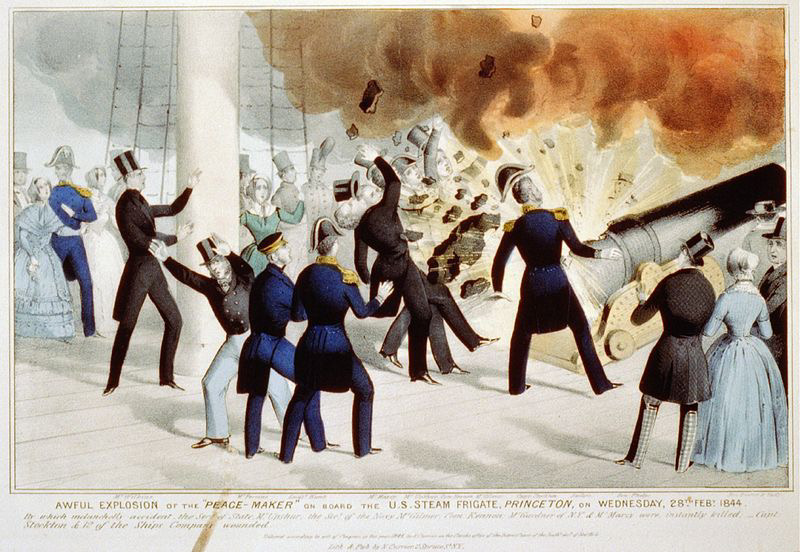
On February 28, 1844, a demonstration cruise aboard the USS Princeton turned catastrophic when the great “Peacemaker” cannon exploded during a firing display on the Potomac. The blast killed six people—including Secretary of State Abel P. Upshur, Secretary of the Navy Thomas W. Gilmer, former New York State Senator David Gardiner, and Armistead, the enslaved valet who attended President John Tyler. Roughly twenty others were injured. Tyler himself survived only because he had stepped below deck moments earlier. Among the passengers was twenty‑four‑year‑old Julia Gardiner, whose father was killed instantly. The tragedy bound Julia and the widowed president in shared grief; within four months, she would become Julia Tyler, First Lady of the United States.
Image from LOC via Wikimedia Commons, public domain in the US.
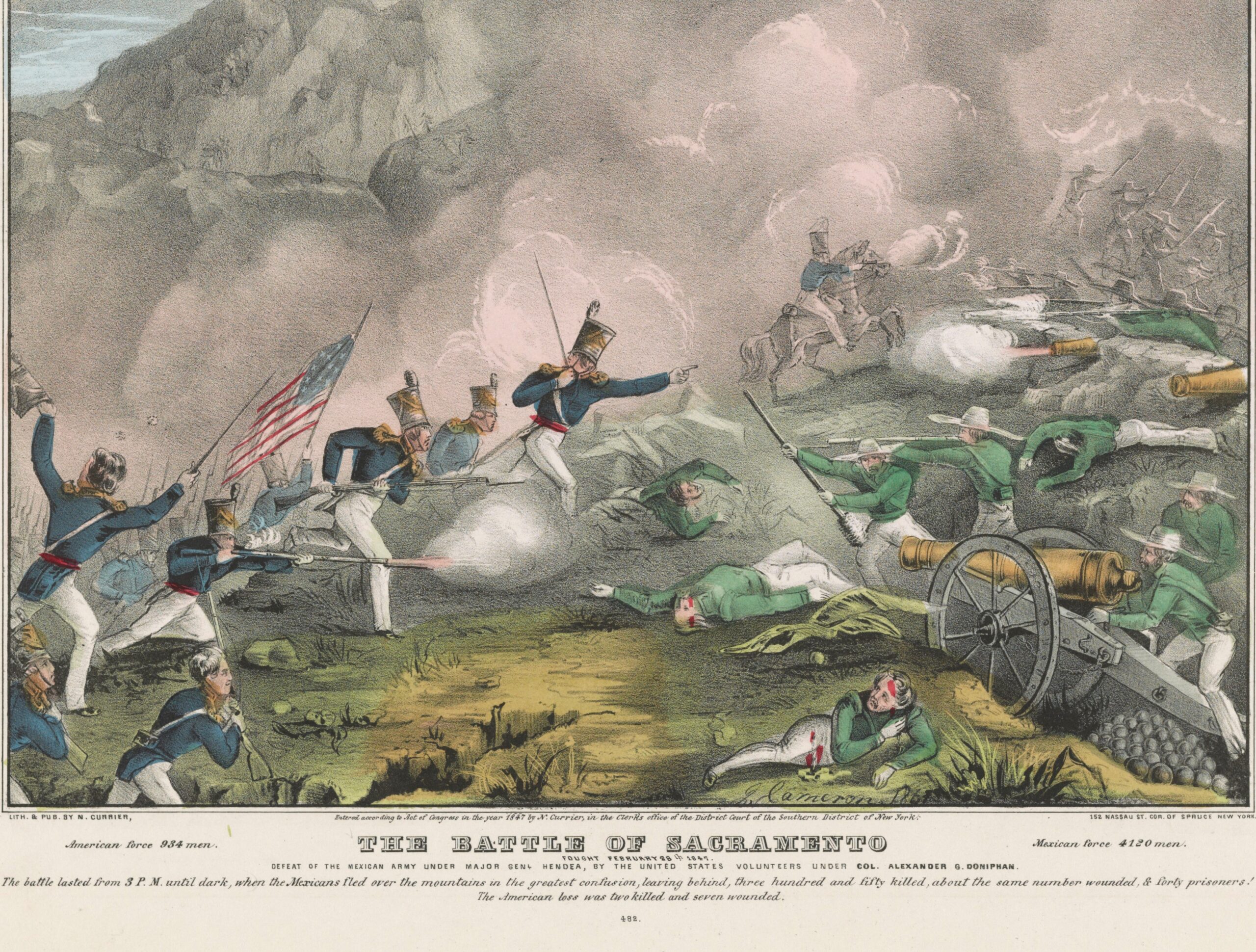
On February 28, 1847, U.S. forces of a little more than 1,000 defeat a Mexican army nearly double their size at the Battle of Sacramento in Mexico. The U.S. Army later captures the city of Chihuahua.
Image via Wikimedia Commons, public domain in the US.
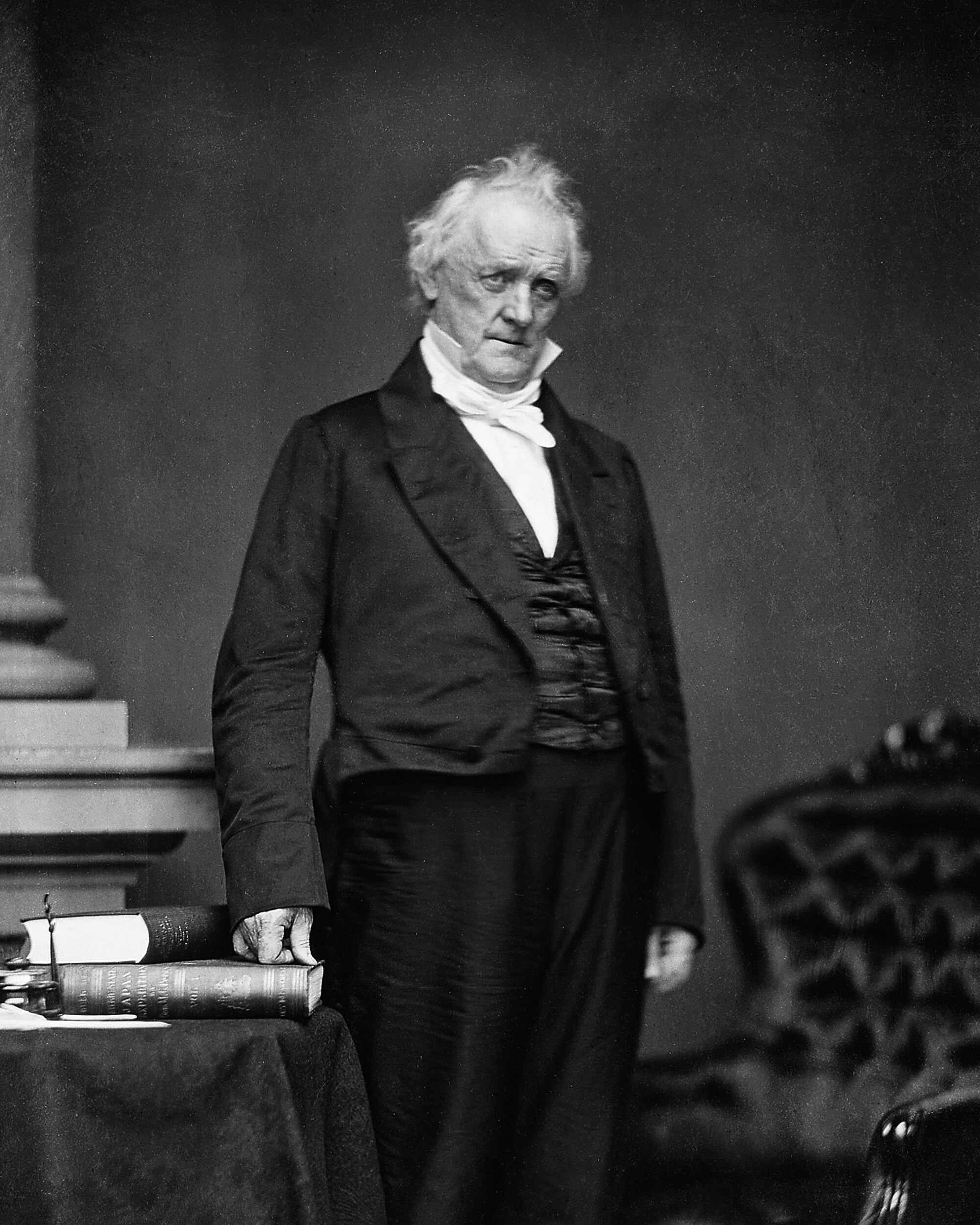
On February 28, 1861, just a few days before leaving office, President James Buchanan signed the Colorado Organic Act which organized the Territory of Colorado.
Image of James Buchanan c. 1860s via Wikimedia Commons, public domain
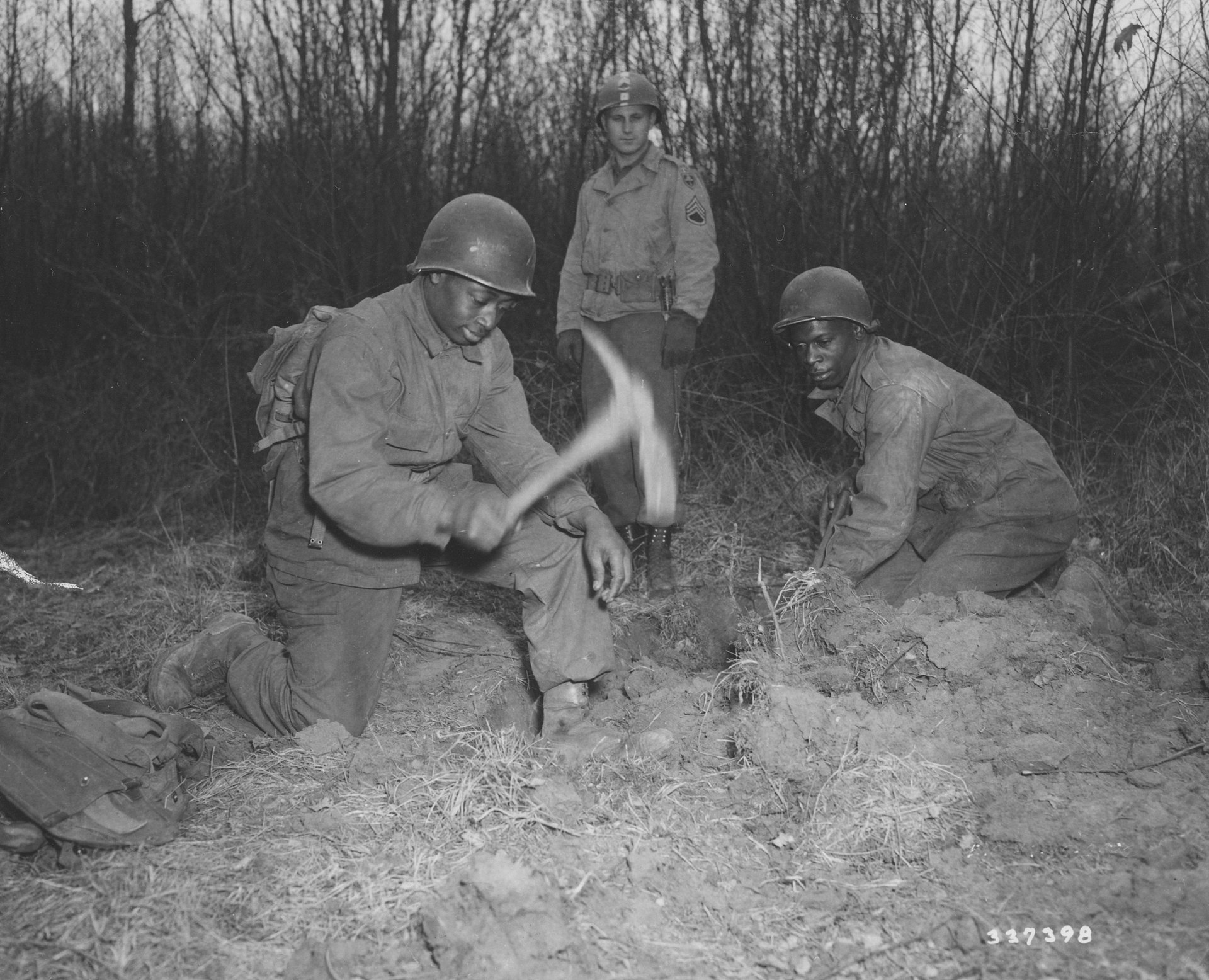
Pvt. Felix L. and Pvt. Sammie J. demonstrate the proper method of digging a foxhole. February 28, 1945
Image via Wikimedia Commons, public domain in the US.
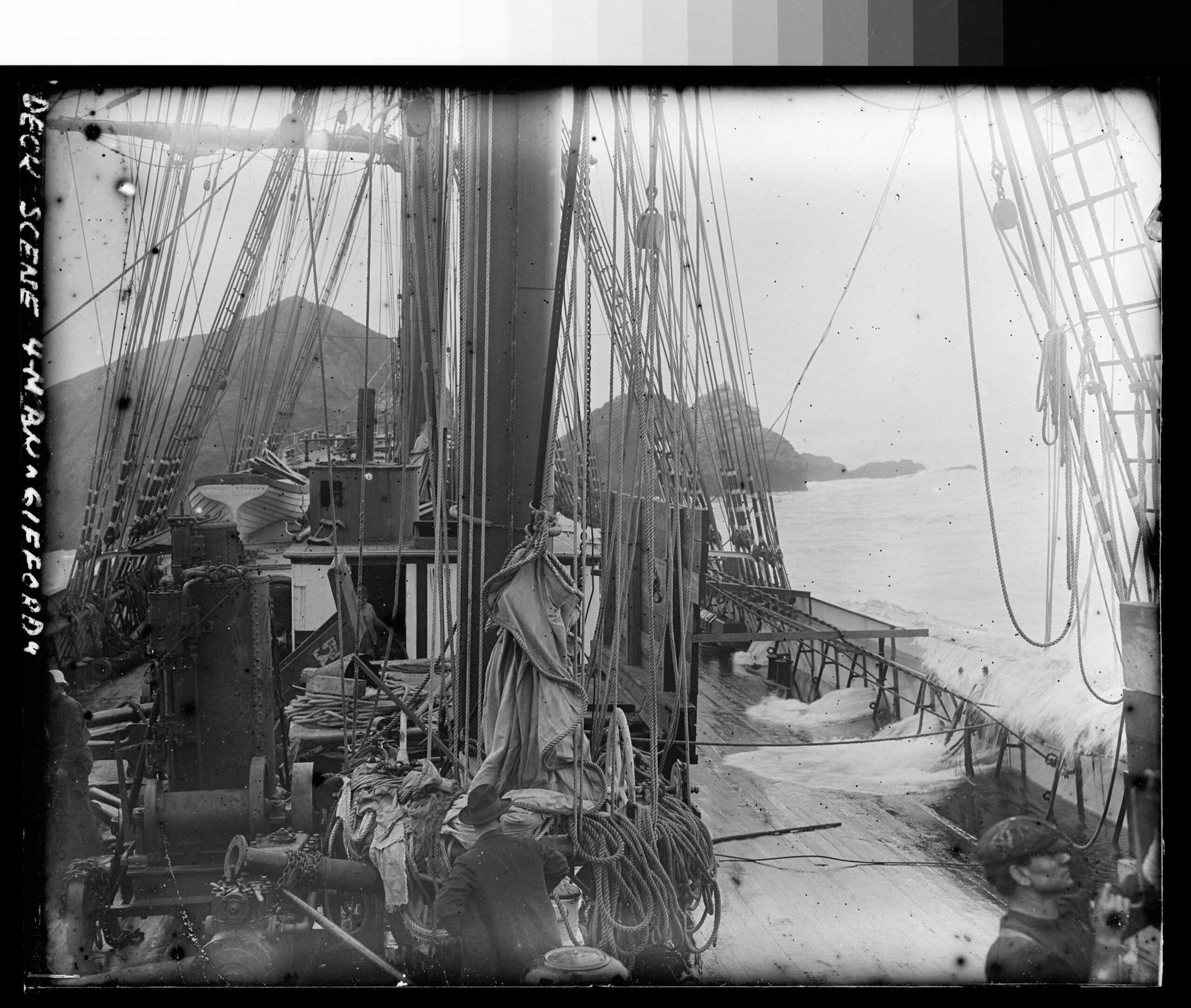
Gifford (bark, 4m), deck scene while aground at Mussel Rock, off Daly City, California February 28, 1903 via Wikimedia Commons, public domain
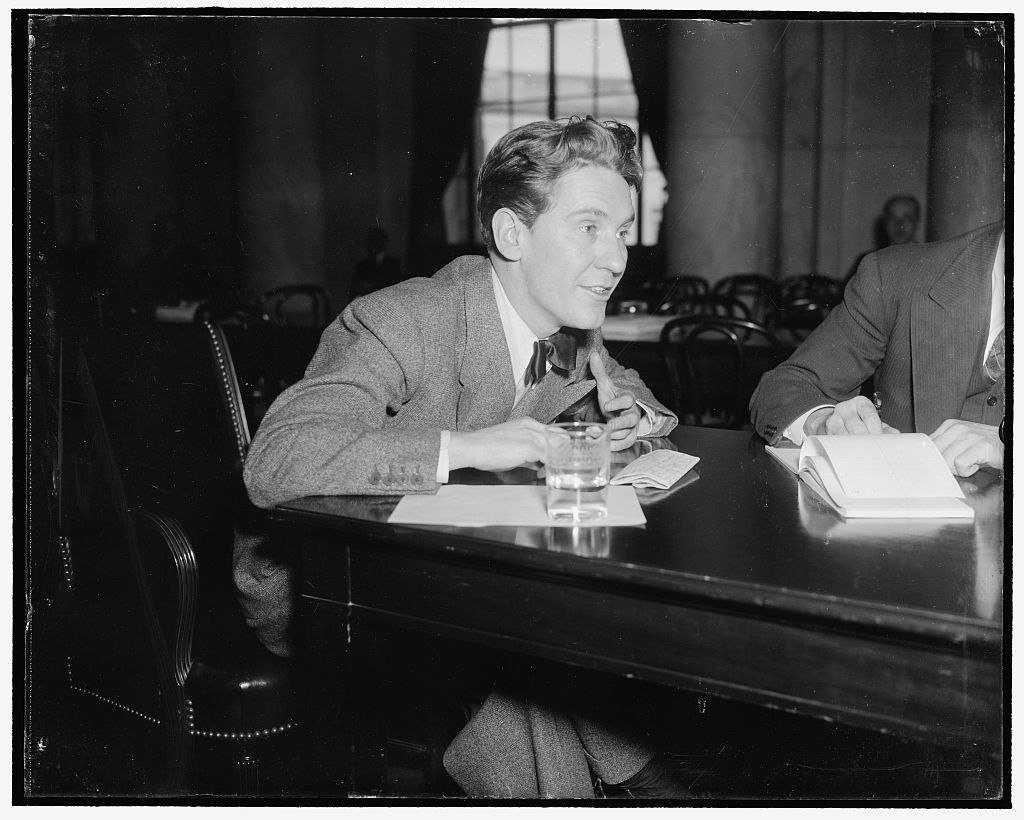
Burgess Meredith urges for permanent Federal Bureau of Fine Arts. Washington, D.C. – February 28, 1938 via Library of Congress, no known restrictions.
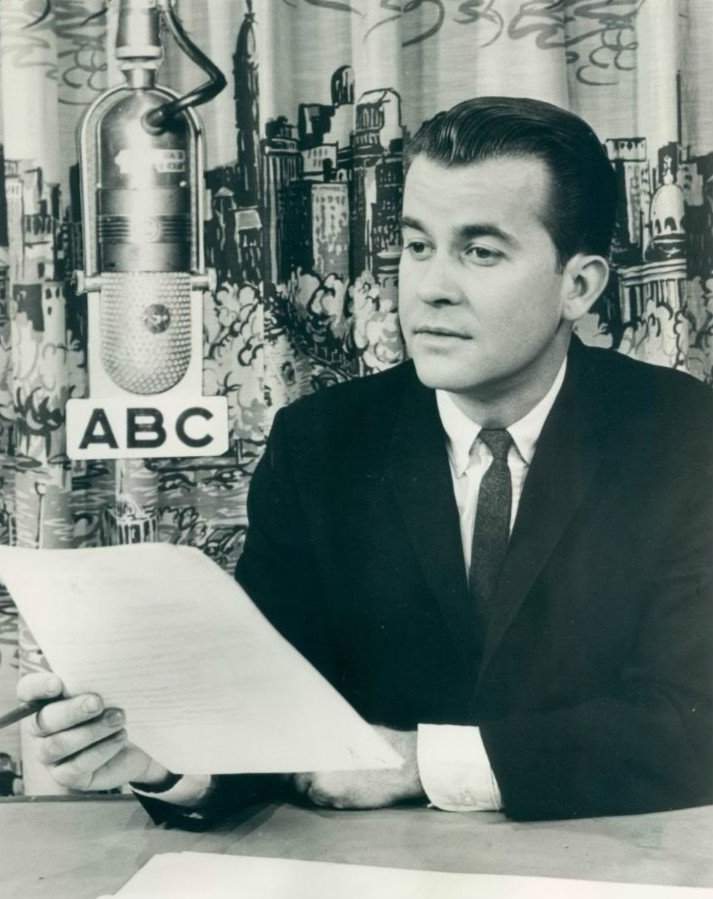
A photograph of Dick Clark from a press release for his radio show that was dated February 28, 1963.
Image via Wikimedia Commons, public domain
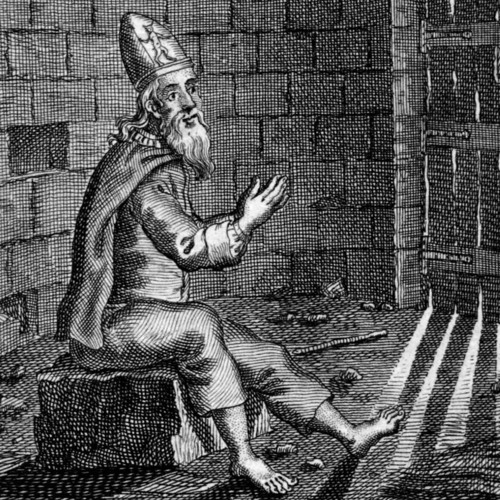
On February 28, 1704, Elias Neau—a French Huguenot who had survived years of imprisonment and forced labor after refusing to renounce his faith—opened one of the earliest documented schools for Black students in colonial America. Licensed by the Society for the Propagation of the Gospel, Neau began teaching both enslaved and free Black New Yorkers in a city where literacy for the enslaved was discouraged and often feared. He first visited students in their homes before receiving permission to hold classes in the upper room of his own house. Within four years, more than 150 people were attending. Though the school faced hostility after the 1712 slave revolt, it endured under church and gubernatorial protection and continued long after Neau’s death in 1722, a quiet legacy born from a man who knew captivity firsthand.
Image of Elias Neau—a French Huguenot who had survived years of imprisonment and forced labor in Marseille
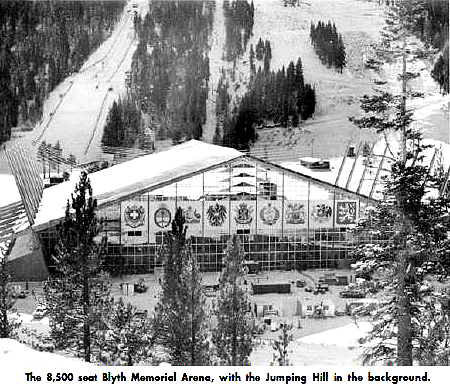
Blyth Arena in Squaw Valley (now known as Palisades Tahoe) California where the U.S. defeated Czechoslovakia 9-4 to win the gold medal in men’s ice hockey on February 28, 1960.
Image via Wikimedia Commons, public domain
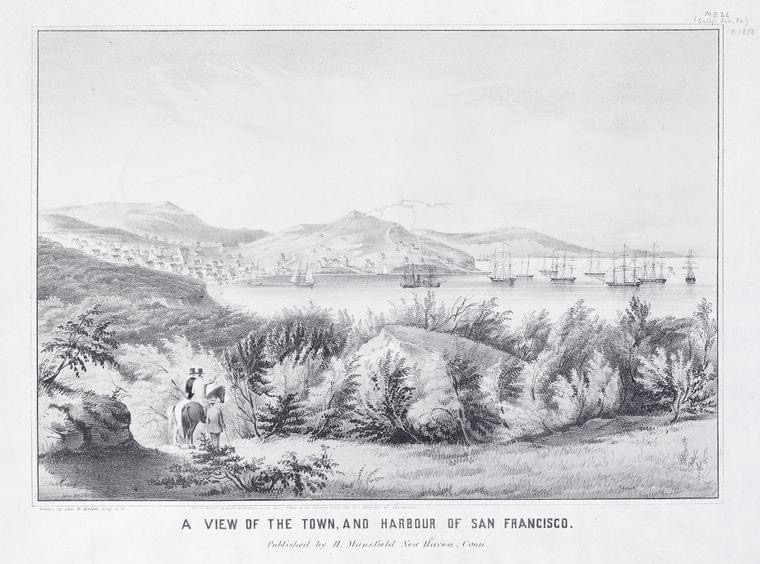
“February 28, 1849 — The steamship “California” being the first of the line of mail steamers along the coast, arrived. The citizens hailed her appearance with many cheers and other demonstrations of joy. General Persifer F. Smith, a passenger on this vessel, came to take command of the Pacific division of the military department of the United States, which comprehends Oregon and California.” Source: Annals of San Francisco https://archive.org/details/annalsofsanfranc00soul/page/220/mode/1up Source says not in copyright Among those onboard were gold prospectors from the Eastern US. The ship’s journey took months as it needed to travel around South America since it would take another 65 years for the Panama Canal to open to traffic. The “California” departed New York City in October of 1848. Image:
A view of the town, and harbor of San Francisco, 1849 via NYPL Digital Collections, no known restrictions
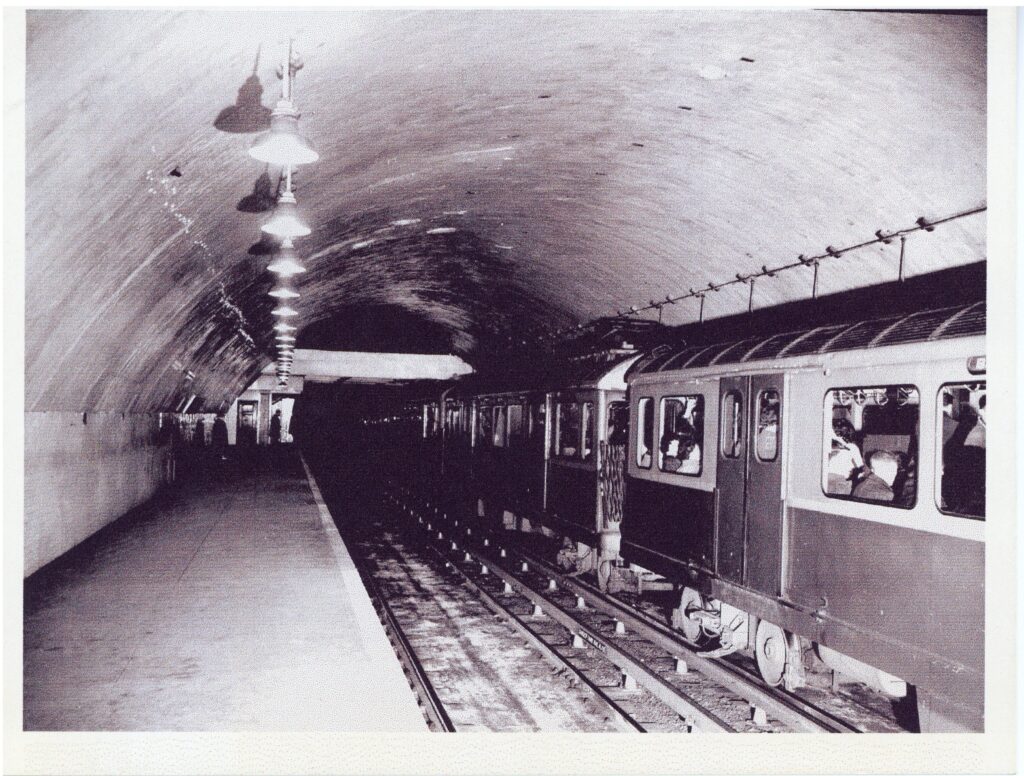
A train of East Boston #3 cars at Atlantic station on February 28, 1963
Image from Boston Public Works via Wikimedia Commons, CC BY 2.0
