
 Mystery March Is Here!

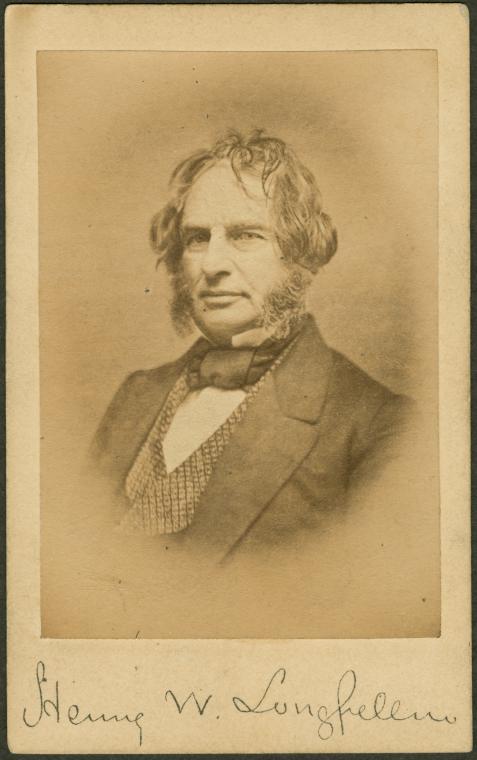
Henry Wadsworth Longfellow—born February 27, 1807, in Portland, Maine, when it was still part of Massachusetts—spent his life shaping how Americans understood their origins and the moral inheritance of the Republic. His first published poem, The Battle of Lovell’s Pond (1820), written when he was just thirteen, already reveals his instinct to look toward the past for the sources of national character. Even in youth, he saw earlier generations not as distant ghosts, but as a “living force.” He wrote that though they have passed, “they live in each Patriot’s breast,” establishing his lifelong belief that the courage of the past is a standard for the present.
As he matured, Longfellow broadened this early intuition into a meditation on the character of a nation shaped by the deeds of its people. He returned again and again to the conviction that noble actions elevate the public spirit and that the greatness of the past imposes a solemn responsibility on the living. His most famous reflection—“Lives of great men all remind us we can make our lives sublime”—became a kind of American proverb, expressing his view that history is not ornamental, but directive.
Across his body of work, Longfellow treats the Founding era not as a closed chapter but as a continuing charge. The figures who built the early Republic were, in his telling, enduring guides whose character sets the measure for our own. His poetry turns memory into duty and history into a form of civic inheritance, reminding us that the Republic endures only when its people rise to the character of those who came before.
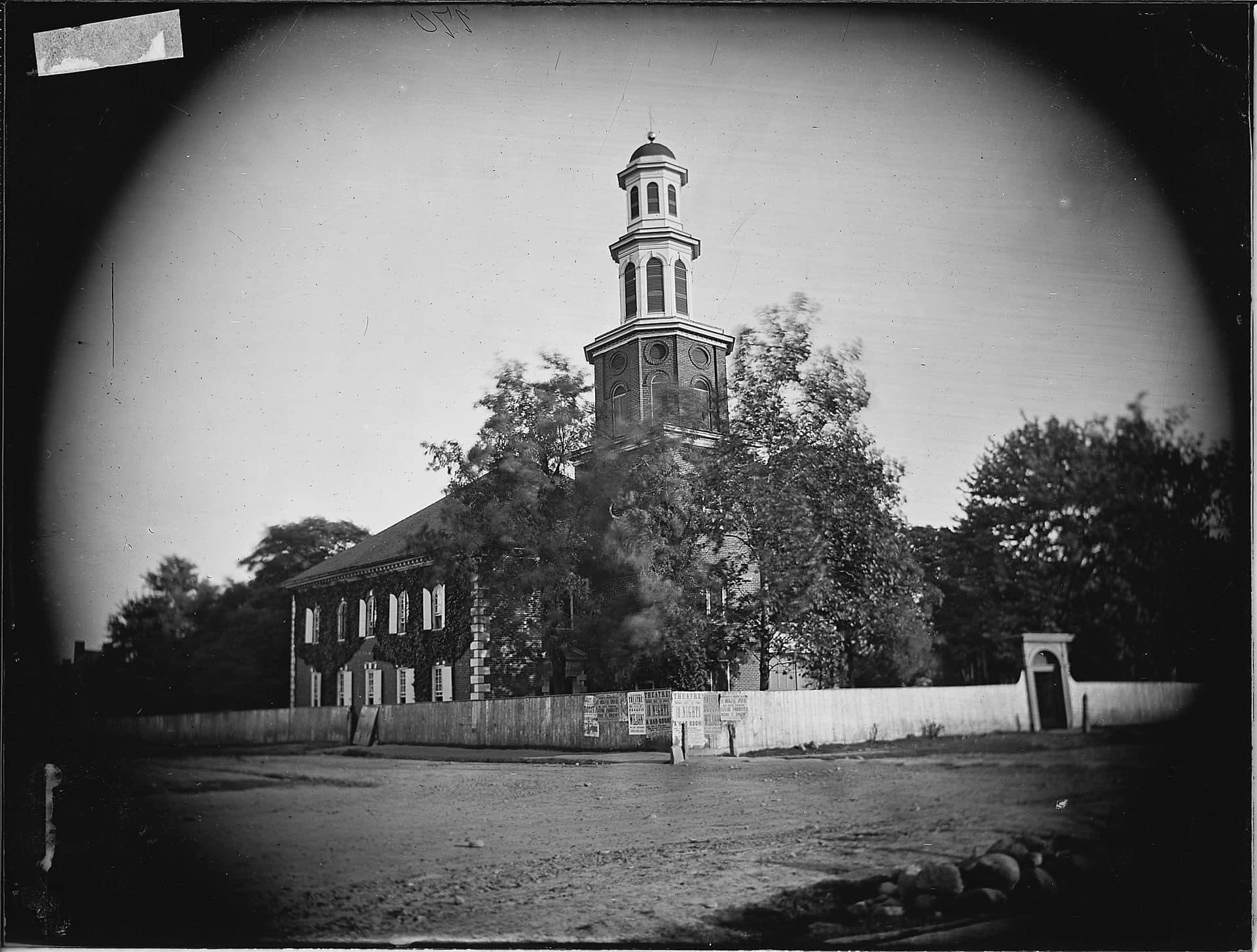
Christ Church in Alexandria, Virginia was completed on February 27, 1773. George Washington was a parishioner.
Image of Christ Church from the 1860s via Wikimedia Commons, public domain
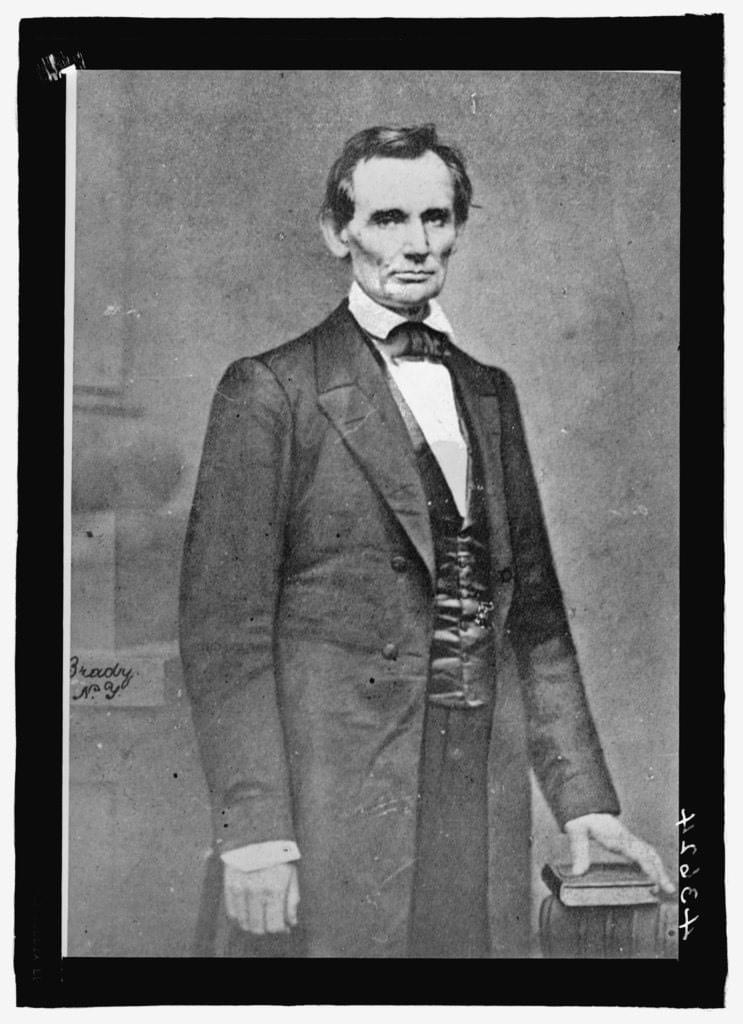
“the men who made the Constitution – decided this same Constitutional question in our favor, long ago – decided it without division among themselves” – Abraham Lincoln during his Cooper Union speech in New York City on February 27, 1860
Image of Abraham Lincoln taken on 2/27/1860 via Wikimedia Commons, public domain
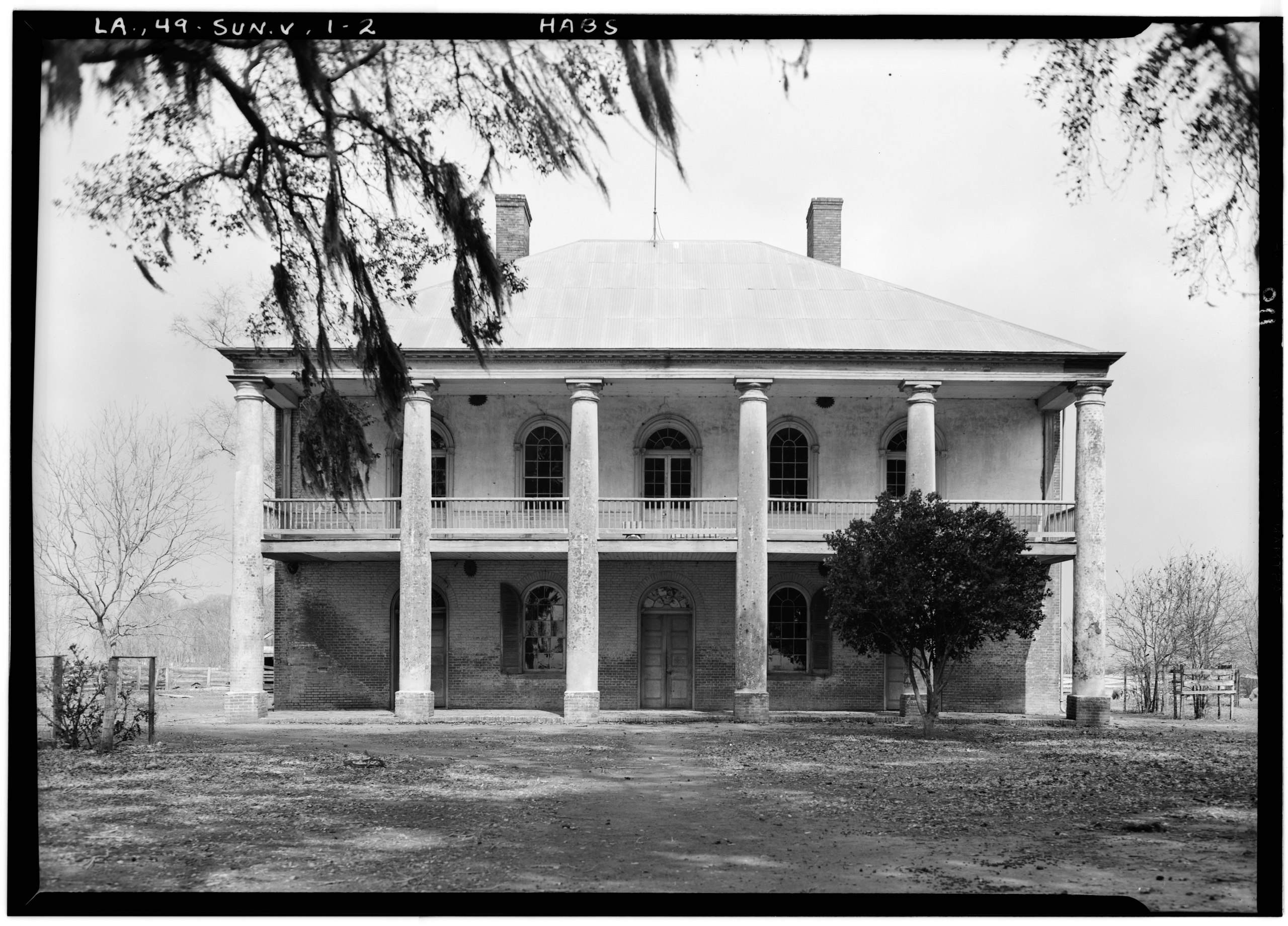
A photo of Chretien Point Plantation, Sunset, St. Landry Parish, Louisiana that was taken on February 27, 1940. One of the most notable tenants was the French pirate Jean Lafitte who earlier helped Andrew Jackson defeat the British during the Battle of New Orleans. Lafitte gambled here and it’s believed that he even taught the plantation owner’s widow, Felicité Chretien, how to smoke cigars. During the Civil War two battles were fought near and around the plantation.
Image via Wikimedia Commons
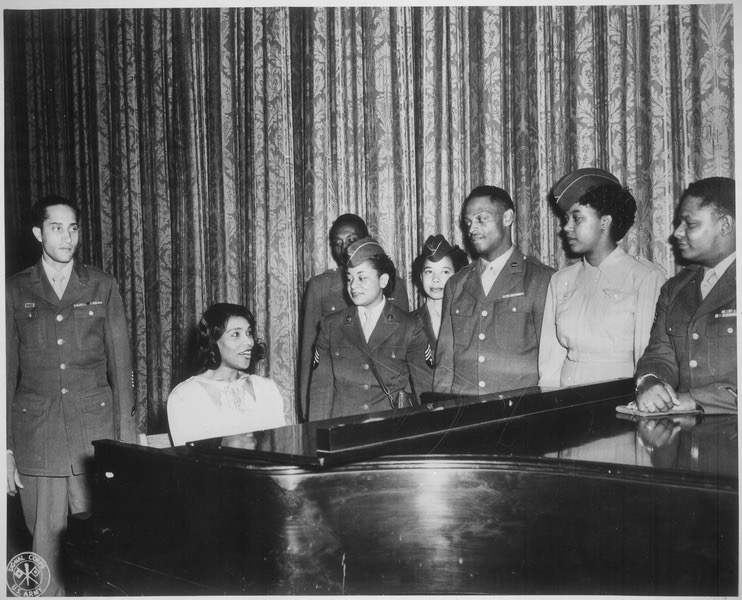
Born February 27, 1897 contralto Marian Anderson was famous for her 1939 concert at the Lincoln Memorial and for being the first Black singer to perform at New York’s Metropolitan Opera in 1955. She’s shown here entertaining soldiers in 1945. Although Ms. Anderson ceased performing in 1965 she lived to age 96.
Image from NARA via Wikimedia Commons, public domain in the US.

Hollywood legend Elizabeth Taylor was born February 27, 1932. Her acting career lasted over 60 years and included roles in films, on television, and on the stage. Also successful in the fragrance and jewelry businesses, Ms. Taylor raised 270 million dollars to benefit HIV/AIDS awareness.
Image via Wikimedia Commons, public domain in the US
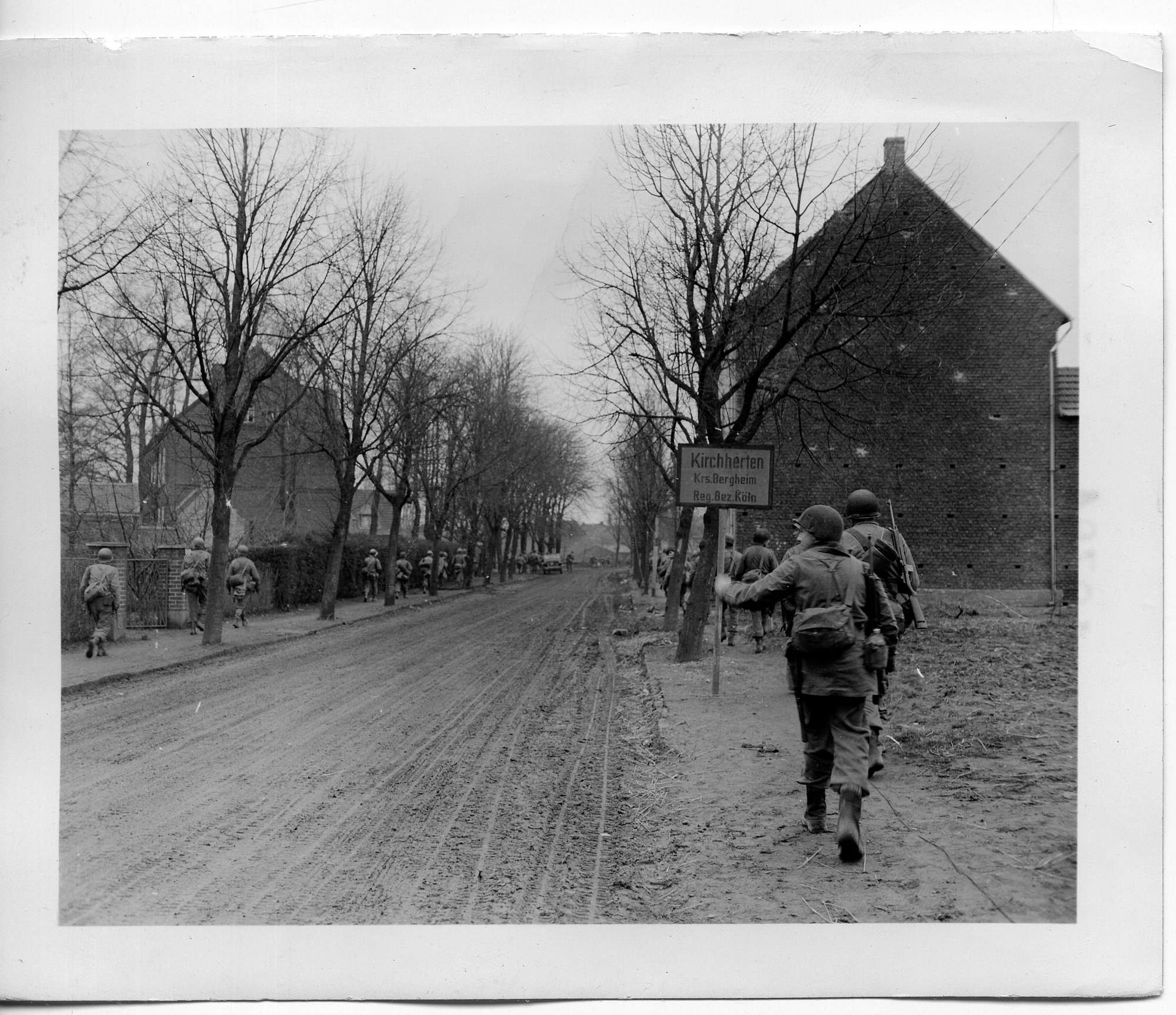
Infantrymen of 30th Division, 9th U.S. Army, move through town of Kirchherten, Germany, as they push across Cologne plain. February 27, 1945
Image via Wikimedia Commons, public domain

American actress Joanne Woodward was born on February 27, 1930 in Thomasville, Georgia.
Image: Joanne Woodward in 1971 by MGM via Wikimedia Commons, public domain
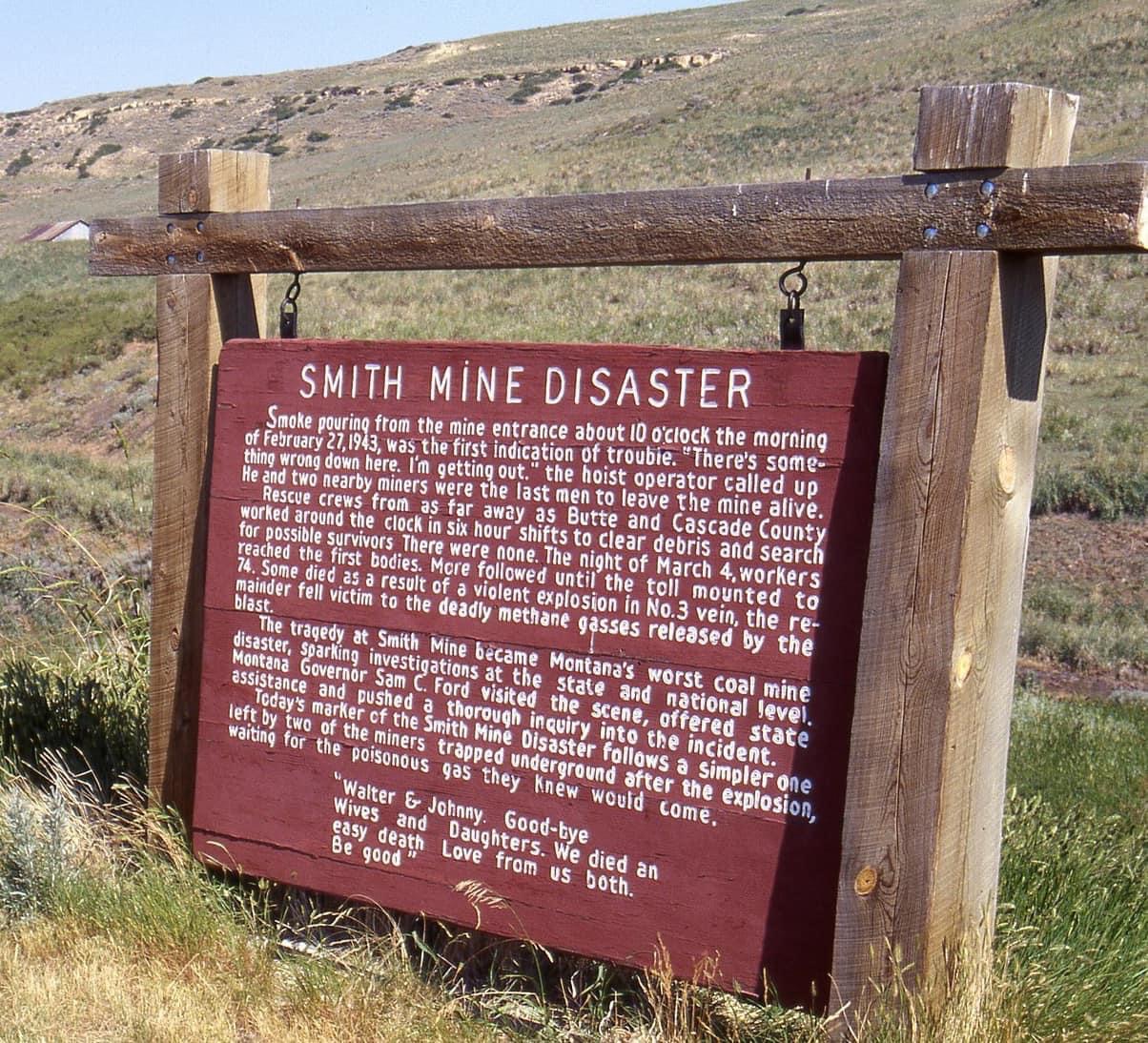
The Smith Mine disaster, the worst coal mining tragedy to occur in Montana, took place on February 27, 1943 near the town of Red Lodge. A note was left by two of the miners who were among the 74 who perished in the incident: “Walter & Johnny. Good-bye Wives & Daughters. We died an easy death. Love from us both. Be good.”
Image via Wikimedia Commons, public domain
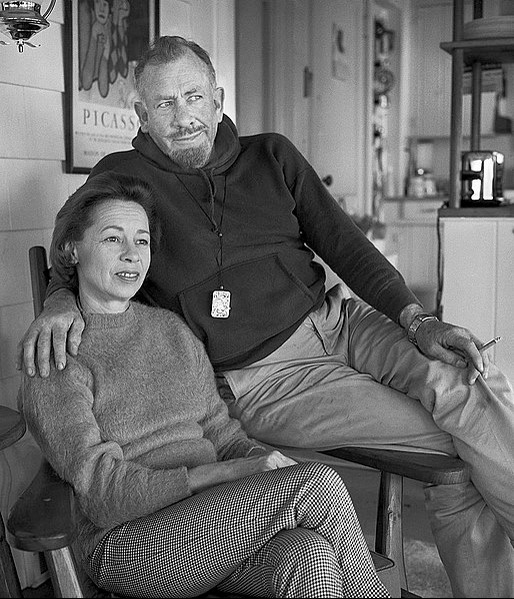
Author John Steinbeck was born February 27, 1902 in Salinas, California. He was awarded a Pulitzer Prize in 1939 for his novel The Grapes of Wrath. Other works of Steinbeck’s include Of Mice and Men, Cannery Row, The Pearl, East of Eden, and Travels with Charley. He’s shown in 1950 with wife Elaine Scott.
Image via Wikimedia Commons, no known copyright, public domain in the US.

An image of Jupiter taken by NASA’s Voyager 1 on February 27, 1979 Voyager 1 is the most distant man-made object from earth.
Image via Wikimedia Commons, public domain
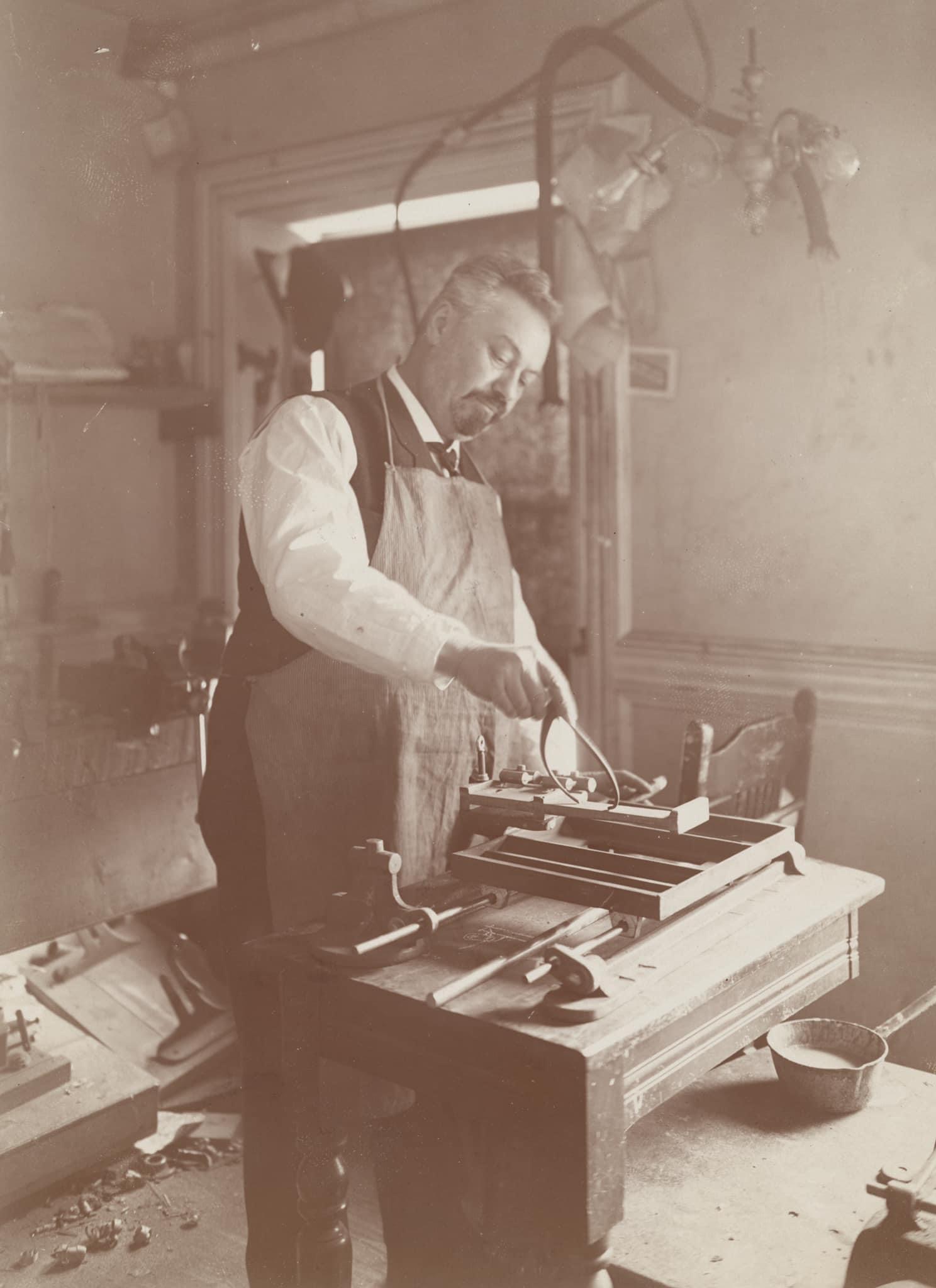
On February 27, 1883 Oscar Hammerstein I received a patent for his cigar-rolling machine Image of Oscar in his workshop c. 1910 via National Portrait Gallery, Smithsonian Institution

Two U.S. Navy McDonnell F3 Demons from squadron VF-13 in flight on February 27, 1963.
Image via Wikimedia Commons, public domain
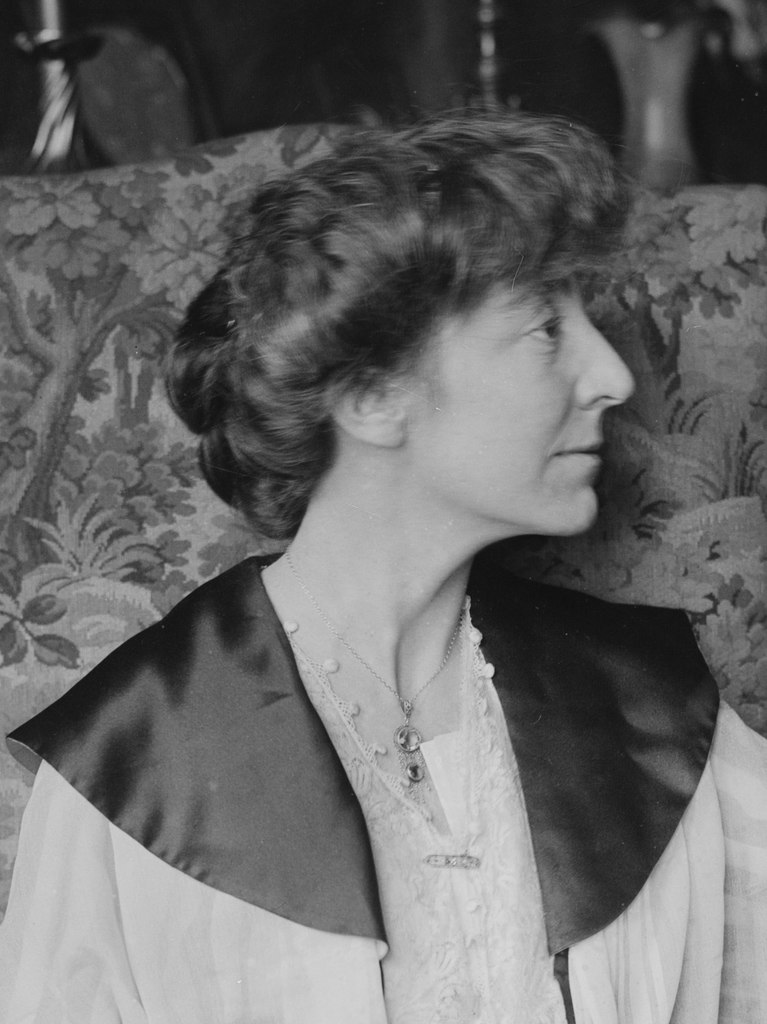
A photo of Jeannette Rankin who was the first woman to serve in U.S. Congress.
Photo was taken on February 27, 1917 Image via Wikimedia Commons, public domain
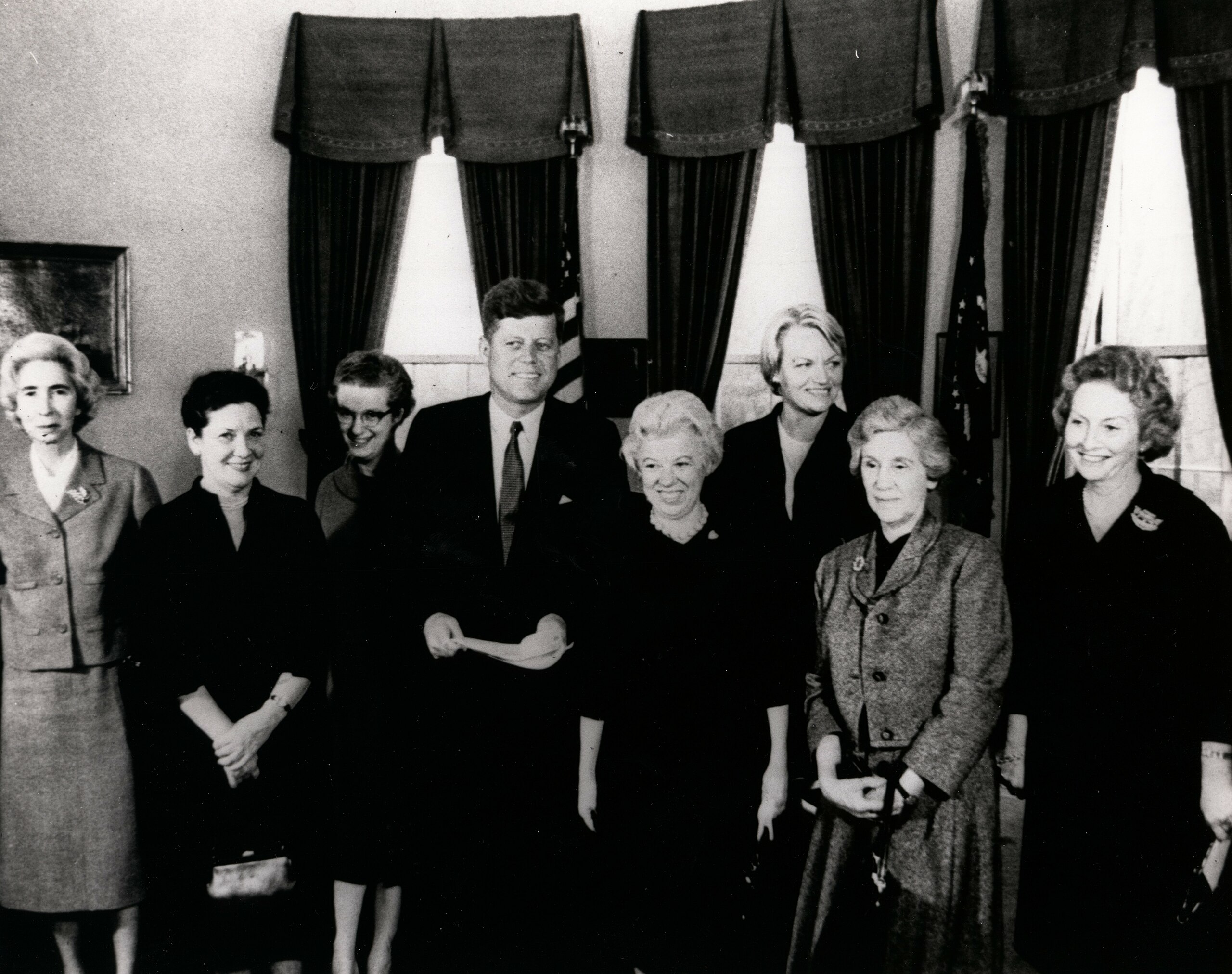
President John F. Kennedy meets with recipients of the 1962 Federal Woman’s Award for outstanding contributions to government on February 27, 1962.
Image via Wikimedia Commons, public domain
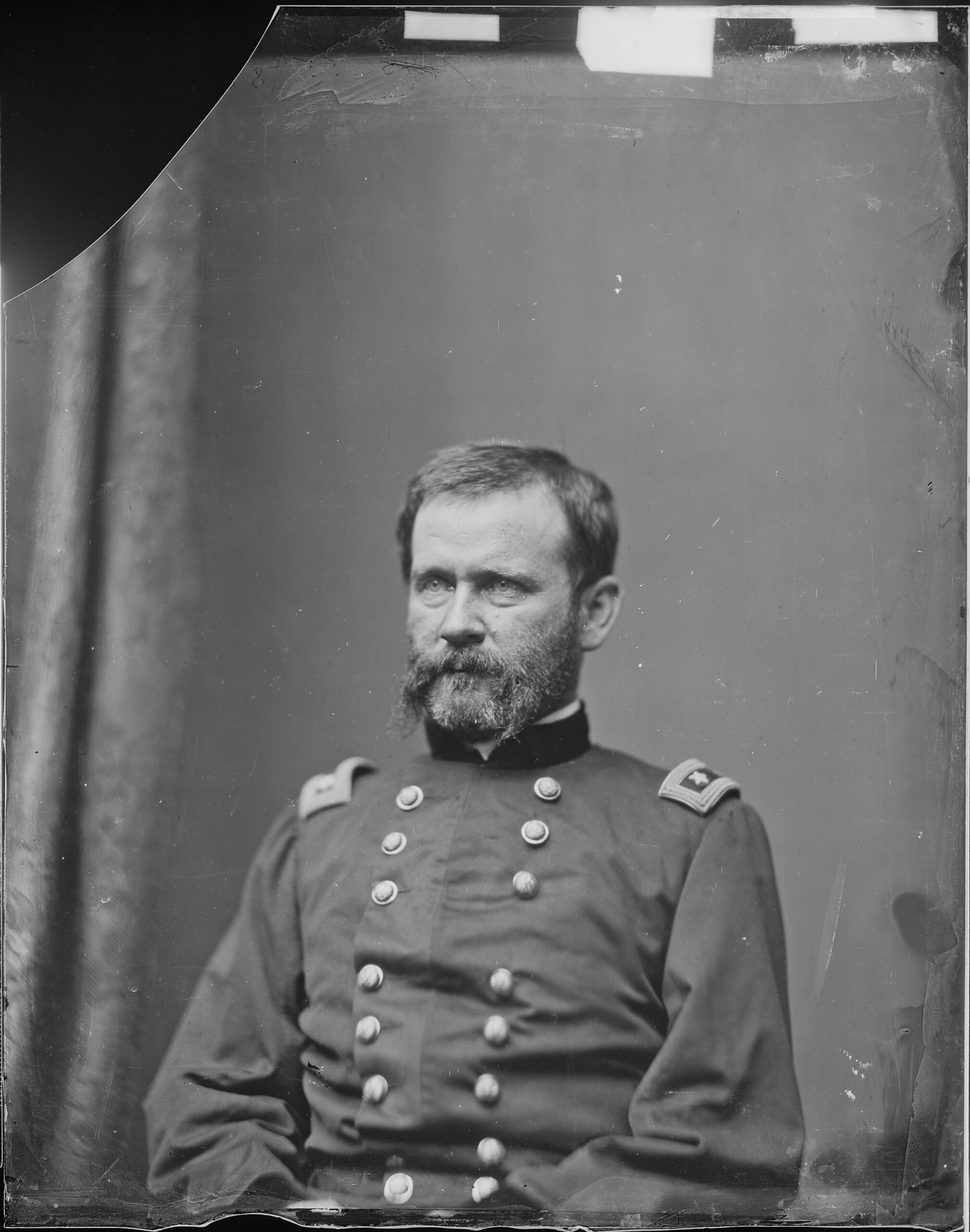
Union General William B. Franklin was born in York, Pennsylvania on February 27, 1823. After graduating first in his class at West Point he served in the Mexican-American War and was brevetted 1st Lieutenant following the Battle of Buena Vista. Before the American Civil War he supervised expansion and construction of the current dome of the U.S. Capitol. During the Civil War he fought at South Mountain, Antietam, Fredericksburg and was later wounded in the leg at the Battle of Mansfield in Louisiana. While convalescing and a passenger on a D.C. area train he was captured by Gilmor’s Raiders who attacked the train, but he managed to escape a day later. After the Civil War Franklin became a Vice President at Colt Firearms Company in Hartford, Connecticut.
Image via Wikimedia Commons, public domain
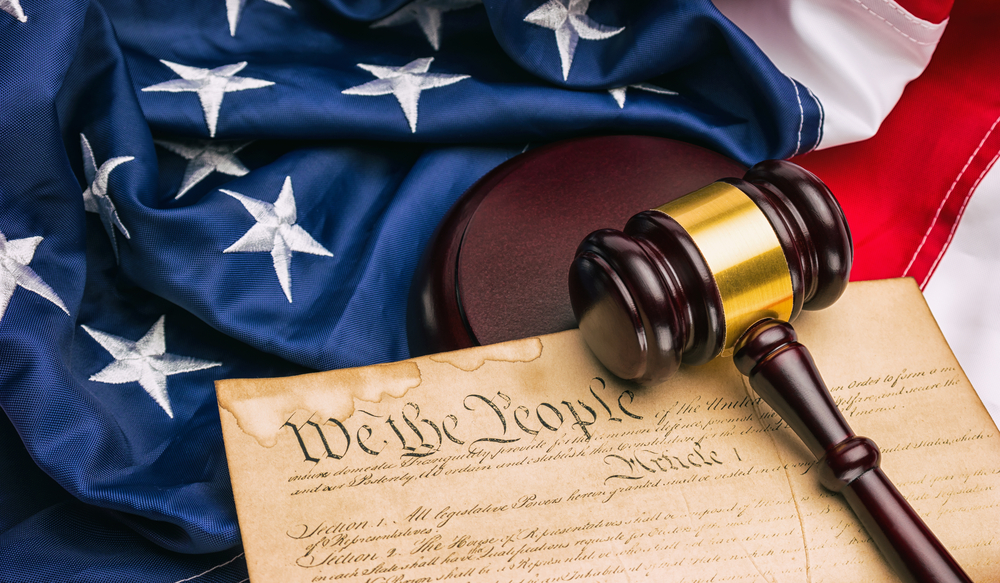
On February 27, 1951 ratification of The Twenty-second Amendment to the U.S. Constitution was completed. It states: “No person shall be elected to the office of the President more than twice, and no person who has held the office of President, or acted as President, for more than two years of a term to which some other person was elected President shall be elected to the office of the President more than once.”
Image via Shutterstock
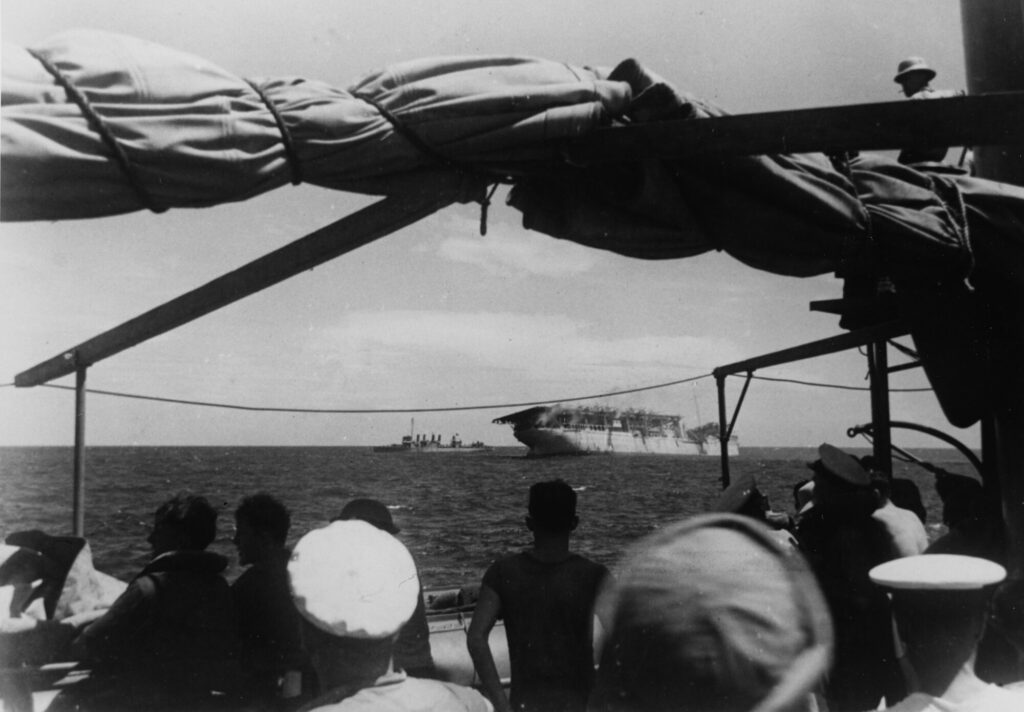
On February 27, 1942, the USS Langley—the Navy’s first aircraft carrier, worn, slow, and outmatched—came under relentless attack south of Java. Bombs tore through her decks, fires spread, and the order to abandon ship sent her crew into oil‑slicked water as Japanese aircraft circled overhead. Minutes later, the destroyer USS Whipple fired the torpedoes that sent Langley to the bottom, and the men who had served aboard her watched their ship—part home, part history—disappear beneath the sea. For Lieutenant Commander Thomas A. Donovan, that moment was not an ending but the beginning of a chain of trials few officers in the Pacific would survive.
His first ordeal came in the chaotic transfer of survivors at sea, where a fouled propeller left him adrift in a small boat as American ships fled under attack. Reported missing, he washed ashore alone, stepping into a collapsing theater of war already overrun by enemy forces.
His second ordeal began with capture. Donovan was swept into the machinery of occupation—imprisoned, starved, beaten, and marched from camp to camp as disease and exhaustion claimed the men around him. What had begun as a naval action became a fight for basic survival.
His third ordeal came before a firing squad. Donovan and a small group of prisoners were lined up, rifles leveled at their chests, the final act seemingly moments away. For reasons never fully explained, the execution was halted, leaving him alive but hollowed by the nearness of death.
His final ordeal was time itself—years of captivity, silence, and uncertainty, while his family received only scattered, outdated postcards and the faint hope that he might still be alive. When he finally returned home in late 1945—gaunt, alive, and unbroken—his journey stood as the human echo of Langley’s loss: a Navy officer carried from one disaster to the next, surviving each by will alone, a reminder that behind every ship sunk in war are men whose courage is tested long after the steel is gone.
