
 Mystery March Is Here!
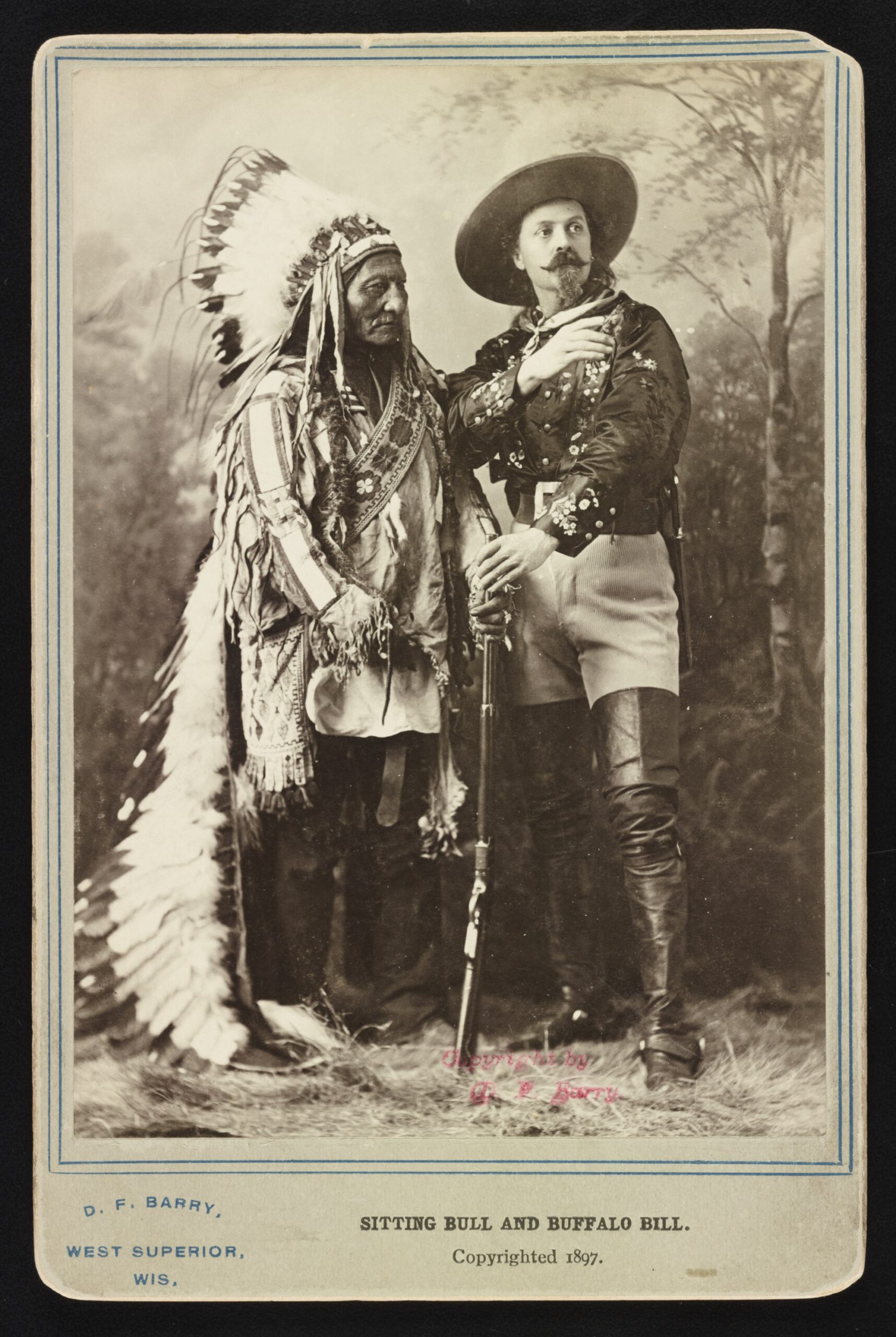
William F. “Buffalo Bill” Cody was born on February 26, 1846. Scout, hunter, and showman, Cody helped shape the world’s image of the American West through his traveling extravaganza, Buffalo Bill’s Wild West. Annie Oakley, Calamity Jane, and Sitting Bull (shown with Cody in 1885) all appeared in the show at various times. Cody even received the Medal of Honor in 1872—revoked in 1917 during a review of earlier awards and reinstated in 1989 when the Army restored honors to civilian scouts who had earned them under the criteria of their time. His show toured Europe repeatedly, performing for Queen Victoria and introducing global audiences to a mythic version of the American frontier.
LOC via Wikimedia Commons, public domain in Canada and the US
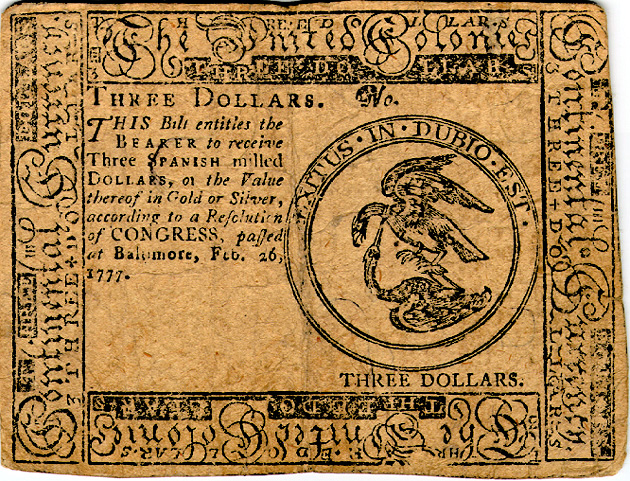
A $3 Continental Currency note inscribed with the date February 26, 1777—the day when Congress authorized a resolution to print $5,000,000. At the time, Congress met in Baltimore to avoid capture by British forces who would occupy Philadelphia later that year. Notice how the phrase “The United Colonies” is written across the top. 1777 would be the last year that this phrase would appear on American paper money.
Image via Wikimedia Commons, public domain
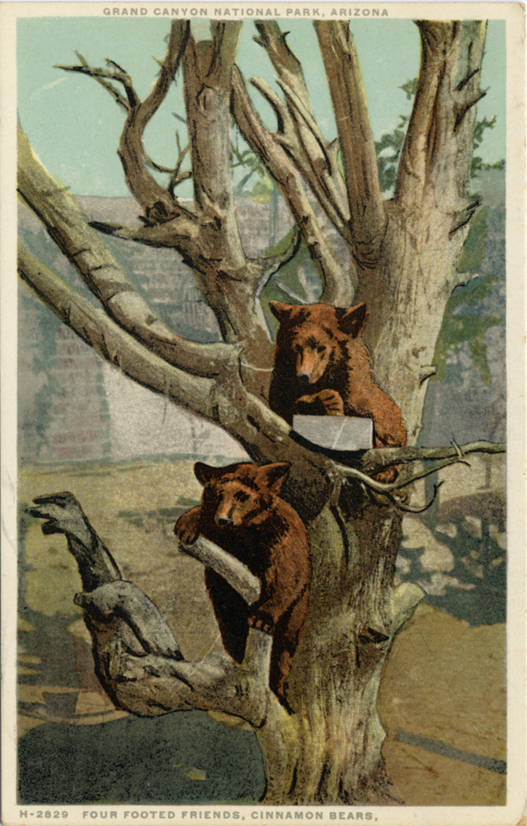
Grand Canyon National Park was established on February 26, 1919.
Long championed by Theodore Roosevelt, the canyon had been a national monument since 1908, but mining and development interests delayed full protection for more than a decade. Its layered rock reveals nearly two billion years of Earth’s history, and Indigenous communities—including the Havasupai, Hopi, Navajo, Paiute, and Zuni—have lived in and around the canyon for centuries. The cinnamon bears shown in early postcards represent one of the color phases of the American black bear, found from California to Pennsylvania.
Image via Wikimedia Commons, public domain
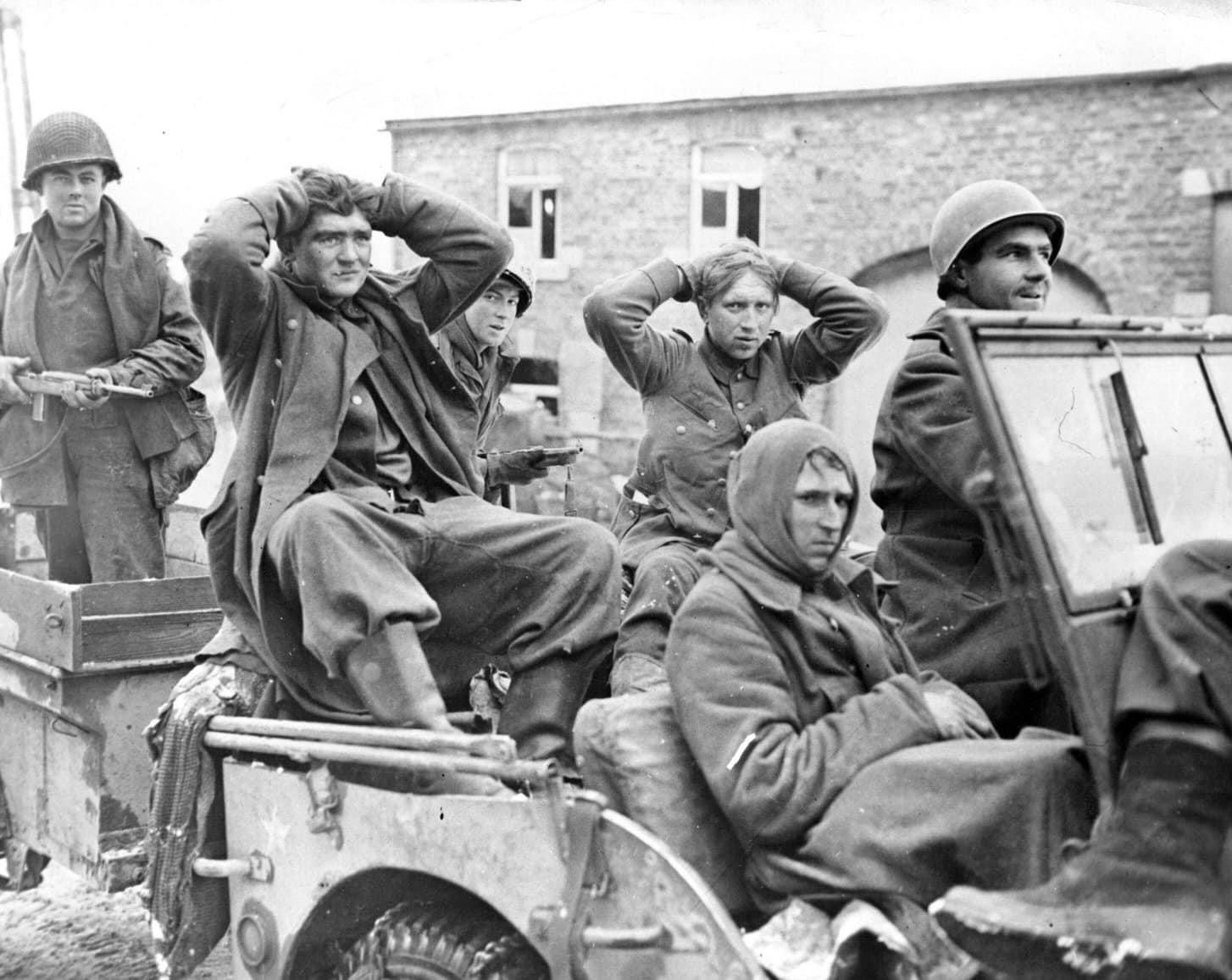
U.S. soldiers of the Second Armored Division bring in three Nazis, members of an intelligence patrol, after capturing them on the outskirts of a Belgian town. The two Nazis riding in the rear of the U.S. Army vehicle have their hands on their heads; the prisoner in front has apparently suffered a head injury.
Image from February 26, 1945 via Alamy
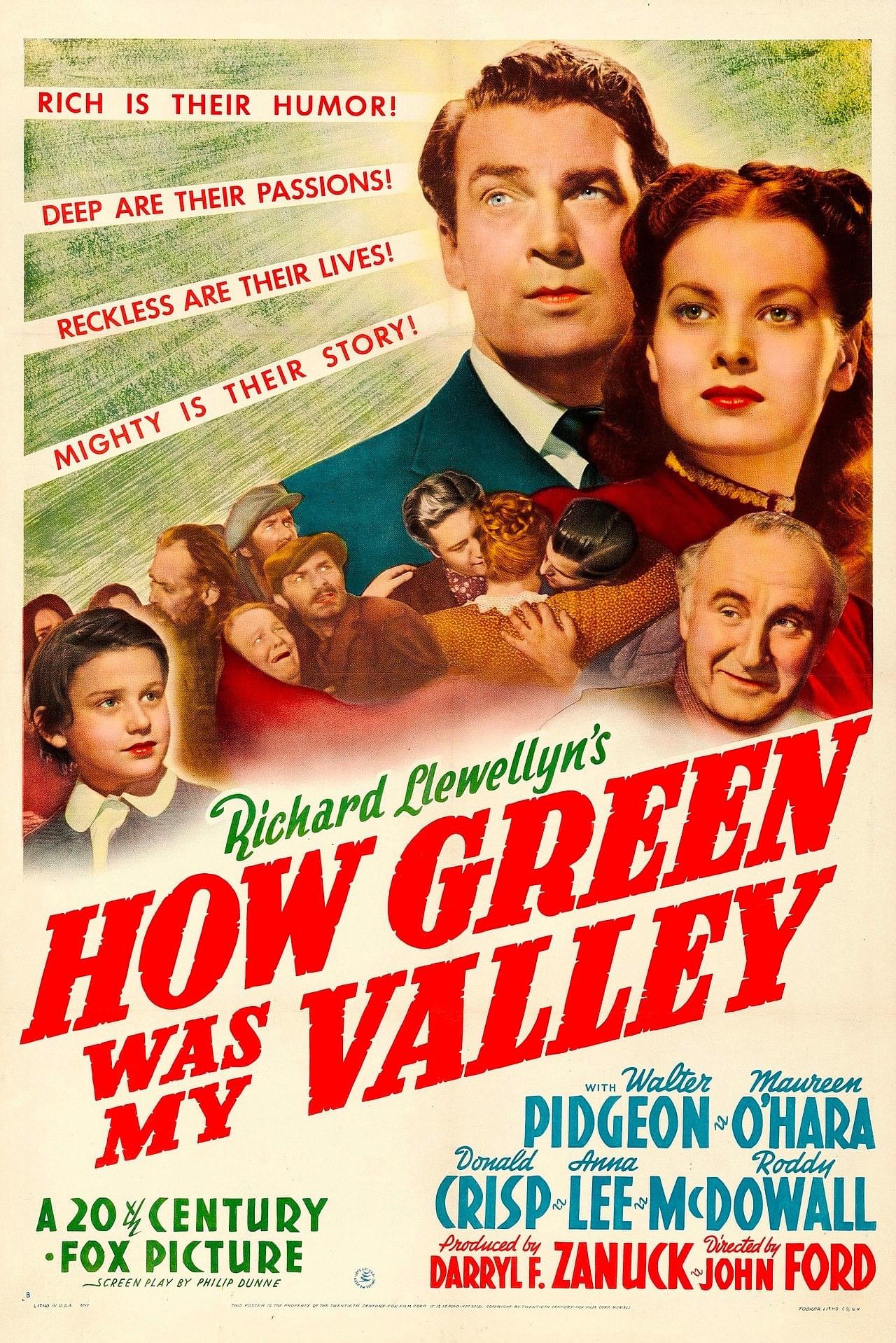
On February 26, 1942, How Green Was My Valley won the Academy Award for Best Picture. Directed by John Ford, the film earned five Oscars and famously beat Citizen Kane. Though set in Wales, wartime restrictions forced the production to recreate the mining village in California. Its themes of labor, family, and industrial decline resonated strongly with audiences living through the uncertainties of World War II.
Image: Movie poster for How Green Was My Valley from 1941 via Wikimedia Commons, public domain
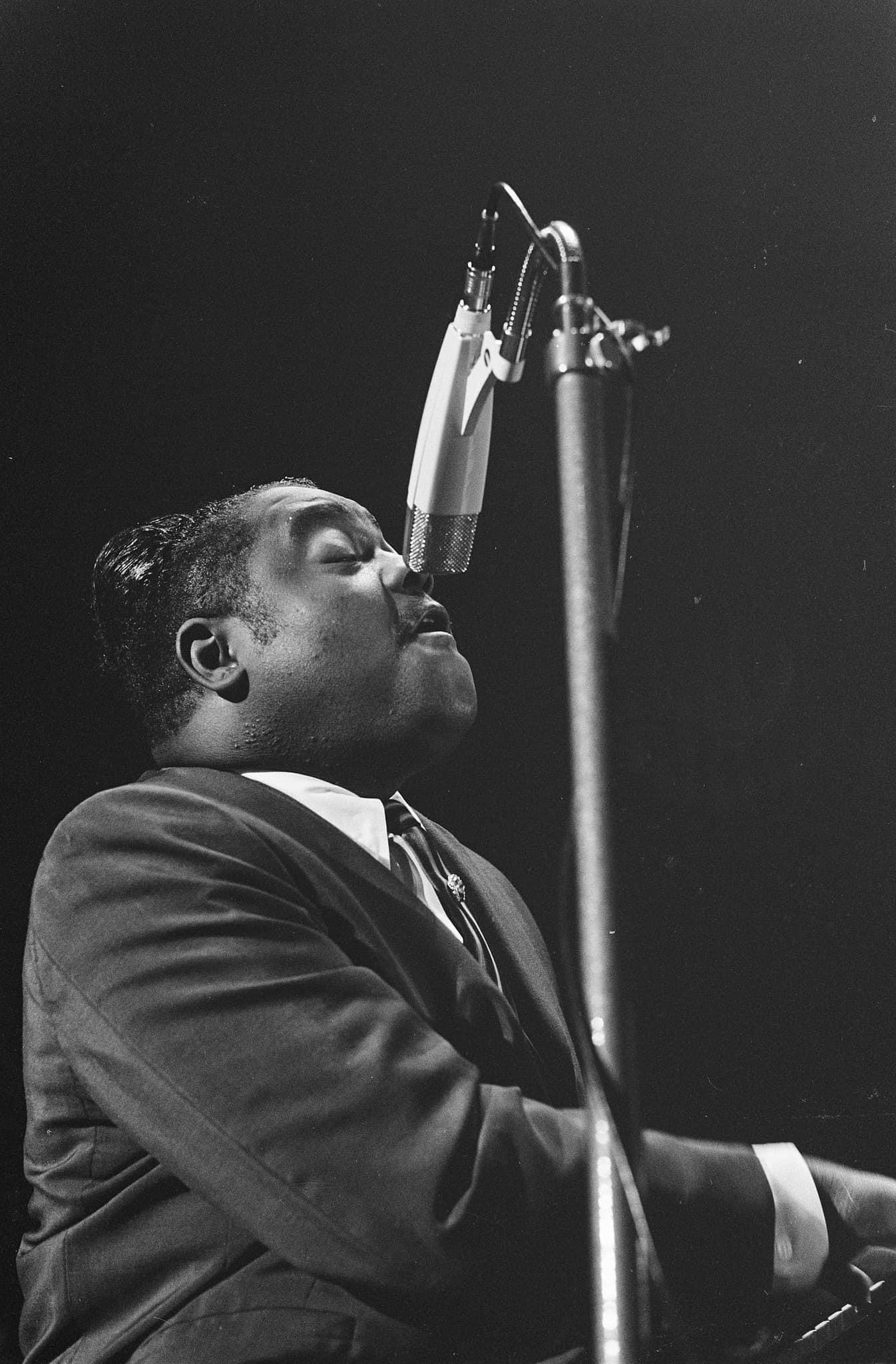
Antoine Dominique Domino Jr. was born on February 26, 1928 in New Orleans, Louisiana.
Image: Fats Domino in 1962 About 6 years after the release of his version of Blueberry Hill via Wikimedia Commons, public domain
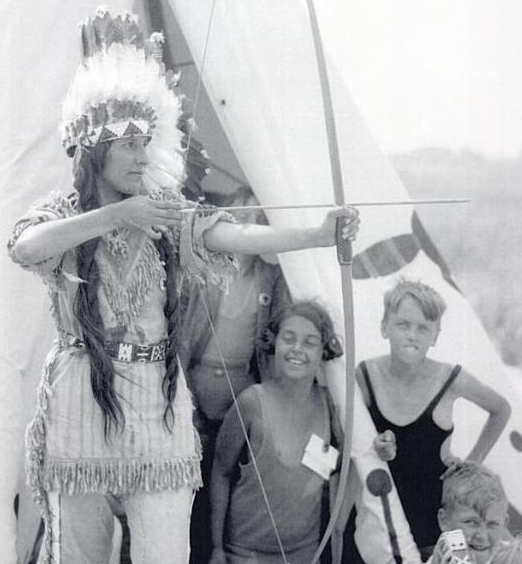
Native American author and folklorist Rosebud Yellow Robe was born on February 26, 1907 in Rapid City, South Dakota. Here’s an image of Rosebud showing kids how to shoot a bow and arrow at Jones Beach on Long Island in New York in the 1930s. It’s speculated that the word “Rosebud” used by Orson Welles in the movie Citizen Kane was based on Rosebud Yellow Robe. Both Orson Welles and Rosebud worked at the same CBS building in New York City in the 1930s and it’s believed that Orson may have noticed the name on a sign-in sheet.
Image via Wikimedia Commons, public domain
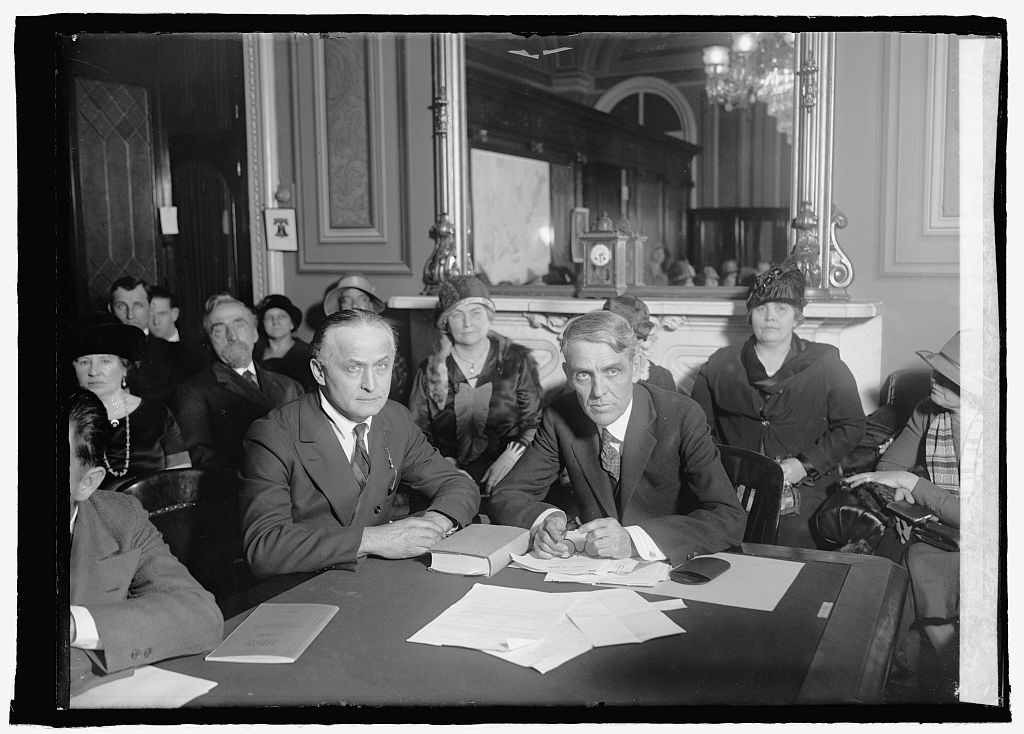
On February 26, 1926, Harry Houdini and Senator Arthur Capper convened with members of Congress. During this meeting, Houdini provided testimony to a subcommittee of the United States Congress concerning House Resolution 8989, which sought to prohibit the practice of fortune-telling for financial gain within the District of Columbia.
Image via LOC, no known restrictions
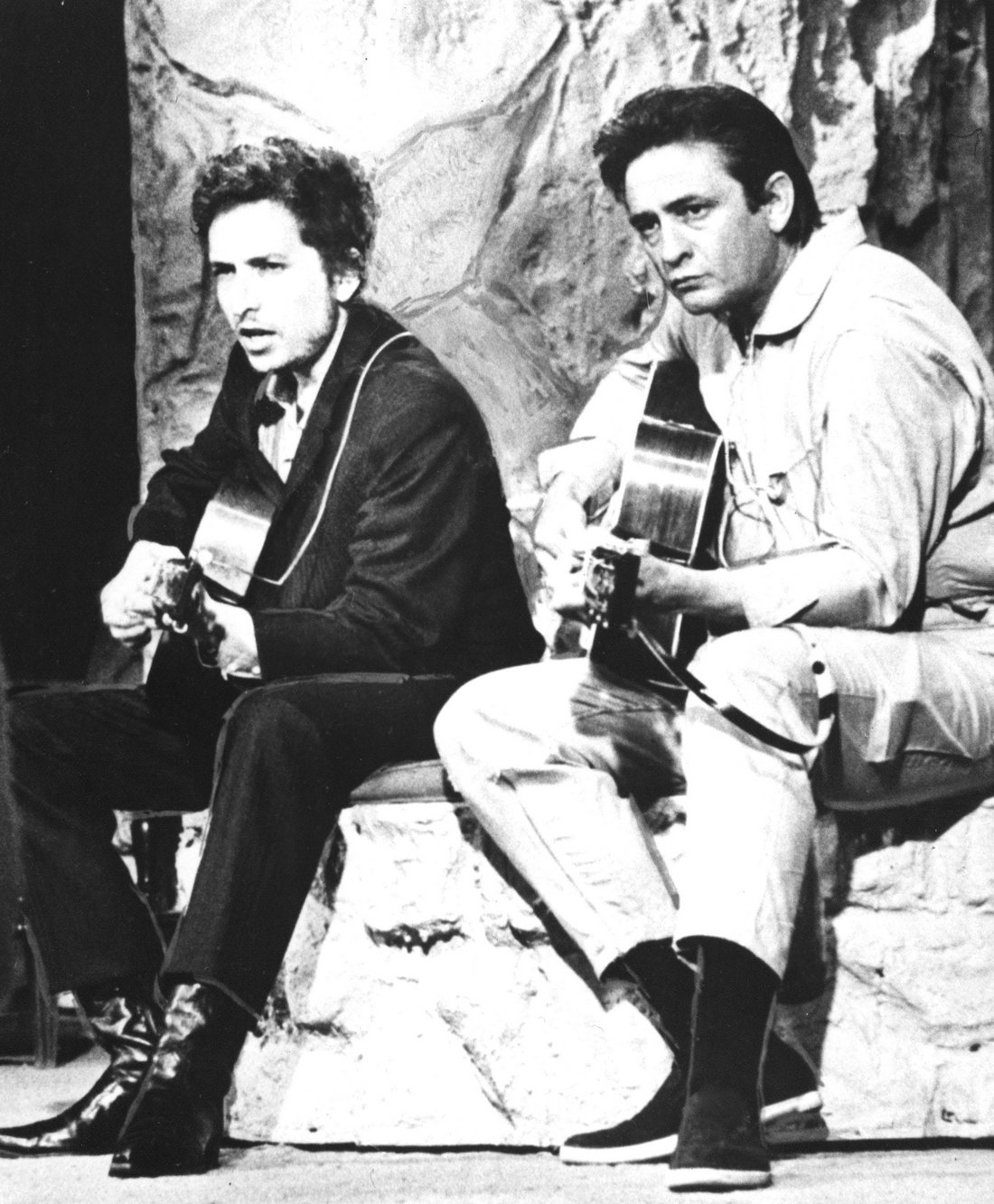
Johnny Cash was born on February 26, 1932, in Kingsland, Arkansas. His early Sun Records sessions helped define the “boom‑chicka‑boom” sound, and his 1968 album At Folsom Prison became one of the most influential live recordings in American music. Cash remains one of the few artists inducted into the Country Music, Rock and Roll, and Gospel Halls of Fame. His collaborations with Bob Dylan and The Carter Family shaped the sound of American folk and country music.
Image of Johnny Cash (right) with Bob Dylan in 1969 via Alamy
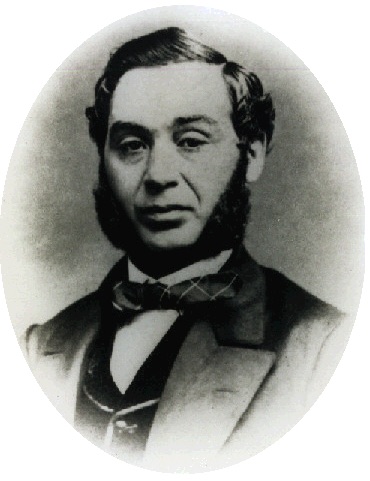
Levi Strauss was born in Germany on February 26, 1829. In 1853 he became an American Citizen and about twenty years later he and his partner received a patent for apparel strengthened by copper rivets.
Image via Wikimedia Commons
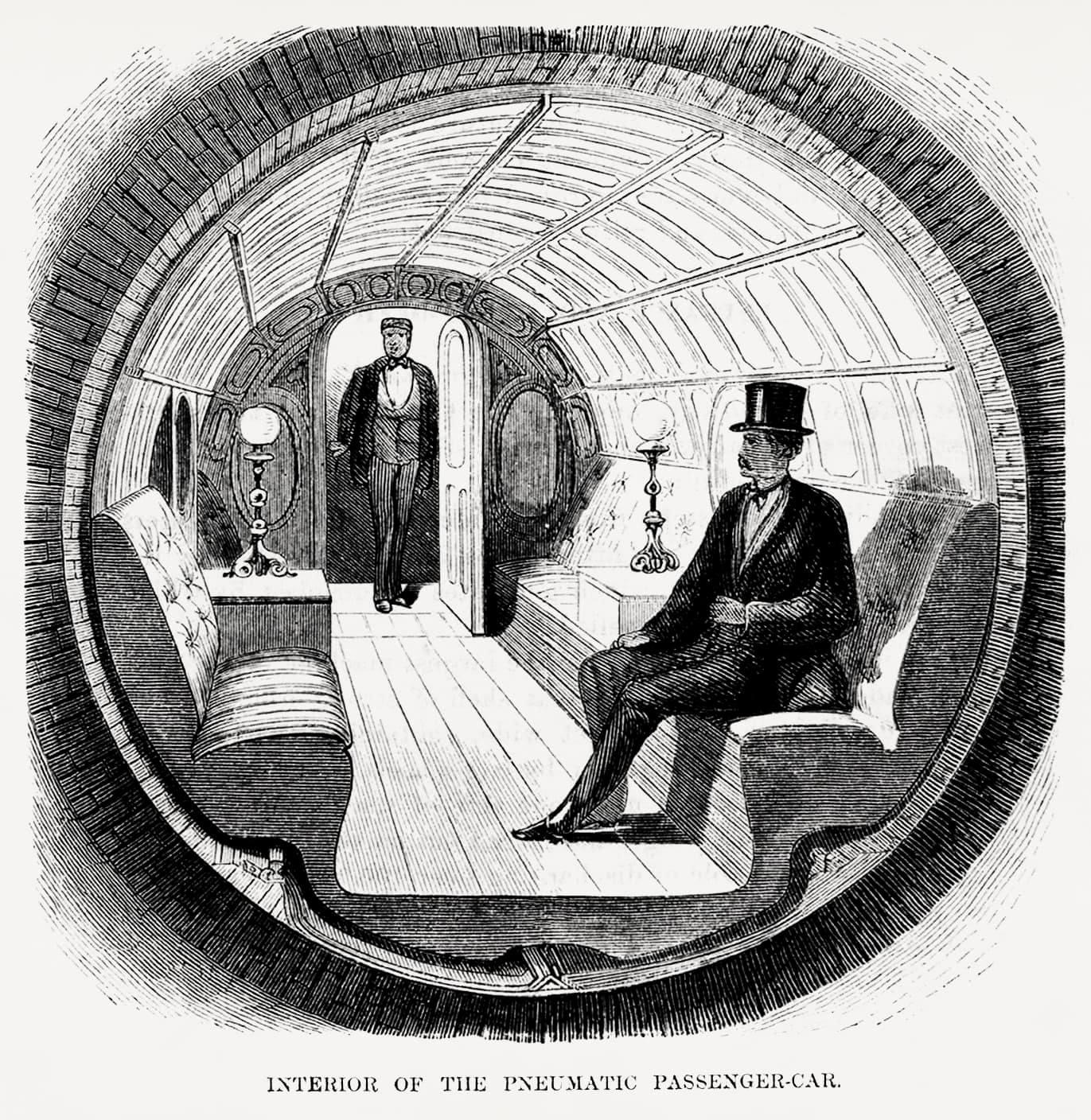
Interior of a pneumatic passenger car that ran along Alfred Ely Beach’s subterranean pneumatic transit system in New York City which began service on February 26, 1870. This predecessor of the NY City subway system lasted about three years.
Image from Rawpixel via Wikimedia Commons, CC BY SA 4.0
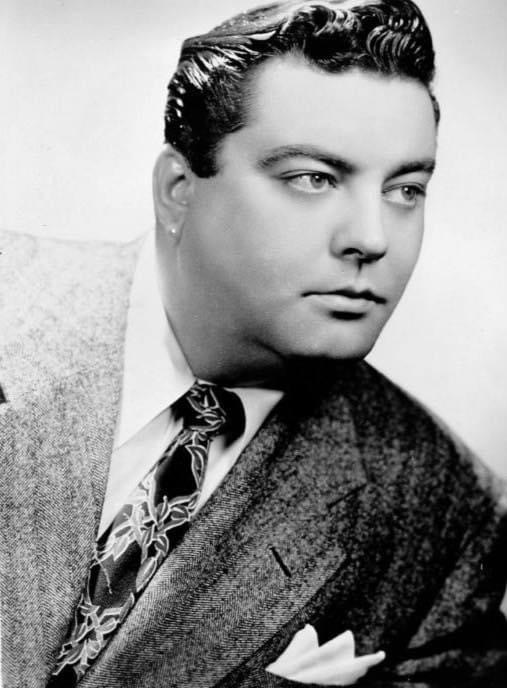
Jackie Gleason was born on February 26, 1916, in Brooklyn. A towering figure in early television, Gleason became famous for The Honeymooners and for his larger‑than‑life stage presence, which helped define mid‑century American entertainment. His comedic timing and musical instincts made him one of the most versatile performers of his era.
Image: publicity photo of a young Jackie Gleason General Amusement Corporation / James Koll, photographer, public domain via Wikipedia Commons
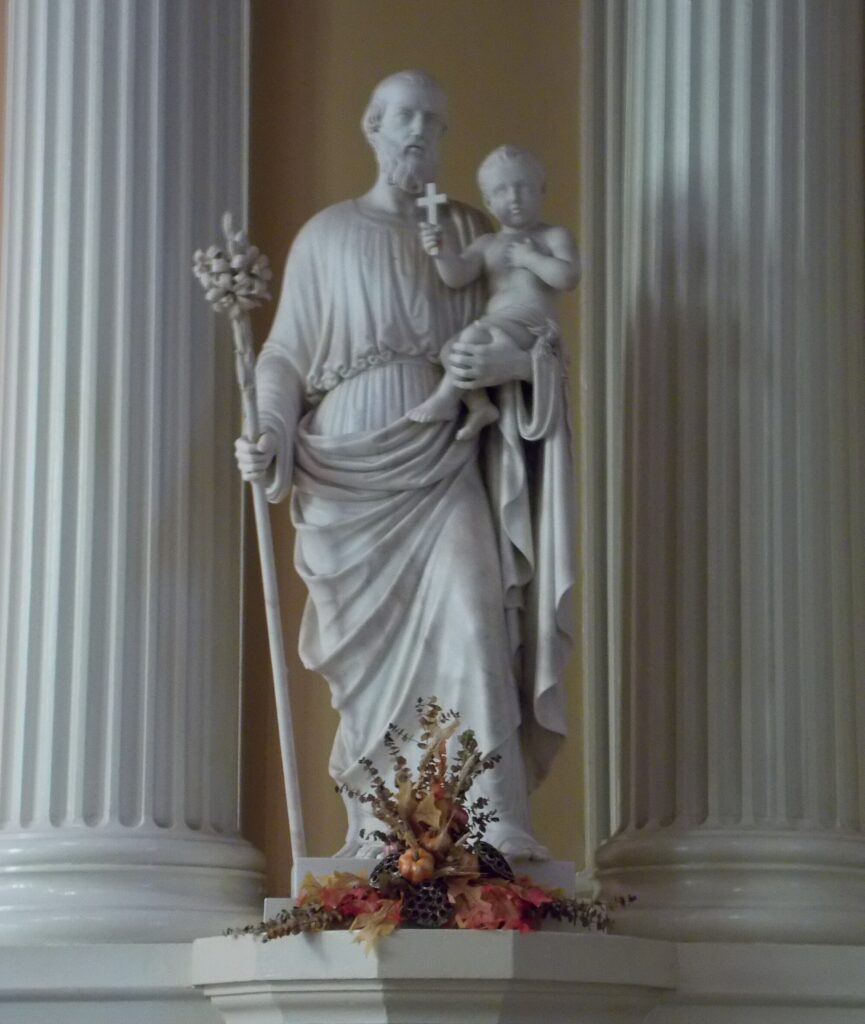
February 26, 1732 — First Mass in the first American Catholic church
St. Joseph’s in Philadelphia held its first Mass on this date, marking the beginning of the first permanent Catholic parish in the American colonies. At the time, Pennsylvania was the only place in the British Empire where a public Catholic Mass could be legally celebrated, thanks to the religious tolerance of William Penn’s Charter of Privileges. To avoid drawing hostilty, the original chapel was built discreetly in a courtyard to resemble a private residence, later serving as a place of worship for Revolutionary War heroes like the Marquis de Lafayette.
Image: The statue of St. Joseph and the child Jesus in Old St. Joseph’s Church in the Society Hill neighborhood of Philadelphia, Pennsylvania via Wikimedia Commons, CC BY SA 4.0
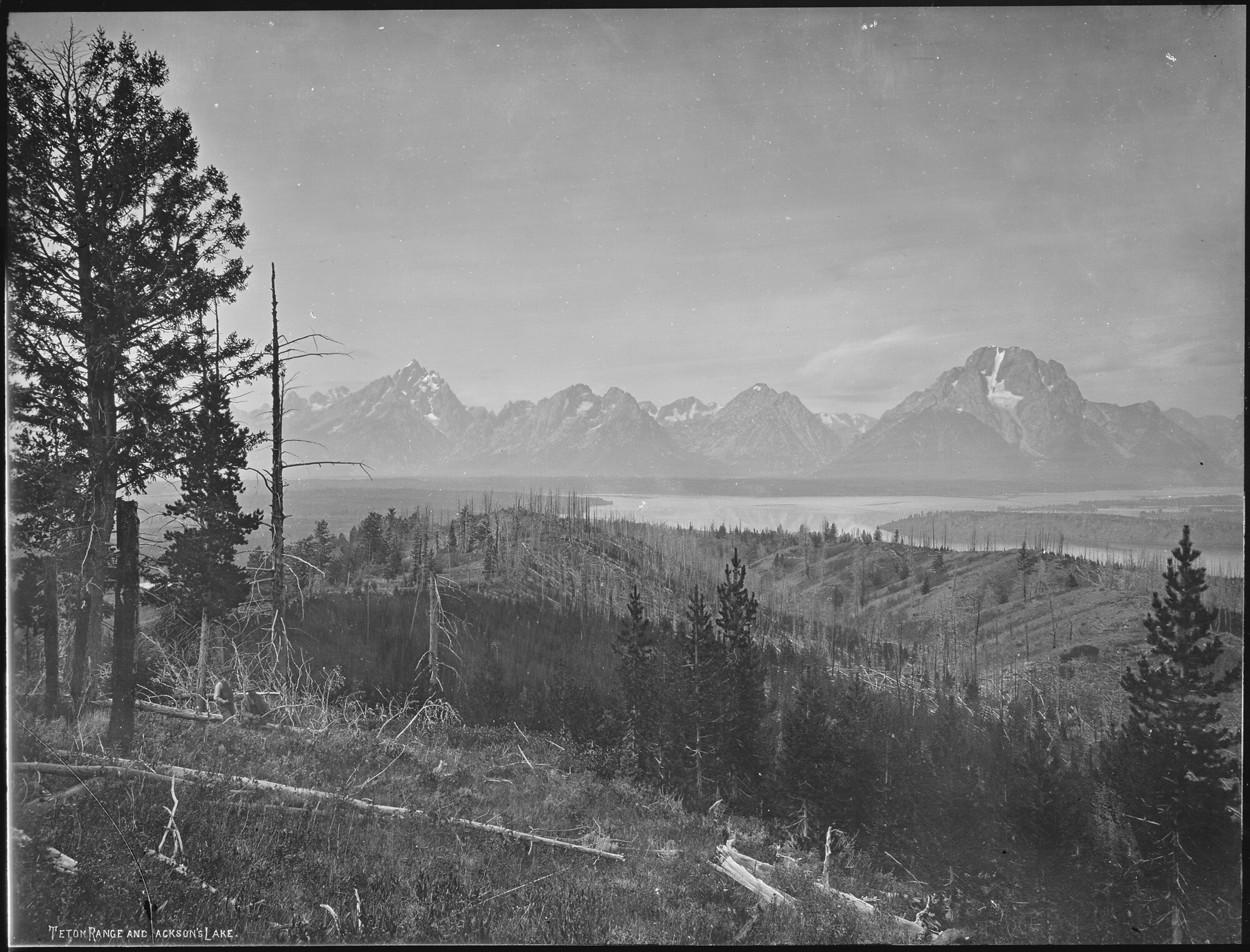
About 7 years after Teton County, Wyoming was organized, Grand Teton National Park within it was established on February 26, 1929. Rocks within the National Park are about 2.7 billion years old.
Image of one of the oldest photographs of Teton Range from 1872 by William Henry Jackson via Wikimedia Commons, public domain
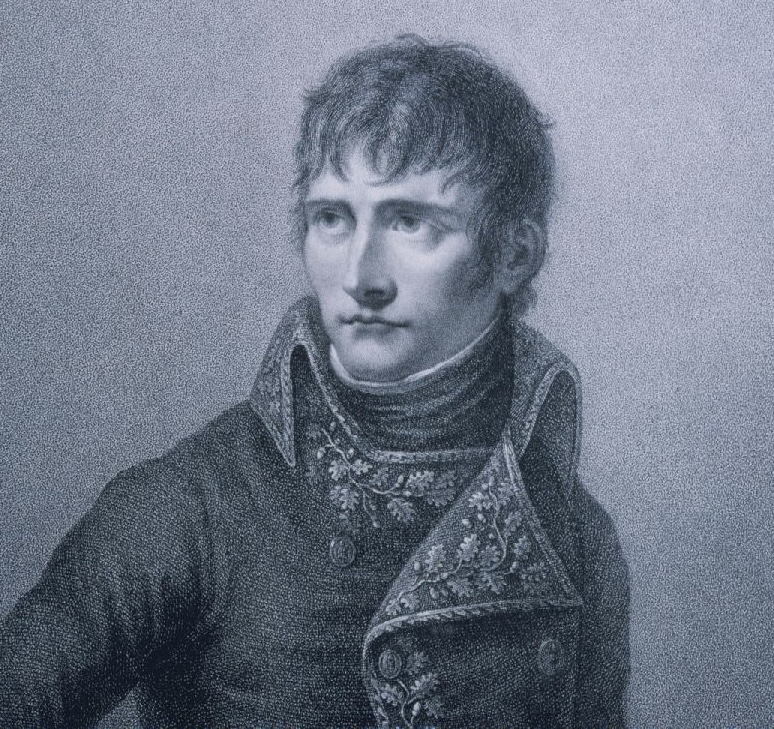
On February 26, 1815, Napoleon Bonaparte slipped past his guards and sailed away from Elba, beginning the Hundred Days that would end at Waterloo. That escape set the course for his final, unrealized hope: a quiet life in the United States. After his defeat in June, he traveled to the port of Rochefort intending to seek asylum in America, studying books on its geography and imagining a new beginning far from Europe’s monarchies. British warships sealed the harbor before he could depart, forcing his surrender on July 15 and sending him to exile on St. Helena instead. Ironically, his brother Joseph succeeded where Napoleon could not—escaping to the United States and living for years in New Jersey under the name “Count de Survilliers.”
