 Mystery March Is Here!
Imagine living in a country where your twenty‑dollar bill might be worth only fifteen the next town over.
In 1863, that was everyday life in the United States.
On this day in 1863, President Abraham Lincoln signed the National Currency Act, ending the “wildcat” era of chaotic, state‑issued bank notes.
The Problem:
Before this act, thousands of banks printed their own money. Values shifted from place to place, counterfeiting was widespread, and the Union economy was straining under the pressures of war.
Lincoln’s Solution:
A new system of federally chartered national banks and a uniform national currency backed by the U.S. government.
Why It Mattered:
This was more than financial reform. It was a wartime necessity. By requiring national banks to purchase U.S. bonds, the act created the steady flow of funding the Union needed to survive the Civil War.
Historian J. Duane Squires (1904–1981) called it one of Lincoln’s most enduring achievements, shaping the financial system Americans still rely on today.
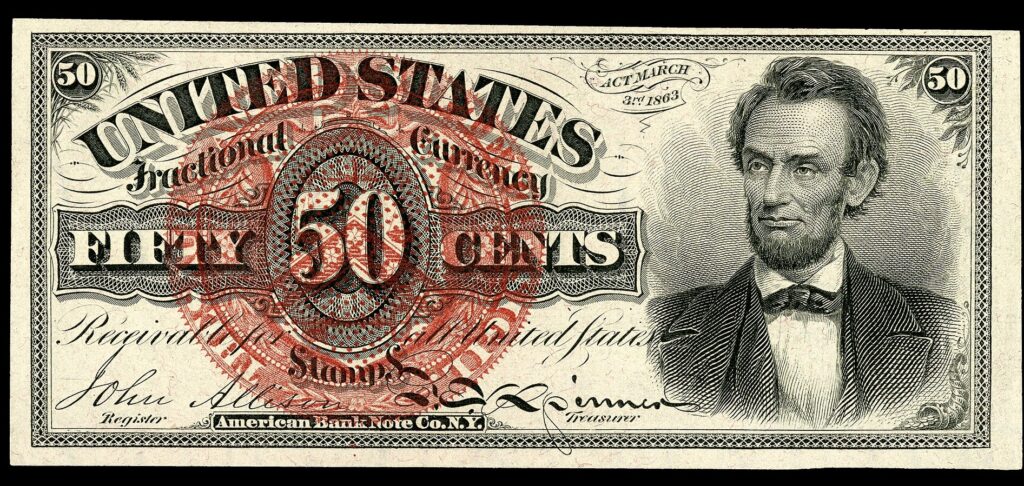
Image: This 50‑cent fractional note is a direct artifact of the monetary instability Lincoln confronted. Issued under the Act of March 3, 1863—formally titled “An Act to provide Ways and Means for the Support of the Government”—it reflects the emergency measures the federal government adopted just days after the National Currency Act (February 25, 1863) began reshaping the nation’s financial system. Together, these wartime reforms helped stabilize the Union’s money supply at a moment of crisis.
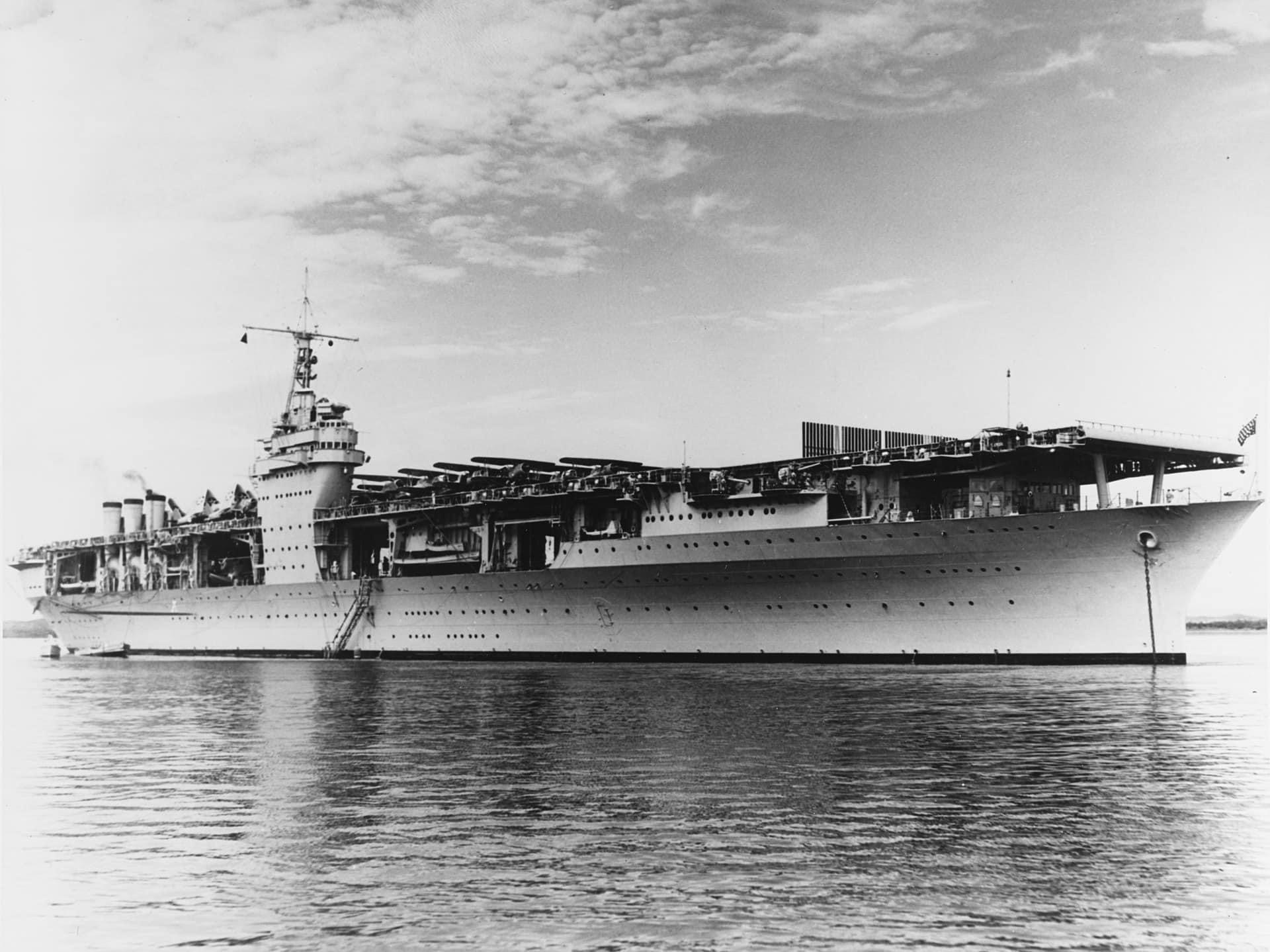
On February 25, 1933, the USS Ranger was launched. She was the first American ship that was built from the keel up as an aircraft carrier
Image via Wikimedia Commons, public domain
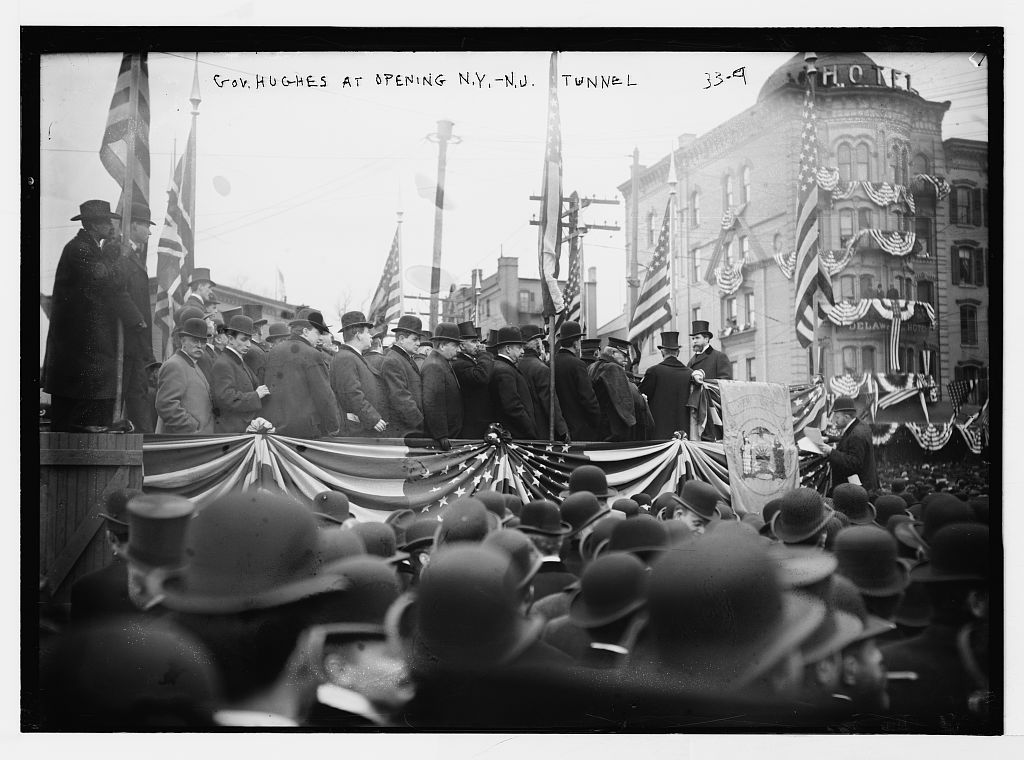
On February 25, 1908, the first passenger rail tunnel under the Hudson River was officially opened. A ceremonial ride between New York and New Jersey took place that day while the general public had to wait until the following day.
Image of Governor Hughes at opening of N.Y. – N.J. tunnel on February 25, 1908 via LOC, no known restrictions
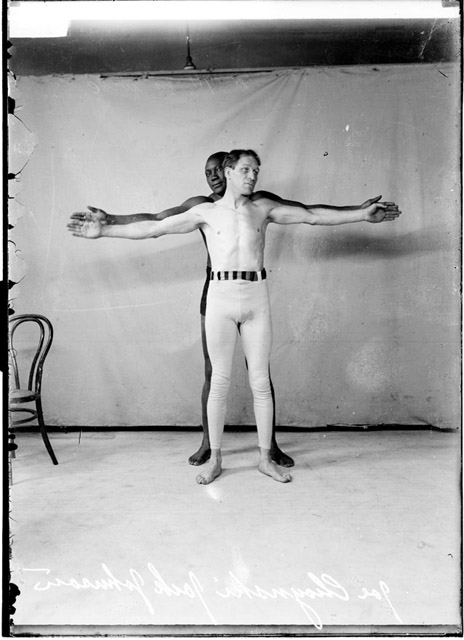
On February 25, 1901, pro boxers Jack Johnson and Joe Choynski were both arrested following their boxing match in Galveston, Texas where Choynski knocked out Johnson in the third round. There were state laws that prohibited organized boxing matches for profit and both fighters were in violation of those laws. During their over 3 weeks of imprisonment they shared a cell where Choynski taught Johnson many defensive skills that would later help Johnson become heavyweight champion.
Image via Wikimedia Commons, public domain
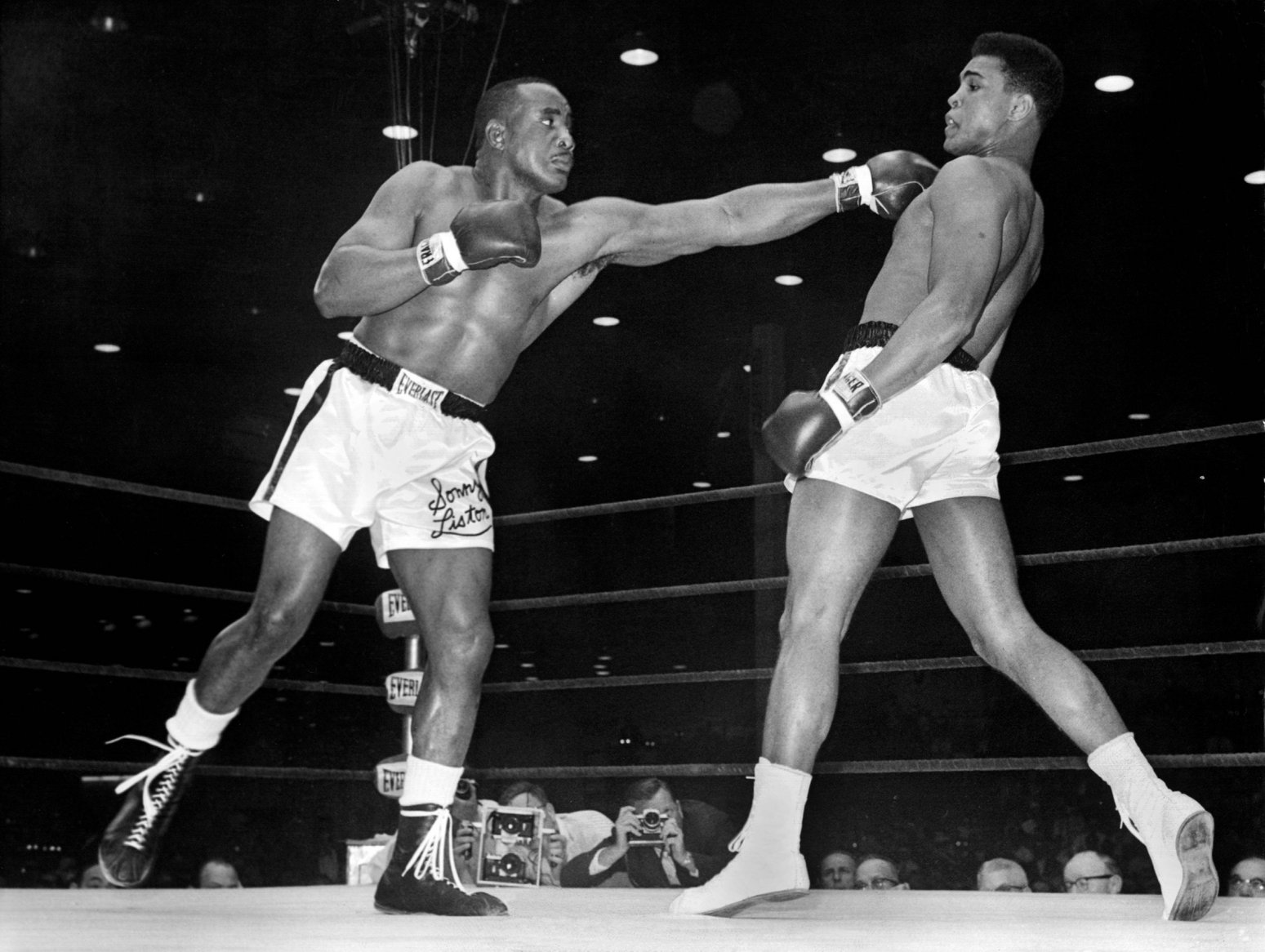
Photo dated February 25, 1964 shows Cassius Clay (R) dodging a blow by Sonny Liston during their title bout in Miami, Florida. Clay, a 7-1 underdog, won the Heavyweight title after Liston didn’t leave his stool when the bell rang to start the seventh round.
Image via Alamy
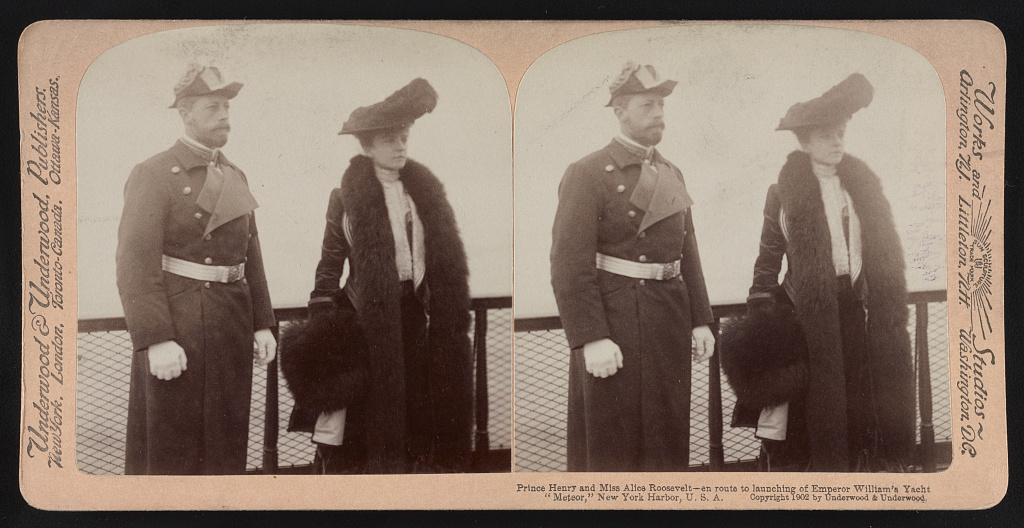
“Prince Henry and Miss Alice Roosevelt, on Launching Platform — Emperor William’s Yacht “Meteor” — showing Champagne Bottle and Silver Hatchet” February 25, 1902
via LOC, no known restrictions
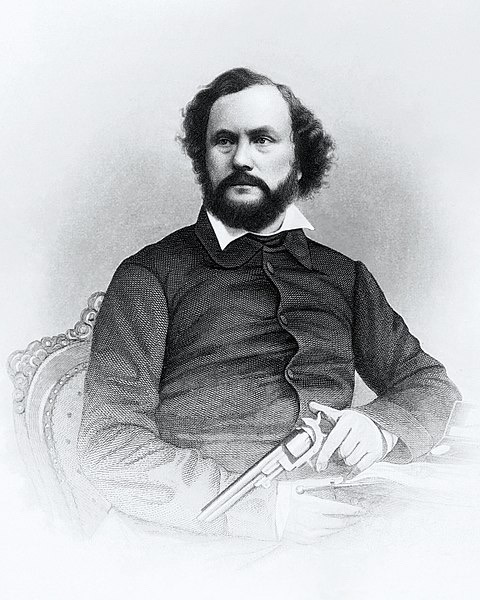
On February 25, 1836, Samuel Colt was granted a patent for a “revolving gun.” Colt’s factory used interchangeable parts and an early assembly line. Sales lagged until 1847 when Captain Samuel Walker ordered 1,000 Colt revolvers to arm the Texas Rangers he led in the Mexican-American War.
Image based on a lost daguerreotype by Philipp Graff, Wikimedia Commons, public domain in the US.
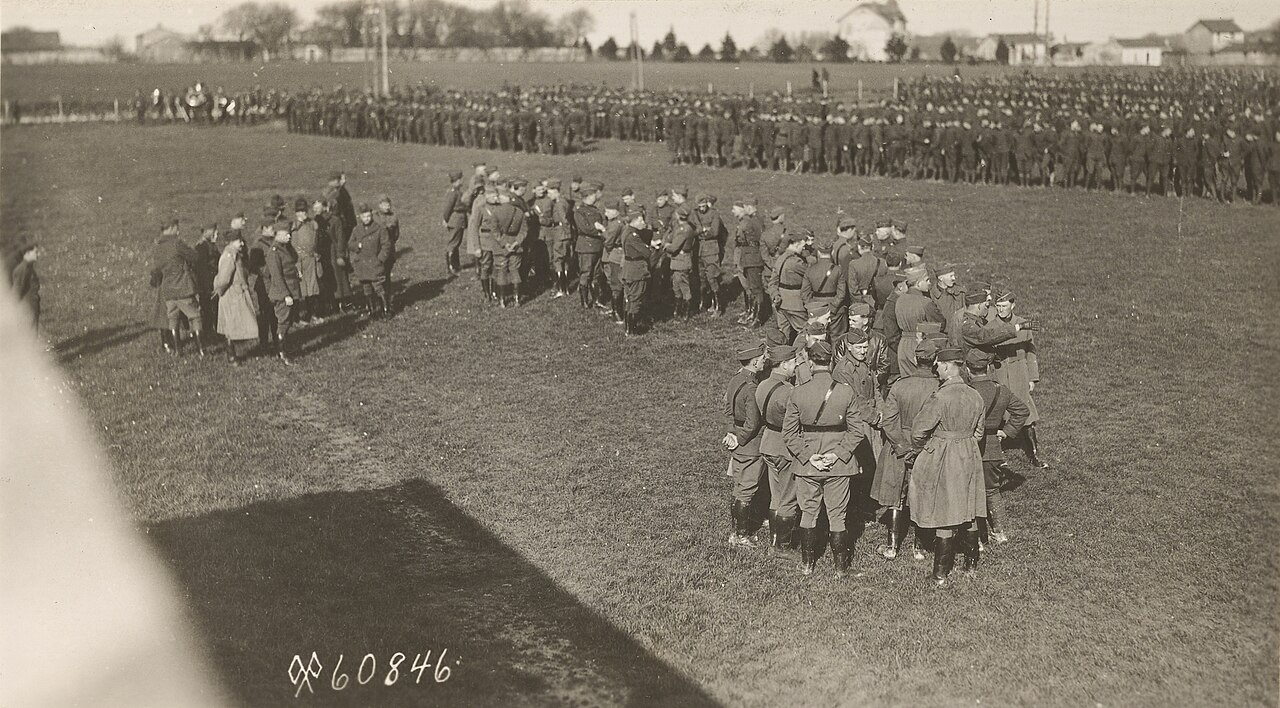
21st Grand Division Transportation Corps Officers assembling for instructions Soldiers from Camp Pullman gathered in La Rochelle (France) on February 25, 1918.
Image via Wikimedia Commons, public domain
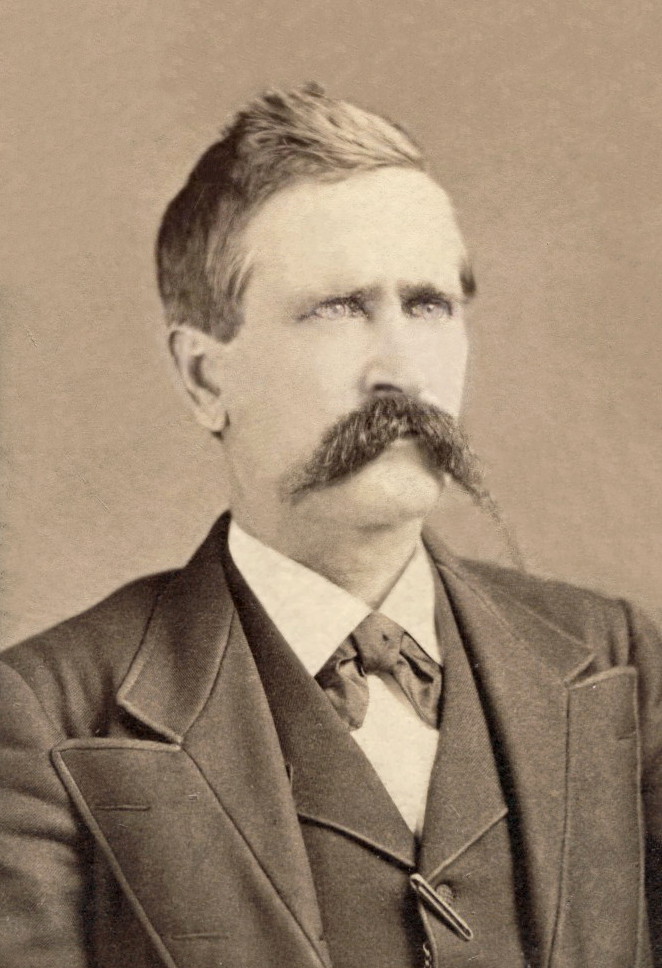
American Civil War veteran, eighth Governor of Kansas and the first Governor of Kansas to have a formal inauguration ceremony, John St. John, was born on February 25, 1833 in Brookville, Indiana. During his presidential bid in 1884 he was nearly shot when a bullet was fired at him but missed and hit a window.
Image via Wikimedia Commons, public domain

Photo of the Norman Petty Recording Studios in Clovis, New Mexico where Buddy Holly and the Crickets recorded That’ll Be The Day on February 25, 1957. It was Holly’s second, but most successful recording of the song after he recorded the tune a year prior in Nashville.
Image from Wordbuilder via Wikimedia Commons, CC BY 3.0
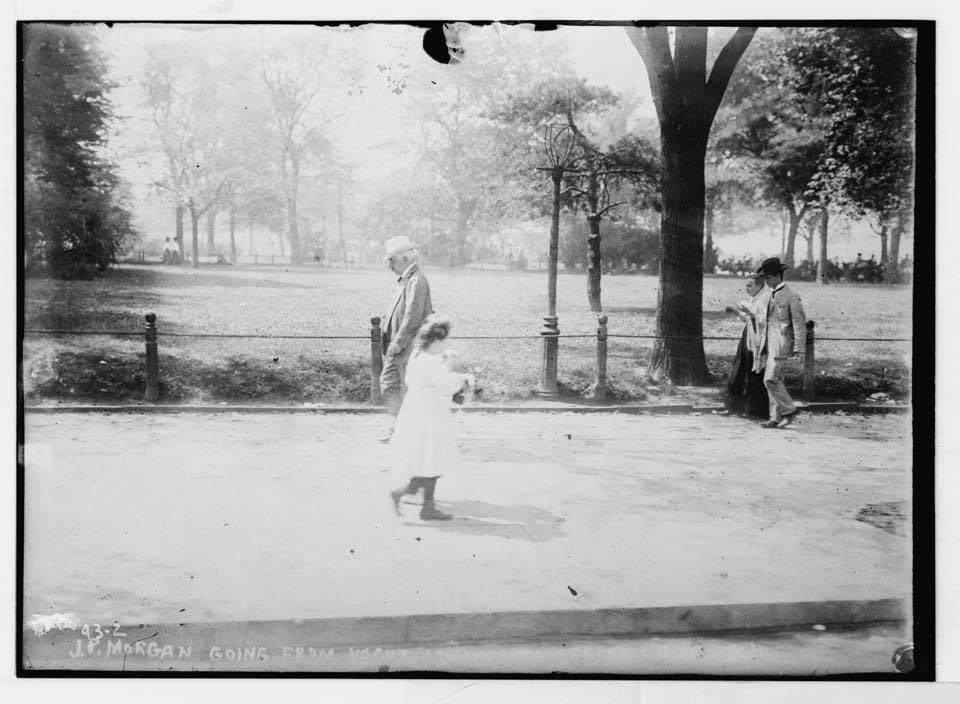
J.P. Morgan walking to office from yacht landing, New York in 1906 On today’s date February 25, 1901, J.P. Morgan incorporated the United States Steel Corporation.
Image via Wikimedia Commons, public domain
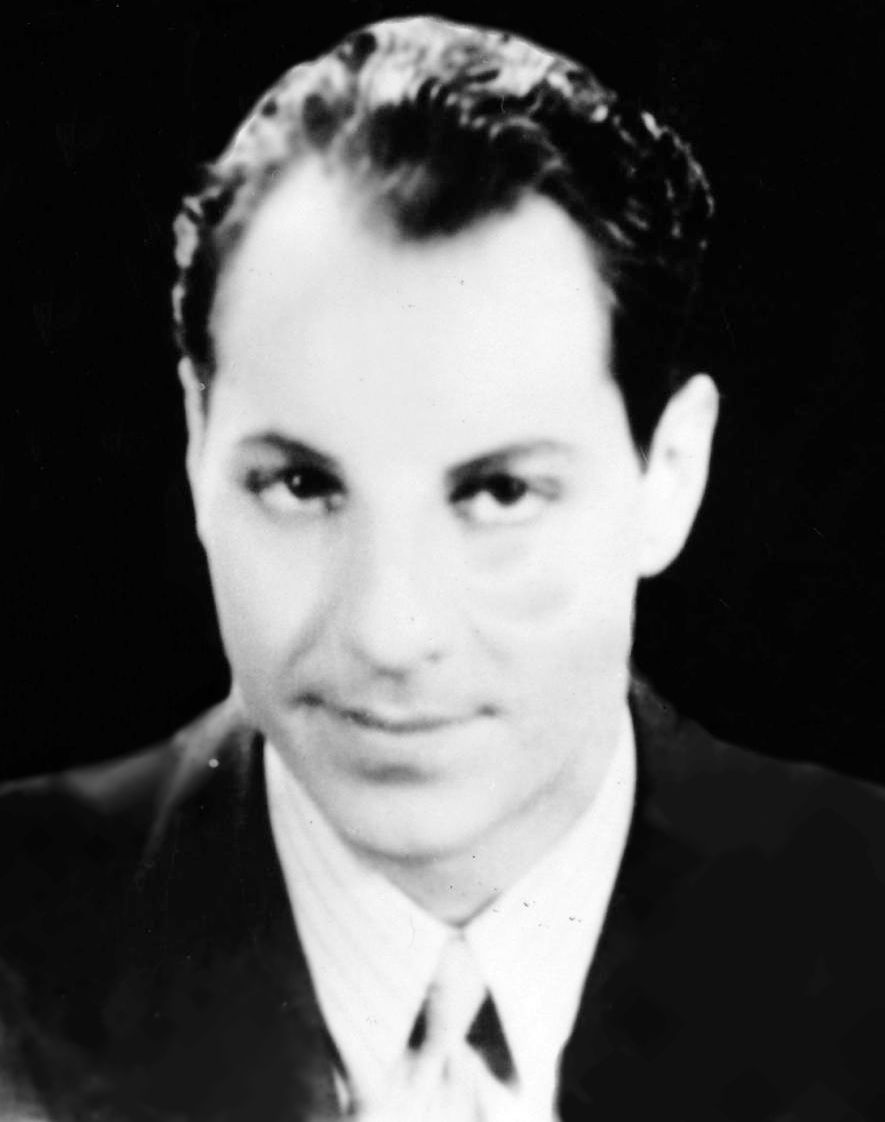
Herbert Zeppo Marx, the youngest of the five Marx brothers, was born on February 25, 1901. There were different stories on how he got the nickname “Zeppo.” One of the Marx brothers claimed that it derived from the Zeppelin air ship while another said it was from a chimpanzee named Zippo which was changed. Zeppo himself said that his nickname derived from a slang word that was used for baby “Zep” since he was the youngest.
Image via Wikimedia Commons, public domain
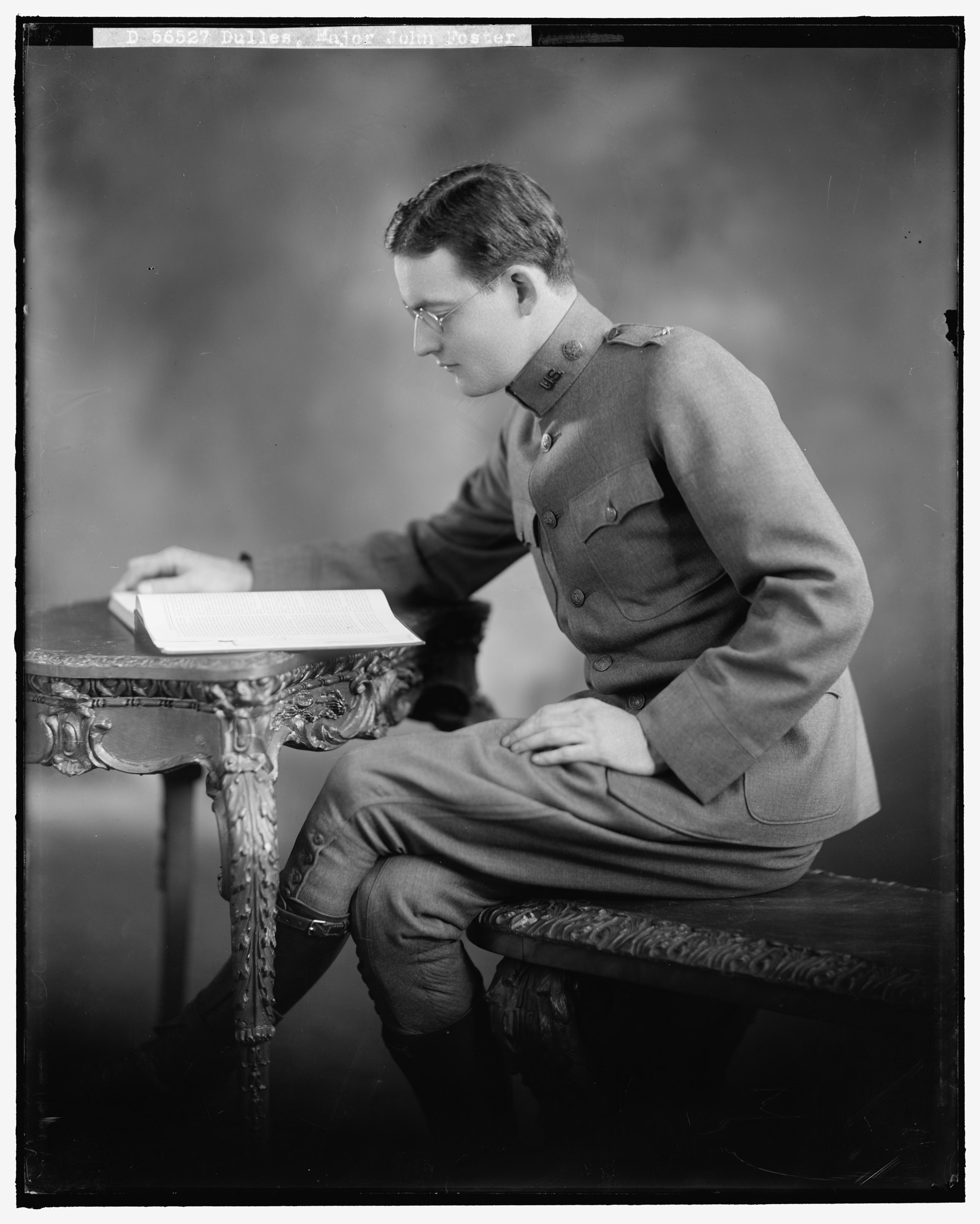
The 52nd U.S. Secretary of State John Foster Dulles was born on February 25, 1888 in Washington, D.C. The Washington Dulles International Airport is named in his honor.
Image via Wikimedia Commons, public domain
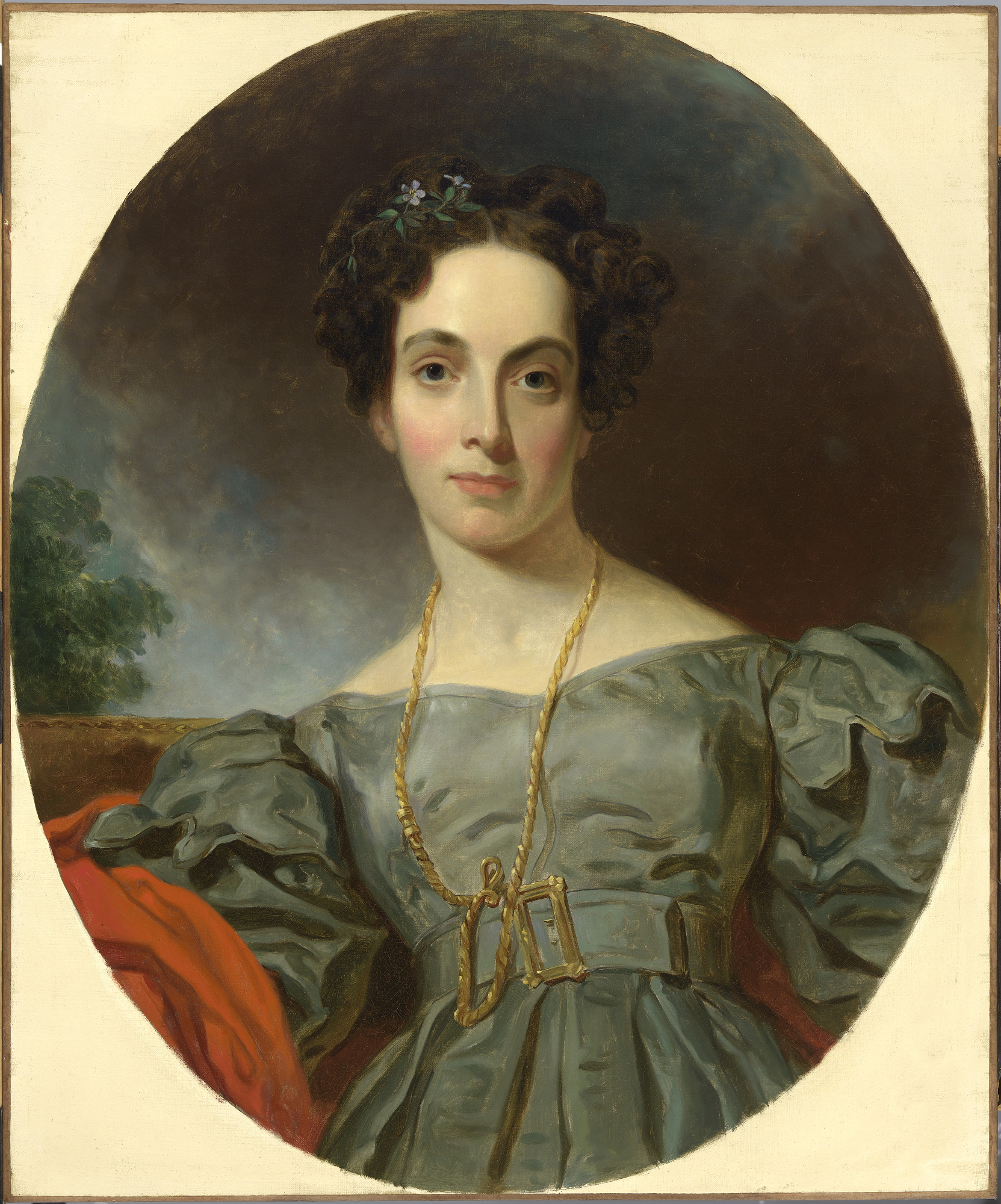
American poet Emma Catherine Embury was born on February 25, 1806 in New York, N.Y. One of her poems was titled:
LIFE
When Hope’s fairy fingers are straying
O’er the chords of the youthful heart,
And Fancy in prospect displaying
The bliss that new years may impart;
When sweet feelings are ever up‑springing,
And the pulses all joyously beat;
When each day a new pleasure is bringing,
O! then indeed life is most sweet.
When the torch of affection just lighted
Burns bright on the altar of truth,
Ere the cold, selfish world yet has blighted
One innocent feeling of youth;
When earth seems a garden unfading,
Where flowers spring round our glad feet;
When no cloud our bright heaven is shading,
O! then indeed life is most sweet.
When the cold breath of sorrow is sweeping
O’er the chords of the youthful heart,
And the youthful eye, dimmed with strange weeping,
Sees the visions of Fancy depart;
When the bloom of young feeling is dying,
And the heart throbs with passion’s fierce strife;
When our sad days are wasted in sighing,
Who then can find sweetness in life?
When unkindness or coldness has faded
The pure, hallowed light of true love,
And the mists of the dark earth have shaded
The dreams that o’er young spirits move;
When earth seems a wide waste of sorrow,
No longer with bright blessings rife;
When we look but for clouds on each morrow,
Who then can find sweetness in life?
From: The poems of Emma C. Embury, published in 1869 https://archive.org/details/poemsofemmcembur00embuiala/page/105 source says not in copyright
Image via Wikimedia Commons, public domain
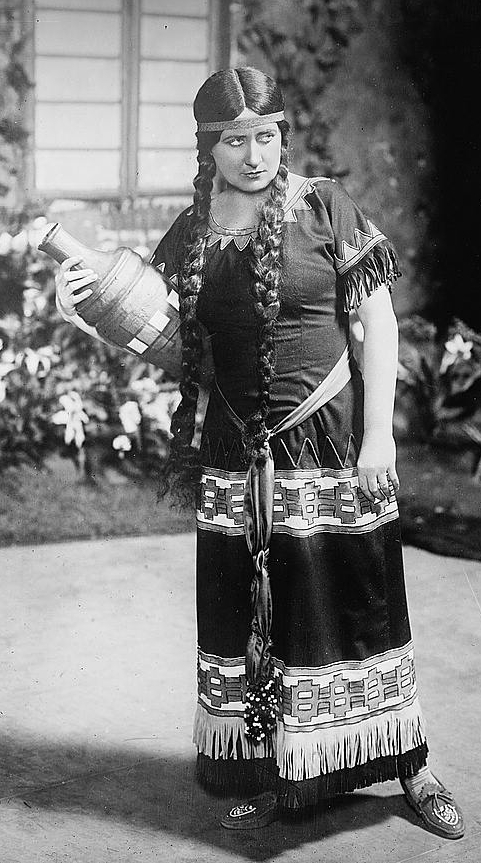
“Natoma” an opera by American Victor Herbert, premiered at The Metropolitan Opera House in Philadelphia on February 25, 1911. The English language libretto featured popular musicians such as John McCormack and Mary Garden (shown here in the title role.)
Image via Wikimedia Commons, public domain