
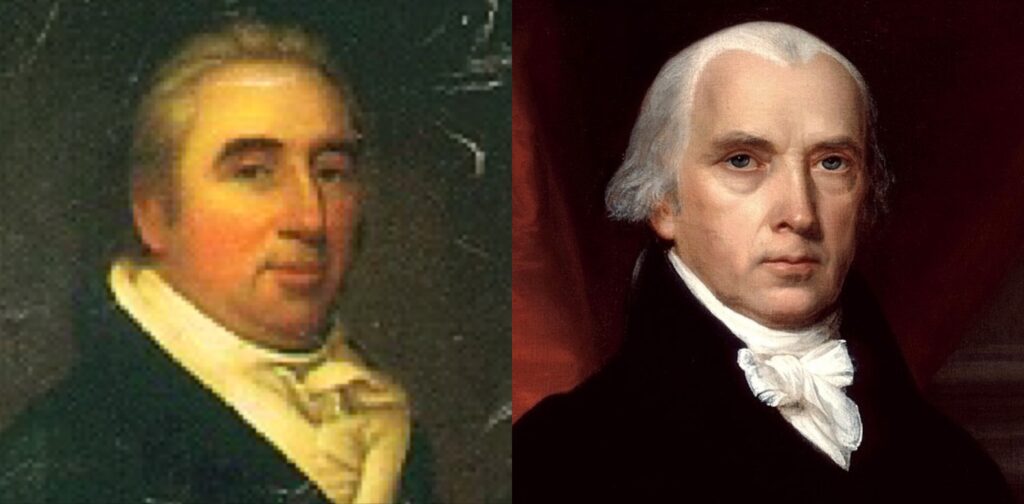
On February 24, 1803, the Supreme Court decided Marbury (left) v. Madison (right), a case born out of political turmoil at the end of the Adams administration. In its final hours, the outgoing Federalists rushed to appoint dozens of “midnight judges,” but several commissions—including William Marbury’s—were never delivered. When the new Jefferson administration refused to hand them over, Marbury sued, asking the Supreme Court to force the delivery. Jefferson’s Secretary of State, James Madison, was the official responsible for withholding the commissions, which is why he became the named defendant.
Chief Justice John Marshall used the dispute to define the American legal system. In the decision, the Court held that while Marbury had a right to his commission, the law giving the Court power to issue such orders was unconstitutional. Marshall wrote, “It is emphatically the province and duty of the judicial department to say what the law is.”
With that single ruling, the Court claimed the power of judicial review and transformed the Judiciary into a fully co‑equal branch of government—ensuring that the Constitution remains the nation’s supreme law.
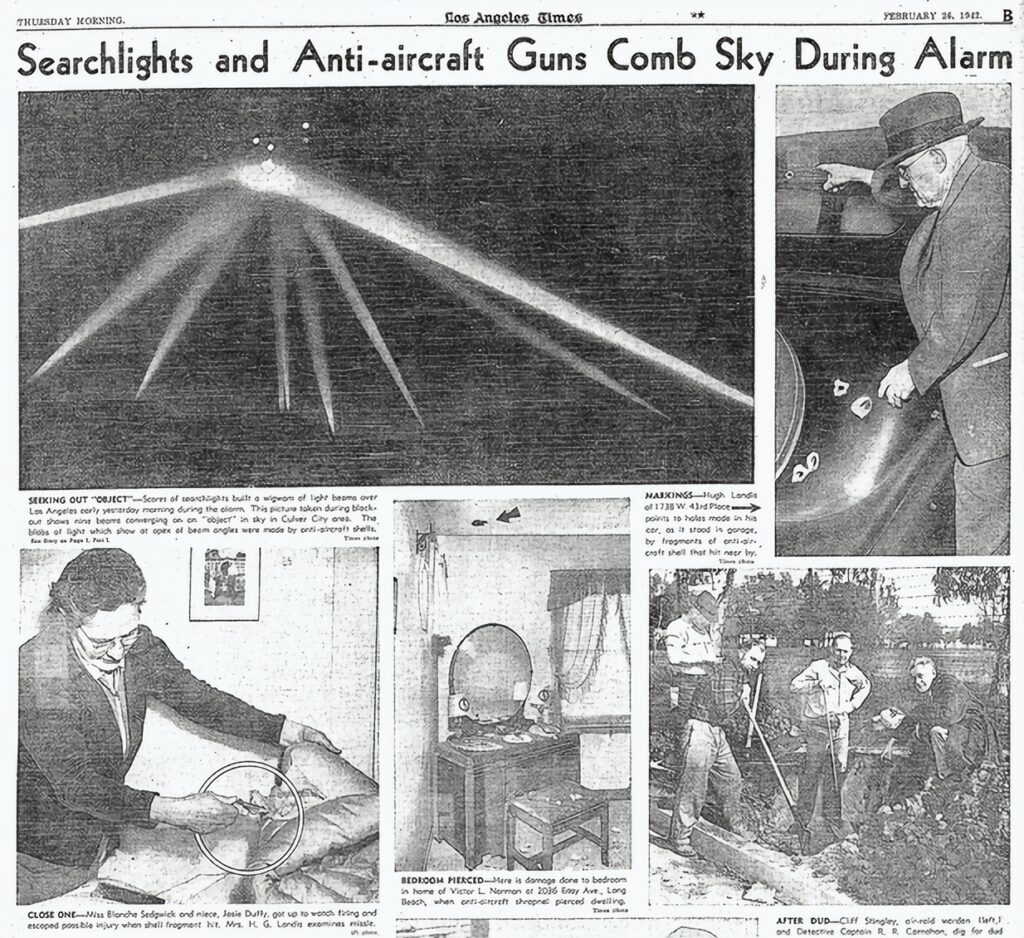
On This Day — February 24, 1942
Los Angeles braced for an attack that never came.
Less than three months after Pearl Harbor — and just one day after a Japanese submarine shelled an oil field near Santa Barbara — naval intelligence warned that another strike could come within hours. By the night of February 24, the city was on edge. When a radar contact appeared offshore, the order went out: blackout the coast and prepare for the worst.
What followed, spilling past midnight into February 25, became one of the most surreal home‑front episodes of World War II. Searchlights probed the sky, anti‑aircraft crews stood ready, and fear did the rest. More than 1,400 rounds were fired at what was later believed to be a drifting weather balloon, magnified by smoke, glare, and raw wartime nerves. No enemy aircraft were ever found. Five civilians died amid the confusion.
A night of tension, misinterpretation, and fear — remembered ever since as the “Battle of Los Angeles.”
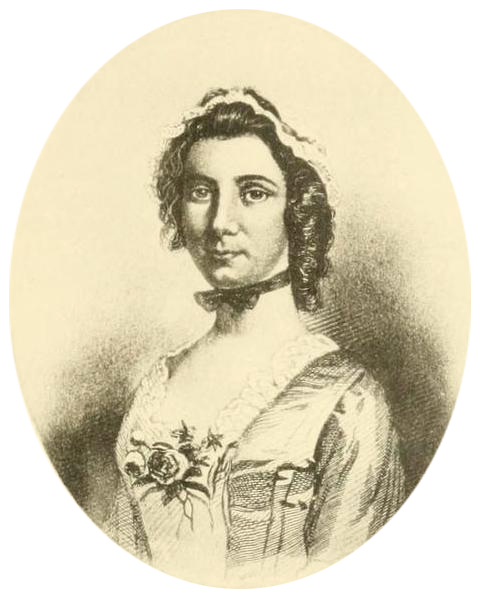
It’s speculated that February 24, 1756, was among the dates when then Colonel George Washington remained several days in New York and was the guest of Beverly Robinson, Esq., at whose house he met, and fell in love with a Mary Philipse (shown). Historians debate the seriousness of the relationship between Mary Philipse and George Washington, but letters from a mutual connection indicate that there was some romantic interest between them. Two years later Mary married a British officer named Roger Morris who, like George Washington, was also a French and Indian War veteran. The couple built the extant Morris–Jumel Mansion in Manhattan in 1765 which wasn’t completed until 1770. Upon realizing that their property was in jeopardy, Roger returned to England to seek protection. Because of their loyalty to the crown Mary and her family fled their home which was eventually confiscated during the Revolutionary War. Mary, Roger and their children would relocate and settle in England. In an interesting twist of fate the Morris–Jumel Mansion became George Washington’s temporary headquarters during the fall of 1776.
Drawing of Mary Philipse Morris via Wikimedia Commons, public domain
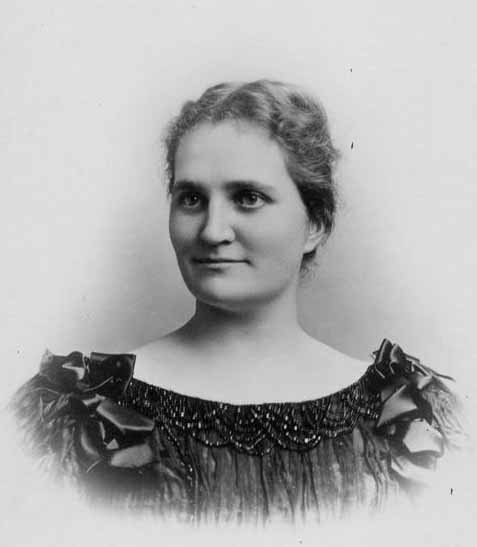
Born on February 24, 1869, in Louisville, Kentucky, Zara “Zadie” DuPont stepped out of the Gilded Age with a mind of her own. She refused the debutante ball meant to define her future and instead carved a life of reform — from children’s hospitals to the front lines of the Ohio suffrage movement. As the first Vice President of the Ohio Woman Suffrage Association, she traveled the state in a red Winton automobile, speaking boldly and facing the camera when others turned away. After the vote was won, she used her du Pont inheritance to challenge corporate labor abuses and champion social justice. She never sought the spotlight, only the work. Zara DuPont lived with intention, fiercely, and entirely on her own terms — a reformer whose courage outlasted her era.
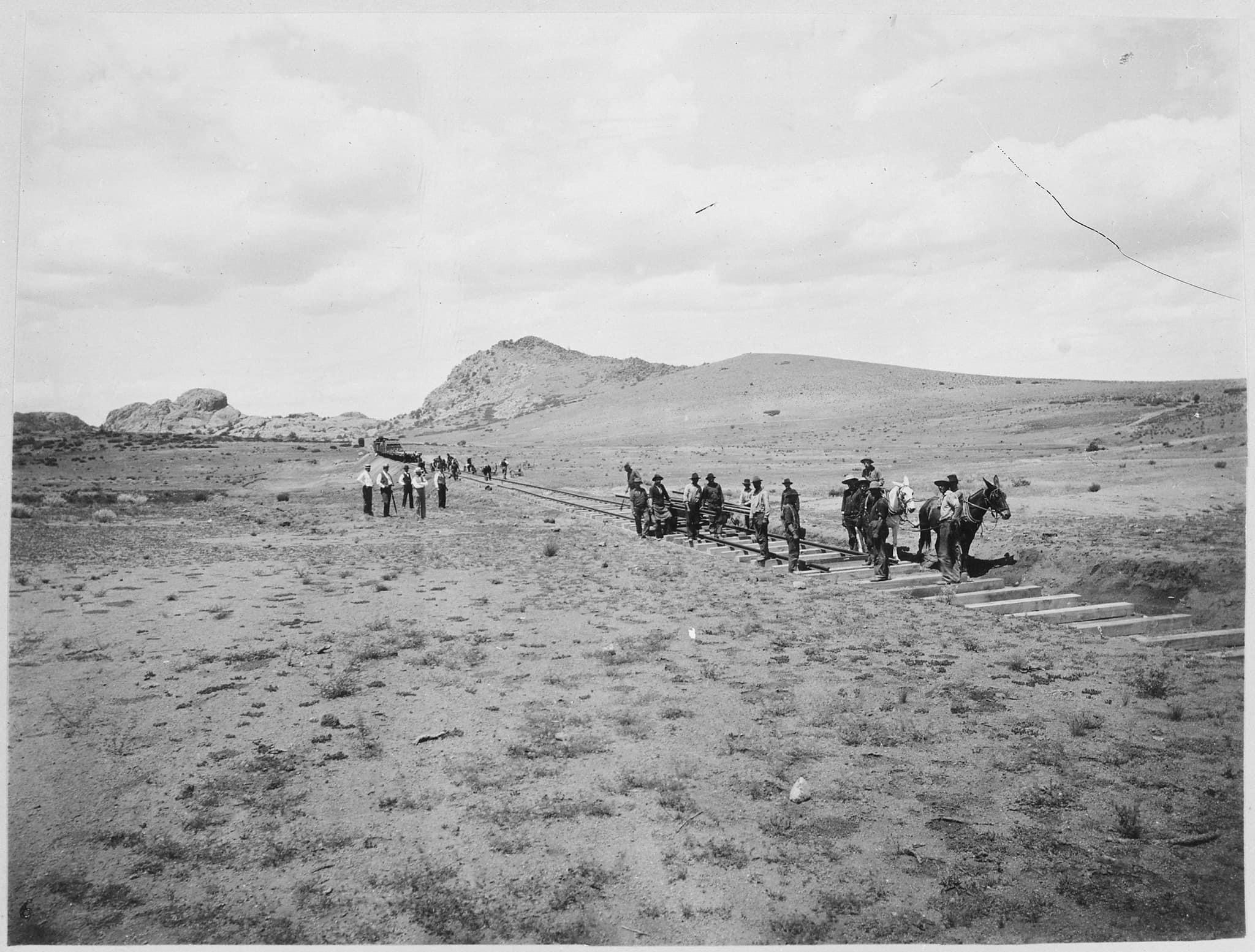
On February 24, 1863, Arizona was organized as a U.S. Territory.
Laying tracks on the extreme front of Prescott and Eastern Railroad in Arizona Territory, c. 1898
Image via Wikimedia Commons, public domain
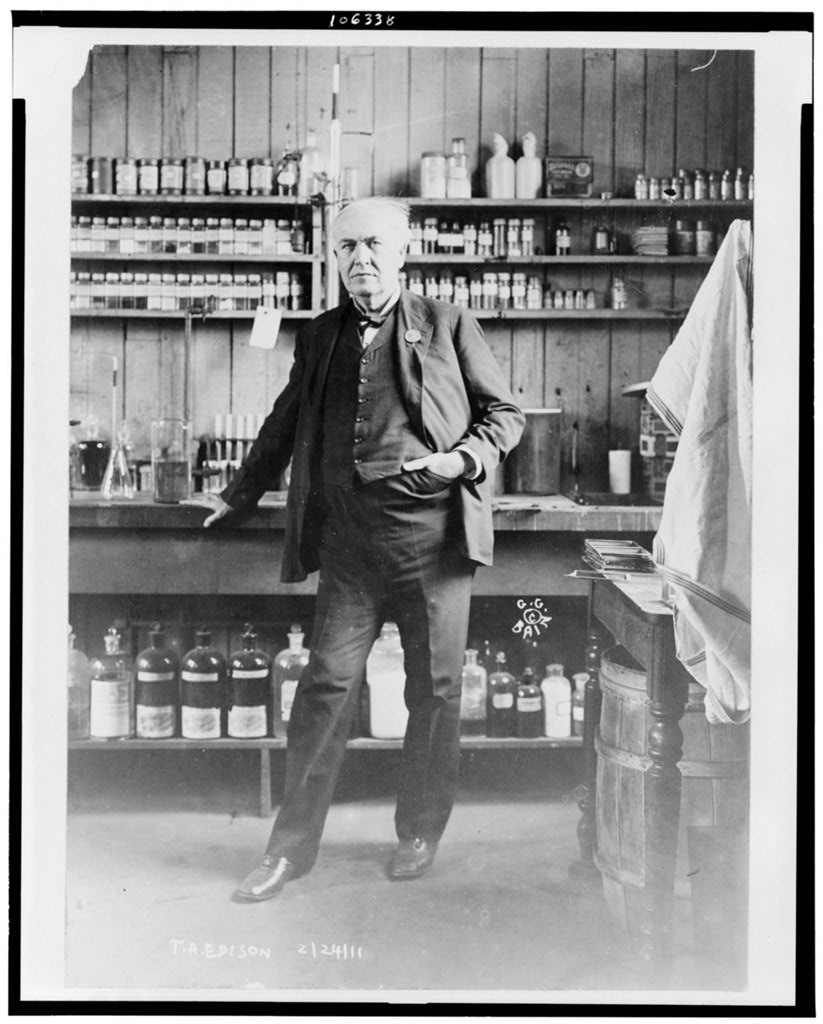
Thomas Alva Edison in his laboratory on February 24, 1911
Image via LOC, no known restrictions
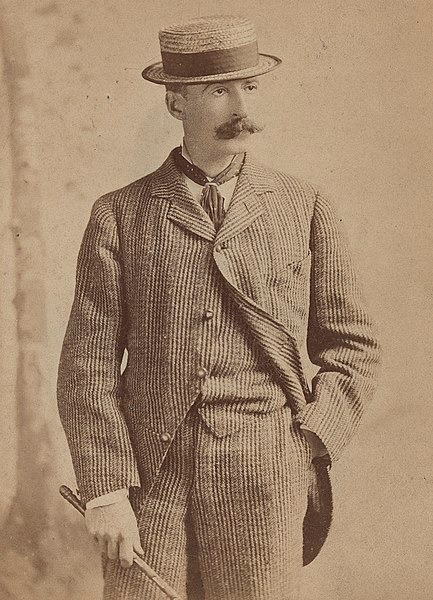
Born February 24, 1836, Winslow Homer learned painting techniques from his artist mother, then apprenticed as a lithographer in his teens. He went on to paint soldier life in the Civil War, pastoral scenes, seascapes, and life in 19th century America. Many of his works can be viewed online.
Image by Napoleon Sarony, Wikimedia Commons, public domain in the US.
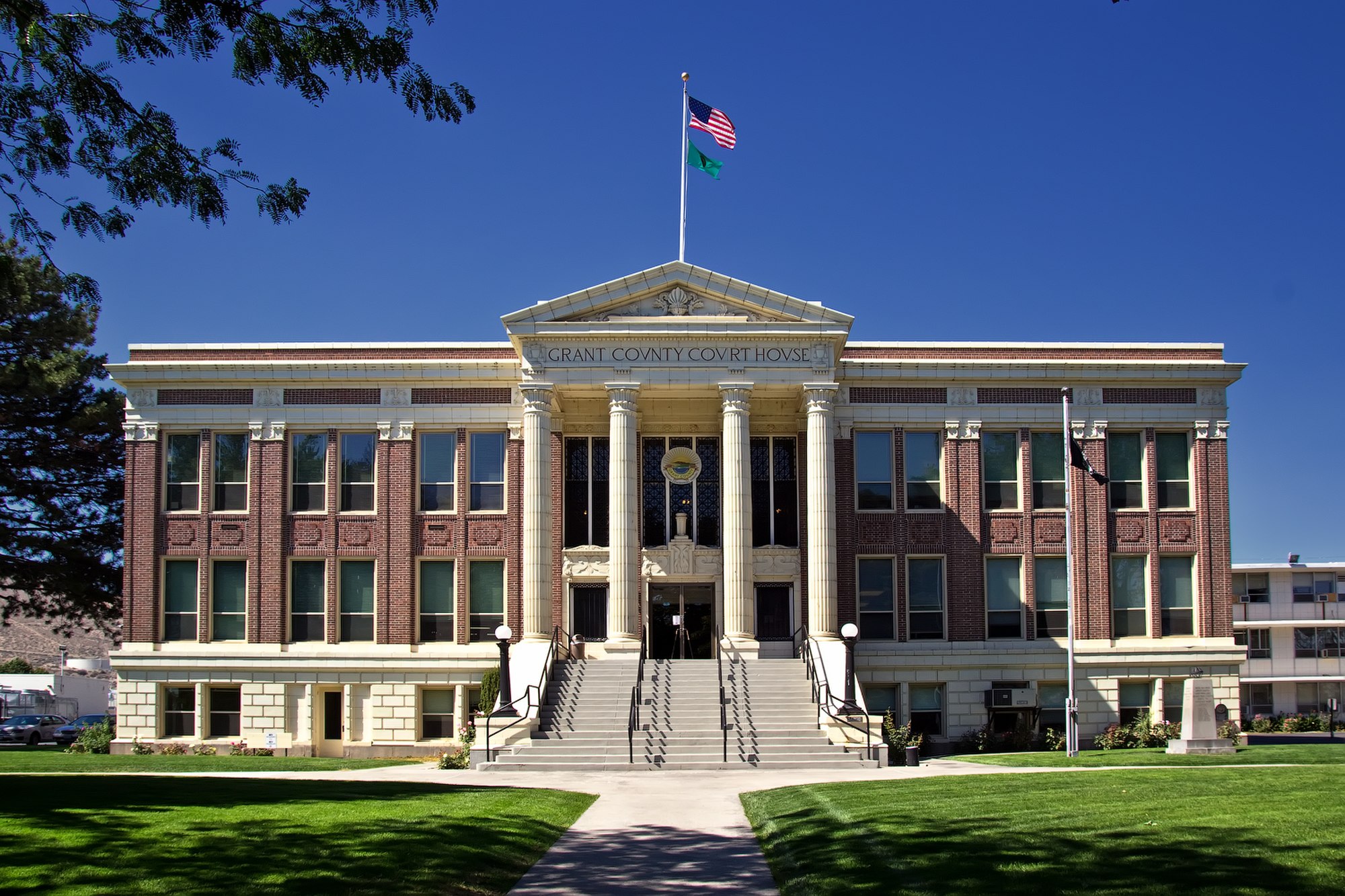
Grant County Courthouse in Ephrata, Washington state. On February 24, 1909, Grant County was founded by legislators in Washington state and was formed out of Douglas County. The county was named in honor of Ulysses S. Grant.
Image: Steven and Nadine Pavlov / http://lovingwa.blogspot.com / CC BY-SA 3.0 via Wikimedia Commons
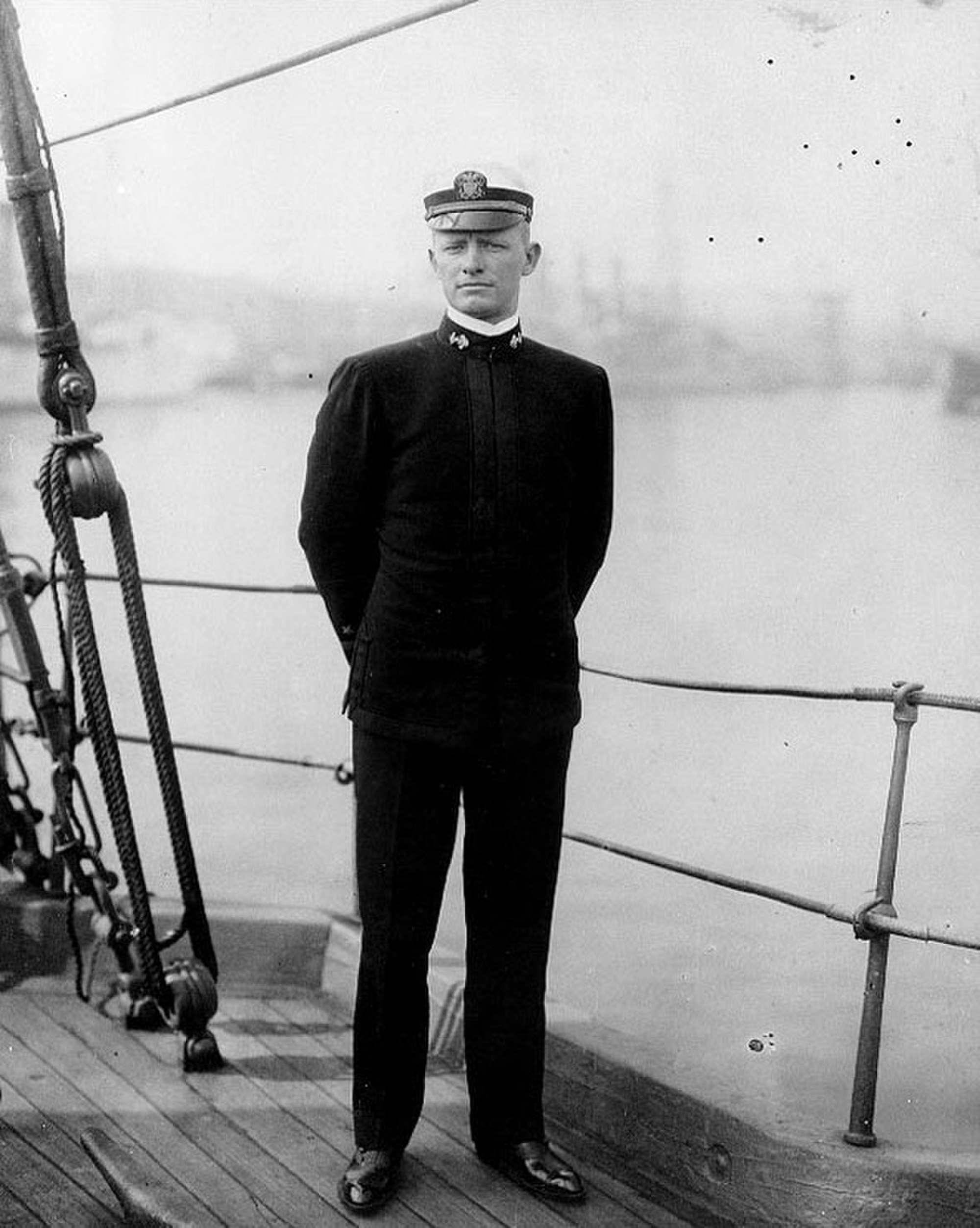
Ensign Chester W. Nimitz on a U.S. Navy training ship c. 1907
Chester W. Nimitz, the U.S. Navy’s last active Fleet Admiral, was born on February 24, 1885, in Fredericksburg, Texas.
Image via Wikimedia Commons, public domain
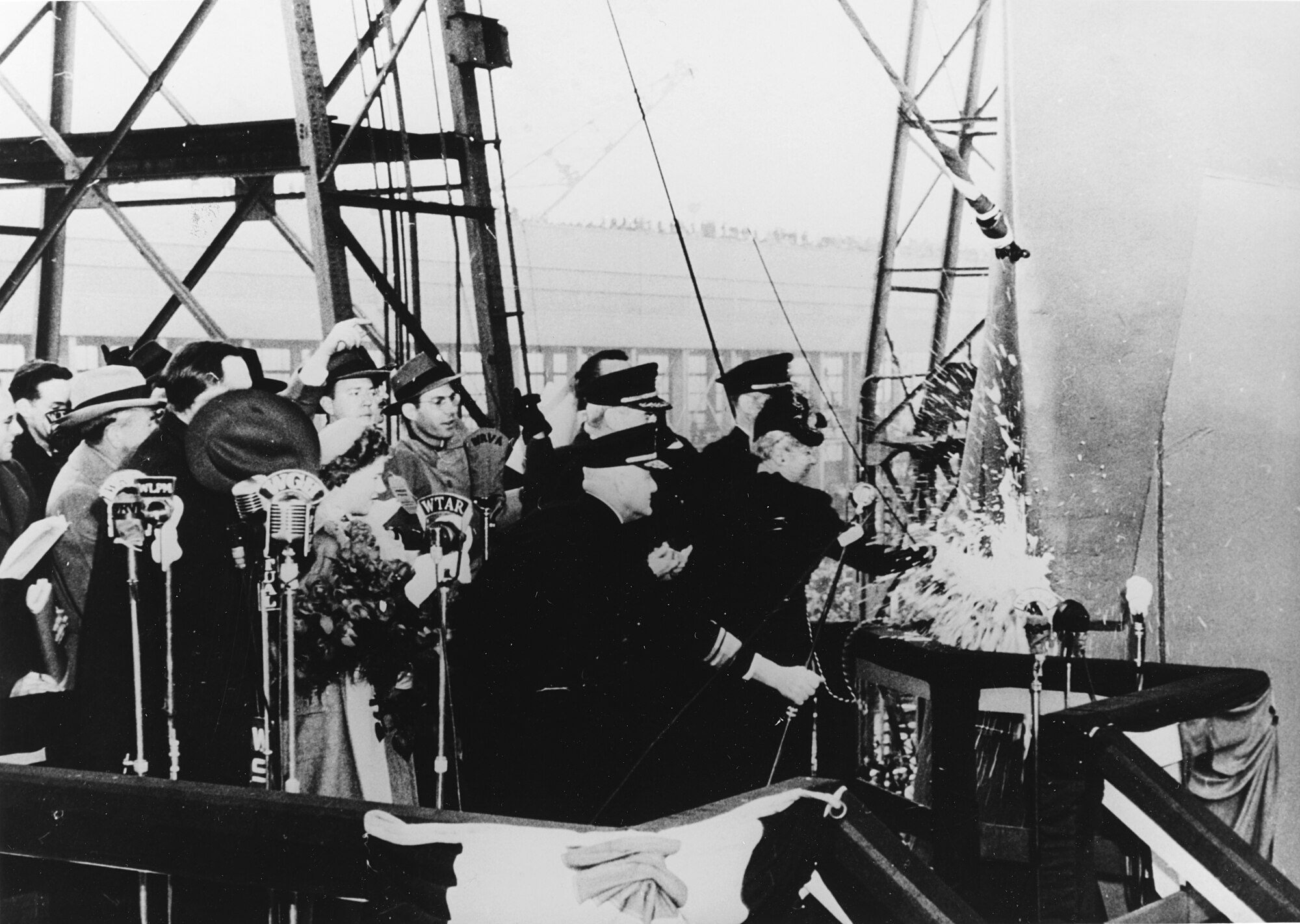
U.S. Navy aircraft carrier USS Shangri-La is christened by Mrs. Josephine “Joe” E. Doolittle, wife of U.S. Army Air Forces Major General James H. Doolittle, during launching ceremonies at the Norfolk Navy Yard, Virginia February 24, 1944 via Wikimedia Commons, public domain
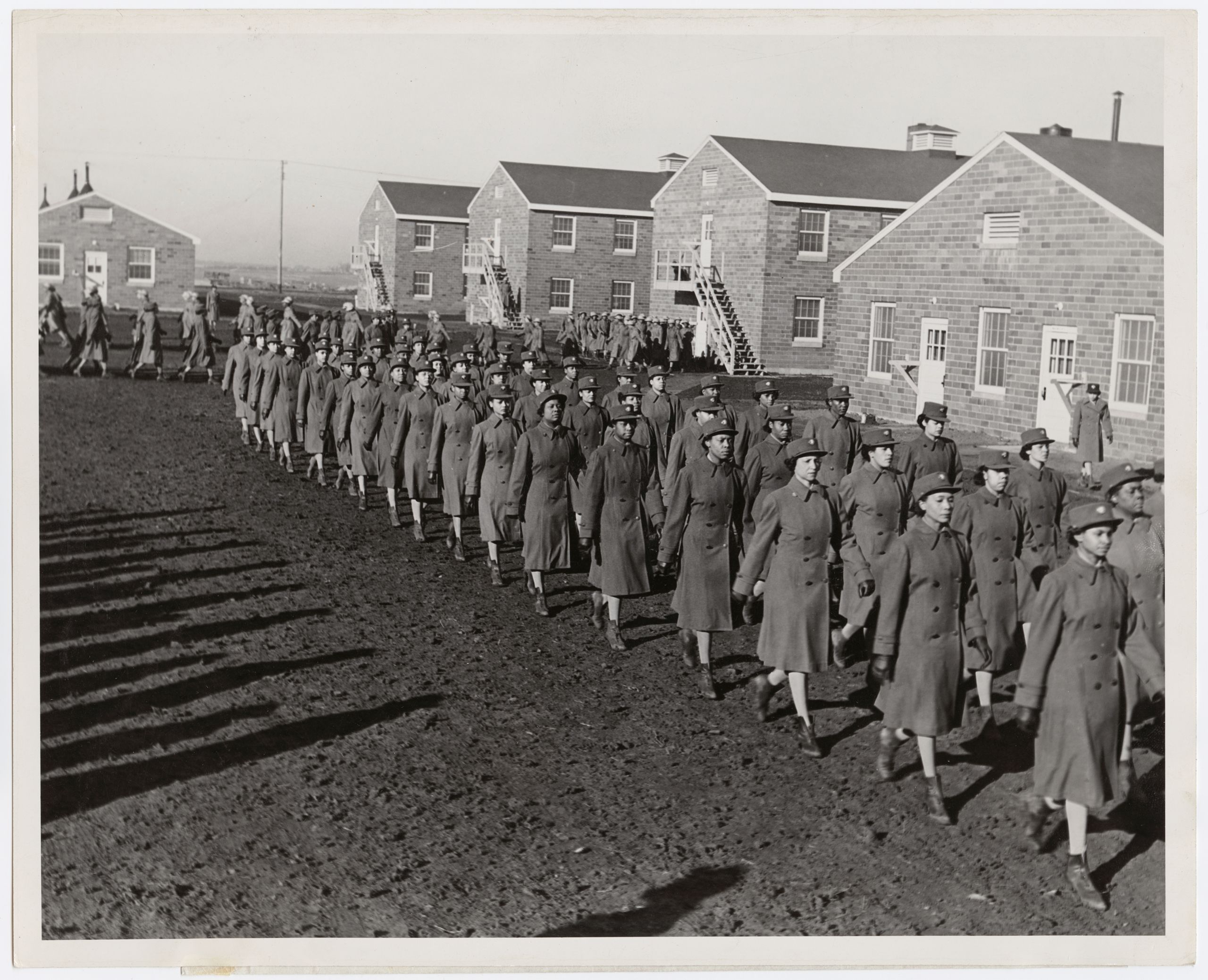
Members of an all-African American company walking in rows during an infantry drill at the First Women’s Army Auxiliary Corps Training Center in Des Moines, Iowa February 24, 1943
Image via NYPL Digital Collections, public domain
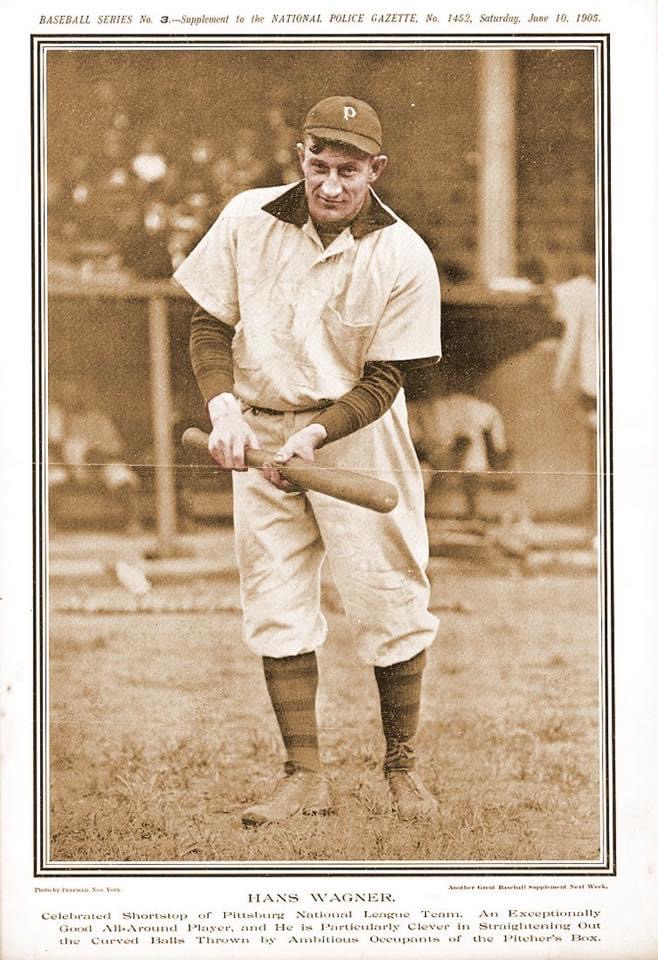
Eight-time National League batting champion, Honus Wagner, was born on February 24, 1874 in Chartiers Borough, Pennsylvania.
Image from 1905 by Penfield, New York: National Police Gazette public domain via Wikimedia Commons
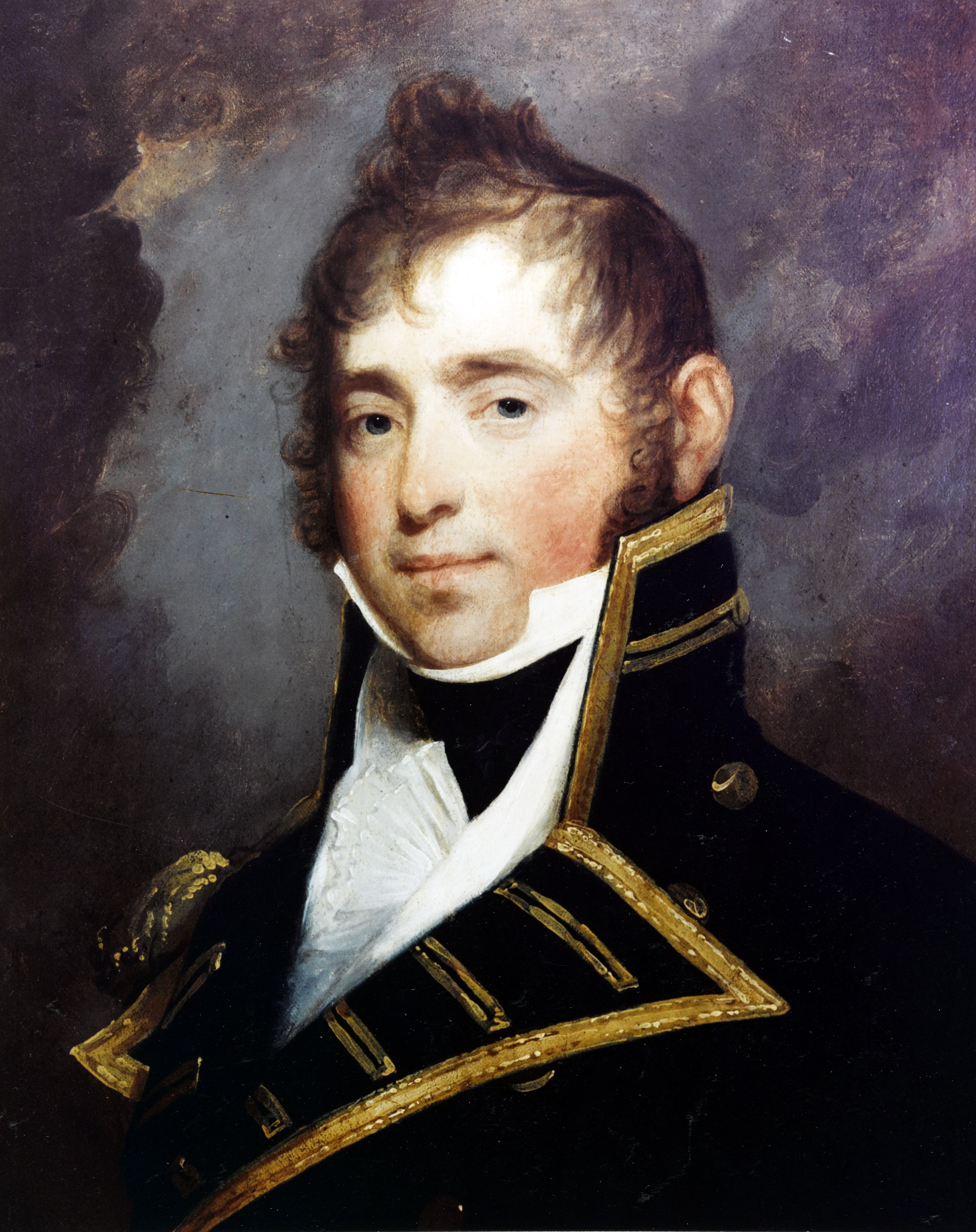
On February 24, 1813, U.S. Navy Captain James Lawrence and crew of the USS Hornet sank the HMS Peacock off the coast of Guyana in South America.
Portrait painting of Captain James Lawrence via Wikimedia Commons, public domain
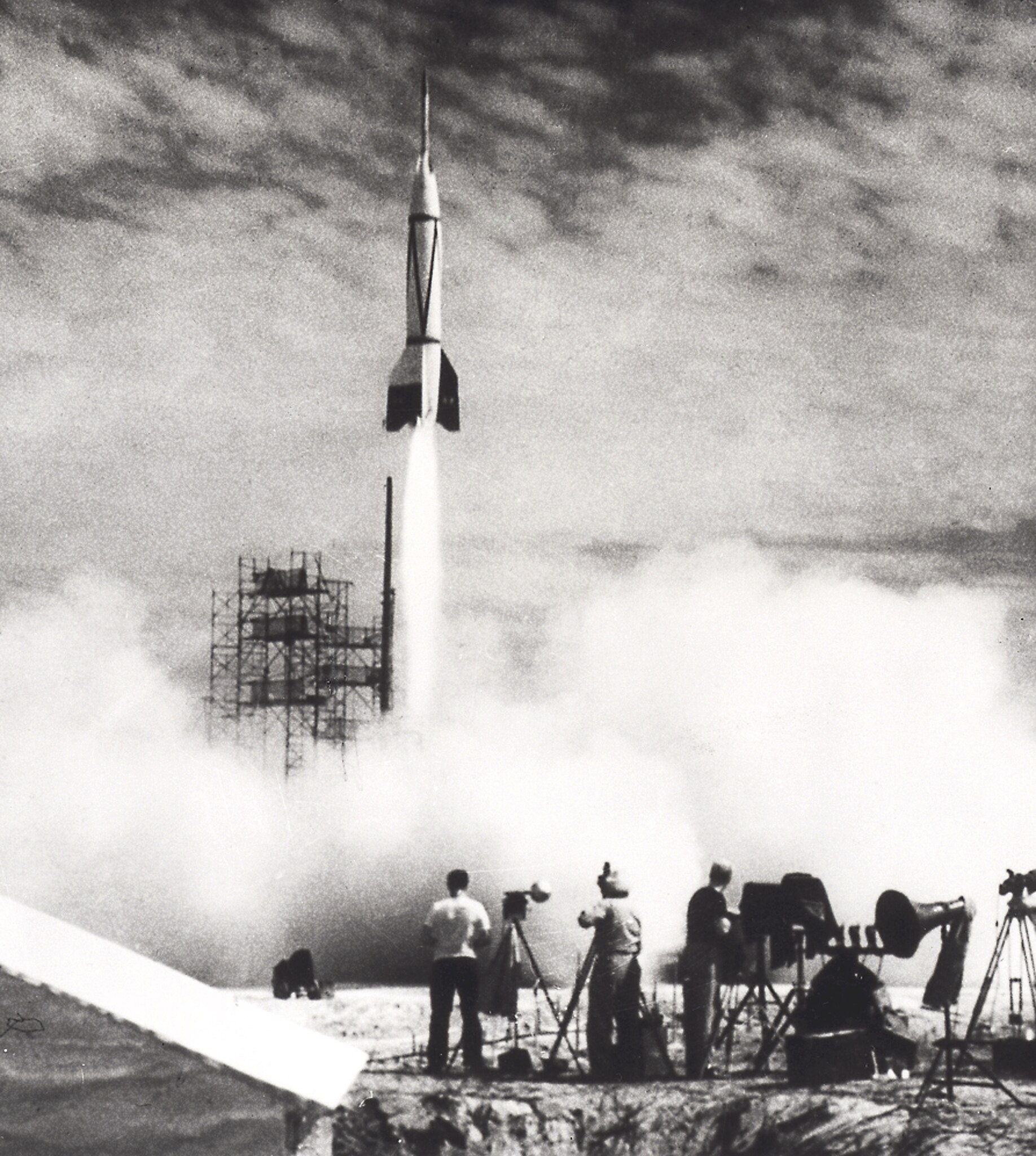
The first successful launch of a combined German V-2 and American WAC Corporal rocket (also known as a Bumber WAC rocket) on February 24, 1949. The two-stage “Bumper 5” rocket traveled to a height of over 240 miles into the air. It’s considered the first time that a U.S. rocket traveled into space.
Image via Wikimedia Commons, public domain
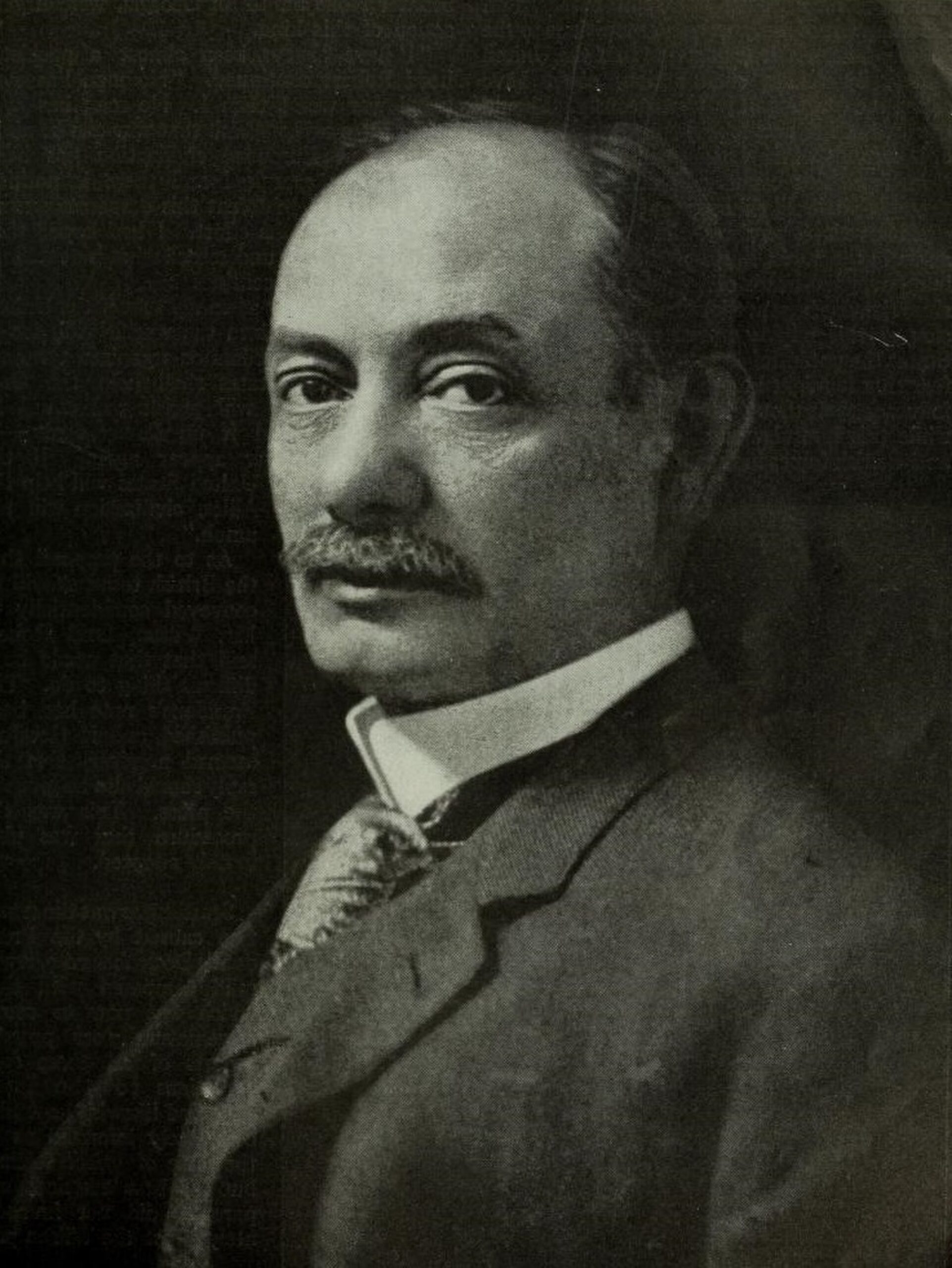
On February 24, 1917, the U.S. Ambassador to the United Kingdom, Walter Hines Page, reported to President Woodrow Wilson findings made by British intelligence. The “Zimmerman Telegram” intercepted earlier by British agents, revealed that Germany offered Mexico a reward of returning Texas, New Mexico and Arizona if they became an ally.
Image of Walter Hines Page via Wikimedia Commons, public domain
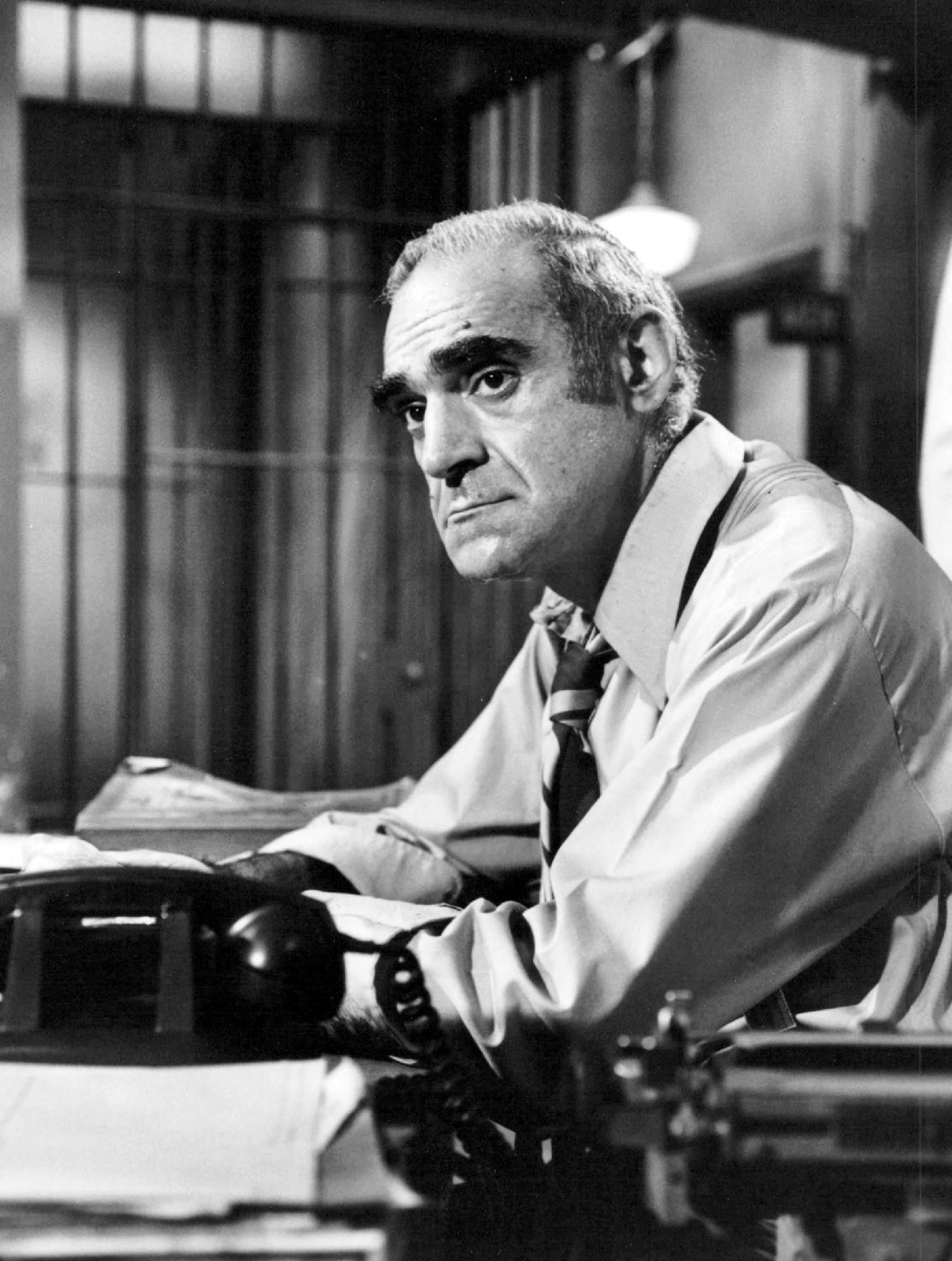
WWII veteran Abe Vigoda who played the role of Phil Fish on the TV sitcom Barney Miller was born on February 24, 1921 in Brooklyn, New York.
Image via Wikimedia Commons, public domain
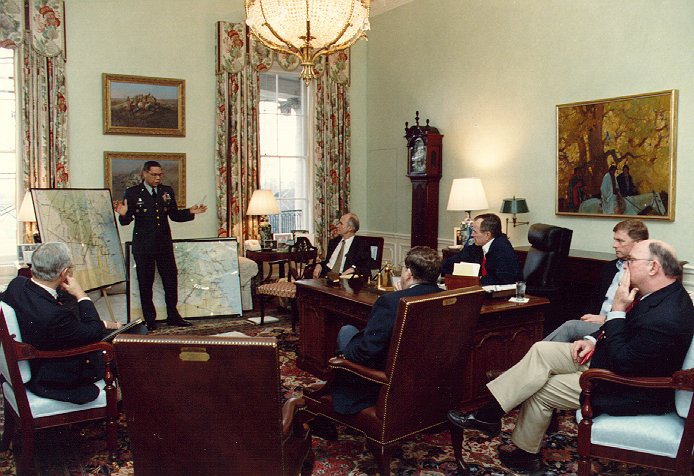
Some of the central figures in the Bush Administration being briefed by General Colin Powell during the Gulf War. February 24, 1991
Image via Wikimedia Commons, public domain
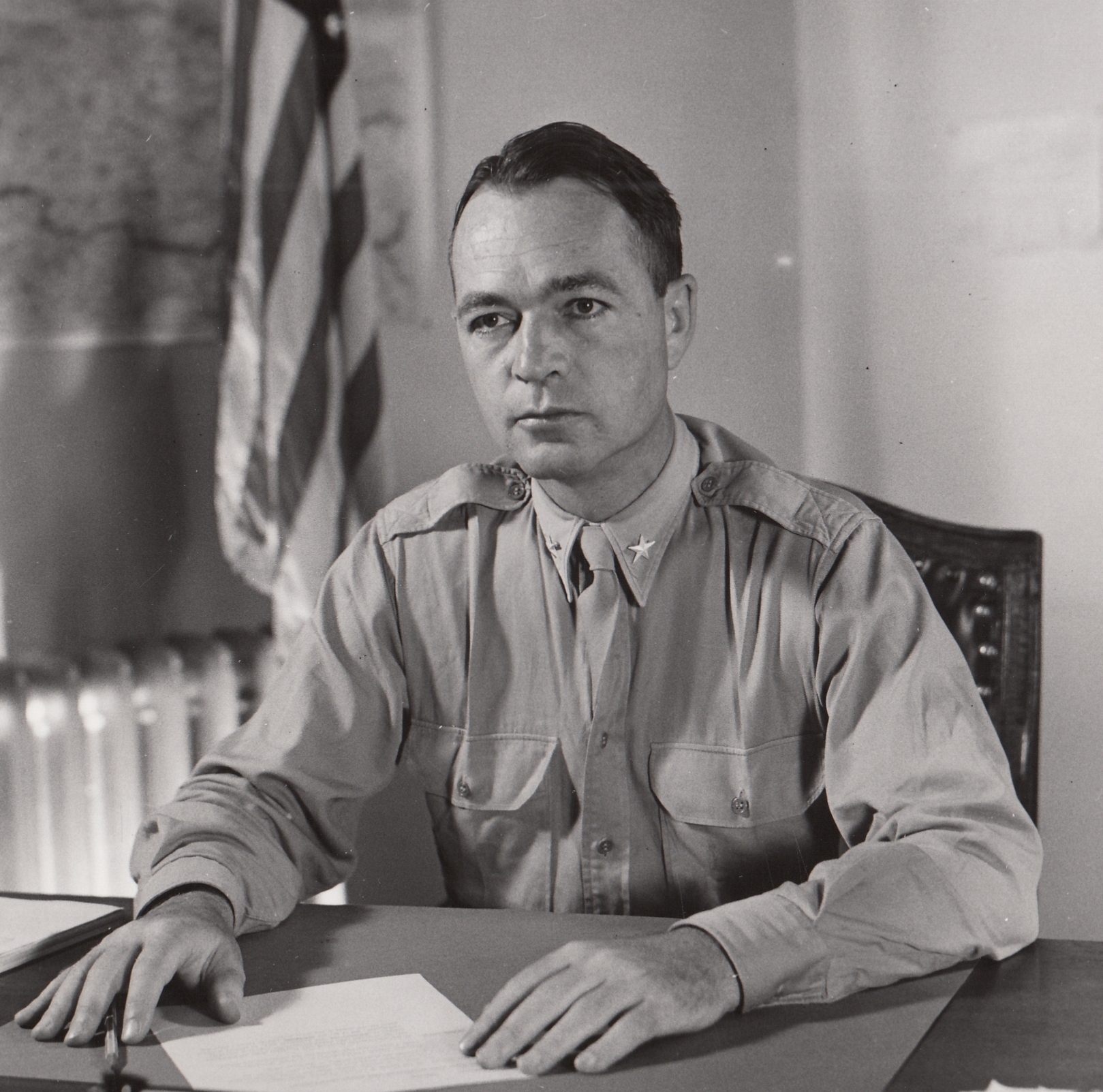
U.S. Army Brigadier General Telford Taylor, who served as lead counsel for the prosecution in the 12 subsequent Nuremberg trials, was born on February 24, 1908 in Schenectady, New York.
Image via Wikimedia Commons, public domain
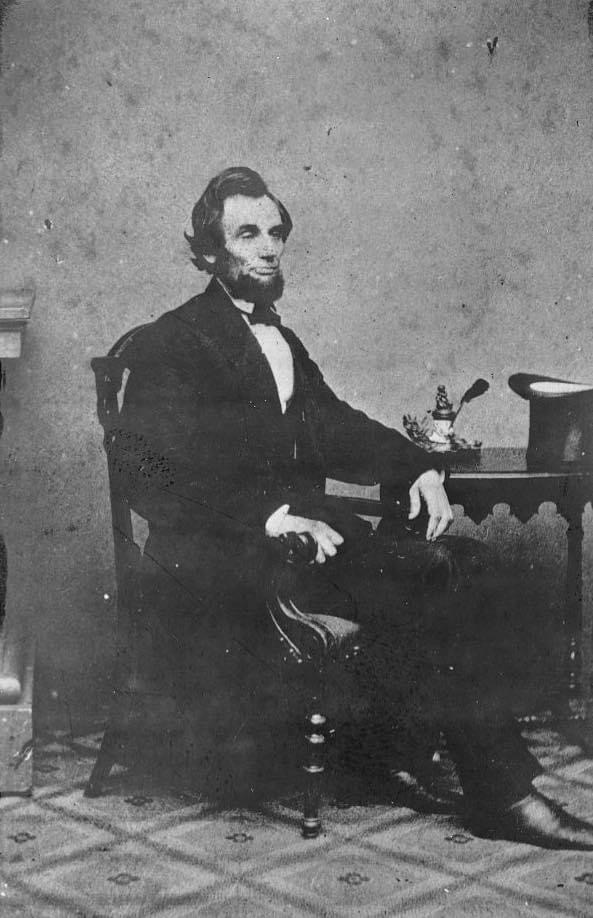
Full-length portrait of President Abraham Lincoln seated next to small table, February 24, 1861
Image via LOC, no known restrictions
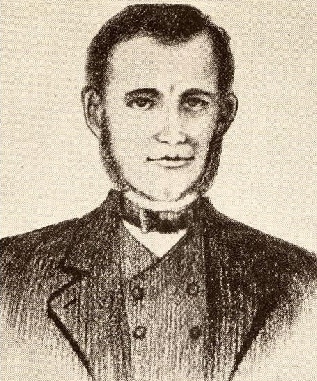
On February 24, 1836, Lieutenant Colonel William B. Travis wrote his legendary open letter “To the People of Texas & All Americans in the World.” The Alamo had been under siege for only a day, but Travis already understood how badly outnumbered his small garrison was. His declaration — “I shall never surrender or retreat… Victory or Death” — became one of the most iconic statements of resolve in American history. The letter stirred support across Texas and the United States, but only 32 reinforcements from Gonzales managed to break through before the mission fell on March 6. It remains a defining document of courage under impossible odds.
