
 Mystery March Is Here!
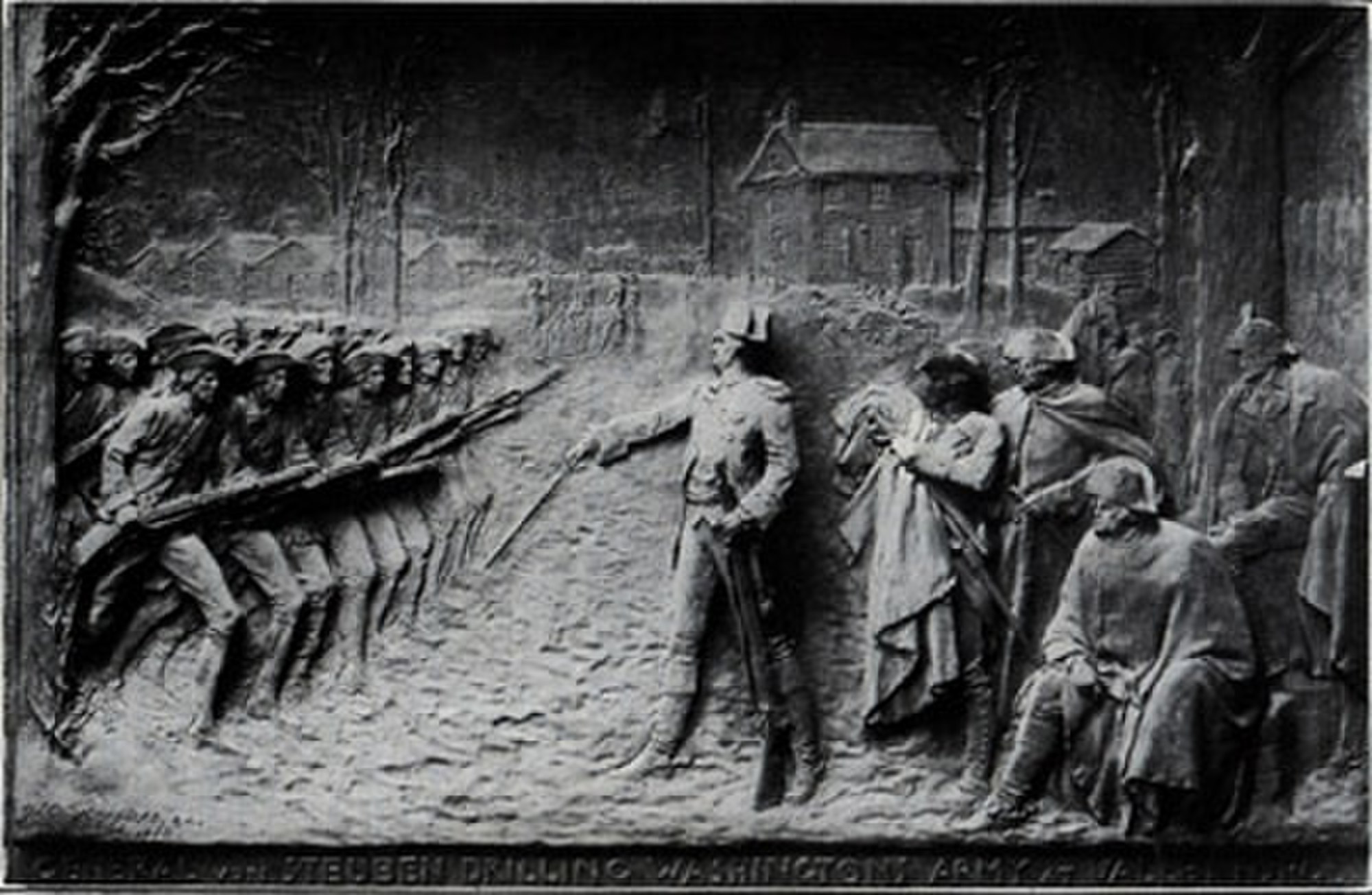
On February 23, 1778, Baron von Steuben arrived in Valley Forge to provide training and discipline to Washington’s Continental Army. Baron von Steuben remained with the Americans throughout the rest of the Revolution. He became an American Citizen and received land in New York State.
Image via Wikimedia Commons, public domain
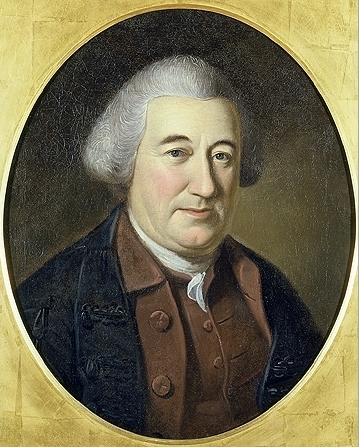
February 23, 1782: With the Revolution’s fighting largely over, the Confederation Congress found itself wrestling with a harder problem than war: what to do with the army in peace. Under the presidency of John Hanson (shown) —whose role was administrative rather than executive—delegates circled the same unresolved questions: unpaid officers, an empty treasury, and whether a republic could safely maintain any standing force at all. Hanson himself spent much of early 1782 trying to resign, worn down by poor health and the impotence of an office that carried responsibility without real authority. His frustration mirrored the weakness of the government he was tasked with guiding.
The Articles of Confederation offered no real answers. Congress could debate, plead, and postpone, but it could not reliably fund or regulate the army it had used to win independence. That weakness soon erupted into the Newburgh tensions of 1783, when frustrated officers nearly broke into open revolt before Washington intervened.
It would take five more years before the United States adopted a Constitution that finally settled the issue. Article I empowered Congress “to raise and support Armies,” but required that all Army appropriations expire after two years — a safeguard that applies only to the Army in the text and remains in force to this day, ensuring that civilian oversight through regular elections always stands between military power and the nation it serves. The Navy Clause carried no such limit, and remains the Constitution’s only “permanent” military authorization. Yet in modern practice, the Air Force and Space Force trace their legal authority to the Army Clause itself, making the two‑year ceiling technically applicable to them as well. As a result, much of the Department of Defense still operates on a rhythm shaped by this early constitutional design, even where the legal mandate does not strictly apply.
The debate that filled this February day revealed the truth of the moment:
the war had been won — but the nation still needed a government strong enough to keep the peace.
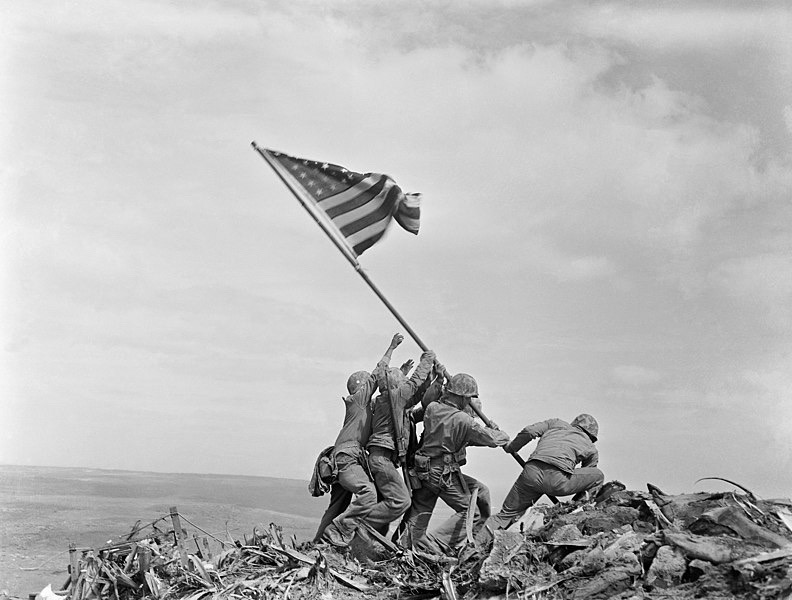
On February 23, 1945, Associated Press photographer Joe Rosenthal captured US Marines raising the flag on Iwo Jima’s Mt. Surabachi. Upon seeing the image an AP photo editor said “Here’s one for all time!” Three of the Marines pictured were killed in action before the island was secured on March 26.
Image via Wikimedia Commons, copyright not renewed public domain in the US.
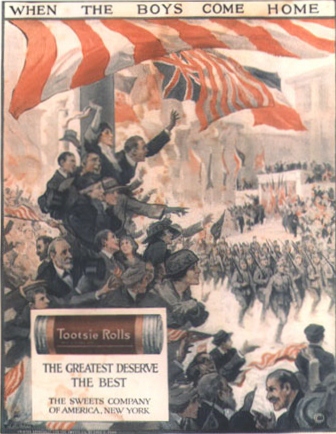
On today’s date February 23, 1896, the Tootsie Roll was introduced by founder Leo Hirshfield. Image: Ad promoting Tootsie Rolls in 1918 via Wikimedia Commons, public domain
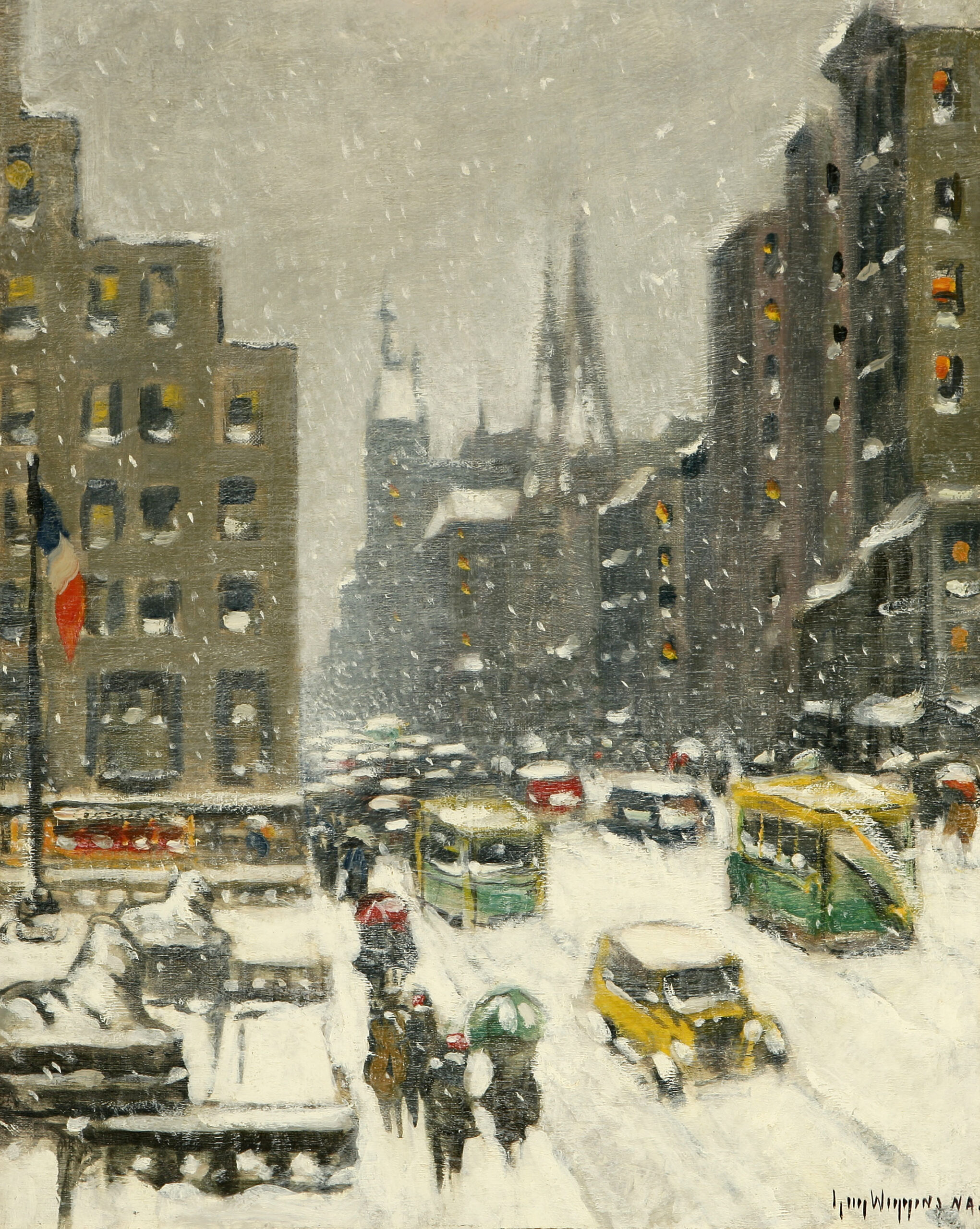
Fifth Avenue Storm by American Artist Guy C. Wiggins who was born in Brooklyn, New York on February 23, 1883
Image via Wikimedia Commons, public domain
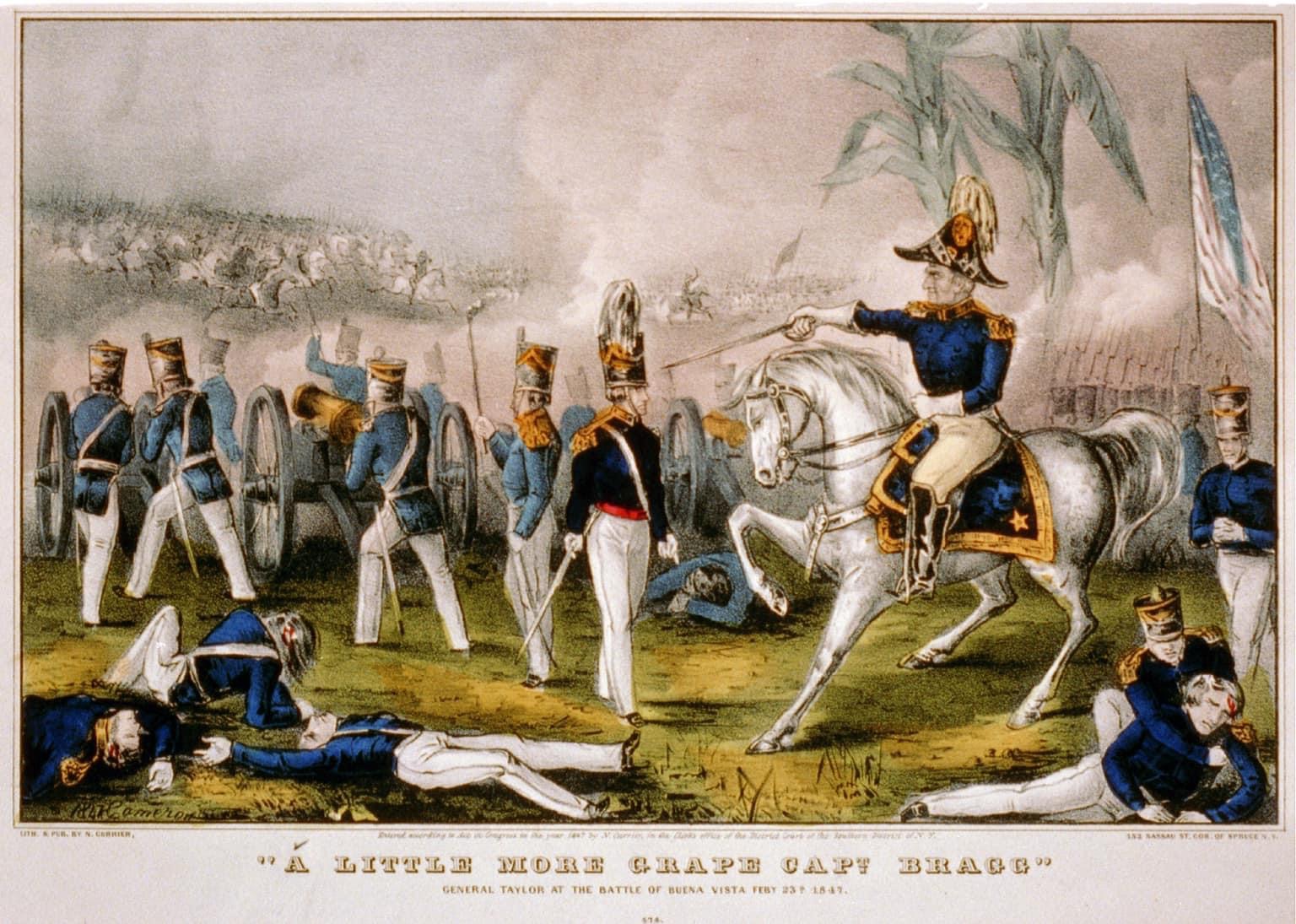
Zachary Taylor directing Captain Braxton Bragg to double his shot during the Battle of Buena Vista on February 23, 1847.
Image via Wikimedia Commons, public domain
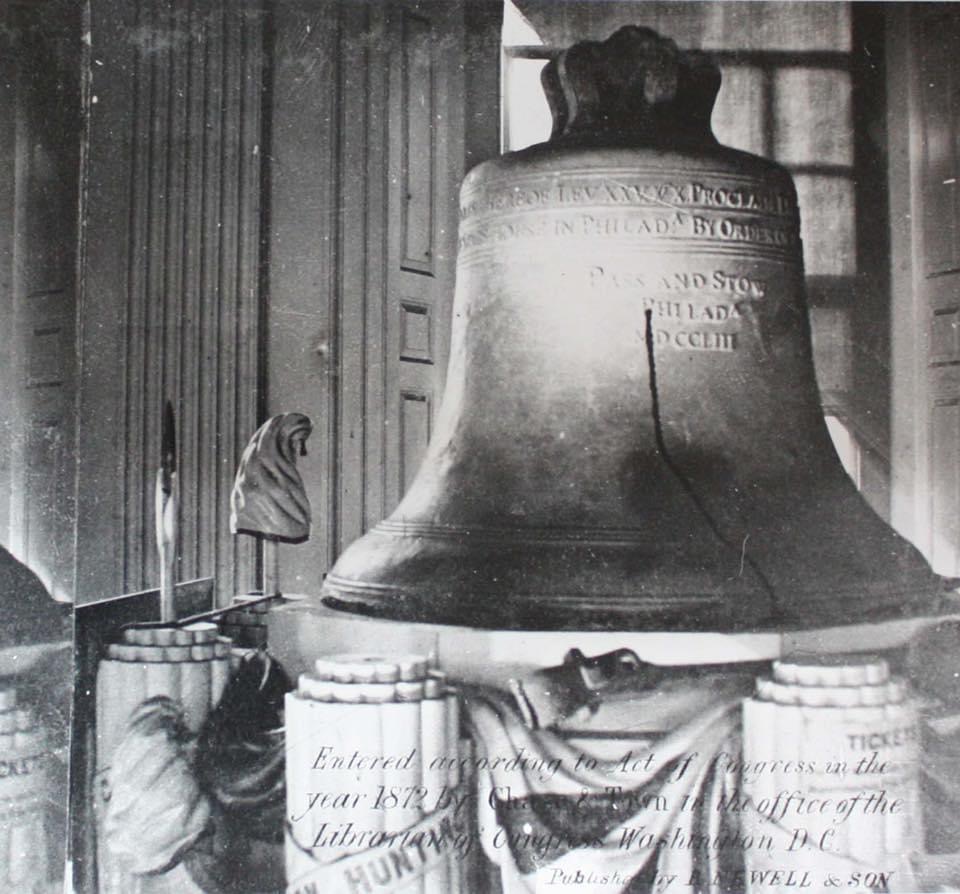
On today’s date February 23, 1846, The Liberty Bell was rung for the last time. The over one ton bell was rung on this day in honor of Washington’s Birthday and was never rung again after its fateful fracture became visible.
Image: The Liberty Bell in Philadelphia in 1872 or earlier via Wikimedia Commons, public domain
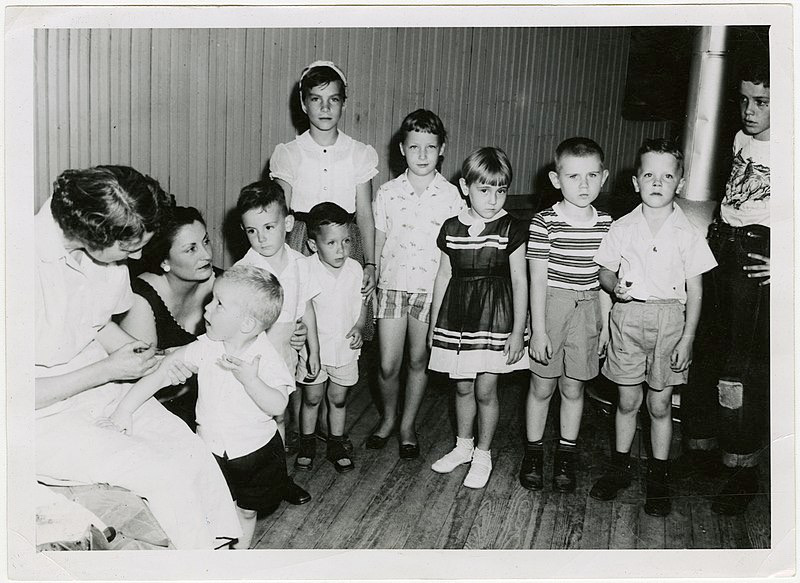
On February 23, 1954, the polio vaccine developed by Dr. Jonas Salk began to be administered to school children in Pittsburgh, Pennsylvania. Salk vaccinated his own children a year before the “polio pioneers” mass inoculation program. Shown are children receiving the vaccine in Mississippi in 1956.
Image from MS Dept. of Archives and History via Flickr, no known copyright.
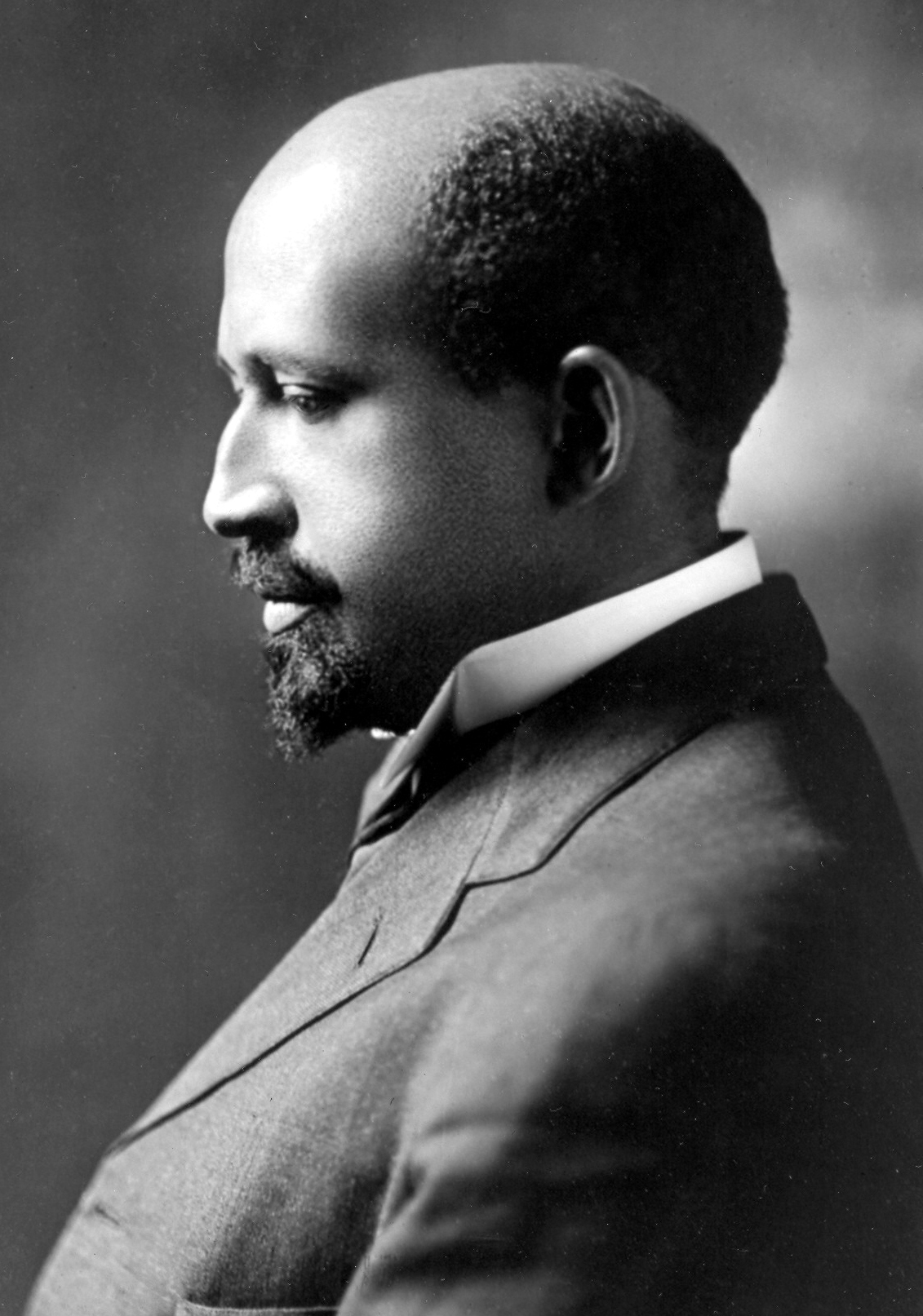
“ Believe in life! Always human beings will progress to greater, broader, and fuller life. ” A quote by W. E. B. Du Bois who was born on February 23, 1868 in Great Barrington, Massachusetts.
Image via Wikimedia Commons, public domain
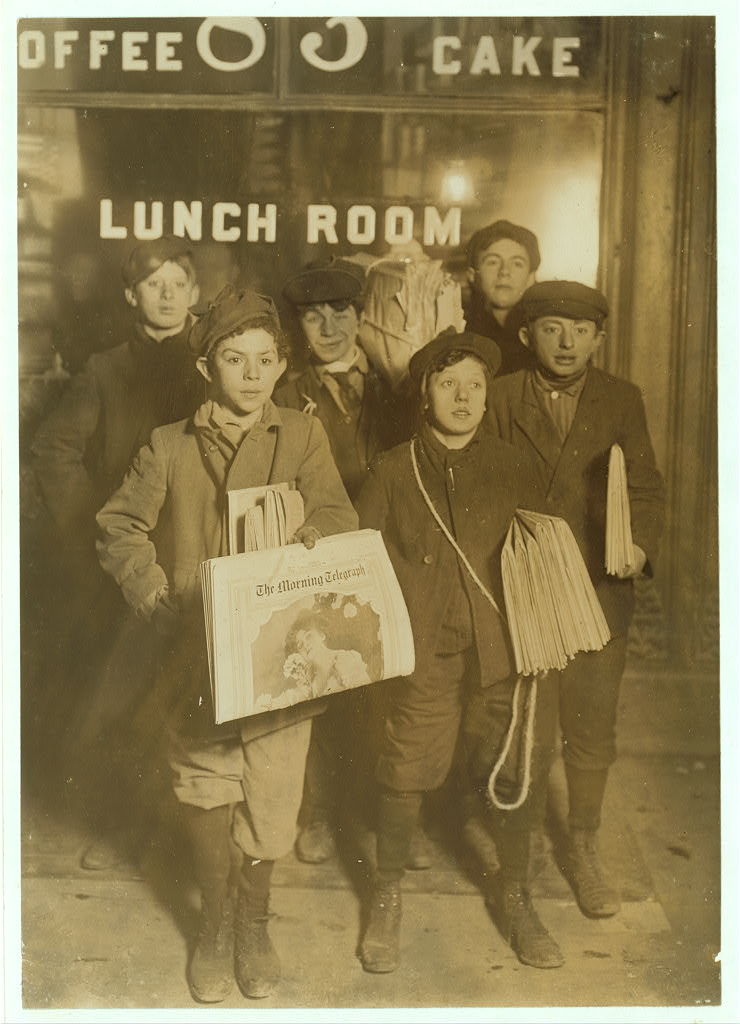
3 A.M. Sunday, February 23rd, 1908. Newsboys (who were seen) selling on Brooklyn Bridge.
Image via LOC, no known restrictions

On February 23, 1921, the U.S. post office completed a transcontinental relay airmail delivery in just over 33 hours. Part of that relay team was this pilot, Jack Knight, who flew more than 800 miles in darkness.
Image via Wikimedia Commons, public domain
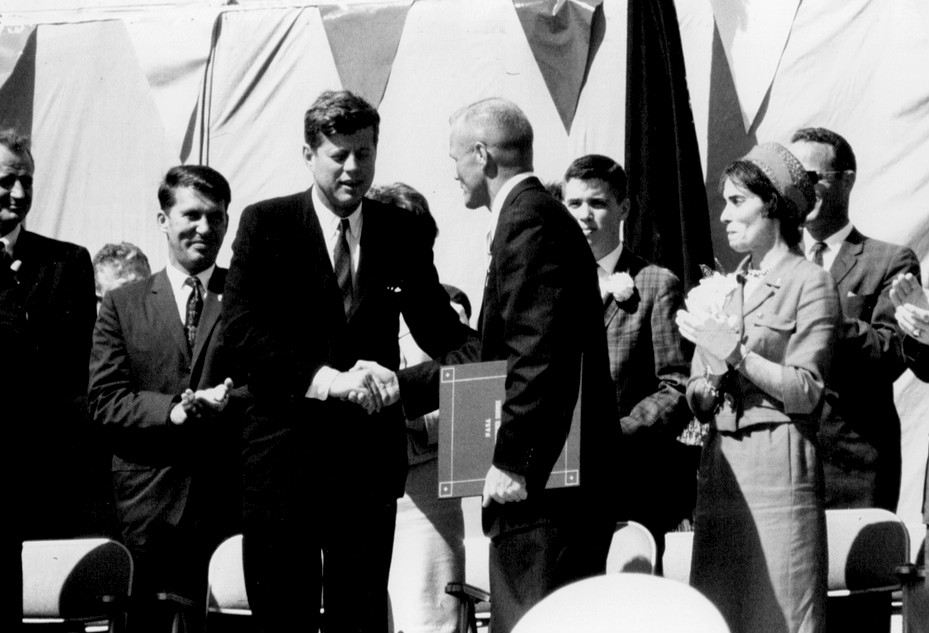
John Glenn receiving the Distinguished Service Medal from President John F. Kennedy at Cape Canaveral on February 23, 1962.
Photo from NASA via Wikimedia Commons, public domain
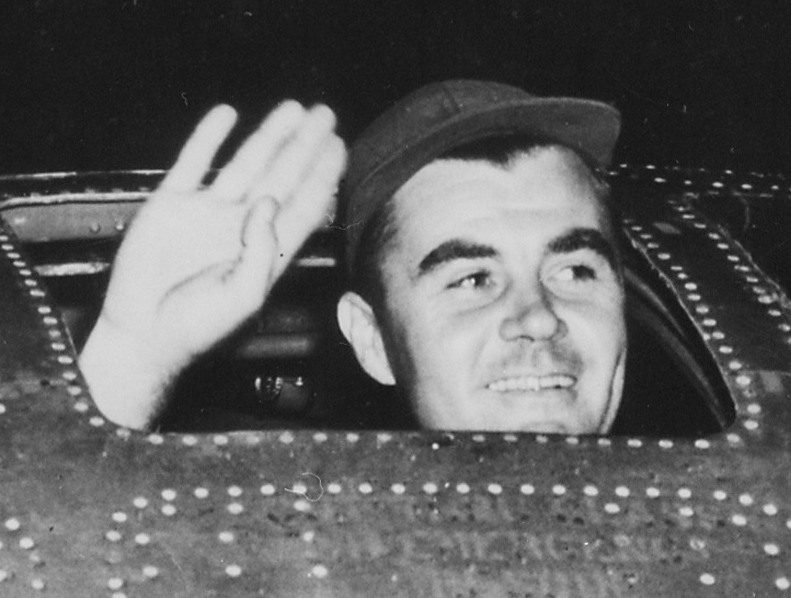
Born on February 23, 1915, Paul Tibbets became the kind of aviator the Army Air Forces trusted when absolute precision mattered most. Reflecting on the mission that defined his life, he said, “I’m not proud of the number of people killed, but I’m proud of the fact I was able to start with nothing, plan it, and have it work as perfectly as it did.” It was the perspective of a commander measuring the execution of a wartime order — a mission that ended a brutal conflict, even as its human cost and legacy have been debated ever since.
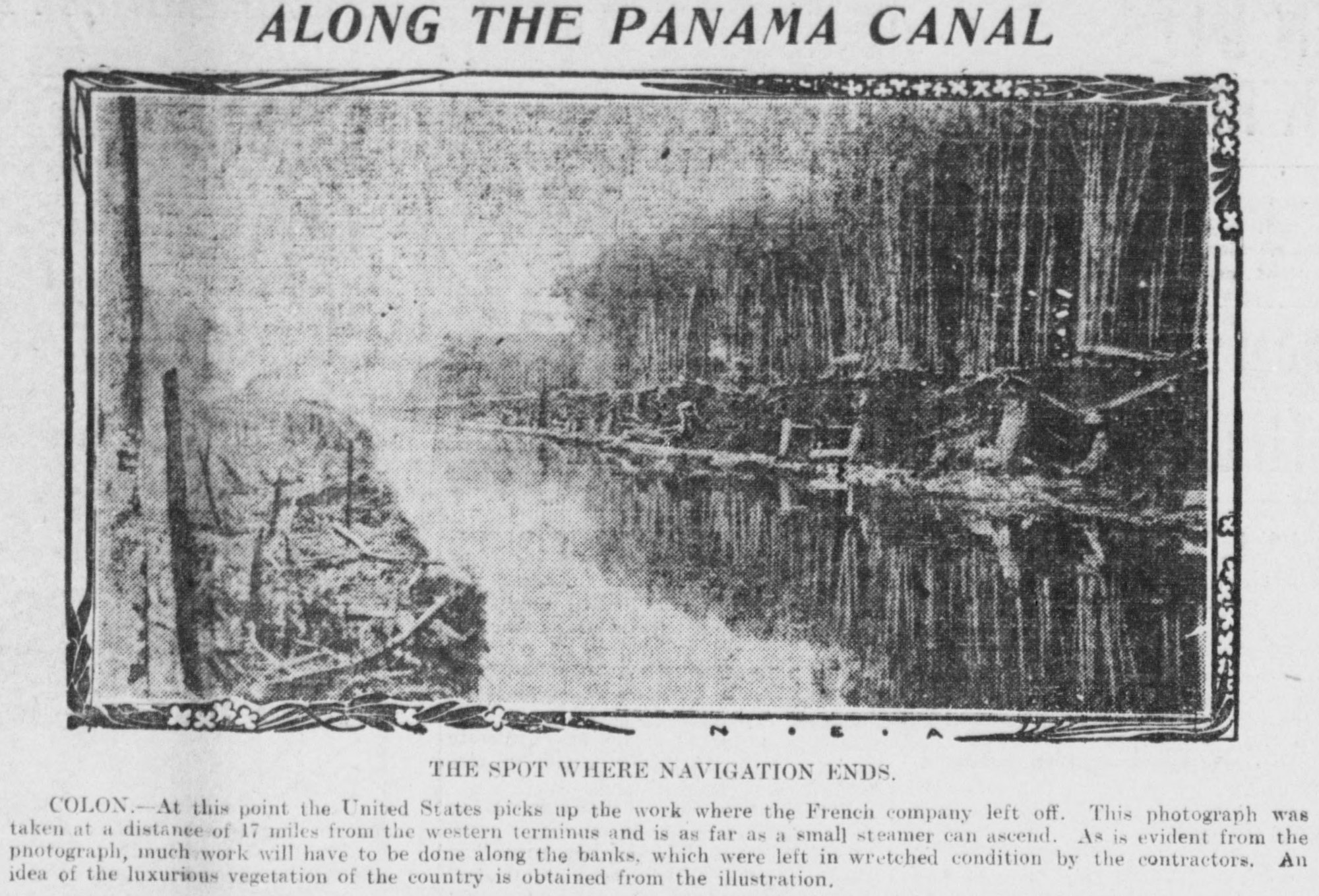
On February 23, 1904, the U.S. Senate ratified the Hay–Bunau-Varilla Treaty that was signed the prior November. The treaty allowed the U.S. to gain control of the Panama Canal Zone.
Image from the Tacoma Times from 1904 showing the spot where navigation ended, about 17 miles from the western terminus via Wikimedia Commons, public domain
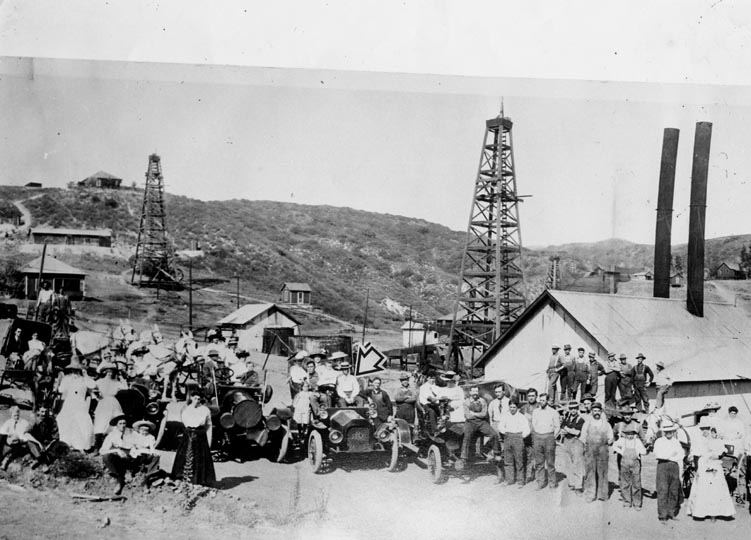
The city of Brea in Orange County, California was incorporated on February 23, 1917. Brea means “tar” in Spanish and the Brea-Olinda Oil Field was discovered there in 1880. Over 400 million barrels of oil have been produced since it was drilled. Hall of Fame baseball pitcher, Walter Johnson, worked in the nearby oil fields in his teens.
Image via Wikimedia Commons, public domain
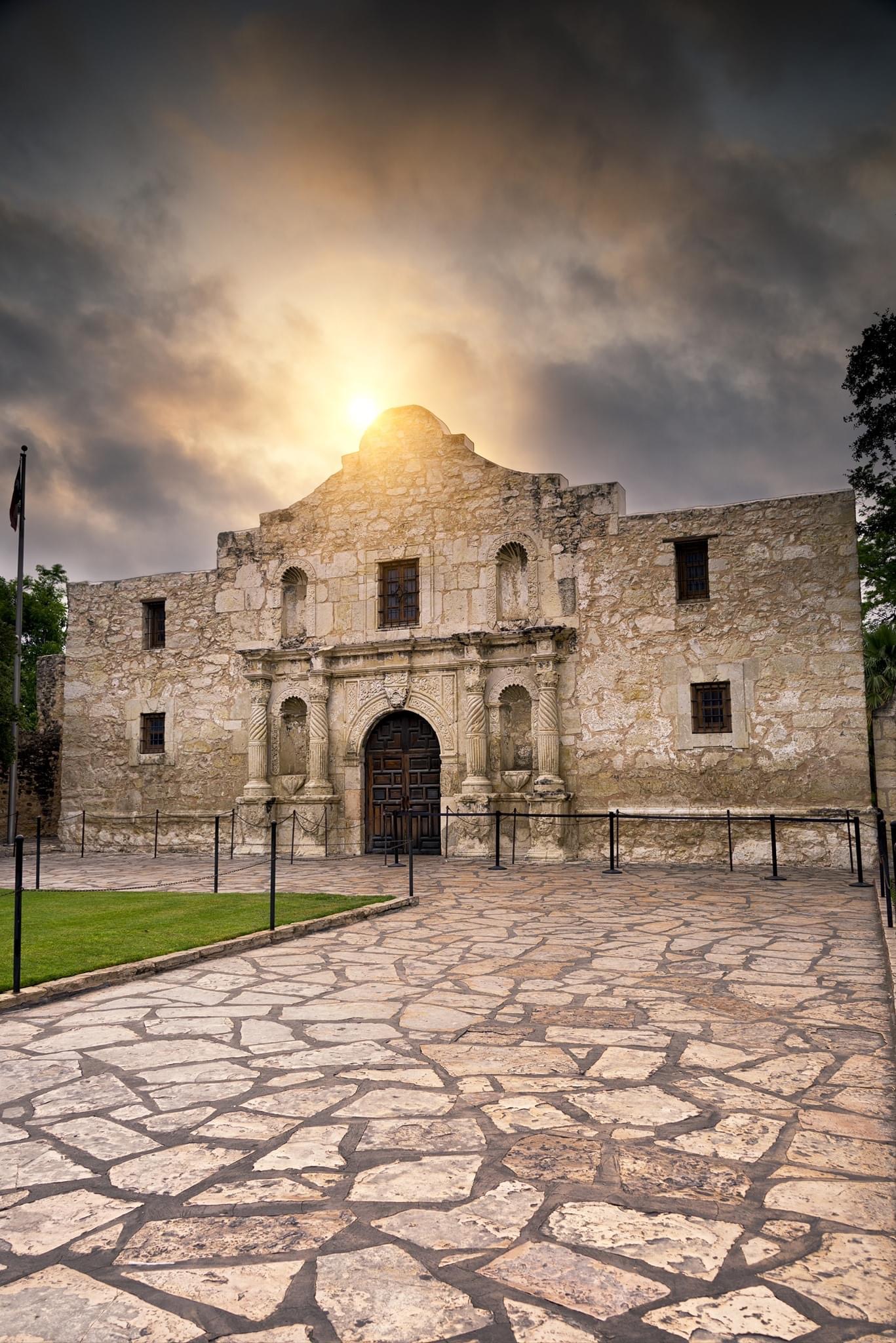
On February 23, 1836, the siege of the Alamo began in present day San Antonio, Texas.
Image of the historic Alamo by Dean Fikar via Shutterstock
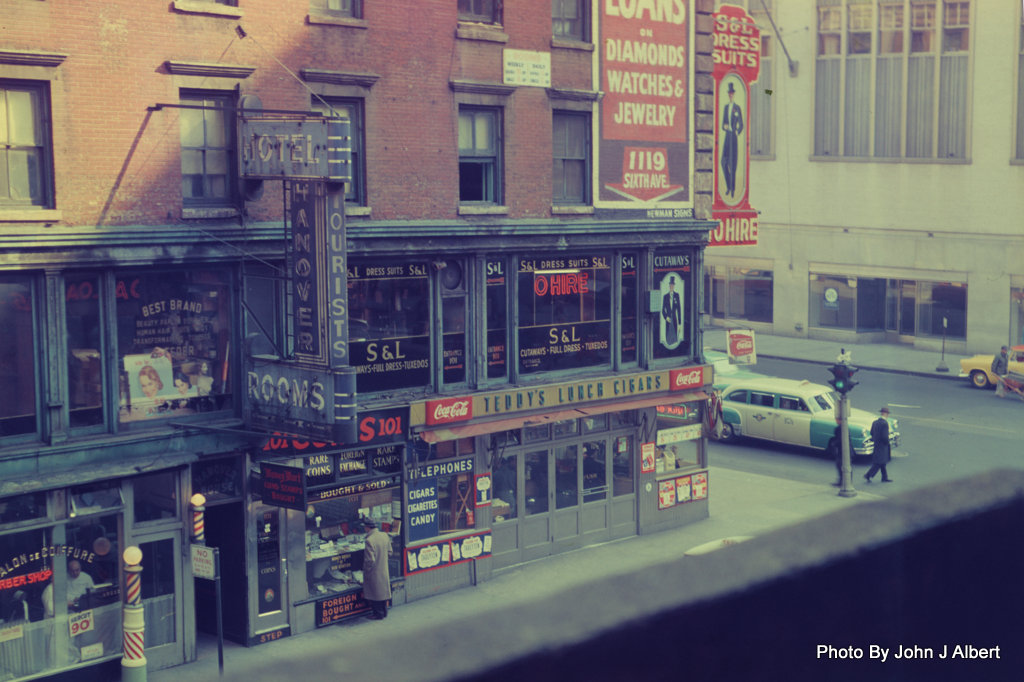
A photo of the Hanover House Hotel at 43rd St. and 6th Ave. (101 West 43rd St.) in New York City from 1952. Twelve years earlier, on February 23, 1940, Woody Guthrie composed the lyrics to “This Land is Your Land” in a room at the hotel.
Image from John Eric Albert via Wikimedia Commons, CC BY 2.0
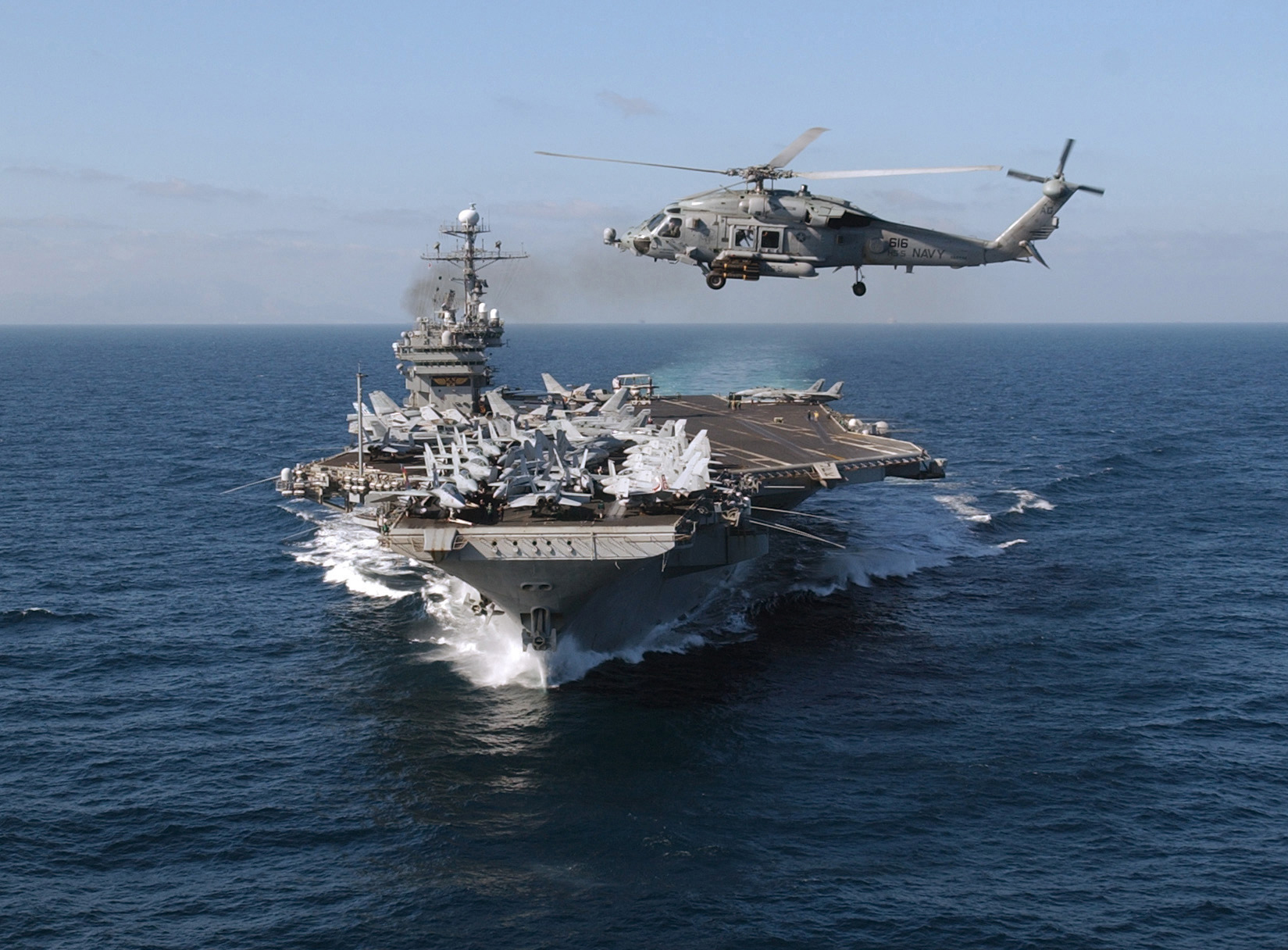
An HH-60H “Seahawk” helicopter assigned to the “Nightdippers” of Helicopter Anti-Submarine Squadron Five (HS-5) crosses the bow of USS John F. Kennedy as the carrier Battle Group (BG) arrives in the Mediterranean Sea. February 23, 2002 from U.S. Navy via Wikimedia Commons, public domain
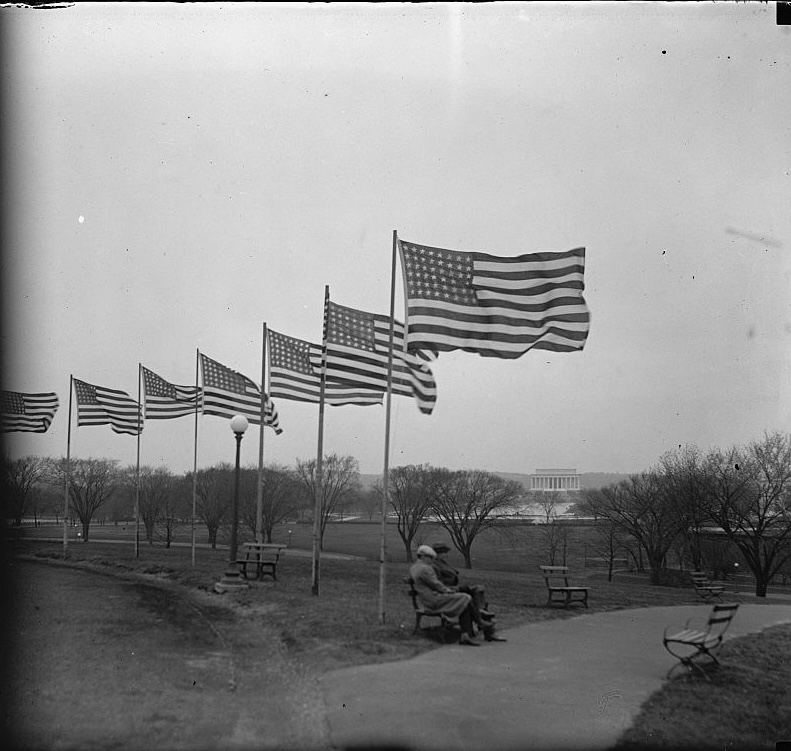
Flags at base of Washington Monument February 23, 1925 via Library of Congress, no known restrictions