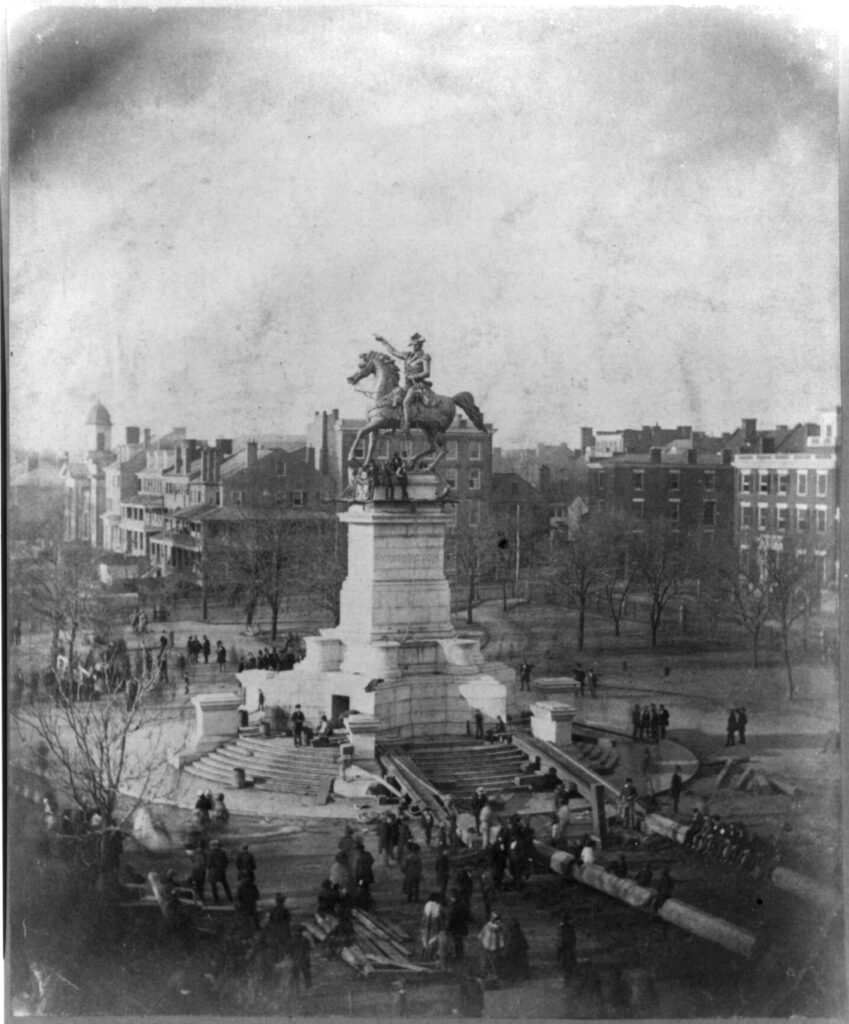
February 22, 1858 — Richmond gathered in Capitol Square to witness the unveiling of Thomas Crawford’s equestrian statue of George Washington. Timed for Washington’s Birthday, the ceremony drew thousands who watched the great canvas fall away to reveal the calm, composed figure of the citizen‑soldier—steady in the saddle, restrained in posture, a deliberate contrast to the imperial monuments rising in Europe. Though the cornerstone had been laid in 1850 and the full monument would not be completed until 1869, this unveiling marked the arrival of its central figure, the one meant to anchor Virginia’s Revolutionary story in bronze.
The pedestal’s sculptural groups would come later, but even on this day the monument stood as a civic shrine: Washington framed against Jefferson’s Capitol, a state asserting its memory, its pride, and its place in the nation’s founding narrative. On this February 22, Richmond honored Washington not only with speeches and celebration, but with a monument meant to embody the character of the man who shaped the republic.
And more than a century and a half later, Crawford’s Washington still stands in Capitol Square — unchanged in its placement and purpose, a rare 19th‑century monument that continues to anchor Virginia’s civic landscape.
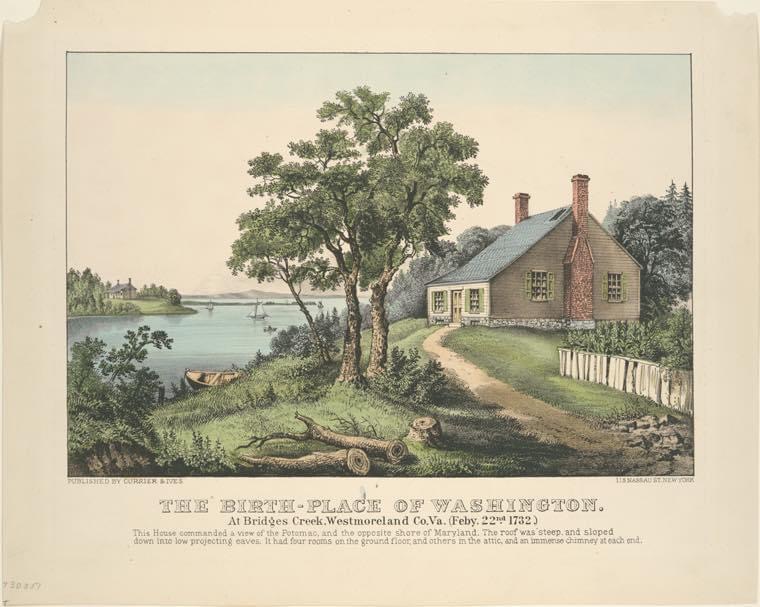
George Washington was born on February 22, 1732
“As was the custom, the family took the name of its estate or village, and William de Hertburn was known as William de Wessyngton. The “de” was soon dropped and Wessyngton was pronounced and spelled, down through the centuries, Wessington, Weshington, Wassington, until it became Washington. The names of these knightly descendants of the Norman conquerors, in their various forms, are found in the lists of English chivalry all through the Middle Ages, and many of them engaged in heroic enterprises to be eclipsed only by one great American name which should evermore be “first in war.”
From: The story of young George Washington by Wayne Whipple, published in 1918 https://archive.org/details/storyofyounggeor00whip/page/22 Source says not in copyright
Image: The birth-place of Washington. At Bridges Creek, Westmoreland Co. Va. The Miriam and Ira D. Wallach Division of Art, Prints and Photographs: Print Collection, The New York Public Library.
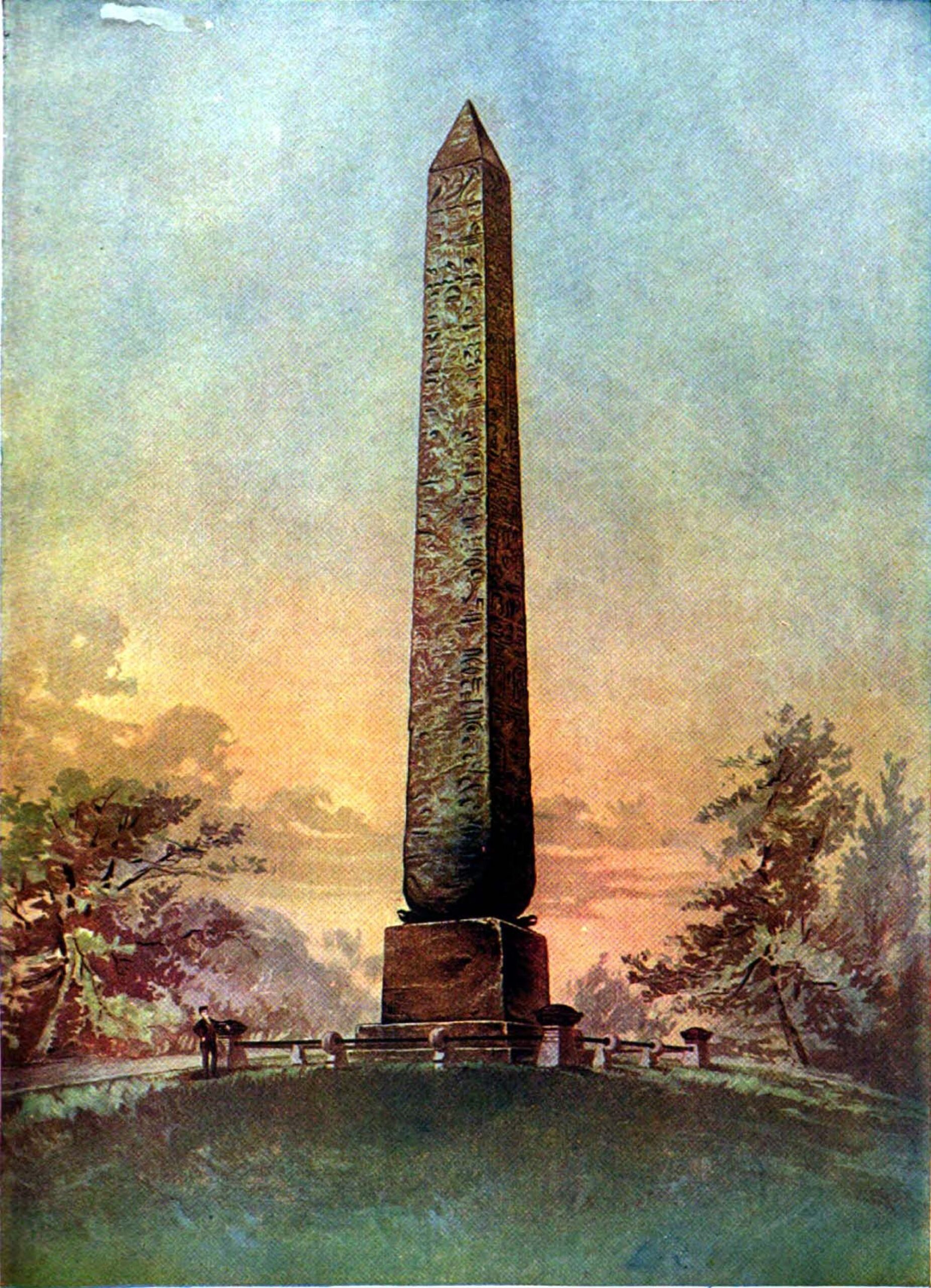
On February 22, 1881, an ancient Egyptian obelisk was installed in New York’s Central Park near the Metropolitan Museum of Art. Dubbed “Cleopatra’s Needle” the 3,400 year old monument was a gift from the Khedive (viceroy) of Egypt to the US. It stands 70 feet tall and is covered in hieroglyphics.
Image via Wikimedia Commons, public domain
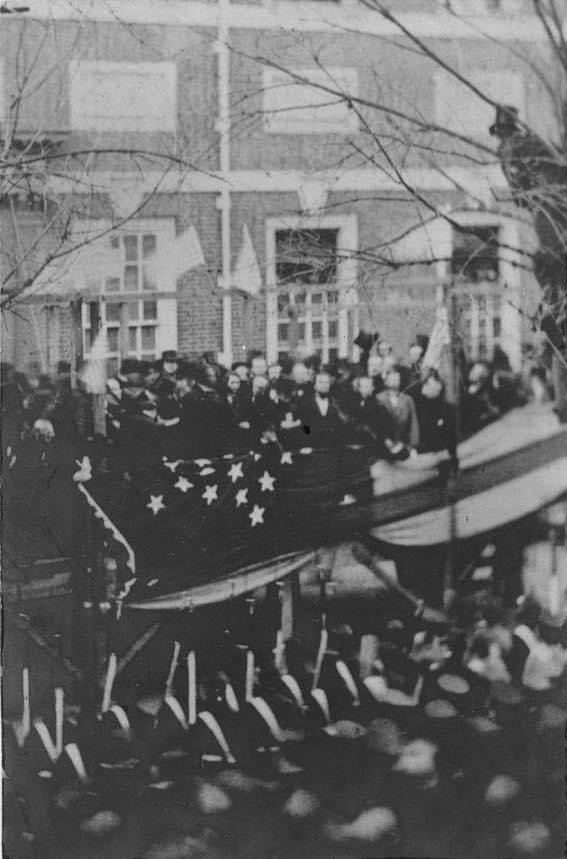
“Abraham Lincoln raising a flag at Independence Hall, Philadelphia, in honor of the admission of Kansas to the Union on Washington’s Birthday, February 22, 1861” via Library of Congress, no known restrictions
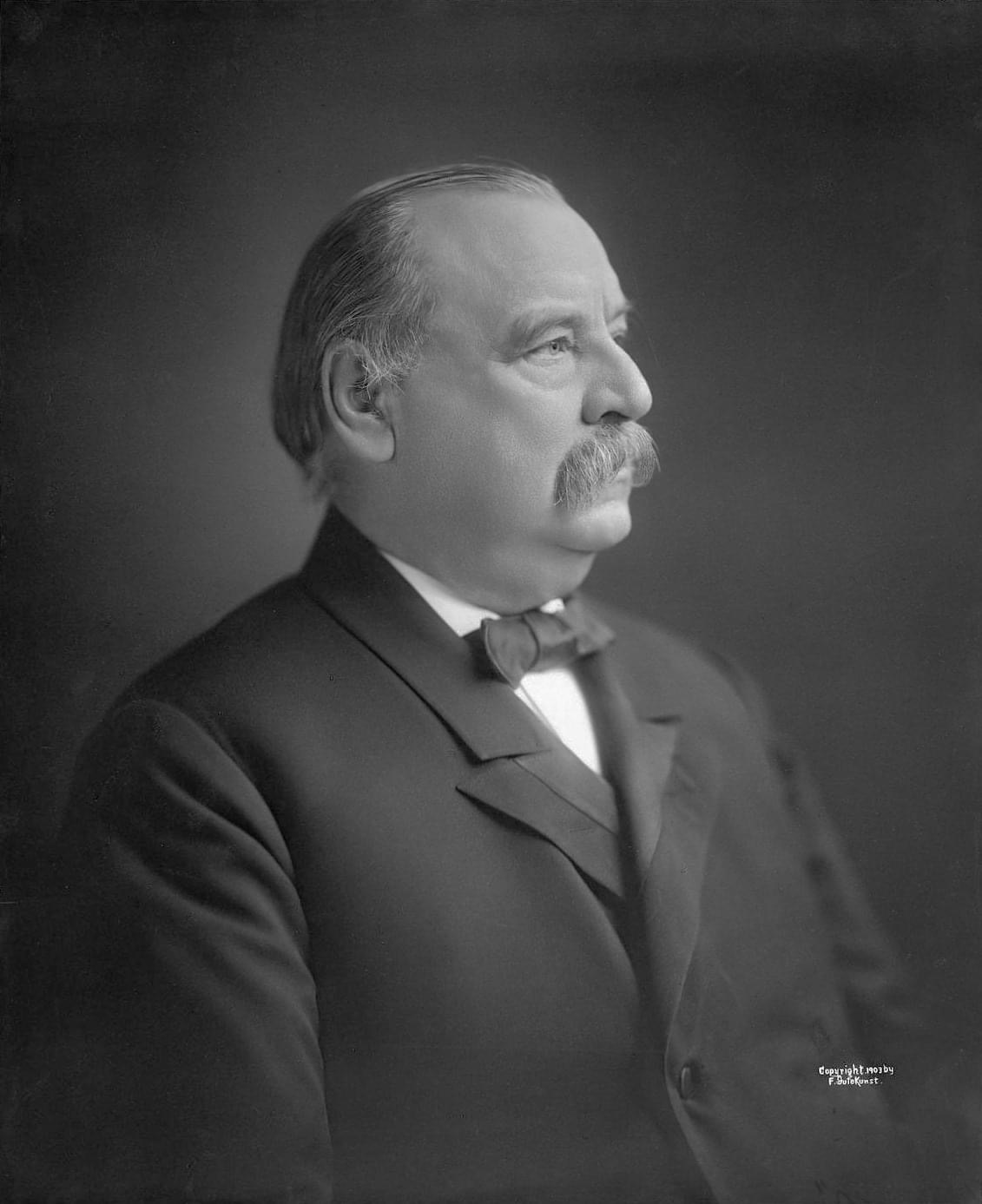
On February 22, 1889, President Grover Cleveland (just 10 days before finishing his 1st Presidential term) signed the Enabling Act which authorized the entry of Washington, Montana, North Dakota and South Dakota (split Territory of Dakota) into the Union. All 4 states officially entered the Union later that same year, in November 1889.
Image of Grover Cleveland from 1903 via Wikimedia Commons, public domain
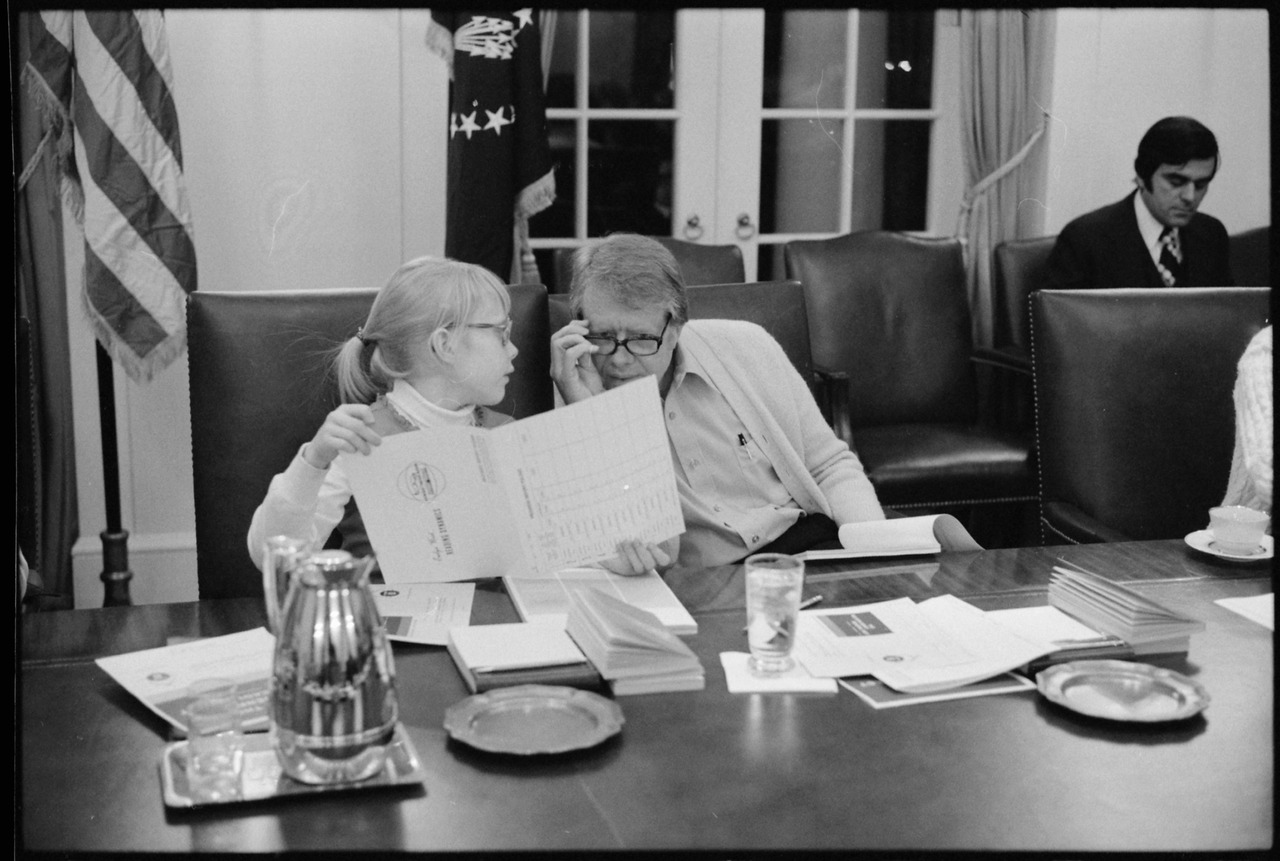
Amy Carter and Jimmy Carter participate in a speed reading course at the White House. February 22, 1977
Image via Wikimedia Commons, public domain
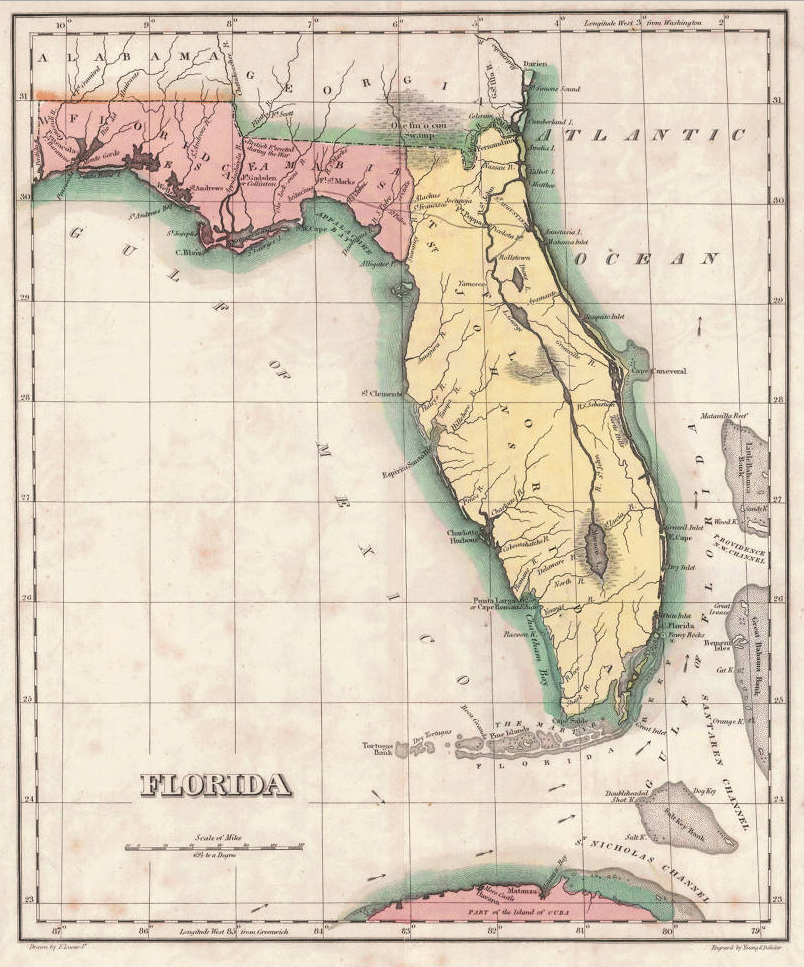
On today’s date February 22, 1819, John Quincy Adams and Luis de Onís y González-Vara of Spain negotiated the Adams-Onis Treaty that essentially ceded Florida and other Spanish lands in America to The United States. The U.S. officially took possession of Florida a little over two years later in 1821.
Image: Map of Florida from 1822 via Wikimedia Commons, public domain
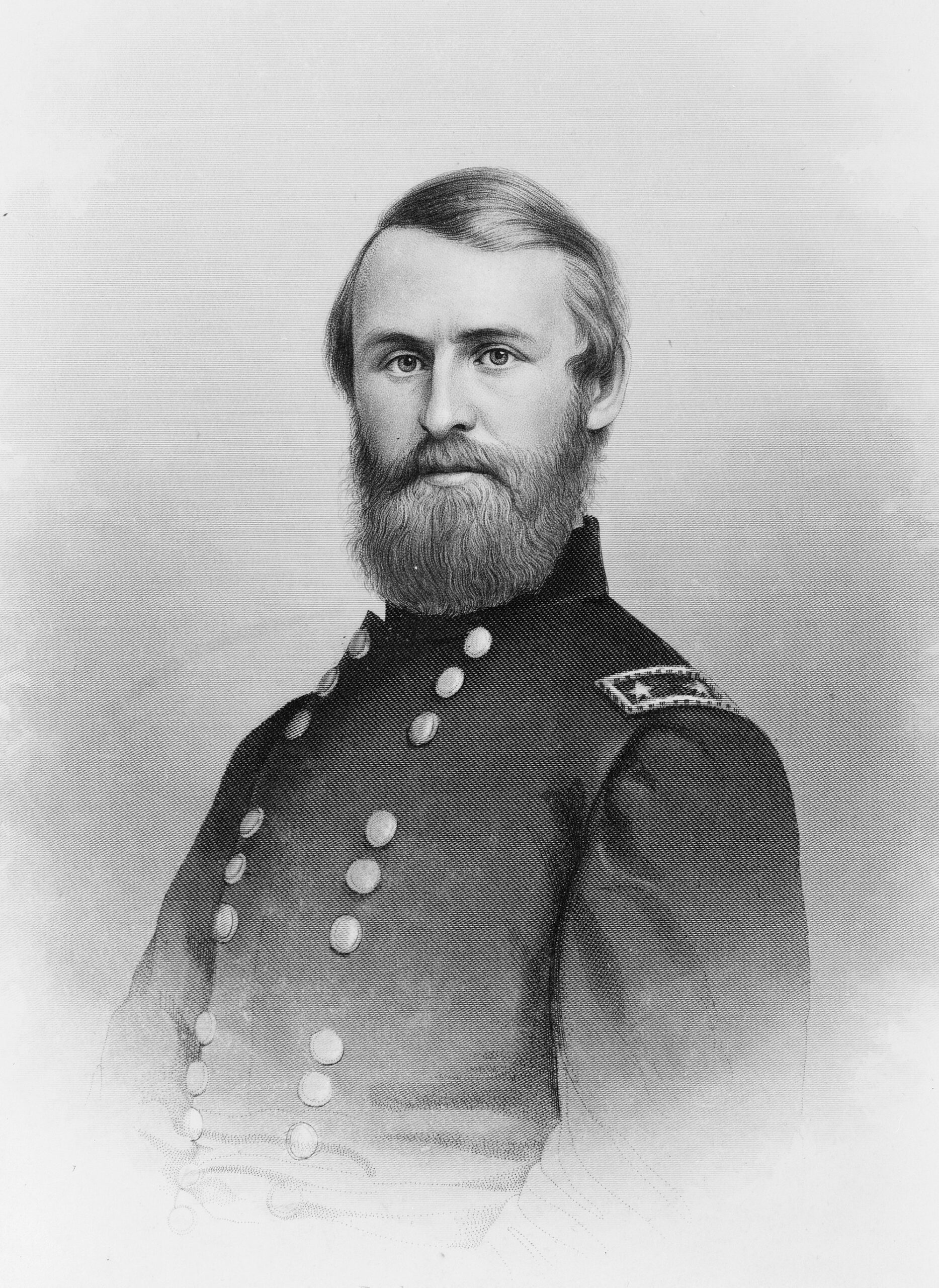
On February 22, 1865, the Battle of Wilmington, North Carolina concludes as Union General Jacob D. Cox leads his 3rd Division into the city.
Image via Wikimedia Commons, public domain
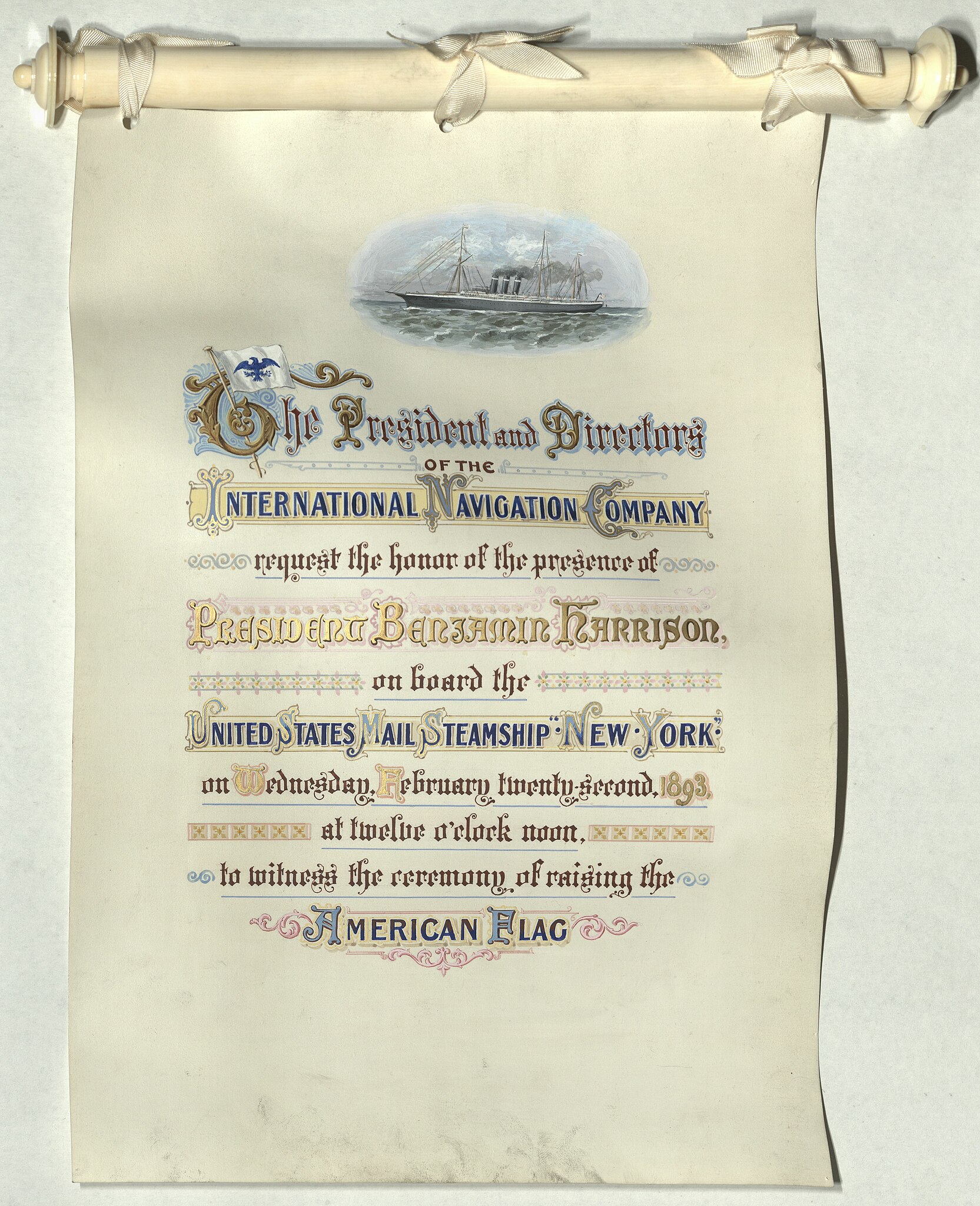
Invitation to Raising of Flag on U.S. Mail Steamship New York February 22, 1893
Image via Wikimedia Commons, public domain
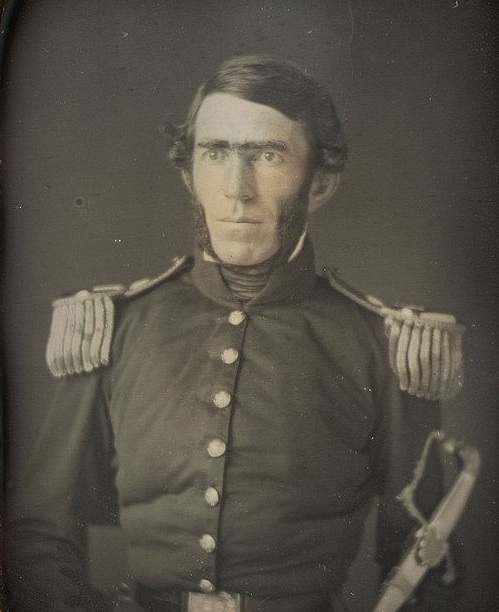
February 22, 1847 — a cold wind swept the mountain passes above Buena Vista as Santa Anna’s army closed in. Captain Braxton Bragg spent the morning dragging his U.S. artillery into position across the rocky ground, answering each probe with steady, disciplined fire to hold Zachary Taylor’s thin line together. The famous order would come tomorrow, but on this cold February 22, Bragg’s guns were already anchoring the fight that would decide Buena Vista.
For Bragg, this day marked more than the opening of a battle — it was the moment his national reputation began. His performance at Buena Vista earned him a brevet promotion and the admiration of a country that saw him as one of the Army’s most promising young officers. Yet the path ahead would twist sharply. After the war he returned to frontier duty, then left the U.S. Army to become a Louisiana planter. When the nation fractured in 1861, Bragg cast his lot with the Confederacy, rising to command the Army of Tennessee and becoming one of the Civil War’s most controversial generals.
But all of that — the rise, the bitterness, the legacy — lay far in the future. On February 22, 1847, he was simply Captain Bragg of the U.S. artillery, standing in the cold wind at Buena Vista, fighting to hold the line.
Image of Bragg around the time of the Mexican-American War via Wikimedia Commons, CC BY 4.0
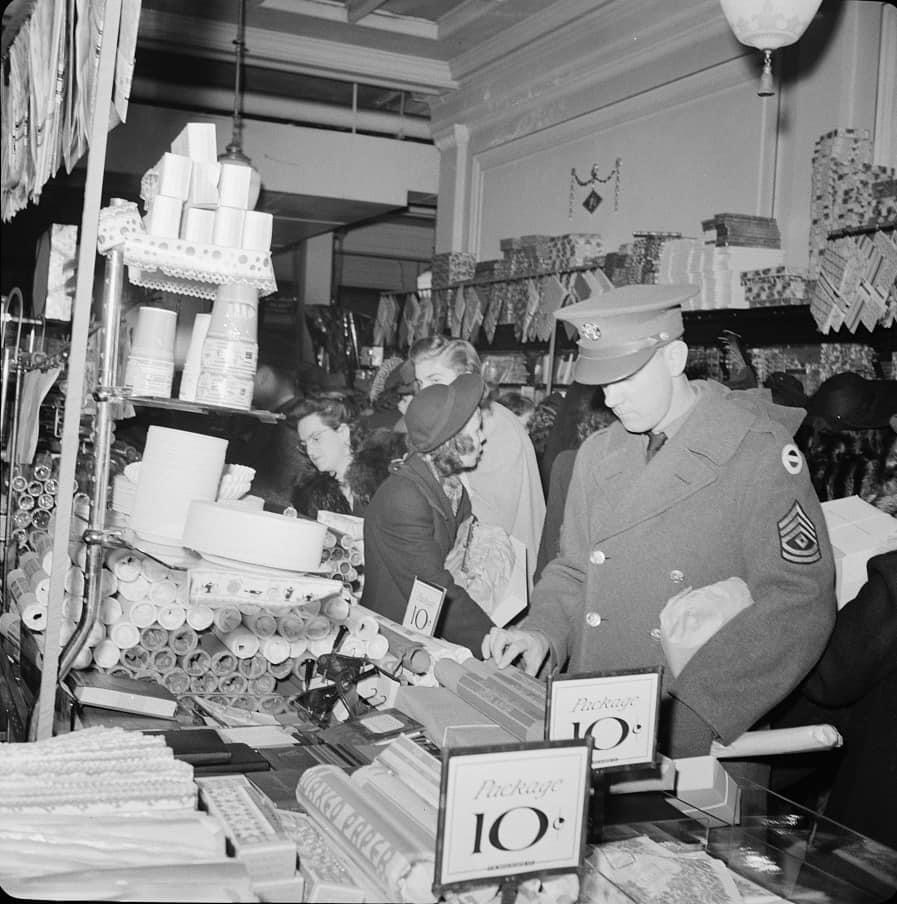
Shopping at a Woolworth Five-and-Dime store in Washington, D.C. in 1941
On today’s date February 22, 1879 the first Woolworth retail store opened in Utica, New York. The first store failed but Frank Woolworth stuck to it and in ten years he had 12 profitable stores in business.
Image via Library of Congress, no known restrictions
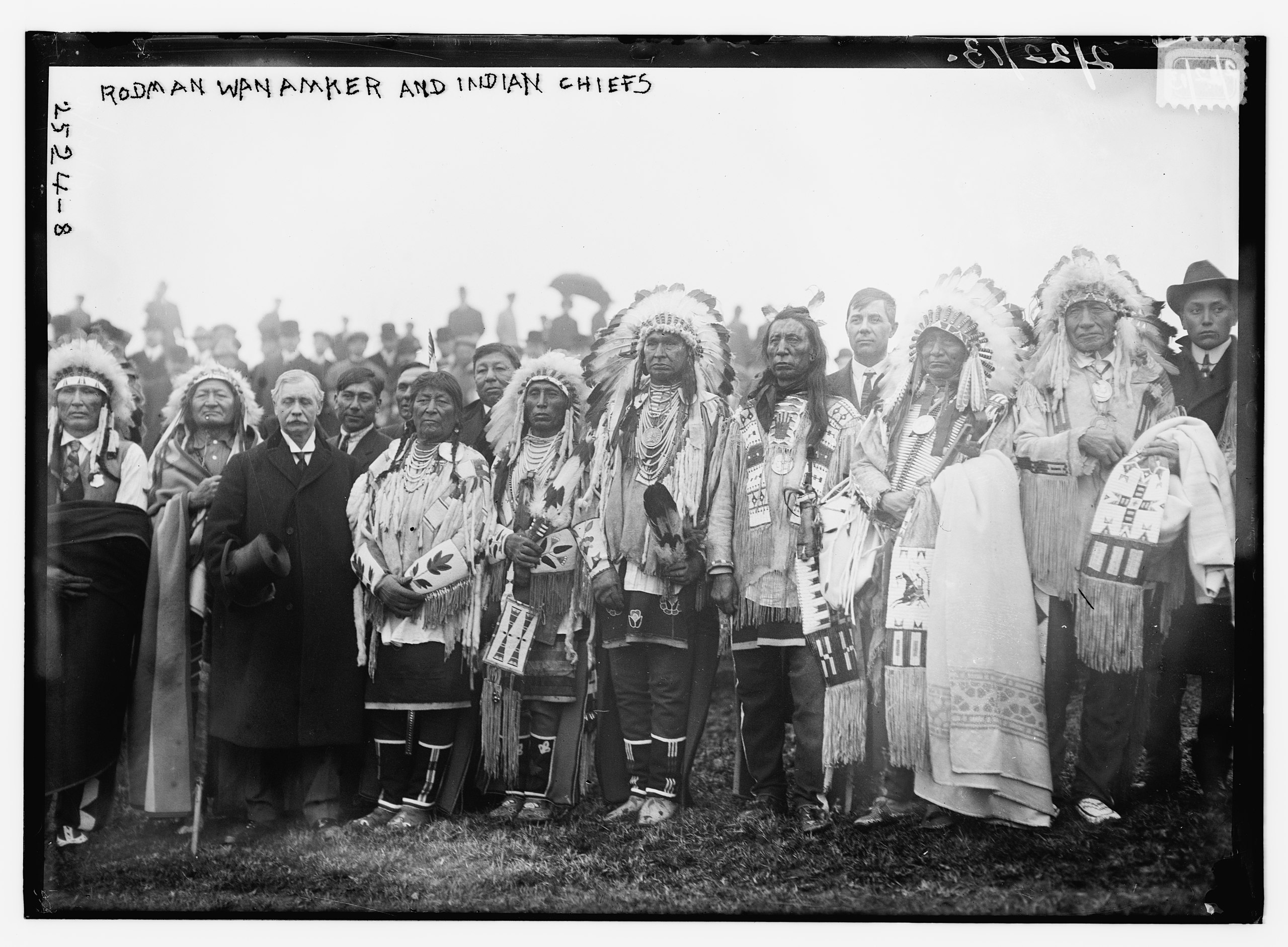
Rodman Wanamaker and Native American Chiefs on February 22, 1913 at the groundbreaking ceremony for the National American Indian Memorial at Fort Wadsworth on Staten Island in New York. Groundbreaking of the Memorial commenced in 1913; however, the project was ultimately left unfinished, and no physical trace exists today.
Image via Wikimedia Commons, public domain
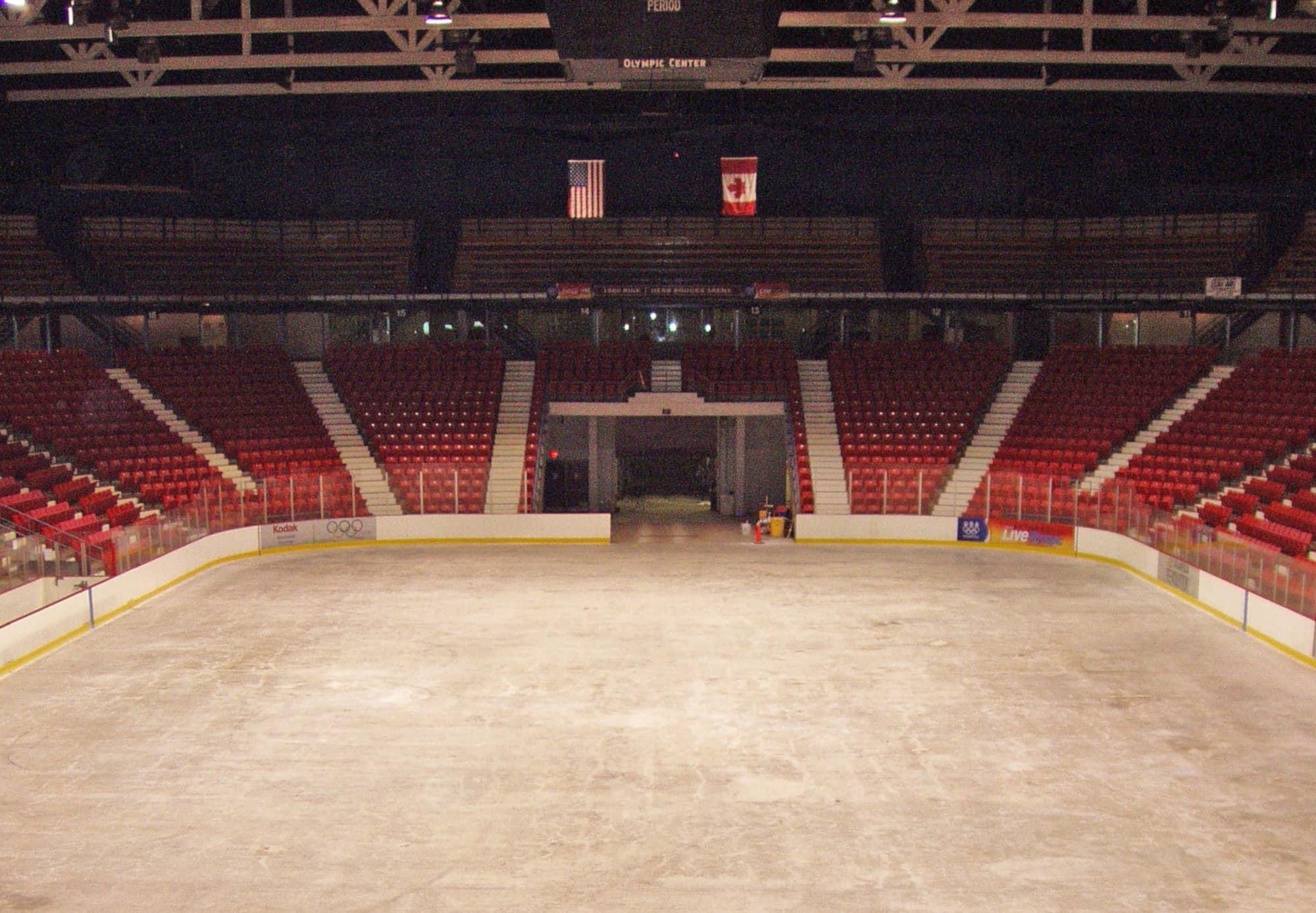
Herb Brooks Arena in Lake Placid, New York where the U.S. defeated the Soviet Union in hockey on February 22, 1980 to advance to the gold medal game.
Image via Wikimedia Commons, public domain
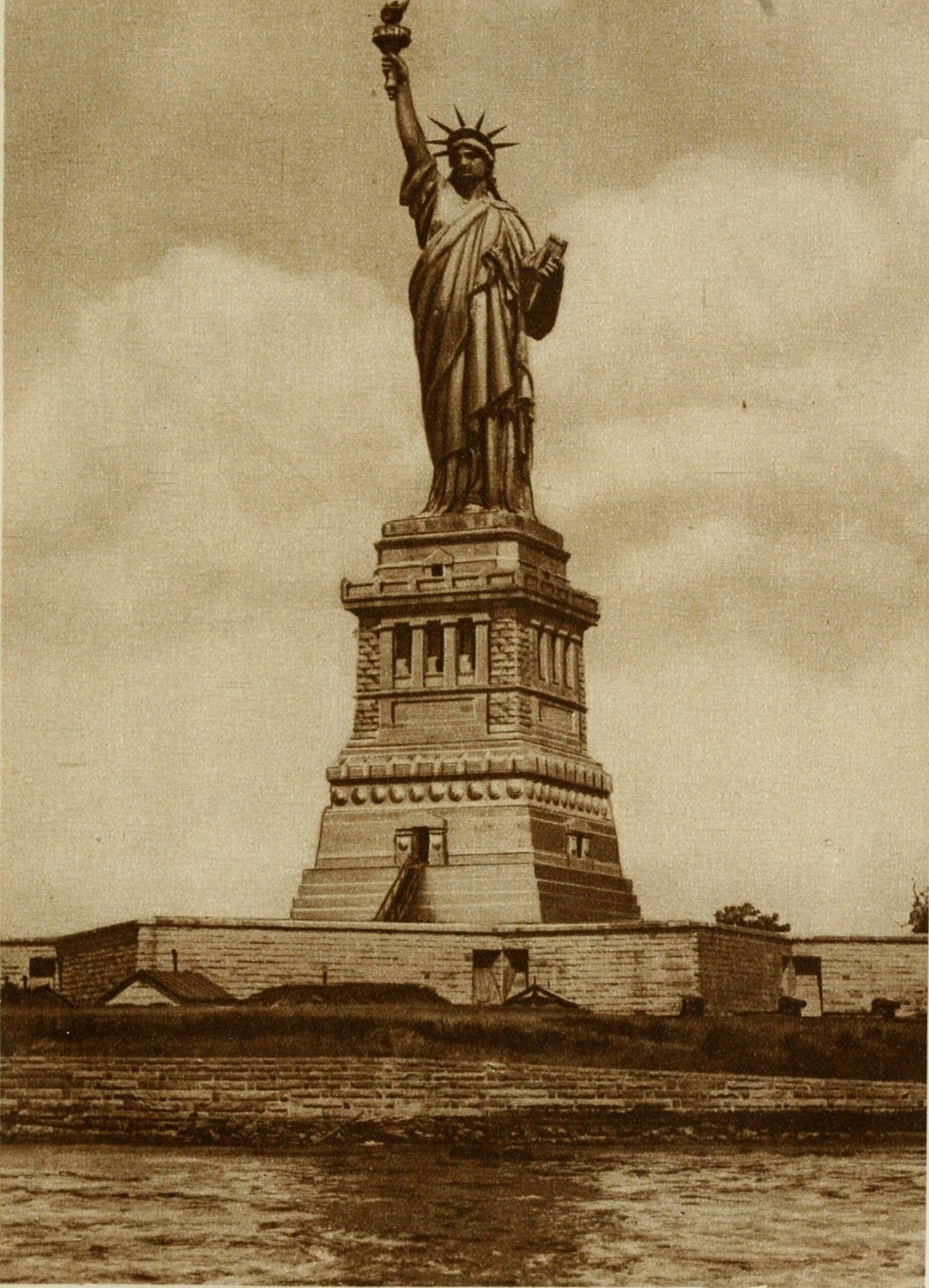
Nine years before she was dedicated in New York Harbor, The Statue of Liberty was accepted as a gift from the people of France to the United States on February 22, 1877 with a joint resolution by U.S. Congress.
Image via Wikimedia Commons, public domain
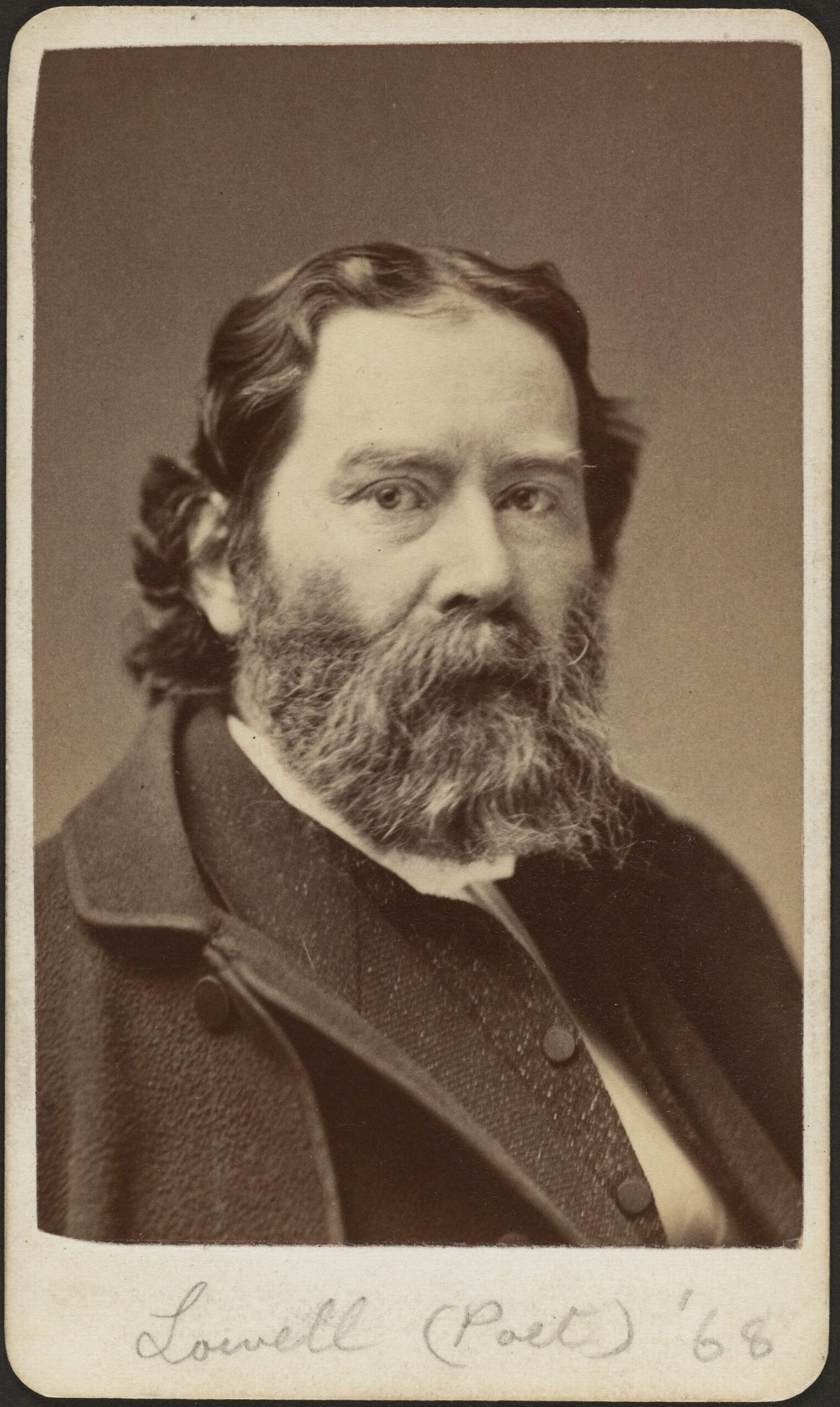
On February 22, 1819, American poet James Russell Lowell was born in Cambridge, Massachusetts. One of his sonnets was titled
In Absence
These rugged, wintry days I scarce could bear,
Did I not know, that, in the early spring,
When wild March winds upon their errands sing,
Thou wouldst return, bursting on this still air,
Like those same winds, when, startled from their lair,
They hunt up violets, and free swift brooks
From icy cares, even as thy clear looks
Bid my heart bloom, and sing, and break all care:
When drops with welcome rain the April day,
My flowers shall find their April in thine eyes,
Save there the rain in dreamy clouds doth stay,
As loath to fall out of those happy skies;
Yet sure, my love, thou art most like to May,
That comes with steady sun when April dies.
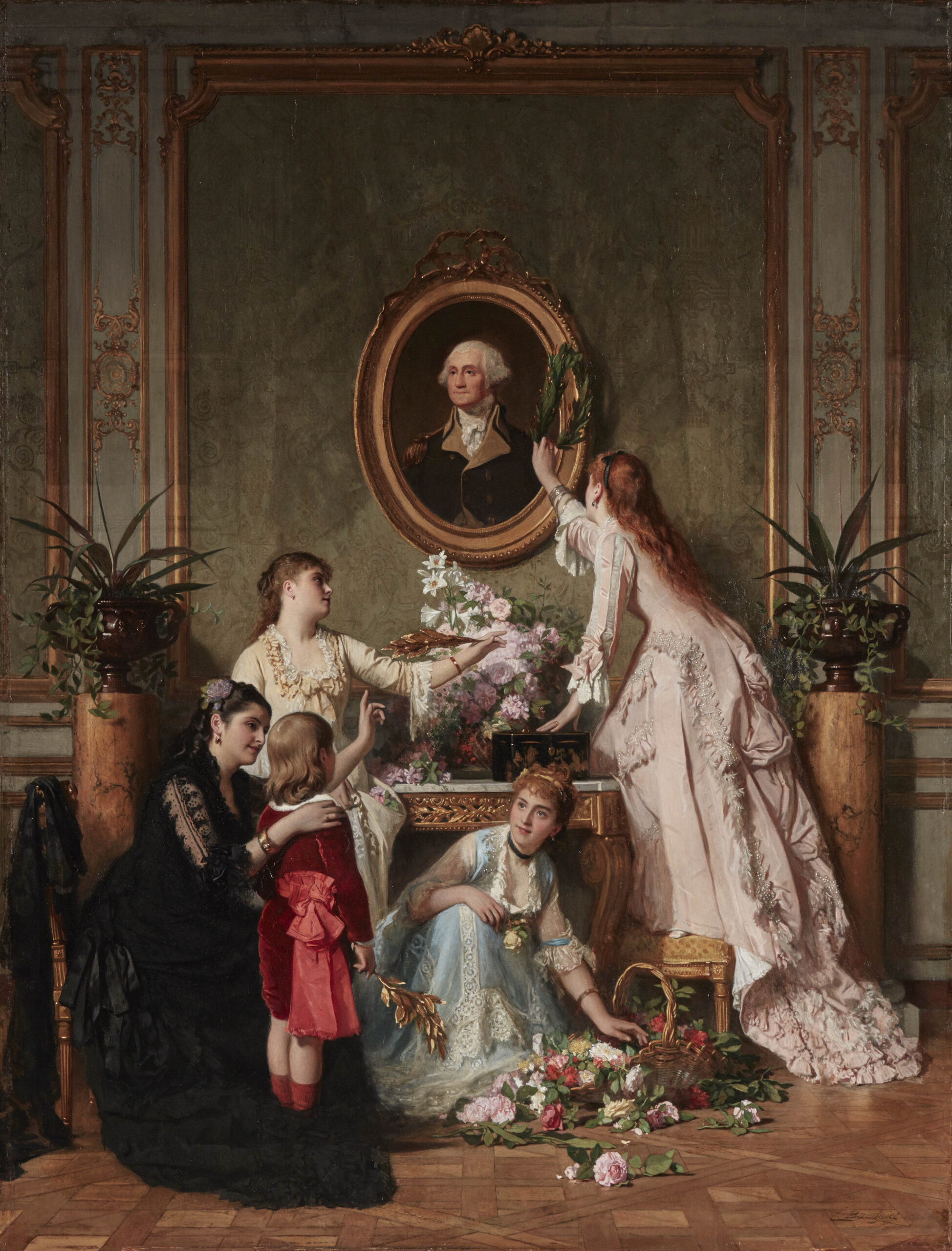
Washington’s Birthday a painting by Belgian artist Charles Baugniet from 1878
Image via Wikimedia Commons, public domain
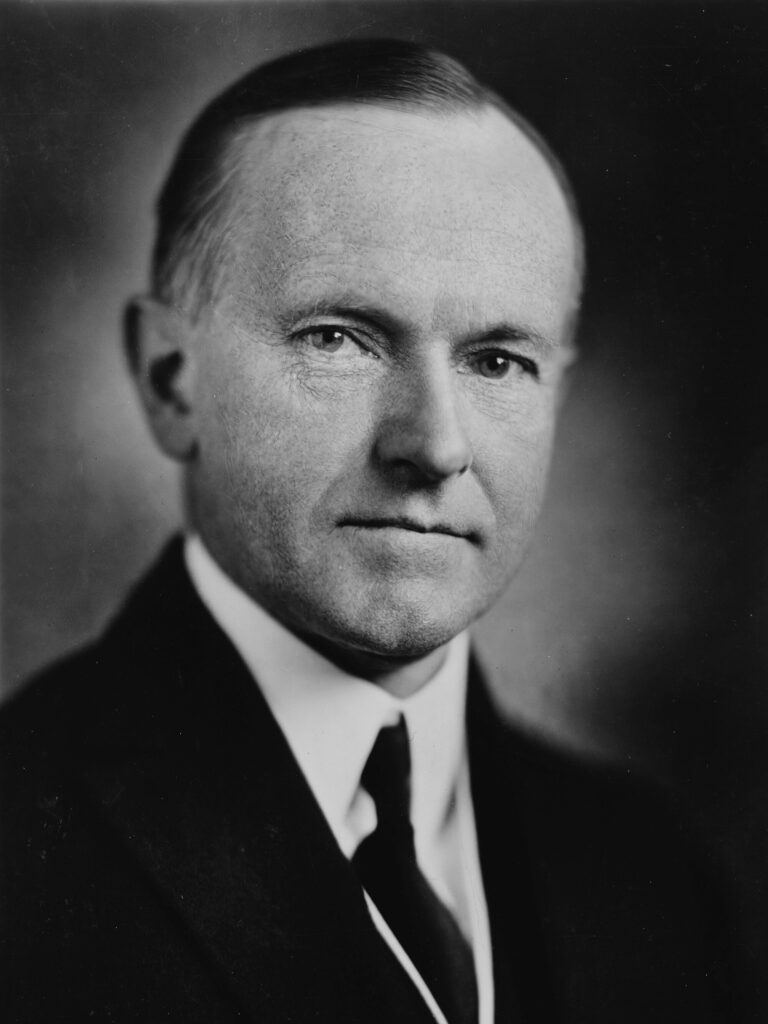
February 22, 1924 — Calvin Coolidge used Washington’s Birthday to push the presidency into a new medium. Speaking from the White House into a five‑station AT&T network, he delivered the first political address ever crafted expressly for radio — a message on public duty and national character. It was not a campaign speech, but it was unmistakably political: a president shaping public opinion directly, without a newspaper editor or congressional chamber in the way.
Coolidge had stepped to the microphone once before, offering a brief December 1923 tribute to his predecessor, Warren G. Harding. But the Washington’s Birthday broadcast was different. It was intentional, structured, and aimed at the entire nation — the moment radio became a tool of presidential leadership rather than ceremony.
On this February 22, the presidency found its voice in a new medium, and millions of Americans heard it in real time.
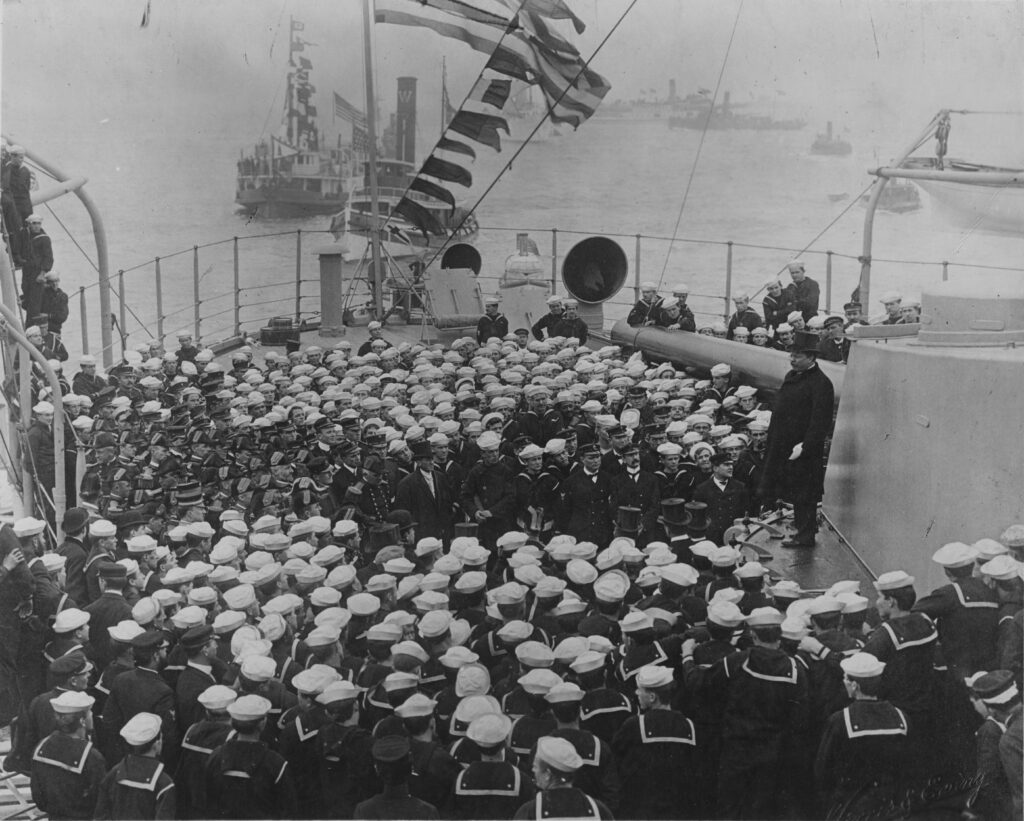
February 22, 1909 — A sea of white hats filled the after deck of USS Connecticut as the Great White Fleet returned to Hampton Roads. From the flagship, President Theodore Roosevelt is shown here praising the sailors who had carried sixteen battleships and their auxiliaries around the world, calling their 43,000‑mile voyage a quiet proof of our worth — and the U.S. Navy emerged as a modern force on the world stage. Chosen for Washington’s Birthday, the moment linked America’s rising global reach to the legacy of its first commander in chief.
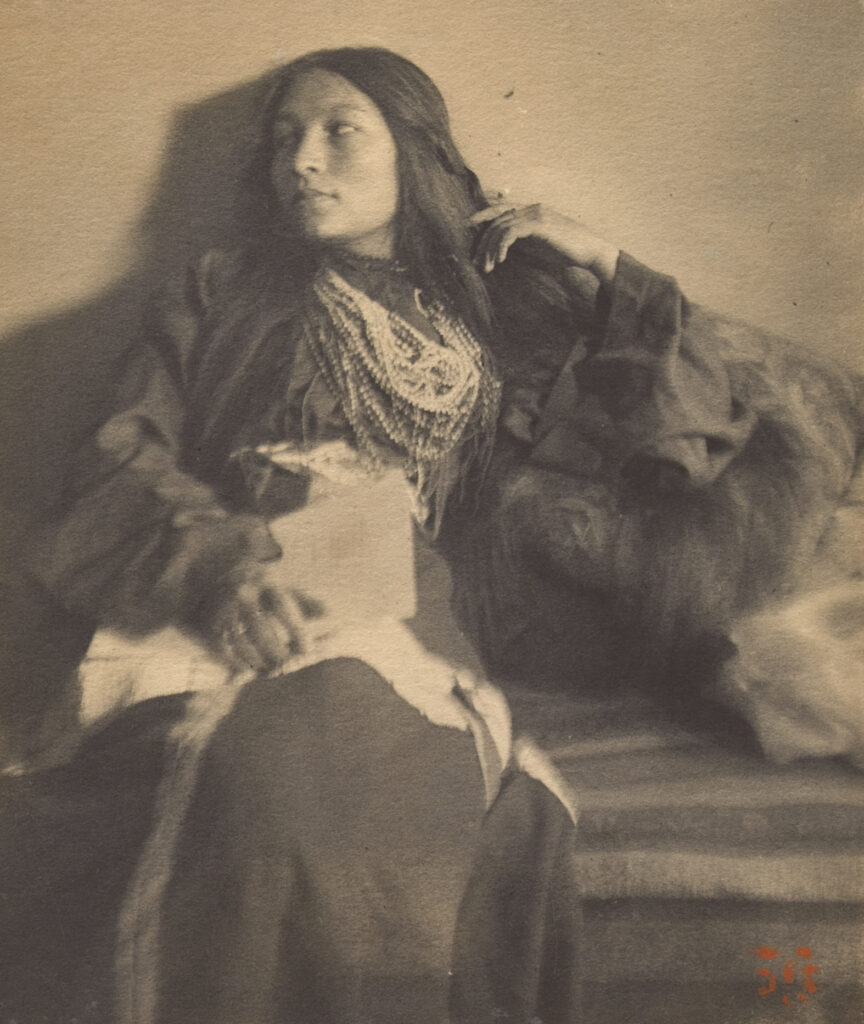
“A wee child toddling in a wonder world, I prefer to their dogma my excursions into the natural gardens where the voice of the Great Spirit is heard in the twittering of birds, the rippling of mighty waters, and the sweet breathing of flowers. Here, in a fleeting quiet, I am awakened by the fluttering robe of the Great Spirit.”
— Zitkala‑Ša (Gertrude Simmons Bonnin), born February 22, 1876, on the Yankton Sioux Reservation in Dakota Territory