
 Mystery March Is Here!
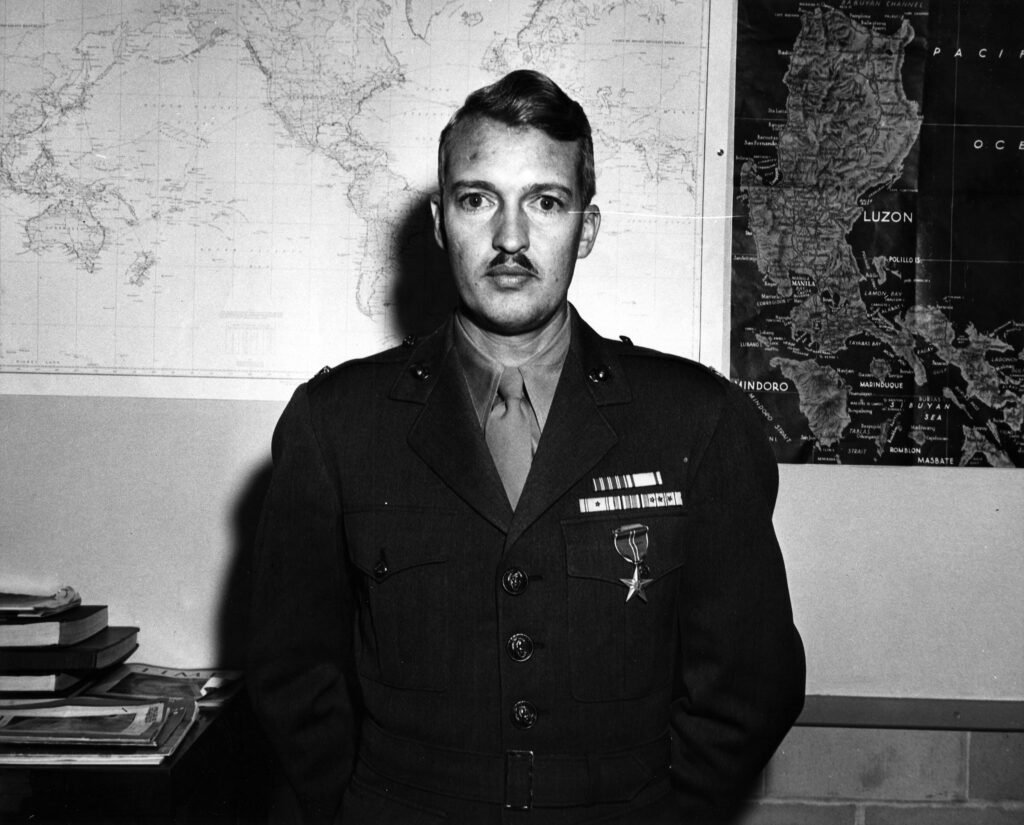
Colonel Archie Edward O’Neil sits for an official Marine Corps portrait at Headquarters Marine Corps in Washington, D.C., on February 2, 1945, photographed shortly after receiving his second Bronze Star Medal with Combat “V” for leadership during the recapture of Guam in July–August 1944. A seasoned combat officer, O’Neil had earlier earned his first Bronze Star for his role in the Battle of Midway in June 1942. He retired on July 1, 1957, and was advanced to the rank of brigadier general in recognition of having been specially commended in combat, closing a thirty‑year career that carried him from Nicaragua to the Solomons and through some of the Marine Corps’ hardest campaigns.
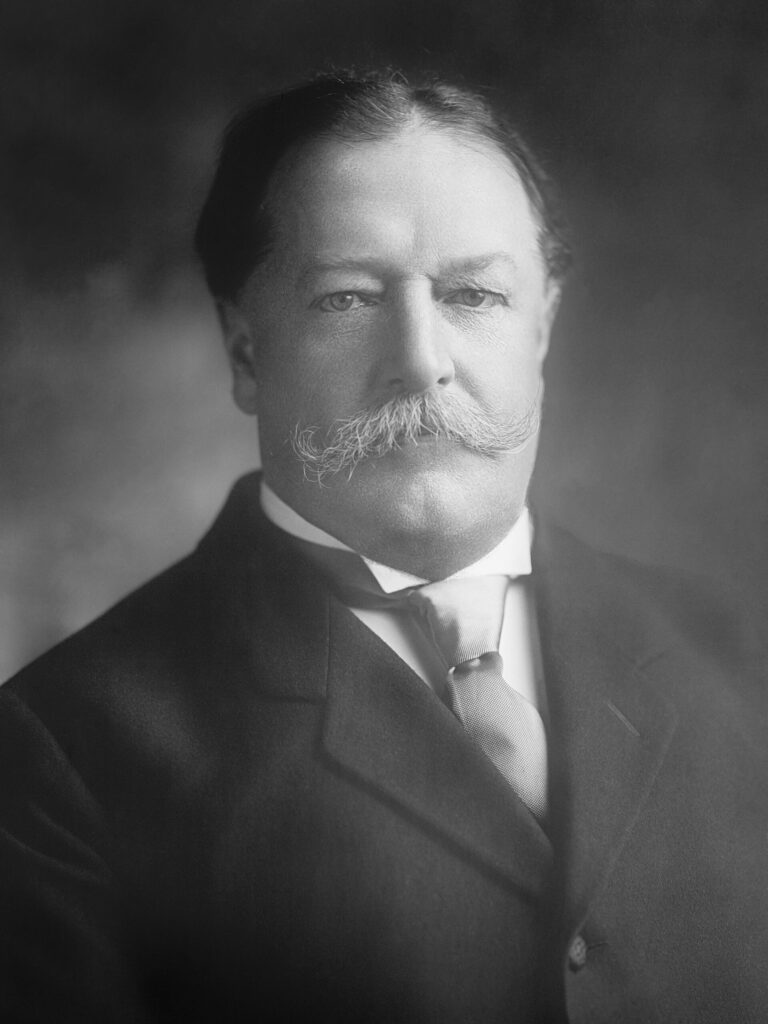
His heart failing and his strength slipping away, Chief Justice William Howard Taft announced on February 2, 1930 that he would resign — a final act of duty from a man who had given the nation everything he had left. He would pass away five weeks later.
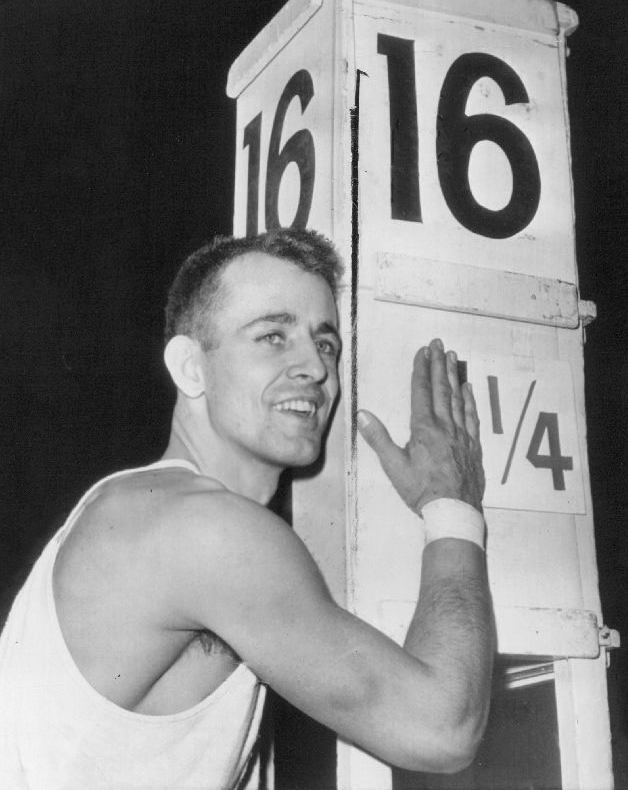
On February 2, 1962, U.S. Marine Corporal John Uelses set world record during the Millrose Games at New York’s Madison Square Garden when he pole vaulted over the bar at 16′ 1/4” before a sold out crowd. Image via Wikimedia Commons, public domain
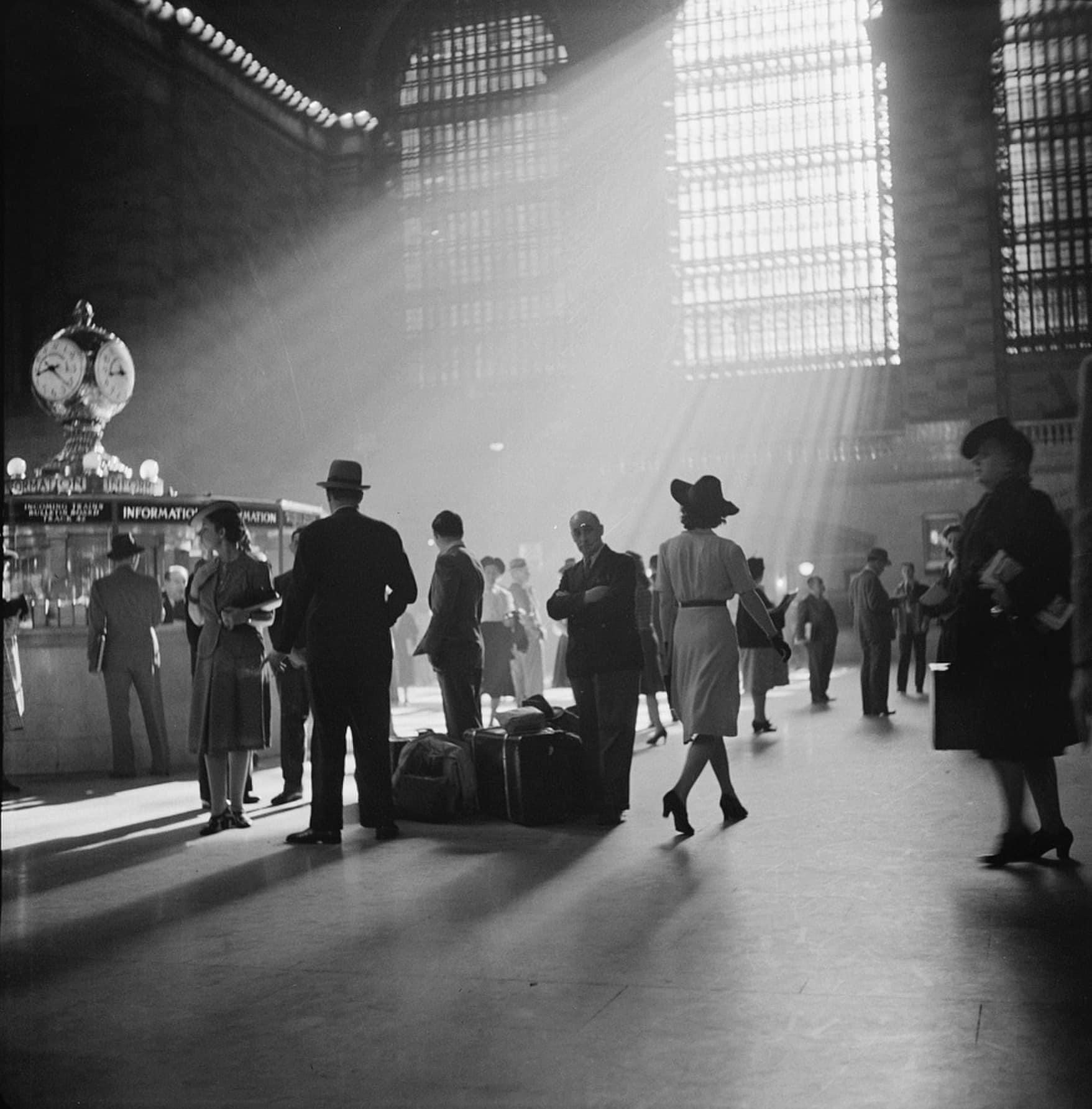
Photo of the inside of Grand Central Terminal in New York City, a few months before the U.S. entered WWII in 1941. On February 2, 1913, Grand Central Terminal opened to the public.
Image via Wikimedia Commons, public domain
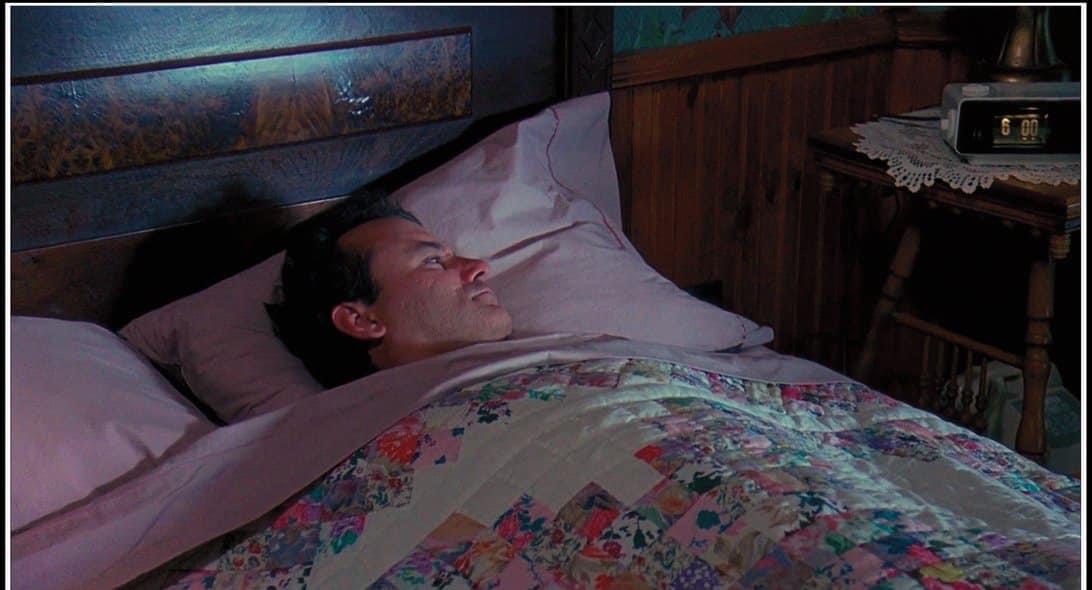
“I got you babe…” Image via Alamy
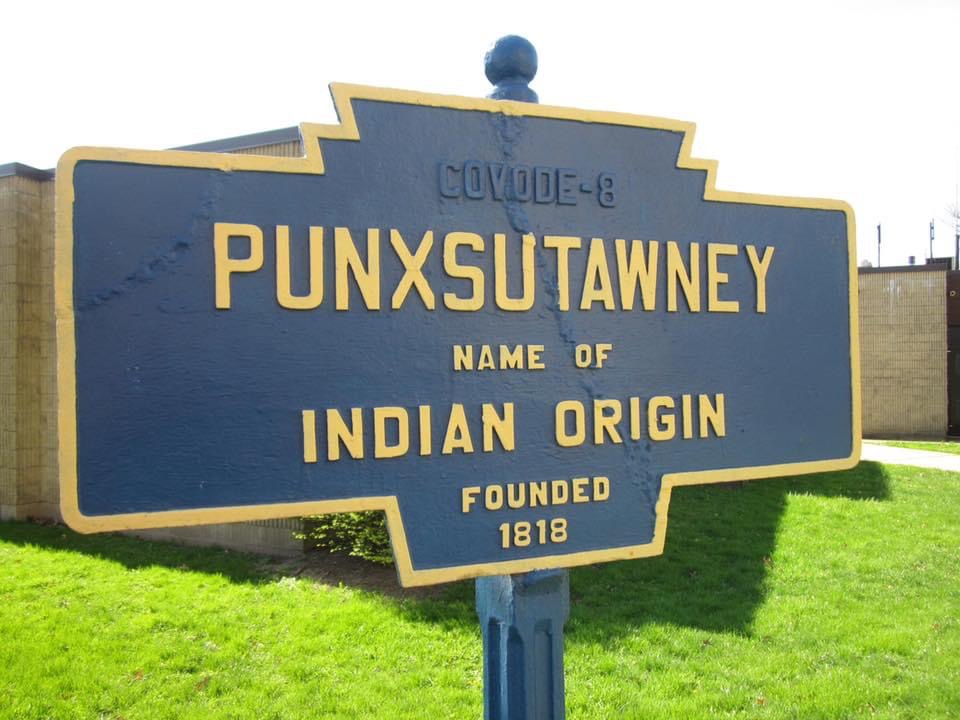
Punxsutawney actually means “town of the sandflies” Groundhog Day was celebrated in Punxsutawney, Pennsylvania for the first time on February 2, 1887
Image by Doug Kerr – CC BY-SA 2.0 via Wikimedia Commons
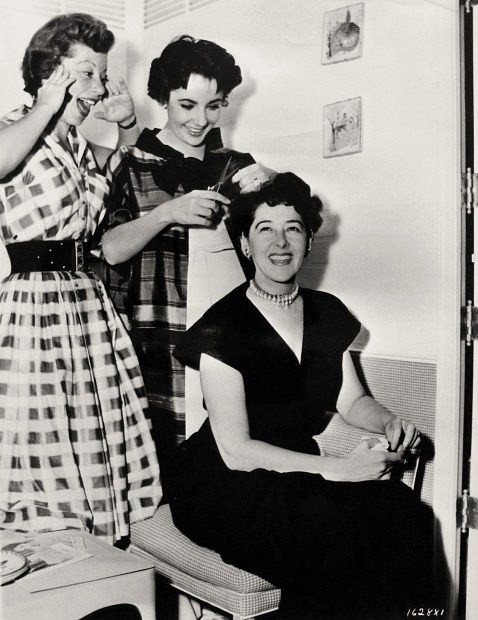
Helen Rose, the woman who designed the wedding dress for Grace Kelly, was born on February 2, 1904, in Chicago, Illinois. She worked as a costume designer in Hollywood for films that were produced between 1936-1968. Shown on the set of the 1954 film Rhapsody is Helen Rose (seated) getting her hair cut by Elizabeth Taylor as hair stylist Annabella Levy appears to be in shock.
Image via Wikimedia Commons, public domain
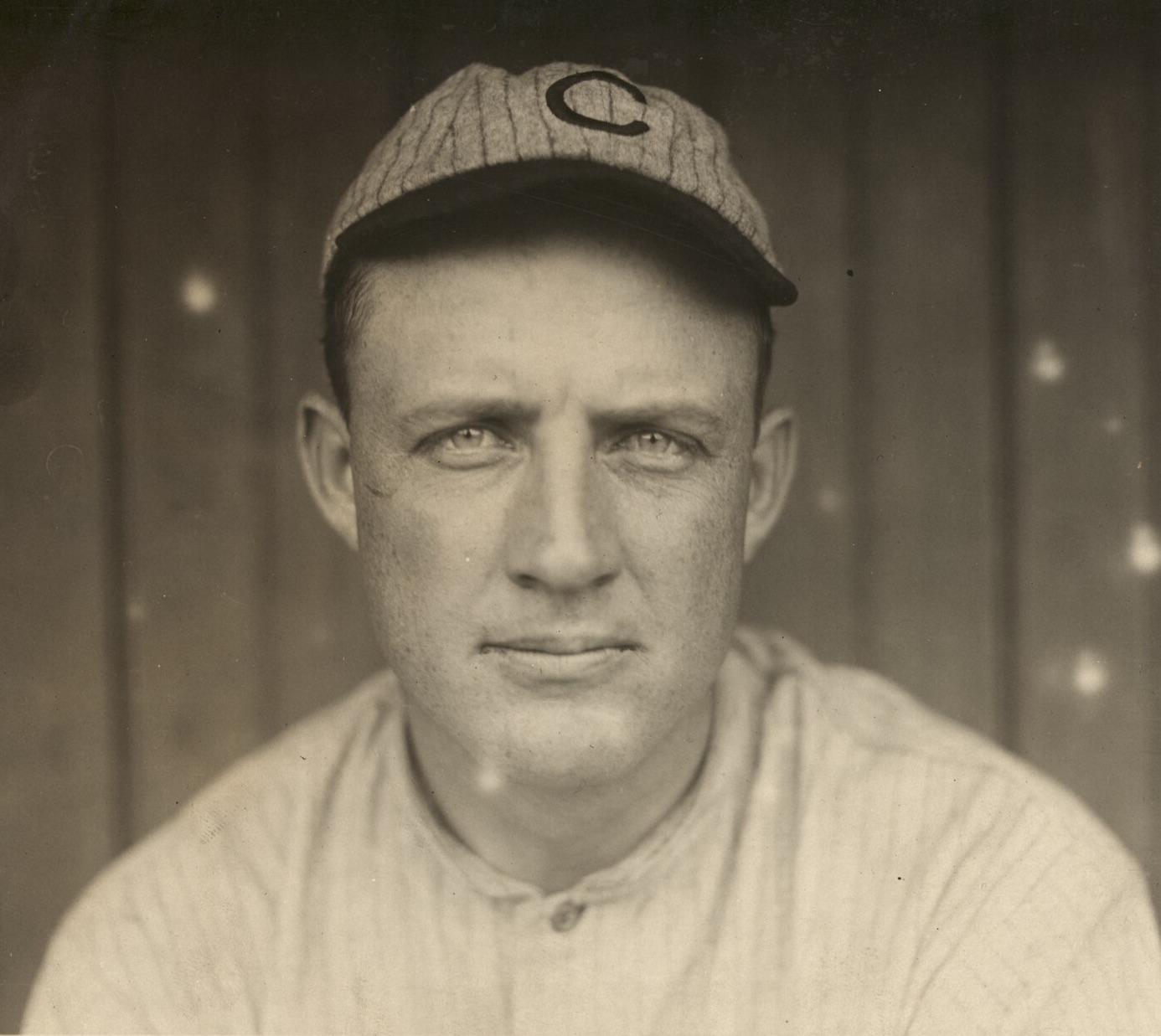
A photo of Chicago Cubs pitcher Orval Overall in 1910. Overall was a two time World Series Champion (1907 & 1908). During the fifth and final game of the 1908 World Series he struck out 10 batters. In one of those innings he actually struck out 4. How is that possible? One of the batters reached first base on an uncaught third strike. Orval was born on February 2, 1881, in Farmersville, California.
Image via Wikimedia Commons, public domain
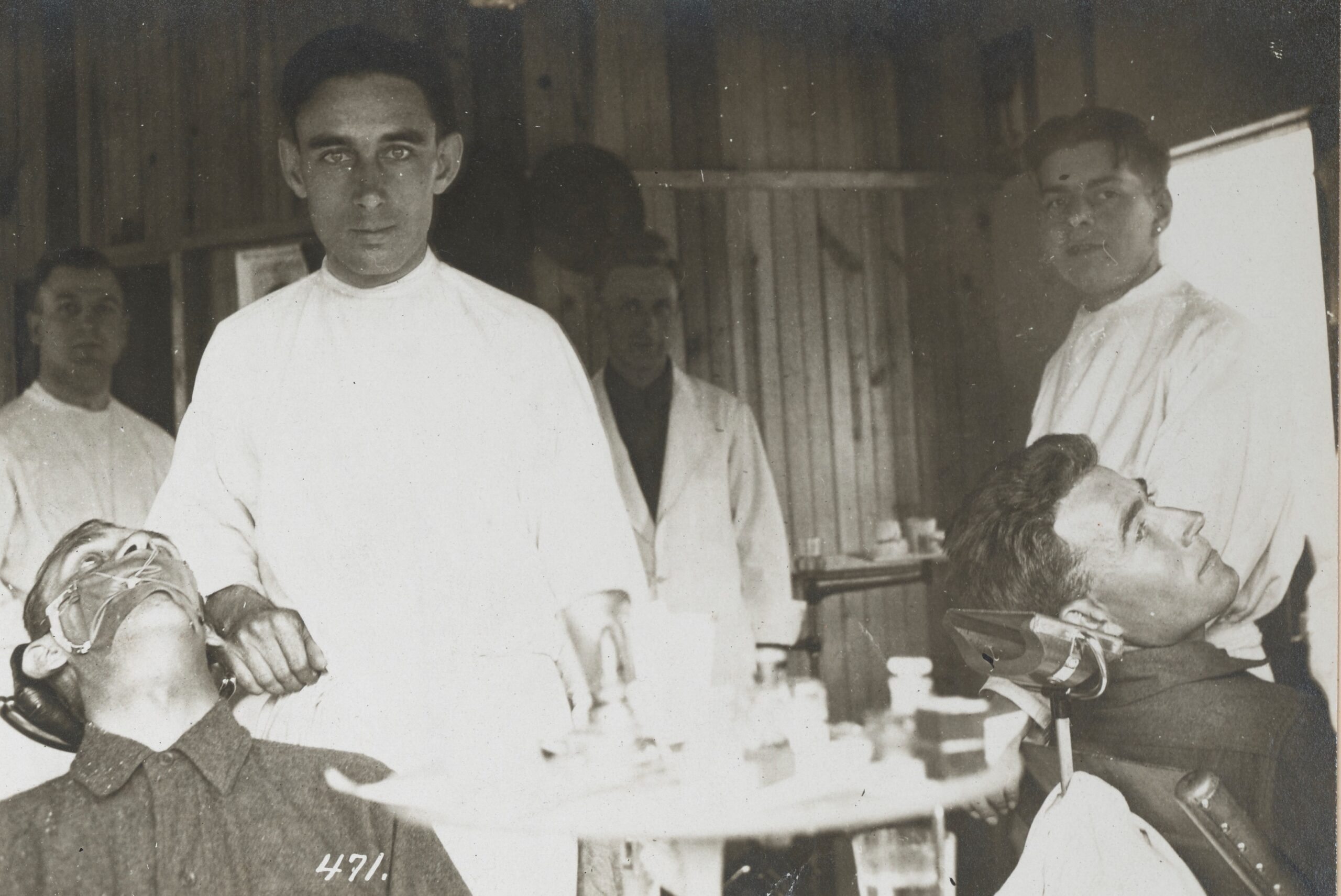
On February 2, 1901, Congress approved “An Act To increase the efficiency of the permanent military establishment of the United States” which authorized the Surgeon General to contract dental surgeons. This was the creation of the U.S. Army Dental Corps.
Image of the dental office at Camp Leach in Washington, D.C. during WWI via Wikimedia Commons, public domain
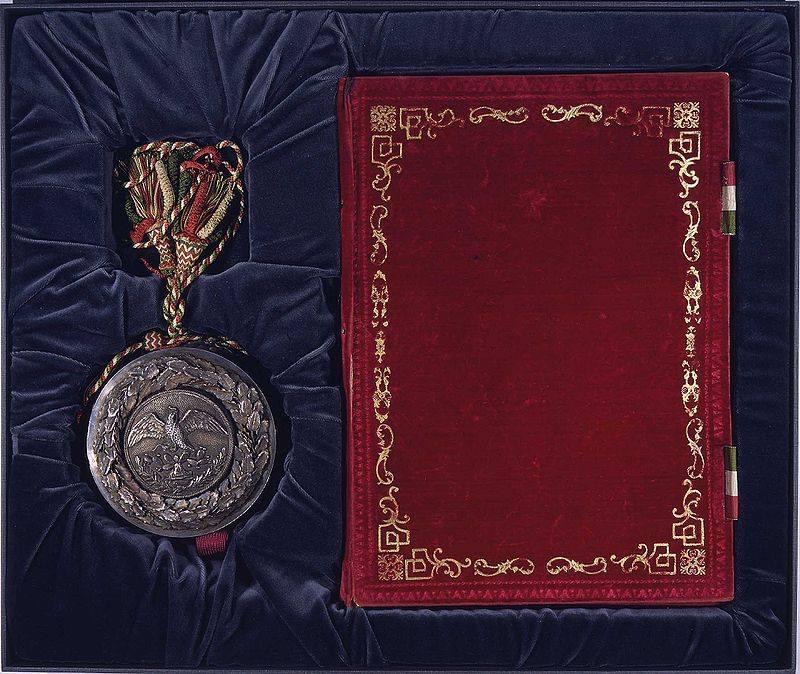
On today’s date February 2, 1848, The Treaty of Guadalupe Hidalgo was signed between the United States and Mexico which ended the Mexican–American War. Photo: Treaty of Guadalupe Hidalgo exchange copy cover By Governments of USA and Mexico
[Public domain], via Wikimedia Commons
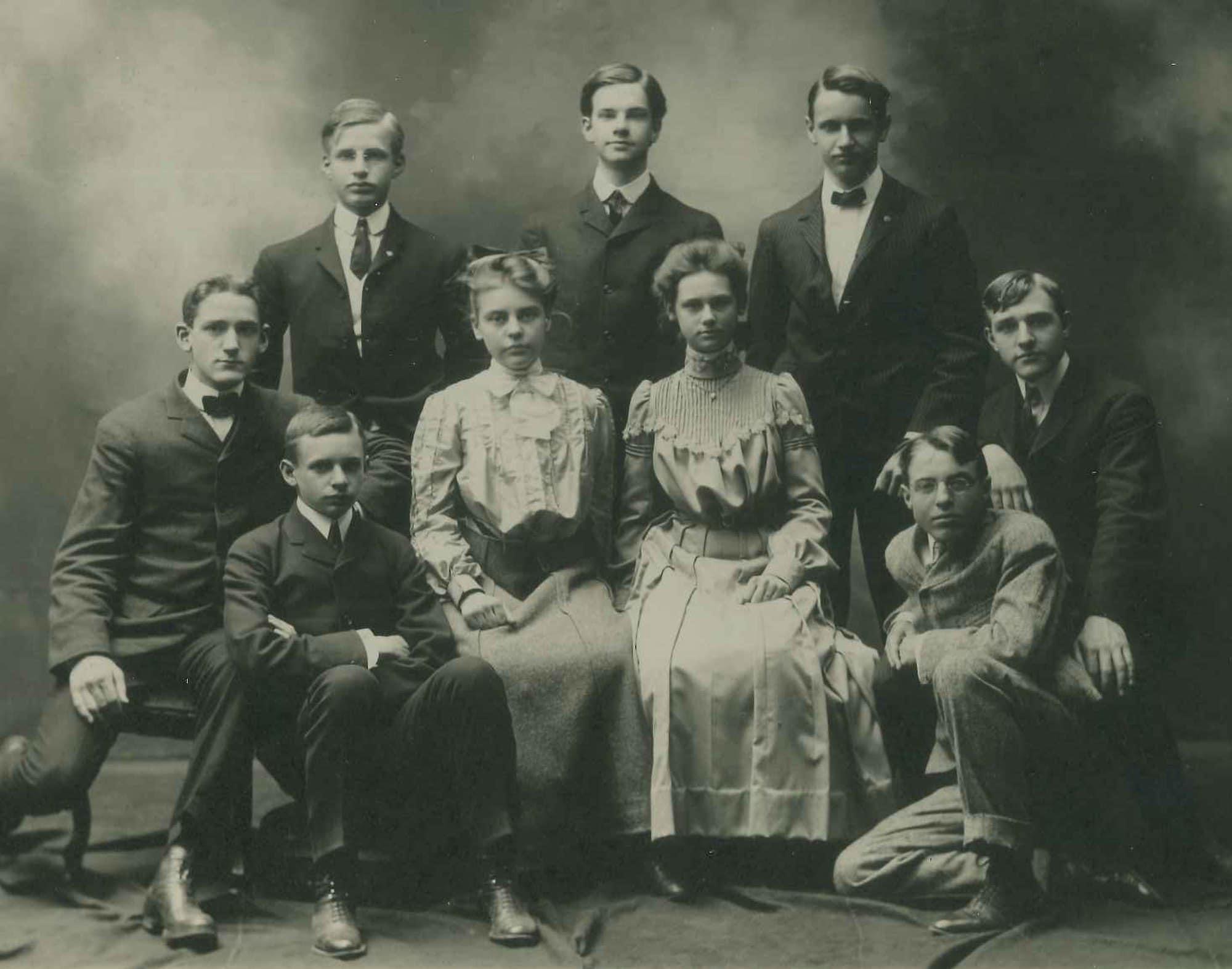
After graduating from Columbia University in 1908 Joyce Kilmer would become a writer for the New York Times in 1912. At age 30, despite having a wife and five children, he enlisted in the “Fighting 69th”, was a friend of the famous chaplain Father Duffy, and was killed in action in 1918. Before serving in WWI he wrote this poem on February 2, 1913 titled:
TREES
I THINK that I shall never see
A poem lovely as a tree.
A tree whose hungry mouth is prest
Against the earth’s sweet flowing breast;
A tree that looks at God all day,
And lifts her leafy arms to pray;
A tree that may in Summer wear
A nest of robins in her hair;
Upon whose bosom snow has lain;
Who intimately lives with rain.
Poems are made by fools like me,
But only God can make a tree.
Image of Joyce Kilmer (back row, center) with other classmates c. 1903 via Wikimedia Commons, public domain
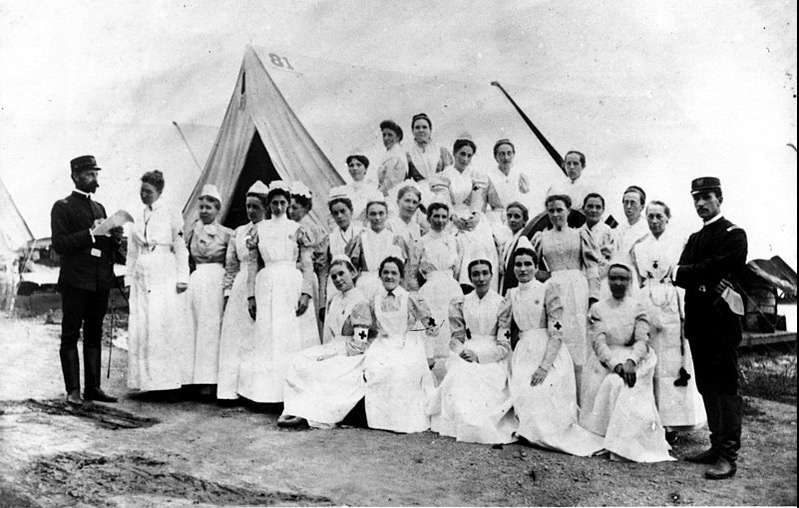
Military nurses had served in every conflict since the American Revolution, like the Spanish-American War volunteers shown here, but on February 2, 1901 the Army Nurse Corps was officially established. A respectful salute to the brave, compassionate soldiers who care for their fellow soldiers!
Image via Wikimedia Commons, public domain

Stan Getz on saxophone and Dizzy Gillespie on trumpet in 1955 On February 2, 1927, American saxophonist Stan Getz was born in Philadelphia, PA. When Stan was 13 his father bought him his first saxophone for $35.
Image via Alamy
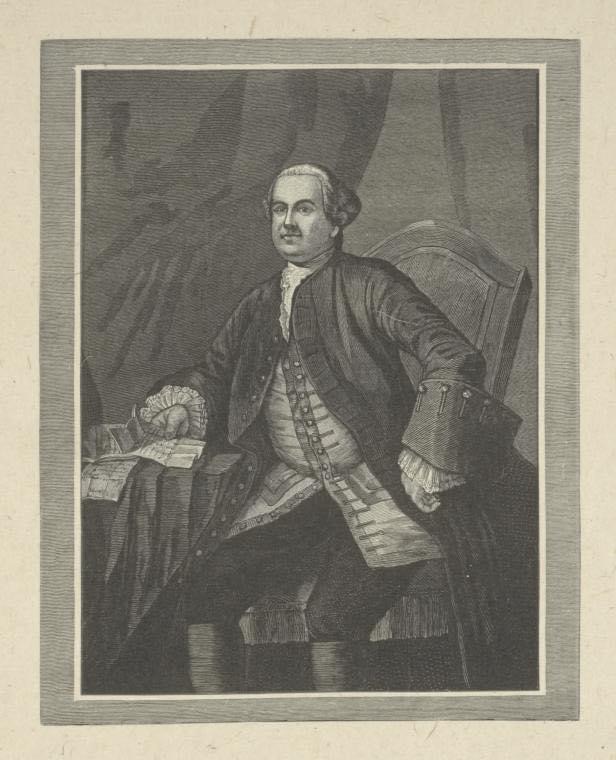
“William Phipps illustrated the truth in his life and character, in an eminent degree. He was born in the then far-off wilderness (present day Woolwich) in the state of Maine, on the 2d of February, 1651. His father was a gun-smith, and migrated to America, with Winthrop’s party, in 1630. William was the tenth of twenty-six children by the same mother. He lived in the wilderness until he was eighteen years of age, without any special aim for life. Then he was apprenticed to a ship carpenter for four years. At the expiration of his minority and servitude he went to Boston, and there, for the first time, studied reading and writing. Charmed with the tales of seamen, among whom his business cast his lot, he resolved to seek his fortunes on the ocean. He left Boston when he was twenty-four years of age, and after many adventures and hardships, he discovered a Spanish wreck on the coast of St. Domingo, and from it fished up pearls, plate, and jewels, to the value of a million and a half of dollars. With this treasure he sailed for England, where he divided the booty so equitably among the seamen, that his own share amounted to only eighty thousand dollars. That was a large fortune for the time; and James the Second was so much charmed by the talent and general character of Phipps, that he knighted him. Three years afterward he returned to Boston, where he took rank in the best society. In 1690, Sir William Phipps commanded an expedition against Port Royal, in the French territory of Acadie, now Nova Scotia. His expedition comprised eight or nine vessels, and about eight hundred men. He seized Port Royal, brought Acadie into subjection, and obtained sufficient property, by plundering the people, to pay the expenses of the enterprise. This success encouraged the New England colonies to coalesce with New York in efforts to subdue Canada, then held by the French. Sir William commanded a naval expedition against Quebec, which Massachusetts alone fitted out. He sailed from Boston with thirty-four vessels and a thousand men, reached Quebec in safety, and landed his troops; but the strength of the city, and the lack of cooperation on the part of the land troops, caused him to abandon the undertaking and return home. He was soon afterward sent to England to solicit aid in further warfare against the French and Indians. He also asked for the restoration of the old charter of Massachusetts, taken away by Andros. Aid for war was refused; and King William, instead of restoring the old charter, granted a new one, under which Sir William was appointed the first governor, by the king, on the nomination of Increase Mather. He arrived at Boston in May, 1692, and was instrumental in stopping prosecutions for witchcraft, then in fearful activity in the colony. The same year he went to Pemaquid, with four hundred and fifty men, and built a fort there. He was removed from office in 1694, when he went to England, and received positive promises of restoration. But death soon closed his career. He died in London, on the 18th of February, 1695, at the age of forty-four years.” From: Eminent Americans, comprising brief biographies of leading statesmen, patriots, orators and others, men and women, who have made American history by Benson John Lossing, published in 1855. Source says not in copyright https://archive.org/details/eminentamericans01lossuoft/page/21
Image: The Miriam and Ira D. Wallach Division of Art, Prints and Photographs: Print Collection, The New York Public Library. “Sir William Phips.” New York Public Library Digital Collections.
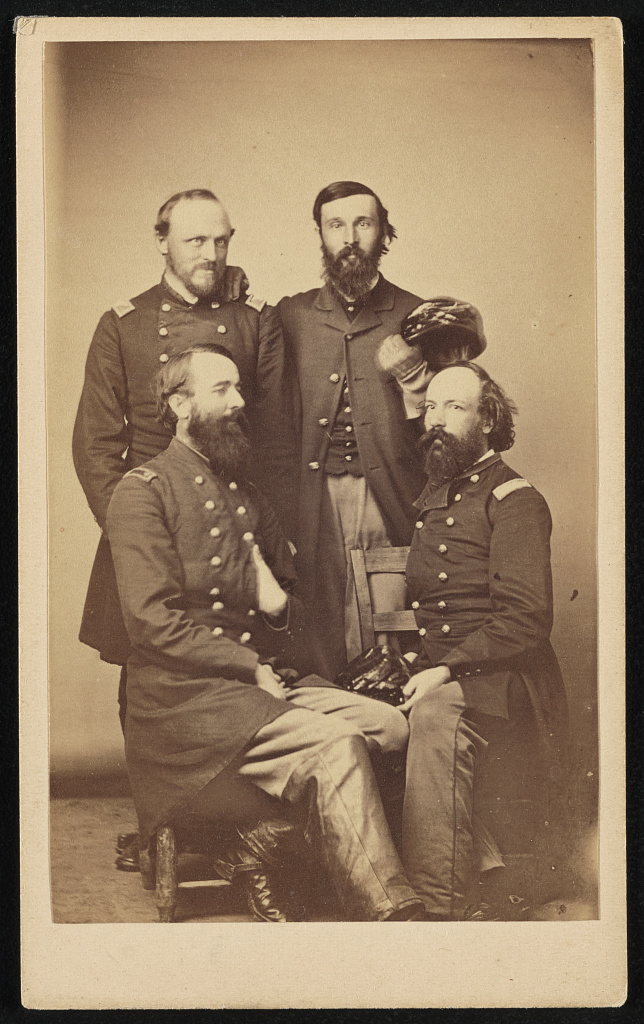
Standing from left to right: Major General Wager Swayne, 43rd Ohio Infantry Regiment and U.S. Volunteers, and Brigadier General Edward Follansbee Noyes, 39th Ohio Infantry Regiment. Seated from left to right: Surgeon William R. Thrall, 27th Ohio Infantry Regiment and Major General John Wallace Fuller, 27th Ohio Infantry Regiment and U.S. Volunteers, in uniforms On February 2, 1865, Wager Swayne was wounded and had his leg amputated. The year prior, Edward Follansbee Noyes was also injured and had his leg amputated.
Image via LOC, no known restrictions
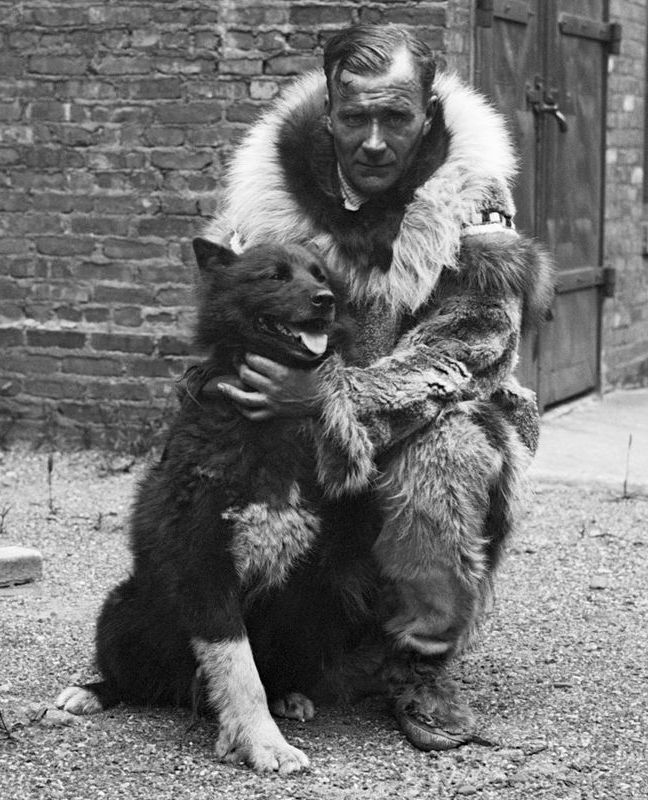
Through winds that erased the trail beneath them, Gunnar Kaasen and Balto reached Nome on February 2, 1925 with the diphtheria serum — medicine desperately needed to stop an outbreak that was already claiming children in the isolated town. Their arrival turned a race against death into a story of courage that endures.
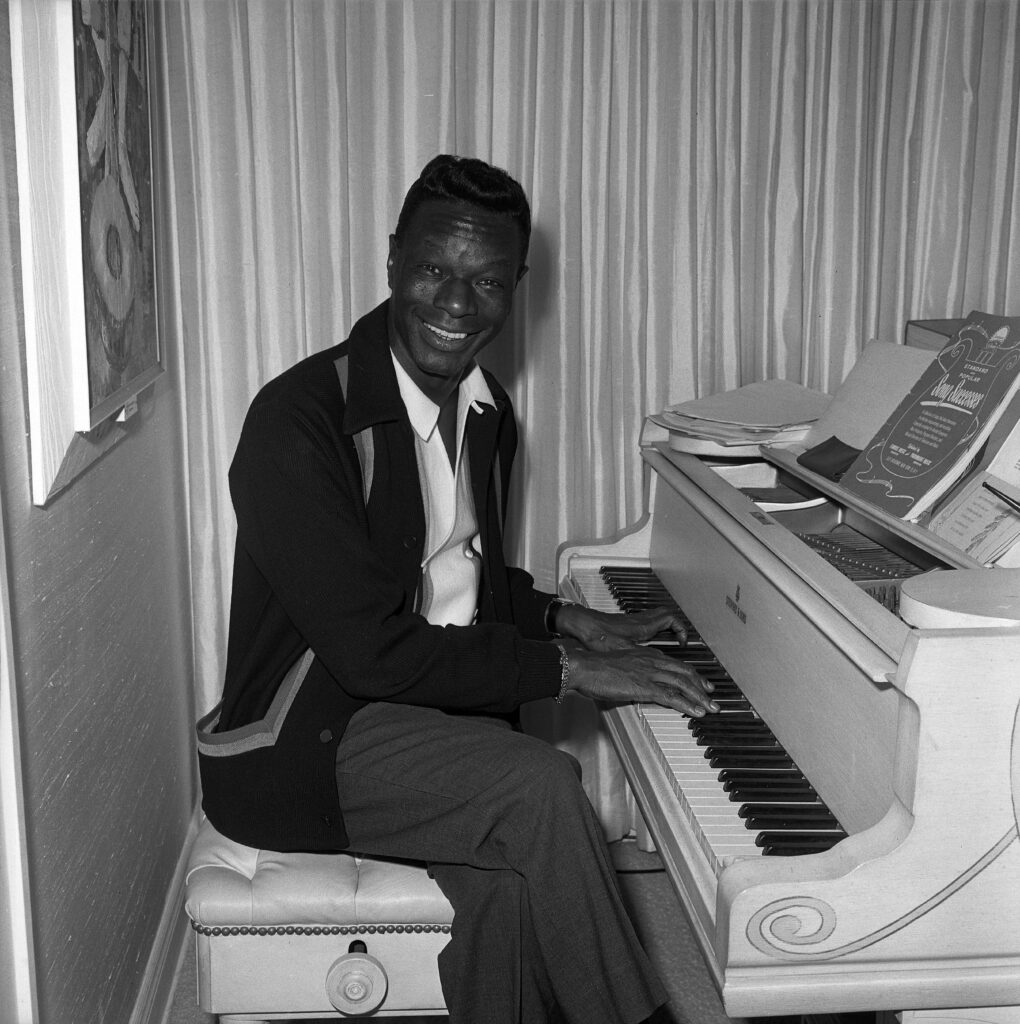
Nat King Cole playing piano at his Wilshire‑district home on February 2, 1964
Image from Los Angeles Times, CC BY 4.0 via Wikimedia Commons
