
 Mystery March Is Here!
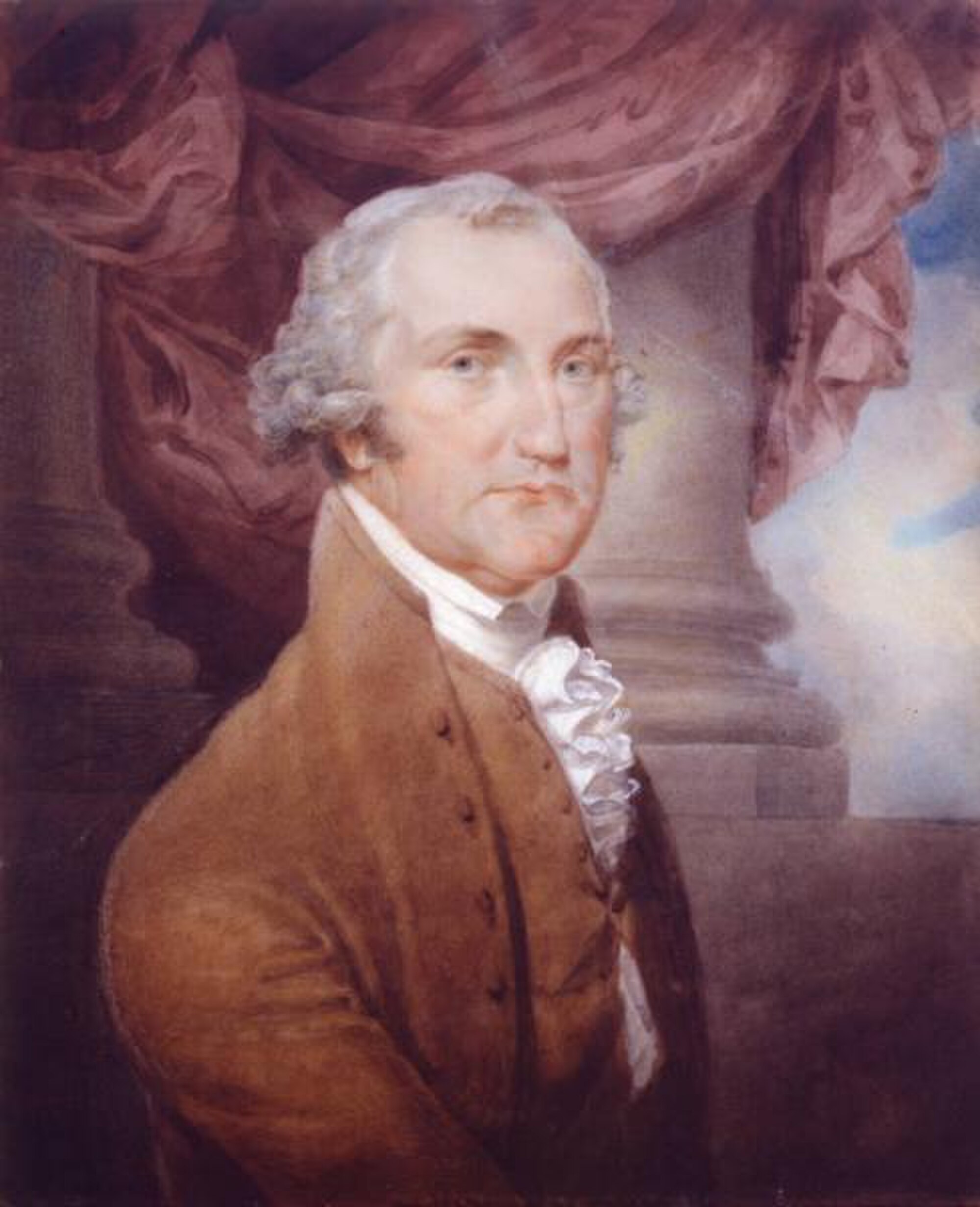
14 years after Vermont declared itself a separate Republic from New York State in 1777, George Washington approved an act on February 18, 1791 which made Vermont the 14th state (as of March 4th of that year.)
Painting of George Washington via Wikimedia Commons, public domain
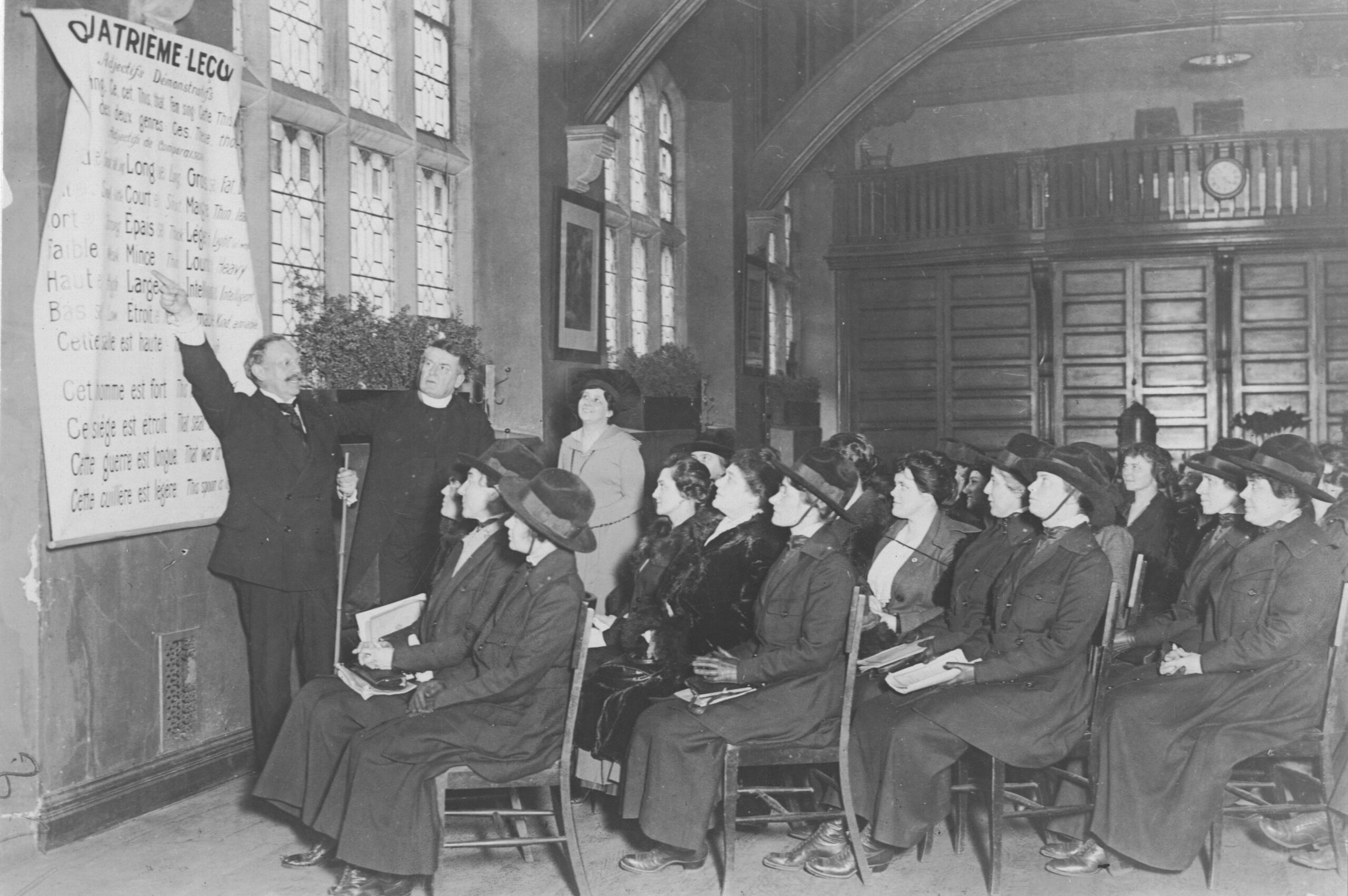
American Red Cross nurses study French and Music at St. Paul’s Chapel, New York City. Red Cross nurses receiving a French lesson at St. Paul’s Chapel, New York, where classes were held in French and music. Prof. Jacques Bars, a graduate of Lille University, France, devoted a great deal of his time to the furnishing of the musical and French education of the nurses.
February 18, 1918 via Wikimedia Commons, public domain
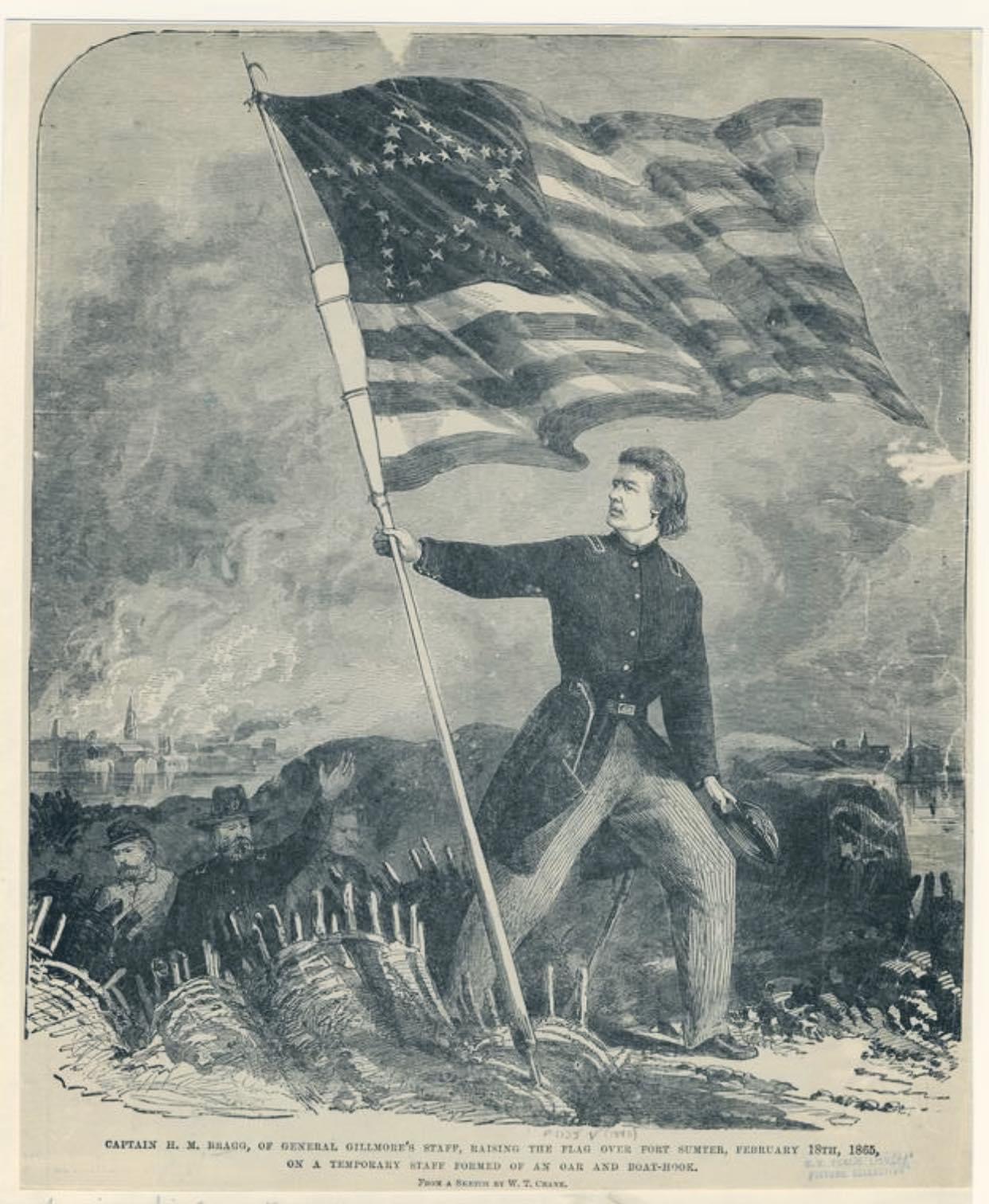
“Captain H. M. Bragg, of General Gillmore’s staff, raising the flag over Fort Sumter, February 18, 1865, on a temporary staff formed of an oar and boat-hook.” via NYPL, no known restrictions
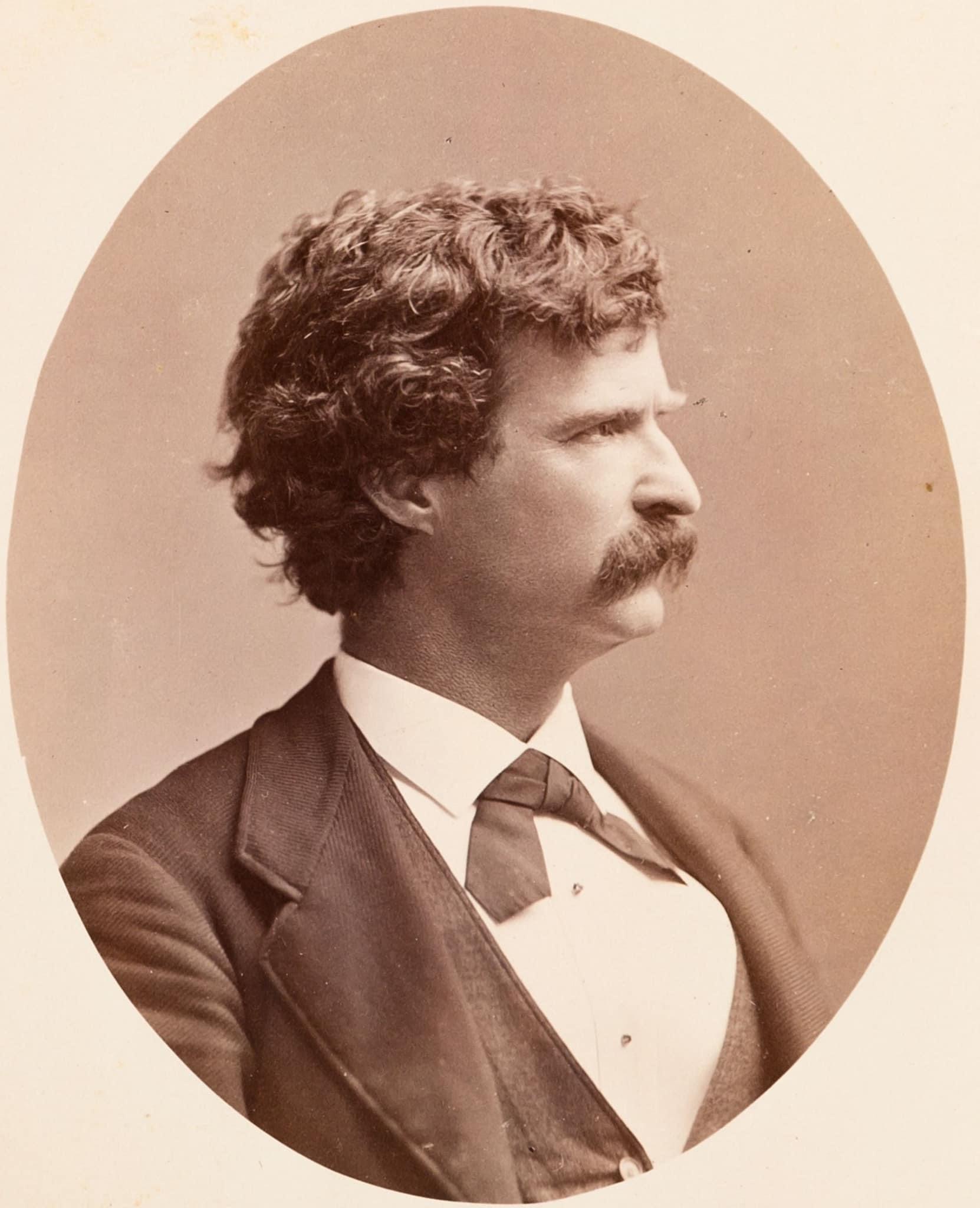
On February 18, 1885, the Adventures of Huckleberry Finn by Mark Twain was published in the United States.
Image of Twain in the 1880s via Wikimedia Commons, public domain
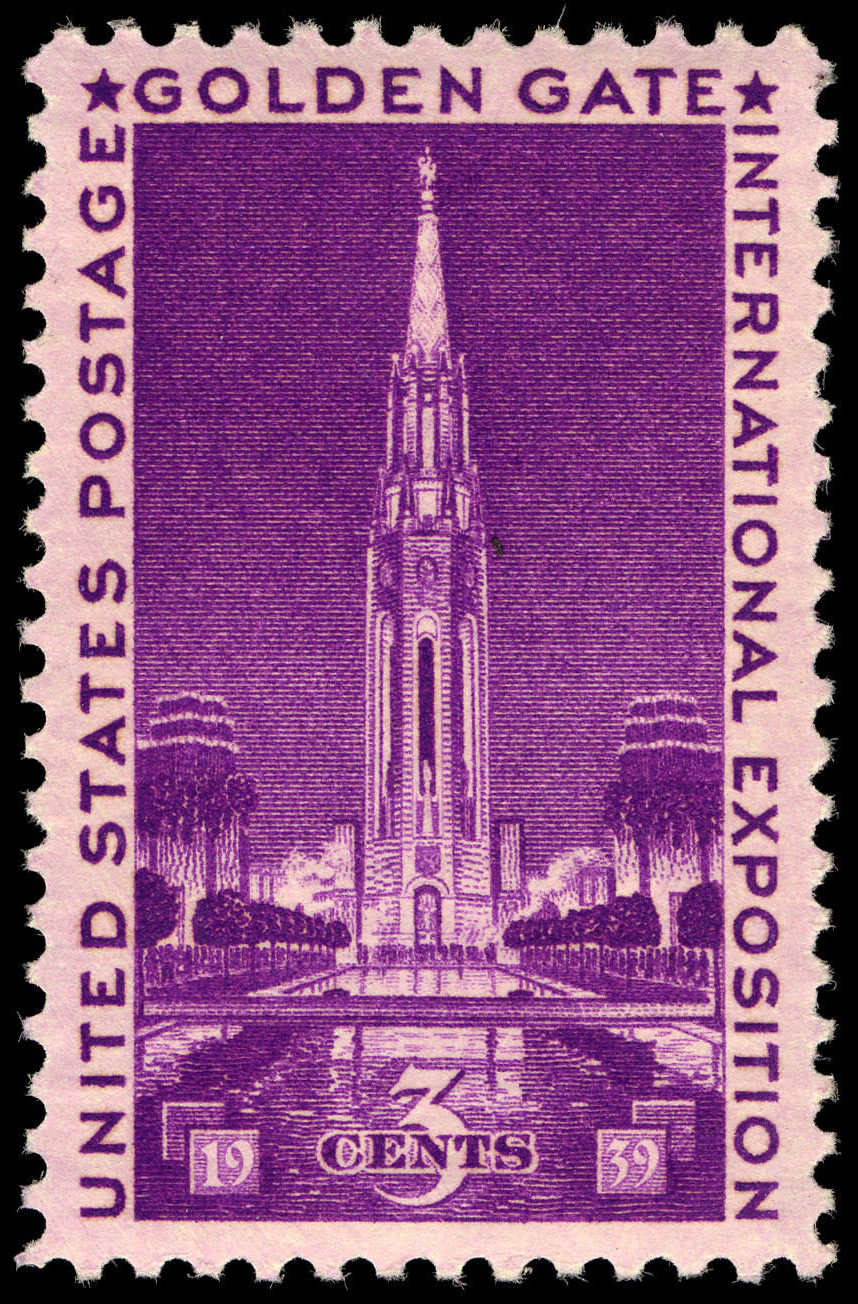
On February 18, 1939, the Golden Gate International Exposition opened in San Francisco, California. The exposition which took place over 8 months in 1939 and over 4 months in 1940 drew 17 million visitors and celebrated the completion of the Golden Gate Bridge and the Bay Bridge.
Image of a 3 cent stamp from 1939 featuring the Golden Gate International Exposition via Wikimedia Commons, public domain
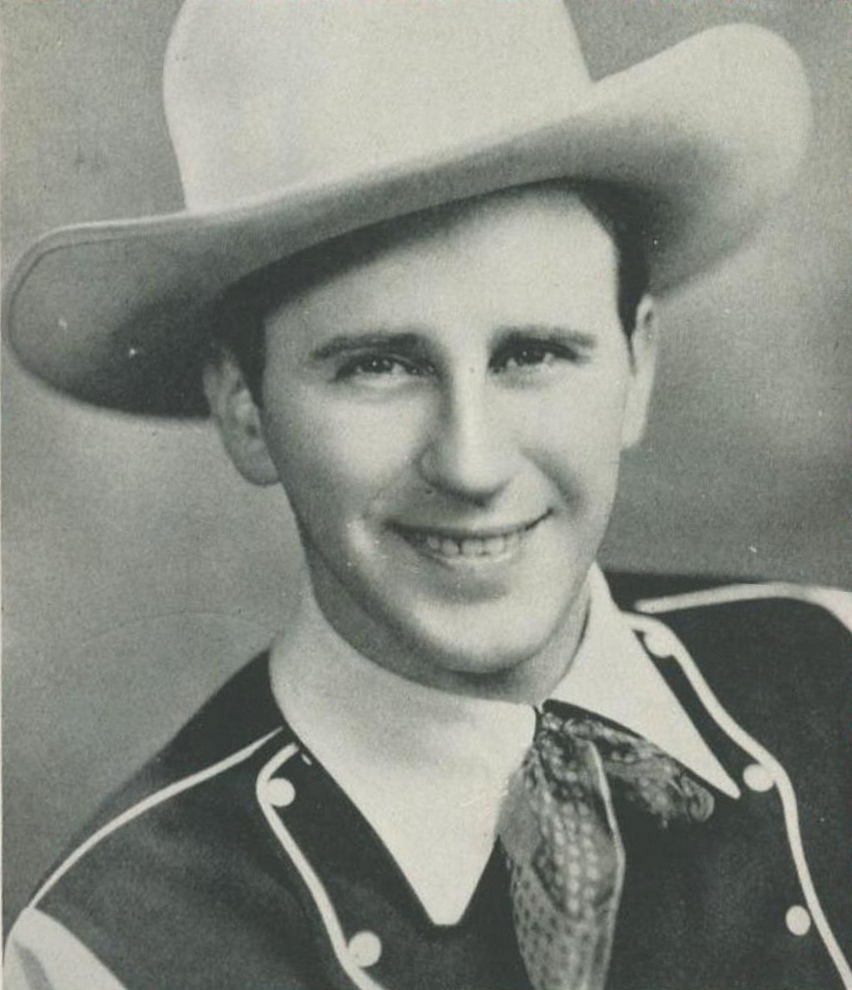
On February 18, 1914, singer-songwriter Julius Kuczynski (Pee Wee King) was born in Abrams, Wisconsin. He co-wrote “Tennessee Waltz” which was one of over 400 songs that he wrote or co-wrote during his career.
Image via Wikimedia Commons, public domain
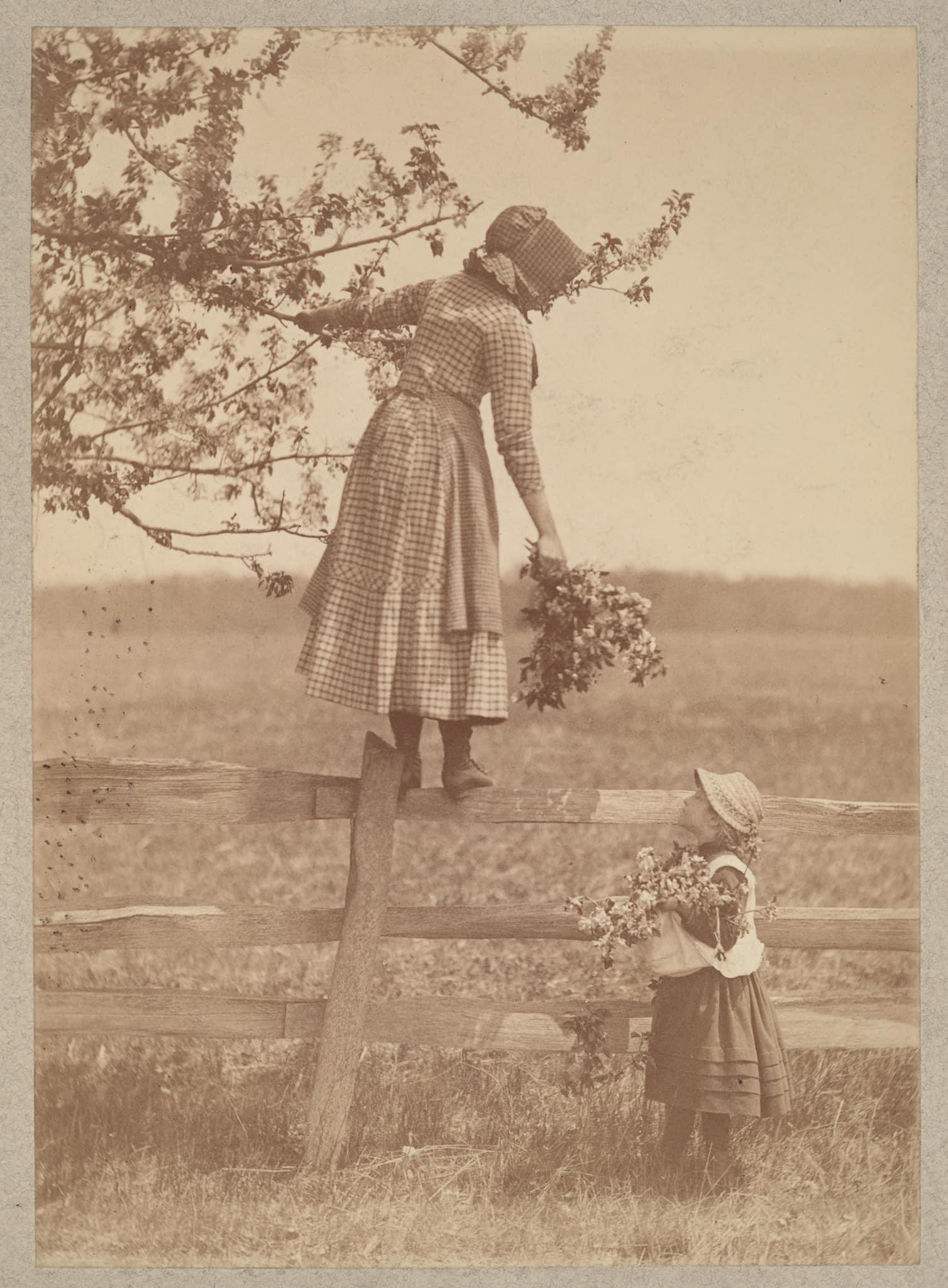
“God has given us our talents, not to copy the talents of others, but rather to use our brains and imagination in order to obtain the revelation of true beauty.” – Louis Comfort Tiffany who was born on February 18, 1848 in New York City.
Image: “Apple Blossoms” a photograph by Louis Comfort Tiffany c. 1890s-1900s via Wikimedia Commons, public domain
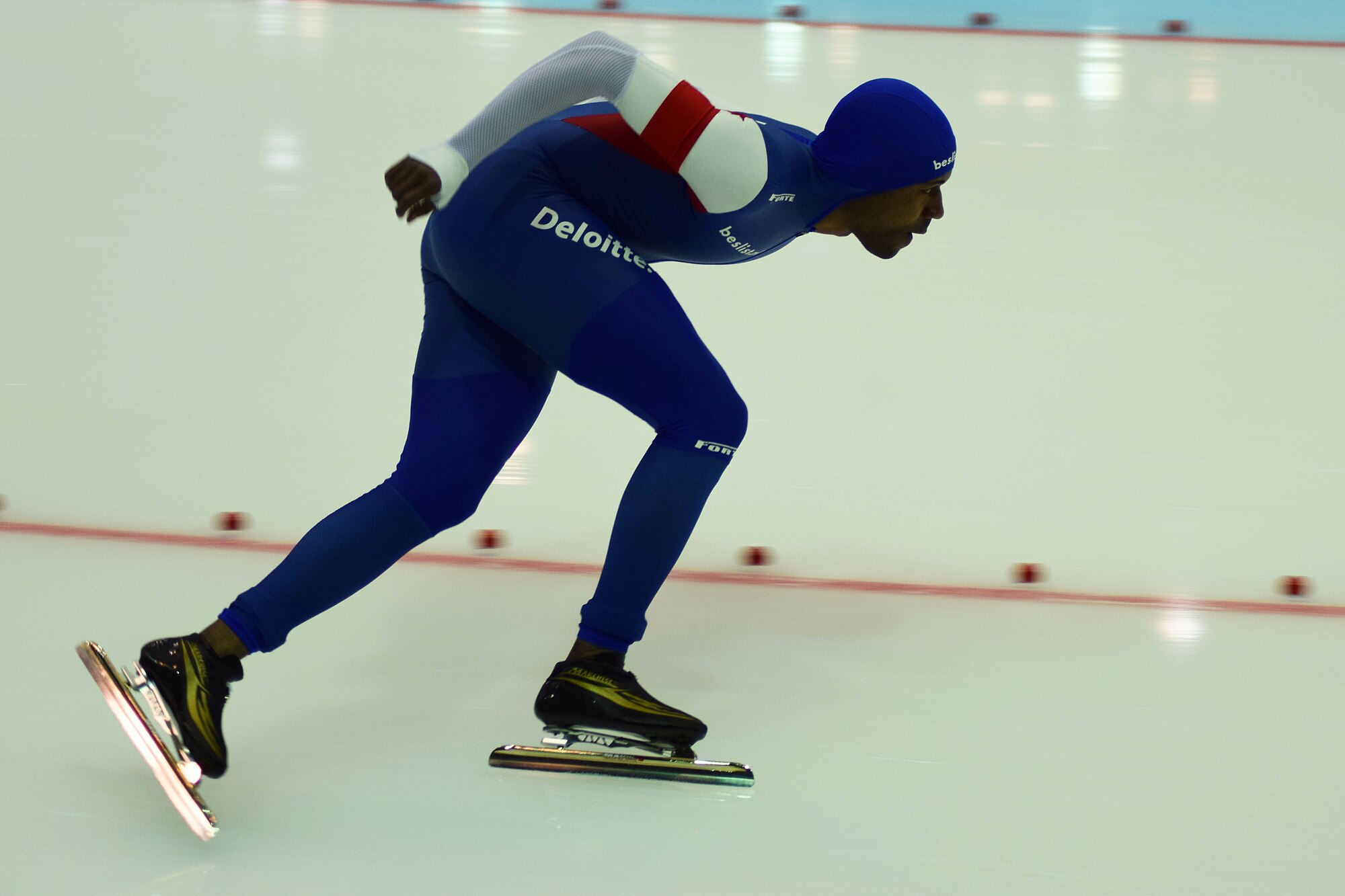
On February 18, 2006, Shani Davis became the first African American to win a gold medal in an individual event at a Winter Olympics when he won the Men’s 1000m speed skating competition in Turin, Italy.
Image of Shani by Sasha Krotov CC BY 3.0 in 2016 via Wikimedia Commons
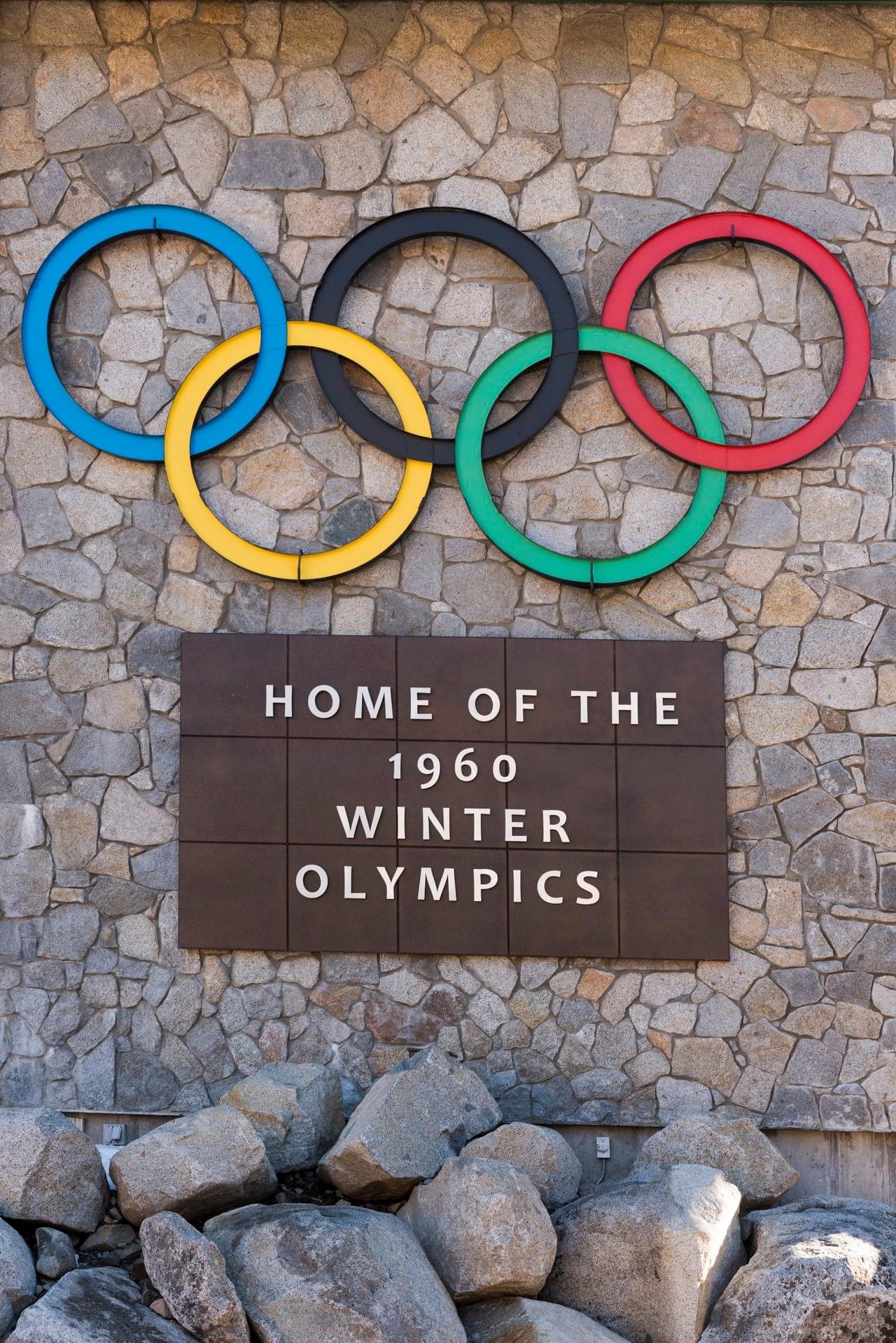
Sign “Home of the 1960 Winter Olympics” at the Village of Palisades-Tahoe, a year-round Sierra Mountain resort in Olympic Valley, west of Tahoe City, California On February 18, 1960, The Winter Olympics opened.
Image by Carol Highsmith via Wikimedia Commons, public domain
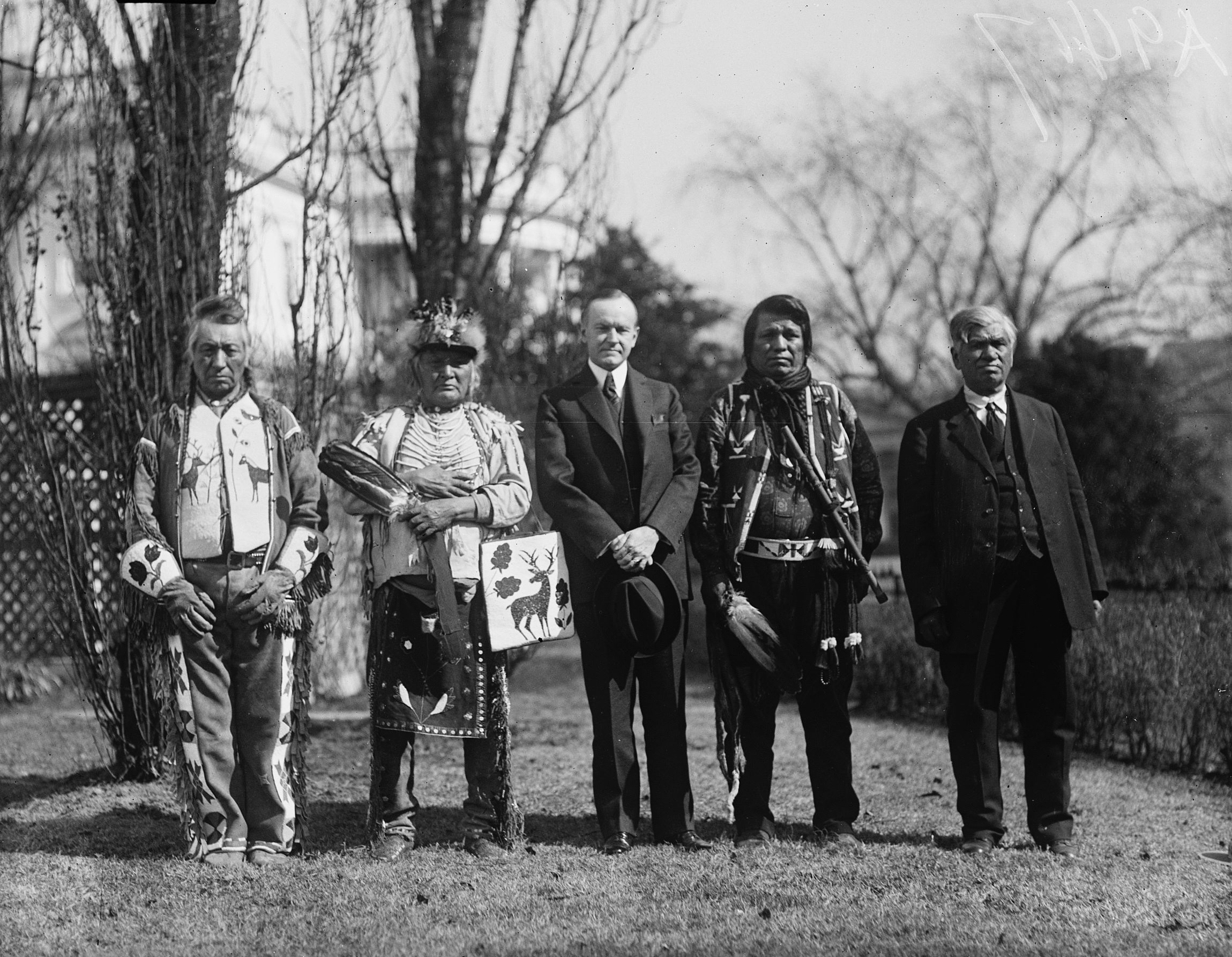
Calvin Coolidge and Native American group at White House, Washington, D.C. February 18, 1925
Image via Wikimedia Commons, public domain
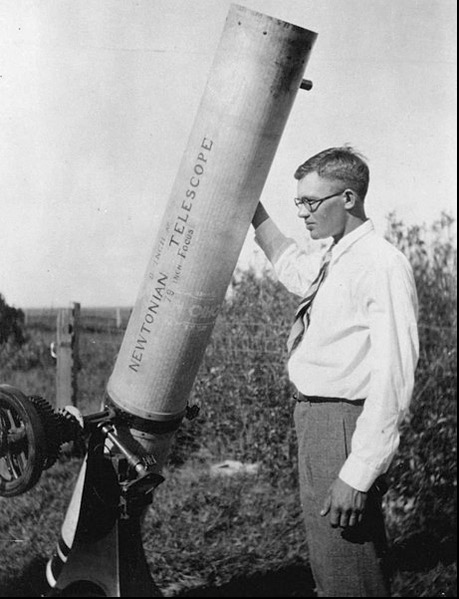
Scientists debate whether Pluto is a planet or dwarf planet, but it was definitely discovered on February 18, 1930 by Clyde Tombaugh. Tombaugh began building telescopes on his family’s farm in 1926. He made his discovery at Arizona’s Lowell Observatory, but didn’t earn a degree in astronomy until 1936.
Image via Wikimedia Commons, copyright not renewed public domain in the US.
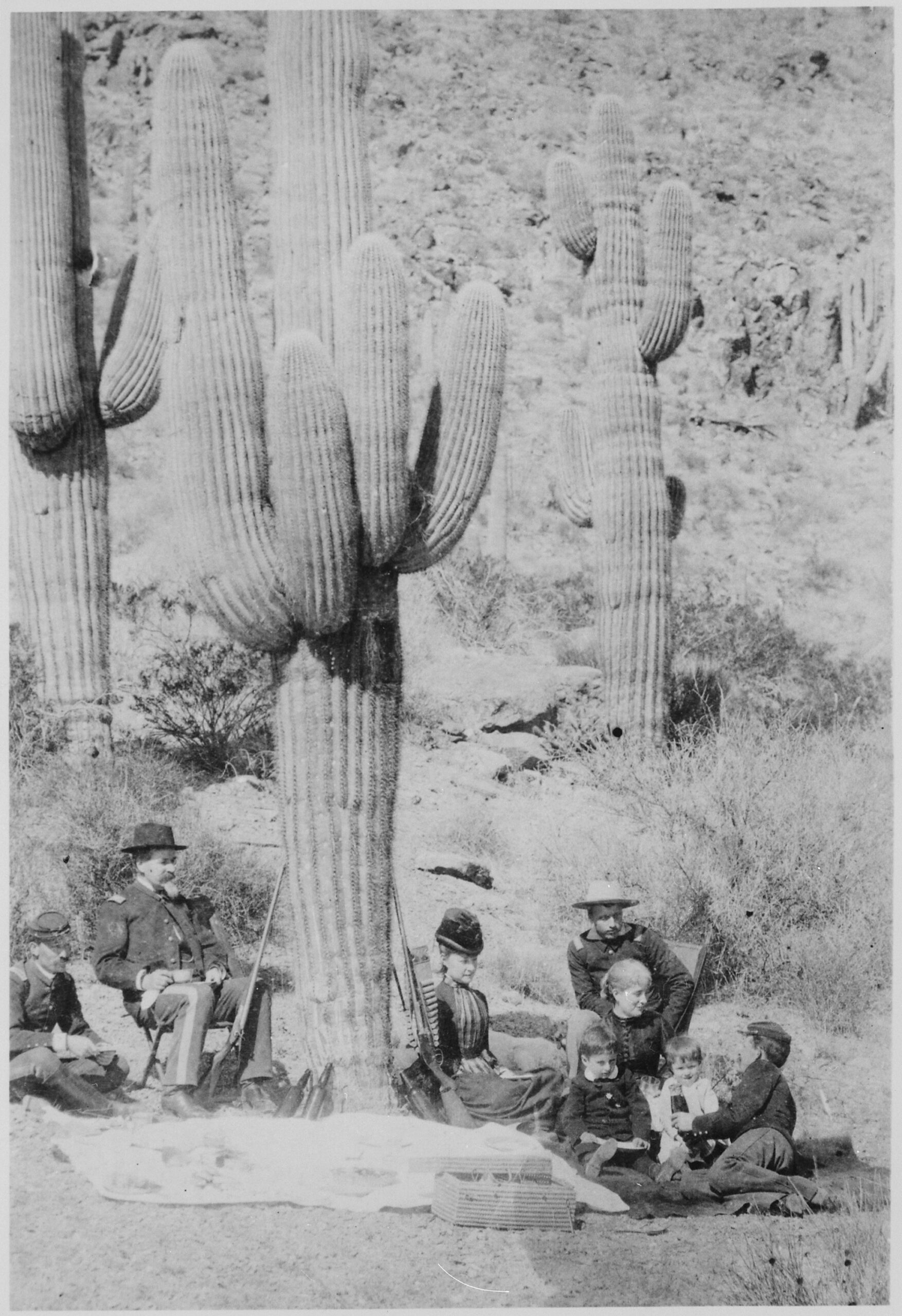
Officers and guests lunch under giant cactus near Fort Thomas, Arizona. February 18, 1886 via Wikimedia Commons, public domain
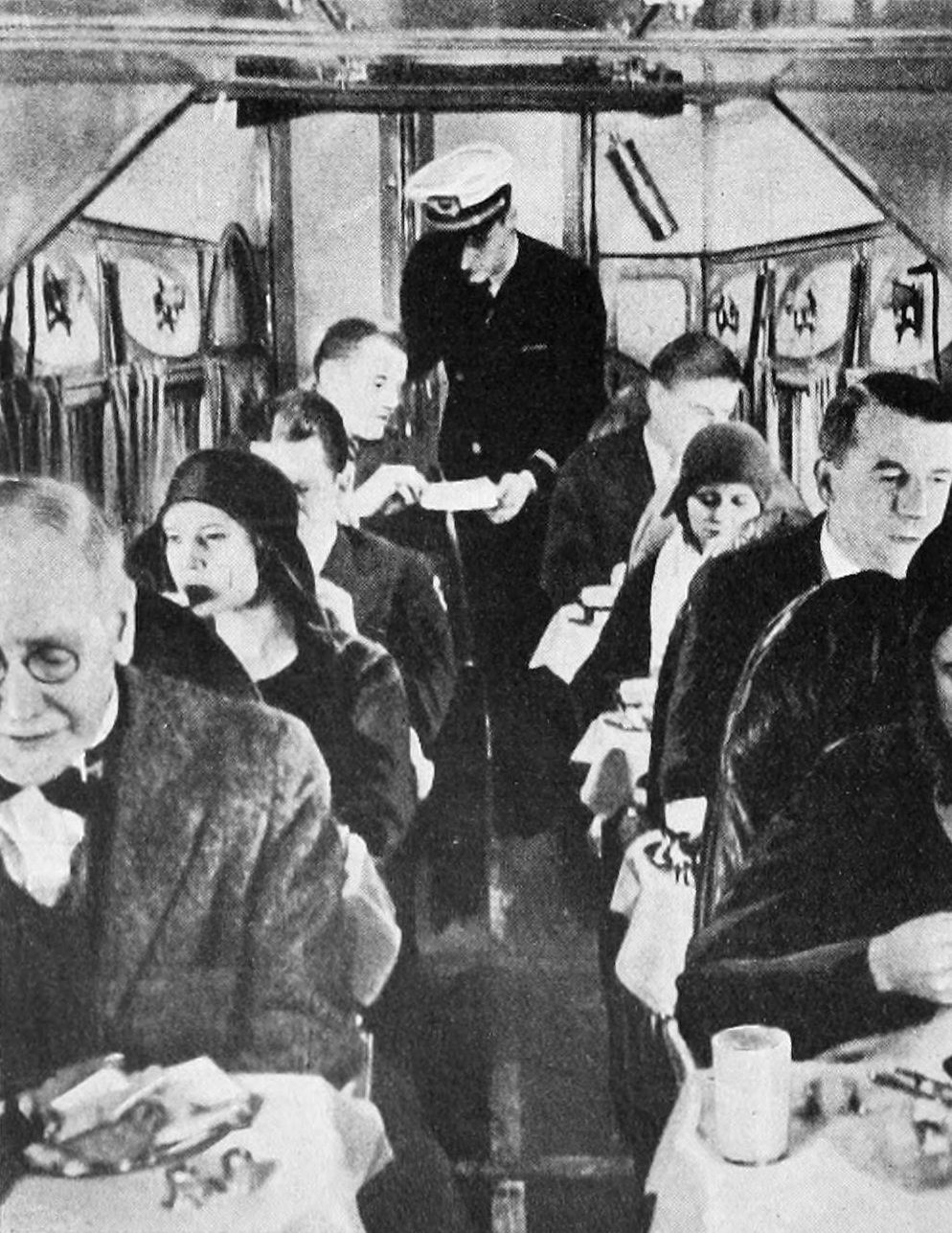
Passengers having an in-flight meal aboard a Ford Trimotor plane c. 1930 Earlier that year, on February 18, 1930, Elm Farm Ollie became the first cow to be flown (and milked) on an airplane. The historic event occurred aboard a Ford Trimotor.
Image via Wikimedia Commons, public domain
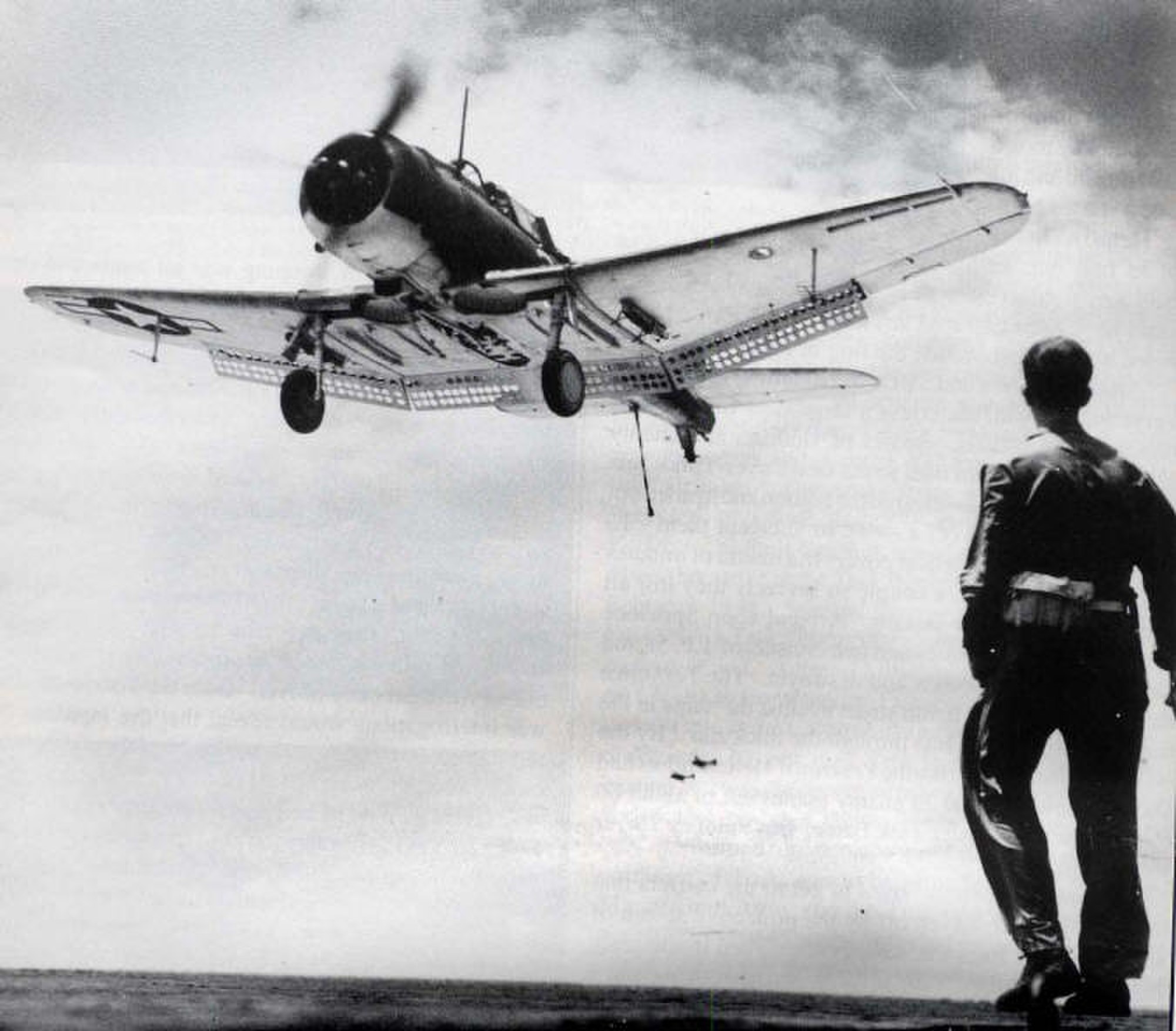
A U.S. Navy Dauntless about to land on the USS Yorktown. The plane was returning from a bombing mission (Operation Hailstone) that took place February 17-18, 1944 over a Japanese base in the Pacific A senior landing signal officer is on the right.
Image via Wikimedia Commons, public domain
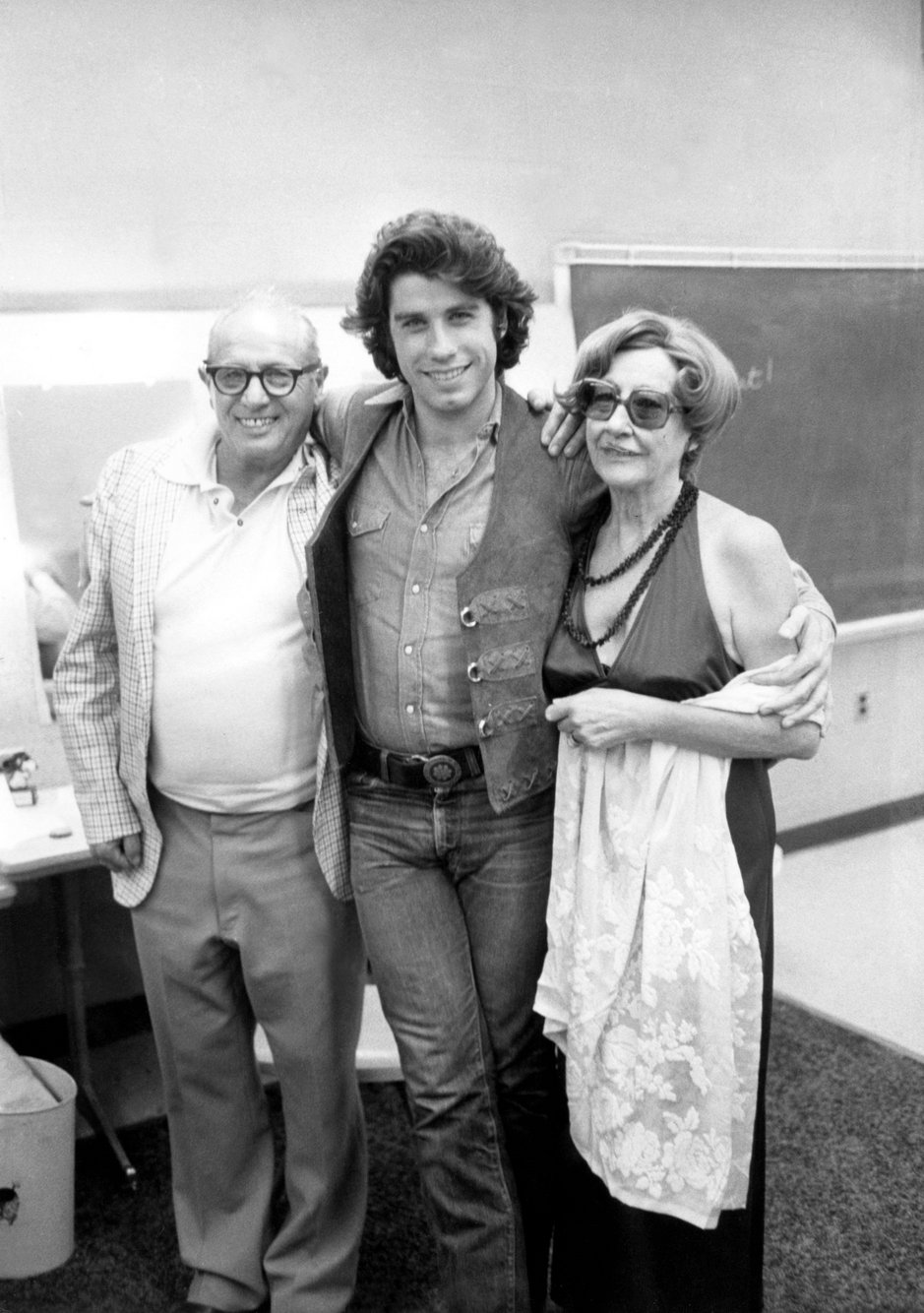
American actor John Travolta was born on February 18, 1954 in Englewood, New Jersey.
Image of John with his parents Salvatore (Sam) and Helen in February 1978 via Alamy
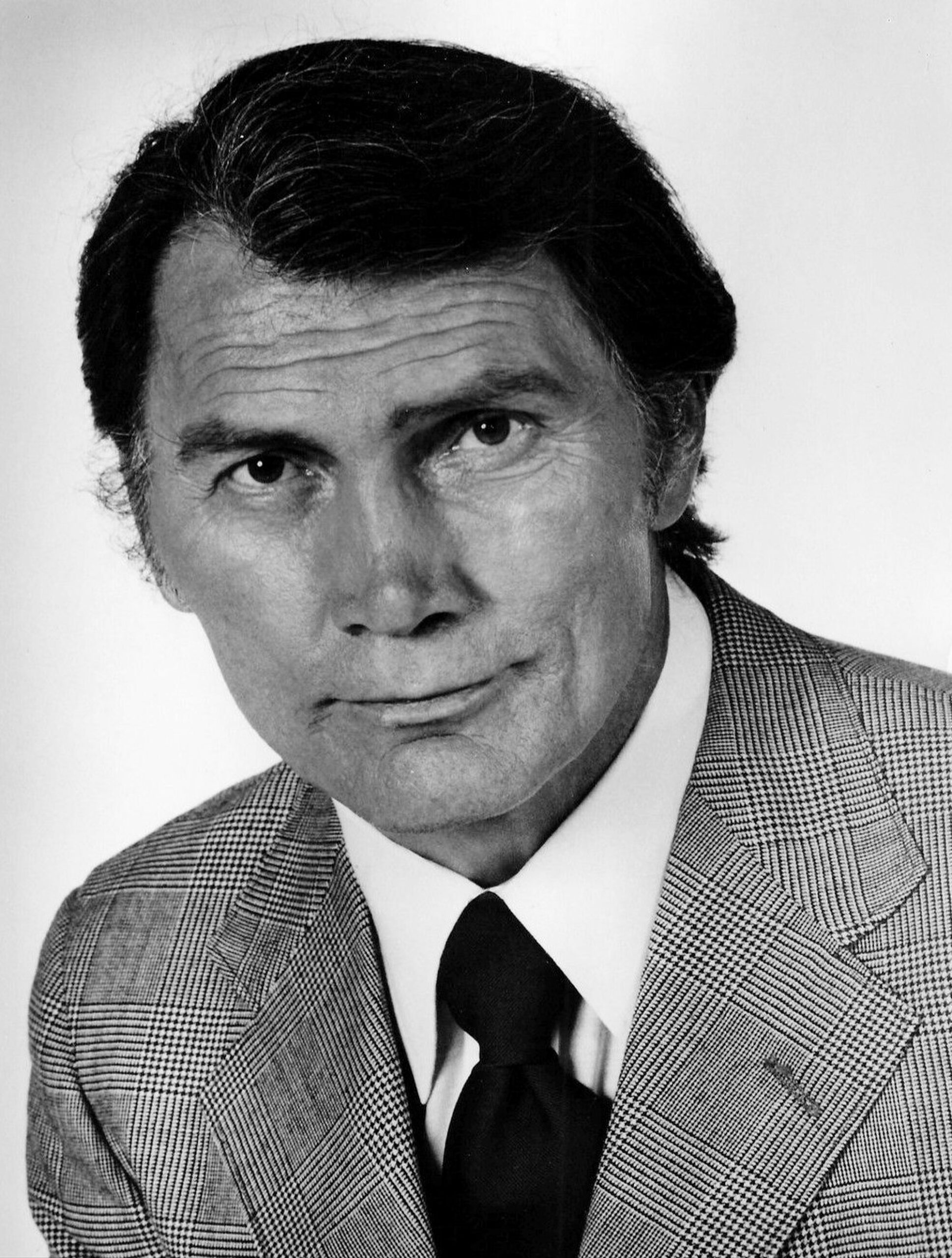
Volodymyr Palahniuk, more famously known as Jack Palance, was born on February 18, 1919 in Lattimer Mines, Pennsylvania. After making his Broadway debut in the late 1940s, Palance went on to appear in films made in the U.S. and abroad as well as television programs. He even wrote and recorded a country tune called “The Meanest Guy that Ever Lived.”
Image via Wikimedia Commons, public domain
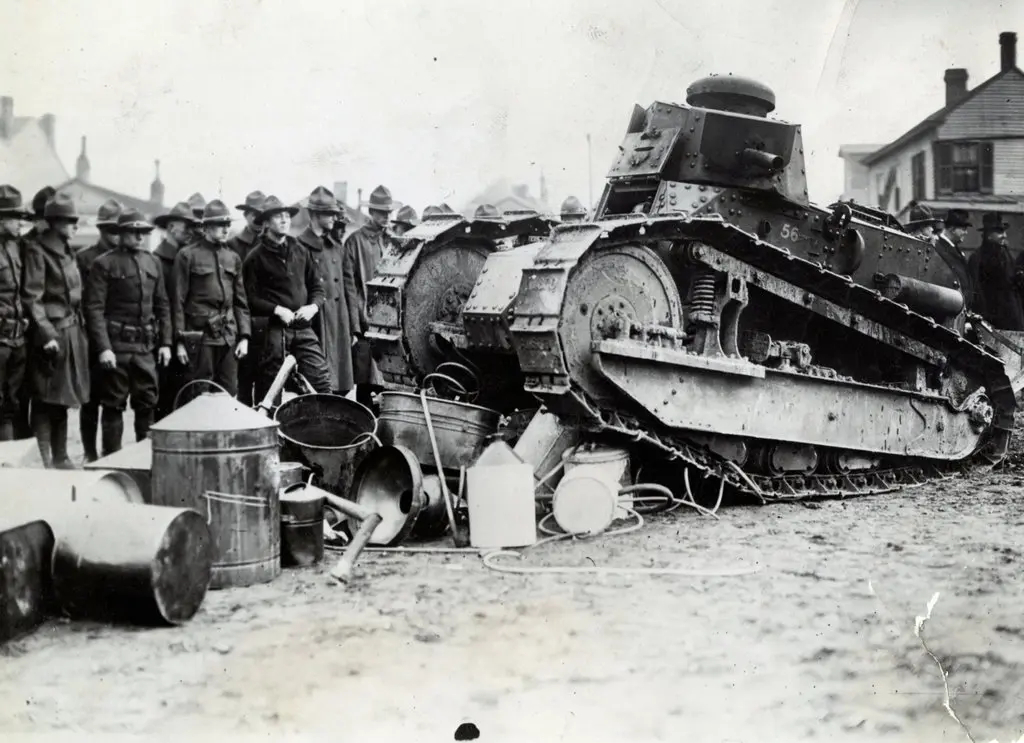
Newport, Kentucky, February 1922.
During the tense winter of the 1922 steel strike, federal and local authorities turned their attention to the underground economy that had flourished along the Ohio River. Newport — already notorious for its dense network of hidden stills — became a focal point of Prohibition‑era enforcement. When raids swept through the city, the Army was brought in not as combat troops but as a visible extension of federal authority.
In this scene, a single Renault FT light tank, a veteran of the First World War, rolls forward to crush a heap of seized moonshine stills: copper boilers, mash barrels, condenser coils, and the improvised machinery that powered the region’s illicit trade. Soldiers stand by as the tank’s treads flatten the equipment in a deliberate act of public destruction. It was part law enforcement, part deterrent, and unmistakably theatrical — a demonstration meant to reassure some and warn others during a season already marked by labor unrest and economic strain.
Published in the Kentucky Post on February 18, 1922, the photograph captures a moment when the tools of modern war were briefly repurposed for domestic order. The Great War had ended, but its machines still had symbolic work to do on American streets, turning a Prohibition raid into a statement about the reach and resolve of the state.
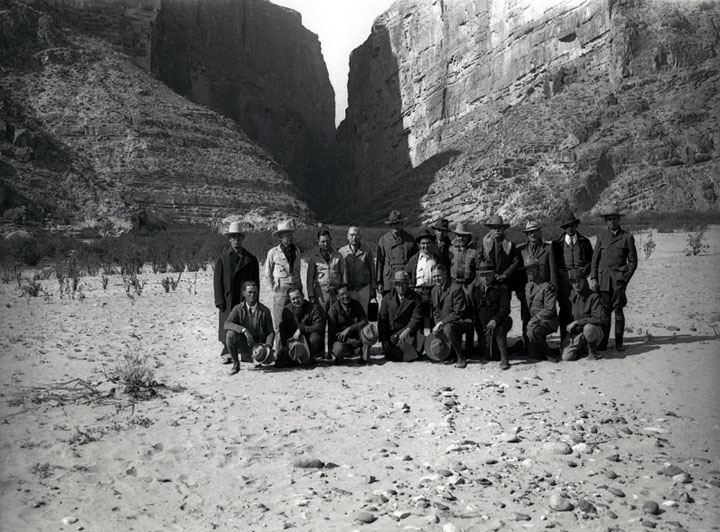
At the mouth of Santa Elena Canyon on February 18, 1936, a binational team of scientists, foresters, boundary engineers, park officials, and CCC personnel gathered where Mexico rises on the left wall and the United States on the right. They represented the National Park Service, the Mexico Forest Service, the International Boundary Commission, the Bureau of Biological Survey, and the Civilian Conservation Corps — two nations’ best minds standing together in a landscape that refused to be neatly divided. Their task was to study the borderlands and imagine whether this canyon, this river, and this desert could become a shared protected region.
Among them were Roger W. Toll, seated in the front row, and George M. Wright, standing in the back — two of the National Park Service’s most visionary leaders. Their presence gives this photograph a deeper resonance. They had come not only to inspect the terrain but to test the possibility of an international park that would honor the ecological unity of this place.
Today, the very ground where they stood is protected on both sides of the river: Big Bend National Park in the United States and the Área de Protección de Flora y Fauna Cañón de Santa Elena in Mexico. The boundary remains, and each nation maintains its own authorities — including U.S. Border Patrol on the American side — yet the canyon still reads as one continuous world shaped by water, wind, and time.
Seven days after this photograph was taken, Toll and Wright were killed in an automobile accident near Deming, New Mexico. This image captures their final fieldwork — a last testament to their belief that some landscapes are too grand, too ancient, and too interconnected to be understood through borders alone.
