
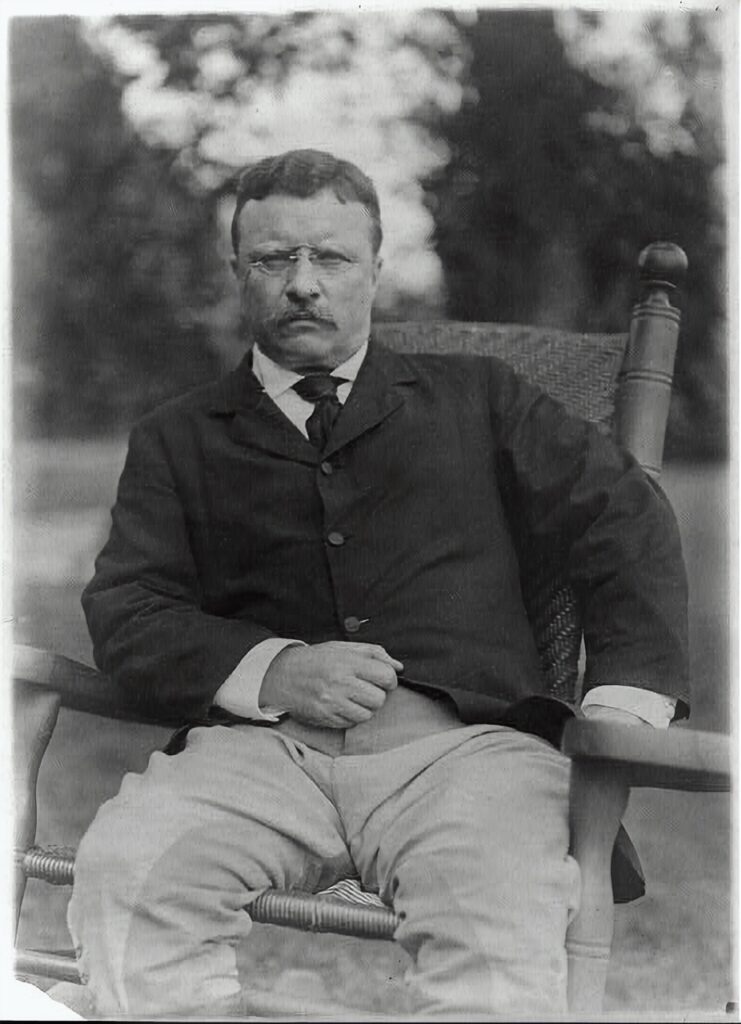
On February 12, 1900, Governor Theodore Roosevelt publicly insisted he would “under no circumstances” accept the Republican nomination for vice president.
Exactly 127 days later, he accepted it at the party’s national convention — a reversal born from political pressure, party strategy, and Roosevelt’s own rising national popularity. The juxtaposition is striking: a man determined to stay in Albany pulled onto the national ticket, setting him on the path to the presidency the following year.

“…while man exists, it is his duty to improve not only his own condition, but to assist in ameliorating mankind.” – Abraham Lincoln who was born on today’s date February 12, 1809 at Sinking Spring Farm in Kentucky.
Image: Lincoln after his nomination for President in 1860 by Alexander Hessler via Wikimedia Commons, public domain
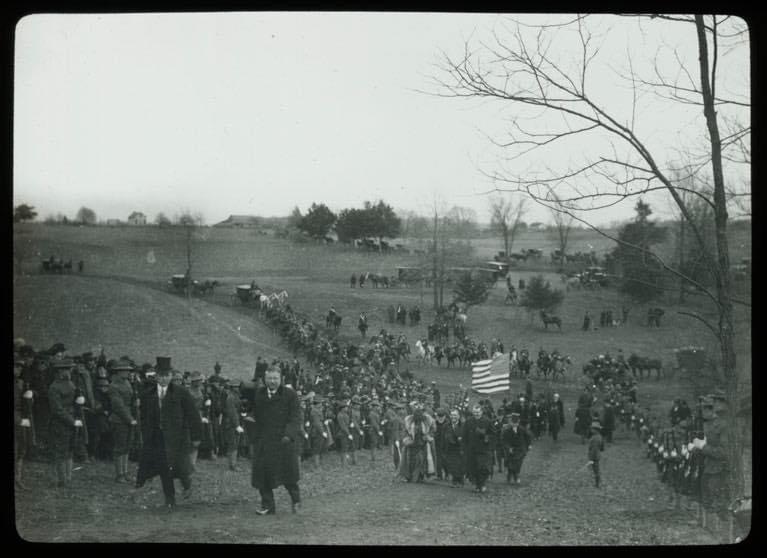
On February 12, 1909, President Theodore Roosevelt stood at Abraham Lincoln’s birthplace and called him “one of the two greatest Americans… one of the greatest men in the world’s history.” Before a crowd gathered at Sinking Spring Farm, Roosevelt honored Lincoln’s rise from frontier poverty to national leadership, praising his courage in war and his gentleness in peace. A century after Lincoln’s birth, the nation’s 26th president paid tribute to the man who shaped its destiny.
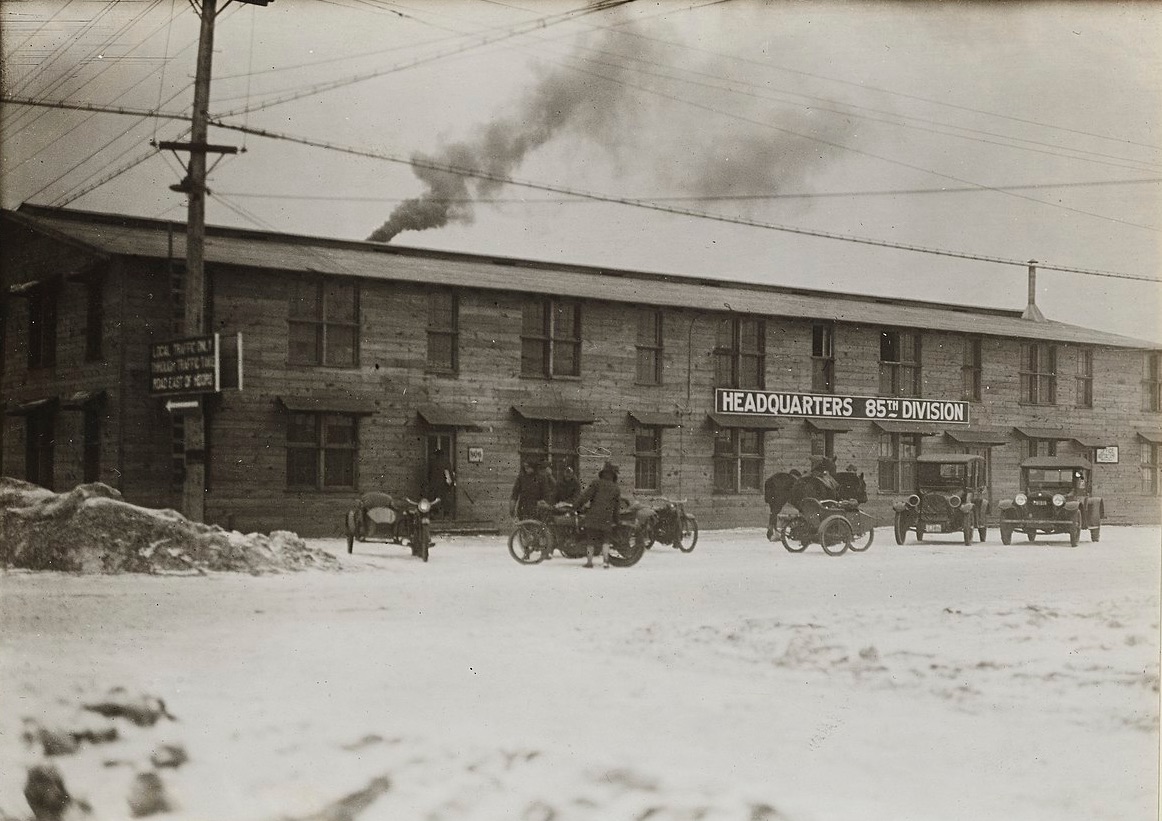
A photograph of the Headquarters of the 85th Infantry Division at Camp Custer in Michigan that was taken on February 12, 1918 The 85th Infantry Division of the U.S. Army was activated at Camp Custer in Michigan during WWI. Years earlier George Armstrong Custer led the Michigan Cavalry Brigade during the Battle of Gettysburg. Camp Custer near Battle Creek Michigan is now known as the Fort Custer Training Center.
Image via Wikimedia Commons, public domain

Born February 12, 1884 Alice Roosevelt Longworth was the eldest child of Theodore Roosevelt. Shown here in 1902 with her long-haired Chihuahua Leo, the high spirited, opinionated Alice caused her father to say “I can either run the country or I can attend to Alice, but I cannot possibly do both.”
Image from LOC via Wikimedia Commons, public domain in the US.
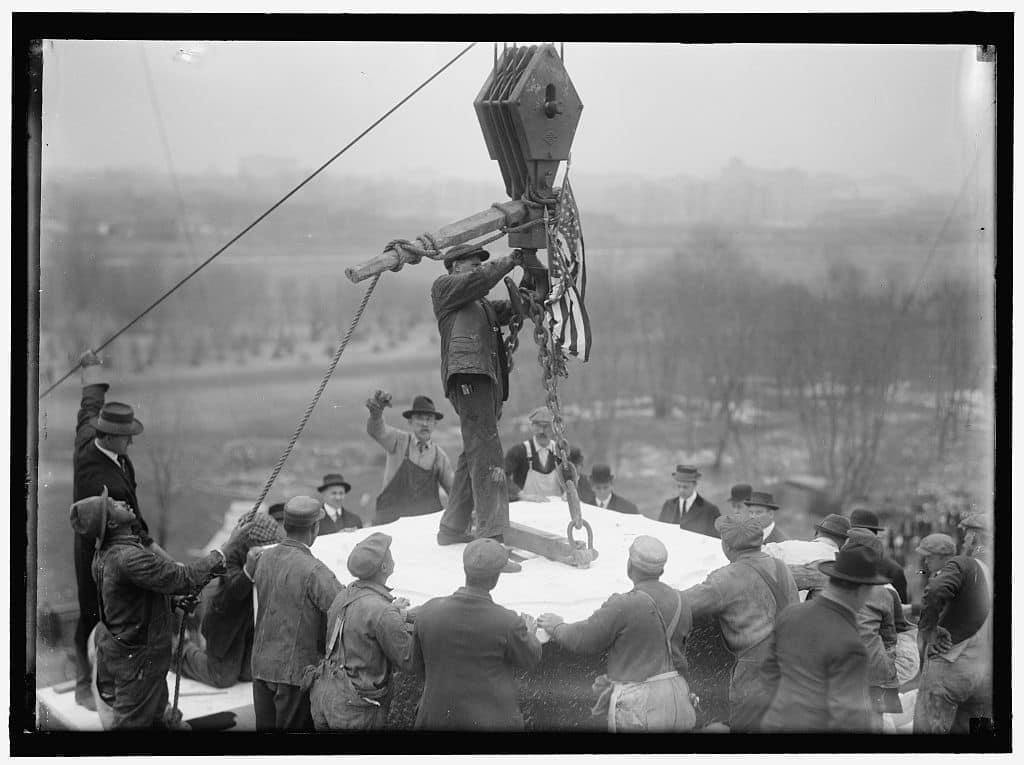
Laying the cornerstone for the Lincoln Memorial in Washington, D.C. – February 12, 1915 via Library of Congress, no known restrictions
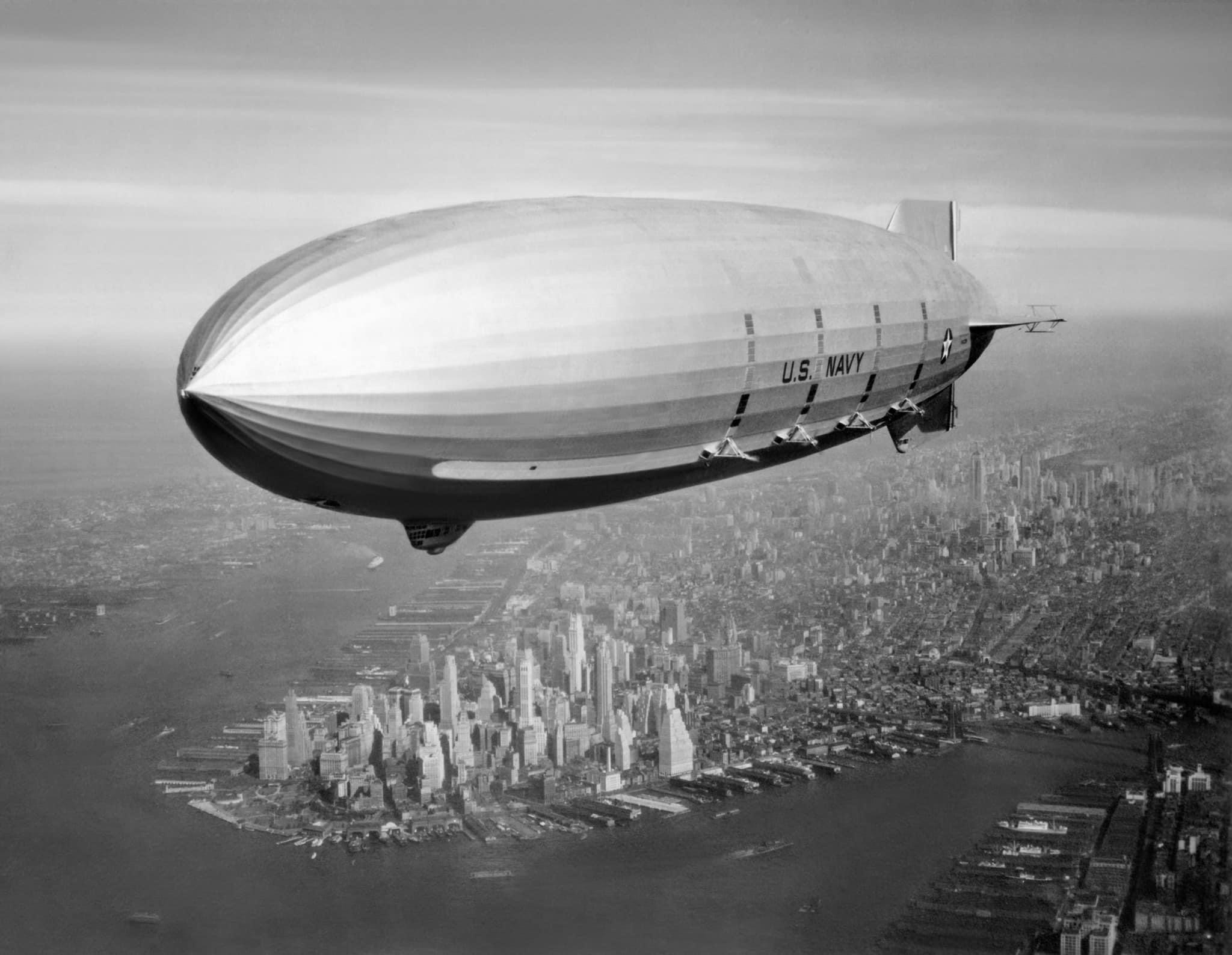
Photo of the flying aircraft carrier, USS Macon in 1933 over New York Harbor. Two years later on February 12, 1935 she was caught in a storm off the California coast and crashed.
Image via Wikimedia Commons, public domain
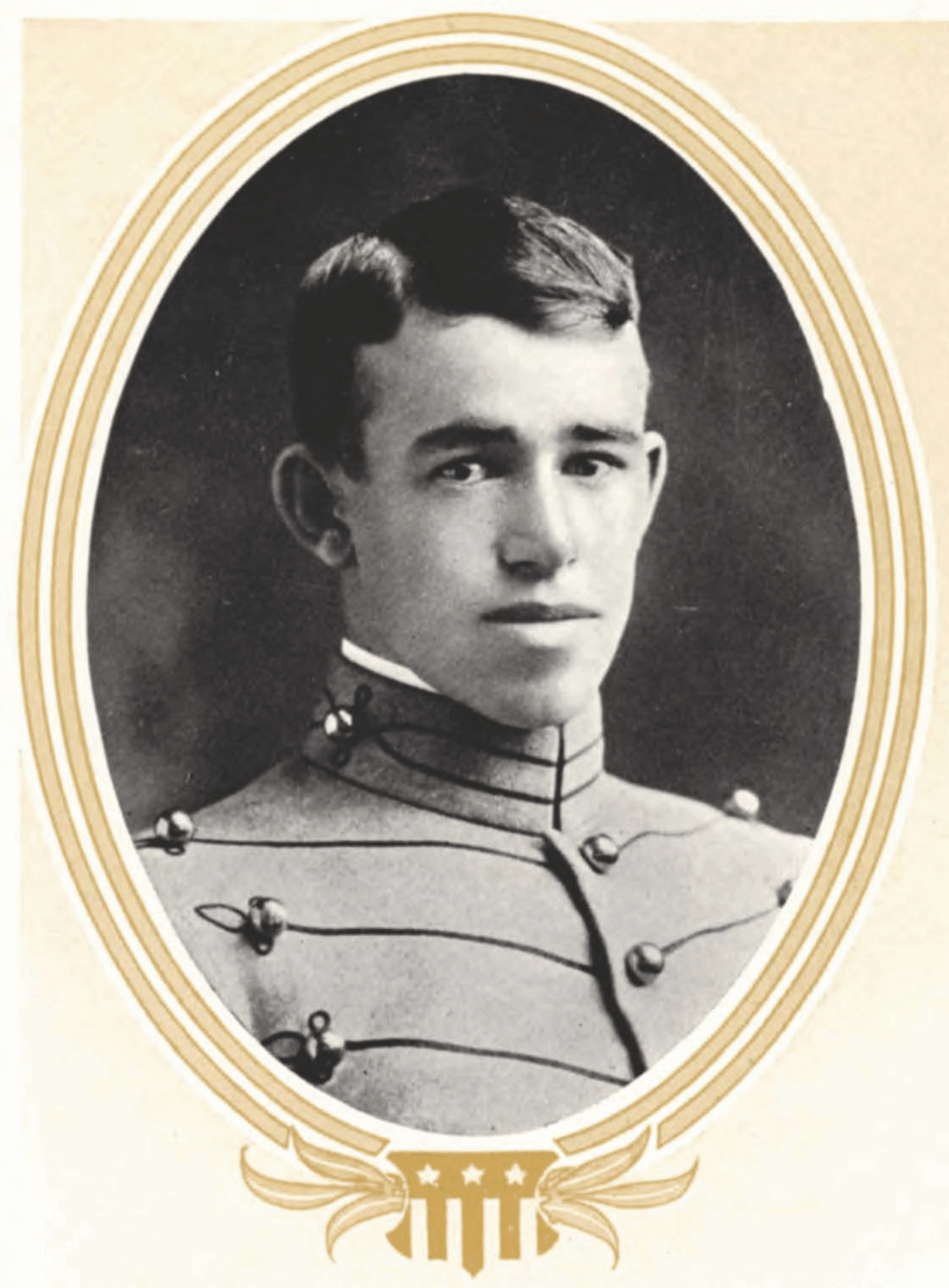
Omar Nelson Bradley, West Point classmate of Dwight D. Eisenhower, was born on February 12, 1893 in Clark, Missouri. After serving with Patton and Eisenhower during WWII, Bradley was appointed by President Harry S. Truman as the first Chairman of the Joint Chiefs of Staff.
Image via Wikimedia Commons, public domain
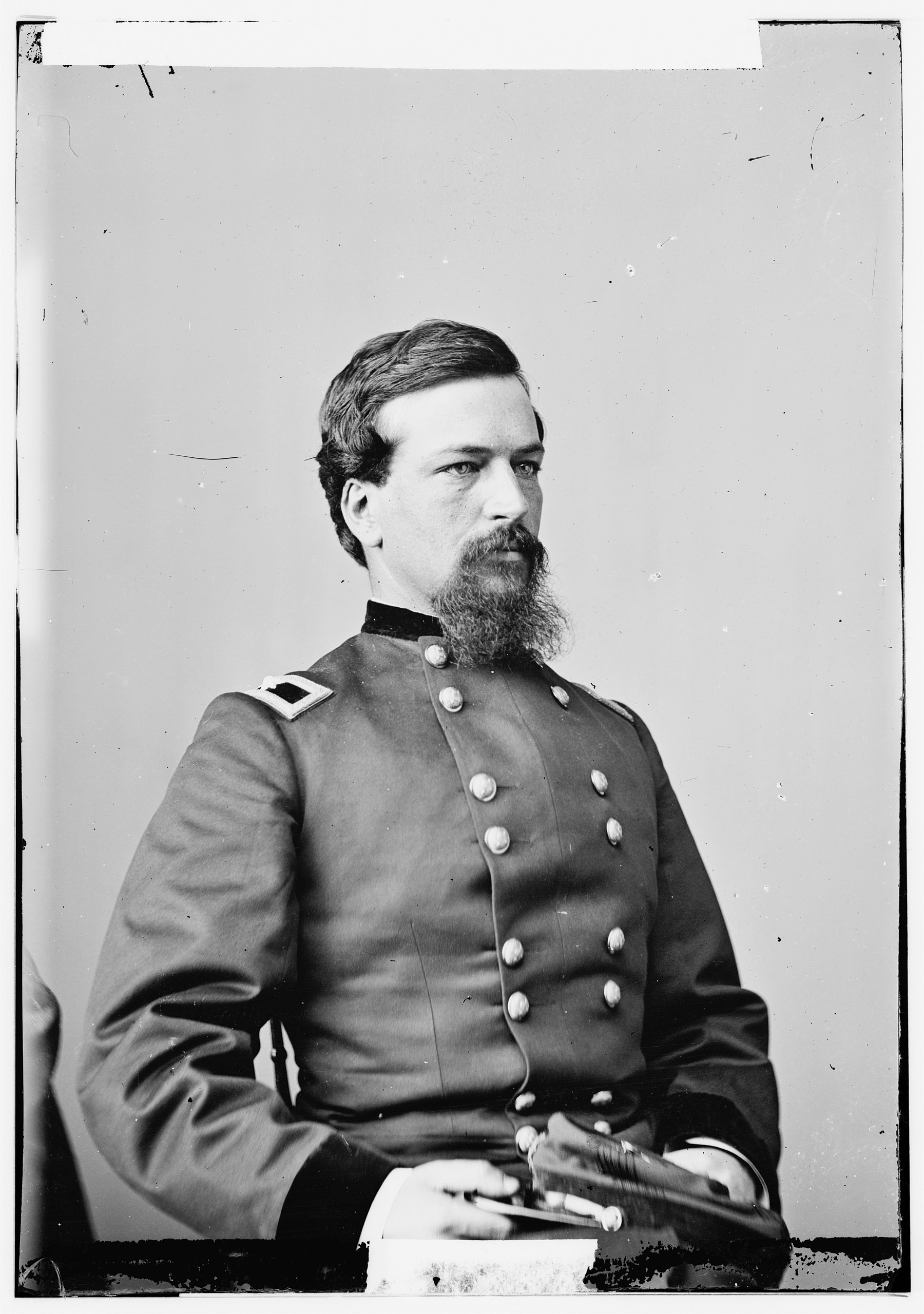
In 1891 Alexander S. Webb received the Medal of Honor for his “distinguished personal gallantry in leading his men forward at a critical period in the contest” during the Battle of Gettysburg. In the year following Gettysburg, during the Battle of Spotsylvania Courthouse, Webb was hit by a bullet that entered into his right eye and exited his ear, but he survived. A few years after the American Civil War he became President of City College of New York and held that position for thirty-three years until 1902. Alexander S. Webb passed away on February 12, 1911 in Riverdale, New York and was buried at West Point National Cemetery.
Image via Wikimedia Commons, public domain

On February 12, 1963, construction began on the Gateway Arch National Historic Landmark in St. Louis, Missouri. The Arch, located on the west bank of the Mississippi River, was designed by Eero Saarinen to symbolize “The Gateway to the West.” When this picture was taken in 1965 completion was still two years away.
Image by Kevin William Kelly, CCA-SA 4.0 International via Wikimedia Commons.
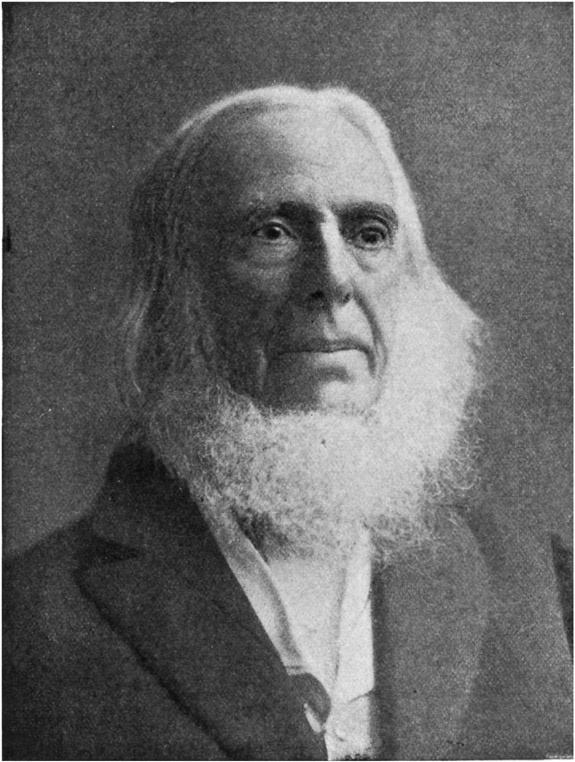
Peter Cooper, the man who designed and built the first steam locomotive in America (the Tom Thumb) was born on February 12, 1791 in New York City. In the 1830s, Cooper also invented the first steel rocking chair in America.
Image via Wikimedia Commons, public domain
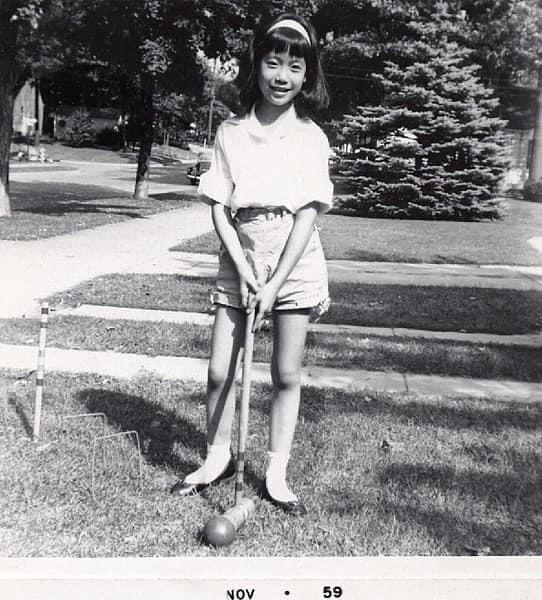
If you’ve ever whacked a wooden ball through a wicket circle this day on your calendar. On February 12, 1880 the US National Croquet League was organized in Philadelphia. It’s skill, it’s recreation, it’s A LOT cheaper than polo! Here’s young Nancy Wong of Michigan enjoying the game in 1959.
Image via Wikimedia Commons, CCA-Share Alike 4.0 International
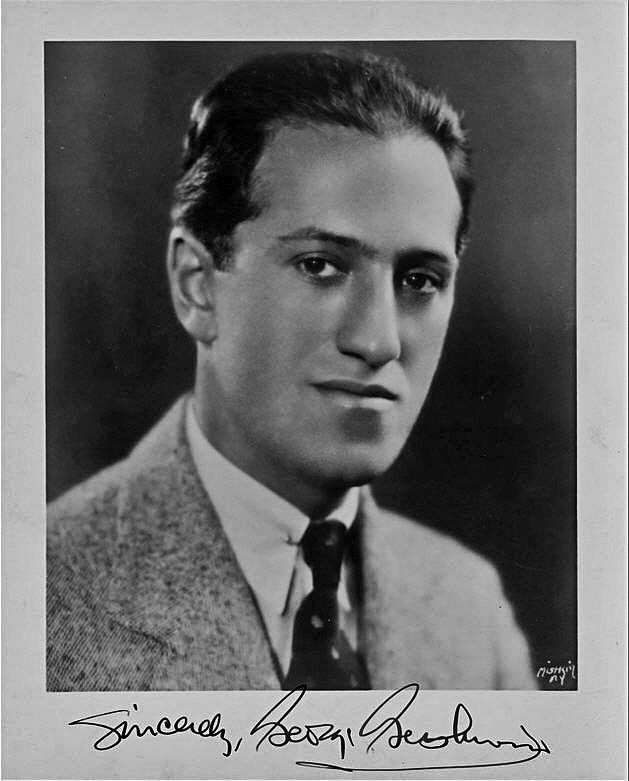
On February 12, 1924, George Gershwin’s “Rhapsody in Blue” premiered at Aeolian Hall in New York City
Image of Gershwin via Wikimedia Commons, public domain
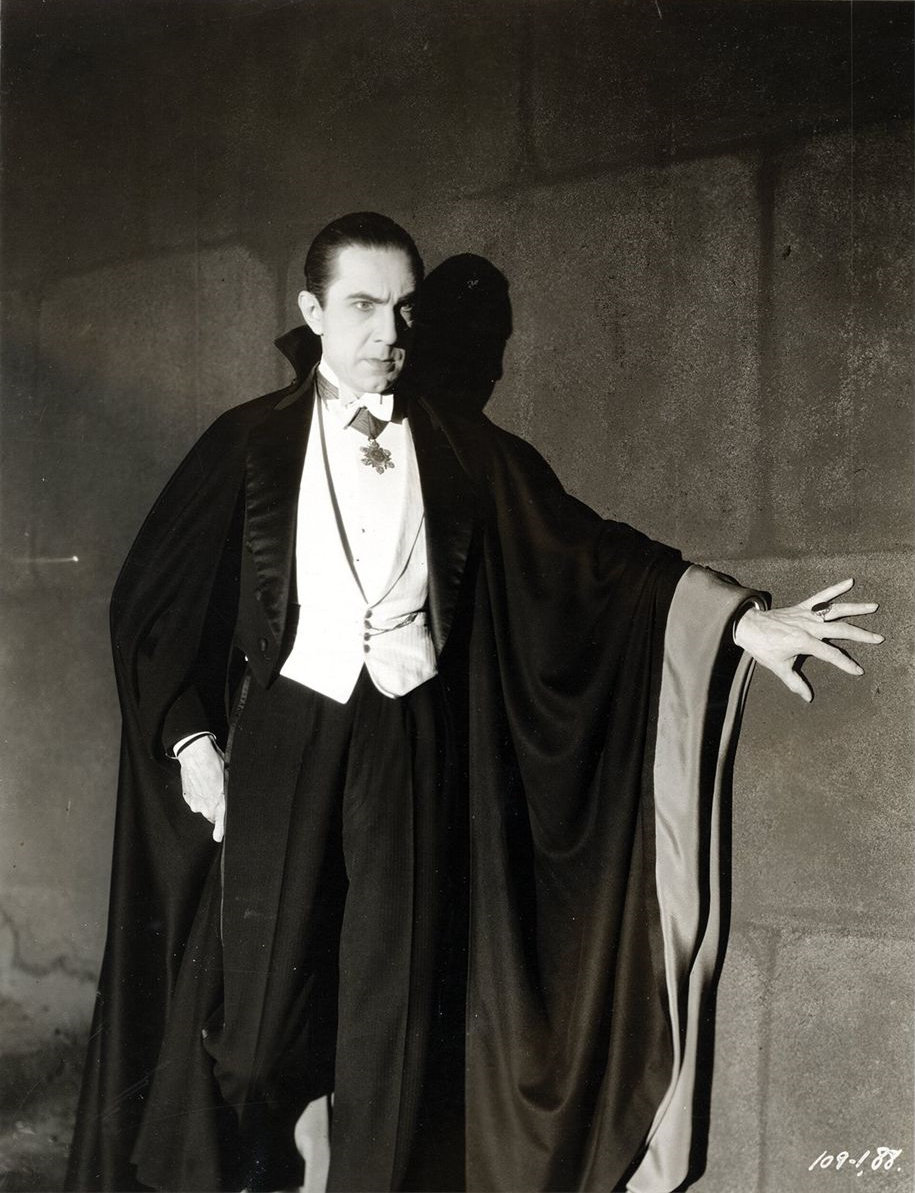
Dracula by Universal Pictures starring Bela Lugosi premiered at The Roxy Theatre in New York City on February 12, 1931. For a few years prior to the film’s release, Lugosi had been playing the role of Dracula on stage.
Image via Wikimedia Commons, public domain
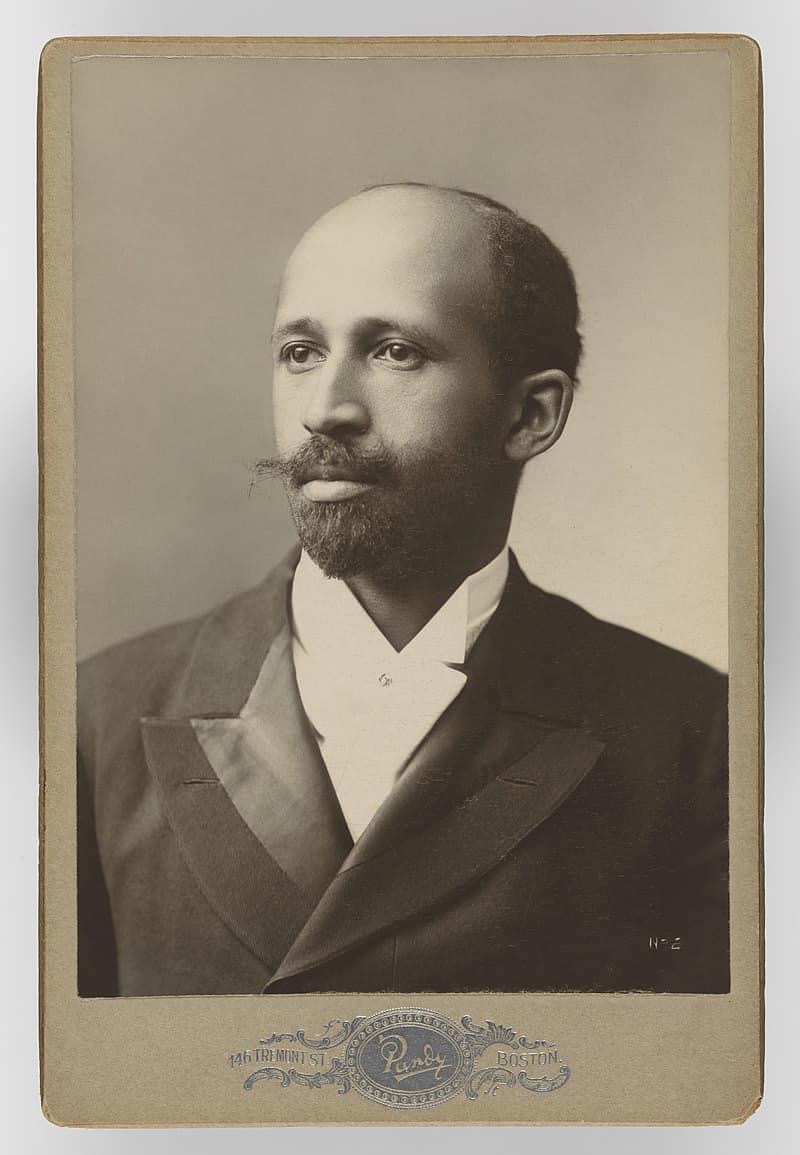
The N.A.A.C.P., the National Association for the Advancement of Colored People, was founded on February 12, 1909. This 1907 portrait shows one of the organization’s founders, writer and professor Dr. W.E.B. Du Bois.
Image via Wikimedia Commons via Creative Commons CCO 1.0 Universal Public Domain Dedication –
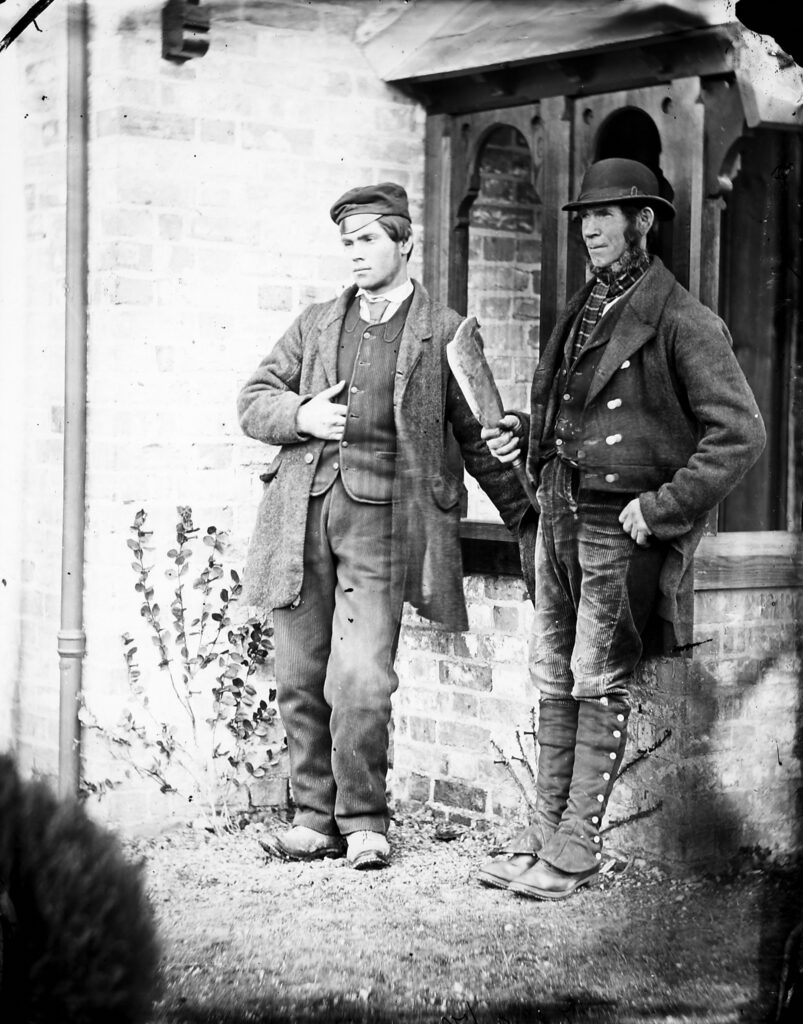
Two workmen stand outside the Photographic House on the Clonbrock Estate in Ahascragh, County Galway, on February 12, 1870. In the shadow of the great house, they represent the skilled labor that kept a vast rural estate running in the final decades of landlord rule. Their world—seasonal work, steady hands, and lives tied to the land—was the everyday reality for countless Irish families in the years when emigration to America was reshaping the Atlantic world.
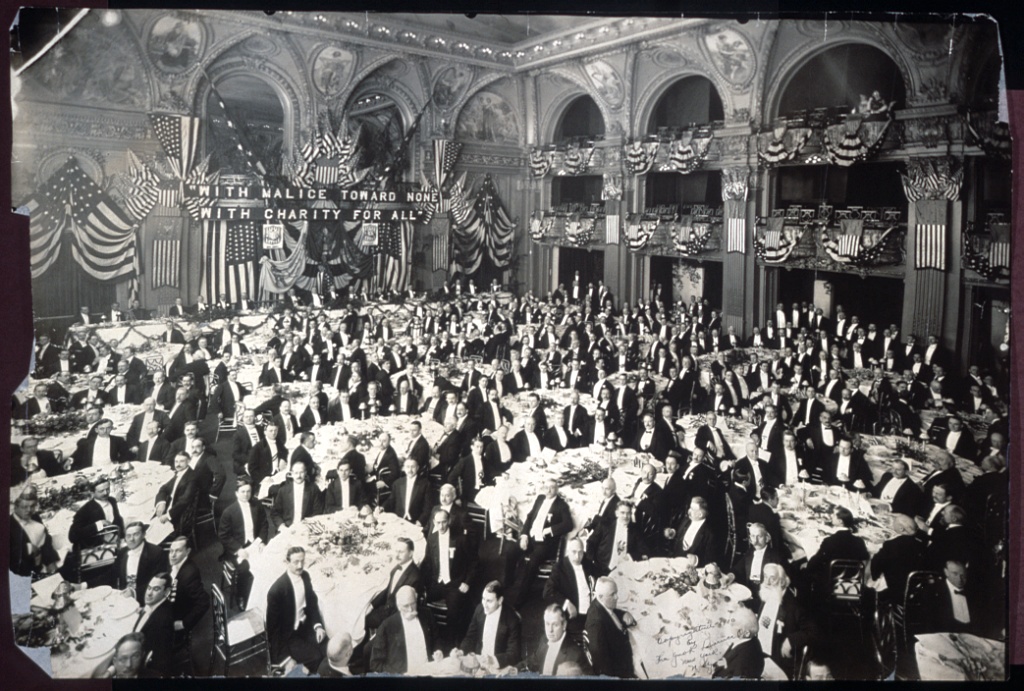
Twenty-fourth Lincoln dinner of the Republican Club of the City of New York, Waldorf-Astoria Hotel, Feb. 12, 1910
Image via LOC, no known restrictions
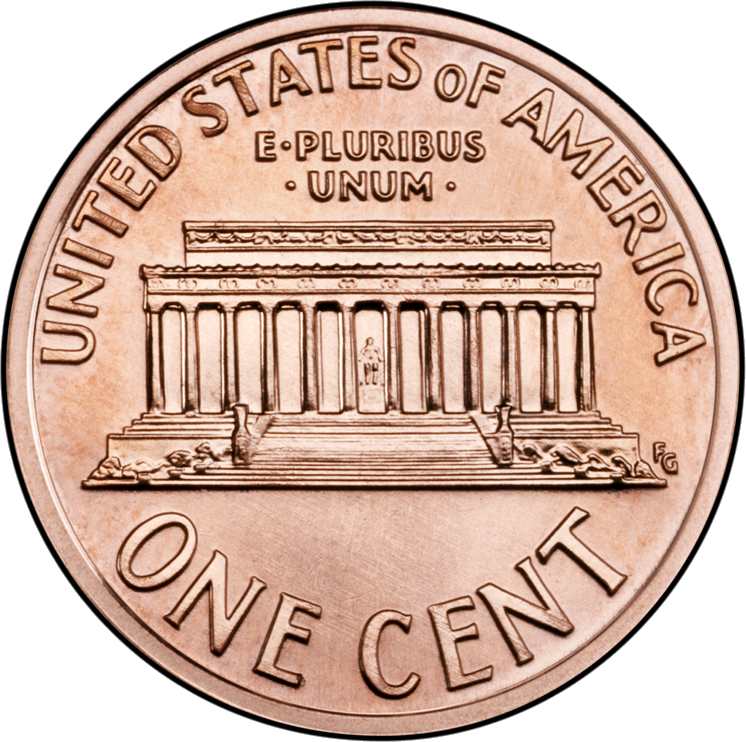
A new design on the reverse side of the U.S. penny featuring the Lincoln Memorial was released on Abraham Lincoln’s 150th birthday — February 12, 1959.
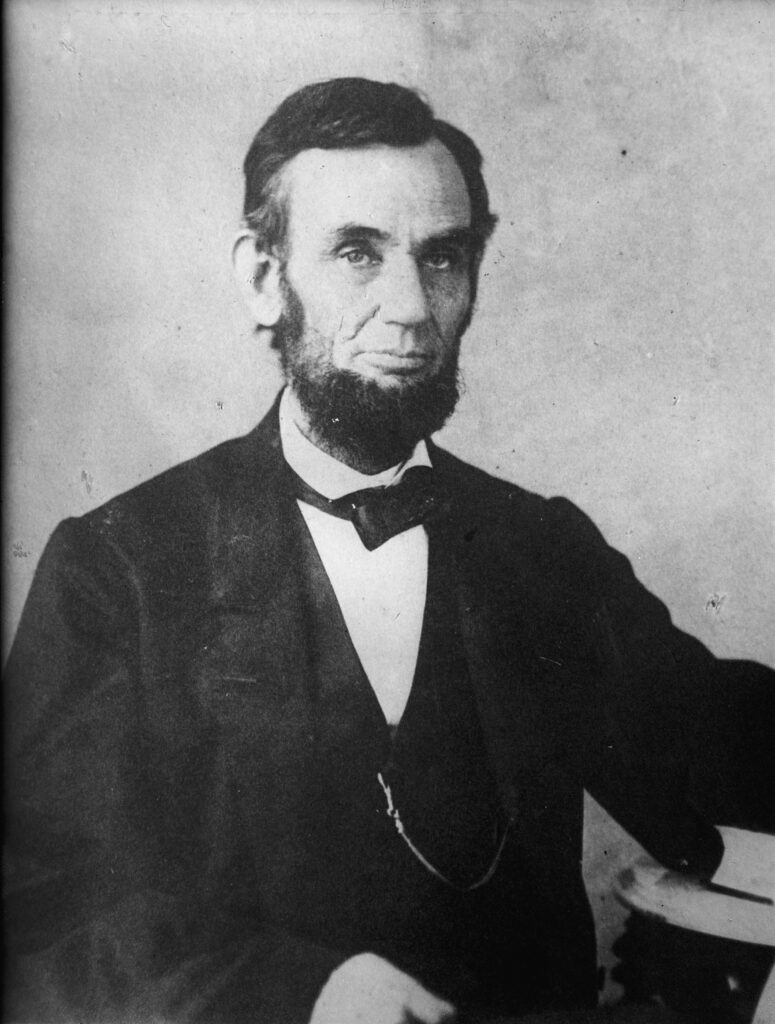
Abraham Lincoln left no reflections on his own birthday. He rarely spoke of his beginnings at all. When pressed, he offered only the plain truth: “I was born and have ever remained in the most humble walks of life.” Years later, asked again about his youth, he summed it up as “the short and simple annals of the poor.” His silence says the rest — a life he treated not as something to celebrate, but as something to spend in service and duty.
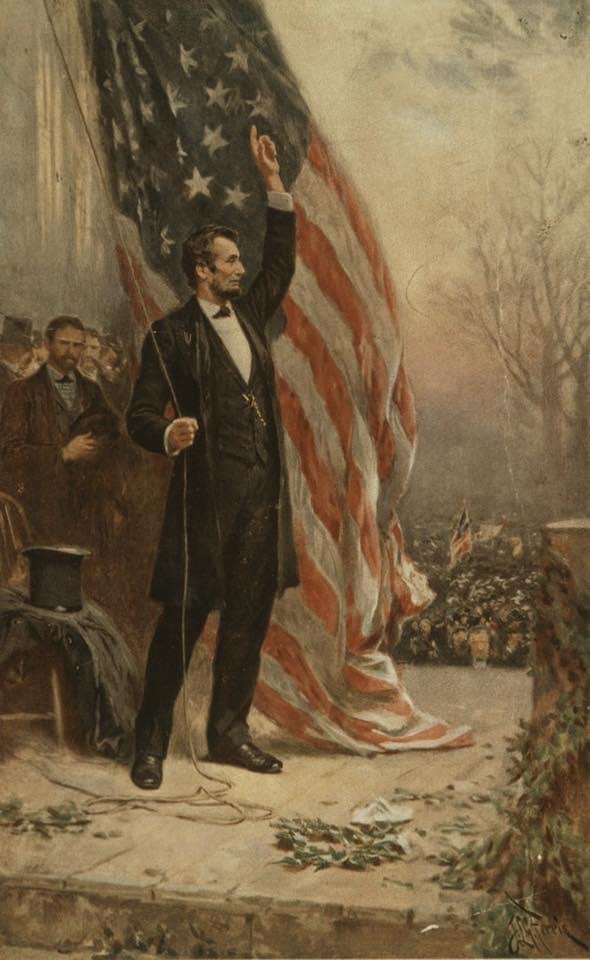
“While some of us may differ in political opinions, still we are all united in one feeling for the Union. We all believe in the maintenance of the Union, of every star and every stripe of the glorious flag; and permit me to express the sentiment that, upon the union of the States, there shall be between us no difference.”
Abraham Lincoln in Lafayette, Indiana on February 11, 1861
