
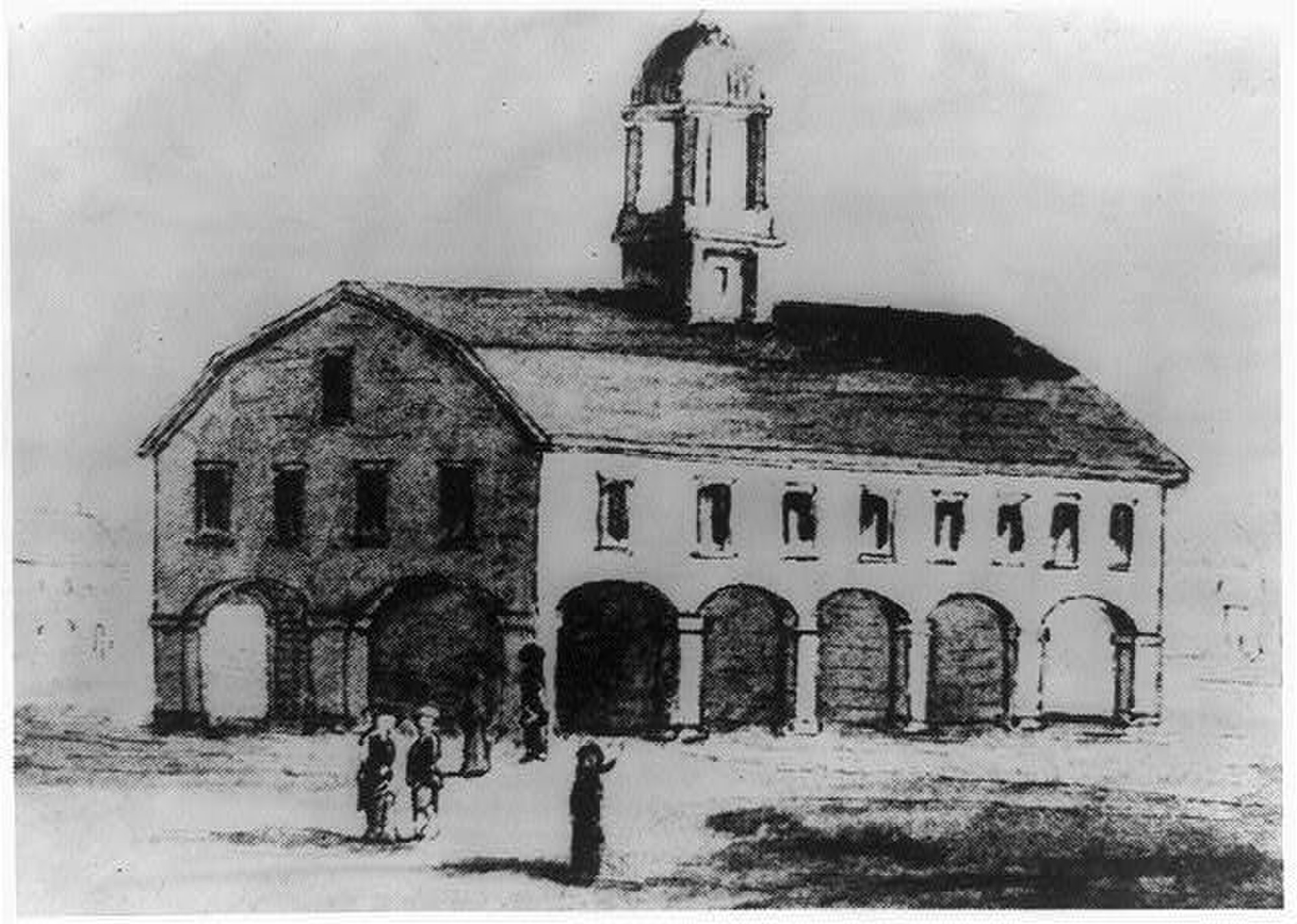
On February 1, 1790, Supreme Court Justices assembled for the first time at the Royal Exchange building in New York City (shown). However, only three Justices were present, so the first official session didn’t convene with quorum until the next day.
Image via Wikimedia Commons, public domain
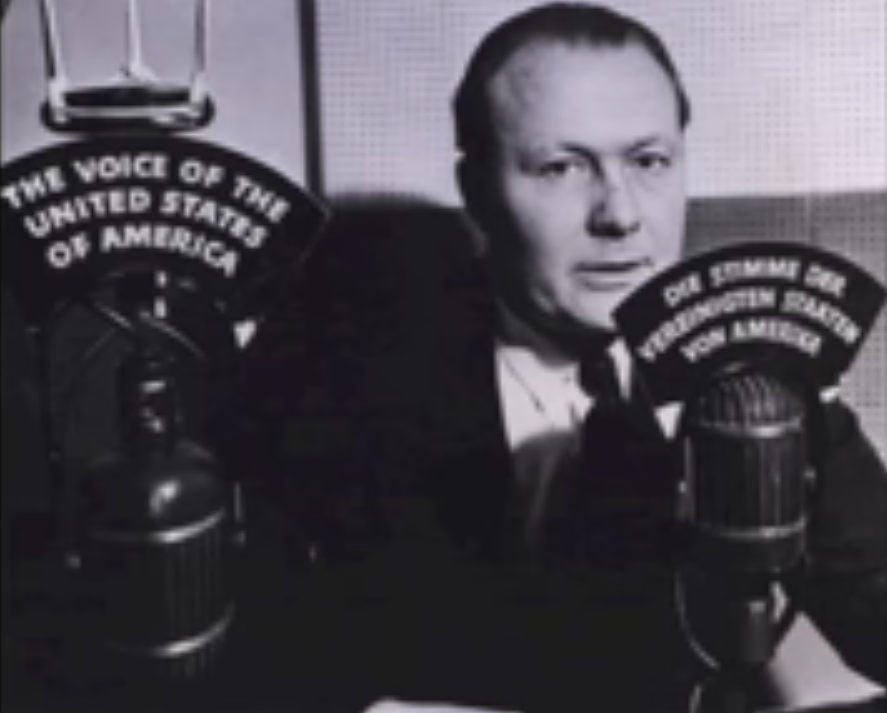
William Harlan Hale who delivered the first Voice of America radio broadcast on February 1, 1942. The short-wave broadcast was intended for the people of Germany and the content was aimed at countering Nazi propaganda.
Image via Wikimedia Commons, public domain
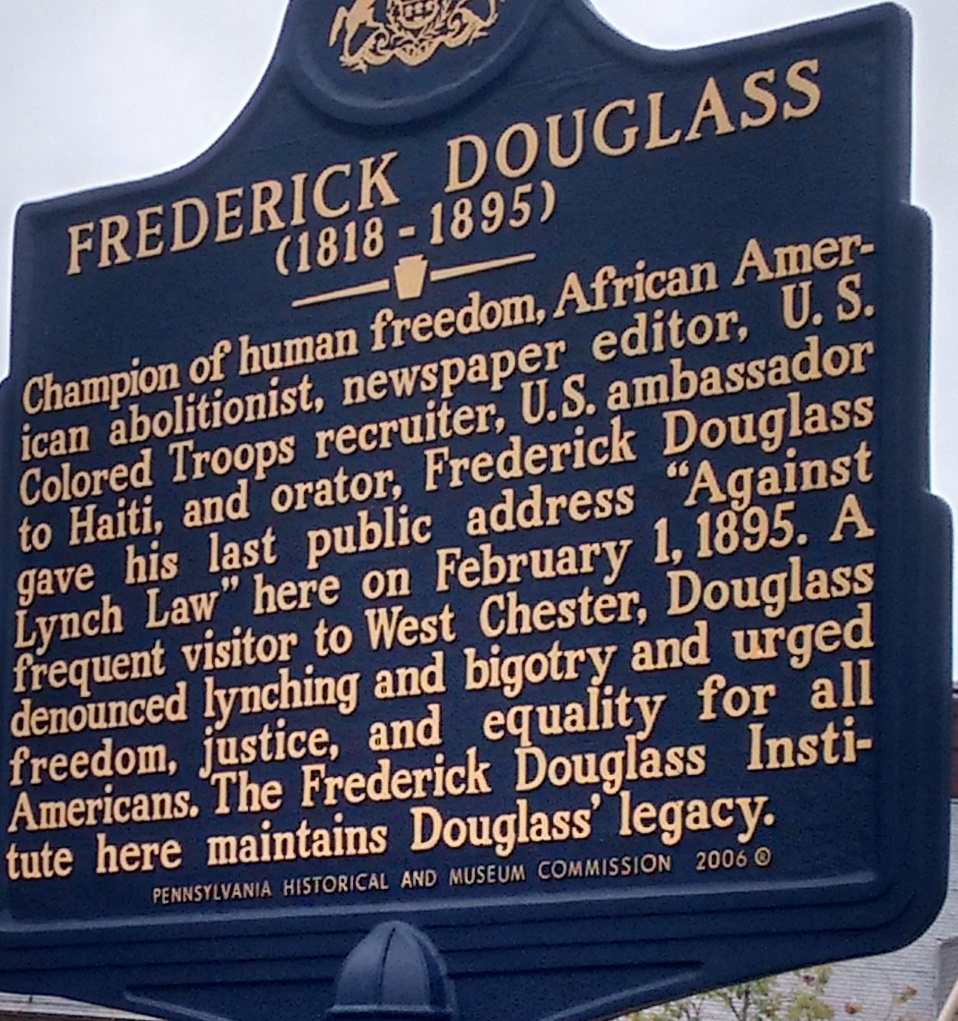
On February 1, 1895, Frederick Douglass gave his last public address in West Chester, Pennsylvania.
Image from Shaun Marron via Wikimedia Commons, CC BY 4.0
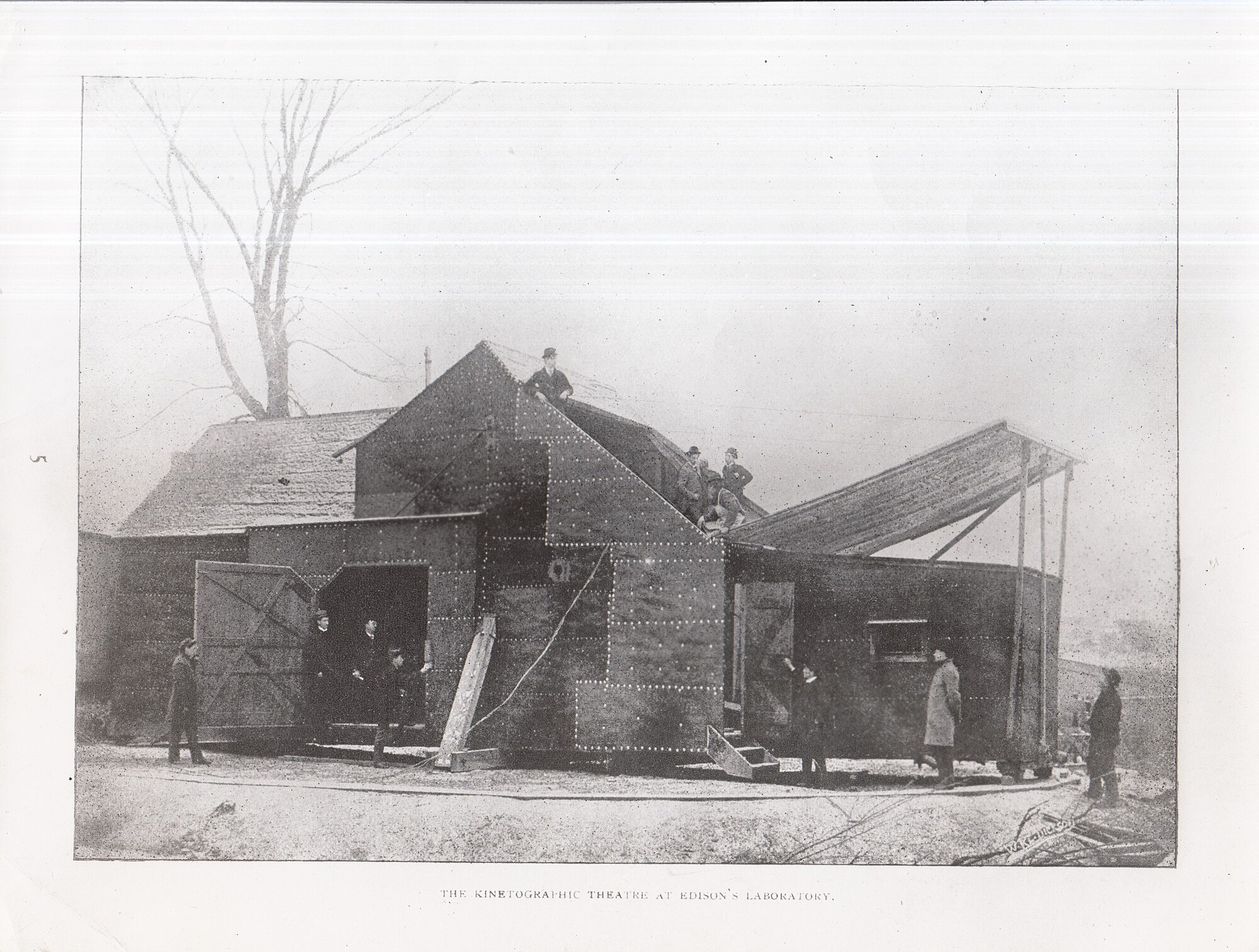
Construction of the world’s first film production studio, Thomas Edison’s Black Maria in West Orange, New Jersey was completed on February 1, 1893. Famous early films made there include Fred Ott’s Sneeze, Blacksmith Scene and “The Little Sure Shot” of “The Wild West.”
Image via Wikimedia Commons, public domain
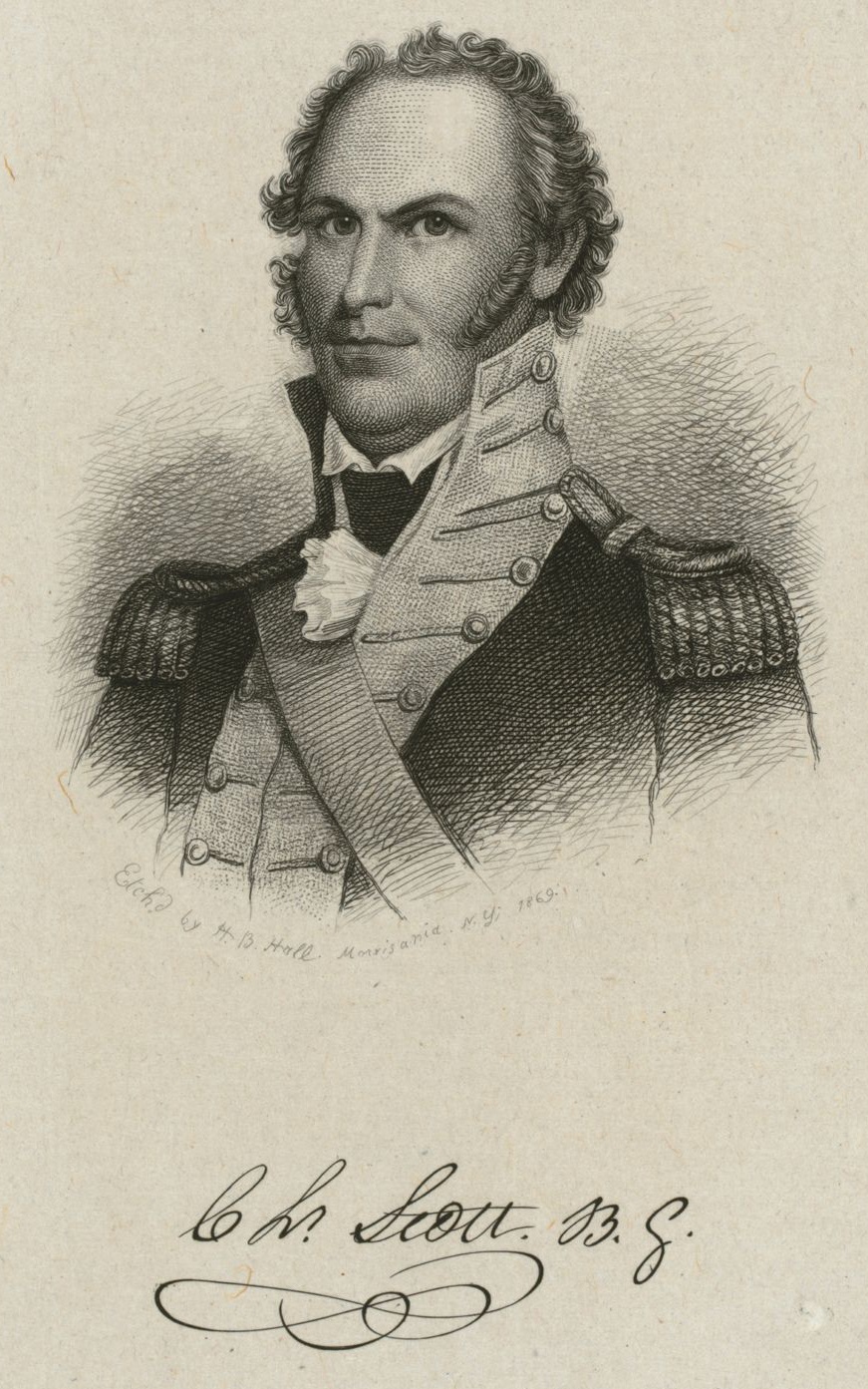
French & Indian War veteran Charles Scott and his greatly outnumbered 5th Virginia conducted a vicious and courageous attack on British and Hessian forces near Metuchen, New Jersey on February 1, 1777. After the Battles of Trenton and Princeton, George Washington created a strategy to stave off British forces from foraging hay and other rations that winter. These skirmishes became known as The Forage War. Scott went on to become the 4th Governor of Kentucky and was one of the last surviving American generals of the Revolutionary War.
Image via Wikimedia Commons, public domain
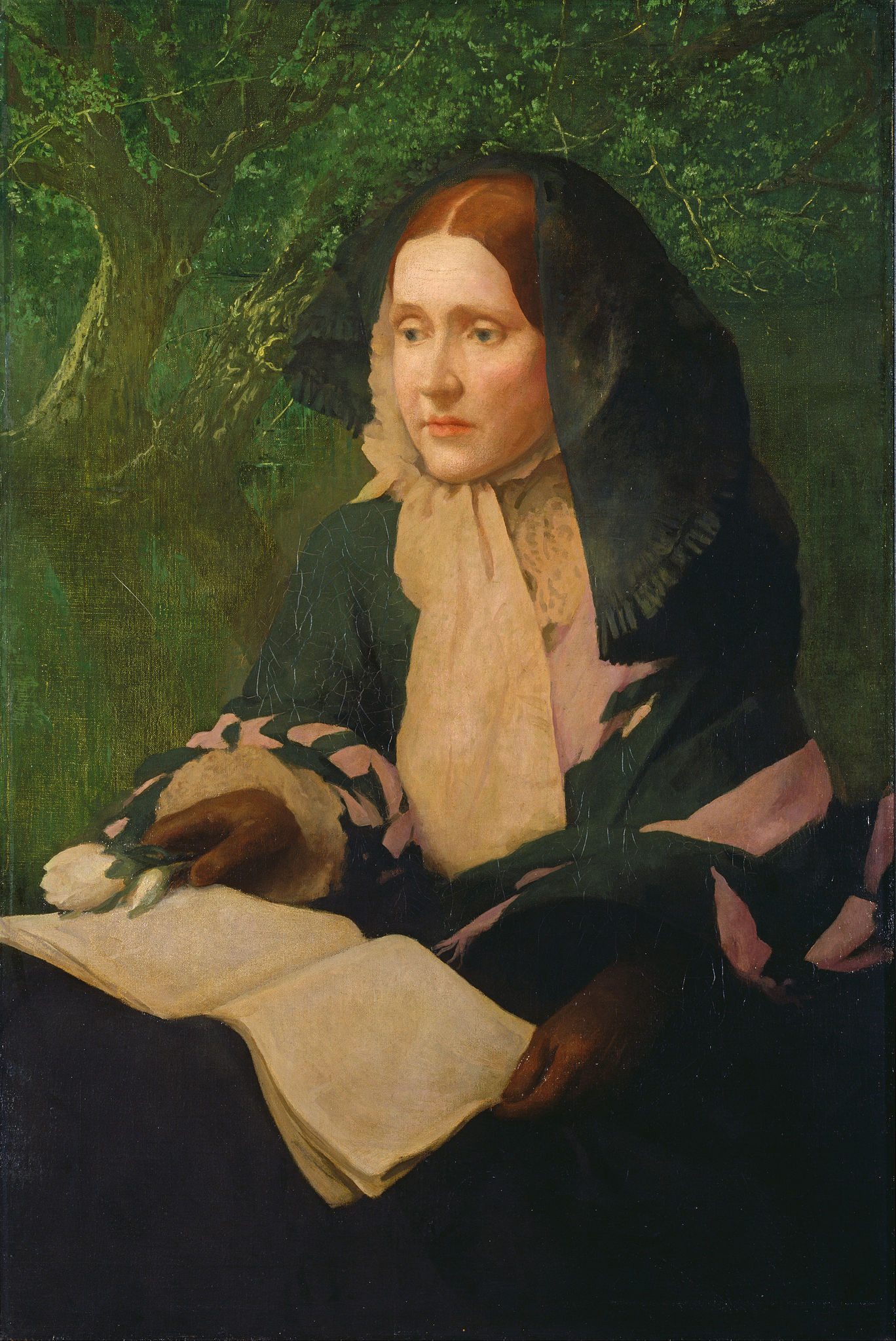
The lyrics to “Battle Hymn of The Republic” by Julia Ward Howe were published in the February 1862 edition of the Atlantic Monthly.
Image via Wikimedia Commons, public domain
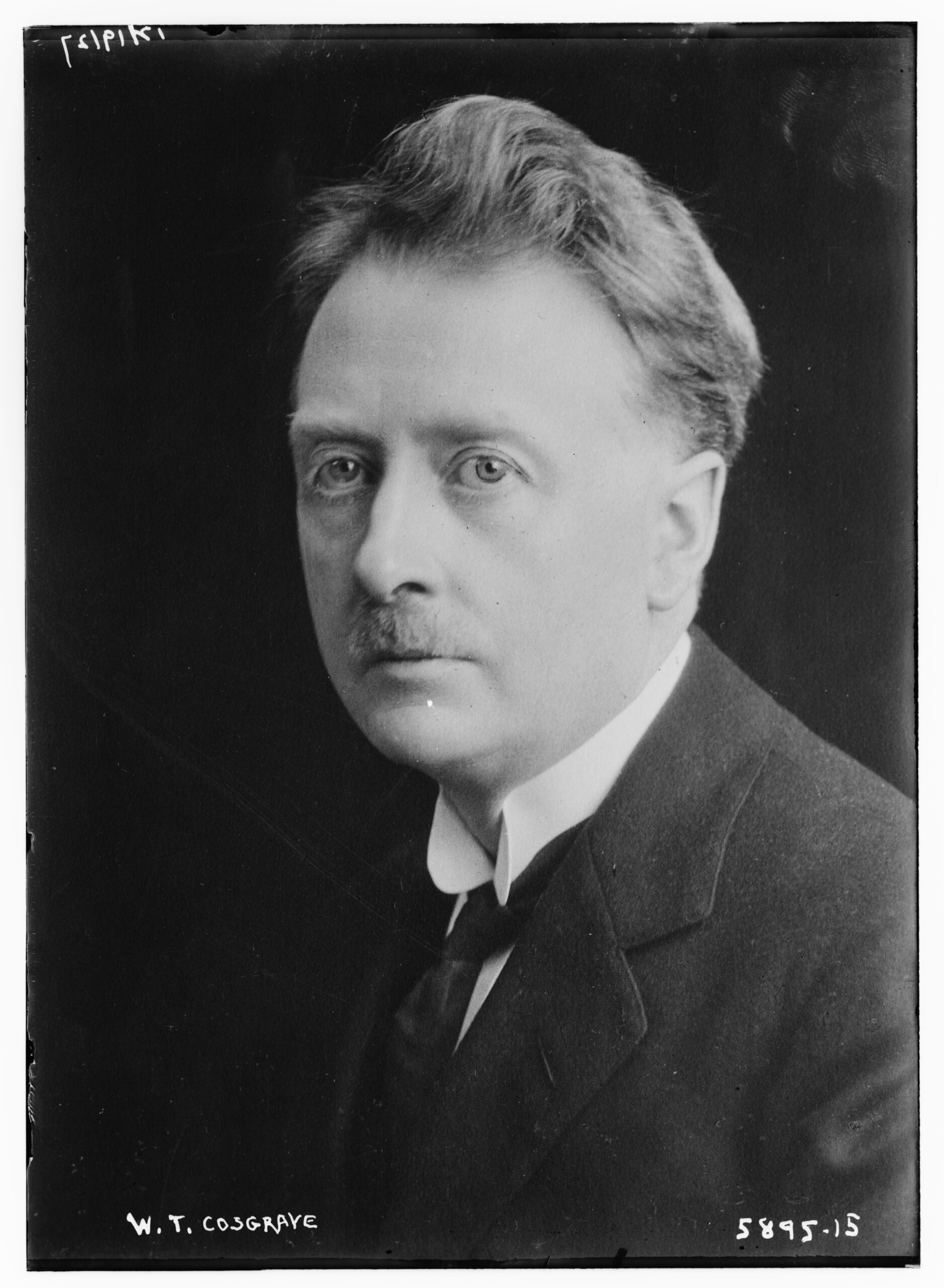
On February 1, 1925, in President of the Executive Council of the Irish Free State, W.T. Cosgrave, asked nations, including the United States, to support his country due to a food shortage. That month Catholics from New York City sent $25,000 in aid.
Image of W.T. Cosgrave c. 1920s via Wikimedia Commons, public domain
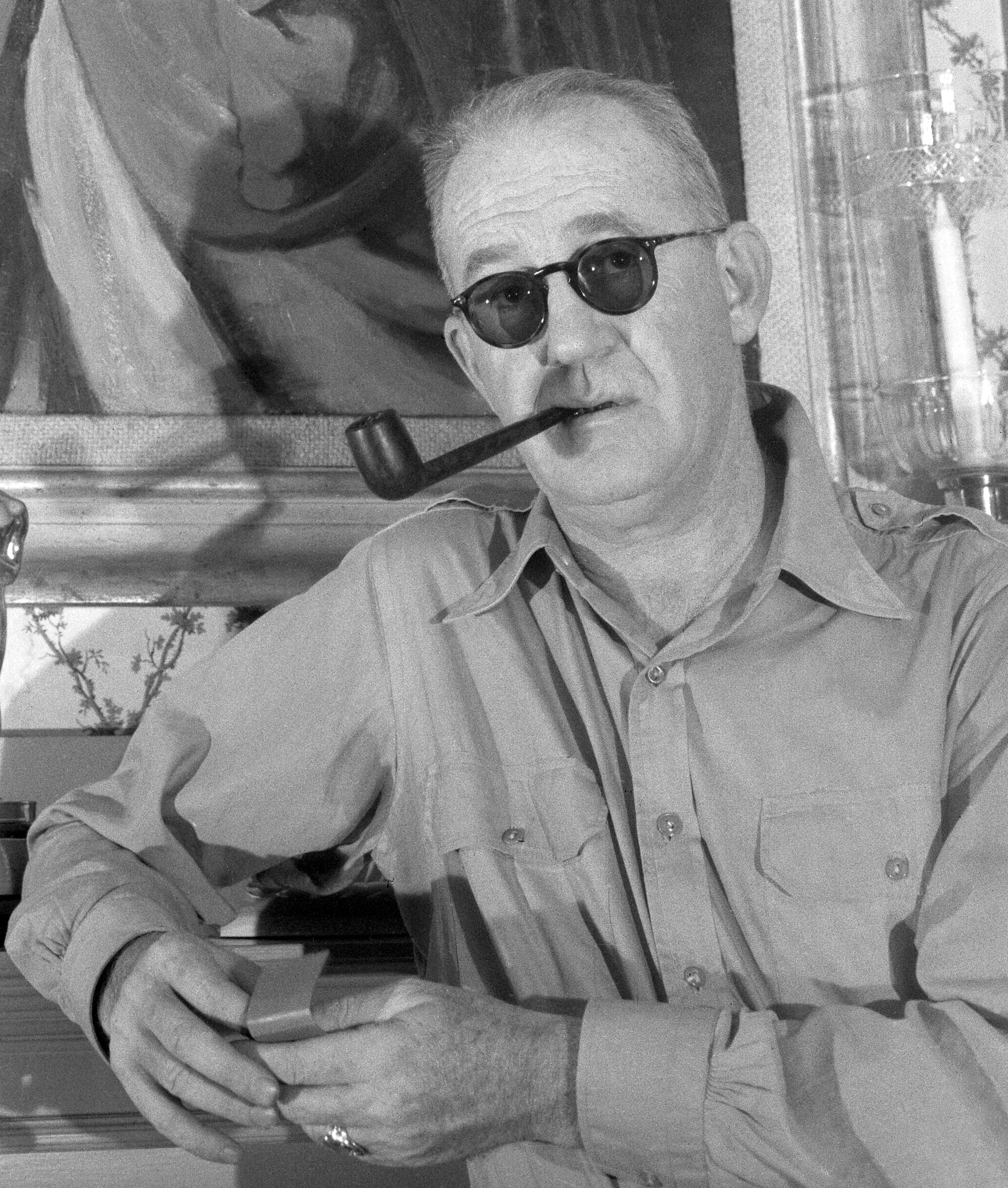
U.S. Navy officer John Ford, winner of six Academy Awards, was born on February 1, 1894 in Cape Elizabeth, Maine.
Image: John Ford in 1946 via Wikimedia Commons, public domain
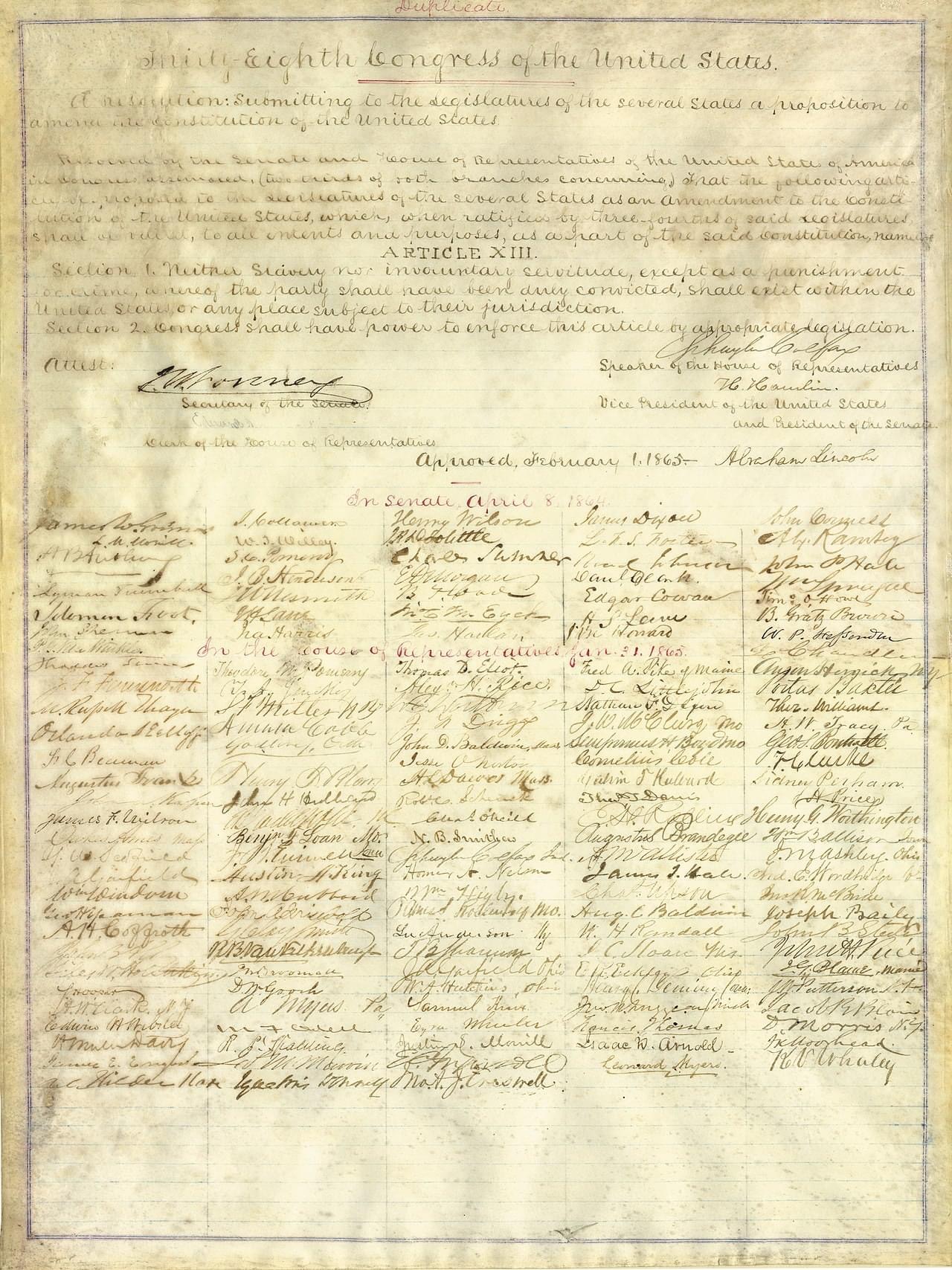
On February 1, 1865 Abraham Lincoln inscribed “Approved” next to his signature on the 13th Amendment which abolished slavery in the United States. Illinois was the first state to ratify the amendment on the same date.
Image via Wikimedia Commons, public domain
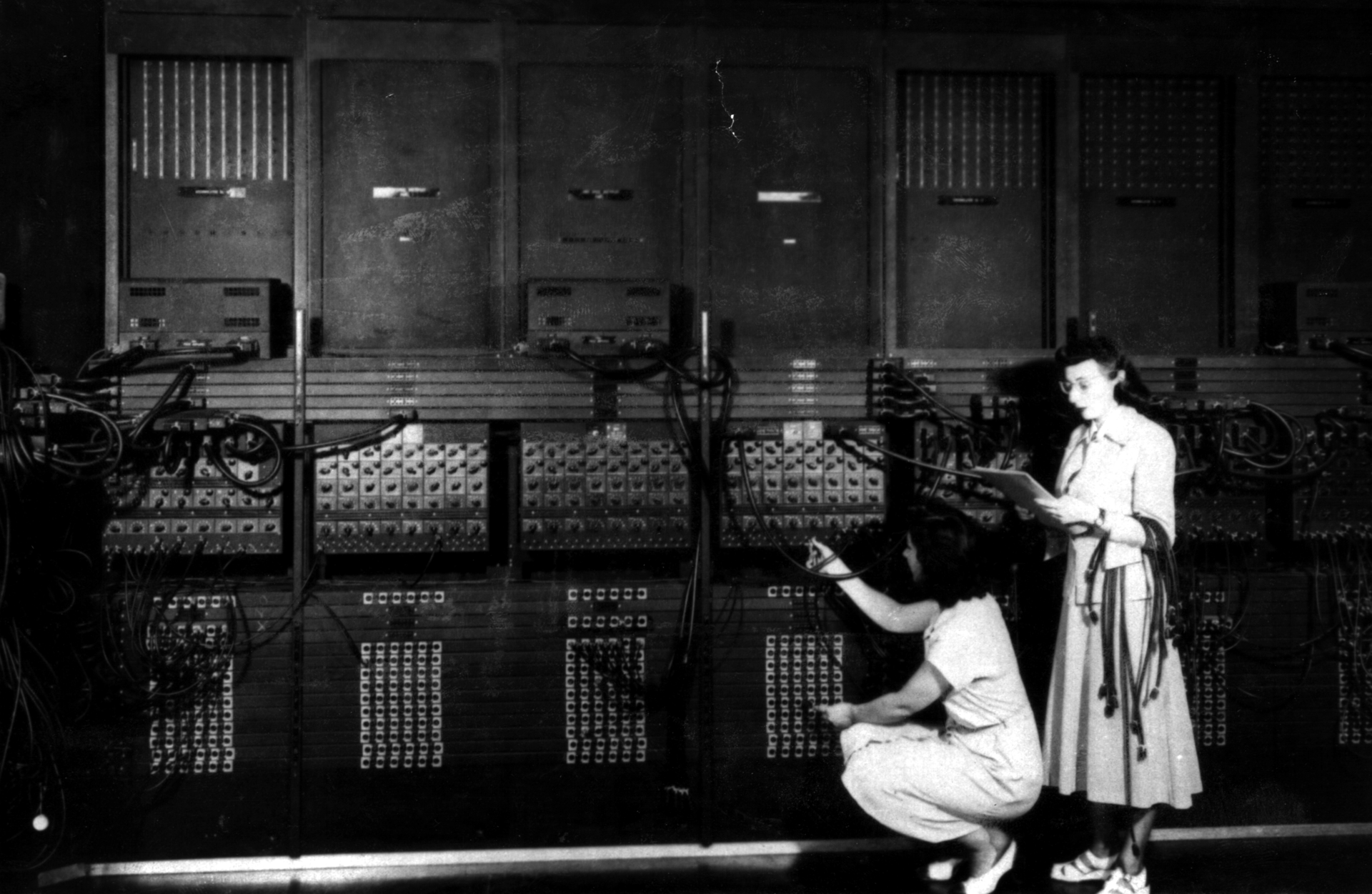
One of the first computer programmers in the world, Ruth Teitelbaum, was born on February 1, 1924 in the Bronx, New York. Image of Ruth crouching down next to Marlyn Meltzer while wiring the right side of the ENIAC Computer in 1946.
Image via Wikimedia Commons, public domain
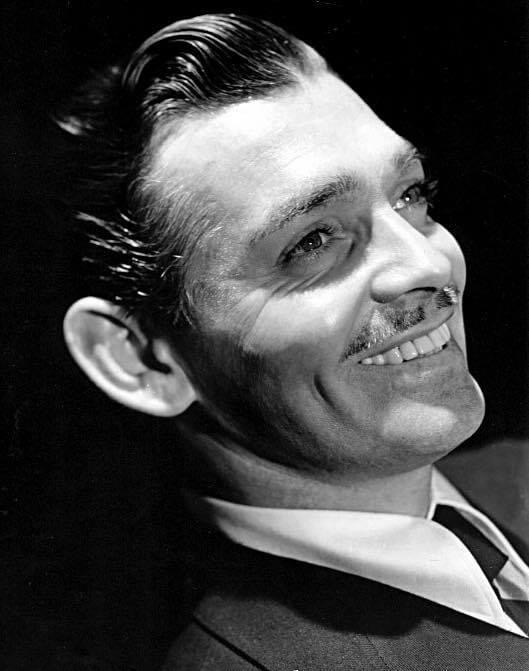
WWII Veteran and Hollywood star, Clark Gable, was born on February 1, 1901 in Cadiz, Ohio.
Image of Gable c. 1938 via Wikimedia Commons, public domain in the US
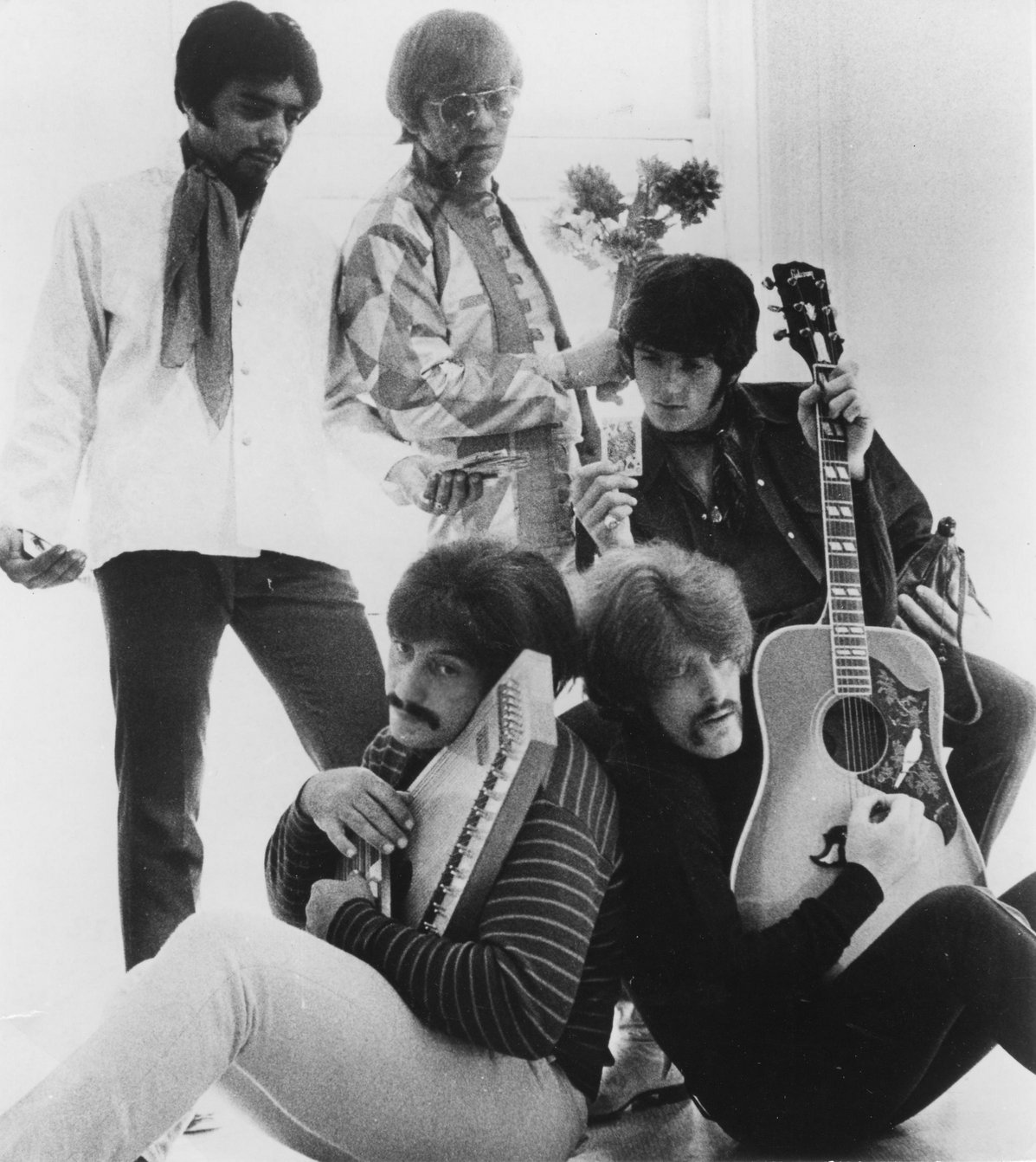
On February 1, 1969, “Crimson and Clover” by American rock band Tommy James & The Shondells became the #1 song in America.
Image of the band in the 1960s via Alamy
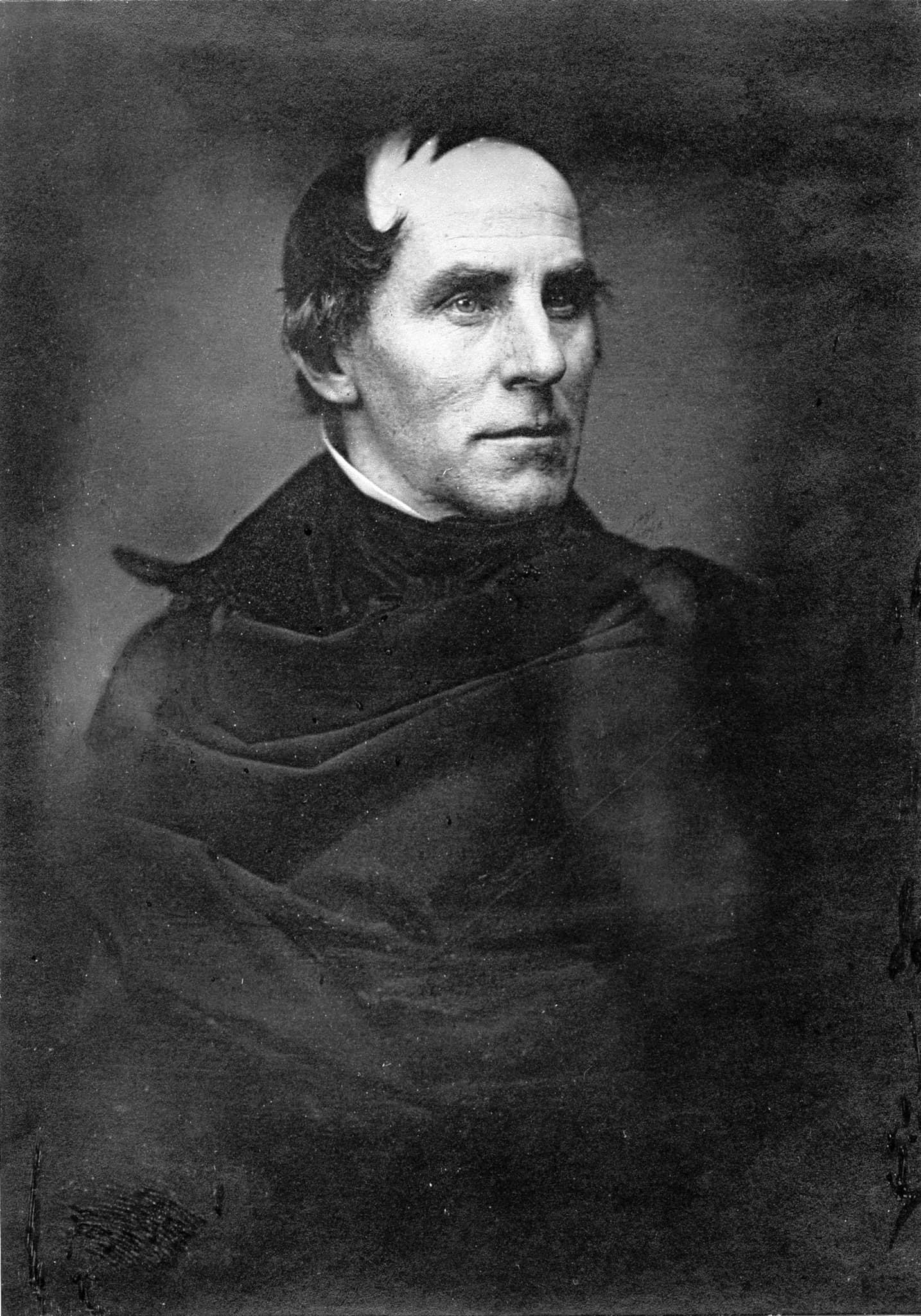
American artist Thomas Cole who founded the Hudson River School art movement was born on February 1, 1801. The first review of his paintings was published in 1825.
Image c. 1846 via Wikimedia Commons, public domain
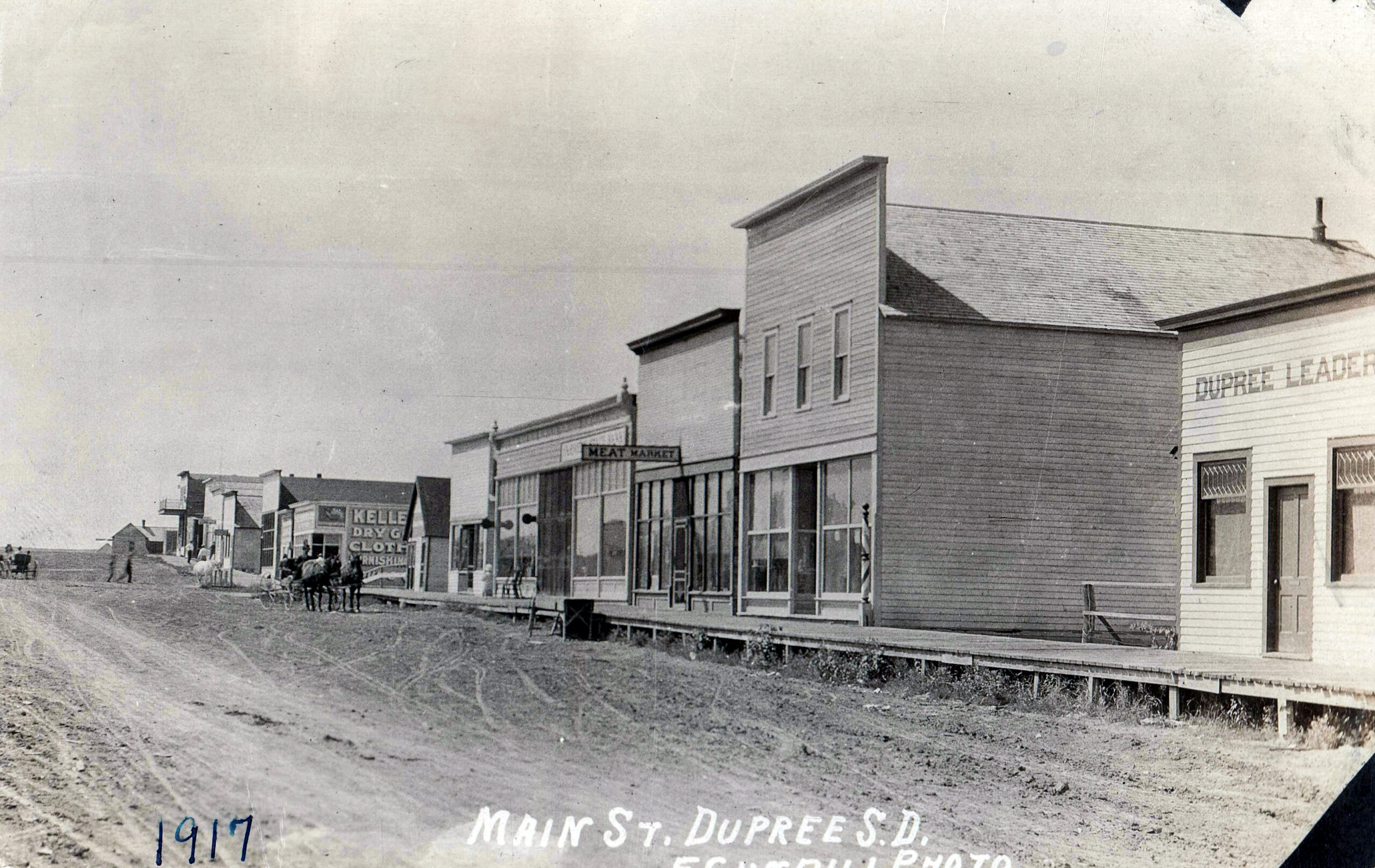
On February 1, 1911, a county known as Ziebach County in South Dakota named in honor of Frank Ziebach of Union County, Pennsylvania was established.
Image of Dupree City in Ziebach County, South Dakota from Estate of Vesta C. McGeehon via Wikimedia Commons, CC BY 4.0
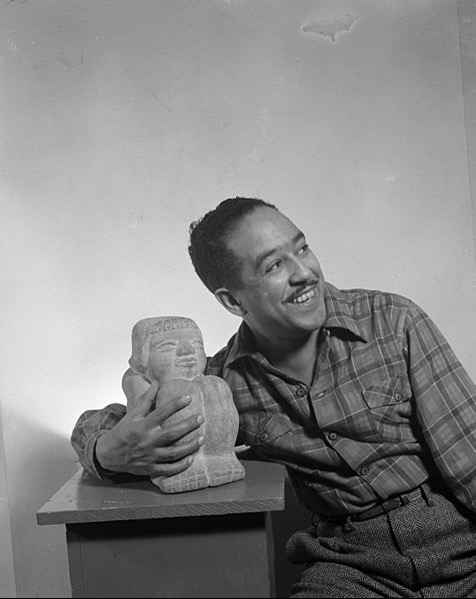
Born February 1, 1901 Langston Hughes contributed to America’s literary heritage through his poems, plays, and novels. Hughes was one of the major figures of the Harlem Renaissance of the 1920s and 30s. “What happens to a dream deferred?” he asked in a poem, “Does it dry up like a raisin in the sun?”
Image from LOC via Wikimedia Commons, public domain in the US.
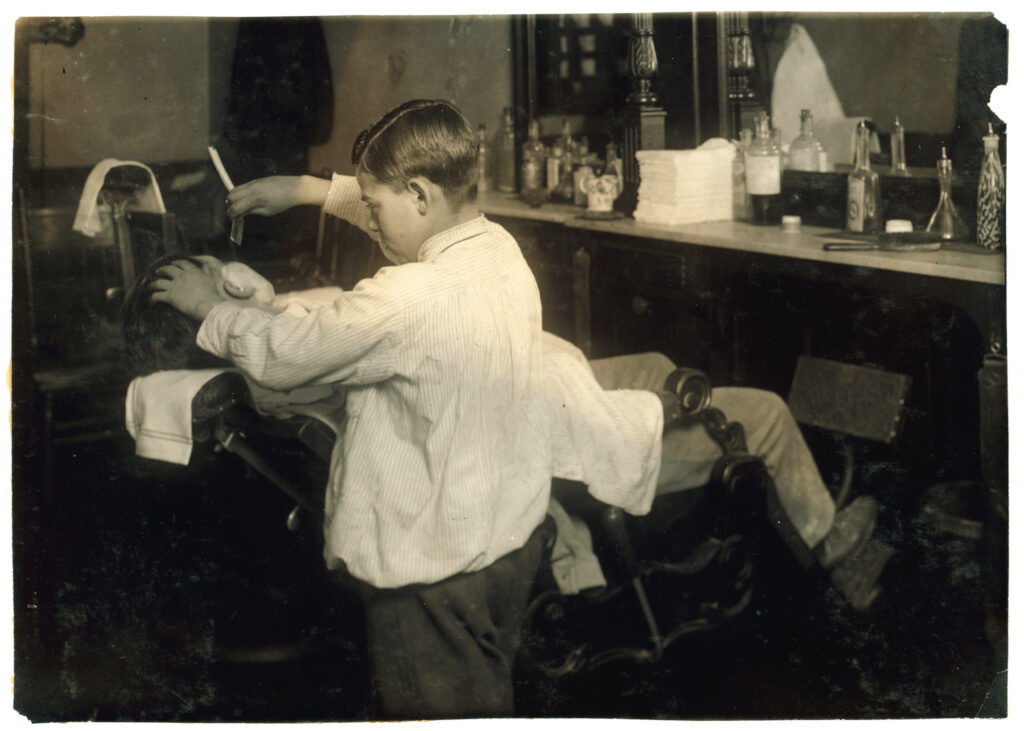
Frank De Natale, age 12, gives a customer a shave in his father’s barbershop at 416 Hanover Street in Boston’s North End. He worked after school and on Saturdays. Photographed by Lewis Hine on February 1, 1917.
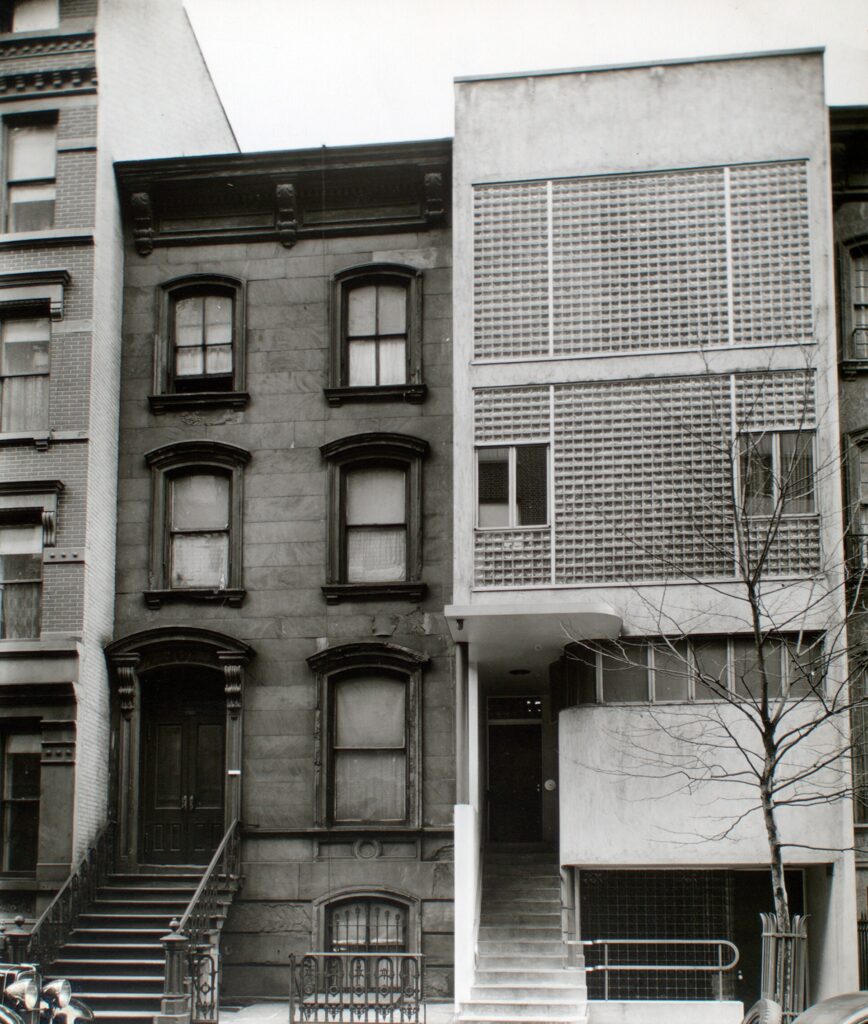
February 1, 1938.
Berenice Abbott photographed the collision of two centuries on East 48th Street: the traditional brownstone at No. 209 (left) and, beside it, William Lescaze’s 1934 house at No. 211 (right) — one of the first truly modern residences in New York. Its glass‑brick façade looks like a 1950s idea, but the material was far older. Hollow glass bricks were patented in the 1880s by Gustave Falconnier, used in early‑1900s factories and sidewalk vault lights, and pushed into the American mainstream after Owens‑Illinois showcased them at the 1933 Century of Progress Exposition in Chicago. By the late 1930s, glass brick had become a hallmark of Art Deco and Streamline Moderne, often used to update older streetscapes. A modernist insert in a Victorian shell.
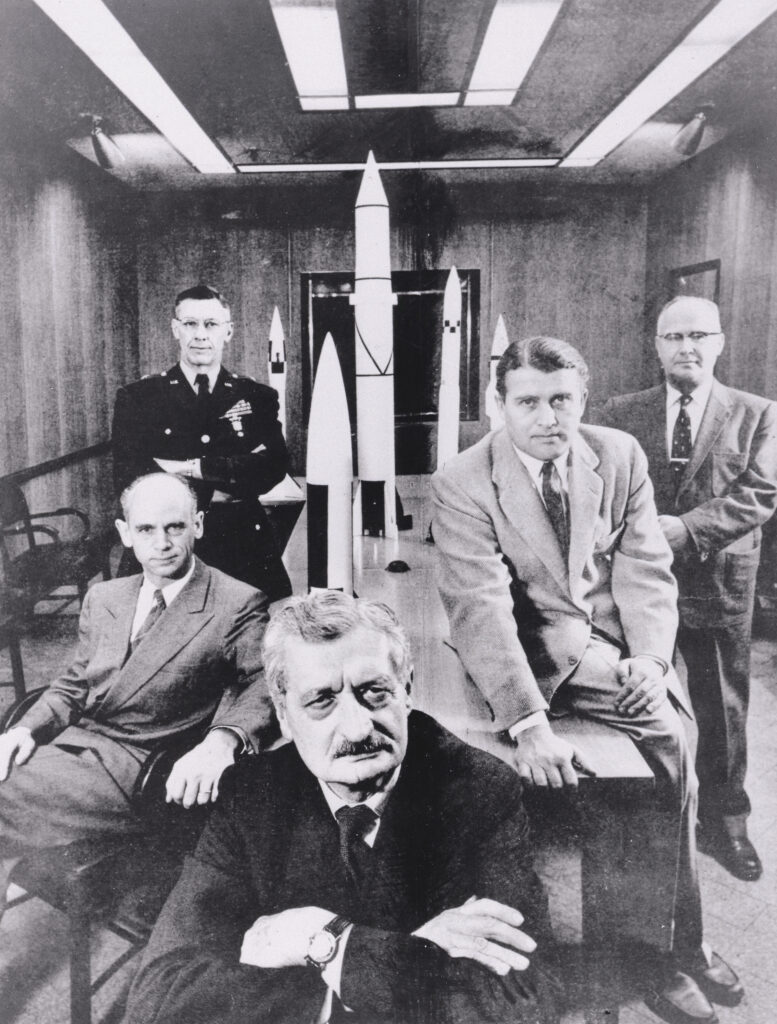
February 1, 1956. Five architects of America’s early missile program pose with scale models of the rockets they helped create: Dr. Ernst Stuhlinger, Major General Holger Toftoy, Professor Hermann Oberth, Dr. Wernher von Braun, and Dr. Robert Lusser. Photographed by Hank Walker for Life magazine at Patrick Air Force Base in Florida—where the Army conducted missile tests—the image captures the core ABMA team that would soon relocate to Huntsville and form the nucleus of NASA’s Marshall Space Flight Center, the group that ultimately designed the Saturn V that carried Apollo astronauts to the Moon.
Image via Wikimedia Commons, public domain
