
 Mystery March Is Here!

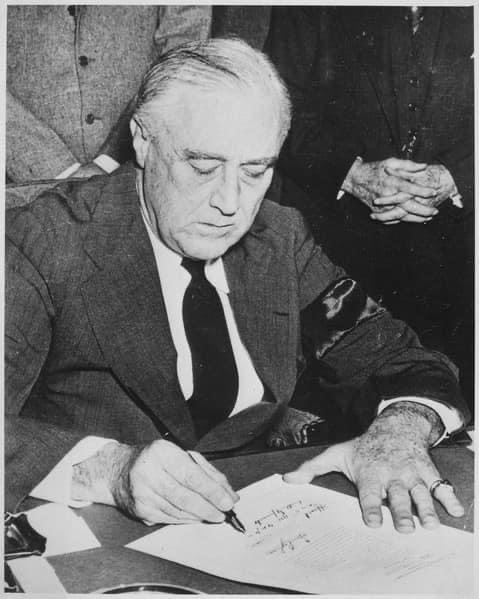
Following his ‘Day That Will Live in Infamy’ speech to a joint session of Congress a grim-faced President Franklin D. Roosevelt signs the declaration of war against Japan. This occurred on December 8, 1941, setting in motion events that would change the world.
Image from NARA via Wikimedia Commons, public domain

A few years before Irving Berlin was drafted into the U.S. Army, his first musical, “Watch Your Step,” debuted at the New Amsterdam Theatre on Broadway on December 8, 1914.
The show ran for 175 performances.
Image via Wikimedia Commons, public domain in the US
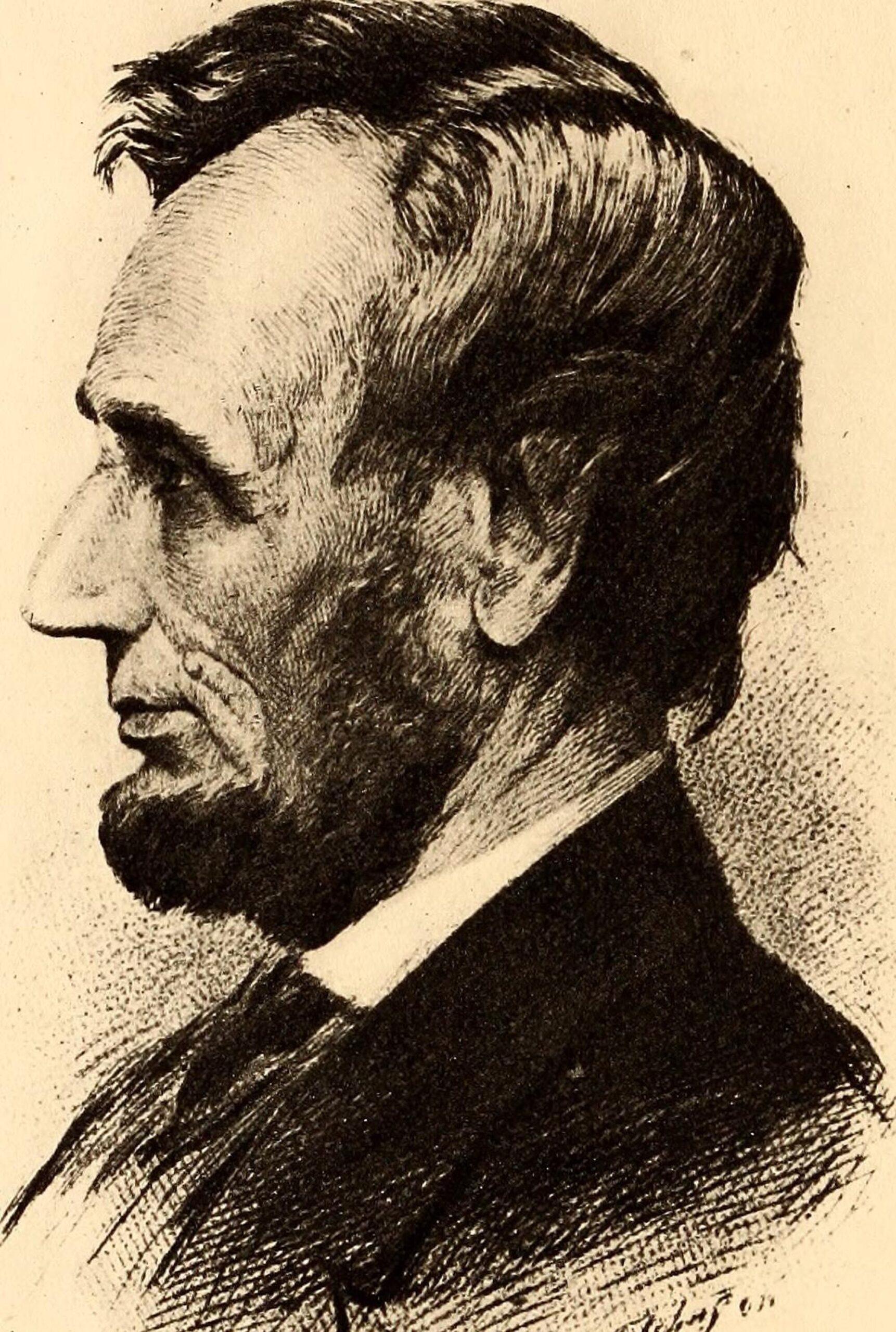
On December 8, 1863, President Abraham Lincoln offered his Proclamation of Amnesty and Reconstruction
According to the proclamation anyone who participated in the rebellion would receive pardon and amnesty if they took the following oath:
‘‘I, _____ _____, do solemnly swear, in presence of Almighty God, that I will henceforth faithfully support, protect, and defend the Constitution of the United States and the Union of the States thereunder; and that I will, in like manner, abide by and faithfully support all acts of Congress passed during the existing rebellion with reference to slaves, so long and so far as not repealed, modified, or held void by Congress, or by decision of the supreme court; and that I will, in like manner, abide by and faithfully support all proclamations of the President made during the existing rebellion having reference to slaves, so long and so far as not modified or declared void by decision of the Supreme Court. So help me God.’’
Image via Wikimedia Commons, public domain in the US
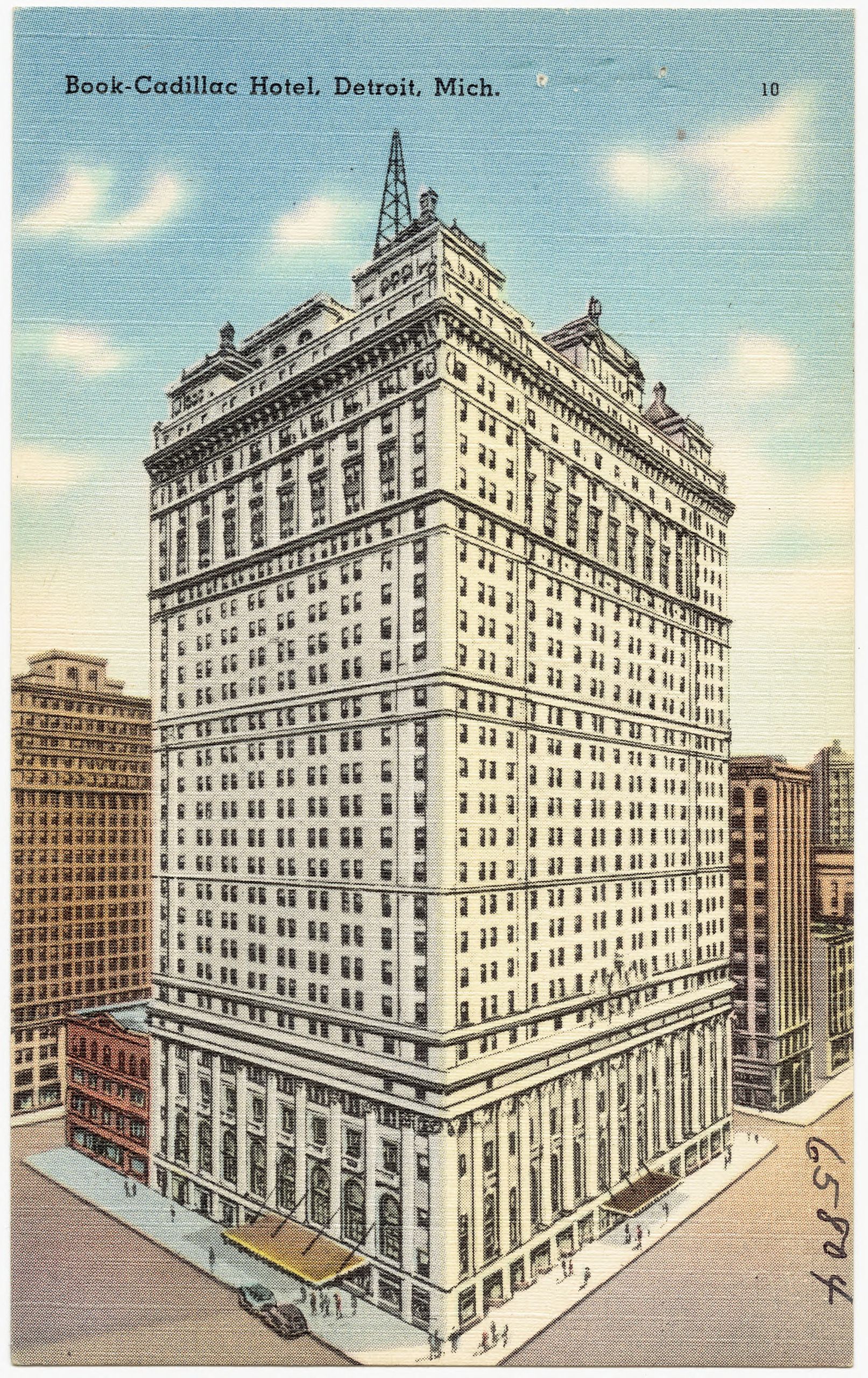
On December 8, 1924, the Book-Cadillac Hotel opened in Detroit, Michigan.
At that time it was the tallest building in Detroit and the tallest hotel in the world.
The luxury hotel had over 1,100 rooms and was built in about 17 months.
Image via Wikimedia Commons, public domain in the US
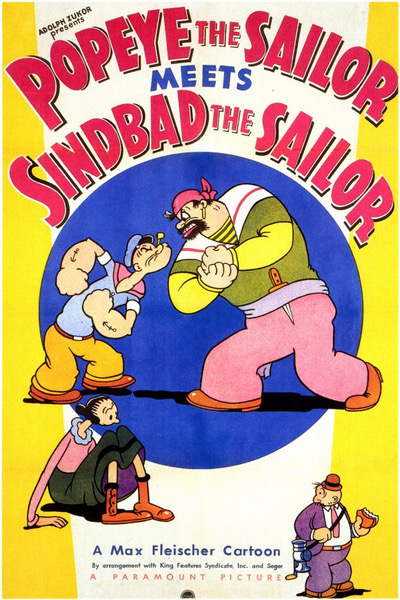
Born December 8, 1894 Elzie Crisler Segar often signed his Thimble Theatre and Popeye cartoons “E.C. Segar” above a sketch of a cigar. Segar originally drew Popeye as a brawler prone to swearing but after the comic strip caught on with children in the mid-1930s he was portrayed as more kindly and heroic.
Image via Wikimedia Commons, copyright not renewed, public domain in the US.
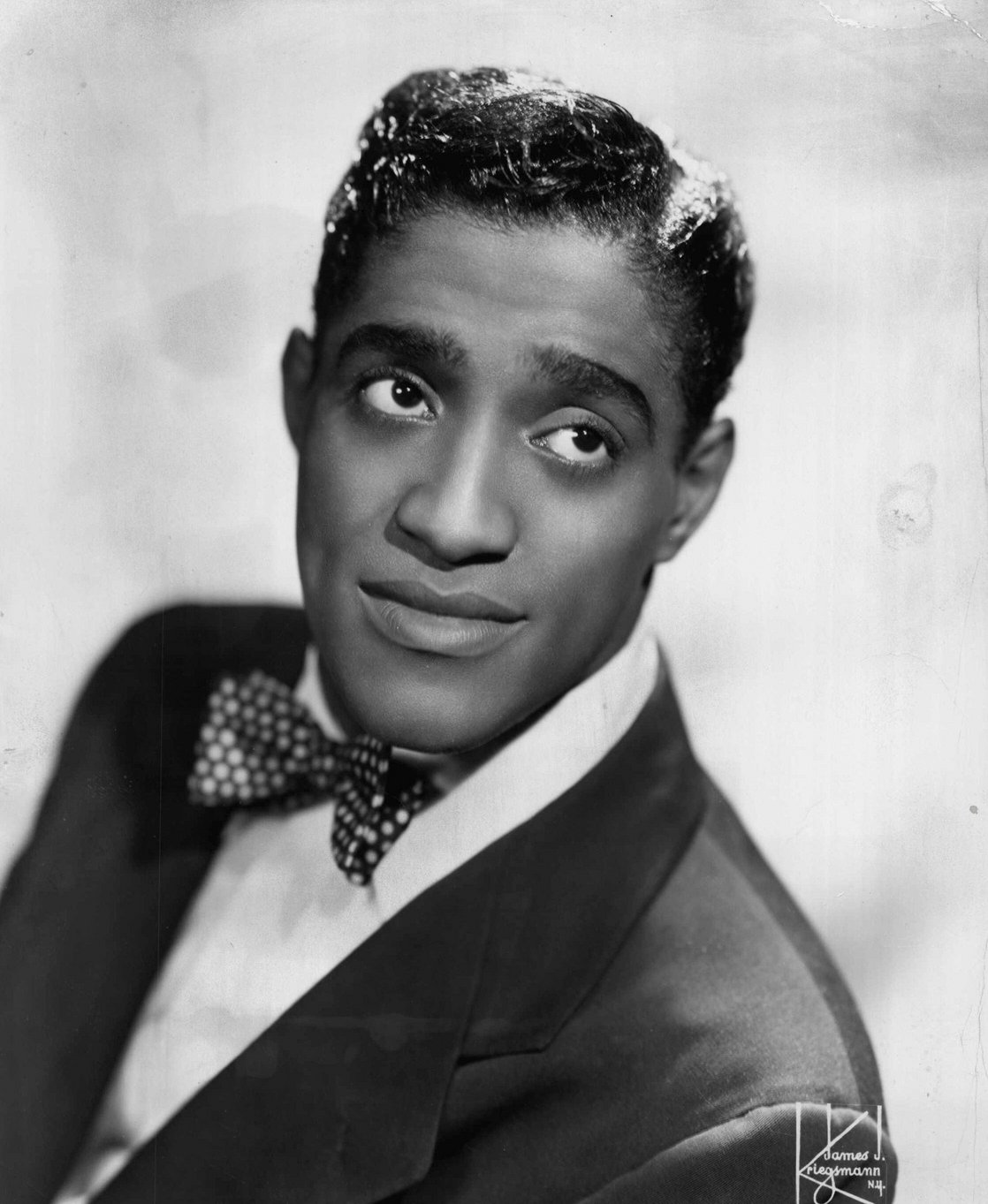
Sammy Davis Jr. – singer, dancer, actor, WWII veteran was born on December 8, 1925 in New York City.
Image c. 1949 via Alamy
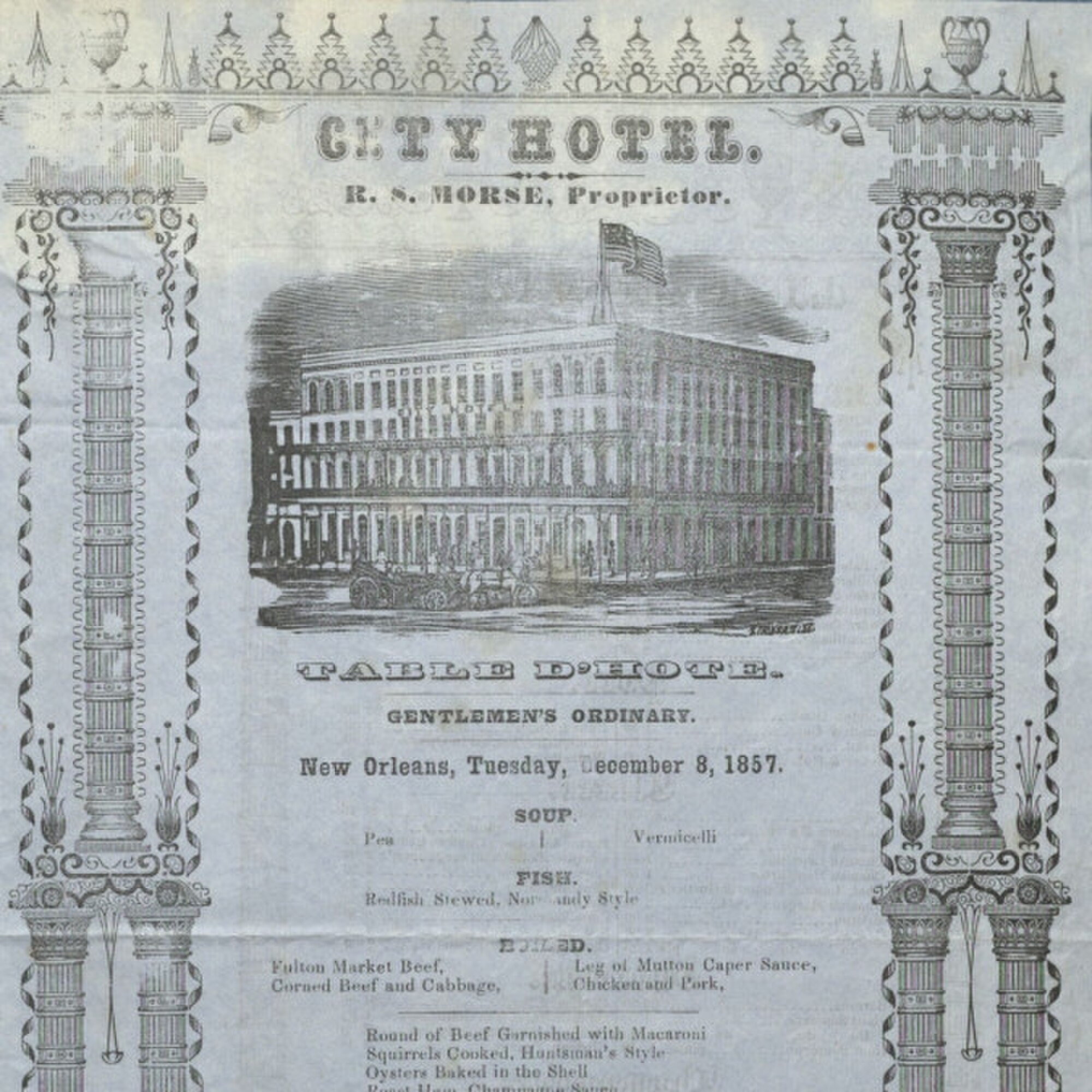
A menu for City Hotel in New Orleans, Louisiana from December 8, 1857.
Image via Wikimedia Commons, public domain
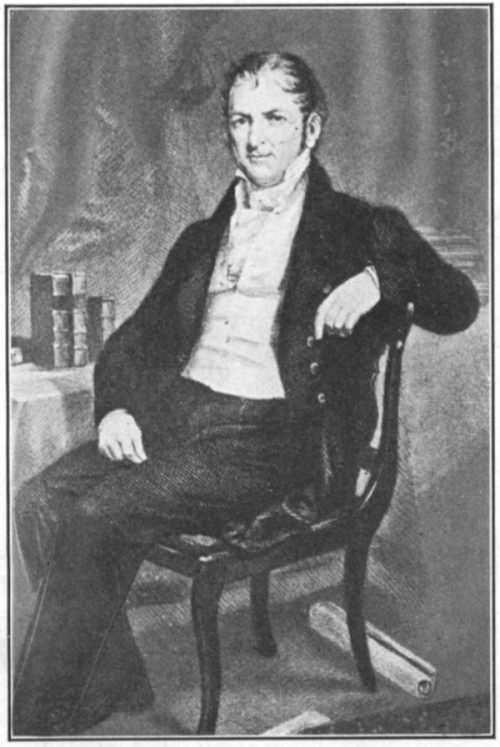
American inventor, Eli Whitney, was born on December 8, 1765 in Westborough, Massachusetts.
“On the 20th of June, 1793, Mr. Whitney presented his petition for a patent to Mr. Jefferson, then Secretary of State; but the prevalence of the yellow fever in Philadelphia, (which was then the seat of government,) prevented his concluding the business relative to the patent, until several months afterwards. To prevent being anticipated, he took however the precaution to make oath to the invention before the Notary Public of the city of New Haven, which he did on the 28th of October, of the same year.
Mr. Jefferson, who had much curiosity in regard to mechanical inventions, took a peculiar interest in this machine, and addressed to the inventor an obliging letter, desiring farther particulars respecting it, and expressing a wish to procure one for his own use. Mr. Whitney accordingly sketched the history of the invention, and of the construction and performances of the machine…
“It is about a year (says he) since I first turned my attention to constructing this machine, at which time I was in the State of Georgia. Within about ten days after my first conception of the plan, I made a small, though imperfect model. Experiments with this encouraged me to make one on a larger scale; but the extreme difficulty of procuring workmen and proper materials in Georgia, prevented my completing the larger one until some time in April last. This, though much larger than my first attempt, is not above one third as large as the machines may be made with convenience. The cylinder is only two feet two inches in length, and six inches diameter. It is turned by hand,- and requires the strength of one man to keep it in constant motion. It is the stated task of one person to clean fifty weight, (I mean fifty pounds after it is separated from the seed,) of the green seed cotton per day.” — In the same letter Mr. Jefferson assured Mr. Whitney, that a patent would be granted as soon as the model was lodged in the Patent Office. In mentioning the favorable notice of Mr. Jefferson to his friend Stebbins, he adds, with characteristic moderation, I hope, by perseverance, I shall make something of it yet.”
From: Memoir of Eli Whitney, esq. by Denison Olmsted, published in 1846
https://archive.org/details/memoirofeliwhitn00olms/page/17/mode/2up
source says no known restrictions
Image via Wikimedia Commons, public domain
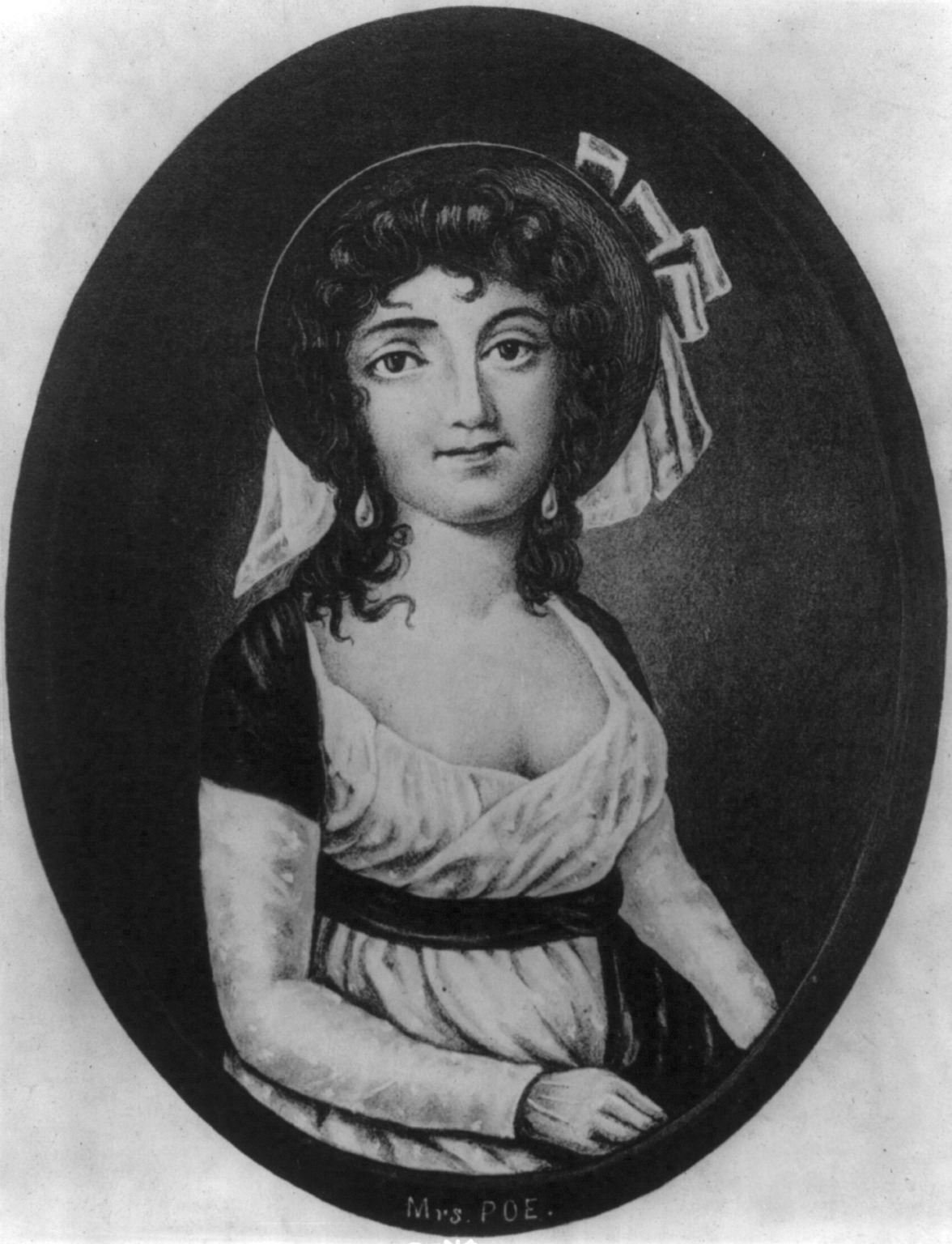
On Sunday morning, December 8, 1811, Eliza Poe, the mother of Edgar Allan Poe, passed away in Richmond, Virginia. It is believed that she was 24 years old when she died.
Edgar was only 2 years old at the time.
His poem “To My Mother,” published the year of his death (in 1849) was written as a tribute to Maria Clemm, the mother of his wife Virginia.
But in the poem he says “My mother—my own mother, who died early,
Was but the mother of myself”
Image via Wikimedia Commons, public domain
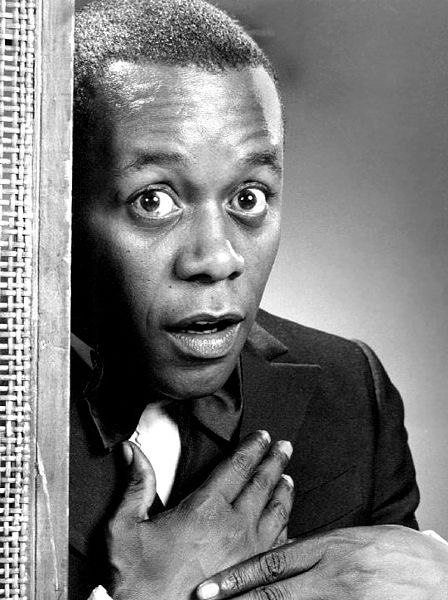
Clerow Wilson, born December 8, 1933 gained his nickname “Flip” while serving in the US Air Force. After years of touring as a stage comedian Wilson was given an NBC variety show, the first in prime time hosted by a Black entertainer. As his character Geraldine would say “what you see is what you get!”
Image via Wikimedia Commons, no known copyright, public domain in the US.
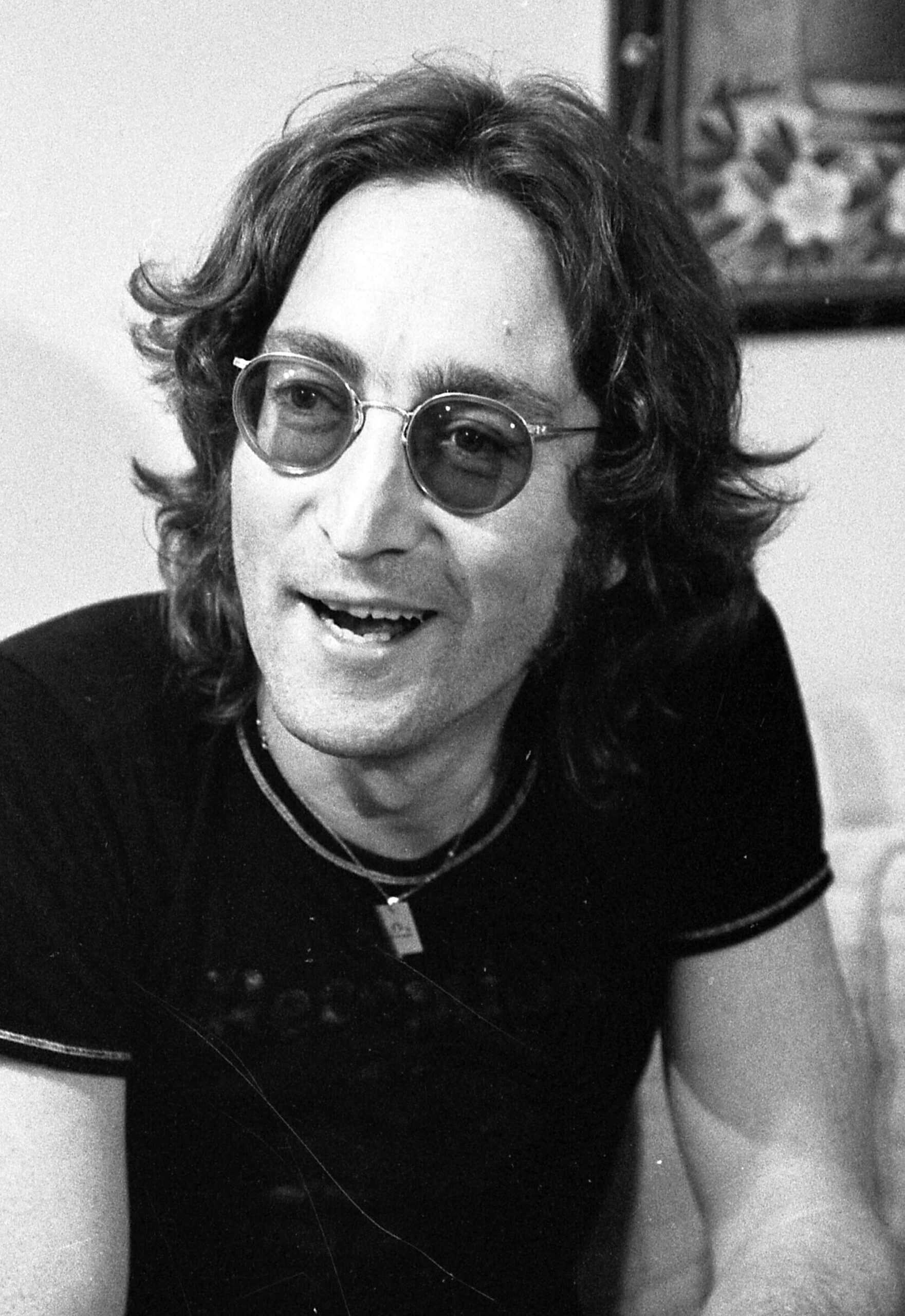
On the evening of December 8, 1980, former Beatle, John Lennon, was shot and killed outside of The Dakota apartment building on the Upper West Side of Manhattan.
He was 40 years old.
Image by Tony Barnard, Los Angeles Times • CC BY 4.0 via Wikimedia Commonso

President Ronald Reagan and Soviet General Secretary Gorbachev on 12/8/1987
Although the two met previously, this was their first meeting in The Oval Office at The White House
via Wikimedia Commons, public domain
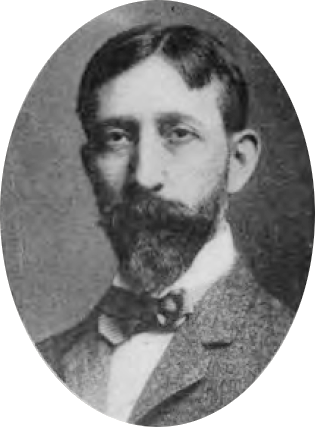
Life inside a sea cucumber… sounds like a far‑fetched concept, doesn’t it? But American zoologist Charles Lincoln Edwards, born December 8, 1863 in Oquawka, Illinois, actually discovered a species of crustacean living inside one. Edwards wasn’t only a scientist — he also became President of the American Folklore Society and published Bahama Songs and Stories, uniting biology with myth. His work reminds us that discovery can be both strange and deeply human.
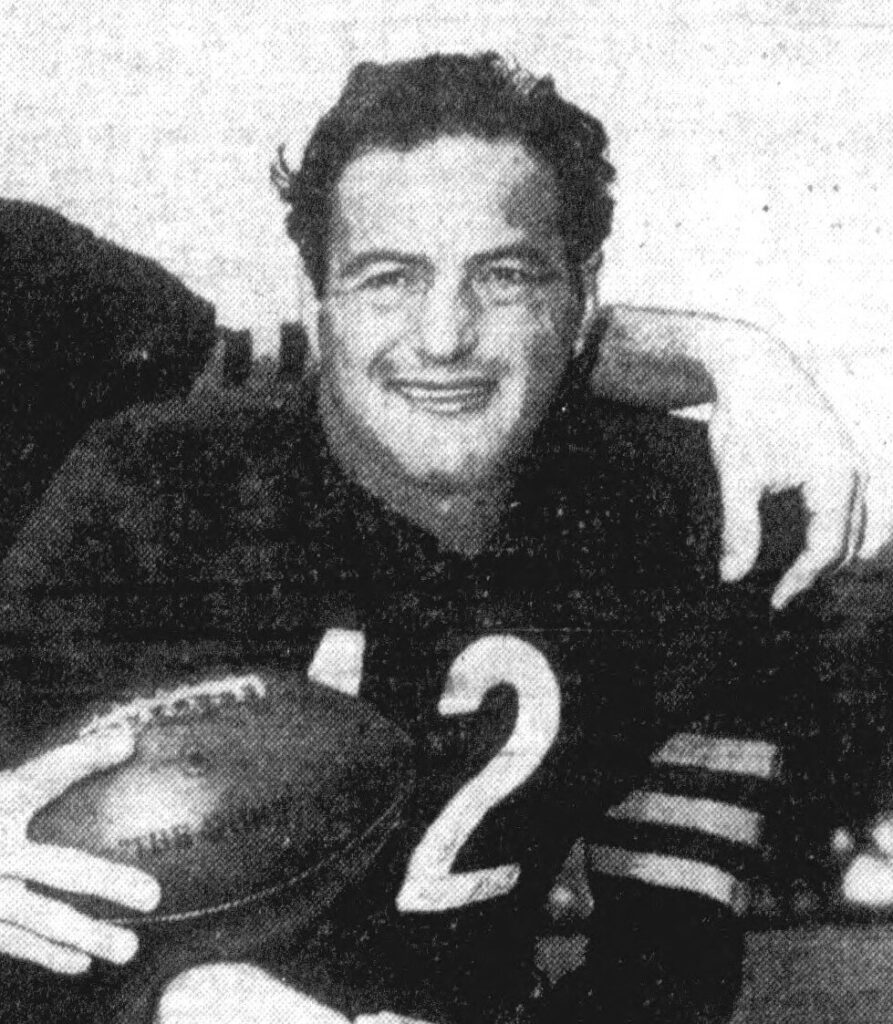
Sid Luckman’s performance on December 8, 1940, at Griffith Stadium was a masterclass in quarterbacking—he didn’t just win the NFL Championship, he helped redefine the sport. Leading the Chicago Bears’ revolutionary T-formation offense, Luckman turned a revenge game into a 73–0 demolition of the Washington Redskins—the most lopsided score in NFL history.
That historic dominance was soon set aside for a higher calling. After earning league MVP honors in 1943, Luckman volunteered as an Ensign in the U.S. Merchant Marine, serving aboard tankers in perilous Atlantic convoys and participating in the D-Day invasion at Normandy. He returned to the Bears in 1946 and led them to another championship, completing a legacy that fused athletic innovation with wartime sacrifice.
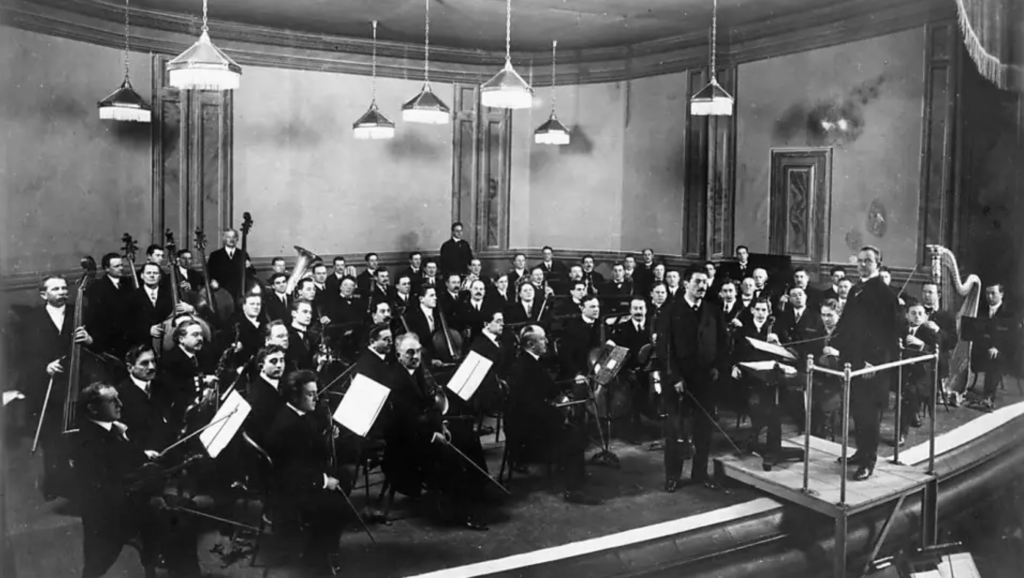
Born from the ashes of the earthquake and fire that occurred five years earlier, the San Francisco Symphony debuted on December 8, 1911, at the Cort Theatre. With Henry Hadley conducting Wagner’s Meistersinger and word-famous violinist Fritz Kreisler lending brilliance with an unforgettable solo, the orchestra’s first notes became a civic anthem—proclaiming that San Francisco’s spirit had survived and would sing again.
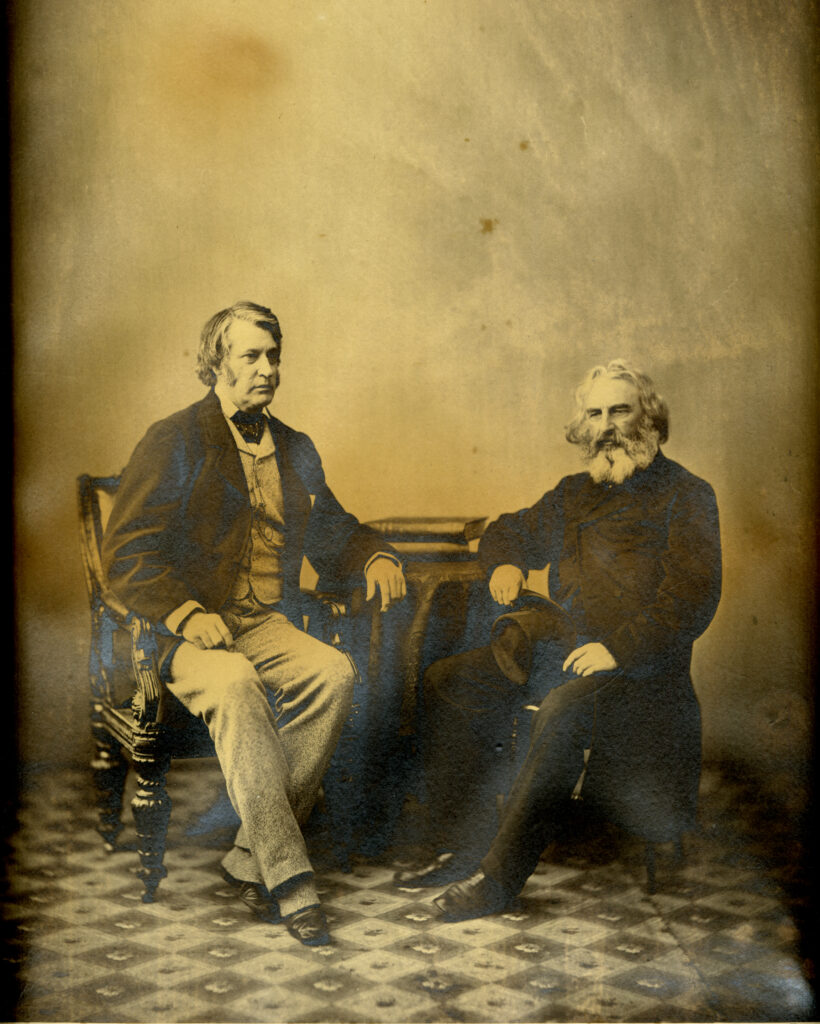
On December 8, 1863, Alexander Gardner captured poetry and politics in a single frame. Henry Wadsworth Longfellow—author of Christmas Bells, written amid the anguish of war—sits beside Senator Charles Sumner, the uncompromising abolitionist whose fierce stand against slavery led to his brutal caning in the Senate chamber in 1856. Together, they embody the conscience of a fractured nation: one giving voice to hope through verse, the other pressing justice through law. Their presence reminds us that cultural conviction and political courage intertwined to sustain the Union’s struggle for freedom.
