
 Mystery March Is Here!

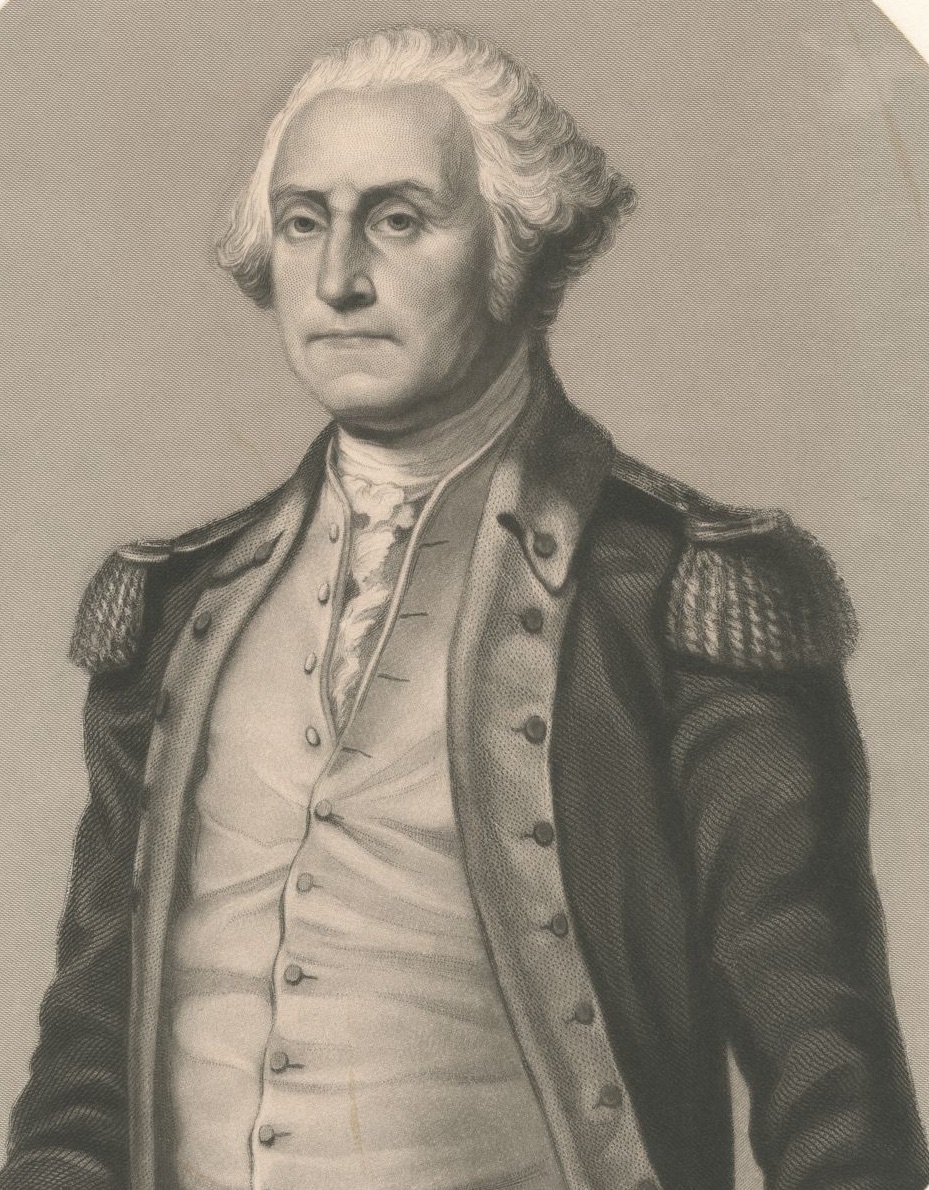
On December 27, 1777, George Washington sent a desperate letter from Valley Forge to then Governor of Virginia, Patrick Henry pleading to him for clothing most especially stockings, blankets and shoes for his war-weary Army.
Image of General George Washington via Wikimedia Commons, public domain

On December 27, 1932, Radio City Music Hall opened to the public.
Image of the International Music Hall, Radio City, New York, New York in 1932
via Wikimedia Commons, public domain
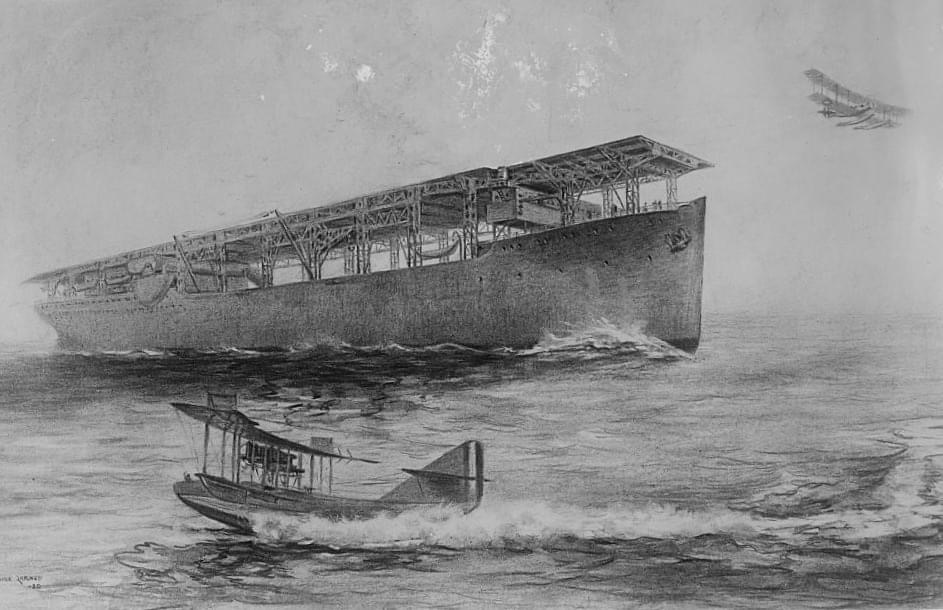
A drawing of the USS Langley, the U.S. Navy’s first aircraft carrier
Image dated December 27, 1920
via Library of Congress, no known restrictions
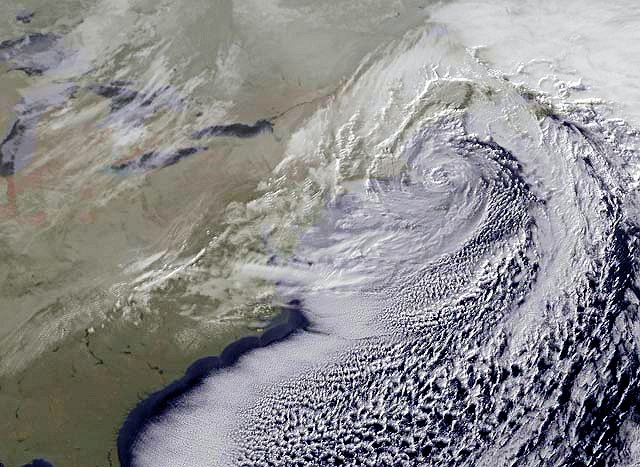
Satellite imagery of a super storm over Cape Cod on the day it formed into a Nor’easter,
December 27, 2010.
The barometric pressure of the Nor’easter was equivalent to a Category 3 hurricane.
Image via Wikimedia Commons, public domain
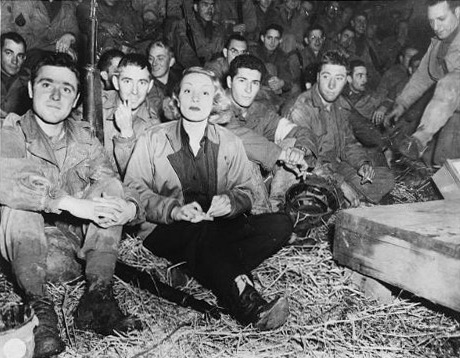
Born December 27, 1901 Marlene Dietrich, known for her acting and singing roles, despaired of events in Hitler’s Germany and became a US citizen in 1939. She was one of the top celebrity sellers of war bonds and enthusiastically entertained troops. It was said that she spent more time on the front lines than General Eisenhower.
Image from LOC via Wikimedia Commons, public domain in the US.
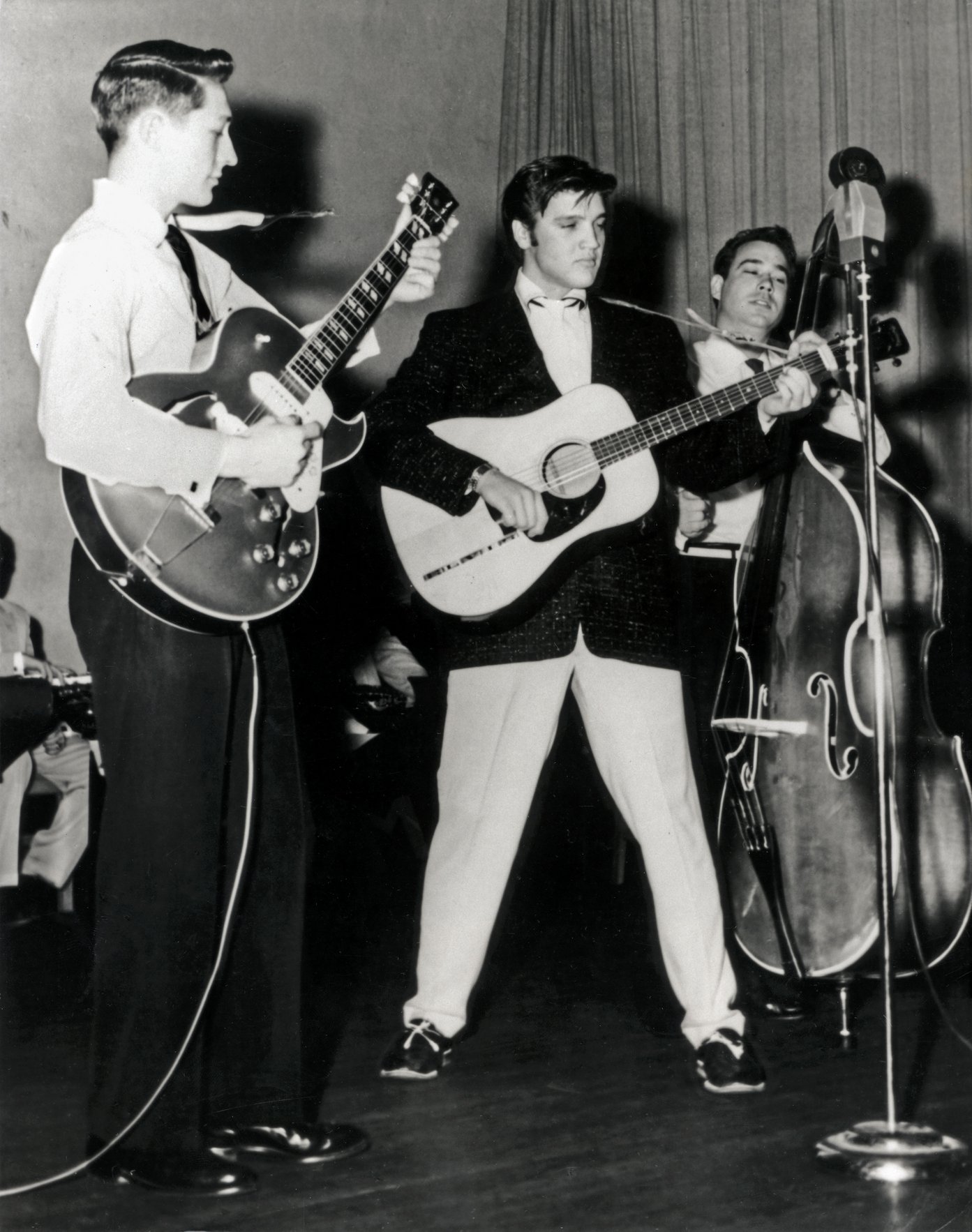
Scotty Moore, the accompanying guitarist for Elvis Presley, was born on December 27, 1931 in Gadsden, Tennessee.
Elvis with the Blue Moon Boys – Scotty Moore (at left) and Bill Black on bass in 1957 via Alamy
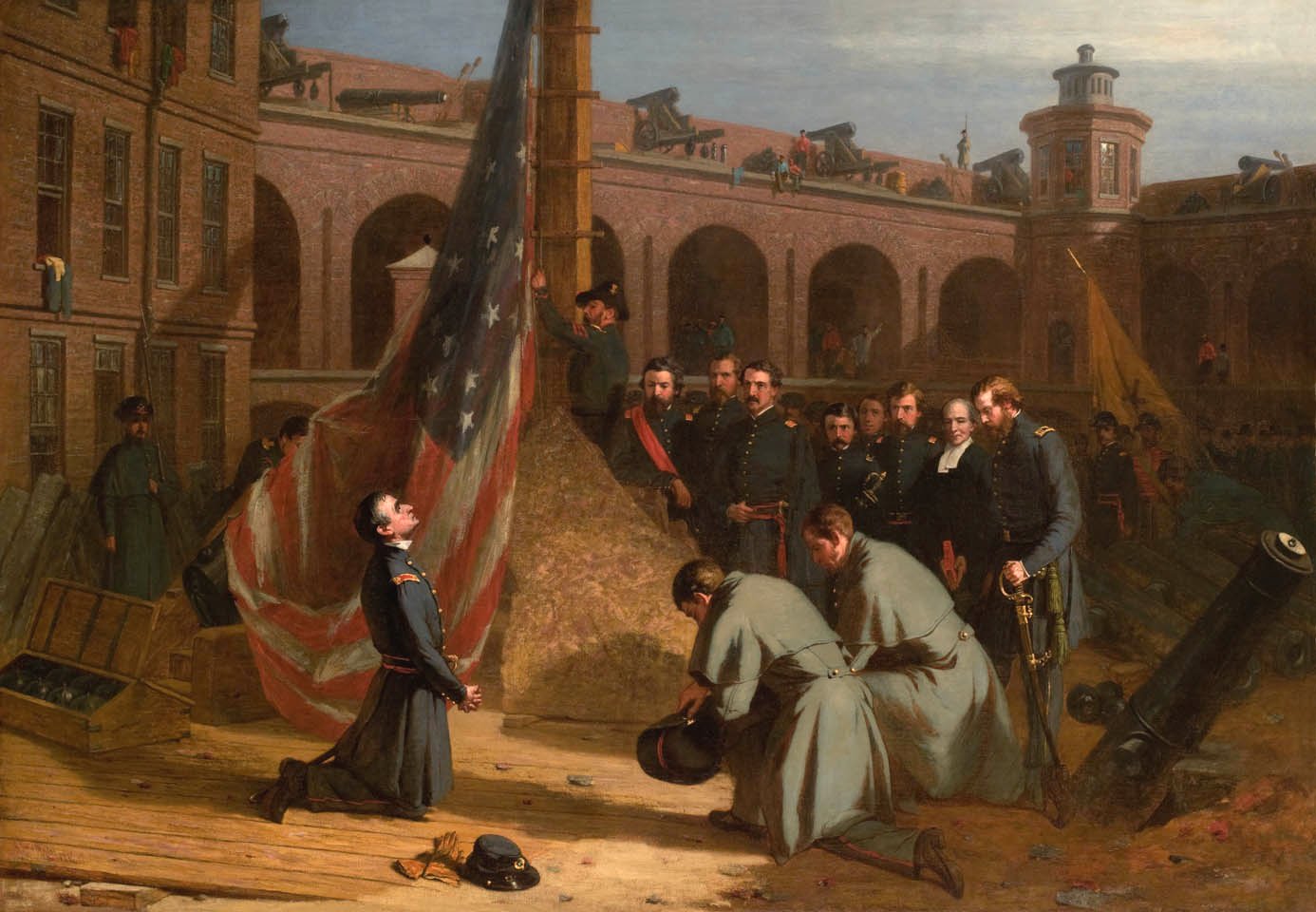
Major Anderson Raising the Flag on the Morning of His Taking Possession of Fort Sumter,
December 27, 1860
Image of a painting by American artist Edwin D. White via Wikimedia Commons, public domain
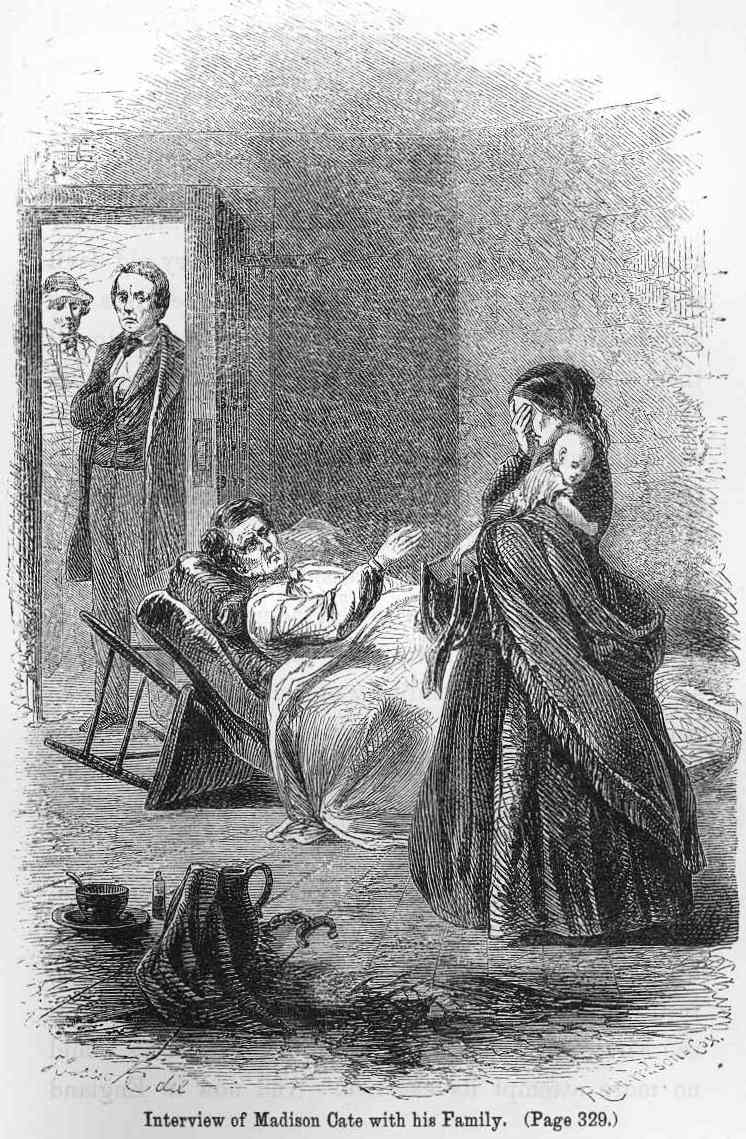
A tragic Civil War scene
December 27, 1861
Knoxville Jail
Knoxville, Tennessee
“Upon the jail-floor, in one corner, lies Madison Cate, low with fever, and upon a bit of old carpeting, with some sort of bundle under his aching head to serve as a pillow. I feel confident that he will die. Poor fellow ! He is an honest man, — a man who stays at home and attends to his own business. He has a little farm in Sevier county, a wife and six small and helpless children, and is here for being a Union man and mustering with a company of Union Guards. This is the head and front of his offending.
We have all just witnessed a thrilling scene. The wife of poor Cate came and presented herself in front of the jail, neatly attired, with an infant at her breast, of five or six weeks old, — born, I think, since her husband’s confinement! She asked leave to see her dying husband, but was refused at the door, by some one claiming to act upon authority. I put my head out of the window and remonstrated, telling them that it was a sin and a shame to refuse this poor woman, after coming so far, the liberty of seeing her husband, and seeing him for the last time! They allowed her to enter, but limited her stay to twenty minutes. She came in. And, oh, my soul ! what a scene ! Seeing the emaciated form of her husband on the floor, pining with sorrow and severe affliction, and destitute of every comfort, she approached with faltering step, and sank down upon his heaving breast, bathed in tears of anguish. I asked her to give me the babe as she ventured up ; for I saw that she was unconscious of having it in her arms. In that condition, without a word, they remained until her twenty minutes expired, of which being notified, she rose up and retired. I hope I may never look upon such a scene again.”
From: Sketches of the rise, progress, and decline of secession : with a narrative of personal adventures among the rebels by William G. Brownlow published in 1862
Source says not in copyright
Image via Wikimedia Commons, public domain
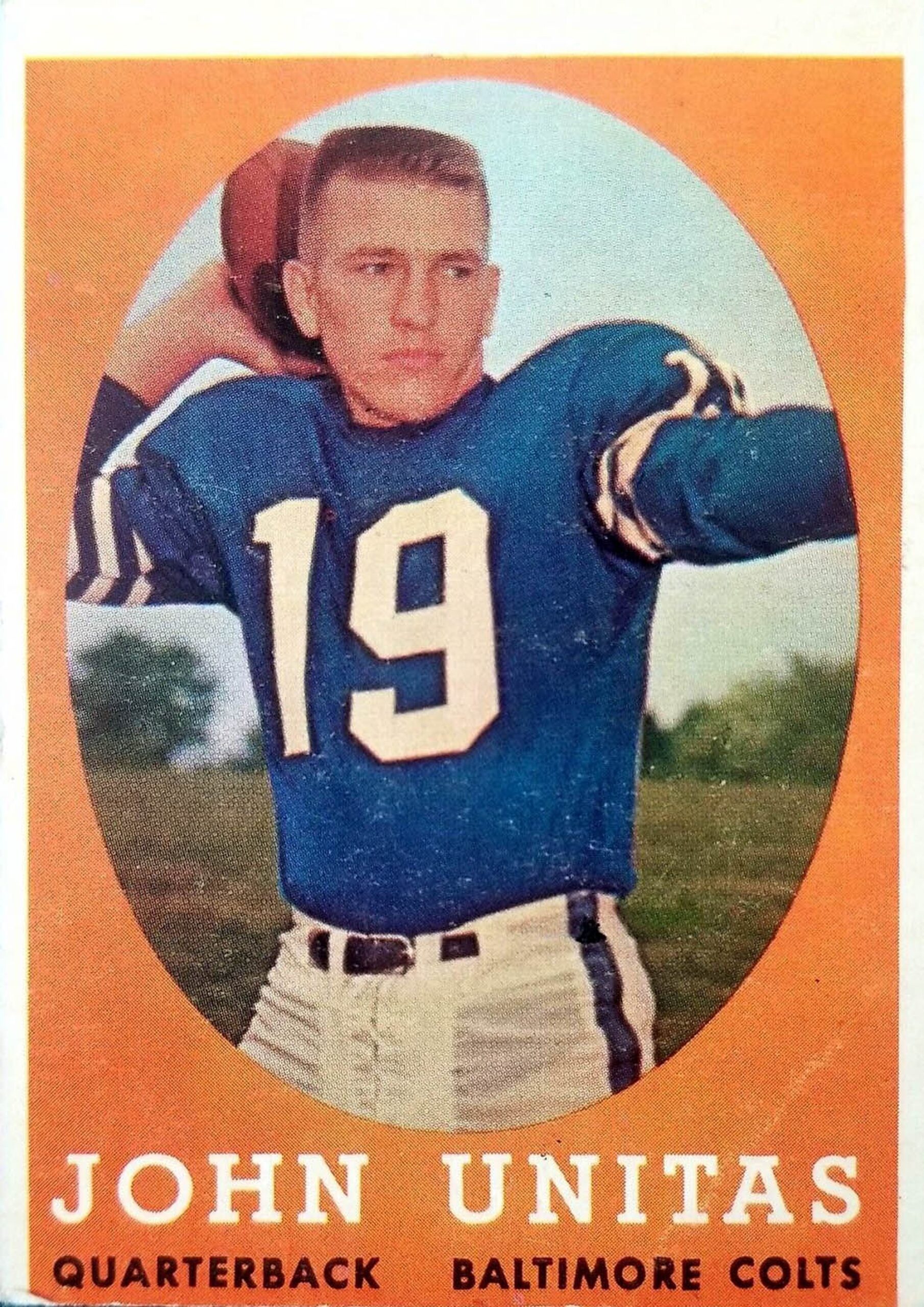
On December 27, 1959, the only NFL Championship game ever to be played in Baltimore took place.
Johnny Unitas of the Baltimore Colts led his team to victory against the New York Giants, a rematch from the previous year.
Image of a 1958 Topps American Football card of John Unitas via Wikimedia Commons, public domain
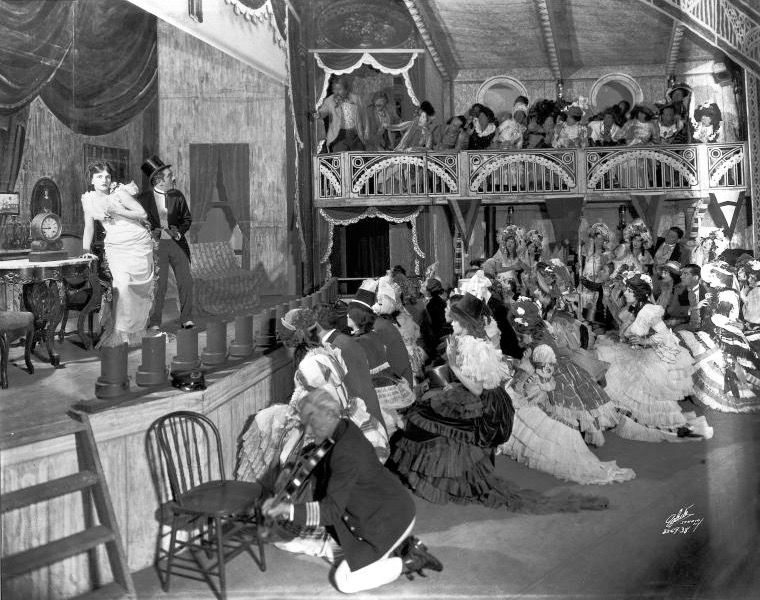
December 27, 1927 is an important date in the history of musicals as New York’s Ziegfeld Theater saw the premiere of “Showboat.” Based on Edna Ferber’s novel, The Encyclopedia of Light Opera regarded it as “a completely new genre – the musical play as distinguished from musical comedy.” Shown is a scene from the initial Broadway run.
Image from Wikimedia Commons, copyright expired, public domain in the US.
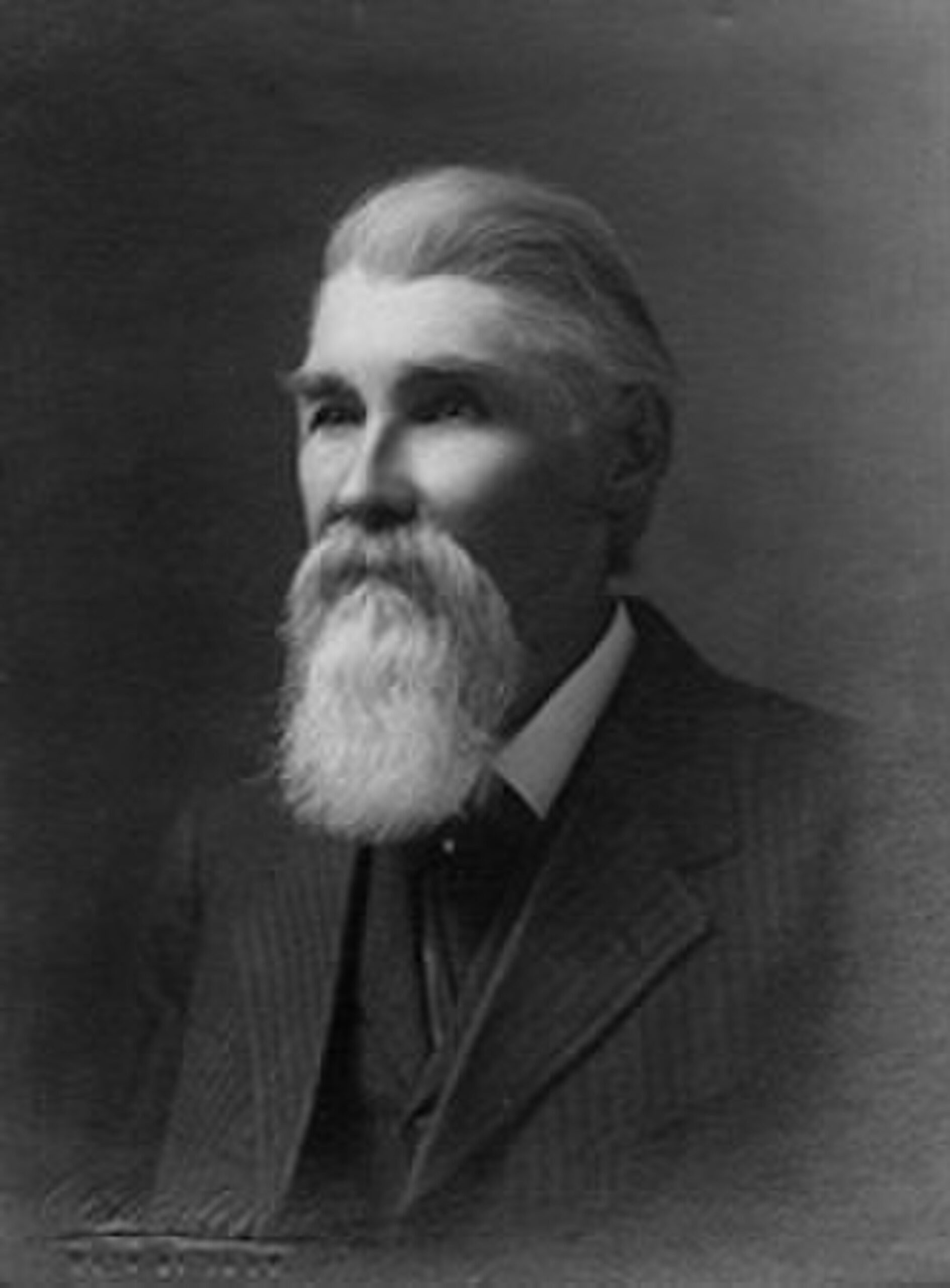
Five days after the death of U.S. Senator Anselm J. McLaurin, Mississippi Governor Edmond Noel appointed this man, James Gordon, on December 27, 1909 to serve as Senator until the state legislature could elect a new one.
Gordon, an officer of the Confederate Army, became an acquaintance of John Wilkes Booth, fled to Canada later in the Civil War, and was listed as a conspirator of Abraham Lincoln’s assassination. There was even a $10,000 reward for Gordon (dead or alive) but it was later determined that he wasn’t a suspect.
Gordon served as Senator for only a few months, until February of the following year.
Image via Wikimedia Commons, copyright expired, public domain in the US.
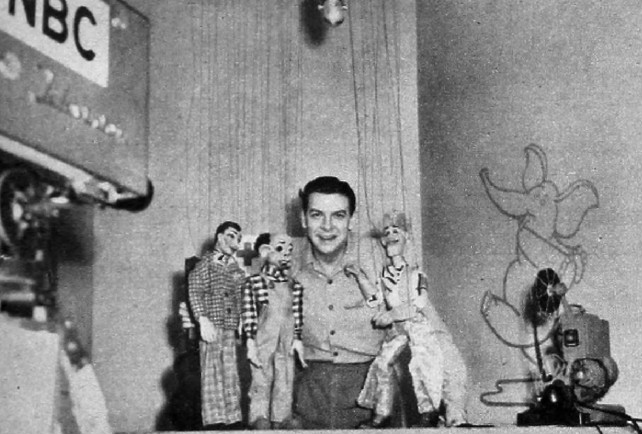
On December 27, 1947, Howdy Doody made its debut on NBC Television.
The original Howdy Doody puppet (the puppet on the right in this photo) eventually morphed into the popular Howdy Doody puppet after undergoing “plastic surgery” about a year later.
Image c. 1948 via Wikimedia Commons, public domain

Bryce Canyon National Park
December 27, 2003
Image from Andres Alvarado – CC BY-SA 2.0 via Wikimedia Commons
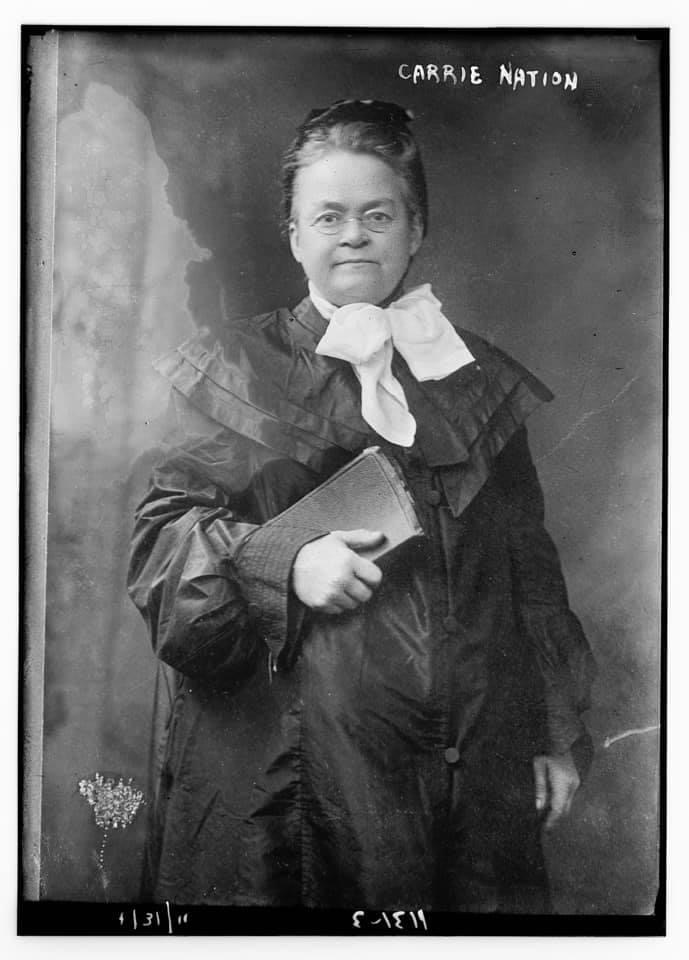
In two weeks from the close of this trial, on the 27th of December, 1900, I went to Wichita, almost seven months after the raid in Kiowa. Mr. Nation went to see his brother, Mr. Seth Nation, in eastern Kansas and I was free to leave home. Monday was the 26th, the day I started. The Sunday before, the 25th, I went to the Baptist Sunday school then to the Presbyterian for preaching, and at the close walked over to the Methodist church for class meeting. I could not keep from weeping, but I controlled myself the best I could. I did not know but that it would be the last time I would ever see my dear friends again, and could not
tell them why. I gave my testimony at the class meeting; spoke particularly to members of the choir about their extravagant dress; told them that a poor sinner coming there for relief would be driven away, to see such a vanity fair in front. I begged them to dress neither in gold, silver or costly array, and spoke of the sin of wearing the corpses of dead birds and plumage of birds, and closed by saying: “These may be my dying words.” At the close Sister Shell, a W. C. T. U. said to me: “What do you mean by ‘my dying words?’ for you never looked better in your life.” I said : “You will know later.” I never told anyone of my intention of smashing saloons in Wichita.
I took a valise with me, and in that valise I put a rod of iron, perhaps a foot long, and as large around as my thumb. I also took a cane with me. I found out by smashing in Kiowa that I could use a rock but once, so I took the cane with me. I got down to Wichita about seven o’clock in the evening that day, and went to a hotel nearest the depot and left my valise. I went up town to select the place I would begin at first. I went into about fourteen places, where men were drinking at bars, the same as they do in licensed places. This outrage of law and decency was in violation of the oaths taken by every city officer, including mayor and councilmen, and they were as much bound to destroy these joints as they would be to arrest a murderer or break up a den of thieves, but many of these so-called officers encouraged the violation of law and patronized these places. I have often explained that this was the scheme of politicians and brewers to make prohibition a failure, by encouraging in every way the violation of the constitution. I felt the outrage deeply, and would gladly have given my life to redress the wrongs of the people. As Esther said: “How can I see the desolation of my people? If I perish I perish.” As Patrick Henry said: “Give me liberty or give me death.”
I finally came to the “Carey Hotel,” next to which was called the Carey Annex or Bar. The first thing that struck me was the life-size picture of a naked woman, opposite the mirror. This was an oil painting with a glass over it, and was a very fine painting hired from the artist who painted it, to be put in that place for a vile purpose. I called to the bartender; told him he was insulting his own mother by having her form stripped naked and hung up in a place where it was not even decent for a woman to be in when she had her clothes on. Told him he was a law-breaker and that he should be behind prison bars, instead of saloon bars. He said nothing to me but walked in the back of his saloon.
I decided to begin at Carey’s. So I went back to the hotel and bound the rod and cane together, then wrapped paper around the top of it. I slept but little that night, spending most of the night in prayer. I wore a large cape. I took the cane and walked down the stairs the next morning, and out in the alley I picked up as many rocks as I could carry under my cape. I walked into the Carey Bar-room, and threw two rocks at the picture; then turned and smashed the mirror that covered almost the entire side of the large room. Some men drinking at the bar ran at break-neck speed; the bartender was wiping a glass and he seemed transfixed to the spot and never moved. I took the cane and broke up the sideboard, which had on it all kinds of intoxicating drinks. Then I ran out across the street to destroy another one. I was arrested at 8:30A.M., my rocks and cane taken from me, and I was taken to the police headquarters, where I was treated very nicely by the Chief of Police, Mr. Cubbin, who seemed to be amused at what I had done. This man was not very popular with the administration, and was soon put out. I was kept in the office until 6:30P.M. Gov. Stanley was in town at that time, and I ‘phoned to several places for him. I saw that he was dodging me, so I called a messenger boy and sent a note to Gov. Stanley, telling him that I was unlawfully restrained of my liberty; that I wished him to call and see me or try to relieve me in some way. The messenger told me, when he came back, that he caught him at his home, that he read the message over three times, then said: “I have nothing to say,” and went in and closed the door.
From The use and need of the life of Carry A. Nation published in 1904
https://archive.org/details/useneedoflifeofc00nati/page/59
Photo: Bain News Service, publisher – Public domain via Wikimedia Commons
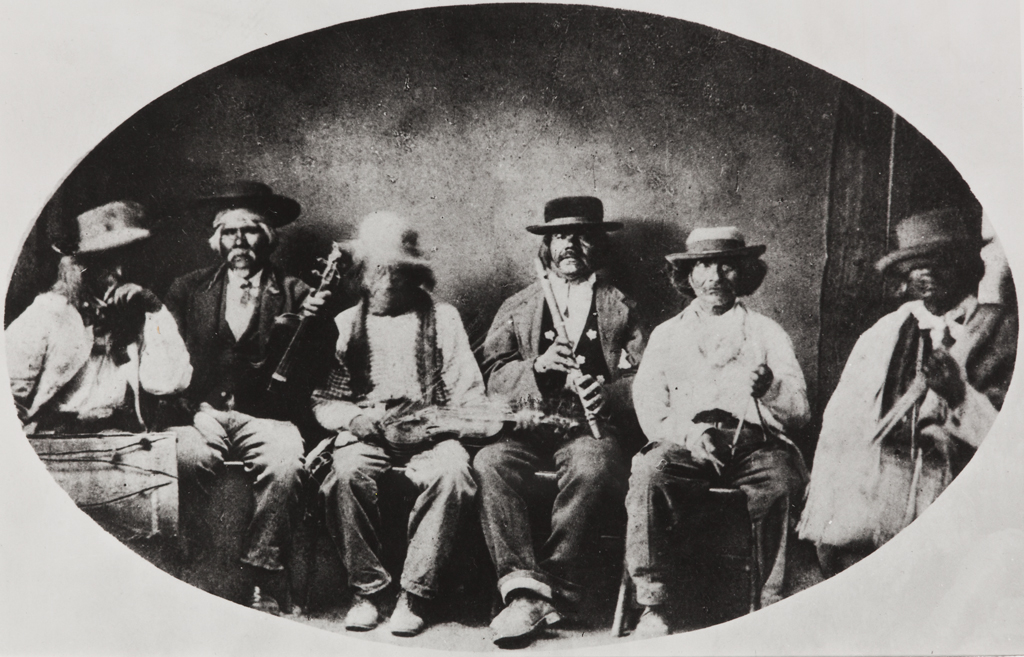
On this day in 1901, the United States established the Santa Ynez Reservation — 127 acres in the Santa Ynez Valley near the town of Santa Ynez, California — creating the first and only federally recognized homeland of the Chumash people. After generations of displacement, it became a foothold for survival and cultural renewal. Today, the reservation is home to a living community of Chumash families and elders who continue their story on the land their ancestors once walked. The 1873 photograph of Chumash musicians reminds us that this culture endured long before the reservation was founded.
