
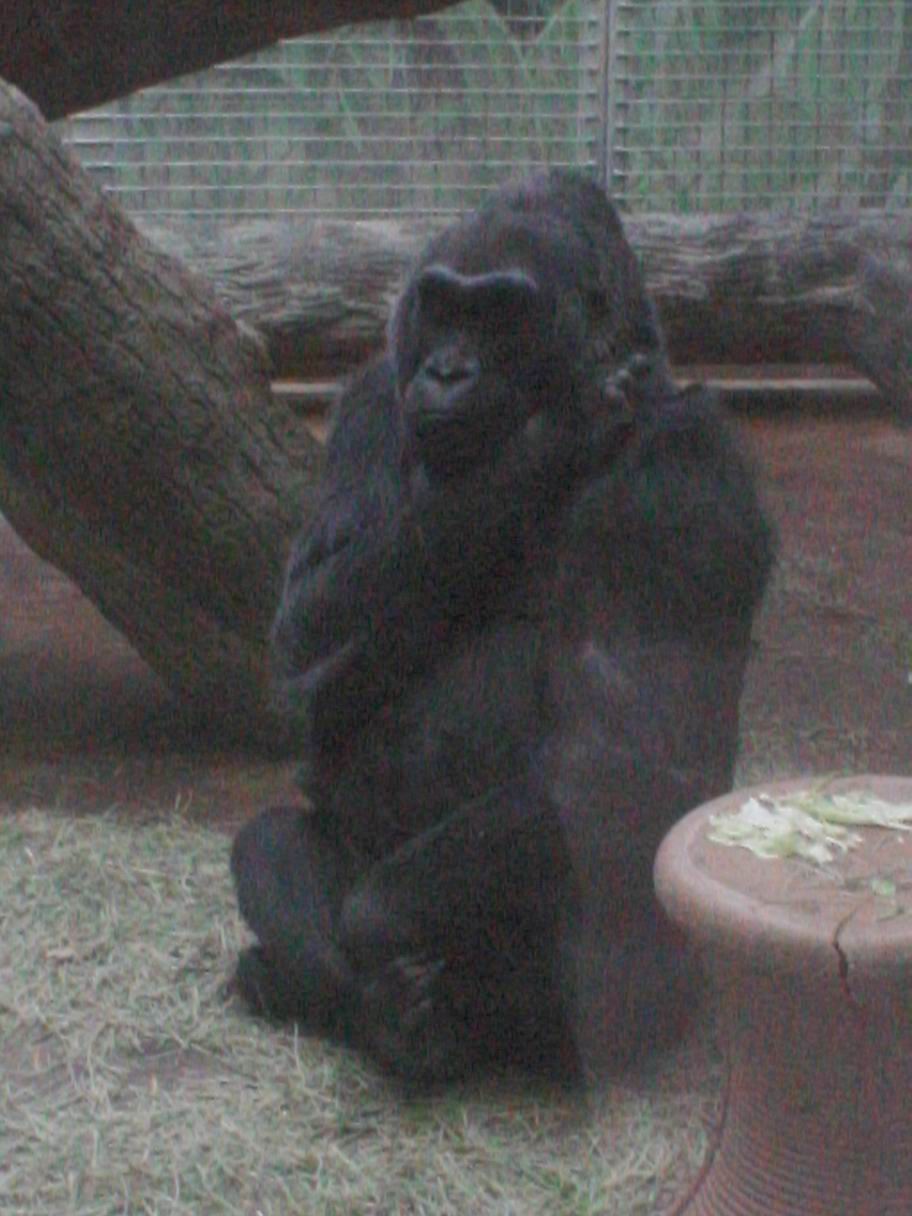
The first gorilla born in captivity, named Colo, was born on December 22, 1956 at the Columbus Zoo in Ohio.
Colo lived until 2017.
Image of Colo from 2009 via Wikimedia Commons, no known restrictions
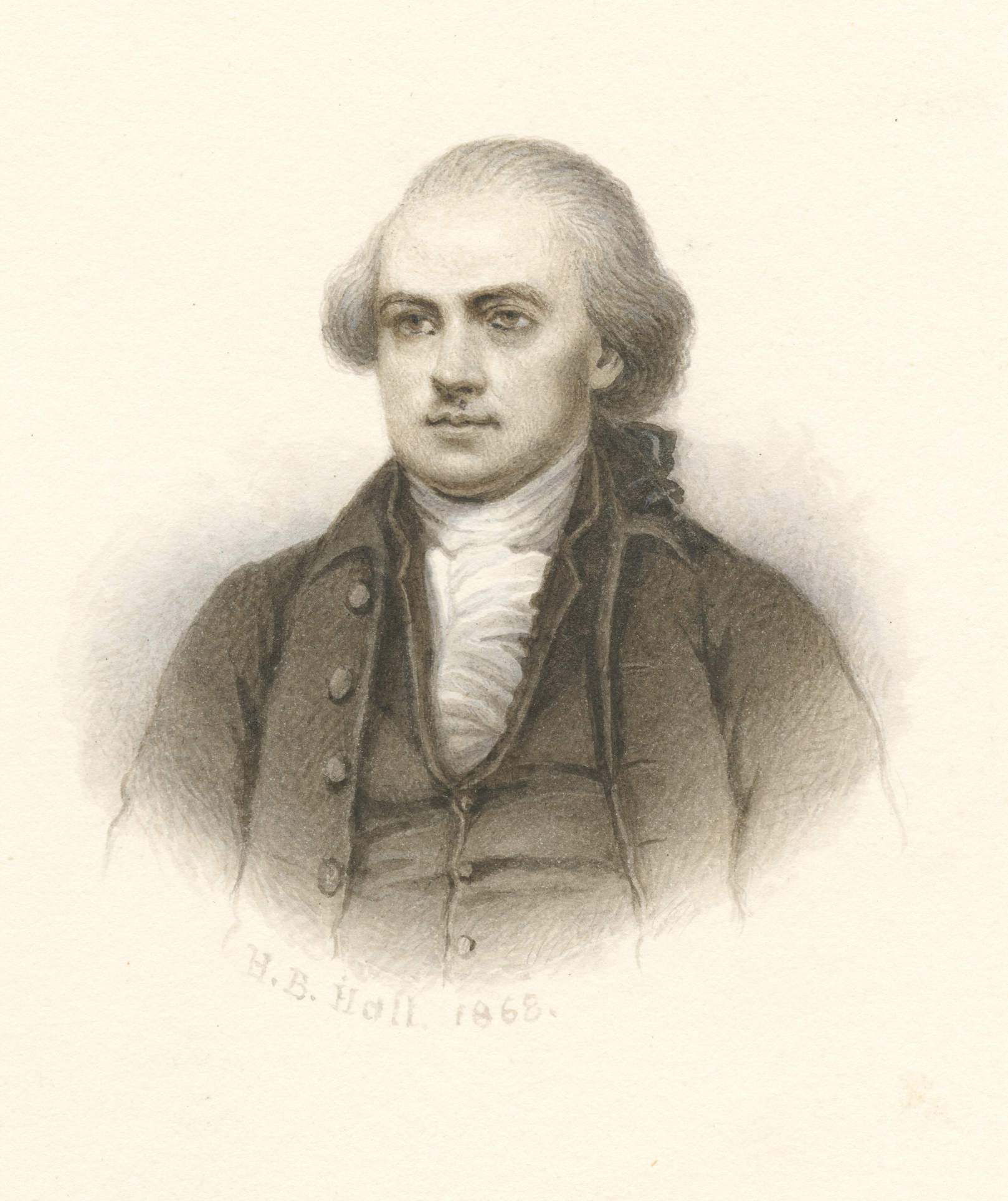
Attorney, merchant, member of the Rhode Island Sons of Liberty, abolitionist and Founding Father of the United States, William Ellery, was born on December 22, 1727 in Newport, Rhode Island.
His signature on the Declaration of Independence is the second largest in size (to John Hancock’s signature.)
William also signed the Articles of Confederation.
Image via Wikimedia Commons, no known restrictions
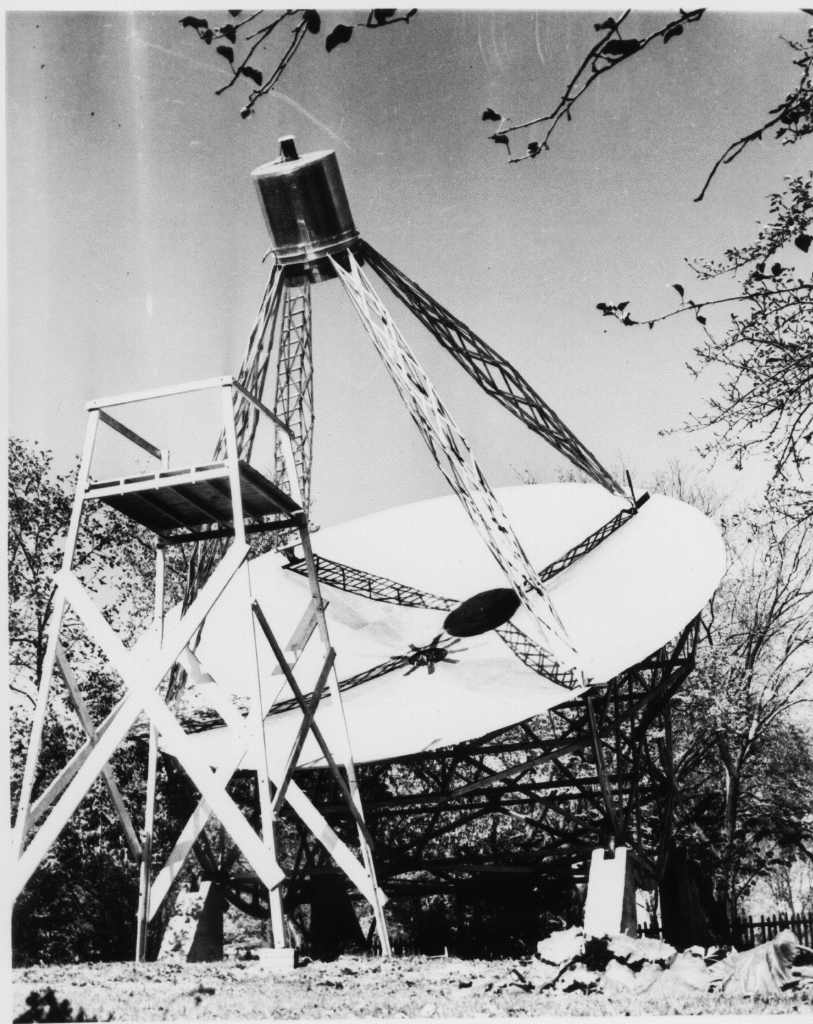
Grote Reber, who built the first parabolic “dish” radio telescope in 1937 (in his backyard) was born in Wheaton, Illinois on December 22, 1911.
For nearly a decade he was the world’s only radio astronomer.
What’s a radio telescope?
A radio telescope can detect radio waves vs. the more familiar optical telescope that can detect visible light. Some of the advantages of radio telescopes is that they can detect radio waves through clouds and can observe both during the day and at night.
Image of the Reber Radio Telescope in Wheaton, Illinois c. 1937 via Wikimedia Commons, no known restrictions
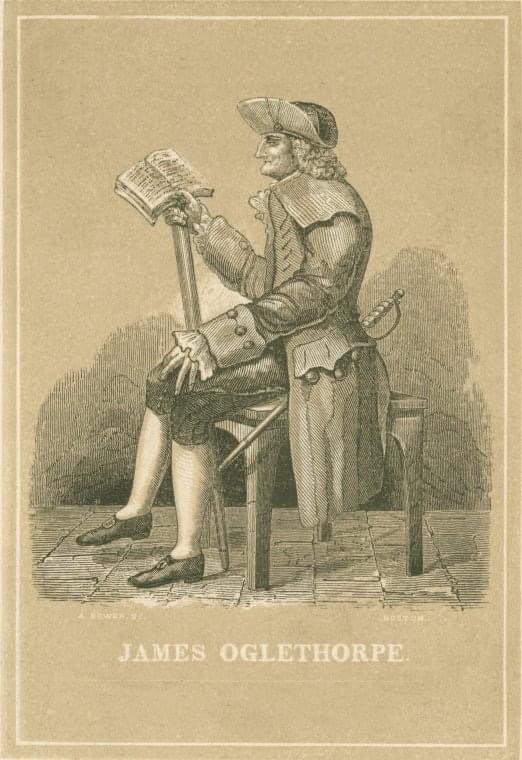
The founder of Georgia, James Oglethorpe was born on December 22, 1696 about 30 miles southwest of London, England.
When he established Georgia he opposed the importation of rum, brandy and other liquors. He also tried to push for a law that would ban the slave trade in his colony. He said…
“My friends and I, settled the colony of Georgia, and by charter were established trustees. We determined not to suffer slavery there, but the slave merchants and their adherents not only occasioned us much trouble, but at last got the Government to sanction them.”
Image via NYPL, no known restrictions
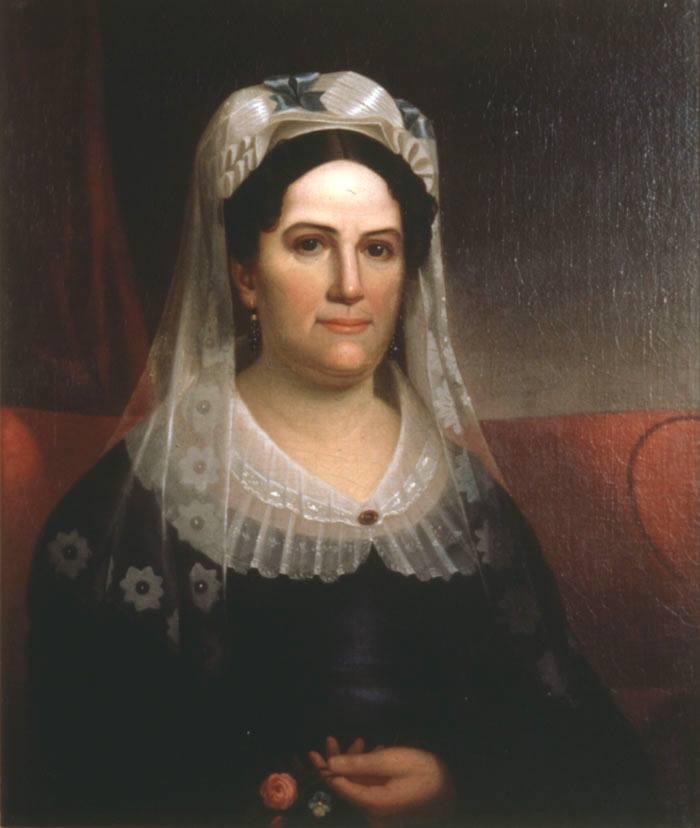
About two months before Andrew Jackson took office to serve his first term as President of The United States, his wife Rachel Jackson suddenly died on December 22, 1828 at their hermitage.
The grief-stricken President-elect didn’t arrive in Washington until early February 1829 and did so in a plain carriage.
Portrait of Rachel Jackson via Wikimedia Commons, public domain
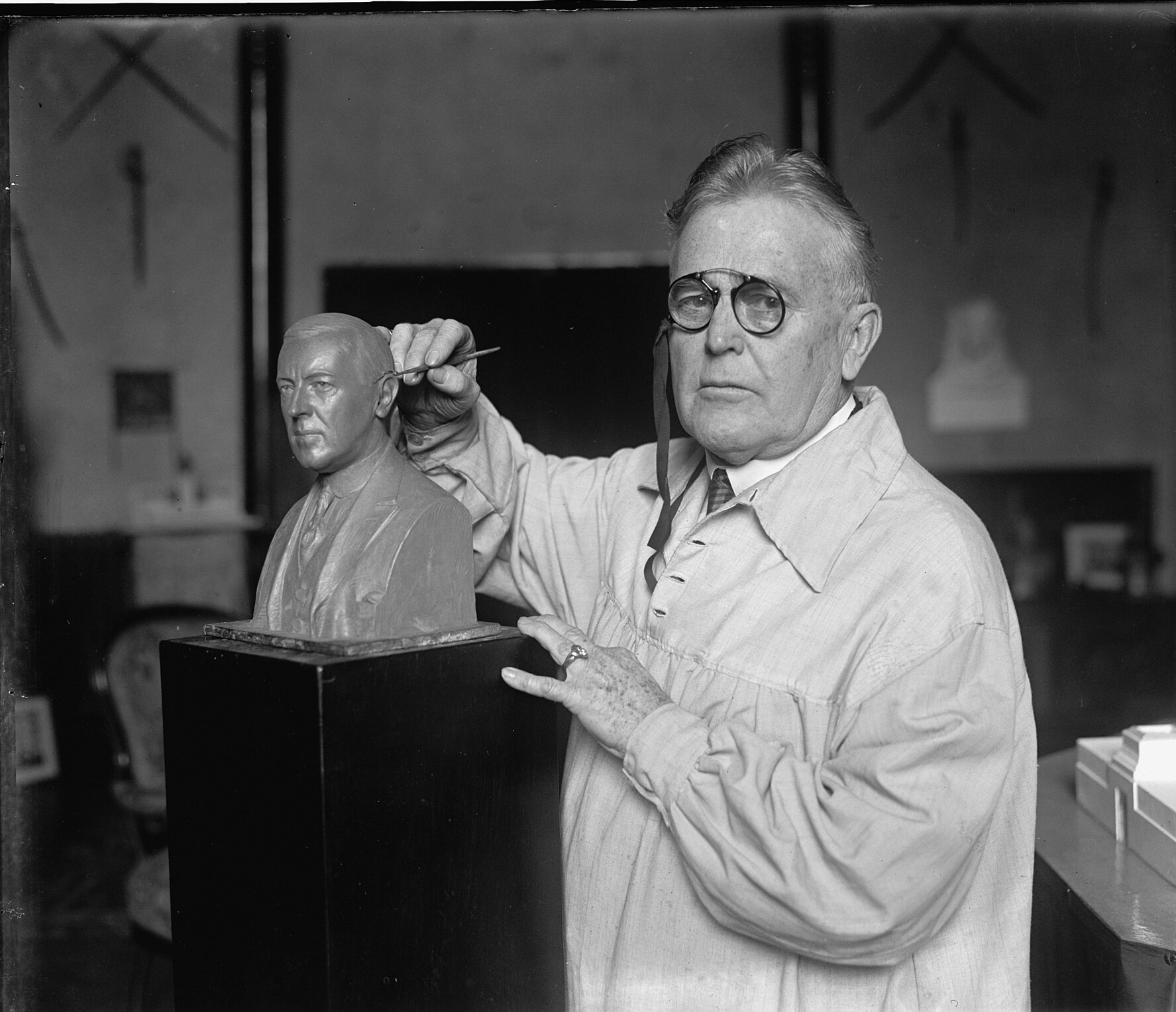
American sculptor William Clark Noble with a bust of Woodrow Wilson on December 22, 1924.
William Clark Noble sculpted numerous works including the statue of Pennsylvania Governor Andrew Curtin at the Pennsylvania State Memorial at Gettysburg.
Image via Wikimedia Commons, public domain
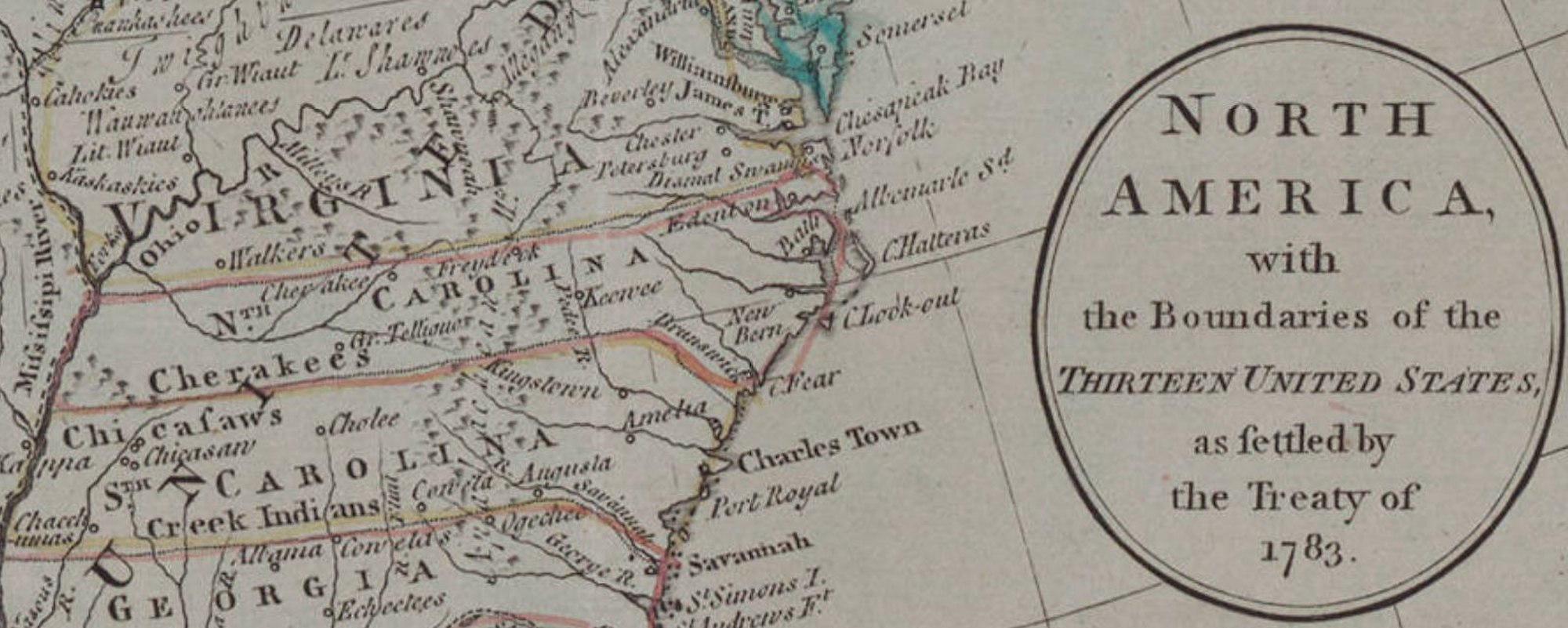
On December 22, 1789, North Carolina ceded lands in its western region to the Federal Government. These lands became known as the “Southwest Territory” which eventually became the state of Tennessee in 1796.
Image via Wikimedia Commons, public domain

Over The State Line Under The River – George Watson (left) of Union Hill, New Jersey, is shown shaking hands with Peter Easson of Jamaica, New York, across the New York-New Jersey state line in the newly constructed Lincoln Tunnel.
The center tube of the Lincoln Tunnel, which runs under the Hudson River, was opened to traffic on December 22, 1937.
Image via Alamy
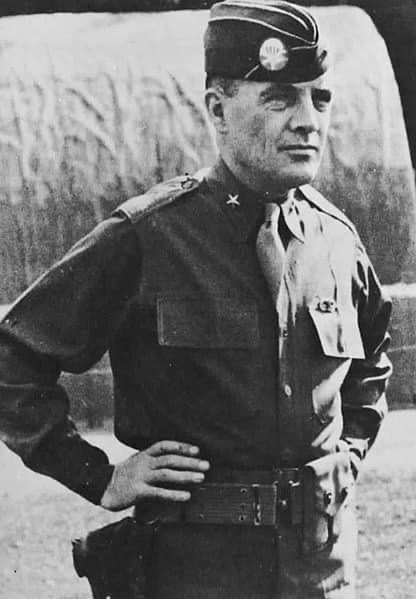
December 22, 1944:
Outnumbered G.I’s in the town of
Bastogne, Belgium have been surrounded and under heavy German attack for three days. A demand to surrender the town is received by Brig. General Anthony McAuliffe. His one word reply: ‘Nuts!’
US forces hold until relieved four days later.
Image from NARA via Wikimedia Commons,
public domain
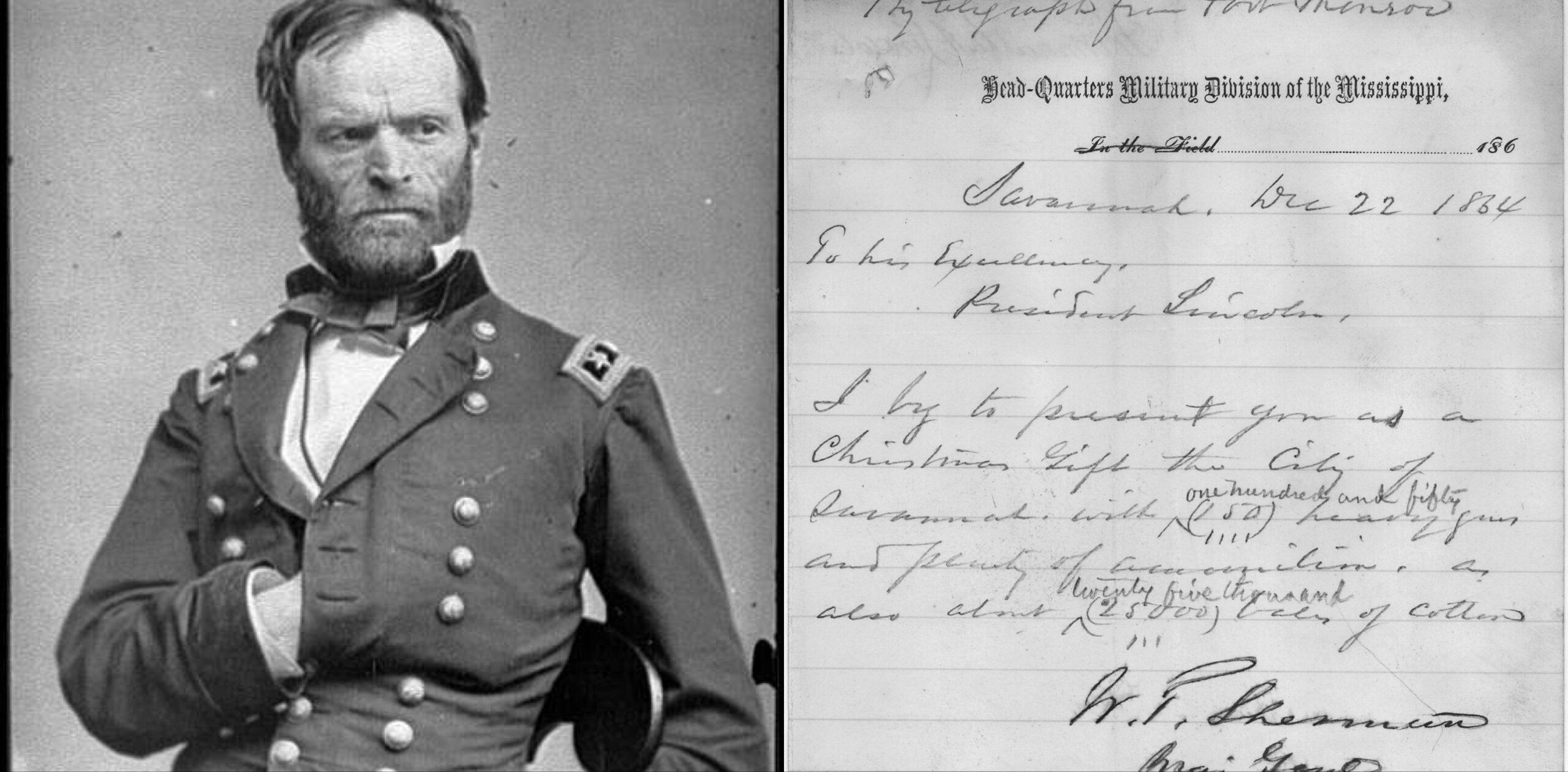
On December 22, 1864, General William Tecumseh Sherman sent a telegram to Abraham Lincoln with the following message:
“I beg to present you as a Christmas gift the City of Savannah, with one hundred and fifty guns and plenty of ammunition, also about twenty-five thousand bales of cotton.”
Images via Wikimedia Commons,
public domain
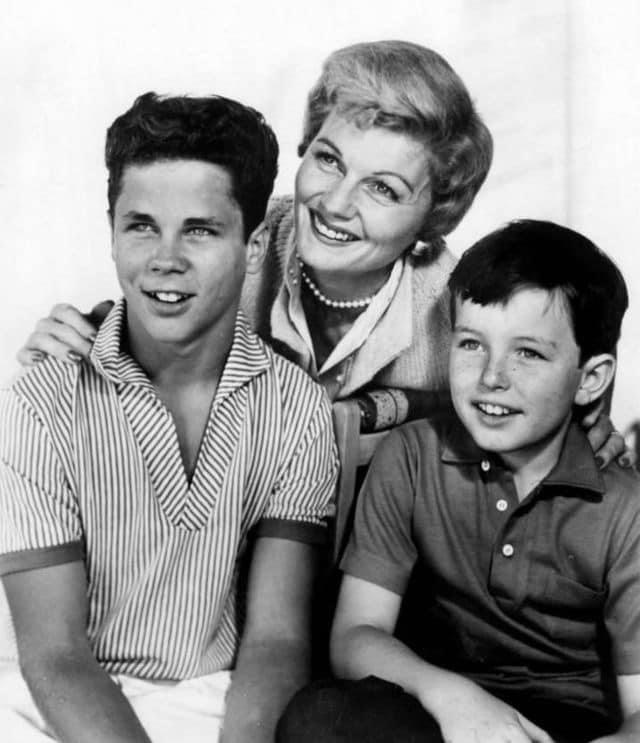
Barbara Billingsley was born on December 22, 1915. She’s known for her role as June Cleaver, wife of Ward, mom of Wally and the Beaver on the TV series ‘Leave It To Beaver’. The series ran six seasons (’57 – ’63) and pretty much endlessly in syndication. An episode is probably playing somewhere as you read this.
Image via ABC Television via Wikimedia
Commons, no known copyright
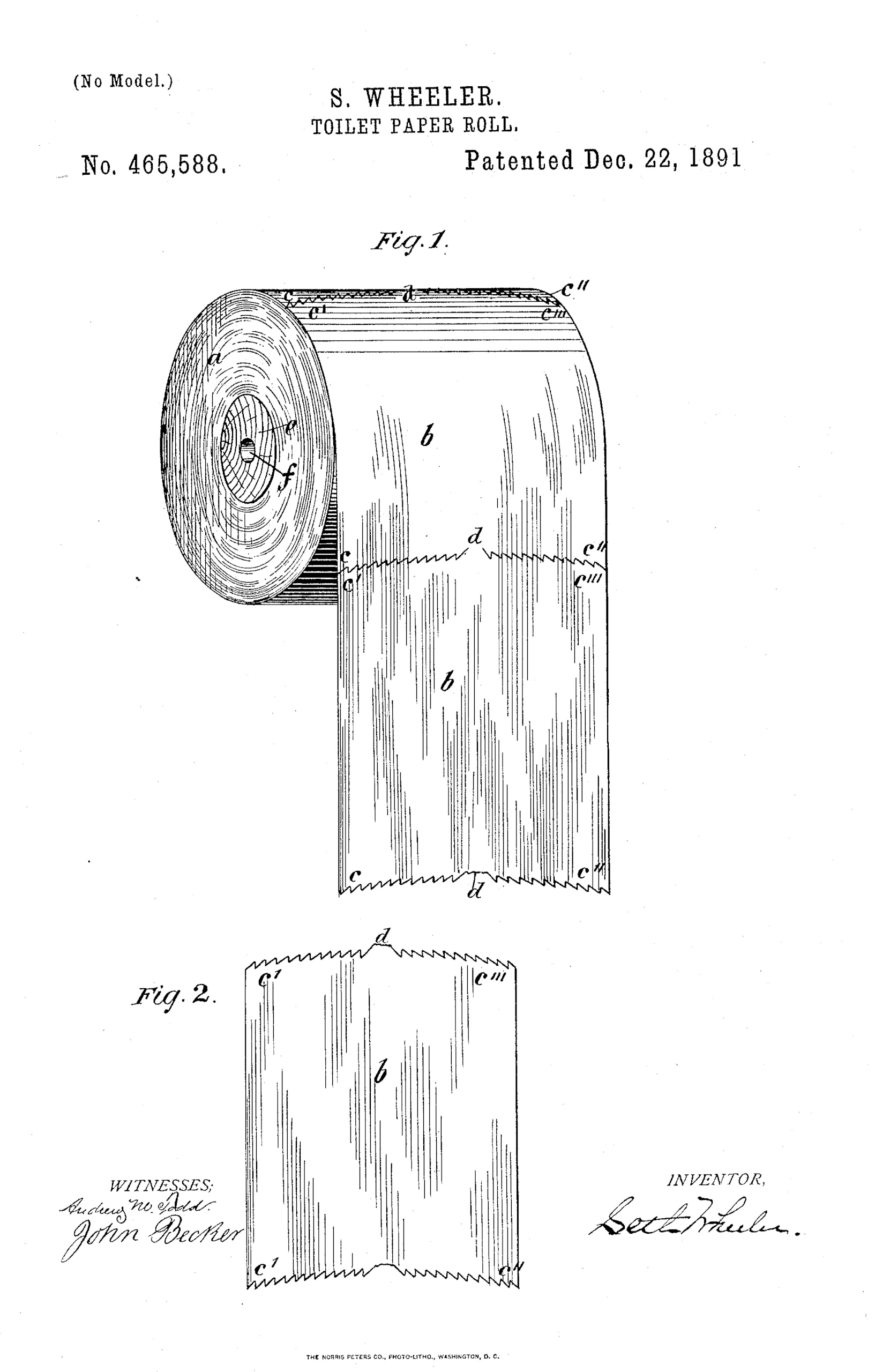
The original U.S. patent of the “Toilet Paper Roll” was issued to Seth Wheeler of Albany, New York on December 22, 1891.
Despite having “incision intervals” between each sheet, Seth wrote in his application that it was “necessary to make of considerable strength.”
Image via Wikimedia Commons, public domain
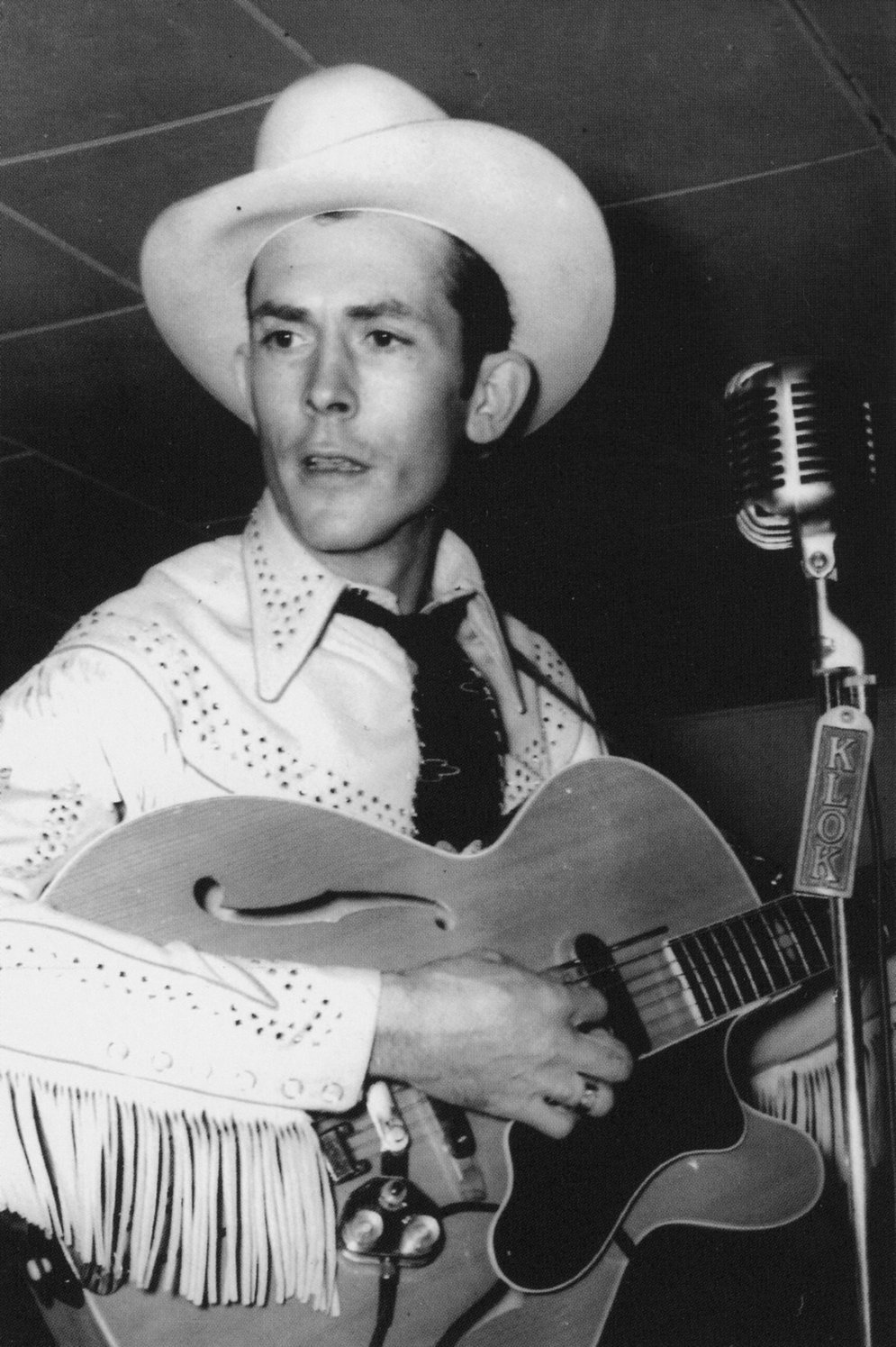
On December 22, 1948, Hank Williams recorded “Lovesick Blues” at Herzog Studio in Cincinnati, Ohio.
Image of Hank Williams a few years later in 1951 via Alamy
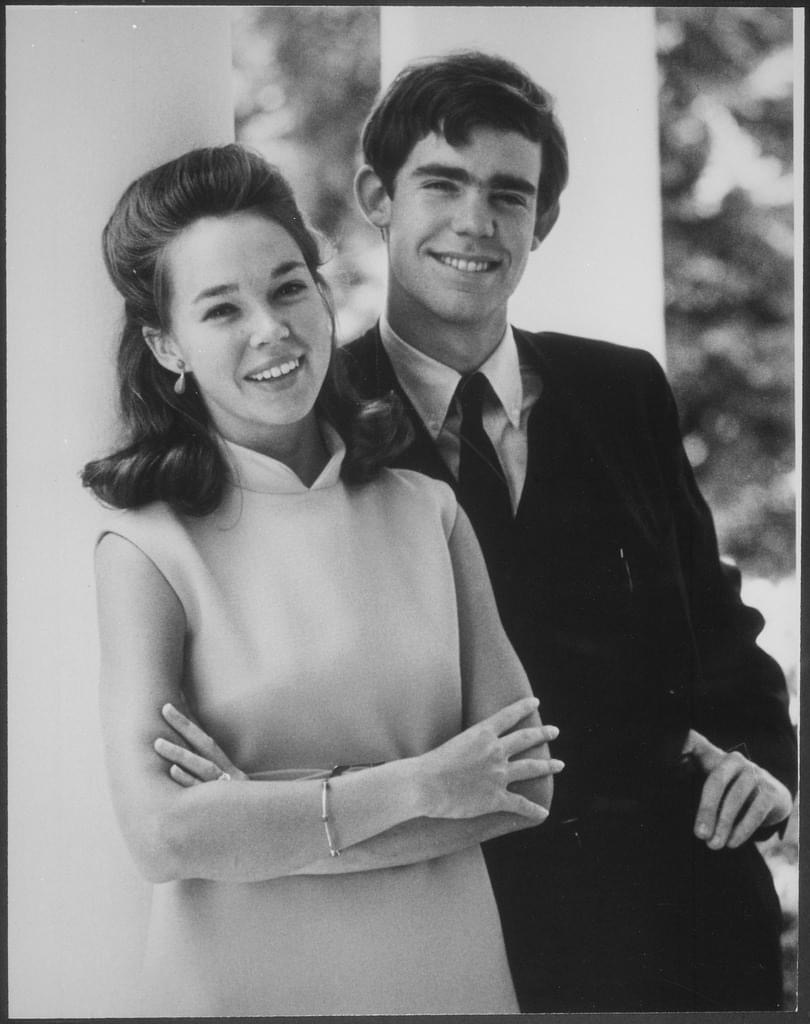
On December 22, 1968, Julie Nixon and David Eisenhower (both 20 years old at the time) were married.
Image of Julie and David in 1969 via Wikimedia Commons, public domain
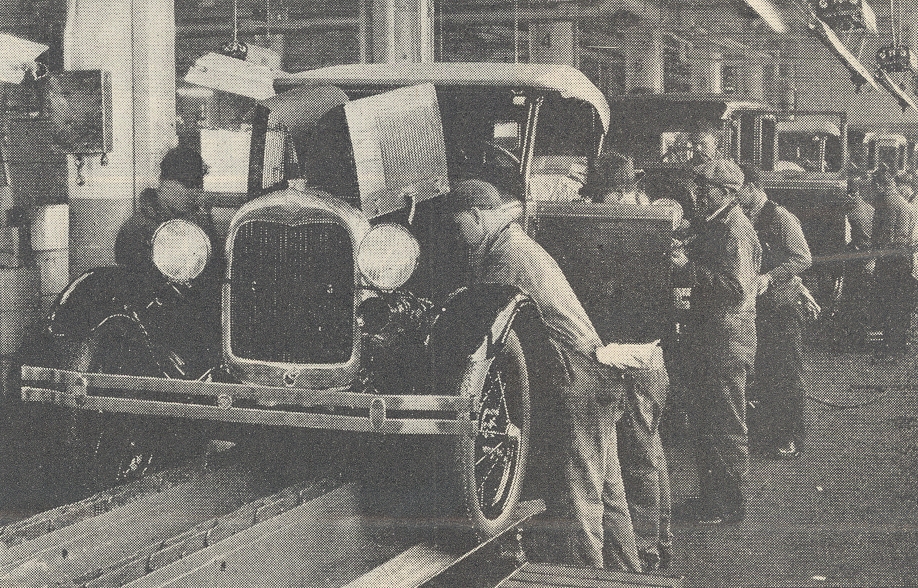
A few weeks after it was introduced, mass production of the Ford Model A began on December 22, 1927. The Model A could reach a top speed of 65 mph, over 20 mph faster than its Model T predecessor.
Image of a Ford assembly line producing Model A’s in early 1928 via Wikimedia Commons, no known restrictions
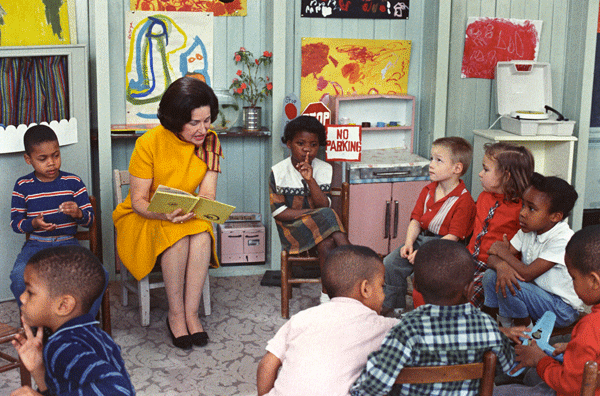
On December 22, 1912, Claudia “Lady Bird” Johnson, wife of 36th President Lyndon B. Johnson, was born. She was an advocate for the Head Start reading program and especially of the Highway Beautification Act. She stated her belief that ‘where flowers grow, so does hope.’
Image: Lady Bird Johnson Visiting a Classroom for Project Head Start 1966 via Wikimedia Commons, public domain
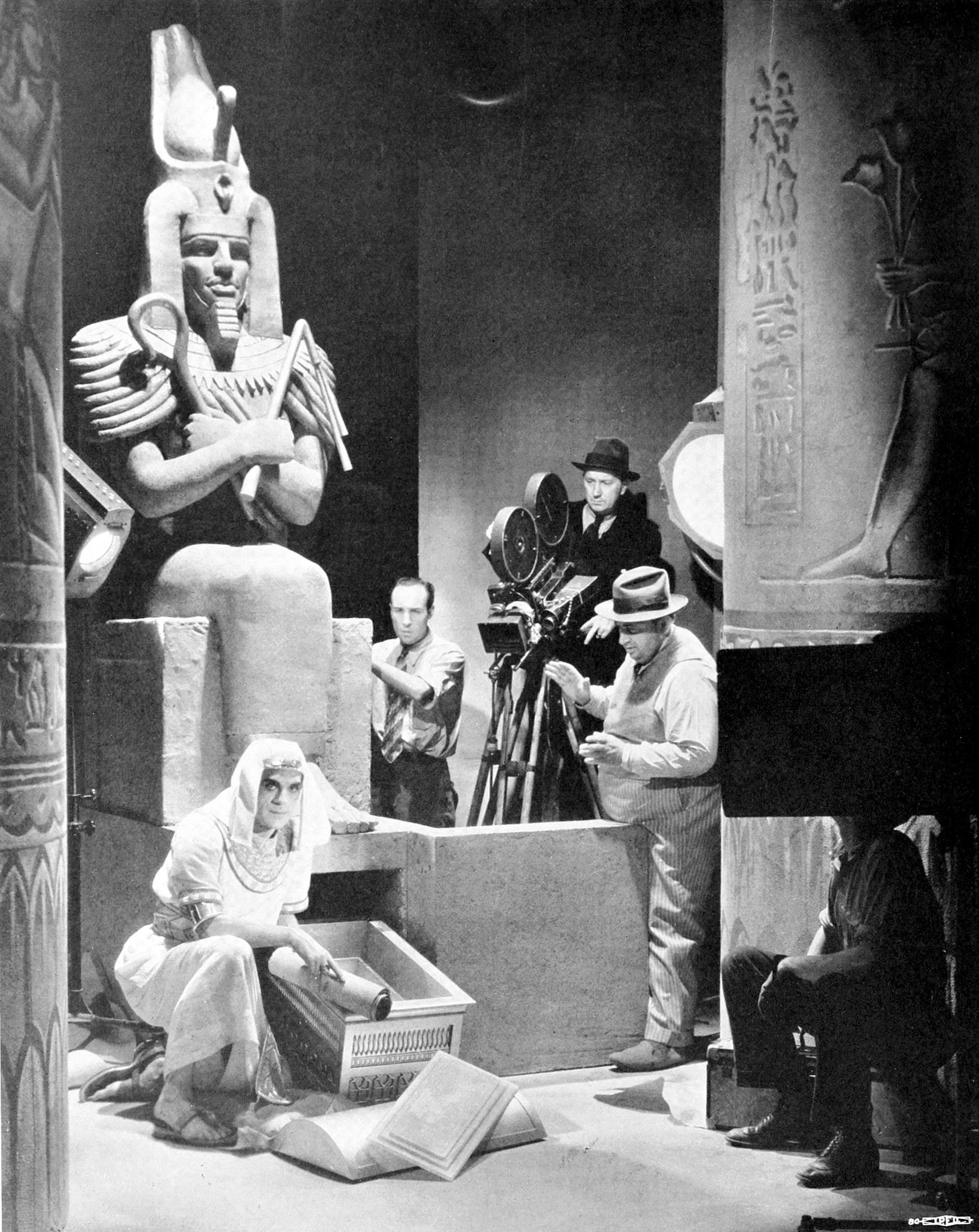
On December 22, 1932, “The Mummy” starring Boris Karloff was released.
Image via Wikimedia Commons, public domain
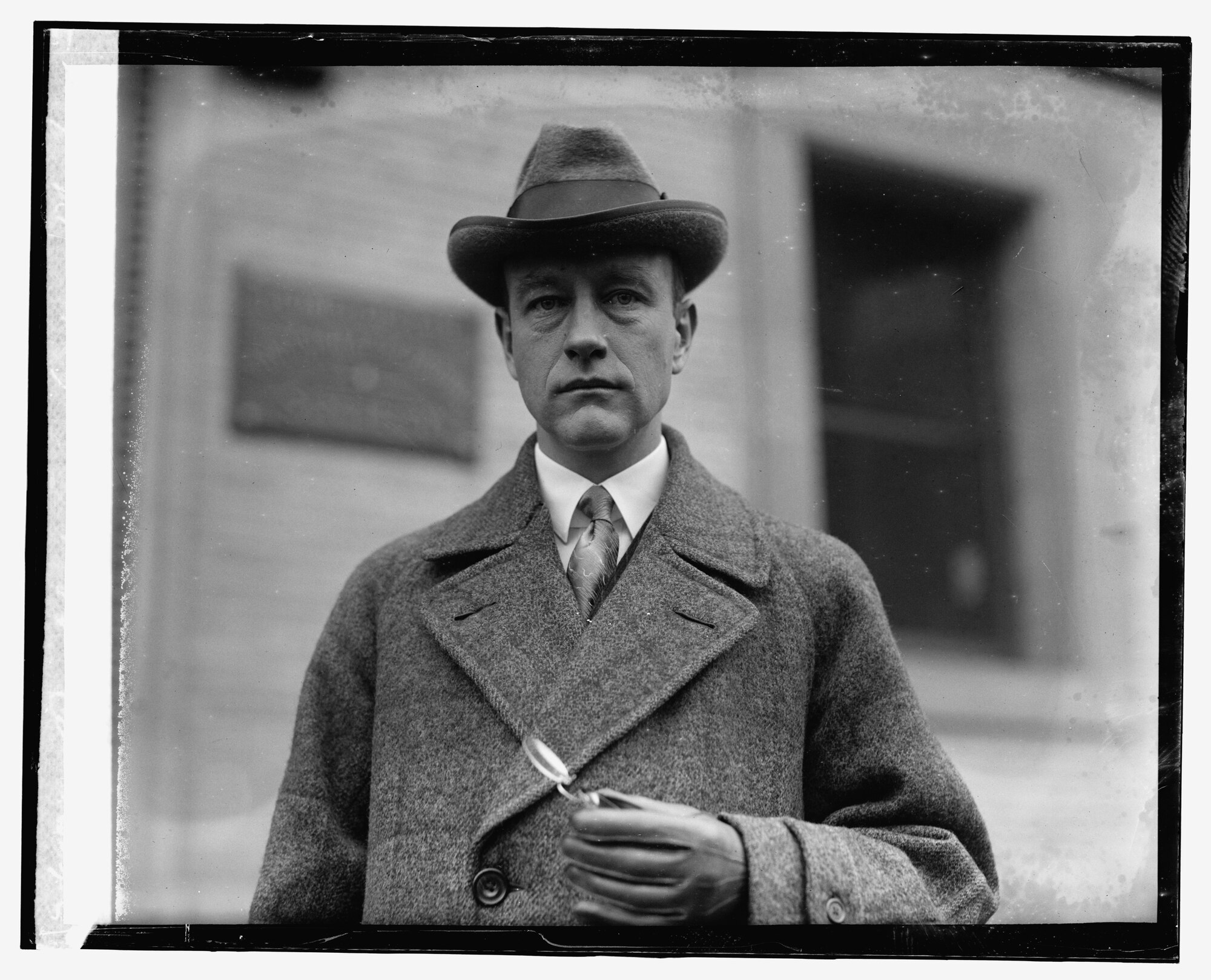
A photograph taken on December 22, 1923 of American explorer and naturalist Roy Chapman Andrews standing outside National Geographic Society Headquarters in Washington, D.C.
Earlier that year Andrews and his team accidentally discovered the first scientifically recognized dinosaur egg fossils in Mongolia.
Image via Wikimedia Commons, public domain
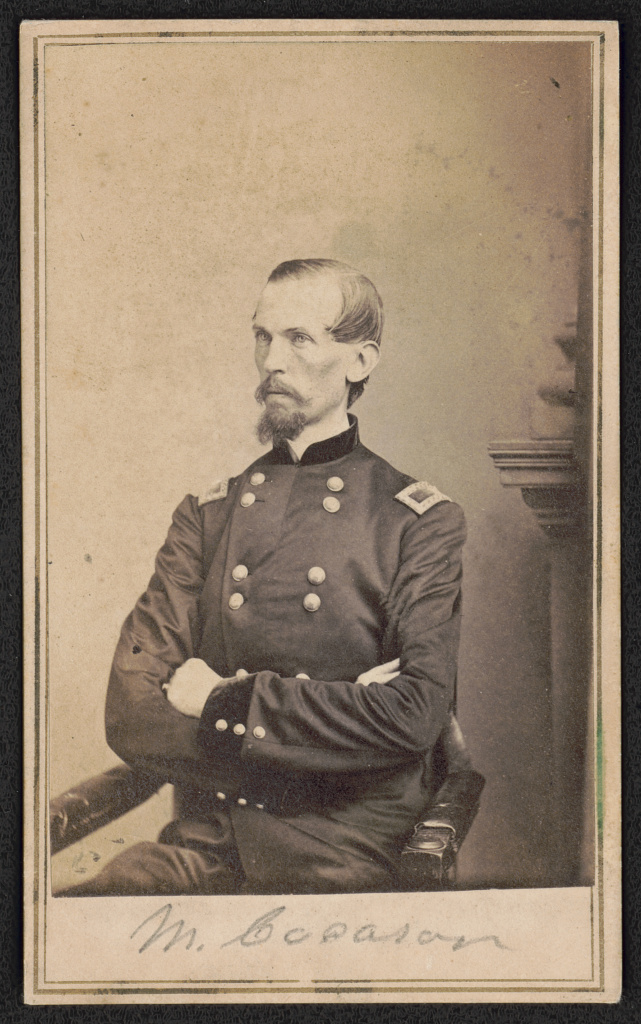
Michael Corcoran’s life was shaped by rebellion long before the Civil War ever called his name. An Irish nationalist who fought against British rule and was exiled for it, he arrived in America carrying a fire that would shape one of the Union’s most famous immigrant regiments. Even before the war, Corcoran became a legend in New York when, as colonel of the 69th New York State Militia, he flatly refused to parade his men for the visiting Prince of Wales in 1860. He declared he would not honor a monarchy that had oppressed his people, an act of defiance that led to his arrest and a pending court-martial.
However, when the first shots were fired at Fort Sumter, the charges were dropped. The Union needed the “Fighting 69th,” and Corcoran was restored to command to lead them to the defense of Washington. He transformed laborers and recent arrivals into a proud Irish fighting force whose green flags and fierce identity stood out on every parade ground and battlefield.
At First Bull Run, Corcoran fought with the same defiant spirit that had defined his life in Ireland. Captured and imprisoned, he refused every Confederate demand for submission, becoming a symbol of Irish resolve behind enemy lines. His eventual release only magnified his stature. Promoted to Brigadier General, he raised Corcoran’s Irish Legion—thousands of volunteers who followed him not just out of duty, but out of belief in the cause he embodied: freedom, dignity, and the right of immigrants to stand as equals in the nation they now called home.
He served as a trusted field commander, leading his Legion through the tough campaigns in Virginia with loyalty, conviction, and a fierce pride in his men. And yet, after surviving battlefields, imprisonment, and political storms, Corcoran met his end along a sharp bend of the Ox Road near Fairfax Court House on December 22, 1863. When his horse suddenly bolted, he was thrown violently to the ground—a moment of tragedy closing a life defined by fire and fury.
