
 Mystery March Is Here!
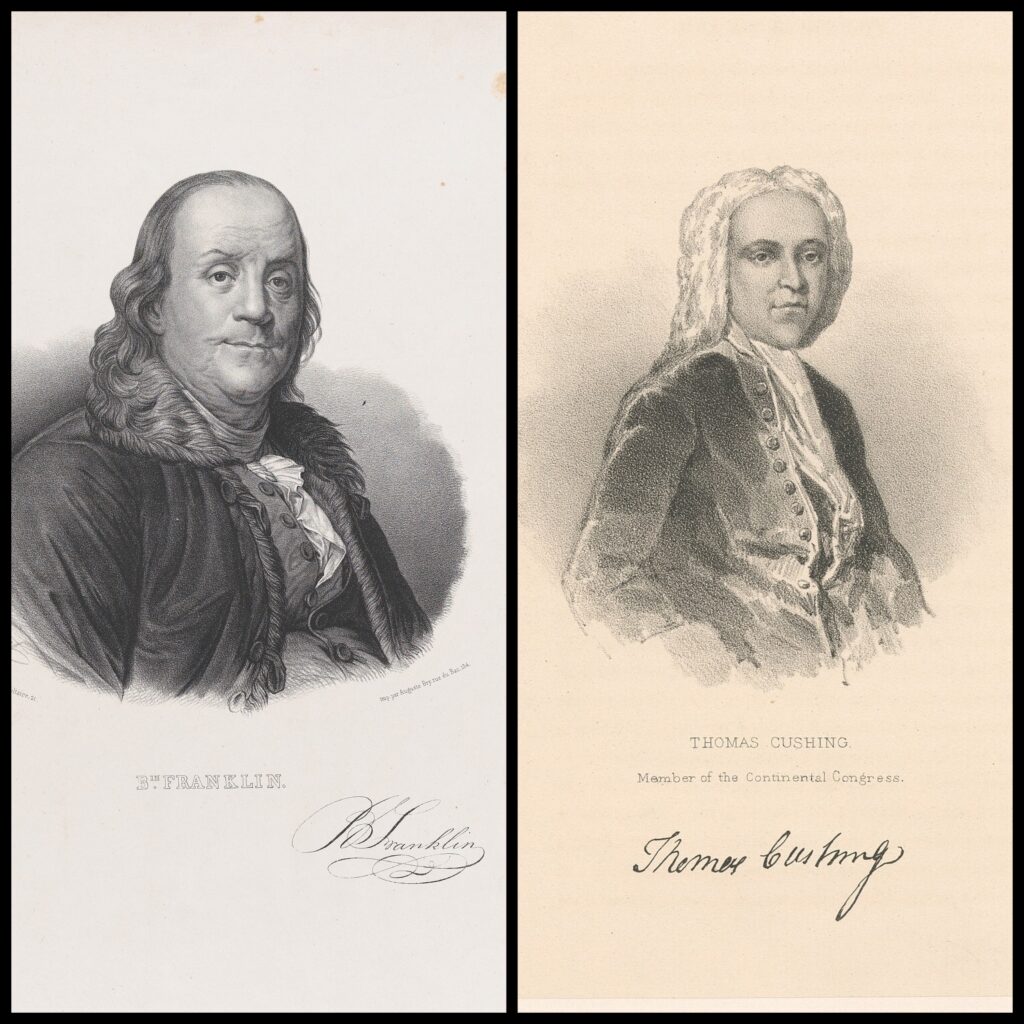
“…only through financial control of the chief executive could the House prevent implementation of illegal instructions from the crown.”
In a December 2, 1772 letter to Thomas Cushing, Speaker of the Massachusetts House, Benjamin Franklin warned that the “chief executive” — the royal governor — would obey London alone if his salary came directly from the Crown. By keeping the purse strings in Boston, the House could restrain him from enforcing royal dictates. Franklin transforms a paycheck into a principle: money as the lifeline of liberty, the last barricade against tyranny.
Cushing himself would soon step onto a larger stage: after his long speakership, he served as a delegate to the First and Second Continental Congresses. Though he signed the Olive Branch Petition in 1775, his moderate stance against independence led Massachusetts to replace him with Elbridge Gerry. Later, he became the first Lieutenant Governor of Massachusetts under the new state constitution, serving until his death in 1788.
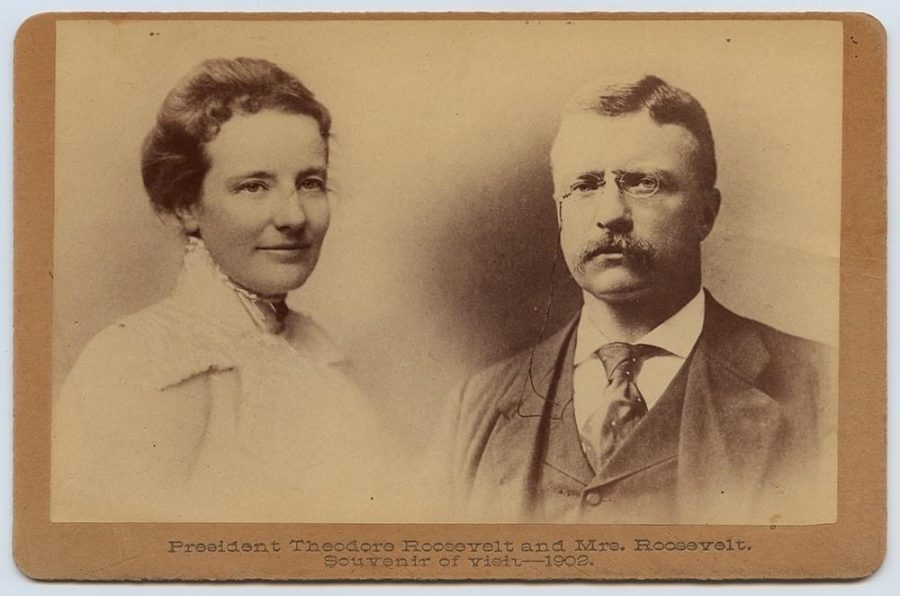
On December 2, 1886, Theodore Roosevelt married Edith Carow in London, England.
Edith lived next door to Theodore Roosevelt in New York City when they were children.
Image via Wikimedia Commons, no known restrictions
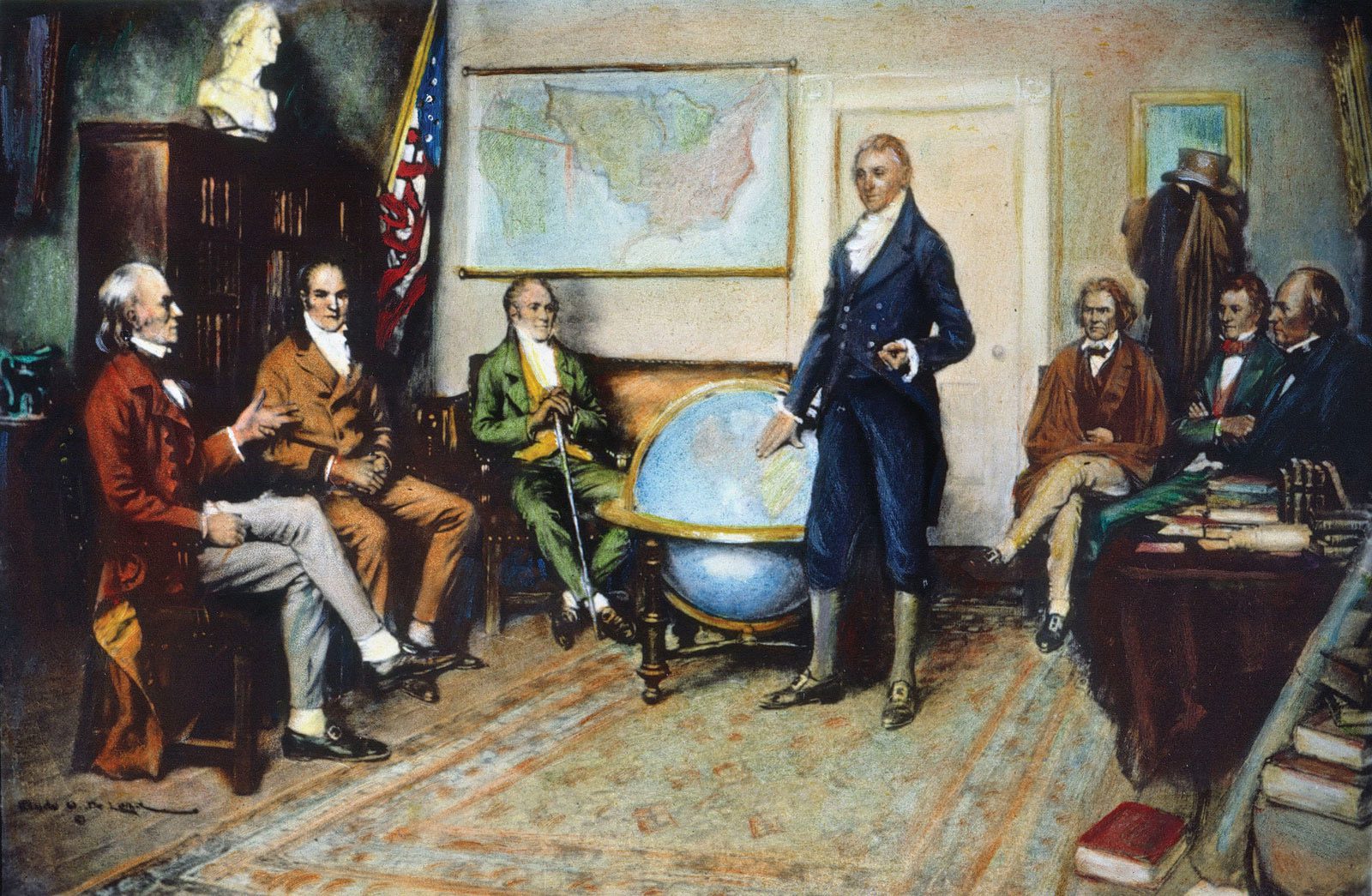
On December 2, 1823, President James Monroe addressed Congress and stated that the US should and would oppose foreign intervention in the Americas. The policy would become known as the Monroe Doctrine. Monroe is depicted here explaining the idea to his cabinet.
Image via Wikimedia Commons, public domain in the US.
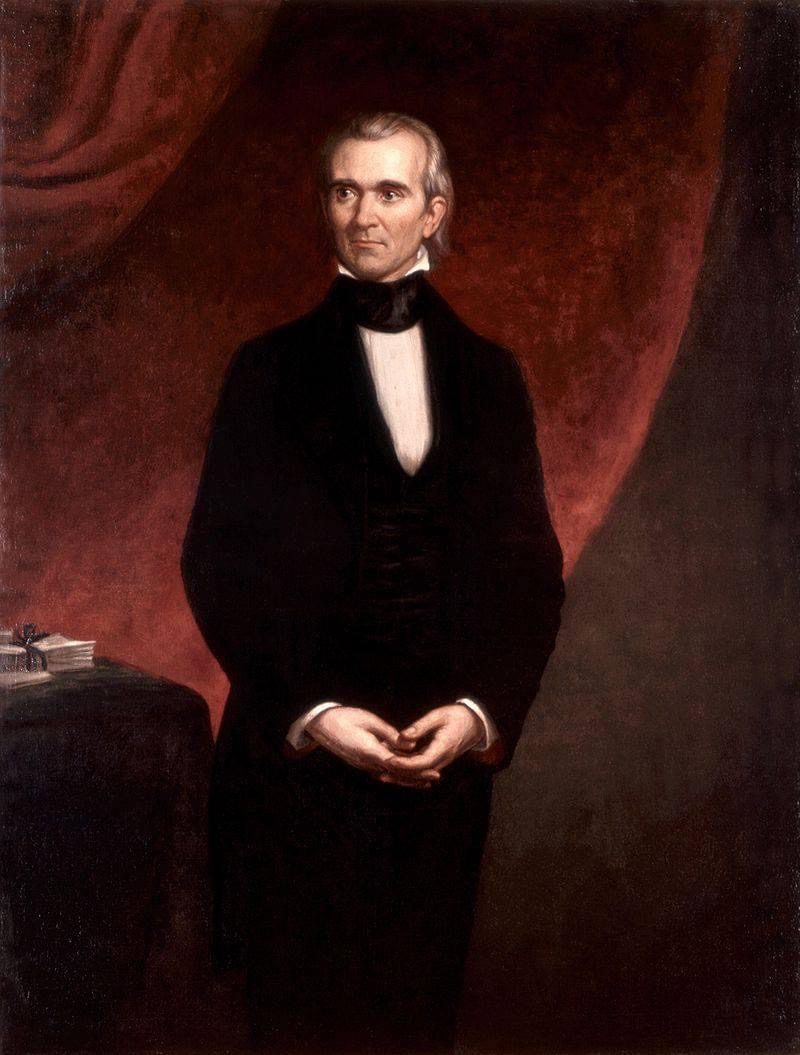
On today’s date December 2, 1845, U.S. President James Knox Polk said the following during his State of The Union Address:
“A few years ago our whole national debt growing out of the Revolution and the War of 1812 with Great Britain was extinguished, and we presented to the world the rare and noble spectacle of a great and growing people who had fully discharged every obligation.”
Portrait: James Polk by artist George Peter Alexander Healy [Public domain], via Wikimedia Commons
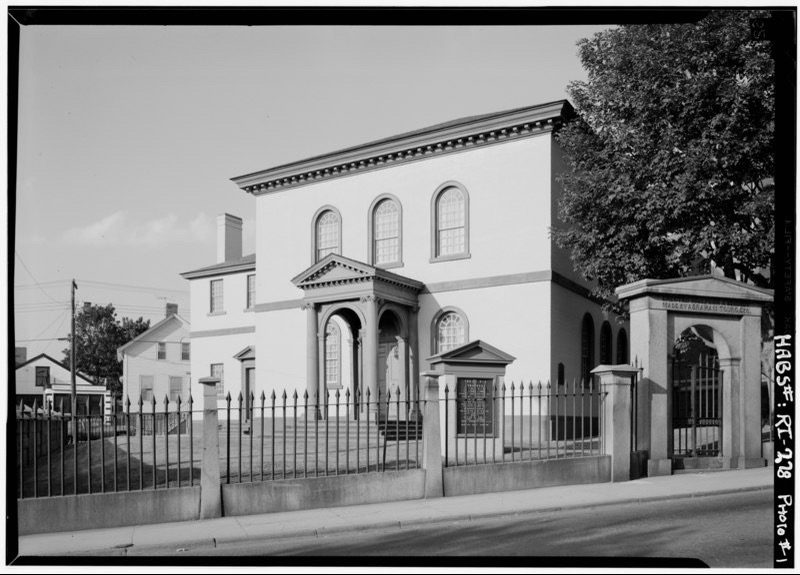
The Touro Synagogue in Newport, Rhode Island was dedicated on December 2, 1763. It’s the oldest surviving synagogue in North America and has been designated a National Historic Site.
Image from NPS via Wikimedia Commons, public domain in the US.
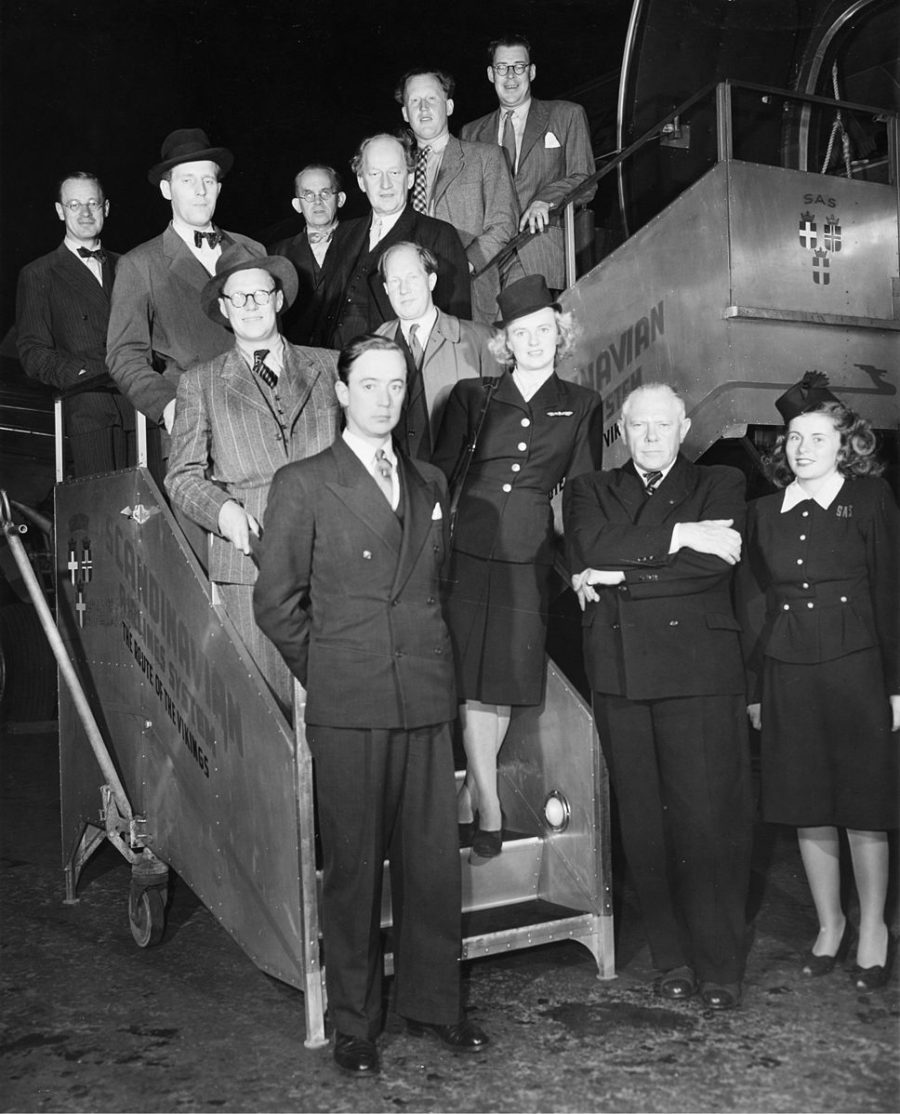
On December 2, 1939, LaGuardia Airport in New York City was opened.
Photo of passengers of the first Scandinavian Airlines flight from Stockholm to LaGuardia in 1946. The trip (with multiple stops) took over 24 hours.
via Wikimedia Commons, public domain in the US.
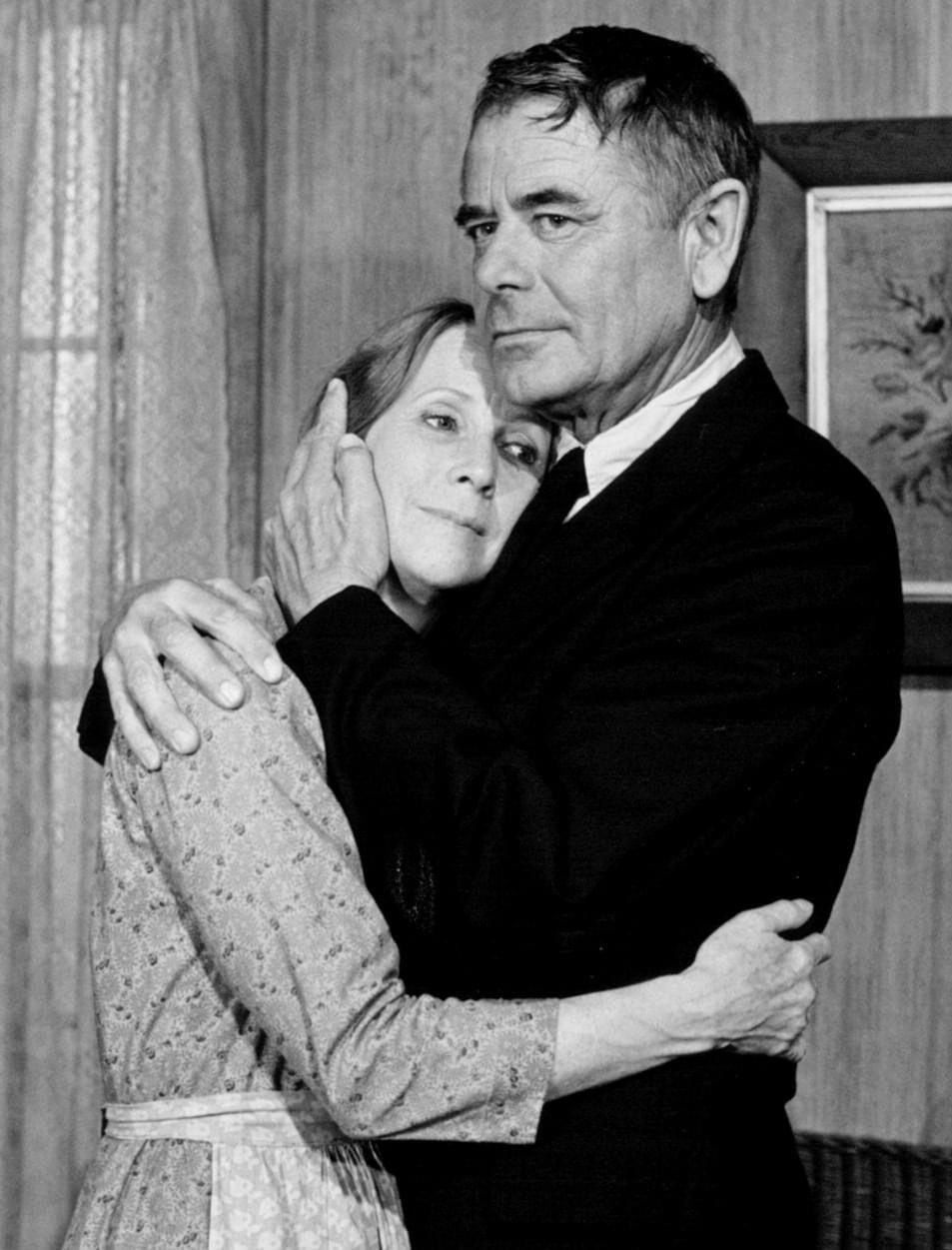
Glenn Ford and Julie Harris from the TV program “The Family Holvak” in 1975
Julie Harris was born on December 2, 1925 in
Grosse Pointe, Michigan.
During her career she received three Emmy Awards, six Tony Awards, a Grammy and was nominated for an Academy Award.
She also provided voiceovers for Ken Burns’ documentaries.
Image via Wikimedia Commons, public domain
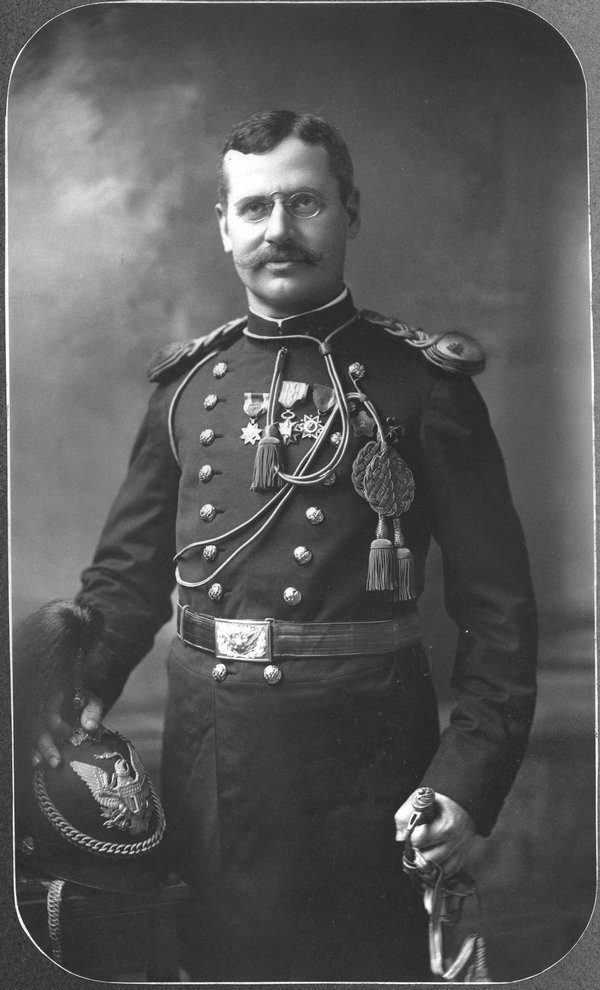
On December 2, 1905, a projectile was thrown by an unknown perpetrator at a train transporting President Theodore Roosevelt from Philadelphia to Washington, D.C. after the Army-Navy Game.
The object hit another car that was carrying another man who resembled the President, named Webb Hayes, who was also the son of Rutherford B. Hayes.
While Webb Hayes sustained minor cuts, the projectile narrowly missed his head.
Image of Webb Hayes in uniform via Wikimedia Commons, public domain
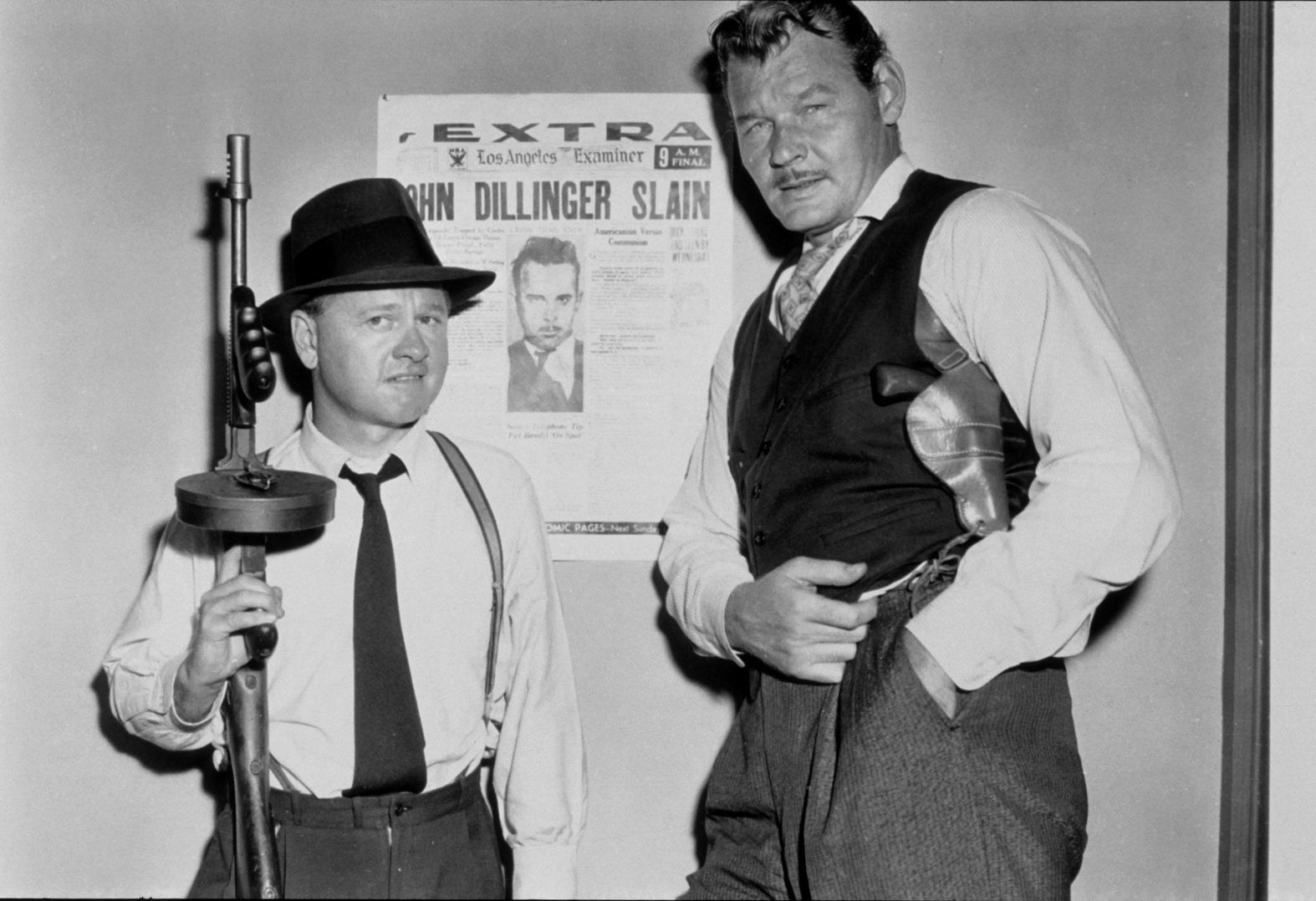
A photo of Mickey Rooney (left) as “Baby Face Nelson” and Leo Gordon (right) as John Dillinger from the 1957 movie “Baby Face Nelson”
WWII U.S. Army Veteran Leo Gordon was born on December 2, 1922 in Brooklyn, New York.
Image via Alamy
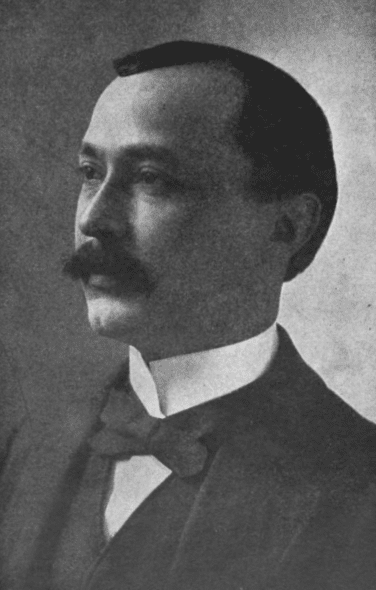
One of the five Ringling Brothers, who founded the famous circus, was born on December 2, 1863 in McGregor, Iowa.
He and his four other founding brothers traveled and did juggling acts and other performances before forming their circus.
They eventually purchased the Barnum & Bailey Circus in 1907, but the name change to “Ringling Bros. and Barnum & Bailey Circus” didn’t happen until 1919.
Image via Wikimedia Commons, public domain
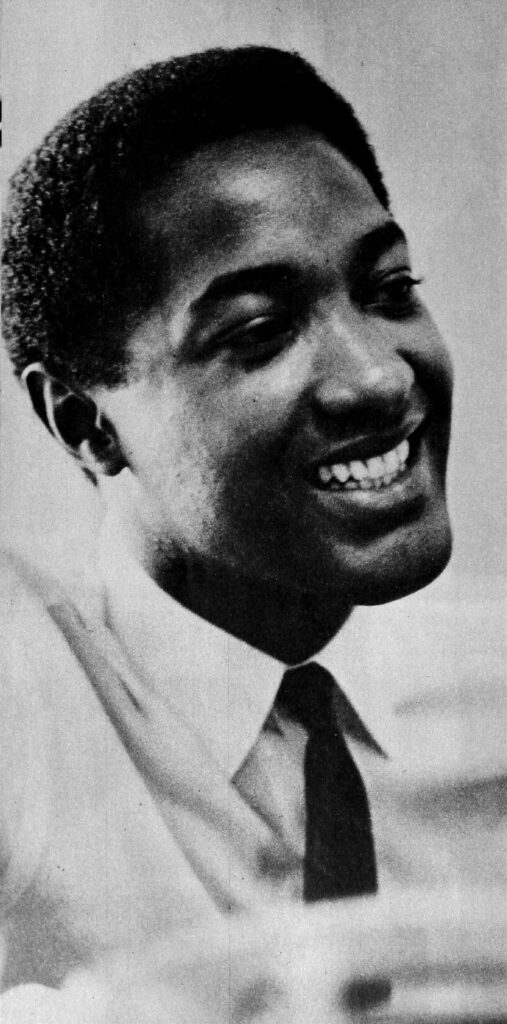
On December 2, 1957, “You Send Me” by Sam Cooke became the #1 song in America.
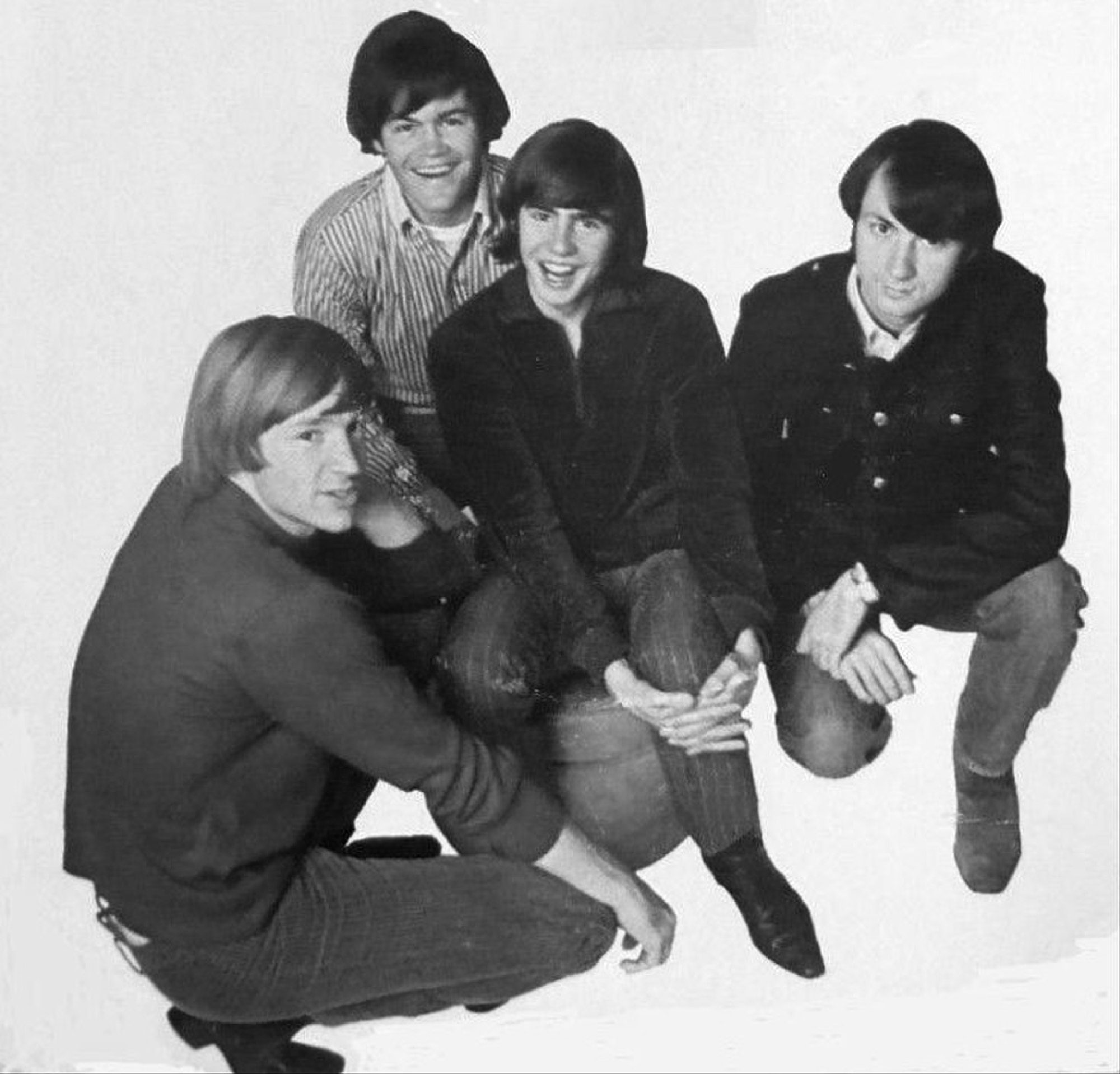
On December 2, 1967 “Daydream Believer” by The Monkees became the #1 song in America.
Image of The Monkees in 1967 via Wikimedia Commons, public domain
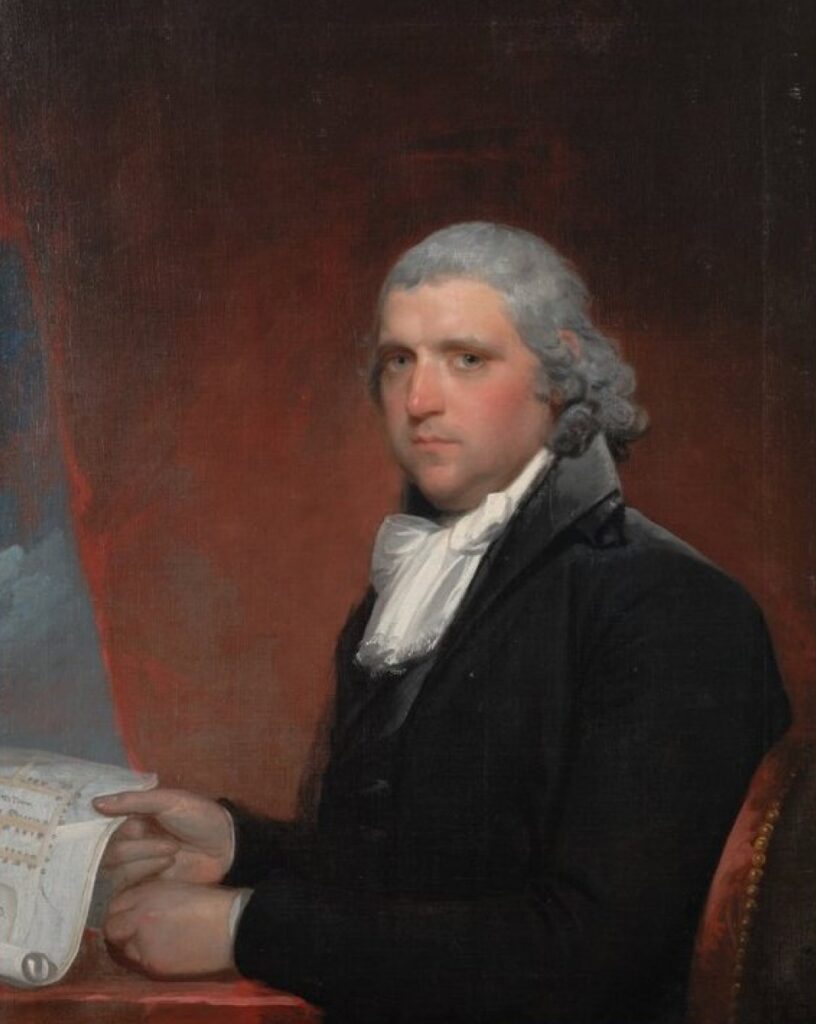
William Cooper, the founder of Cooperstown, NY and the father of famous American novelist James Fenimore Cooper, was born on December 2, 1754.
Image via Wikimedia Commons, public domain
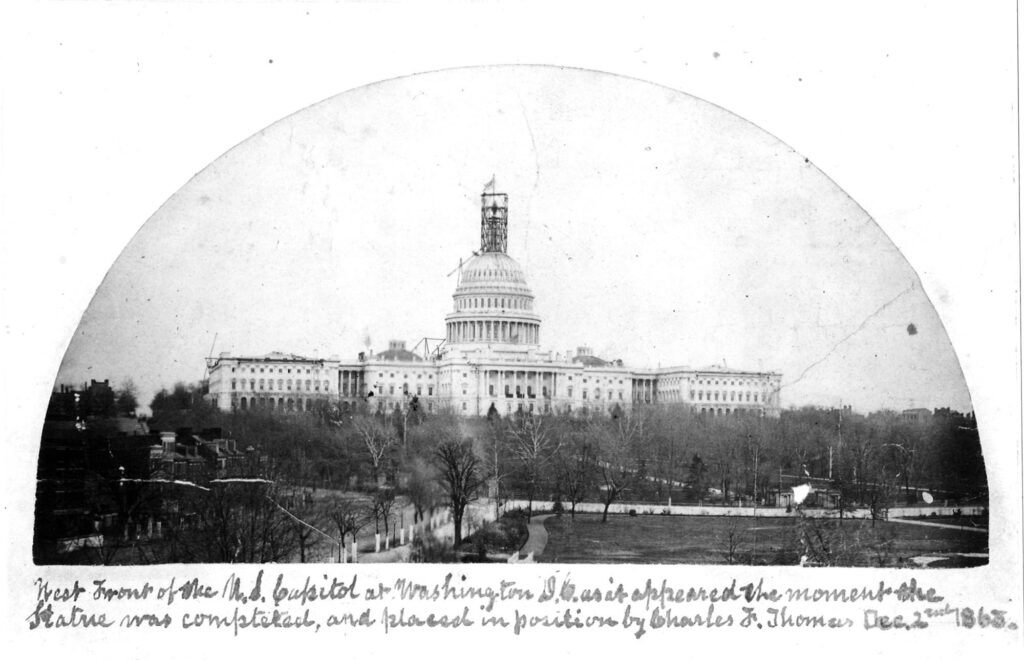
On December 2, 1863 (just about the middle of the American Civil War) the final portions of the Statue of Freedom were put into place atop the U.S. Capitol building in Washington D.C.
Image of the U.S. Capitol building as it appeared in early December 1863 via Wikimedia Commons, public domain
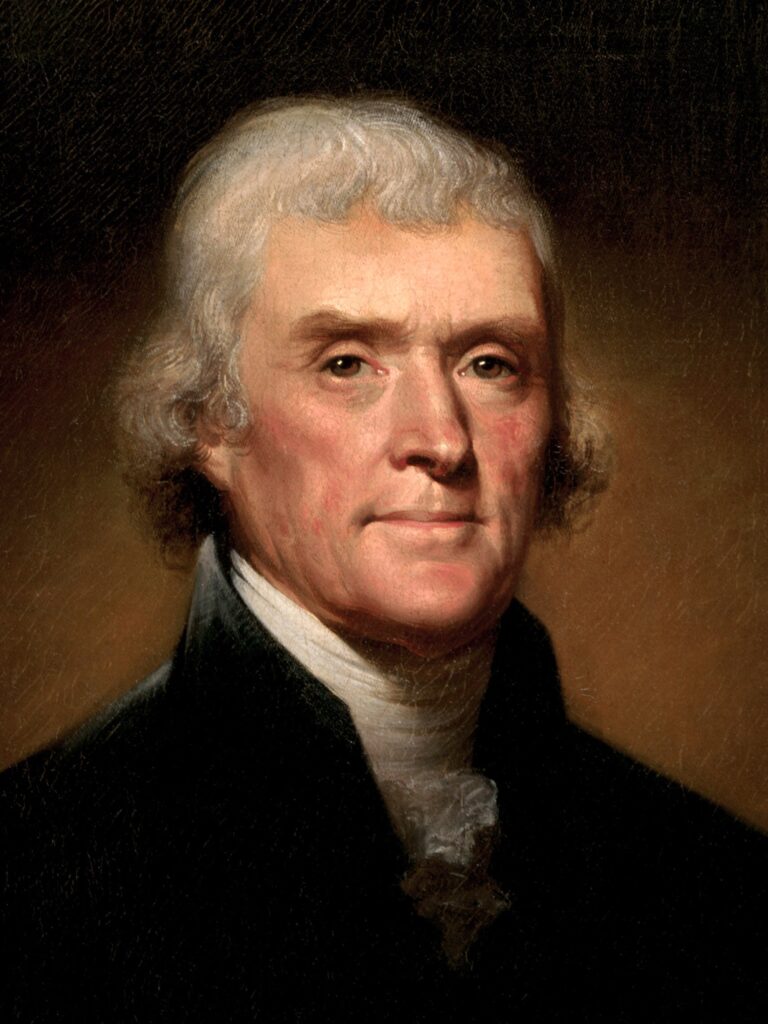
“The expedition of Messrs. Lewis and Clarke for exploring the river Missouri and the best communication from that to the Pacific Ocean has had all the success which could have been expected. They have traced the Missouri nearly to its source, descended the Columbia to the Pacific Ocean, ascertained with accuracy the geography of that interesting communication across our continent, learnt the character of the country, of its commerce and inhabitants; and it is but justice to say that Messrs. Lewis and Clarke and their brave companions have by this arduous service deserved well of their country.”
Thomas Jefferson from his State of the Union Address on December 2, 1806
Image via Wikimedia Commons, public domain in the US.
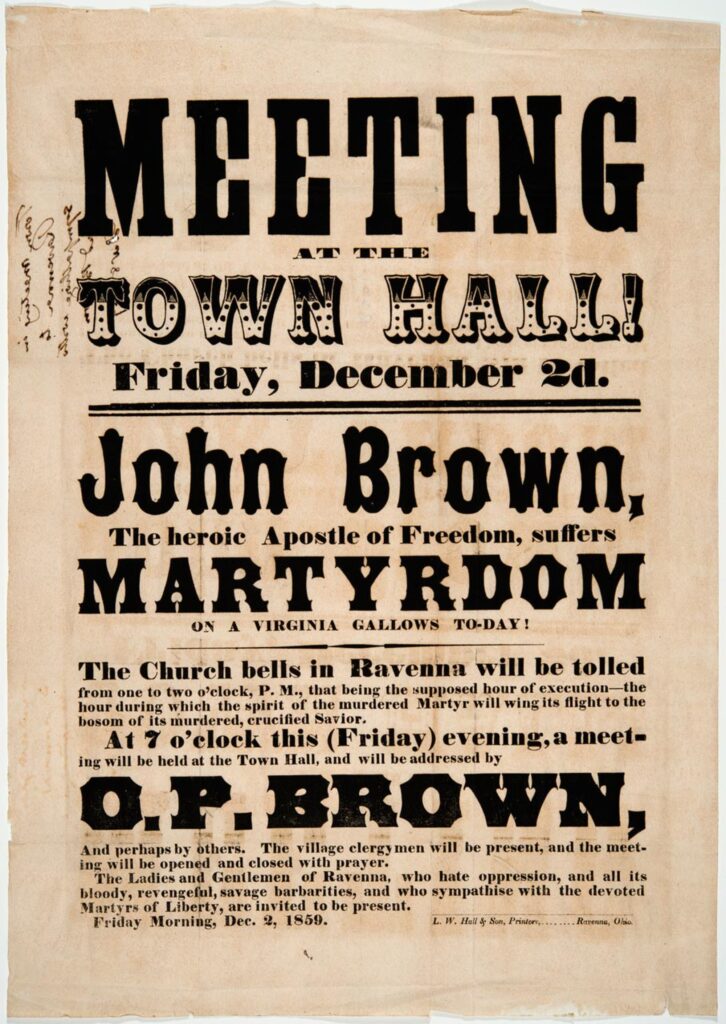
A broadside protesting John Brown’s execution in Virginia (present day West Virginia) December 2, 1859
via Wikimedia Commons, public domain
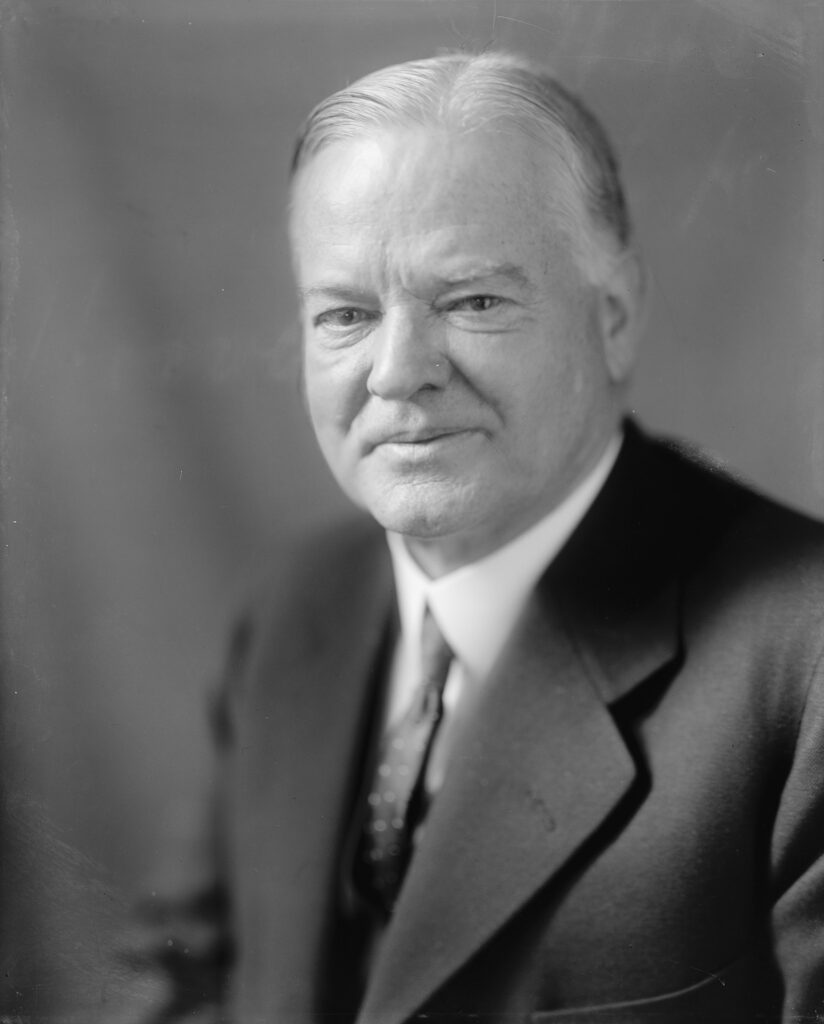
“Economic depression can not be cured by legislative action or executive pronouncement. Economic wounds must be healed by the action of the cells of the economic body—the producers and consumers themselves. Recovery can be expedited and its effects mitigated by cooperative action. That cooperation requires that every individual should sustain faith and courage; that each should maintain his self-reliance; that each and every one should search for methods of improving his business or service.”
President Herbert Hoover during his State of the Union address on December 2, 1930
Image via Wikimedia Commons, public domain
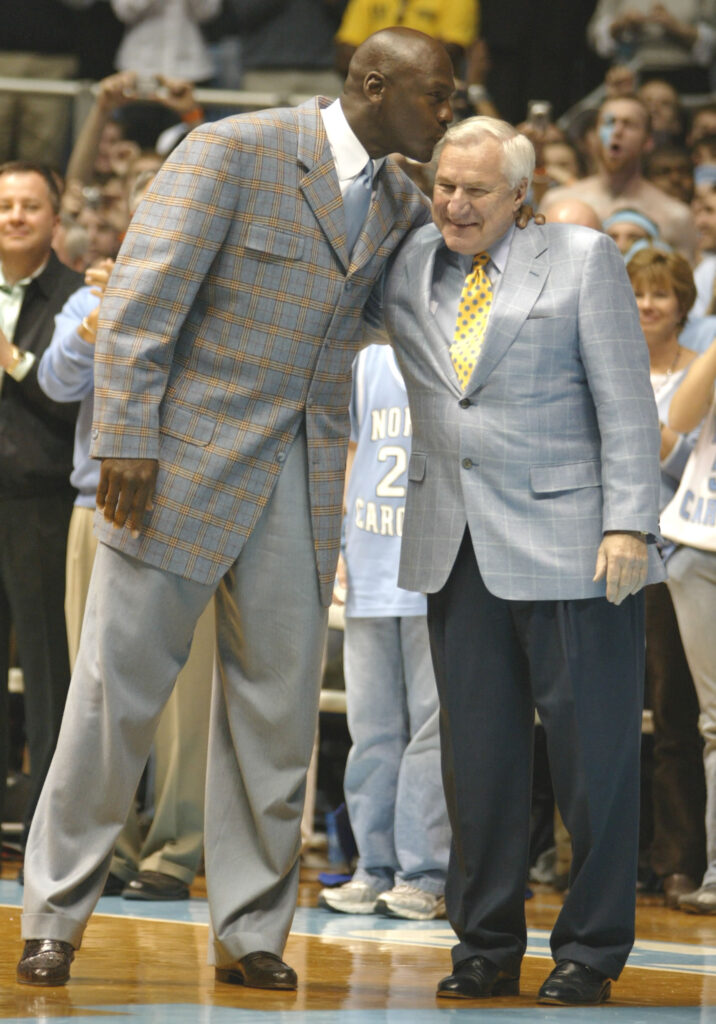
On December 2, 1961, Dean Smith began his career as head coach of the University of North Carolina men’s basketball team.
Image of Michael Jordan and Dean Smith in 2007 from Zeke
Smith via Wikimedia Commons, CC BY 2.0
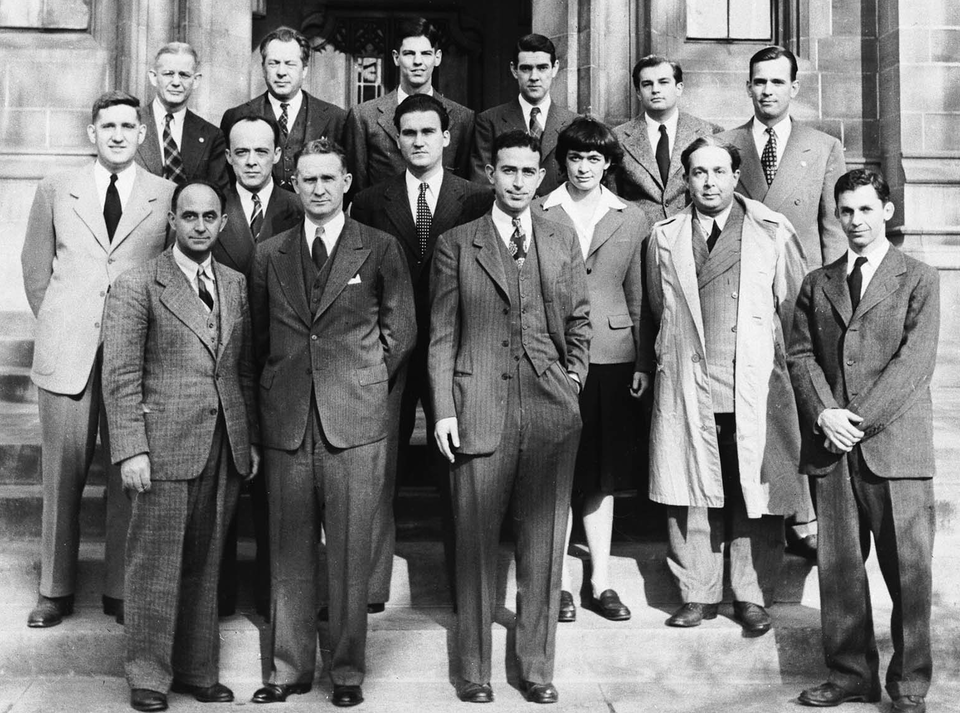
Some of the scientists who achieved the first nuclear self-sustaining chain reaction at the University of Chicago on December 2, 1942.
Photo is from the 4th anniversary of their achievement in 1946.
Image via Wikimedia Commons, public domain in the US.
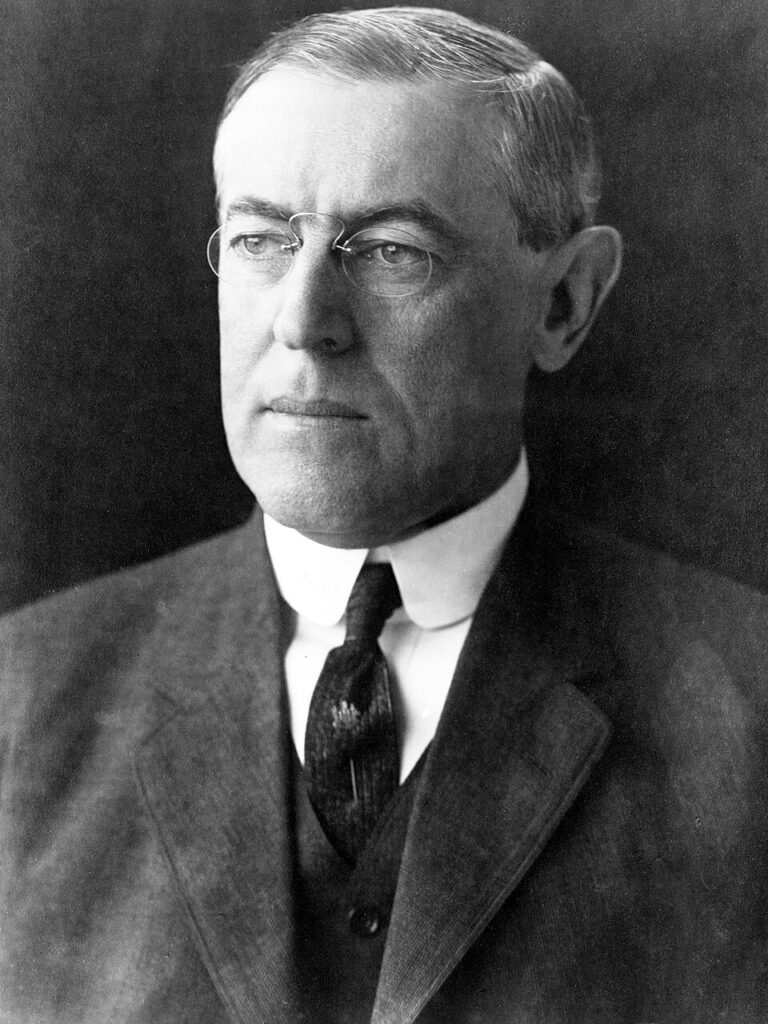
A photo of Woodrow Wilson, President-elect, taken on December 2, 1912.
Captured during the transition period following his decisive victory on November 5, this portrait reflects the rise of a scholar-statesman who had just defeated two presidents — incumbent William Howard Taft and Progressive challenger Theodore Roosevelt — in one of the most consequential elections in American history.
Though the official electoral count would come in February, Wilson’s win was already clear: a fractured Republican Party had handed Democrats their first presidential triumph in two decades. Within five years, Wilson would lead the nation into World War I and propose his Fourteen Points — a vision for peace that redefined America’s global role.
