
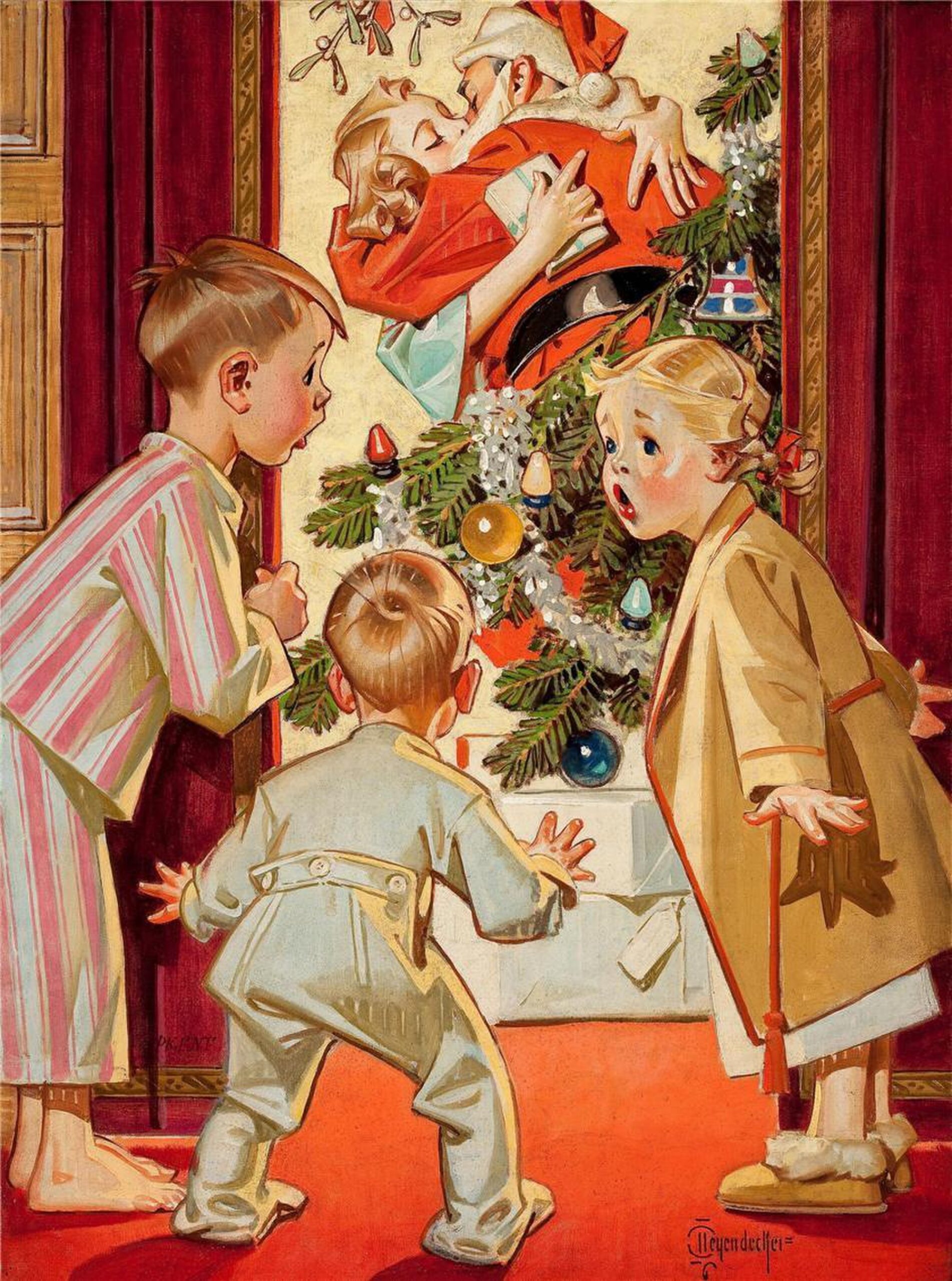
An illustration by J. C. Leyendecker that appeared on the cover of American Weekly on December 19, 1948.
Image via Wikimedia Commons, public domain
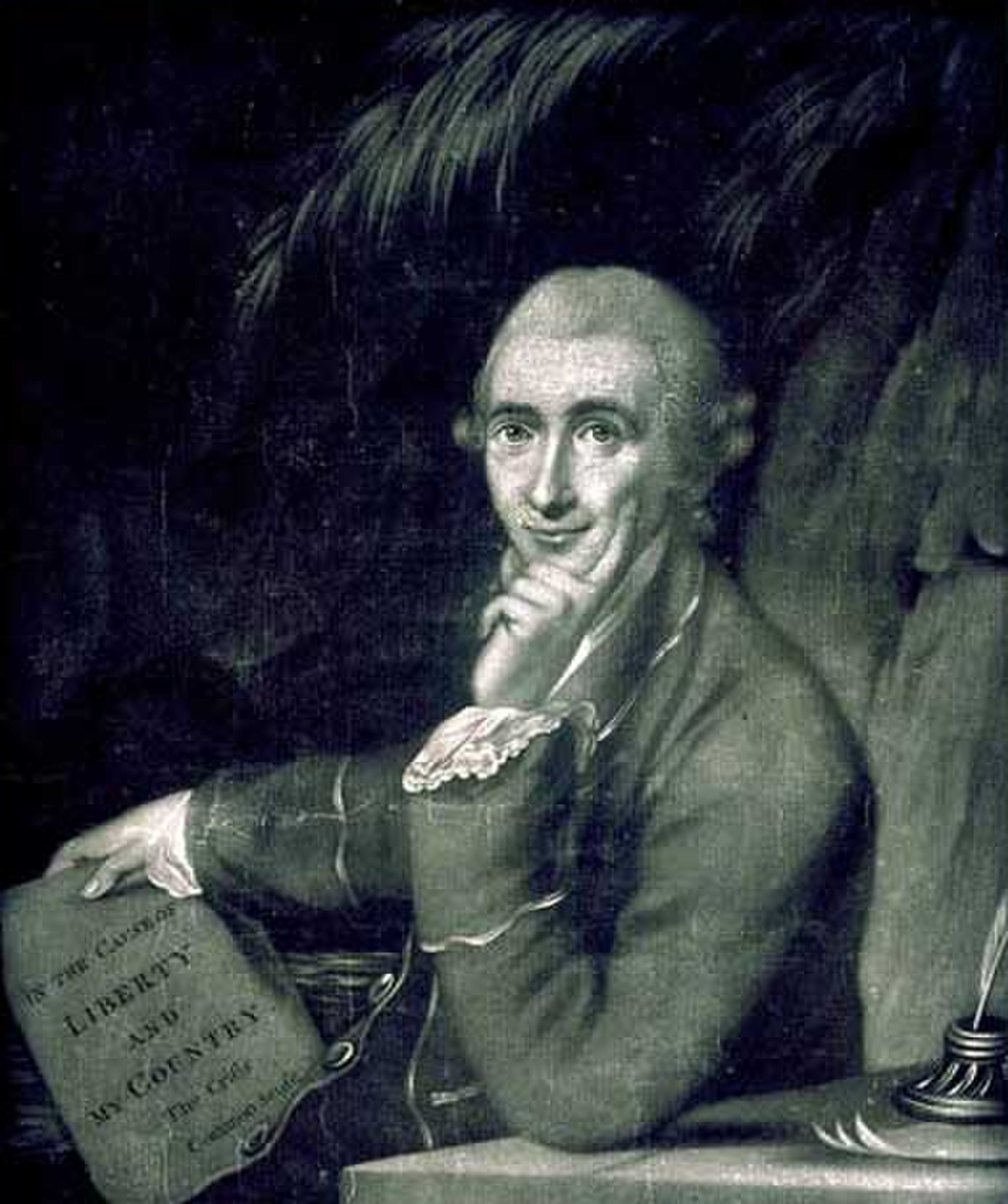
“I love the man that can smile in trouble, that can gather strength from distress, and grow brave by reflection. ‘Tis the business of little minds to shrink; but he whose heart is firm, and whose conscience approves his conduct, will pursue his principles unto death.”
From The American Crisis by Thomas Paine which was published on December 19, 1776.
Image: Thomas Paine by James Watson, after Charles Willson Peale mezzotint, 1783 via Wikimedia Commons, public domain
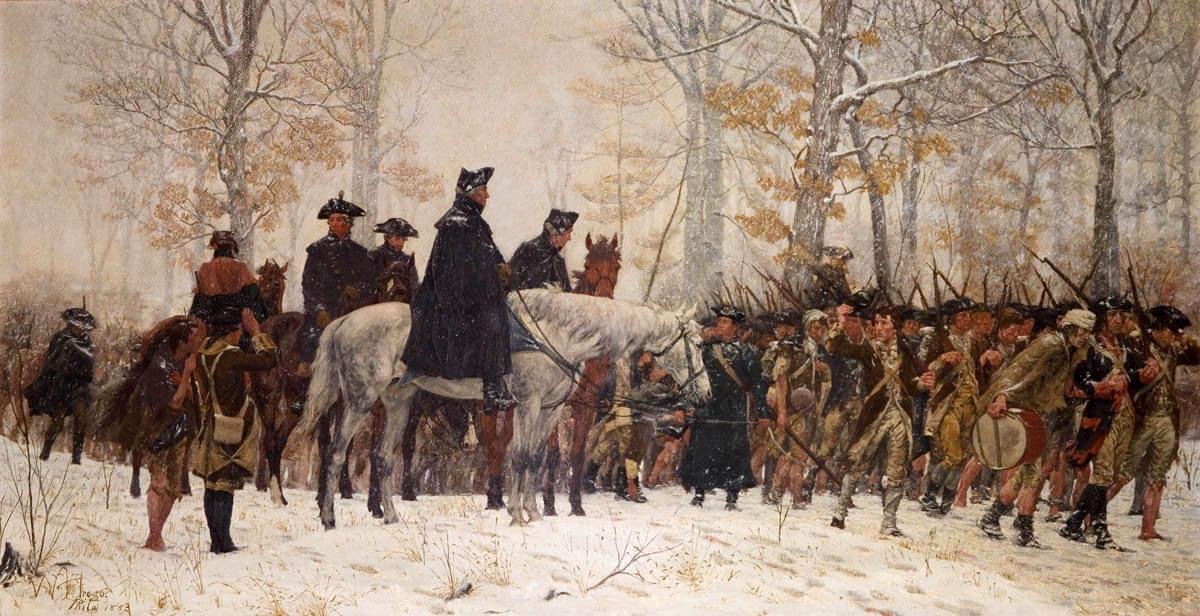
“March to Valley Forge”
Painting of George Washington leading his Continental Army to Valley Forge by American artist William B. T. Trego
On December 19, 1777 Washington led his beleaguered Army into winter quarters at Valley Forge in Pennsylvania.
Image via Wikimedia Commons, public domain
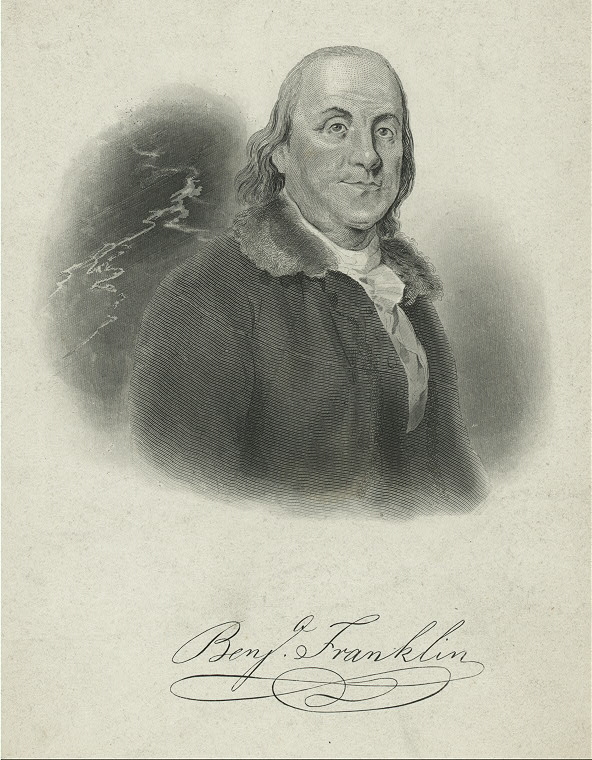
“Blessed is he that expects nothing, for he shall never be disappointed.”
A quote from Benjamin Franklin’s Poor Richard’s Almanack.
On December 19, 1732, Ben Franklin first published his Poor Richard’s Almanack.
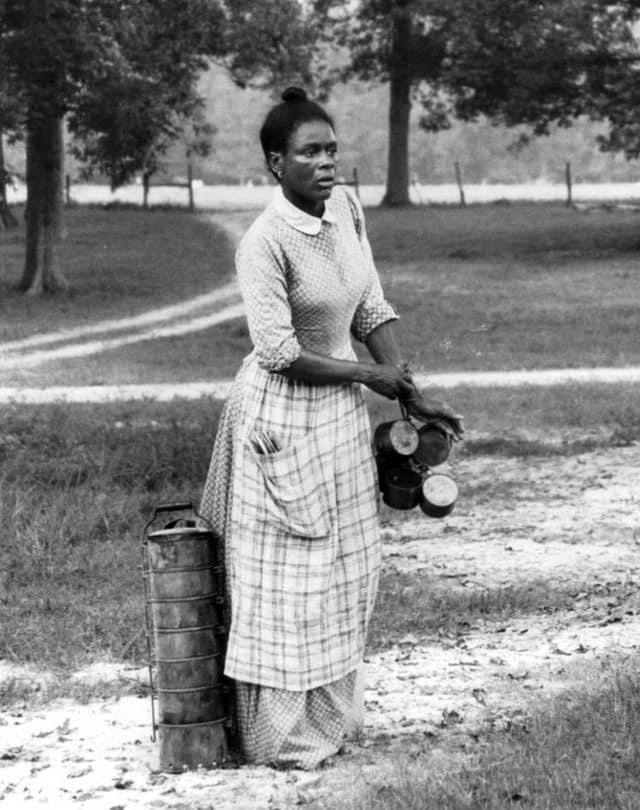
Actress Cicely Tyson was born on December 19, 1924 and played many outstanding roles between 1956 and 2017. She was the winner of an Academy Award, a Tony, and several Emmy’s, one for The Autobiography of Miss Jane Pittman, shown here in that role. She was also married to jazz trumpeter Miles Davis.
Image via Wikimedia Commons, no known copyright
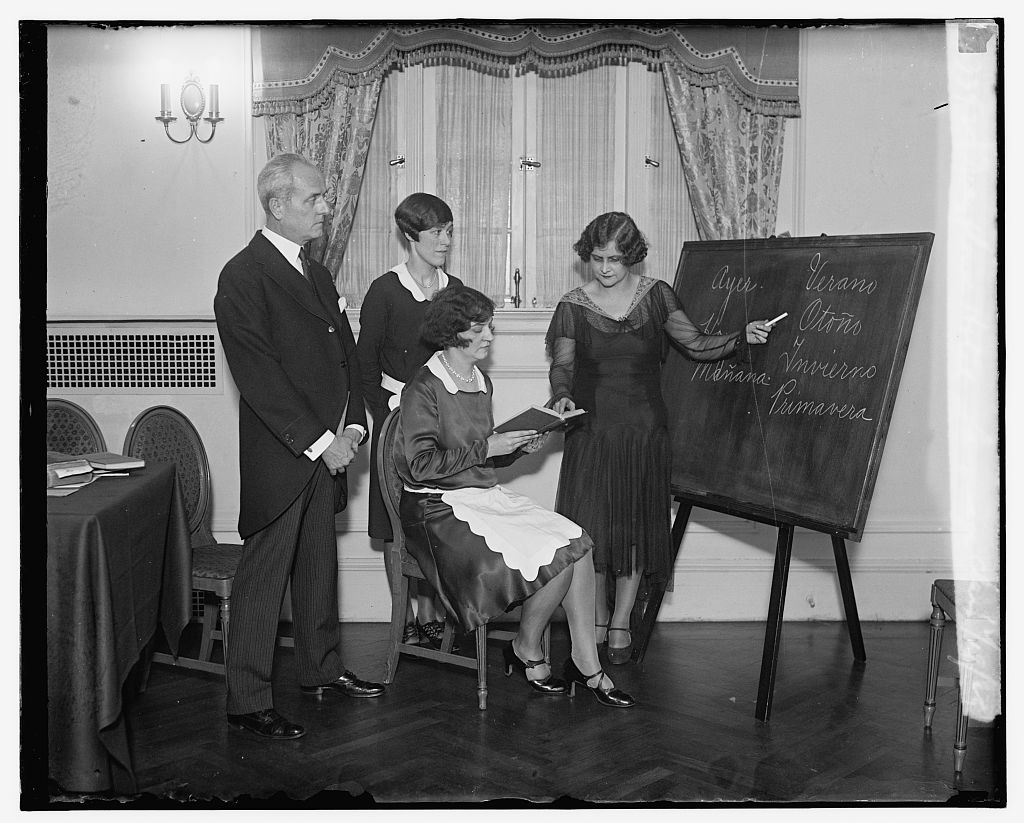
Employees of the Mayflower Hotel in Washington, D.C. learn “yesterday,” “today” and “tomorrow” and the four seasons in Spanish during language class on December 19, 1929.
Image via LOC, no known restrictions

On December 19, 1967, US Marines of G/2/7, First Maine Division paused in the fighting north of Vietnam’s Da Nang to warm themselves by a small fire.
Image by Corp. G.G. Davenport, USMC Archives, CCA 2.0 Generic via Wikimedia Commons
“Every form of suffering came at once that winter,
in that section of Tennessee. While the inclement
weather was at its worst, the men were suffering
from short rations, consequent on their distance from the base of supplies, and the lack of railroad communication. They were in the enemy’s country, which had been stripped and peeled for the sustenance of their own troops. It was impossible to keep the large army in that vicinity fully supplied, until the railroad from Nashville was completed and that was being pushed forward with all possible despatch. Whole brigades were called out to receive as their daily rations three ears of corn to a man, while the horses and mules were served more generously. For the famished beasts had not the spirit of the American soldiers to keep them alive, whether well fed or not. And yet so wild with hunger were many of the men, that a guard stood over the animals while they were feeding, to protect them from the pilfering of the soldiers and this did not always restrain them.”
From: My story of the war: a woman’s narrative of four years personal experience as a nurse in the Union Army, and in relief work at home, in hospitals, camps, and at the front, during the War of the Rebellion by Mary Livermore
https://archive.org/details/mystoryofwarwoma00liveuoft/page/524/mode/2up?q=Winter
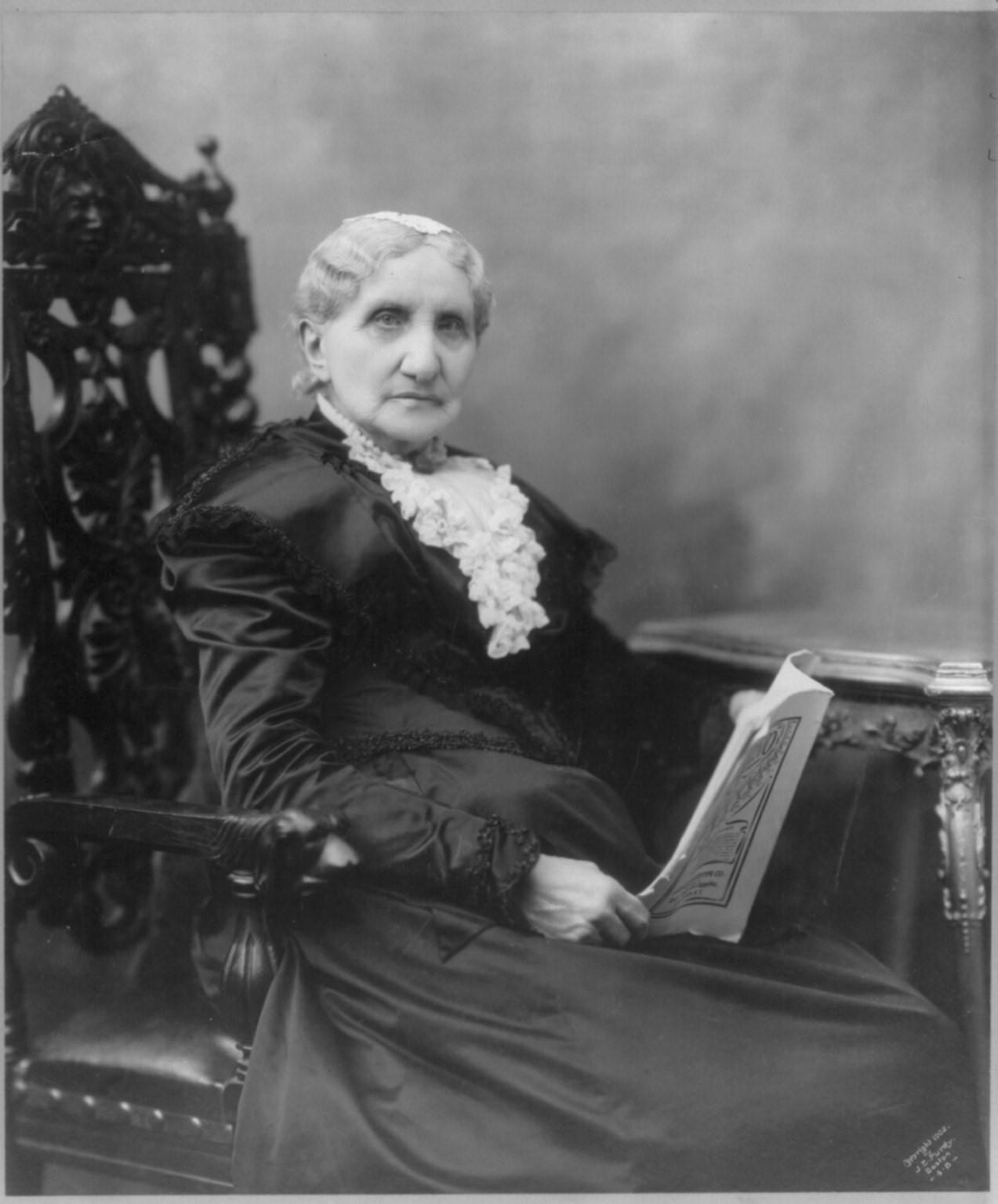
Mary Livermore was born on December 19, 1820 in Boston, Massachusetts.
Image of Mary Livermore c. 1902 via Wikimedia Commons, public domain
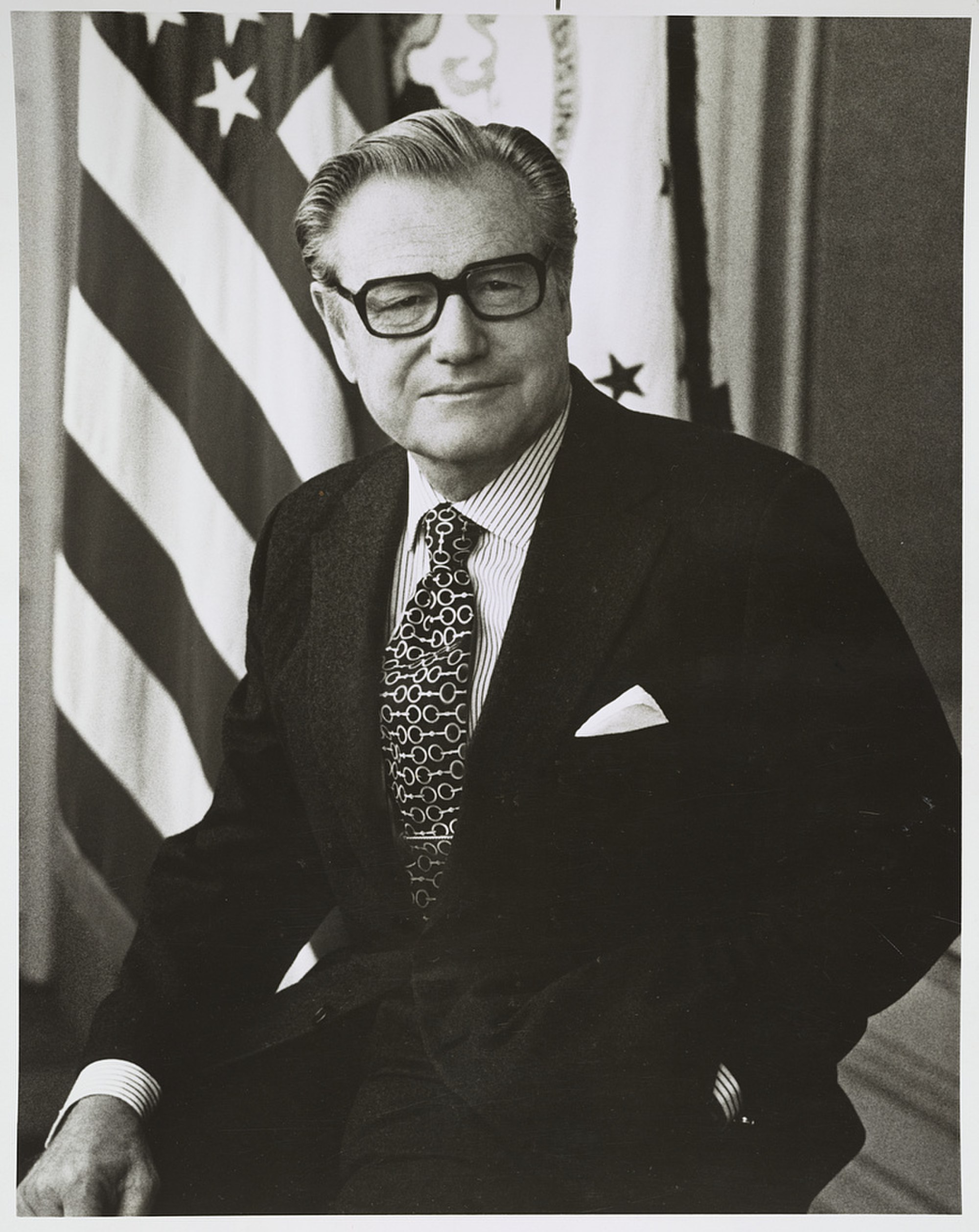
Nelson Rockefeller was sworn in as the 41st Vice President of The United States on December 19, 1974.
Image via Wikimedia Commons, public domain
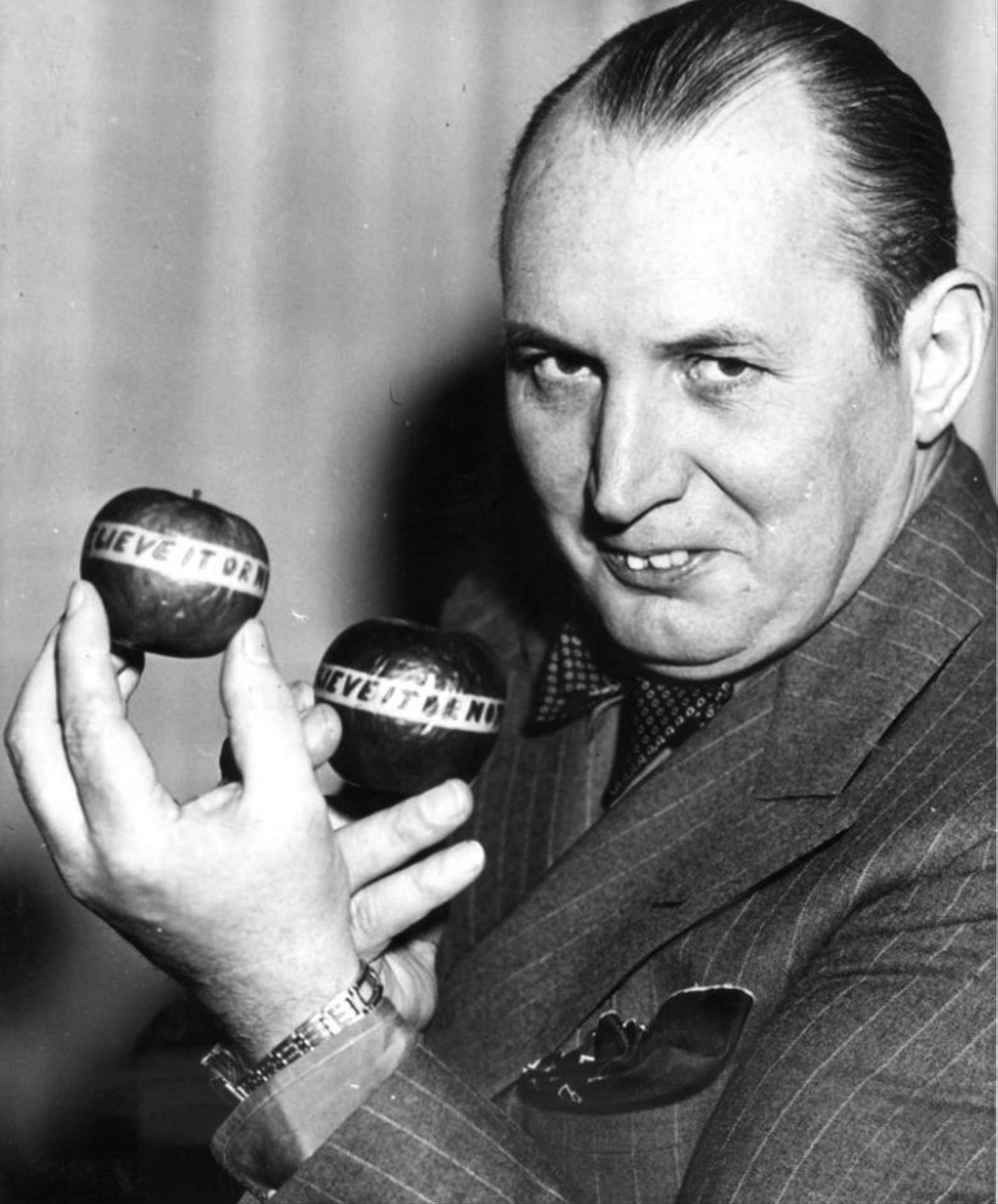
Believe It, or Not!
The popular comic strip which eventually became a franchise by Robert Ripley first started as a sports cartoon called “Champs and Chumps” on December 19, 1918.
Image via Wikimedia Commons, public domain
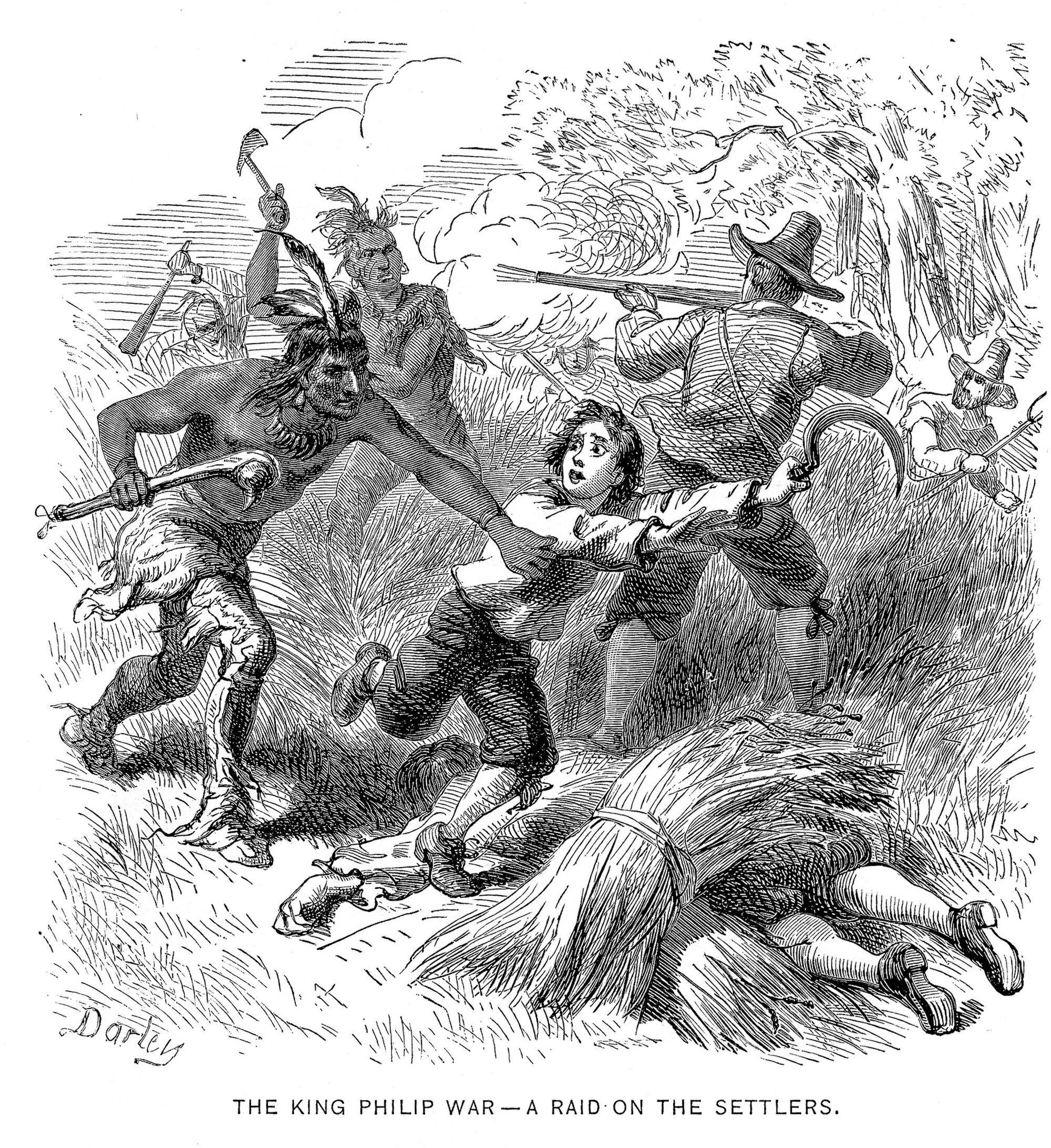
On December 19, 1675, colonial armies from Massachusetts, Plymouth and Connecticut led an attack against a Narragansett Indian settlement in the swamps of Rhode Island. It was a retaliation for a hostile raid against colonists four days earlier that led to the deaths of 15 settlers. The event was a significant battle during the King Philip’s War.
Image via Wikimedia Commons, no known restrictions
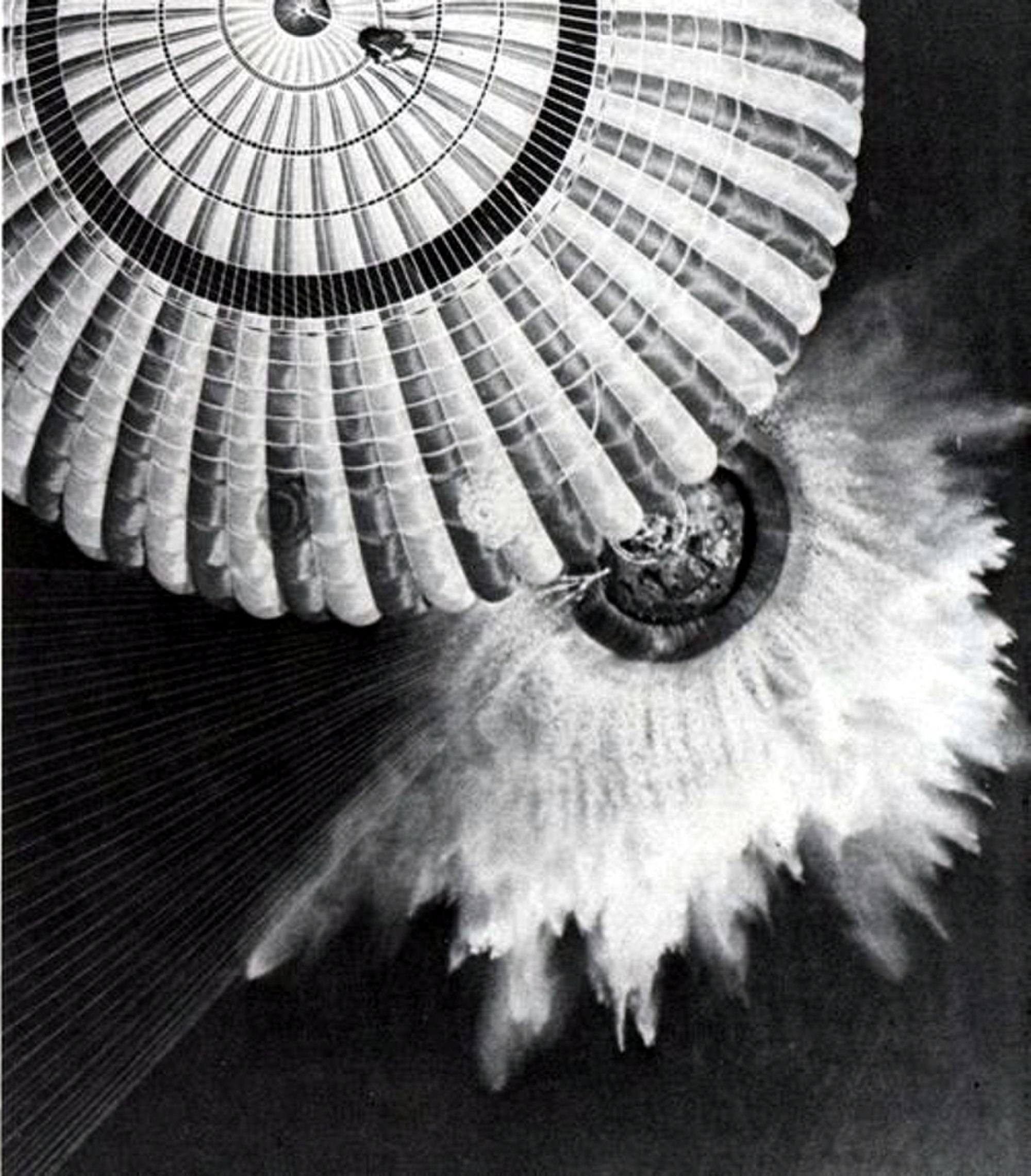
Splashdown of the Apollo 17 command module in the Pacific Ocean on December 19, 1972
Image via Wikimedia Commons, no known restrictions

Starting on December 19, 1962, America became the temporary guardian of the world’s most famous smile. The Mona Lisa crossed the Atlantic aboard the S.S. France, greeted by motorcades and presidents, and drew over a million awestruck visitors in Washington and New York. Her brief stay was more than an art exhibition—it was a moment of cultural diplomacy, proving that a single painting could captivate a nation and symbolize a bridge between continents
Image via Wikimedia Commons, no known restrictions

Jennifer Beals was born on December 19, 1963 in Chicago, Illinois.
She played the role of Alexandra “Alex” Owens in the 1983 film Flashdance.
One interesting note for our Pennsylvania readers on the movie Flashdance…
While the setting for the film is Pittsburgh,
PA; the popular song “Maniac” from the movie was co-written and sung by Michael Sembello from Philadelphia, PA.
Image from Towpilot – CC BY-SA 3.0 via Wikimedia Commons
Lucy Goodell Blake
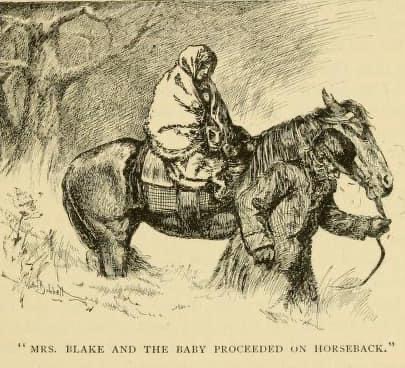
“It was in the winter of the year 1821. Mr. Harrison G. Blake set out on the 19th of December from Salem, New York, with his wife and one child about fourteen months old, to visit his parents in Marlboro, Vermont. They traveled in a sleigh with one horse, and stopped for the night at a tavern in the town of Arlington at the foot of the Green Mountains. The next day they continued on their journey in good spirits, for the snow was only about six inches deep, the landlord had told them that the road was good, and that they would have no difficulty in getting across the mountains. Being thus assured, they began the ascent, but after going two or three miles they came to the end of any trodden road. The snow here was about three feet deep. Still they continued to make the best of their way forward, until their horse became so fatigued that they had to leave the sleigh. Mrs. Blake and the baby proceeded on horseback, with Mr. Blake traveling on foot by their side. Finally the strength of the horse was utterly exhausted, and he would go no farther.
The case was now desperate, but they could not remain where they were in the storm and the deep snow. The weather was extremely cold, and they were liable to freeze to death. Nothing remained for them then but to walk, but this was very difficult. When it seemed that Mrs. Blake could go no farther, her husband went forward alone in search of help. They agreed to answer each other by loud calls as long as they could be heard.
The darkness of the night had gathered around them, and they were in the middle of a gloomy forest which was nine miles in extent. Mr. Blake had given his warm mittens to his wife and had wrapped his overcoat around her and the child. Under these circumstances Jack Frost was playing havoc with him faster than he knew. His feet and legs refused to obey his will; his fingers were numb, and he could not tell what the matter was, but by striking his hands against a tree he found that they were frozen. Still he went on until he was so exhausted that he could not walk, and even then he tried to crawl forward by laying a stick before him and drawing himself forward to it. Soon he found himself utterly unable to move. He and his wife were still within call, and she asked him if he was likely to obtain help. He replied that he could get no farther. Thereupon she answered that she would come to him and they would die together, but the snow was so deep that she could not reach him. They both continued to call for help, and at last their outcries were heard by people at the nearest house.
It happened that a Mr. Richardson had gone over the mountain and was expected back, but had not returned. Mr. Richardson’s son, learning that cries had been heard in the forest, started out at eleven o’clock at night on the 20th of December, hoping to find his father, who he supposed was the one in distress. He did not find his father, but he came upon Mr. Blake, who by that time was senseless, with hands and feet badly frozen. The young man rubbed the frozen limbs, gave him some spirits which he had brought with him, took him up and carried him to the nearest house.
When Mr. Blake had so far recovered as to be able to say that his wife and child were still on the mountain, Mr. Richardson with one other man started to find them. Mrs. Blake was discovered about forty rods beyond the place where her husband had been found, but it was too late to save her life. The rescuers pushed onward, searching for the child, and found it, under the snow, about one hundred and fifty rods farther. The mother had wrapped the child in her own cloak, the father’s overcoat, and the blanket that had been taken from the sleigh. When the babe was lifted out of the snow it awakened from its quiet sleep and looked up to its rescuers with a smile. Mrs. Blake had done all that the mother instinct could do to save the life of her child. She had died, but the child and the father lived.
The family afterward moved to Ohio, where the little girl, thus saved from death by freezing, at the cost of the mother’s life, lived to a good old age and died in the city of Cleveland a few years ago. She had a brother two years older than herself, who was named after his father, Harrison Gray Blake. This brother came to be a well-known public man in Ohio. He served that State two years in the House of Representatives, was Speaker of the House, and was twice elected to the State Senate before he was thirty years of age. He was twice elected to Congress, and, as a member of the Committee on Post-offices, he framed and secured the passage of a bill which gave to the country the present post-office money-order system. He served in the Union army during the Civil War, and at one time was Colonel of the 166th Ohio regiment. After the war he was again and again chosen mayor of Medina.
The bravery of this heroic mother was many years ago made the subject of the following poem by Seba Smith, of Maine, well known as the author of the “Major Jack Downing Letters.” It was originally published in the “Eastern Argus,” Portland, Maine.
THE SNOWSTORM…
The cold winds swept the mountain height,
And pathless was the dreary wild.
And ‘mid the cheerless hours of night
A mother wandered with her child;
As through the drifted snows she pressed.
The babe was sleeping on her breast.
And colder still the winds did blow,
And darker hours of night came on,
And deeper grew the drifts of snow —
Her limbs were chilled, her strength was gone;
“O God!” she cried in accents wild,
“If I must perish, save my child!”
She stripped her mantle from her breast.
And bared her bosom to the storm.
As round the child she wrapped the vest
And smiled to think her babe was warm.
With one cold kiss one tear she shed,
And sank upon a snowy bed.
At dawn a traveler passed by;
She lay beneath a snowy veil —
The frost of death was in her eye —
Her cheek was cold, and hard, and pale.
He moved the robe from off the child —
The babe looked up and sweetly smiled.”
From: American Heroes and Heroism by William Augustus Mowry – published in 1903 via Internet Archive
https://archive.org/details/americanheroeshe00mowr/page/142

Thomas Edison with motion picture manufacturers, licensees of the Motion Picture Patents Co.
December 19, 1908

On December 19, 1843 — just one year after his first visit to America — Charles Dickens published A Christmas Carol. During that 1842 journey, recorded in American Notes, he was often critical of American society, yet his observations of poverty and social struggle in places like Lowell, Massachusetts sharpened his sense of injustice. Those impressions helped shape the tale’s urgent themes of compassion and redemption. Within weeks, the story crossed the Atlantic, where American readers embraced it, and by the late 19th century it had become a cornerstone of Christmas traditions on both sides of the ocean.

“Entrapment” — a legal defense claiming that law enforcement induced a person to commit a crime they were not otherwise predisposed to commit — was formally recognized by the U.S. Supreme Court in Sorrells v. United States on December 19, 1932. In this landmark ruling, the Court overturned a conviction after federal agents pressured a man into obtaining liquor during Prohibition. For the first time, the justices declared that when entrapment is raised, prosecutors must prove the defendant was already inclined to commit the crime. This groundbreaking decision set the foundation for entrapment law in America, balancing government power with individual rights and reshaping how justice is pursued.
