
 Mystery March Is Here!
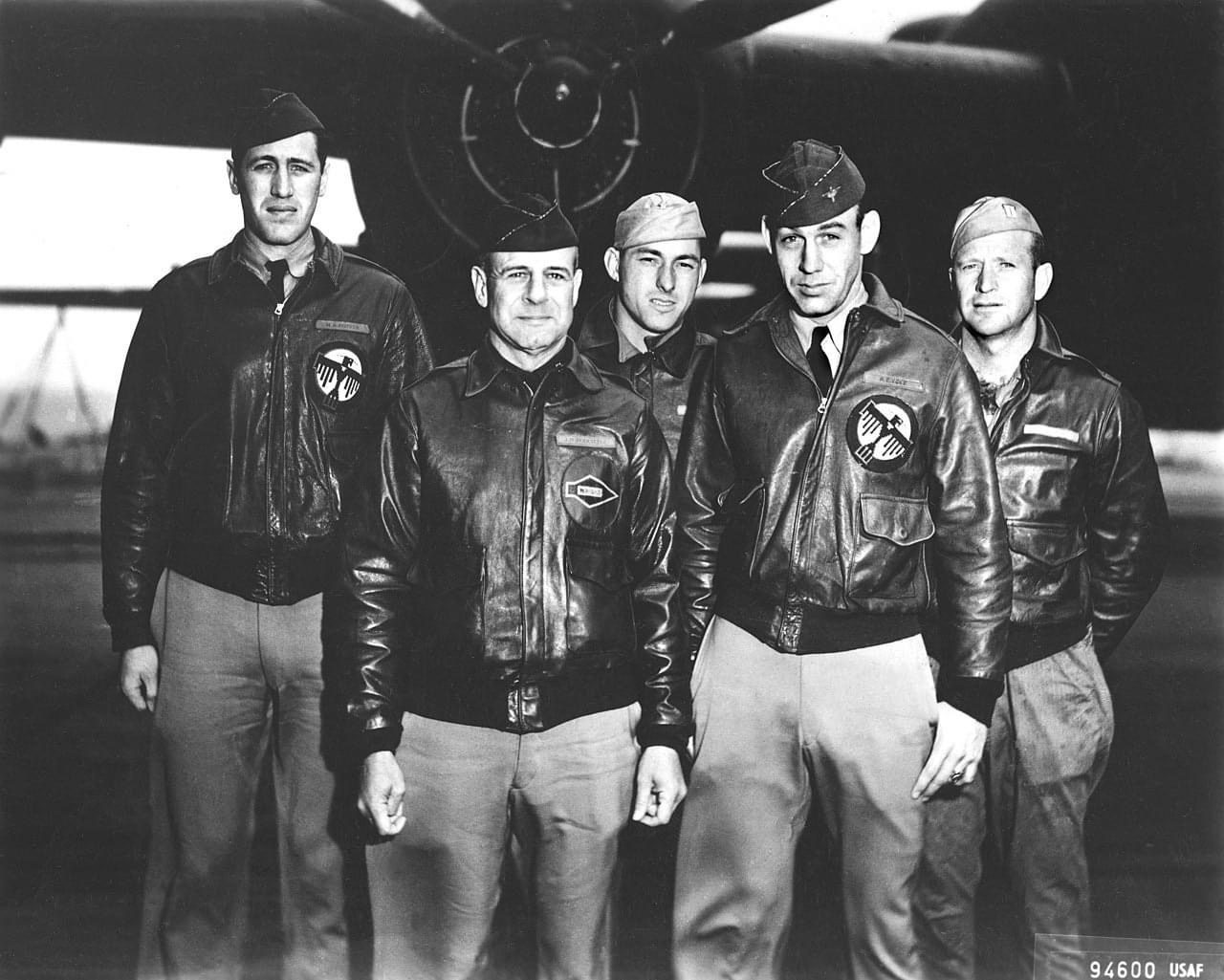
Jimmy Doolittle – pilot and recipient of the Medal of Honor was born on December 14, 1896. Doolittle led the first American air strike on Japan. He’s shown (2nd from left) with the crew of his B-25 bomber just before the daring takeoff from the carrier USS Hornet.
Image: U.S. Air Force via Wikimedia Commons, public domain in the U.S.
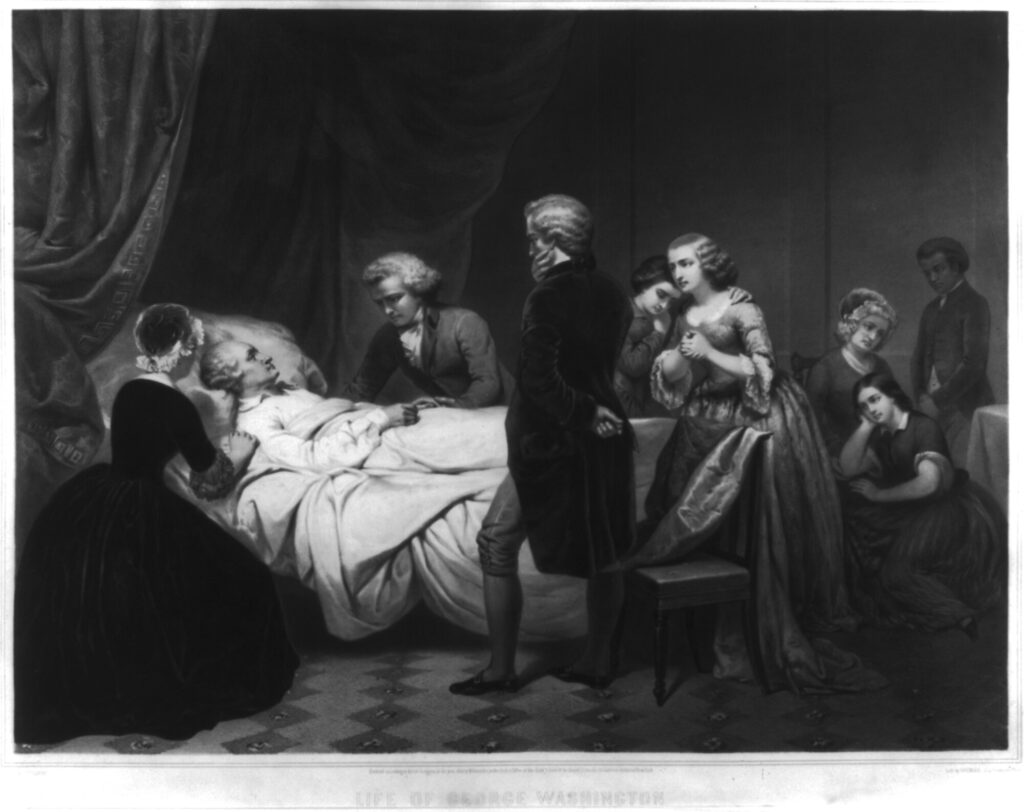
On today’s date December 14, 1799, George Washington spoke his last words, “Tis Well” at Mt. Vernon. He was 67 years old.
Image: George Washington on his deathbed via Wikimedia Commons
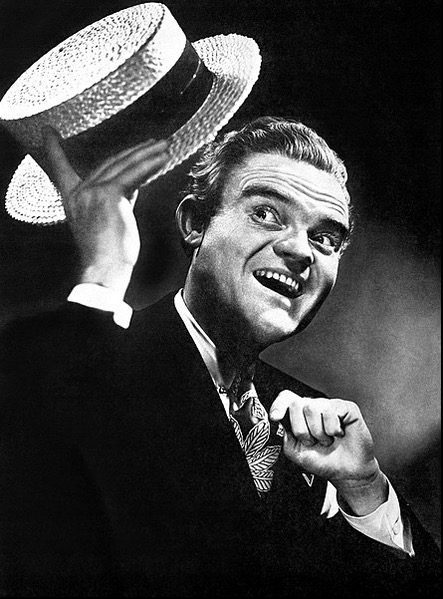
Born December 14, 1911 Lindley Jones, better known as Spike, had a string of novelty songs in the 1940s. His most timely, though, recorded December 6, 1947, is “All I Want for Christmas Is My Two Front Teeth.” The song was written a few years earlier by observant elementary school music teacher Donald Gardner.
Image via Wikimedia Commons, no known copyright, public domain in the US.
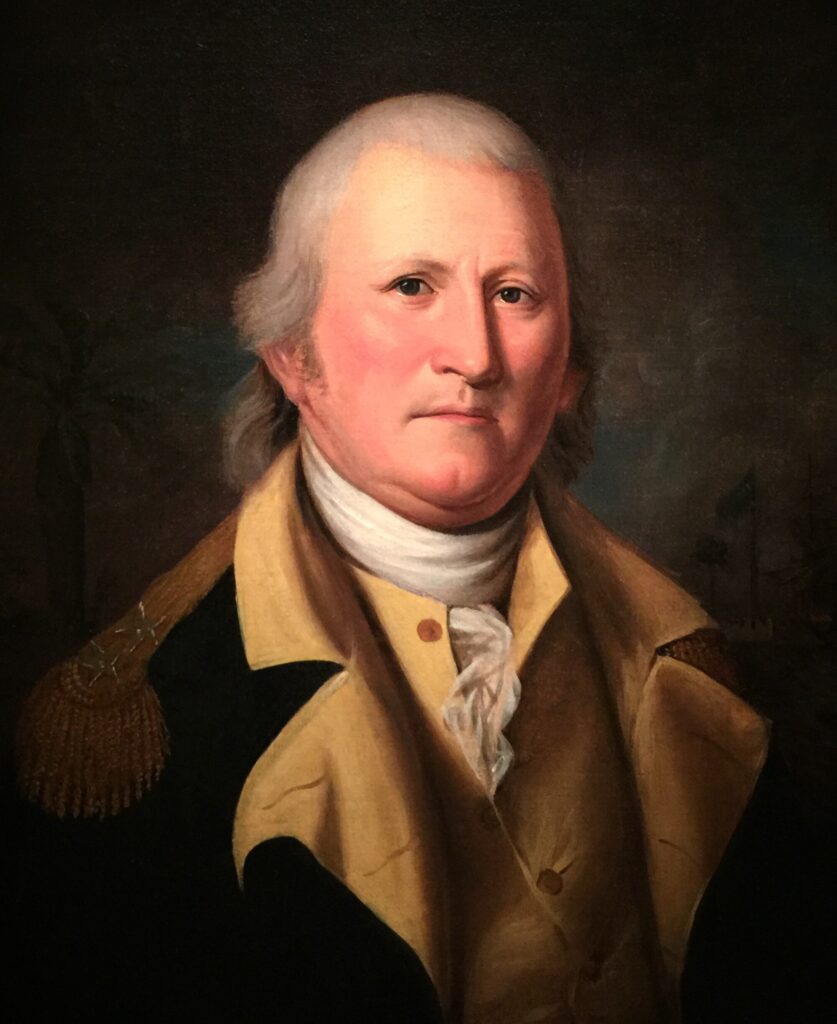
“the fourteenth day of December, 1782, ought never to be forgotten by the Carolinians”
…was a quote by American General William Moultrie after the British evacuated Charlestown following more than two years of occupation.
Moultrie was exchanged for British General John Burgoyne earlier that year in Philadelphia.
Image via Wikimedia Commons, public domain in the U.S.
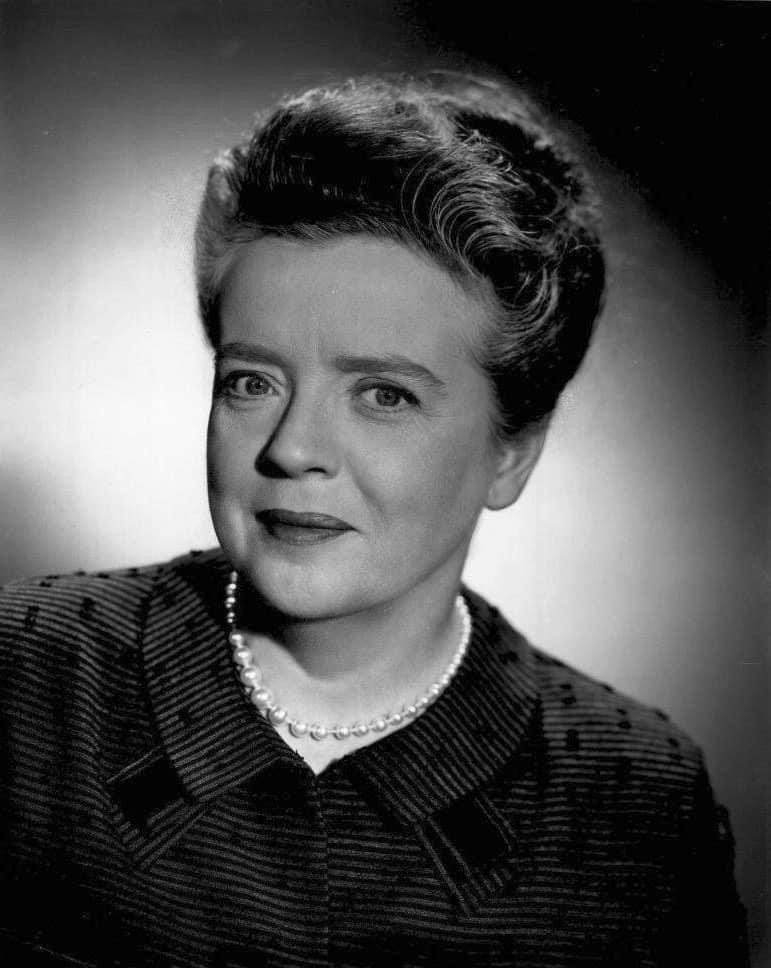
The actress best known for her role as Aunt Bee on ‘The Andy Griffith Show” and “Mayberry RFD, Frances Bavier, was born on December 14, 1902. The town of Siler City, NC was mentioned so often on the show that Bavier retired and spent the rest of her life there.
Image via Wikimedia Commons, no known copyright, public domain.
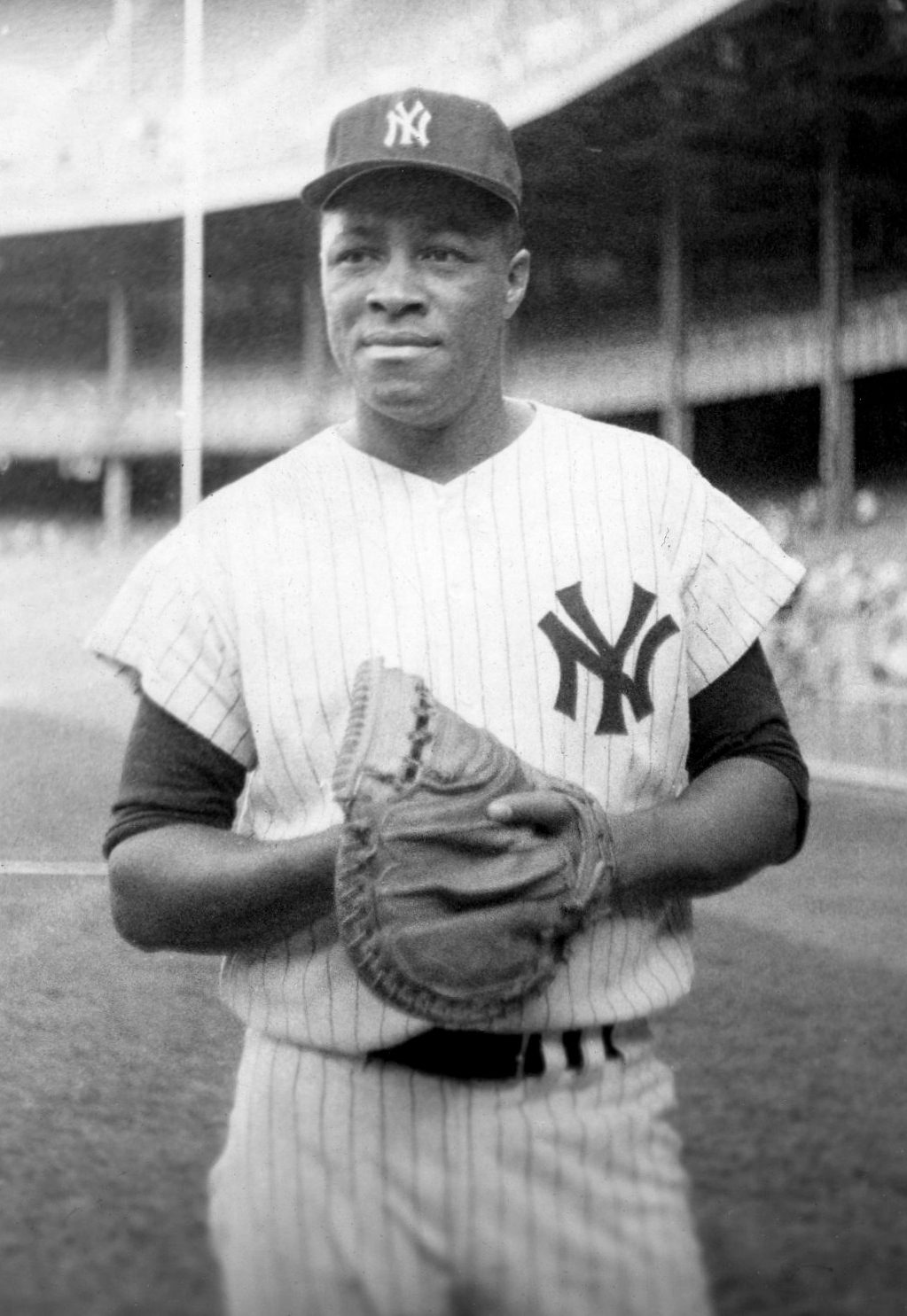
Korean War veteran, six-time World Series Champion and the first African American baseball player of the New York Yankees, Elston Howard, passed away on December 14, 1980 due to a heart condition. He was 51.
Image from Arnie Lee, CC BY 3.0 via Wikimedia Commons
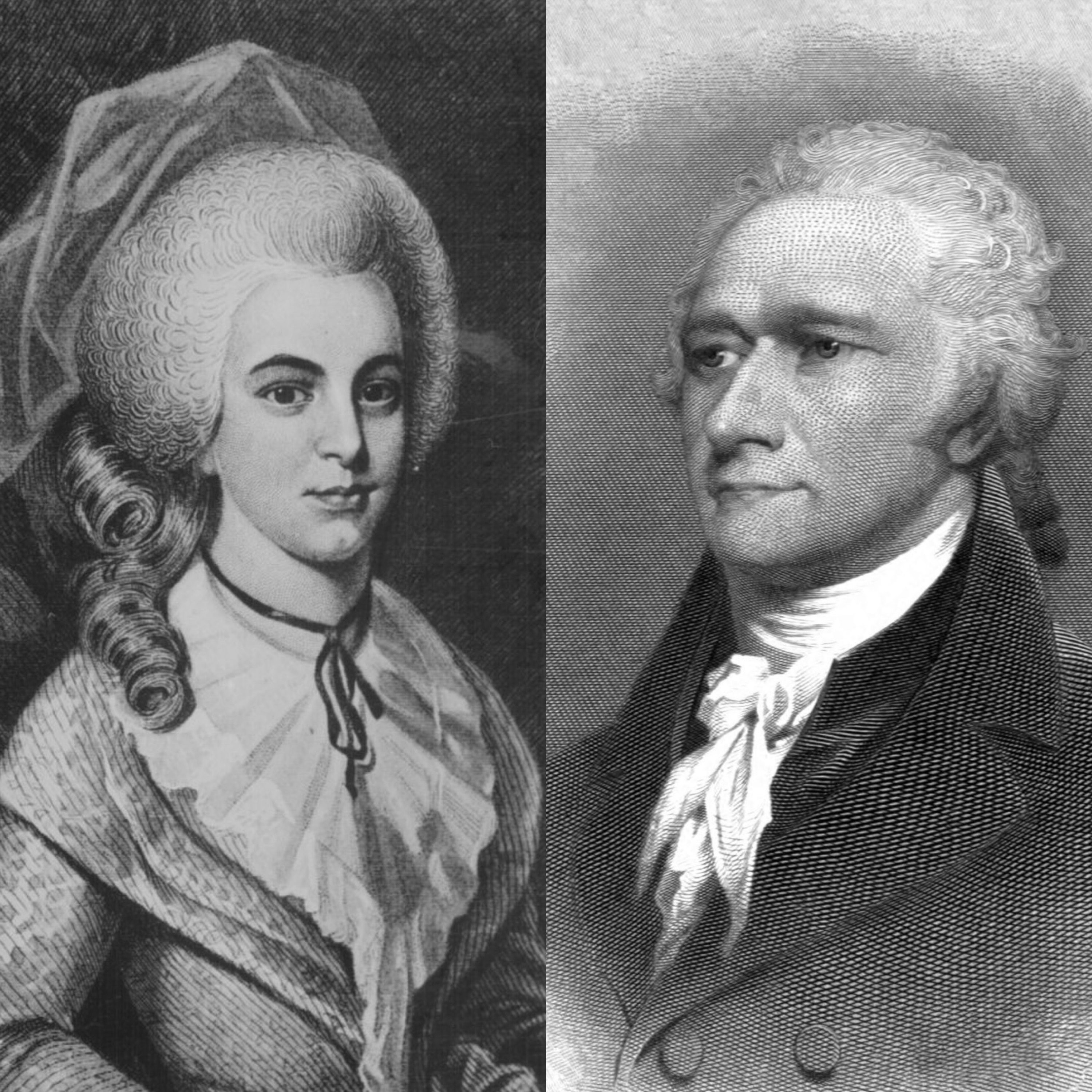
Elizabeth Schuyler & Alexander Hamilton were married at the Schuyler Mansion in Albany, N.Y. on December 14, 1780. The Revolutionary War was still underway.
Image via Wikimedia Commons, public domain in the US.
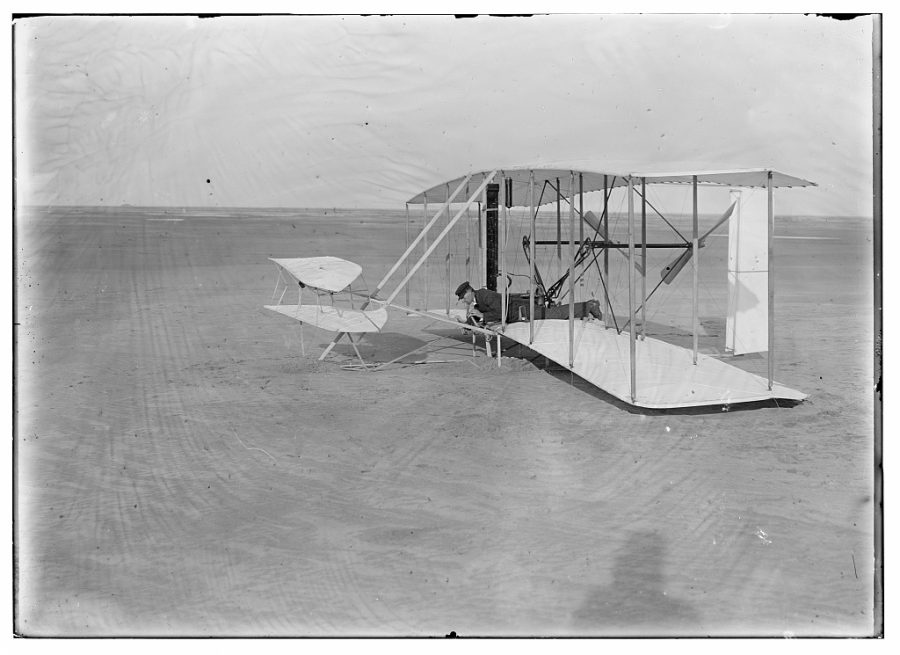
“Wilbur in prone position in damaged machine on ground after unsuccessful trial of December 14, 1903; Kitty Hawk, North Carolina.” Three days later the Wright Bros. made history. (If you don’t succeed…?)
Image via LOC, no known restrictions

On December 14, 1959, the Dave Brubeck Quartet issued “Time Out”, the first jazz album to sell a million copies. The quartet, with Brubeck on piano, is shown circa 1967. If you’re not familiar with “Take Five” off the album you owe yourself a listen. Now, don’t you feel slightly cooler, having seen this?
Image by dontworry, CCA-SA 3.0 Unported via Wikimedia Commons.

On December 14, 1985, a woman named Wilma Pearl Mankiller became the first female Principal Chief of the Cherokee Nation.
Image via Alamy
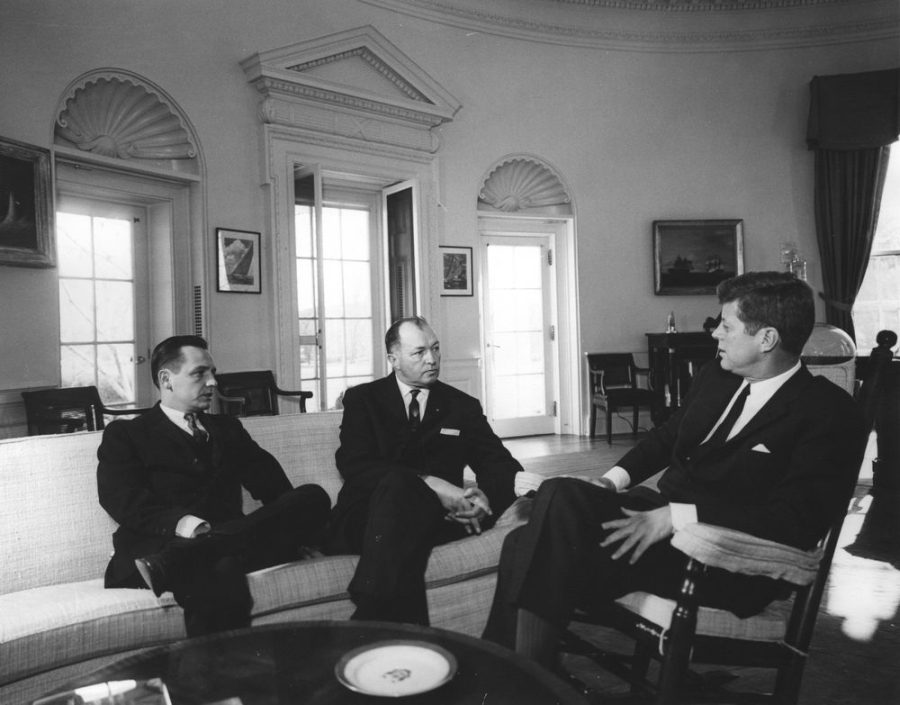
President John F. Kennedy (in rocking chair) meeting with the Governor of Tennessee, Buford Ellington (center), and publisher of the Nashville Tennessean, Amon Carter Evans (left) at the Oval Office in The White House. December 14, 1962 via Wikimedia Commons, public domain
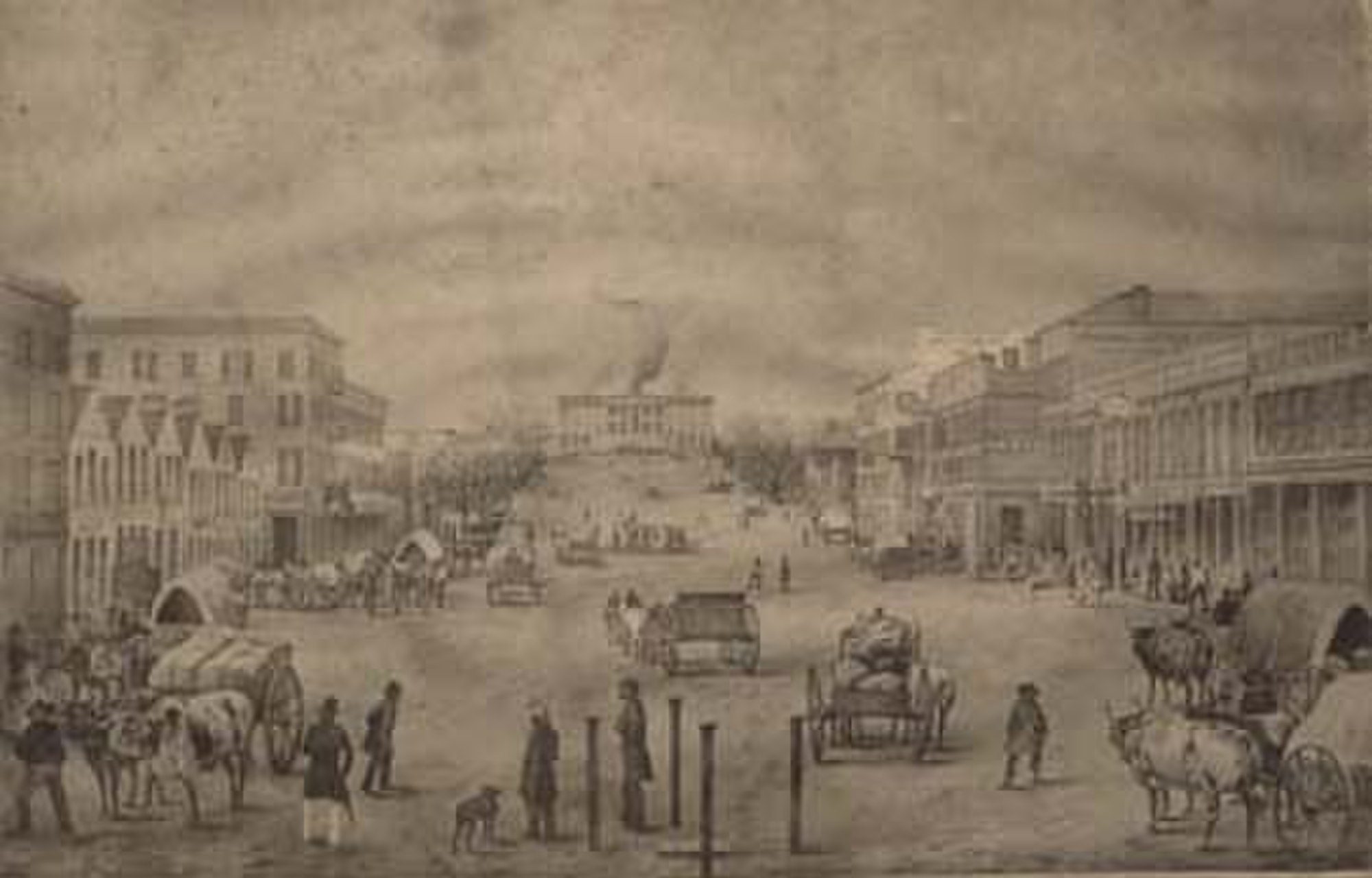
On December 14, 1819, Alabama became the 22nd state. Montgomery, Alabama became the state’s capital in 1846. Exactly 30 years after entering the Union, the capitol building in Montgomery, Alabama was destroyed by fire on December 14, 1849. A new capitol building was in use at the same spot less than two years later.
Image: Burning of the Capitol in Montgomery, Alabama on December 14, 1849 via Wikimedia Commons, public domain
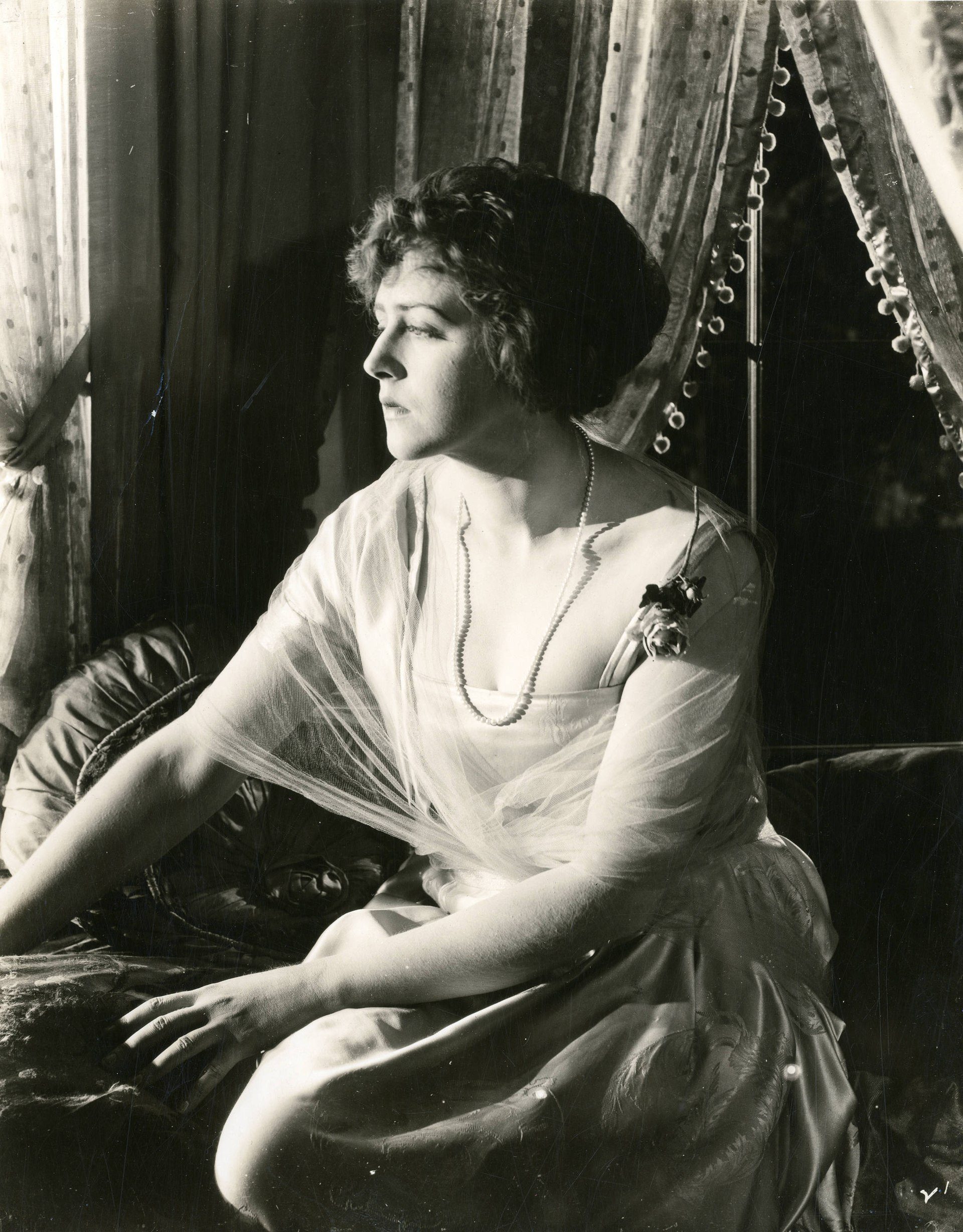
Actress Katherine MacDonald, one of Hollywood’s first female producers, was born on December 14, 1891 in Pittsburgh, Pennsylvania. Dubbed “American Beauty” Katherine was among the top paid movie stars in the early 1920s.
Image via Wikimedia Commons, no known restrictions
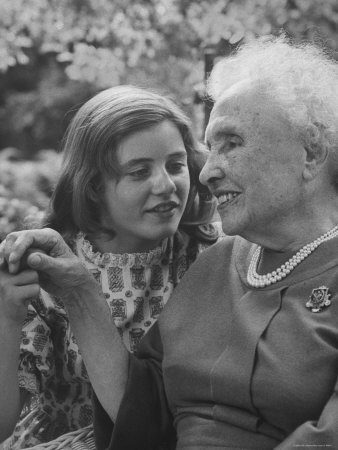
A photo of Patty Duke with Helen Keller c. 1961 On December 14, 1946, Patty Duke was born in Manhattan in New York City. In the late 1950s and early 1960s Patty Duke played the role of Helen Keller in a Broadway play and later a movie called “The Miracle Worker.” Duke also starred as Anne Sullivan in a 1979 made-for-TV version of the play.
Image via Wikimedia Commons, no known restrictions
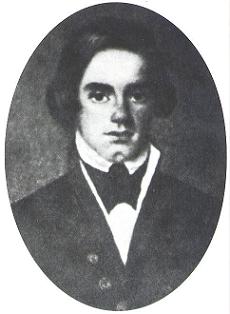
In 1814, a twenty-four-year-old lieutenant named Thomas ap Catesby Jones was ordered to take a small flotilla to observe the movements of Royal Navy and Marines near the Rigolets near present day New Orleans.
The American flotilla engaged with the British on December 14th and despite a valiant effort lost all vessels. Jones, who was injured in the conflict, was also taken prisoner for three months.
This naval battle of the War of 1812 is known as the Battle of Lake Borgne.
Jones would later serve during the Mexican-American War.
Image via Wikimedia Commons, public domain
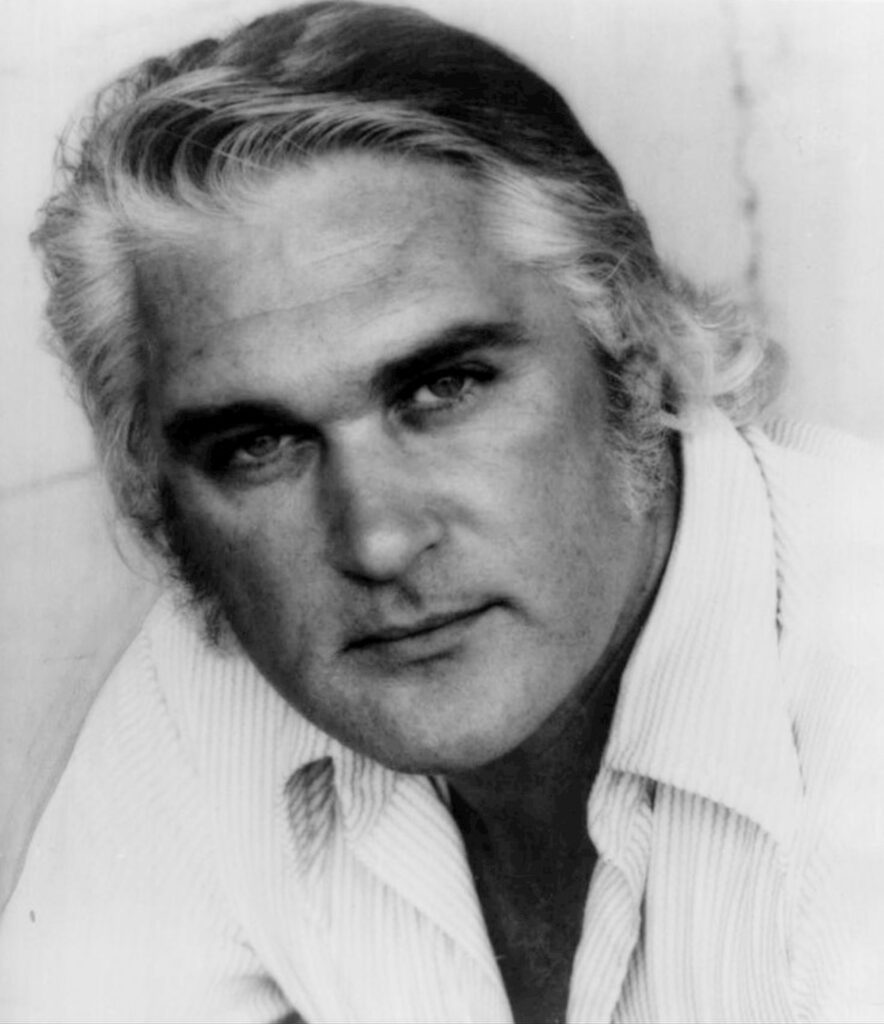
Charlie Rich, also known as the “Silver Fox” was born in December 14, 1932.
His hit song “The Most Beautiful Girl” topped three different charts in 1973.
Image via Wikimedia Commons, no known restrictions
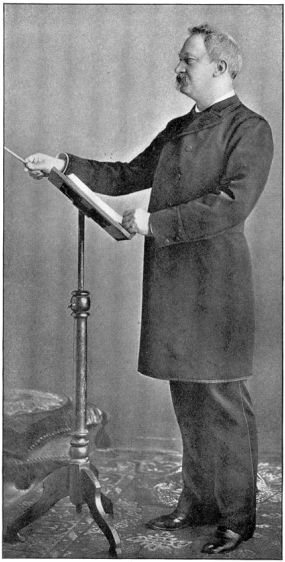
On December 14, 1904, the “Theodore Thomas Orchestra Hall” was opened in Chicago.
It was named after this man, Theodore Thomas, who was considered the first renowned American orchestral conductor.
While conducting the first concerts in the new building, Theodore Thomas caught the flu and died just a few weeks later in January of the following year.
Image via Wikimedia Commons, no known restrictions
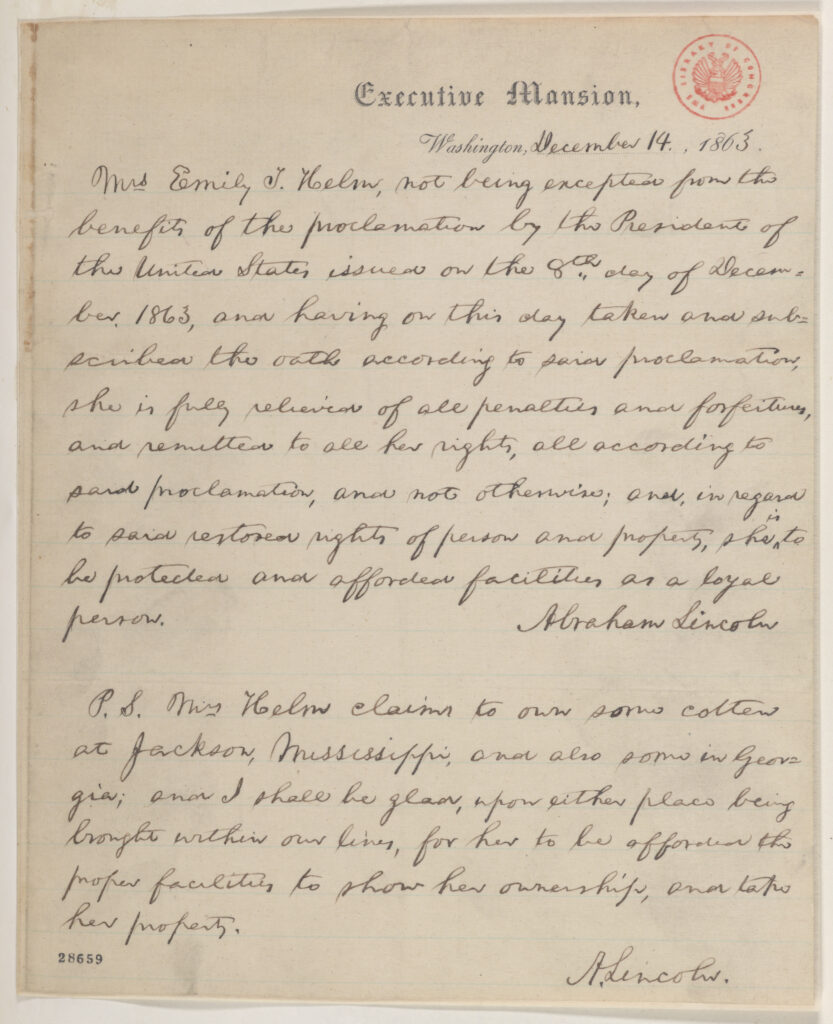
On December 14, 1863, Abraham Lincoln extended amnesty to his sister‑in‑law Emilie Todd Helm, widow of Confederate General Benjamin Helm. Just six days earlier, Lincoln had unveiled his Proclamation of Amnesty and Reconstruction, requiring loyalty oaths from former Confederates. Emilie never signed the oath, yet Lincoln’s mercy stood — a symbolic act of reconciliation that blurred the line between family and nation.
The handwritten letter Lincoln penned that day — now preserved in the national archives — goes beyond policy. In it, he affirms Emilie’s restored rights and even expresses hope she might reclaim cotton lost in Mississippi and Georgia. “I shall be glad,” he writes, “for her to be afforded the proper facilities.”
Hosting Emilie in the White House drew sharp criticism, but Lincoln replied simply: “My wife and I are in the habit of choosing our own guests.” In that gesture, he revealed both the personal cost of a war that divided households and his vision of healing a fractured Union.
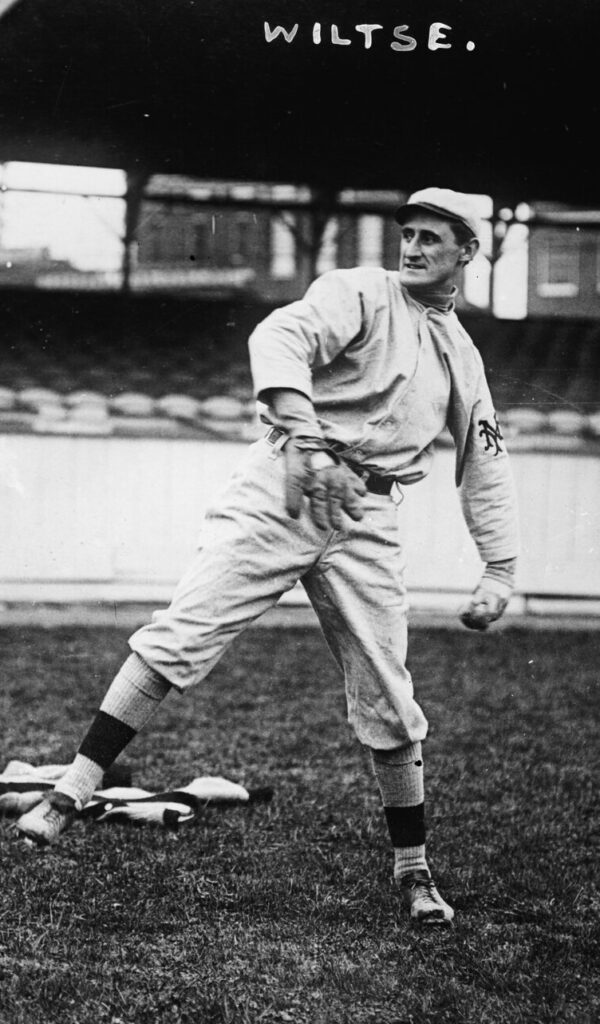
On December 14, 1913, the New York Giants defeated the Chicago White Sox 7–4 in Hong Kong, marking the first time Major League Baseball teams played in China. Veteran left‑hander Hooks Wiltse, once a star of the Giants’ pennant runs, earned the win on a makeshift field at the Happy Valley Athletic Club. There was no pitcher’s mound, and fans pressed close enough to blur the line between fair and foul territory — yet Wiltse’s curveball carried the day.
The game itself nearly didn’t happen. A scheduled contest in Shanghai three days earlier was canceled by rain, and the Hong Kong matchup was delayed until British health officials confirmed none of the players carried smallpox. When play finally began, Wiltse delivered, adding an international triumph to his storied career. In that moment, baseball crossed borders, with a veteran’s arm anchoring its debut in China.
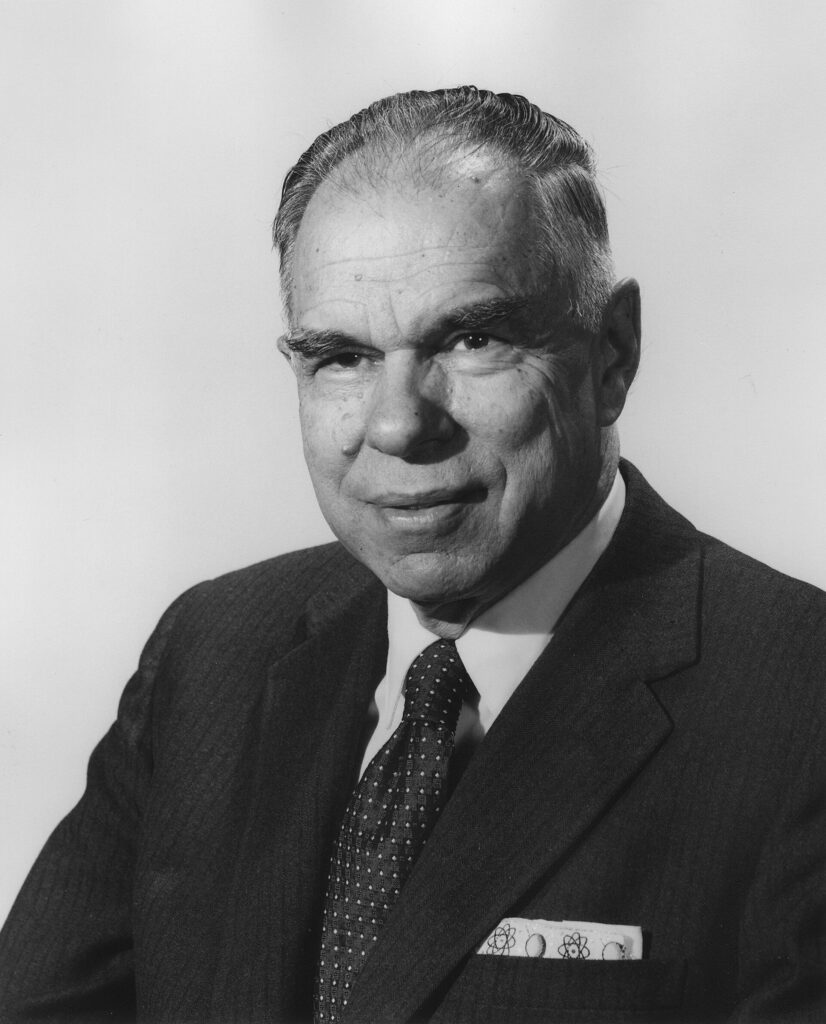
On this day in 1940, Glenn T. Seaborg and his team at Berkeley cracked the atom’s hidden code—producing plutonium (Pu) for the first time. Officially identified a few months later, this new element would power spacecraft, fuel reactors, and reshape the world.
