
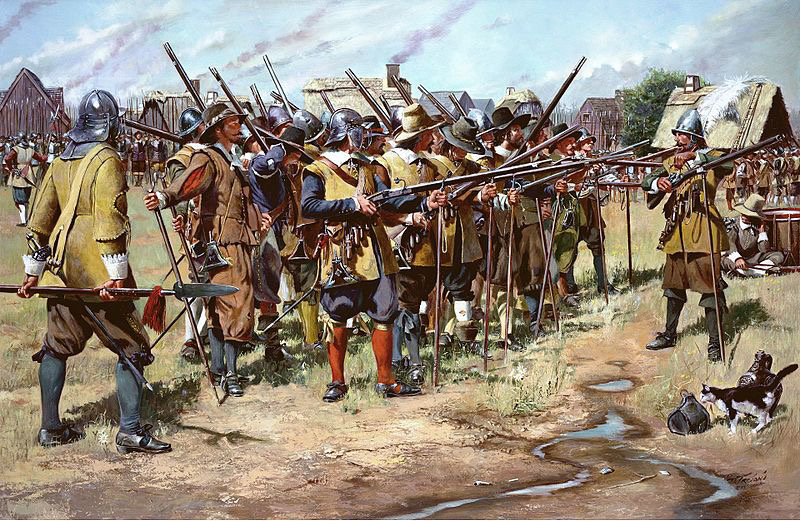
Three militia regiments were organized to defend the Massachusetts Bay Colony on December 13, 1636. This is regarded as the beginning of the Army’s National Guard, although that term was not used until 1824. Shown here is a colonial militia muster in Salem in the spring of 1637.
Image from USNGB via Wikimedia Commons, public domain in the US.
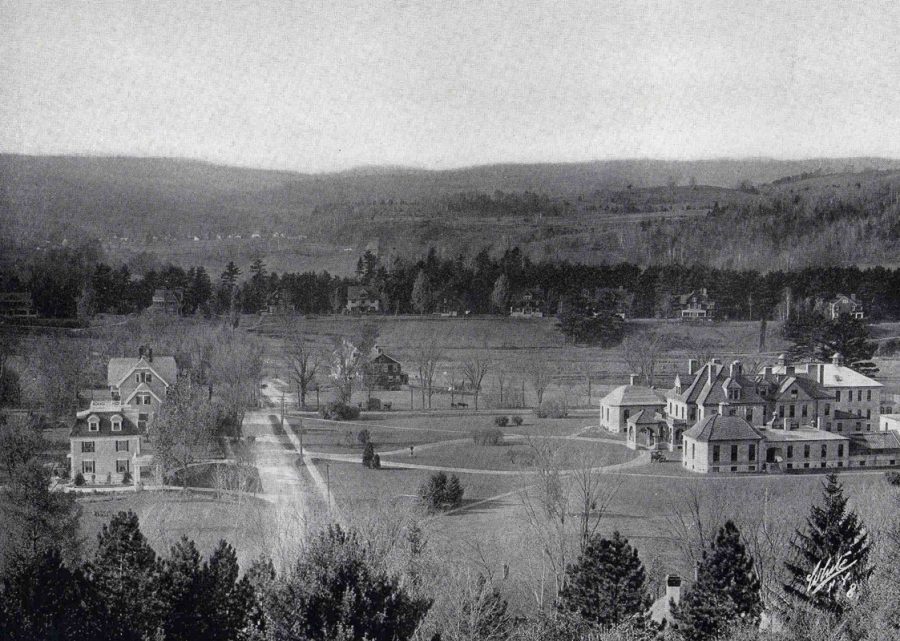
A view of Dartmouth College campus in New Hampshire from the early 1900s. It was established on December 13, 1769. Throughout its long history the college has produced an impressive list of notable alumni which includes over two dozen billionaires, 3 Nobel Prize laureates, 25 U.S. governors and one Vice President of The United States.
Image via Wikimedia Commons, public domain
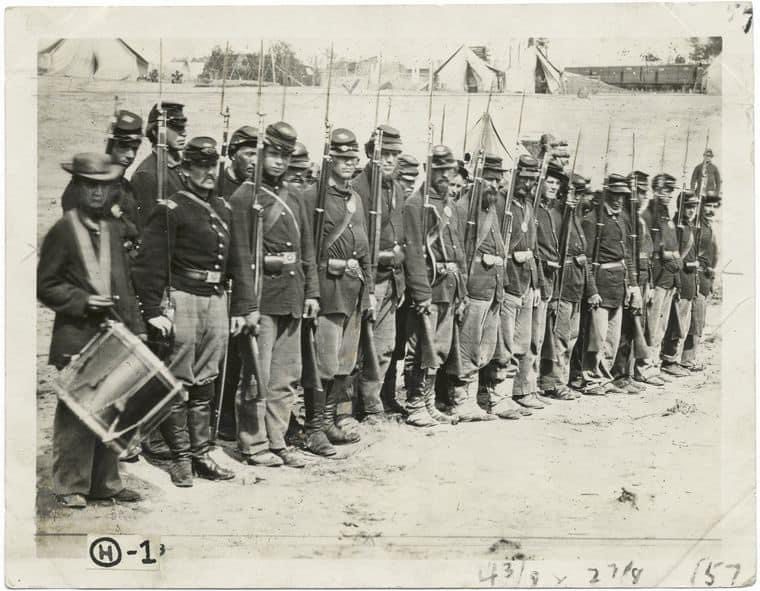
Union soldiers after the Battle of Fredericksburg The Battle of Fredericksburg was fought in December 1862. On the 13th of December the Union Army suffered heavy casualties. Thousands of Union injured were pinned down near Marye’s Heights on a frigid December evening and were unable to receive assistance due to steady enemy fire. Image via NYPL Digital Collections, no known restrictions
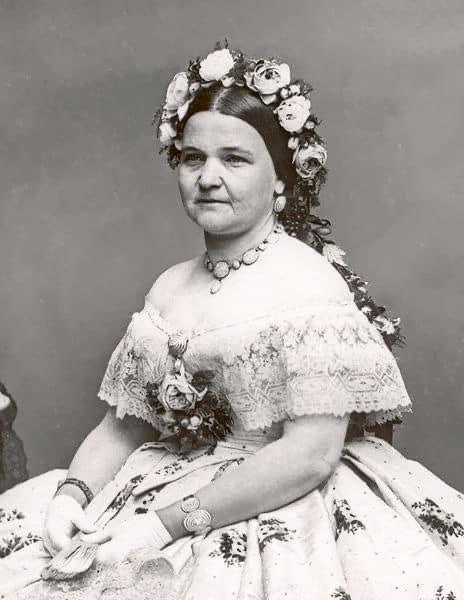
Mary Todd, wife of Abraham Lincoln, was born on December 13, 1818. Mrs. Lincoln was a controversial figure during the Civil War, endured the deaths of three of her four sons and was present at the assassination of her husband. Image via Wikimedia Commons, public domain {PD-US-expired}
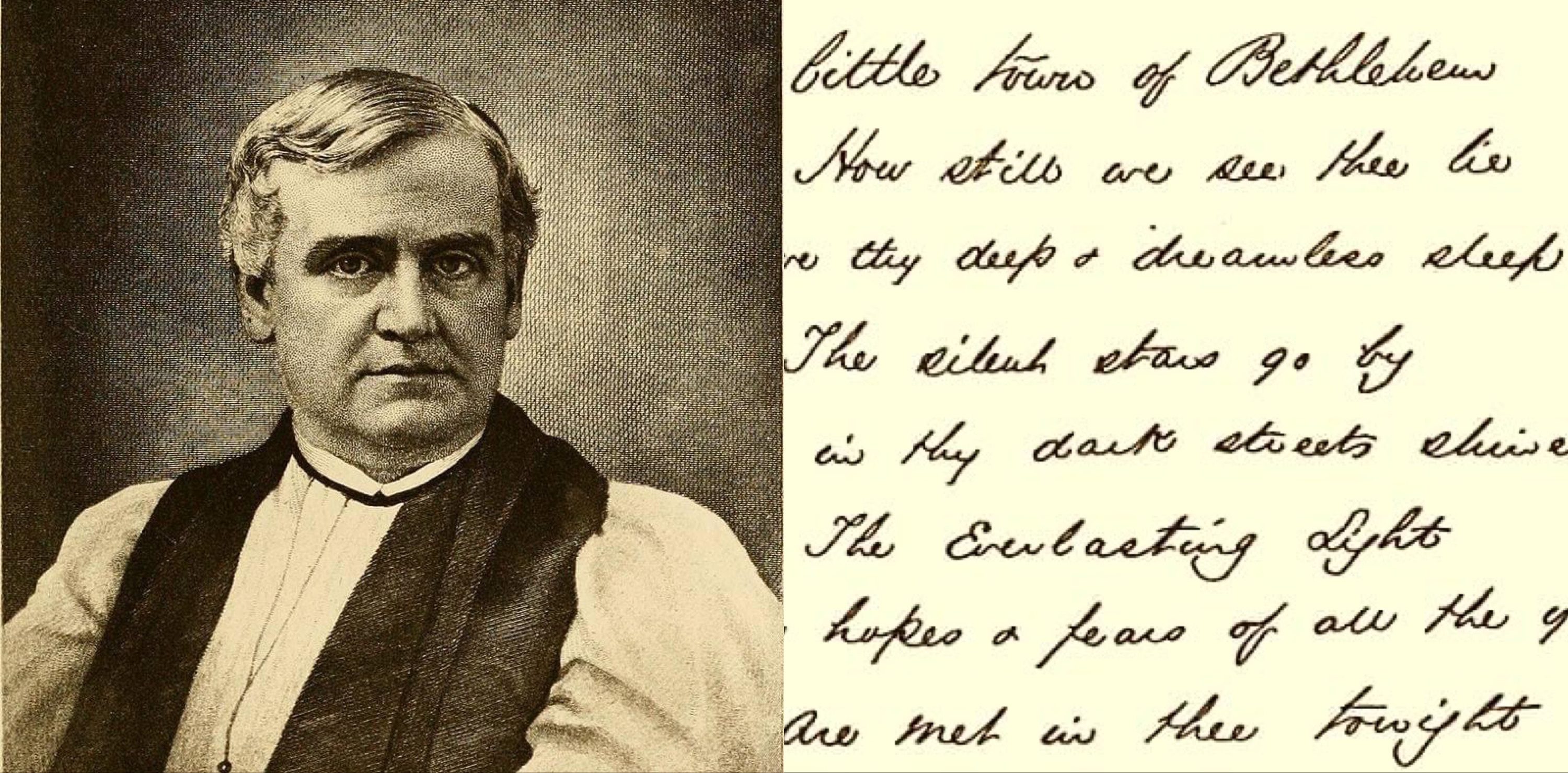
On today’s date December 13, 1835: American clergyman Phillips Brooks was born in Boston, Massachusetts. Brooks is known as the author of “O Little Town of Bethlehem.” He completed the lyrics while he was rector of Church of The Holy Trinity in Philadelphia after an earlier visit to the Holy Land. For Christmas services in 1868, Brooks’ organist (Lewis Redner) added music to the poem creating one of the most famous Christmas carols of all time.
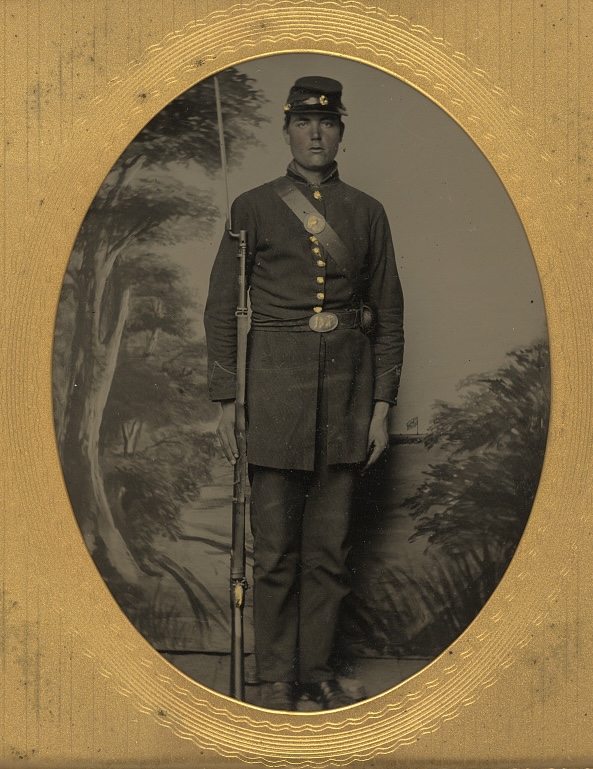
Three times wounded, once captured, a life defined by attrition.
Henry A. McGee of the Fighting 69th New York experienced the war’s fury firsthand. He was slightly wounded in the leg at Antietam on September 17, 1862. Surviving that slaughter, he faced the impossible at Fredericksburg. On December 13, 1862, amidst the Irish Brigade’s doomed charge up Marye’s Heights, a second bullet found its mark. He survived the field, endured recovery, and returned again to the fray at Gettysburg, where he was wounded a third time.
His story is a stark reminder of the soldiers’ raw endurance. The cycle of injury and return culminated not in death, but capture at Reams’ Station in 1864. This sequence of sacrifice—three wounds, then a prisoner—paints a visceral picture of one soldier’s relentless fight and survival. He was ultimately released via parole, returning to the Union ranks one final time before the war’s end, having survived the very worst the conflict could throw at him.
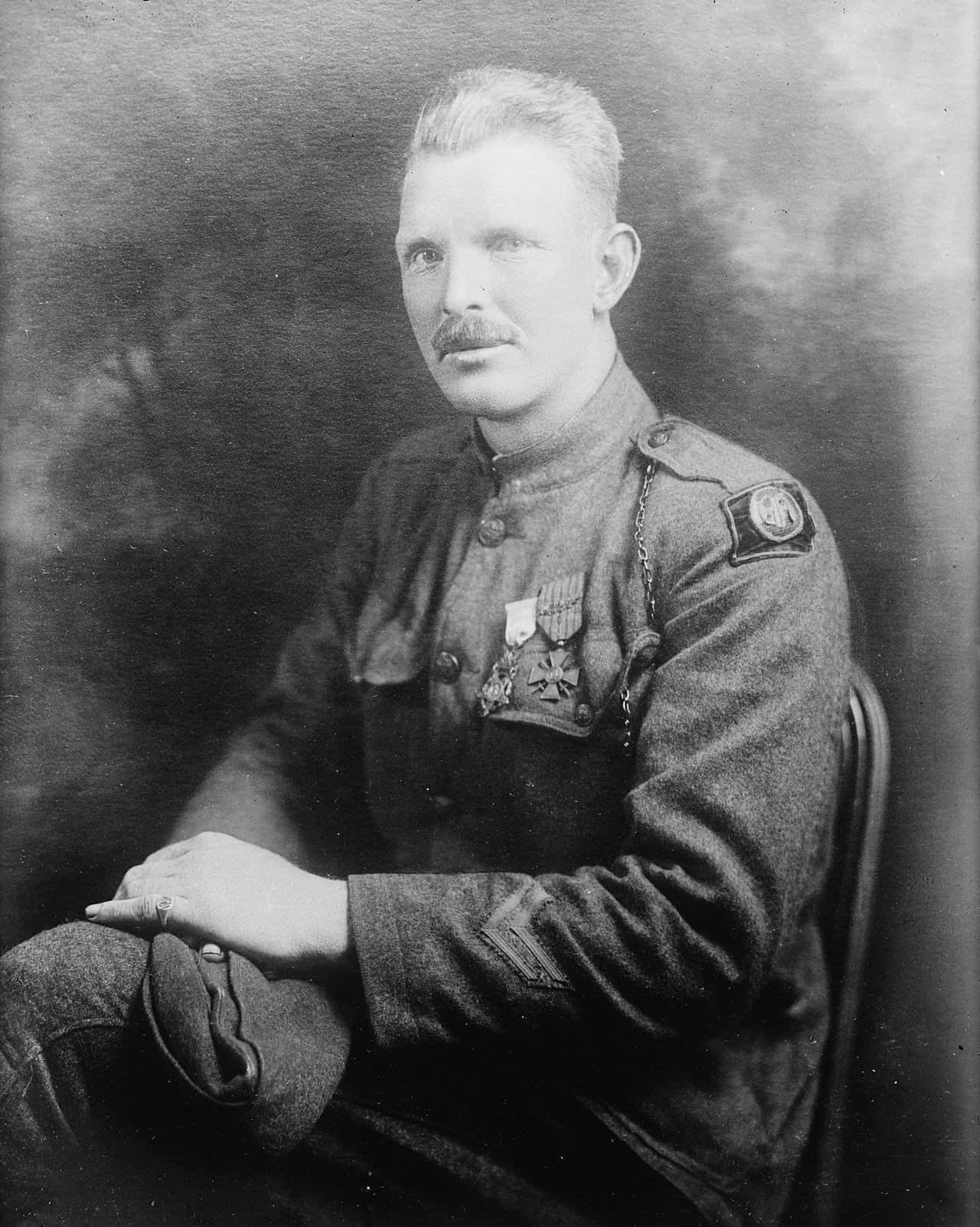
“Liberty and freedom and democracy are prizes awarded only to those peoples who fight to win them, and then keep fighting eternally to hold them.” Alvin C. York was born on December 13, 1887 in Fentress County, Tennessee Image via Wikimedia Commons, public domain
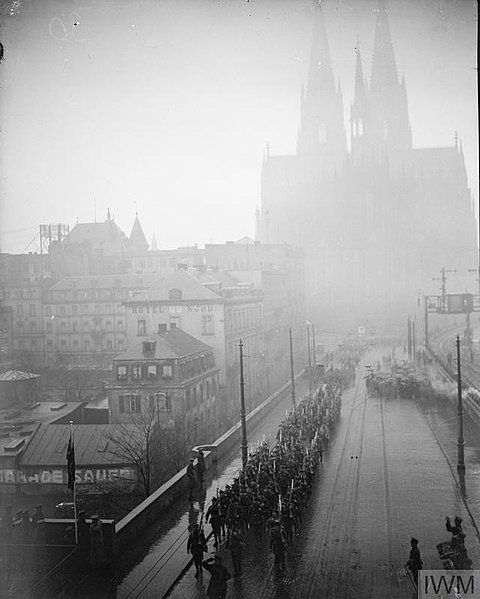
On December 13, 1918, about a month after the armistice that ended WW1, the US 29th Infantry Division marched into Cologne, Germany. In the background of this image is the Cologne Cathedral, which took 632 years to build. Heavily damaged by WW2 bombing, the structure has since been restored. Image from IWM (Q 7220) via Wikimedia Commons, public domain.
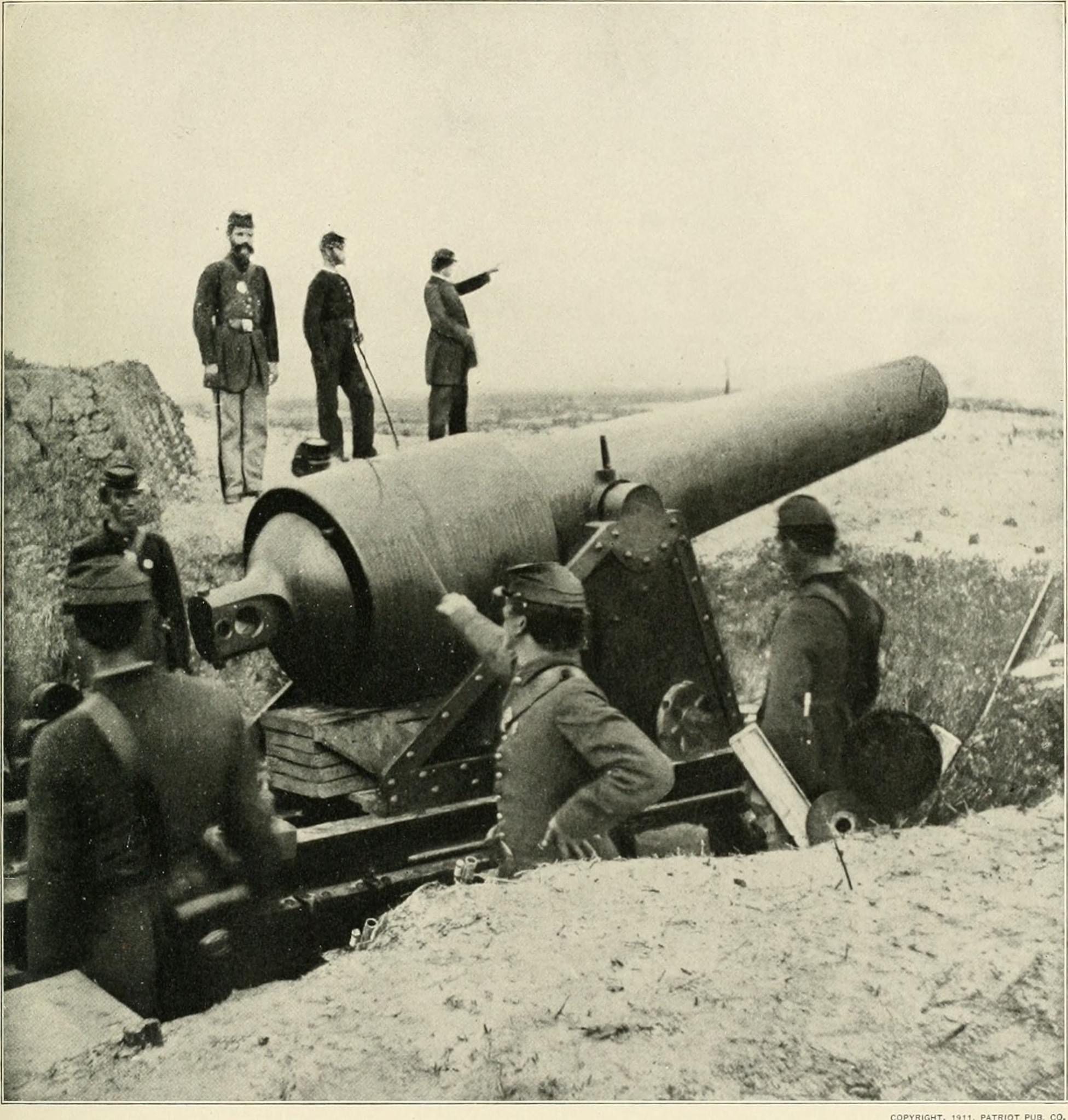
Image of Federal forces in possession of a Confederate cannon at Fort McAllister near Savannah, Georgia just after its capture on December 13, 1864.
A marine stands in attention on the left just above the gun toward the background. Also above the gun, to the right is a cavalryman who is leaning on his saber. In the center of the image is a Union officer, surrounded by troops, who reaches toward the cannon as if in the act of firing. Image via Wikimedia Commons, public domain
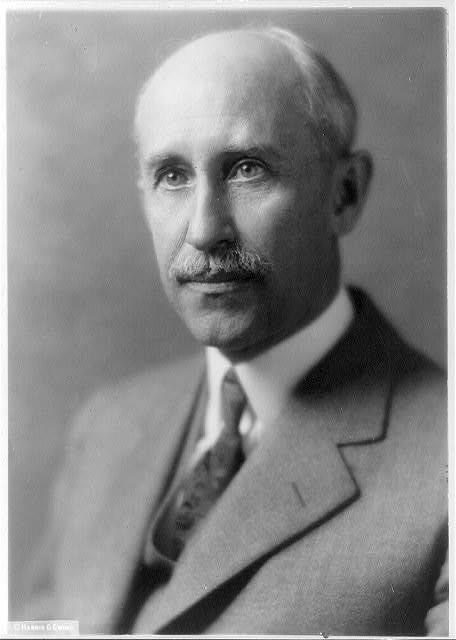
A portrait of Orville Wright dated December 13, 1928. “This flight lasted only 12 seconds, but it was nevertheless the first in the history of the world in which a machine carrying a man had raised itself by its own power into the air in full flight, had sailed forward without reduction of speed, and had finally landed at a point as high as that from which it started.” A quote by Orville Wright who lived until the late 1940s; more than 35 years after the death of his brother Wilbur Wright. Image via Wikimedia Commons, public domain
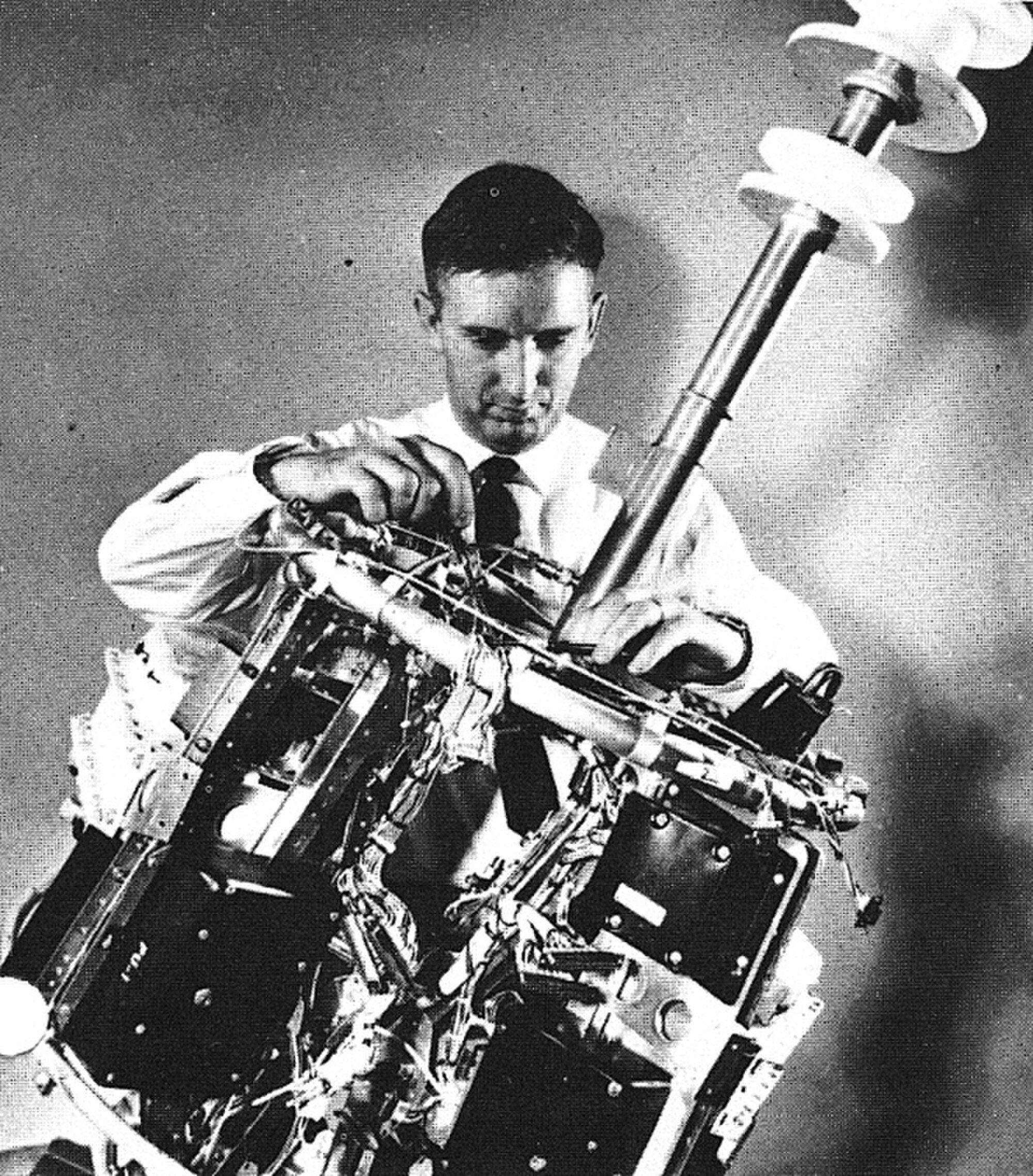
A technician works on NASA’s Relay 1 satellite. On December 13, 1962, Relay 1, the first satellite to broadcast American TV signals over the Pacific was launched. Image via Wikimedia Commons, public domain
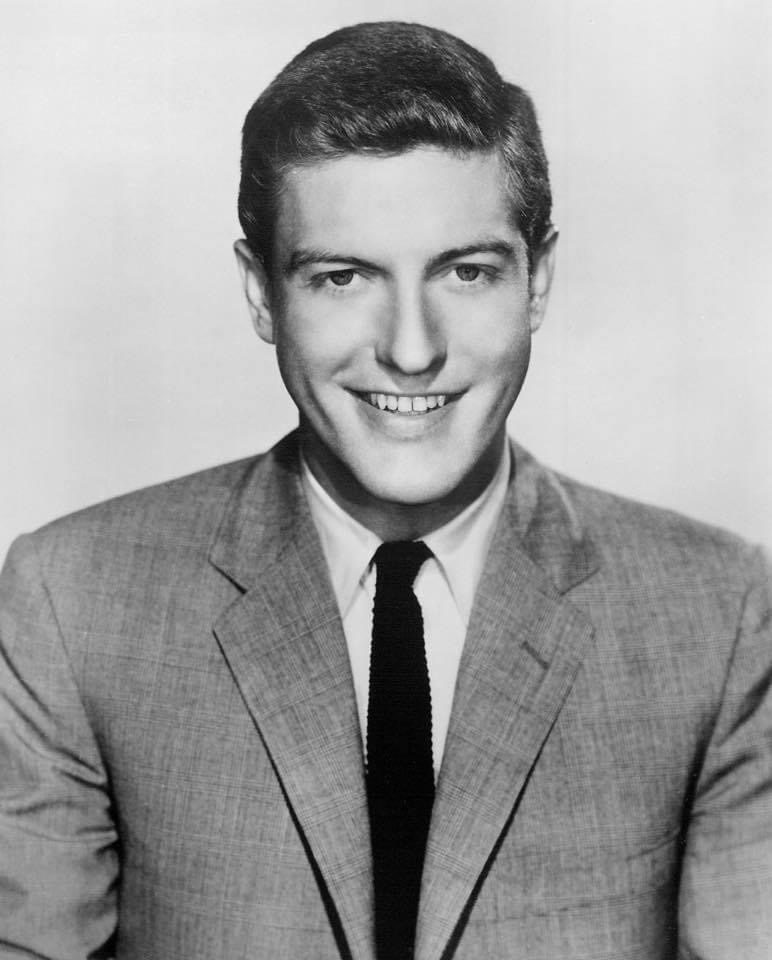
Happy Birthday Dick Van Dyke! Born on December 13, 1925 in West Plains, Missouri. Image: Dick Van Dyke in December of 1959 via Wikimedia Commons, public domain
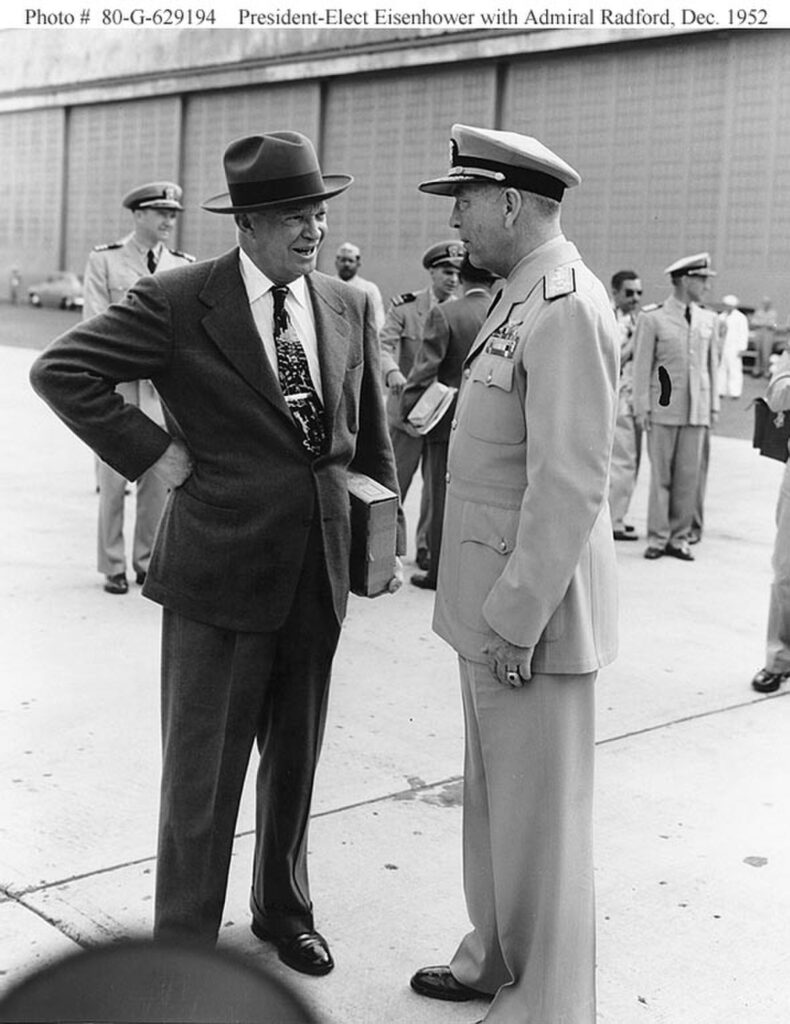
President-Elect Dwight D. Eisenhower with Admiral Arthur W. Radford, Commander of the U.S. Pacific Fleet, on December 13, 1952.
Radford accompanied the President-Elect during his trip to Korea in December of 1952.
Image via Wikimedia Commons, public domain
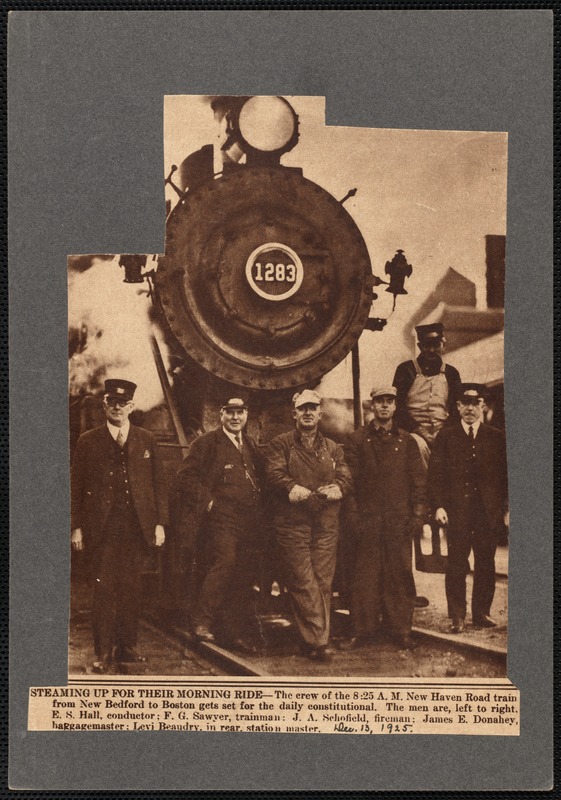
Crew of the 8:25 am New Haven Road train from New Bedford to Boston
Photo was published on December 13, 1925 via Digital Commonwealth Massachusetts, no known restrictions CC BY NC ND
