
 Mystery March Is Here!
August 9, 1780 – A Gift and a Warning
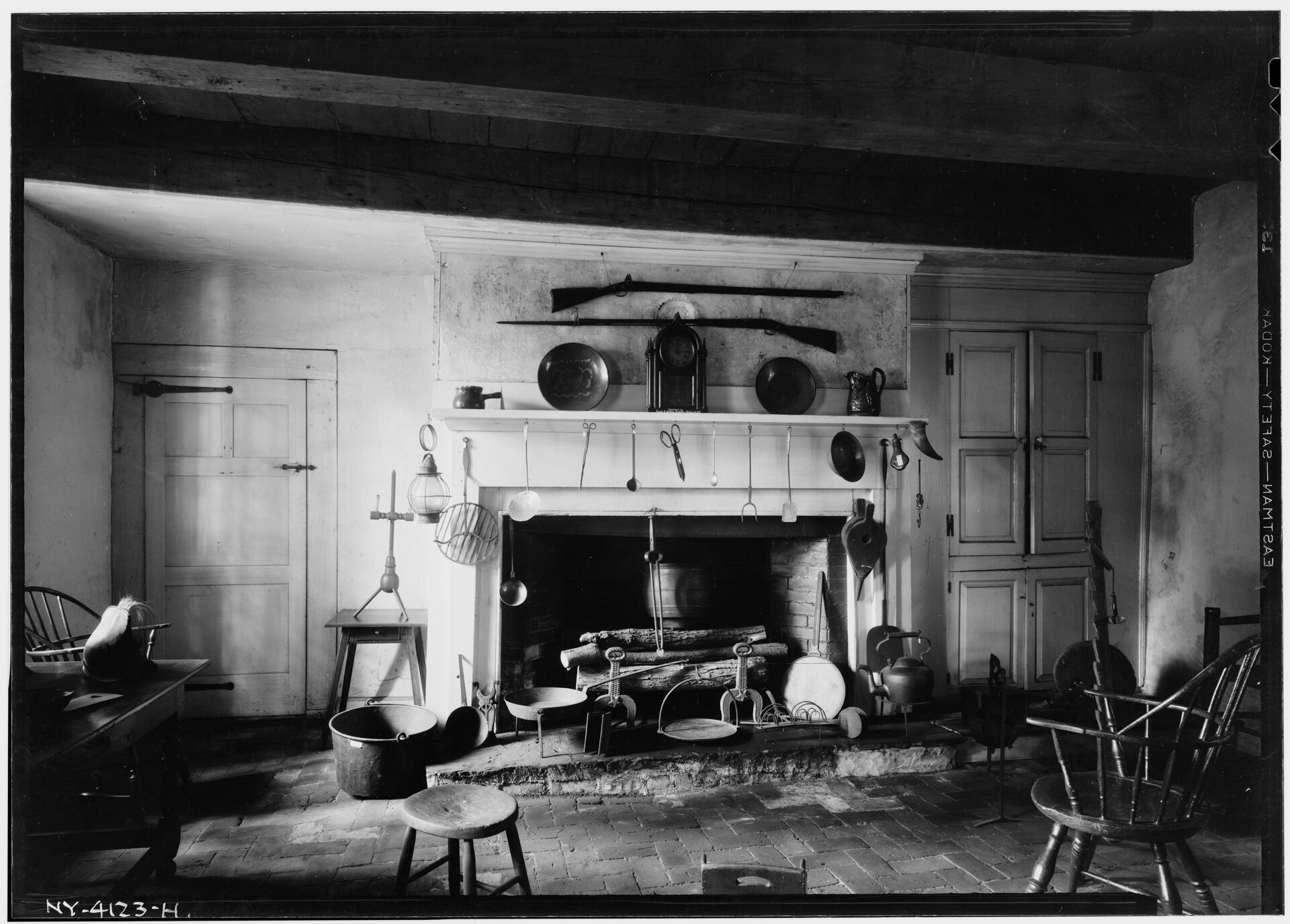
At the De Wint House in Orangetown (now Tappan), NY on August 9, 1780, General George Washington considered Esther Reed’s proposal: shirts and two silver dollars for each Continental soldier. Her gesture was patriotic and tender. But Washington hesitated. The hard currency, he feared, might breed resentment among troops paid in depreciated paper—or be spent on drink. His reply, dated the next day, reveals a commander caught between gratitude and caution, generosity and discipline.
—
Footnote:
Washington’s letter to Reed is dated August 10, 1780, but his presence at the De Wint House on August 9 suggests the concerns were likely deliberated then. See George Washington Day by Day, p. 117.
Image: De Wint House, Livingston Avenue and Oak Tree Road, Tappan, Rockland County, NY
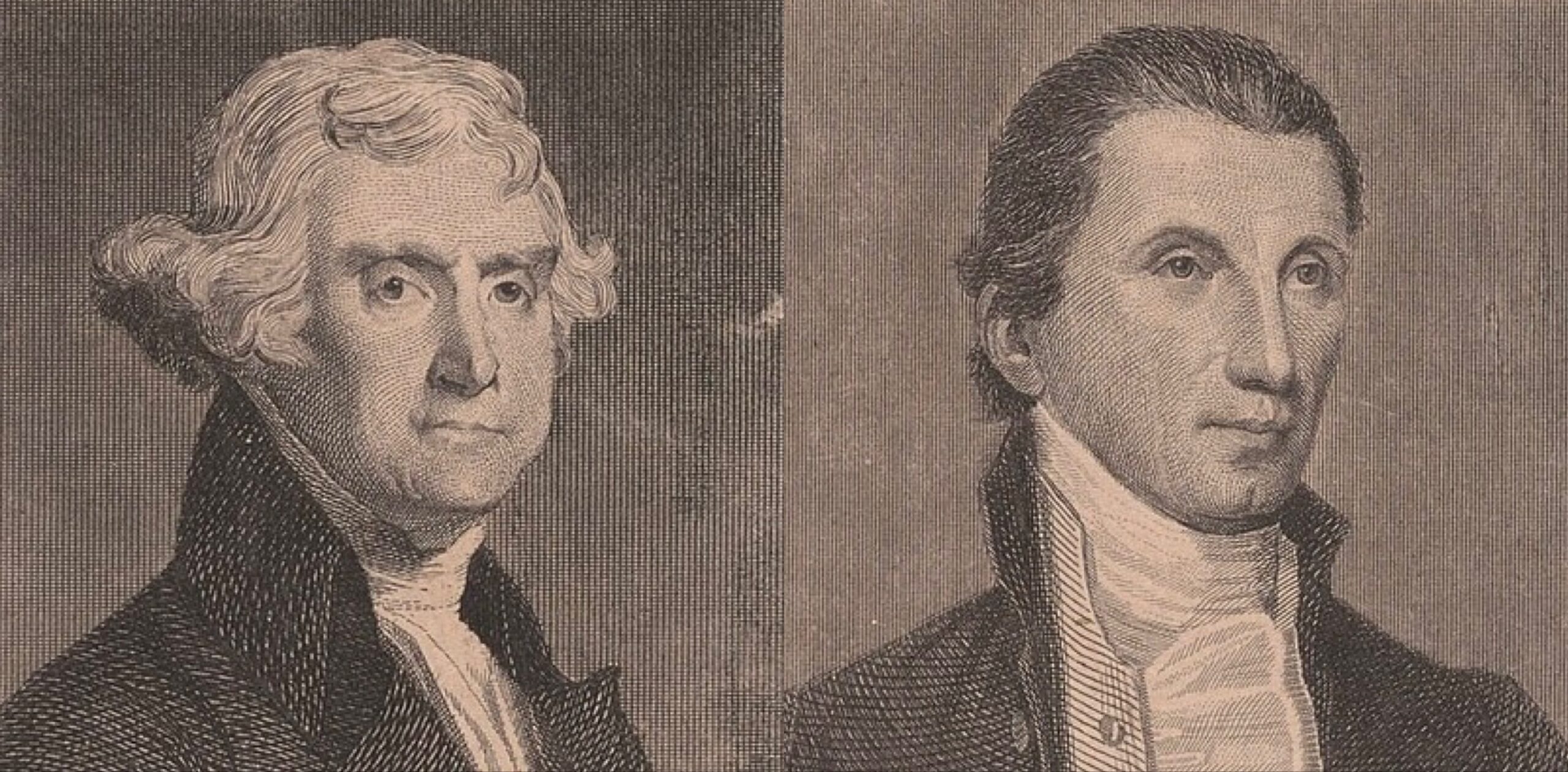
When he was Minister to France, Thomas Jefferson wrote a letter from Paris to James Monroe calling for a Bill of Rights on August 9, 1788. This was more than a year before the Bill of Rights was created and three years before the amendments were ratified.
Jefferson wrote:
“I hope the states will annex to it a bill of rights securing those which are essential against the federal government; particularly trial by jury, habeas corpus, freedom of religion, freedom of the press, freedom against monopolies, and no standing armies. I see so general a demand of this that I trust it will be done.”
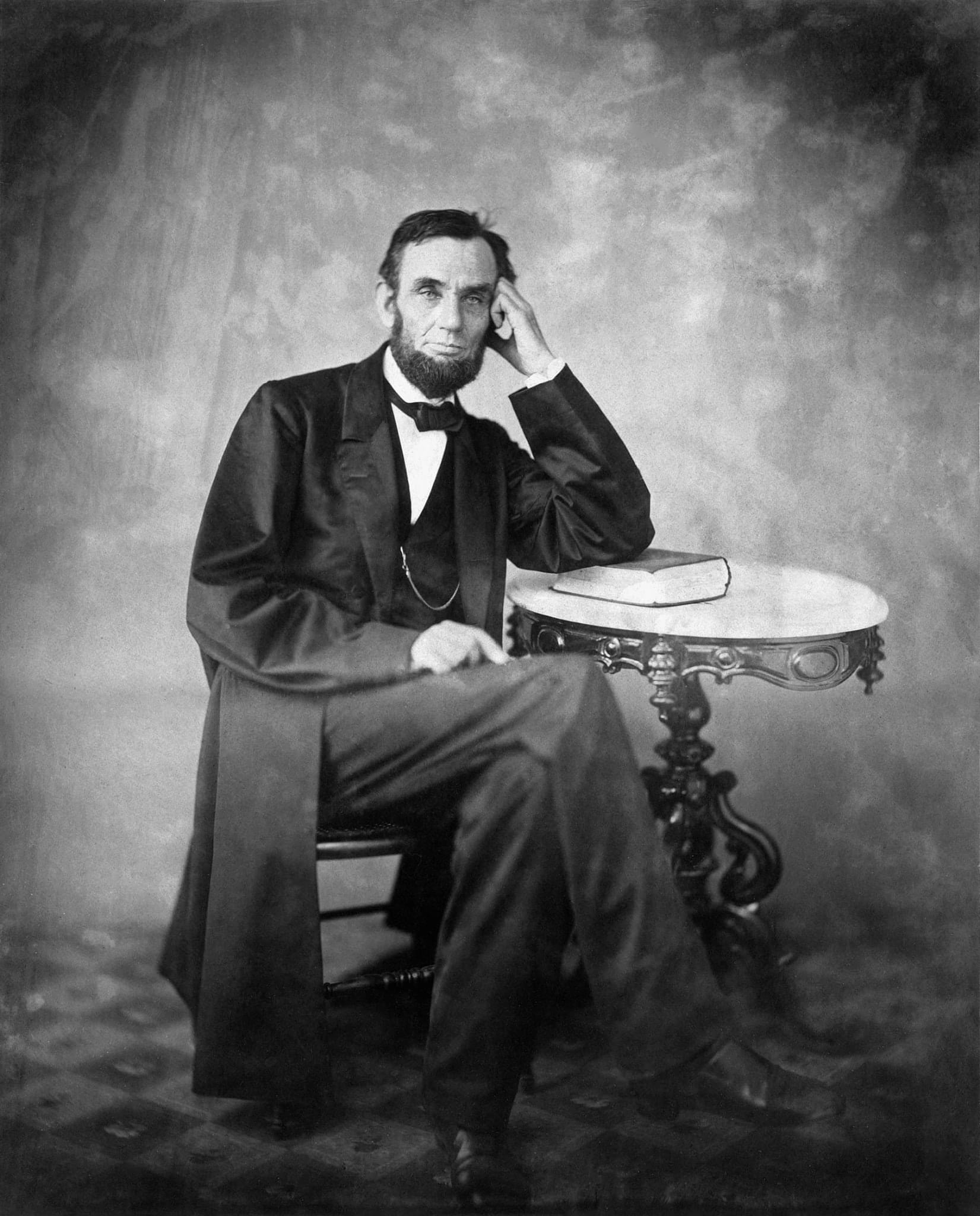
Portrait of Abraham Lincoln, taken in Washington D.C. at Alexander Gardner’s studio on August 9, 1863
by Alexander Gardner via Wikimedia Commons, public domain in the US
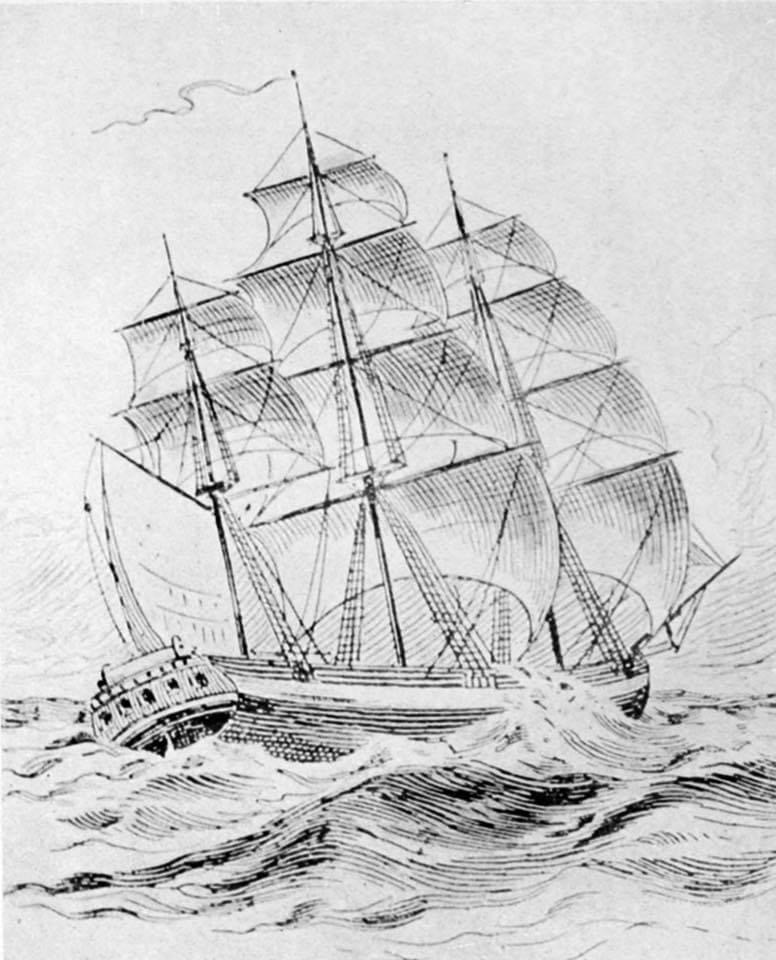
On August 9, 1790, after a three year voyage, The Columbia becomes the first American vessel to circumnavigate the world.
Image: Columbia Rediviva from “The Columbia River: Its History, Its Myths, Its Scenery, Its Commerce” via Wikimedia Commons, public domain
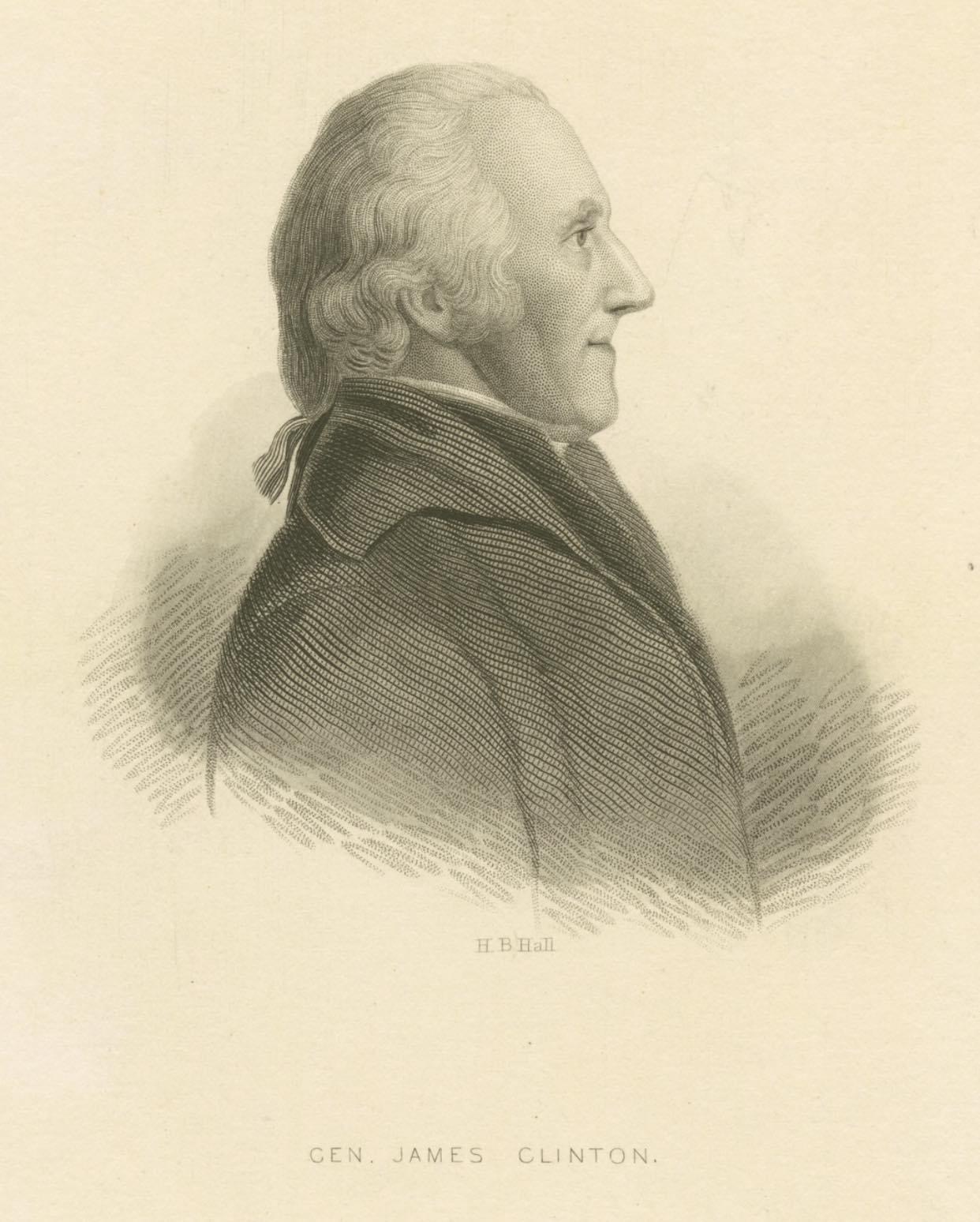
General James Clinton Veteran of The French & Indian War and The Revolutionary War was born on August 9, 1736 in Little Britain, New York.
In addition to serving during the unsuccessful Invasion of Quebec he also fought at The Battle of Newtown in Chemung County, New York in 1779 and at the Battle of Yorktown in 1781.
Image via NYPL Digital Collections, no known restrictions
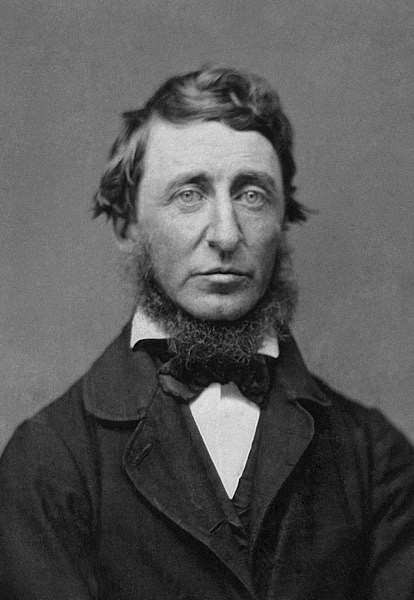
On August 9, 1845 Henry David Thoreau’s Walden was published. The book was the result of the two years Thoreau spent in a small cabin near Walden Pond in Concord, Massachusetts, living simply. “If a man does not keep pace with his companions, perhaps that is because he hears a different drummer” concluded Thoreau.
Image by B.D. Maxham, National Portrait Gallery, Wikimedia Commons, public domain in the US.
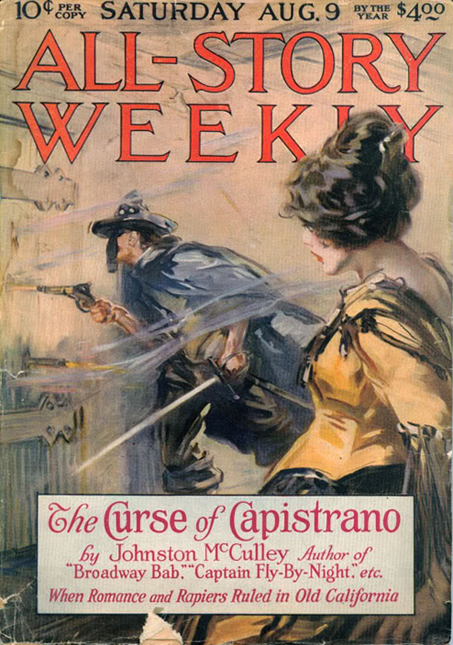
Published on August 9, 1919, The Curse of Capistrano introduced Zorro—Johnston McCulley’s masked avenger who defends the oppressed in a romanticized vision of Spanish California. Illustrated by pulp artist P. J. Monahan, the cover paints a nostalgic frontier imagined by early 20th-century American audiences.
Though set amid colonial missions and haciendas, Zorro’s tale is an American creation, blending vigilante justice with swashbuckling myth. McCulley drew inspiration from real figures like Joaquín Murrieta, the so-called “Mexican Robin Hood,” and Salomón Pico, a Californio outlaw feared and revered in equal measure. Their legacies—part history, part legend—infused Zorro with a spirit of resistance that transcends fiction. His legacy endures as both a pop culture icon and a lens on how storytelling reshapes public memory.
Image via Wikimedia Commons, public domain in the US.
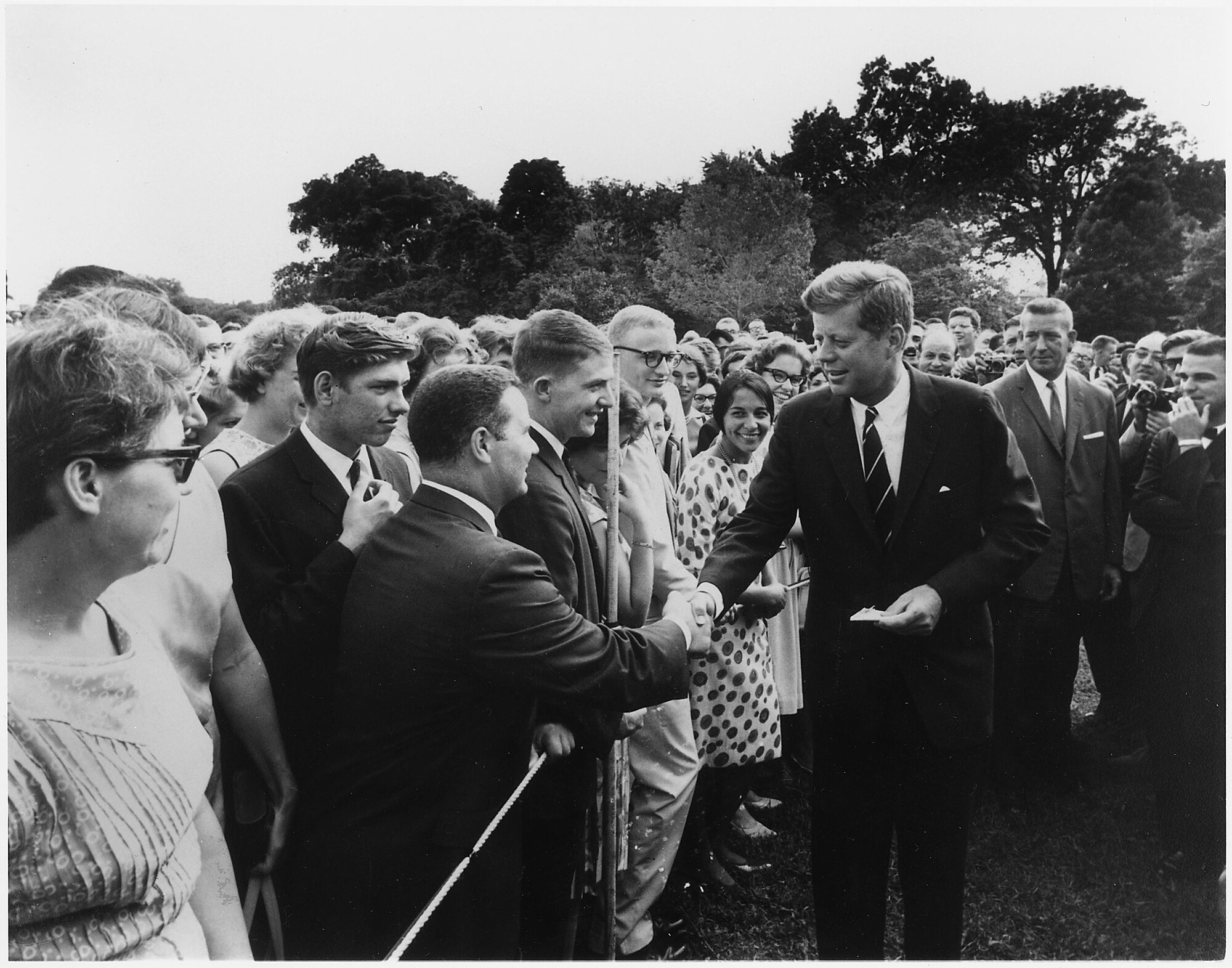
President Kennedy Greets Peace Corps Volunteers on the White House South Lawn.
Image dated August 9, 1962
via Wikimedia Commons, public domain
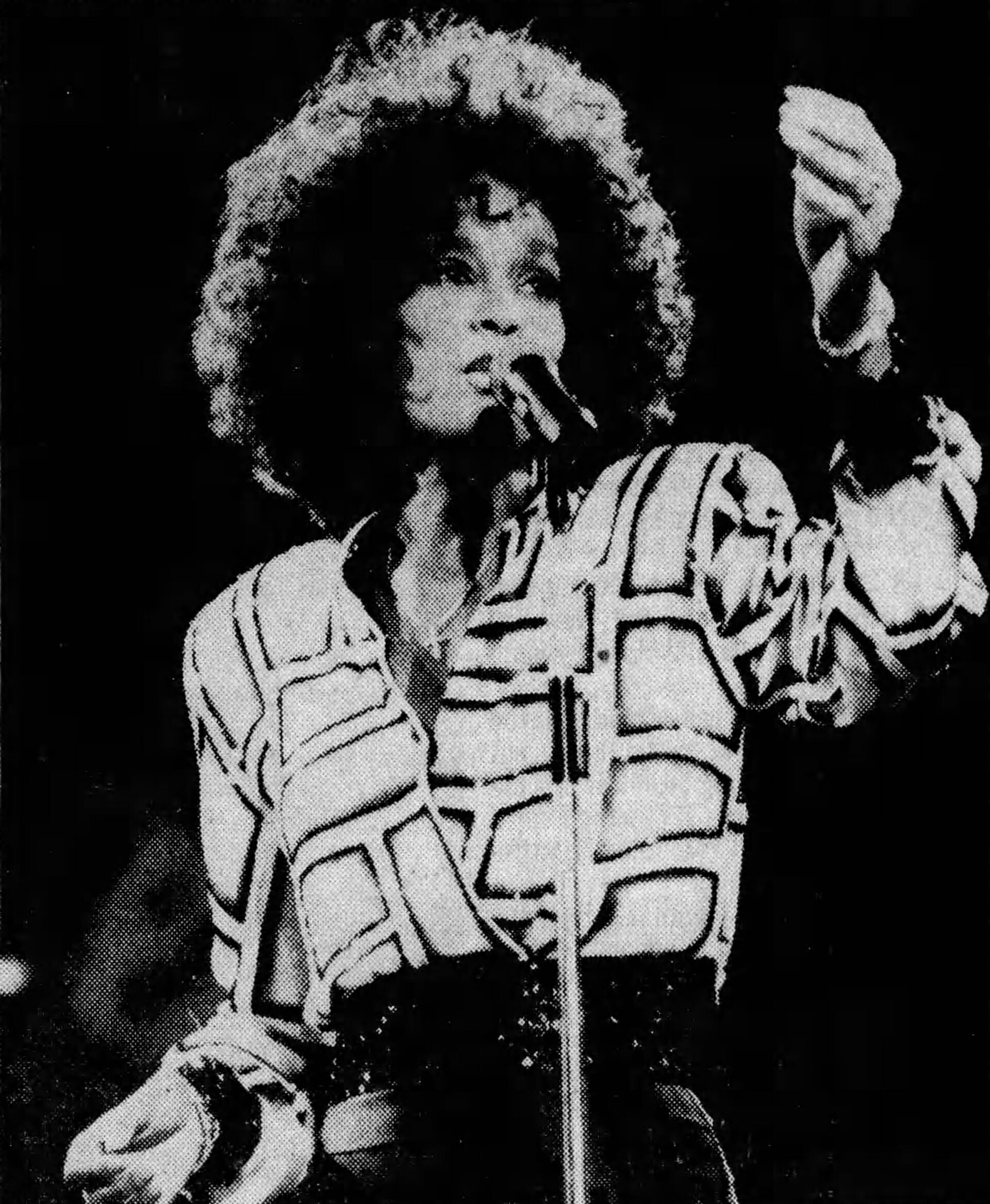
Born August 9, 1963, in Newark, New Jersey, Whitney Houston grew up surrounded by music, nurtured by her gospel-singing mother Cissy Houston and cousins Dionne and Dee Dee Warwick.
With a voice that soared across genres and generations, she became one of the most awarded and beloved performers of all time. From chart-topping ballads to unforgettable film roles, Whitney’s brilliance lit up stages and screens around the world.
Her legacy lives on in every note of “I Will Always Love You”—a song, and a sentiment, that will forever tug at the heartstrings.
Image from 1987 via Wikimedia Commons, public domain
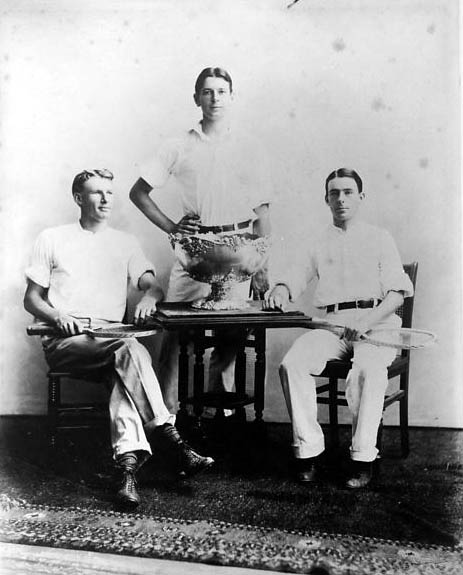
On August 9, 1900, the first Davis Cup tennis competition was won by The United States against England in Boston.
Captain and winner Dwight Davis (center) developed and donated the first silver “Davis” cup shown.
Davis later became the 49th U.S. Secretary of War in 1925 when Calvin Coolidge was President.
Image via Wikimedia Commons, public domain
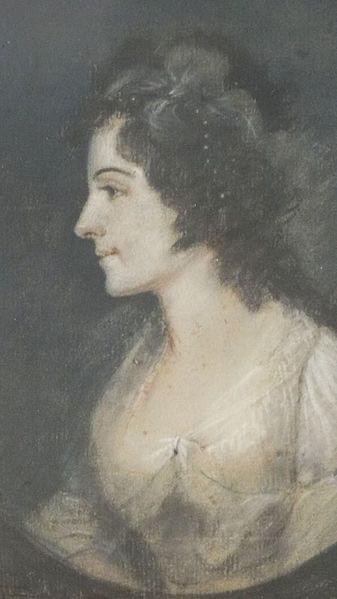
Born August 9, 1757 Eliza Schuyler Hamilton was the wife of Alexander Hamilton for 24 years and mother to their eight children. Not widely known is that she served for many years as directress of New York’s Orphan Asylum Society, raising funds and seeing to the care and education of over 700 children.
Image via Wikimedia Commons, public domain in the US

August 9, 1944 – the US Forest Service launches a campaign to prevent forest fires with a poster featuring a cartoon bear named Smokey. Six years later a cub found clinging to a tree in a burned New Mexico forest was given that name. Smokey Bear lived at the National Zoo in Washington, DC until his death in 1976.
Image via Wikimedia Commons, public domain in the US
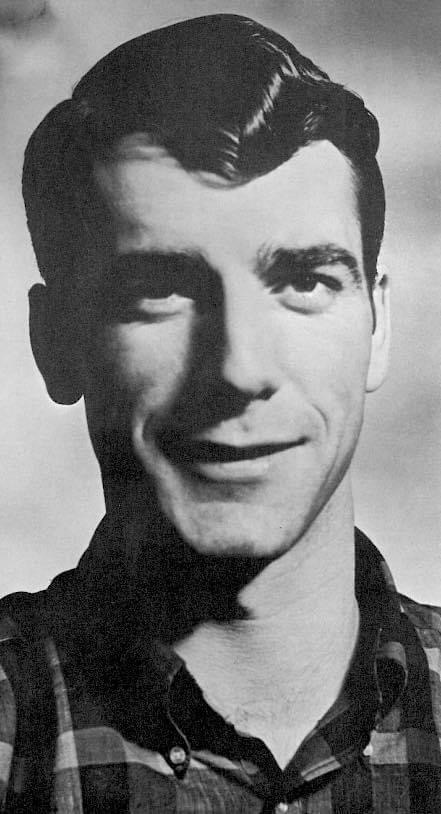
Happy Birthday Sam Elliott
Born on August 9, 1944 in Sacramento, California
Image: Sam Elliott college yearbook photo from 1965 via Wikimedia Commons, public domain
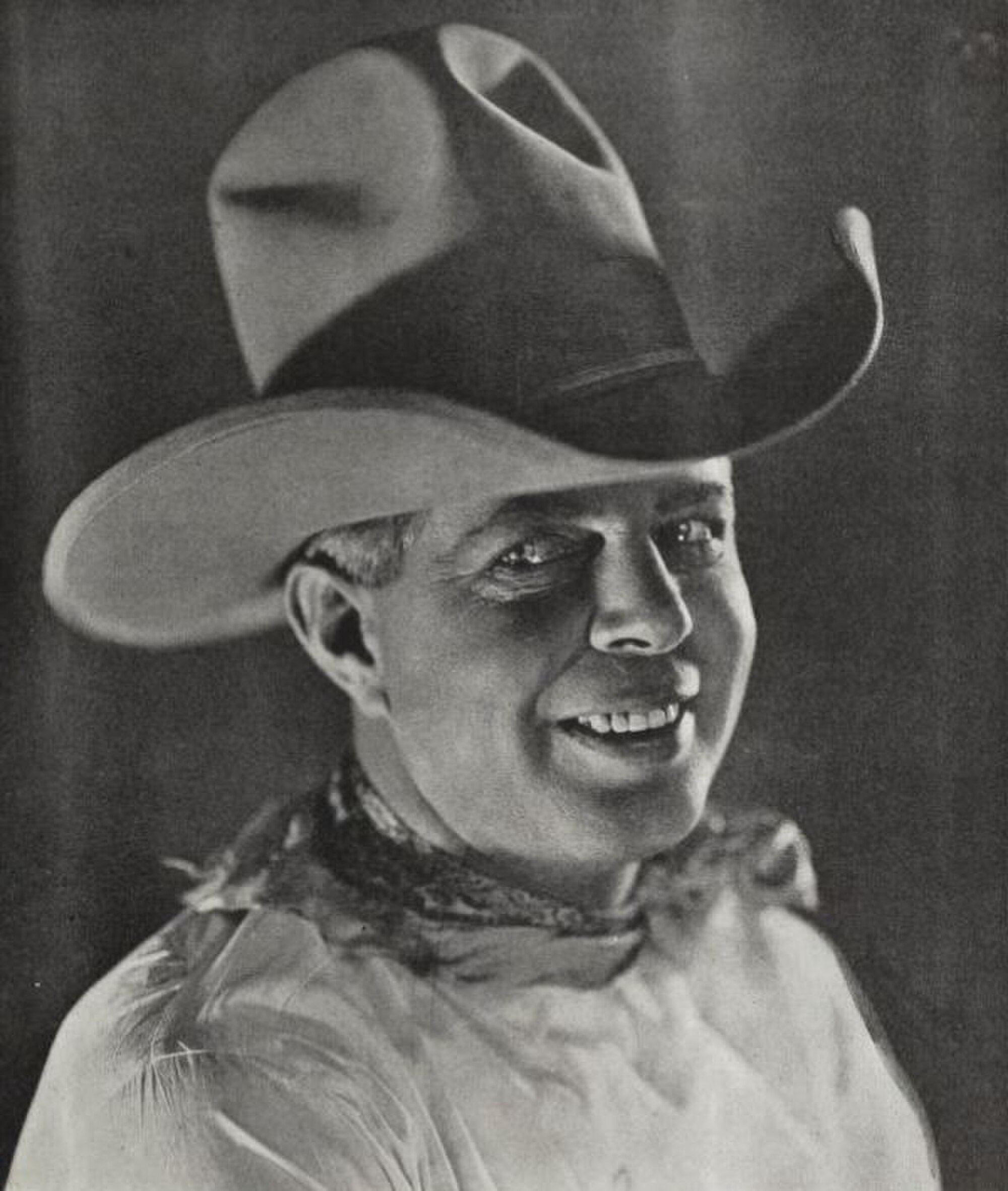
A photo of early American western film star Edmund Richard “Hoot” Gibson from August 9, 1924 that was published just a few days after his 32nd birthday and a day before the release of the film Hit & Run.
Hoot was a U.S. Army veteran who served during WWI and was also a rodeo champion.
Image via Wikimedia Commons, public domain
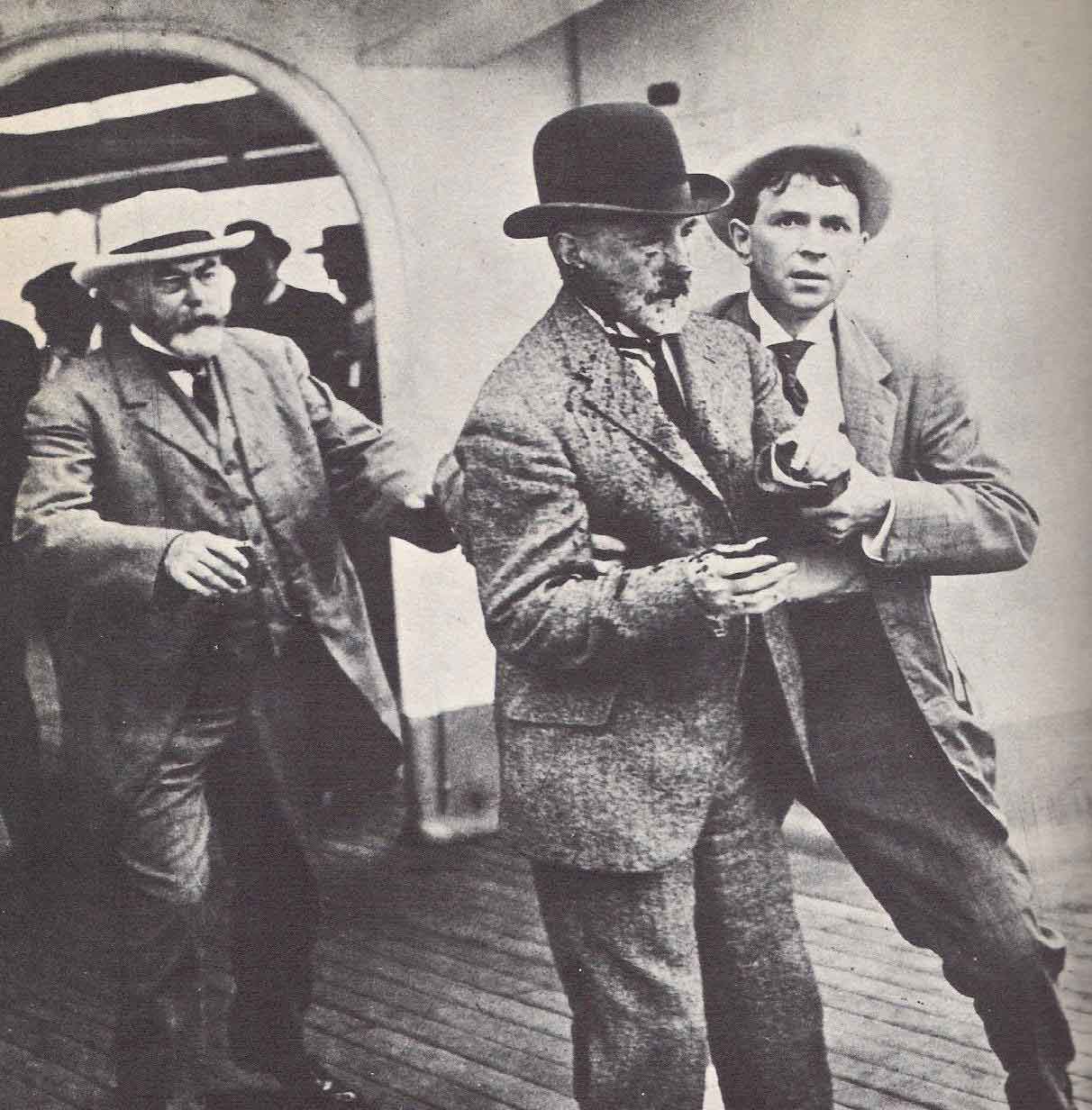
On August 9, 1910, New York City Mayor William Jay Gaynor was shot in the neck by a disgruntled former employee while boarding a steamship in Hoboken. This photograph—taken just seconds after the attack—shows Gaynor slumped in pain, surrounded by aides and bystanders. The shooter, James J. Gallagher, blamed Gaynor for his dismissal from the city docks.
Gaynor survived, but the bullet remained lodged in his throat for the rest of his life.
Image by New York World photographer William Warnecke via Wikimedia Commons, public domain
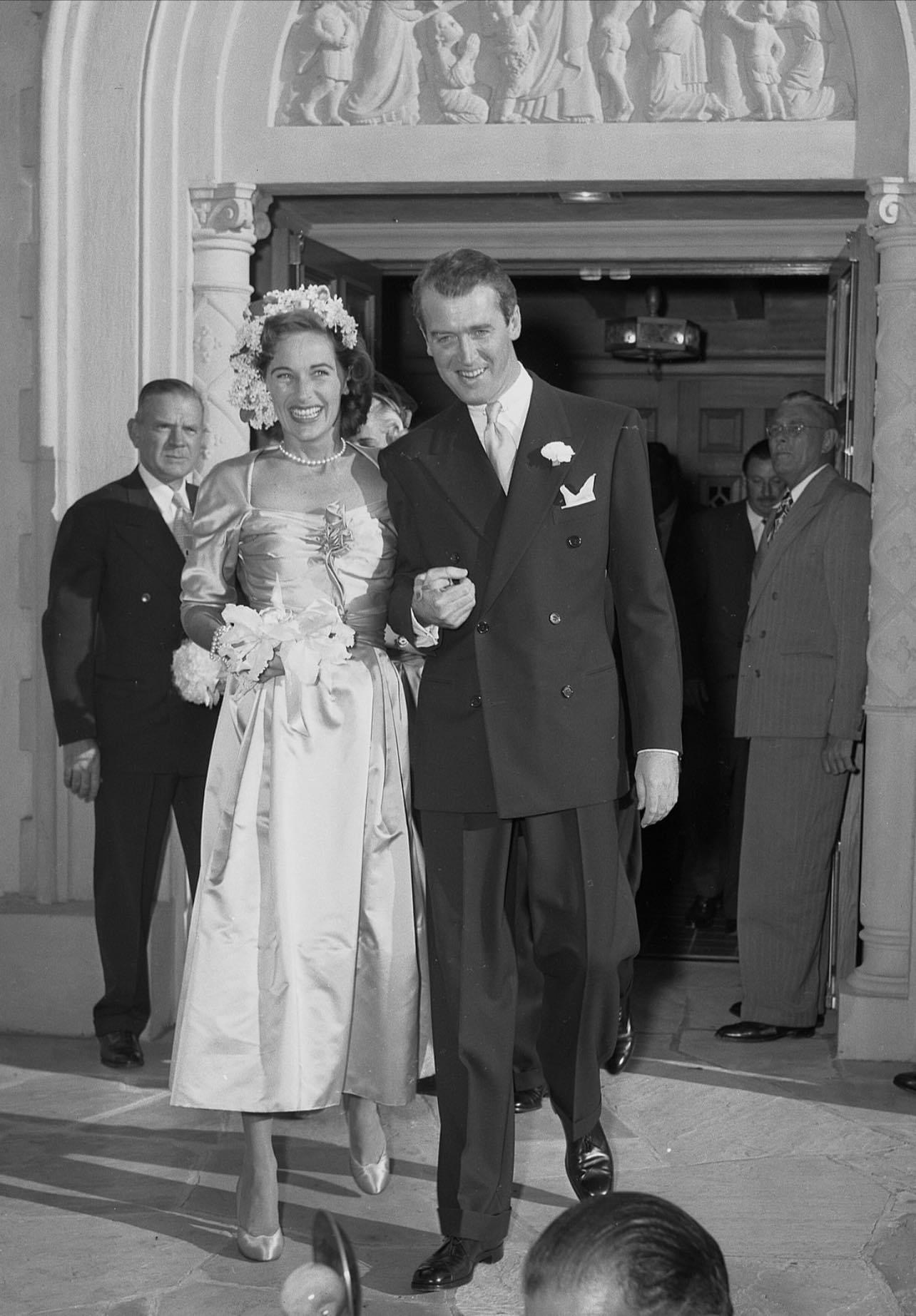
Just Married
Jimmy Stewart and Gloria H. McLean
August 9, 1949
Image from Los Angeles Times via Wikimedia Commons – CC BY 4.0
