
 Mystery March Is Here!
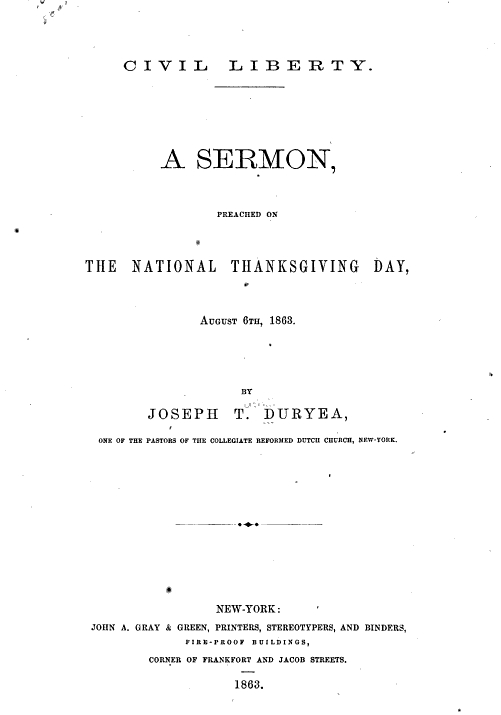
Civil Liberty – Sermon by Joseph Tuthill Duryea (August 6, 1863)
Preached on the National Thanksgiving Day declared by President Lincoln following pivotal Union victories at Gettysburg and Vicksburg, this sermon casts the Civil War as both a spiritual trial and a national moral reckoning. Joseph Tuthill Duryea—a Princeton-educated Presbyterian minister later known for his preaching in New York, Boston, and Omaha—imbued his words with theological urgency and civic conviction. Drawing on scriptural reference and patriotic fervor, he called for emancipation, unity, and the preservation of liberty. Published in New York and preserved in the Samuel J. May Anti-Slavery Collection, the pamphlet reveals how religious rhetoric animated public sentiment and reshaped the meaning of freedom during wartime.
Image via Wikimedia Commons, public domain
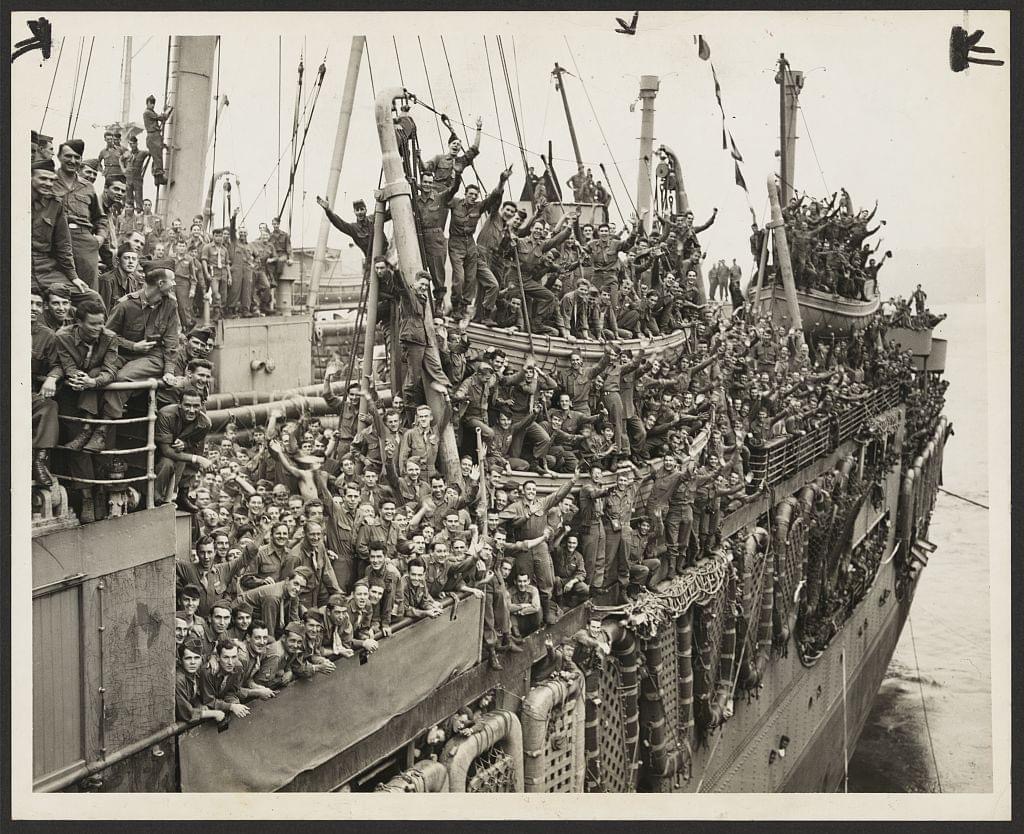
Troops of the 20th Armored Division and units of the 9th Army cheer as the SS John Ericsson nears Pier 84, North (Hudson) River in New York City
Photo dated August 6, 1945
via Library of Congress, no known restrictions
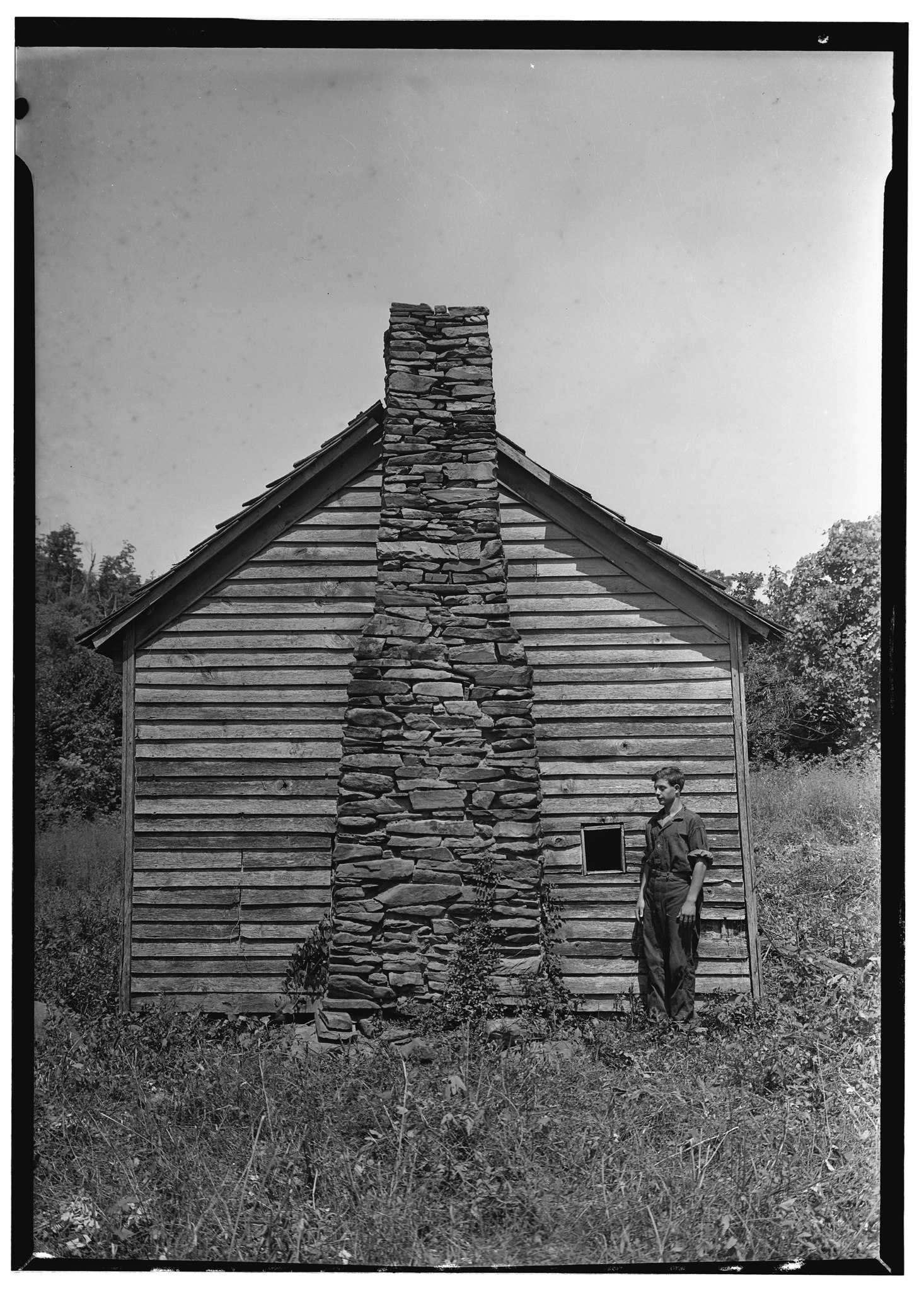
A Home Reclaimed by Wilderness
Photo taken in August 6, 1935
Ephraim Bales Place, Roaring Fork Trail
Between 1890 and 1930, Ephraim and Minerva “Nervy” Bales raised a large family—likely nine children who reached adulthood—on this rugged 72-acre homestead, shaping a life from rocky soil and Appalachian timber. After Ephraim’s death in 1926, Nervy stayed on until the land was sold to help establish Great Smoky Mountains National Park—a federal project that displaced hundreds of mountain families in the name of preservation.
The precise amount paid to the Bales family remains unknown, though many received modest compensation, often well below the land’s emotional, cultural, or generational worth.
The cabin still stands today along the Roaring Fork Motor Nature Trail in Great Smoky Mountains National Park. Preserved alongside remnants of the barn, corn crib, and pig pen, it offers visitors a tangible glimpse into mountain life—dog-trot architecture, rocky farmland, and all.
Image via Library of Congress, no known restrictions
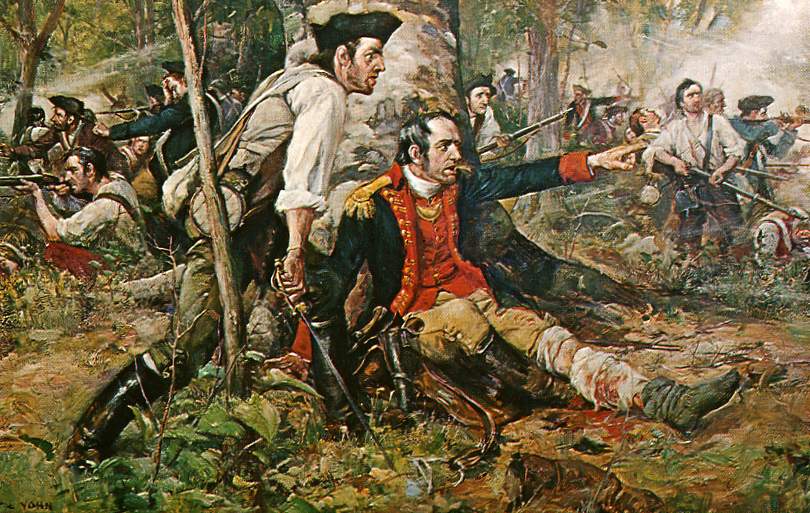
American General Nicholas Herkimer after being ambushed by English and Native Americans at the Battle of Oriskany in New York State on August 6, 1777
Herkimer was mortally wounded in the leg, but continued to direct his men while being propped up against a tree, smoking his pipe.
Image via Wikimedia Commons, public domain
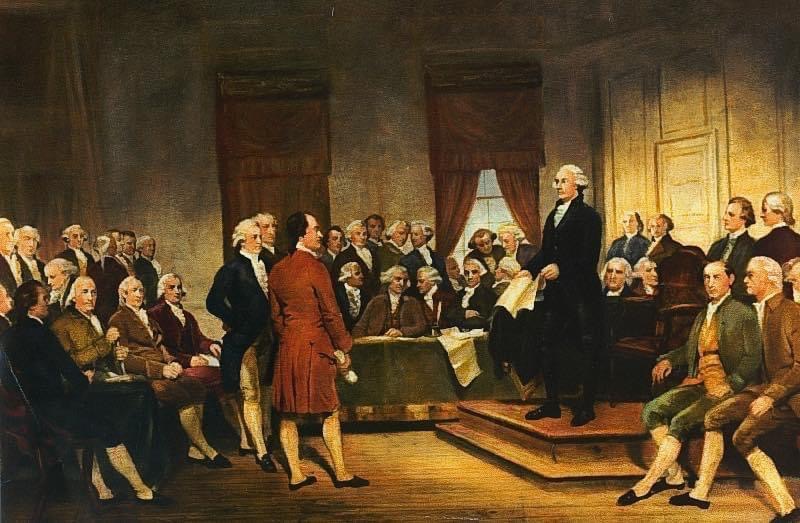
On August 6, 1787, the Constitutional Convention reconvened in Philadelphia and delegates discussed a draft by the Committee of Detail.
The draft that was used in the discussion included George Washington’s handwritten notes.
Image: Washington at Constitutional Convention of 1787 by Junius Brutus Stearns via Wikimedia Commons, public domain

After traveling through space for 253 days, NASA’s Curiosity rover successfully landed on Mars on August 6, 2012.
Originally planned as a two-year surface mission, Curiosity is still roving today!
Image from NASA via Wikimedia Commons, public domain
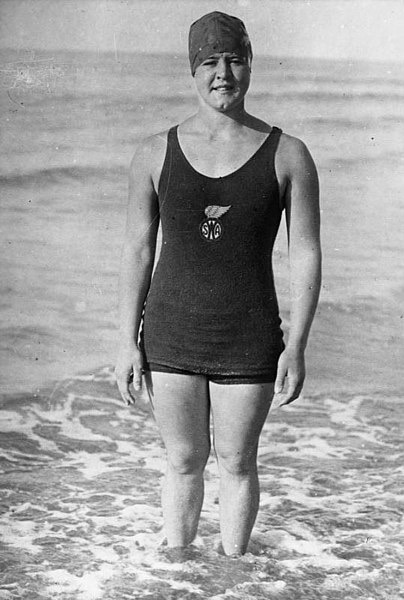
On August 6, 1926, Gertrude Ederle, a 19-year old from New York City became the first woman to swim the English Channel. A gold medal winner in the 1924 Paris Olympics, Trudy’s channel swim of 14 hours, 34 minutes beat the time of the previous record holder, Enrique Tiraboschi, by two hours!
Image via Wikimedia Commons, CC-BY-SA 3.0
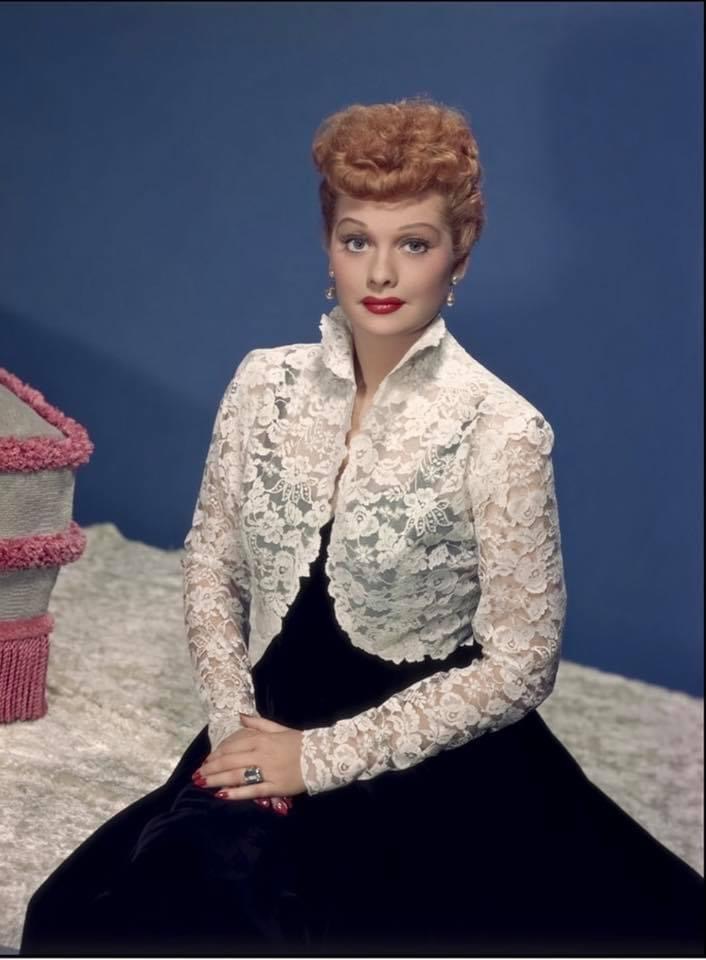
Lucille Ball was born on August 6, 1911 in Jamestown, NY.
For a time during her early career she used the name Diane Belmont.
Lucille Ball in the 1950s via Wikimedia Commons, public domain
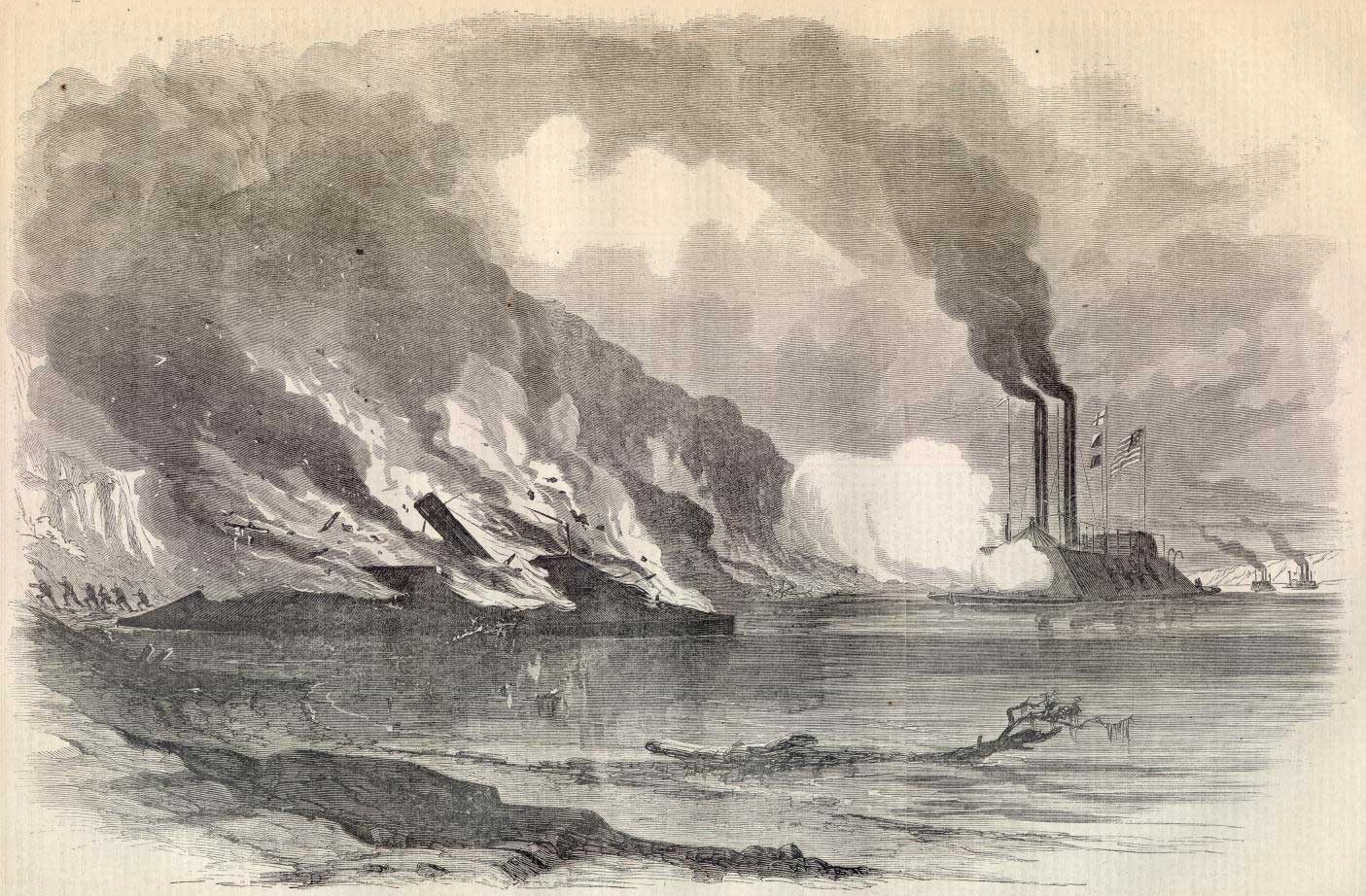
An engraving from Harper’s Weekly showing the CSS Arkansas ironclad burning near Baton Rouge on August 6, 1862.
The Confederate Navy scuttled her after the engines failed and to prevent her capture by the USS Essex ironclad (also in view).
Image via Wikimedia Commons, public domain
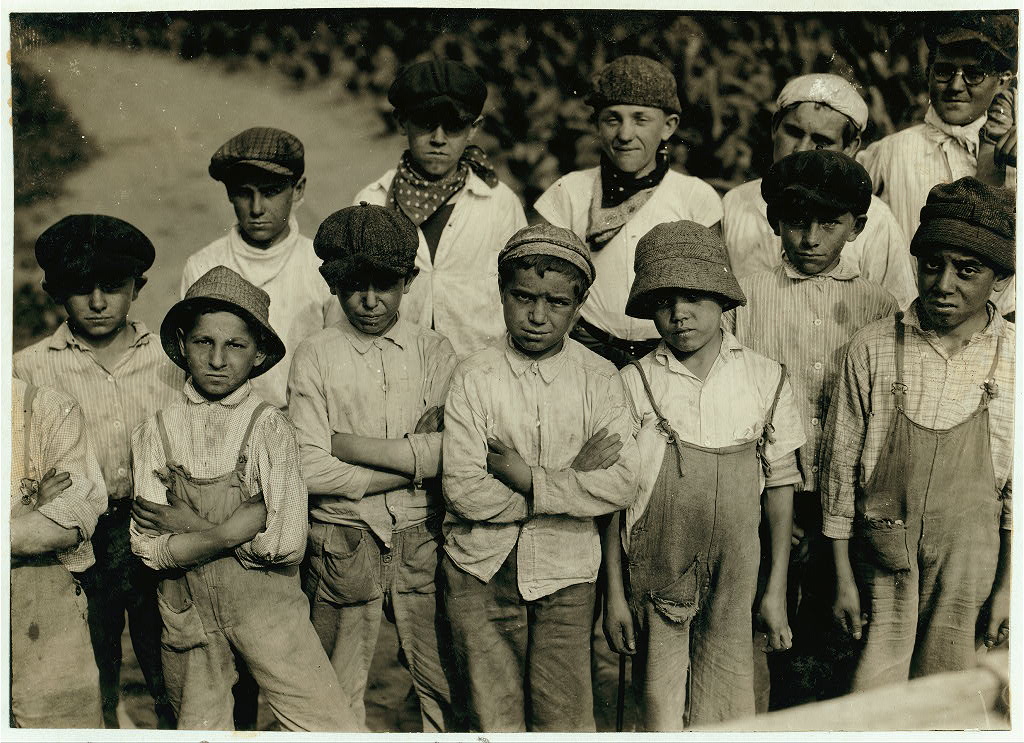
Field-workers, Goodrich Tobacco Farm near Gildersleeve, Connecticut
Image dated August 6, 1917
via Wikimedia Commons, public domain
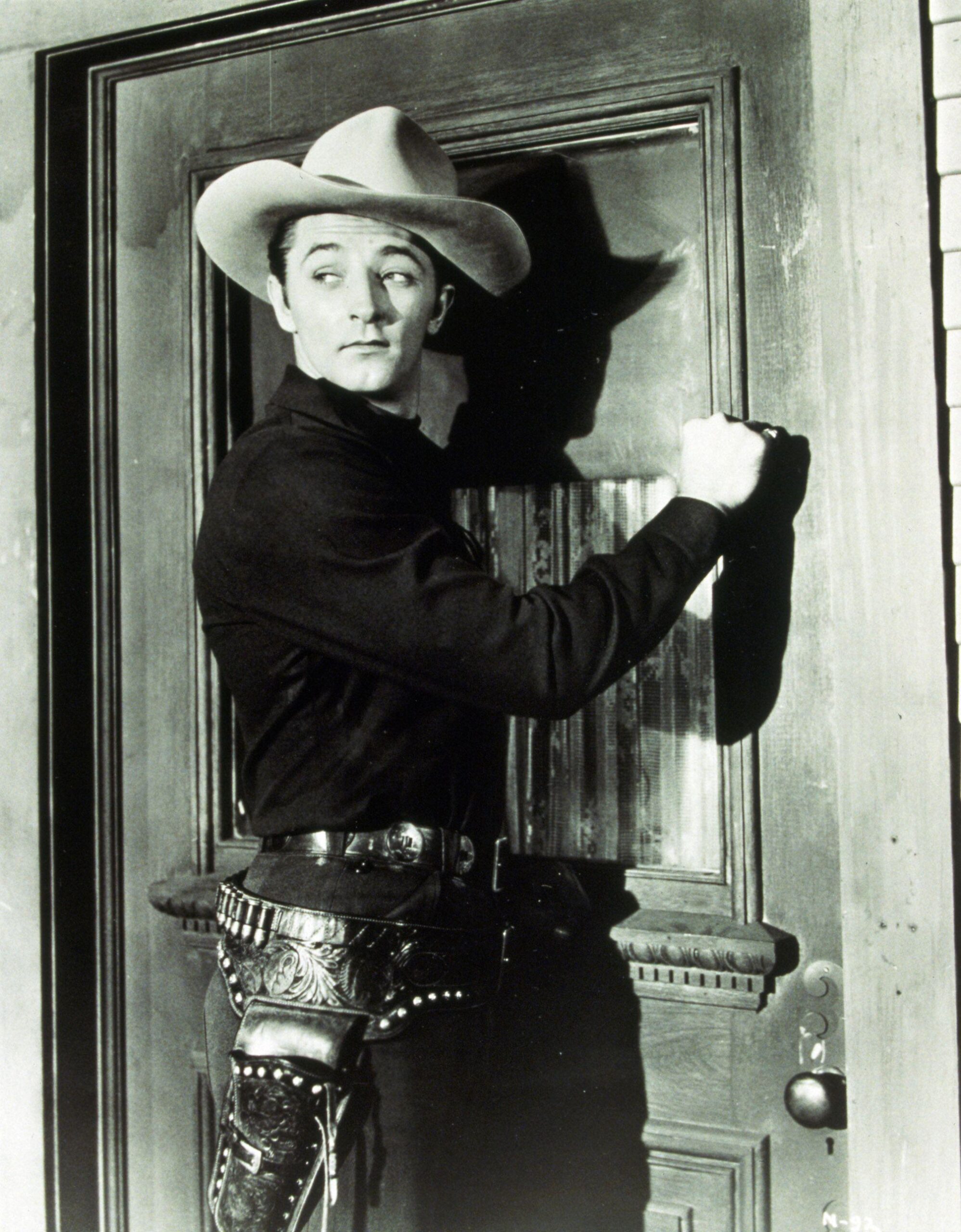
American actor Robert Mitchum was born on August 6, 1917 in Bridgeport, Connecticut.
Image from the film Nevada in 1944 when he was billed as “Bob” Mitchum.
The film is considered his first lead role.
via Alamy
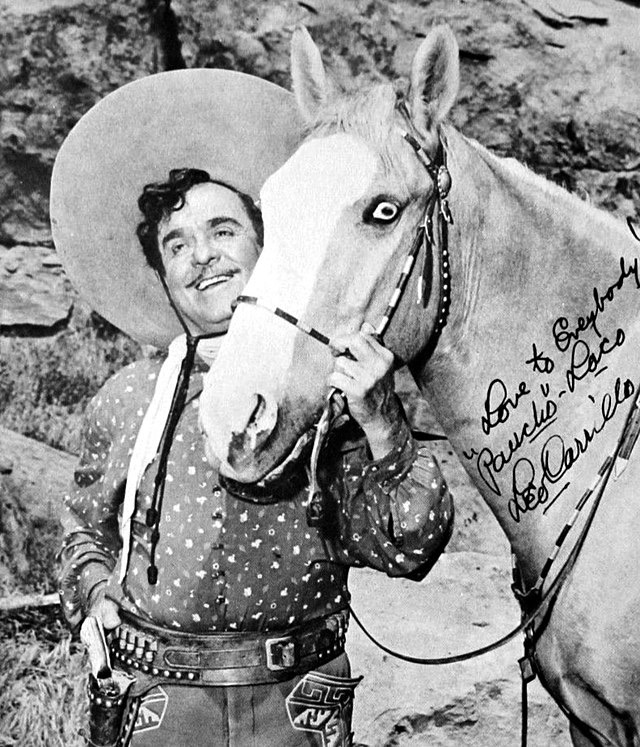
Born August 6, 1881, Leo Carrillo was best known for playing Pancho, sidekick to The Cisco Kid in films and on television. He was part of a prominent Californio family of the 1700’s, a political cartoonist for a San Francisco newspaper, and a long-time conservationist with California’s Beach and Parks Commission.
Image via Wikimedia Commons, no known copyright
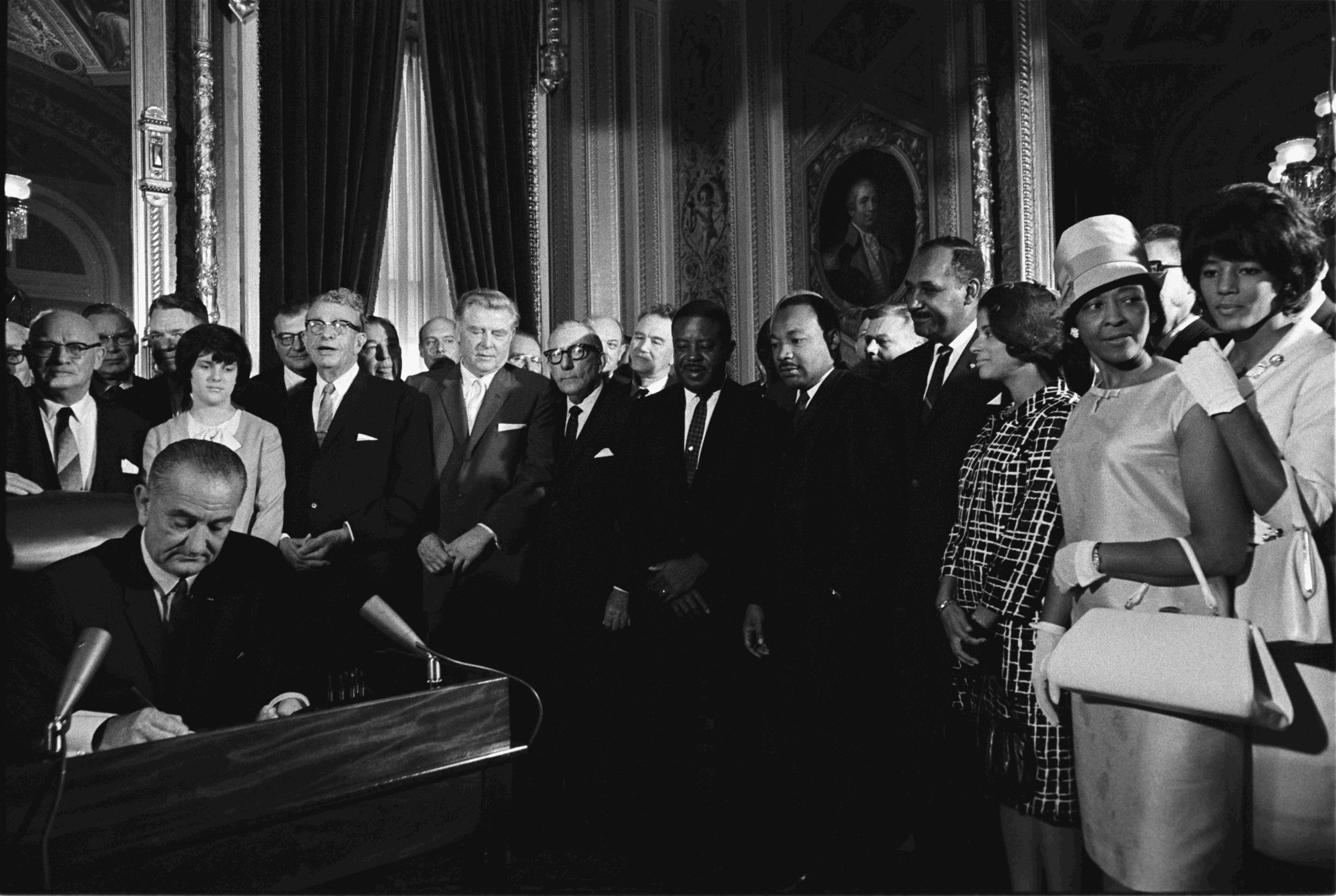
President Lyndon B. Johnson signing the Voting Rights Act of 1965 on August 6th of that year.
Martin Luther King Jr. and others
look on.
Image via Wikimedia Commons, no known copyright
