
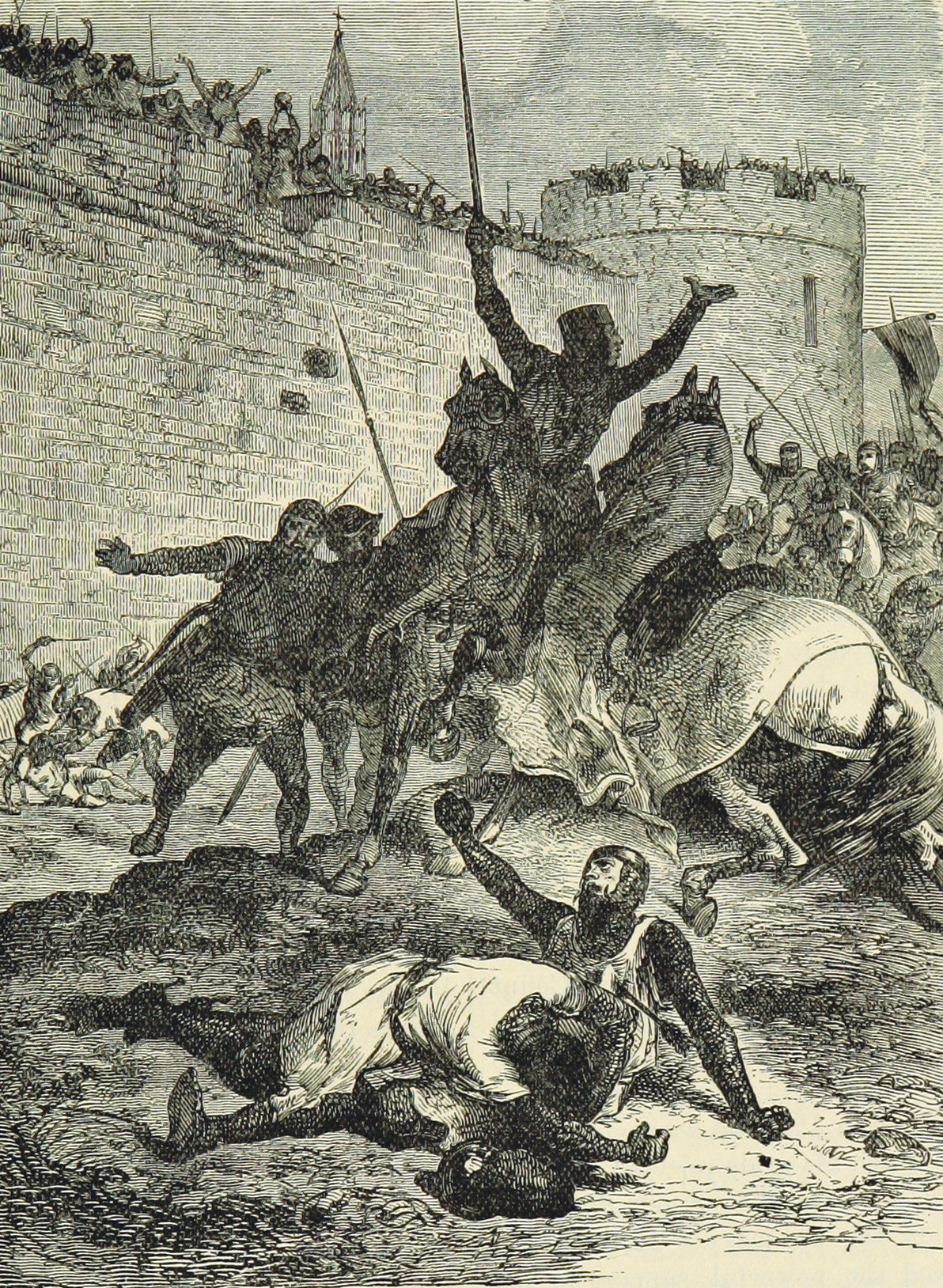
Battle of Evesham, August 4, 1265
In this brutal clash during England’s Second Barons’ War, rebel leader Simon de Montfort was slain by forces loyal to King Henry III. Though defeated, de Montfort left a lasting legacy: months earlier, he had summoned a groundbreaking parliament that included commoners—a radical gesture toward representative government. Centuries later, American revolutionaries drew from this Anglo tradition of challenging royal authority and expanding political voice. Evesham’s echoes can be heard in the founding debates of the United States, where the idea of governance by the people took root in new soil.
Image via Wikimedia Commons, public domain
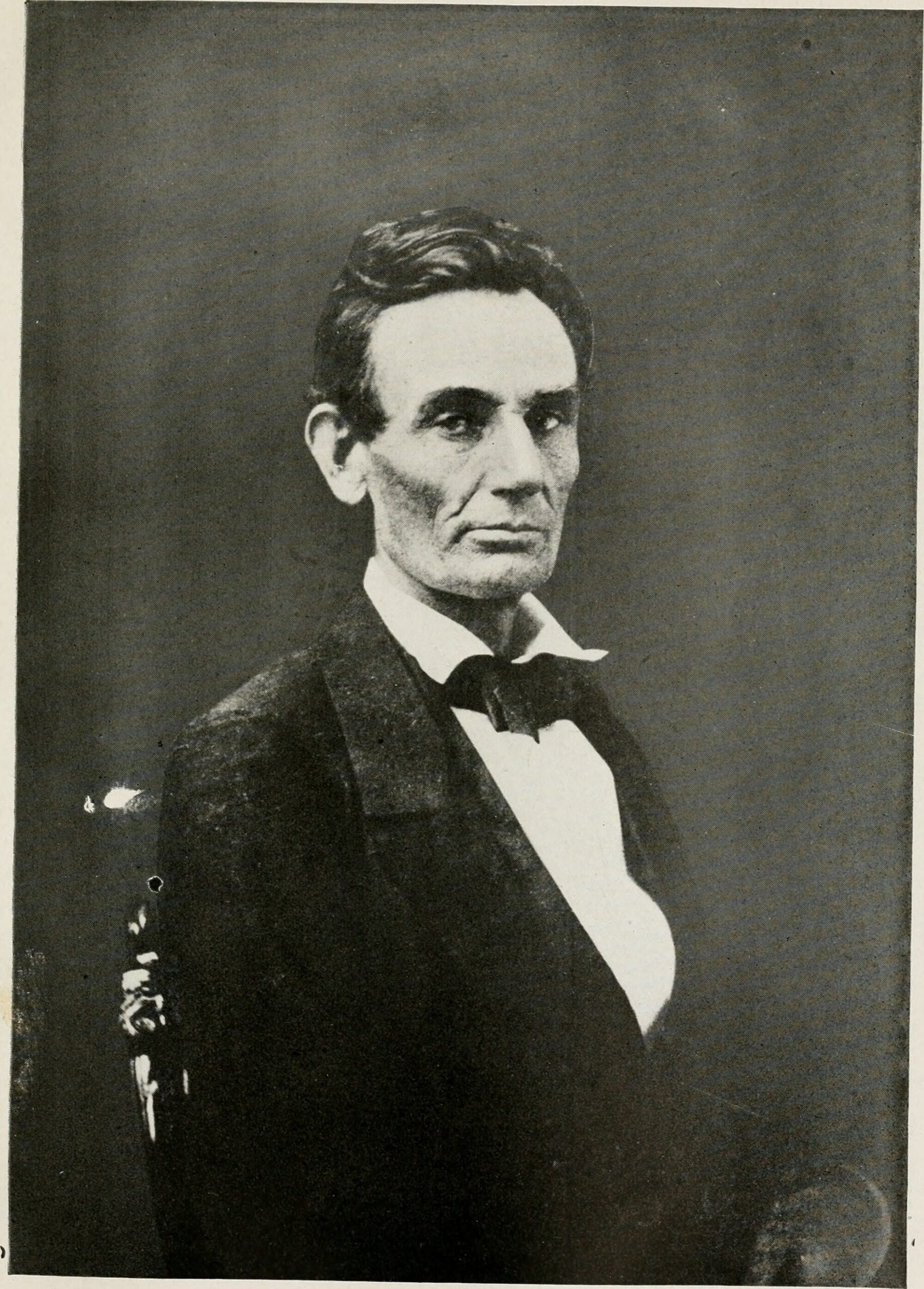
August 4, 1862 – A Nation Summoned
With the Union war effort faltering and volunteer enlistments waning, President Abraham Lincoln issued a sweeping order: 300,000 men were to be drafted into service. It was the first time he invoked federal authority under the new Militia Act, signaling a shift from patriotic appeals to compulsory mobilization. The order stirred anxiety across the North—testing loyalties, provoking resistance, and foreshadowing the deeper moral reckoning to come. Just weeks later, Lincoln would begin drafting the Emancipation Proclamation, transforming the war from a fight for union into a battle for freedom.
Image via Wikimedia Commons, public domain
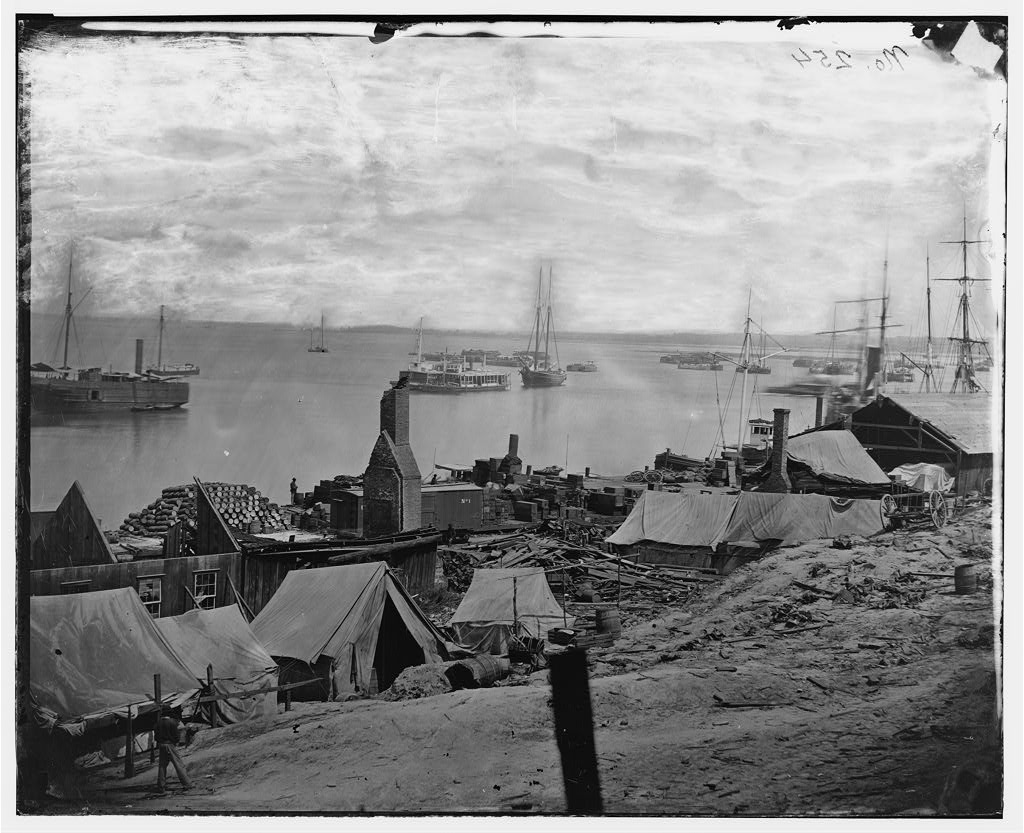
City Point, Virginia
Wharves after the explosion of ordnance barges on August 4, 1864
via LOC, no known restrictions
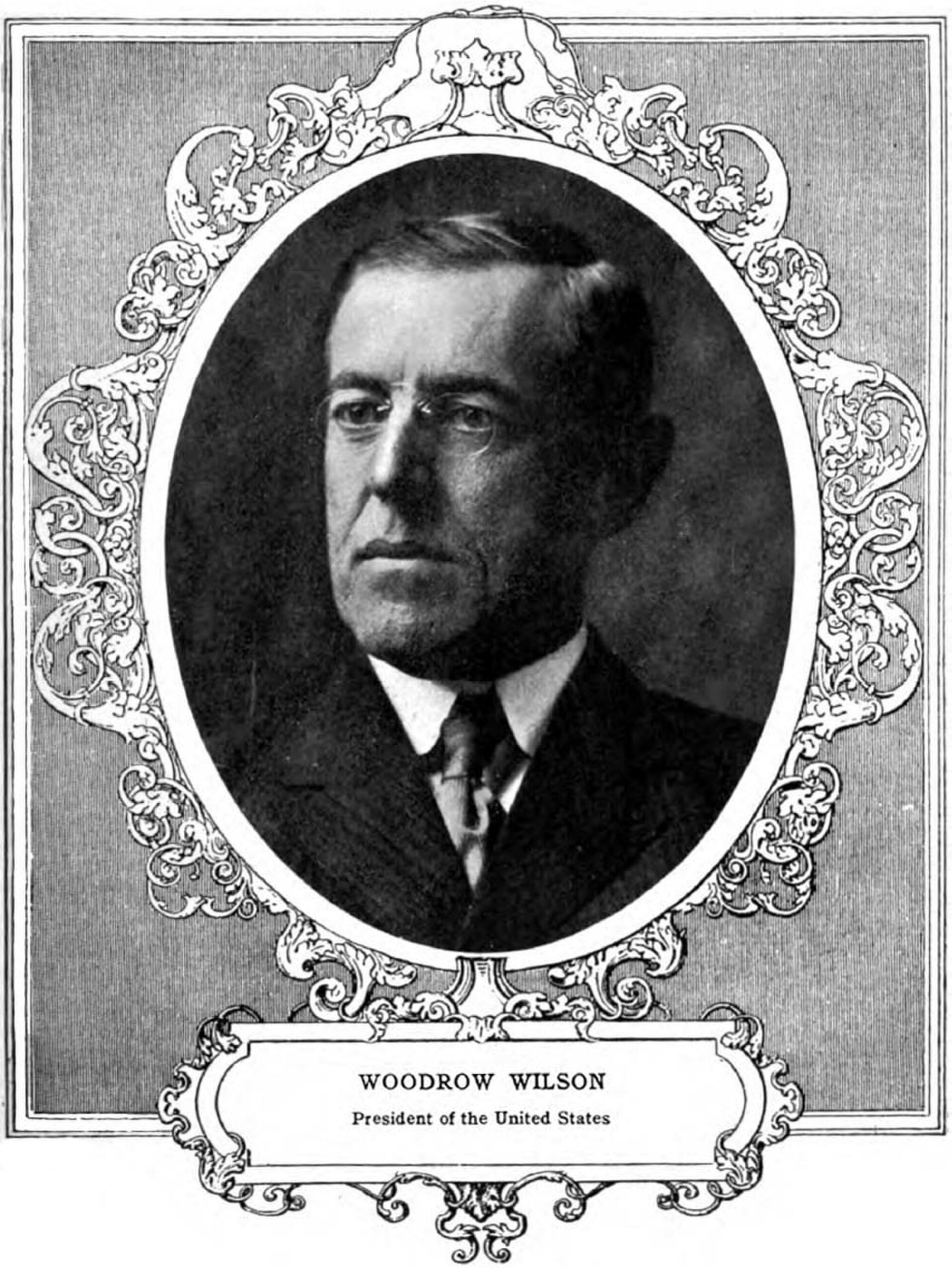
Busy Day for President Wilson
On August 4, 1920, President Woodrow Wilson ordered two U.S. Navy ships to intercept a British-chartered vessel attempting to lay a telegraphic cable off the coast of Miami. The cable, backed by Western Union, was intended to link the United States with Barbados and eventually Brazil—but the company had jumped the gun, moving forward without formal government approval.
That same day, Wilson issued a presidential proclamation declaring December 21, 1920, as “Pilgrim’s Day,” in honor of the 300th anniversary of the Mayflower’s landing. He called for nationwide observance, especially in schools and universities, to reflect on the Pilgrims’ legacy of civic liberty and self-governance.
Image via Wikimedia Commons, public domain
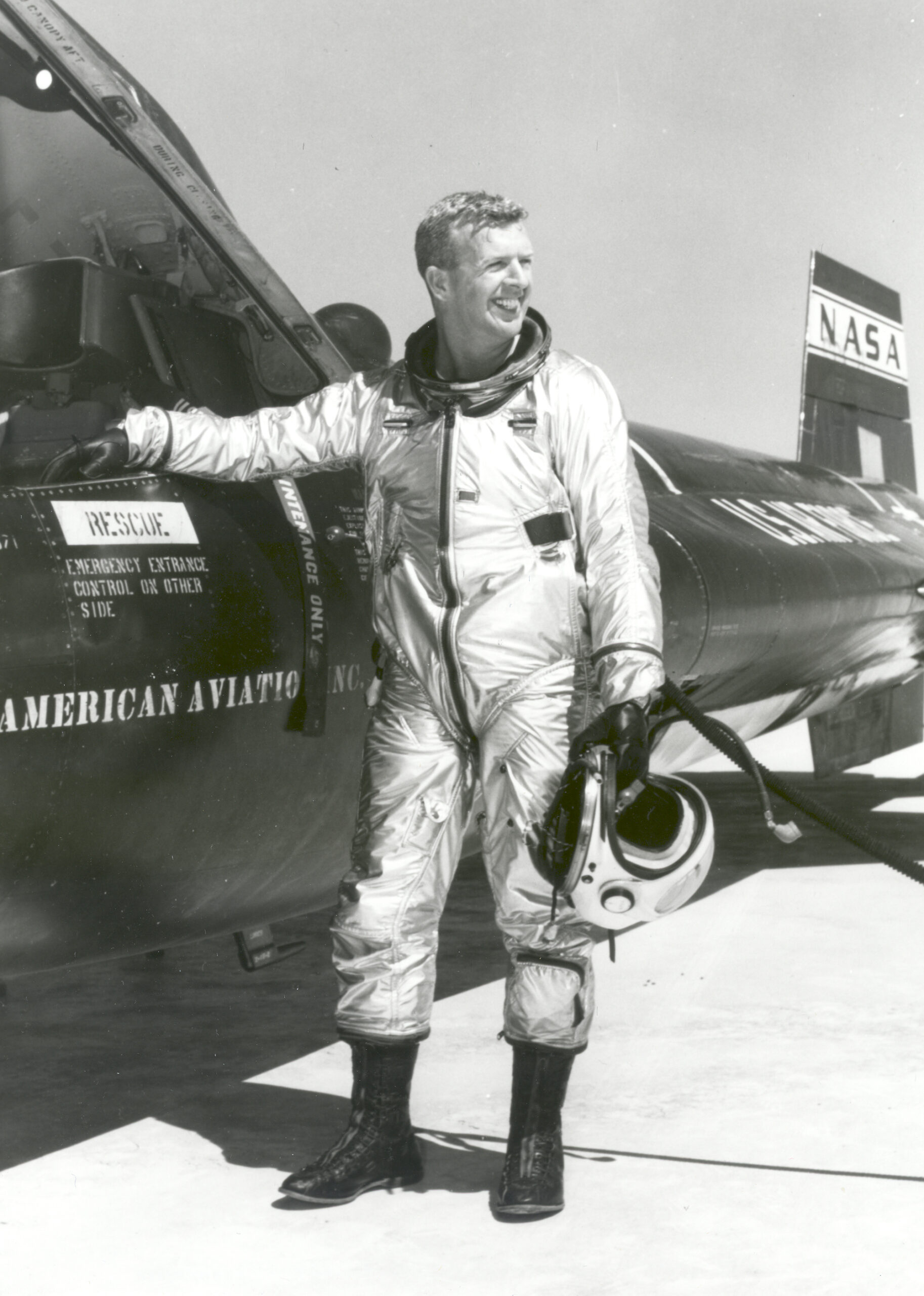
On August 4, 1960, American pilot Joe Walker flew 2,196 mph in the X-15 hypersonic rocket plane.
The flight was about an hour and a half long and flew over 78,000 feet into the air.
Image of Walker with the X-15 in the early 1960s via Wikimedia Commons, public domain
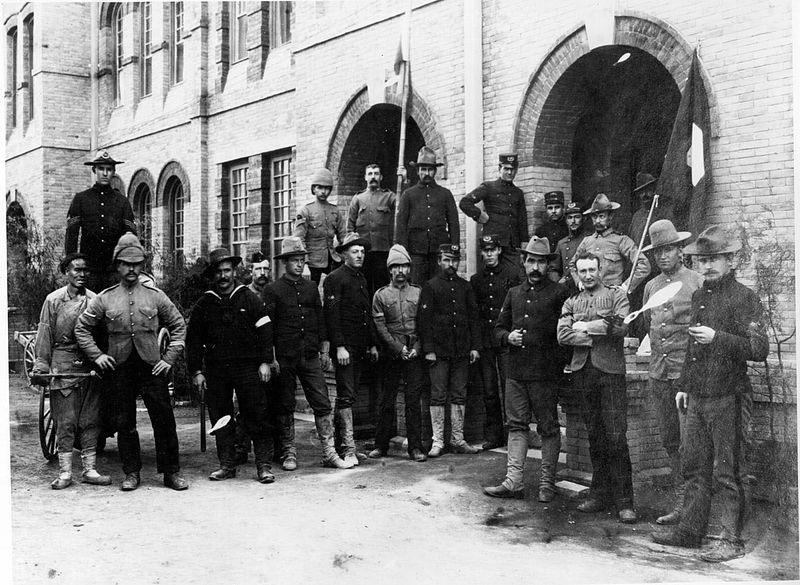
August 4, 1900 – 2,500 US soldiers and marines of the China Relief Expedition join forces of seven other nations – Great Britain, France, Russia, Germany, Austria-Hungary, Italy, and Japan to begin a fighting march from Tientsin to relieve the embassy personnel and Chinese Christians besieged in Peking during the Boxer Rebellion.
Image via Wikimedia Commons, public domain in the US
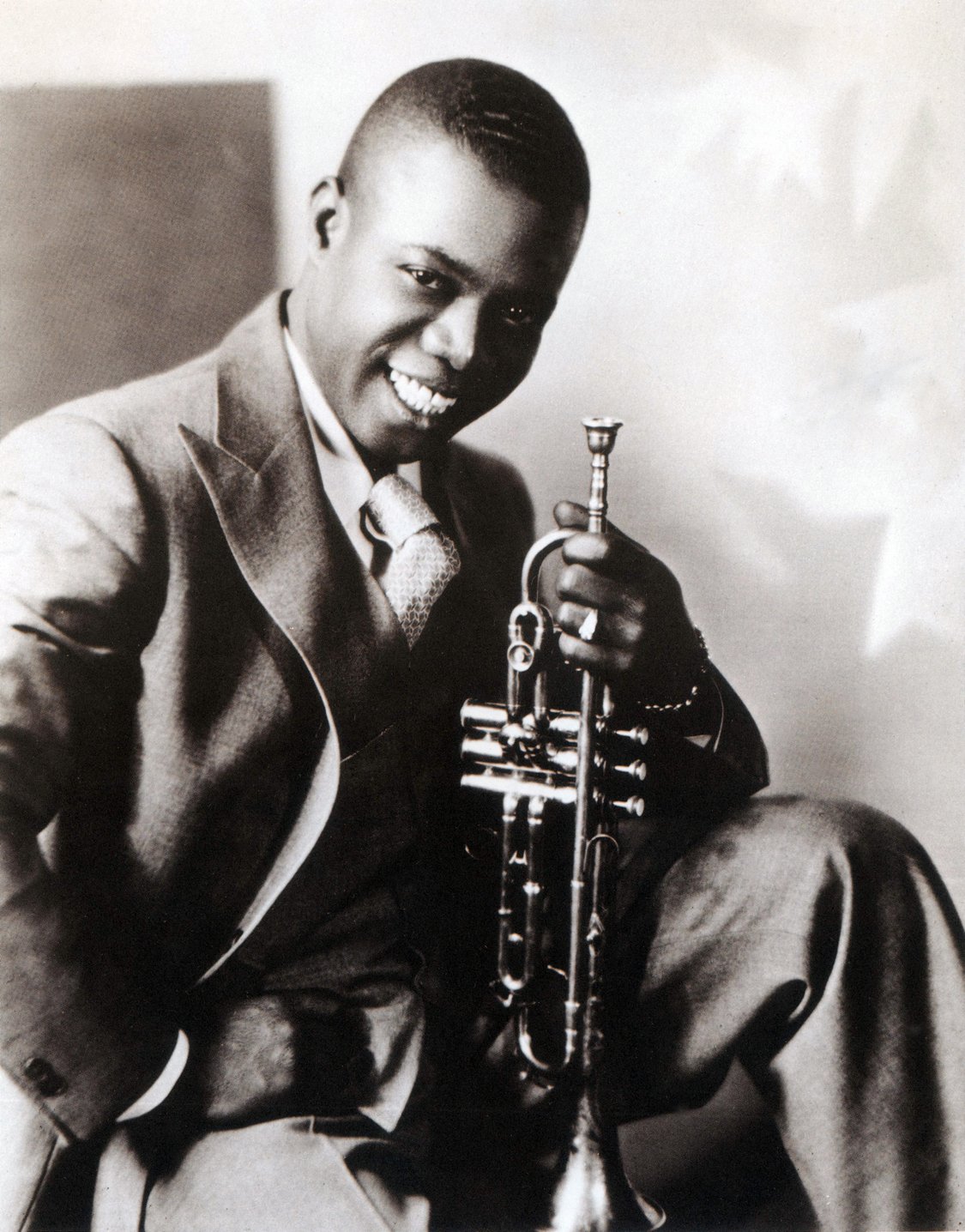
On August 4, 1901 American trumpeter Louis Armstrong was born in New Orleans, Louisiana.
Image c. 1930 via Alamy
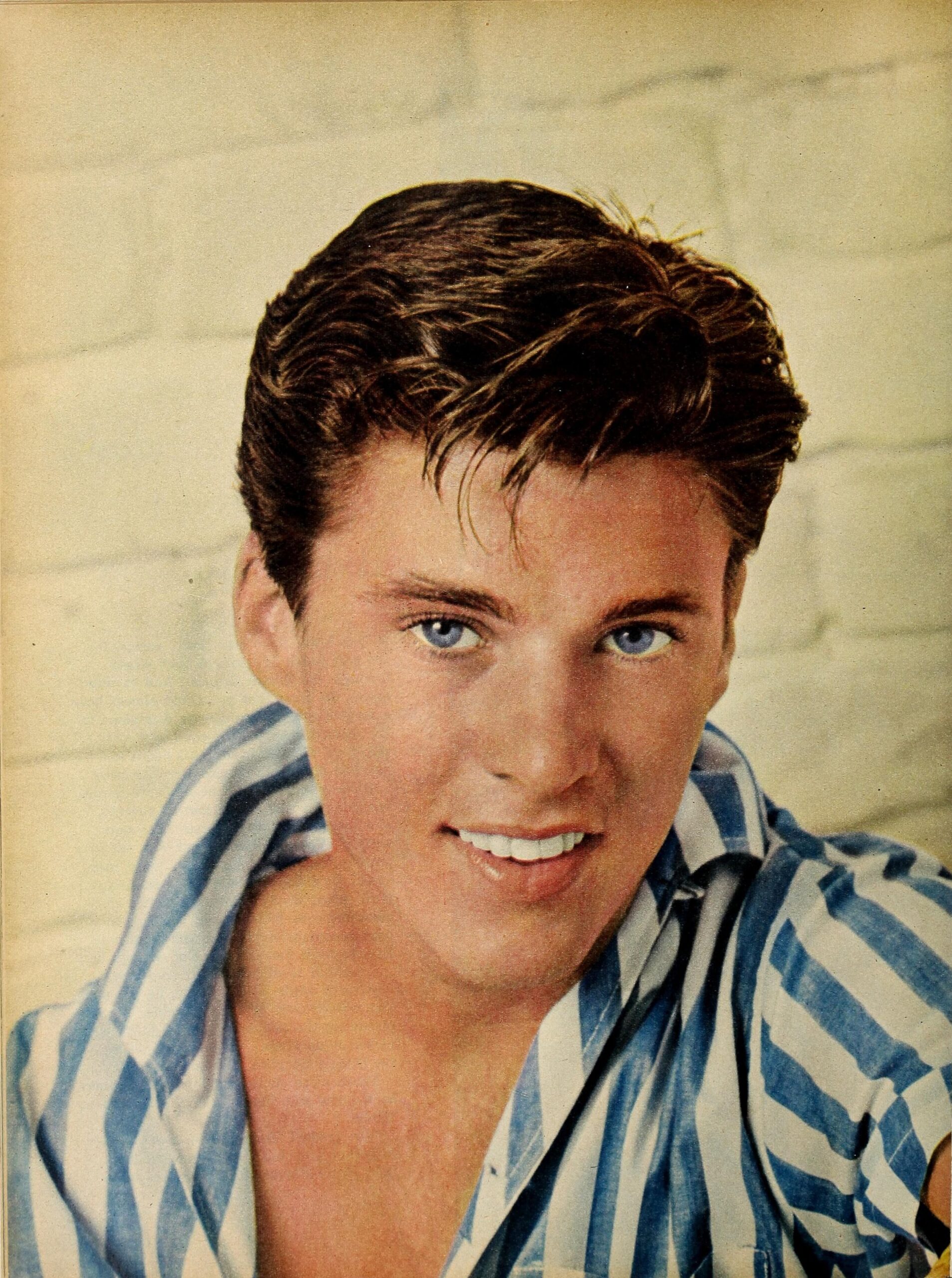
“Poor Little Fool” by Ricky Nelson became the first #1 song to appear on Billboard’s Hot 100 chart on August 4, 1958.
Image of Ricky Nelson in 1958 via Wikimedia Commons, public domain
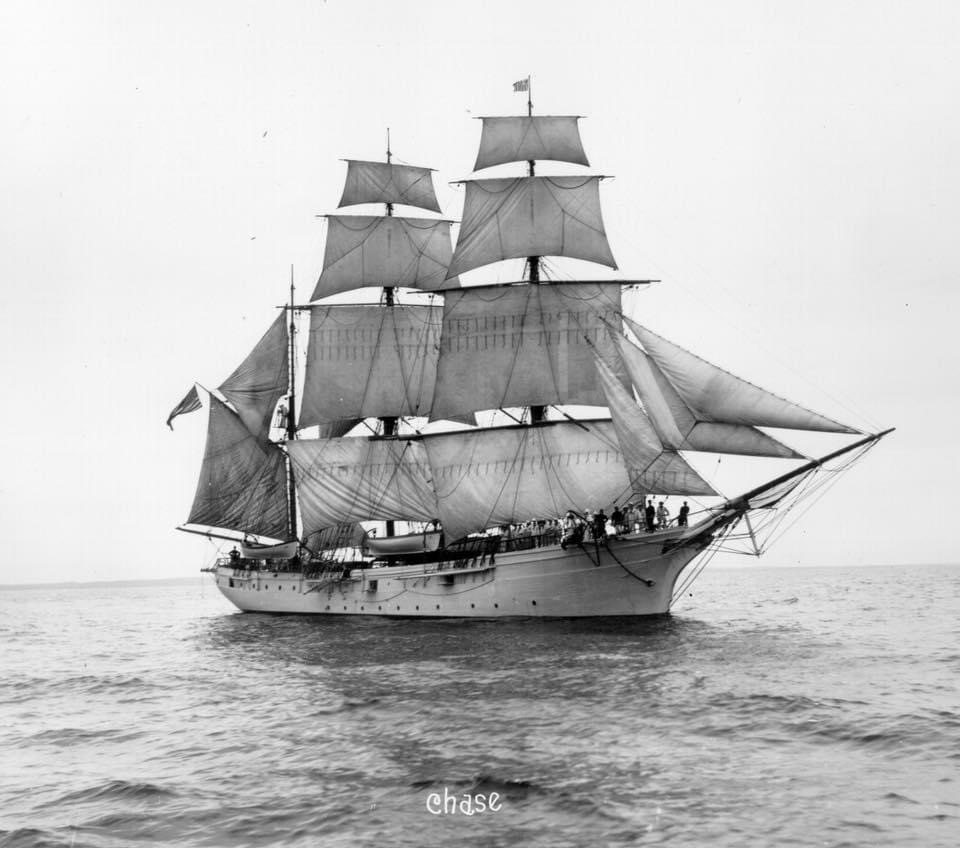
A forerunner to the U.S. Coast Guard, the U.S. Revenue-Marine which was later named The U.S. Revenue Cutter Service was established by Congress on August 4, 1790.
Image: U.S. Revenue Cutter Salmon P. Chase before 1907 via Wikimedia Commons, public domain
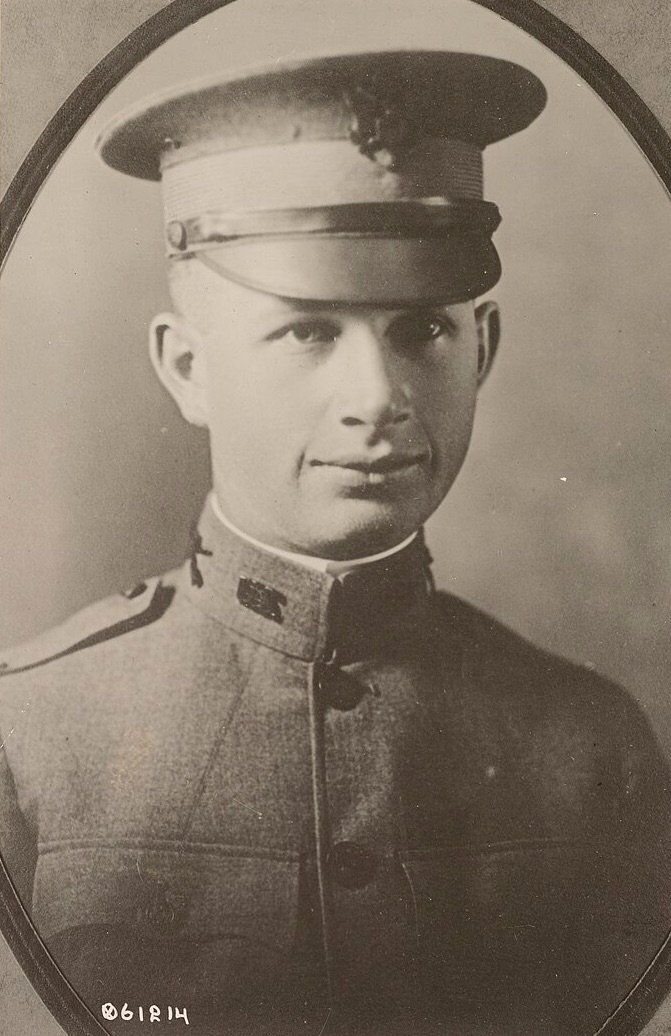
1st Lieut. Clarence G. Noble, Co. G, 128th Infantry, died August 4, 1918, of wounds received in action during the Aisne-Marne Offensive
He was only 22.
Image via DPLA via Wikimedia Commons, public domain
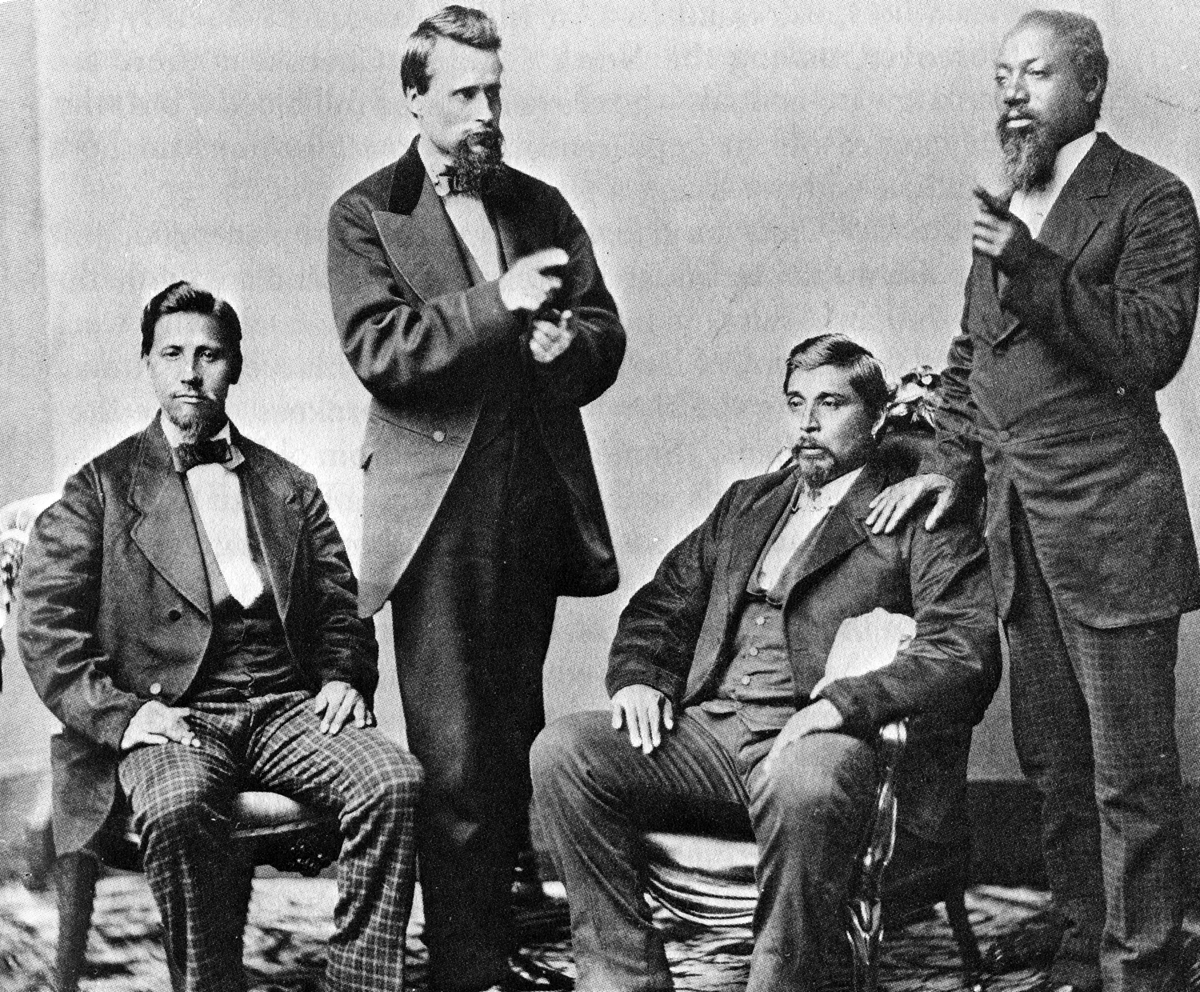
Creek Nation Delegates, c. 1877
On the far right stands Silas Jefferson (Hotulkomiko), a prominent African Creek leader, interpreter, and advocate for Creek Freedmen rights during Reconstruction. His presence in this rare photograph—taken in Indian Territory and now held by the Smithsonian—offers a powerful visual testament to the multiracial leadership within the Creek Nation.
On August 4, a day historically associated with Emancipation commemorations among Black communities in Indian Territory, Jefferson’s image invites reflection on the enduring struggle for recognition, sovereignty, and belonging. His stance alongside Muscogee peers underscores the layered identities and political agency of African Creeks in the face of federal pressure and internal tribal debates.
Image via Wikimedia Commons, public domain
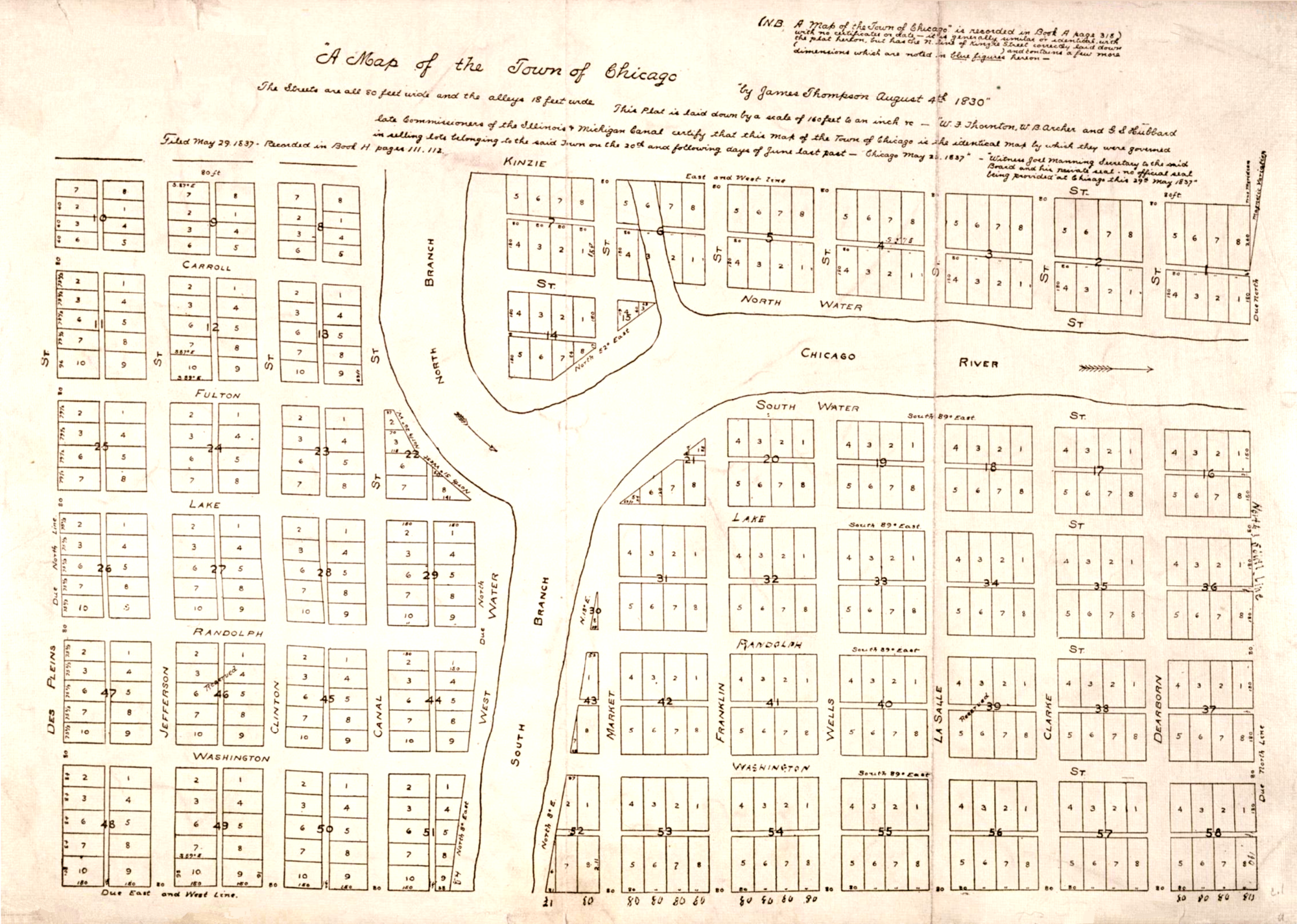
This first grid layout of the City of Chicago was created on August 4, 1830 by surveyor James Thompson.
Image: Thompson’s plat of Chicago via Wikimedia Commons, public domain
“Today, this dream sounds common – perhaps even cliche – yet for most of human history it’s been anything but. As a servant of Rome, a peasant in China, or a subject of King George, there were very few unlikely futures. No matter how hard you worked or struggled for something better, you knew you’d spend your life forced to build somebody else’s empire; to sacrifice for someone else’s cause.
But as the centuries passed, the people of the world grew restless. They were tired of tyranny and weary of their lot in life. And as they saw merchants start to sail across oceans and explorers set off in search of new worlds, they followed.
It was right here, in the waters around us, where the American experiment began. As the earliest settlers arrived on the shores of Boston and Salem and Plymouth, they dreamed of building a City upon a Hill. And the world watched, waiting to see if this improbable idea called America would succeed.
For over two hundred years, it has.”
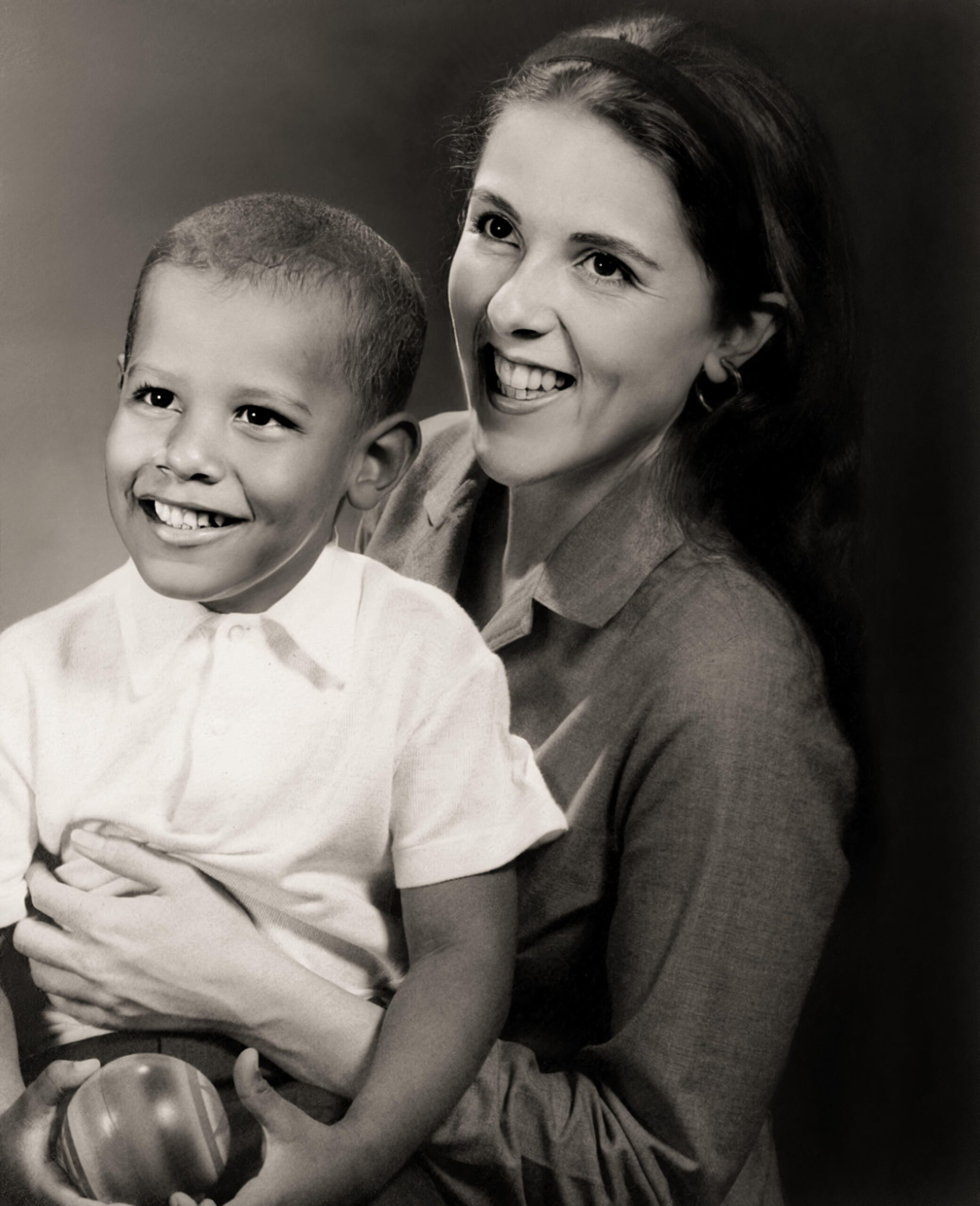
– President Barack Obama who was born on August 4, 1961 in Honolulu, Hawaii
Image of Barack as a child with his mother via Alamy
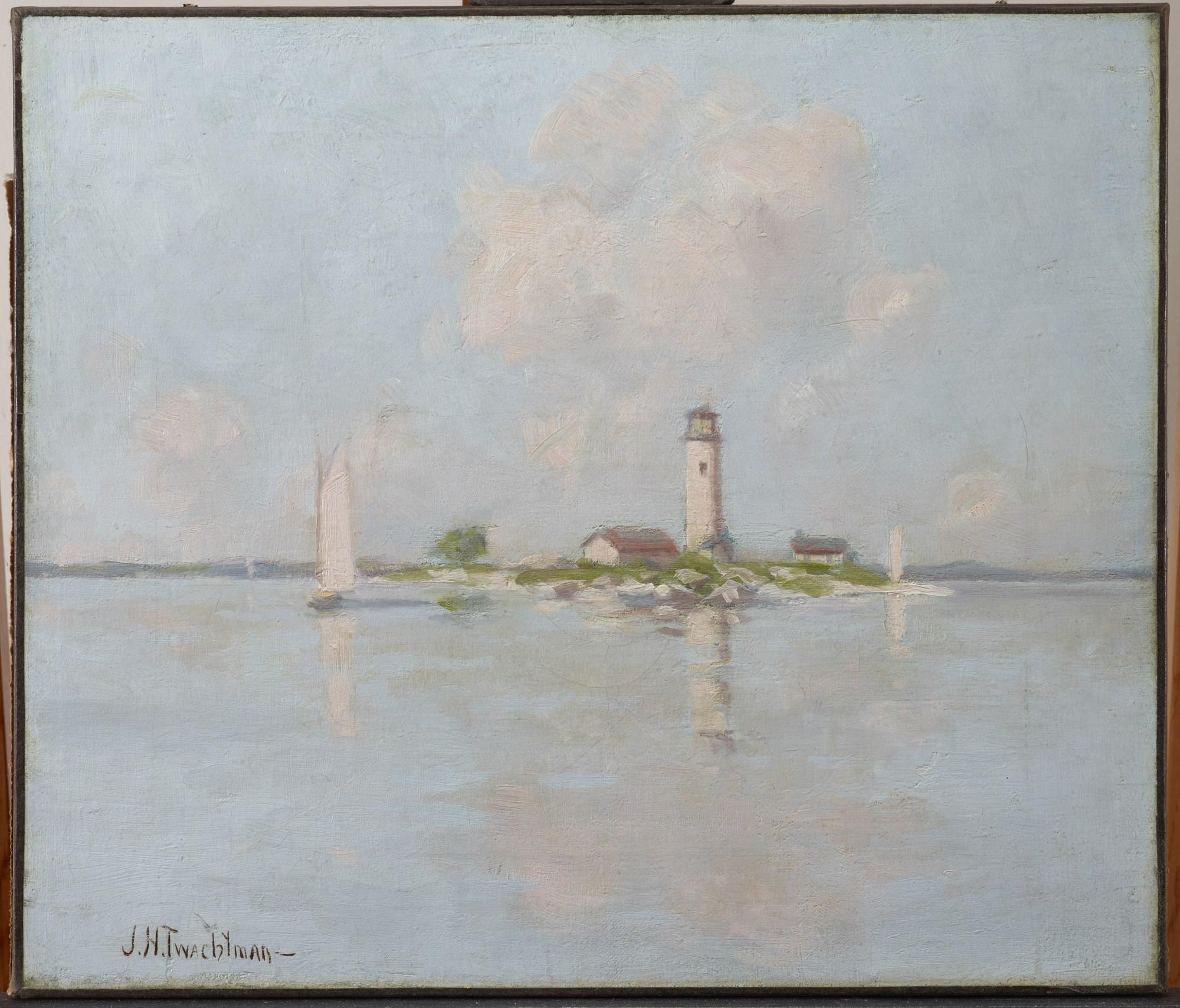
The Lighthouse
by American artist John Henry Twachtman, who was born on August 4, 1853 in Cincinnati, Ohio.
Image via Wikimedia Commons, public domain
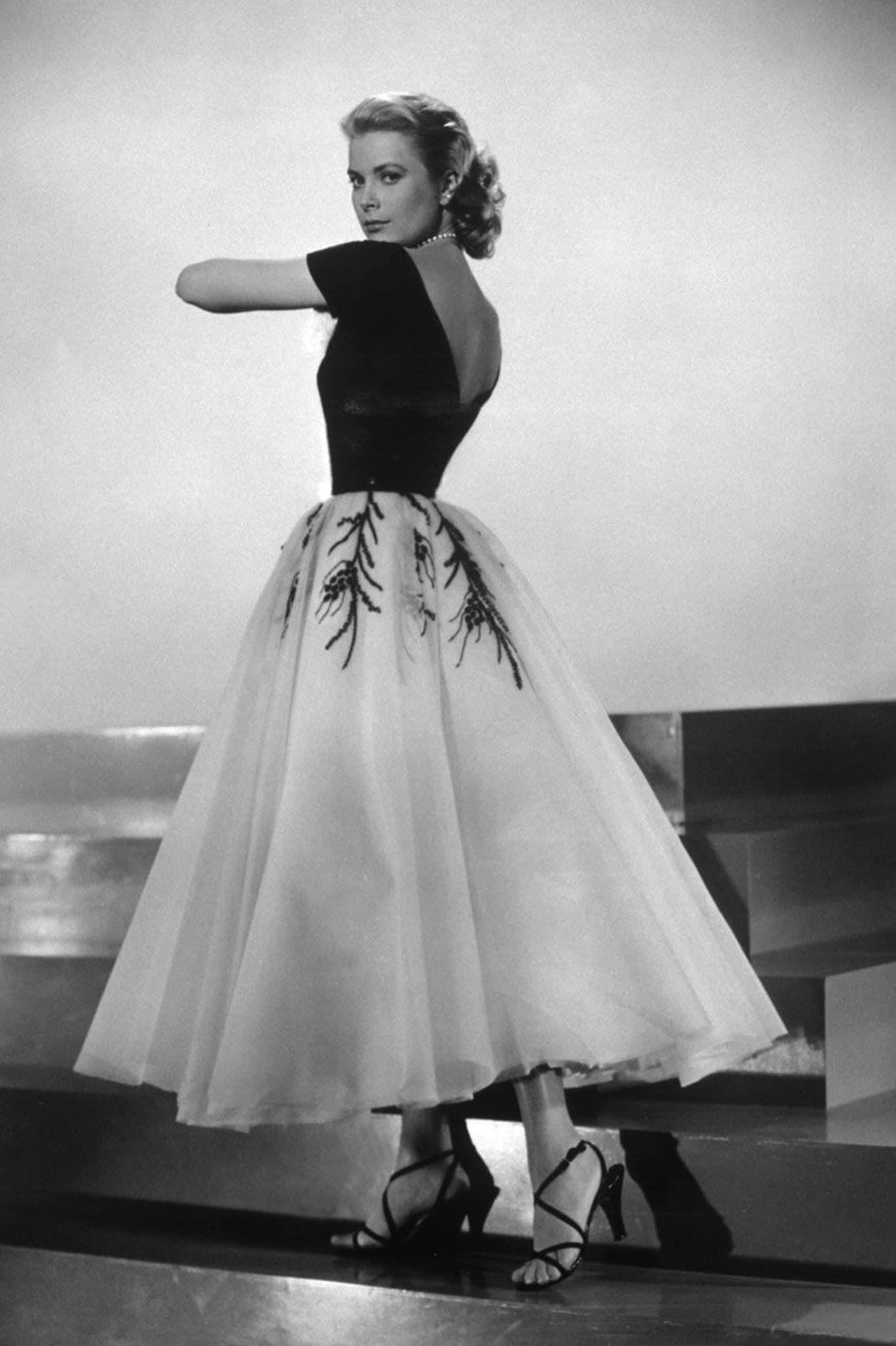
The lovely Grace Kelly in a promotional still for the Hitchcock thriller Rear Window.
On August 4, 1954 the film had an exclusive benefit release for movie industry guests and United Nations officials in New York City to raise funds for Americans and the people of South Korea following the Korean War.
Image via Wikimedia Commons, no known restrictions
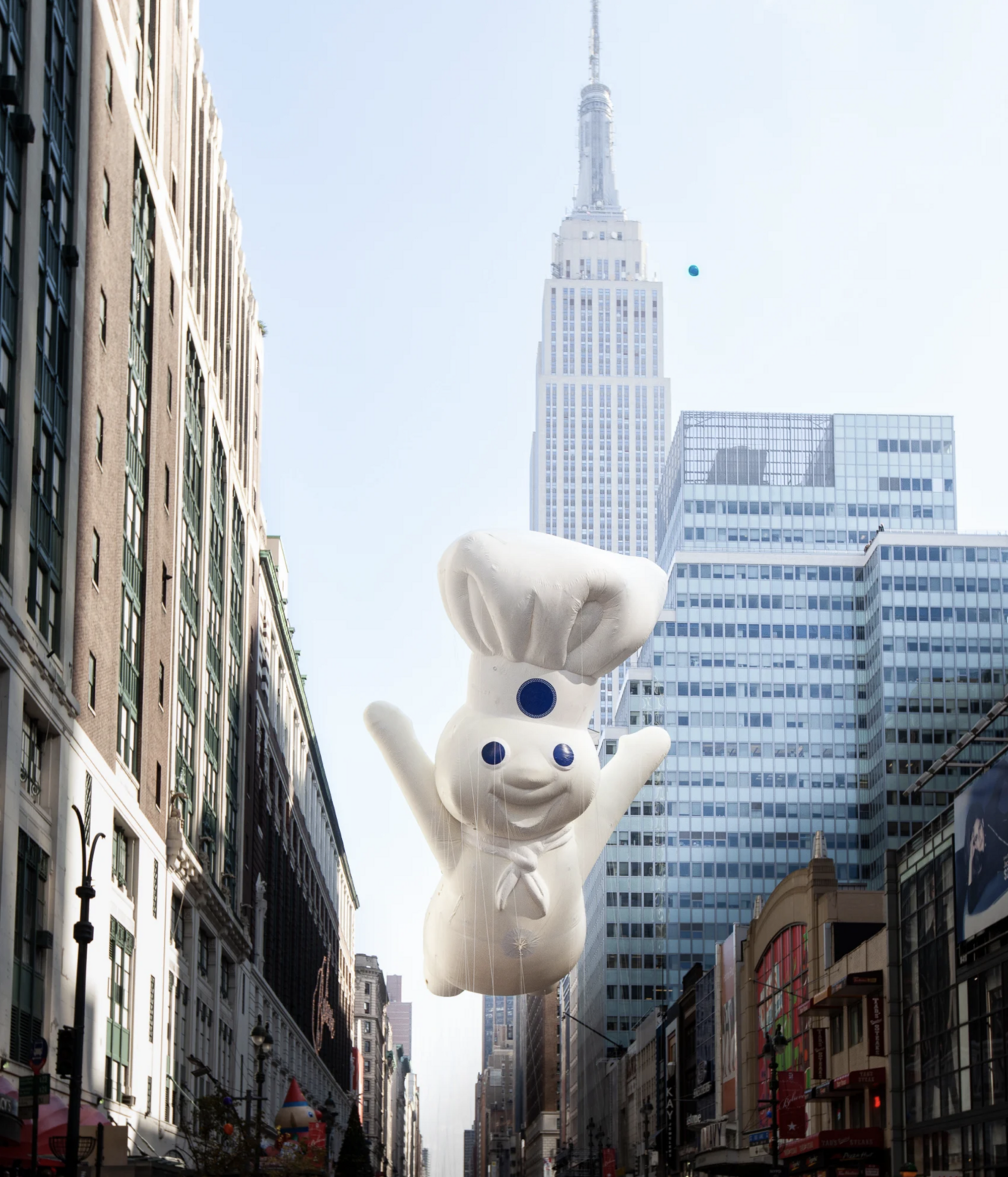
Trademarked with a Giggle
On August 4, 1970, Pillsbury registered “Poppin’ Fresh,” the giggling doughboy who would rise to fame as a soft-bodied icon of American advertising. More than a mascot, he was a breakthrough in brand storytelling—animated, approachable, and psychologically engineered to evoke warmth and trust. His trademark wasn’t just legal protection; it marked the arrival of a character who blurred the line between product and personality, reshaping how Americans connected with their food.
Image: Pillsbury balloon moves through Manhattan during the 2012 Macy’s Day Parade by Dan Depew via Wikimedia Commons, CC BY 4.0
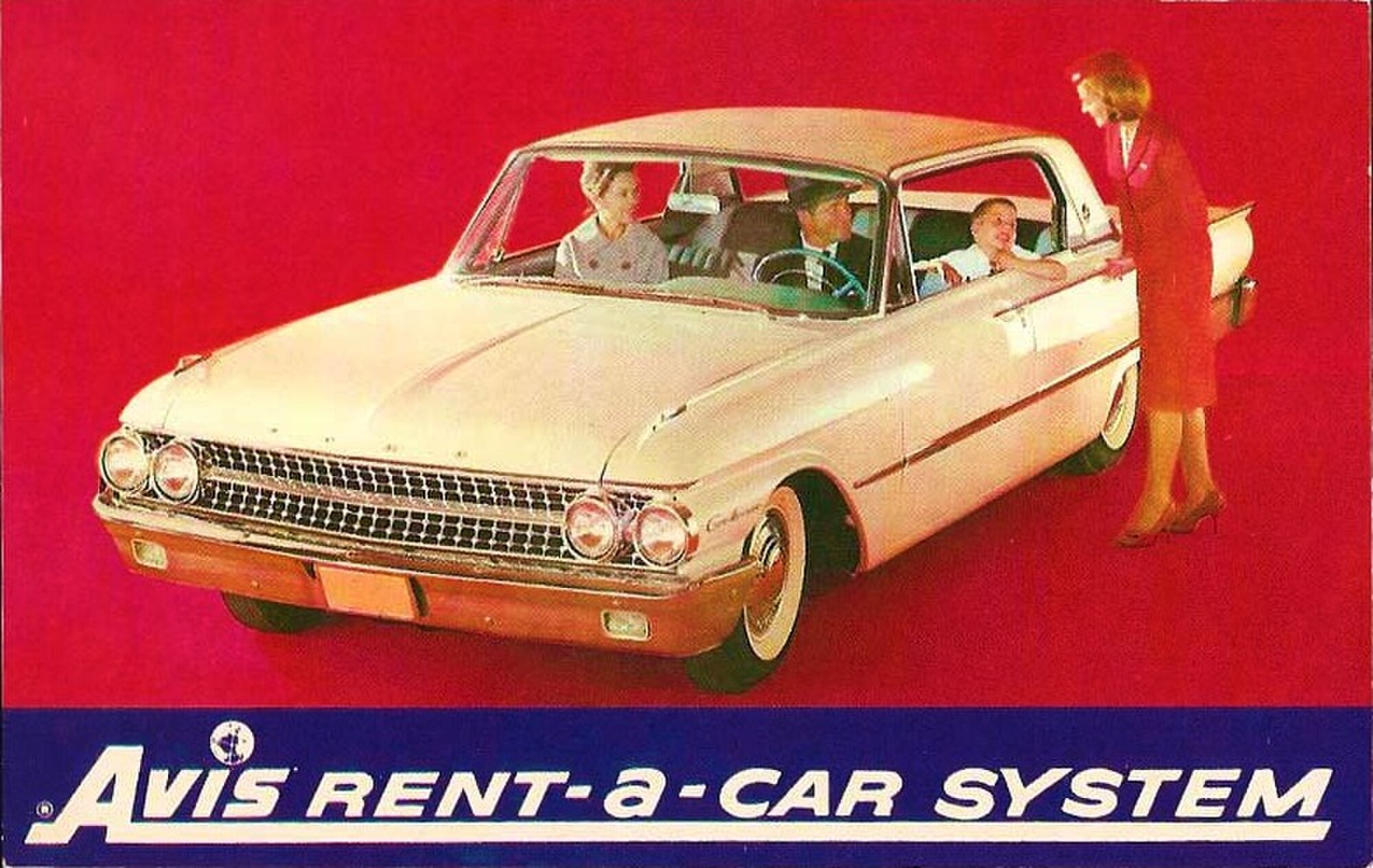
Warren Avis, the entrepreneur who founded Avis Car Rentals, was born in Bay City, Michigan on August 4, 1915.
Just a few years before creating the company Warren served as a bombardier with the U.S. Army Air Forces during WWII.
Image: Avis Rent-a-Car System Ford Contour from 1950sUnlimited – CC BY 2.0
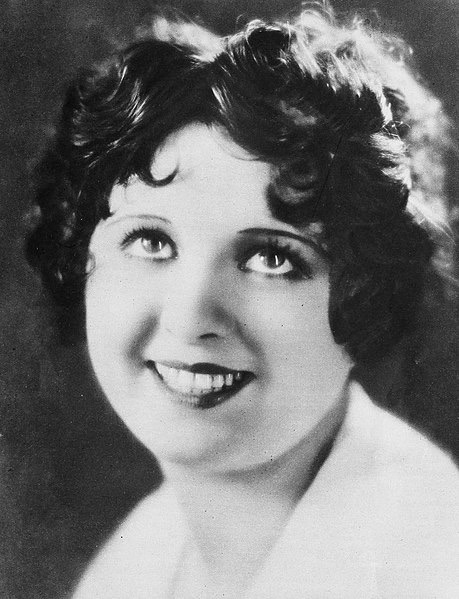
Born August 4, 1904 Helen Kane sang and acted on Broadway and in films of the 1920s and ‘30s. She sometimes included the phrase “boop-oop-a-doop” in hit songs like “I Wanna Be Loved by You.” Helen’s singing style and appearance inspired the cartoon character Betty Boop, resulting in an unsuccessful lawsuit by her.
Image by E.R. Richee via Wikimedia Commons, copyright not renewed public domain in the US.
