
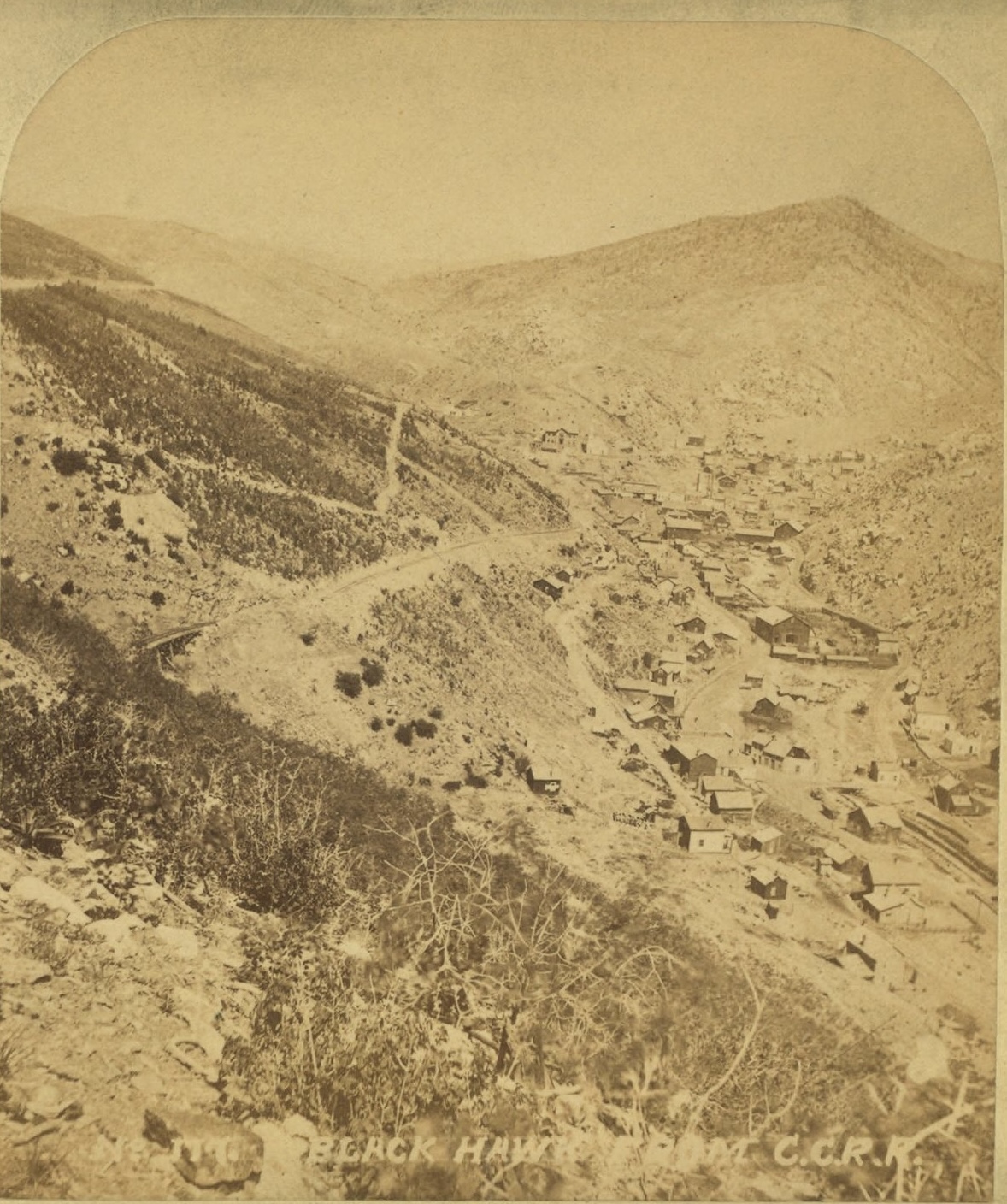
Black Hawk from the Colorado Central Railroad, August 31, 1881
Nestled in Gregory Gulch, Black Hawk was a town carved into the mountains—its clustered buildings and winding roads shaped by gold strikes and geological constraint. By 1881, it stood at the heart of Colorado’s mining boom, known as the “City of Mills” for its ore-crushing industry. The Colorado Central Railroad, extended to the gulch in 1872, brought refined gold, silver, and ambition down from the hills. This late-summer view captures a town alive with industry, framed by rugged terrain and the dust of transformation.
Image via Wikimedia Commons, public domain
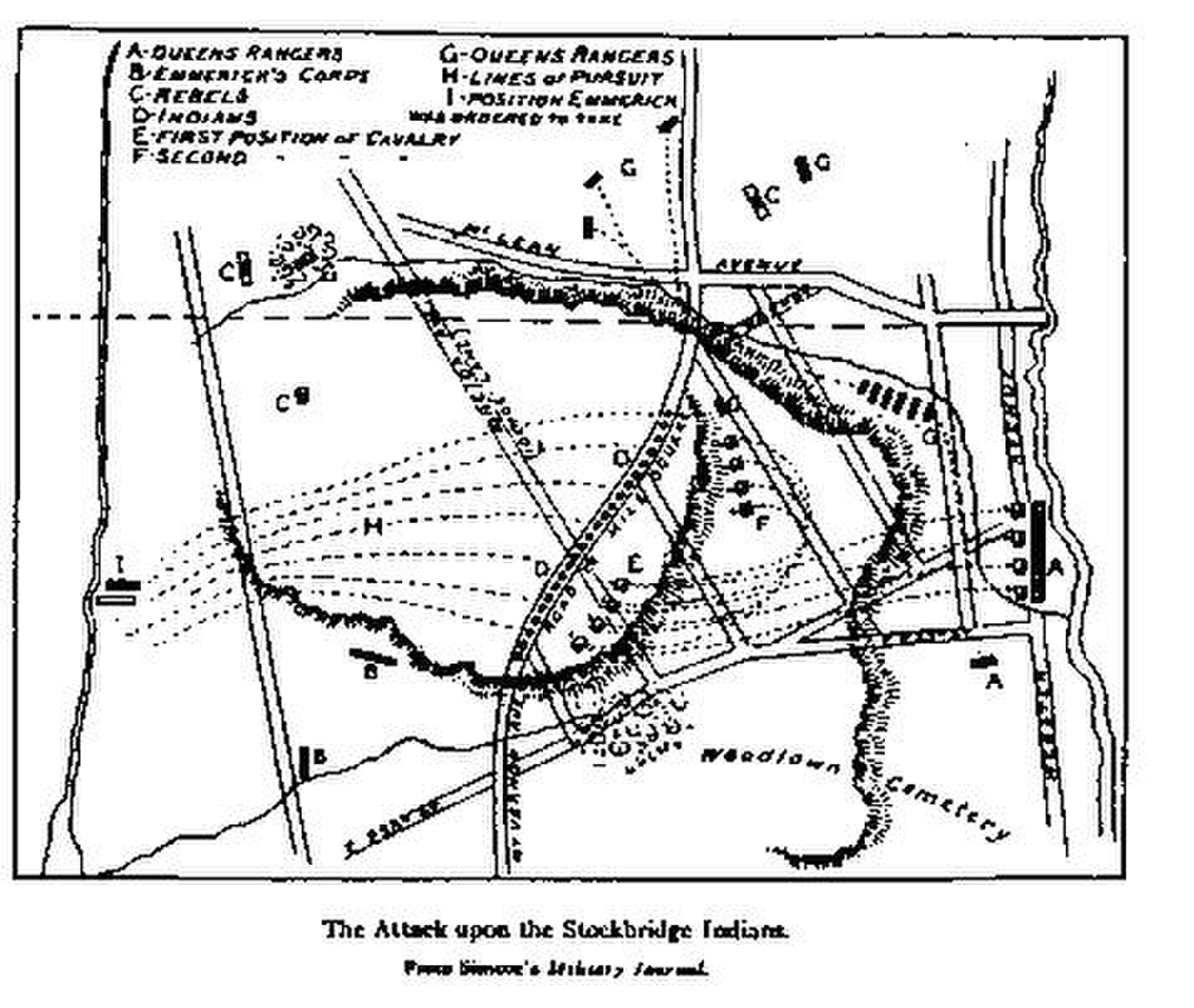
On August 31, 1778, Chief Daniel Nimham and his warriors stood their ground in the Bronx, defending the Patriot cause. These Mohican, Wappinger, and Munsee fighters—members of the Stockbridge Indian Company—were ambushed and killed by British forces in Van Cortlandt Park. Buried where they fell, far from their ancestral homelands, their story endures: a legacy of loyalty, loss, and the unfulfilled promise of liberty.
Image via Wikimedia Commons, public domain
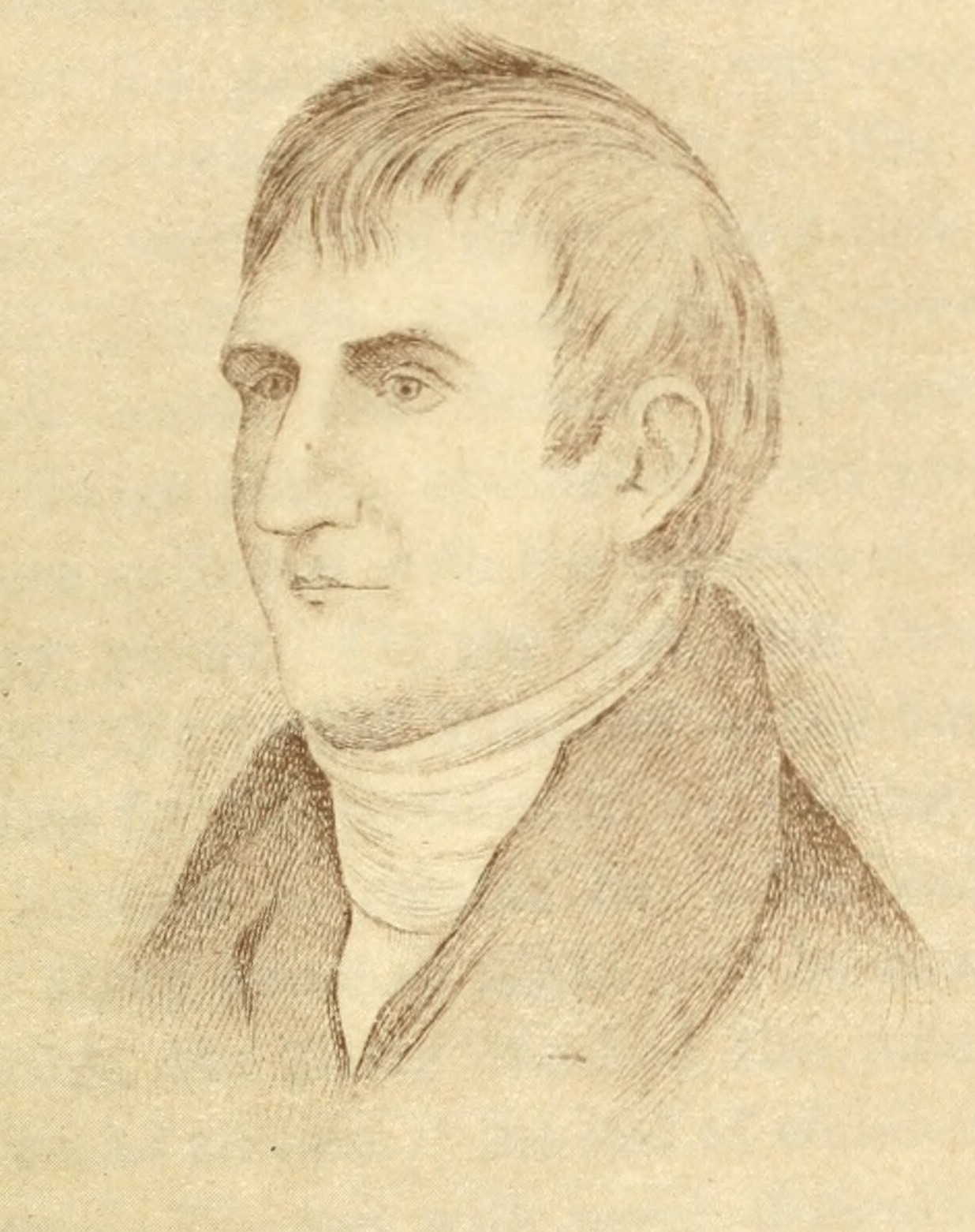
At 7am on August 31, 1803, the keelboat of Meriwether Lewis was completed. A few hours later, Lewis, along with a small group and his newly purchased Newfoundland dog named Seaman, departed Pittsburgh, Pennsylvania to begin the journey west.
He would join William Clark in Indiana later that October.
Image via Wikimedia Commons, public domain
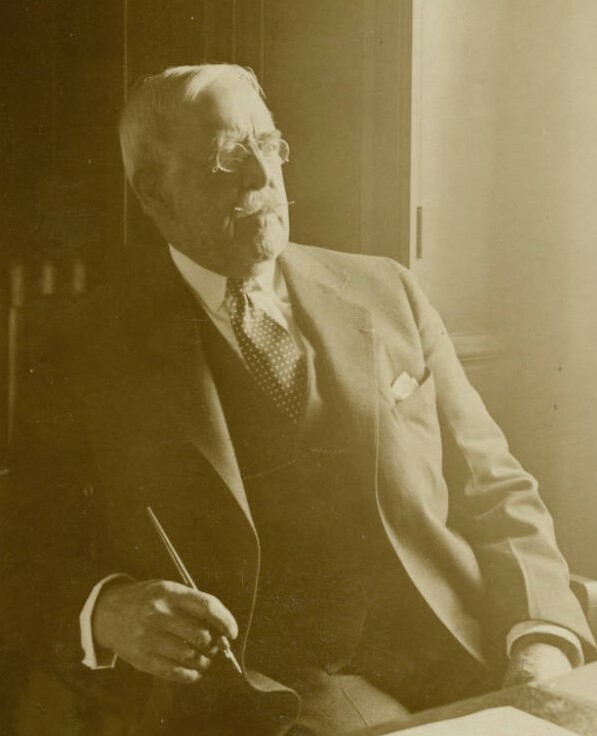
On August 31, 1903, the Third Superintendent of Mount Vernon, H.H. Dodge, with a crew of workers started waterproofing the tomb of George Washington.
Dodge, using a knife to scrape the limestone, demonstrated how Washington’s tomb was decaying after more than 100 years of use.
A vulcanization process was used to seal the tomb and to avoid further damage from the damp climate.
Image via Wikimedia Commons, public domain
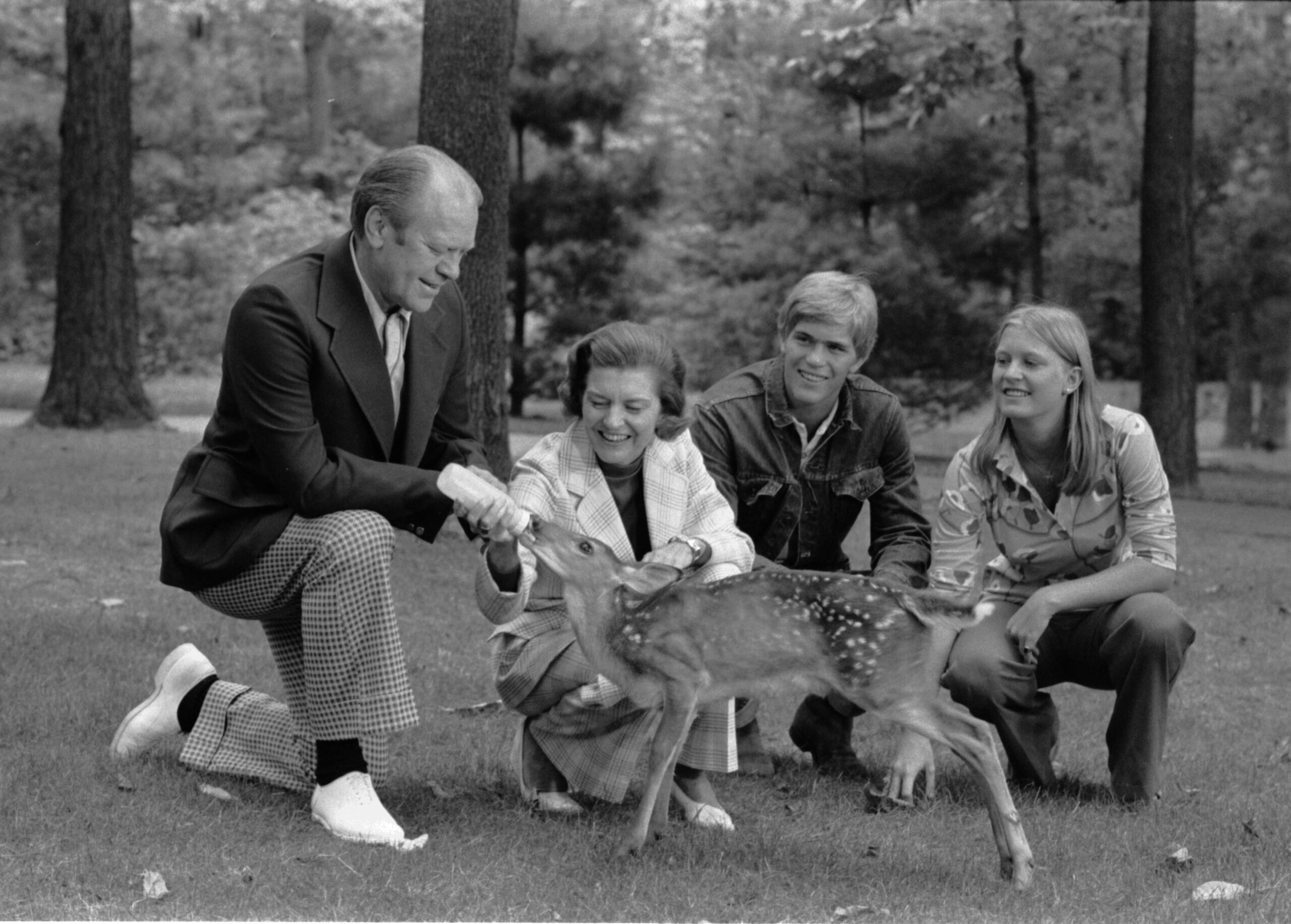
President Gerald R. Ford, First Lady Betty Ford, Steve Ford, and Susan Ford Feeding “Flag” the Deer at Camp David
August 31, 1974
Image via Wikimedia Commons, public domain
“I believe in national friendships and heartiest good-will to all nations; but national friendships, like those between men, must be founded on respect as well as on liking, on forbearance as well as upon trust.”
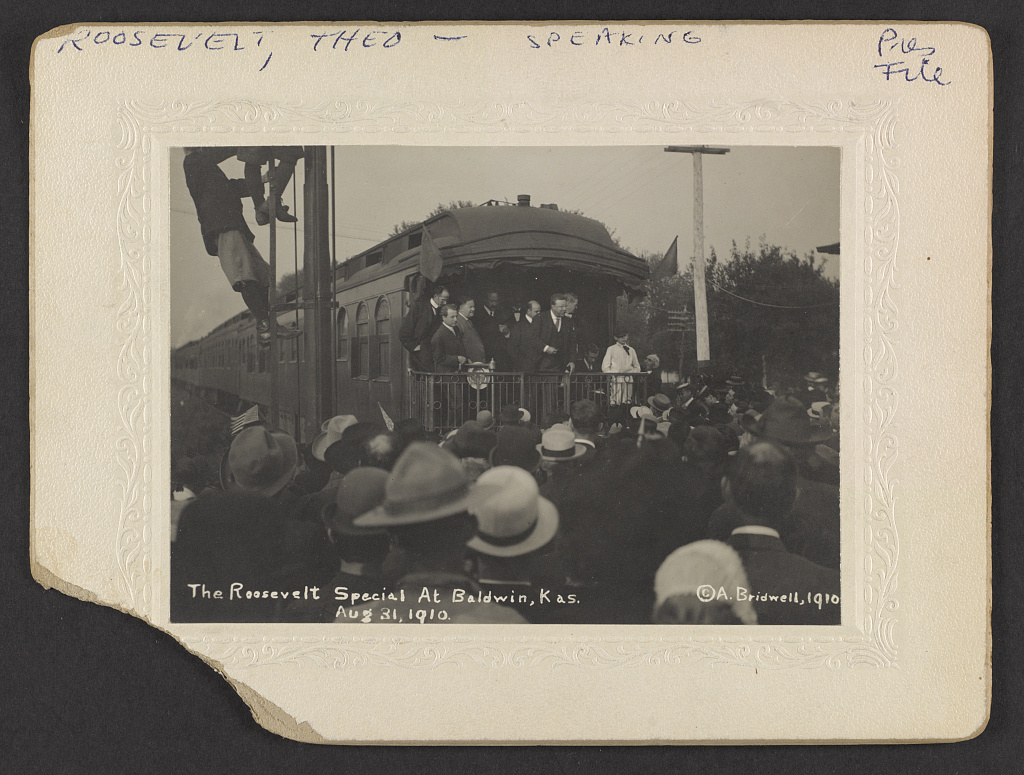
On August 31, 1910, Theodore Roosevelt delivered his New Nationalism speech in Osawatomie, Kansas.
Image of Roosevelt on a train in Baldwin, Kansas on August 31, 1910 via LOC, no known restrictions
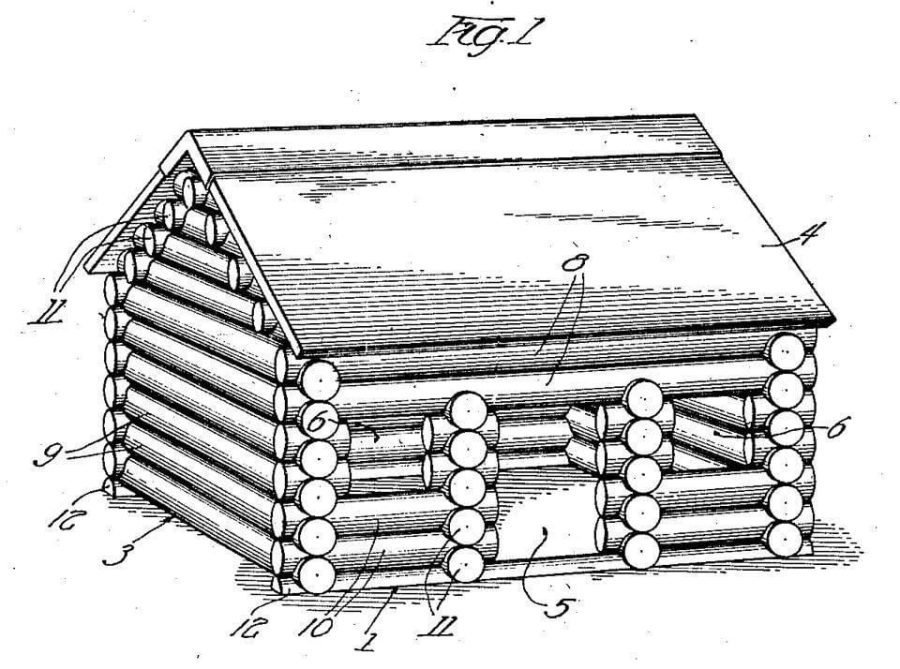
John Lloyd Wright of Oak Park, Illinois received a patent on August 31, 1920 for his invention “Toy Cabin Construction” which became known as Lincoln Logs.
Image via Wikimedia Commons, public domain
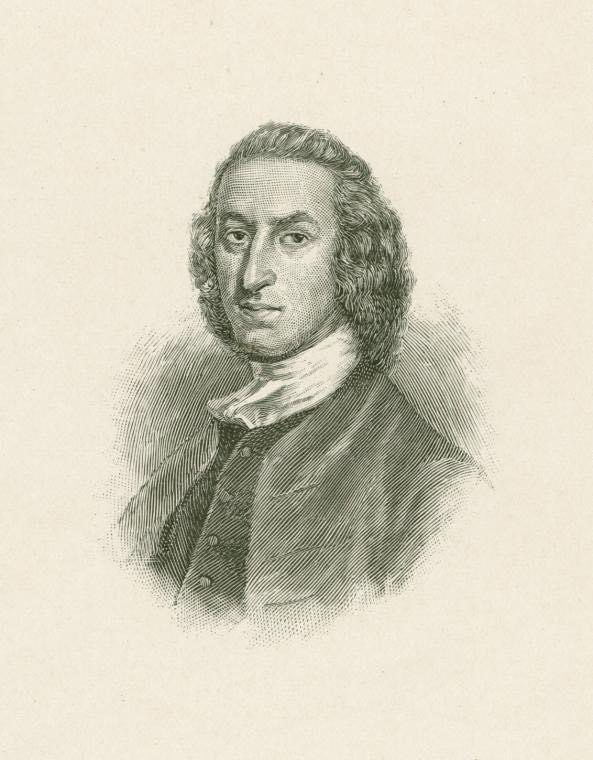
William Livingston began his nearly 14 years of service as New Jersey’s first Governor on August 31, 1776.
Image via New York Public Library Digital Collections,
No known restrictions
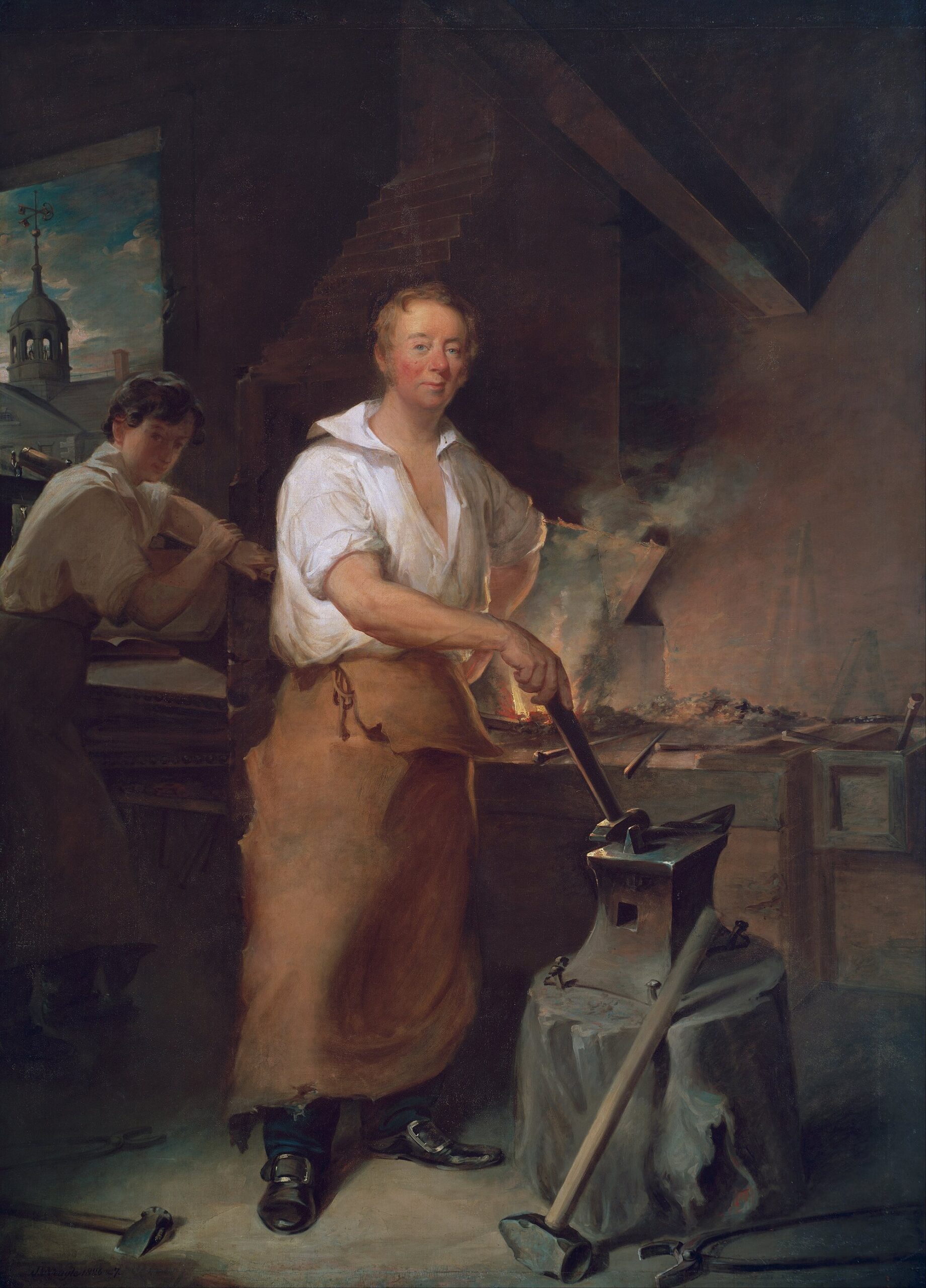
The Weight of Iron and the Burden of Blame: August 31, 1798, Philadelphia
In the summer of 1798, the Bank of Pennsylvania was robbed of $162,821, in what is considered the first major bank heist in American history. While the true culprits were Isaac Davis, a carpenter, and Thomas Cunningham, a bank porter, suspicion fell on blacksmith Patrick Lyon, who had recently worked on the bank’s new vault. Davis’s eventual confession revealed a scheme that involved the porter, and a bizarre series of events led to the money’s return. Though Davis was pardoned and served no jail time, Lyon bore the weight of public suspicion and spent months in prison for a crime he did not commit. Lyon was eventually exonerated, but not before his reputation had been severely—and unjustly—damaged.
Image of Pat Lyon at The Forge, public domain
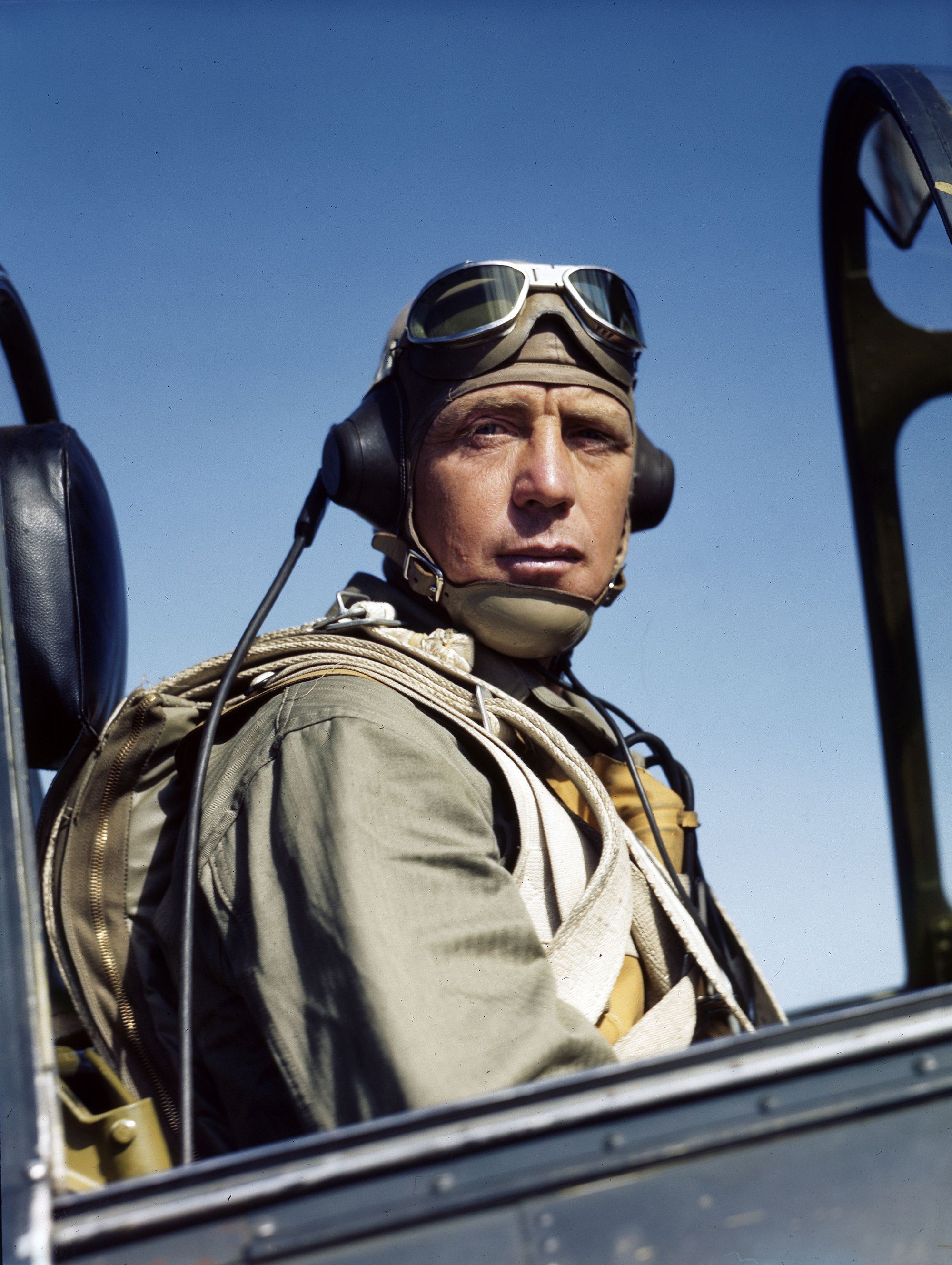
U.S. Navy Commander Charles L. Crommelin, in his Grumman Hellcat, about to launch from the USS Yorktown aircraft carrier for a raid on Marcus Island, August 31, 1943
Image via Wikimedia Commons, public domain

American musician Debbie Gibson was born on August 31, 1970 in Brooklyn, New York.
Image of Debbie with a big teddy bear that she received from Regis Philbin & Kathie Lee on her 18th birthday in 1988
via Alamy
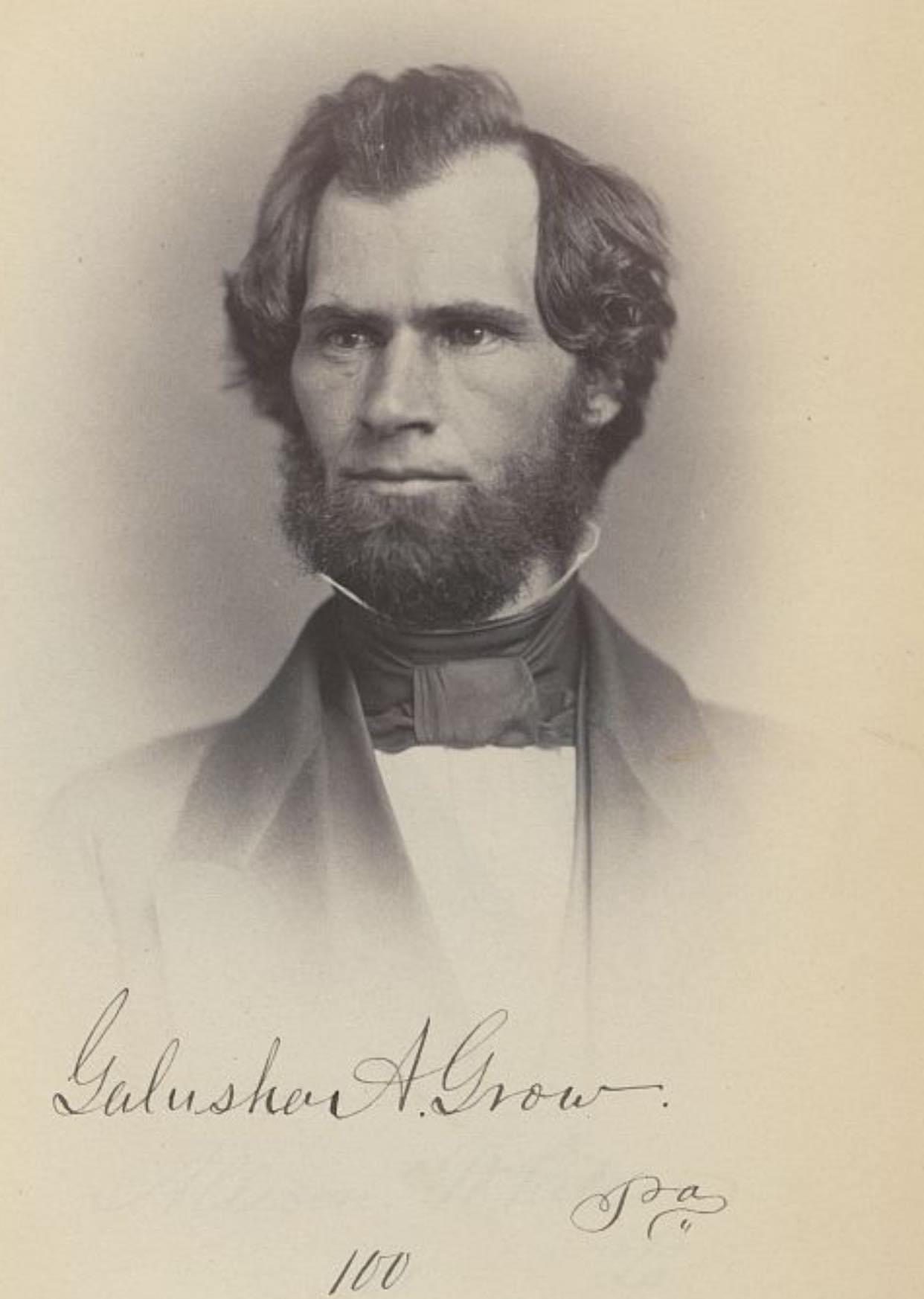
“It was only the iron constitution and great physical endurance of Abraham Lincoln that enabled him to go through the mighty struggle of five years, when the very air throughout every part of the country was vibrating with the strains of martial music and mighty armies were marching and countermarching preparatory to the deadly conflict on the battlefield, upon which hung the perpetuity of the Union and the hopes of the great and good of mankind.”
– Galusha A. Grow who was the 24th Speaker of the House during the American Civil War.
Grow was born on August 31, 1823 in Ashford, Connecticut.
Image of Galusha A. Grow c. 1859 via Library of Congress, no known restrictions
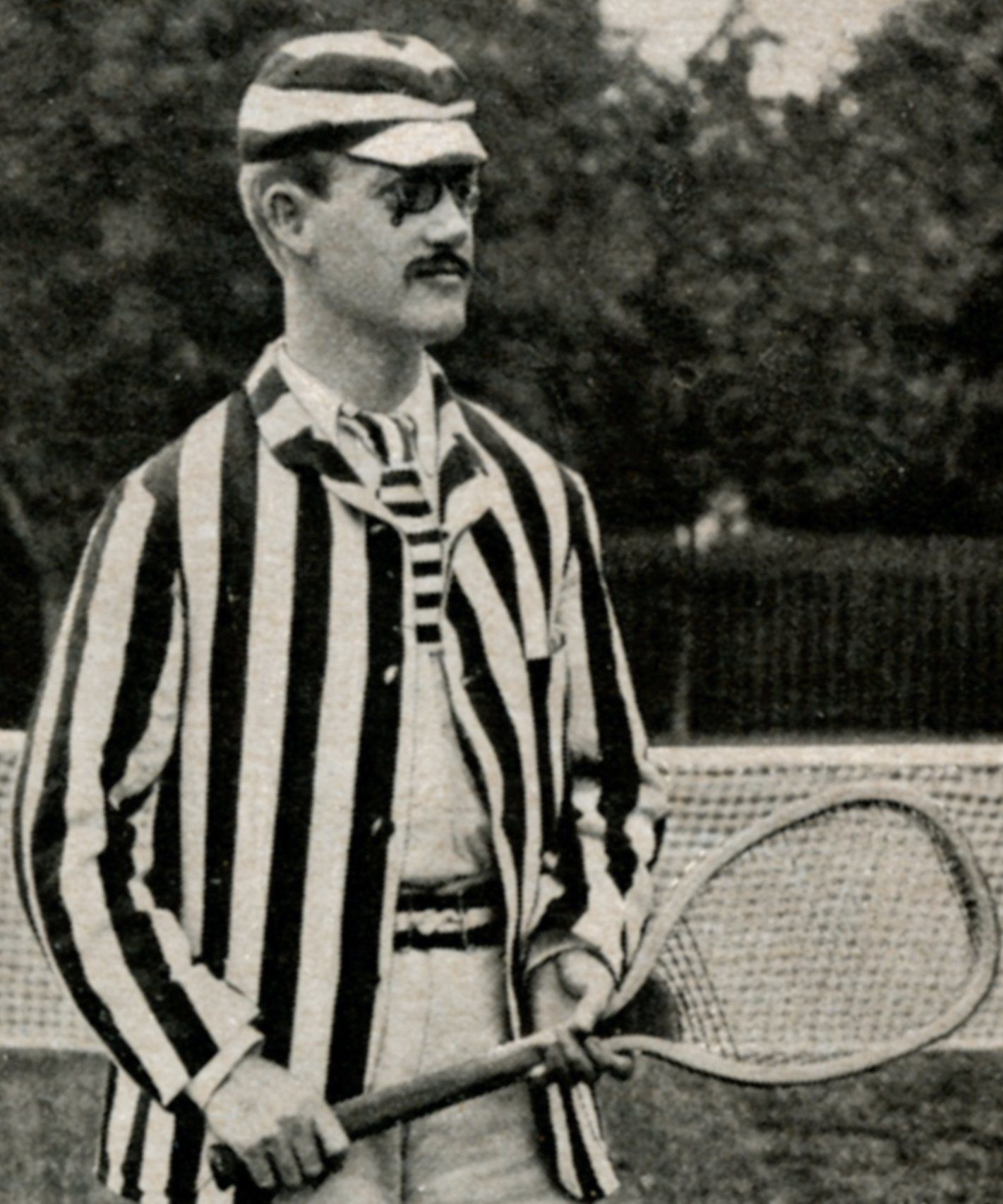
The first U.S. National Championships (of tennis) began on August 31, 1881 in Newport, Rhode Island. Richard Sears won the first men’s singles championship during the tournament and he would win another six consecutive men’s singles championships through 1887.
Image of American tennis champion Richard Sears via Wikimedia Commons, public domain
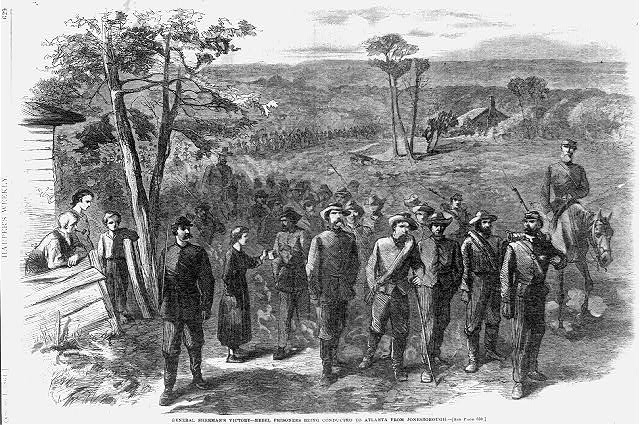
On August 31, 1864, the two-day Battle of Jonesborough in Georgia began as Union Forces led by William Tecumseh Sherman repulse the Army of Tennessee. A few days later Union forces would occupy Atlanta.
Image: an engraving of General Sherman’s victory – Rebel prisoners being conducted to Atlanta from Jonesborough by the 125th Illinois Regiment in Georgia via LOC, no known restrictions
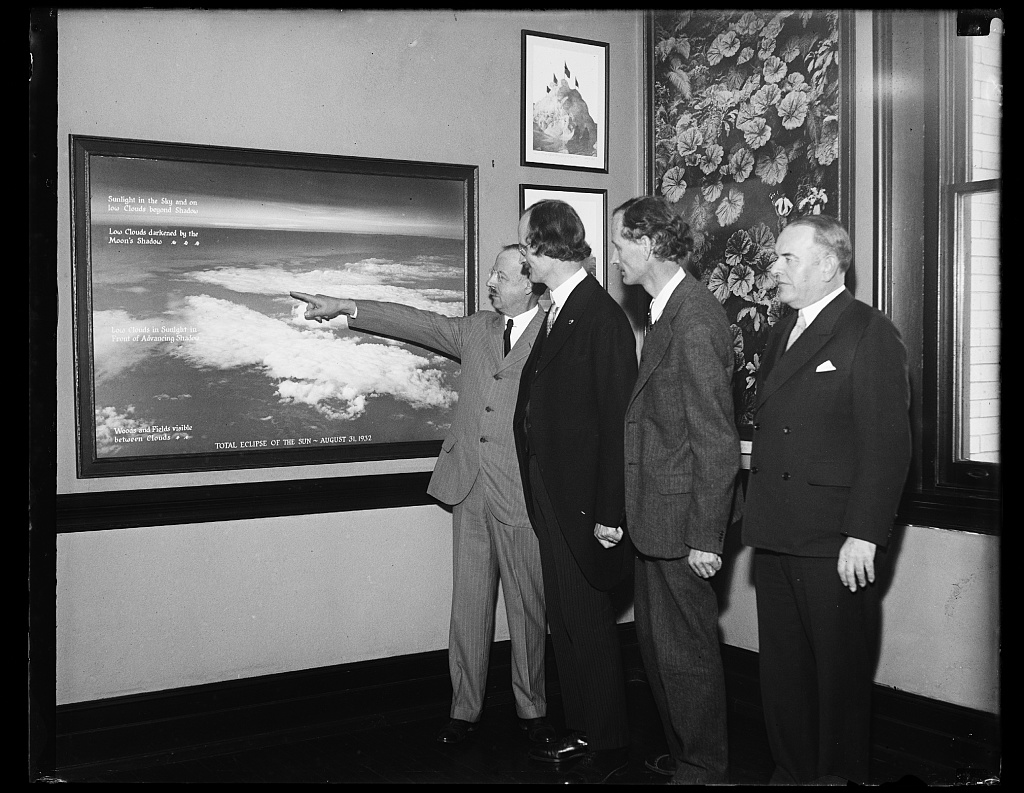
Group viewing picture “Total eclipse of the sun, August 31, 1932”
via LOC, no known restrictions
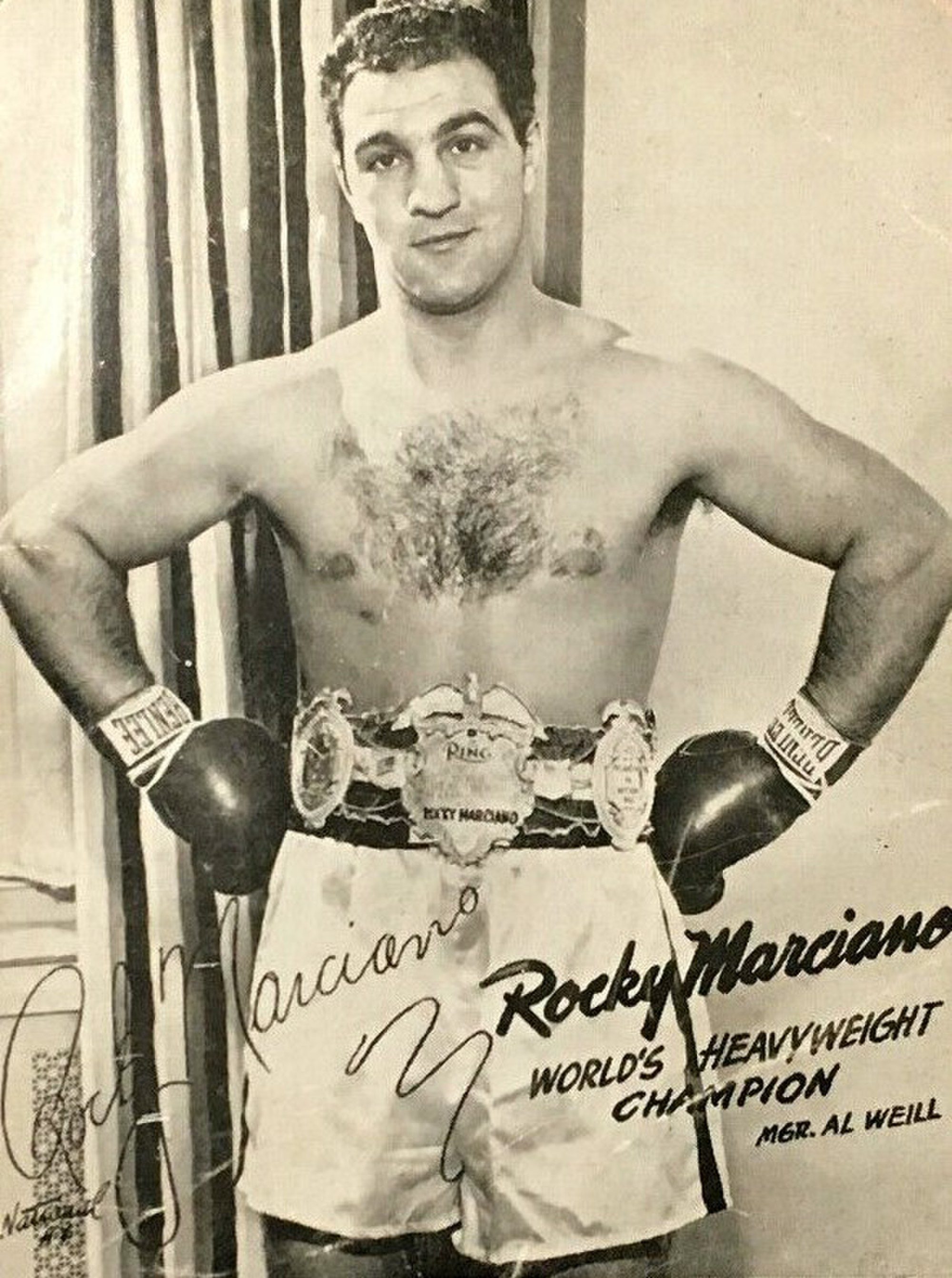
Retired Heavyweight Boxing Champion Rocky Marciano was killed in a plane crash near Newton, Iowa on August 31, 1969. It was the day before, what would have been, his 46th birthday.
Image via Wikimedia Commons, public domain
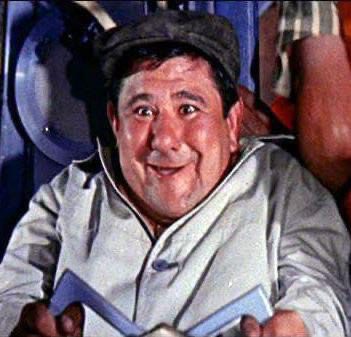
American comedian Buddy Hackett was born on August 31, 1924 in Brooklyn, New York.
Image: Buddy Hackett, It’s a Mad, Mad, Mad, Mad World trailer image in 1963 via Wikimedia Commons, public domain
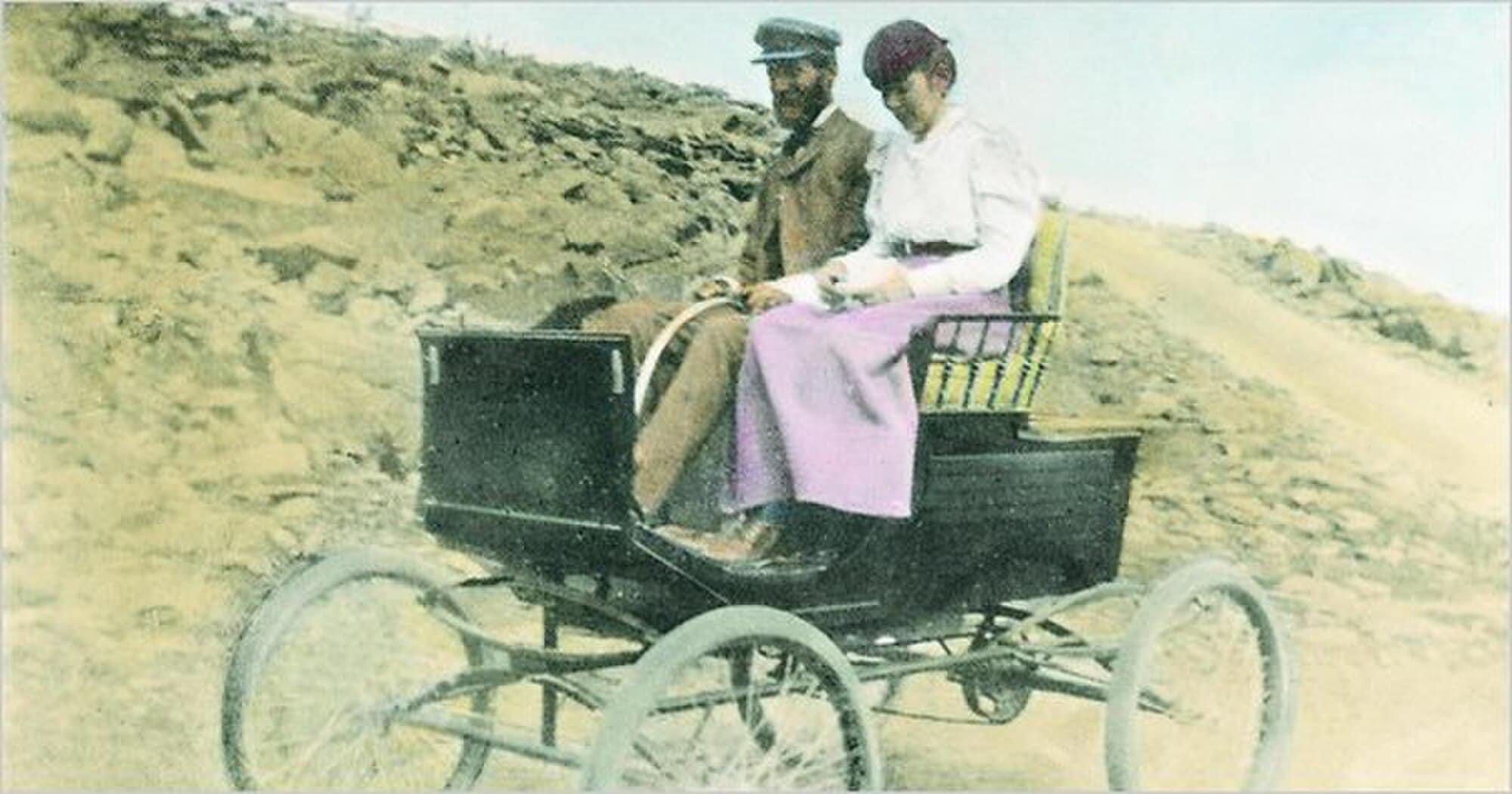
F.O. Stanley with his wife, Flora, in a Stanley steam powered automobile. They are shown taking their early automobile to the top of Mount Washington in New Hampshire, the first to do so by car.
Image from August 31, 1899 via Wikimedia Commons, public domain
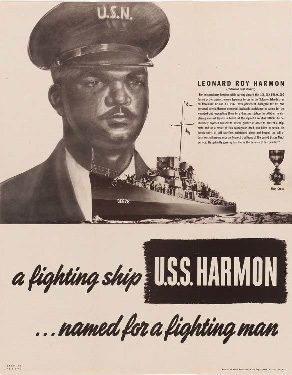
On August 31, 1943, the USS Harmon, a Navy warship named in honor of Leonard Roy Harmon who made the ultimate sacrifice during the Naval Battle of Guadalcanal, was commissioned.
Harmon gave his life by standing in front of enemy gunfire to protect a shipmate and those who were already wounded.
Image via Wikimedia Commons, public domain
