
 Mystery March Is Here!
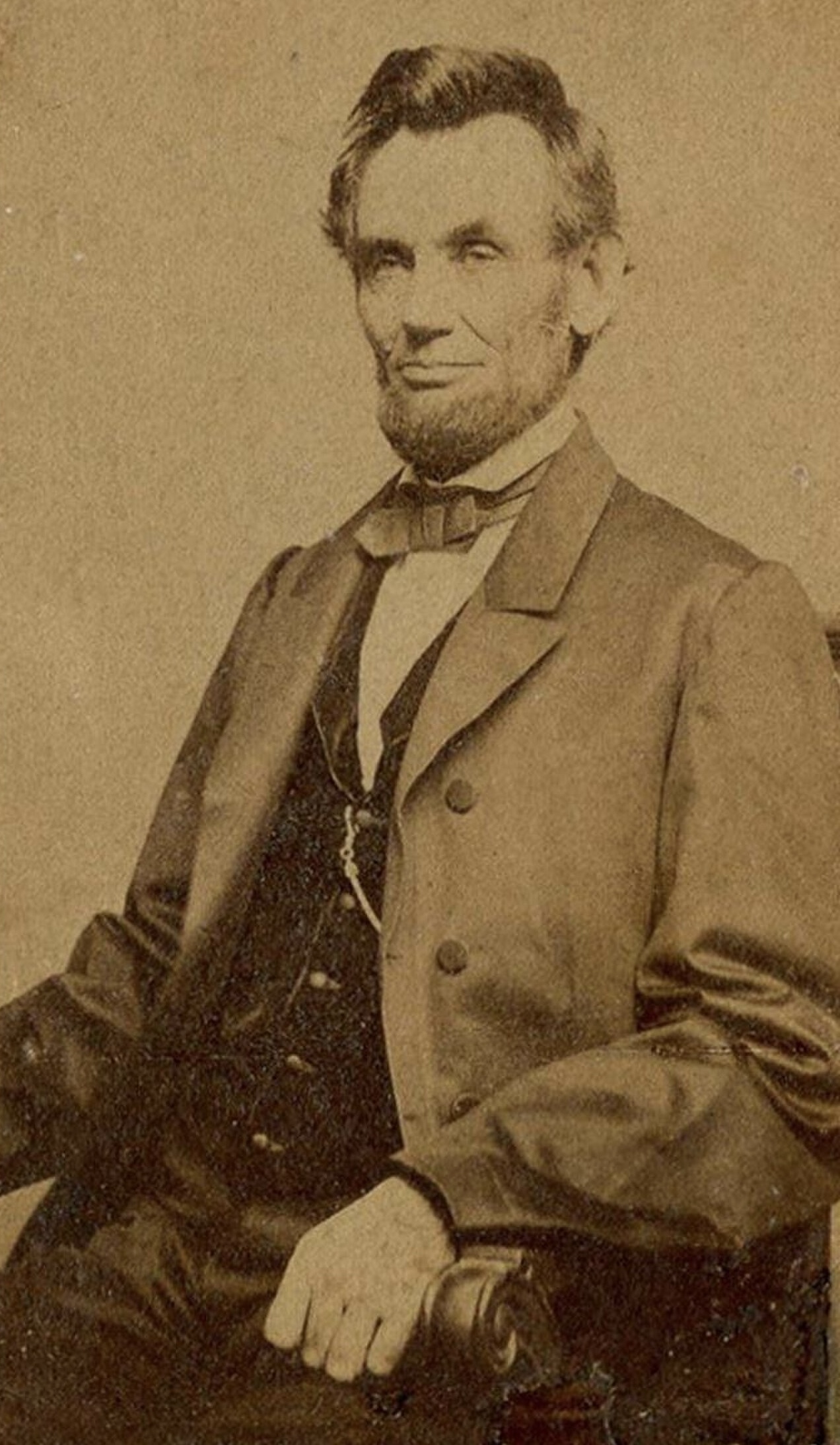
“It is not merely for to-day, but for all time to come that we should perpetuate for our children’s children this great and free government, which we have enjoyed all our lives. I beg you to remember this, not merely for my sake, but for yours.”
On August 22, 1864, President Abraham Lincoln delivered a heartfelt and spontaneous address to the 166th Ohio Regiment as they prepared to return home after their service in the Civil War. His words were brief, but deeply resonant—an appeal not just to patriotism, but to the promise of American democracy.
Image of Lincoln in 1864 by Mathew Brady via Wikimedia Commons, public domain in the US.
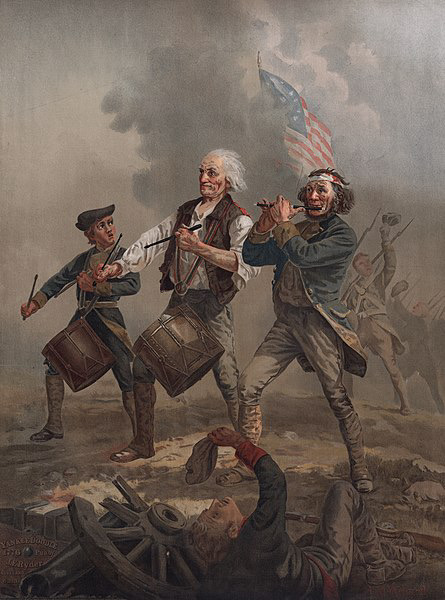
Born August 22, 1836 artist Archibald Willard had a steady and successful career producing chromolithographs of humorous or sentimental scenes. His painting “The Spirit of ‘76” first gained popular attention at Philadelphia’s Centennial Exhibition. Willard’s father was the model for the drummer in the center.
Image via Wikimedia Commons, public domain in the US.
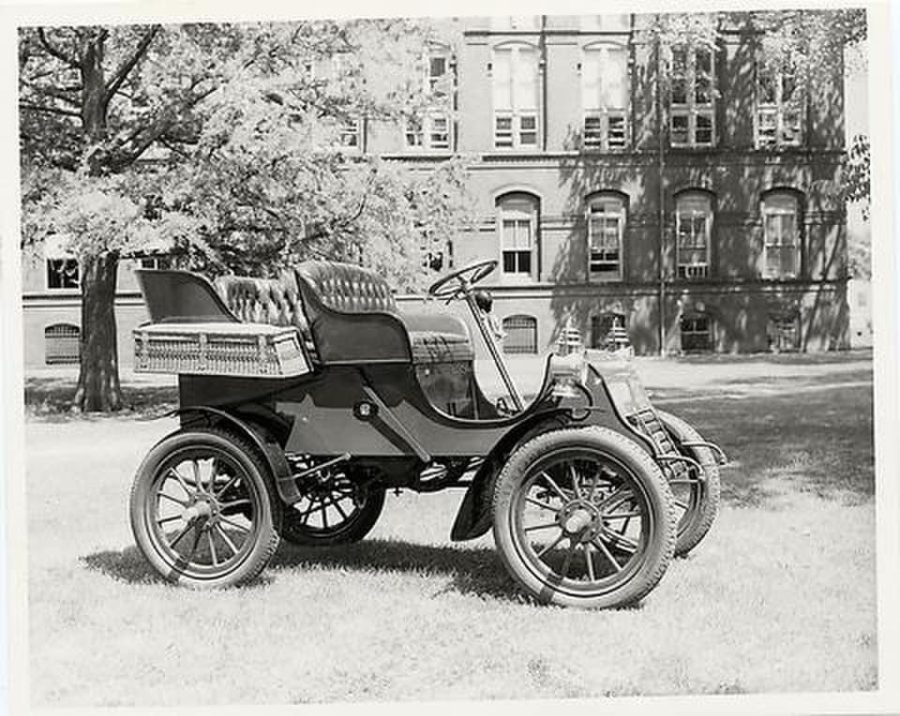
A Cadillac from 1903
On August 22, 1902 Cadillac Automobile Company was founded.
Image via Wikimedia Commons, public domain
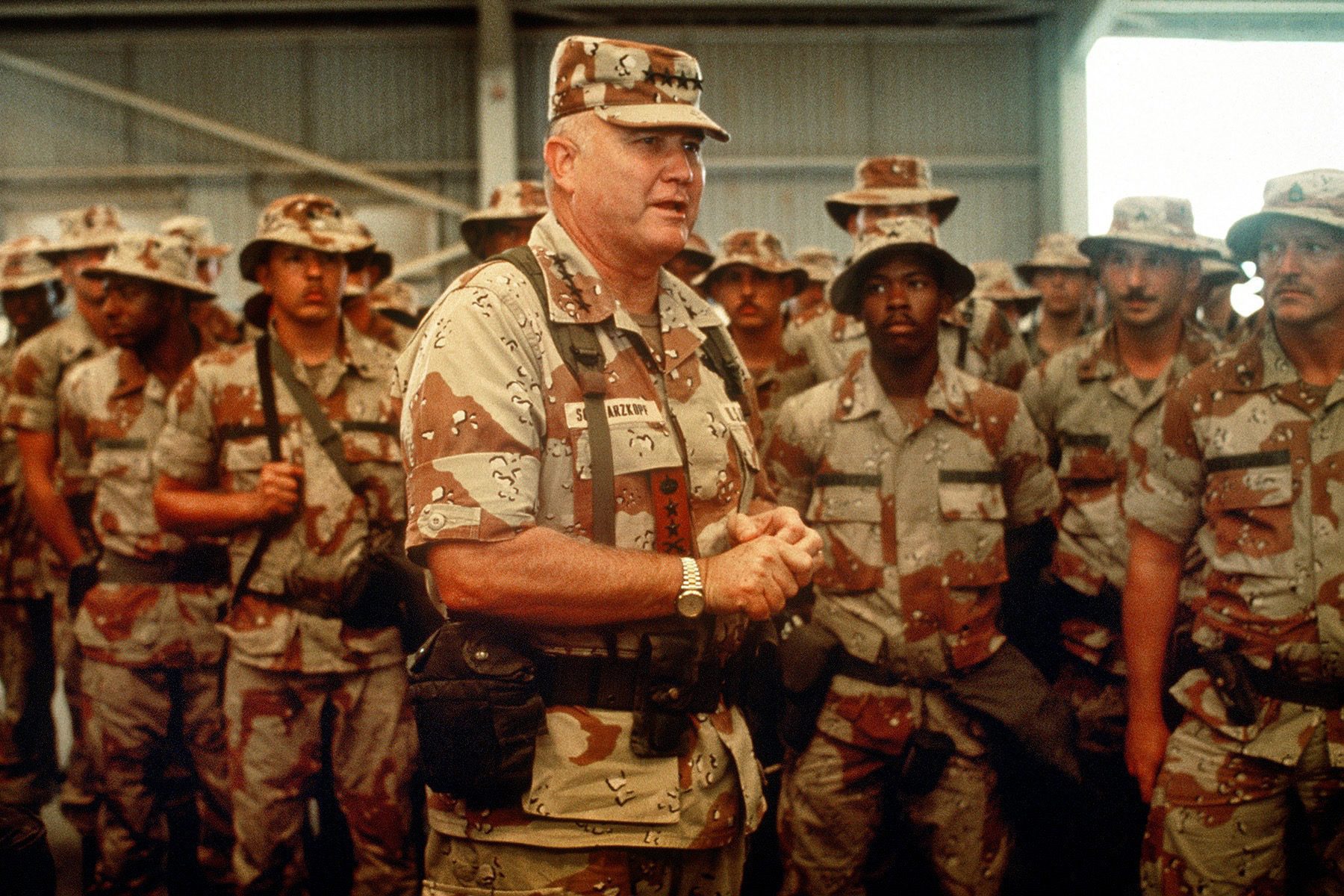
Born August 22, 1934 General Norman Schwarzkopf, Jr. was a West Point graduate, a combat veteran of Vietnam, and involved in the Grenada Invasion. In conjunction with coalition forces in 1991 Schwarzkopf successfully led Operation Desert Storm in the Gulf War.
Image from DoD via Wikimedia Commons, public domain in the US
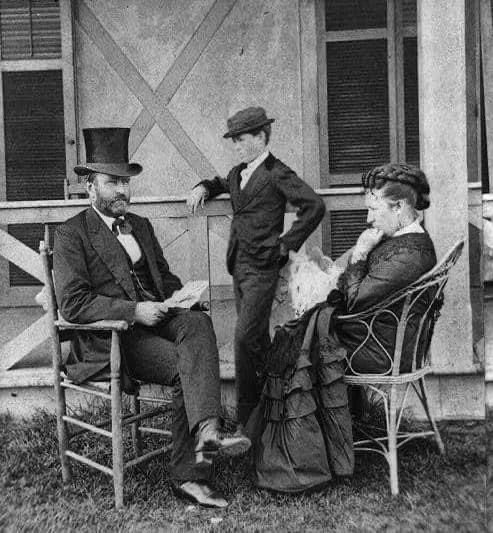
On August 22, 1848, Ulysses S. Grant married Julia Dent in St. Louis, Missouri.
Image: Ulysses S. Grant with his wife Julia and their son Jesse c. 1872 via Wikimedia Commons, public domain
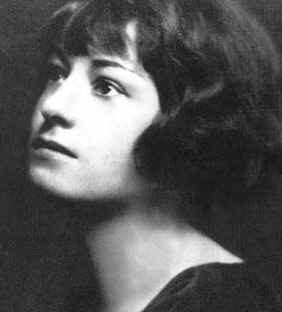
Writer Dorothy Parker, born August 22, 1893 was a member of New York’s famed Algonquin Round Table. She was known for her wry wit and pointed poems such as this excerpt from “Inventory: Four be the things I’d be better without: Love, curiosity, freckles, and doubt.”
Image via Wikimedia Commons, public domain in the US
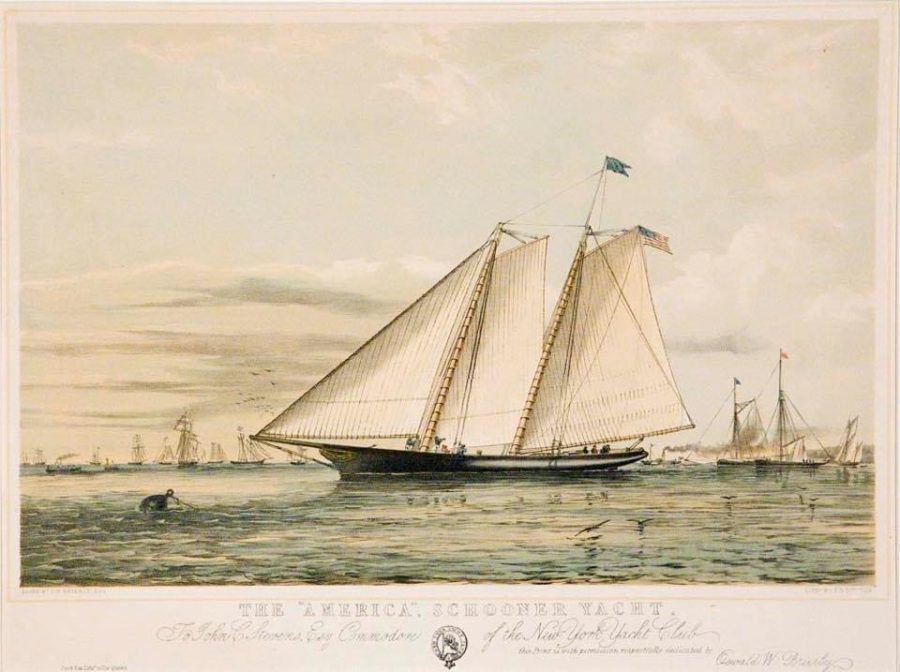
August 22, 1851 – the racing vessel known as “America” wins the regatta around the Isle of Wight, hence the name “America’s Cup” for the prestigious trophy.
Image: The “America” schooner yacht via Wikimedia Commons, public domain
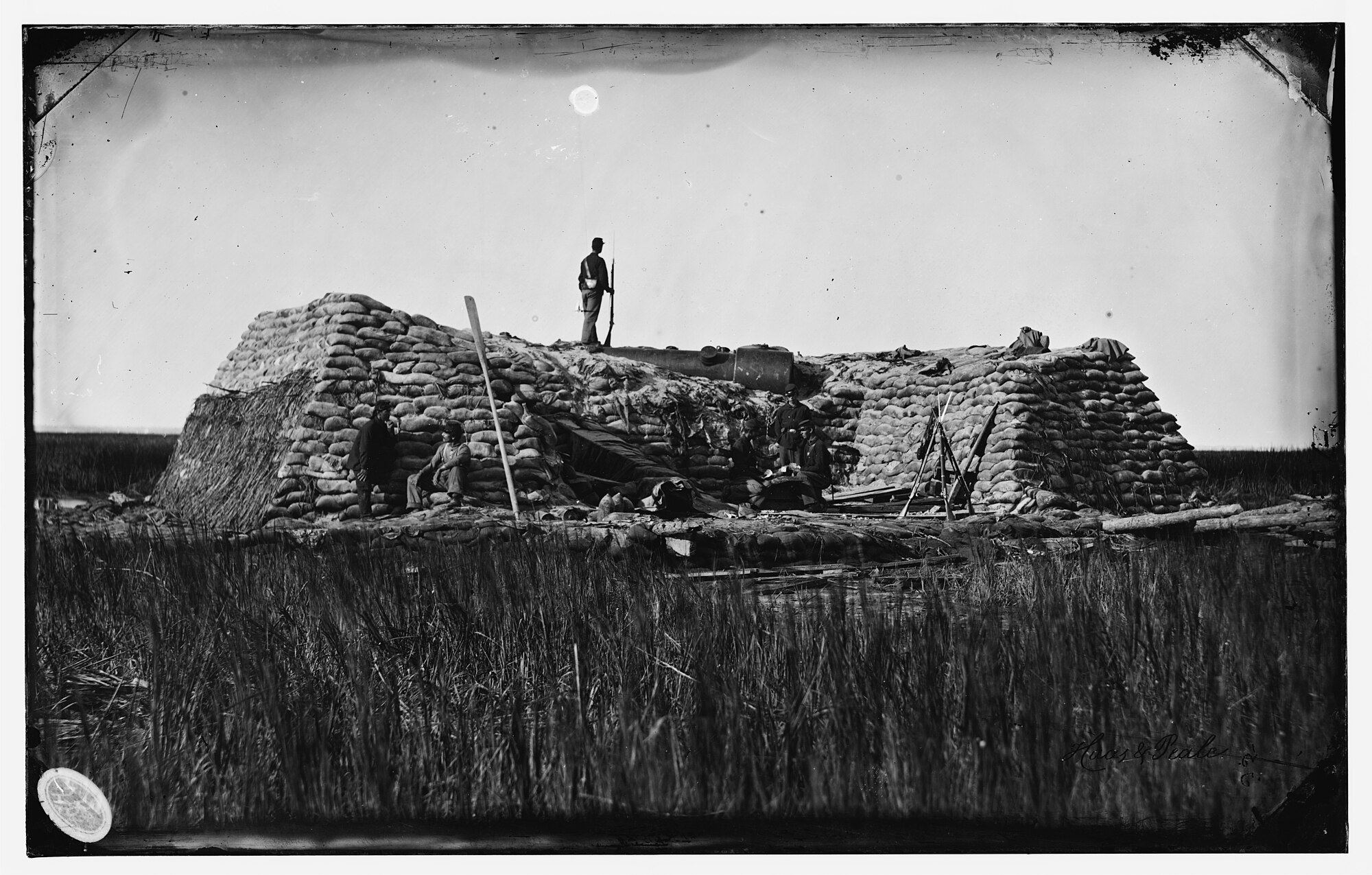
Morris Island (vicinity), South Carolina. The “Marsh Battery” or “Swamp Angel” after the explosion
On the early morning of August 22, 1863, the Union Parrott cannon known as the “Swamp Angel” (which weighed nearly 17,000 pounds) started firing on the City of Charleston, S.C.
The following morning the “Swamp Angel” exploded.
Image via LOC, no known restrictions
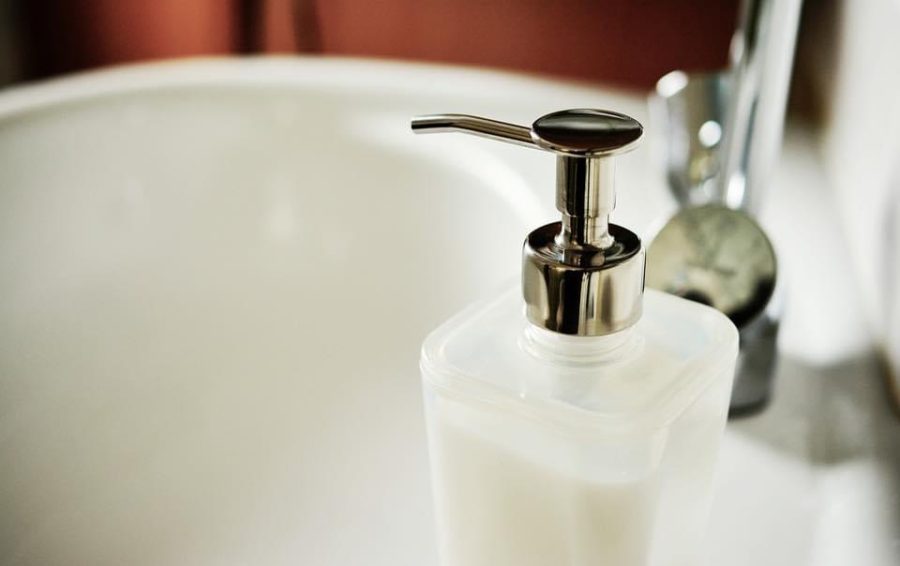
On August 22, 1865 William Sheppard of New York received U.S. patent #49,561 for his “Improved Liquid Soap.”
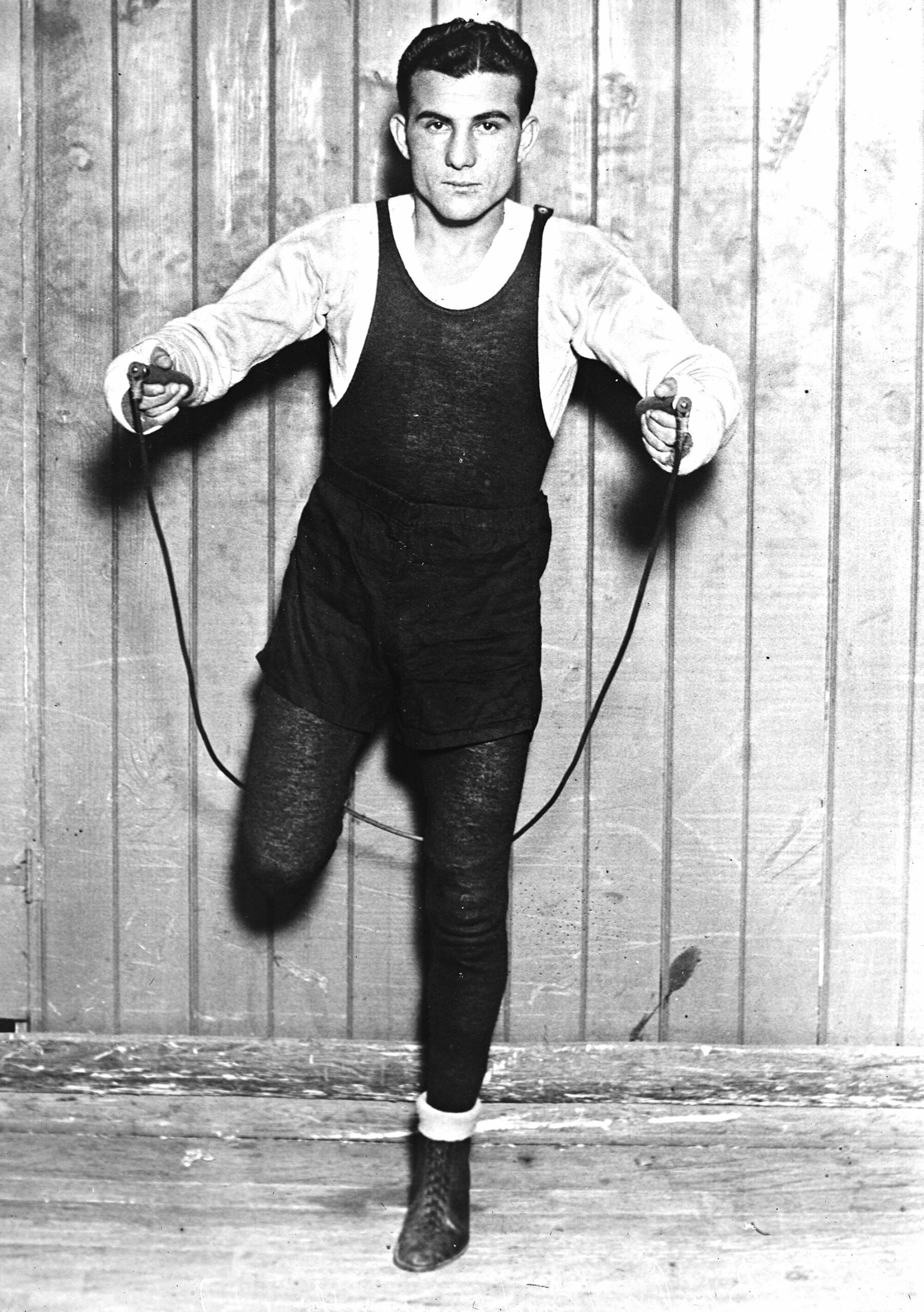
Fidel LaBarba: Rising from Street Corners to Ultimate Championship
On August 22, 1925, Fidel LaBarba won the American Flyweight Title at Ascot Park, Los Angeles when he defeated Frankie Genaro, completing the change from Olympic gold medalist to professional champion. Just 13 months earlier, LaBarba, at 19 years old and still in high school, shocked the world by winning a gold medal at the 1924 Olympic Games in Paris.
Fidel LaBarba was born in New York City but grew up in Los Angeles, and he is no stranger to adversity. After Fidel’s mother passed away, he became a paperboy and had to fight other paperboys to “own” street corners – experiences that contributed to his toughness and timing in the ring. He was discovered at 14-years old by Bob Howard while attending Central Junior High School and started to train. George Blake was LaBarba’s manager before and during his career, and Blake helped him to refine his orthodox stance long after he was doing it naturally as a left-handed fighter.
While the fight in 1925 was an important event, LaBarba’s true significance in the ring came in 1927 after the title was vacated following Pancho Villa’s death. LaBarba won the title to officially become the World Flyweight Champion after defeating Elky Clark in the same year. In one of the most shocking moments in boxing history, LaBarba relinquished his title to enter Stanford University to study journalism, proving he was interested in more than what boxing had to offer.
LaBarba transitioned to the bantamweight level, boxing until 1933, and achieved success as a sportswriter and commentator in reporting on the sport he once ruled. He made transitions throughout his life as a fighter, student, and writer and storyteller. If LaBarba served a purpose, it would be as a reminder that greatness is not only determined by the titles we have as boxing champions, but also in the courage to pursue more than one dream.
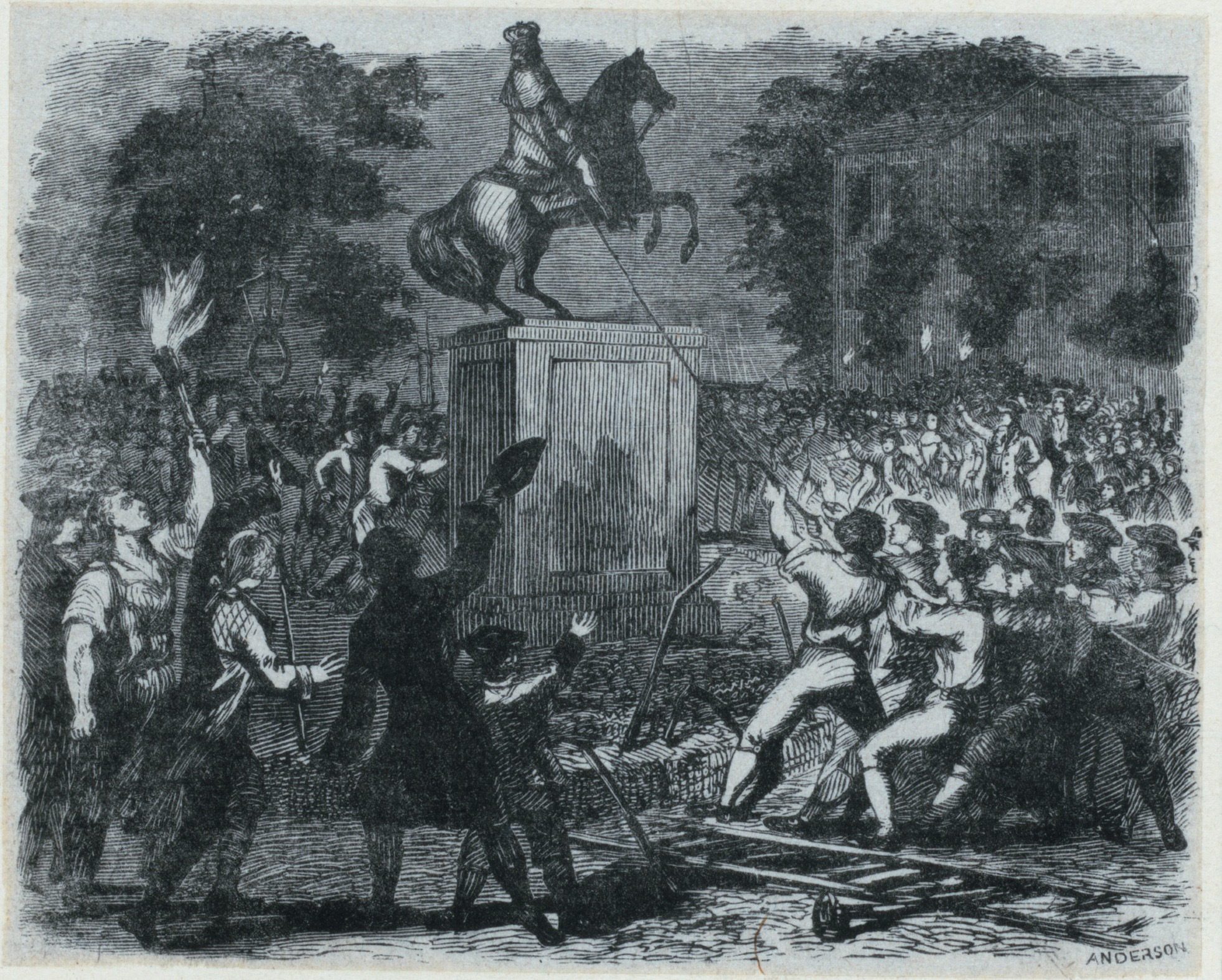
On August 22, 1775, England’s King George III declared the American colonies to be in open rebellion. George was stating the obvious after Lexington, Concord, Fort Ticonderoga, Bunker Hill, and the Continental Congress issuing a Call to Take Up Arms.
Image via NYPL via Wikimedia Commons, public domain in the US.
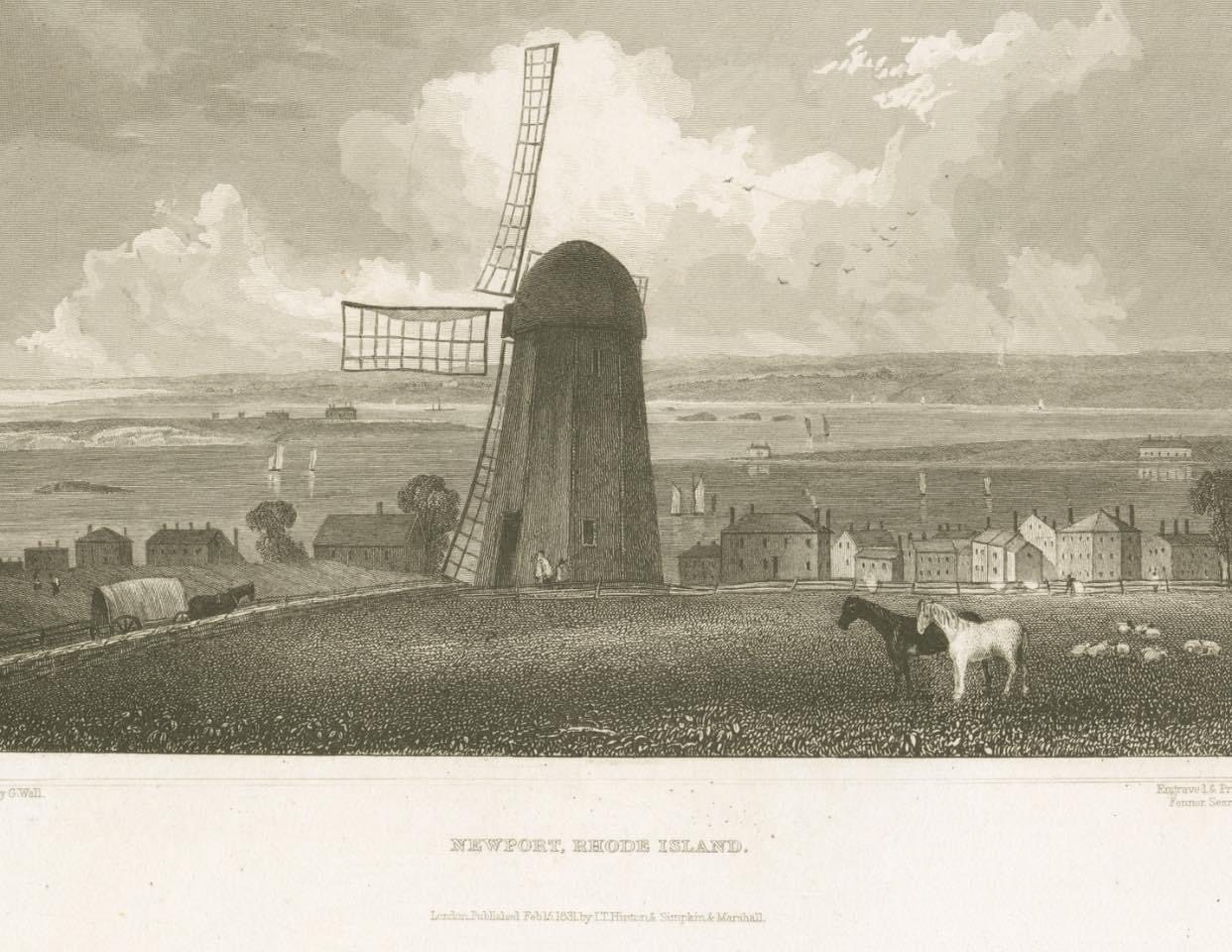
On August 22, 1762, Ann Smith Franklin, the sister-in-law of Benjamin Franklin, became the first female editor of a newspaper in the United States.
The publication was called the Newport Mercury and Ann was the wife of James Franklin who was Ben Franklin’s older brother.
Image: A print showing Newport, Rhode Island c. 1852 via New York Public Library Digital Collections, no known restrictions
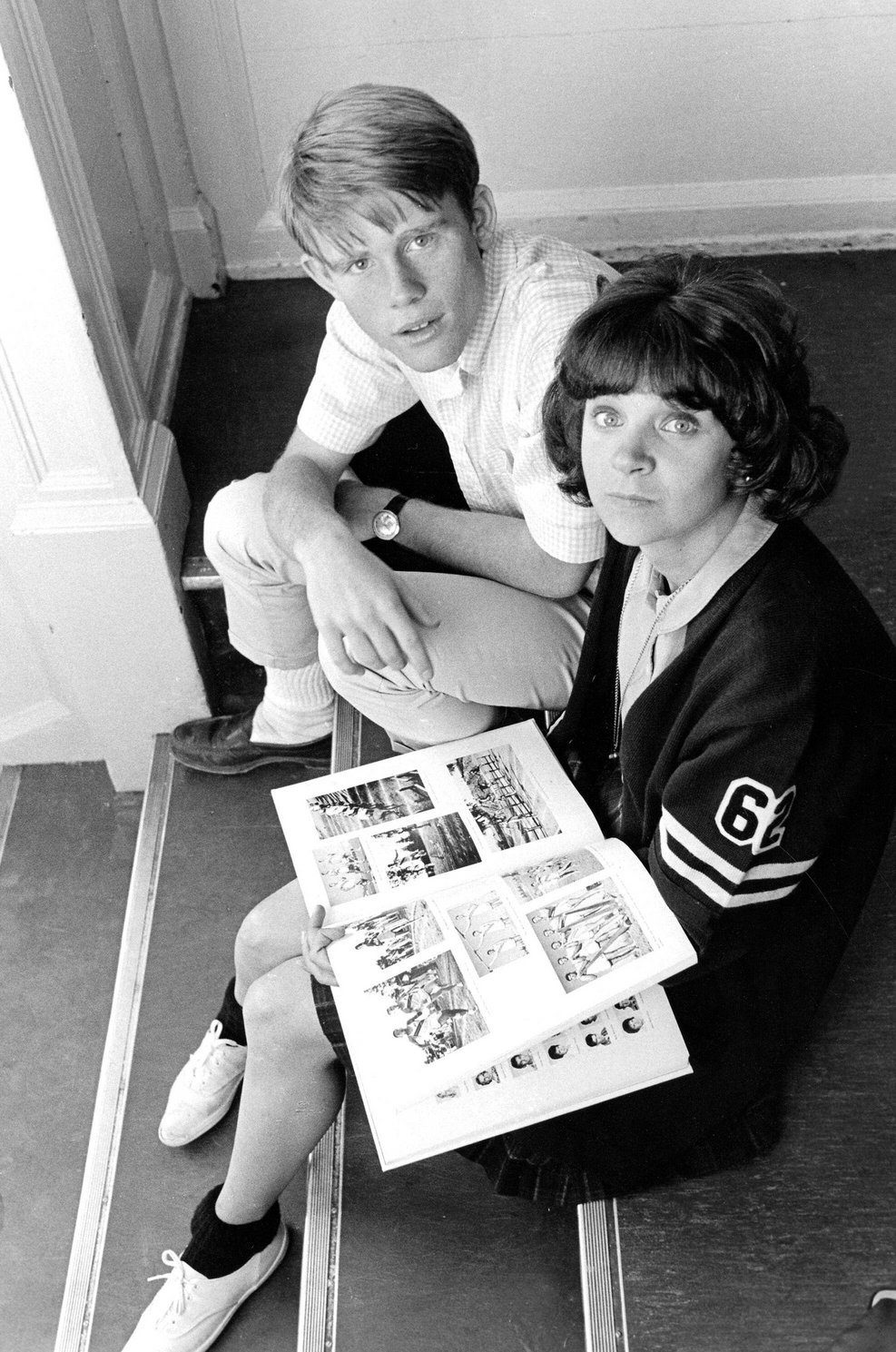
Ron Howard & Cindy Williams during filming of “American Graffiti” (1973).
Cindy Williams was born on August 22, 1947 in Van Nuys, California.
Image via Alamy
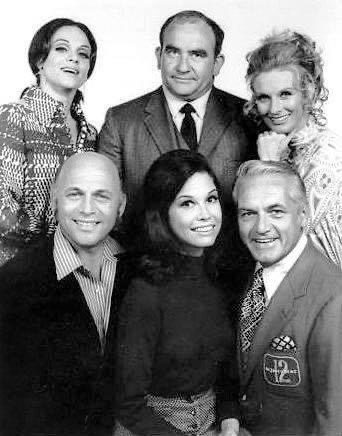
Valerie Harper (top row, far left)
was born on August 22, 1939 in Suffern, New York.
Image: The Mary Tyler Moore Show cast in 1970, by CBS Television via Wikimedia Commons, public domain
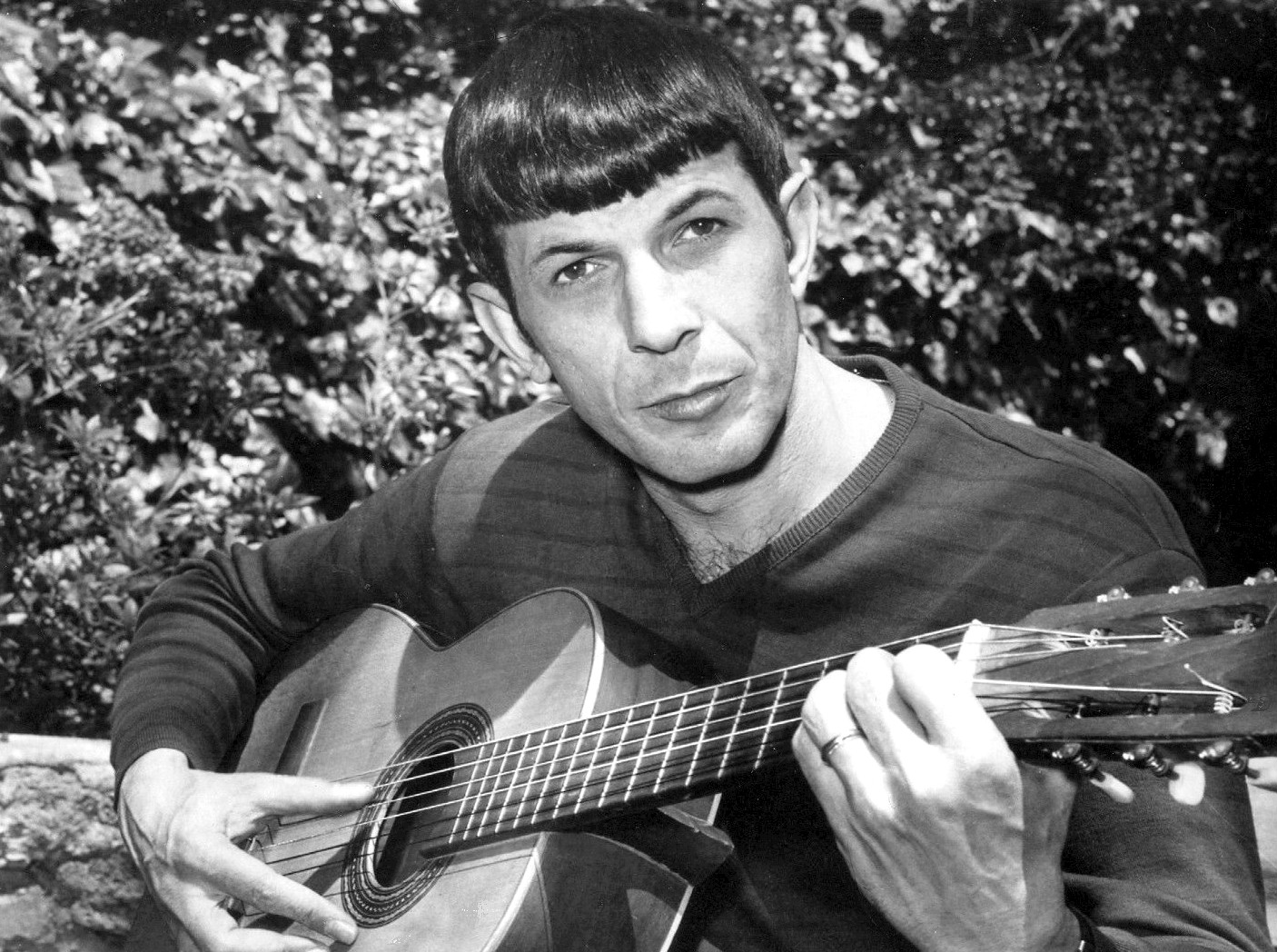
A photo of Leonard Nimoy playing the guitar
dated August 22, 1967
Between 1967-1970 Leonard Nimoy produced 5 studio albums with Dot Records.
The first album was titled:
“Leonard Nimoy Presents Mr. Spock’s Music from Outer Space”
Image via Wikimedia Commons, public domain
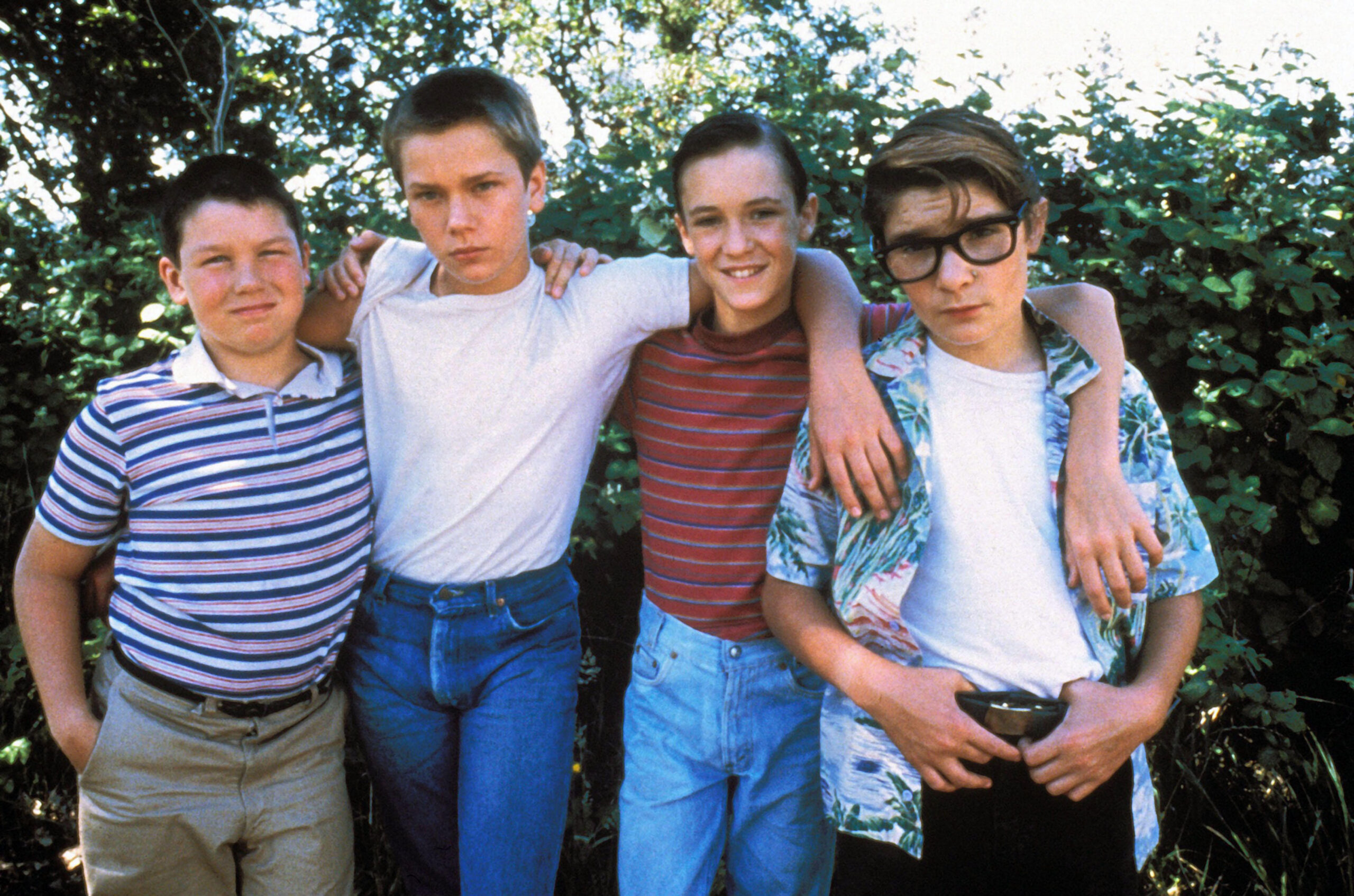
Stand by Me (1986): A Journey That Stays With You
Released nationwide on August 22, 1986, Stand by Me captured the ache and beauty of growing up. Four boys set out to find a body—but what they discover is friendship, grief, and the fragile power of being truly seen.
Like Sam Cooke’s soulful plea in “Stand By Me,” the film is a quiet prayer for connection. It reminds us that sometimes, the people who walk beside us—however briefly—can shape who we become
Image via Alamy
