 Mystery March Is Here!
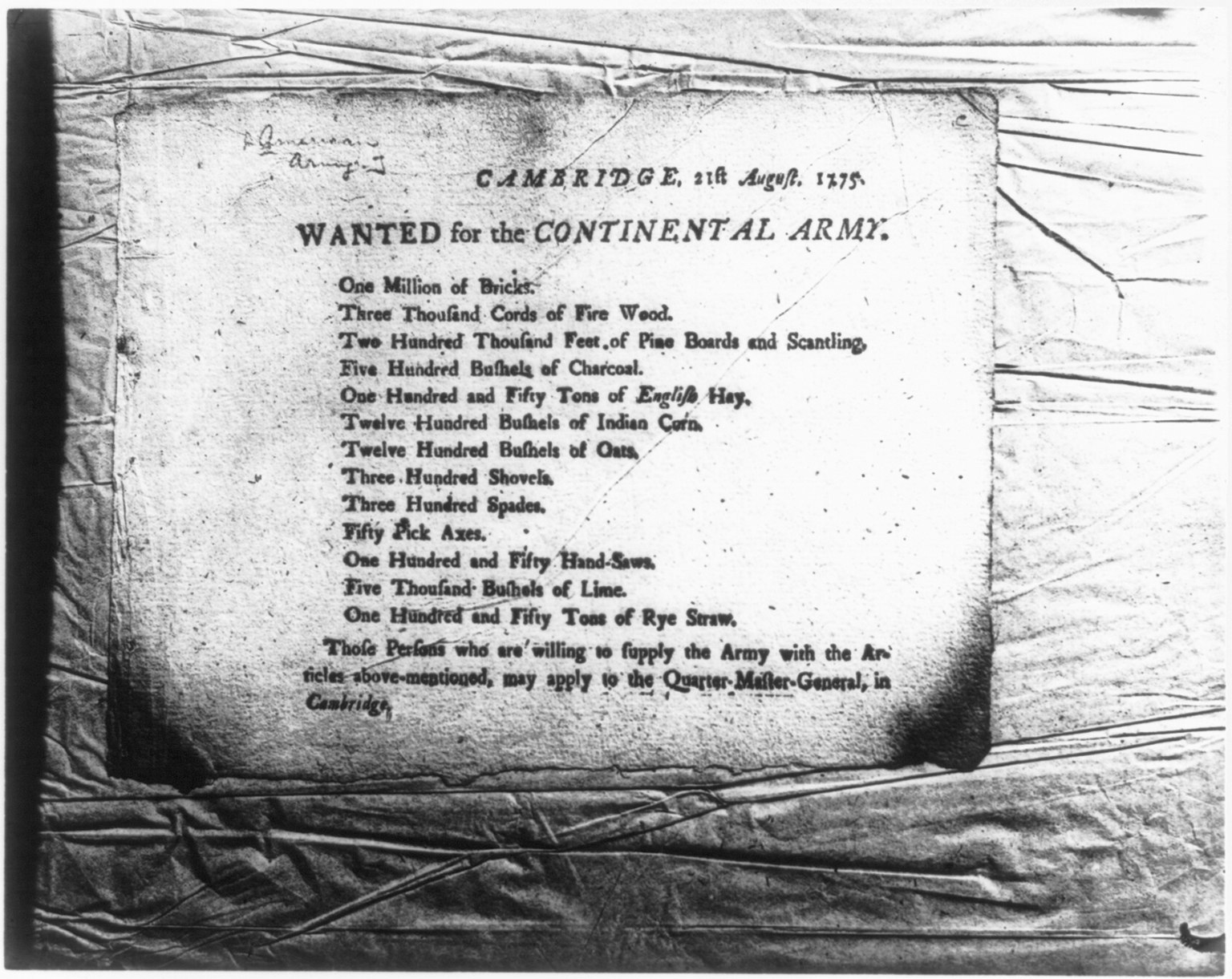
Cambridge, 21st August, 1775. Wanted for the Continental Army. One Million of bricks. Three thousand cords of firewood…
via Wikimedia Commons, no known restrictions
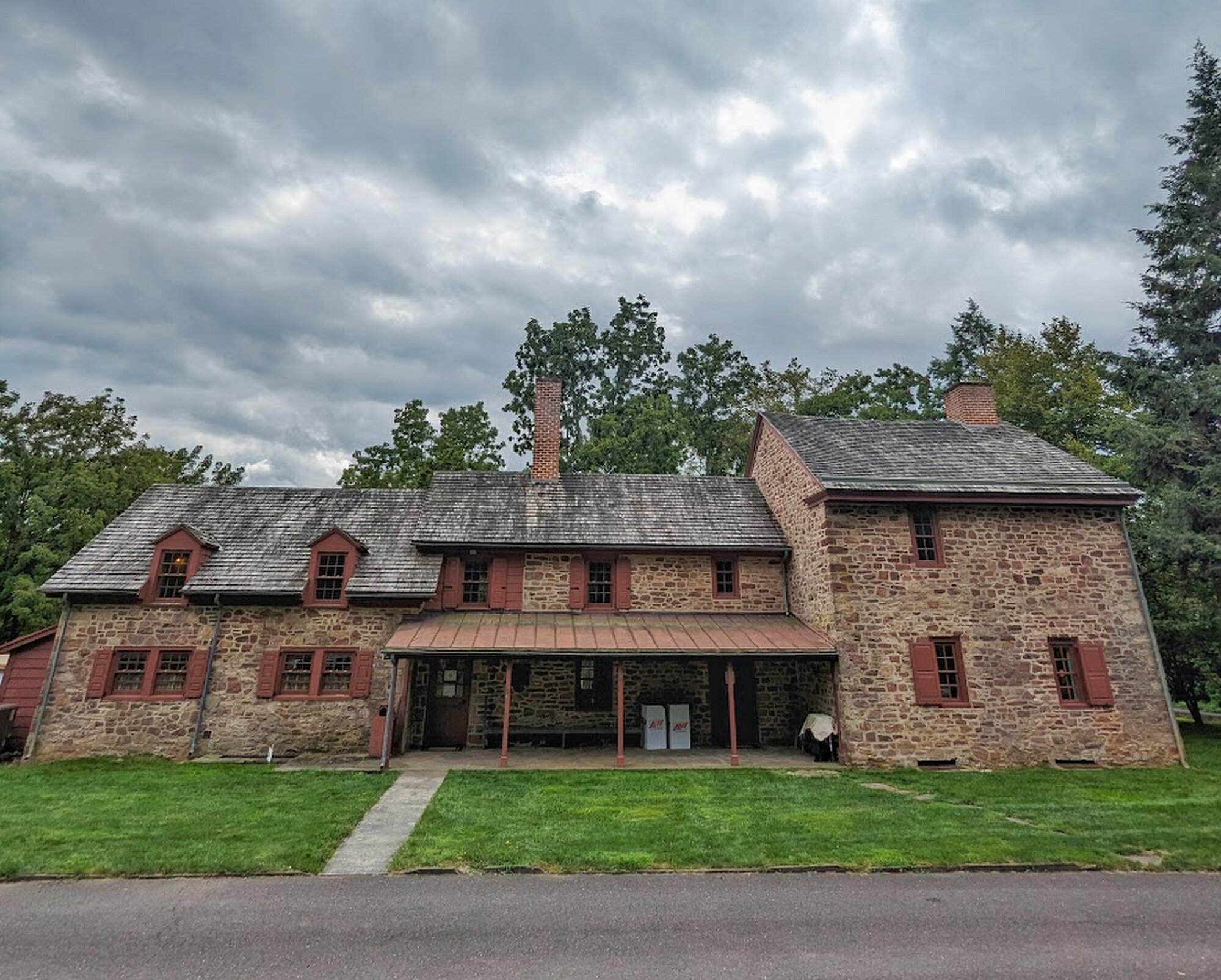
On August 21, 1777, a pivotal Council of War convened at Moland House in Bucks County, Pennsylvania.
Thirteen generals met to assess British movements and formulate a plan of action for the Continental Army under General George Washington’s command. Major Generals in attendance included Lord Stirling, Nathanael Greene, Adam Stephen, Anthony Wayne, and the Marquis de Lafayette. The Brigadier Generals present were Henry Knox, Peter Muhlenberg, William Maxwell, George Weedon, William Woodford, Charles Scott, and Thomas Conway. Notably, Lafayette participated in his first Council meeting after presenting his commission.
While not all were formal members of the Council, many other significant figures were present at the Moland House encampment during this period. These included officers like Alexander Hamilton (who also served as secretary of the Council), James Monroe, John Marshall, Charles Pinckney, Henry Lee, and Benjamin Harrison. Count Casimir Pulaski also met with Washington at Moland House, though he did not attend the Council itself.
Image from Rgs25 via Wikimedia Commons, CC BY 4.0
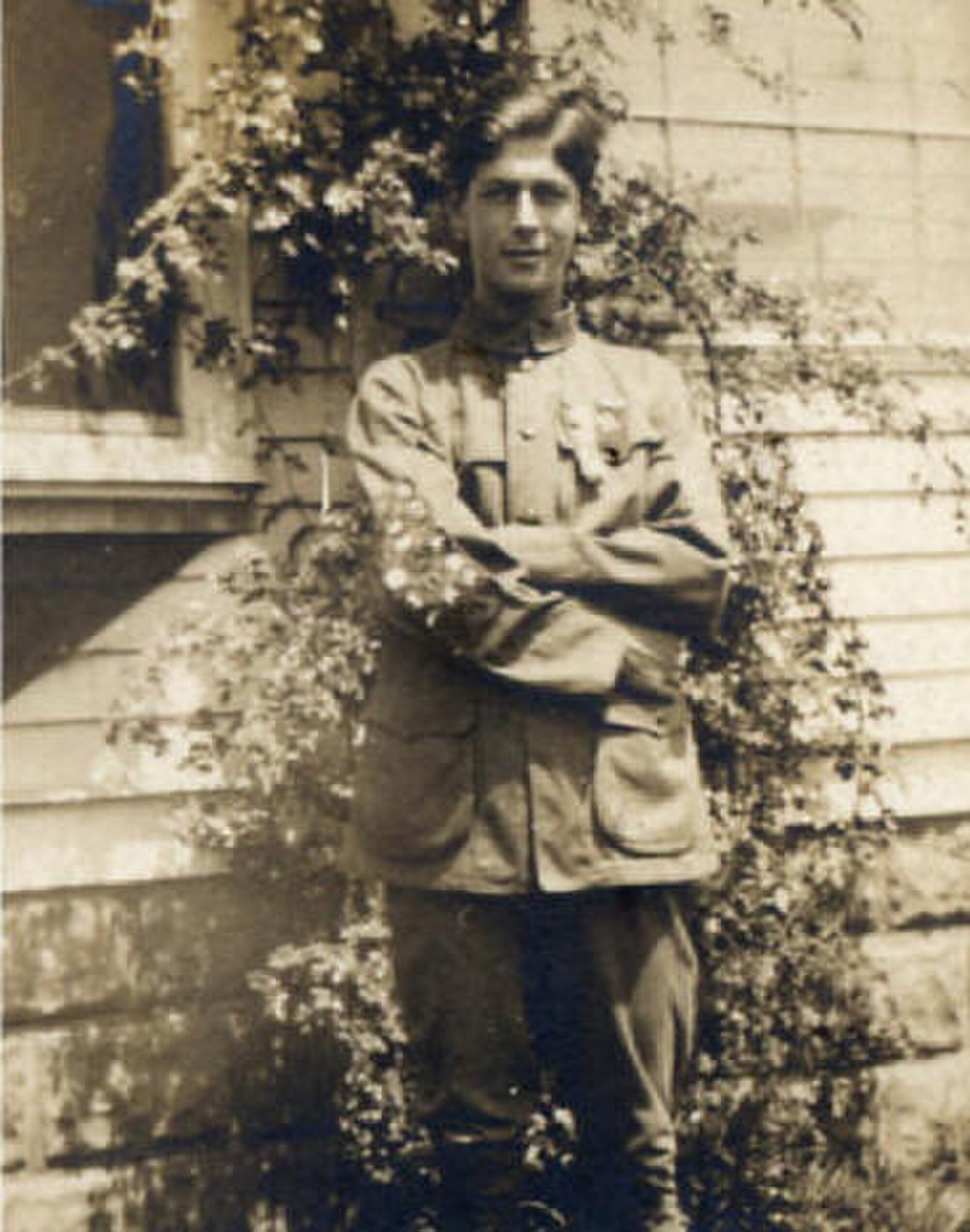
On August 21, 1912: a letter was sent to Arthur R. Eldred to informing him that he was the first Eagle Scout of the Boy Scouts of America.
He was presented his award on Labor Day of that year.
Earlier that August he helped rescue a fifteen-year-old scout who was drowning in Orange Lake, NY. He also received a Bronze Honor Medal for his assistance in saving the scout’s life.
Photo: Rlevse at English Wikipedia CC-BY-SA-3.0. Public Domain

Photo of Washington Square at Ottawa, Illinois where Abraham Lincoln and Stephen Douglas began their famous series of debates on August 21, 1858.
Image via Wikimedia Commons, no known restrictions
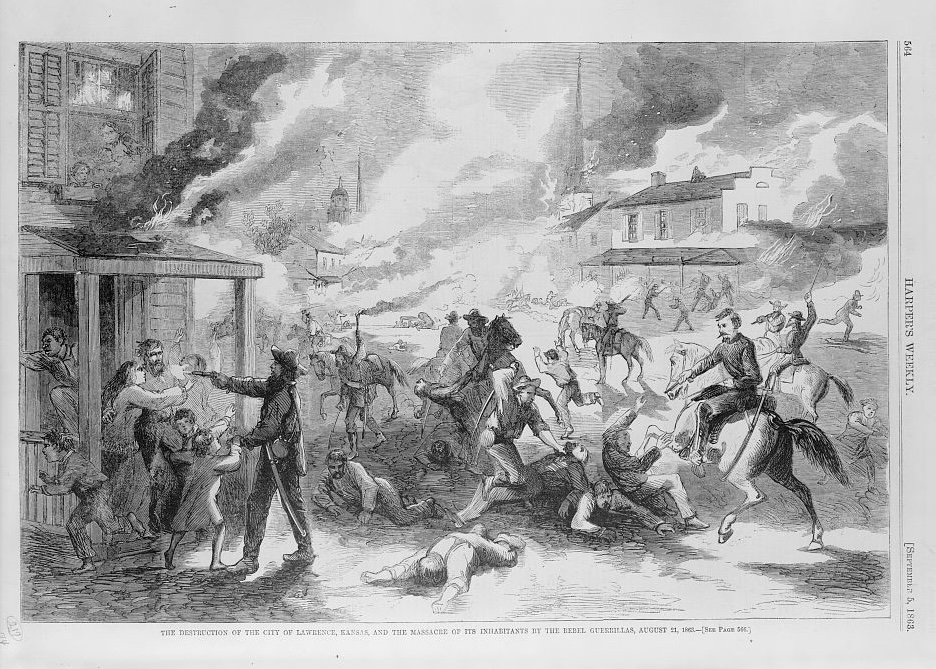
On August 21, 1863, William Quantrill invaded Lawrence, Kansas, with several hundred Confederate guerillas.
At the time, Lawrence was a Unionist stronghold and a hotbed of abolitionism. Early before sun-up, close to 450 men invaded the town. They killed approximately 150 men and boys while a number of other men and women suffered violence as many of the homes and businesses, along with several civic buildings, were burned.
This illustration from Harper’s Weekly was published approximately three weeks later, and shows the chaos of the invasion, with riders shooting guns, the area in flames, while the townspeople are the victims of the chaos.
The invasion was motivated and planned as revenge for Unionist attacks in Missouri and was one of the bloodiest forms of guerrilla warfare in the American Civil War.
Image via Wikimedia Commons, no known restrictions
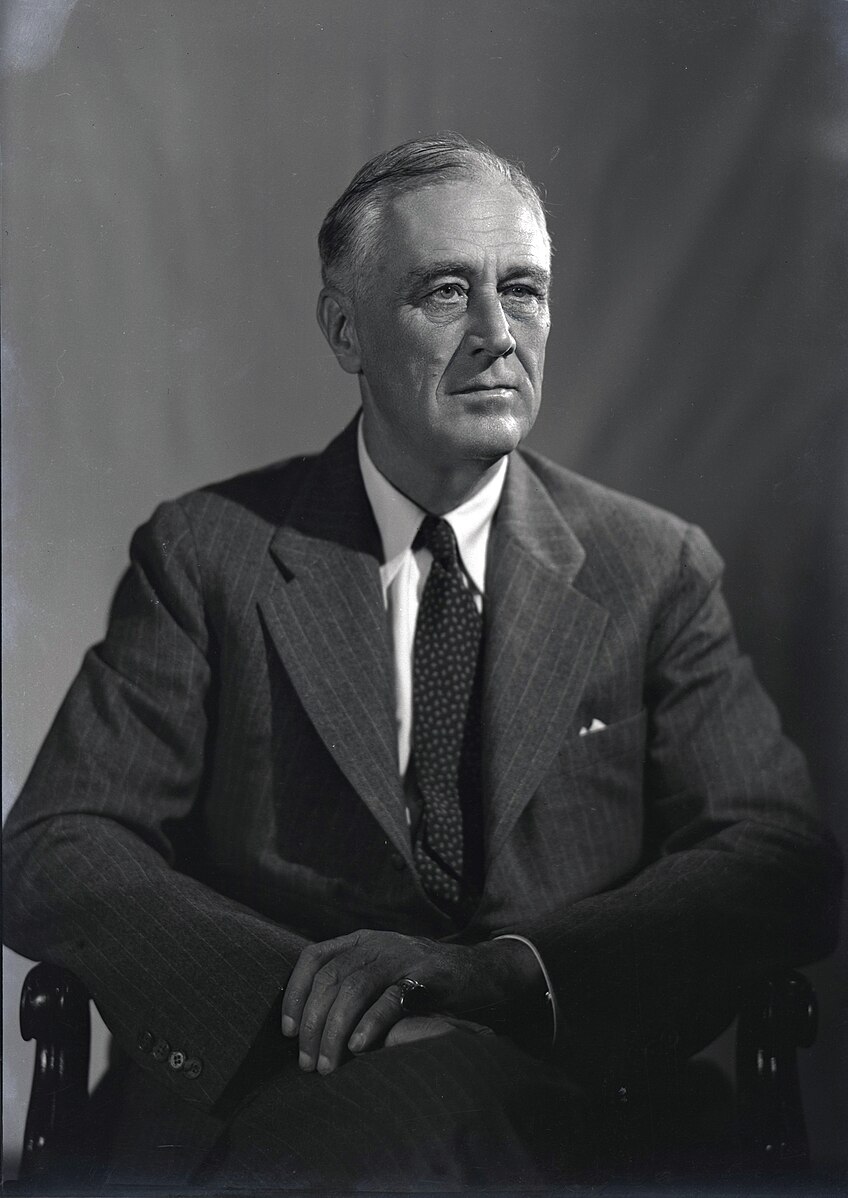
Campaign Portrait of FDR that was taken during a photo session by Leon A. Perskie in Hyde Park, New York, August 21, 1944
Image via Wikimedia Commons, CC BY 2.0
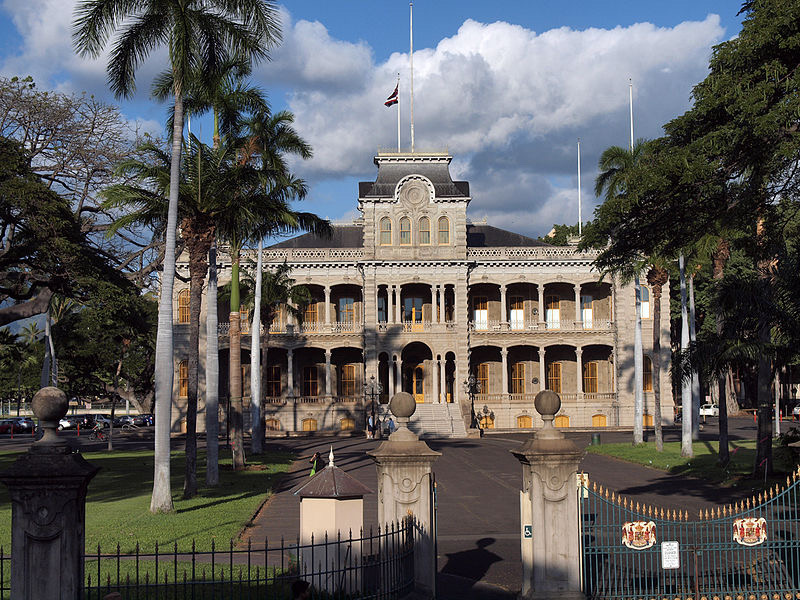
On August 21, 1959, Hawaii became the 50th state. Shown is Iolani Palace, Honolulu, the only royal residence on US soil.
Image from Gillfoto, CCA-SA 3.0 Unported via Wikimedia Commons

On August 21, 1883 an F5 tornado touched down in Rochester, Minnesota.
After destroying or damaging hundreds of homes and claiming nearly 40 lives a makeshift emergency room was created at a local dance hall to care for the injured.
An order of nuns treated patients who later established St. Mary’s Hospital which is now the Mayo Clinic.
Image via Wikimedia Commons, public domain
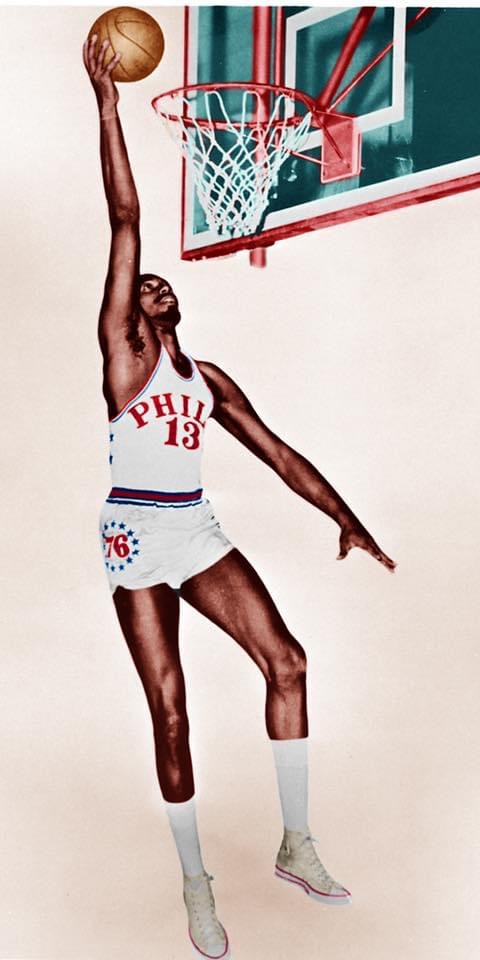
Pro basketball MVP and two time champion Wilt Chamberlain was born on August 21, 1936
in Philadelphia, Pennsylvania.
Image: Philadelphia 76er Wilt Chamberlain in 1967 via Wikimedia Commons, public domain
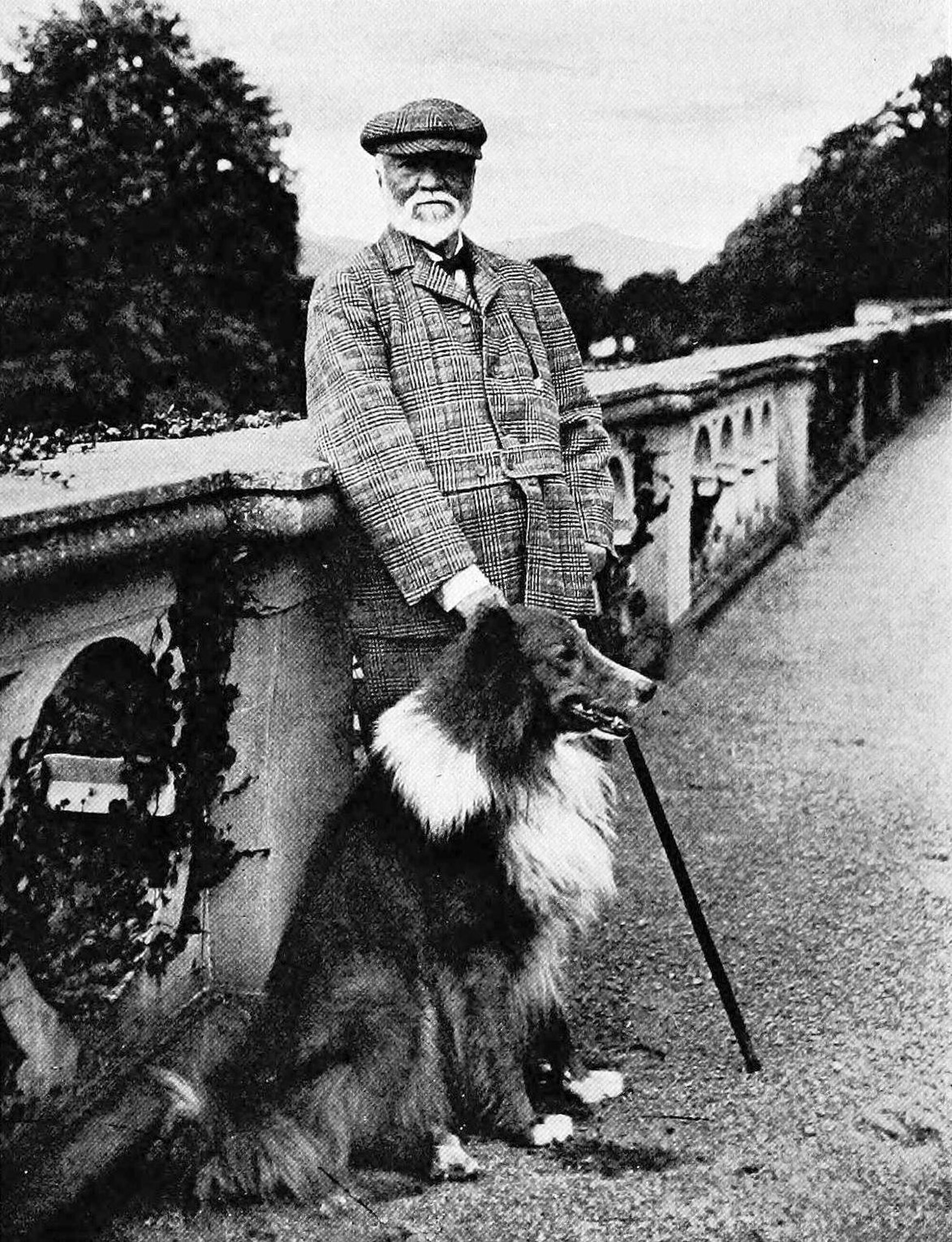
A gift born of American ambition, still fueling Scotland’s brightest minds.
Only one year after Andrew Carnegie gave Scotland’s universities a staggering $10 million through a Trust Deed, large-scale change was set in motion. On August 21, 1902, the Carnegie Trust for the Universities of Scotland was formally incorporated under Royal Charter, marking a pivotal moment in transatlantic philanthropy and educational reform.
Born in Dunfermline and emigrating to the United States at age 12, Carnegie rose to become the most influential industrialist of the Gilded Age. His deep belief in the American promise—opportunity, innovation, and the potential for self-made success—shaped his later commitment to philanthropy. The gift to Scotland was generous, but it was made possible by the nation where he built his fortune.
Established by the 1901 Trust Deed, the Carnegie Trust pledged to make higher education accessible to all, regardless of financial means. More than a century later, that legacy endures. Today, the Trust’s endowment stands at approximately £80–100 million ($108–135 million USD), continuing to expand opportunity, elevate public responsibility, and sustain the intellectual life of a nation.
Image of Carnegie at Skibo via Wikimedia Commons, public domain
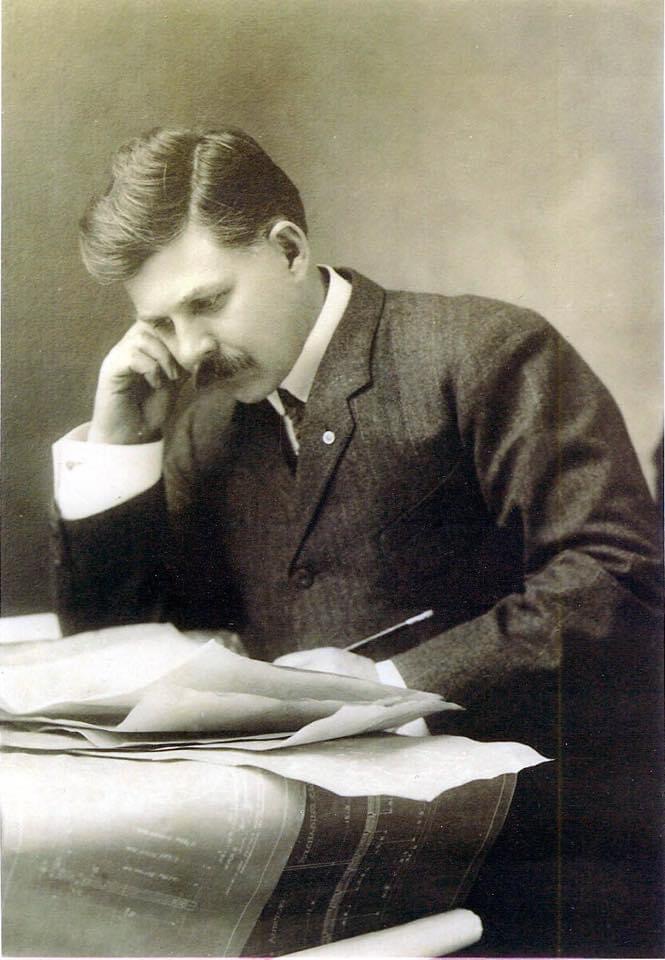
On August 21, 1897, a thirty-three year old named Ransom Eli Olds founded Olds Motor Company.
“Oldsmobile” produced vehicles until 2004.
Image: Ransom E. Olds c. 1901 via Wikimedia Commons, public domain
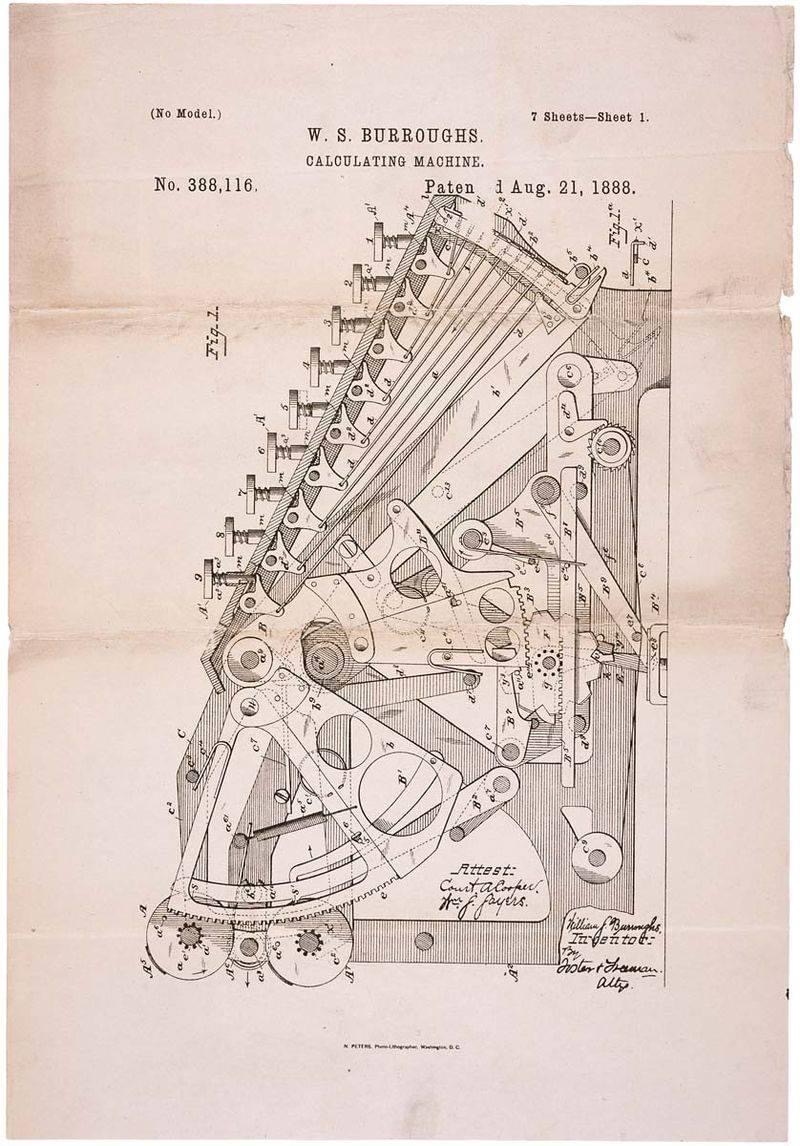
On August 21, 1888, William Seward Burroughs received a patent for his “Calculating Machine” which would become the first successfully marketed “adding & listing machine.”
Image via Wikimedia Commons, public domain
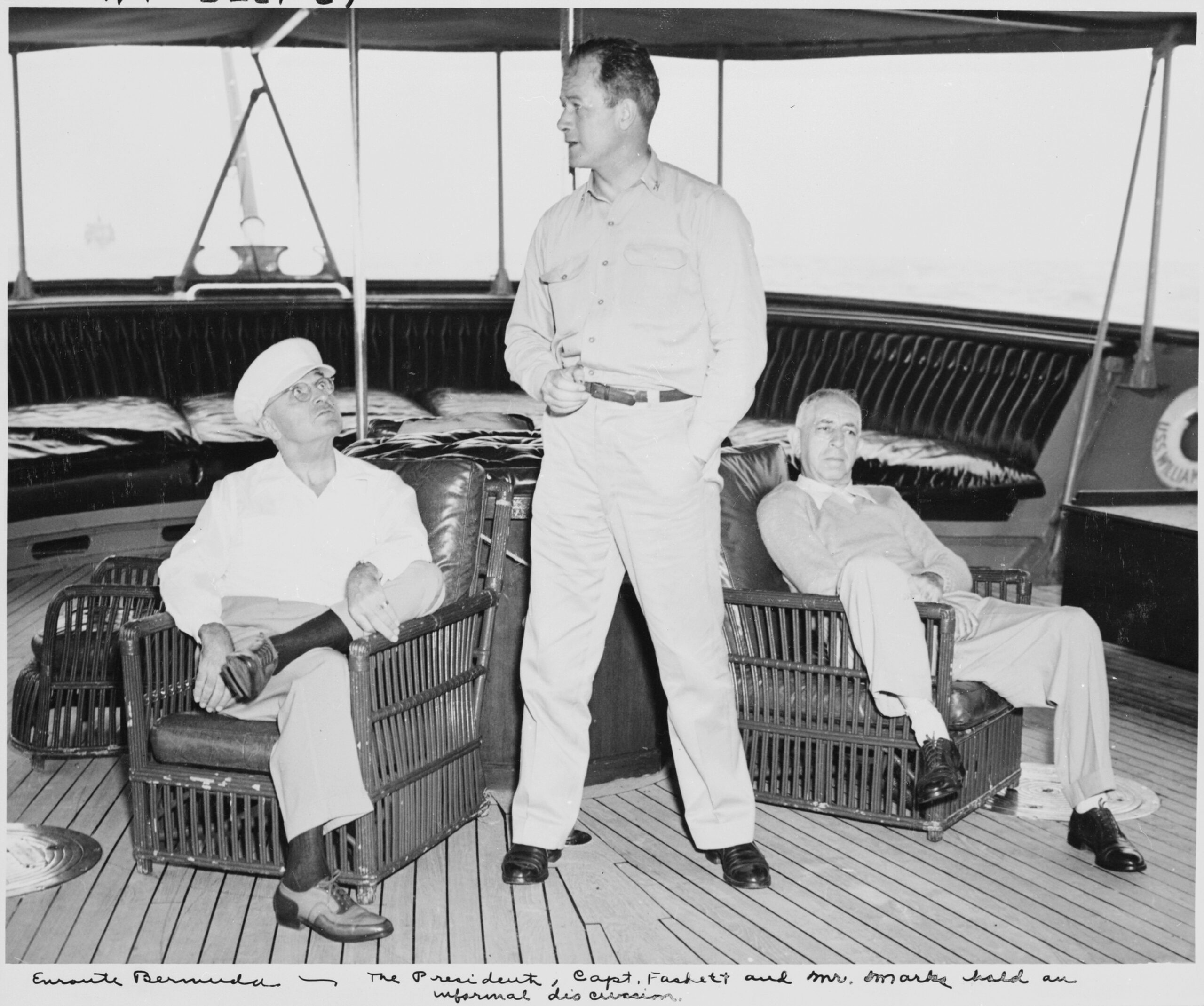
Photograph taken during the vacation cruise of President Harry S. Truman to Bermuda. L to R: President Truman, Captain James Foskett, and Ted Marks on the fantail of the yacht Williamsburg, en route to Bermuda.
c. 8/21/1946
Image via Wikimedia Commons, public domain
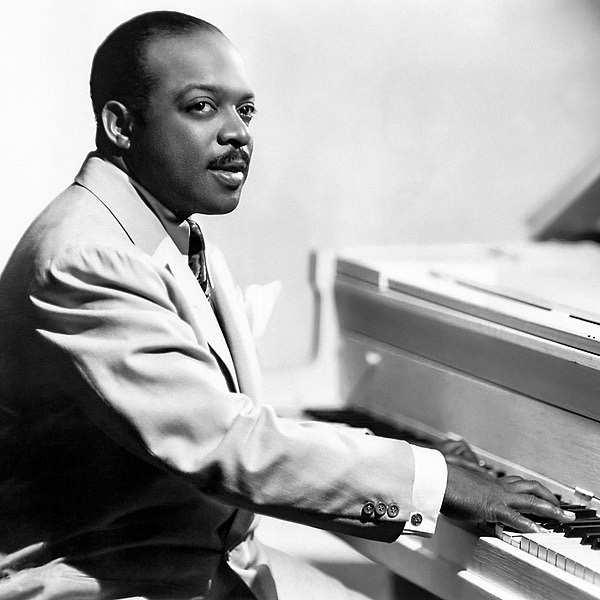
Born August 21, 1904, William James “Count” Basie was equally adept playing big band, jazz, swing, and bebop styles. During his 60-year career Count Basie played for Queen Elizabeth II, recorded with Frank Sinatra and Ells Fitzgerald, and even appeared in “Blazing Saddles.”
Image via Wikimedia Commons, no known copyright, public domain in the US.
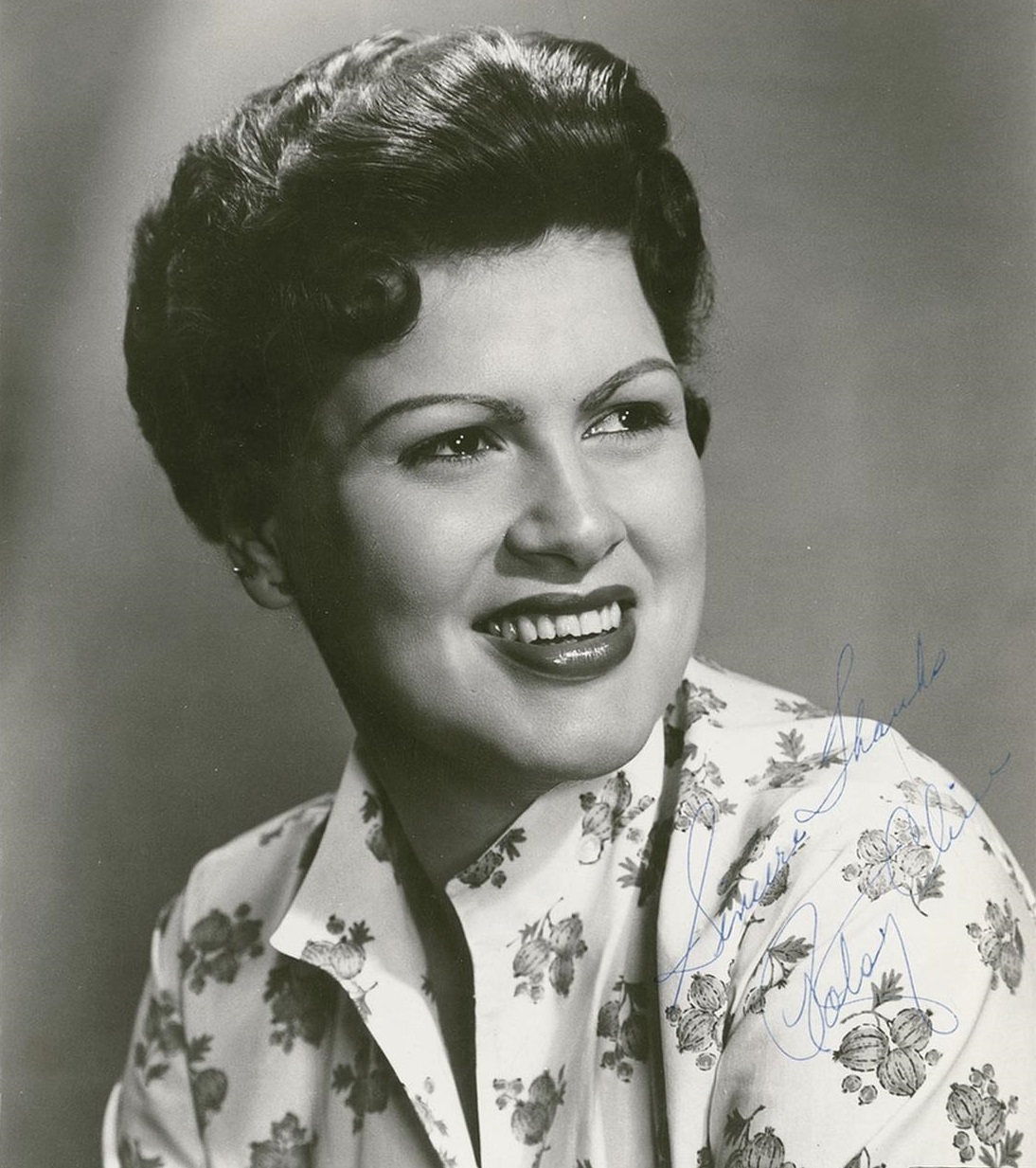
August 21, 1961 was the date when the first recording session of the song “Crazy” was attempted by Patsy Cline. Due to an injury from a recent car accident Cline needed to do another recording session a few weeks later after she healed.
Image of Patsy Cline in 1960 via Wikimedia Commons, public domain
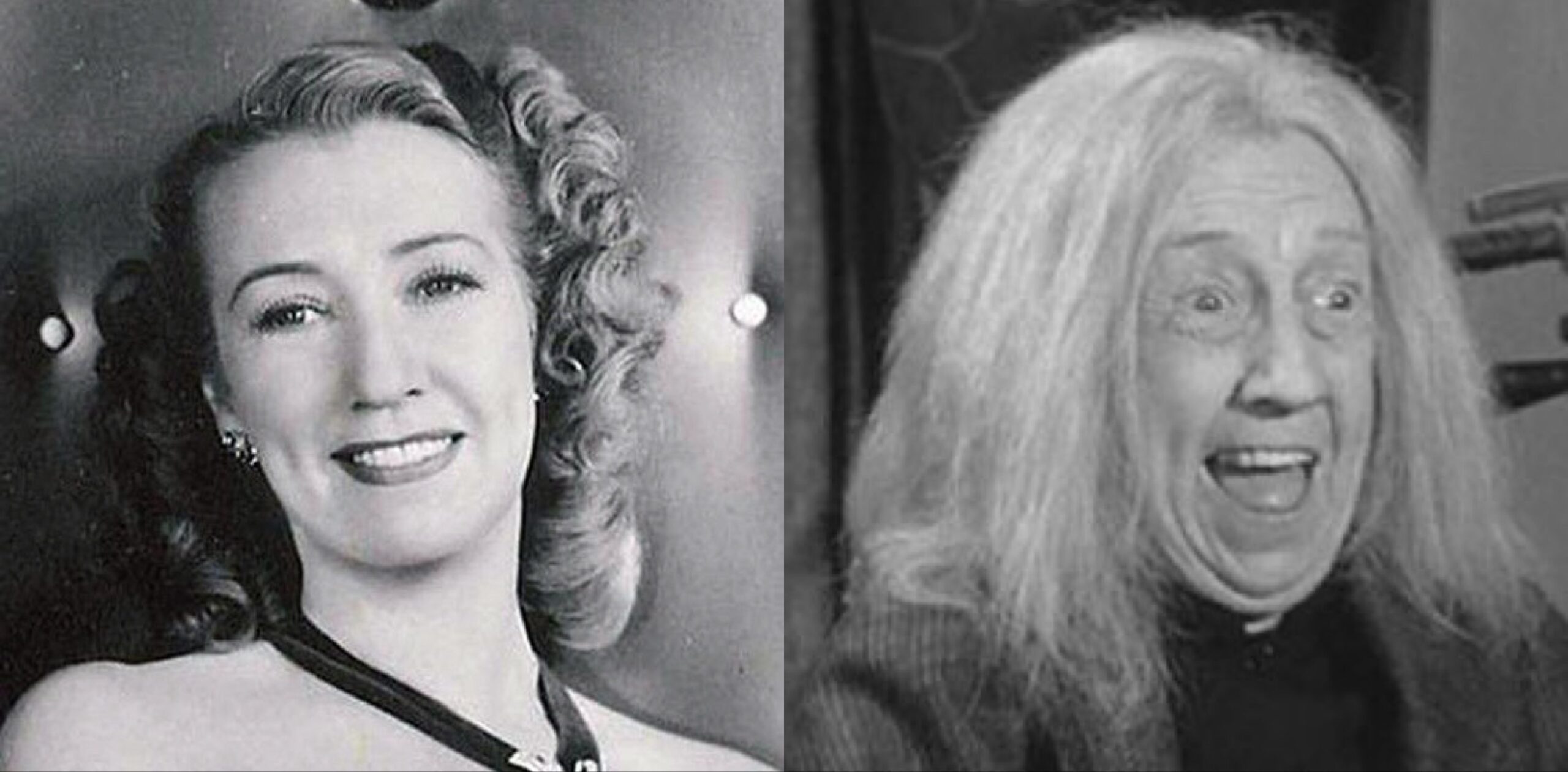
Born August 21, 1895 the distinctively–named Blossom Rock had roles in about 100 films from the 1930s through 50s. She appeared in a number of series films featuring the characters Dr. Kildare and Andy Hardy. Blossom’s last role was that of Grandmama on The Addams Family TV series.
Both images: Creative Commons CC0 1.0 Universal Public Domain Dedication via Wikimedia Commons.
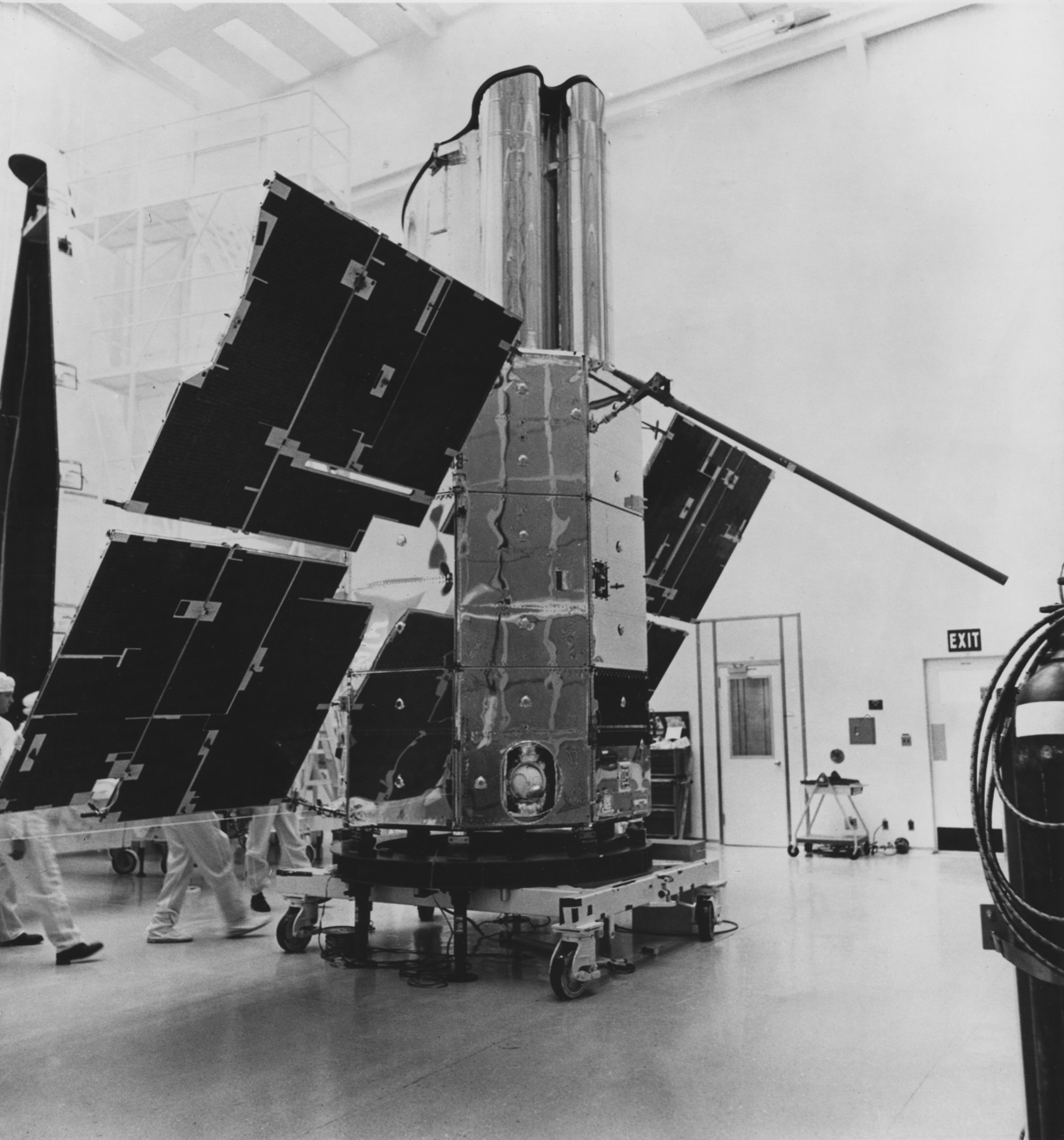
A photo of the NASA satellite Copernicus before it was launched into space on August 21, 1972.
Copernicus observed infant stars, interstellar gases and celestial x-rays.
Image from UCL Mathematical & Physical Sciences via Wikimedia Commons, CC BY 2.0